 Donate now
 Get a Call Back
 MENU
MENU 8 MIN READ
 SHARE
SHARE


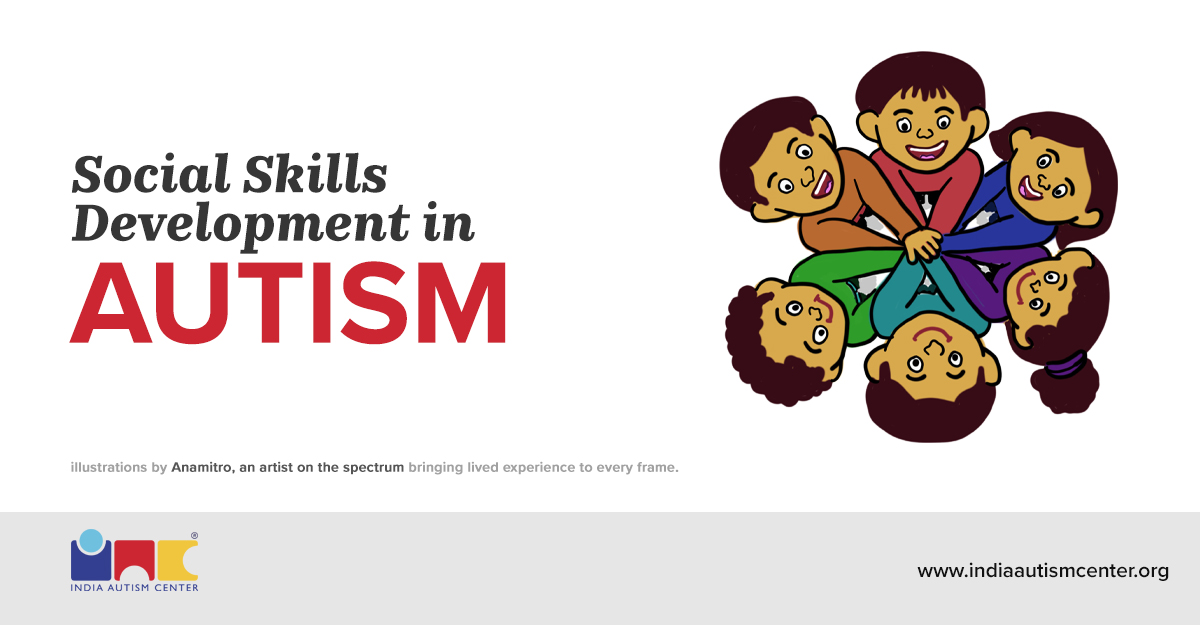
As someone who cares deeply about the well-being of autistic individuals, you may have often wondered how to support meaningful social skills development in autism. You’re not alone — many families, educators, and caregivers struggle with understanding how to help individuals on the autism spectrum build strong social connections.
In this blog, we will explore the 5 valuable tips to facilitate the growth of social skills in autistic individuals, and the benefits of social skills programs for children with autism.
So, Why Social Skills Matter in Autism
From making friends to asking for help at school or work, good social skills shape positive experiences. For individuals with autism, however, social communication doesn’t always come naturally. Many autistic people face challenges in interpreting facial expressions, understanding tone of voice, and responding in social situations — all of which are central to successful Social Skills Development in Individuals with Autism.
Understanding Autism and Social Interaction Problems
When we talk about autism and social interaction problems, we refer to the differences in how autistic individuals communicate and engage socially. These differences might show up as:
- Difficulty recognising emotions in others
- Trouble with back-and-forth conversations
- Challenges in understanding nonverbal cues
- Struggles with initiating or maintaining friendships
Recognising these challenges is the first step toward making social skills development in autism practical and effective. Through understanding, we can remove judgment and replace it with encouragement and tools that genuinely help.
Want to know more? Get in touch with us.
Key Social Skills to Build in Individuals with Autism
To grow meaningful connections, autistic individuals benefit from support in several key social skill areas. Below are some of the most essential skills you can focus on:
1. Emotional Recognition
Being able to identify one’s own feelings and the emotions of others is vital. When individuals can recognise emotions, they can respond more comfortably in social settings.
2. Conversational Skills
These include learning how to take turns in conversation, maintain eye contact when appropriate, and read social cues in dialogue. These are essential for forming deeper connections with family, friends, and peers.
3. Empathy and Understanding
Contrary to some misconceptions, many autistic individuals experience empathy deeply. What they may need is guidance to express that empathy in recognisable social ways.
4. Making and Keeping Friends
Initiating interactions, joining activities, and navigating social roles — such as playdates or group work — are all part of everyday life. Autistic individuals may need tailored support to feel confident in these moments
5. Advanced Social Cues for High-Functioning Autism
For individuals with stronger communication skills, learning how to interpret irony, sarcasm, humour, or subtle social cues can boost confidence and reduce frustration in complex social spaces
Effective Approaches to Social Skills Development in Autism
There is no one-size-fits-all method for Social Skills Development in Individuals with Autism. What works for one person may not work for another. The key is a balanced mix of professional support, real-life practice, and individualised adjustments. Here are approaches that have strong evidence of success:
1. Structured Learning Opportunities
Structured lessons give clear steps toward developing specific skills. Visual aids, checklists, scripts, and explicit instructions help make social expectations easier to understand. Examples of structured social learning include:
- Breaking down how to start a conversation
- Demonstrating turn-taking during play
- Using pictures to show facial expressions and emotions
2. Identifying Key Social Skills for Autism
A comprehensive list of social skills is essential to tailor interventions required for facilitating social skills for autistic individuals effectively. The list of social skills for autistic individuals includes:
Emotional Recognition: Emotional recognition varies from person to person. While some individuals are quite adept at it, some grapple to hold social conversations efficiently. Autistic individuals struggle with this aspect more than anyone else. Helping autistic individuals identify and understand their own emotions optimally, as well as the emotions of others around them, can help them establish better social skill foundations.
Conversational Skills: Educating autistic individuals on turn-taking, maintaining appropriate eye contact, and understanding conversational cues can help them establish improved social bonds. These conversational skills are not only important for them to forge interactive relationships with their parents, spouse, siblings and caregivers but also for communicating aptly in societal and professional ecosystems.
Empathy: Autistic individuals lack empathy – this is probably the worst kind of notion most non-autistic individuals have. On the contrary, autistic individuals are highly sensitive to emotions of their own and others and need the right decorum or social setting to display them properly. Encouraging the ability to understand and relate to the feelings of others and communicate the same optimally can help autistic individuals overcome the social interaction barrier.
Initiating and Maintaining Friendships: Forging friendships and being the first one to initiate a dialogue and carry it through can be a key challenge many autistic individuals contend with. Guiding how to make friends, engage in shared activities, and navigate social dynamics can pave the way for them to flourish in social ecosystems.
3. Social Stories and Visual Supports
Social stories and visual aids help break down social expectations into small, understandable pieces. You might create a comic-style guide about:
- What happens during snack time
- Steps of greeting a friend
- Appropriate ways to join a group project
These visual tools make social rules predictable and less intimidating. You can read our detailed blog on Visual Therapy for a clearer understanding of how it works.
4. Tailoring Interventions to Individual Needs
Recognising that every autistic individual is unique is essential. It’s crucial to emphasise the importance of individualised interventions. What works for one autistic individual might not work for another.
So, caregivers and educators should assess the specific strengths, challenges, and interests of each autistic individual. This individualised approach ensures that interventions are personalised, relevant, and effective in promoting social skills development in autistic individuals.
5. Incorporating Social Skills into Everyday Life
Social skills training doesn’t only happen in therapy or school. Real improvement comes from blending practice into everyday routines. Encouraging participation in:
- Family game nights
- Community clubs
- Group activities that match interests
Here is our detailed guide on Life Skills for Autistic Individuals.
Benefits of Social Skills Programs for Children with Autism
When we invest in Social Skills Development in Autism — especially through structured programs — the benefits are broad and long-lasting. Social skills programs can help children:
- Build Confidence and Trust: Understanding social rules reduces anxiety and increases participation.
- Improve Emotional Regulation: Children learn to identify triggers and respond thoughtfully rather than reactively.
- Better Academic and Social Outcomes: Children who can communicate their needs and collaborate with peers often show improved performance in school and beyond.
- Foster Meaningful Friendships: Program activities and peer groups help form genuine connections based on shared interests and mutual respect.
Want to know more? Get in touch with us.
Practical Tips You Can Start Today
Here are simple, concrete steps you can start implementing right now:
- Start Small and Be Consistent: Begin with basic greetings before moving on to more complex interactions. Repetition creates confidence.
- Use Interests to Motivate Engagement: If your child loves trains or drawing, incorporate those interests into social games or discussion topics.
- Encourage Play Dates With Structure: Set clear expectations for activities, like turn-taking during board games. Structured social interaction helps ease uncertainty.
- Celebrate Progress: Every step forward is progress — whether it’s making eye contact, saying “hello,” or playing cooperatively with peers.
Conclusion
Remember, Social Skills Development in Autism isn’t just for childhood — it’s a lifelong process. As individuals grow, they’ll face new social challenges in adolescence, adulthood, and careers. A foundation built on patience, practice, and understanding will help them navigate these milestones with strength and confidence.
With the right support, individuals with autism can build fulfilling relationships, communicate authentically, and find belonging in their communities. That’s the power of social skills — and it starts with understanding, compassion, and intentional practice.
Some of our key initiatives and relentless efforts toward equipping autistic individuals to lead a good quality of life include:
- A fully-equipped and personalised residential facility for the entire neurodiverse community.
- A safe and sustainable ecosystem for autistic individuals to realise their potential and further improve it.
- Evidence-based and time-tested support towards enabling autistic individuals to rehash their social skills.
- Leveraging digital-native initiatives and platforms for expanding reach and support for autistic individuals.
Frequently Asked Questions (FAQs)
What is social skills development in autism?
Social skills development in autism focuses on helping individuals on the autism spectrum learn how to communicate, interact, and build relationships through structured teaching, practice, and real-life experiences.
Why do autistic individuals face challenges with social interaction?
Autistic individuals may find it difficult to understand social cues, body language, emotions, and conversational rules. These challenges are linked to autism and social interaction problems, not a lack of interest in social connection.
At what age should social skills training start for autistic children
Social skills for autistic children can begin as early as preschool. Early intervention supports better communication, emotional understanding, and confidence as children grow.
What are the benefits of social skills programs for children with autism?
The benefits of social skills programs for children with autism include improved communication, reduced anxiety, better peer relationships, emotional regulation, and greater independence in social settings.
Are social skills programs helpful for individuals with high-functioning autism?
Yes. Social skills for high-functioning autism focus on advanced skills such as understanding social boundaries, managing conversations, interpreting subtle cues, and navigating social situations in school, work, and community environments.
For expert insights, support services, and inclusive learning initiatives, contact India Autism Center for more information.