 Donate now
 Get a Call Back
 MENU
MENU 9 MIN READ
 SHARE
SHARE


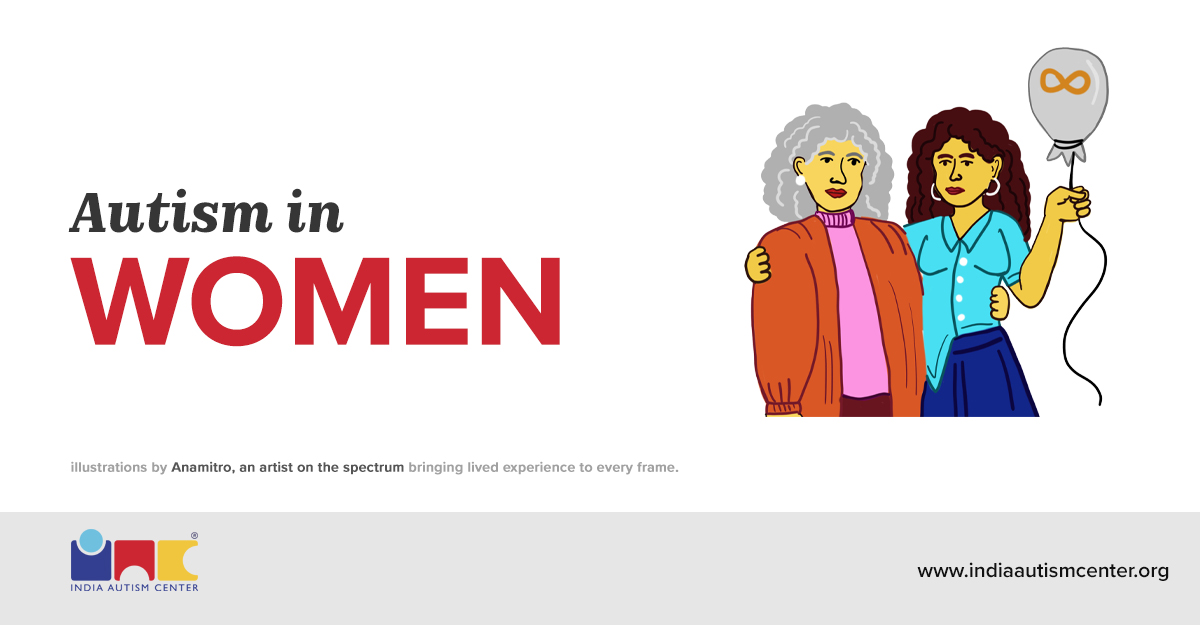
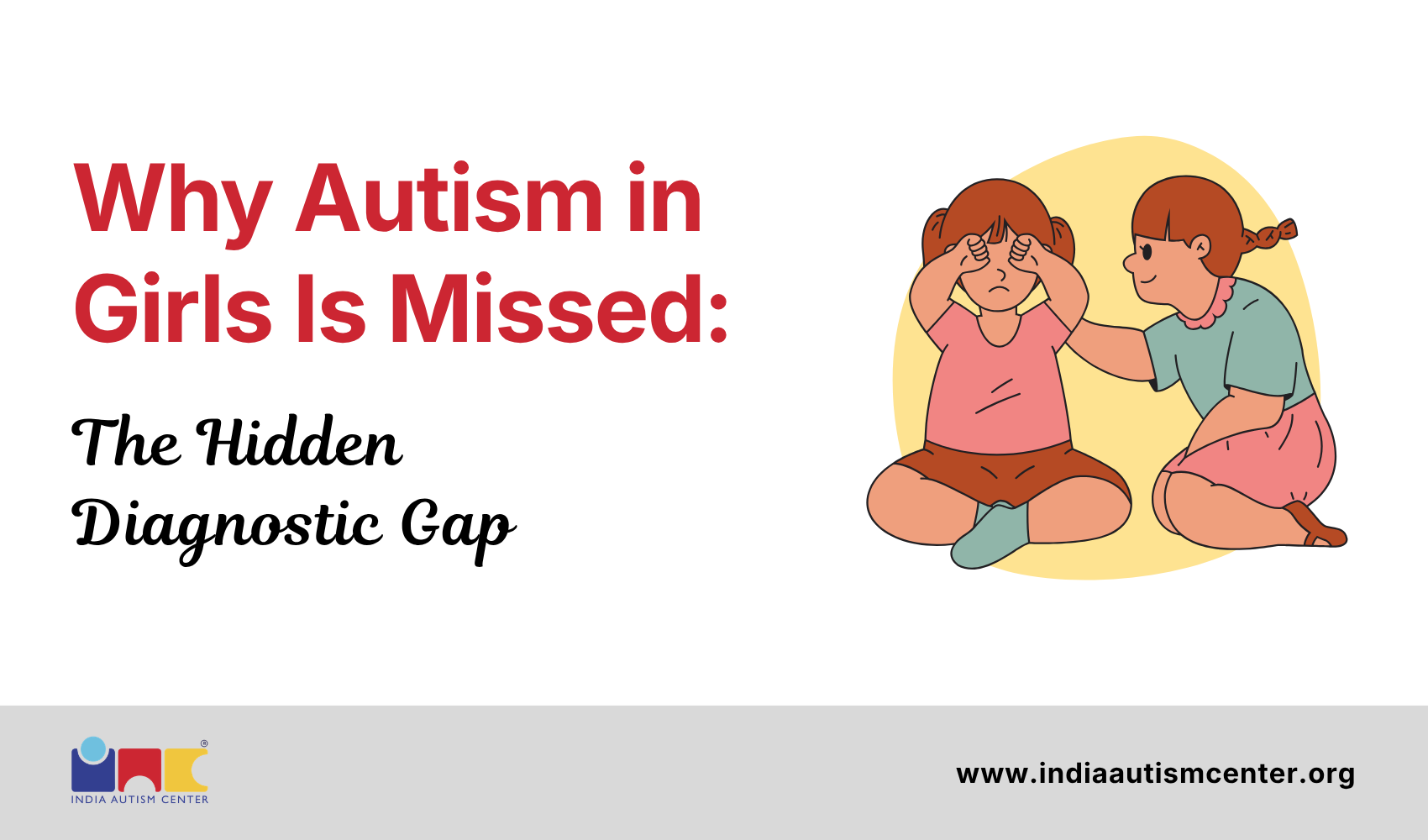
Autism is a condition we often hear about in relation to children, but did you know that autism in women is frequently overlooked, misunderstood, and underdiagnosed?
As someone who cares about understanding neurodiversity in all its forms, you’re in the right place. This blog unpacks understanding autism in women, explores the signs of autism in females, and sheds light on the experiences of Autistic women and girls.
What Is Autism — And Why Focus on Women?
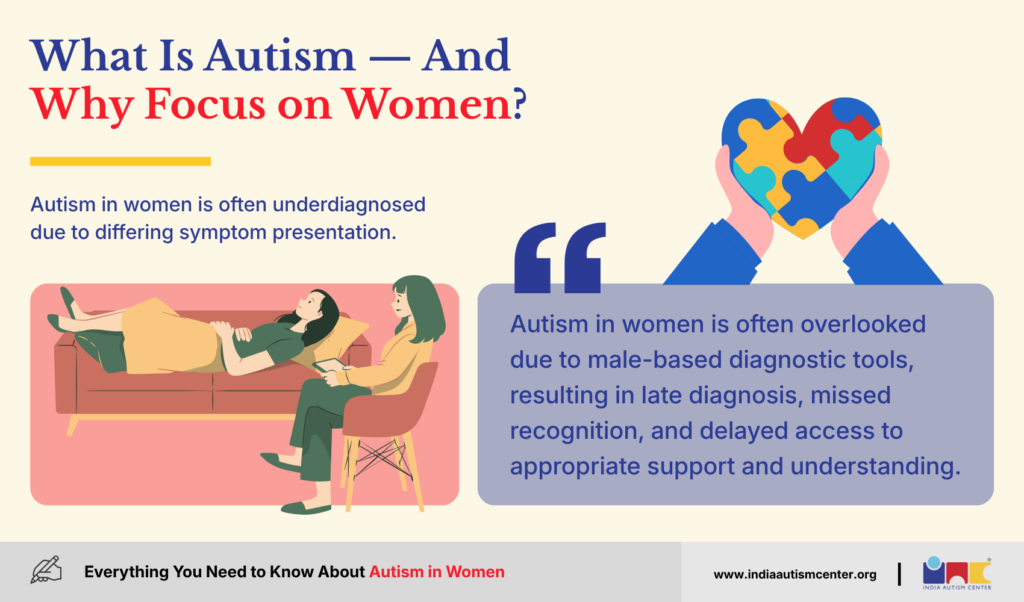
Autism Spectrum Disorder (ASD) is a neurodevelopmental condition that affects communication, social interaction, behaviour patterns, and sensory processing. Traditionally, studies and diagnostic tools were designed around male presentations of
autism. That’s one reason autism in women has been less recognised or understood for decades.
Most classic screening checklists are based on how autism shows up in boys. But females often show it differently. This leads to late diagnoses — or no diagnosis at all — until adulthood. That can make life harder, especially if a person has spent years feeling “different” without knowing why.
For many women, finding out they’re autistic later in life is a turning point. It offers clarity. It makes sense of the challenges they’ve lived with silently. And it finally helps them access the right support and understanding.
📥 Free download: Printable daily routine chart for autistic children
Understanding Autism in Women: The Diagnostic Challenge
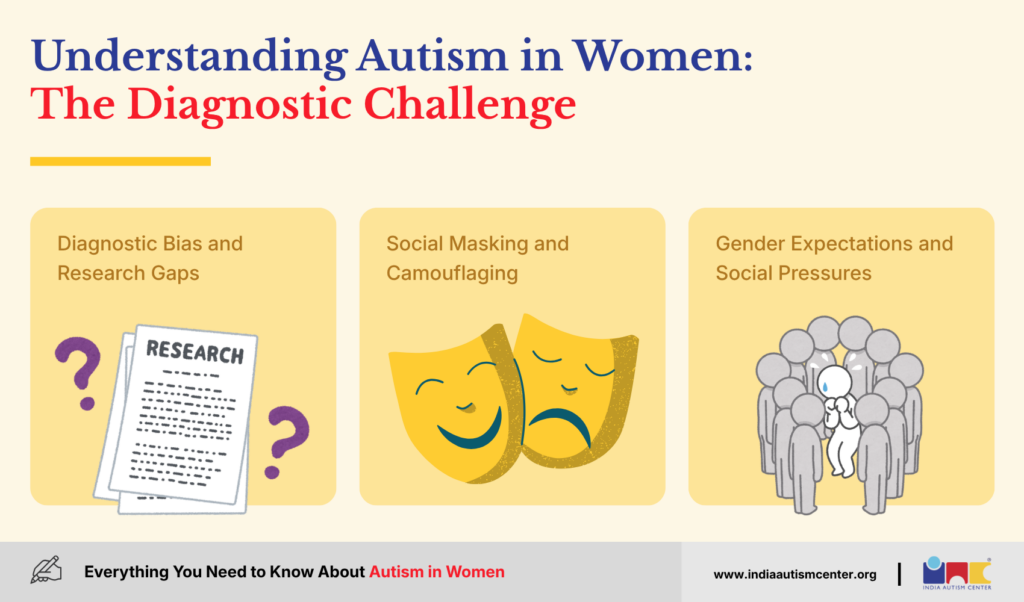
So what makes understanding autism in women so complex? There are several overlapping reasons:
1. Diagnostic Bias and Research Gaps
Diagnostic tools were generally developed based on male-dominant research groups. That means behaviours common among females may not register as strongly on standard assessments. As a result, women and girls tend to be underdiagnosed, misdiagnosed, or recognised much later in life.
2. Social Masking and Camouflaging
Many autistic women learn to copy social behaviours to fit in. They may rehearse conversations, maintain eye contact on cue, or force smiles — even though it feels exhausting. This behaviour is known as “masking” or “camouflaging.” It’s a survival skill many women use without realising it hides their autism from clinicians and loved ones alike.
Because of this, their struggles may be invisible, leading others to assume they’re shy, anxious, or overly emotional, rather than autistic.
3. Gender Expectations and Social Pressures
Societal attitudes about how girls “should” behave also come into play. Girls are often expected to be caring, compliant, and sociable. When a girl finds social cues confusing or overwhelming, it may be put down to personality instead of a neurodevelopmental difference.
Want to know more? Get in touch with us.
What Are the Signs of Autism in Females?
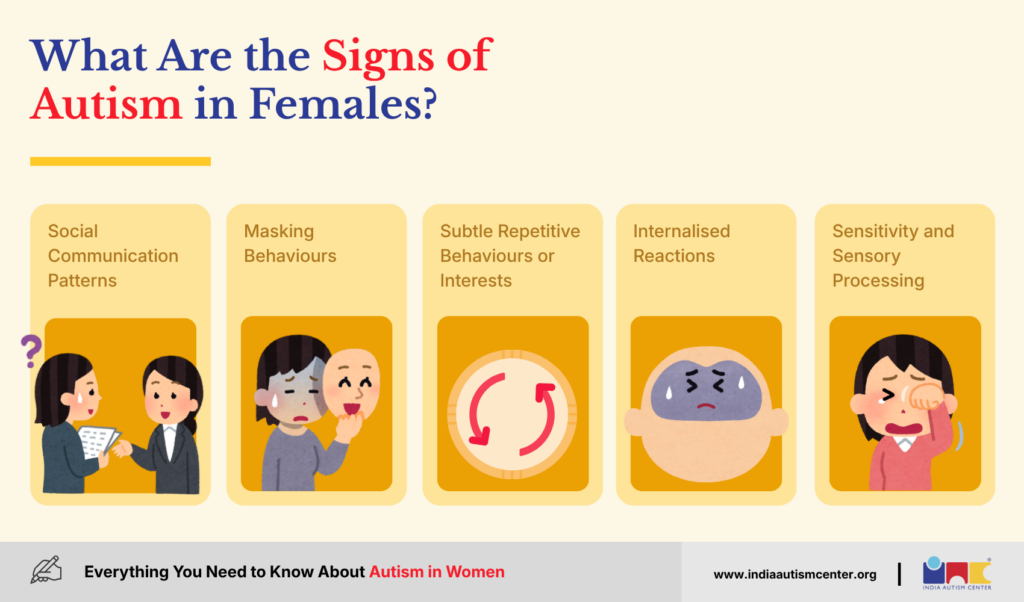
Identifying the signs of autism in females is key to earlier recognition and support. While everyone’s experience is unique, research and clinical insights highlight several common traits often seen in autistic women and girls:
Social Communication Patterns
You may notice:
- Difficulty reading social cues — such as body language or tone of voice
- Struggling to initiate or maintain friendships
- Feeling exhausted after socialising, despite trying hard to “fit in”
Masking Behaviours
Autistic women often learn social rules from a young age. They may study social scripts and mimic them. This can help them appear neurotypical to others, but it’s hard work and can lead to burnout.
Subtle Repetitive Behaviours or Interests
Instead of overt behaviours like rocking or hand-flapping, autistic females may display:
- Intense interests that look socially acceptable (e.g. animals, art, books)
- Repetitive routines or checklist behaviours
- Obsessive organisation or perfectionism
Internalised Reactions and Co-Occurring Conditions
Women often internalise distress. This can lead to co-existing conditions such as anxiety, depression, eating disorders or ADHD — especially when autism is undiagnosed, and support is lacking.
Sensitivity and Sensory Processing
Many autistic women are highly sensitive to sensory input — such as noise, light, taste, or texture — and may withdraw to cope. These sensitivities are real and can strongly influence daily life.
These signs show why traditional assessments sometimes miss autism in females. They aren’t less autistic — just different.
This article on Signs of Autism in Women: Early Clues, Diagnosis & Support might help you get more in-depth clarity on this.
Autistic Women and Girls: Life Experiences and Challenges
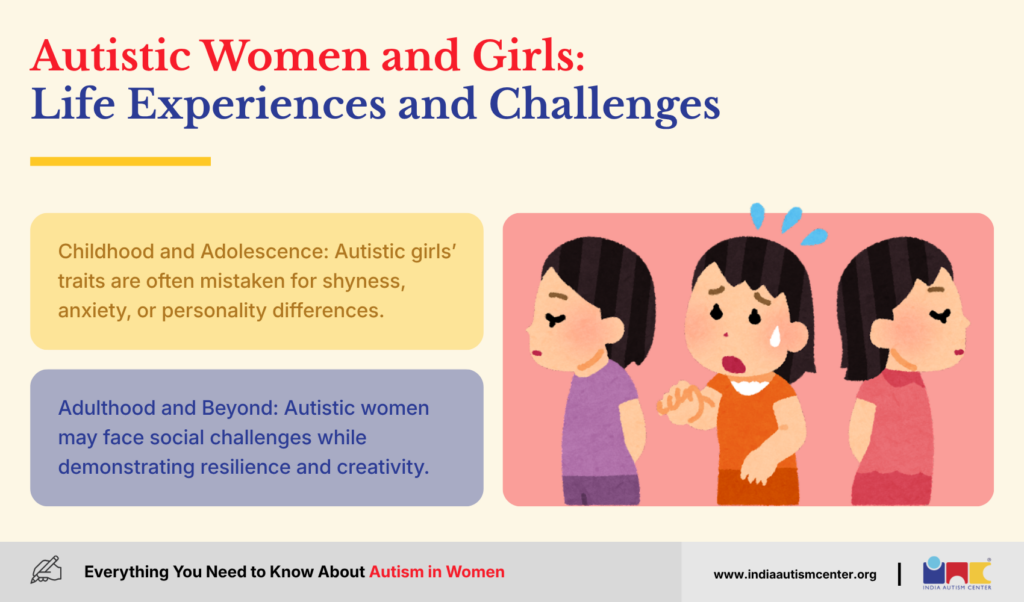
Women on the spectrum face challenges at every stage of life. You might see this in:
Childhood and Adolescence
Young autistic girls may:
- Be described as shy, anxious or “too quiet”
- Have intense interests in certain subjects
- Avoid typical play or social games with peers
- Mask behaviours to seem more socially engaged
These traits are often missed or interpreted as personality quirks, not autism.
Adulthood and Beyond
As girls become women, social expectations increase. Autistic women may struggle with:
- Workplace communication
- Managing stress and burnout
- Maintaining relationships
- Self-esteem issues due to being misunderstood for so long
However, many also show remarkable creativity, resilience, empathy and unique ways of problem-solving.
Want to know more? Get in touch with us.
The Importance of Early Recognition and Support
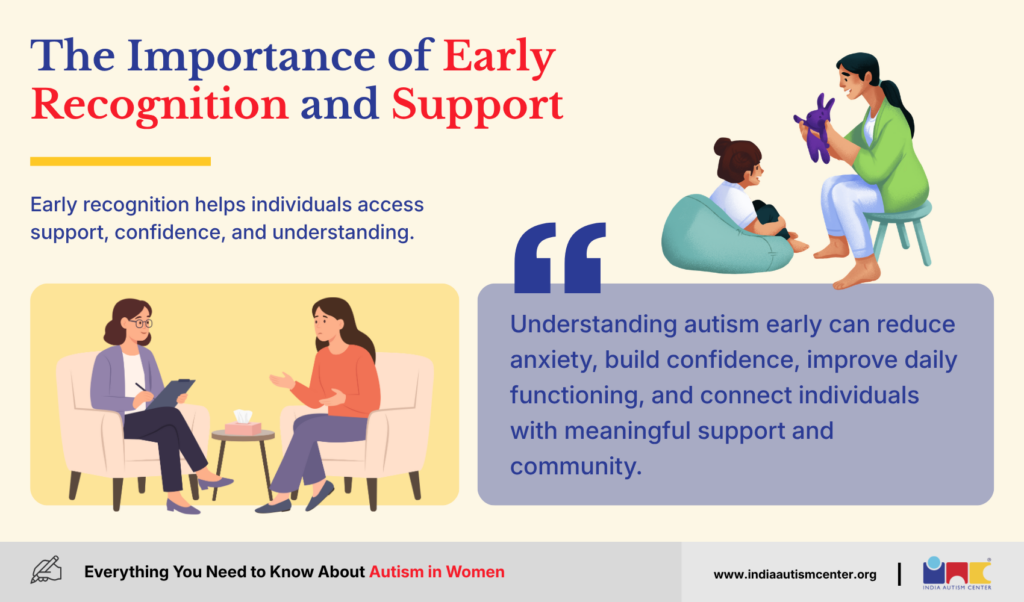
If you’re reading this as someone who suspects you or a loved one might be autistic, early recognition can make a real difference. Understanding your neural wiring helps you:
- Find therapy and strategies that suit you
- Reduce anxiety by knowing you’re not “doing life wrong”
- Build confidence with tools that make daily tasks easier
- Discover a community that truly gets you
How IAC Helps: Supporting Autism in Women at Every Step
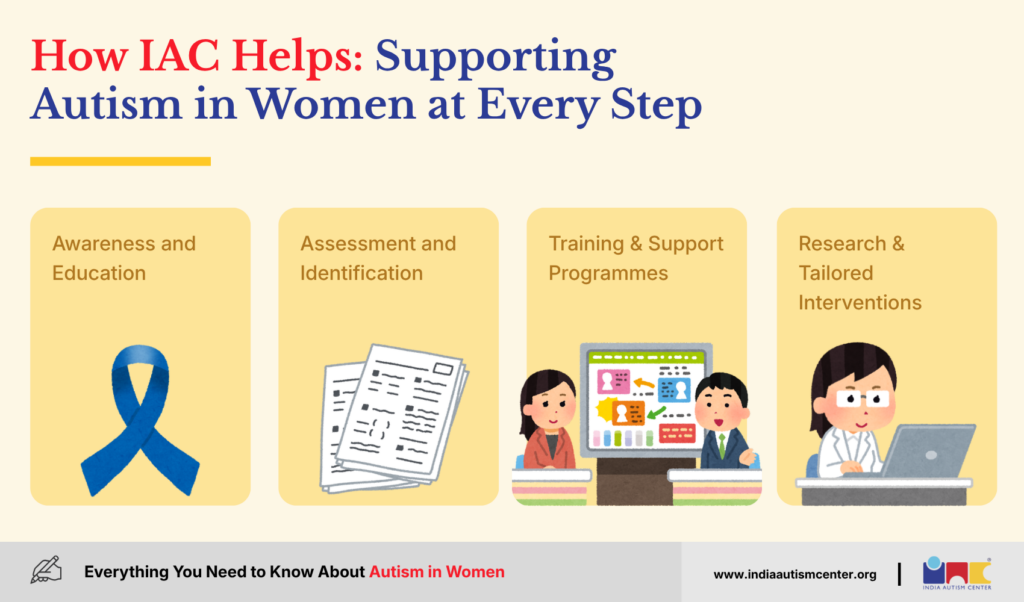
At the IAC, we believe every individual’s autism journey matters, including women and girls. IAC combines awareness, assessment, support and research to help people understand autism in all its forms.
Awareness and Education
We create resources that explain how autism can look different in women. We want you to see yourself in the description — not feel “invisible” or misunderstood.
Assessment and Identification
IAC works to ensure that diagnostic assessments are sensitive to female presentations of autism. Our trained clinicians understand the nuances that often aren’t captured in standard tests.
Support Programmes and Training
Whether you’re a woman on the spectrum, a caregiver, or a professional, IAC offers customised support. We help you manage sensory needs, communication challenges, workplace skills, and emotional regulation with evidence-based strategies.
Research and Tailored Interventions
By conducting ongoing research into conditions like Autism in Women, IAC aims to improve early detection and shape future interventions. Our goal is not one size fits all — it’s support that fits you.
Real Voices Matter: Lived Experiences of Autistic Women
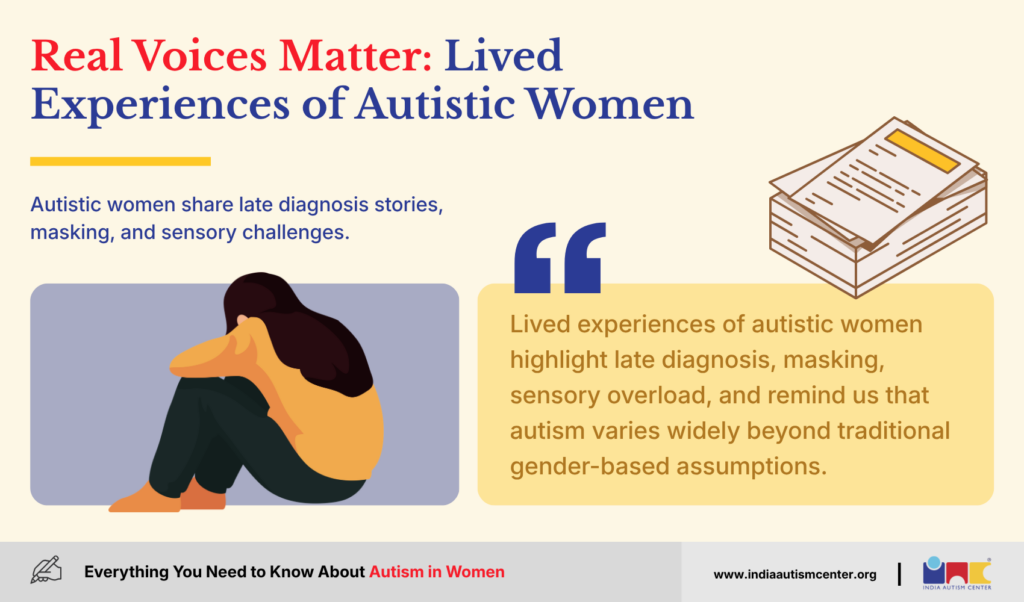
Across the world, many women share similar stories of late diagnosis and overlooked signs. A recent news feature highlighted how adult women often learn they are autistic much later in life, around their 30s or even 40s, because traditional criteria missed their presentation. These women frequently describe intense sensory sensitivities, emotional overload after social settings, and masking behaviours that wore them down over time.
These stories remind us: autism doesn’t look the same for everyone. And gender shouldn’t determine who gets proper support.
Want to know more? Get in touch with us.
A Note for You: What You Can Do Next
If you recognise these signs in yourself or someone you care about, you’re not alone. Start by:
- Learning more about autism traits in women
- Talking to a clinician who understands female autism signs
- Reaching out to support networks and forums
- Considering an assessment if you suspect ASD
Understanding yourself is a powerful first step. And there are communities — like the team at IAC and thousands of autistic women worldwide — ready to walk with you.
Conclusion: Autism in Women Deserves Attention, Care and Support
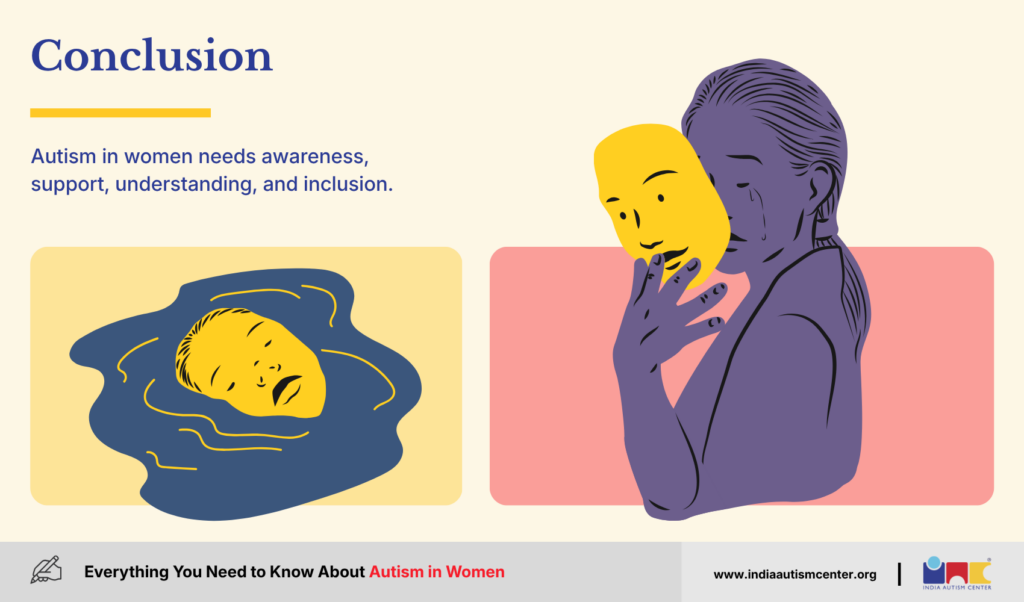
Autism isn’t one-size-fits-all. When it comes to autism in women, we need a broader, deeper perspective — one that honours diversity in presentation, avoids stereotypes, and offers support tailored to individual needs.
By understanding autism in women, identifying what the signs of autism in females are, and championing empowerment for Autistic women and girls, we start changing the narrative for the better.
And remember — if you’re on that journey, the India Autism Center is here to help you understand, grow, and thrive.
Frequently Asked Questions (FAQs)
Why is Autism in Women often diagnosed later than in men?
Autism in women is frequently diagnosed later because many females mask their traits and adapt socially. Traditional diagnostic tools were designed based on male behaviour patterns, which makes it harder to identify autism in women and girls early.
What are the signs of autism in females that are commonly missed?
Some commonly missed signs include strong masking behaviours, intense but socially acceptable interests, difficulty maintaining friendships, emotional exhaustion after social interaction, and high levels of anxiety or sensory sensitivity.
How is Autism in Women different from Autism in men?
Autistic women and girls often show subtler social difficulties and may appear more socially engaged than autistic men. Their repetitive behaviours and special interests are also more likely to be internalised or socially accepted, which can delay recognition and support.
How does the India Autism Center IAC support Autistic women and girls?
India Autism Center provides awareness programmes, accurate assessments, and personalised support services that recognise female-specific autism traits. IAC focuses on early identification, skill development, and long-term support to help autistic women and girls lead fulfilling lives.
For expert insights, support services, and inclusive learning initiatives, visit the India Autism Center.
Disclaimer: This article is intended for educational and informational purposes only. It does not constitute medical advice, a clinical diagnosis, or a substitute for professional consultation. If you have concerns about your child’s development, please consult a qualified healthcare professional or developmental specialist. India Autism Center encourages all families to seek personalised guidance from trained clinicians. The research cited reflects findings available at the time of publication and is subject to ongoing scientific review.