 Donate now
 Get a Call Back
 MENU
MENU 6 MIN READ
 SHARE
SHARE


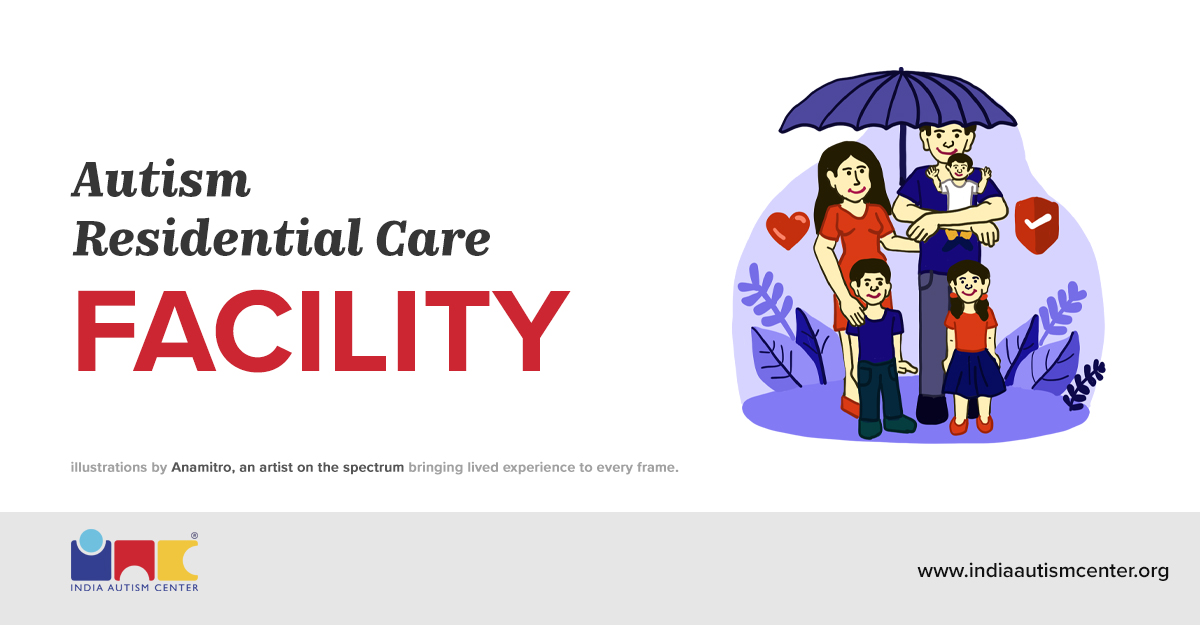
Choosing a home for your autistic adult child or loved one is one of the most emotional and important decisions you will ever make. You want safety, dignity and independence. That is exactly why selecting the right autism residential care facility matters so much.
In this guide, I will walk you through everything you need to know about choosing the right autism residential center. I will also explain how India Autism Center (IAC) supports families in making this transition easier and more meaningful.
Why an Autism Residential Care Facility Is Important
An autism residential care facility is more than just accommodation. It is a structured living environment designed to meet the emotional, social, medical, and daily living needs of autistic adults. Many individuals on the spectrum need ongoing support even after school years are over. However, parents also age. Responsibilities change. Life situations evolve.
That is where residential care becomes essential. It offers:
- A safe and supervised living space
- Daily life skill training
- Therapy and health support
- Social engagement opportunities
- Long-term stability
When you focus on choosing the right autism residential center, you are planning not just for today but for decades to come.
Understanding the Needs of Autistic Adults
Before you begin choosing the right autism residential center, you must clearly understand your loved one’s needs. Autism is a spectrum condition. No two individuals are the same. Some adults are highly independent. Others need continuous assistance.
Ask yourself:
- Can my child manage personal hygiene independently?
- Do they need help with communication?
- Are there behavioural challenges?
- Do they require medical supervision?
- What level of social interaction suits them?
An effective autism residential care facility tailors its services to different levels of support. It does not follow a one-size-fits-all model.
Want to know more? Get in touch with us.
Key Features of a Quality Autism Residential Care Facility
1. Safety and Infrastructure
Safety is non-negotiable. A good residential care home for autism must have:
- Secure boundaries
- Sensory-friendly spaces
- Emergency response systems
- Clean and accessible rooms
At India Autism Center, the infrastructure is designed keeping sensory sensitivities in mind. Lighting, colours, and layouts reduce stress and confusion.
2. Trained and Compassionate Staff
Staff quality defines the quality of life in a residential facility. Caregivers should be trained in:
- Autism behavior management
- Communication strategies
- De-escalation techniques
- Personal care assistance
IAC focuses on continuous staff training. This ensures residents are not only cared for but also understood.
3. Structured Daily Routine
Routine brings comfort. A predictable schedule helps autistic adults feel secure. A good autism residential home offers:
- Fixed meal times
- Therapy sessions
- Recreational activities
- Rest periods
4. Therapeutic and Medical Support
A reliable autism residential care facility must provide or coordinate:
- Occupational therapy
- Speech therapy
- Behavioral therapy
- Psychiatric and medical care
At IAC, therapy is not optional. It is part of everyday life. Each resident receives individualised care plans based on their abilities and goals.
5. Life Skills and Independence Training
Residential care should not mean lifelong dependence. It should promote independence.
A strong autism residential care facility teaches:
- Personal hygiene
- Dressing and grooming
- Cooking and food handling
- Money management
- Basic work skills
6. Social and Emotional Development
Loneliness is a serious concern for autistic adults. A well-designed residential home encourages:
- Group activities
- Sports and fitness
- Art and music programs
- Peer interaction
7. Family Involvement and Transparency
You should never feel disconnected. A responsible autism residential home allows:
- Regular visits
- Progress updates
- Family counseling
- Open communication
8. Legal, Ethical, and Financial Considerations
While choosing, you must also check:
- Legal registration
- Care standards compliance
- Financial transparency
- Long-term sustainability
Questions to Ask When Choosing the Right Autism Residential Care Facility
When visiting an autism residential facility, ask these questions:
- What staff-to-resident ratio do you maintain?
- What therapies are included?
- How do you handle medical emergencies?
- What safety measures are in place?
- How do you support emotional well-being?
- What is the long-term care plan?
Want to know more? Get in touch with us.
Why is IAC the Perfect Fit for You?
- We are focused on the happiness and well-being of our residents. We believe recreational activities play a crucial role in the quality of life and mental health of autistic individuals. From art and music therapy to outdoor activities and sports. We have it all. Our recreational programmes are structured to promote a sense of belonging and community. It’s an excellent way for our residents to develop emotional bonds, friendships, and fun hobbies.
- We understand the importance of family. Our specialised residential facilities for families of autistic individuals help foster a supportive and comfortable living environment. We are aware and sensitive to the challenges that caregivers of autistic individuals face. Our facilities also include a Parents’ Housing Block. Families of autistic individuals can make this their home and enjoy the full support of the IAC family.
- We value the safety of every individual who is part of the IAC family. We have 24×7 patrolling and CCTV surveillance. Once you are a part of the IAC family, your safety is our concern. Not yours.
- We take nutrition therapy very seriously. At IAC, we fully recognise the importance of nutrition therapy for autism disorder. Our kitchen services and nutrition experts take care that mealtimes are customised, nutritious and stress-free. We promise to make every effort to optimise our residents’ gut microbiota. Nutrition therapy is as much a part of our interventions as any other therapy.
Conclusion
Autism residential center is not just about infrastructure. It is about trust, dignity. It is about lifelong care.
An ideal autism home offers safety, therapy, independence training, and emotional support. It respects individuality and nurtures potential.
At India Autism Center, residential care is not the end of a journey. It is the beginning of a meaningful and supported adult life.
If you are planning for your child’s future, start today. Visit facilities. Ask questions. Compare services. And remember, choosing wisely today ensures peace of mind tomorrow.
Frequently Asked Questions (FAQs)
What is an Autism Residential Care Facility?
An autism residential care facility is a specialised living environment that provides long-term housing, therapy, and daily life support for autistic adults.
When should I consider choosing a residential home?
You should consider it when your child reaches adulthood or when home care becomes difficult to manage safely and effectively.
How does India Autism Center support residential care?
India Autism Center offers structured residential programs with therapy, vocational training, and medical support for lifelong care.
What should I prioritise when choosing an autism residential center?
You should prioritise safety, trained staff, therapy access, emotional well-being, and long-term sustainability.
For expert insights, support services, and inclusive learning initiatives, visit the India Autism Center.