
 Donate now
 Get a Call Back
 MENU
MENU 7 MIN READ
 SHARE
SHARE


Parenting always comes with questions. However, dealing with an autistic child can sometimes feel overwhelming, especially if you are still learning about autism and how it affects behaviour, communication, and emotions.
Many parents ask us the same questions: Why does my child react differently? How can I support them better? What strategies actually work?
The good news is that with the right knowledge, patience, and structured support, you can create a nurturing environment where your child feels safe, understood, and able to grow.
In this guide, we will walk you through identifying and dealing with autistic child behaviours, and share practical tips to deal with an autistic child in everyday situations.
Understanding Autism Before Dealing With an Autistic Child
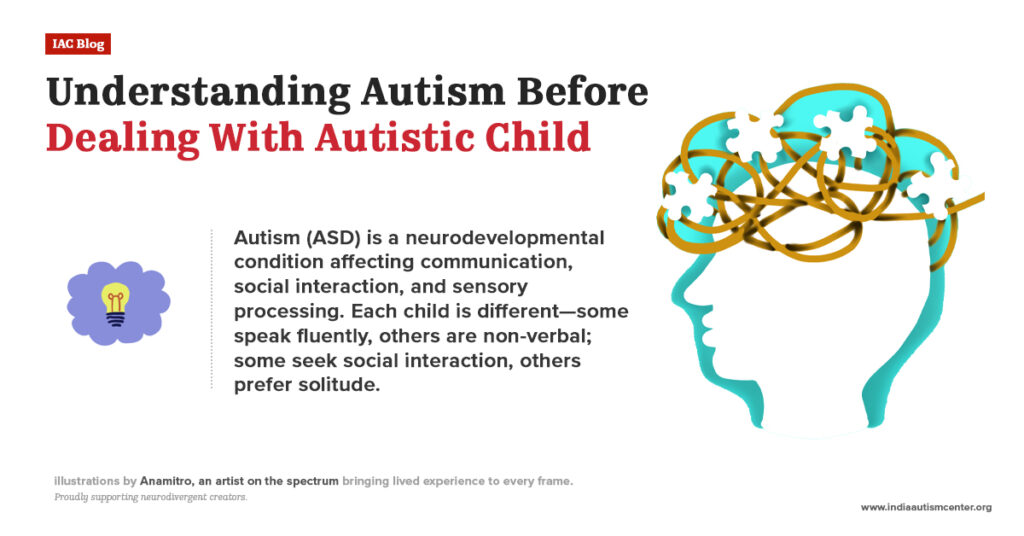
Autism Spectrum Disorder (ASD) is a neurodevelopmental condition that affects how a person communicates, interacts socially, and processes sensory information. Every autistic child is different. Some children may speak fluently, while others may communicate non-verbally. Some may enjoy social interaction, while others prefer solitude.
Therefore, when dealing with an autistic individual, we must focus on understanding their individual needs rather than expecting them to behave like a neurotypical person.
Identifying Early Signs in an Autistic Child
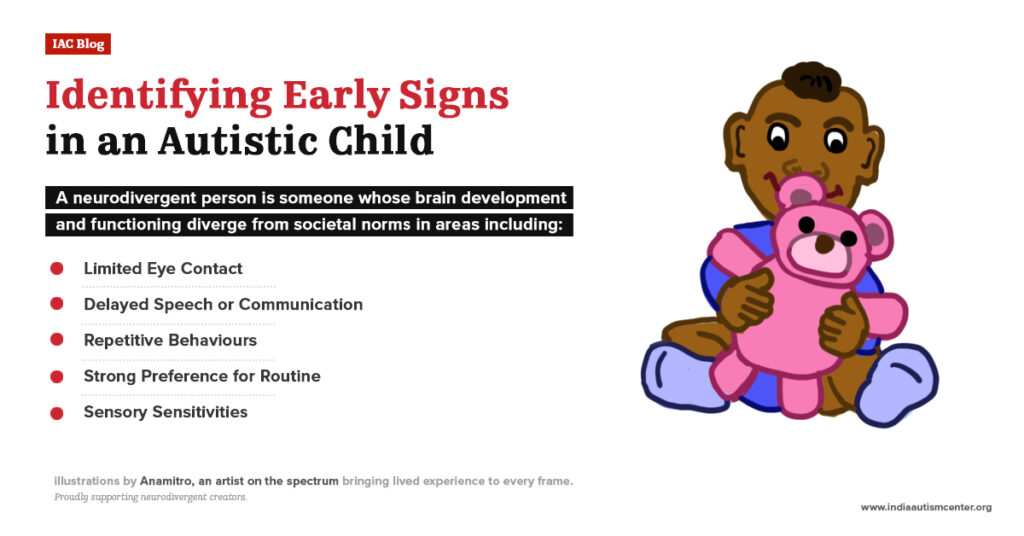
Early awareness makes a big difference. Identifying and dealing with autistic child behaviours early allows families to seek support, therapies, and structured guidance sooner.
Here are some common early signs to watch for:
Limited Eye Contact
Your child may avoid eye contact during conversations or play. This often reflects differences in social communication rather than a lack of affection.
Delayed Speech or Communication
Some autistic children speak later than others or rely on gestures instead of words. When dealing with an autistic child, encouraging alternative communication methods can help.
Repetitive Behaviours
You may notice hand flapping, rocking, or repeating words. These behaviours often help children regulate their emotions or sensory input.
Strong Preference for Routine
Many autistic children prefer predictable routines. Even small changes in daily activities can cause stress.
Sensory Sensitivities
Your child might react strongly to loud sounds, bright lights, textures, or certain foods.
Recognising these signs is the first step in identifying and dealing with an autistic child’s needs effectively.
Want to know more? Get in touch with us.
Practical Tips to Deal With an Autistic Child at Home
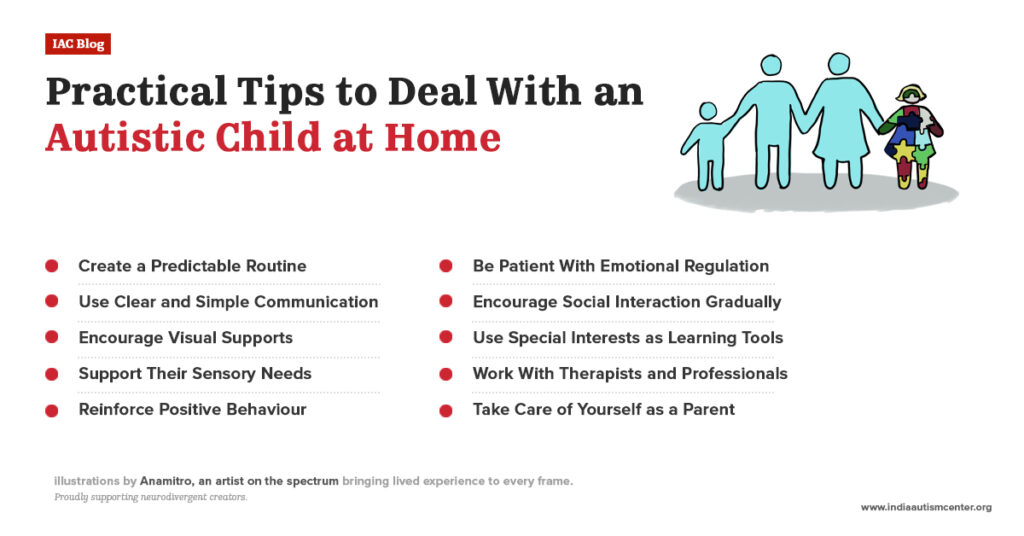
Once you begin to understand your child’s unique needs, everyday interactions become easier. Here are some practical tips to deal with an autistic child that parents and caregivers can start using immediately.
1. Create a Predictable Routine
Autistic children feel more comfortable when their day follows a clear structure.
We suggest creating a simple daily routine for meals, playtime, therapy, and sleep. This reduces anxiety and makes dealing with an autistic child’s transitions much easier.
2. Use Clear and Simple Communication
Keep instructions short and direct.
Instead of saying, “Can you please go and clean up all your toys now?” say, “Put the toys in the box.” This approach helps when dealing with an autistic child’s communication challenges.
3. Encourage Visual Supports
Many autistic children understand visuals better than spoken instructions.
Use picture charts, schedules, or flashcards to show daily activities. Visual cues make identifying and dealing with an autistic child’s routines easier for both parents and children.
4. Support Their Sensory Needs
Your child may experience sensory overload from sounds, lights, or textures.
Provide quiet spaces, noise-cancelling headphones, or sensory toys to help them regulate. This can significantly improve your experience dealing with an autistic child’s sensory challenges.
5. Reinforce Positive Behaviour
Praise and rewards encourage learning.
When your child completes a task or behaves positively, acknowledge it immediately. Positive reinforcement is one of the most effective tips to deal with an autistic person’s behaviour.
6. Be Patient With Emotional Regulation
Autistic children may experience meltdowns when overwhelmed.
Stay calm and avoid raising your voice. Your calm response helps the child feel safe while dealing with emotional distress.
7. Encourage Social Interaction Gradually
Social skills develop at different speeds.
Start with small interactions, such as playing with siblings or one friend. Gradual exposure helps when identifying and dealing with autistic child’s social development.
8. Use Special Interests as Learning Tools
Many autistic children develop strong interests in specific topics.
Use these interests to teach new skills, improve communication, or encourage participation in activities. This strategy makes dealing with an autistic child’s learning more engaging.
9. Work With Therapists and Professionals
Professional support can make a major difference.
Speech therapists, occupational therapists, and behavioural specialists can guide families in identifying and dealing with autism effectively.
10. Take Care of Yourself as a Parent
Supporting an autistic child requires emotional strength and patience.
Take breaks when needed and seek support groups or professional guidance.
Challenges Parents May Face When Dealing With an Autistic Child
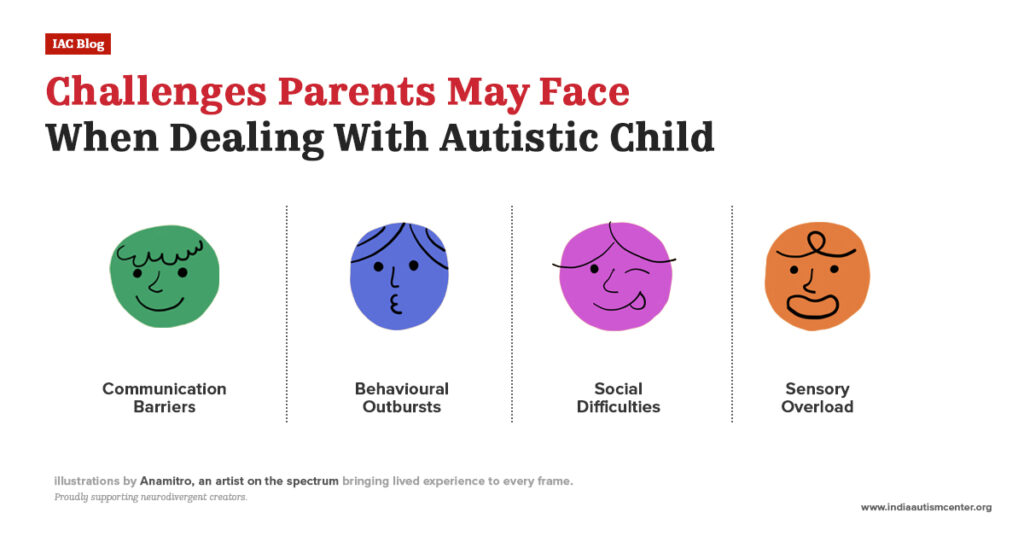
While every child is different, some challenges are common among families.
Communication Barriers
Children may struggle to express their needs clearly, which can lead to frustration for both the child and parents.
Behavioural Outbursts
Meltdowns can occur when the child feels overwhelmed, confused, or unable to communicate.
Social Difficulties
Your child may find it harder to form friendships or understand social cues.
Sensory Overload
Busy environments, loud noises, or crowded places can trigger anxiety.
Understanding these challenges helps parents become more prepared when dealing with an autistic child’s daily life situations.
Here are 10 Tips on Managing an Autistic Child’s Behaviour.
Want to know more? Get in touch with us.
Identifying and Dealing With Autism in School
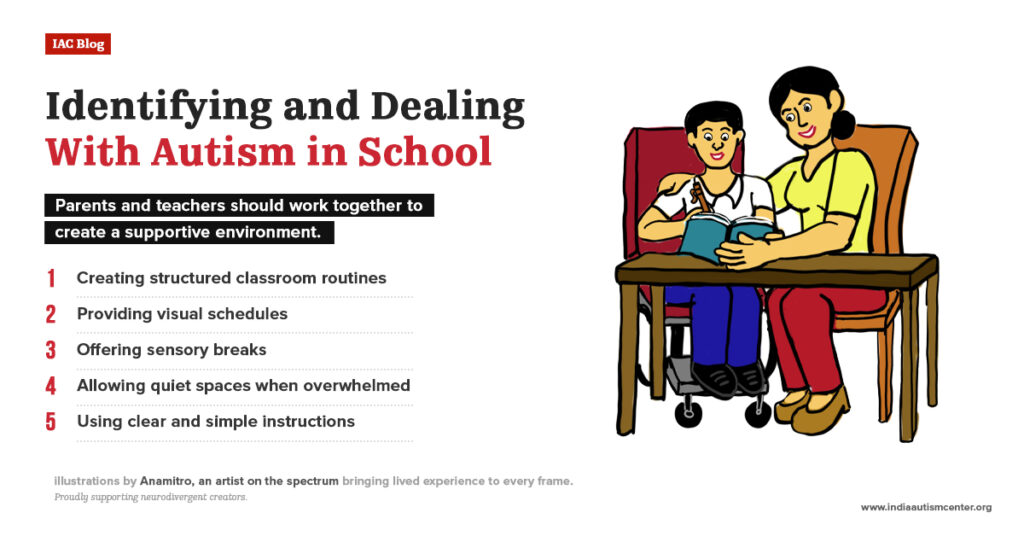
School environments can be challenging for autistic children. However, the right support can help them thrive.
Parents and teachers should work together to create a supportive environment.
Key strategies include:
- Creating structured classroom routines
- Providing visual schedules
- Offering sensory breaks
- Allowing quiet spaces when overwhelmed
- Using clear and simple instructions
Building a Supportive Environment for Your Child
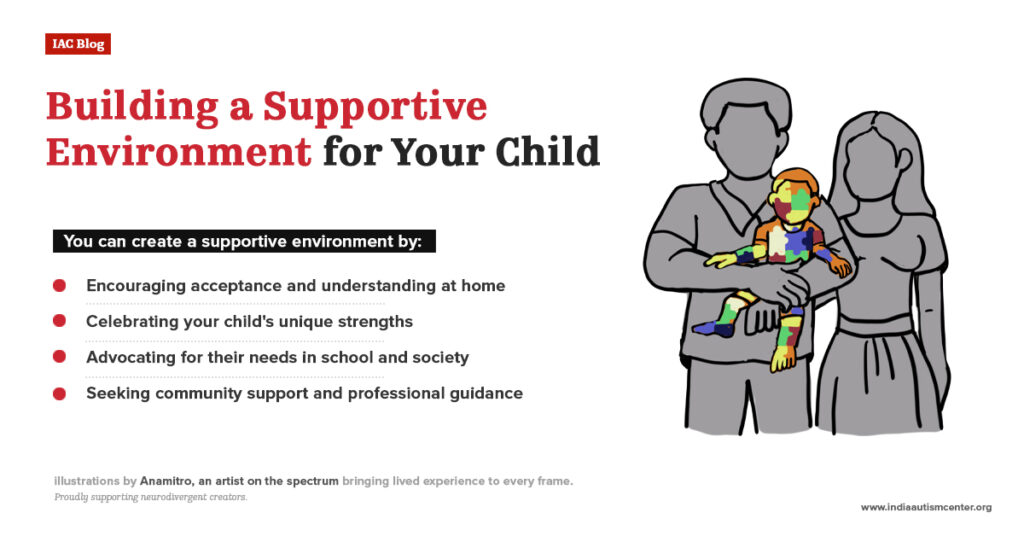
When dealing with an autistic child, the goal is not to change who they are. Instead, we focus on helping them navigate the world comfortably and confidently.
You can create a supportive environment by:
- Encouraging acceptance and understanding at home
- Celebrating your child’s unique strengths
- Advocating for their needs in school and society
- Seeking community support and professional guidance
Remember, progress may be gradual. However, every small step matters.
Learn The Crucial Role of Parents in Managing an Autistic Child.
Conclusion
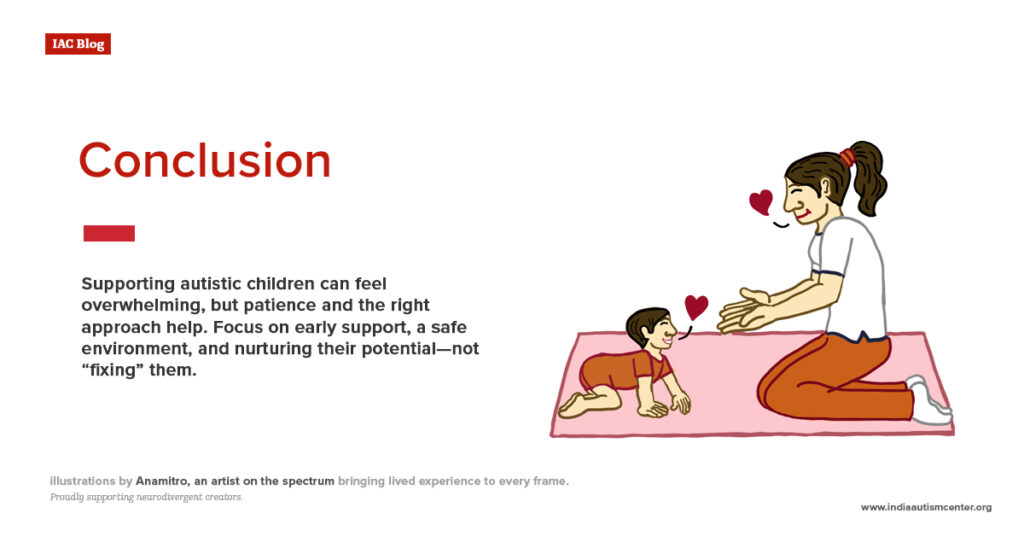
Learning about dealing with autistic child behaviours can feel overwhelming at first. Yet with the right approach, patience, and support, parents can build strong and meaningful connections with their children.
By identifying and dealing with autistic children’s needs early and applying practical tips to deal with autistic children, families can create an environment where autistic children feel safe, valued, and understood.
Most importantly, remember this: autism is not something that needs to be “fixed.” Instead, it is a different way of experiencing the world. When we understand this, dealing with autism becomes less about managing challenges and more about supporting potential.
Frequently Asked Questions (FAQs)
What is the best way of dealing with an autistic child at home?
The best approach when dealing with autistic child at home is to create a predictable routine, use simple communication, and provide a calm environment. Consistency helps children feel secure and reduces anxiety.
What are some practical tips to deal with an autistic child’s behaviour?
Some effective tips to deal with autistic child behaviour include using visual schedules, reinforcing positive actions, understanding sensory sensitivities, and staying patient during emotional outbursts.
How can parents start identifying and dealing with the early signs of an autistic child?
Parents can begin identifying and dealing with an autistic child early by observing behaviours such as limited eye contact, delayed speech, repetitive movements, or strong attachment to routines. Early consultation with professionals can help guide the next steps.
Why is routine important when dealing with an autistic child?
Routine helps autistic children feel safe and prepared for what comes next. When dealing with autistic child, predictable daily schedules reduce stress and improve their ability to adapt to activities and transitions.
For expert insights, support services, and inclusive learning initiatives, visit the India Autism Center.