 Donate now
 Get a Call Back
 MENU
MENU 53 MIN READ
 SHARE
SHARE


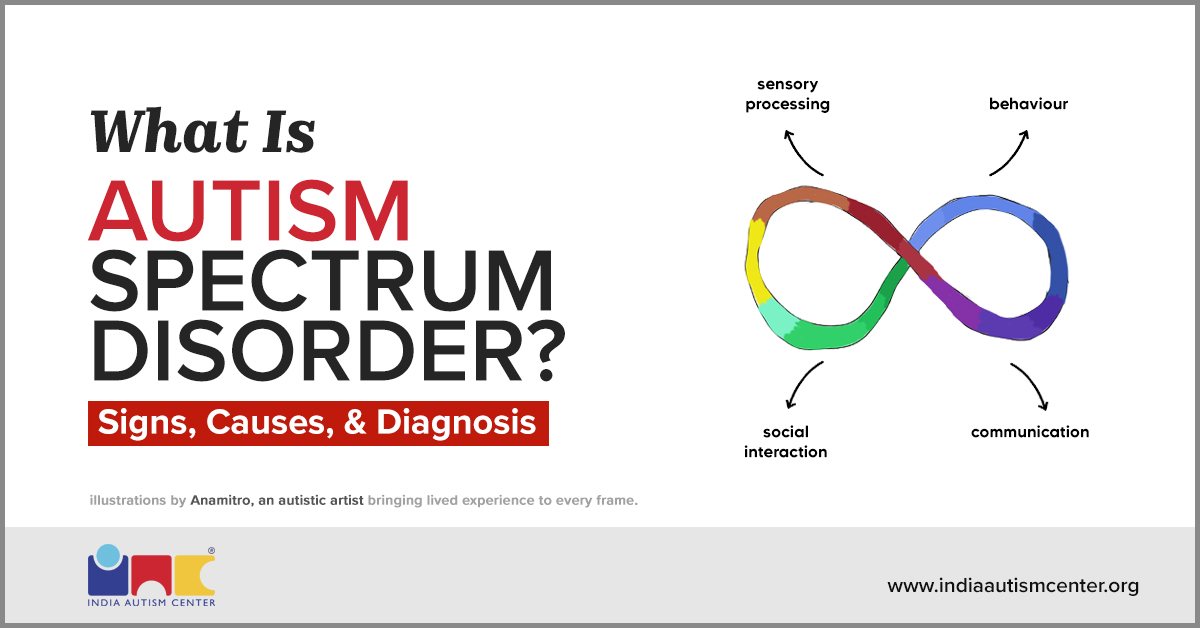
Autism is a lifelong neurodevelopmental condition that affects how a person communicates, behaves, and interacts with others. It is called a spectrum because its characteristics and support needs vary widely from one individual to another.
Autism is not a disease or a mental illness. Instead, it reflects differences in brain development that influence social understanding, communication skills, and sensory processing. While autism appears in early childhood, its features continue across the lifespan and may change with age and support.
Key Points About Autism
- Neurodevelopmental condition: Autism develops due to differences in brain development that begin before or shortly after birth.
- Spectrum nature: The term “spectrum” means individuals with autism can show mild, moderate, or significant challenges in daily functioning.
- Early onset: Signs of autism usually appear in the first two to three years of life, although some people receive a diagnosis in adolescence or adulthood.
- Lifelong condition: Autism does not disappear over time; however, early support and structured intervention can improve independence and quality of life.
- Increasing prevalence: Reported cases of autism have increased globally, mainly due to better awareness and improved diagnostic practices.
What Is Autism Spectrum Disorder?
Autism Spectrum Disorder is the clinical term used to describe autism as a single condition with a wide range of abilities and support needs. It recognises that autism presents differently in each individual, rather than as separate disorders.
ASD replaces older diagnostic labels and brings all forms of autism under one medical and developmental framework. This approach helps professionals assess needs more accurately and plan suitable interventions.
Core Features of Autism Spectrum Disorder
Autism Spectrum Disorder is defined by consistent patterns of social, communication, behavioural, and sensory differences. These features influence how individuals with autism perceive the world, interact with others, and manage daily life.
- Difficulties in social communication: Individuals with autism may struggle to interpret facial expressions, tone of voice, and body language, which can affect conversations and relationship-building.
- Challenges in social interaction: People with autism may prefer solitary activities, find group settings overwhelming, or have difficulty understanding social rules such as turn-taking and sharing.
- Restricted and repetitive behaviours: These include repeated movements (such as hand flapping), strict adherence to routines, and strong attachment to familiar patterns or objects.
- Highly focused interests: Many individuals with autism develop intense interests in specific subjects, which can support learning but may limit flexibility in activities.
- Sensory processing differences: Autism often involves over- or under-sensitivity to sounds, lights, textures, smells, or pain, which can affect comfort and emotional regulation.
- Variation in intellectual and functional ability: Some individuals with autism have average or above-average intelligence, while others may experience learning difficulties and require ongoing support.
How ASD is Defined Clinically
- Spectrum-based diagnosis: ASD groups all autism-related conditions into one spectrum based on functional ability rather than separate categories.
- Developmental origin: Doctors diagnose ASD based on patterns of behaviour and development, not on blood tests or brain scans.
- International diagnostic standards: Clinicians use structured criteria, such as those in DSM-5, to ensure consistency in diagnosis.
Main Causes and Risk Factors of Autism
Autism develops due to a complex interaction between genetic predisposition and biological influences that affect early brain development. These factors usually act before birth or during early infancy and shape how the brain forms connections related to communication, behaviour, and sensory processing.
- Genetic factors: Autism often occurs within families, which shows that inherited genes play a significant role in how the brain develops and organises social and communication networks.
- Prenatal influences: Conditions during pregnancy, such as maternal infections, nutritional deficiencies, exposure to harmful substances, or unmanaged medical conditions, may influence foetal brain development and increase the likelihood of autism.
- Birth-related factors: Premature birth, low birth weight, and complications during delivery can affect oxygen supply and early neurological growth, which may slightly raise the risk of autism.
- Environmental interactions: Environmental factors do not directly cause autism; however, when combined with genetic vulnerability, they may influence critical stages of brain maturation.
- Neurological development differences: In autism, certain brain regions involved in language, attention, and emotional regulation develop differently, which explains variations in learning patterns, behaviour, and sensory responses.
- Multiple factors working together: No single cause explains autism; instead, several risk factors combine to influence how the condition develops in each individual.
If you want to know more about the causes, then read our blog on What Causes Autism? A Detailed Breakdown (2026).
What Does Not Cause Autism
- Vaccinations: Scientific evidence clearly shows that vaccines do not cause autism.
- Poor parenting: Autism is not caused by emotional neglect or family environment.
- Diet alone: Food choices do not cause autism, although nutrition can affect overall health.

I thought that everybody thought the same way that I think… It is where I learned how thinking can be different.
– Dr. Gradin
This is what makes autism so nuanced. It’s not always about what’s visible. It’s about how someone interprets the world internally.
So, let’s be clear. Autism is not a disease. And it certainly is not rare.
Studies estimate that it affects about 1 in 100 Indian children under the age of 10. In the USA, it is about 1 in 31 children aged 8 years.
That’s why understanding autism begins with recognizing the causes.
📥 Free download: Printable daily routine chart for autistic children
What Is Autism Caused By?
Understanding what causes autism is one of the first questions many parents ask after a diagnosis. The urge to find answers is natural. Families often retrace medical histories, revisit early signs, or reflect on emotional outbursts and delays.
But ASD doesn’t have one clear cause. Instead, it emerges from a combination of genetics, brain development, and environmental factors.
So, let’s first take a closer look at what science has to say about the causes.
Role of Genetics in Autism
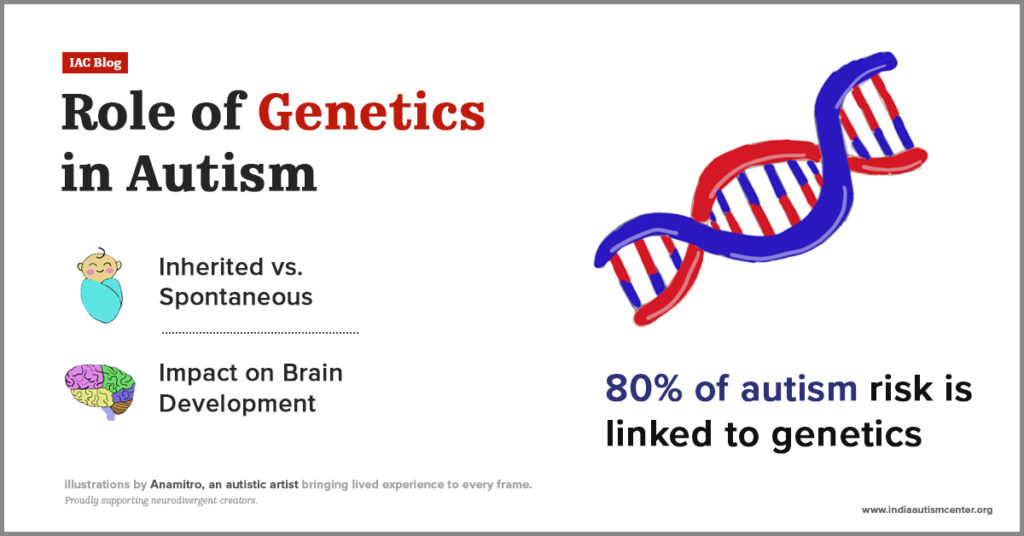
Recent research estimates that genetic factors contribute to around 80% of autism risk.
Some are inherited. Others appear early in development as de novo mutations. In simpler words, these are genetic changes that occur spontaneously and aren’t passed down from parents.
These genetic variations influence how the brain forms and connects. Specifically, they impact the regions involved in communication, sensory processing, and social behavior.
Here’s where it gets interesting.
Brain Development and Autism Spectrum Disorder
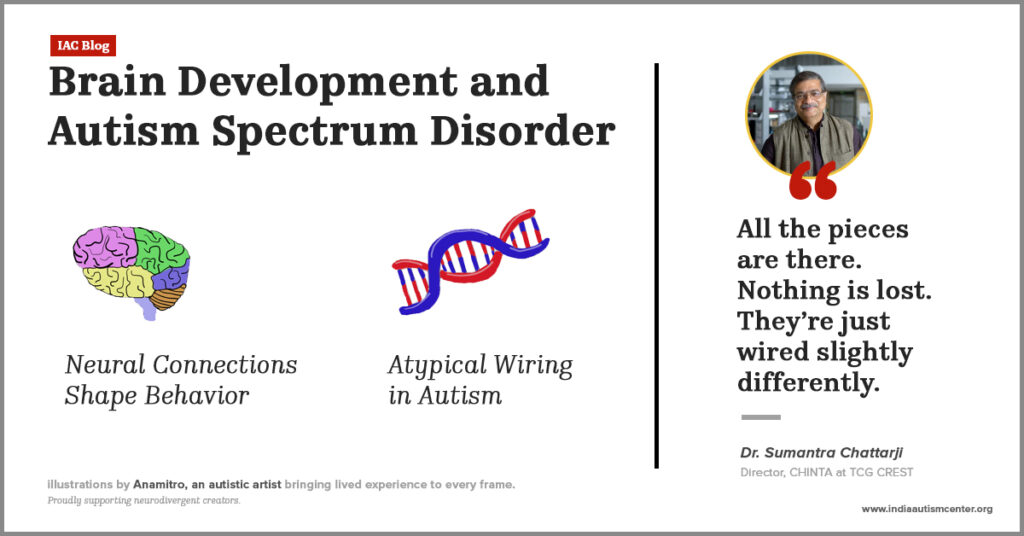
As the brain develops during fetal and early postnatal life, the connections between neurons (also known as synapses) form critical pathways. This governs behavior, perception, and interaction.
In our podcast with Dr. Sumantra Chattarji, Director of CHINTA at TCG CREST, he shared,
As the brain develops in its early days, the connections between neurons don’t form in the typical fashion. As a result, the brain is wired differently over time and reaches a point where all the pieces are there. Nothing is lost. They’re just wired slightly differently.
But this also doesn’t reveal the whole picture.
Environmental and Pregnancy-Related Risk Factors Leading to Autism
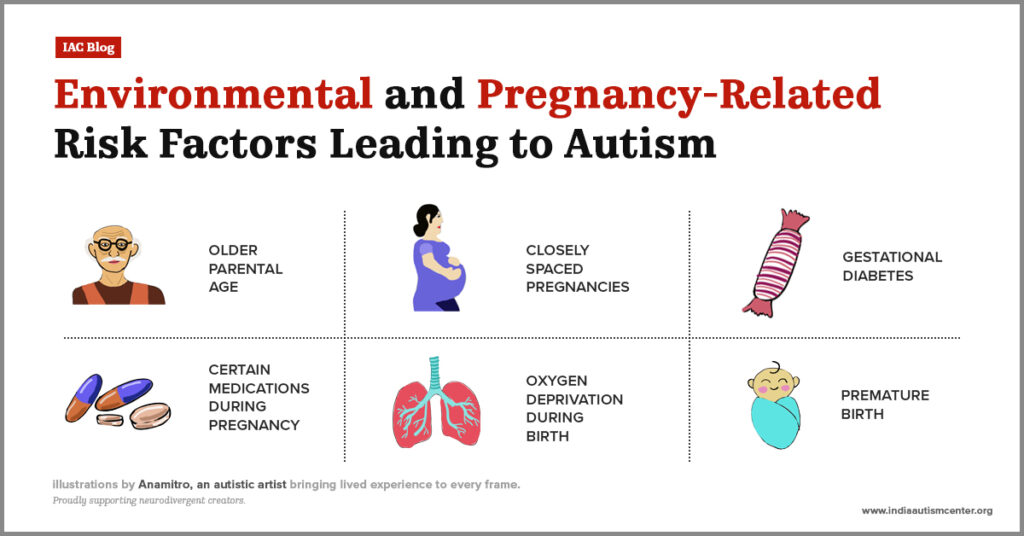
While genetics and brain development are central, researchers have also identified non-genetic risk factors that may increase the likelihood of ASD.
These include:
- Older parental age: Especially fathers over 40. This is linked to a higher likelihood of autism due to age-related genetic changes.
- Closely spaced pregnancies: Short intervals between pregnancies can affect maternal health and fetal brain development, raising the risk.
- Gestational diabetes: This condition can interfere with fetal brain development and is associated with an increased likelihood of autism in the child.
- Certain medications during pregnancy: Drugs like valproate (used to treat epilepsy) are known to disrupt fetal brain development and significantly elevate autism risk.
- Oxygen deprivation during birth: Birth complications that lead to low oxygen levels can cause brain injury, contributing to a higher risk.
- Premature birth: Babies born prematurely are more vulnerable to neurodevelopmental differences, including autism, due to early-stage brain development.
It’s important to remember that these factors do not cause ASD on their own. Instead, they may elevate risk when combined with underlying genetic susceptibility.
With that said, let’s now delve into the most-awaited aspect.
Want to know more? Get in touch with us.
Levels of Autism
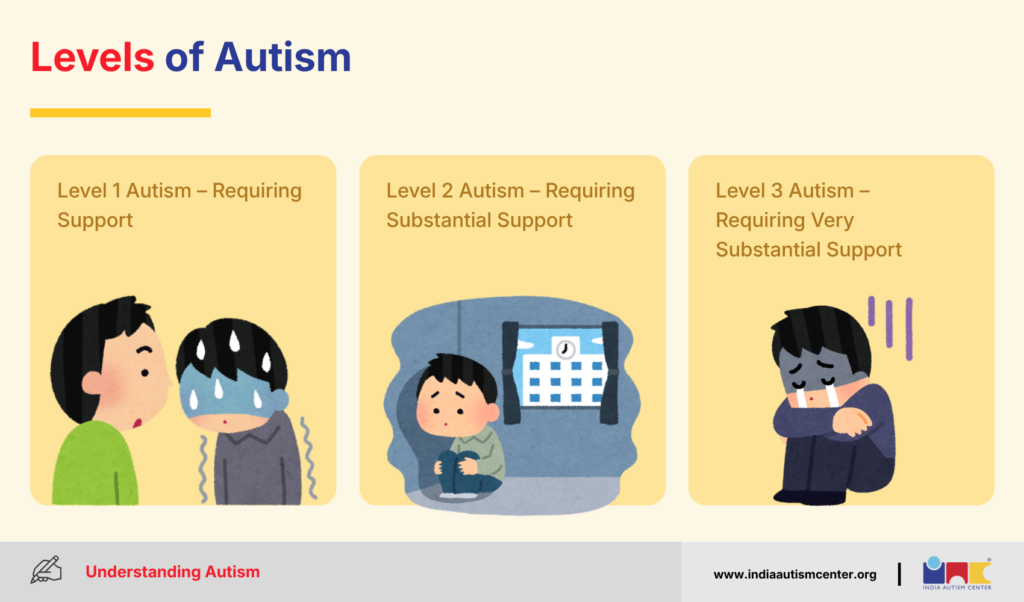
Autism is classified into levels based on the degree of support an individual requires in daily life. These levels do not measure intelligence or potential; instead, they describe how much assistance a person needs for communication, behaviour management, and independent living.
The level system helps clinicians, educators, and families plan suitable interventions and realistic goals. Importantly, an individual’s level may change over time with appropriate therapy and support.
Level 1 Autism – Requiring Support
Level 1 autism refers to individuals who can function independently in many areas but still experience noticeable difficulties in social and behavioural skills.
- Social communication challenges: Individuals may speak fluently but struggle with initiating conversations, understanding humour or sarcasm, and interpreting facial expressions or tone of voice.
- Difficulty with organisation and planning: Managing time, completing tasks, and adapting to new routines can be challenging, especially in school or work environments.
- Rigid thinking patterns: They may prefer strict routines and find unexpected changes stressful, which can affect emotional well-being.
- Hidden support needs: Although they appear independent, they often need guidance in social skills, emotional regulation, and coping strategies.
Level 2 Autism – Requiring Substantial Support
Level 2 autism involves more visible communication and behavioural difficulties that significantly affect daily functioning.
- Limited verbal communication: Speech may be simple, repetitive, or used mainly to meet basic needs rather than for social interaction.
- Restricted social engagement: Individuals may show little interest in social interaction and find it hard to respond appropriately to others.
- Frequent repetitive behaviours: Repetitive movements and fixed interests are more intense and interfere with learning and daily routines.
- Low tolerance for change: Even small changes in environment or schedule can lead to distress or emotional outbursts.
- Greater dependence on structured support: Assistance is often required in education, therapy, and daily living tasks.
Level 3 Autism – Requiring Very Substantial Support
Level 3 autism is associated with severe challenges in communication, behaviour, and adaptive functioning.
- Minimal or absent speech: Individuals may rely on non-verbal communication such as gestures, pictures, or assistive communication devices.
- Severe social difficulties: Understanding and responding to social situations is extremely limited, which affects relationships and learning.
- Intense repetitive and sensory behaviours: Strong reactions to noise, light, or touch may cause distress and impact safety and emotional stability.
- High level of dependency: Continuous support is usually required for eating, dressing, hygiene, and personal safety.
- Limited coping skills: Emotional regulation is difficult, which may result in frequent meltdowns or withdrawal.
Why Understanding Autism Levels Is Important
Recognising autism levels allows support to be tailored to individual needs rather than applying a single approach to all.
- Improves the accuracy of intervention planning: Therapies can be selected according to communication ability, behavioural needs, and independence level.
- Supports educational placement: Schools can adapt teaching methods, classroom structure, and learning goals appropriately.
- Guides family expectations: Families can set realistic objectives and prepare suitable long-term care plans.
- Enhances independence: With the right level of support, individuals can achieve better social participation and life skills.
For a deeper understanding, you can refer to our blog on Different Levels of Autism and Their Symptoms.
What Are Autism Symptoms and Signs?
Recognizing autism symptoms and signs is key. This helps in understanding how it’s diagnosed and how you can support someone on the spectrum.
Let’s explore what to look for.
Early Autism Symptoms and Signs In Infants (0–12 Months)
Ever wondered at what age autism is detected? For many families, subtle differences begin to appear in infancy.
Early signs of autism in infants include:
- Limited eye contact while conversing
- Rarely smiling at others or showing social interest
- Not responding to their name by 9-12 months
- Little to no babbling
- Gestures like pointing or waving
These early autism symptoms may be easy to miss. But they are crucial clues for early intervention.
Early Autism Signs and Symptoms In Toddlers (1–2 Years)
By this age, children usually begin to speak, imitate adults, and play socially. In autistic toddlers, however, development might diverge.
Watch for:
- Delayed speech or no speech by age 2
- Limited gestures like pointing, waving, or nodding
- Repetitive behaviours (rocking, flapping, spinning)
- Strong preference for routines or sameness
- Less interest in playing with others or imitating adults
This is also the stage when regressive autism can emerge.
This begs the question.
What is Regressive Autism?
Regressive autism (also called autism with regression) means the loss of previously acquired skills.
This is a subtype of ASD that is often seen in children, usually aged between 15 and 30 months.
A child who once said words, responded to their name, or enjoyed play may suddenly:
- Stop using language
- Withdraw from social interaction
- Avoid eye contact or connection
- Show reduced emotional expression
It’s important to remember that this regression is not necessarily caused by trauma or illness. It’s simply one of the ways ASD can unfold.
Early Autism Symptoms and Signs In Preschoolers (3–4 Years)
In social settings like preschool, autism signs and symptoms often become more obvious, manifesting in:
- Lack of pretend play (e.g., pretending to feed a toy)
- Difficulty engaging with peers or group activities
- Repeating phrases (echolalia) or using unusual speech patterns
- Over- or under-reaction to sounds, lights, textures
- Trouble understanding or expressing emotions
Autism Signs and Symptoms in Children and Teenagers (5–17 Years)
In school-aged children and teens, challenges often shift from developmental delays to social struggles, emotional regulation issues, and the effort to blend in.
Social Communication and Interaction Challenges
Navigating friendships and social expectations can become more challenging in school settings.
At this stage, autistic individuals may experience:
- Difficulty reading social cues like facial expressions, body language, or tone of voice
- Struggles with initiating or maintaining back-and-forth conversations
- Preference for playing alone or spending time with younger children or adults
- Literal interpretation of language and missing sarcasm, jokes, or implied meaning
- Limited or avoidant eye contact during conversations
Restricted Interests and Repetitive Behaviors
Autistic children and teens often develop focused interests that may dominate their time and conversations.
Common autism symptoms and signs are:
- Intense fixation on specific topics, activities, or objects
- Repetitive behaviors like spinning objects, hand-flapping, or rocking
- Insistence on routine or predictability and distress when routines are disrupted
- Difficulty transitioning between classes, tasks, or social environments
Sensory Sensitivities
Sensory differences often become more pronounced in high-stimulus environments like schools or social gatherings.
Look for:
- Overreaction to sounds, lights, or textures (e.g., buzzing lights, scratchy uniforms)
- Seeking or avoiding sensory input (e.g., covering ears, refusing certain foods)
- Overwhelm or shutdowns in crowded or chaotic spaces
Emotional Regulation and Daily Living
As expectations increase with age, autistic teens may face unique internal struggles, such as:
- Heightened anxiety, especially in social settings
- Mood changes, emotional shutdowns, or meltdowns
- Difficulty managing transitions or unexpected changes
- Trouble with daily tasks like organizing schoolwork, hygiene, or managing time
Want to know more? Get in touch with us.
Subtle Autism Signs and Symptoms in Adulthood
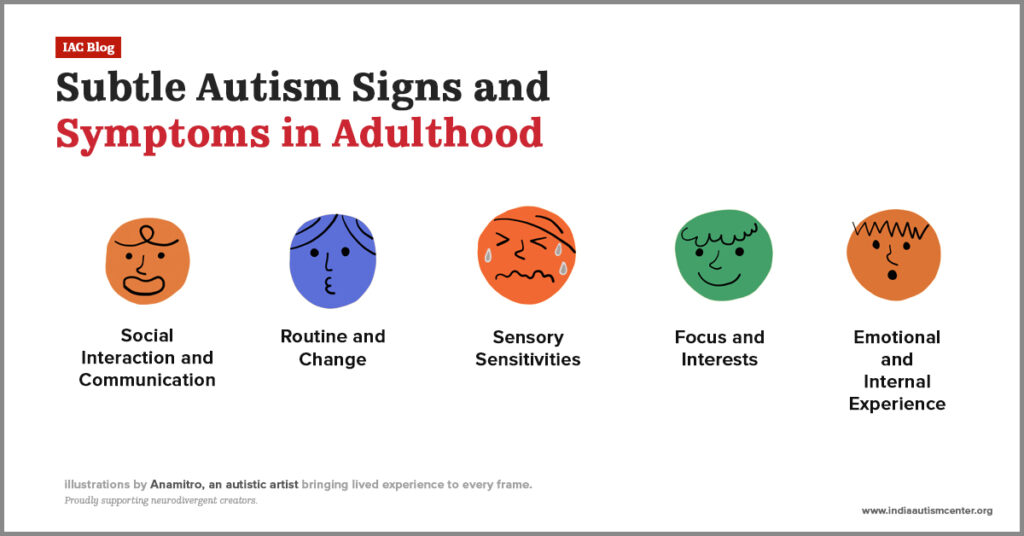
In adulthood, ASD can look quieter. Traits like sensory sensitivity, social fatigue, or rigid routines often get mistaken for anxiety or just being ‘a bit different.’
Social Interaction and Communication
Part of understanding what autism is in adults is recognizing that everyday social dynamics can feel like a completely different operating system.
You might notice:
- Difficulty reading facial expressions, tone, or unspoken cues
- Preference for one-on-one conversations
- Feeling socially drained after even short interactions
- Struggling to follow fast-paced group conversations or interruptions
Routine and Change
Predictability brings comfort. A strong need for routine helps create a sense of stability in a world that feels unpredictable.
Look for:
- Discomfort with sudden changes in routine
- Deep attachment to daily rituals
- Difficulty switching between tasks
- High stress from unexpected events
- Reliance on structure to feel in control
Sensory Sensitivities
Bright lights, loud noises, or certain textures commonly trigger discomfort in adult autistic people. This makes sensory sensitivities an important yet under-recognized aspect of ASD symptoms.
These autism signs include:
- Sensitivity to bright lights, loud sounds, or strong smells
- Overwhelm in crowded or noisy environments
- Discomfort with certain textures of clothing
- Difficulty focusing due to sensory overload
Focus and Interests
Autistic adults often develop ‘special interests’. These are deep, passionate areas of focus that bring joy, clarity, and calm.
Common autism signs are:
- Intense, almost encyclopedic knowledge of certain topics
- Spending hours immersed in research or activities
- Difficulty pulling away from focused interests
- A sense of purpose rooted in specific routines or hobbies
Emotional and Internal Experience
To fully grasp autism in adulthood, you need to look beneath the surface.
Consider:
- Difficulty identifying or naming emotions (alexithymia)
- Feeling out of sync in social or emotional situations
- Chronic anxiety or burnout from masking
- Struggling to manage sensory-emotional overload
- Coping through strict routines or withdrawal
Now that we’ve explored what signs to look for, let’s talk about what to do next, especially if you’re noticing these traits in a young child.
Types of Autism
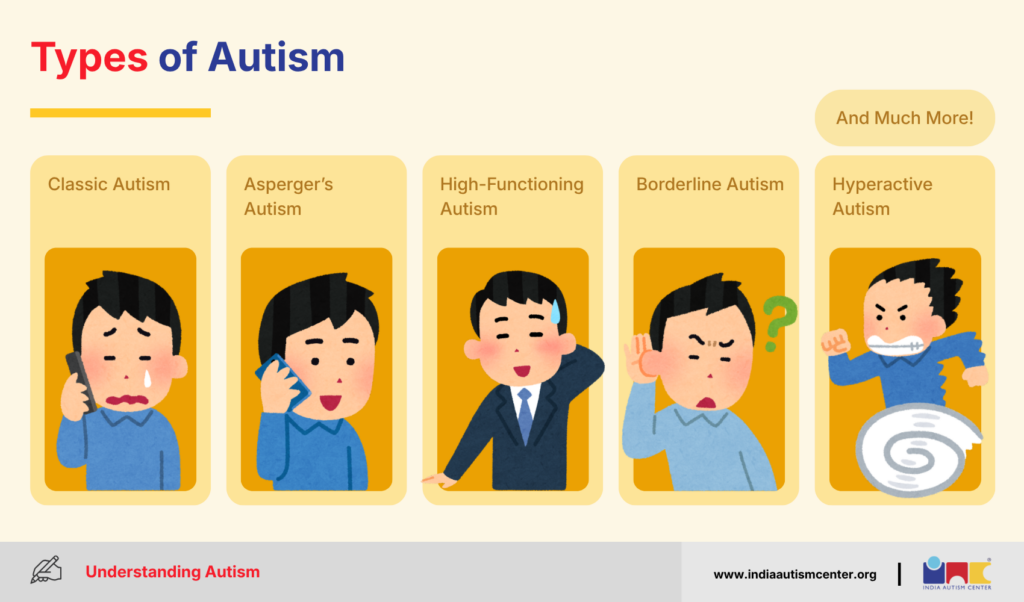
Autism presents in different forms depending on communication ability, behaviour patterns, and level of independence. Although modern diagnosis uses the single term ASD, these commonly recognised types help explain the wide variation seen in individuals with autism.
Understanding the different types of autism supports accurate identification, appropriate intervention, and realistic planning for education and daily life.
Classic Autism
Classic autism refers to individuals who show clear difficulties in communication, social interaction, and behaviour from early childhood.
- Communication delays: Speech development may be slow or absent, and individuals may rely on gestures or alternative communication methods.
- Social interaction challenges: Difficulty forming relationships and responding to social cues is common.
- Behavioural patterns: Repetitive actions and strict routines often dominate daily activities.
Asperger’s Autism
Asperger’s autism describes individuals with average or above-average intelligence but significant social and communication difficulties.
- Strong verbal ability: Speech develops on time, but conversations may sound formal, one-sided, or overly focused on specific topics.
- Social understanding difficulties: Individuals may struggle to interpret emotions, sarcasm, or body language.
- High independence potential: With guidance in social skills and emotional regulation, many individuals can live independently.
High-Functioning Autism
High-functioning autism refers to individuals who manage daily tasks independently but still experience challenges in social and emotional areas.
- Good academic ability: Learning skills are often intact or advanced in certain subjects.
- Hidden difficulties: Anxiety, sensory sensitivities, and social confusion may not be obvious to others.
- Support needs: Therapy often focuses on social skills, coping strategies, and workplace adaptation.
Borderline Autism
Borderline autism describes individuals who show mild traits of autism that may overlap with other developmental conditions.
- Subtle symptoms: Difficulties in communication and flexibility may be mild and not immediately recognised.
- Diagnostic complexity: Borderline cases may be mistaken for behavioural or emotional disorders.
- Need for monitoring: Early support helps prevent later learning or social difficulties.
Hyperactive Autism
Hyperactive autism refers to individuals with autism who also show high levels of restlessness and impulsivity.
- Excessive movement: Difficulty sitting still and constant activity are common features.
- Attention difficulties: Sustained focus on tasks may be challenging.
- Overlap with ADHD: This type often shares features with attention deficit disorders and requires combined management strategies.
Autism with Intellectual Disability
Some individuals with autism also have intellectual disability, affecting learning and daily functioning.
- Delayed cognitive development: Learning new skills may take longer and require repetition.
- High support needs: Assistance with personal care and communication is often necessary.
- Structured learning benefits: Visual aids and routine-based teaching improve understanding.
Non-Verbal Autism
Non-verbal autism involves individuals who have little or no spoken language.
- Alternative communication methods: Picture exchange systems or communication devices may be used instead of speech.
- Social understanding remains possible: Even without speech, individuals can develop relationships and emotional awareness.
- Focus on functional communication: Therapy aims to enable the expression of needs and feelings.
Here is a comprehensive blog on Non-Verbal Learning Disorder vs Autism: Differences & Similarities.
Regressive Autism
Regressive autism occurs when a child loses previously acquired language or social skills.
- Developmental setback: Skills such as speech or eye contact may disappear after normal early development.
- Emotional impact: Families often notice sudden changes in behaviour.
- Need for early intervention: Immediate therapy improves recovery of lost skills.
Savant Syndrome
Savant syndrome refers to exceptional abilities in specific areas alongside autism.
- Special talents: These may include mathematics, music, memory, or art.
- Narrow skill focus: Strengths exist alongside communication and social challenges.
- Educational adaptation: Teaching methods can use strengths to improve learning.
Virtual Autism
Virtual autism is associated with excessive screen exposure in early childhood, affecting social development.
- Reduced real-world interaction: Limited face-to-face communication delays language and social skills.
- Reversible with change: Reduced screen time and increased human interaction often improve development.
- Early awareness is essential: Parents should monitor digital exposure carefully.
Why Understanding Autism Types Matters
Recognising different types of autism allows support to be personalised rather than generalised.
- Improves diagnosis accuracy: Clear categorisation reduces misidentification with other developmental disorders.
- Supports tailored therapy: Different types require different therapy intensity and focus.
- Enhances educational planning: Teaching strategies can match learning style and ability.
Early Autism Identification and Intervention (Ages 0–3)
Early intervention for autism spectrum disorder is most effective when it begins before age 3.
Why? Because at this stage, the brain is rapidly developing, and children are most responsive to structured support.
If you’re wondering whether your toddler’s ‘unusual’ behavior is just a phase, don’t wait it out.
With that said, let’s now discuss the steps.
Step 1: Developmental Screening
Your first stop should be a developmental pediatrician, clinical psychologist, or rehabilitation psychologist.
Ask for a developmental screening, especially if your child is between 15 and 30 months.
Most professionals in India use the Modified Checklist for Autism in Toddlers, Revised (M-CHAT-R). It’s a reliable tool to identify early signs.
Step 2: Early Intervention
If screening raises concerns, you don’t need to wait for a formal diagnosis. Early autism intervention can begin right away.
It may include:
- Speech therapy
- Occupational therapy (OT)
- Special education support
- Parent training and home-based strategies
The goal? Prevent delays from compounding. Build communication. Nurture connection. Improve adaptive behaviors.
Want to know more? Get in touch with us.
Autism Diagnosis in Children and Teens (Ages 3-18)
After age 3, teens and children can undergo a formal autism diagnosis. This doesn’t just confirm ASD; it also helps assess co-occurring conditions like ADHD, sensory issues, anxiety, or speech delays.
How to Get an Autism Spectrum Disorder Diagnosis
Start with a licensed clinical psychologist, rehabilitation psychologist, or developmental pediatrician.
A proper diagnosis includes:
- Parental interviews and developmental history
- Direct observation of behavior and interaction
- Review of previous therapy records or school reports
- Standardized tools like the Indian Scale for Assessment of Autism (ISAA), Indian Scale for Assessment of Autism (CARS-2), or Autism Diagnostic Observation Schedule (ADOS-2)
- A multidisciplinary team arrives at a conclusive diagnosis through consensus.
Multidisciplinary Support After Diagnosis
Diagnosis is just the beginning. Based on the assessment, autistic children and teens may be referred to:
- A speech-language therapist
- An occupational therapist
- A special educator
- A psychologist
- A play therapist
- A health practitioner (for co-occurring conditions)
This integrated approach is key to designing personalized autism intervention strategies. It also truly supports the child’s strengths and challenges.
Autism Diagnosis for Adults (Ages 18+)
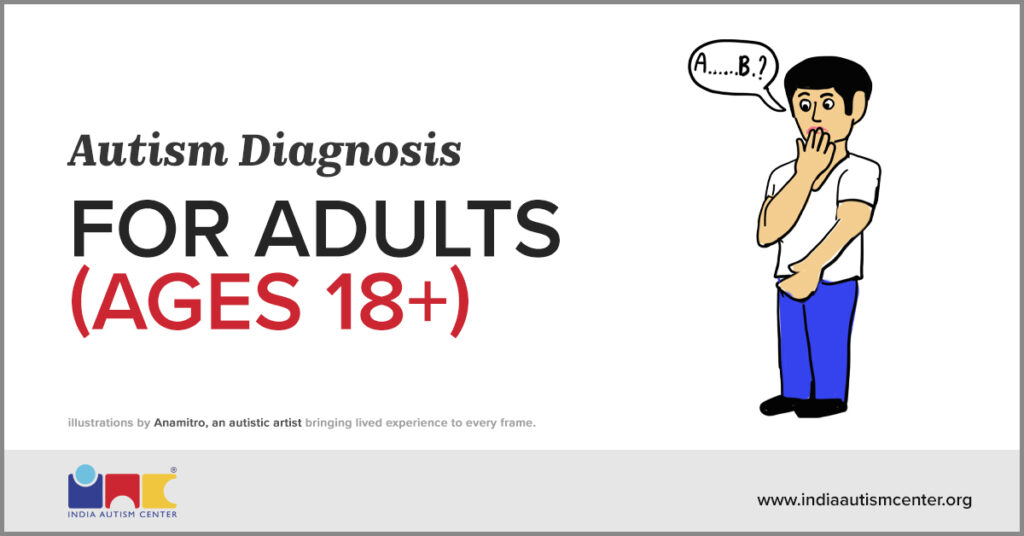
Not everyone receives a diagnosis in childhood. Some begin to question their lifelong struggles with communication, masking, or sensory sensitivities in adulthood.
How to Get an Autism Diagnosis as an Adult
Autism diagnosis for adults follows a similar pathway, but with added focus on lived experience and adaptive functioning.
Seek out:
- A licensed clinical or rehabilitation psychologist with experience in adult neurodevelopment
- A psychiatrist, especially if emotional or behavioral concerns like anxiety or depression are involved
They will use tools like the ISAA, ADOS-2, DISCO, or clinical interviews alongside DSM-5 autism diagnosis criteria.
The Power of Clarity
Receiving a diagnosis in adulthood helps explain long-standing challenges and opens doors to support, workplace accommodations, and therapy.
It also helps uncover any co-occurring conditions that may have been misunderstood.
As Puja Dutta, an RCI-licensed Clinical Psychologist at India Autism Center, shared:
Ethical diagnosis isn’t just about a label. It’s about understanding the child or adult, and building interventions that work in real life.
Caution: Avoid Online or Remote Diagnosis
While preliminary consultations can happen online, a proper diagnosis must be done in person.
Tools like ISAA and ADOS-2 rely on live behavioral cues, eye contact, gestures, and shared attention. These are not reliably captured over video.
Always seek in-person assessments through certified professionals.
Now, here is something to keep in mind.
Co-occurring Conditions in Autism Spectrum Disorder
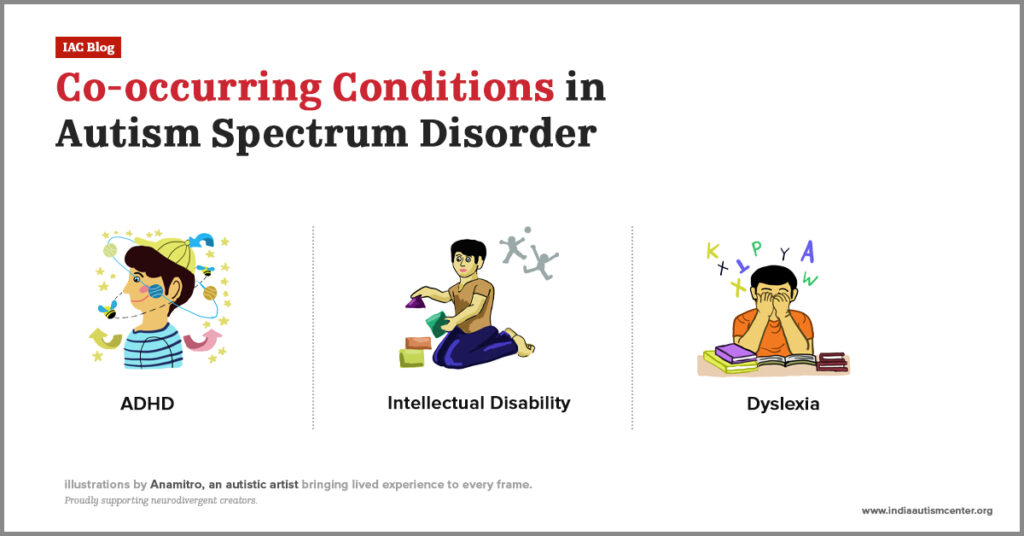
Many autistic individuals experience other neurodevelopmental, medical, or psychological conditions alongside their autism diagnosis. These are called co-occurring conditions.
Recognizing them is vital for delivering the right support. Here are the most common ones:
Attention-Deficit/Hyperactivity Disorder (ADHD)
Frequently co-occurring with autism, ADHD includes symptoms like inattention, impulsivity, and hyperactivity. It can increase sensory overwhelm and make routines more difficult to follow.
Intellectual Disability (ID)
Some autistic individuals have below-average intellectual functioning, qualifying as having intellectual disabilities. This impacts their learning pace, communication, and adaptive living skills.
Dyslexia
This reading-related difference may go unnoticed in verbal autistic individuals. But becomes unavoidable to address because dyslexia causes major frustration in language-heavy learning environments.
Gastrointestinal (GI) Issues
A complete understanding of ASD must include the gut-brain connection. In other words, gastrointestinal issues accompany autism.
Chronic GI concerns, like constipation, stomach pain, or food sensitivities, often impact behavior, mood, and focus.
Fibromyalgia
In autistic adults, fibromyalgia may present as chronic pain and fatigue, further intensifying sensory sensitivities and emotional stress.
Selective Mutism
Selective mutism is an anxiety-related condition. It makes situations extremely difficult for some autistic children to speak in certain settings, even when they want to.
Sensory Processing Differences
Sensory sensitivities are a core trait. It includes extreme responses to light, sound, touch, or smell. Sensory processing differences can interfere even with daily tasks like dressing, eating, or relieving oneself.
Epilepsy
Seizures occur more frequently in autistic individuals, especially those with intellectual disabilities. If this is epilepsy, seizures can begin in early childhood or develop later during adolescence.
Psychosis
Though rare, some autistic individuals may show signs of psychosis. Psychotic episodes involve experiences of hallucinations or delusions, usually linked to stress, trauma, or genetic vulnerability.
Developmental Coordination Disorder (DCD)
Often seen in autistic children, developmental coordination disorder affects fine and gross motor skills. DCD leads to clumsiness or difficulty with handwriting, sports, or dressing.
Obsessive Compulsive Disorder (OCD)
Obsessive-compulsive disorder and ASD can look similar. However, OCD is primarily driven by anxiety and intrusive thoughts, requiring different interventions.
Polycystic Ovary Syndrome (PCOS)
Autistic women and girls are more prone to having PCOS. This suggests that hormonal pathways may play a role in how autism is expressed and experienced.
All of these co-occurring conditions may stay hidden well into adulthood. Not because they weren’t there. But because individuals often mask them to get through the day.
This raises the question.
What is Masking in Autism?
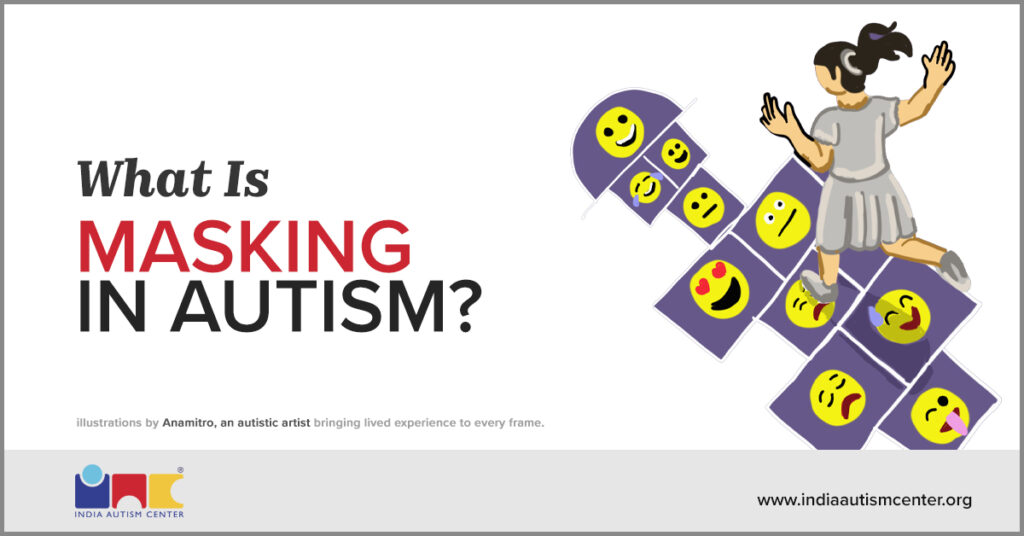
Autism masking, also known as camouflaging or compensating, is a social strategy where autistic individuals hide parts of themselves to blend in with a world that doesn’t always make room for difference.
It might look like this:
- Forcing eye contact even when it feels unnatural
- Suppressing stimming, like rocking, hand-flapping, or tapping, because someone once said it looked odd
- Rehearsing conversations ahead of time to sound ‘normal’
These strategies often work. Sometimes, they even help autistic individuals get through the day. Help them feel safe. Accepted. And avoid being teased.
Another way autism gets misunderstood is through the language we use, especially when it comes to describing ability levels.
So, let’s talk about them.
Want to know more? Get in touch with us.
What is the Difference Between High and Low Functioning Autism?
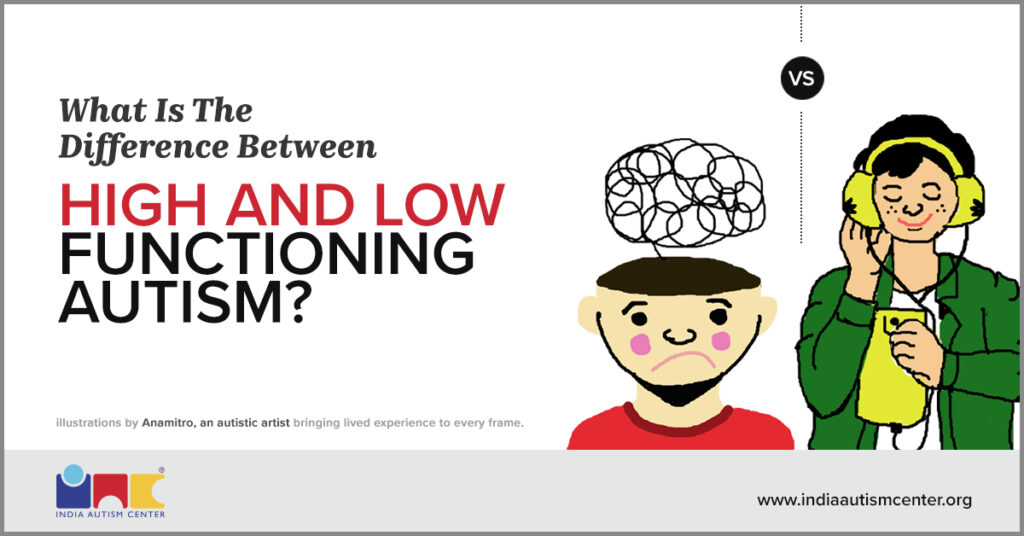
You’ve probably heard terms like high-functioning autism or low-functioning autism in casual conversations. Maybe even in some diagnostic reports.
So, it’s quite natural to wonder what these terms mean.
What is High Functioning Autism?
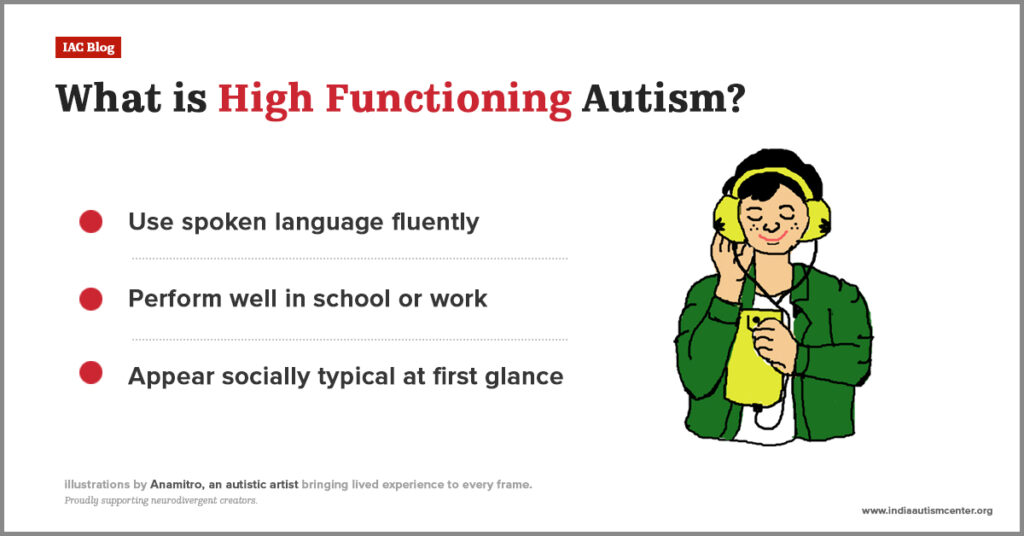
High-functioning autism refers to autistic individuals who:
- Use spoken language fluently
- Perform well in school or work
- Appear socially typical at first glance
But here is the catch.
Many high-functioning autistic individuals deal with daily challenges that go unnoticed. Often because they’re good at masking them.
However, beneath the surface, there’s:
- Sensory overload that builds up silently
- Struggles with social communication and expectations
- Anxiety, shutdowns, or burnout from constant self-monitoring
Now let’s discuss the opposite label.
What is Low Functioning Autism?
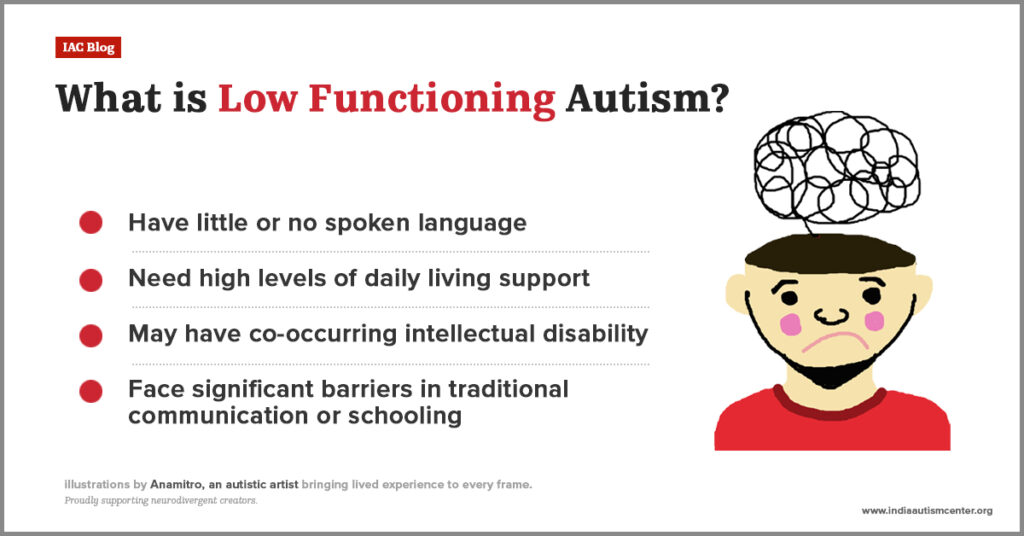
Individuals with low-functioning autism:
- Have little or no spoken language
- Need high levels of daily living support
- May have co-occurring intellectual disability
- Face significant barriers in traditional communication or schooling
But what it doesn’t reflect are:
- Nonverbal intelligence or pattern recognition
- Deep emotional insight or visual/spatial strengths
- The ability to connect, express, and learn, just differently
So, as it turns out, the word ‘functioning’ flattens the picture.
What’s the Alternative?
Terms like ‘functioning’ flatten a complex spectrum. Instead, clinicians now describe autism using support levels, as per DSM-5 autism diagnosis criteria:
- Level 1: Requires support
- Level 2: Requires substantial support
- Level 3: Requires extremely substantial support
This approach respects individuality and focuses on the real question: What support does the person need to thrive?
Now, just as important as understanding what autism is, we must also understand what it is not.
What Are Some Common Autism Myths and Misconceptions?
From news stories to Netflix shows, ASD is often shown in narrow, predictable ways. The quirky genius. The emotionless coder. The one who ‘just doesn’t get people’.
But ASD doesn’t come in one template. These repeated portrayals can erase the real-life diversity of experiences among autistic individuals.
We will now set the record straight about autism myths and facts.
Myth 1: Autism Is A Disease
Truth: Autism spectrum disorder is not a disease. It’s a lifelong neurodevelopmental condition.
Myth 2: Autism Is A Mental Illness
Truth: ASD is not a psychiatric disorder. However, co-occurring conditions like anxiety or depression are common.
Myth 3: There’s an Autism Epidemic
Truth: Higher diagnosis rates are due to better awareness and broader criteria.
Myth 4: Only Boys Can Be Autistic
Truth: Signs of autism in women are often subtle. In most cases, they are underdiagnosed due to social masking and gender bias in diagnostic tools.
Myth 5: Autistic People Are Either Nonverbal or Geniuses
Truth: The autism spectrum is wide. Some are non-verbal; others are hyper-verbal. Sensitivities, support needs, and strengths vary widely. One person’s traits don’t represent the whole spectrum.
Myth 6: Vaccines Cause Autism
Truth: There is no scientific evidence linking vaccines and autism spectrum disorder. This myth originated from a retracted and fraudulent study. Multiple global studies have confirmed that vaccines do not cause autism.
Myth 7: Bad Parenting Causes Autism
Truth: This outdated autism myth has been debunked. Parenting style does not cause autism.
Myth 8: Autism Can Be Cured
Truth: Autism is not something to be cured. Instead, the goal should be to provide individualized support.
Myth 9: Autistic People Can’t Live Independently
Truth: Some individuals on the spectrum need high levels of support; others live fully independent lives. That is why success looks different for each person living with autism.
Autism in Women
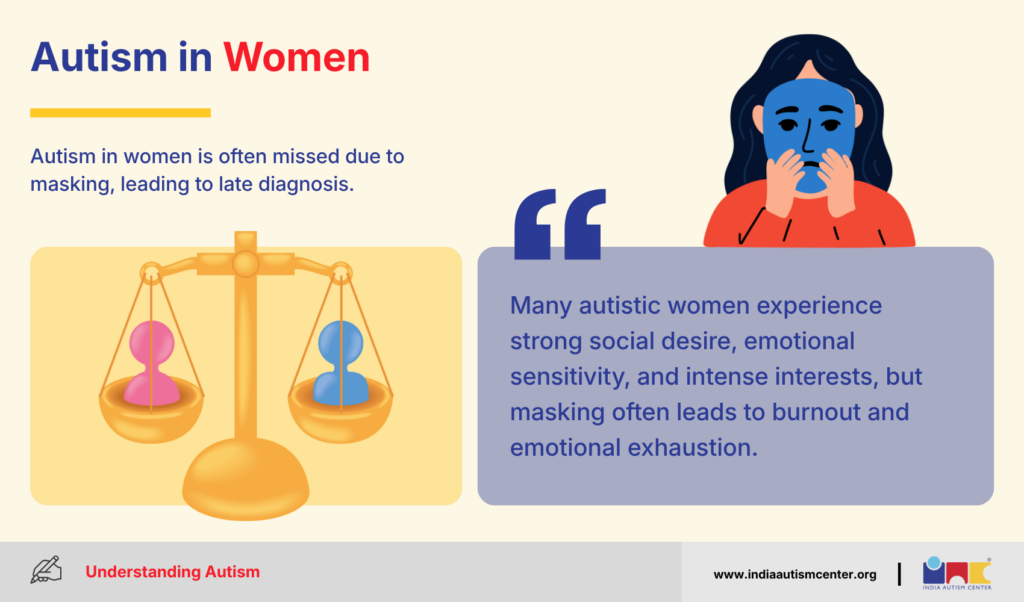
Autism in women often presents differently from autism in men, which can lead to underdiagnosis or late diagnosis. Many females with autism develop coping strategies that hide their difficulties, making their needs less visible to families, teachers, and healthcare professionals.
Understanding autism in women is essential for accurate diagnosis, appropriate support, and improved mental well-being.
Why Autism Is Often Missed in Women
- Subtle social differences: Women with autism may show fewer obvious repetitive behaviours and may appear socially engaged, even though they struggle internally with understanding social rules and expectations.
- Better imitation and masking skills: Many women learn to copy speech patterns, gestures, and social behaviours from others to fit in. This masking can hide autistic traits but increases emotional stress and exhaustion.
- Misinterpretation of symptoms: Difficulties related to autism in women are sometimes mistaken for anxiety, depression, or personality traits rather than recognised as part of autism.
- Later diagnosis: Because symptoms are less noticeable in childhood, many women receive a diagnosis only in adolescence or adulthood, often after years of social or emotional challenges.
Read more on Signs of Autism in Women: Early Clues, Diagnosis & Support.
Common Characteristics of Autism in Women
- Strong desire for social connection: Unlike some male presentations, women with autism may want friendships and relationships but struggle to maintain them due to difficulty interpreting social cues.
- Intense but socially acceptable interests: Special interests may focus on topics such as books, animals, or celebrities, which appear typical and therefore attract less attention.
- High emotional sensitivity: Women with autism may experience emotions more intensely and may feel overwhelmed by criticism, conflict, or sensory input.
- Difficulty with identity and self-esteem: Long-term masking and social comparison can lead to confusion about personal identity and low confidence.
Emotional and Mental Health Impact
- Higher risk of anxiety and depression: Continuous effort to adapt socially can result in chronic stress and emotional exhaustion.
- Social burnout: Women may feel mentally and physically drained from maintaining social expectations, leading to withdrawal or shutdown.
- Increased vulnerability: Difficulty recognising unsafe social situations can increase the risk of exploitation or unhealthy relationships.
Challenges in Education and Employment
- Hidden learning needs: Women with autism may perform well academically but struggle with group work, presentations, or unstructured tasks.
- Workplace pressure: Social communication demands and sensory environments can make employment stressful without proper support.
- Limited access to appropriate services: Lack of recognition means many women do not receive early educational or workplace adjustments.
Importance of Gender-Sensitive Diagnosis and Support
Recognising autism in women requires awareness of gender-specific patterns and behavioural masking.
- Improves diagnostic accuracy: Professionals can identify autism more effectively when they consider female developmental traits.
- Enables tailored therapy: Support can focus on emotional well-being, social confidence, and self-acceptance.
- Reduces long-term mental health risks: Early and accurate diagnosis prevents years of misunderstanding and emotional strain.
Transition to Adulthood and Independent Living in Autism
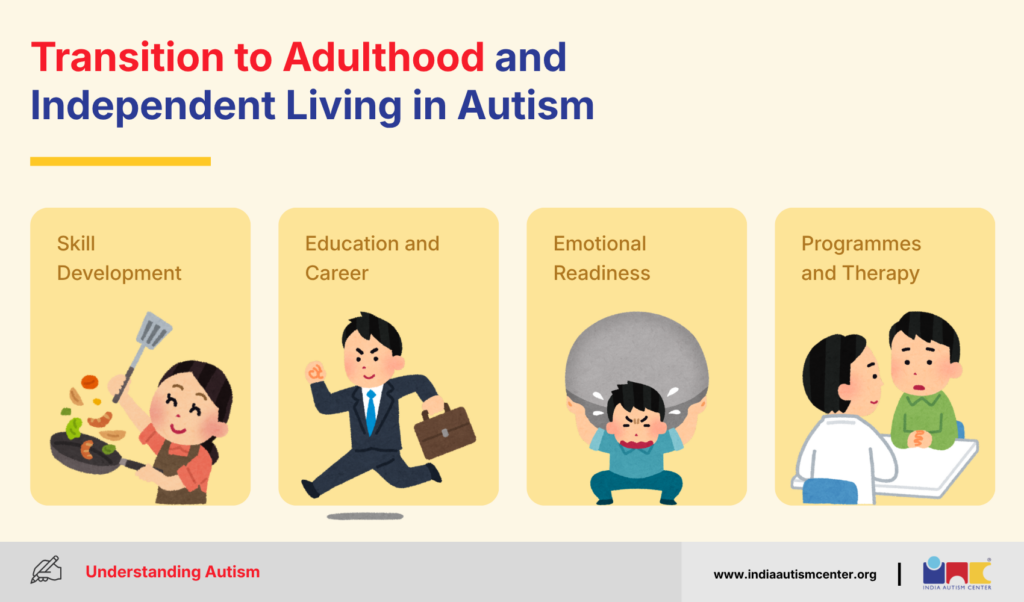
The transition from adolescence to adulthood is one of the most critical and vulnerable phases for individuals with autism. During this stage, focus shifts from school-based support to independent living, higher education, employment, and social participation. Without structured guidance, many autistic individuals experience a sudden loss of services and increased emotional stress.
A well-planned transition process helps individuals build life skills, confidence, and long-term stability.
Challenges During Transition to Adulthood
- Loss of structured support systems: After school, many therapy and special education services reduce or stop altogether, leaving families unsure how to continue skill development and emotional support.
- Increased social and functional demands: Adult life requires managing money, travel, work schedules, and relationships—tasks that may be overwhelming without training in executive functioning and problem-solving.
- Emotional vulnerability: Anxiety, fear of failure, and low self-esteem are common when expectations increase faster than coping skills.
Importance of Life Skills Development
- Daily living skills: Training in cooking, hygiene, time management, and household responsibilities builds independence and reduces long-term dependence on caregivers.
- Community navigation: Learning how to use public transport, shop independently, and handle real-world interactions improves confidence and safety.
- Decision-making and self-advocacy: Autistic individuals must be taught how to express needs, set boundaries, and make informed choices about their lives.
Education and Career Pathways
- Identifying strengths and interests: Career planning should focus on abilities rather than limitations, helping individuals find meaningful vocational or academic paths.
- Skill-based training: Practical and job-oriented learning (such as computer skills, art, hospitality, or technical work) increases employability.
- Workplace preparation: Training in communication, teamwork, and handling feedback is essential for adapting to professional environments.
Social and Emotional Readiness
- Understanding relationships: Education about friendships, personal boundaries, and healthy relationships protects against exploitation and social isolation.
- Managing stress and change: Teaching coping strategies such as structured routines, relaxation methods, and problem-solving reduces emotional overload.
- Identity and self-worth: Transition programmes should encourage self-acceptance and pride in neurodiversity rather than focusing only on deficits.
Role of Family in Transition Planning
- Gradual transfer of responsibility: Families should slowly allow individuals to take control of tasks such as budgeting or travel, rather than expecting sudden independence.
- Long-term financial and legal planning: Planning for guardianship, supported decision-making, and future care ensures security and dignity.
- Emotional support and encouragement: Families play a key role in reinforcing confidence and resilience during this phase of change.
Importance of Structured Transition Programmes
- Reduces drop-out and unemployment: Supported pathways help autistic individuals stay engaged in education or work.
- Prevents mental health decline: Consistent guidance lowers the risk of anxiety, depression, and social withdrawal.
- Promotes long-term independence: Individuals gain skills that allow them to live more self-directed lives.
Autism Therapies and Interventions
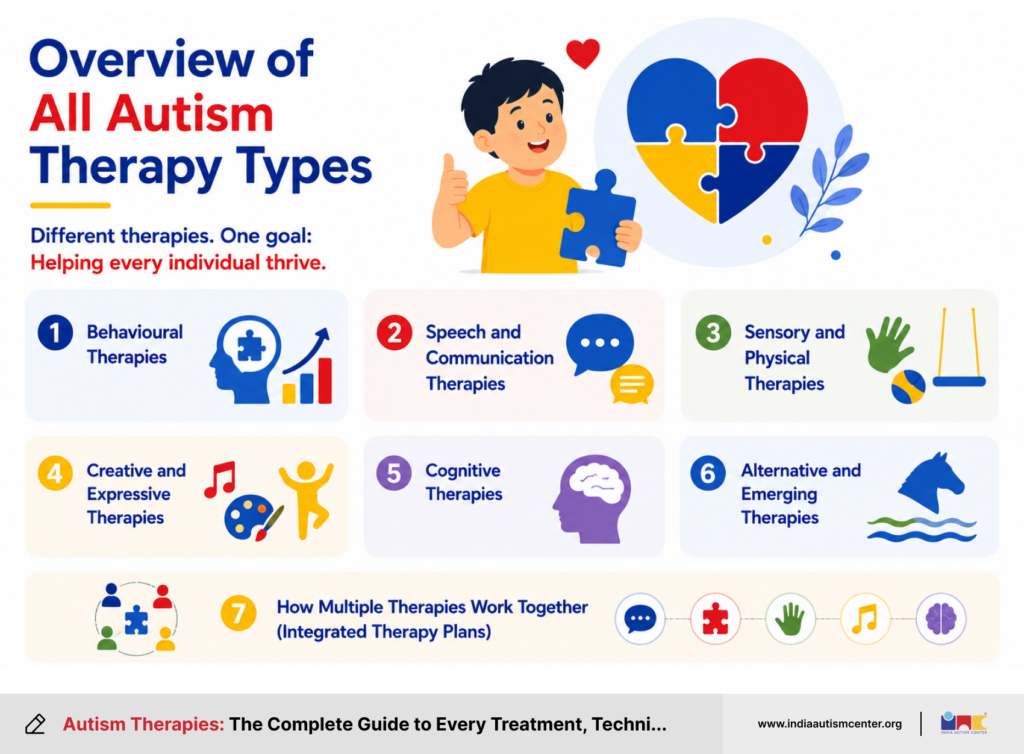
Autism therapies aim to improve communication, behaviour, learning ability, and daily functioning. While autism is not a disease that can be cured, early and structured therapeutic support can significantly enhance independence, emotional well-being, and quality of life. Effective therapy plans are individualised, evidence-based, and reviewed regularly.
Importance of Early and Continuous Therapy
- Maximises brain development: Early therapy takes advantage of neuroplasticity, helping children develop communication and adaptive skills more effectively.
- Prevents secondary difficulties: Timely intervention reduces the risk of anxiety, behavioural challenges, and academic failure.
- Supports lifelong learning: Therapy is not limited to childhood; adolescents and adults also benefit from structured skill-building and emotional support.
Behavioural Therapies
- Applied Behaviour Analysis (ABA): ABA focuses on reinforcing positive behaviours and reducing behaviours that interfere with learning, using structured and measurable techniques.
- Positive Behaviour Support (PBS): PBS addresses the reasons behind behaviours and teaches alternative skills rather than relying on punishment-based methods.
- Parent-mediated behavioural programmes: Parents are trained to use behavioural strategies at home, ensuring consistency across daily routines.
Speech and Communication Therapy
- Language development: Speech therapy helps improve verbal communication, vocabulary, and sentence formation.
- Alternative communication methods: For non-speaking individuals, tools such as picture-based systems or communication devices enable functional expression.
- Social communication skills: Therapy also focuses on understanding tone, turn-taking, and non-verbal cues essential for social interaction.
Read our detailed article on A Comprehensive Guide to Speech and Language Therapy for Autism.
Occupational Therapy (OT)
- Daily living skills: OT supports independence in dressing, feeding, writing, and personal hygiene.
- Sensory integration: It helps individuals regulate responses to sound, touch, light, and movement.
- Motor coordination: Fine and gross motor exercises improve balance, hand use, and physical confidence.
Psychological and Emotional Therapies
- Cognitive Behavioural Therapy (CBT): Adapted CBT helps autistic individuals manage anxiety, depression, and emotional regulation.
- Emotional awareness training: Therapy teaches recognition and expression of feelings in healthy ways.
- Trauma-informed care: Addresses stress related to bullying, academic failure, or social rejection.
Educational and Skill-Based Interventions
- Special education programmes: Tailored teaching methods address learning differences and promote academic success.
- Social skills training: Structured sessions help individuals practise conversations, friendships, and conflict resolution.
- Vocational therapy: Focuses on job readiness, task management, and workplace behaviour for adolescents and adults.
Medical and Allied Health Support
- Paediatric and psychiatric care: Doctors monitor sleep, nutrition, and co-existing conditions such as epilepsy or ADHD.
- Medication (when needed): Used cautiously to manage severe anxiety, aggression, or attention difficulties—not to treat autism itself.
- Dietary and feeding therapy: Supports nutritional health and reduces food-related sensory challenges.
Therapy at Home and in the Community
- Home-based programmes: Daily routines become opportunities for learning through guided play and structured activities.
- School collaboration: Therapists coordinate with teachers to ensure consistent strategies.
- Community-based learning: Real-world environments help generalise skills beyond therapy rooms.
Autism Diet, Nutrition, and Overall Health
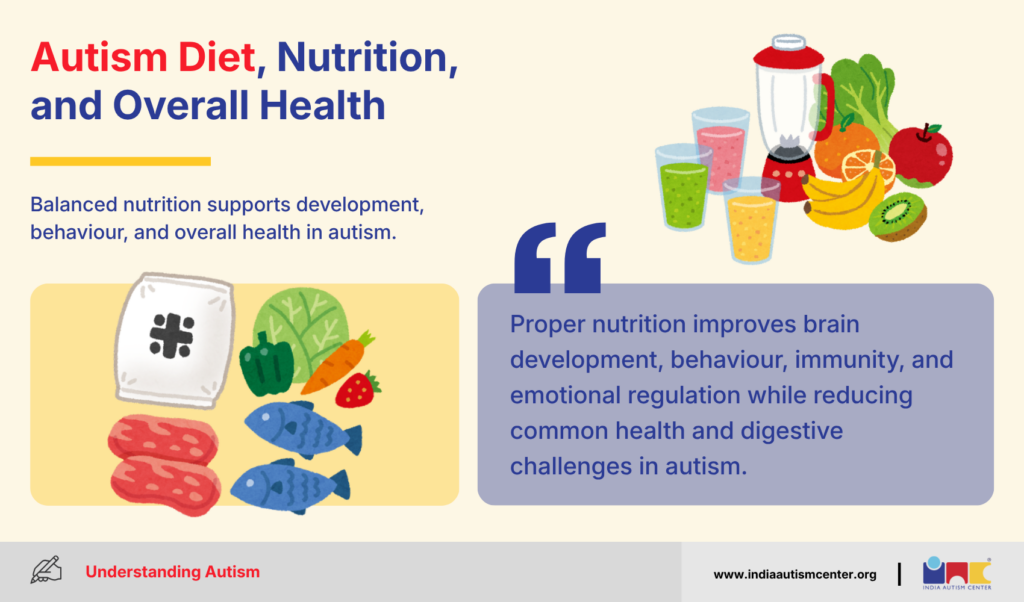
A balanced and structured diet supports physical growth, brain development, and emotional regulation in individuals with autism. Although there is no single “autism diet,” proper nutrition can improve energy levels, digestion, immunity, and attention, while reducing discomfort that may worsen behavioural challenges.
Dietary planning should always be evidence-based and supervised by healthcare professionals.
Importance of Nutrition in Autism
- Supports brain and body development: Adequate intake of proteins, healthy fats, vitamins, and minerals is essential for cognitive function, learning, and muscle growth.
- Improves behaviour and attention: Stable blood sugar levels and sufficient nutrients can reduce irritability, fatigue, and poor concentration.
- Prevents secondary health issues: Proper nutrition lowers the risk of obesity, vitamin deficiencies, and digestive problems, which are common in autistic individuals.
Refer to our article on Autism Diet: A Detailed Guide (2026) for more detailed coverage on this topic.
Common Feeding and Eating Challenges
- Food selectivity: Many individuals prefer a limited range of foods based on texture, colour, or smell, leading to unbalanced diets.
- Sensory sensitivity: Strong reactions to taste, smell, or texture can make mealtimes stressful and restrict food variety.
- Gastrointestinal difficulties: Constipation, reflux, and bloating may occur more frequently and affect comfort and behaviour.
Special Diet Approaches (With Medical Guidance)
- Gluten-free and casein-free (GFCF) diet: Some families explore removing gluten and dairy to reduce digestive discomfort and behavioural issues, although scientific evidence remains mixed.
- Elimination diets: These identify food intolerances by removing and reintroducing certain foods under professional supervision.
- Balanced therapeutic diets: Focus on whole grains, fruits, vegetables, lean protein, and healthy fats rather than restricting food groups unnecessarily.
Role of Micronutrients
- Iron and vitamin D: Support immunity, energy, and bone health, which may be low in children with restricted diets.
- Omega-3 fatty acids: May help with attention and emotional regulation when included through fish or supplements.
- B vitamins and zinc: Contribute to nerve function and metabolism and should be monitored in selective eaters.
Mealtime Behaviour and Routine
- Structured meal times: Predictable eating schedules reduce anxiety and encourage appetite regulation.
- Gradual food introduction: New foods should be introduced slowly alongside preferred foods to avoid distress.
- Positive reinforcement: Praising attempts rather than forcing consumption builds healthier eating habits.
Feeding Therapy and Professional Support
- Speech and occupational therapy: These address chewing, swallowing, and oral sensitivity issues.
- Dietitian involvement: Nutritionists ensure dietary plans are balanced and safe.
- Medical monitoring: Paediatricians and gastroenterologists assess growth and digestive health regularly.
Long-Term Health Considerations
- Weight management: Limited physical activity and selective eating increase obesity risk without structured dietary planning.
- Bone and muscle health: Adequate calcium and protein intake supports long-term mobility and posture.
- Mental wellbeing: Stable nutrition contributes to better sleep, mood, and stress tolerance.
Autism Awareness, Social Inclusion, and Public Perception
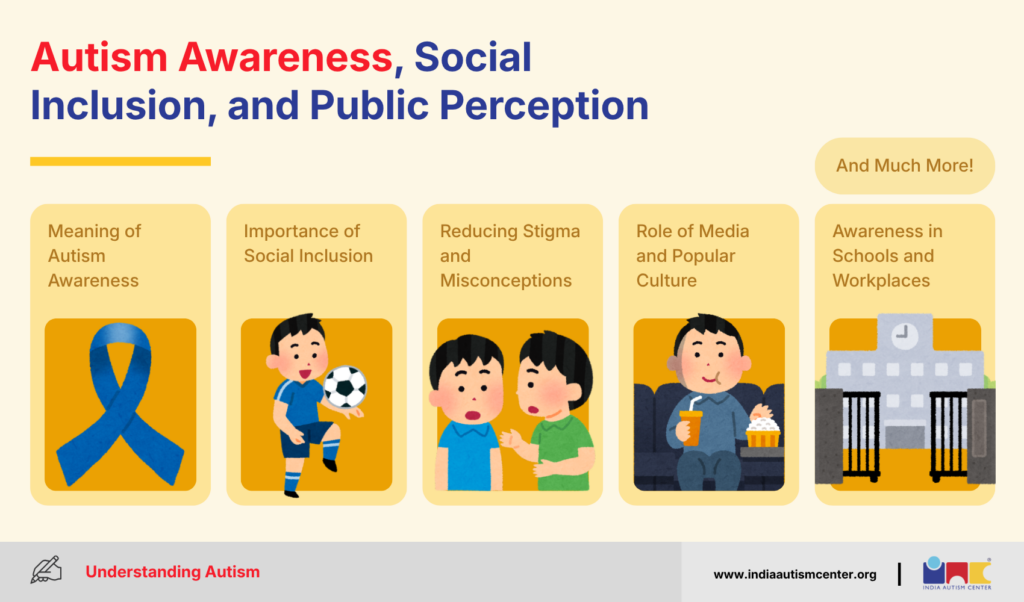
Autism awareness is essential for building an inclusive society that respects neurodiversity and supports equal participation. Awareness goes beyond recognising the condition; it involves understanding strengths, reducing stigma, and creating environments where individuals with autism can learn, work, and live with dignity.
When communities are informed, barriers to education, employment, and social relationships are significantly reduced.
Meaning of Autism Awareness
- Understanding autism correctly: Awareness promotes accurate knowledge about autism as a neurodevelopmental condition rather than a behavioural problem or illness.
- Recognising individual differences: It highlights that autism exists on a spectrum, with varying abilities, challenges, and support needs.
- Encouraging acceptance: Awareness supports respect for neurodiversity rather than forcing conformity to social norms.
Importance of Social Inclusion
- Access to education and employment: Inclusive schools and workplaces allow individuals with autism to contribute meaningfully to society.
- Participation in community life: Inclusion ensures access to recreation, public spaces, and cultural activities without discrimination.
- Improved mental well-being: Acceptance reduces loneliness, anxiety, and social withdrawal.
Reducing Stigma and Misconceptions
- Challenging stereotypes: Not all autistic individuals have intellectual disability or extraordinary abilities; both assumptions can be harmful.
- Correcting myths: Autism is not caused by poor parenting, emotional neglect, or modern technology alone.
- Promoting respectful language: Using person-centred and non-judgemental language improves attitudes and social interaction.
Role of Media and Popular Culture
- Influence on public understanding: Films, documentaries, and social media shape how autism is viewed by society.
- Balanced representation: Responsible storytelling shows both strengths and challenges without exaggeration.
- Educational value: Media can be used as a tool to spread factual information and empathy.
Autism Awareness in Schools and Workplaces
- Teacher and staff training: Educators and employers benefit from learning how autism affects communication and behaviour.
- Reasonable adjustments: Sensory-friendly classrooms, flexible schedules, and clear instructions support inclusion.
- Anti-bullying initiatives: Awareness reduces peer rejection and improves emotional safety.
Community-Based Awareness Initiatives
- Public campaigns: Awareness days and events help disseminate reliable information to large audiences.
- Workshops and seminars: Community training improves understanding among healthcare workers, police, and service providers.
- Parent and peer education: Families and classmates learn how to communicate and interact supportively.
📥 Free download: Printable daily routine chart for autistic children
Daily Challenges Faced by Individuals with Autism and Their Families
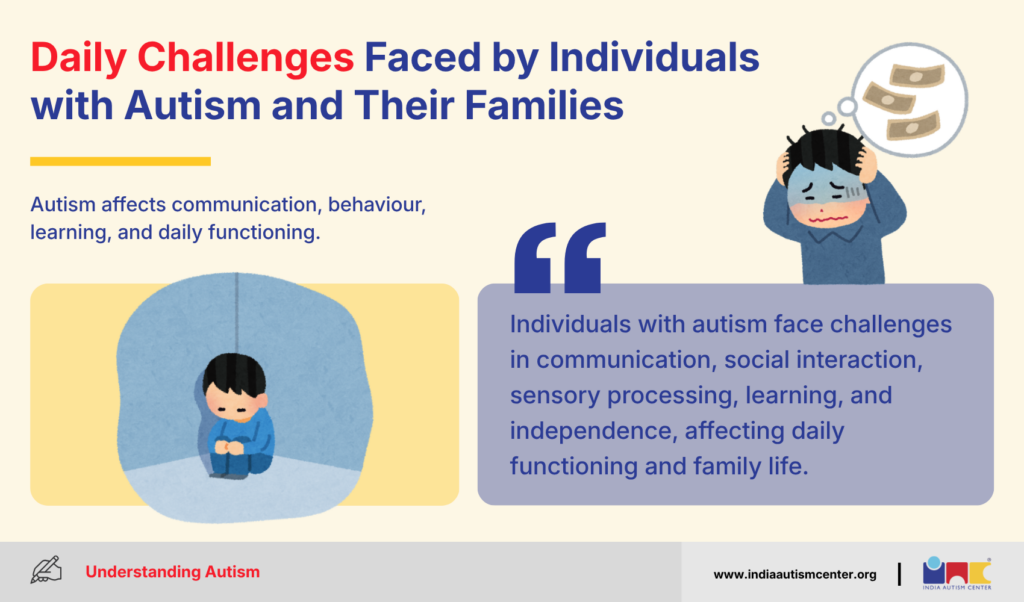
Autism affects multiple areas of daily life, including communication, behaviour, learning, and social participation. These challenges vary widely from person to person and may change across different stages of life. Understanding these difficulties is essential for providing effective support, reducing stress, and improving long-term outcomes.
Communication Difficulties
- Delayed or limited speech: Some individuals with autism may have delayed language development or remain non-speaking, making it difficult to express needs and emotions.
- Social communication challenges: Difficulties in understanding tone, facial expressions, and body language can affect friendships and classroom or workplace interactions.
- Literal interpretation of language: Idioms, sarcasm, and indirect instructions may be confusing, leading to misunderstandings.
Social Interaction Challenges
- Difficulty forming relationships: Making and maintaining friendships can be challenging due to differences in social interests and interaction styles.
- Limited social reciprocity: Individuals may struggle with turn-taking, shared attention, or understanding others’ perspectives.
- Risk of isolation: Without support, social difficulties may lead to loneliness and reduced self-esteem.
Behavioural and Emotional Regulation Issues
- Meltdowns and shutdowns: Emotional overload caused by sensory input, frustration, or change can result in intense reactions or withdrawal.
- Anxiety and fear of change: Unexpected events or transitions may trigger distress and resistance.
- Difficulty managing emotions: Recognising and expressing feelings appropriately may require structured teaching and support.
Sensory Processing Challenges
- Over-sensitivity: Bright lights, loud sounds, or certain textures may cause discomfort or pain.
- Under-sensitivity: Some individuals may seek strong sensory input, such as spinning or touching objects repeatedly.
- Impact on daily routines: Sensory issues can affect eating, dressing, learning, and social participation.
Learning and Academic Difficulties
- Uneven skill development: Strong abilities in some areas and significant difficulties in others can make standard teaching methods ineffective.
- Attention and executive functioning issues: Planning, organising, and completing tasks may be challenging without support.
- Need for adapted teaching methods: Visual learning and structured instruction are often more effective than verbal-only teaching.
Challenges in Adolescence and Adulthood
- Identity and self-esteem concerns: Increased social awareness during adolescence may lead to emotional stress and comparison with peers.
- Employment barriers: Lack of workplace understanding and flexibility can limit job opportunities.
- Independent living difficulties: Managing finances, transport, and healthcare may require long-term support.
Family and Caregiver Challenges
- Emotional stress: Parents and caregivers may experience anxiety, exhaustion, and uncertainty about the future.
- Financial burden: Therapy, education, and healthcare costs can place strain on family resources.
- Social stigma: Negative attitudes and lack of awareness may isolate families from community life.
Our article on A Guide to the Challenges in Autism [2026] covers this topic in more details
Autism and Co-existing Conditions
Autism often occurs alongside other developmental or neurological conditions, which can influence diagnosis, support needs, and long-term outcomes. Understanding these overlaps helps families and professionals create accurate intervention plans and avoid misdiagnosis. Each condition has distinct features, even when some behaviours appear similar.
Autism and Attention Deficit Hyperactivity Disorder (ADHD)
- Shared characteristics: Both autism and ADHD may involve inattention, impulsivity, and difficulty with emotional regulation, which can make differentiation challenging.
- Key differences: Autism primarily affects social communication and sensory processing, whereas ADHD mainly impacts attention, impulse control, and activity level.
- Impact on intervention: When both conditions coexist, therapy must address communication difficulties alongside focus and behavioural regulation
Want to know more? Get in touch with us.
Autism and Down Syndrome
- Distinct genetic origins: Down syndrome is caused by an extra chromosome, while autism results from differences in brain development influenced by genetic and environmental factors.
- Overlapping features: Both conditions may involve learning delays and speech difficulties, but social motivation is often stronger in Down syndrome than in autism.
- Dual diagnosis: Some individuals have both autism and Down syndrome, requiring highly specialised educational and therapeutic planning.
Also, Understand The Difference Between Autism and Down Syndrome.
Autism and Intellectual Disability
- Difference in core difficulty: Intellectual disability primarily affects overall learning ability, while autism mainly impacts communication, behaviour, and sensory processing.
- Independent conditions: An individual can have autism with or without intellectual disability.
- Support planning: Therapy must be adapted according to cognitive level and communication ability.
Autism and Anxiety Disorders
- High prevalence: Anxiety is common in autistic individuals due to sensory sensitivity, social stress, and difficulty coping with change.
- Behavioural impact: Anxiety may increase meltdowns, avoidance, or rigid behaviour patterns.
- Therapeutic approach: Emotional regulation training and adapted psychological therapy help manage anxiety effectively.
Autism and Epilepsy
- Neurological link: Epilepsy occurs more frequently in autistic individuals than in the general population.
- Health monitoring: Regular neurological evaluation is essential for safety and overall development.
- Integrated care: Medical management must be coordinated with educational and therapeutic planning.
Autism and Sensory Processing Disorder
- Sensory differences: Many autistic individuals experience heightened or reduced sensitivity to sound, light, touch, or movement.
- Daily life impact: Sensory challenges affect eating, dressing, learning, and social participation.
- Support strategies: Occupational therapy and environmental modification help regulate sensory input.
Education, Schooling Options, and Learning Approaches for Autism
Education plays a central role in the long-term development, independence, and social participation of individuals with autism. Because autism affects communication, attention, and sensory processing, learning methods must be adapted to suit individual needs.
A flexible and inclusive education system allows autistic learners to reach their potential academically, socially, and emotionally.
Importance of Individualised Education
- Learning at one’s own pace: Autistic learners often show uneven skill development, excelling in some areas while struggling in others, which requires personalised teaching methods.
- Focus on functional learning: Education should include academic subjects alongside life skills, communication, and emotional regulation.
- Strength-based approach: Teaching should build on interests and abilities rather than focusing only on limitations.
Mainstream Schooling
- Inclusive education model: Many autistic children attend mainstream schools with appropriate accommodations, such as learning support teachers or classroom aides.
- Benefits of inclusion: Interaction with peers supports social development and community participation.
- Challenges: Large class sizes, sensory overload, and rigid teaching styles may require adjustments such as visual aids and structured routines.
Special Education Schools
- Specialised teaching methods: These schools offer adapted curricula and trained staff who understand autism-specific learning needs.
- Smaller class sizes: This allows for greater individual attention and emotional support.
- Therapy integration: Speech, occupational, and behavioural therapies are often incorporated into daily learning.
Homeschooling and Home-Based Education
- Flexible learning environment: Homeschooling allows education to be tailored to the child’s pace, sensory needs, and interests.
- Reduced sensory stress: Home settings may minimise anxiety caused by noise, crowding, and rigid schedules.
- Parental responsibility: Families must ensure structured learning and social interaction opportunities.
Bilingualism and Language Learning
- Exposure to multiple languages: Research indicates that bilingualism does not worsen autism-related communication challenges.
- Cultural and family connection: Using home languages supports emotional bonding and cultural identity.
- Structured language teaching: Clear and consistent language models help autistic children learn effectively.
Use of Technology in Education
- Visual learning tools: Tablets and educational apps support communication and concept learning.
- Assistive communication devices: Technology enables non-speaking individuals to express themselves.
- Remote learning options: Online education offers flexibility for those unable to attend traditional schools.
Social Skills and Peer Learning
- Structured social interaction: Group activities teach turn-taking, cooperation, and communication.
- Peer modelling: Observing classmates helps reinforce appropriate behaviour and language.
- Anti-bullying strategies: Awareness and inclusion policies protect emotional well-being.
Transition from School to Vocational Learning
- Skill-based education: Adolescents benefit from training in practical skills such as computing, crafts, or technical trades.
- Career-oriented planning: Education should align with future employment or independent living goals.
- Supported learning pathways: Guidance helps reduce dropout and unemployment risk.
Barriers to Education
- Limited trained educators: Lack of autism-specific training affects teaching quality.
- Inflexible curricula: Standardised systems may not accommodate individual learning styles.
- Social stigma: Misunderstanding can lead to exclusion or low expectations.
Autism Therapies at Home and the Role of Parents
Home-based support plays a vital role in reinforcing therapeutic progress and promoting everyday learning for individuals with autism. While professional therapy provides structured intervention, consistent practice at home ensures skills are generalised into real-life situations.
Parents and caregivers act as primary facilitators of growth, emotional security, and independence.
Importance of Therapy at Home
- Continuity of learning: Skills taught in therapy sessions must be practised daily at home to ensure long-term retention and functional use.
- Natural learning environment: Home settings allow children to learn communication, behaviour, and self-care skills in familiar and meaningful contexts.
- Cost-effective support: Home-based strategies reduce overdependence on clinic-based sessions and empower families to become active participants in intervention.
Structured Daily Routines
- Predictability and security: Clear routines reduce anxiety and help individuals understand expectations for daily activities such as meals, study, and sleep.
- Improved time management: Visual schedules and step-by-step instructions help individuals complete tasks independently.
- Behaviour regulation: Consistent routines reduce frustration and behavioural outbursts linked to uncertainty.
Communication Support at Home
- Encouraging functional language: Parents can model simple, clear language during daily interactions such as eating, dressing, and play.
- Use of visual aids: Picture charts, labels, and gesture-based systems improve understanding and expression.
- Responsive interaction: Following the child’s interests strengthens attention and social engagement.
Behaviour Management Strategies
- Positive reinforcement: Rewarding desired behaviours increases motivation and learning.
- Understanding behaviour triggers: Identifying causes of meltdowns or withdrawal helps families modify environments to prevent distress.
- Consistency across caregivers: Using the same strategies across family members avoids confusion and mixed signals.
Sensory Regulation at Home
- Creating sensory-friendly spaces: Quiet corners, soft lighting, and noise reduction help manage sensory overload.
- Daily sensory activities: Activities such as swinging, squeezing stress balls, or deep-pressure exercises support emotional regulation.
- Monitoring sensory needs: Parents learn to identify when sensory input is calming or overwhelming.
Teaching Life Skills
- Self-care skills: Dressing, toileting, and hygiene routines build independence and dignity.
- Household responsibilities: Simple chores teach responsibility and improve motor coordination.
- Safety awareness: Learning about danger, personal boundaries, and basic first aid promotes protection and autonomy.
Emotional and Social Development
- Recognising emotions: Parents help children label and understand feelings using stories and visual cues.
- Social modelling: Everyday interactions teach turn-taking, sharing, and empathy.
- Building resilience: Supportive parenting encourages confidence and coping with challenges.
Collaboration with Professionals
- Following therapy plans: Parents apply professional recommendations in daily routines.
- Monitoring progress: Keeping simple records helps therapists adjust goals.
- Regular feedback: Open communication between families and professionals ensures consistency.
Here is our article on Autism Therapies at Home: Types, Benefits, and How-to Guide.
Autism Awareness and Society
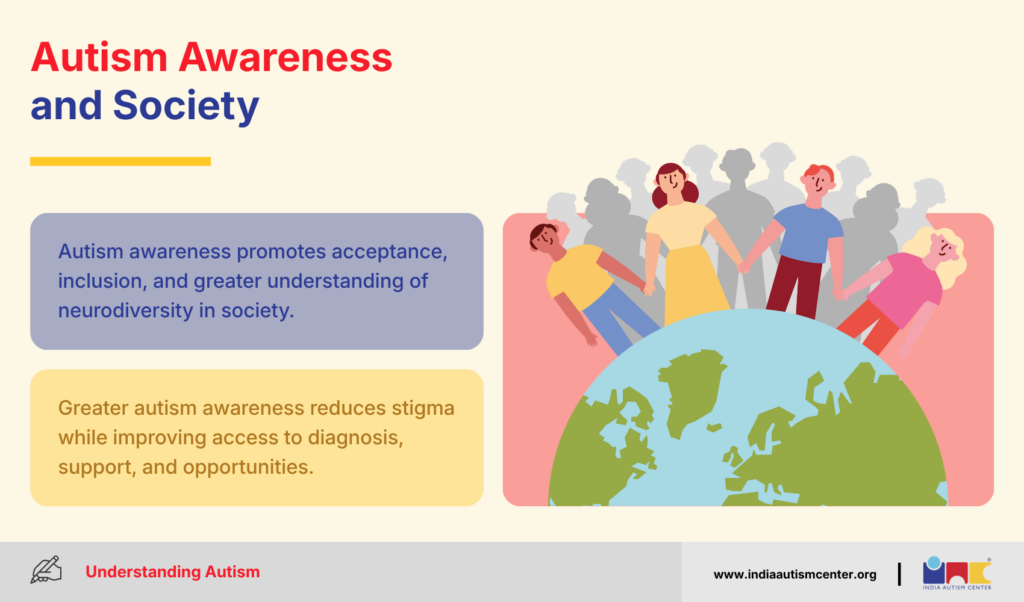
Autism awareness in society means understanding autism accurately, accepting neurodiversity, and creating inclusive environments where autistic individuals can participate fully in community life. Greater awareness helps reduce stigma, encourages early diagnosis, improves access to services, and promotes dignity and independence for individuals with autism.
Why Autism Awareness Matters
- Promotes early identification and intervention: Greater public awareness helps parents, teachers, and healthcare professionals recognise early signs of autism. According to the World Health Organisation, early identification followed by appropriate intervention can significantly improve communication, behaviour, and learning outcomes.
- Reduces stigma and discrimination: Misconceptions about autism often lead to social isolation and exclusion. Awareness campaigns help people understand that autism is a neurological difference rather than a disease or behavioural problem.
- Encourages inclusive communities: Awareness encourages schools, workplaces, and public institutions to adopt inclusive practices that allow autistic individuals to participate meaningfully in education, employment, and social life.
Global Autism Awareness Initiatives
- World Autism Awareness Day: The United Nations declared 2 April as World Autism Awareness Day to promote global understanding and acceptance of autism. Each year, governments and organisations conduct awareness campaigns, conferences, and educational programmes.
- Growing global prevalence awareness: The Centers for Disease Control and Prevention (CDC) estimates that 1 in 36 children is diagnosed with autism spectrum disorder. Increasing awareness helps societies prepare healthcare, education, and social systems to support this growing population.
- International advocacy movements: Organisations worldwide work to promote neurodiversity, support families, and advocate for policies that improve access to therapy, education, and employment.
Autism Awareness in India
- Rising awareness but persistent gaps: India has seen increasing recognition of autism over the past two decades, but awareness is still limited in many communities, particularly in rural areas.
- Legal recognition and policy support: Autism is recognised under the Rights of Persons with Disabilities Act, 2016, which ensures legal rights, inclusive education, and access to government schemes for individuals with autism.
- Need for community education: Many families still face stigma and delays in diagnosis due to a lack of awareness among educators, healthcare providers, and the general public.
Role of Schools and Educational Institutions
- Teacher awareness and training: Educators who understand autism can identify developmental differences early and provide appropriate classroom support.
- Inclusive education practices: Schools that adopt flexible teaching methods, visual learning tools, and sensory-friendly environments create better learning outcomes for autistic students.
- Peer awareness programmes: Educating classmates about autism encourages empathy, reduces bullying, and fosters acceptance.
Role of Media and Public Communication
- Accurate representation: Films, television, and digital media influence how people perceive autism. Balanced and realistic portrayals help society understand the diversity of the autism spectrum.
- Educational campaigns: Social media campaigns, documentaries, and public awareness drives help disseminate accurate information about autism symptoms, support strategies, and success stories.
- Combating misinformation: Reliable information from healthcare professionals and research institutions is essential to counter myths and misconceptions.
Community and Workplace Inclusion
- Employment opportunities: Awareness encourages organisations to create supportive workplaces where autistic individuals can use their unique strengths such as attention to detail, pattern recognition, and analytical thinking.
- Accessible public spaces: Sensory-friendly environments in malls, transport systems, and community centres improve accessibility.
- Social participation: Inclusive community events allow autistic individuals and their families to engage in cultural and recreational activities.
Importance of Autism Advocacy
- Promoting policy changes: Advocacy groups influence government policies to improve healthcare, education, and social welfare programmes for autistic individuals.
- Supporting families: Parent networks and advocacy organisations provide emotional support, information, and guidance.
- Encouraging self-advocacy: Increasingly, autistic individuals themselves are speaking out about their experiences, needs, and rights.
📥 Free download: Printable daily routine chart for autistic children
Conclusion
Autism is a lifelong neurodevelopmental condition that affects communication, behaviour, and social interaction, but it also represents a diverse spectrum of abilities and strengths. With early identification, evidence-based therapies, supportive education systems, and strong family involvement, individuals with autism can make meaningful progress in communication, independence, and social participation.
Increasing awareness and reducing stigma are equally important, as they encourage timely diagnosis, improve access to services, and create environments where autistic individuals are accepted and valued. When society understands autism better, schools, workplaces, and communities become more inclusive and supportive.
At the same time, long-term progress requires coordinated efforts from families, professionals, policymakers, and support organisations. India Autism Center (IAC) contributes significantly to this effort by providing multidisciplinary therapy, education, awareness programmes, and family support services. By promoting early intervention, skill development, and community inclusion, IAC helps individuals with autism move toward greater independence and improved quality of life.
Frequently Asked Questions
How do I know if my child has autism?
There’s no single test, but here are some early signs to look for:
- Limited eye contact or social engagement
- Delayed speech or minimal gestures
- Repetitive movements like rocking or hand-flapping
- Intense reactions to textures, sounds, or routine changes
- A strong preference for playing alone
If these patterns persist, speak with a developmental pediatrician or clinical psychologist. Early intervention for autism can significantly improve long-term outcomes.
Can autism be cured or treated?
ASD is not something to be cured. It’s a different way of being. However, therapy, communication support, and structured routines can help build skills and reduce challenges.
Can autism improve with age?
Traits may evolve or become easier to manage, especially with early support. But autism is lifelong. What can grow is confidence, emotional regulation, and self-advocacy.
At what age is autism usually diagnosed?
Autism can often be identified by 18–24 months. But most diagnoses in India happen between the ages of 2 and 4. In some cases, especially when traits are masked, adult autism diagnosis may occur later in life.
What is the difference between autism and dementia?
Autism is present from early life and involves different sensory and social processing. Dementia, on the other hand, is a degenerative condition that leads to memory loss and cognitive decline, typically in older adults.
What is the difference between autism and Asperger’s disorder?
Asperger’s was once used to describe autistic individuals with strong verbal skills and no cognitive delays. Today, it’s folded into autism spectrum disorder under the DSM-5. The term is outdated in clinical settings.
What is severe autism?
Severe autism generally refers to individuals who have limited or no verbal language, co-occurring intellectual disability, and high support needs. It often aligns with Level 3 autism under DSM-5 classification.
What is the difference between autism and ADHD?
While both can include inattention and impulsivity, autism affects social communication and sensory regulation. ADHD is more focused on attention span, hyperactivity, and impulse control. The two can co-occur, but they’re distinct conditions.
What is the difference between Autism and Down syndrome?
Autism affects how the brain processes social and sensory input. Down syndrome is a genetic condition (trisomy 21) with distinct physical and cognitive features. Some individuals have both, but they are entirely separate diagnoses.
Details
What is borderline autism?
Borderline autism is a non-clinical term. It is sometimes used when a person shows autistic traits but doesn’t meet full diagnostic criteria. These individuals may still benefit from support.
What is atypical autism?
Atypical autism was used to refer to those with some but not all traits of autism. It’s important to note that this is no longer a formal diagnosis.
What is considered nonverbal autism?
Nonverbal autism means a person on the spectrum doesn’t use spoken words to communicate, or uses very few. They might use gestures, sounds, pictures, or devices instead. This is different from being nonverbal due to things like trauma or illness. Here, the brain develops differently, making speech hard to learn or use naturally.
Disclaimer: This article is intended for educational and informational purposes only. It is not a substitute for professional medical advice, diagnosis, or treatment. If you are pregnant or have concerns about medication use during pregnancy, please consult a qualified healthcare provider. If your child has received an autism diagnosis and you have questions about causes or support, please reach out to a trained specialist or an autism-focused organisation for guidance.
For expert insights, support services, and inclusive learning initiatives, visit the India Autism Center.