 Donate now
 Get a Call Back

 MENU
 12 MIN READ
 SHARE


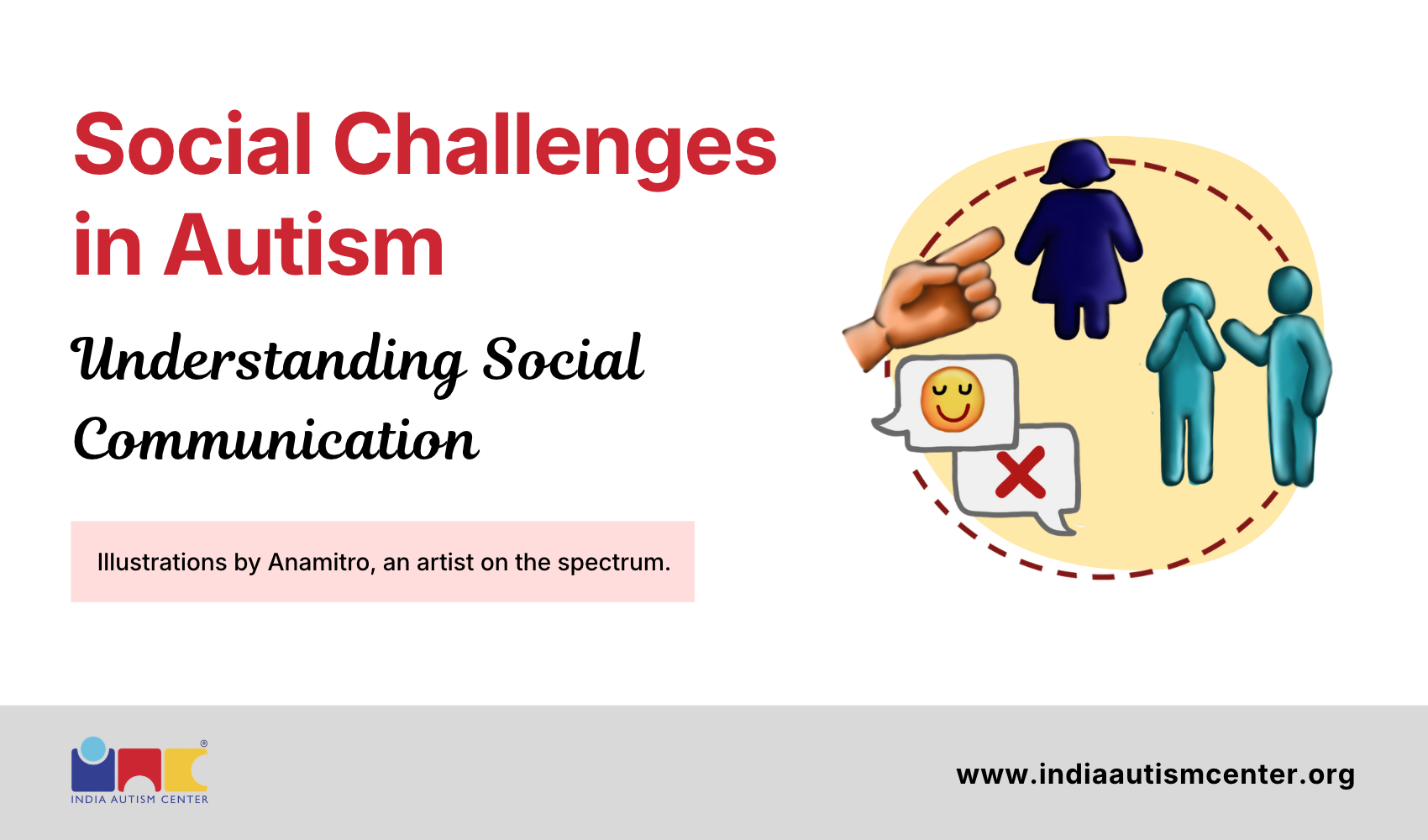
Social interaction can be complicated for autistic individuals, especially when everyday conversations, unspoken social rules, and group interactions don’t come naturally. However, difficulty navigating social situations does not mean an absence of interest in friendships or relationships.
According to the US Centers for Disease Control and Prevention (CDC), approximately 1 in 31 eight-year-old children was found to have Autism Spectrum Disorder (ASD) in its 2022 surveillance data.
It highlights the importance of understanding the different support needs involved so an individual with autism can build meaningful friendships and relationships.
Understanding social challenges in autism is the first step towards creating environments where autistic individuals can communicate comfortably, develop relationships and participate in everyday life.
What Are Social Challenges in Autism?
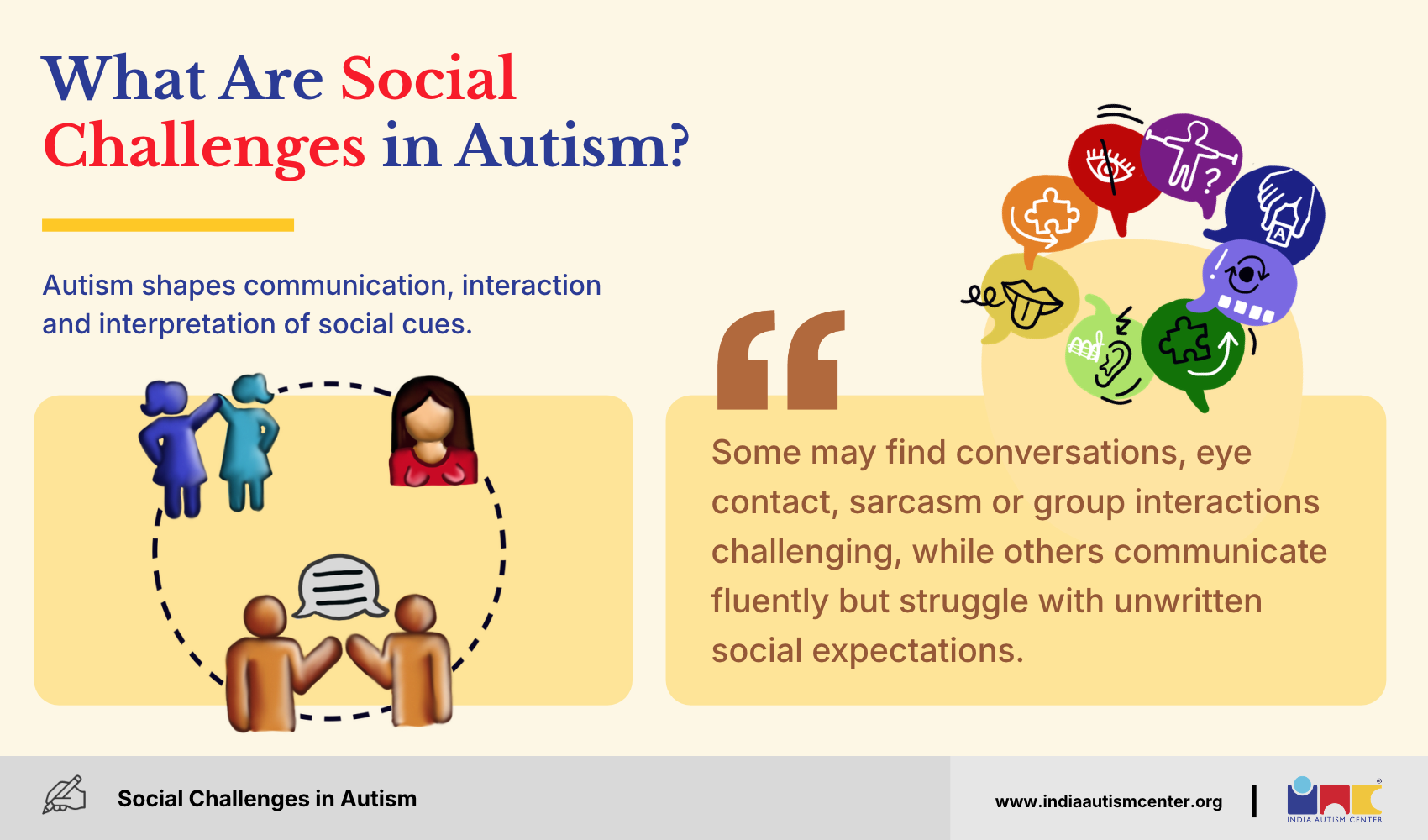
Social challenges in autism refer to differences in how autistic individuals communicate, interact with others, interpret social cues and develop relationships. These differences are part of the diagnostic characteristics of ASD, although their nature and intensity vary considerably from person to person.
For some, starting a conversation or maintaining eye contact may feel uncomfortable. Others may struggle to understand sarcasm, recognise another person’s emotions or navigate group conversations. Some autistic individuals communicate fluently but struggle with the unwritten expectations that often accompany social interactions.
These differences do not indicate a lack of empathy, intelligence, or desire for companionship. Autistic individuals may process and express social information differently.
What Social Difficulties Do Autistic Children Commonly Experience?
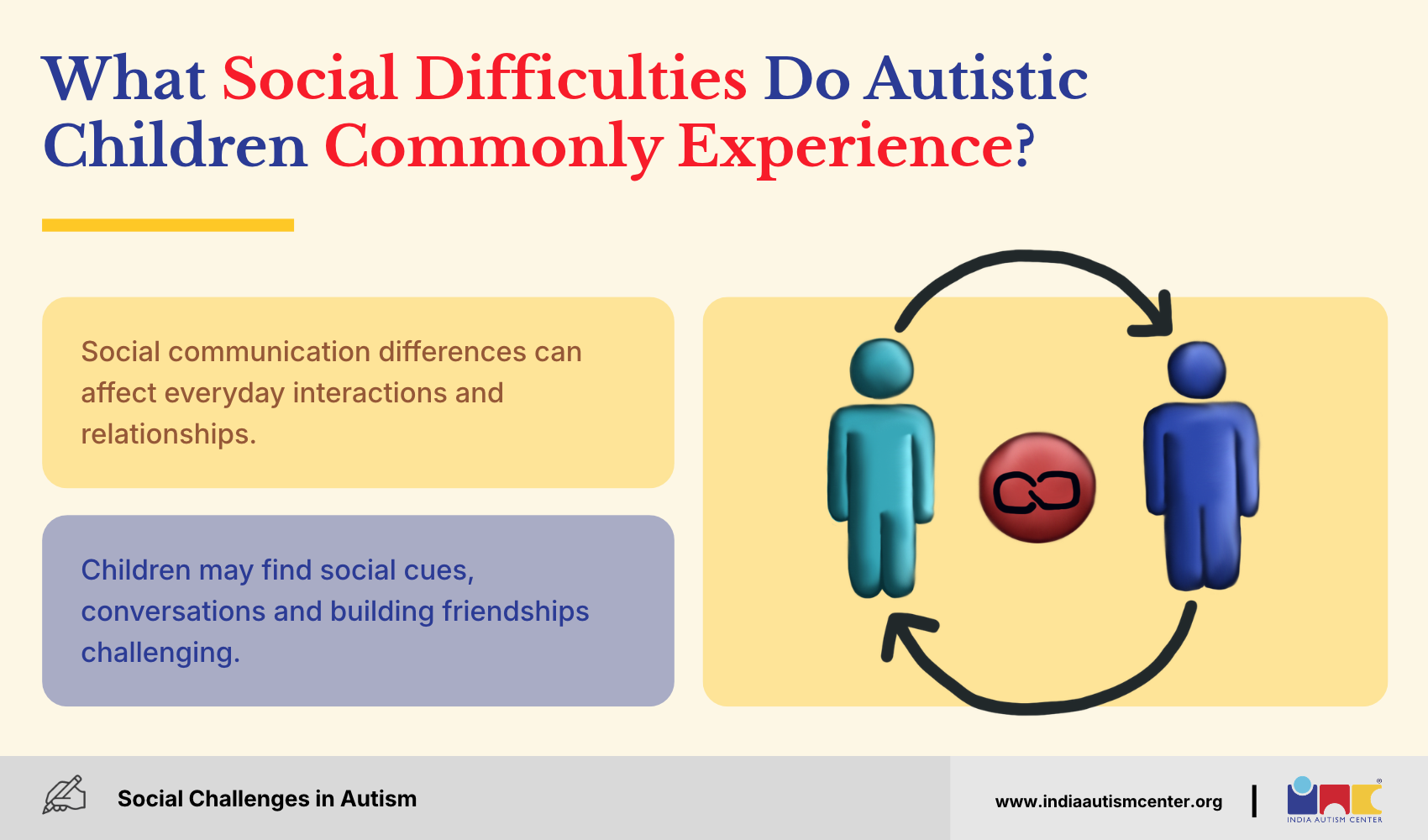
Social difficulties in autistic children can become noticeable during early childhood and may continue into adolescence and adulthood. However, not every autistic child experiences the same challenges. Some may struggle to initiate interactions, while others may communicate confidently but have difficulty maintaining friendships or understanding social expectations.
Some common social communication difficulties in autism include:
1. Difficulty Understanding Social Cues
Facial expressions, body language, gestures, and tone of voice often communicate information that is not explicitly spoken. Autistic children may find it difficult to interpret these signals or understand what someone is implying.
For example, a child may not recognise when a friend is becoming bored, understand that a particular tone indicates sarcasm or realise that someone is uncomfortable with a conversation.
This does not mean the child is uninterested in other people’s feelings. They may interpret social information differently.
2. Challenges With Verbal and Non-Verbal Communication
Communication differences are among the most recognised aspects of autism. Some children may have delayed speech, limited spoken language or difficulty expressing their thoughts. Others may have extensive vocabulary but struggle with the social use of language.
For instance, an autistic child might:
- Find it difficult to initiate or sustain a conversation.
- Interpret expressions literally rather than understanding their implied meaning.
- Talk extensively about a particular interest without recognising whether the listener wants to change the subject.
- Find it difficult to understand gestures, facial expressions or changes in tone.
Remember that eye contact is not a reliable measure of listening or engagement. Some autistic children find direct eye contact uncomfortable but can still pay close attention to a conversation.
3. Difficulty With Social Reciprocity
Social reciprocity refers to the back-and-forth exchange that takes place during interactions. It includes responding to another person’s comments, sharing interests, taking turns and showing interest in what someone else communicates.
An autistic child may find these exchanges challenging. For example, they might answer questions but not ask them in return, struggle to take turns during play or find it difficult to shift a conversation towards another person’s interests.
These differences can be misunderstood as disinterest or poor social behaviour when they reflect differences in communication and interaction.
4. Difficulty Making and Maintaining Friendships
Making friends with autism can involve navigating several unwritten social expectations, including initiating conversations, joining group activities, understanding shared interests and resolving disagreements.
A child may want companionship but feel unsure about approaching other children. They might also prefer one-to-one interactions over large groups or find friendships easier when they share a specific interest.
Friendships can become particularly challenging during adolescence, when peer relationships often involve more complex social expectations, indirect communication and changing group dynamics.
Read our detailed article on Autism Challenges Explained: What to Know in 2026.
Why Do Autistic Individuals Experience Social Challenges?
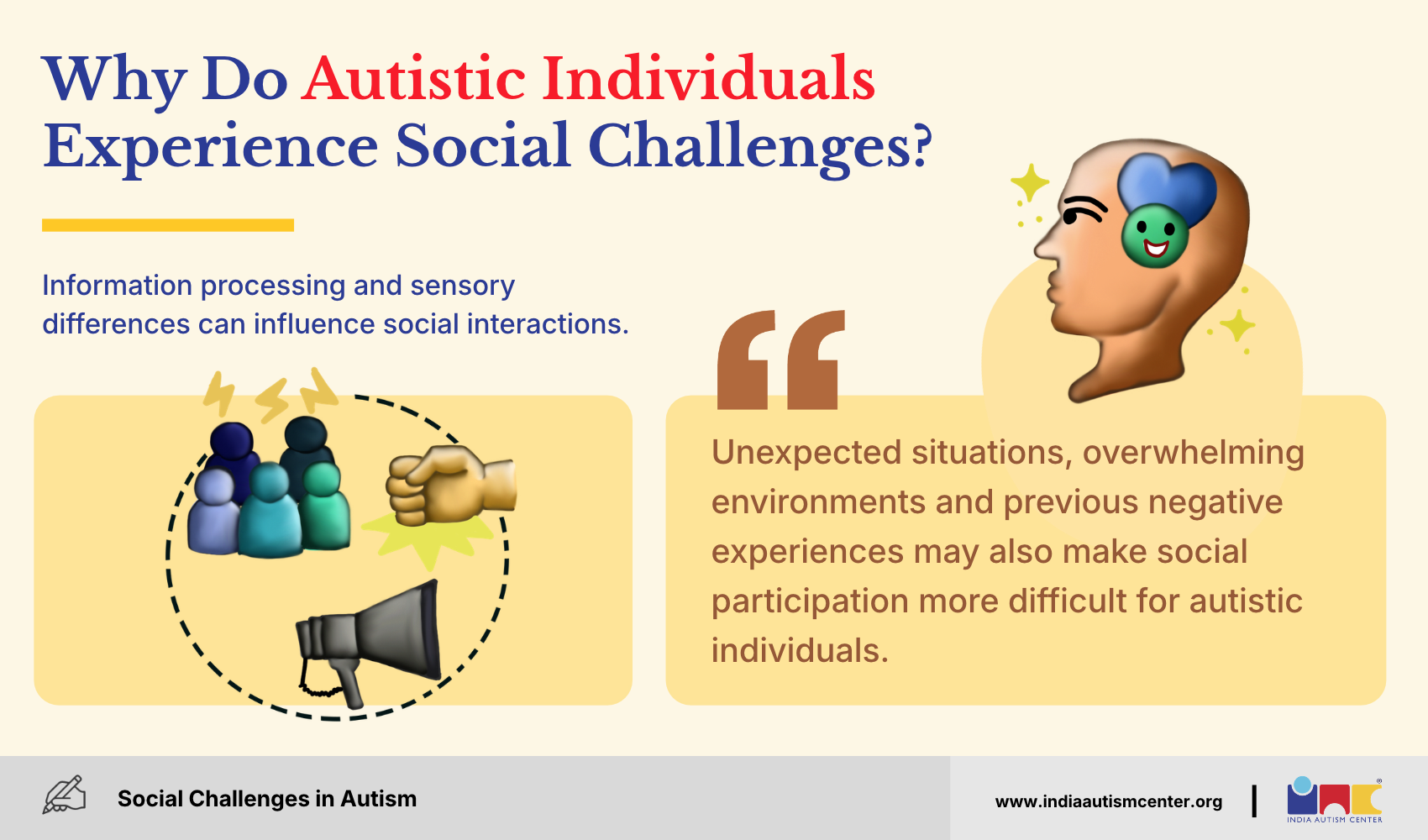
The reasons behind social challenges in autism are varied. They are associated with differences in social communication, information processing and sensory experiences. The surrounding environment and others’ expectations can also influence how difficult social situations become.
Some important contributing factors include:
Differences in Information Processing
Autistic individuals may process spoken language, facial expressions and other social information differently. Following several conversational cues simultaneously can require considerable effort.
Sensory Sensitivities
Bright lights, loud conversations, crowded classrooms and unexpected physical contact can make social environments overwhelming. A child who appears withdrawn at a birthday party, for example, may be struggling with noise and sensory input rather than avoiding other children.
Difficulty Adapting to Unexpected Situations
Changes in plans, unfamiliar people and unpredictable conversations can create uncertainty. This may make spontaneous social interactions more difficult.
Previous Negative Experiences
Bullying, rejection and repeated misunderstandings can reduce confidence. An autistic child who has experienced exclusion may become reluctant to participate in future social situations.
Another important concept is the double empathy problem. It suggests that communication misunderstandings can occur between people with different neurological experiences, rather than being solely an autistic person’s difficulty. Non-autistic people may also misunderstand an autistic person’s communication style. This highlights why social inclusion requires understanding from both sides.
How Does Autism Affect Social Interaction at Different Ages?
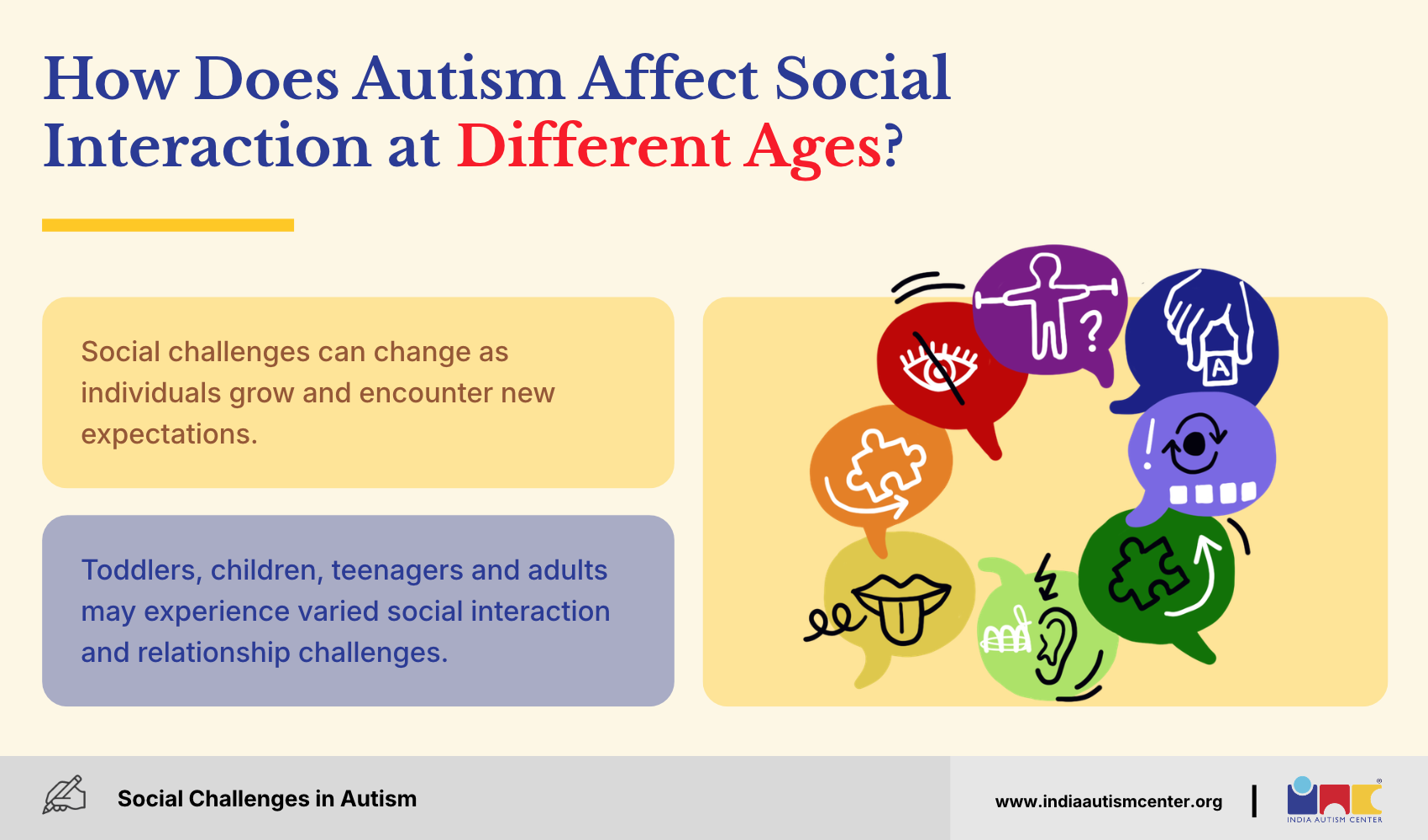
The impact of social challenges in autism can change as an individual grows. New environments, relationships and expectations may introduce different difficulties.
| Age Group | Possible Social Challenges |
|---|---|
| Toddlers and preschoolers | Difficulty with joint attention, responding to social bids, interactive play and sharing interests. |
| School-aged children | Difficulty joining group activities, understanding playground rules, taking turns and developing friendships. |
| Teenagers | Navigating peer pressure, sarcasm, complex friendships, social expectations and romantic interests. |
| Adults | Managing workplace communication, building relationships, interpreting indirect communication and maintaining social connections. |
These are possible experiences, not developmental rules that apply to every autistic individual. Some children communicate and form relationships differently from an early age, while others develop strategies to navigate social situations as they grow.
How Do Social Challenges Affect the Emotional Well-Being of Autistic Individuals?
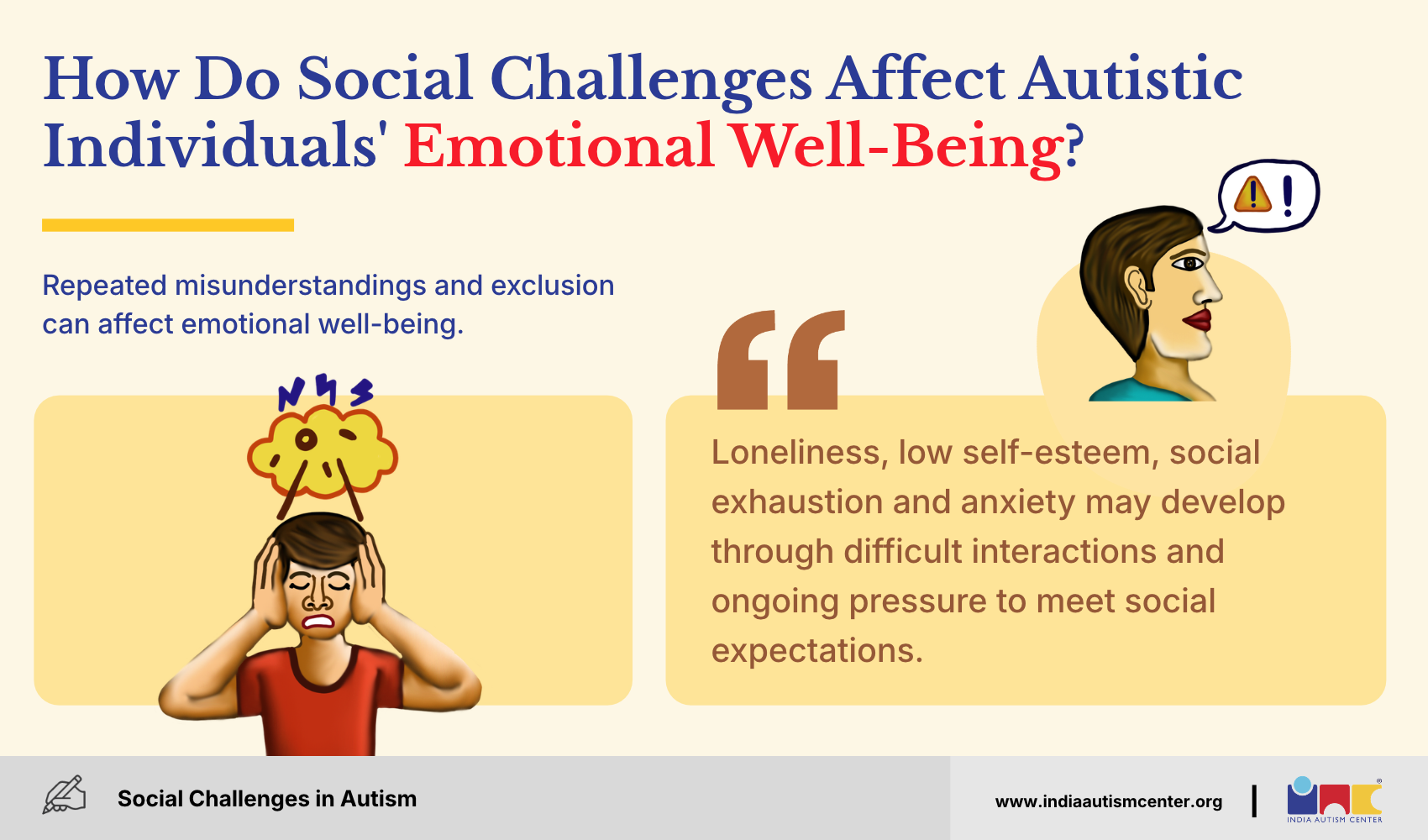
Social challenges can influence more than a person’s ability to communicate. Repeated misunderstandings, exclusion and difficulties forming relationships may also affect emotional well-being.
Some autistic individuals experience social anxiety, particularly when they are unsure how others will respond to them. Situations such as meeting unfamiliar people, speaking in groups or participating in classroom activities may create significant stress.
Other possible effects include:
- Loneliness: Wanting friendships but finding it difficult to establish meaningful connections can lead to feelings of isolation.
- Low self-esteem: Repeated criticism or negative social experiences may affect how individuals perceive themselves.
- Social exhaustion: Maintaining conversations, monitoring social expectations and navigating sensory sensitivities can be mentally draining.
- Anxiety and emotional distress: Unpredictable interactions and fear of rejection may increase anxiety.
Another relevant concept is social camouflaging, sometimes called masking. It involves consciously or unconsciously hiding autistic characteristics or imitating expected social behaviours to fit in. For example, an individual may force eye contact, rehearse conversations or suppress natural self-regulating movements.
Recognising these experiences is important. Social participation should not come at the cost of an individual’s comfort, identity or emotional well-being.
What Are the Ways to Improve Social Skills in Autism?
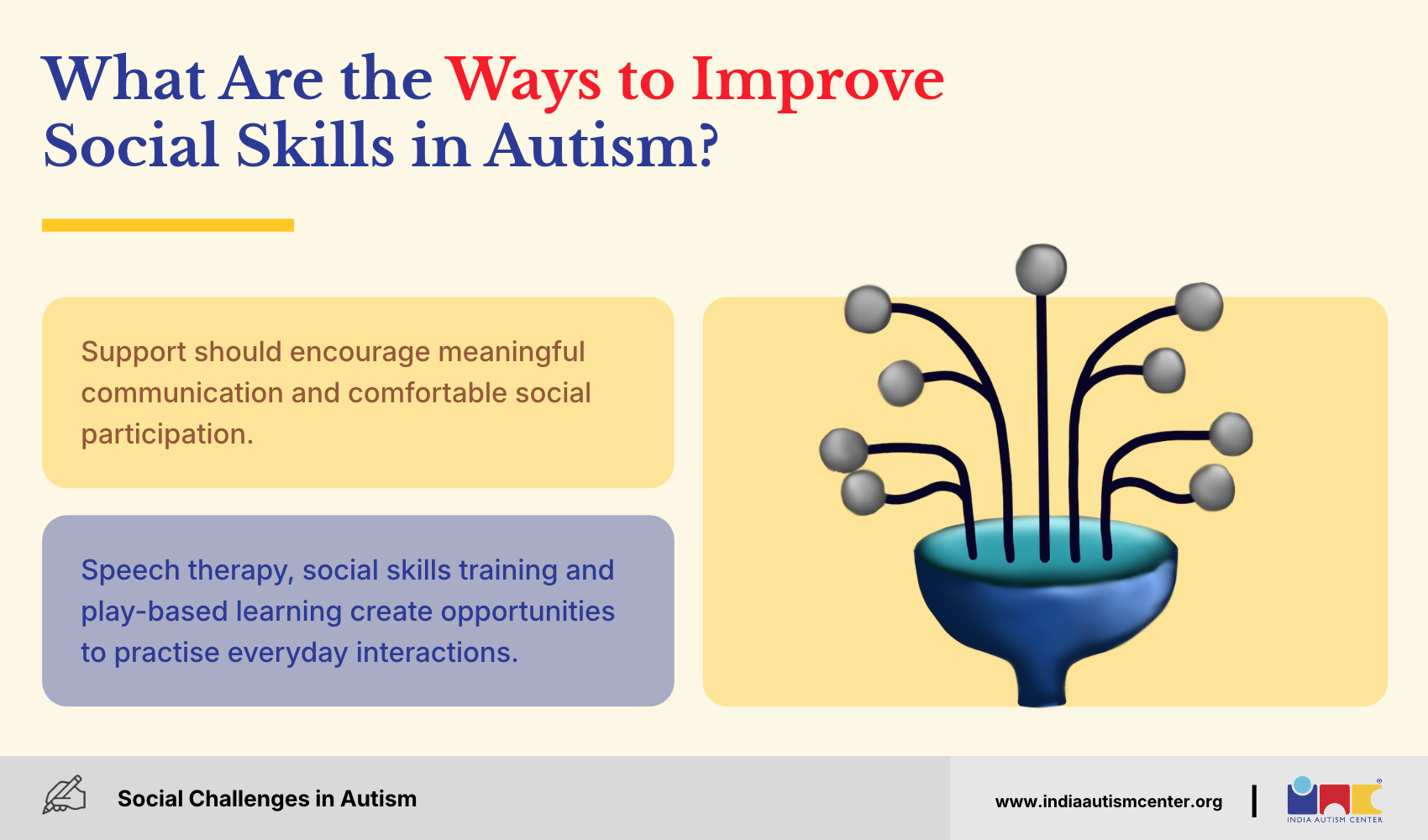
Autism social skills development should focus on helping individuals communicate their needs, establish meaningful relationships and participate comfortably in everyday situations. The aim should not be to make someone behave like a non-autistic person.
The best approach to autism therapies depends on the individual’s communication abilities, developmental stage, interests and support needs.
1. Speech and Language Therapy
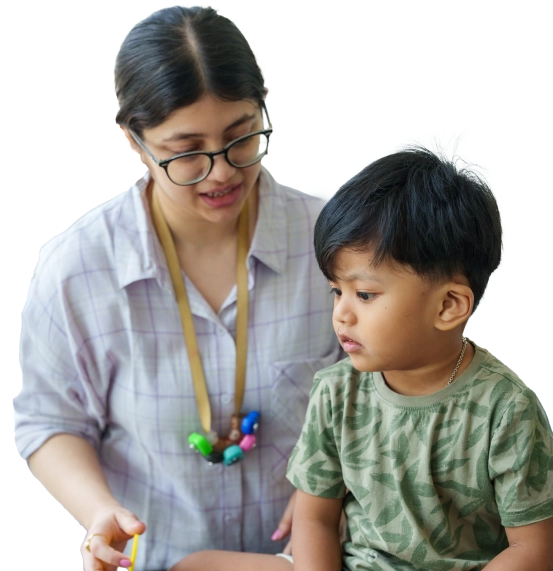
Speech and language therapy can greatly help autistic individuals develop functional communication and understand the social aspects of language.
A speech and language therapist may work on:
- Initiating and maintaining conversations.
- Understanding gestures, facial expressions and conversational cues.
- Taking turns and responding during interactions.
- Expressing emotions, preferences and personal needs.
- Developing alternative communication methods where necessary.
Importantly, communication does not have to involve spoken language. Augmentative and Alternative Communication (AAC), including picture boards, communication books and electronic devices, can help individuals express themselves.
2. Social Skills Training
Social Skills Training (SST) provides structured opportunities to practise everyday interactions. Sessions may involve role-playing, guided conversations, group activities and real-life social scenarios.
For example, a therapist may help a child practise introducing themselves, asking to join a game, taking turns or responding when another child disagrees.
These activities should be adapted to the individual’s developmental level and personal goals. They should also respect different communication styles rather than enforcing unnecessary social behaviours.
3. Play-Based Learning
Play provides opportunities to practise communication, cooperation, turn-taking and shared attention in a familiar setting.
Parents and therapists can use activities such as building blocks, board games, pretend play and collaborative puzzles to encourage interaction.
Following the child’s interests can make these activities more engaging and reduce the pressure associated with unfamiliar social situations.
4. Support From Parents and Caregivers
A parent’s role is quite important in supporting social communication. Everyday routines can offer natural opportunities to practise interaction without turning every conversation into a lesson.
Some useful approaches include:
- Use clear, direct language instead of relying heavily on hints or implied meanings.
- Give the child enough time to process questions and respond.
- Use pictures, visual schedules or social stories to explain unfamiliar situations.
- Encourage shared activities based on the child’s interests.
- Acknowledge different communication methods, including gestures and AAC.
5. Create Opportunities for Meaningful Social Interaction
Rather than immediately introducing a child to large groups, start with smaller and more predictable interactions. A shared activity involving one familiar peer may feel more manageable than an unstructured birthday party or crowded playground.
Interest-based clubs, creative activities, sports and structured group programmes can also create opportunities to build friendships around shared interests.
6. Address Sensory and Emotional Needs
Social participation becomes easier when the environment is comfortable and predictable. Consider factors such as background noise, lighting, crowd size and the availability of quiet spaces.
If social situations consistently cause distress, it is important to understand the underlying reason rather than assuming the individual needs more social practice.
When Should Parents Seek Professional Support?
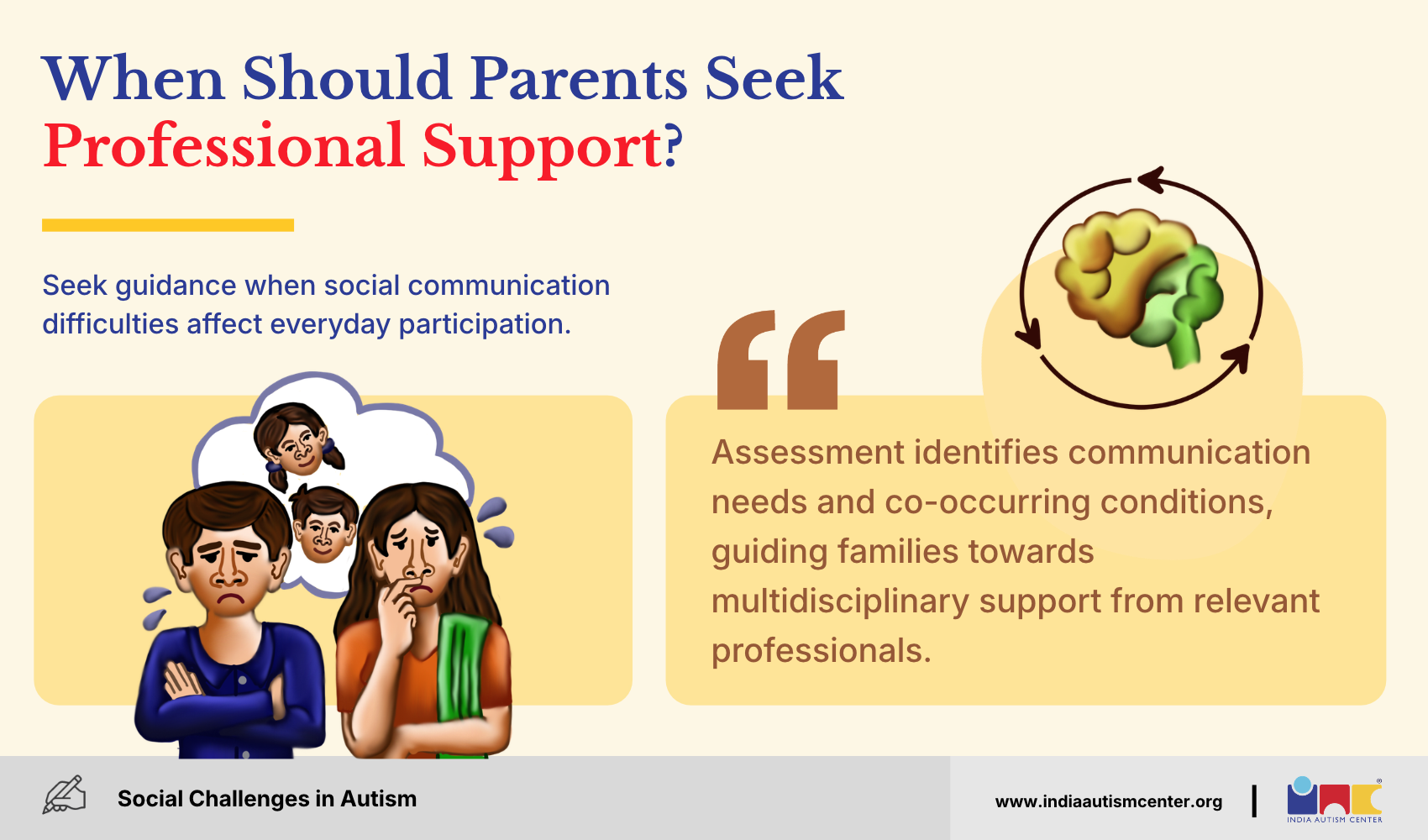
Not every difference in social behaviour requires therapy. However, professional guidance can help when social communication difficulties consistently affect a child’s ability to participate in everyday activities, express needs or build relationships.
Parents may consider seeking an assessment if their child:
- Consistently struggles to initiate or respond to social interactions.
- Has difficulty communicating needs, preferences or emotions.
- Experiences considerable distress during social activities.
- Finds it difficult to participate in school or group activities.
- Shows signs of persistent anxiety, withdrawal or social isolation.
A comprehensive assessment can help identify the individual’s communication profile, developmental needs and any co-occurring conditions, like Attention-Deficit/Hyperactivity Disorder (ADHD) or anxiety disorders.
Support may involve speech and language therapists, occupational therapists, psychologists, special educators and other professionals, depending on the individual’s needs.
How India Autism Center Supports Social and Communication Development
At India Autism Center (IAC), we recognise that every autistic individual has a distinct communication style, developmental profile and set of support needs.
Our approach focuses on improving quality of life, encouraging meaningful participation and supporting greater independence rather than expecting individuals to conform to conventional social expectations.
Through a multidisciplinary approach, services such as speech and language therapy, occupational therapy, psychological support, play therapy and Social Skills Training can address different aspects of development. Our clinical teams work towards individualised goals that consider communication, emotional well-being, sensory challenges and everyday functioning.
We focus on creating an environment where individuals can develop their abilities, express themselves and build meaningful connections.
Conclusion
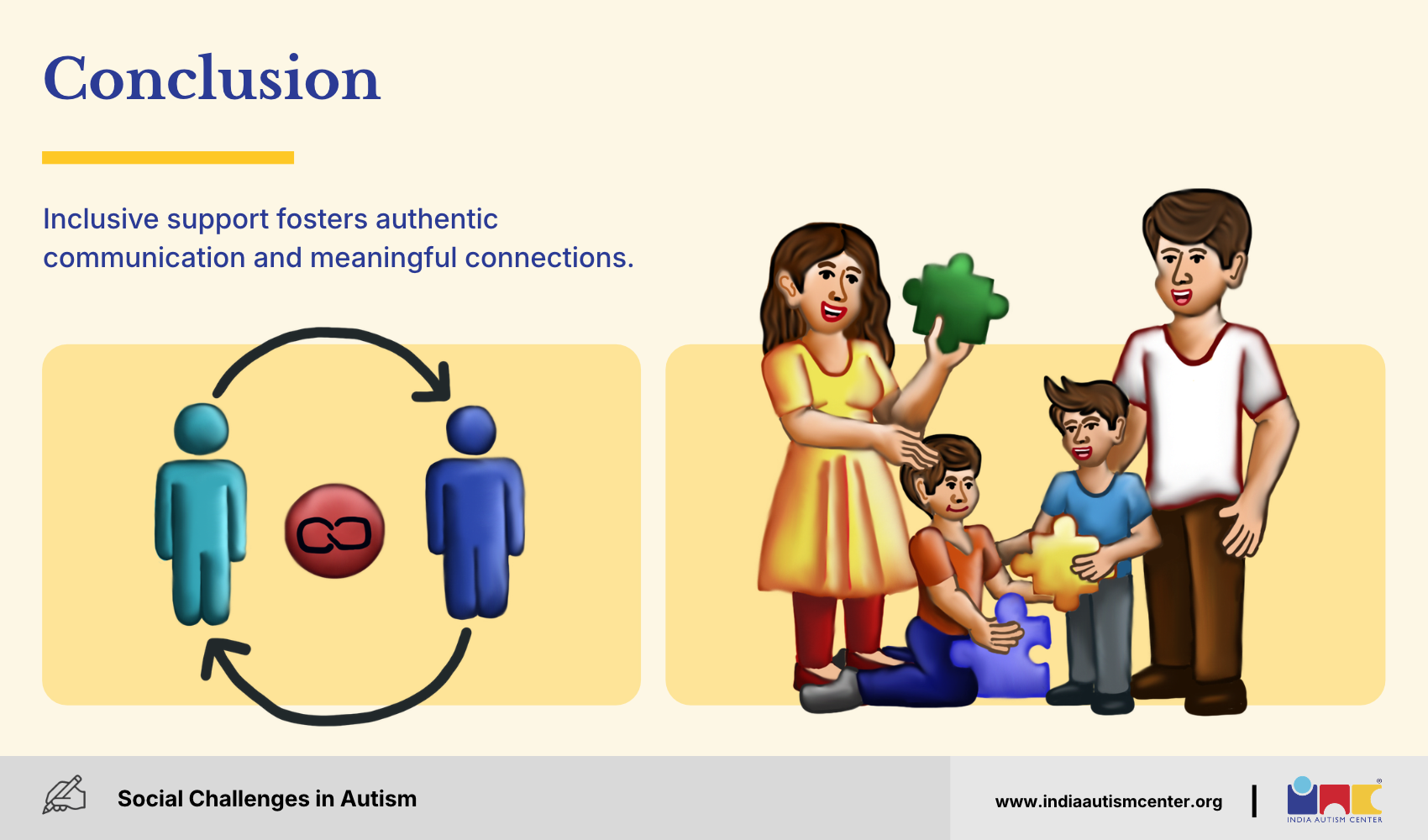
Social challenges in autism can influence communication, friendships, education and emotional well-being. However, these challenges do not define an individual’s ability to connect with others or develop meaningful relationships.
With appropriate support, inclusive environments and an understanding of individual communication differences, autistic children and adults can develop social skills that help them participate more comfortably in everyday life.
The focus should always be on building confidence, encouraging authentic communication and respecting individual differences. When families, professionals, schools and communities work together, social opportunities become more accessible and meaningful for autistic individuals.
Frequently Asked Questions
1. What are the most common social challenges in autism?
Common social challenges include difficulty interpreting facial expressions, understanding non-verbal communication, initiating conversations, recognising social cues, participating in group activities and developing friendships. However, these experiences differ considerably between autistic individuals.
2. Do autistic children want to make friends?
Yes. Many autistic children want friendships and meaningful social connections. However, they may find conventional ways to initiate and maintain friendships challenging. Some prefer one-to-one interactions, shared-interest activities or friendships with people who understand their communication styles.
3. Why do autistic individuals struggle with social interaction?
Autistic individuals may process verbal and non-verbal information differently, making certain social expectations difficult to interpret. Sensory sensitivities, communication differences, unpredictable environments and previous negative experiences can also contribute to social difficulties.
4. Can social skills improve in autistic children?
Yes. Social communication and interaction skills can develop with appropriate support and opportunities to practise. Speech and language therapy, social skills training, play-based activities and peer interactions can help children develop communication strategies suited to their individual needs.
5. Is social anxiety common in autistic individuals?
Social anxiety can occur in autistic individuals, although it does not affect everyone. Previous experiences of bullying, rejection, social misunderstandings and pressure to conform can contribute to anxiety. Professional support can help individuals understand and manage these experiences.