 Donate now
 Get a Call Back
 MENU
MENU 24 MIN READ
 SHARE
SHARE


Many parents feel confused and worried when they first hear about Attention Deficit Hyperactivity Disorder (ADHD) in children. I want you to know this first: you are not alone, and your child is not broken.
ADHD is one of the most common neurodevelopmental conditions in childhood – and it is also one of the most misunderstood, especially here in India. In this guide, I will walk you through everything you need to know: what ADHD actually is, how to recognise the signs, what causes it, how it is diagnosed, and – most importantly – what you can do to help your child thrive.
What Is ADHD in Children?
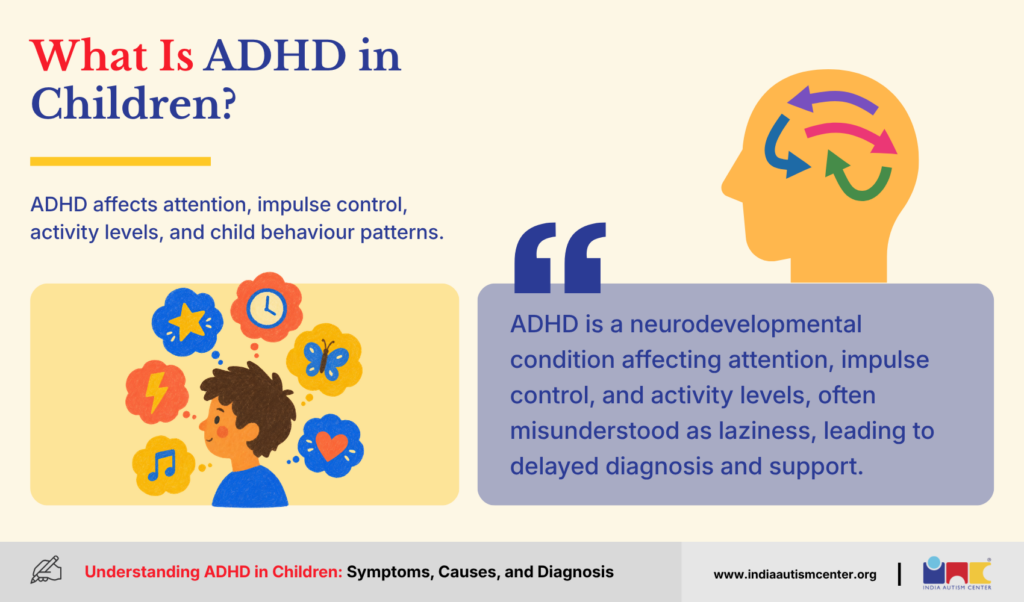
ADHD is a neurodevelopmental condition. That simply means it affects how a child’s brain grows and works, particularly in the areas that control attention, impulse regulation, and activity levels.
Children with ADHD usually struggle with:
- Paying attention for sustained periods
- Controlling impulses (acting before thinking)
- Sitting still or regulating how active they are
It is important to understand that ADHD is not a result of poor parenting, lack of discipline, or a child being “difficult.” The brain of a child with ADHD is wired differently – and with the right support, these children can and do flourish.
ADHD in India is more common than most families realise. School-based studies across the country – including research published in the Indian Journal of Psychiatry and data referenced in NIMHANS-affiliated literature – consistently report prevalence rates of 6% to 9% among school-age children. A pooled analysis of Indian studies puts the figure at approximately 7%, which translates to roughly 29 million children across the country. Yet the vast majority remain undiagnosed.
In India, children with ADHD are frequently labelled “naughty,” “lazy,” or “careless.” This misunderstanding delays diagnosis and, more harmfully, damages a child’s sense of self-worth at a critical age. Awareness is growing – but there is still a long way to go.
An important note: Many people often get confused between autism and ADHD, but there are differences. If you want to learn more about it in detail, check our article on ADHD or Autism: How do you know?
Why Understanding ADHD in Children Matters
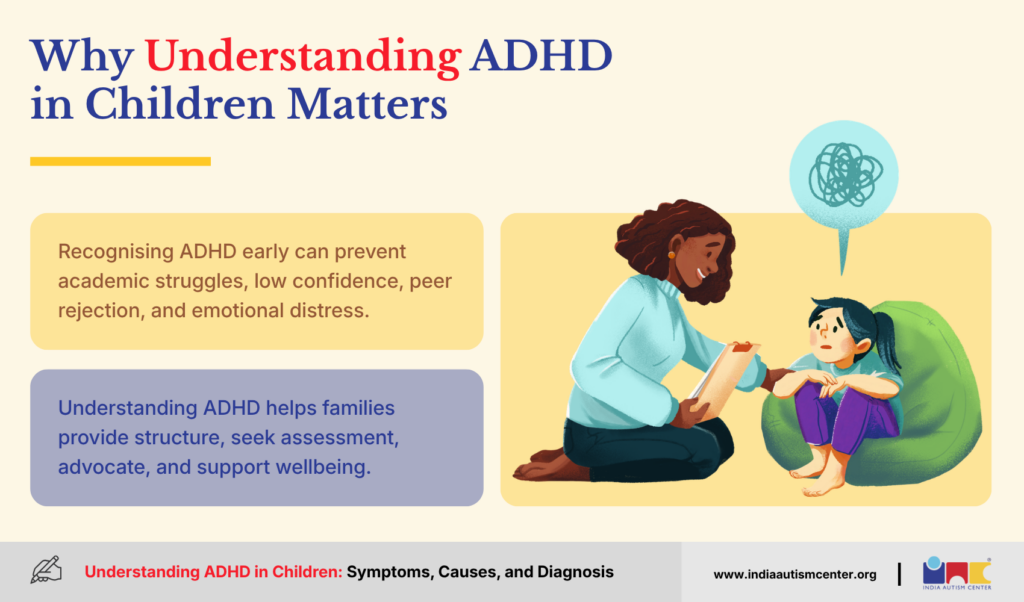
When ADHD is not recognised early, a child may:
- Fall behind in school despite having average or above-average intelligence
- Develop low self-esteem from repeated criticism
- Feel rejected by peers who don’t understand their behaviour
- Show signs of emotional distress, anxiety, or withdrawal
But when you understand ADHD – really understand it – everything changes. You can:
- Respond with patience instead of punishment
- Provide structured, predictable support at home
- Seek a proper professional assessment
- Advocate for your child at school
- Improve their learning, confidence, and daily happiness
Want to know more? Get in touch with us.
ADHD Symptoms in Children
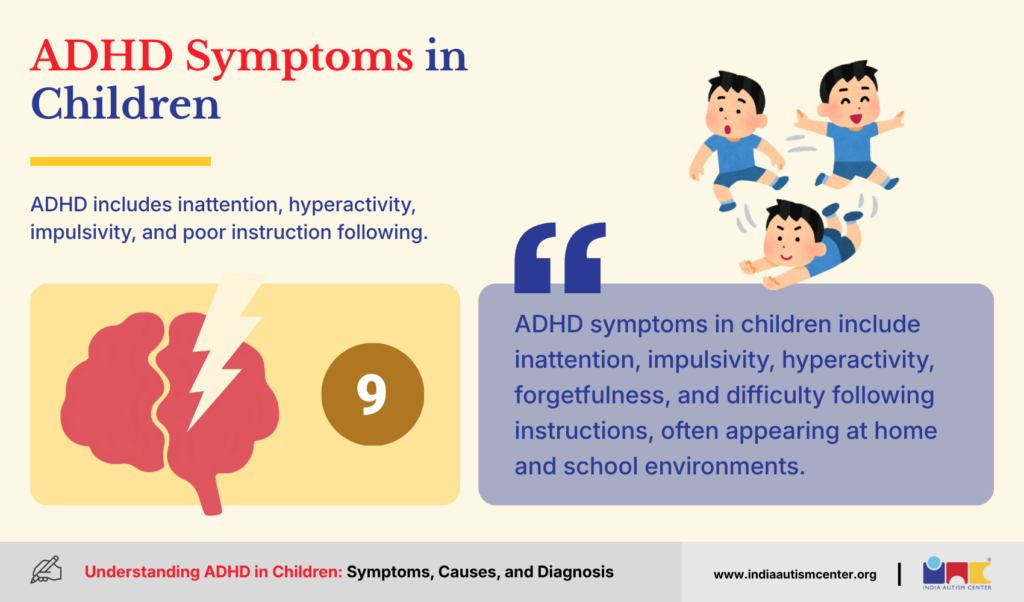
ADHD symptoms in children typically appear before the age of 12 and last for at least six months. They show up in more than one setting – at home, at school, or in social situations – not just in one place.
Symptoms look different depending on your child’s age. Here is what to watch for at each stage.
Common Signs of ADHD in Children
At preschool age (3–5 years):
- Extreme restlessness – can’t sit for even a short story
- Grabbing toys from other children without waiting
- Constant running, climbing, or jumping even in unsafe situations
- Explosive tantrums that seem out of proportion
- Very short attention span even for preferred activities
At school age (6–12 years):
- Difficulty paying attention to tasks or instructions
- Making careless mistakes in schoolwork – not from lack of effort, but from inattention
- Forgetting to bring homework, losing pencils, misplacing books
- Constantly fidgeting, tapping, or leaving their seat in class
- Talking excessively or blurting out answers before a question is finished
- Interrupting conversations or games
- Acting without thinking – running into the road, grabbing things impulsively
- Struggling to wait for their turn in games or queues
- Appearing not to listen even when spoken to directly
In adolescence (13+ years):
- Chronic disorganisation – missed deadlines, lost assignments, forgotten commitments
- Difficulty managing time and planning ahead
- Emotional dysregulation – intense frustration, mood swings
- Restlessness that becomes internal (a constant feeling of being “on edge”)
- Risk-taking behaviour – reckless decisions, impulsive choices
- Low motivation for tasks that feel repetitive or uninteresting
You may notice these behaviours at home, at school, or both. The key is that they are persistent, pervasive, and impairing – not just occasional or situational.
Types of ADHD in Children
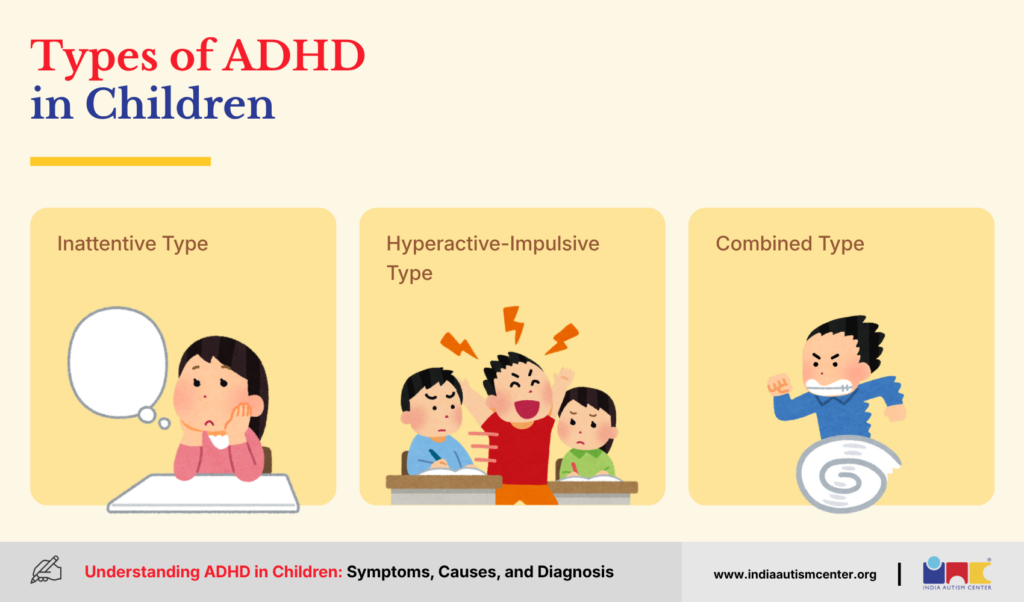
Understanding the type of ADHD helps guide the right intervention. The DSM-5 recognises three presentations:
1. Inattentive Type
Children with this type:
- Seem dreamy or distracted, even in quiet environments
- Avoid tasks that require sustained mental effort
- Miss details and make careless errors
- Appear not to listen when spoken to directly
- Lose things constantly and forget daily tasks
This type often goes unnoticed – especially in girls – because the child is not disruptive. Teachers may describe them as “a bit slow” or “not trying hard enough.” They are trying. Their brain just processes attention differently.
2. Hyperactive-Impulsive Type
Children with this type:
- Run, climb, or move constantly – even when it is not appropriate
- Speak out of turn and have difficulty staying quiet
- Have trouble sitting still in class or at the dinner table
- Act without thinking, often getting into physical danger
- Interrupt others frequently and struggle to wait
3. Combined Type
This includes both inattentive and hyperactive-impulsive traits. It is the most common form of ADHD in children, and it is the presentation most parents and teachers recognise.
📥 Free download: Printable daily routine chart for autistic children
Is Anxiety a Core Symptom of ADHD in Children?
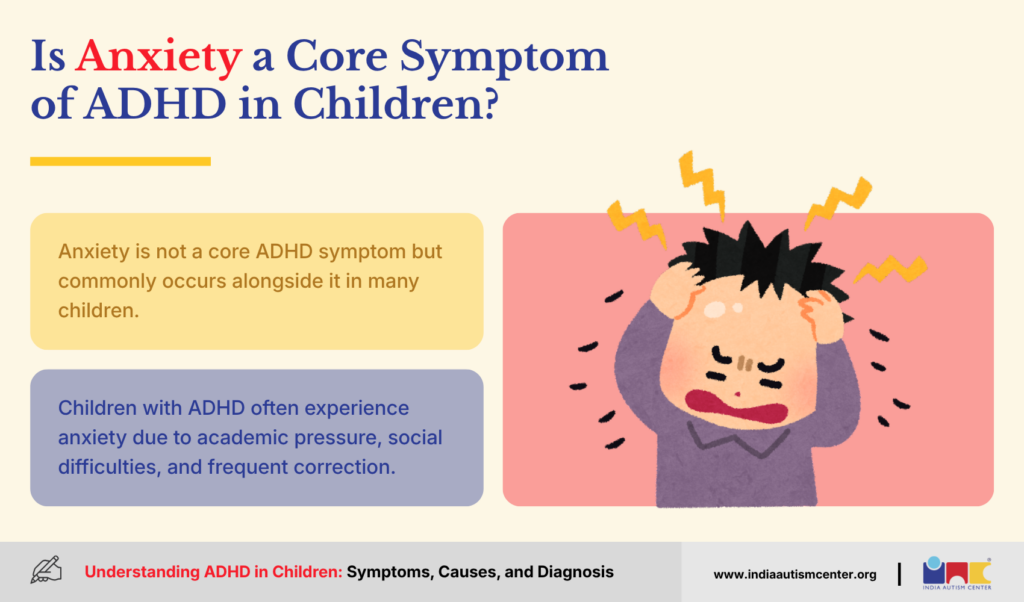
Many parents ask: Is anxiety a core symptom of ADHD in children?
The answer is no. Anxiety is not a core symptom of ADHD. However, anxiety very frequently occurs alongside it.
A child with ADHD may:
- Feel anxious about school failure after repeated poor grades
- Worry constantly about being scolded or getting into trouble
- Struggle socially and feel left out
- Develop stress from years of constant correction and criticism
So while anxiety is not ADHD itself, it frequently overlaps. This is precisely why a thorough, professional evaluation matters – so that both conditions can be identified and addressed together.
Want to know more? Get in touch with us.
ADHD and Children in India: A Growing Concern
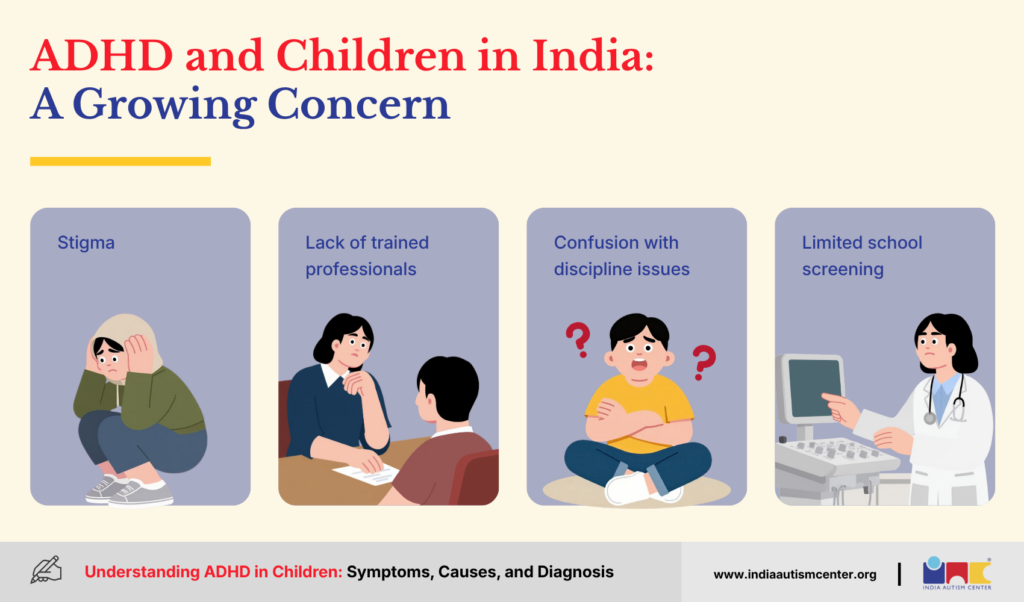
ADHD in India is a significant and under-addressed public health concern. Here is what the data tells us:
- Indian school-based studies report ADHD prevalence between 6% and 9% of children, with some community studies going higher.
- A pooled analysis of Indian research estimates the prevalence at approximately 7.1% – meaning roughly 1 in 14 school-going children may have ADHD.
- Despite this, the majority of children with ADHD in India remain undiagnosed – often well into their teens or adulthood.
Why does diagnosis get missed so often in India? Several reasons:
- Stigma: Many families fear that a diagnosis will “label” their child or affect their prospects for marriage or employment.
- Lack of trained professionals: Child psychiatrists and clinical psychologists are concentrated in urban centres; rural families have very limited access.
- Confusion with discipline: In many Indian schools and homes, ADHD behaviours are interpreted as defiance or laziness, leading to punishment rather than support.
- Limited school screening: Most Indian schools do not have structured processes for identifying neurodevelopmental conditions.
- Cultural pressure: The intense academic pressure in the Indian school system – board exams, competitive entrance tests, tuition classes – can make ADHD symptoms worse while simultaneously making them harder to distinguish from general exam stress.
The result? Children who could have thrived with early support spend years being told they are not good enough. That is a cost no child should have to pay.
Centres like India Autism Center (IAC) are working to change this – through early screening, parent education, and multidisciplinary support for families across India.
Diagnosing ADHD in Children: The Diagnostic Process
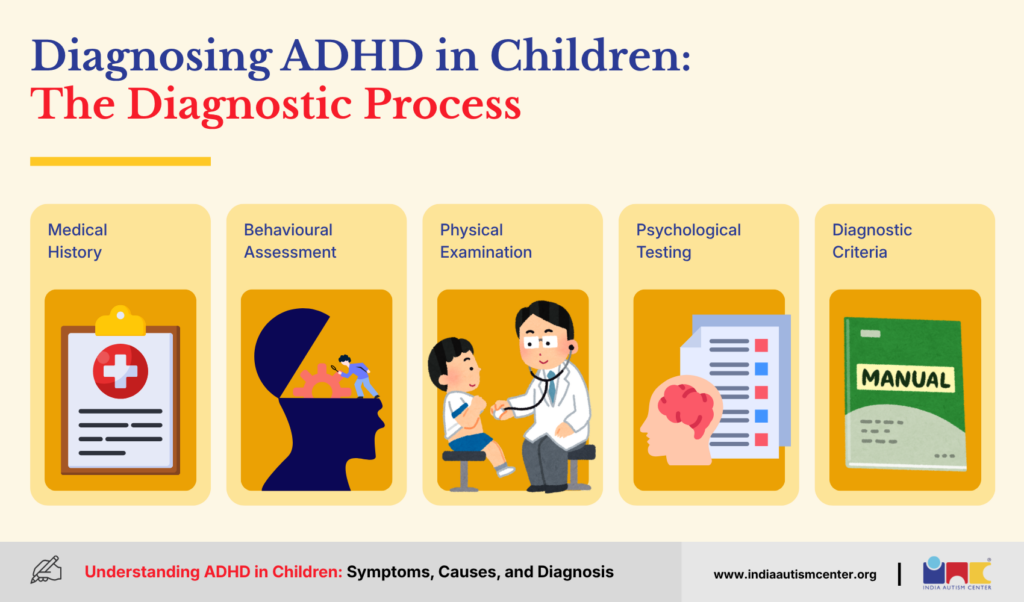
Diagnosing ADHD in children involves a comprehensive evaluation by trained healthcare professionals – typically a paediatrician, clinical psychologist, or child psychiatrist. There is no single test for ADHD. The diagnosis is built from multiple sources of information.
The process typically includes:
1. Medical History: The clinician gathers detailed information about your child’s developmental history, behaviour patterns, academic performance, and family medical history. Your observations as a parent are invaluable here.
2. Behavioural Assessment: You, your child’s teachers, and sometimes other caregivers complete standardised rating scales – tools like the Conners Rating Scales or the Vanderbilt Assessment – to document behaviour across different settings. ADHD must be present in at least two settings (e.g., home and school) to meet diagnostic criteria.
3. Physical Examination: A physical examination rules out other medical conditions that can mimic ADHD symptoms – thyroid problems, hearing or vision impairments, sleep disorders, or nutritional deficiencies. This step is important and should not be skipped.
4. Psychological Testing: Cognitive and neuropsychological assessments give a clearer picture of your child’s attention, memory, processing speed, and executive functioning. These tests also help identify co-occurring learning disabilities or developmental differences.
5. Diagnostic Criteria (DSM-5): The formal ADHD diagnosis is based on the criteria in the Diagnostic and Statistical Manual of Mental Disorders, 5th Edition (DSM-5). To meet the criteria, symptoms must:
- Be present for at least 6 months
- Appear in two or more settings
- Cause significant impairment in daily functioning
- Have begun before age 12
- Not be better explained by another condition
Obtaining an accurate diagnosis is the foundation of everything that follows. It opens the door to the right support – at school, at home, and in therapy.
Causes of ADHD in Children: Understanding the Factors
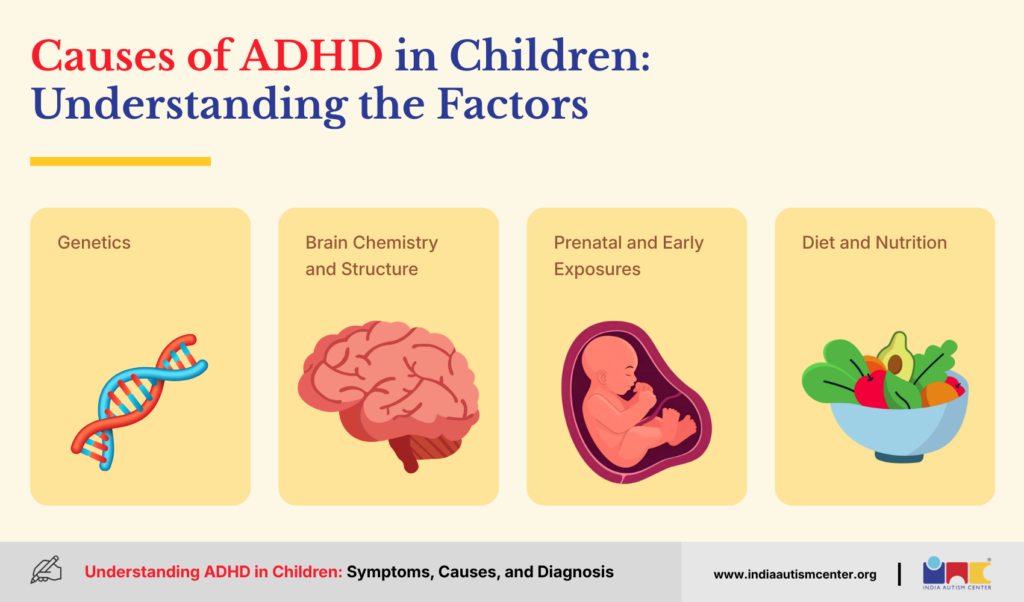
The exact causes of ADHD are still being studied, but we know that a combination of genetic, neurobiological, and environmental factors plays a role. Importantly: no single cause has been identified, and ADHD is never caused by bad parenting, too much screen time alone, or sugar.
Genetics
ADHD runs strongly in families. If a parent has ADHD, their child has a 40–60% chance of also having it. Twin studies show heritability rates of around 74–76%. Several genes involved in dopamine regulation – the brain chemical that controls motivation and attention – have been linked to ADHD.
Brain Chemistry and Structure
Neuroimaging research has consistently shown differences in the brains of children with ADHD. The prefrontal cortex (responsible for planning, impulse control, and attention) and the basal ganglia (involved in regulating movement and behaviour) develop more slowly and function differently. Dopamine and norepinephrine – two key neurotransmitters – are less efficiently regulated.
Prenatal and Early Childhood Exposures
Certain exposures during pregnancy increase the risk of ADHD:
- Maternal smoking or alcohol use during pregnancy
- Significant stress during pregnancy
- Premature birth or low birth weight
- Oxygen deprivation during birth
Diet and Nutrition
The evidence here is more mixed. Some studies suggest that omega-3 fatty acid deficiency may worsen attention difficulties. Artificial food colourings have been studied, but the evidence is not conclusive enough to recommend elimination diets as a treatment. A balanced, nutritious diet supports brain health generally – but diet alone does not cause or cure ADHD.
Risk Factors
Beyond the core causes, certain factors increase the likelihood of ADHD:
- Premature birth (before 37 weeks) – children born preterm are at significantly higher risk
- Low birth weight (under 2.5 kg at birth)
- Lead exposure in early childhood – even low-level lead exposure has been associated with attention and behavioural difficulties.
- Excessive screen time in the first 2–3 years of life – while not a direct cause, very high screen exposure in infancy may affect developing attention systems
- Family history of ADHD, anxiety, or mood disorders
- Significant early childhood trauma or neglect
Understanding the causes is not about assigning blame. It is about understanding your child’s brain – and responding with the compassion and support they deserve.
Want to know more? Get in touch with us.
ADHD in Girls vs. Boys: Why Girls Are Often Missed
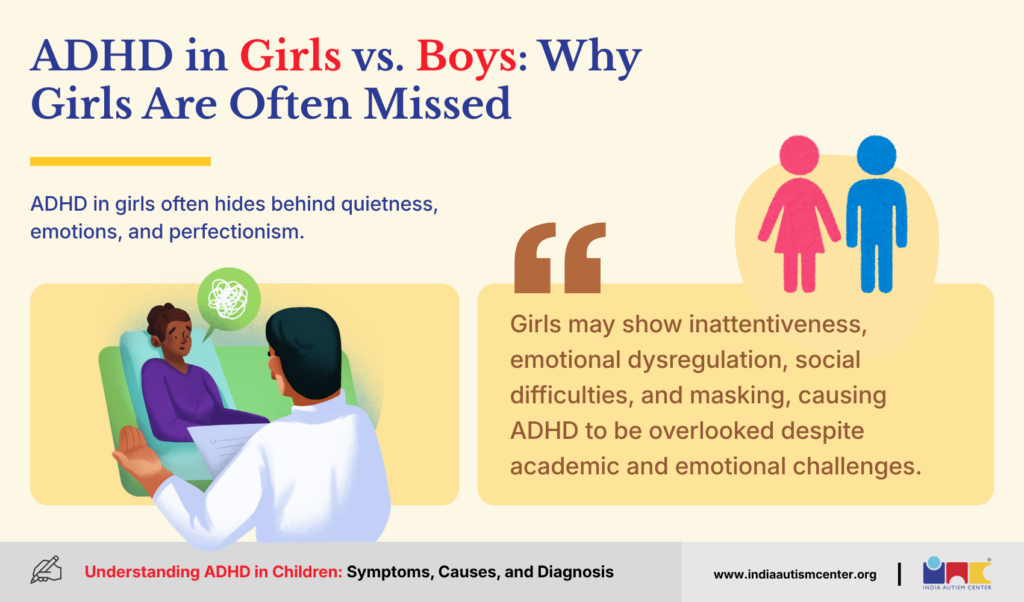
Here is something many parents – and even many teachers – do not know: ADHD in girls looks very different from ADHD in boys. And because of this, girls are diagnosed far less often, far later, or sometimes not at all.
Why Boys Get Diagnosed Earlier
Boys with ADHD tend to present with the hyperactive-impulsive type. They are running around the classroom, calling out answers, pushing in queues, and generally hard to miss. Their behaviour is disruptive – and disruptive behaviour gets noticed. Teachers refer them for evaluation. Parents seek help.
Why Girls Are Overlooked
Girls with ADHD more commonly present with the inattentive type. They sit quietly in class, staring out of the window. They seem dreamy or distracted. They forget their homework. They lose things. They are disorganised.
But they are not disruptive. So nobody refers them for evaluation.
Instead, girls with undiagnosed ADHD are often described as:
- “A bit scattered” or “not very organised”
- “Sensitive” or “emotional”
- “A daydreamer”
- “Tries hard but doesn’t achieve her potential”
These descriptions follow them through school – while the underlying ADHD goes unaddressed.
The Hidden Symptoms in Girls
Girls with ADHD often show what clinicians call internalised symptoms:
- Excessive talking in social situations (a way of compensating for feeling lost or overwhelmed)
- Emotional dysregulation – intense emotional reactions that seem disproportionate
- Social difficulties – struggling to read social cues, difficulty maintaining friendships
- Anxiety and low self-esteem – from years of feeling like they are failing without understanding why
- Perfectionism – working twice as hard as peers to mask their difficulties
Research shows that girls with undiagnosed ADHD are significantly more likely to develop anxiety disorders, depression, and eating disorders in adolescence and adulthood – often as a direct consequence of the missed diagnosis.
What This Means for You
If your daughter seems consistently distracted, forgetful, emotionally overwhelmed, or socially struggling – please do not dismiss it. These are not personality quirks. They may be signs of ADHD that deserve a proper evaluation.
ADHD does not discriminate by gender. But our awareness of it has – and it is time to change that.
ADHD and Co-occurring Conditions (Comorbidities)
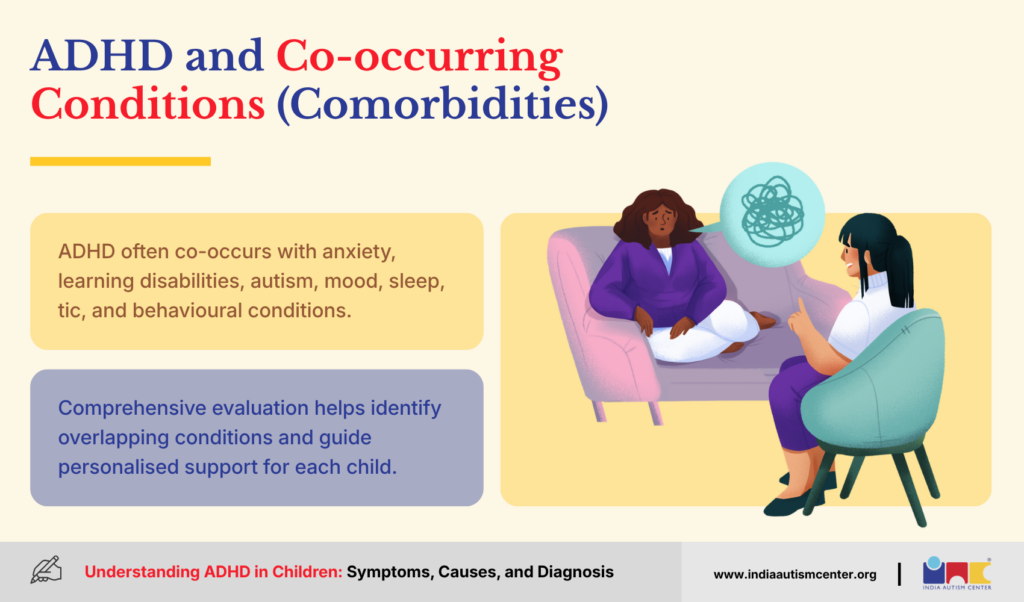
One of the most important things to understand about ADHD in children is that it rarely travels alone. Research consistently shows that the majority of children with ADHD have at least one additional condition – what clinicians call a comorbidity. In fact, studies suggest that up to 77% of children with ADHD have at least one co-occurring mental, behavioural, or developmental condition.
This is not unusual or alarming. It simply means your child needs a comprehensive evaluation – not just a tick-box ADHD assessment.
Anxiety Disorders
Anxiety is the most commonly co-occurring condition in children with ADHD. Estimates vary, but research suggests that around 40–50% of children with ADHD also experience significant anxiety. The two conditions can be hard to untangle – ADHD can cause anxiety (from repeated failure and criticism), and anxiety can worsen attention difficulties. Both need to be addressed.
Learning Disabilities
Approximately 46% of children with ADHD also have a learning disability. The most common are:
- Dyslexia – difficulty with reading and phonological processing
- Dyscalculia – difficulty with numbers and mathematical reasoning
- Dysgraphia – difficulty with writing and fine motor coordination
A child who is struggling academically despite effort may have both ADHD and an unidentified learning disability. Psychological testing can identify both.
Autism Spectrum Disorder (ASD)
ADHD and autism can and do co-occur. Research suggests that around 14% of children with ADHD also meet criteria for ASD. The two conditions share some overlapping features – difficulty with attention, social challenges, sensory sensitivities – but they are distinct conditions requiring different approaches. A thorough evaluation by a trained clinician can differentiate between them and create a plan that addresses both.
Oppositional Defiant Disorder (ODD)
ODD is characterised by persistent patterns of angry outbursts, argumentativeness, and defiance toward authority figures. Studies report ODD in 26–41% of children with ADHD. It is important to note that ODD is not simply “bad behaviour” – it is often a response to the frustration and emotional dysregulation that comes with unmanaged ADHD.
Depression and Mood Disorders
Children with ADHD – particularly those who have gone undiagnosed or unsupported for years – are at significantly higher risk of developing depression and mood disorders. The constant experience of failure, criticism, and social rejection takes a toll. Recognising and treating ADHD early is one of the most effective ways to protect your child’s long-term mental health.
Sleep Disorders
Sleep problems are extremely common in children with ADHD. These include:
- Difficulty falling asleep (the brain simply won’t “switch off”)
- Restless, fragmented sleep
- Difficulty waking in the morning
- Delayed sleep phase (naturally wanting to sleep and wake later)
Poor sleep worsens ADHD symptoms significantly, creating a difficult cycle. Addressing sleep is often an important part of ADHD management.
Tic Disorders and Tourette Syndrome
Tics – sudden, repetitive movements or sounds – occur more frequently in children with ADHD than in the general population. Tourette syndrome (which involves both motor and vocal tics) co-occurs with ADHD in a smaller but significant proportion of children. If your child has tics alongside attention difficulties, both conditions should be evaluated together.
A note on co-occurring conditions: The presence of multiple conditions does not make your child’s situation hopeless – it makes a comprehensive, multidisciplinary evaluation essential. At IAC, our team of RCI-registered clinical psychologists, occupational therapists, and speech-language pathologists works together to assess the full picture and create a personalised support plan for your child.
Complications of Untreated ADHD in Children
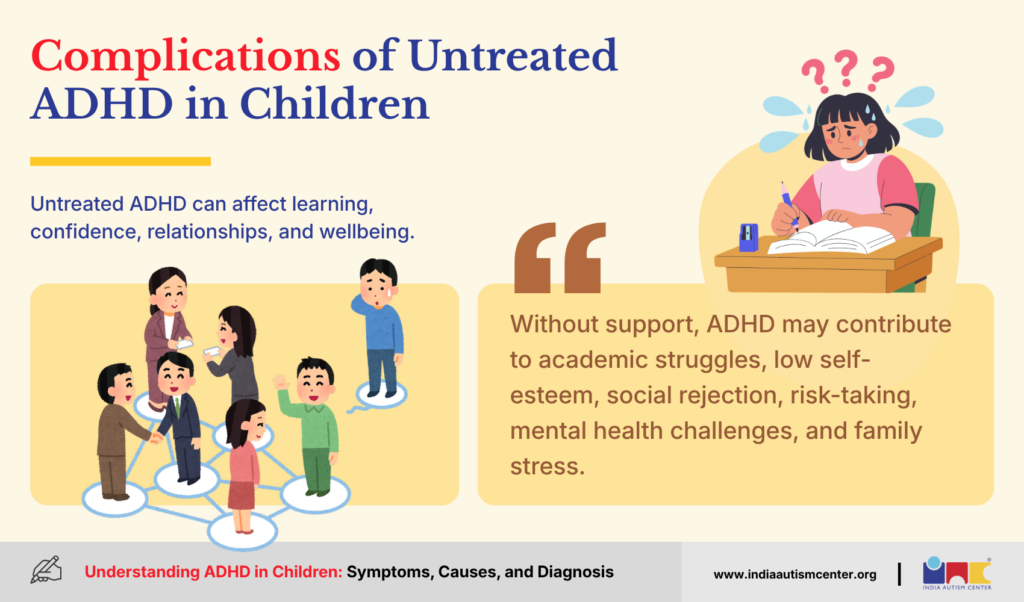
When ADHD in children goes unrecognised and unsupported, the consequences extend far beyond a few missed homework assignments. The ADHD complications that accumulate over time can affect every area of a child’s life.
Academic Underachievement and School Dropout Risk
Children with untreated ADHD consistently underperform relative to their intellectual potential. They miss instructions, lose assignments, struggle to complete tests in time, and fall progressively further behind. In the high-pressure Indian school system – where board exam results can feel like they define a child’s entire future – this gap can become devastating. Research links untreated ADHD to higher rates of grade repetition, school suspension, and dropout.
Low Self-Esteem and Negative Self-Image
Perhaps the most painful consequence. A child who is told – directly or indirectly – that they are lazy, careless, or not trying hard enough, year after year, begins to believe it. By the time many children with ADHD reach adolescence, they carry a deeply negative self-image that has nothing to do with their actual abilities or character.
Social Rejection and Peer Relationship Difficulties
Impulsivity, emotional dysregulation, and difficulty reading social cues make friendships genuinely hard for children with ADHD. They may interrupt, take over, or react intensely – and peers pull away. Social rejection in childhood is a significant predictor of mental health difficulties in adulthood.
Risk-Taking Behaviour in Adolescence
Teenagers with untreated ADHD are at higher risk of:
- Substance use (alcohol, tobacco, and other substances)
- Reckless driving and accidents
- Impulsive decision-making with serious consequences
- Early sexual activity and associated risks
This is not a character flaw. It is the predictable outcome of an impulsive brain navigating adolescence without adequate support.
Mental Health Complications
Untreated ADHD significantly raises the risk of anxiety disorders and depression – both in childhood and into adulthood. The chronic stress of managing an unrecognised condition, combined with repeated failure and social difficulties, creates fertile ground for mental health challenges.
Family Stress and Parent-Child Conflict
ADHD affects the whole family. Parents often feel exhausted, frustrated, and guilty. Siblings may feel overlooked. The parent-child relationship can become strained when neither side understands what is really happening.
The good news – and this is important – is that early diagnosis and appropriate intervention dramatically reduce all of these risks. Children who receive the right support early go on to build strong relationships, succeed academically, and lead fulfilling lives. The diagnosis is not the end of the story. It is the beginning of the right story.
Teeth Grinding and ADHD: What Parents Should Know
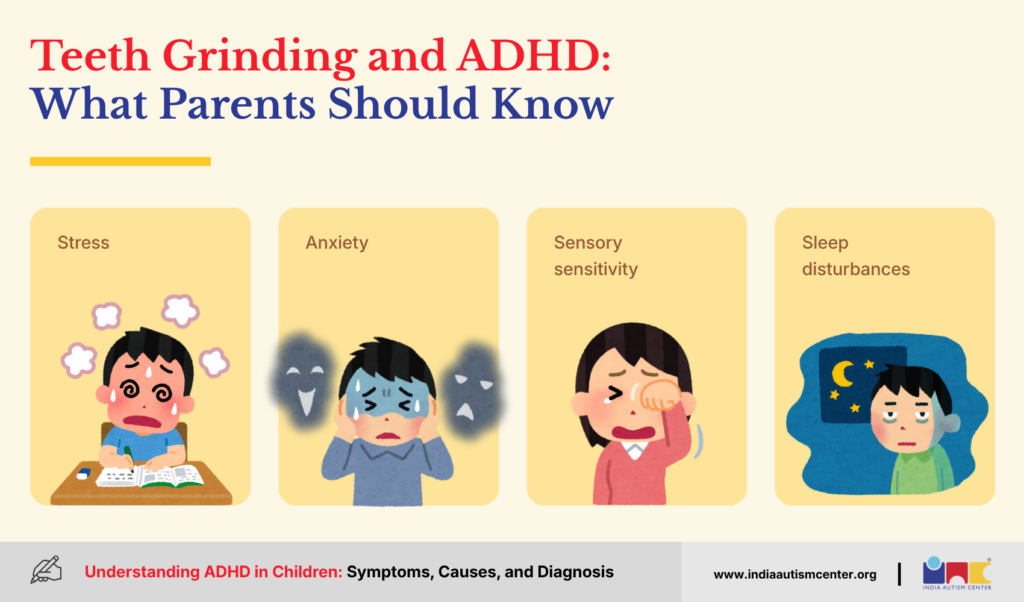
Many parents worry about nighttime habits and ask: how to stop teeth grinding in ADHD children?
Teeth grinding, also known as bruxism, is common in children with ADHD. It may happen due to:
- Stress
- Anxiety
- Sensory sensitivity
- Sleep disturbances
How to Stop Teeth Grinding in ADHD Children
Here are practical steps:
- Maintain a calming bedtime routine
- Reduce screen time before sleep
- Encourage relaxation exercises
- Consult a dentist for mouth guards
- Address emotional stress
Managing ADHD symptoms often reduces teeth grinding naturally.
ADHD Therapy Options for Children
There is no single “cure” for ADHD – but there are highly effective ADHD treatment options for children that can transform your child’s daily life. The most successful approach is almost always multimodal: combining behavioural support, parent education, school accommodations, and – where appropriate – medication.
Behavioural Therapy
Behavioural therapy is the first-line treatment for children under 6, and remains essential for all ages. It works by teaching children specific skills and by helping parents and teachers respond to ADHD behaviours in ways that support rather than escalate.
Key approaches include:
- Behavioural Parent Training (BPT): Parents learn practical strategies – positive reinforcement, consistent routines, clear and brief instructions, planned ignoring of minor misbehaviour. This is one of the most evidence-based interventions available.
- Cognitive Behavioural Therapy (CBT): More useful for older children and teens. Helps children identify unhelpful thought patterns, manage frustration, and develop problem-solving skills.
- Applied Behaviour Analysis (ABA) principles: Structured reinforcement strategies that can help build attention, task completion, and self-regulation skills.
Medication
For school-age children and adolescents with moderate to severe ADHD, medication can be a highly effective part of the treatment plan. There are two main categories:
- Stimulant medications (such as methylphenidate) – the most commonly prescribed and most studied. They work by increasing dopamine and norepinephrine activity in the brain.
- Non-stimulant medications (such as atomoxetine) – an alternative for children who do not respond well to stimulants or have certain health conditions.
Medication is prescribed by a paediatrician or child psychiatrist – not by psychologists. At IAC, we do not prescribe medication, but we work closely with medical colleagues to coordinate care and ensure your child receives a comprehensive, joined-up plan.
Medication is not right for every child, and it is never the only answer. But for many children, it makes a significant difference – allowing them to access the benefits of therapy and school support more fully.
Parent Training and Education
You are your child’s most important support. Parent training goes beyond therapy sessions – it means:
- Learning how ADHD actually works in the brain (so you stop blaming yourself or your child)
- Building structured daily routines that reduce friction
- Using positive reinforcement consistently and specifically
- Communicating with your child’s school effectively
- Practising ADHD coaching strategies at home
Educated, supported parents make an enormous difference to outcomes. This is not optional – it is central to the treatment plan.
School-Based Support
In India, the Rights of Persons with Disabilities Act, 2016 recognises specific learning disabilities and entitles children to reasonable accommodations. In practice, this means:
- Extended time for exams
- Preferential seating (near the front, away from distractions)
- Written instructions rather than verbal only
- Breaks during long tasks
- Teacher training in ADHD-aware classroom management
- An Individualised Education Plan (IEP) where needed
Advocating for your child at school is one of the most impactful things you can do. IAC can support you in having these conversations with your child’s school.
Occupational Therapy (OT)
Occupational therapy addresses the practical, day-to-day functional challenges that come with ADHD:
- Sensory integration – helping children who are over- or under-sensitive to sensory input
- Fine motor skills – handwriting, cutting, tying shoelaces
- Daily living skills – getting dressed independently, organising a school bag, managing a morning routine
- Self-regulation strategies – movement breaks, sensory tools, calming techniques
OT is particularly valuable for younger children and for those with co-occurring sensory processing difficulties.
Speech and Language Therapy
Where ADHD affects communication – difficulty organising thoughts, talking over others, struggling to follow multi-step instructions, or challenges with social communication – speech and language therapy can help. This is especially relevant when ADHD co-occurs with ASD or language delays.
The Multimodal Approach
Most children with ADHD benefit from a combination of the above. No single intervention is sufficient on its own. The specific combination depends on your child’s age, the severity of their symptoms, their co-occurring conditions, and your family’s circumstances.
Read our blog on Can ADHD Be Managed Effectively?
How India Autism Center Supports Children with ADHD
At IAC, we believe every child deserves understanding and structured support. Although IAC is known for autism services, it also contributes significantly to awareness and care for children with developmental challenges, including ADHD.
Role of IAC in ADHD Support
IAC makes support possible by:
- Promoting early screening
- Training educators and caregivers
- Offering therapy-based interventions
- Creating structured learning environments
- Supporting family education
- Encouraging inclusive education
Through its integrated model, IAC helps families understand ADHD in children and respond with evidence-based care rather than fear.
Conclusion
In conclusion, ADHD is a common neurodevelopmental disorder that affects children’s behaviour, attention, and self-control. Recognising the symptoms of ADHD in kids and understanding the diagnostic process are crucial steps in providing appropriate support and intervention. While the exact causes of ADHD are still not fully understood, research suggests a combination of genetic, environmental, and neurobiological factors.
By raising awareness, promoting early detection, and implementing evidence-based interventions, we can better support children with ADHD in reaching their full potential and improving their quality of life.
Collaborative efforts between healthcare professionals, educators, parents, and caregivers are crucial in providing comprehensive care and support for children with ADHD. With proper diagnosis and intervention, children with ADHD can thrive and succeed in various aspects of their lives.
Frequently Asked Questions (FAQs)
What are the most common ADHD symptoms in children?
The most common adhd symptoms in children include difficulty paying attention, frequent forgetfulness, impulsive behaviour, excessive talking, and constant movement. Some children mainly struggle with focus, while others show hyperactivity and impulsivity. These signs of adhd in children usually appear before the age of 12 and affect school and home life.
What causes ADHD in children?
Many parents ask, what causes adhd in children? ADHD is mainly caused by genetic and neurological factors. The brain develops differently in children with ADHD, especially in areas responsible for attention and self-control. Prenatal factors such as stress, low birth weight, and premature birth may also increase risk. Poor parenting does not cause ADHD.
Is anxiety a core symptom of ADHD in children?
No, anxiety is a core symptom of ADHD in children is a common question, and the answer is no. Anxiety is not a core symptom of ADHD. However, many children with ADHD also experience anxiety due to academic pressure, social difficulties, and repeated negative feedback. Both conditions can exist together and should be assessed properly.
How can parents manage ADHD in children in India?
Managing ADHD in children in India requires early diagnosis, structured routines, school support, and therapy-based intervention. Parents should work closely with trained professionals and educators. Centres like India Autism Center (IAC) support families by promoting early screening, caregiver education, and child-focused interventions that help children with ADHD improve attention, behaviour, and emotional regulation.
Disclaimer: This article is intended for educational and informational purposes only. It is not a substitute for professional medical advice, diagnosis, or treatment. If you are pregnant or have concerns about medication use during pregnancy, please consult a qualified healthcare provider. If your child has received an autism diagnosis and you have questions about causes or support, please reach out to a trained specialist or an autism-focused organisation for guidance.
For expert insights, support services, and inclusive learning initiatives, visit the India Autism Center.
Useful Sources
CDC – ADHD Data and Statistics
CHADD – Co-occurring Conditions
PubMed – ADHD Prevalence in India (PMC7014897)