 Donate now
 Get a Call Back
 MENU
MENU 16 MIN READ
 SHARE
SHARE


When we talk about autism and diet, we are not suggesting that food causes autism. Rather, we want to understand how diet can support overall health. Many autistic people have unique eating behaviours.
Research shows that children with Autism Spectrum Disorder (ASD) often have mealtime challenges. They may show extreme food selectivity, ritualistic eating, and tantrums during meals. These behaviours affect how much and what they eat, which in turn affects nutrition.
If you are a caregiver, parent, teacher, or someone living with autism, this article will help you understand the relationship between autism and diet.
Autism Diet Plans: Tailoring Nutrition for Individual Needs
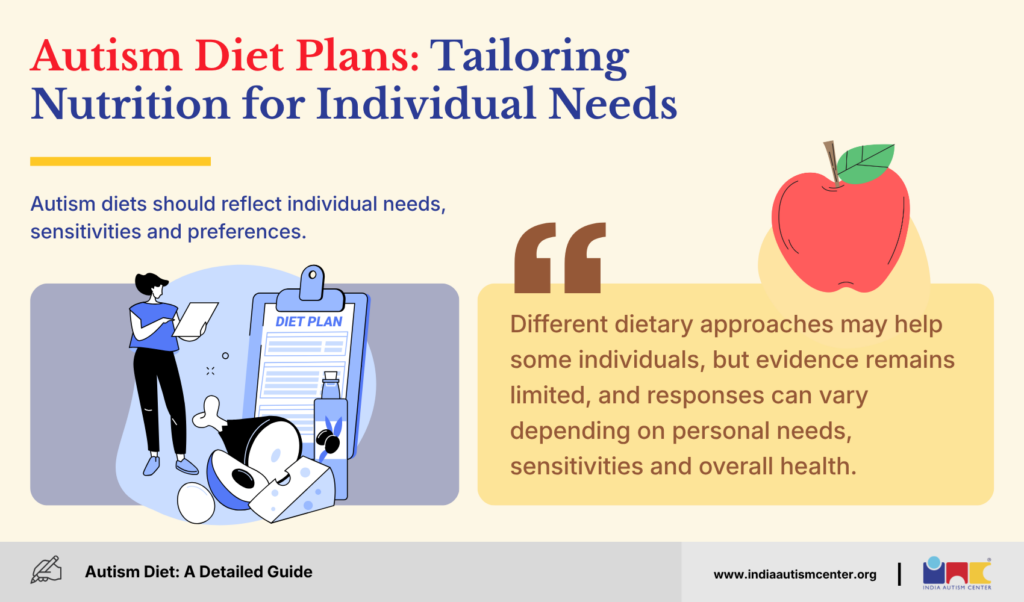
Crafting an effective autism diet plan requires a nuanced understanding of the specific needs and sensitivities of each autistic individual. While there is no one-size-fits-all solution, certain dietary approaches have gained attention for their potential to positively impact the lives of those with autism.
1. Gluten-Free Diet for Autism
Gluten, a protein found in wheat and other grains, has been implicated in exacerbating certain symptoms in some autistic individuals.
While research on the effectiveness of a gluten-free diet for autism is still inconclusive, anecdotal evidence suggests that eliminating gluten can lead to improvements in behaviour and digestive issues for some.
2. Casein-Free Diet and Autism
Similar to gluten, casein, a protein found in milk and dairy products, has been scrutinised in relation to autism. Advocates of the casein-free diet claim that removing dairy from the diet can alleviate gastrointestinal problems and improve behaviour.
However, scientific consensus on the efficacy of this approach is still evolving.
📥 Free download: Printable daily routine chart for autistic children
3. Ketogenic or High-Fat Diets
Some studies show potential benefits of ketogenic diets (high in fat, low in carbs) for a subset of people with ASD. However, these diets are complex and should only be tried under professional supervision due to potential nutritional risks
4. Montessori, Feingold, or Healthy Diets
Survey data suggests that standard healthy diets and Feingold diets (which reduce artificial colours and additives) are among the most beneficial according to families.
Here is an in-depth article for you on the Autism Food List.
Want to know more? Get in touch with us.
Best Fruits and Vegetables for Autistic Individuals
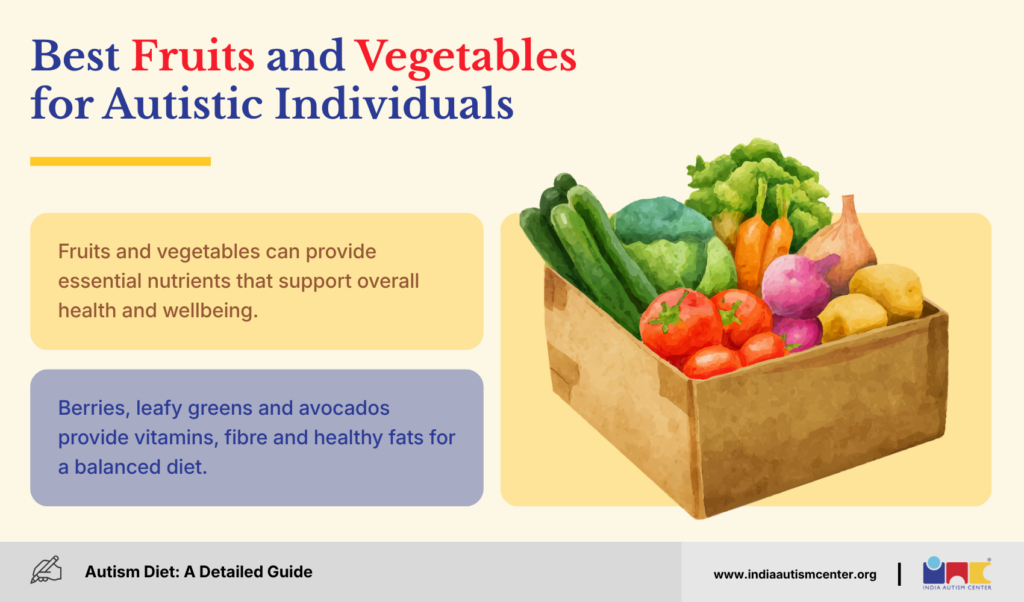
Certain fruits and vegetables have been highlighted for their potential benefits in supporting autistic individuals. While individual responses may vary, incorporating the following into the diet can be a good starting point:
1. Berries
Rich in antioxidants and vitamins, berries such as blueberries, strawberries, and raspberries are not only delicious but also offer potential cognitive and health benefits.
2. Leafy Greens
Vegetables like spinach, kale, and broccoli are packed with essential nutrients, including vitamins A and K, folate, and fibre, contributing to overall well-being.
3. Avocado
Known for their healthy fats, avocados are a nutrient-dense option that can provide a good source of energy and support brain health.
Indian Diet for Autism: Blending Tradition with Modern Approaches
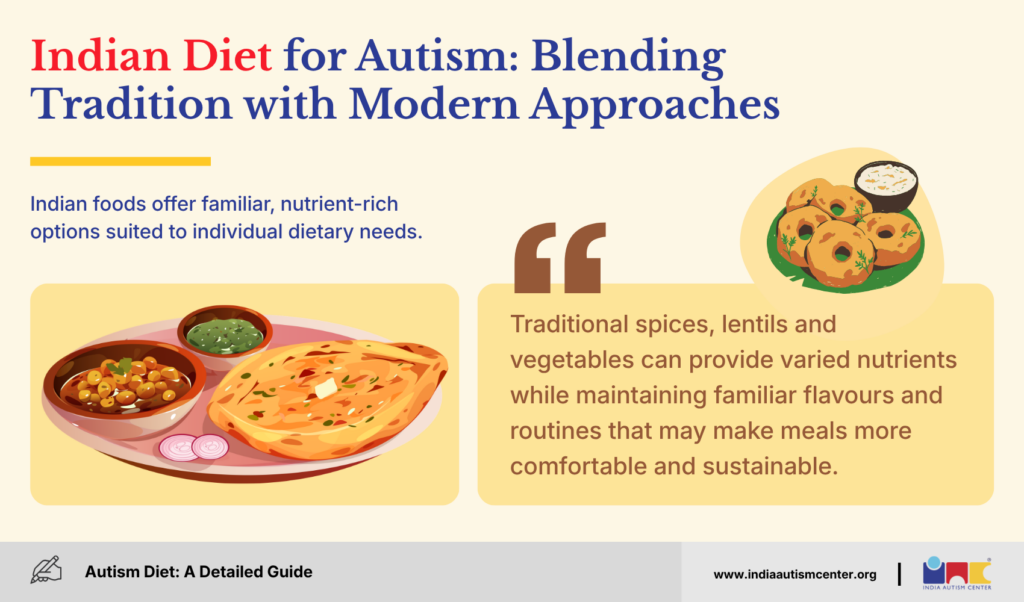
In the context of Indian dietary practices, incorporating traditional foods into an autism diet plan can provide a sense of familiarity while meeting nutritional needs. Traditional Indian diets often include a variety of spices, lentils, and vegetables, offering a rich source of nutrients.
1. Spices with Potential Benefits
Turmeric, a staple in Indian cuisine, contains curcumin, which has anti-inflammatory and antioxidant properties. While more research is needed, some studies suggest potential benefits for autistic individuals.
2. Lentils and Legumes
Rich in protein and fibre, lentils and legumes are integral to Indian diets. They can provide a sustained release of energy and contribute to overall digestive health.
Key GFCF Swaps for Indian Kitchens
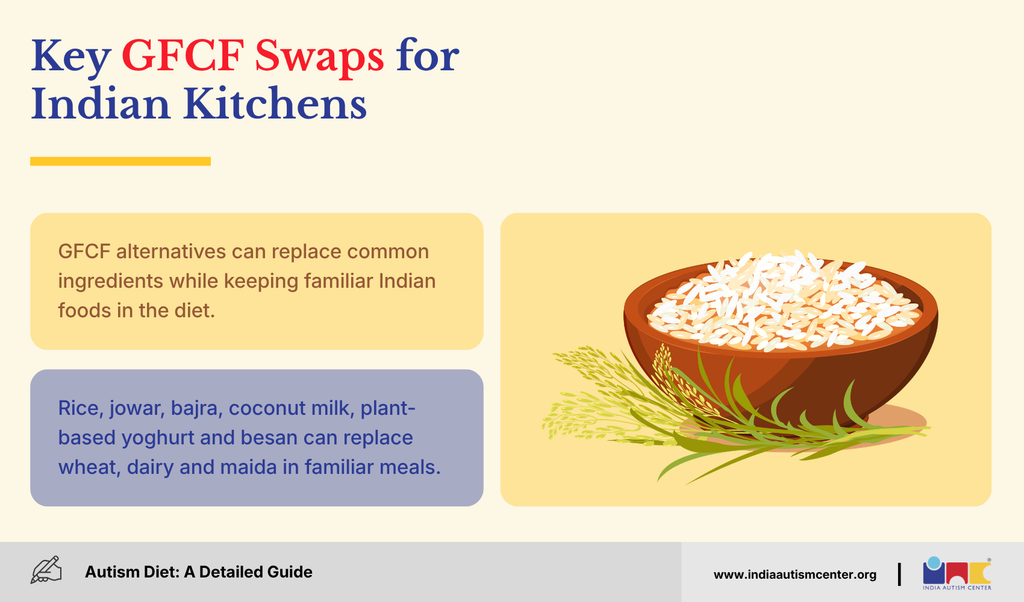
| Standard Ingredient | GFCF Alternative |
|---|---|
| Wheat roti | Rice flour roti, jowar roti, bajra roti |
| Cow’s milk | Coconut milk, almond milk, oat milk |
| Regular curd/dahi | Coconut milk yoghurt |
| Semolina (sooji) upma | Rice rava upma |
| Maida-based snacks | Rice flour or besan (gram flour) snacks |
Diet for Autism and ADHD: Exploring Overlapping Concerns
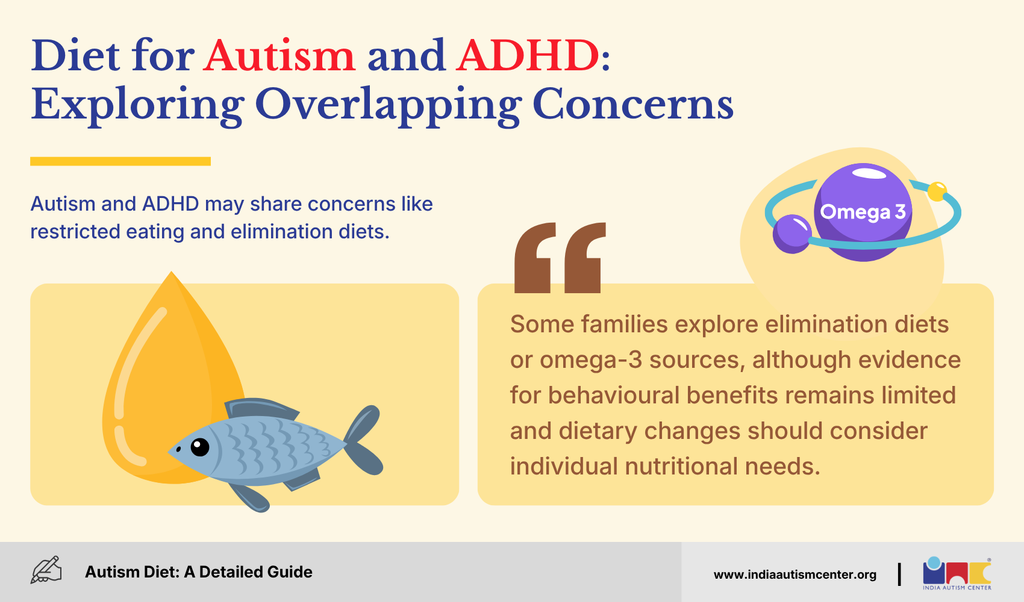
Many autistic individuals also experience symptoms of attention deficit hyperactivity disorder (ADHD). Considering the overlap in these conditions, dietary interventions targeting both autism and ADHD symptoms have gained attention.
1. Elimination Diets
Some families and healthcare professionals have explored elimination diets that exclude common allergens, additives, and artificial colourings. While the scientific evidence supporting the efficacy of elimination diets is limited, anecdotal reports suggest improvements in behaviour for some individuals.
2. Omega-3 Fatty Acids
Research has shown that omega-3 fatty acids, found in fatty fish like salmon and flaxseeds, may have cognitive and behavioural benefits. Including these sources of healthy fats in the diet could potentially support autistic individuals and those with ADHD.
Best Practices for an Autism Diet Plan
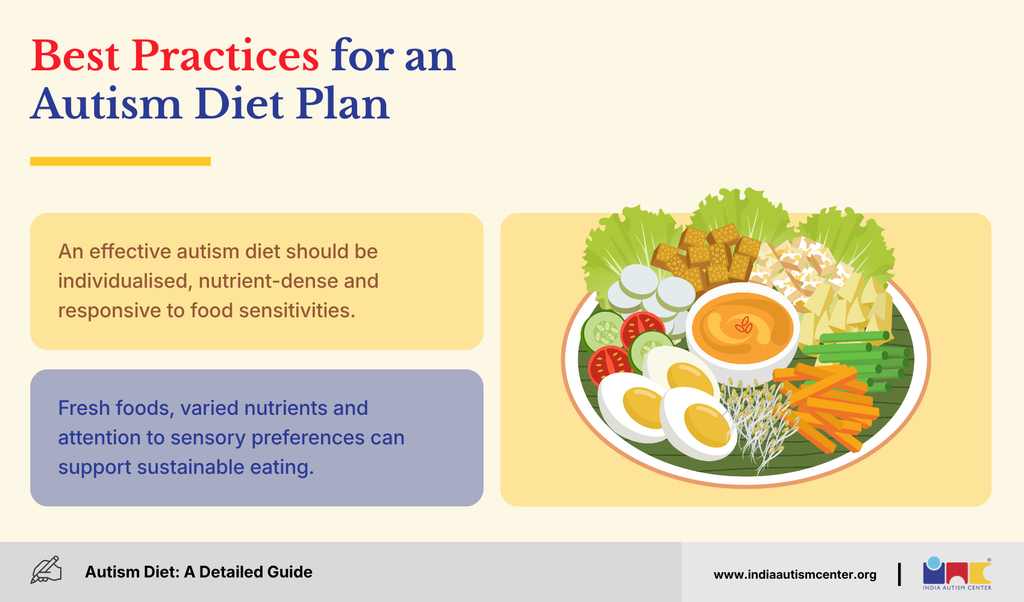
Here are some best practices to guide the development of an effective autism diet plan:
1. Individualised Approach
No two autistic individuals are the same, and their dietary needs will vary. An individualised approach, possibly with the guidance of a nutritionist or healthcare professional, is crucial for tailoring the diet to specific requirements and preferences.
2. Nutrient-Dense Foods
Emphasising nutrient-dense foods is essential for supporting overall health and development. Fresh fruits, vegetables, lean proteins, and whole grains should be integral components of the diet to ensure that autistic individuals receive the essential vitamins and minerals their bodies need.
3. Attention to Food Sensitivities
Many autistic individuals experience sensitivities to certain textures, tastes, or smells. Understanding and accommodating these sensitivities is vital for creating a positive and sustainable eating experience. This might involve experimenting with different preparation methods or exploring alternative food options.
Autistic Sensory Issues and Eating Patterns
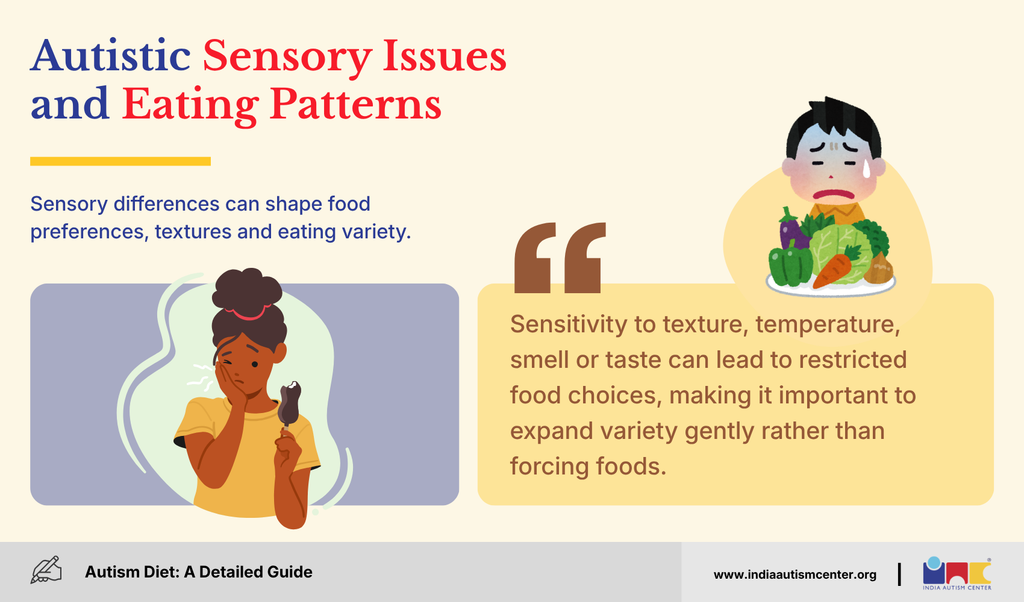
Many autistic individuals have sensory sensitivities. They might react strongly to texture, temperature, smell, or taste. These sensory responses affect food preferences.
For example:
- Some avoid crunchy foods.
- Others reject gooey or mixed textures.
- Certain smells may trigger discomfort or refusal.
These traits can influence eating behaviour, leading to limited food variety. Limited variety can make it hard to get balanced nutrition.
Understanding these sensory experiences helps you build a supportive eating plan. Rather than forcing foods, you can learn to gently expand the variety in ways that feel safe to the individual.
The Emotional Impact of Dietary Interventions
Navigating the world of autism diet plans can be emotionally challenging for families and caregivers. The quest for the best diet for autism often involves a process of trial and error, with each step carrying the hope of improving the quality of life for loved ones on the spectrum. It’s crucial to approach dietary interventions with a mix of optimism, patience, and realistic expectations.
Want to know more? Get in touch with us.
Gut Health and Autism: The Gut-Brain Connection
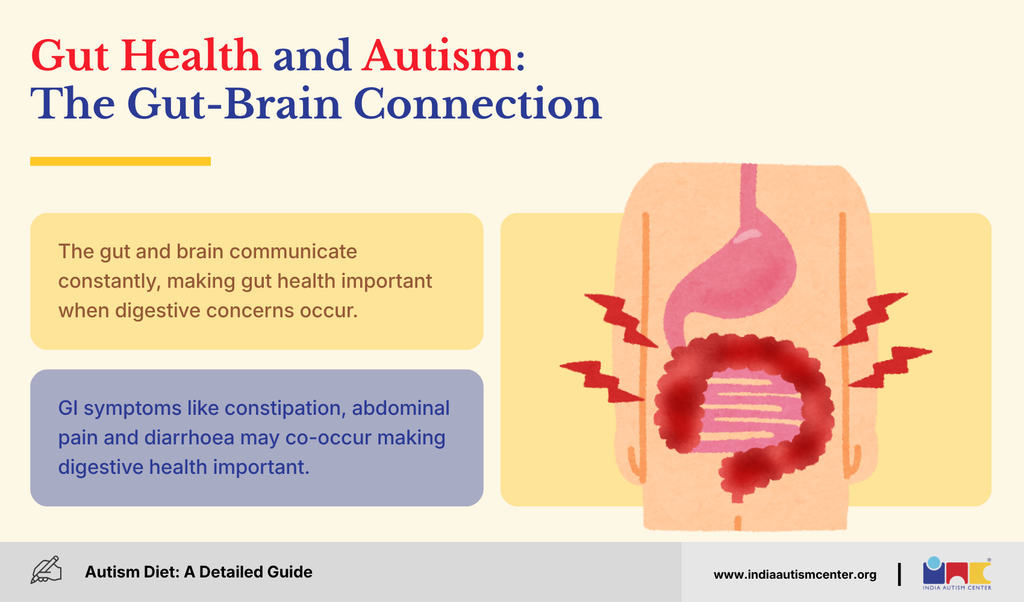
If your child often has stomach aches, constipation, or loose stools alongside their autism, you are not imagining a connection. Research increasingly confirms that the gut and the brain are in constant two-way communication – a pathway scientists call the gut-brain axis.
What Is the Gut-Brain Axis?
Think of it this way: the gut has its own nervous system (the enteric nervous system) with roughly 500 million nerve cells. It communicates directly with the brain via the vagus nerve, and it produces about 90% of the body’s serotonin – a key mood-regulating chemical. When the gut is inflamed or imbalanced, those signals reach the brain too.
For autistic children, this matters enormously. A 2024 review published in Behavioural Brain Research noted that up to 80% of children with ASD may experience gastrointestinal complications, including constipation, abdominal pain, and diarrhoea. A 2023 meta-analysis found pooled GI symptom prevalence of nearly 49% across ASD populations. These are not coincidences – they point to a genuine gut-brain link that parents and clinicians need to take seriously.
The Microbiome and ASD
The gut microbiome – the trillions of bacteria living in the digestive tract – appears to be different in many autistic children compared to neurotypical peers. Certain beneficial bacterial strains are often lower, while potentially harmful ones are more prevalent. This imbalance (called dysbiosis) may contribute to GI discomfort, which in turn can worsen behavioural symptoms like irritability, sleep problems, and difficulty concentrating.
Indian Probiotic Foods That Support Gut Health
The good news: Indian cuisine has a long tradition of fermented, probiotic-rich foods that naturally support a healthy microbiome. These are worth including regularly:
- Dahi (curd/yoghurt) – one of the richest natural sources of Lactobacillus bacteria. Plain, unsweetened dahi is best.
- Chaas (buttermilk) – lighter than dahi, easier to digest, and a staple in many Indian homes.
- Idli and dosa batter – the fermentation process produces beneficial bacteria. Freshly fermented batter (not instant mixes) is the most beneficial.
- Kanji – a traditional North Indian fermented drink made from black carrots or beetroot. Excellent probiotic source, though less common in urban homes.
For children who cannot tolerate dairy, coconut milk yoghurt is a good GFCF probiotic alternative.
Indian Prebiotic Foods That Feed Good Bacteria
Probiotics need prebiotics – dietary fibres that feed the beneficial bacteria. Indian diets are naturally rich in these:
- Banana – one of the best prebiotic foods, and most children accept it readily.
- Garlic and onion – contain inulin, a powerful prebiotic fibre. Even small amounts in cooking count.
- Whole dals (moong, masoor, chana) – high in resistant starch that feeds gut bacteria.
- Raw or lightly cooked vegetables – drumstick (moringa), ridge gourd, and bottle gourd are particularly gut-friendly.
When to Consult a Specialist vs. Try Dietary Changes at Home
Try dietary changes at home first if your child has mild, occasional GI symptoms – bloating, irregular stools, or mild discomfort. Adding probiotic and prebiotic foods, reducing processed foods, and increasing hydration are safe starting points.
Consult a paediatric gastroenterologist if your child has:
- Chronic constipation lasting more than 2 weeks
- Blood in stools
- Significant weight loss or failure to thrive
- Severe abdominal pain that disrupts daily life
- Suspected food allergies or intolerances (e.g., lactose, gluten)
Gut health is one piece of a larger picture. Families working with an integrated care team – including dietitians, developmental paediatricians, and therapists – are better placed to identify whether GI issues are driving behavioural changes and to address them systematically.
Key Supplements for Autistic Children: What the Evidence Says
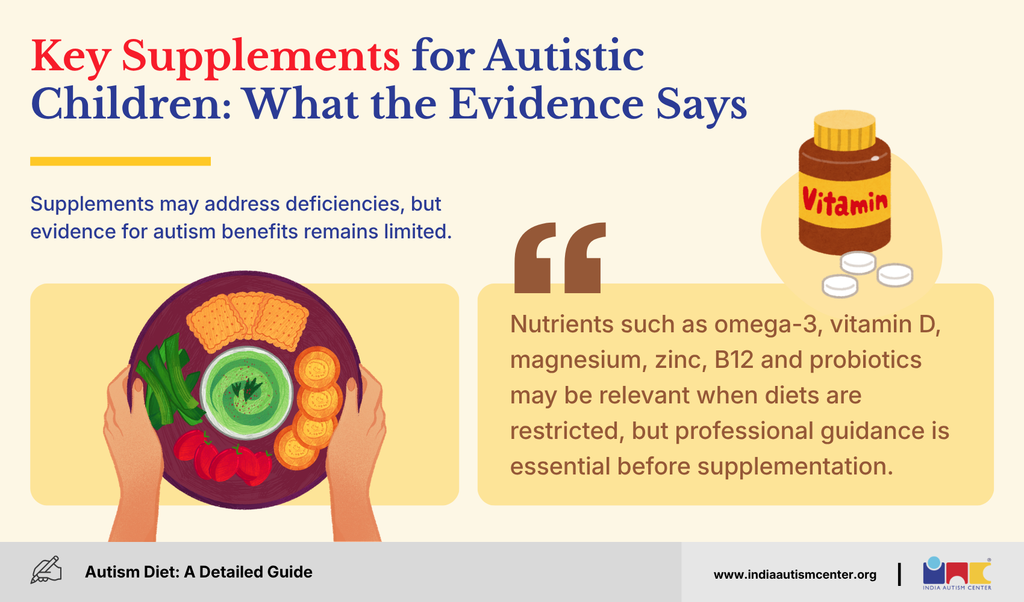
Walk into any pharmacy, and you will find shelves of supplements marketed for autism. The reality is more nuanced. Some nutrients genuinely matter – especially when a child’s restricted diet creates deficiencies. Others have been overhyped. Here is an honest, evidence-based look at the most commonly discussed autism supplements, with Indian dietary sources and clear guidance on when professional input is essential.
⚠️ Important disclaimer: Never start any supplement without consulting an RCI-registered specialist, developmental paediatrician, or qualified nutritionist. Supplements can interact with medications, cause toxicity at high doses, and mask underlying conditions. Blood tests to check actual deficiency levels should come before supplementation.
Omega-3 Fatty Acids (Fish Oil)
What the evidence says: Omega-3s (EPA and DHA) are essential for brain development and have anti-inflammatory properties. Systematic reviews show that omega-3 supplementation does not reliably improve core autism symptoms, but it may help correct deficiency – which is common in children with restricted diets.
Indian dietary sources: Fatty fish (rohu, katla, hilsa, sardines), flaxseeds (alsi), chia seeds, walnuts. For vegetarian families, flaxseed oil or algae-based DHA supplements are options.
When supplementation may be needed: If your child eats no fish and avoids nuts and seeds, discuss omega-3 supplementation with your paediatrician.
Vitamin D
What the evidence says: This is arguably the most critical nutrient to check in Indian autistic children. Some small studies suggest vitamin D supplementation may improve certain autism-related behaviours, though evidence remains inconclusive. What is clear is that deficiency is widespread.
The India paradox: Despite being a tropical country with abundant sunshine, studies estimate that 50–70% of Indians are vitamin D deficient. The reasons include indoor lifestyles, air pollution blocking UVB rays, darker skin pigmentation requiring longer sun exposure, and low dietary intake. Autistic children – who may resist outdoor activities or have sensory issues with sunlight – are at even higher risk.
Indian dietary sources: Egg yolk, fatty fish, fortified milk or plant milks, mushrooms exposed to sunlight.
When supplementation may be needed: A simple blood test (serum 25-OH vitamin D) will confirm deficiency. Supplementation dosage must be prescribed by a doctor – do not self-prescribe.
Magnesium and Vitamin B6
What the evidence says: The combination of magnesium and B6 has been studied in autism for decades. A systematic review of seven randomised trials found no significant benefit for core ASD symptoms. However, magnesium deficiency is real in children with very restricted diets.
Indian dietary sources: Whole dals, leafy greens (palak, methi), bananas, pumpkin seeds, jowar, bajra.
Zinc
What the evidence says: Zinc plays a role in immune function, gut health, and neurodevelopment. Deficiency is common in autistic children with selective eating. Evidence for zinc supplementation improving ASD symptoms is limited, but it is worth testing levels if diet is very restricted.
Indian dietary sources: Chana dal, rajma, pumpkin seeds, sesame seeds (til), whole grains.
Vitamin B12
What the evidence says: Two small randomised trials of methyl-B12 (methylcobalamin) showed some improvement in ASD severity scores, but the evidence remains inconclusive. B12 deficiency is a real concern for vegetarian and vegan families.
Indian dietary sources: Dairy (dahi, paneer, milk), eggs, fish. Strictly vegetarian children may need supplementation – check levels first.
Probiotics
What the evidence says: Emerging research on the gut-brain axis (see the section above) suggests probiotics may help with GI symptoms in autistic children, which can indirectly improve behaviour and comfort. Evidence for direct impact on autism symptoms is still preliminary.
Indian dietary sources: Dahi, chaas, fermented idli/dosa batter, kanji (see the gut health section above).
Nutrition and supplementation decisions are most effective when they are part of a broader, personalised care plan – one that looks at the whole child, not just a single nutrient.
Why Autistic Children Refuse Food
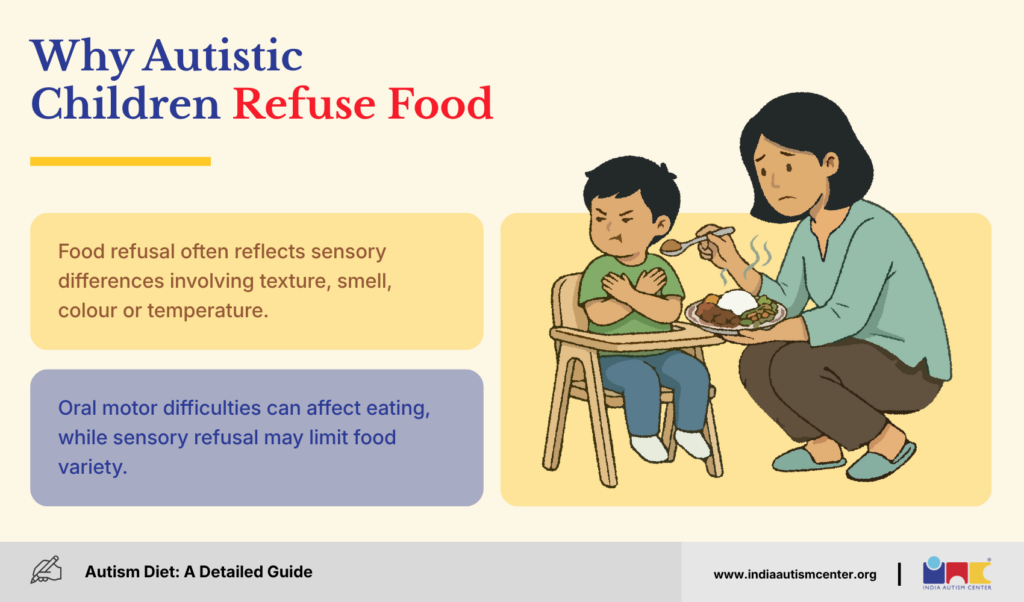
Food refusal in ASD is almost always sensory-based. The brain processes sensory information differently, which means:
- Texture aversions – a child may gag on anything mushy, lumpy, or mixed. Khichdi that a parent considers soft may feel overwhelming to them.
- Smell sensitivity – the aroma of tadka (tempering) or certain spices can be genuinely distressing, not just unpleasant.
- Colour and appearance – some children refuse foods based on colour alone. Green vegetables, mixed-colour dishes, or unfamiliar shapes can trigger refusal before the food is even tasted.
- Temperature rigidity – many autistic children will only eat food at a very specific temperature.
- Oral motor difficulties – some children find chewing certain textures physically difficult, not just unpleasant.
Research consistently shows that autistic children are five times more likely to have mealtime challenges than neurotypical children, including food refusal, limited variety, and ritualistic eating behaviours.
Practical Strategies That Work
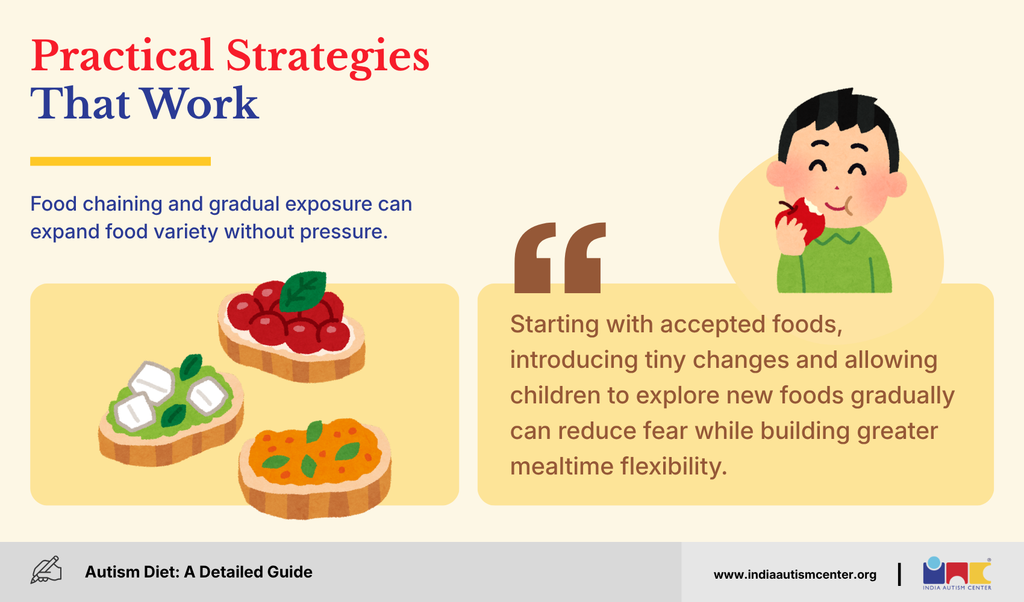
Food Chaining
Food chaining is one of the most effective evidence-based strategies for expanding food variety. The idea is simple: start with a food your child already accepts, then make one tiny change at a time toward a new food.
For example:
- Child accepts plain white rice → introduce rice with a tiny drop of ghee → then rice with mild dal water → then rice with thin dal → then full dal rice.
- Child accepts plain roti → try roti with a very thin smear of ghee → then roti with mashed potato → then roti with soft sabzi.
Each step should be introduced slowly – sometimes over days or weeks. There is no rush.
Gradual Exposure (Without Pressure)
Research on feeding therapy shows that repeated, low-pressure exposure to new foods – even just having the food on the table without any expectation of eating – gradually reduces fear and refusal. Let your child touch, smell, or play with a new food before they are expected to taste it. This is called the “food exploration” phase.
Visual Schedules for Mealtimes
Predictability reduces anxiety. A simple visual schedule showing the mealtime sequence – sit down, wash hands, food arrives, eat, finish – can significantly reduce mealtime meltdowns. Use pictures or simple drawings, not just words.
Conclusion
Autism and diet go hand in hand in your everyday life. What you eat affects how you feel, behave, and grow. Though no diet can “cure” autism, good nutrition and personalised support can make a big difference in health and comfort.
Remember:
- Understand sensory needs
- Focus on nutrient-dense foods
- Seek professional guidance
- Be patient and flexible
Every autistic individual is different. What works for one person may not work for another. But with care, knowledge, and compassion, you can build a nutrition plan that supports health and happiness.
Frequently Asked Questions (FAQs)
What is the connection between autism and diet?
Autism and diet are closely linked because many autistic individuals have unique eating habits, sensory sensitivities, and digestive challenges. While diet does not cause or cure autism, proper nutrition can support overall health, digestion, energy levels, and daily functioning in autistic individuals.
How does nutrition impact Autism Spectrum Disorder?
Nutrition and Autism Spectrum Disorder are connected through physical and behavioural well-being. A balanced diet can help manage gastrointestinal issues, support brain development, and improve focus and mood. Poor nutrition, on the other hand, may worsen fatigue, discomfort, and eating-related stress.
What is the best diet for autism?
There is no single best diet for autism. An effective diet for autism focuses on nutrient-dense foods such as fruits, vegetables, lean proteins, healthy fats, and whole grains. The ideal plan should be personalised based on sensory preferences, allergies, and nutritional needs, preferably with guidance from a healthcare professional.
How can I plan a healthy diet for an autistic child?
Planning a diet for an autistic child starts with understanding their food preferences and sensory sensitivities. Offer familiar foods while slowly introducing new ones. Maintain consistent meal routines, ensure balanced nutrition, and consult a dietitian to address any nutritional gaps safely.
What is the impact of diet and nutrition on autistic individuals?
The impact of diet and nutrition on autistic individuals can include better digestion, improved energy levels, stable mood, and enhanced overall health. While dietary changes do not alter the core traits of autism, they can significantly improve comfort, daily functioning, and quality of life.
For expert insights, support services, and inclusive learning initiatives, contact India Autism Center for more information.
Useful Sources
Vitamin D deficiency in India – prevalence and pathways