 Donate now
 Get a Call Back
 MENU
MENU 19 MIN READ
 SHARE
SHARE


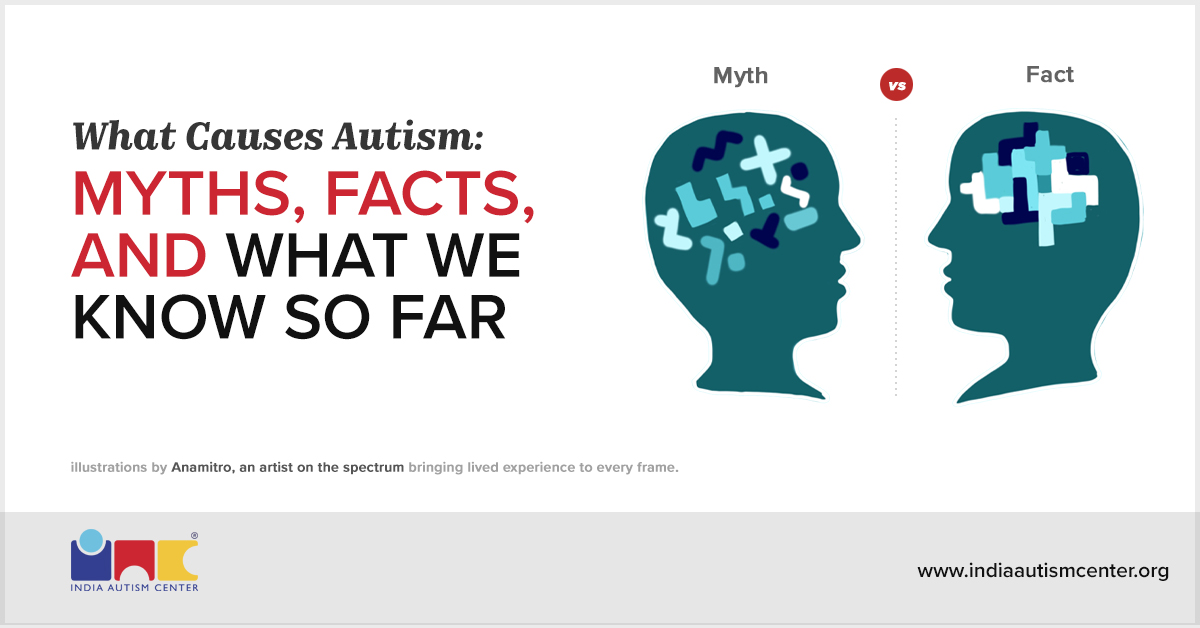
One of the most searched, and often quietly asked, questions is: ‘What causes autism?’.
The short answer? The causes of autism spectrum disorder (ASD) are multifactorial.
Autism arises from a complex interplay of genetic, neurological, and environmental factors. And despite persistent misinformation, vaccines do not cause autism.
In this article, we’ll break down these factors behind autism causes and also explain why it’s time to leave certain outdated beliefs in the past.
So, let’s take a closer, evidence-based look at the causes of autism.
What Causes Autism Spectrum Disorder?
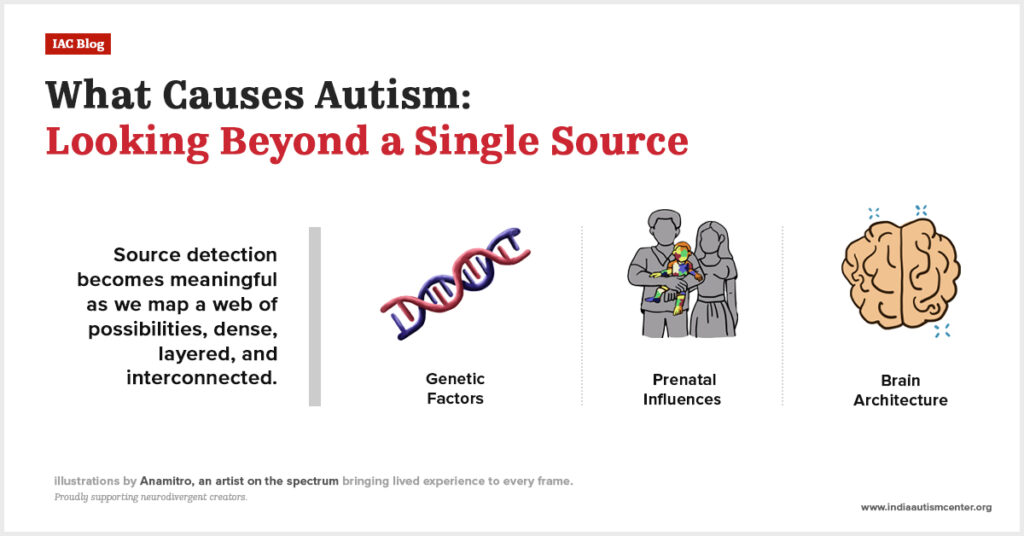
If you’re a parent, a professional, or simply someone seeking a deeper understanding of autism, this is where the lens shifts.
From ‘What is autism caused by?’ to ‘What is the combination of factors that may have led to this condition?’.
Some of these factors could be inherited. Others may come from the environment around a developing fetus. And some could emerge through neural connectivity in early life.
Now comes the question is autism gentic?
Among all the possibilities of how autism is caused, genetics remains the most well-established.
So, let’s start there.
Role of Genetics In Causing Autism
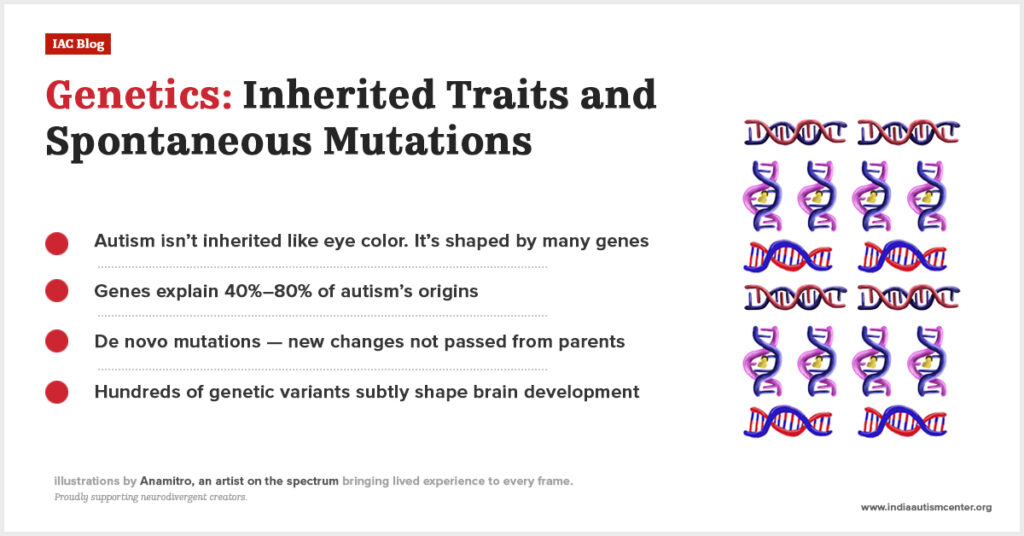
Is autism genetic? Well, it plays a foundational role in the causes of ASD. Estimates suggest that the heritability of autism ranges between 40% and 80%.
This indicates that autism often runs in families. But not in the simple, Mendelian way we learned in school.
Unlike eye color or blood type, autism isn’t caused by a single gene. Thanks to tools like Genome-Wide Association Studies (GWAS), researchers have now identified hundreds of genetic variants linked to autism.
This makes autism a polygenic condition, meaning it’s shaped by many genes working together, each contributing a small effect.
Most of these genes don’t directly cause autism. Instead, they affect brain wiring, especially in areas tied to:
- Sensory processing
- Language acquisition
- Motor coordination
- Emotional regulation
- Social cognition
Some of these gene variations are inherited from parents. Others are what scientists call de novo mutations, meaning they occur for the first time in the egg or sperm, not passed down from either parent.
Rare genetic syndromes like Fragile X syndrome or Rett syndrome may also share overlapping traits with autism, though they account for only a small fraction of overall autism cases.
In short, if you’re wondering, ‘What gene causes autism?’, the reality is far more complex. It’s not about one gene. But rather, a combination of inherited and spontaneous mutations that shape how the brain is wired.
Want to know more? Get in touch with us.
How Strong Is the Genetic Signal?
Twin studies are the gold standard for separating genetic from environmental influences. The evidence is striking:
- A landmark 2017 study by Sandin et al., published in JAMA, analyzed data from over 37,570 twin pairs and more than 2.6 million sibling pairs in Sweden. They estimated ASD heritability at 0.83 – meaning approximately 83% of the variation in autism risk is attributable to genetic factors.
- Earlier twin research by Bailey et al., published in Psychological Medicine, found concordance rates of 60% in identical (monozygotic) twins, compared to near-zero in fraternal (dizygotic) twins – a pattern that is only possible if genetics is driving most of the risk.
- Across multiple studies, heritability estimates for ASD range from 64% to 91%, depending on the population and methodology used.
That range – 64 to 91% – is not uncertainty about whether genetics matters. It’s a reflection of how complex the genetic architecture is.
Specific Gene Mutations Linked to Autism
Researchers have now identified dozens of genes whose mutations are associated with ASD. Here are six of the most important:
1. SHANK3
SHANK3 encodes a scaffolding protein found at the postsynaptic density of neurons – essentially the receiving end of a synapse. Mutations in SHANK3 disrupt how neurons communicate with each other. Children with SHANK3 mutations often have significant intellectual disability alongside autism, a condition sometimes called Phelan-McDermid syndrome. The SHANK3 gene is one of the most replicated autism risk genes in the literature.
2. CHD8
CHD8 (Chromodomain Helicase DNA Binding Protein 8) is a gene that regulates the expression of hundreds of other genes during fetal brain development. Mutations in CHD8 are among the most common single-gene causes of autism identified so far. Children with CHD8 mutations tend to have a distinctive profile: macrocephaly (larger than average head circumference), gastrointestinal problems, and autism. CHD8 mutations are almost always de novo – meaning they appear fresh in the child and are not inherited from either parent.
3. PTEN
PTEN is a tumor suppressor gene that also plays a critical role in regulating cell growth and brain size. Mutations in PTEN are associated with macrocephaly and autism, and they significantly elevate the risk of certain cancers. In the context of ASD, PTEN mutations appear to cause overgrowth of neural tissue, disrupting the normal architecture of brain circuits.
4. CNTNAP2
CNTNAP2 (Contactin-Associated Protein-Like 2) encodes a protein that helps organize neurons in the developing cortex and supports the formation of long-range neural connections. Variants in CNTNAP2 have been associated with language delay, epilepsy, and autism. Notably, CNTNAP2 is one of the largest genes in the human genome and is particularly active in the frontal lobe – the region responsible for social cognition and communication.
5. MECP2 (Rett Syndrome)
MECP2 encodes a protein that regulates gene expression across the entire genome. Mutations in MECP2 cause Rett syndrome – a condition that almost exclusively affects girls and involves a period of apparently normal development followed by regression, loss of purposeful hand use, and the emergence of autism-like features. Rett syndrome illustrates how a single gene mutation can produce a full autism phenotype.
6. FMR1 (Fragile X Syndrome)
FMR1 produces a protein called FMRP, which regulates the translation of proteins at synapses – the junctions between neurons. When FMR1 is silenced (due to a trinucleotide repeat expansion), FMRP is absent and synaptic signaling goes haywire. Fragile X syndrome is the most common inherited cause of intellectual disability and the most common single-gene cause of autism. Approximately 30% of boys with Fragile X syndrome meet the full diagnostic criteria for ASD.
Inherited vs. De Novo Mutations
Not all autism-associated mutations are inherited. A substantial proportion – particularly those in high-impact genes like CHD8 and SHANK3 – are de novo mutations, meaning they arise spontaneously in the egg or sperm and are not present in either parent. This explains why autism can appear in families with no prior history of the condition.
Advanced parental age increases the rate of de novo mutations, which is one reason older parenthood is a recognized risk factor for ASD.
Now, let’s move on to brain development, where the genetic factors of autism begin to take shape.
Role of Brain Development In Autism
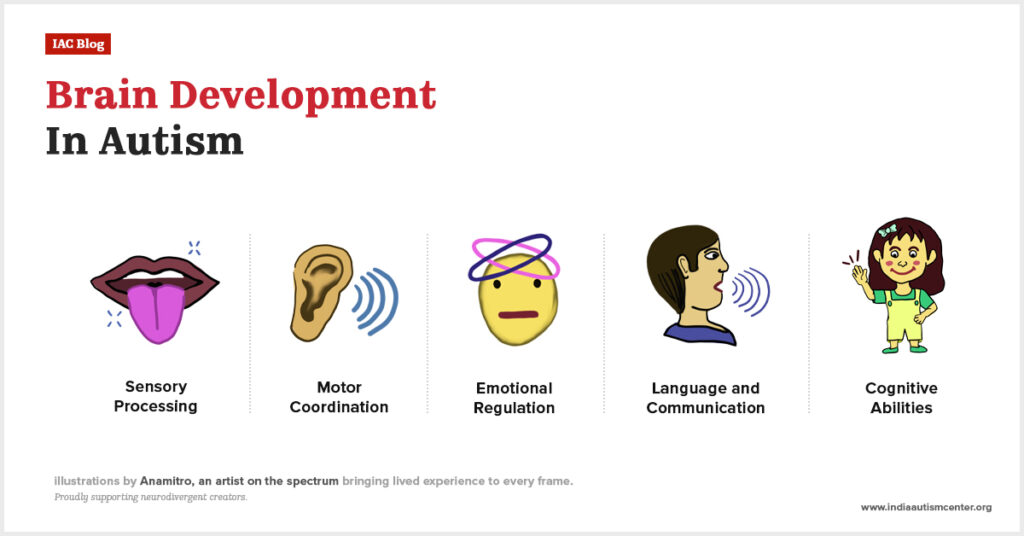
Genetics doesn’t cause autism in isolation – it does so by altering how the brain develops, starting in the womb. Neuroimaging and post-mortem brain studies have revealed several consistent differences in the autistic brain.
Brain Overgrowth in Early Life
One of the most replicated findings in autism neuroscience is that many autistic children experience accelerated brain growth in the first two years of life. A landmark study by Courchesne et al., published in JAMA in 2011, found that boys with autism had significantly more neurons in the prefrontal cortex than typically developing boys – an average of 67% more. This overgrowth is thought to reflect disrupted prenatal neurogenesis, the process by which neurons are generated and organized.
Importantly, this overgrowth precedes the behavioral signs of autism, which typically emerge between 18 and 36 months. This means the neurological differences underlying autism begin before birth.
The Amygdala and Social Processing
The amygdala – a small, almond-shaped structure deep in the brain – plays a central role in processing emotions, detecting social threats, and regulating fear responses. Multiple studies have found that autistic children show enlarged amygdala volume in early childhood, followed by a period of slower growth. This atypical developmental trajectory is associated with heightened anxiety, difficulty reading facial expressions, and challenges in social interaction.
The amygdala’s role in autism helps explain why many autistic individuals find social environments overwhelming – not because they don’t care about social connection, but because their brains process social information differently.
Mirror Neurons and Social Learning
Mirror neurons are brain cells that fire both when you perform an action and when you observe someone else performing the same action. They are thought to be fundamental to empathy, imitation, and social learning. Research has found atypical mirror neuron activity in autistic individuals, particularly in regions like the inferior frontal gyrus and the superior temporal sulcus. This may contribute to difficulties with imitation, joint attention, and understanding others’ intentions – core features of ASD.
Synaptic Pruning Differences
During typical brain development, the brain undergoes a process called synaptic pruning – the elimination of excess neural connections to make the remaining circuits more efficient. Think of it as the brain editing its own wiring diagram. Research suggests that this pruning process is disrupted in autism: autistic brains may retain more synaptic connections than typical brains, resulting in a denser but less efficiently organized neural network. Genes like SHANK3, CNTNAP2, and FMR1 all play roles in synaptic function, which is why mutations in these genes have such profound effects on brain connectivity.
As neuroscientist Dr. Sumantra Chattarji noted on the India Autism Center podcast,

The fact that [the brain is] not a static entity. It can adapt fully with experience and change… that’s plasticity. So there can be good plasticity… the brain grows, it forms the right connections, it has all this potential. And the job for us is to use what we know about good plasticity to counter the ill effects of the bad plasticity.
In other words, autistic brain development is a dynamic process shaped by early experiences, genetics, and environment. And like any brain, it’s capable of growth, adaptation, and learning.
Now, genetic predispositions and brain architecture don’t tell the whole story. The surrounding environment, particularly during pregnancy and infancy, also shapes outcomes.
What Environmental Factors Cause Autism?
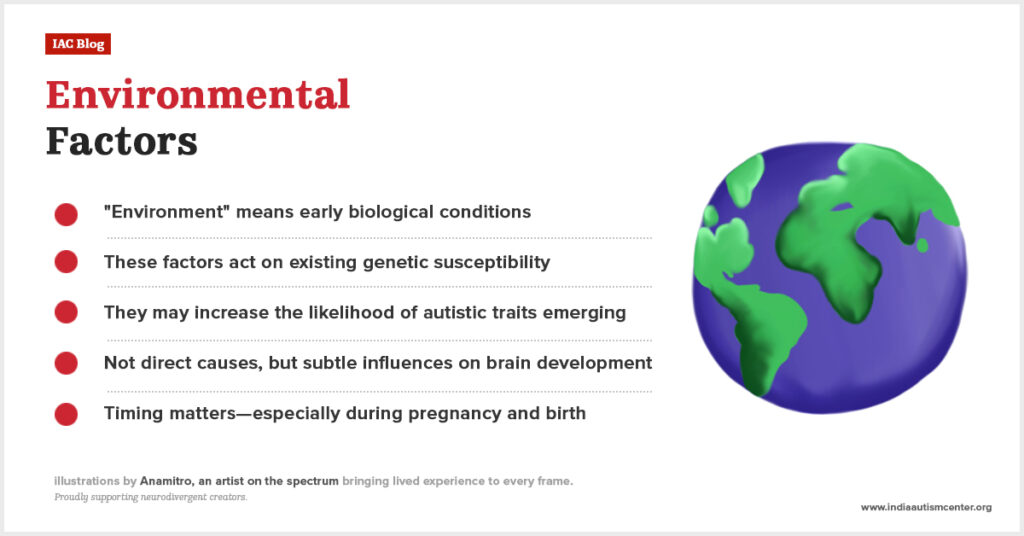
To understand the environmental causes of autism, it’s essential to zoom out.
Here, ‘environment’ refers not just to pollution or toxins, but to the entire biological backdrop that shapes early brain development: before birth, during delivery, and after.
The Prenatal Stage: Influences Before Birth
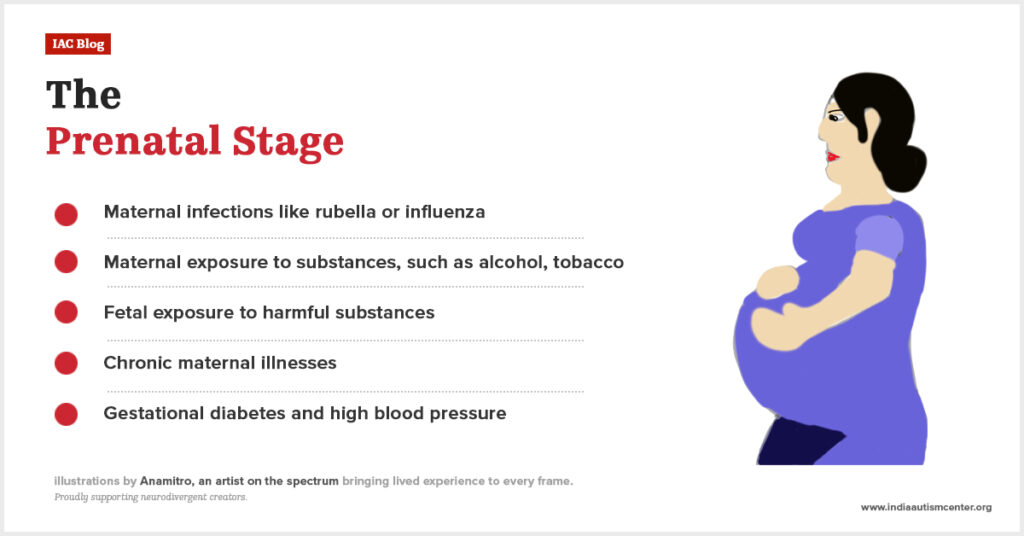
Autism often begins before birth, long before any visible signs appear.
When exploring what causes autism during pregnancy, researchers point to a combination of key prenatal risk factors, including:
- Maternal Infections: A 2019 study linked maternal immune activation (MIA) to later neurodevelopmental differences, including autism.
- Exposure to Substances: Alcohol, tobacco, or recreational drugs during pregnancy can disrupt neural development.
- Toxic Exposures: Lead, mercury, and other environmental toxins may interfere with how the fetal brain forms and connects.
- Chronic Maternal Conditions: Autoimmune or thyroid disorders may alter hormonal regulation and affect fetal brain growth.
- Metabolic Conditions: A 2012 study found that maternal metabolic conditions, such as diabetes, hypertension, and obesity, are broadly linked to neurodevelopmental conditions like autism.
- Certain Medications: Drugs like valproic acid during pregnancy have been associated with higher autism risk.
- Nutritional Deficiencies: Particularly low folic acid levels during early pregnancy have been linked to increased neurodevelopmental risk.
- Parental Age: Advanced maternal or paternal age is associated with a slight rise in de novo genetic mutations, which may influence autism development.
The Natal Stage: Risk Factors Around Birth
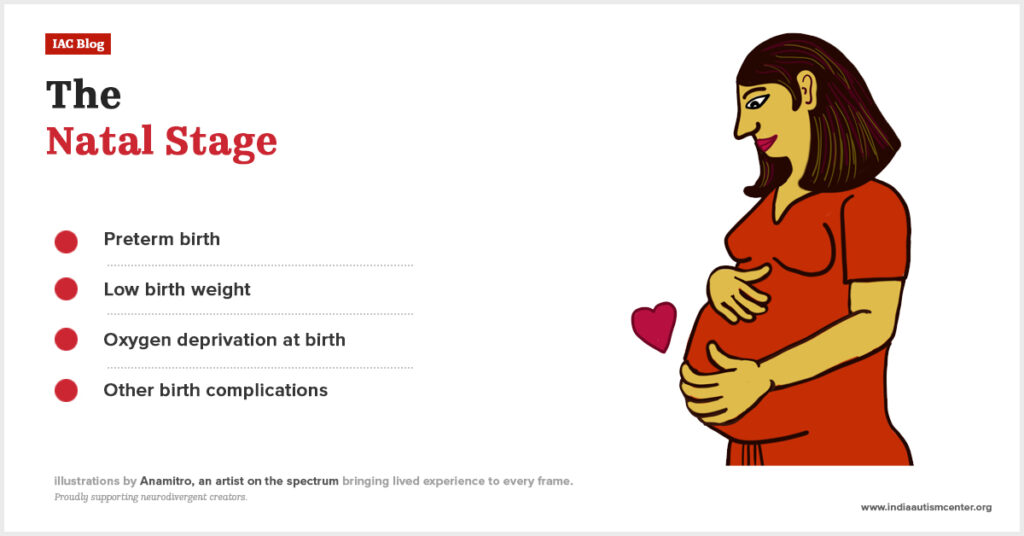
What happens during or immediately after birth may also influence how autism traits unfold.
- Preterm Birth: Babies born before 37 weeks are at a critical stage of brain development. The third trimester, in particular, is key for building sensory and regulatory pathways.
- Low Birth Weight: Weighing under 2.5 kg (5.5 lbs) has been modestly linked to a higher likelihood of autism, possibly due to brain immaturity at birth.
- Oxygen Deprivation at Birth (Perinatal Hypoxia): Difficult labor or brief interruptions in oxygen supply can influence nervous system development.
- Birth Complications: Conditions such as neonatal jaundice or early infections can add stress to a developing brain, especially when compounded by prenatal or genetic vulnerabilities.
While these complications are rare, they offer insights into how biological stressors at birth may act as a contributing factor.
The Postnatal Stage: Early-Life Environmental Influences
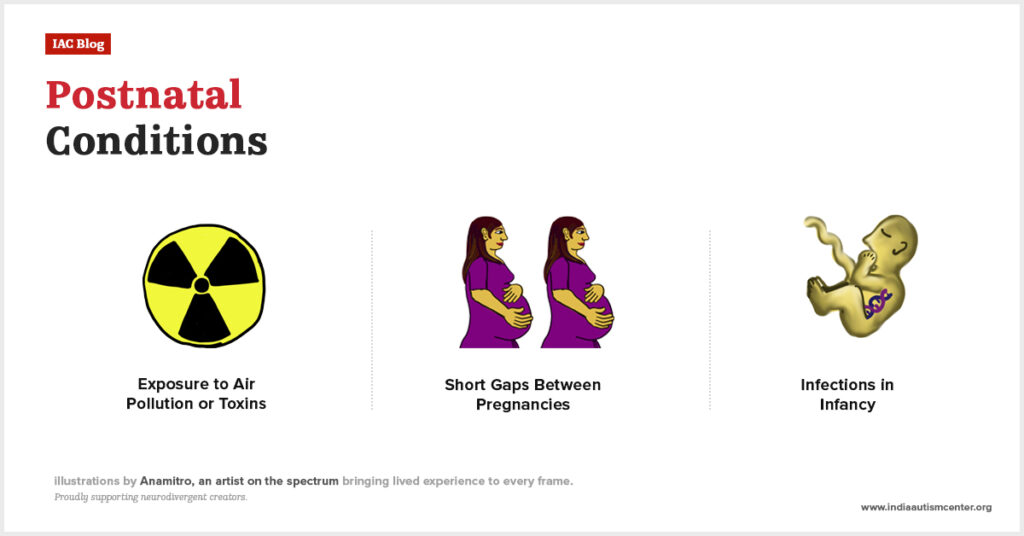
Even after birth, the brain continues to develop rapidly. A few early-life factors that may subtly shape how autism traits unfold are:
- Exposure to Air Pollution or Toxins: Infants exposed to pesticides, heavy metals, or fine particulate pollution may show immune or neurological disruptions, especially if they carry genetic risk markers.
- Short Intervals Between Pregnancies: Gaps of 12 to 18 months may deplete maternal nutrient stores, particularly folate, and increase inflammation. Both of these can affect early brain development.
- Infections During Infancy: Serious infections or immune responses during the first year of life may have a modest effect on how the brain processes information, with some associations to autism in children at high risk.
Even with all we know about contributing factors, public discourse on autism is still crowded with myths. So, let’s dismantle a few of the most damaging ones.
Want to know more? Get in touch with us.
Busting the Myths and Misconceptions About What Causes Autism
Despite major scientific breakthroughs, myths and misconceptions about what causes autism persist. Certain outdated ideas aren’t just incorrect; they stigmatize parents, derail conversations, and distract from what truly matters.
So, let’s set the record straight.
Myth 1: Something Must Have Gone Wrong
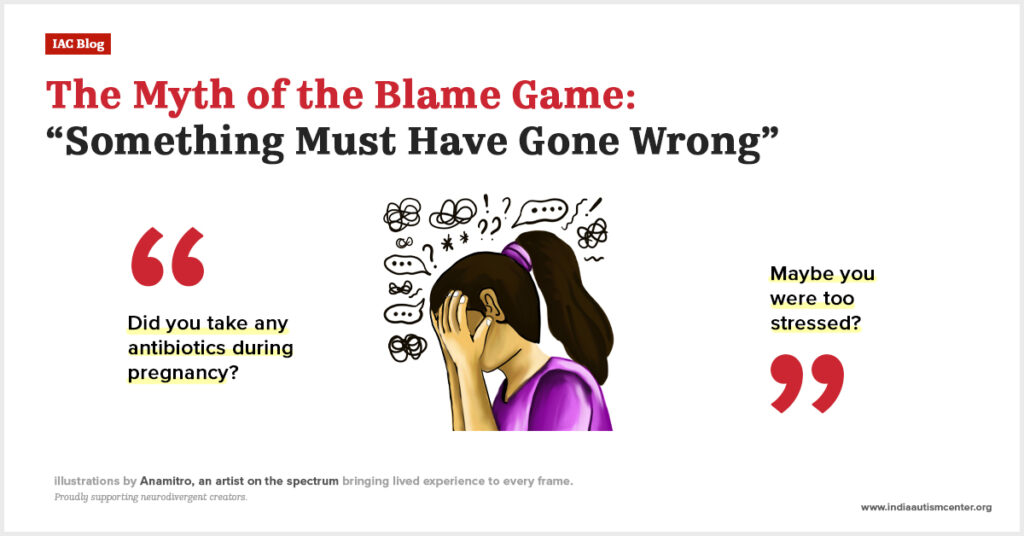
When a child doesn’t meet expected milestones, it’s natural for families to wonder why.
But often, that wondering turns into blaming, especially directed at mothers. This is not only unhelpful but also scientifically unfounded.
Autism is not the result of a momentary lapse, an incorrect meal, or a single stressful event. It develops due to complex biological factors, many of which begin before conception and are entirely beyond parental control.
Blame is a coping mechanism. But it’s not a path to clarity or action.
Myth 2: Vaccine Causes Autism
This is the myth that refuses to die.
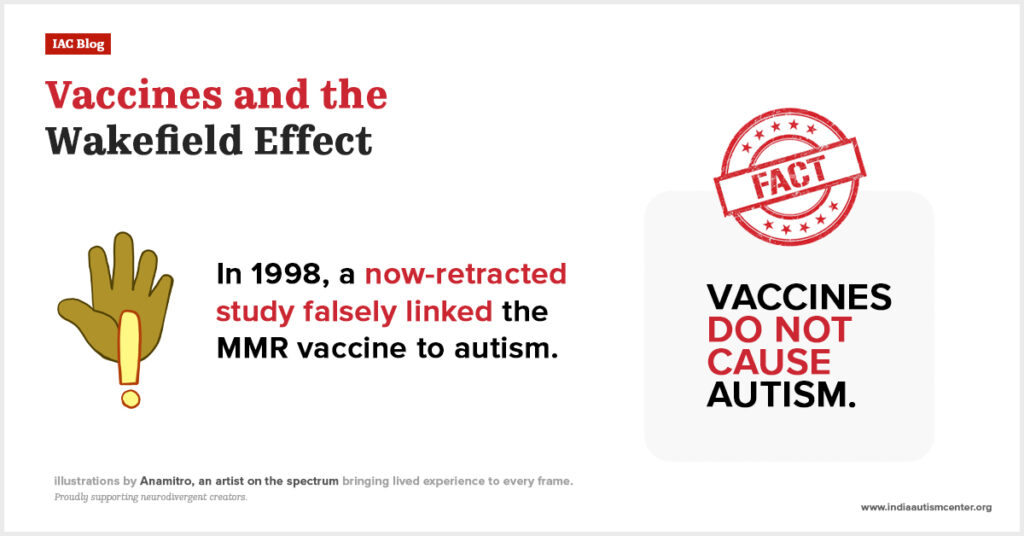
In 1998, Andrew Wakefield published a study falsely linking the MMR (measles, mumps, and rubella) vaccine to autism. That paper was later retracted, its data discredited, and Wakefield was stripped of his medical license.
Since then, over 25 large-scale studies have confirmed: Vaccines do not cause autism.
So why do people think vaccinations cause autism? Because it offered something simple. A culprit. Many children exhibit autistic traits around age two, coinciding with routine vaccinations.
This timing seems suspicious, but it is merely a coincidence, not causation.
Myth 3: Screen Time and Modern Lifestyles Cause Autism
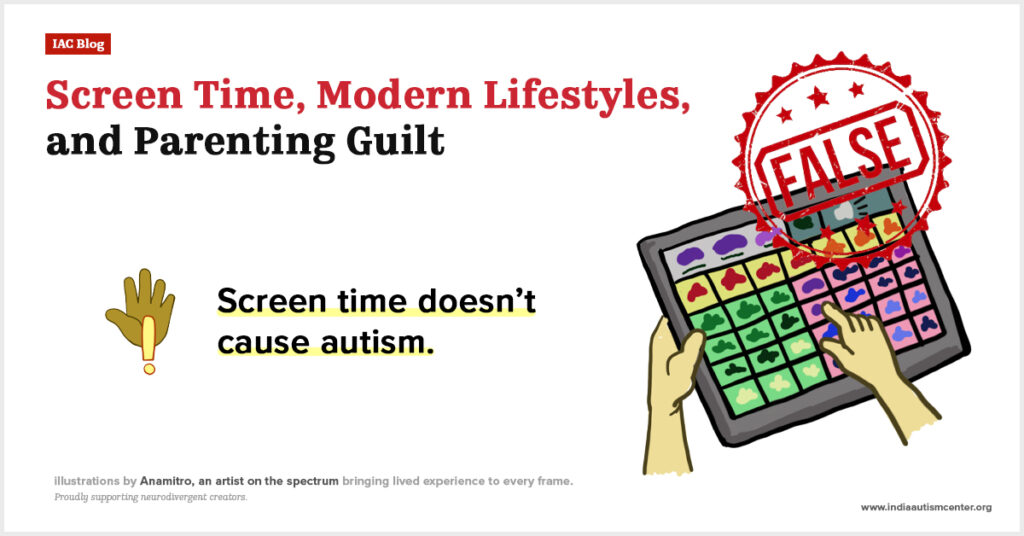
This myth grows from the anxiety of contemporary parenting.
Parents often worry that digital exposure is somehow rewiring their child’s brain. If a child avoids eye contact or loops the same video repeatedly, it’s tempting to blame screens.
But here’s the truth: Screen time doesn’t cause autism.
While it may mask early signs or provide comfort for children already diagnosed with autism, it does not cause the condition. Oversimplifying autism as a parenting choice only fuels guilt instead of providing solutions.
📥 Free download: Printable daily routine chart for autistic children
Myth 4: Older Parents and Late Pregnancy Always Cause Autism
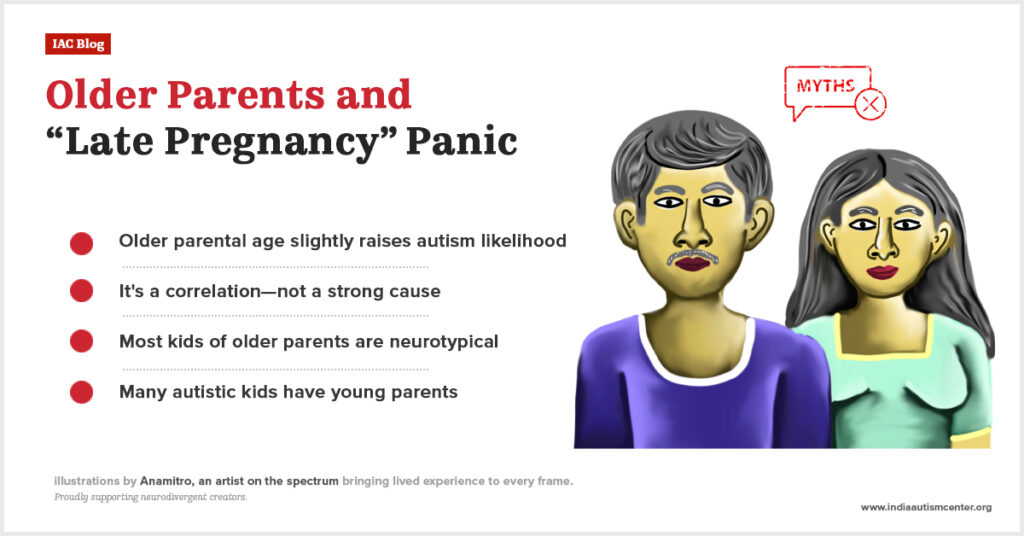
Yes, studies have noted a slight statistical association between parental age and autism. But this is more of a statistical correlation than a contributing factor for the development of autism.
Most children born to older parents are neurotypical. At the same time, many autistic children are born to younger parents.
Advanced age may slightly raise the chances of spontaneous genetic variation, but it’s not a cause. Framing autism as a consequence of delayed parenthood is only misleading and unfair.
Myth 5: Trauma, Neglect, and Attachment Issues Cause Autism
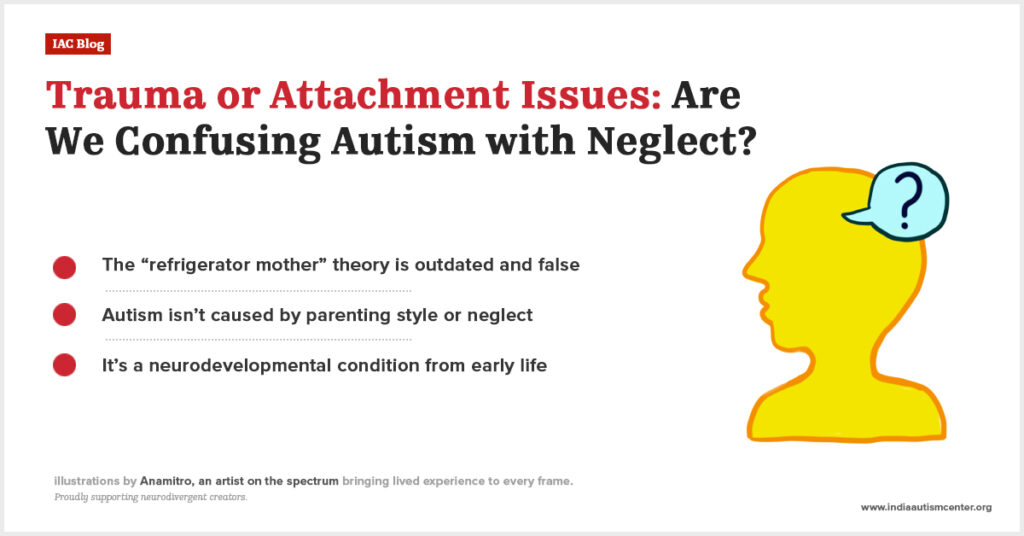
This myth has deep, damaging roots. Decades ago, the ‘refrigerator mother’ theory blamed autism on emotionally distant parenting. That view has long been debunked.
Autism is not caused by trauma, neglect, or poor attachment. However, trauma and autism can coexist. In some cases, trauma may even mimic autism traits like emotional withdrawal, speech delays, or difficulty with social connections.
This overlap often leads to misdiagnosis, particularly in girls and women. Thus, understanding the distinction is essential.
How Do Genetic Tests and Timing Assessments Work in Autism?
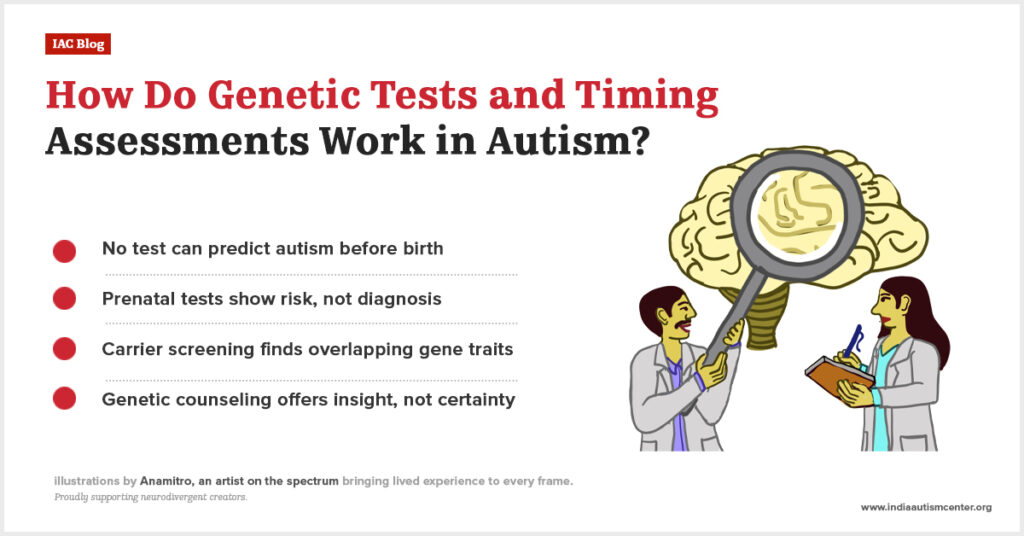
There is no single, definitive test for autism genes. However, genetic tests and timing assessments can offer meaningful insights.
So, let’s break this down.
Carrier Screening: Gauging Inherited Risk
This blood test is for prospective parents. It checks if they carry certain gene variants associated with rare conditions like Fragile X Syndrome or Rett Syndrome, which can sometimes overlap with autism traits.
Kiran Tomar, Research Associate at India Autism Center, says,
For families with a known history, this screening can offer clarity and informed preparation. But in the wrong hands, it can fuel stigma or lead to selective abortions. That’s not its purpose. The value lies in awareness, not fear.
Genetic Counseling: Interpreting the Bigger Picture
If you already have a child diagnosed with autism, have a known family history of neurodevelopmental disorders, or are concerned about future pregnancies, a genetic counselor can help decode your genetic risk and explore next steps.
They may recommend:
- Chromosomal Microarray Analysis
- Whole Exome Sequencing
These don’t predict autism. But they can help identify genetic variations linked to neurodivergence and offer contextual understanding.
Prenatal Genetic Testing: Understanding Risk
In high-risk pregnancies, healthcare providers may recommend invasive prenatal testing.
These tests examine genetic material collected from the amniotic fluid or umbilical cord to detect anomalies that may increase the likelihood of neurodevelopmental conditions, including autism.
While it doesn’t confirm autism, it may reveal:
- De novo mutations
- Chromosomal abnormalities
- Syndromes with overlap (e.g., Tuberous Sclerosis, Fragile X)
Parting Words: Letting Perspective Guide Your Next Step
The reasons for autism are as varied as its symptoms. From inherited genetic variants to subtle prenatal influences, multiple factors contribute to it.
At the same time, there’s no genetic test that can confirm whether a child will be autistic. But there are tools to help you understand risk, possibility, and preparedness.
Some families find reassurance in clarity. Others feel overwhelmed by uncertainty. Both responses are valid.
What matters most is that informed support makes a difference. The steps you take will shape your child’s future more than any test ever could.
Frequently Asked Questions
Do vaccines cause autism?
No. Extensive global research confirms that vaccines, including the MMR vaccine, do not cause autism.
Can immunizations cause autism?
No. Immunizations do not cause autism. This myth stems from misinformation and has been disproven by more than two dozen large-scale studies across multiple countries.
If vaccines don’t cause autism, what does?
Autism is caused by a complex mix of genetic, neurological, and environmental factors. It is not triggered by vaccines, lifestyle, or parenting style.
What causes autism in children?
Primarily, genetics, early brain development, and environmental influences cause autism in children.
Can trauma cause autism?
No, trauma cannot cause autism. However, trauma can co-occur with autism or mimic certain autistic traits, which sometimes leads to misdiagnosis.
What causes nonverbal autism?
Nonverbal autism may result from more significant differences in brain regions responsible for language processing and social communication. Genetics and early neurodevelopment play a central role.
Can gestational diabetes cause autism?
Gestational diabetes is linked to a slightly higher risk of autism, particularly when accompanied by genetic predisposition. However, it is not a direct cause by itself.
What causes autism regression?
Autism regression occurs when a child loses previously acquired skills, typically between 15 and 30 months of age. The exact causes are still being researched, but they may involve immune responses, neurological disruptions, or genetic factors.
Can autism be caused by brain injury?
Brain injuries do not directly cause autism. However, early injuries affecting the brain’s development may result in behaviors that overlap with autism, though the underlying mechanisms differ.
Can food cause autism?
There is no evidence that food causes autism. Diet can affect behavior and gut health, but it is not a causal factor in autism spectrum disorder.
Can inbreeding cause autism?
Not directly. Inbreeding can increase the risk of rare genetic disorders, but autism is typically caused by a broader set of genetic and developmental factors.
For expert insights, support services, and inclusive learning initiatives, contact India Autism Center for more information.
Disclaimer: This article is intended for educational and informational purposes only. It is not a substitute for professional medical advice, diagnosis, or treatment. If you are pregnant or have concerns about medication use during pregnancy, please consult a qualified healthcare provider. If your child has received an autism diagnosis and you have questions about causes or support, please reach out to a trained specialist or an autism-focused organisation for guidance.
Useful Sources
Centers for Disease Control and Prevention (CDC) – Autism Spectrum Disorder: cdc.gov/autism
National Institute of Environmental Health Sciences (NIEHS) – Autism: niehs.nih.gov/health/topics/conditions/autism
Sandin S et al. (2017). The Heritability of Autism Spectrum Disorder. JAMA, 318(12), 1182–1184. jamanetwork.com
Volk HE et al. (2011). Residential proximity to freeways and autism in the CHARGE study. Environmental Health Perspectives, 119(6), 873–877. pubmed.ncbi.nlm.nih.gov/21156395
Volk HE et al. (2014). Autism spectrum disorder: interaction of air pollution with the MET receptor tyrosine kinase gene. Epidemiology, 25(1), 44–47. pubmed.ncbi.nlm.nih.gov/24240654
Jones KL & Van de Water J (2018). Maternal autoantibody related autism: mechanisms and pathways. Molecular Psychiatry, 24(2), 252–265. pubmed.ncbi.nlm.nih.gov/29934547
Krakowiak P et al. (2012). Maternal metabolic conditions and risk for autism and other neurodevelopmental disorders. Pediatrics, 129(5), e1121–e1128. pubmed.ncbi.nlm.nih.gov/22492772
Brucato M et al. (2017). Prenatal exposure to fever is associated with autism spectrum disorder in the Boston birth cohort. Autism Research, 10(11), 1878–1890. pubmed.ncbi.nlm.nih.gov/28799289
Courchesne E et al. (2011). Neuron number and size in prefrontal cortex of children with autism. JAMA, 306(18), 2001–2010. pubmed.ncbi.nlm.nih.gov/22068992
CDC ADDM Network (2025). Prevalence and Early Identification of ASD Among Children Aged 4 and 8 Years – 16 Sites, United States, 2022. MMWR. cdc.gov/mmwr/volumes/74/ss/ss7402a1.htm
Mayo Clinic – Autism Spectrum Disorder: Symptoms and Causes: mayoclinic.org