 Donate now
 Get a Call Back
 MENU
MENU 14 MIN READ
 SHARE
SHARE


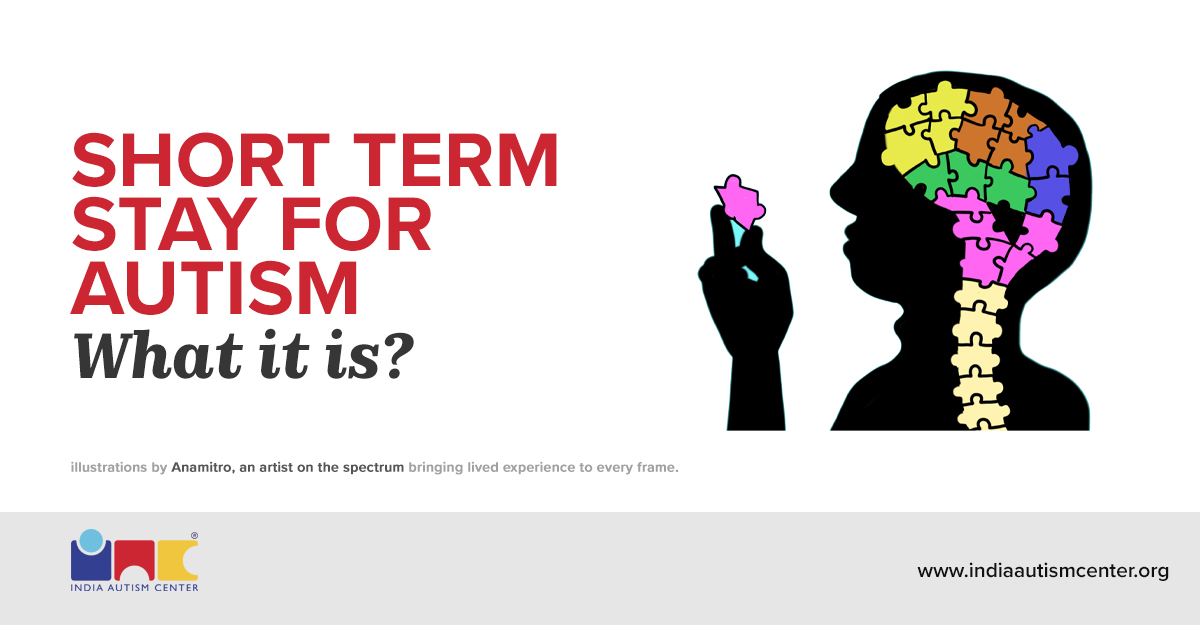
When you care for an autistic individual, you do it with love—but also with constant responsibility. I understand how overwhelming it can feel at times. That’s where a short term stay for autism can truly help.
In this guide, I will walk you through everything you need to know about short term stay, how it connects with assisted living, and why it can be a powerful support system for both you and your loved one.
What is a Short Term Stay in Autism Care?
A short term stay is a temporary residential care option designed specifically to support autistic individuals in a structured and safe environment—for a limited period of time.
Let me explain this in a more practical way.
Think of it as a planned, short break from home, where your child or loved one stays at a specialised centre that understands autism deeply. This stay could last:
- A few days
- A weekend
- A couple of weeks
Now, this is not just about “staying away from home.”
Instead, during a short term stay, your loved one:
- Follows a structured daily routine
- Receives professional care and supervision
- Participates in therapies and skill-building activities
- Learns to adapt to a new environment gradually
At the same time, you get the space to:
- Rest and recharge
- Focus on other responsibilities
- Plan long-term care, including assisted living options
Why You Should Consider a Short Term Stay
Let’s slow this down and understand it a bit more deeply—because this decision is often emotional, not just practical.
A short term stay is not about “sending your child away.” Instead, it is about sharing the responsibility of care in a healthy and sustainable way.
Here’s what that really means for you and your loved one:
1. You Get Respite Without Guilt
Caregiving is a full-time role. Over time, it can affect your:
- Energy
- Mental health
- Patience
Now, you may feel guilty even thinking about taking a break. That’s natural. But here’s the truth—you cannot pour from an empty cup.
A short term stay gives you:
- Time to rest
- Space to focus on other family needs
- A chance to reset emotionally
And when you come back, you are more present, calm, and effective as a caregiver.
2. Your Loved One Builds Independence
This is one of the most powerful benefits.
When your child or adult steps into a short term stay, they are gently encouraged to do things on their own:
- Follow routines without constant prompts
- Make small choices
- Interact with new people
At home, we often (understandably) do a lot for them. But in a structured setting, they get the chance to try, learn, and grow.
Over time, this builds:
- Confidence
- Adaptability
- Self-reliance
These are essential life skills, especially if you are considering assisted living in the future.
3. It Prepares for Assisted Living Gradually
Let’s be honest—thinking about assisted living can feel overwhelming.
Questions like:
- Will my child adjust?
- Will they feel safe?
- Will they accept the change?
A short term stay helps answer these questions—step by step.
It acts as a trial experience, where:
- Your loved one gets familiar with a residential setting
- You observe how they respond
- The care team understands their needs better
Want to know more? Get in touch with us.
How Short Term Stay Supports Autism Development
A short term stay is not just about temporary care. It actively contributes to your loved one’s growth and development in a structured, supportive way. Let me explain each aspect briefly so you can clearly understand its value.
Structured Routine
Autistic individuals often feel more comfortable when their day follows a predictable pattern. During a short term stay, routines are carefully planned and consistently followed.
For example, there are fixed times for:
- Waking up
- Meals
- Activities
- Rest
Because of this structure, your loved one feels more secure and less anxious. Over time, this consistency helps improve focus, behaviour, and overall emotional stability.
Skill Building
A key goal of any short term stay is to build everyday life skills.
In a supportive setting, individuals are gently encouraged to:
- Take care of personal hygiene
- Eat independently
- Organise their belongings
- Communicate their needs
These may seem like small steps. However, they play a big role in developing independence. This becomes especially important if you are considering assisted living in the future.
Social Interaction
Many autistic individuals find social situations challenging. A short term stay creates safe opportunities to interact with others.
Through guided group activities, your loved one learns to:
- Share space with peers
- Participate in simple group tasks
- Understand social cues gradually
Because this happens in a controlled environment, it reduces pressure and builds confidence step by step.
Behavioural Support
During a short term stay, trained professionals observe and support behaviour using structured approaches.
They help your loved one to:
- Manage anxiety or frustration
- Reduce challenging behaviours
- Develop coping strategies
This is done with patience and consistency. As a result, your loved one becomes better at handling changes and expressing emotions.
Sensory-Friendly Environment
Many autistic individuals are sensitive to noise, light, or crowded spaces. Good short term stay facilities for autism are designed to be sensory-friendly.
This includes:
- Calm, clutter-free spaces
- Controlled noise levels
- Soothing colours and lighting
Such an environment helps your loved one feel comfortable and reduces sensory overload.
Short Term Stay vs Assisted Living: Key Differences
| Aspect | Short Term Stay | Assisted Living |
| Duration | Temporary (few days to a few weeks) | Long-term or ongoing stay |
| Purpose | Respite, trial experience, and exposure to structured care | Stable living with continuous support and development |
| Commitment Level | No long-term commitment | Requires long-term planning and decision-making |
| Care Structure | Structured but flexible | Highly structured and consistent |
| Focus Area | Adjustment, routine-building, and short-term skill development | Independence, daily living support, and long-term growth |
| Family Involvement | Very high; you stay closely involved | Temporary (a few days to a few weeks) |
| Emotional Adjustment | Moderate; you remain involved, but not daily caregiving | Takes time; involves deeper lifestyle adjustment |
| Environment Exposure | Helps individuals get used to residential settings | Becomes the individual’s primary living environment |
| Use Case | When you need a break, during emergencies, or to test readiness | When long-term support and supervised living are needed |
| Role in Transition | Acts as a bridge to assisted living | Final or ongoing stage of supported independent living |
Want to know more? Get in touch with us.
When Should You Choose a Short Term Stay for Autism?
This is a very practical question—and honestly, there is no “perfect time.” Instead, there are certain situations where a short term stay becomes especially helpful for both you and your loved one.
Let me explain each situation clearly so you can relate it to your own circumstances.
When You Feel Caregiver Burnout
Caring for an autistic individual is a full-time responsibility. Over time, it can become physically and emotionally exhausting.
You might notice:
- Constant fatigue
- Irritability or stress
- Lack of personal time
At this point, a short term stay gives you the chance to rest and recharge. And this is important—because when you feel better, you provide better care.
When You Need to Travel or Handle Emergencies
Life can be unpredictable. There may be times when you:
- Need to travel for work or family
- Face a medical emergency
- Have urgent responsibilities
In such situations, a short term stay ensures your loved one continues to receive structured and professional care, without disruption in routine.
When Your Loved One is Transitioning to Adulthood
As autistic individuals grow older, their needs change. The focus slowly shifts from dependence to building independence.
A short term stay helps during this phase by:
- Introducing structured living outside home
- Teaching daily life skills
- Encouraging responsibility
This makes the transition smoother and more natural over time.
When You Want to Explore Assisted Living
Thinking about assisted living can feel overwhelming. You may not be sure how your loved one will respond.
A short term stay works as a safe starting point. It allows you to:
- Observe how they adjust to a residential setup
- Understand their comfort level
- Identify support needs
So instead of making a big decision suddenly, you take a step-by-step approach.
When Social Exposure is Limited
If your loved one mostly stays at home, they may have fewer opportunities to interact with others.
During a short term stay, they get:
- Exposure to peers
- Opportunities for group activities
- Guided social interaction
This helps improve confidence and reduce social anxiety gradually.
When Routine Needs Reinforcement
Sometimes, maintaining structure at home becomes difficult due to daily demands.
A short term stay reinforces:
- Consistent routines
- Behavioural expectations
- Daily living habits
This structure often carries forward even after your loved one returns home.
Want to know more? Get in touch with us.
What Happens During a Short Term Stay?
A short term stay is carefully designed to provide a balance of care, structure, and development. It is not just about accommodation—it is a planned, supportive experience that helps your loved one feel secure while learning new skills. Let’s understand each part in a bit more detail.
Daily Life
- Structured routine: Each day follows a consistent schedule, including wake-up time, meals, activities, and rest, which helps reduce uncertainty and anxiety.
- Balanced activities: The day is thoughtfully divided between therapy, leisure, and relaxation so your loved one stays engaged without feeling overwhelmed.
- Gradual independence: Individuals are encouraged to complete simple daily tasks on their own, helping them build confidence step by step.
Therapies and Activities
- Skill-based therapies: Professional sessions like occupational or speech therapy focus on improving communication, motor skills, and everyday functioning.
- Sensory-friendly activities: Activities are designed to suit sensory needs, helping individuals stay calm, focused, and comfortable.
- Group interaction: Guided group tasks encourage social engagement, helping your loved one slowly build interaction and cooperation skills.
Supervision and Safety
- Trained caregivers: Experienced staff are present round the clock to guide, support, and respond to individual needs with care and understanding.
- Personalised attention: Care plans are often tailored, ensuring your loved one receives support based on their specific strengths and challenges.
- Safe environment: The facility is designed with safety measures, including secure spaces and emergency protocols, so you can feel reassured at all times.
Choosing the Right Short Term Stay Facility
Selecting the right short term stay facility is one of the most important decisions you will make. The quality of the environment, staff, and approach can directly impact your loved one’s comfort and development. So, let me guide you through what you should look for—clearly and practically.
Autism-Specific Expertise
- Specialised understanding: Choose a facility that focuses on autism, so they understand sensory needs, communication styles, and behavioural patterns.
- Tailored interventions: Such centres design programs specifically for autistic individuals rather than using a general care approach.
Structured Yet Flexible Programs
- Consistent routine: A well-planned daily schedule helps your loved one feel secure and reduces anxiety.
- Individual flexibility: At the same time, the program should adapt to your loved one’s pace, preferences, and comfort levels.
Qualified and Trained Staff
- Professional expertise: Look for trained therapists, special educators, and caregivers who have experience in autism care.
- Compassionate approach: Beyond qualifications, the staff should be patient, empathetic, and responsive to individual needs.
Transition to Assisted Living Options
- Continuity of care: Facilities that also offer assisted living can provide a smoother transition if you consider long-term support later.
- Familiar environment: Your loved one already knows the space and people, which reduces stress during future transitions.
Family Communication and Involvement
- Regular updates: You should receive consistent feedback about routines, behaviour, and progress during the short term stay.
- Open communication: A good facility encourages your involvement and listens to your concerns and inputs.
Safety and Infrastructure
- Secure environment: The space should be designed to prevent risks, with proper supervision and safety measures in place.
- Sensory-friendly design: Calm lighting, minimal noise, and clutter-free spaces help your loved one feel comfortable and regulated.
Trial and Observation Option
- Short trial stays: A good facility allows you to start with a brief short term stay to assess comfort and suitability.
- Observation opportunity: This helps you evaluate how your loved one adapts before making longer commitments.
Want to know more? Get in touch with us.
How to Prepare Your Loved One for a Short Term Stay
Preparing your loved one for a short term stay is just as important as choosing the right facility. A thoughtful and gradual approach can reduce anxiety, build trust, and make the experience smoother for both of you. Let me walk you through how you can do this effectively.
Visit the Facility Beforehand
- Familiarisation: Take your loved one to visit the centre so they can see the space, meet staff, and feel more comfortable with the environment.
- Reduce anxiety: When the place is no longer “new,” it lowers fear and resistance during the actual stay.
Share Routines and Preferences
- Consistency in care: Inform the staff about daily habits, food preferences, triggers, and calming techniques to maintain familiarity.
- Personalised support: This helps caregivers adjust their approach according to your loved one’s unique needs.
Pack Familiar Items
- Emotional comfort: Carry favourite items like toys, blankets, or books to create a sense of home in the new environment.
- Easier adjustment: Familiar objects can soothe anxiety and help your loved one settle in faster.
Talk Positively About the Experience
- Build trust: Explain the short term stay in a calm and encouraging way so your loved one feels safe and supported.
- Set expectations: Let them know what to expect, using simple and reassuring language to avoid confusion.
Start with Short Durations
- Gradual exposure: Begin with a short stay, like a day or weekend, before moving to longer durations.
- Build confidence: This step-by-step approach helps your loved one adjust without feeling overwhelmed.
Stay Calm and Reassuring
- Emotional transfer: Your feelings influence your loved one—if you stay calm, they are more likely to feel secure.
- Consistent reassurance: Let them know you will return and that they are safe, which builds trust in the process.
Coordinate with the Care Team
- Clear communication: Stay in touch with caregivers to understand how your loved one is adjusting during the stay.
- Ongoing support: This collaboration ensures any concerns are addressed quickly and effectively.
Conclusion
At the end of the day, you want one thing—a safe, fulfilling life for your loved one.
A short term stay is not just a service. It is:
- A support system
- A learning environment
- A stepping stone to independence
And when combined with the right assisted living approach, it can truly transform lives.
Frequently Asked Questions
How long can a short term stay last?
A short term stay can range from a few days to a few weeks, depending on your needs and the facility’s program. You can start small and gradually increase the duration as your loved one becomes comfortable.
Will my loved one feel anxious during a short term stay?
It is natural for some individuals to feel anxious initially. However, with proper preparation, familiar items, and supportive staff, most individuals gradually adjust and feel more comfortable within a structured environment.
Is a short term stay safe for autistic individuals?
Yes, a well-designed short term stay facility provides 24/7 supervision, trained caregivers, and a sensory-friendly environment to ensure safety, comfort, and proper care at all times.
How is short term stay different from assisted living?
A short term stay is temporary and mainly used for respite, trial, or transition purposes. In contrast, assisted living is a long-term residential arrangement focused on continuous support and independent living.
Can a short term stay help prepare for assisted living?
Absolutely. A short term stay acts as a stepping stone by helping your loved one adjust to new environments, routines, and caregivers—making the transition to assisted living smoother and less stressful.
For expert insights, support services, and inclusive learning initiatives, visit the India Autism Center.