 Donate now
 Get a Call Back
 MENU
MENU 7 MIN READ
 SHARE
SHARE


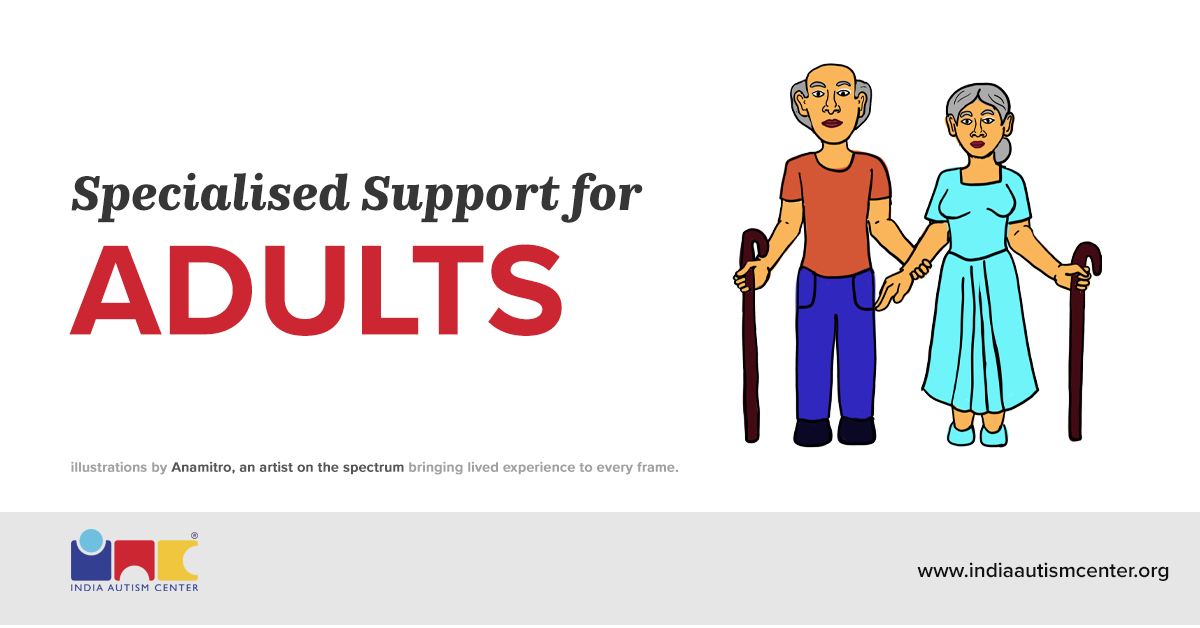
For many families, autism support begins in childhood. But what happens when a child grows into an adult? As adults on the autism spectrum face new social, emotional and practical challenges, the importance of specialised support for adults becomes stronger than ever. This is why support for autistic adults is essential.
It focuses on life skills, emotional wellbeing, dignity and meaningful participation in society.
In this blog, I will explain:
- Why specialised support for adults with autism is necessary
- What types of support matter most
- How families and professionals can work together
Understanding the Need for Support for Autistic Adults
Autistic adults face challenges that differ from those of children. While children may need help with basic communication and learning, adults often struggle with:
- Employment and vocational skills
- Independent living
- Social relationships
- Mental health and emotional regulation
- Long-term safety and care
You may notice that your adult child can speak well but struggles to manage daily routines. Or they may understand tasks but find social rules confusing. These are not signs of failure. There are signs that specialised support for adults with autism must be tailored to adult life.
Unlike general disability services, autism-specific support recognises sensory needs, communication styles and behaviour patterns. It does not try to “fix” the person. Instead, it adapts the environment and builds skills that promote independence.
Want to know more? Get in touch with us.
Specialised Support for Autistic Adults: What Does It Mean?
Specialised support for autistic adults means services designed specifically for the autistic brain and adult life demands. It combines therapy, education and daily living support respectfully.
This support usually includes:
- Life-skills training
- Vocational and work readiness programmes
- Social and communication development
- Mental health care
- Safe residential or day-care options
Each adult is different. Some may need high support. Others may live independently with guidance. The goal is not to force everyone into one model. The goal is to understand what you or your loved one needs and provide that support consistently.
At India Autism Center (IAC), assessments guide personalised planning. We do not assume ability or disability. We observe, listen and adapt.
If you want to know more about Autism in Adults – Signs, Symptoms, & Support Options, this article is for you.
Types of Specialised support
Specialised support for autistic adults aims to help them. They address challenges and promote independence. These services can include:
Vocational Training and Employment Support
Vocational training for adults with autism can boost their job skills. It often taps into their unique strengths, like attention to detail and focus. Moreover, support for autistic adults aids in finding jobs and offers ongoing help to keep the jobs.
Social Skills Training and Community Integration
Social skills training for adults with autism aims to improve their communication and relationships. It also seeks to boost their social interactions. Often, these programs are held in groups, allowing participants to practise in a safe, supportive setting.
Social clubs and peer support groups help people on the spectrum connect with others. They are community integration initiatives. They reduce isolation and promote social engagement.
Independent Living Support
Many adults with autism want to live independently. They may need support to do so. Independent living services can help with daily tasks. This includes cooking, cleaning, and managing money. Also, housing programs that offer supported living can help. They provide a safe, structured place for adults with autism.
Mental Health Services
Due to the high rate of mental health issues in adults with autism, access to specialised mental health services is vital. These services should meet the unique needs of individuals with autism. They can include counselling for autistic adults, cognitive-behavioural therapy (CBT), and support groups. Moreover, experienced mental health professionals can help manage anxiety, depression, and other challenges.
Health and Wellness Programs
Health and wellness programs for adults with autism can boost their well-being. These programs may include fitness activities, nutrition education, and stress management techniques. These programs can improve the quality of life for people with autism. They can also prevent new health problems by focusing on overall health.
Specialised Support for Adults with Autism and Family Involvement
Families remain central even in adulthood. Parents often worry about the future. “What will happen when I am no longer there?” This is a difficult but necessary question.
Specialised support for adults with autism includes:
- Family counselling
- Transition planning
- Long-term care strategies
- Legal and financial guidance
At IAC, families are partners, not observers. We involve them in planning and goal-setting. We also help parents shift roles—from constant caregivers to supportive guides.
This balance protects both the adult and the family’s emotional health.
Want to know more? Get in touch with us.
Why Specialised Support for Adults Matters for the Future
Without proper support, autistic adults risk:
- Unemployment
- Loneliness
- Mental health problems
- Dependence
- Exploitation
With specialised support for autistic adults, the future looks different:
- Skills grow
- Confidence improves
- Families feel secure
- Society benefits from diversity
You are not just supporting one person. You are shaping a system that respects neurodiversity.
The Role of Technology in Supporting Adults on the Spectrum
Technology is vital in autism support for adults. Assistive tools, like communication apps and organisers, help them manage daily life. For example, apps that boost executive functioning improve time management, task organisation, and decision-making.
Telehealth services have become more common.
They offer remote mental health counselling for autistic adults, social skills training, and support. This is especially helpful for adults with autism. It eases challenges with in-person interactions and aids those in areas with few specialised services.
The Importance of Advocacy and Policy
Specialised support for autistic adults is a must. However, advocacy and policy initiatives are crucial for making them accessible to everyone in need. Countries like the United States and the United Kingdom recognise the need for autism support for adults. Yet, gaps still exist. Advocates want better access to vocational training and mental health services. They also want more support for independent living.
For example, the U.S. Autism CARES Act calls for lifelong research and services for autism, not just in childhood.
In India, Action for Autism focuses on employment opportunities, vocational training, and inclusive living spaces for adults on the spectrum. They advocate for policy changes that improve the availability of specialised services and inclusion efforts.
Conclusion
Autism does not end in childhood. Adulthood brings new needs, dreams and challenges. Specialised support for adults with autism ensures that these years are not filled with fear or limitation but with structure, opportunity and dignity.
At India Autism Center, we see adults not as problems to manage but as people with potential to nurture. Through tailored programmes, emotional care and community integration, IAC makes specialised support for adults possible.
If you are wondering what the future holds, remember this: with the right support, adulthood on the spectrum can be meaningful, productive and respected.
Frequently Asked Questions (FAQs)
Why is specialised support for adults important in autism?
Specialised support for adults is important because autistic adults face challenges related to employment, independence, social life and mental health. Autism-specific support addresses these needs in an age-appropriate and respectful way.
What does specialised support for autistic adults include?
It includes life-skills training, vocational support, emotional wellbeing services, social development and, when needed, residential or day-care support.
How does special support for autism differ from child therapy?
Child therapy focuses on early development. Special support for autism in adulthood focuses on independence, work readiness, social participation and long-term wellbeing.
How does India Autism Center support autistic adults?
India Autism Center provides structured adult programmes, vocational training, residential and day services, family guidance and advocacy to ensure long-term support and dignity.
For expert insights, support services, and inclusive learning initiatives, visit the India Autism Center.