
 Donate now
 Get a Call Back
 MENU
MENU 8 MIN READ
 SHARE
SHARE


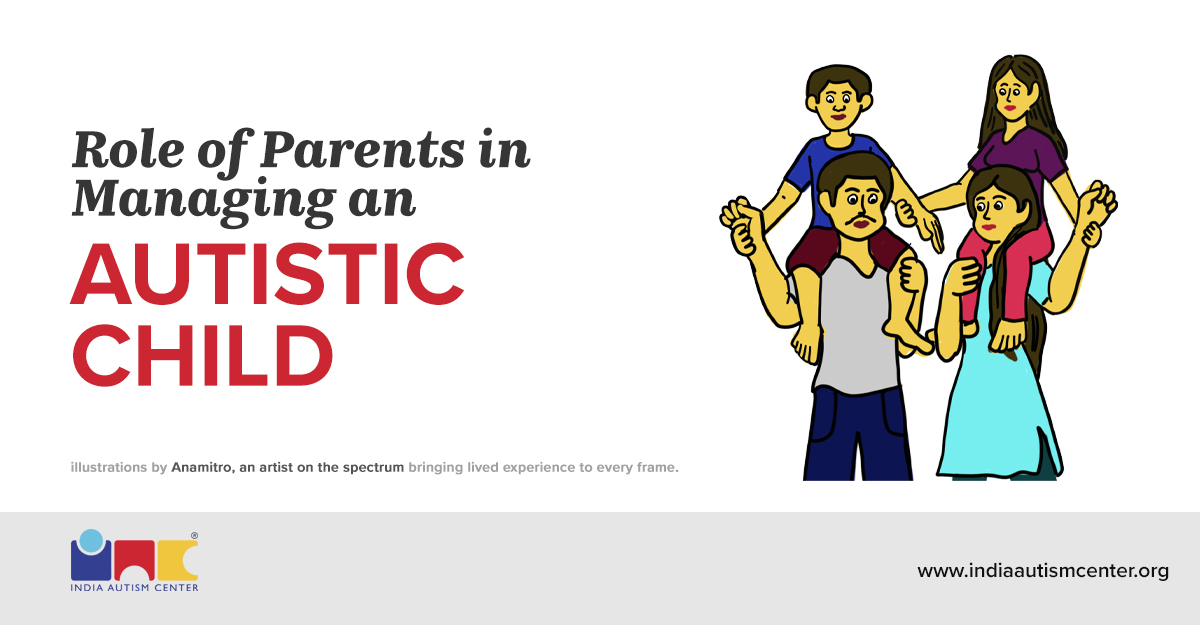
Managing autism in a child is one of the most important journeys a parent will ever take. When we talk about the role of parents in managing an autistic child, we’re talking about more than routines and therapies. We’re talking about love, learning, patience, and continuous support.
Autism spectrum disorder (ASD) affects children differently, and as a parent or caregiver, you are central to your child’s growth, well-being, and future success.
In this guide, I will share practical insights, educational information, and real-life tips to help you navigate parenting an autistic child with confidence. You’ll learn how to handle an autistic child, what works, what doesn’t, and how your role makes a lasting impact on your child’s life.
Understanding Autism and Why Parents Matter
Autism spectrum disorder is a complex neurological condition, often presenting challenges in communication, social interaction, and behavior. No two autistic children are the same — every child has unique strengths and challenges. Parents are usually among the first to notice early signs of autism. That means parents are also the first responders in seeking help and support.
Your role extends far beyond caregiving. You become:
- An advocate
- A teacher
- A therapist at home
- And the most important emotional anchor in your child’s life
And here’s what you can do
1. Early Intervention: Research from the National Institutes of Health (NIH) has consistently highlighted the significance of early intervention in improving the outcomes of autistic children.
Parents, being the first to notice developmental differences, play a crucial role in seeking timely intervention. Early diagnosis and intervention, often involving therapies tailored to the child’s unique needs, can lead to substantial improvements in communication skills, behaviour management, and social interactions.
Here is a comprehensive guide on Early Intervention for Autism: A Parent’s Guide to Better Outcomes.
2. Individualised Support: No two autistic children are alike, and parents are the ones who best understand their child’s strengths, challenges, and triggers. This insight enables parents to collaborate effectively with healthcare professionals and educators to create individualised support plans. The active participation of parents in crafting these plans ensures that the child’s specific needs are met comprehensively.
3. Daily Life Skills: Autistic children often require targeted assistance in acquiring daily life skills that neurotypical children may grasp more naturally. Parents are instrumental in teaching essential life skills, ranging from personal hygiene routines to basic communication techniques. Also, don’t forget Social Skills, which is a very common challenge faced by children on the spectrum. This involvement fosters the child’s independence and self-confidence, setting the stage for greater autonomy in adulthood.
Want to know more? Get in touch with us.
Challenges Faced by Parents
Parenting an autistic child can be emotionally and physically demanding. The relentless effort required to provide optimal care, along with potential financial strains from therapy and medical expenses, can take a toll on parental well-being. At India Autism Centre, we are dedicated to autism advocacy, and thus, we recognise the importance of offering parents a support network and resources to navigate these challenges.
Empowering Parents Through Requisite Knowledge
Education is an empowering tool for parents of autistic children. Being well-informed about autism spectrum disorder equips parents to make informed decisions, advocate for their child’s needs, and collaborate effectively with professionals. Workshops, webinars, and information-sharing sessions offered by dedicated social organisations serve to enhance parental knowledge and confidence in managing their child’s autism.
Promoting Emotional Well-being
The emotional well-being of parents directly influences the support they provide to their autistic children. We emphasise the significance of self-care for parents, encouraging them to seek respite and emotional support when needed. Engaging in peer support groups and counselling sessions can alleviate stress and foster a more resilient caregiving environment.
Role of Parents in Managing an Autistic Child
Parental involvement in autism management not only benefits the child in the present but also lays the foundation for the child’s future. As autistic children grow into autistic adults, they require continued guidance and support from their parents. Equipped with an understanding of their child’s unique strengths, parents can play a vital role in fostering the independence and social integration of autistic adults.
Personalized Support: Know Your Child Best
One of the central pillars of parenting an autistic child is understanding your child’s strengths, struggles, and triggers. This knowledge is the foundation for creating a supportive environment at home and beyond. No professional can know your child as you do.
Here’s what personalized support looks like:
- Tailor routines to your child’s comfort
- Use visual schedules or cue cards to prepare them for transitions
- Modify sensory experiences (noise levels, lighting, textures) based on your child’s preferences
Such personalization allows your child to feel secure and supported emotionally.
Building Daily Life Skills
As a parent, you play a direct role in helping your child build daily living skills — such as feeding, dressing, hygiene, and simple communication. These skills boost independence and self-confidence.
Simple strategies you can use at home include:
- Breaking routines into small, manageable steps
- Using visuals and timers for transitions
- Celebrating progress, no matter how small
This kind of hands-on autism management teaches practical life skills while strengthening your bond.
Want to know more? Get in touch with us.
Positive Reinforcement: Focus on What Works
Positive reinforcement is one of the most effective strategies in Tips for Parenting A Child With Autism. It means you praise your child when they show good behavior or achieve a small goal, encouraging them to repeat that behavior. Let’s break this down:
- Use praise, stickers, favourite activities, or small rewards
- Notice every improvement — not just perfection
- Avoid punishment — it often causes confusion or anxiety in autistic children
This method builds confidence and sets a positive tone for learning and behavior management.
What Not To Do as a Parent of an Autistic Child
Equally important in parenting an autistic child is understanding what not to do. Avoiding certain responses can prevent stress and conflict.
- Avoid sudden changes in routine — these can cause anxiety
- Do not compare your child to neurotypical peers
- Don’t ignore your child’s sensory needs (e.g., noisy environments)
- Avoid traditional punishments — these often confuse rather than teach
Understanding these “don’ts” is just as valuable as knowing the dos. They help you keep your environment calm, predictable, and supportive.
Practical Tips You Can Use Today
Here are quick, actionable tips for daily life:
- Keep things simple and predictable
- Praise progress often
- Use visuals and schedules
- Watch and respond to non-verbal cues
- Create sensory-friendly spaces at home
- Spend quality one-on-one time daily
Conclusion
The role of parents in managing an autistic child cannot be overstated. From early intervention to advocating for their child’s needs, parents are the driving force behind their child’s growth and development.
At India Autism Centre, we acknowledge and celebrate the dedication of parents in this journey. By offering resources, education, and a supportive community, we aim to empower parents to provide the best possible care for their autistic children, ensuring a brighter future for both the child and their family.
Some of our crucial initiatives for helping autistic individuals include:
- Offering a full-time supported and safe residential ecosystem
- Family housing and daytime support facilities
- A fully equipped and scalable digital platform enabling enhanced speed of service and product delivery
- Imparting autism management training to create a global, accessible, and scalable workforce of professionals
Frequently Asked Questions(FAQs)
What is the role of parents in managing an autistic child?
The role of parents in managing an autistic child includes providing emotional support, maintaining daily routines, encouraging communication, and collaborating with therapists and educators. Parents help create a safe, structured environment that supports learning, behavior, and overall autism management.
How can parents handle an autistic child at home?
To handle an autistic child at home, parents should follow consistent routines, use clear and simple language, offer visual cues, and practice positive reinforcement. Understanding sensory sensitivities and responding calmly to challenging behaviors also plays a key role.
What are the best tips for parenting a child with autism?
Some effective tips for parenting a child with autism include being patient, focusing on strengths, using visual schedules, celebrating small achievements, and maintaining open communication. Seeking professional guidance and parent support groups also helps in long-term autism management.
What should parents avoid when raising an autistic child?
Parents should avoid sudden changes in routine, harsh discipline, comparisons with other children, and ignoring sensory or emotional needs. Understanding what not to do as a parent of an autistic child helps reduce anxiety and builds trust and emotional security.
How does parenting an autistic child help in autism management?
Parenting an autistic child plays a crucial role in autism management by reinforcing therapy goals at home, supporting emotional regulation, and helping the child develop daily living and social skills through consistent care and guidance.
Can parents support an autistic child without professional therapy?
Parents can support their autistic child through structured routines, communication strategies, and home-based activities. However, professional therapies and guidance from specialised autism centres significantly enhance outcomes and provide parents with the right tools and direction.