 Donate now
 Get a Call Back
 MENU
MENU 8 MIN READ
 SHARE
SHARE


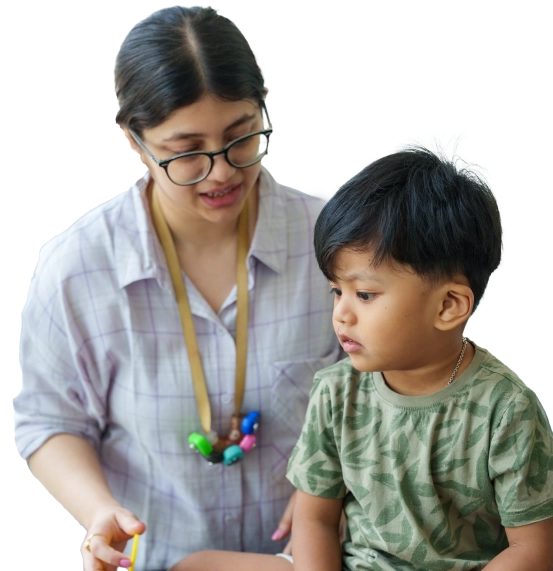
When your child is on the autism spectrum, everyday activities can feel overwhelming. Dressing up, holding a pencil, eating with a spoon, or even sitting calmly in a classroom may require extra effort. This is where the role of occupational therapy for autistic children becomes life-changing.
Occupational therapy in autism focuses on helping individuals become more independent and confident in daily life. It does not aim to change who they are. Instead, it helps them adapt, grow, and function better in their world.
At India Autism Center (IAC), we see this transformation every day. Our structured therapy programs help children strengthen their abilities while respecting their individuality.
Understanding the Role of Occupational Therapy for Autistic Children
The role of occupational therapy for autistic children is to help them perform daily activities with ease and confidence. These activities include self-care, school tasks, play, and social participation.
Occupational therapy focuses on:
- Motor skills
- Sensory processing
- Emotional regulation
- Social participation
- Independence
We work with children to improve how they interact with their environment. We also support families by teaching practical strategies they can use at home.
Unlike traditional learning methods, occupational therapy for autistic children uses play-based and goal-oriented techniques. Each therapy plan is personalised. This ensures that your child’s strengths and challenges are both addressed.
Early Intervention: A Game-Changer
Research consistently demonstrates that early intervention for autism is key to improving outcomes for autistic children.
According to a study published in the American Journal of Occupational Therapy, early intervention occupational therapy significantly improves the adaptive behaviours and social participation of autistic children. The study underscores the need for a comprehensive and early approach to address the complex needs of these children.
Early identification and targeted interventions during the formative years can significantly impact their cognitive, social, and emotional development. This is where occupational therapy becomes a game-changer.
Well, here’s a detailed guide on the role of early intervention in autism spectrum disorder.
Want to know more? Get in touch with us.
Key Areas Addressed in Occupational Therapy for Autistic Children
Sensory Processing and Integration
Many autistic children are either too sensitive or under-sensitive to sensory input. Loud sounds, bright lights, or rough textures can cause distress.
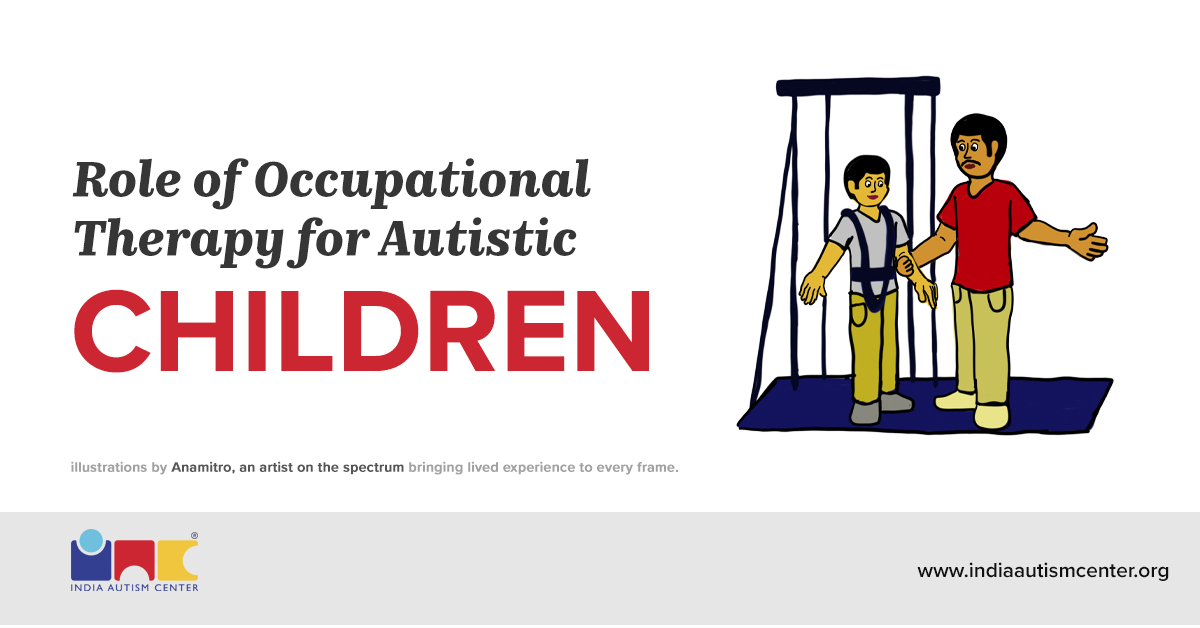
The role of occupational therapy for autistic children includes helping them manage sensory input. Therapists use activities such as:
- Swinging
- Deep pressure therapy
- Tactile play
- Balance exercises
These activities help children process sensory information correctly. Over time, this improves attention and behaviour.
Fine Motor Skill Development
Fine motor skills allow children to use their hands efficiently. These include holding a spoon, buttoning a shirt, or writing with a pencil.
Occupational therapy for autistic children strengthens hand muscles and coordination through:
- Clay moulding
- Drawing and colouring
- Puzzle-solving
- Pegboard activities
At IAC, we design tasks that feel like play. This keeps children engaged and motivated.
Gross Motor Skills and Body Awareness
Gross motor skills involve large muscle movements such as running, jumping, and climbing. Many autistic children struggle with balance and coordination.
The role of occupational therapy includes improving posture, stability, and movement patterns. Therapists use:
- Obstacle courses
- Trampoline exercises
- Ball games
- Balance boards
These exercises build strength and confidence while reducing fear of movement.
Self-Care and Daily Living Skills
One of the most important aspects of the role of occupational therapy for autistic children is teaching self-care.
These include:
- Brushing teeth
- Dressing
- Feeding
- Toileting
- Bathing
We break tasks into smaller steps. Then, we teach each step using repetition and visual cues. Over time, children learn routines and become more independent.
At IAC, we involve parents in this process. This ensures consistency between therapy sessions and home routines.
Emotional Regulation and Behaviour Management
Autistic children may struggle to understand or express emotions. This can lead to meltdowns or withdrawal.
The role of occupational therapy is to help children:
- Recognise emotions
- Develop coping strategies
- Practice calming techniques
Therapists use tools such as:
- Visual emotion charts
- Deep breathing exercises
- Structured play
- Sensory breaks
These methods help children feel safe and understood.
How Occupational Therapy Supports Learning and School Readiness
School can be overwhelming for autistic children. Sitting still, following instructions, and writing can be difficult.
Occupational therapy for autistic children supports school readiness by improving:
- Attention span
- Handwriting skills
- Task completion
- Classroom behaviour
The role of occupational therapy for autistic children is not academic teaching. Instead, it prepares children to access education successfully.
At IAC, our therapists work closely with special educators. This ensures that therapy goals align with learning objectives.
Want to know more? Get in touch with us.
The Role of Occupational Therapy in Social Development
Social interaction is often challenging for autistic children. They may struggle with eye contact, turn-taking, or understanding social cues.
The role of occupational therapy includes:
- Teaching play skills
- Encouraging peer interaction
- Building communication through activity
Therapists use group sessions and role-play games. These activities create safe opportunities for social learning.
At IAC, social participation is part of therapy, not a separate goal. We believe inclusion begins with everyday interaction.
Read our blog on Occupational Therapy for Autism: Complete Guide (2026).
Long-Term Benefits of Occupational Therapy for Autistic Children
The impact of therapy extends into adulthood. The role of occupational therapy for autistic children prepares them for long-term independence.
Benefits include:
- Improved self-care
- Better emotional control
- Increased confidence
- Enhanced social skills
- Greater participation in daily life
At IAC, we focus on functional outcomes. Our goal is not just development but dignity and autonomy.
Individualised Therapy: A Core Principle at IAC
No two children with autism are the same. Therefore, the role of occupational therapy in autism becomes more crucial.
At IAC, we follow a structured assessment process:
- Functional skill evaluation
- Sensory profile analysis
- Parent interviews
- Goal-setting
Based on this, we design personalised therapy plans. These plans evolve as the child grows.
We also use:
- Evidence-based methods
- Multidisciplinary collaboration
- Regular progress reviews
This ensures measurable improvement.
The Role of IAC in Making Occupational Therapy Accessible
The role of occupational therapy for autistic children is central to our service model.
We offer:
- Specialised therapy units
- Trained occupational therapists
- Integrated care with speech and behavioural therapy
- Safe and child-friendly environments
Our infrastructure is designed to support sensory needs. We use adaptive tools and therapeutic equipment to ensure effective sessions.
Through research and innovation, IAC continues to improve therapy standards in India. We also work toward building awareness about the role of occupational therapy in autism care.
Want to know more? Get in touch with us.
Common Myths About Occupational Therapy
Myth 1: Occupational therapy is only for physical disabilities
Fact: The role of occupational therapy includes sensory, emotional, and cognitive development.
Myth 2: Therapy is only needed for young children
Fact: Occupational Therapy for Autistic Children benefits all age groups, including adolescents.
Myth 3: Results appear immediately
Fact: Therapy is a gradual process. Consistency brings progress.
When Should You Start Occupational Therapy?
Early intervention is key. The role of occupational therapy becomes more effective when started early.
Signs your child may benefit include:
- Difficulty with daily routines
- Sensory sensitivity
- Poor motor coordination
- Delayed play skills
- Emotional outbursts
Conclusion
The role of occupational therapy for autistic children is about more than skill-building. It is about empowerment. It is about helping children participate in life with confidence.
Through structured intervention, emotional support, and family involvement, occupational therapy creates meaningful change.
At India Autism Center, we are dedicated to making this change possible. Our goal is to support every child’s journey toward independence and inclusion.
Frequently Asked Questions (FAQs)
What is the role of occupational therapy for autistic children
The role of occupational therapy for autistic children is to help them develop daily living skills, improve sensory processing, enhance motor coordination, and support emotional regulation so they can function more independently.
How does occupational therapy help autistic children in daily life?
Occupational therapy for autistic children improves self-care skills such as dressing, eating, and hygiene. It also helps with school readiness, social interaction, and managing sensory challenges.
At what age should occupational therapy for autistic children begin?
The role of occupational therapy is most effective when started early, ideally as soon as developmental delays or autism-related challenges are identified. However, children of all ages can benefit from therapy.
How does the India Autism Center support occupational therapy for autistic children?
India Autism Center (IAC) provides personalised therapy programs, trained occupational therapists, sensory-friendly environments, and integrated care with speech and behavioural therapy to ensure holistic development.
For expert insights, support services, and inclusive learning initiatives, visit the India Autism Center.