 Donate now
 Get a Call Back
 MENU
MENU 12 MIN READ
 SHARE
SHARE


For parents as well as caregivers in India, understanding the special needs of a differently abled individual can often feel like walking through a maze without a map. Whether you are noticing certain developmental delays in your child or seeking support for any elderly family member, understanding the legal framework is the first step toward securing the right help.
Here, the Rights of Persons with Disabilities (RPWD) Act can be very helpful. As of 2026, the RPWD Act recognises 21 types of disability, a significant leap from the 7 categories recognised previously.
As per the Census records of 2011, about 2.21% of the population in India is disabled, which roughly translates to 26 million.
Another important fact is that neurological and developmental conditions like autism are rising globally, with 1 in 31 children now diagnosed with autism spectrum disorder (ASD), as per recent global data. In India, awareness is still evolving, which makes understanding the 21 types of disability even more important.
The RPWD Act ensures that individuals across different categories of disabilities are recognised, supported, and given equal opportunities in education, employment, and social participation.
Today, we will explore the 21 types of disabilities and how this list ensures that every individual receives the dignity, education, and medical support they deserve.
The Evolution of Disability Rights in India
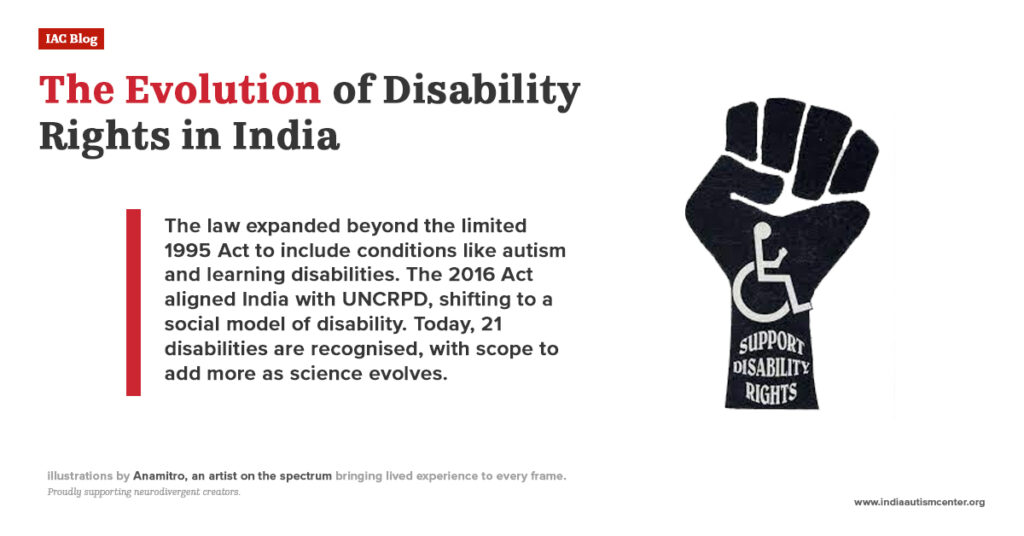
Before we dive into the list of disabilities, it is helpful to understand why the law changed. The original 1995 Act was limited. It did not account for many “invisible” conditions like autism or specific learning disabilities.
The 21 disabilities under the PWD Act 2016 (and its ongoing 2026 framework) were introduced to align India with the United Nations Convention on the Rights of Persons with Disabilities (UNCRPD).
This shift changed the definition of disability from a purely medical one to a “social model,” recognising that disability is the result of an individual’s impairment interacting with social and physical barriers.
Today, the government recognises the many types of disability. Exactly 21, with a provision allowing the Central Government to add more as medical science evolves. This flexibility is crucial for emerging conditions and ensures no one is left behind.
📥 Free download: Printable daily routine chart for autistic children
What Are the 21 Types of Disability?
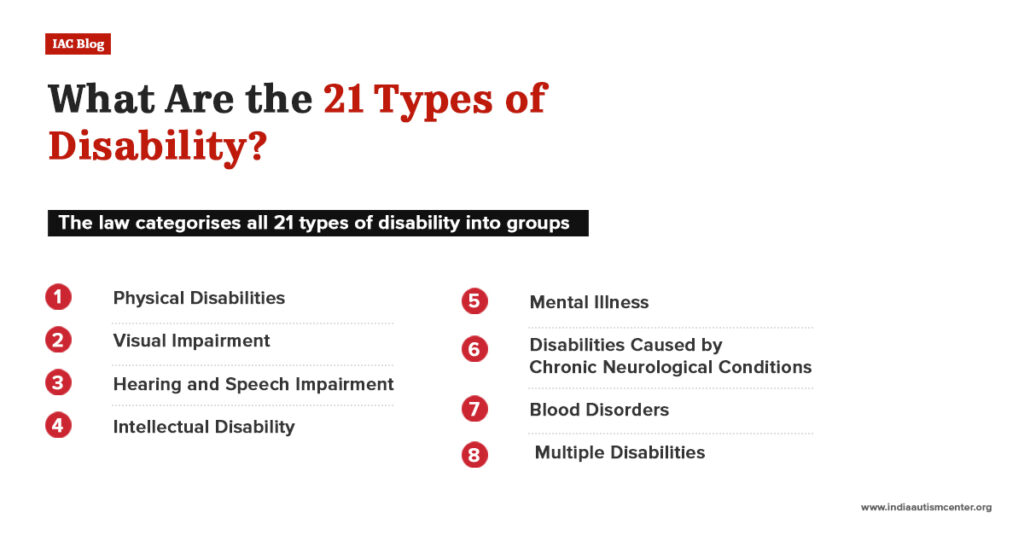
The law categorises all 21 types of disability into groups such as physical, intellectual, and chronic neurological conditions. Below is a detailed look at the 21 types of disability in India.
1. Physical Disabilities
This is the broadest category and includes conditions that affect a person’s mobility or physical functions.
- Locomotor Disability: This refers to a person’s inability to perform distinctive activities involving movement, including both movement of the person and movement of objects. It often stems from problems with the bones, joints, or muscles.
- Leprosy Cured Persons: Many people do not realise that leprosy is still part of the categories of disabilities. Even if the infection is cured, the loss of sensation in hands or feet and physical deformities qualify an individual for support.
- Cerebral Palsy: This is a non-progressive condition caused by brain damage before or during birth. It affects muscle coordination and can vary significantly in severity.
- Dwarfism: It is a genetic or medical condition that results in a person being stuck at a height of 4 feet 10 inches (maximum).
- Muscular Dystrophy: This is a group of genetic diseases that cause progressive weakness or even loss of muscle mass.
- Acid Attack Victims: This is when a person becomes disfigured due to assaults involving acids. Under the Act, it is ensured that they receive specific medical and rehabilitative care.
2. Visual Impairment
- Blindness: It includes a complete or absolute absence of sight or visual acuity not exceeding 3/60 in the better eye, even after the best possible correction.
- Low Vision: This is when a person has partial impairment of visual functioning, even after a corrective treatment; however, they can use vision for planning and performing tasks.
3. Hearing and Speech Impairment
- Deaf: This is when a person has about 70 dB hearing loss in speech frequencies.
- Hard of Hearing: This is when a person has about 60 dB to 70 dB hearing loss in speech frequencies.
- Speech and Language Disability: This includes conditions such as laryngectomy or aphasia that affect one or many components of speech and language due to either organic or neurological causes.
4. Intellectual Disability
This category is vital for parents to understand, as it covers conditions that affect learning and daily functioning.
- Intellectual Disability: There are considerable limitations in intellectual functioning and everyday adaptive behaviour affecting independent living skills.
- Specific Learning Disabilities (SLD): These are “invisible” disabilities. A child may seem to have a normal IQ; however, they struggle with specific skills. This includes Dyslexia (reading), Dysgraphia (writing), and Dyscalculia (math).
- Autism Spectrum Disorder: ASD is essentially a neurodevelopmental condition that is known to appear primarily in the first three years of life. It affects communication as well as social interaction. For instance, understanding what level 3 autism is is crucial for parents whose children require very substantial support.
5. Mental Illness
- Mental Illness: Unlike intellectual disability, this refers to a substantial disorder or disability when it comes to thinking, mood, perception, orientation, or memory. Mental illness broadly includes several conditions, such as schizophrenia or bipolar disorder, that impair a person’s ability to meet the everyday demands of life.
6. Disabilities Caused by Chronic Neurological Conditions
- Multiple Sclerosis: An inflammatory disease in which the insulating covers of nerve cells in the brain or spinal cord are heavily damaged.
- Parkinson’s Disease: It is a progressive disease of the nervous system. It is marked by tremor, muscular rigidity, and slow, imprecise movement.
7. Blood Disorders
- Haemophilia: A medical condition where the ability of the blood to clot is severely reduced.
- Thalassemia: It is a blood disorder that is inherited. It causes your body to have less haemoglobin than the normal range.
- Sickle Cell Disease: This is essentially a group of disorders. In this disorder, the red blood cells become misshapen or are unable to break down.
8. Multiple Disabilities
- Multiple Disabilities: This involves more than one of the above-specified disabilities, such as deaf-blindness. This is a complex category that requires highly specialised interventions.
Why the Expansion to 21 Disabilities Matters
Earlier, only about seven conditions were recognised under the RPWD Act. This left many individuals excluded from legal protection, benefits, and social support. When the RPWD Act of 2016 was introduced, more disabilities and disorders were included in the list, bringing a more inclusive and realistic understanding of disability in India.
This shift helps people with different conditions, such as autism, learning disabilities, and blood disorders, to get the support they need. As a result, more individuals can now access education, government schemes, job reservations, and healthcare support. It also encourages early diagnosis and timely intervention.
Research shows that early intervention can improve developmental outcomes in children significantly, underscoring the importance of awareness and recognition of disabilities.
Want to know more? Get in touch with us.
What Are the Key Rights Provided Under the RPWD Act?
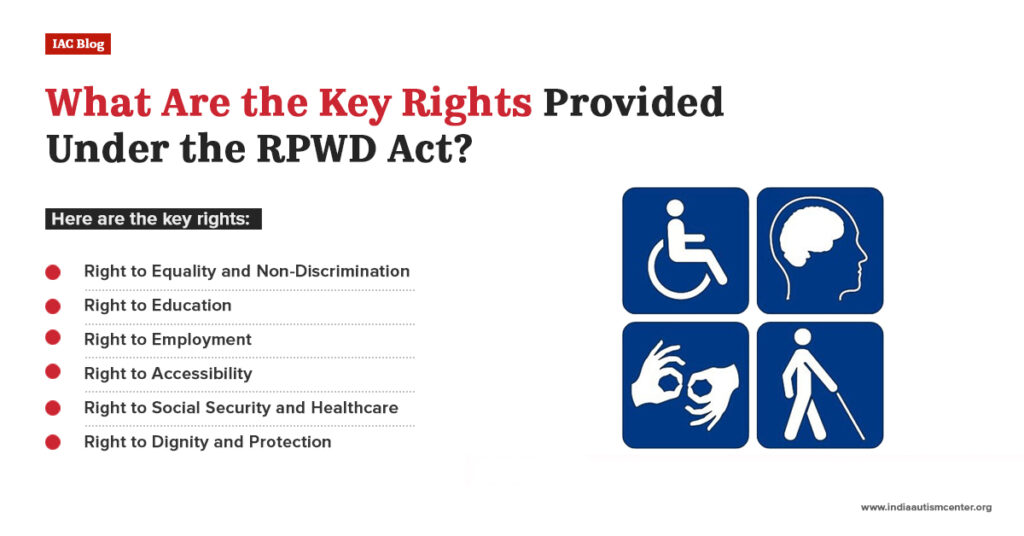
The RPWD Act, 2016, ensures that individuals across all types of disability are treated with dignity, equality, and respect. It helps individuals move beyond charity and focus on rights, inclusion, and empowerment. The Act creates a strong framework that supports individuals. Assistance is provided for education, employment, healthcare, and daily living. It is a great help for affected people, which helps them to participate fully in society.
Here are the key rights explained:
- Right to Equality and Non-Discrimination
Every person with a disability has the full and complete right to be treated equally and protected from discrimination in all areas of life, including education, employment, and public services.
- Right to Education
Children with disabilities can now have full access to free and inclusive education. It is necessary for schools to provide the necessary support in terms of trained teachers, assistive devices, and accessible infrastructure.
- Right to Employment
The RPWD Act mandates a 4% reservation in government jobs for persons with the disabilities listed in the RPWD Act. It also encourages private-sector inclusion and equal-opportunity policies.
- Right to Accessibility
Public buildings, transportation, and digital platforms have to be made accessible. This ensures that disabled persons can live an independent life.
- Right to Social Security and Healthcare
Individuals who are differently abled now also have access to financial assistance, rehabilitation services, insurance, and necessary healthcare facilities.
- Right to Dignity and Protection
The law protects people who are differently abled from abuse, violence, and exploitation, ensuring a safe and respectful environment.
Together, these rights create a more inclusive and supportive ecosystem for persons with disabilities in India.
Role of Early Diagnosis and Intervention
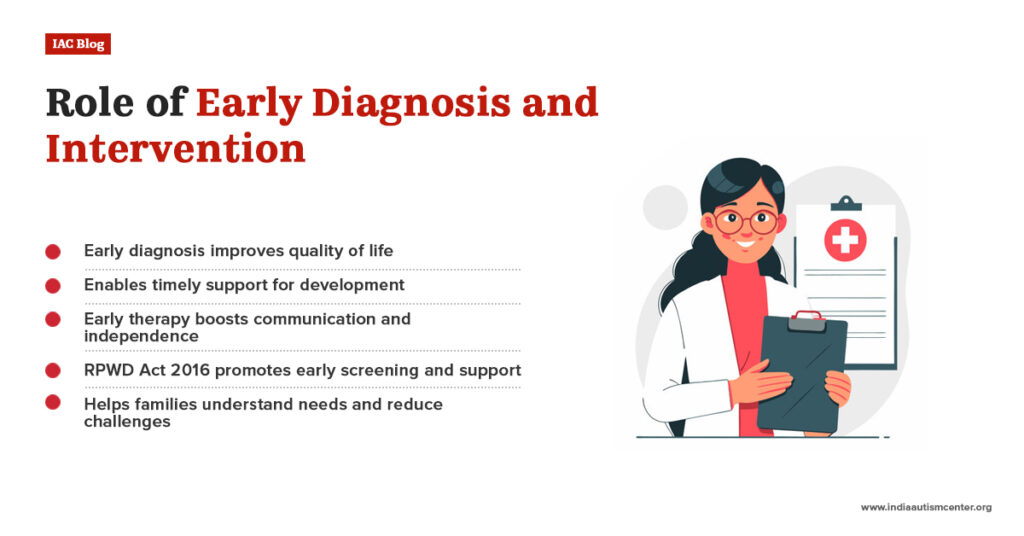
Early diagnosis as well as early intervention play an important role in improving the quality of life for people across different types of disability. Identifying developmental delays or medical conditions early allows for support, which can significantly enhance a child’s physical, cognitive, and social development.
For conditions like autism, intellectual disability, or hearing impairment, early therapy and structured interventions can improve communication skills, learning ability, and independence.
As per the RPWD Act, 2016, there is a strong emphasis on early screening and access to support services. It also helps families understand their child’s needs and reduces long-term challenges.
In simple terms, the earlier the support begins, the better the chances of leading a more independent and fulfilling life.
Want to know more? Get in touch with us.
Challenges in Understanding Disabilities in India
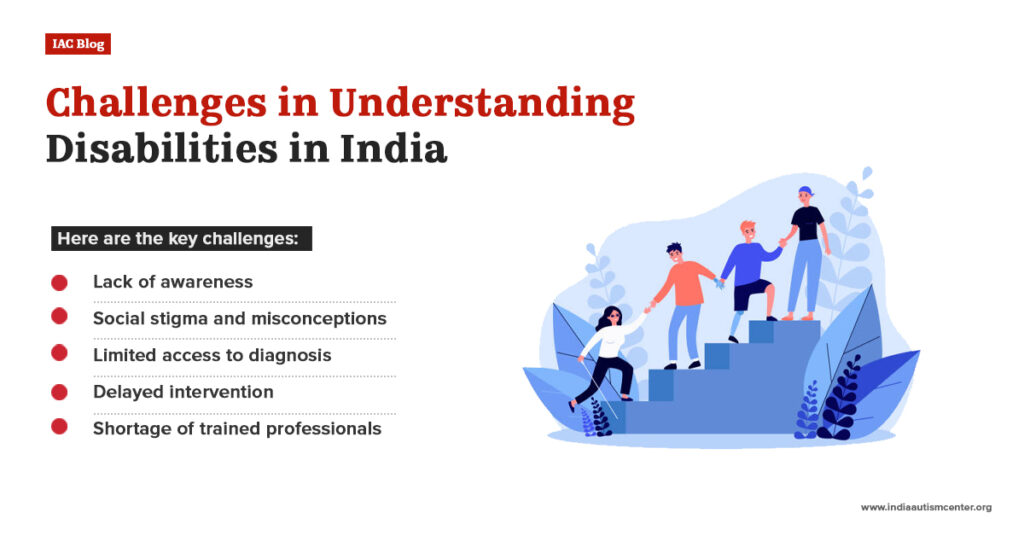
Despite the progress made through the Rights of Persons with Disabilities Act, 2016, understanding the different types of disability in India remains a challenge. Many families still struggle with awareness, access, and acceptance, which delays proper support and intervention.
Here are the key challenges:
- Lack of awareness: Many people are still not completely aware of the 21 types of disability and their early signs.
- Social stigma and misconceptions: Disabilities, especially mental and developmental conditions, are often misunderstood or hidden.
- Limited access to diagnosis: Rural or semi-urban areas often face a shortage of specialists as well as screening facilities.
- Delayed intervention: Late identification tends to significantly reduce the effectiveness of therapies and support.
- Shortage of trained professionals: In India, there are not enough special educators, therapists, or psychologists.
Addressing such gaps is essential to ensure on-time care, inclusion, and equal opportunities for every person who is differently abled.
How Can Families and Society Help?
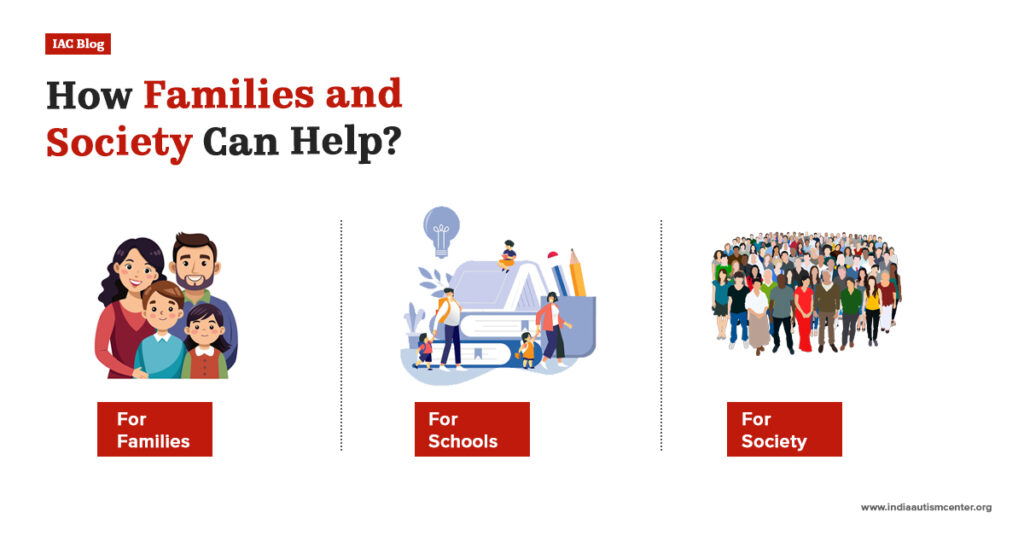
Understanding the full list of disabilities is only the first step in providing proper support for differently-abled individuals. Real impact comes when families, schools, and society actively create an inclusive and supportive environment. The RPWD Act, 2016, provides a strong framework, but its success depends on its effective implementation at the ground level.
For Families
Families play the most important role in early identification and ongoing support. When families and caregivers are aware and involved, it can considerably improve outcomes for children across different types of disability.
- Observe and identify early developmental signs such as delayed speech, lack of eye contact, as well as difficulty in movement.
- Seek professional help early from doctors, therapists, or specialists without waiting or denying concerns.
- Create a supportive and accepting home environment that encourages confidence and independence.
- Stay informed and involved in therapies, education plans, and progress tracking.
For Schools
Schools are key to building inclusive communities and shaping a child’s future.
- Promote inclusive education by integrating children with disabilities into mainstream classrooms.
- Train teachers as well as staff to understand different learning needs and disabilities.
- Provide necessary support systems such as resource rooms, assistive tools, and individualised learning plans.
For Society
A more inclusive society benefits everyone and reduces barriers.
- Spread awareness to reduce stigma around disabilities through open conversations.
- Support accessibility initiatives in public spaces, workplaces, and transport.
- Encourage equal opportunities in employment, education, and social participation.
Conclusion
Understanding the types of disability is about more than just legal definitions; it is about recognising the diverse ways people experience the world. Whether it is a visible physical impairment or an invisible neurological condition like Autism or a Specific Learning Disability, the RPWD Act ensures that every citizen is protected.
As a parent or caregiver, being informed is your greatest strength. Knowing what the 21 types of disabilities are allows you to advocate for your child’s rights in schools, hospitals, and the workplace.
The journey sure is challenging; however, with the current legal framework and the complete support of dedicated centres, a life of dignity and independence is truly possible for everyone.
Frequently Asked Questions
How many types of disability are recognised in India as of 2026?
Under the RPWD Act 2026, 21 types of disability are recognised. This was a significant expansion from the prior list of 7 categories. It thus ensures more inclusive support for individuals who have different physical and neurological conditions.
Are “invisible” disabilities like Autism included in the 21 types?
Yes, Autism Spectrum Disorder (ASD) is one of the key categories of disabilities recognised. This ensures that children who may look physically “typical” but struggle with social communication receive the necessary therapy and educational accommodations.
Why is it important to know the different types of disabilities?
Being aware of the different types of disabilities helps parents as well as caregivers to identify specific symptoms early. It also determines eligibility for government schemes, educational reservations, and financial support tailored to each condition.
Are acid attack victims considered disabled under Indian law?
Yes, to ensure access to restorative surgery and rehabilitation, acid attack victims are included in the list of disabilities under the locomotor category.
How many types of disability involve the blood?
Three specific blood disorders are included: Thalassemia, Haemophilia, and Sickle Cell Disease. These were added to the 21 disabilities under the PWD Act 2016 due to their chronic and debilitating nature.
For expert insights, support services, and inclusive learning initiatives, visit the India Autism Center.