 Donate now
 Get a Call Back
 MENU
MENU 9 MIN READ
 SHARE
SHARE


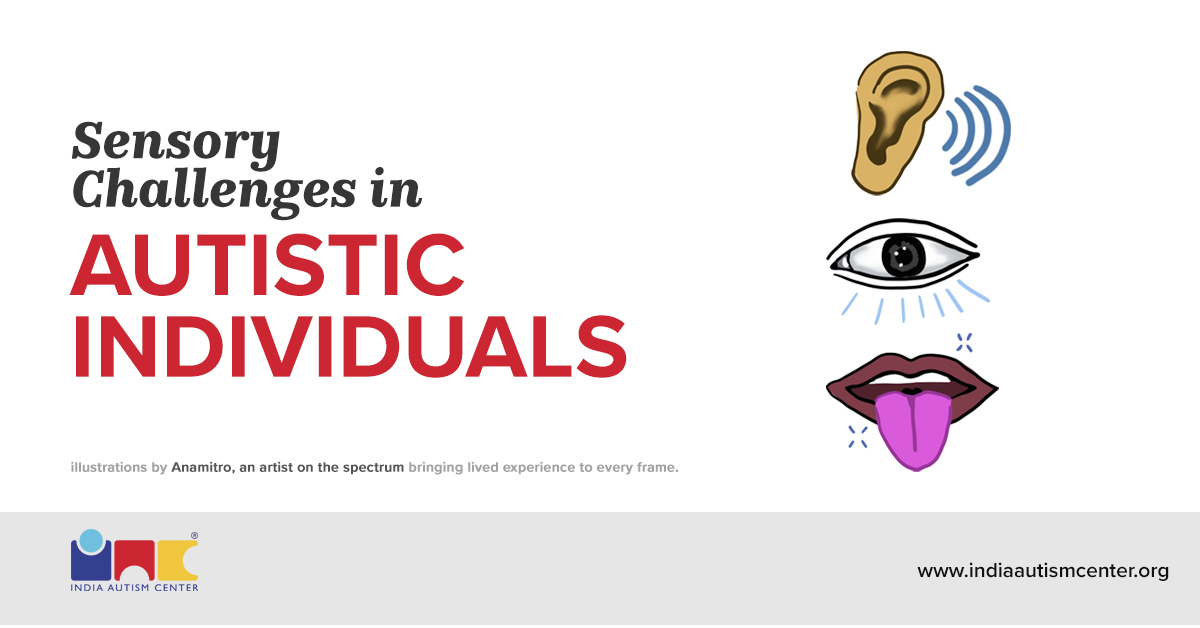
If you want to truly understand sensory challenges in autistic individuals, you’ve come to the right place. Many people know autism mainly for social and communication differences. But one of the most important and often overlooked aspects is how autistic people experience sensory input differently.
Sensory processing differences are a hallmark feature of Autism, impacting how individuals perceive and respond to the world around them.
In this article, we will delve into the various facets of Autism and sensory issues in autistic individuals, including sensory overload, signs of sensory problems, sensory processing disorder, and how these challenges manifest in high-functioning Autism.
Understanding Sensory Issues in Autism
Sensory challenges in autistic individuals refer to how people with autism react to everyday sensory experiences like sound, light, touch, taste, and smell. These differences are not just preferences — they come from how the brain of someone on the autism spectrum processes sensory information.
Research indicates that these sensory challenges affect up to 70-90% of individuals with Autism, showcasing the significant prevalence of this phenomenon. Many autistic individuals feel these sensory inputs more intensely — or sometimesless intensely — than others. This can affect their emotions, behaviour, communication, comfort, and even how they interact with others.
Sensory Overload and Autism
Sensory overload happens when the sensory input becomes too much for the brain to handle at once. When this overload builds up, it can lead to stress responses like overwhelm, shutdowns, or meltdowns.
Think of it like this — your brain is trying to handle too many signals at once, and it can’t filter or prioritise them properly. That’s when you might notice:
- Mood changes
- Emotional outbursts
- Anxiety or shutdown
- Difficulty focusing
Overload doesn’t always happen in all senses at once. Sometimes just one type of input — like bright light or loud sound — can trigger it.
Want to know more? Get in touch with us.
Why Sensory Processing Matters
To understand these sensory challenges clearly, let’s talk about sensory processing disorder (SPD). Although SPD isn’t a formal medical diagnosis, it describes a pattern where the brain has trouble interpreting sensory signals, like sight, sound, touch, and movement
Sensory Processing vs Autism
You might wonder — is sensory processing disorder the same as autism sensory issues? Not always. Sensory processing differences are part of autism for many people, but not everyone with autism has SPD, and some neurotypical people can also have sensory processing differences.
Still, the overlap is significant. For example, about three out of four autistic children also experience symptoms of sensory processing challenges.
Understanding this overlap helps you see sensory challenges in context — they’re part of the sensory world of many autistic individuals, and they can shape behaviour and comfort in daily life.
Signs of Sensory Challenges in Autism
Recognising the signs of sensory problems in autistic individuals is crucial for understanding and supporting them effectively.
Some common signs include:
- Hypersensitivity: Some autistic individuals are hypersensitive to certain stimuli. They might cover their ears in response to normal sounds, avoid certain textures of clothing, or become distressed by bright lights. Example reactions include:
- Covering ears because noises feel too loud
- Avoiding tags on clothing
- Refusing certain foods due to texture
- Shying away from touch or unexpected sensations
- Hyposensitivity: On the other hand, hyposensitivity involves a decreased sensitivity to sensory input. An individual might not notice temperature extremes, engage in self-stimulatory behaviours (stimming) like repetitive movements, or seek out intense sensory experiences like jumping from heights. Examples include:
- Not noticing extreme temperatures
- Seek deep pressure or intense stimulation (like jumping or crashing)
- Have a high tolerance for pain
- Do not react to loud environments
- Avoidance Behaviours: Autistic individuals with sensory challenges often develop avoidance behaviours to cope with overwhelming stimuli. This can lead to limited social engagement, difficulty in daily activities, and challenges in academic or work settings.
- Communication Difficulties: Sensory issues can also impact communication. For instance, an individual might struggle to focus on a conversation in a noisy environment or become anxious when touched unexpectedly.
Sensory Processing Disorder (SPD) in Autism
Sensory processing disorder in Autism is a condition where the brain has difficulty receiving and responding to sensory information. While not exclusive to Autism, SPD frequently co-occurs with the condition. Research suggests that around 75% of children with ASD also experience SPD (NIH). This overlapping occurrence of sensory challenges and Autism often intensifies the individual’s struggles in daily life.
Signs of Sensory Processing Disorder in Autism
Auditory Sensitivity
- Sensitive to loud or unexpected sounds
- Covers ears in busy environments
Visual Overload
- Bright lights or busy patterns feel stressful
- Prefers dim or calm lighting
Tactile Sensitivity
- Discomfort with certain textures
- Avoids touch or certain clothing fabrics
Taste and Smell Sensitivities
- Strong reactions to certain foods
- Avoids smells that others find mild
Movement and Balance Issues
- Unusual responses to movement
- May seek intense body sensations
Want to know more? Get in touch with us.
Managing Sensory Challenges in Autistic Individuals
Understanding sensory issues in autistic individuals is the first step towards effective management.
Here are some strategies that can help:
- Sensory-Friendly Environments: Creating environments that accommodate sensory needs can greatly reduce distress. This might involve using soft lighting, providing noise-cancelling headphones, or offering fidget tools.
- Sensory Diet: Occupational therapists often work with individuals with sensory challenges to develop a “sensory diet.” This involves engaging in specific sensory activities to regulate sensory input and maintain optimal arousal levels.
- Gradual Exposure: For individuals who are hypersensitive to certain stimuli, gradual exposure can help desensitise them over time. This could involve gradually introducing new textures, sounds, or experiences in a controlled and supportive manner.
- Communication Strategies: Developing effective communication strategies is essential. This might involve using visual schedules, social stories, or communication apps to help individuals express their sensory needs and preferences.
Now, there is one more way to develop an autistic individual’s motor, adaptive, and cognitive skills and help them build social-emotional relationships. It is called Sensory integration therapy (SIT). SIT provides strategies to help autistic individuals better process sensory input. It is an element of occupational therapy. It can be provided only by qualified OT therapists.
How to Support Someone with Sensory Challenges
Here’s where your support really matters. Managing sensory challenges involves understanding, patience, and practical adjustments.
1. Create Sensory-Friendly Spaces
Small changes can make a big difference:
- Use soft or natural lighting
- Reduce background noise
- Provide quiet corners or calm spaces
- Allow the use of noise-cancelling headphones
These changes help people feel more comfortable and less overwhelmed.
2. Use Sensory Tools and Supports
Many autistic individuals benefit from supportive tools:
- Fidget toys
- Weighted blankets
- Sensory swings
- Quiet play items
These tools help regulate sensory input and give the nervous system predictable feedback
3. Build a Sensory Diet
A sensory diet is not food — it’s a plan of sensory activities that help the nervous system stay regulated. Occupational therapists often create these plans based on individual needs.
Activities might include:
- Deep pressure exercises
- Movement breaks
- Sensory play
- Stretching or jumping
These activities help balance sensory input and reduce stress.
4. Communicate Sensory Needs Clearly
Encourage the person to express what they feel. Tools like visual schedules, communication apps, and social stories can help those who find it hard to put sensory experiences into words.
Understanding what causes discomfort helps everyone adapt and support effectively.
Conclusion
Sensory challenges are a key part of the autism experience — and they deserve greater understanding and support. When we learn about sensory processing disorder, autism sensory issues, and sensory problems in autism, we create a world that’s easier for autistic individuals to navigate.
Remember:
- Sensory experiences are real and meaningful.
- They affect comfort, behaviour, and participation.
- Supportive environments and tools can make life easier.
Whether you are a caregiver, educator, family member, or an autistic individual yourself, knowing about sensory challenges in autistic individuals helps you interact with the world in more compassionate and effective ways.
If you have questions or want practical tips tailored to your situation, feel free to ask.
Frequently Asked Questions (FAQs)
1. What are sensory challenges in autistic individuals?
Sensory challenges in autistic individuals refer to differences in how the brain processes sensory information such as sound, light, touch, taste, smell, and movement. These differences can make everyday experiences feel overwhelming, uncomfortable, or sometimes under-stimulating.
2. Are sensory challenges a part of autism?
Yes, sensory challenges are very common in autism. Many people on the autism spectrum experience autism sensory issues, which are recognised as a core feature of Autism Spectrum Disorder (ASD).
3. What is sensory processing disorder, and how is it related to autism?
Sensory processing disorder occurs when the brain has difficulty organising and responding to sensory input. While sensory processing disorder can exist on its own, it is frequently seen in autistic individuals and closely linked to sensory problems in autism.
4 . What does sensory overload mean in autism?
Sensory overload happens when too much sensory input is received at once and the brain cannot cope with it. This may result in anxiety, shutdowns, meltdowns, or withdrawal. Sensory overload is a common experience related to autism sensory challenges.
5. Can sensory issues in autism change over time?
Yes, sensory issues in autism can change with age, environment, and support. Some sensory sensitivities may reduce, while others may become more noticeable depending on life situations and stress levels.
6. How can parents support a child with sensory problems in autism?
Parents can support their child by creating sensory-friendly environments, respecting sensory preferences, using calming tools, and seeking guidance from trained professionals such as occupational therapists who specialise in autism sensory issues.