 Donate now
 Get a Call Back
 MENU
MENU 17 MIN READ
 SHARE
SHARE


Autism exists on a spectrum. Every autistic person has different abilities, challenges, and support needs. However, you may often hear the term high-functioning autism used to describe people who can communicate, learn, and manage daily tasks with relatively less support.
In this guide, we will explain what high-functioning autism is, its symptoms, diagnosis, characteristics, and strengths. We will also clarify common questions such as “is high functioning autism a disability?” and “Is level 2 autism high functioning?” so that you have a clearer understanding of the topic.
What Is High-Functioning Autism?
High-functioning autism is an informal term used to describe individuals on the autism spectrum who have average or above-average intelligence and relatively strong language skills. These individuals can usually speak, read, write, and perform daily living activities independently.
However, even though they may appear independent, they can still experience difficulties with social interaction, communication, sensory sensitivities, and adapting to change.
It is important to know that high-functioning autism is not an official medical diagnosis. Doctors diagnose people with Autism Spectrum Disorder (ASD) and classify it based on the level of support required.
In many cases, people described as having high-functioning autism fall under Level 1 autism, which means they require some support but can function relatively independently.
High Functioning Autism vs Autism Spectrum Disorder
To understand high-functioning autism better, we must first understand Autism Spectrum Disorder.
ASD is a neurodevelopmental condition that affects how a person communicates, interacts socially, and processes information.
Key differences
| Aspect | High Functioning Autism | Autism Spectrum Disorder |
| Medical diagnosis | Not an official diagnosis | Official clinical diagnosis |
| Support needs | Usually lower support needs | Varies from minimal to substantial |
| Communication | Usually verbal and fluent | May range from non-verbal to highly verbal |
| Independence | Often able to live independently | Some individuals require lifelong support |
Even though someone is labelled as having high-functioning autism, they may still face significant daily challenges.
Want to know more? Get in touch with us.
Characteristics of High-Functioning Autism
The characteristics of high-functioning autism can vary widely because autism exists on a spectrum. However, many individuals share certain behavioural, social, and cognitive traits. These characteristics may appear mild compared to other forms of autism, but they can still affect everyday life, relationships, and learning.
Understanding these traits can help parents, educators, and caregivers provide better support.
1. Social communication challenges
People with high-functioning autism often find social interaction confusing. They may struggle to interpret facial expressions, tone of voice, gestures, or other non-verbal cues. As a result, they might unintentionally say something that sounds blunt or inappropriate in a social setting.
2. Difficulty forming and maintaining friendships
Many individuals want friendships but may not always know how to start conversations or maintain social connections. They might prefer spending time alone or with a small number of trusted people because social situations can feel overwhelming.
3. Literal interpretation of language
A common characteristic of high-functioning autism is interpreting language very literally. Idioms, sarcasm, humour, or metaphors can be confusing. For example, phrases like “break a leg” or “spill the beans” may be taken at face value.
4. Intense focus on specific interests
Many individuals develop strong interests in particular subjects such as technology, animals, astronomy, mathematics, trains, or history. They may spend a lot of time learning about these topics and can become extremely knowledgeable in their area of interest.
5. Preference for routines and predictability
People with high-functioning and low-functioning autism often feel comfortable with structure and routine. Sudden changes in plans, schedules, or environments may cause anxiety or stress because they rely on predictability to feel secure.
6. Sensory sensitivities
Another important trait linked to high-functioning autism symptoms is sensory sensitivity. Some individuals may be overly sensitive to sounds, lights, textures, smells, or crowded environments. For example, loud noises, bright lights, or certain clothing fabrics can feel overwhelming.
7. Strong attention to detail
Many individuals with high-functioning autism notice patterns, details, or small changes that others might overlook. This ability can be particularly useful in fields such as science, technology, research, engineering, and data analysis.
8. Emotional regulation difficulties
Managing emotions can sometimes be challenging. Stress, sensory overload, or unexpected changes may lead to frustration, anxiety, or emotional shutdown. With the right coping strategies and support, individuals can learn ways to manage these feelings effectively.
9. Advanced vocabulary but unusual communication style
Some individuals have strong language skills and may use advanced vocabulary for their age. However, their communication style might seem formal, repetitive, or overly detailed, especially when discussing topics they are passionate about.
10. Difficulty understanding social boundaries
People with high-functioning autism may struggle with personal space, turn-taking in conversations, or recognising when someone is bored or uncomfortable in a discussion.
High Functioning Autism Symptoms
Recognising high-functioning autism symptoms early can help parents seek support and interventions.
Below are some commonly observed symptoms.
Social symptoms
- Limited eye contact during conversations
- Difficulty understanding social rules
- Preference for being alone rather than in large groups
- Trouble starting or maintaining conversations
Communication symptoms
- Very formal or monotone speech
- Literal understanding of language
- Difficulty expressing emotions clearly
Behavioural symptoms
- Strong preference for routines
- Repetitive behaviours or habits
- Intense interest in a specific topic
Sensory symptoms
- Sensitivity to loud sounds or bright lights
- Discomfort with certain clothing textures
- Strong reactions to smells or tastes
Even though symptoms may appear mild, they can still affect school, relationships, and work.
High Functioning and Low Functioning Autism
The terms high-functioning and low-functioning autism are often used to explain differences in communication abilities, independence, and support needs among autistic individuals. However, these are informal labels, and professionals today prefer focusing on support levels within ASD.
Still, comparing the two can help parents and caregivers understand the general differences in needs and abilities.
| Aspect | High Functioning Autism | Low Functioning Autism |
| Communication ability | Individuals usually have strong verbal communication skills and can hold conversations. However, they may struggle with social cues, tone, or understanding sarcasm and humour. | Communication may be limited or non-verbal. Some individuals rely on gestures, pictures, or assistive communication devices to express their needs. |
| Intellectual ability | Many individuals have average or above-average intelligence and may perform well academically in structured environments. | Some individuals may have intellectual disabilities or learning differences that affect academic progress. |
| Social interaction | Social interaction may be challenging due to difficulty understanding body language, emotions, or unspoken social rules. Friendships may require extra support and guidance. | Social interaction may be more limited. Individuals may prefer minimal interaction or may not respond to social cues in typical ways. |
| Daily living skills | Many people can manage daily activities such as dressing, eating, studying, and working independently with minimal guidance. | Individuals often require support with daily activities such as dressing, hygiene, eating, or managing routines. |
| Behavioural patterns | Repetitive behaviours and strong interests may be present but are usually less disruptive to daily functioning. | Repetitive behaviours may be more frequent and visible, such as rocking, hand-flapping, or repeating sounds or words. |
| Sensory sensitivities | Sensory sensitivities may exist but can often be managed with coping strategies or environmental adjustments. | Sensory sensitivities may be stronger and can cause significant distress in loud, crowded, or highly stimulating environments. |
| Education and career opportunities | Many individuals attend mainstream schools, pursue higher education, and develop careers when provided with appropriate support. | Education may involve specialised learning environments, and long-term support may be required for independent living or employment. |
| Support needs | Usually requires lower levels of support, often associated with Level 1 autism. | Usually requires moderate to high levels of support, often associated with Level 2 or Level 3 autism. |
Important Note
Although the comparison between high-functioning and low-functioning autism can help explain general differences, these labels do not fully capture the complexity of autism. A person described as having high-functioning autism may still face significant challenges in daily life, while someone labelled low functioning may have strengths and abilities that are often overlooked.
Therefore, experts now focus more on individual strengths, challenges, and support needs rather than simple functioning labels. This approach helps ensure that every autistic individual receives the support required to live a meaningful and fulfilling life.
Want to know more? Get in touch with us.
Is High-Functioning Autism a Disability?
Many parents, caregivers, and adults on the spectrum often ask: “Is high-functioning autism a disability?” The answer can sometimes feel complex because it depends on medical definitions, legal frameworks, and individual experiences.
In general, autism spectrum disorder is classified as a developmental disability. This means it affects how a person communicates, interacts socially, processes information, and adapts to their environment. Even when someone is described as having high-functioning autism, they may still face challenges that affect everyday life.
However, the level of difficulty can vary widely from one person to another.
Medical and Clinical Perspective
From a medical perspective, high-functioning autism still falls under Autism Spectrum Disorder. Autism is considered a neurodevelopmental condition that affects brain development and behaviour.
Even if an individual has strong language skills or high intelligence, they may still experience:
- Social communication difficulties: They may struggle to interpret facial expressions, tone of voice, or body language. This can make social interactions confusing or stressful.
- Sensory sensitivities: Everyday environments such as noisy classrooms, crowded offices, or bright lights may feel overwhelming.
- Challenges with flexibility and change: Unexpected changes in routines or plans can cause anxiety or emotional stress.
- Executive functioning difficulties: Tasks such as planning, organising, managing time, or multitasking may require extra effort.
Legal and Educational Perspective
In many countries, autism is legally recognised as a disability. This recognition allows individuals to receive support services, accommodations, and protections.
For example, people with autism may qualify for:
- Educational accommodations in school or university
- Workplace adjustments such as flexible schedules or quieter environments
- Access to specialised therapies and support programmes
- Disability benefits or social services, where applicable
Even individuals with high-functioning autism may benefit from these supports, especially in environments that are socially demanding or sensory-heavy.
Everyday Functioning and Independence
One reason the question “Is high-functioning autism a disability?” can be confusing is that many individuals with this profile are able to function independently.
Many people with high-functioning autism:
- Attend mainstream schools or universities
- Develop specialised skills or professional expertise
- Build careers in fields such as technology, science, research, design, or engineering
- Live independently and manage their daily routines
However, independence does not mean the absence of challenges. Social expectations, sensory environments, and communication differences may still require effort to navigate.
Strengths and Abilities
It is also important to recognise that individuals with high-functioning autism often possess unique strengths. These abilities can be valuable in academic, professional, and creative settings.
Some commonly observed strengths include:
- Strong attention to detail
- Deep focus on specific interests
- Logical and analytical thinking
- Excellent memory for facts and patterns
- Honest and direct communication
These qualities highlight that autism is not only about limitations but also about different ways of thinking and processing the world. Read our blog on Special Talents and Unique Abilities of autistic individuals.
A Balanced Perspective
Instead of focusing only on whether high-functioning autism is a disability, it is more helpful to view autism through a strengths-and-support lens.
Every autistic individual has:
- Areas where they excel
- Areas where they need support
- Unique ways of learning and communicating
Recognising both the challenges and the strengths allows families, educators, and communities to provide meaningful support while encouraging independence and personal growth.
In this way, understanding high-functioning autism becomes less about labels and more about creating environments where autistic individuals can thrive, contribute, and live fulfilling lives.
Is Level 2 Autism High Functioning?
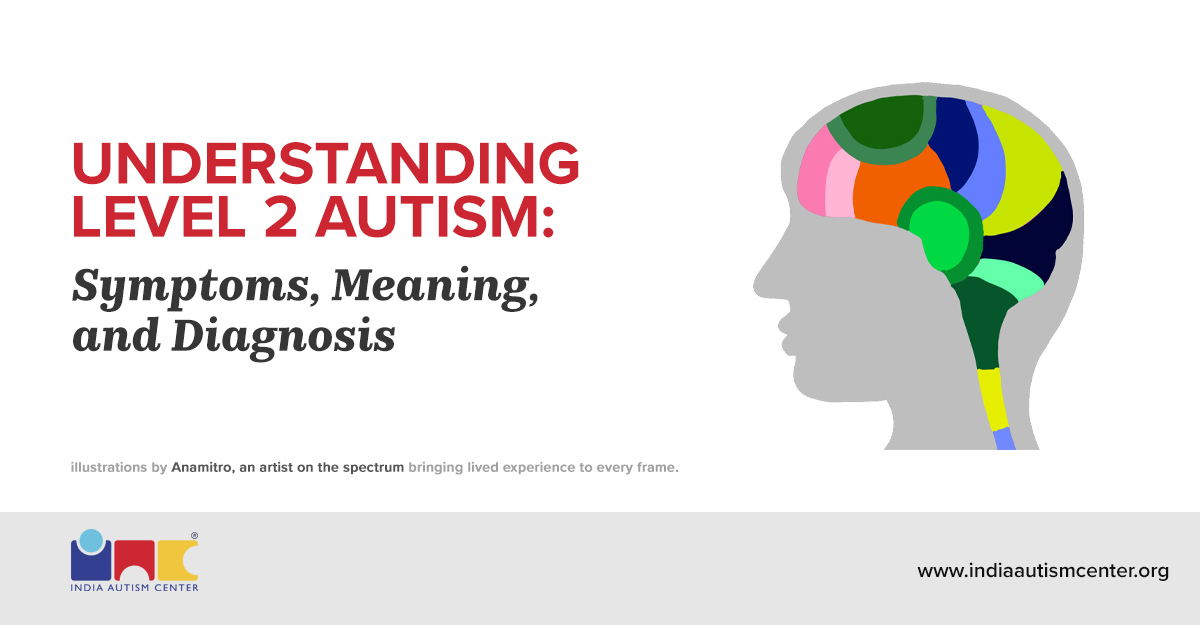
Many parents and caregivers often ask: “Is Level 2 autism high functioning?” The short answer is no, Level 2 autism is generally not considered high functioning. However, understanding why requires looking at how ASD is classified today.
Modern diagnostic systems categorise autism into three levels based on the amount of support an individual requires in daily life. These levels do not measure intelligence alone. Instead, they focus on social communication challenges, behaviour patterns, and independence in everyday activities.
| Autism Level | Description | Support Needs |
| Level 1 Autism | Individuals show noticeable difficulties in social communication but can usually speak, learn, and live relatively independently. This level is often associated with high-functioning autism. | Requires support in social interaction, organisation, and adapting to change. |
| Level 2 Autism | Individuals experience more pronounced challenges in communication, behaviour, and flexibility. Social difficulties are clearly noticeable even with support. | Requires substantial support for communication, social interaction, and daily routines. |
| Level 3 Autism | Individuals show severe challenges in verbal and non-verbal communication and may have significant behavioural differences. | Requires very substantial support in most areas of life. |
Why Level 2 Autism Is Not Considered High Functioning
People with Level 2 autism usually require more structured support than individuals described as having high-functioning autism. Their challenges may be more visible and can affect everyday activities such as school participation, communication, and social relationships.
Some common characteristics of Level 2 autism include:
- Significant social communication difficulties: Individuals may struggle to start or maintain conversations. Even when they speak, their communication may appear limited or unusual in social settings.
- Noticeable behavioural differences: Repetitive behaviours, intense interests, or strict routines may interfere with daily functioning if changes occur.
- Difficulty adapting to change: Unexpected transitions, schedule changes, or new environments may cause distress or anxiety.
- Greater need for structured support: Individuals may benefit from specialised educational programmes, therapy, and guided routines to manage everyday tasks.
Important Things to Remember
Although Level 2 autism is not typically considered high functioning, it is important to remember that autism is a spectrum. Every individual has a unique set of strengths and challenges.
For example, someone with Level 2 autism may still have:
- Strong visual thinking abilities
- Deep knowledge in specific subjects
- Creative talents in art, music, or design
- Strong memory and attention to detail
At the same time, they may require consistent support to navigate social situations, communication, and daily responsibilities.
Want to know more? Get in touch with us.
How to Diagnose High-Functioning Autism
Parents often ask how to diagnose high-functioning autism. Because it is not an official diagnosis, clinicians diagnose ASD instead.
The diagnostic process usually includes:
Developmental screening
Doctors check whether the child is reaching developmental milestones such as speech, social interaction, and motor skills.
Behavioural observations
Specialists observe how the child communicates, interacts, and responds to social situations.
Parent and teacher interviews
Parents and teachers provide insights into behaviour patterns and developmental history.
Standardised diagnostic tools
Clinicians may use structured assessments to evaluate autism traits.
Multidisciplinary evaluation
A team including psychologists, speech therapists, and developmental specialists may conduct a detailed evaluation.
Early diagnosis allows children to receive therapies that improve communication, independence, and quality of life.
Benefits of High-Functioning Autism
Although autism comes with challenges, there are also several benefits of high-functioning autism. Many individuals possess unique strengths that can help them succeed academically and professionally.
Exceptional focus
Many people can concentrate deeply on topics that interest them.
Strong memory
They may remember facts, numbers, and details extremely well.
Analytical thinking
Logical reasoning and pattern recognition are often strong abilities.
Creativity and innovation
Some individuals show remarkable creativity in art, music, or technology.
Honesty and direct communication
They often communicate honestly and value clarity.
Passion for learning
Strong curiosity about specific subjects can lead to expertise.
Support and Interventions for High-Functioning Autism
Although individuals with high-functioning autism may appear independent, many still benefit from structured support and targeted interventions. These supports help them develop stronger communication skills, manage sensory sensitivities, build relationships, and navigate daily life more confidently.
Early intervention and the right strategies can significantly improve long-term outcomes. Support does not aim to “change” the individual but to help them build skills, manage challenges, and use their strengths effectively.
Below are some of the most helpful interventions for people with high-functioning autism symptoms.
Behavioural Therapy
Behavioural therapies focus on helping individuals understand and manage their behaviours, emotions, and social interactions.
These therapies often teach practical skills such as:
- Understanding social rules and expectations
- Managing frustration or anxiety
- Improving attention and focus
- Learning positive coping strategies
Structured behavioural programmes can help individuals gradually develop confidence in social situations and daily activities.
Speech and Communication Therapy
Even when individuals have strong vocabulary and language skills, high-functioning autism symptoms can include difficulties with social communication.
Speech and communication therapy helps individuals learn:
- How to start and maintain conversations
- How to interpret tone of voice and facial expressions
- How to understand humour, sarcasm, and figurative language
- How to express emotions and thoughts more clearly
This type of therapy improves everyday communication, which can strengthen friendships, school participation, and workplace interactions.
Occupational Therapy
Occupational therapy focuses on building practical life skills and sensory regulation.
Many individuals with high-functioning autism experience sensory sensitivities or challenges with everyday routines. Occupational therapists help individuals:
- Manage sensory sensitivities to sound, light, textures, or movement
- Improve motor coordination and handwriting
- Develop independence in daily activities such as dressing, eating, or organising tasks
- Learn calming techniques to reduce sensory overload
These skills help individuals function more comfortably at home, school, or work.
Social Skills Training
One of the most common characteristics of high-functioning autism is difficulty navigating social situations. Social skills training provides structured guidance to help individuals understand social behaviour.
These programmes may teach:
- How to greet people and start conversations
- How to maintain eye contact appropriately
- How to recognise emotions in others
- How to take turns during conversations
- How to resolve conflicts with peers
Many programmes use role-playing, group activities, and real-life scenarios to help individuals practise these skills.
Educational Support
Students with high-functioning autism often attend mainstream schools but may still benefit from certain learning supports.
Educational adjustments may include:
- Structured classroom routines
- Clear instructions and visual aids
- Extra time for assignments or exams
- Quiet spaces to manage sensory overload
- Support from special educators or counsellors
These adjustments help create a learning environment where students can focus on their strengths and academic development.
Psychological Support and Counselling
Some individuals with high-functioning autism experience anxiety, stress, or social frustration. Counselling or psychological therapy can help them develop emotional awareness and coping strategies.
Therapy may focus on:
- Managing anxiety and stress
- Building self-confidence
- Developing emotional regulation skills
- Understanding social expectations
Mental health support can be especially helpful during adolescence and adulthood when social and academic pressures increase.
Family Education and Parent Training
Parents and caregivers play a crucial role in supporting individuals with high-functioning autism. Parent education programmes provide guidance on how to support development at home.
These programmes may help parents:
- Understand high-functioning autism symptoms more clearly
- Respond effectively to behavioural challenges
- Create supportive routines and environments
- Encourage independence and social development
When families are actively involved, interventions become more effective and consistent.
Skill Development and Vocational Training
As individuals grow older, life skills and vocational training become increasingly important.
These programmes help individuals develop skills such as:
- Time management and organisation
- Workplace communication and teamwork
- Problem-solving and decision-making
- Job-specific technical skills
Many adults with high-functioning autism thrive in careers that value attention to detail, logical thinking, and specialised expertise.
Conclusion
Understanding high-functioning autism helps parents, educators, and society support autistic individuals more effectively.
While the term is widely used, it is important to remember that autism is a spectrum. Some individuals may need minimal support, while others require more structured assistance.
By recognising high-functioning autism symptoms, understanding how to diagnose high-functioning autism, and focusing on strengths and support, we can help autistic individuals lead meaningful and fulfilling lives.
Frequently Asked Questions (FAQs)
What is high-functioning autism?
High functioning autism is an informal term used to describe autistic individuals who have strong language skills and can manage daily life with minimal support.
Is high-functioning autism a disability?
Yes, autism is considered a developmental disability, but many individuals with high functioning autism live independently and pursue successful careers.
Is level 2 autism high functioning?
No. Level 2 autism usually requires substantial support, while high functioning autism is typically associated with Level 1 autism.
How to diagnose high-functioning autism?
Doctors diagnose Autism Spectrum Disorder through developmental screening, behavioural observation, and comprehensive clinical assessments.
For expert insights, support services, and inclusive learning initiatives, visit the India Autism Center.