 Donate now
 Get a Call Back
 MENU
MENU 8 MIN READ
 SHARE
SHARE


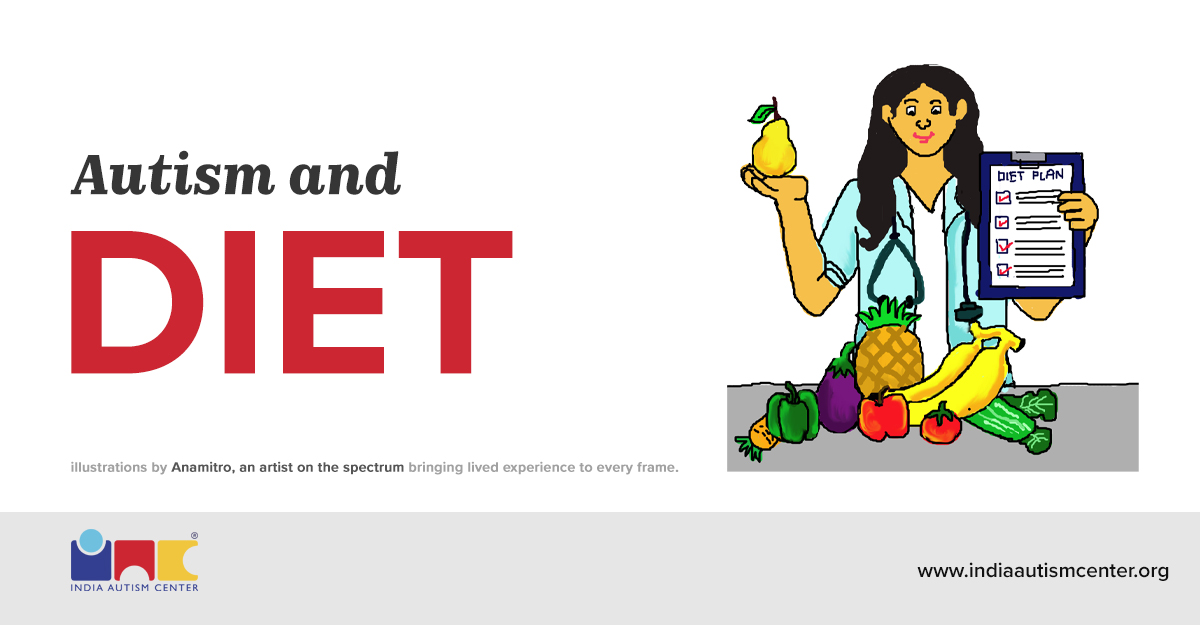
What Is Autism and Diet All About?
When we talk about autism and diet, we are not suggesting that food causes autism. Rather, we want to understand how diet can support overall health. Many autistic people have unique eating behaviours.
Research shows that children with Autism Spectrum Disorder (ASD) often have mealtime challenges. They may show extreme food selectivity, ritualistic eating, and tantrums during meals. These behaviours affect how much and what they eat, which in turn affects nutrition.
If you are a caregiver, parent, teacher, or someone living with autism, this article will help you understand the relationship between autism and diet.
Autism Diet Plans: Tailoring Nutrition for Individual Needs
Crafting an effective autism diet plan requires a nuanced understanding of the specific needs and sensitivities of each autistic individual. While there is no one-size-fits-all solution, certain dietary approaches have gained attention for their potential to positively impact the lives of those with autism.
1. Gluten-Free Diet for Autism
Gluten, a protein found in wheat and other grains, has been implicated in exacerbating certain symptoms in some autistic individuals.
While research on the effectiveness of a gluten-free diet for autism is still inconclusive, anecdotal evidence suggests that eliminating gluten can lead to improvements in behaviour and digestive issues for some.
2. Casein-Free Diet and Autism
Similar to gluten, casein, a protein found in milk and dairy products, has been scrutinised in relation to autism. Advocates of the casein-free diet claim that removing dairy from the diet can alleviate gastrointestinal problems and improve behaviour.
However, scientific consensus on the efficacy of this approach is still evolving.
3. Ketogenic or High-Fat Diets
Some studies show potential benefits of ketogenic diets (high in fat, low in carbs) for a subset of people with ASD. However, these diets are complex and should only be tried under professional supervision due to potential nutritional risks
4. Montessori, Feingold, or Healthy Diets
Survey data suggests that standard healthy diets and Feingold diets (which reduce artificial colours and additives) are among the most beneficial according to families.
Here is an in-depth article for you on the Autism Food List.
Want to know more? Get in touch with us.
Best Fruits and Vegetables for Autistic Individuals
Certain fruits and vegetables have been highlighted for their potential benefits in supporting autistic individuals. While individual responses may vary, incorporating the following into the diet can be a good starting point:
1. Berries
Rich in antioxidants and vitamins, berries such as blueberries, strawberries, and raspberries are not only delicious but also offer potential cognitive and health benefits.
2. Leafy Greens
Vegetables like spinach, kale, and broccoli are packed with essential nutrients, including vitamins A and K, folate, and fibre, contributing to overall well-being.
3. Avocado
Known for its healthy fats, avocados are a nutrient-dense option that can provide a good source of energy and support brain health.
Indian Diet for Autism: Blending Tradition with Modern Approaches
In the context of Indian dietary practices, incorporating traditional foods into an autism diet plan can provide a sense of familiarity while meeting nutritional needs. Traditional Indian diets often include a variety of spices, lentils, and vegetables, offering a rich source of nutrients.
1. Spices with Potential Benefits
Turmeric, a staple in Indian cuisine, contains curcumin, which has anti-inflammatory and antioxidant properties. While more research is needed, some studies suggest potential benefits for autistic individuals.
2. Lentils and Legumes
Rich in protein and fibre, lentils and legumes are integral to Indian diets. They can provide a sustained release of energy and contribute to overall digestive health.
Diet for Autism and ADHD: Exploring Overlapping Concerns
Many autistic individuals also experience symptoms of attention deficit hyperactivity disorder (ADHD). Considering the overlap in these conditions, dietary interventions targeting both autism and ADHD symptoms have gained attention.
1. Elimination Diets
Some families and healthcare professionals have explored elimination diets that exclude common allergens, additives, and artificial colourings. While the scientific evidence supporting the efficacy of elimination diets is limited, anecdotal reports suggest improvements in behaviour for some individuals.
2. Omega-3 Fatty Acids
Research has shown that omega-3 fatty acids, found in fatty fish like salmon and flaxseeds, may have cognitive and behavioural benefits. Including these sources of healthy fats in the diet could potentially support autistic individuals and those with ADHD.
Best Practices for an Autism Diet Plan
Here are some best practices to guide the development of an effective autism diet plan:
1. Individualised Approach
No two autistic individuals are the same, and their dietary needs will vary. An individualised approach, possibly with the guidance of a nutritionist or healthcare professional, is crucial for tailoring the diet to specific requirements and preferences.
2. Nutrient-Dense Foods
Emphasising nutrient-dense foods is essential for supporting overall health and development. Fresh fruits, vegetables, lean proteins, and whole grains should be integral components of the diet to ensure that autistic individuals receive the essential vitamins and minerals their bodies need.
3. Attention to Food Sensitivities
Many autistic individuals experience sensitivities to certain textures, tastes, or smells. Understanding and accommodating these sensitivities is vital for creating a positive and sustainable eating experience. This might involve experimenting with different preparation methods or exploring alternative food options.
Autistic Sensory Issues and Eating Patterns
Many autistic individuals have sensory sensitivities. They might react strongly to texture, temperature, smell, or taste. These sensory responses affect food preferences.
For example:
- Some avoid crunchy foods.
- Others reject gooey or mixed textures.
- Certain smells may trigger discomfort or refusal.
These traits can influence eating behaviour, leading to limited food variety. Limited variety can make it hard to get balanced nutrition.
Understanding these sensory experiences helps you build a supportive eating plan. Rather than forcing foods, you can learn to gently expand the variety in ways that feel safe to the individual.
The Emotional Impact of Dietary Interventions
Navigating the world of autism diet plans can be emotionally challenging for families and caregivers. The quest for the best diet for autism often involves a process of trial and error, with each step carrying the hope of improving the quality of life for loved ones on the spectrum. It’s crucial to approach dietary interventions with a mix of optimism, patience, and realistic expectations.
Want to know more? Get in touch with us.
Challenges You Might Face
You may feel overwhelmed. Some common issues include:
Food Refusal
This can be due to sensory aversions or past discomfort.
Limited Variety
This can lead to low intake of key nutrients.
Gastrointestinal Issues
Many autistic individuals experience constipation, bloating, or stomach discomfort.
Rigid Eating Patterns
Strong routines can make it hard to introduce new foods.
These challenges are common, not a sign of “failure.” They can be handled with patience and strategy.
Conclusion
Autism and diet go hand in hand in your everyday life. What you eat affects how you feel, behave, and grow. Though no diet can “cure” autism, good nutrition and personalised support can make a big difference in health and comfort.
Remember:
- Understand sensory needs
- Focus on nutrient-dense foods
- Seek professional guidance
- Be patient and flexible
Every autistic individual is different. What works for one person may not work for another. But with care, knowledge, and compassion, you can build a nutrition plan that supports health and happiness.
Frequently Asked Questions (FAQs)
What is the connection between autism and diet?
Autism and diet are closely linked because many autistic individuals have unique eating habits, sensory sensitivities, and digestive challenges. While diet does not cause or cure autism, proper nutrition can support overall health, digestion, energy levels, and daily functioning in autistic individuals.
How does nutrition impact Autism Spectrum Disorder?
Nutrition and Autism Spectrum Disorder are connected through physical and behavioural well-being. A balanced diet can help manage gastrointestinal issues, support brain development, and improve focus and mood. Poor nutrition, on the other hand, may worsen fatigue, discomfort, and eating-related stress.
What is the best diet for autism?
There is no single best diet for autism. An effective diet for autism focuses on nutrient-dense foods such as fruits, vegetables, lean proteins, healthy fats, and whole grains. The ideal plan should be personalised based on sensory preferences, allergies, and nutritional needs, preferably with guidance from a healthcare professional.
How can I plan a healthy diet for an autistic child?
Planning a diet for an autistic child starts with understanding their food preferences and sensory sensitivities. Offer familiar foods while slowly introducing new ones. Maintain consistent meal routines, ensure balanced nutrition, and consult a dietitian to address any nutritional gaps safely.
What is the impact of diet and nutrition on autistic individuals?
The impact of diet and nutrition on autistic individuals can include better digestion, improved energy levels, stable mood, and enhanced overall health. While dietary changes do not alter the core traits of autism, they can significantly improve comfort, daily functioning, and quality of life.
For expert insights, support services, and inclusive learning initiatives, contact India Autism Center for more information.