
 Donate now
 Get a Call Back
 MENU
MENUUnderstanding Attention Deficit Hyperactivity Disorder (ADHD)
 42 MIN READ
 SHARE
SHARE 


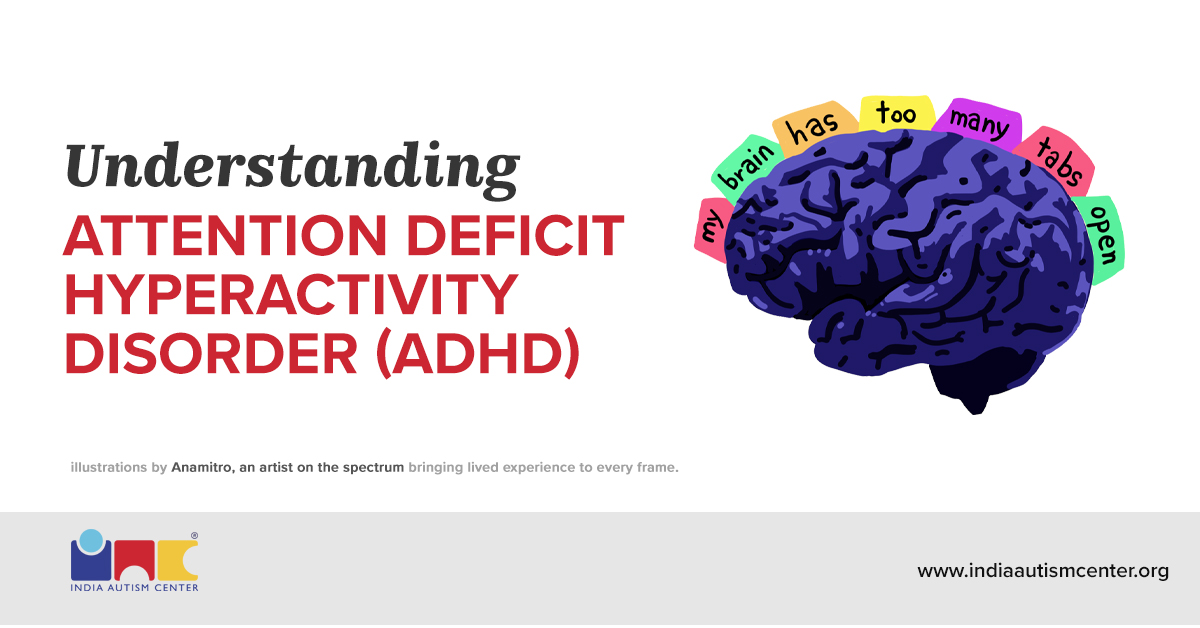
Overview of ADHD
Attention Deficit Hyperactivity Disorder (ADHD) is characterised by persistent patterns of inattention, hyperactivity, and impulsivity that are more frequent and severe than typically observed in people of the same age. Importantly, ADHD is not caused by poor parenting, lack of discipline, or low intelligence.
Instead, it arises from differences in brain development and functioning. These differences affect executive functions such as planning, focusing, remembering instructions, and regulating emotions.
Furthermore, ADHD exists on a spectrum. This means that symptoms vary in type and intensity from person to person. Some individuals mainly struggle with concentration, while others experience excessive restlessness or impulsive behaviour. As a result, ADHD does not look the same in everyone.
What Is ADHD?
ADHD is a neurodevelopmental condition that affects how the brain regulates attention, behaviour, and impulse control. It influences a person’s ability to concentrate, stay organised, manage time, and control activity levels. ADHD usually begins in childhood and often continues into adulthood, although its presentation may change with age.
Why ADHD Is Commonly Misunderstood?
ADHD is frequently misunderstood because its symptoms often resemble everyday behaviours such as daydreaming, forgetfulness, or high energy. Consequently, many people assume that those with ADHD are careless, lazy, or intentionally disruptive. In reality, these behaviours arise from neurological differences that affect self-control and attention regulation.
In addition, media portrayals often oversimplify ADHD by focusing only on hyperactive children. This narrow image leads to underdiagnosis in girls and adults, who may show less obvious signs such as internal restlessness, disorganisation, or emotional sensitivity. Therefore, misunderstanding contributes to stigma, delayed diagnosis, and lack of appropriate support.
How ADHD Affects Daily Life?
ADHD can influence multiple areas of everyday functioning. In children, it may affect academic performance due to difficulties in sustaining attention, following instructions, and completing homework. Behavioural challenges, such as interrupting others or struggling to wait their turn, can also impact peer relationships.
In adults, ADHD often interferes with time management, organisation, and work productivity. For example, individuals may miss deadlines, lose important items, or feel overwhelmed by routine responsibilities.
Moreover, emotional regulation difficulties can lead to frustration, low self-esteem, and strained relationships. Therefore, ADHD is not limited to attention problems alone; it affects emotional, social, and practical aspects of life.
Prevalence of ADHD in Children and Adults
ADHD is one of the most common neurodevelopmental conditions worldwide. It affects a significant number of children and continues into adulthood for many individuals. While symptoms often become less physically hyperactive with age, challenges with focus, planning, and emotional control frequently remain.
Additionally, ADHD appears in all cultures and socio-economic groups. Boys are more often diagnosed in childhood, mainly because their symptoms tend to be more disruptive. However, many girls and women remain undiagnosed until adolescence or adulthood, as their symptoms are more likely to involve inattention rather than overt hyperactivity.
Is ADHD a Mental Illness or a Neurodevelopmental Condition?
ADHD is classified as a neurodevelopmental condition, not a mental illness in the traditional sense. Neurodevelopmental conditions arise from differences in brain development that begin early in life. These differences affect cognitive skills such as attention, planning, emotional control, and decision-making.
While ADHD can coexist with mental health conditions such as anxiety or depression, it is not caused by emotional problems or trauma alone. Instead, it has biological and neurological foundations. Therefore, ADHD should be understood as a lifelong pattern of brain functioning rather than a temporary behavioural issue.
How the ADHD Brain Works Differently
The brain of a person with ADHD processes information differently, particularly in areas responsible for executive functioning. Executive functions are mental skills that help individuals plan, organise, focus, and regulate emotions.
In ADHD, communication between certain brain regions, especially those involving dopamine and norepinephrine, is less efficient. These chemicals play a key role in motivation, attention, and impulse control. As a result, people with ADHD may:
- Struggle to prioritise tasks and manage time
- Find it difficult to maintain attention on routine or uninteresting activities
- Act impulsively without fully considering consequences
- Experience emotional reactions more intensely
However, these same brain differences can also support creativity, high energy, and strong problem-solving abilities in stimulating environments. Therefore, ADHD involves both challenges and potential strengths.
ADHD as a Spectrum Condition
ADHD does not present in exactly the same way in every individual. Instead, it exists on a spectrum, with symptoms varying in type and severity. Some people mainly struggle with attention, while others show pronounced hyperactivity or impulsive behaviour. Many experience a combination of both.
Additionally, symptoms can change over time. For example, a child who is physically restless may grow into an adult who feels mentally restless instead. This variability explains why ADHD can be difficult to recognise and why personalised assessment is essential.
Key Characteristics of ADHD
ADHD is defined by three core behavioural patterns:
- Inattention: Difficulty sustaining focus, frequent careless mistakes, forgetfulness, and disorganisation.
- Hyperactivity: Excessive movement, fidgeting, talking excessively, or difficulty remaining seated.
- Impulsivity: Acting without thinking, interrupting others, and struggling to wait for turns.
For a diagnosis of ADHD, these characteristics must be persistent, developmentally inappropriate, and interfere with academic, occupational, or social functioning.
Types of ADHD
ADHD is classified into three main types based on the pattern of symptoms a person shows: predominantly inattentive type, predominantly hyperactive-impulsive type, and combined type. These types help clinicians understand how ADHD presents in an individual and guide appropriate support and treatment. Importantly, the type is determined by observable behaviour patterns rather than by the severity of the condition.
Predominantly Inattentive Type (Inattentive ADHD)
Inattentive ADHD mainly affects a person’s ability to concentrate, organise tasks, and follow through on instructions. Hyperactivity is minimal or absent, which often makes this type harder to recognise.
People with inattentive ADHD frequently struggle to maintain attention during lessons, meetings, or conversations. They may appear to be daydreaming or mentally absent even when they are trying to listen. As a result, they often miss important details and make careless mistakes in schoolwork or professional tasks.
Common characteristics include:
- Difficulty sustaining attention on tasks or activities
- Frequent forgetfulness in daily routines
- Poor organisation and time management
- Avoidance of tasks that require prolonged mental effort
- Losing items such as books, phones, or documents
This type of ADHD is particularly common in girls and adults, where symptoms may be mistaken for laziness, anxiety, or low motivation. Because the behaviour is less disruptive than hyperactivity, diagnosis is often delayed. Nevertheless, inattentive ADHD can significantly affect academic achievement, workplace performance, and self-confidence.
Predominantly Hyperactive-Impulsive Type
Hyperactive-impulsive ADHD is characterised by excessive movement, restlessness, and difficulty controlling impulses. Problems with attention may be present, but they are not the dominant feature.
Individuals with this type of ADHD often feel an intense need to move or act. They may find it extremely difficult to remain seated, especially in structured environments such as classrooms or offices. Furthermore, impulsivity can cause them to speak or act without considering consequences.
Typical features include:
- Constant fidgeting or tapping hands and feet
- Difficulty staying seated when expected
- Excessive talking or interrupting others
- Acting without thinking, such as running into danger or making sudden decisions
- Difficulty waiting for turns
In children, this type often presents as disruptive classroom behaviour. Teachers may notice frequent outbursts or inability to follow classroom rules. In adults, hyperactivity may become internal rather than physical, presenting as restlessness, impatience, or an inability to relax. Consequently, this type can strain relationships and increase the risk of accidents or poor decision-making.
Combined Type ADHD
Combined type ADHD includes significant symptoms of both inattention and hyperactivity-impulsivity. This is the most commonly diagnosed form of ADHD.
People with combined type ADHD experience difficulties in focusing and organising tasks while also showing impulsive or restless behaviour. As a result, they face challenges across multiple areas of daily life, including education, work, and social interaction.
Key characteristics include:
- Poor attention span and frequent distraction
- Difficulty completing tasks or following instructions
- High levels of physical or mental restlessness
- Impulsive speech and behaviour
- Emotional regulation difficulties
Because this type involves a wider range of symptoms, it is often recognised earlier in childhood. However, if untreated, combined type ADHD may persist into adulthood and contribute to academic underachievement, workplace instability, and emotional stress.
Can the Type of ADHD Change Over Time?
Yes, the type of ADHD can change as a person grows older. Symptoms do not remain fixed throughout life. For example, a child with hyperactive-impulsive ADHD may become less physically restless with age but continue to struggle with concentration and organisation. In such cases, inattentive symptoms may become more prominent in adolescence or adulthood.
Environmental demands also influence how ADHD appears. School requires sustained attention and sitting still, while adult life demands time management, planning, and emotional regulation. Therefore, the same underlying condition may look different at different life stages.
ADHD Symptoms
ADHD symptoms mainly involve difficulties with attention, hyperactivity, and impulse control, which interfere with daily functioning at school, work, and in social situations. These symptoms are persistent, appear in more than one setting, and are inappropriate for the person’s developmental level. Although everyone may experience occasional inattention or restlessness, ADHD symptoms are more frequent, more intense, and longer lasting.
Common ADHD Symptoms
The core symptoms of ADHD fall into three main categories: inattention, hyperactivity, and impulsivity. Each category affects behaviour, learning, and emotional regulation in different ways.
Inattention
Inattention refers to difficulty maintaining focus and sustaining mental effort over time. Individuals with ADHD may:
- Struggle to concentrate on tasks such as reading, listening, or completing assignments
- Make careless mistakes because they overlook details
- Find it hard to organise tasks and manage time effectively
- Avoid activities that require prolonged mental effort, such as homework or paperwork
- Frequently lose items like keys, books, or documents
- Appear not to listen even when spoken to directly
These difficulties are not due to a lack of understanding. Instead, they reflect challenges in filtering distractions and maintaining mental control over attention.
Hyperactivity
Hyperactivity involves excessive physical or internal movement that is inappropriate for the situation. It may appear as:
- Constant fidgeting, tapping hands or feet, or squirming in seats
- Difficulty remaining seated when expected, such as in class or meetings
- Running or climbing excessively in inappropriate settings (more common in children)
- Talking excessively or making noises when quiet behaviour is expected
In adults, hyperactivity may become less physical and more internal, presenting as a constant feeling of restlessness or inability to relax.
Impulsivity
Impulsivity refers to acting without sufficient thought or consideration of consequences. This can include:
- Interrupting conversations or blurting out answers
- Difficulty waiting for one’s turn
- Making sudden decisions without planning
- Engaging in risky behaviours without fully assessing danger
Impulsivity can affect social relationships, academic performance, and personal safety. It often leads to misunderstandings, as others may perceive the behaviour as rude or careless rather than neurologically driven.
Adult ADHD Symptoms
In adults, ADHD symptoms often appear as difficulties with organisation, time management, and emotional regulation rather than obvious hyperactivity. Many adults remain undiagnosed because their symptoms differ from the stereotypical image of ADHD in children.
Common adult symptoms include:
- Chronic procrastination and difficulty completing tasks
- Poor time awareness, leading to missed deadlines or appointments
- Disorganisation at work and in personal life
- Forgetfulness in daily responsibilities, such as paying bills or returning calls
- Difficulty sustaining attention during meetings or long conversations
- Emotional sensitivity, irritability, or frustration
- Impulsive spending or decision-making
These symptoms can affect career progression, relationships, and self-esteem. Adults with ADHD may feel overwhelmed by routine responsibilities and experience repeated failures despite strong intellectual ability.
ADHD Symptoms in Children
In children, ADHD symptoms are often more visible and disruptive, especially in structured environments such as classrooms. Teachers and parents are usually the first to notice these signs.
Typical childhood symptoms include:
- Difficulty sitting still or remaining quiet
- Constant movement, running, or climbing
- Trouble following instructions or completing schoolwork
- Short attention span during lessons or play
- Frequent talking and interrupting others
- Poor impulse control, such as grabbing objects or pushing peers
- Difficulty waiting in lines or taking turns
These behaviours can lead to academic underachievement and strained relationships with teachers and classmates. Children may also develop low self-confidence if they are frequently criticised for behaviours they cannot easily control.
Behavioural Signs of ADHD
ADHD affects not only attention and activity levels but also emotional and social behaviour. Behavioural signs often reflect difficulties with self-regulation and frustration tolerance.
At school, behavioural signs may include:
- Disrupting lessons
- Forgetting homework or school materials
- Difficulty following classroom rules
- Appearing careless or uninterested
At home, behavioural signs may include:
- Difficulty following routines
- Emotional outbursts over minor frustrations
- Resistance to tasks such as homework or chores
- Problems with bedtime routines
Socially, individuals with ADHD may:
- Struggle to interpret social cues
- Interrupt others during conversations
- Appear impatient or overly intense
- Experience peer rejection or conflict
These behavioural patterns are not intentional. They arise from neurological differences in impulse control and emotional regulation.
Emotional Symptoms Associated with ADHD
ADHD also affects emotional processing and self-control. Emotional symptoms are often overlooked but play a major role in daily functioning.
These may include:
- Low frustration tolerance
- Mood swings
- Sensitivity to criticism
- Feelings of failure or inadequacy
- Anxiety related to performance or organisation
Over time, repeated difficulties can lead to reduced self-esteem and increased risk of anxiety or depression, particularly if ADHD is not recognised or supported.
ADHD in Different Age Groups
ADHD in Children
ADHD in children is a neurodevelopmental condition that affects attention, behaviour, and self-control, often becoming noticeable in early childhood and significantly influencing learning and social development. Early identification and appropriate support are essential because childhood is a critical period for building academic skills, emotional regulation, and healthy relationships.
Early Signs of ADHD in Children
The earliest signs of ADHD usually appear before the age of 12 and often become evident when structured demands increase, such as during school entry. These signs vary depending on the child’s developmental stage and the type of ADHD they have.
Common early indicators include:
- Short attention span: The child may struggle to focus on tasks such as listening to stories, completing puzzles, or following multi-step instructions.
- Excessive activity: Many children with ADHD appear constantly on the move, running or climbing when calm behaviour is expected.
- Poor impulse control: The child may interrupt conversations, grab objects without permission, or act without considering consequences.
- Difficulty following rules: Classroom routines and household instructions may be hard to remember and apply consistently.
- Emotional reactivity: Sudden frustration, frequent tantrums, or difficulty calming down are common.
These behaviours are not occasional or situational. Instead, they occur regularly and across different settings, such as home, school, and social environments.
Impact of ADHD on Learning
ADHD directly affects a child’s ability to learn because it interferes with attention, memory, and task completion. Even when a child has average or above-average intelligence, these difficulties can lead to underachievement.
Key academic effects include:
- Difficulty sustaining concentration: Lessons that require listening for long periods or working independently are particularly challenging.
- Problems with task completion: The child may start work enthusiastically but fail to finish assignments due to distraction.
- Poor organisation: School bags, homework, and classroom materials are often misplaced or forgotten.
- Slow academic progress: Gaps in learning may develop because essential instructions or information are missed.
- Negative feedback from teachers: Repeated corrections or disciplinary actions can affect motivation and confidence.
As a result, children with ADHD may appear less capable than they truly are. Without support, this mismatch between ability and performance can lead to long-term academic difficulties.
Behavioural Challenges in School and at Home
ADHD in children often presents as challenging behaviour, especially in structured environments that demand quiet attention and rule-following. These behaviours stem from neurological differences in impulse control and emotional regulation rather than deliberate defiance.
At school, behavioural challenges may include:
- Talking out of turn or leaving their seat frequently
- Interrupting lessons or classmates
- Difficulty waiting in line or taking turns
- Acting before thinking about consequences
At home, parents may observe:
- Resistance to routines such as homework or bedtime
- Emotional outbursts over minor frustrations
- Difficulty completing chores
- Forgetfulness regarding daily tasks
These patterns can strain relationships with teachers, parents, and siblings. Over time, repeated negative interactions may reinforce feelings of failure and frustration in the child.
Social and Emotional Effects
ADHD affects not only academic performance but also a child’s social relationships and emotional development. Difficulties with impulse control and attention can interfere with peer interactions.
Social and emotional impacts include:
- Trouble making and keeping friends: Interrupting or dominating conversations may lead to peer rejection.
- Low self-esteem: Frequent criticism or failure can cause the child to see themselves as “bad” or “stupid.”
- Emotional sensitivity: Children with ADHD may react strongly to disappointment or correction.
- Increased risk of anxiety or mood problems: Ongoing struggles can contribute to emotional distress if not addressed.
Therefore, ADHD in children should be viewed as a whole-child issue affecting emotional well-being as much as behaviour and learning.
ADHD and Developmental Expectations
ADHD symptoms become more noticeable when a child’s behaviour does not match what is expected for their age. For example, young children are naturally active, but a child with ADHD remains significantly more restless and impulsive than peers of the same age.
This difference becomes clearer as demands increase with age:
- In early childhood, problems with sitting still and following simple rules emerge.
- In primary school, difficulties with sustained attention and task completion become evident.
- In later childhood, organisational problems and academic gaps may appear.
Understanding ADHD in relation to developmental expectations helps professionals distinguish it from normal childhood behaviour.
Importance of Early Identification
Early identification of ADHD in children allows timely support that can prevent secondary difficulties such as academic failure and low self-esteem. When symptoms are recognised early, families and schools can implement strategies that improve attention, behaviour, and emotional control.
Benefits of early recognition include:
- Better educational planning and classroom support
- Improved parent–child relationships
- Reduced behavioural problems
- Stronger emotional resilience
- Lower risk of later mental health difficulties
Early support does not label a child negatively. Instead, it provides them with tools and environments that match their needs.
Role of Parents and Teachers
Parents and teachers play a crucial role in recognising and managing ADHD in children. They are often the first to observe consistent patterns of inattention, hyperactivity, or impulsivity.
Effective support involves:
- Clear routines and predictable schedules
- Simple and structured instructions
- Positive reinforcement rather than punishment
- Collaboration between home and school
- Referral for professional assessment when difficulties persist
When adults understand ADHD as a neurological condition rather than a behavioural choice, they are more likely to respond with patience and effective strategies.
Long-Term Outlook for Children with ADHD
With appropriate support, children with ADHD can achieve academic success and develop strong social and emotional skills. ADHD does not limit intelligence or creativity. Many children with ADHD show strengths in problem-solving, imagination, and energy when guided effectively.
However, without recognition and intervention, difficulties may continue into adolescence and adulthood. Therefore, addressing ADHD in childhood lays the foundation for better long-term outcomes in education, relationships, and mental health.
ADHD in Adults
ADHD in adults is a lifelong neurodevelopmental condition that primarily affects organisation, time management, emotional regulation, and sustained attention rather than visible hyperactivity. Many adults remain undiagnosed because their symptoms differ from the stereotypical childhood presentation. Nevertheless, ADHD can significantly influence work performance, relationships, and overall quality of life.
How ADHD Presents in Adulthood
In adulthood, ADHD symptoms often become less physical and more cognitive and emotional. While childhood ADHD is associated with running and restlessness, adult ADHD usually appears as internal restlessness, mental fatigue, and difficulty managing responsibilities.
Adults with ADHD commonly experience:
- Persistent inattention: Difficulty focusing on lengthy meetings, reading documents, or completing detailed tasks.
- Disorganisation: Problems keeping track of paperwork, emails, appointments, and daily responsibilities.
- Time management difficulties: Chronic lateness, underestimating how long tasks take, and missing deadlines.
- Mental restlessness: A constant feeling of being “on the go” internally, even when physically still.
These challenges often become more noticeable as adult life demands increase, such as when managing careers, households, and finances.
Emotional and Psychological Features
Emotional regulation is a central difficulty for many adults with ADHD. The brain’s reduced ability to control attention also affects the management of emotions.
Common emotional features include:
- Low frustration tolerance: Becoming easily irritated when tasks are delayed or plans change.
- Mood fluctuations: Rapid shifts between motivation and discouragement.
- Sensitivity to criticism: Strong emotional reactions to feedback or perceived failure.
- Chronic stress and overwhelm: Feeling unable to cope with routine responsibilities.
Over time, repeated experiences of difficulty and failure may contribute to secondary mental health conditions such as anxiety and depression. These do not cause ADHD but often develop as a result of unmanaged symptoms.
ADHD in the Workplace
ADHD can significantly affect occupational functioning, particularly in roles that require sustained attention, organisation, and time management.
Work-related challenges may include:
- Difficulty prioritising tasks: Struggling to decide which task is most important.
- Inconsistent productivity: Performing very well under pressure but poorly with routine duties.
- Forgetfulness: Missing meetings or failing to respond to emails.
- Impulsivity in communication: Speaking without thinking or sending messages too quickly.
However, adults with ADHD may also show workplace strengths, such as creativity, problem-solving ability, and high energy in stimulating environments. Supportive structures, such as clear deadlines and flexible working methods, can improve performance significantly.
Impact on Relationships
ADHD can affect personal relationships by influencing communication, reliability, and emotional responses.
Common relational difficulties include:
- Perceived unreliability: Forgetting commitments or arriving late.
- Interrupting or not listening fully: Difficulty sustaining attention in conversations.
- Emotional intensity: Strong reactions during disagreements.
- Uneven division of responsibilities: Difficulty managing household tasks consistently.
These patterns may lead partners or family members to misinterpret ADHD symptoms as lack of care or effort. Clear communication and understanding of ADHD as a neurological condition can reduce conflict and improve mutual support.
Late Diagnosis in Adults
Many adults receive an ADHD diagnosis only after years of unexplained difficulties. This often occurs when work demands increase or when a child is diagnosed and similarities become apparent.
Reasons for late diagnosis include:
- Mild childhood symptoms that went unnoticed
- High intelligence masking difficulties
- Misdiagnosis as anxiety or depression
- Lack of awareness that ADHD continues into adulthood
A late diagnosis can be emotionally significant. While it may bring relief and clarity, it can also lead to regret over missed support earlier in life. Nevertheless, diagnosis enables access to appropriate treatment and self-management strategies.
Functional Challenges in Daily Life
ADHD affects practical daily functioning as much as academic or professional performance.
Daily life difficulties may involve:
- Financial management problems: Impulsive spending or forgetting to pay bills.
- Household organisation issues: Cluttered living spaces and unfinished tasks.
- Poor sleep routines: Irregular sleep patterns and difficulty winding down.
- Health management difficulties: Forgetting appointments or medication schedules.
These challenges can accumulate and create a sense of chronic failure unless recognised as part of ADHD rather than personal weakness.
Importance of Diagnosis and Support
Diagnosis in adulthood is important because it allows access to targeted interventions and reduces self-blame.
Effective support may include:
- Psychological therapies focusing on organisation and emotional regulation
- Medication where appropriate
- Workplace accommodations
- Lifestyle adjustments such as structured routines
With appropriate support, adults with ADHD can function effectively and build stable, successful personal and professional lives.
Causes of ADHD
ADHD is caused by a combination of genetic, neurological, and environmental factors that affect how the brain develops and regulates attention, behaviour, and impulse control. It is not caused by poor parenting, lack of discipline, or low intelligence. Instead, ADHD results from differences in brain structure and function that begin early in life.
Brain Structure and Function
Differences in brain development play a central role in ADHD. Research shows that certain brain regions involved in attention, planning, and self-control develop differently in individuals with ADHD.
Key brain-related factors include:
- Prefrontal cortex differences: This area controls decision-making, attention, and impulse regulation. In ADHD, it may mature more slowly or function less efficiently.
- Delayed brain maturation: Some children with ADHD show slower development of brain networks responsible for executive functioning.
- Reduced connectivity between brain regions: Communication between areas that manage focus, movement, and emotional control may be less coordinated.
As a result, individuals with ADHD may struggle to filter distractions, control impulses, and stay organised, even when they understand what is expected of them.
Neurotransmitter Imbalance
ADHD is strongly linked to differences in brain chemicals called neurotransmitters, particularly dopamine and noradrenaline. These chemicals help transmit signals between brain cells and play a vital role in attention, motivation, and reward processing.
In ADHD:
- Lower dopamine activity affects motivation and the ability to sustain attention on tasks that are not immediately rewarding.
- Reduced noradrenaline regulation influences alertness and focus.
- Impaired reward processing makes it harder to delay gratification and persist with long-term tasks.
These chemical differences help explain why people with ADHD may perform well when highly interested but struggle with routine or repetitive tasks.
Genetic Influences
ADHD has a strong genetic basis and often runs in families. Studies show that children with a parent or sibling who has ADHD are significantly more likely to develop the condition themselves.
Genetic factors contribute to:
- Influencing how the brain develops before and after birth
- Affecting neurotransmitter systems related to attention and impulse control
- Increasing vulnerability to environmental risk factors
However, no single “ADHD gene” exists. Instead, multiple genes interact to raise the likelihood of developing ADHD. Genetics increases risk but does not determine outcomes on its own.
Prenatal and Birth-Related Factors
Certain factors during pregnancy and early birth can increase the risk of ADHD by affecting early brain development.
These include:
- Exposure to alcohol, nicotine, or drugs during pregnancy: These substances can interfere with fetal brain growth.
- Premature birth: Babies born early often have underdeveloped neurological systems, increasing vulnerability.
- Low birth weight: This is associated with a higher risk of attention and behavioural difficulties.
- Maternal stress during pregnancy: High levels of stress hormones may influence brain development.
These factors do not directly cause ADHD but raise the likelihood when combined with genetic vulnerability.
Environmental Influences
Environmental conditions in early childhood can interact with genetic and neurological factors to shape ADHD symptoms.
Possible influences include:
- Exposure to toxins: High levels of lead or other pollutants can impair brain development.
- Early childhood adversity: Neglect, abuse, or severe family stress may worsen attention and emotional regulation difficulties.
- Nutritional deficiencies: Poor early nutrition may affect brain growth and function.
- Sleep disruption in early life: Chronic sleep problems can interfere with attention development.
These factors do not create ADHD on their own but may intensify symptoms in susceptible individuals.
Myths About the Causes of ADHD
Many misconceptions exist about what causes ADHD, and these can delay diagnosis and support.
Common myths include:
- “ADHD is caused by bad parenting.” In reality, parenting style does not cause ADHD, although supportive parenting can reduce its impact.
- “Sugar causes ADHD.” Sugar may increase short-term activity but does not cause the condition.
- “ADHD is just laziness.” ADHD reflects neurological differences, not lack of effort or intelligence.
- “Only children develop ADHD.” ADHD begins in childhood but often continues into adulthood.
Dispelling these myths is essential to reduce stigma and encouraging appropriate care.
Is ADHD Genetic?
Yes, ADHD has a strong genetic component, meaning it often runs in families and is partly inherited through genes. Research consistently shows that children and adults with ADHD are more likely to have close relatives who also display symptoms of the condition. However, genetics alone do not fully explain ADHD. Instead, inherited risk interacts with brain development and environmental factors to shape how the condition appears in each individual.
Family History and Inherited Risk
Family studies show that ADHD frequently occurs across generations. If a parent, sibling, or close relative has ADHD, the likelihood of another family member developing the condition increases significantly.
This inherited risk occurs because:
- Certain genes influence how the brain regulates attention, impulse control, and activity levels.
- These genes affect neurotransmitter systems involved in motivation and focus.
- Families may share both genetic traits and environmental influences that shape behaviour.
However, inheritance does not guarantee that a child will develop ADHD. It only increases susceptibility. Some individuals with a strong family history may show mild symptoms, while others may experience more pronounced difficulties.
Evidence from Twin and Adoption Studies
Several studies provide strong scientific evidence for the genetic basis of ADHD. Identical twins, who share almost all of their genes, are far more likely to both have ADHD than non-identical twins, who share only some genetic material.
Adoption studies further support this conclusion:
- Children with ADHD are more likely to resemble their biological parents than their adoptive parents in terms of attention and behaviour patterns.
- This indicates that genetic factors play a stronger role than parenting style alone.
Together, these findings confirm that ADHD is one of the most heritable neurodevelopmental conditions, although the environment still influences how symptoms develop.
How Genes Influence the ADHD Brain
Genes linked to ADHD affect how the brain develops and how brain chemicals function. They influence areas responsible for executive functioning, such as planning, working memory, emotional regulation, and impulse control.
Genetic influences may lead to:
- Slower development of brain regions that regulate attention and behaviour
- Reduced efficiency in dopamine and noradrenaline pathways
- Differences in reward processing and motivation
As a result, individuals with ADHD often find it harder to sustain attention, delay gratification, and manage competing demands. These neurological patterns are present from early life, even before symptoms become obvious.
Is There a Single “ADHD Gene”?
No single gene causes ADHD. Instead, many genes contribute small effects that together increase the likelihood of developing the condition.
This means:
- ADHD is polygenic, involving multiple genetic variations
- Different gene combinations can lead to similar behavioural symptoms
- Genetic profiles vary between individuals with ADHD
This complexity explains why ADHD presents differently from person to person and why symptoms range from mild to severe.
Can ADHD Skip Generations?
Yes, ADHD can appear to skip generations because genetic traits may be passed on without producing noticeable symptoms in every carrier.
For example:
- A grandparent may carry genetic risk without clear ADHD traits
- The parent may show mild or well-compensated symptoms
- The child may develop more noticeable ADHD features
Additionally, earlier generations may not have been diagnosed due to lower awareness and limited diagnostic criteria. What appears to be a new condition in a child may actually reflect inherited traits that were previously unrecognised.
Can Genetic Testing Diagnose ADHD?
Currently, genetic testing cannot diagnose ADHD. Although researchers have identified gene patterns linked to ADHD, these patterns are not specific or precise enough to serve as diagnostic tools.
Diagnosis still relies on:
- Behavioural observation
- Developmental history
- Clinical interviews
- Standardised assessment tools
Genetic research is useful for understanding biological mechanisms but does not replace clinical evaluation.
ADHD Challenges
ADHD creates challenges in academic, occupational, emotional, and social functioning because it affects attention control, impulse regulation, and organisation. These challenges are not due to a lack of intelligence or effort. Instead, they arise from differences in brain development and information processing. The impact of ADHD varies between individuals and across life stages; however, certain difficulty areas are commonly reported.
Academic Challenges
ADHD makes learning difficult because it interferes with sustained attention, memory, and task completion.
Key academic challenges include:
- Difficulty concentrating: Students with ADHD struggle to maintain focus during lessons, reading, or examinations, particularly when tasks are lengthy or repetitive.
- Incomplete work: Assignments may be started but not finished due to distraction or loss of interest.
- Poor organisation: School materials, notes, and homework are often misplaced or forgotten, leading to gaps in learning.
- Time management problems: Children and adolescents may underestimate how long tasks will take, resulting in rushed or late submissions.
- Underachievement: There is often a mismatch between intellectual ability and academic performance, which can cause frustration and loss of motivation.
Over time, repeated academic difficulties can reduce confidence and increase the risk of school disengagement if appropriate support is not provided.
Workplace Challenges
In adults, ADHD commonly affects job performance because modern workplaces demand sustained focus, planning, and self-regulation.
Typical workplace difficulties include:
- Prioritisation problems: Individuals may struggle to decide which tasks are most important, leading to inefficiency.
- Inconsistent productivity: Performance may fluctuate, with periods of intense output followed by low productivity.
- Forgetfulness: Missed meetings, overlooked emails, and failure to follow up on tasks are common.
- Impulsivity in communication: Speaking without reflection or sending messages too quickly can cause misunderstandings.
- Stress under routine demands: Repetitive or highly structured tasks can be particularly challenging.
Emotional Regulation Challenges
ADHD affects emotional control because the same brain systems involved in attention also regulate feelings and reactions.
Common emotional challenges include:
- Low frustration tolerance: Small obstacles can provoke strong emotional responses.
- Mood instability: Rapid changes from enthusiasm to discouragement may occur.
- Sensitivity to criticism: Feedback may be experienced as personal failure rather than constructive guidance.
- Chronic stress: Ongoing difficulties can create a sense of being overwhelmed or unable to cope.
These emotional patterns can increase vulnerability to anxiety and depression if ADHD remains unmanaged.
Social and Relationship Difficulties
ADHD can affect relationships because it influences listening skills, impulse control, and emotional responses.
Social challenges often involve:
- Interrupting others: Difficulty waiting for conversational turns may be interpreted as rudeness.
- Inattention during interactions: Zoning out during conversations can appear as lack of interest.
- Emotional intensity: Disagreements may escalate quickly due to impulsive reactions.
- Perceived unreliability: Forgetting plans or arriving late may damage trust.
These difficulties can lead to peer rejection in childhood and relationship conflict in adulthood if not understood as part of ADHD.
Self-Esteem and Identity Challenges
Repeated experiences of failure or criticism often affect how individuals with ADHD view themselves.
Key self-esteem issues include:
- Negative self-image: Being labelled as “lazy” or “disorganised” can shape self-beliefs.
- Fear of failure: Individuals may avoid tasks they expect to struggle with.
- Reduced confidence: Ongoing difficulty meeting expectations can undermine self-worth.
- Internalised stigma: Misunderstanding ADHD as a personal flaw rather than a neurological condition can worsen emotional distress.
These patterns highlight the importance of early recognition and positive reinforcement.
Organisational and Daily Living Challenges
ADHD significantly affects everyday functioning because it disrupts planning and follow-through.
Common daily life difficulties include:
- Household disorganisation: Living spaces may become cluttered due to unfinished tasks.
- Financial management problems: Impulsive spending or forgotten bills can occur.
- Poor routine maintenance: Irregular sleep and eating patterns are common.
- Health management difficulties: Forgetting appointments or medication schedules can affect well-being.
Risk-Taking and Safety Concerns
Impulsivity in ADHD can increase exposure to physical and social risks.
Examples include:
- Accidental injuries: Acting without considering danger may lead to accidents.
- Risky decision-making: Impulsive choices regarding driving, spending, or substance use may occur.
- Difficulty delaying gratification: Preference for immediate rewards can lead to long-term consequences.
This does not mean individuals with ADHD seek danger; rather, they struggle to pause and evaluate outcomes before acting.
ADHD and Associated Conditions (Comorbidities)
ADHD frequently occurs alongside other developmental, emotional, and behavioural conditions, known as comorbidities. These associated conditions can influence how ADHD presents and how severe its impact becomes. Identifying comorbidities is essential because they often require additional or different forms of support. When ADHD and associated conditions occur together, they can intensify difficulties with learning, behaviour, and emotional well-being.
ADHD and Anxiety
Anxiety commonly coexists with ADHD and can worsen attention and emotional regulation difficulties.
Individuals with both ADHD and anxiety may experience:
- Constant worry or fear of failure: Ongoing academic or workplace struggles can increase performance-related anxiety.
- Avoidance behaviours: Tasks that require focus may be avoided due to fear of making mistakes.
- Increased restlessness: Anxiety can heighten physical and mental agitation, making concentration even harder.
- Sleep disturbances: Racing thoughts and tension can disrupt sleep, which further worsens ADHD symptoms.
Anxiety does not cause ADHD, but the stress of living with unmanaged ADHD can increase anxiety levels. Therefore, both conditions should be addressed together rather than treated separately.
ADHD and Depression
Depression can develop in individuals with ADHD due to repeated experiences of frustration, failure, and social difficulty.
Common overlapping features include:
- Low motivation: Difficulty initiating tasks may be misinterpreted as lack of interest or sadness.
- Negative self-image: Persistent criticism and underachievement can lead to feelings of worthlessness.
- Fatigue and reduced energy: This can further impair concentration and productivity.
- Withdrawal from social activities: Emotional distress may reduce engagement with peers or colleagues.
Although ADHD and depression share some symptoms, they are distinct conditions. Treating ADHD effectively can reduce the risk of secondary depression by improving functioning and self-confidence.
ADHD and Learning Disabilities
Learning disabilities often occur alongside ADHD and affect how individuals process academic information.
These may include:
- Dyslexia (reading difficulties): Problems with decoding words and reading fluently.
- Dyscalculia (maths difficulties): Challenges with number concepts and calculations.
- Dysgraphia (writing difficulties): Poor handwriting and difficulty organising written work.
When ADHD and learning disabilities coexist:
- Academic performance may be significantly below potential
- Frustration with schoolwork increases
- Behavioural problems may arise due to task avoidance
It is important to distinguish between attention problems and specific learning disorders, as each requires targeted educational support.
ADHD and Speech Delay
Speech and language difficulties are more common in children with ADHD than in the general population.
Associated challenges may include:
- Delayed speech development: Slower progress in vocabulary and sentence formation.
- Difficulty following verbal instructions: Problems processing spoken language can resemble inattention.
- Poor conversational skills: Interrupting or changing topics abruptly due to impulsivity.
- Weak expressive language: Trouble explaining ideas clearly and logically.
These difficulties can affect academic learning and social relationships. Early speech and language assessment helps clarify whether communication problems stem from ADHD, a language disorder, or both.
ADHD and Sleep Disorders
Sleep problems are highly prevalent in individuals with ADHD and can significantly worsen symptoms.
Common sleep-related issues include:
- Difficulty falling asleep: Racing thoughts and restlessness delay sleep onset.
- Poor sleep quality: Frequent waking or shallow sleep reduces restorative rest.
- Irregular sleep schedules: Inconsistent bedtimes disrupt biological rhythms.
- Daytime fatigue: Tiredness increases inattention and emotional instability.
Sleep problems do not cause ADHD but can intensify its effects. Improving sleep routines is therefore an important part of overall management.
ADHD and Sensory Processing Issues
Many individuals with ADHD experience heightened or reduced sensitivity to sensory input.
This may involve:
- Overreaction to noise or touch: Loud sounds or physical contact may cause distress.
- Visual sensitivity: Bright lights or cluttered spaces may be overwhelming.
- Seeking sensory stimulation: Constant movement or touching objects for comfort.
- Difficulty filtering sensory input: Background noises may distract attention easily.
These sensory difficulties can interfere with learning and behaviour, especially in noisy or crowded environments.
ADHD and Autism
ADHD and autism often occur together and share some overlapping features.
Common overlapping traits include:
- Difficulty with attention
- Problems with impulse control
- Social challenges
However, the underlying causes differ. ADHD primarily affects attention and self-regulation, whereas autism mainly affects social communication and behaviour patterns. When both conditions coexist, social and learning difficulties may be more pronounced.
ADHD and Behavioural Disorders
Some individuals with ADHD develop additional behavioural difficulties related to impulse control and emotional regulation.
These may include:
- Frequent temper outbursts
- Defiance of authority
- Difficulty following rules
- Aggressive or disruptive behaviour
Such behaviours are often reactions to frustration rather than intentional misconduct. Addressing ADHD symptoms can reduce behavioural difficulties by improving self-control and coping skills.
Long-Term Impact of ADHD with Comorbidities
When ADHD occurs with other conditions, the overall impact on life can be greater. Possible long-term effects include:
- Increased academic failure
- Higher risk of mental health problems
- Social isolation
- Reduced quality of life
However, with early identification and coordinated support, many individuals manage ADHD and associated conditions successfully.
Difference Between ADHD and Autism
ADHD and autism are two distinct neurodevelopmental conditions with different core features, causes, and support needs, although they can share some overlapping traits. The key difference is that ADHD primarily affects attention, impulse control, and activity levels, while autism mainly affects social communication, behaviour patterns, and sensory processing. Understanding these differences helps ensure accurate diagnosis and appropriate intervention.
| Aspect | ADHD (Attention Deficit Hyperactivity Disorder) | Autism (Autism Spectrum Condition) |
| Core difficulty | ADHD mainly affects attention regulation, impulse control, and activity level. The individual struggles to stay focused, organise tasks, and control behaviour. | Autism mainly affects social communication, behaviour patterns, and sensory processing. The individual struggles with understanding social interaction and adapting to change. |
| Primary symptoms | Inattention, hyperactivity, impulsivity, forgetfulness, poor organisation, and difficulty completing tasks. | Social communication difficulties, restricted or repetitive behaviours, sensory sensitivities, and strong preference for routines. |
| Cause of social difficulties | Social problems occur due to impulsivity and distraction. The person understands social rules but finds it hard to follow them consistently. | Social problems occur due to difficulty understanding social cues such as facial expressions, tone of voice, and body language. |
| Communication style | Speech may be rapid, excessive, or disorganised. The person may interrupt or change topics suddenly due to impulsivity. | Speech may be delayed, limited, or unusually formal. Understanding sarcasm, humour, or implied meaning can be difficult. |
| Behaviour pattern | Behaviour is often inconsistent and unpredictable, with frequent shifts in interests and activities. | Behaviour is usually repetitive and routine-based, with strong resistance to change and fixed interests. |
| Attention and focus | Difficulty sustaining attention unless highly interested. Easily distracted by surroundings. | May focus intensely on specific topics or activities for long periods. |
| Response to change | May seek novelty and become bored quickly with repetitive tasks. | Often distressed by changes in routine or unexpected events. |
| Sensory processing | Sensory input mainly causes distraction, such as being disturbed by noise or movement. | Sensory input may cause overwhelm or distress, such as strong reactions to light, sound, textures, or touch. |
| Learning style | Learning difficulties mainly result from poor concentration, impulsive errors, and disorganisation. | Learning difficulties mainly result from difficulty with abstract thinking, social learning, and flexible problem-solving. |
| Emotional regulation | Emotions are intense and reactive. Frustration can lead to sudden anger or impulsive behaviour. | Emotional distress often relates to sensory overload or social confusion and may lead to withdrawal or shutdown. |
| Motivation and interests | Interests change frequently; motivation depends on stimulation and novelty. | Interests are usually narrow, intense, and long-lasting. |
| Diagnosis focus | Diagnosis focuses on persistent inattention, hyperactivity, and impulsivity across settings. | Diagnosis focuses on social communication difficulties and restricted or repetitive behaviours. |
| Can both occur together? | ADHD can occur on its own or alongside autism. | Autism can occur on its own or alongside ADHD. |
| Main support needs | Support focuses on improving attention, organisation, impulse control, and behaviour regulation. | Support focuses on social communication skills, sensory regulation, and managing routines and transitions. |
| Overall distinction | ADHD is primarily a disorder of self-regulation and attention. | Autism is primarily a condition affecting social understanding and behavioural patterns. |
For a more in-depth understanding, refer to our blog on ADHD or Autism: How Do You Know?
Treatment Options for ADHD
ADHD is managed through a combination of medical, psychological, educational, and lifestyle interventions tailored to the individual’s age, symptom profile, and daily needs. The most effective approach is usually multimodal, meaning it combines more than one type of treatment rather than relying on a single method.
Behavioural Therapy
Behavioural therapy helps individuals learn practical strategies to manage ADHD-related behaviour.
This form of therapy focuses on changing patterns of action through reinforcement and structured routines.
It involves:
- Setting clear expectations: Breaking tasks into small, manageable steps.
- Positive reinforcement: Rewarding desired behaviours such as task completion or calm behaviour.
- Consistent consequences: Reducing problem behaviours through predictable responses.
- Routine building: Creating structured daily schedules to reduce forgetfulness and chaos.
Cognitive Behavioural Therapy (CBT)
CBT helps individuals change unhelpful thinking patterns that worsen ADHD difficulties.
CBT supports emotional and mental self-regulation by:
- Teaching skills to manage frustration and stress
- Improving problem-solving and planning
- Reducing negative self-talk caused by repeated failures
- Helping individuals recognise triggers for impulsive actions
CBT is particularly useful for:
- Adolescents with emotional difficulties
- Adults with ADHD-related anxiety or depression
- Individuals who struggle with self-esteem and motivation
Parent Training and Family Support
Parent training equips caregivers with skills to manage ADHD-related behaviour at home.
This approach focuses on:
- Using consistent rules and routines
- Applying positive reinforcement instead of punishment
- Reducing conflict and emotional escalation
- Supporting homework and daily organisation
Family involvement is crucial because:
- ADHD affects the whole household
- Children respond best when adults use the same strategies
- Reduced stress improves emotional outcomes
Educational and School-Based Support
School-based interventions adapt the learning environment to reduce attention and behaviour barriers.
These may include:
- Seating adjustments: Reducing distractions
- Shorter tasks: Preventing mental overload
- Extra time for exams: Allowing for better focus
- Visual schedules: Supporting memory and organisation
- Individual education plans: Tailoring learning goals
Such supports help children access education without lowering academic expectations.
Occupational Therapy (OT)
Occupational therapy improves daily functioning by addressing sensory processing, organisation, and self-regulation.
OT focuses on:
- Developing fine motor skills
- Improving handwriting and coordination
- Teaching planning and task management
- Supporting sensory regulation for restlessness
For children, OT may target:
- Classroom participation
- Dressing and self-care
- Play and social interaction
For adults, OT may target:
- Workplace organisation
- Time management
- Stress control
Speech and Language Therapy
Speech therapy supports communication difficulties that often accompany ADHD.
It helps with:
- Understanding instructions
- Expressing ideas clearly
- Managing conversational turn-taking
- Reducing impulsive speech
Here are 5 Effective Speech Therapy Techniques for Autism
Mindfulness and Meditation
Mindfulness techniques improve awareness and emotional regulation.
They help by:
- Training attention control
- Reducing impulsive reactions
- Improving stress tolerance
- Enhancing self-monitoring
Home-Based Strategies
Home management focuses on structure, predictability, and support.
This includes:
- Visual timetables
- Clear daily routines
- Task reminders
- Reward systems
- Calm communication
Effective ADHD treatment does not aim to change personality but to reduce barriers to learning, work, and relationships, enabling individuals to reach their full potential.
When to Seek Professional Help
Professional help should be sought when ADHD-related difficulties are persistent, noticeable across settings, and begin to interfere with everyday life, learning, or relationships. Early consultation improves diagnostic accuracy and enables timely support.
Red Flags
Red flags are warning signs that suggest difficulties go beyond normal behaviour or temporary stress. These indicators show that professional assessment may be necessary:
- Persistent inattention: The individual consistently struggles to focus, follow instructions, or complete tasks over several months, despite reminders and structure. This pattern is seen at home, school, or work rather than in only one situation.
- Marked impulsivity: Acting without thinking, frequent interruptions, unsafe decisions, or difficulty waiting for turns occur regularly and cause problems with rules or safety.
- Excessive restlessness or hyperactivity: Constant movement, inability to remain seated, or visible inner agitation that does not improve with age-appropriate expectations.
- Emotional instability: Frequent frustration, sudden anger, or emotional outbursts that seem out of proportion to events and are difficult to calm.
- Developmental concerns: Delays in speech, motor skills, or self-care abilities that occur alongside attention or behaviour difficulties.
- Concerns raised by others: Teachers, caregivers, or employers repeatedly report similar difficulties, indicating the problem is consistent across environments.
Impact on Daily Functioning
Professional help is recommended when symptoms significantly disrupt everyday life. The key consideration is not the presence of symptoms alone, but their effect on functioning:
- Academic or work performance: Ongoing problems with completing tasks, meeting deadlines, following instructions, or maintaining organisation result in poor grades, warnings, or reduced productivity.
- Social relationships: Difficulty maintaining friendships, frequent conflicts, or social rejection caused by impulsive speech, inattention, or emotional reactions.
- Family life: High levels of conflict at home due to non-compliance, forgetfulness, or emotional outbursts, leading to stress for both the individual and caregivers.
- Self-esteem and emotional well-being: Repeated failure or criticism leads to feelings of inadequacy, anxiety, or low confidence.
- Independence and safety: Poor judgement, risk-taking behaviour, or inability to manage daily responsibilities such as money, time, or personal care.
When these areas are consistently affected, professional evaluation helps determine whether ADHD or another condition is contributing to the difficulties.
Who to Consult (Psychologist, Psychiatrist, Paediatrician)
Choosing the right professional ensures accurate diagnosis and appropriate management. Different specialists play different roles:
- Paediatrician: A paediatrician is often the first point of contact for children. They can review developmental history, rule out medical causes, and refer to specialists for further assessment if ADHD is suspected.
- Psychologist: A psychologist conducts detailed behavioural and cognitive assessments. They evaluate attention, emotional functioning, learning patterns, and behaviour across settings. Psychologists also provide therapy and behavioural interventions after diagnosis.
- Psychiatrist: A psychiatrist is a medical doctor who can diagnose ADHD and prescribe medication when needed. They assess mental health, identify coexisting conditions such as anxiety or depression, and monitor treatment response.
Conclusion
ADHD is a lifelong neurodevelopmental condition that affects attention, behaviour, and emotional regulation, but with appropriate understanding and support, individuals with ADHD can live productive and fulfilling lives. It is not caused by poor parenting, low intelligence, or lack of effort, but by differences in how the brain regulates focus and self-control.
ADHD can influence learning, work performance, relationships, and emotional wellbeing. Symptoms vary across age groups, with children often showing hyperactivity and attention difficulties, while adults commonly experience problems with organisation, time management, and emotional control. In addition, ADHD frequently occurs alongside conditions such as anxiety, learning difficulties, sleep disorders, and autism, which can increase its overall impact if not properly identified.
Effective management of ADHD requires a comprehensive and individualised approach. Medication can reduce core symptoms, but it is most effective when combined with behavioural strategies, educational support, therapy, and healthy daily routines. Correcting common myths about ADHD is equally important, as accurate knowledge reduces stigma and encourages early diagnosis and intervention.
In conclusion, ADHD presents challenges, but with timely assessment and coordinated support, individuals can develop their strengths and achieve meaningful participation in education, work, and social life. Awareness, acceptance, and evidence-based care remain essential for improving long-term outcomes and quality of life.
Subscribe to Our Newsletter
Related Post
Gharaunda Scheme – Homes for Assisted Living
Gharaunda Scheme explained with benefits, eligibility, types of homes and how to apply for assisted living support for autism and disabilities in India.

Do Vaccines Cause Autism? Here’s What Science Says
Do vaccines cause autism? Explore scientific evidence, debunk myths, and understand real causes of autism with expert-backed insights for parents.
Rehabilitation Psychologist in Autism: Why Emotional Support Matters as Much as Therapy
Know the role of rehabilitation psychologist in autism, emotional regulation strategies, and how psychological therapy supports autism.
Support the Future of Autism Research
Your support empowers us to create change and advance research, leading to real-world solutions for those who need it most.