 Donate now
 Get a Call Back
 MENU
MENU 8 MIN READ
 SHARE
SHARE


If you’re here, you might be asking: What are good sensory activities for autism spectrum disorder (ASD)? Or maybe you want creative, engaging ways to help your child explore their world through play. Whatever your reason, you’re in the right place.
I’ve worked with many families and therapists who ask similar questions every day. Sensory experiences play an important role in helping a child with autism feel comfortable, confident, and connected.
In this blog, I’ll walk you through 10 of the most effective sensory play activities for autism, explain why they work, and show you how to make them part of your daily routine.
Why Sensory Activities Matter
Before we dive in, let’s answer a key question you may be asking: What are good sensory activities for autism?
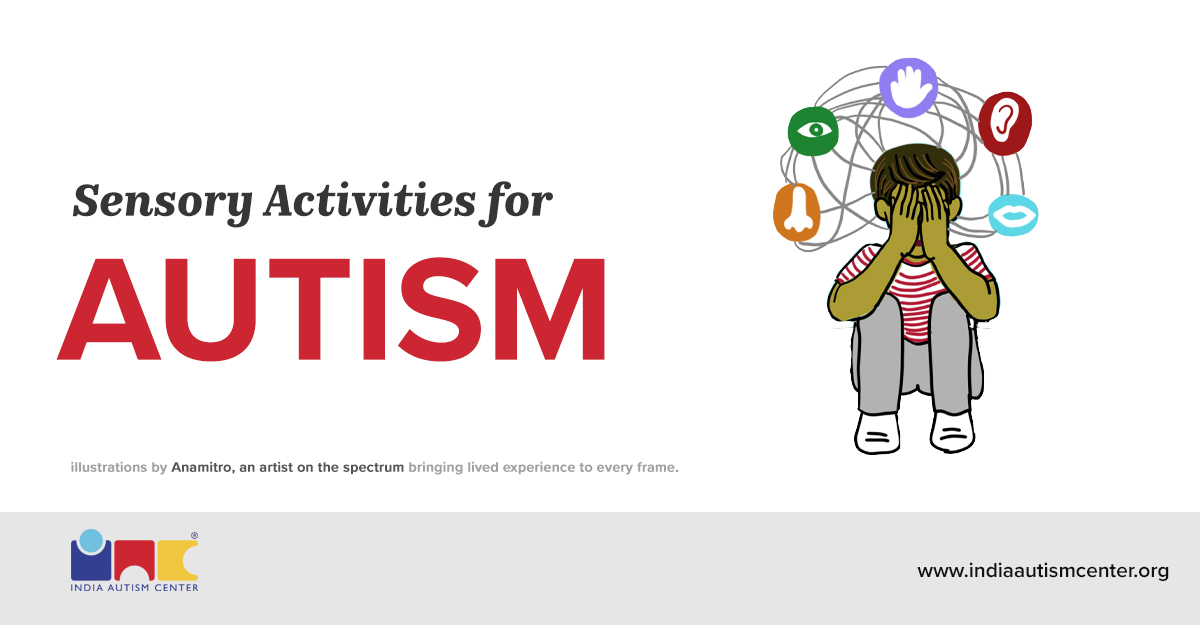
Autistic children often experience sensory challenges. They may be more sensitive (or less sensitive) to sights, sounds, touch, taste, or movement. Because of this, they can get overwhelmed or under-stimulated in regular environments. Sensory activities help them:
- Understand and organise sensory information
- Improve focus and self-regulation
- Explore textures, movement, sounds, and touch in a safe way
- Build confidence through play
- Develop motor and social skills
In short, sensory activities aren’t just fun — they support learning and development. When you tailor these activities to your child’s needs, you can help them thrive.
1. Sensory Bins: Simple but Powerful
One of the easiest sensory play activities for autism (and one of the most effective) is a sensory bin.
A sensory bin is a container filled with materials that your child can touch, explore, and manipulate. You can include items like:
- Rice
- Sand
- Beans
- Water beads
- Pom-poms
- Shaving cream
Why this works: Sensory bins promote tactile play. They help your child explore different textures and develop fine motor skills. You can hide small toys or objects in the bin to encourage discovery, attention, and play skills.
How to get started:
- Choose a bin or tray.
- Fill it with one or more sensory materials.
- Add small toys or tools (like scoops or cups).
- Invite your child to play — and follow their pace.
2. Texture Scavenger Hunt: Active and Engaging
Do you wonder “How to teach kids with autism?” One of the fun answers is through movement and discovery.
A texture scavenger hunt gets your child moving and exploring different surfaces. Hide items around a room or yard with varied textures:
- Smooth stone
- Soft plush toy
- Rough sponge
- Bumpy ball
- Silky cloth
Encourage your child to find and describe each one. This activity doesn’t need to be loud or competitive. It’s about curiosity and engagement — and it builds sensory awareness.
Want to know more? Get in touch with us.
3. Sensory Zones at Home: Create a Comfort Space
Not every moment needs structured play. Sometimes, the best sensory activities for a child with autism are part of their environment.
Creating sensory zones at home helps your child feel regulated and safe. These can include:
- Quiet area: pillows, soft lighting, calming music
- Tactile station: bins, fabrics, play materials
- Movement area: swing, crash pad, balance board
- Visual focus area: calming lights, picture cards
Each zone serves a purpose: to meet sensory needs in a predictable space. You decide what works best, then observe how your child responds. Some kids prefer upbeat movement; others seek calm visuals or sounds.
4. Sensory Games: Movement and Fun
Games give structure and joy to sensory play activities for autism. One favourite I use often is sensory bowling.
Here’s how it works:
- Set up soft foam pins
- Use a ball with different textures (fuzzy, rubbery, bumpy)
- Encourage your child to roll the ball and knock down pins
This game combines movement (gross motor skills) with touch and pressure feedback. It’s interactive, motivating, and easy to adjust for different ages or abilities.
Other movement games you can try:
- Balloon volleyball
- Obstacle course with cushions and tunnels
- Dance freeze game with music
These games help with coordination, sensory regulation, and communication.
5. Sensory Exercises: Yoga for Kids
Physical movement matters. Sensory exercises help children connect with their bodies and regulate sensory responses.
Try simple yoga for kids sessions that include:
- Deep pressure stretches
- Balanced poses (tree pose, mountain pose)
- Slow breathing together
You can guide your child verbally: “Reach up high. Now breathe in deeply. Let’s hold this pose.”
These exercises are great whether your child is calm or a bit restless. They promote body awareness and improve focus.
Want to know more? Get in touch with us.
6. Sensory Bottles: Visual and Calming
One of the most relaxing sensory activities for autism is the sensory bottle.
To make one:
- Take a clear plastic bottle
- Fill it with water, glitter, beads, and small toys
- Add a bit of glue or oil to slow the movement
When your child shakes or rolls the bottle, they can observe soothing movement inside. It’s a visually calming sensory tool that can also help reduce overwhelm.
You can personalise bottles with favourite colours, themes, or soothing elements like small bells.
7. Nature Walks: Explore the World Together
Never underestimate the power of the great outdoors. Nature walk sensory activities for autism are simple to set up and rich in experience.
On a nature walk, your child can:
- Touch the tree bark
- Smell flowers
- Hear birds chirping
- Feel the grass or leaves under their feet
This type of sensory exposure helps link movement, sound, touch, and smell — all while gently calming the nervous system.
Take your time. Let them explore at their own pace. The goal is comfort and curiosity, not speed or accomplishment.
8. Sensory Art Projects: Creativity with Touch
Art is not just expressive; it’s sensory!
Try finger painting with texture:
- Use paint
- Add sand, rice grains, or textured materials
- Explore painting with tools like sponges and fabric
Art allows your child to express emotions through touch, colour, and movement — all wrapped into one playful experience.
You can also try scented paints (like vanilla or lemon oil) to add olfactory cues — engaging more senses at once.
9. Music Play: Sound and Rhythm
Many autistic children respond deeply to sound. Music therapy sensory activities help with auditory exploration and emotional expression.
You can create a sound exploration kit with:
- Small drums
- Shakers
- Bells
- Tambourines
Let your child experiment freely. Try slower, calming rhythms first, then faster beats if they enjoy movement.
Music helps regulate emotions, supports motor planning, and can improve communication — especially when paired with singing and movement.
10. Sensory Storytelling: Read and Engage
Storytime doesn’t have to be quiet! Sensory storytelling brings stories to life.
Choose books with:
- Textured pages
- Sound buttons
- Scented elements
As you read, encourage your child to touch, smell, or listen along with you. This approach helps connect language with sensory experience, improving focus and comprehension.
It’s especially helpful if your child is still learning to sit through more traditional reading sessions.
Want to know more? Get in touch with us.
Tips for Success
Here are a few practical tips to help your sensory activities for autism go smoothly:
1. Watch your child’s cues.
If they seem overwhelmed, take a break. Slow down, lower noise, or switch to calm activities.
2. Use familiar preferred items.
If your child enjoys certain textures or sounds more, make them part of play.
3. Keep routines predictable.
Consistency helps autistic children feel secure, even in play.
4. Be present and involved.
Join in the play — your participation motivates your child and enhances connection.
Here is another blog for you on the Autism Therapies that you can try at home.
Conclusion
Sensory activities for autism are not just tools for fun — they form a foundation for skill building, emotional regulation, and connection. Whether you’re asking What are good sensory activities for autism? or How to teach kids with autism?, these ideas give you ways to engage your child meaningfully.
From sensory bins and nature walks to music play and movement games, each activity offers a unique avenue for discovery. Always observe your child’s responses and tailor activities to their interests and sensory preferences.
Most importantly, enjoy this time with your child. Each sensory play session is a chance to learn, bond, and grow together.
Frequently Asked Questions (FAQs)
What are good sensory activities for autism?
Good sensory activities for autism include sensory bins, water play, textured art, music activities, movement games, and nature walks. These activities help children explore touch, sound, movement, and visuals in a safe and enjoyable way. The best sensory activities are those that match your child’s interests and sensory needs.
Why are sensory play activities important for children with autism?
Sensory play activities for autism help children process sensory information, improve focus, and manage emotions. They also support motor skills, communication, and self-regulation. Regular sensory play can reduce anxiety and help children feel more comfortable in everyday environments.
How to teach kids with autism using sensory activities?
You can teach kids with autism through sensory activities by combining learning with play. For example, you can teach colours using textured art, numbers through sensory bins, or communication skills through music and movement games. Keep instructions simple, use repetition, and follow your child’s pace.
How often should sensory activities for a child with autism be done?
Sensory activities for a child with autism can be done daily, even for short periods. Some children benefit from multiple short sensory breaks throughout the day, while others prefer one structured session. Observe your child’s response and adjust the frequency based on what helps them feel calm and engaged.
For expert insights, support services, and inclusive learning initiatives, contact India Autism Center for more information.