 Donate now
 Get a Call Back
 MENU
MENU 7 MIN READ
 SHARE
SHARE


World Autism Awareness Day
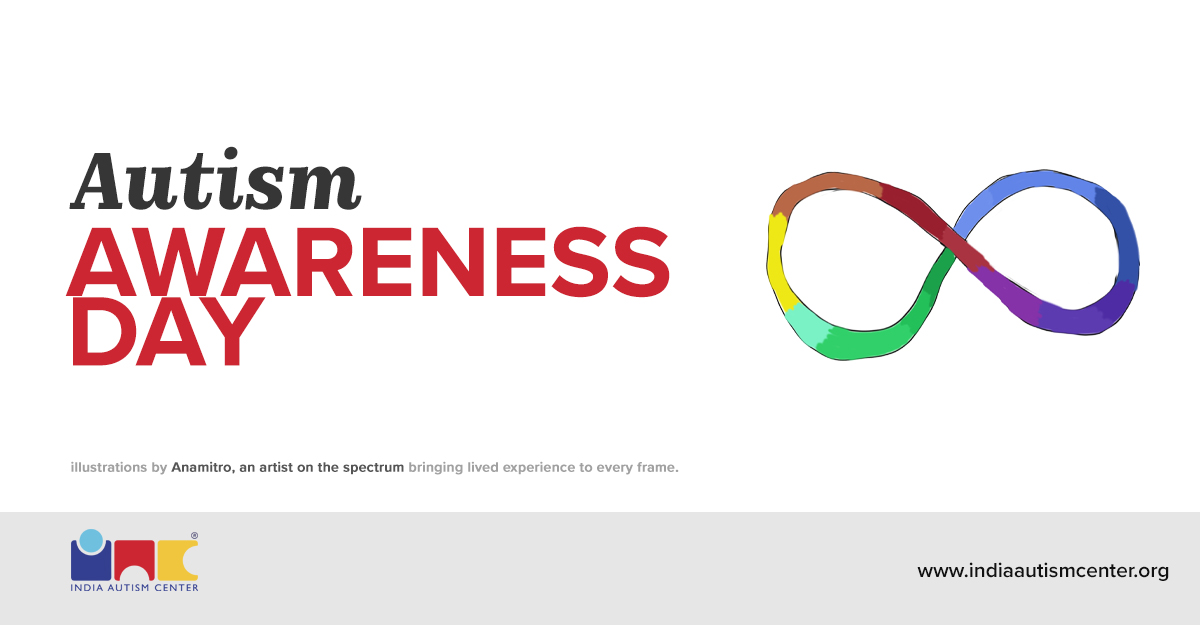
Every year on 2 April, people around the world observe Autism Awareness Day. This day is a time to pause, reflect, and deepen our understanding of autism. It is a moment to celebrate the strengths of autistic individuals and to work together for a more inclusive society.
In this blog, I want to take you on a journey — explaining what World Autism Day means, why it matters, and how India is responding to this global observance.
What Is Autism? A Simple Explanation
Before we talk about Autism Awareness Day, let’s understand autism itself. Autism Spectrum Disorder (ASD) is not one single condition. It is a complex, lifelong developmental condition that affects how a person communicates, behaves, and interacts with the world.
Each person with autism is unique. Some may struggle with social communication, while others may have deep interests in specific subjects. Some may be non-verbal, while others have strong language skills. This variety is why we call it a “spectrum.”
Autistic brains work differently — not better or worse — just different. And that difference brings both challenges and gifts that deserve recognition and respect.
Want to know what causes Autism? Then you would like to read our article on the causes of autism.
Autism Awareness Day and Month: The Journey Begins
You might be wondering how Autism Awareness Day began. The idea started with a global movement to help communities better understand autism so that autistic individuals can live with dignity, opportunity, and support.
The goal was simple: to educate people, reduce stigma, and create environments where autistic individuals can thrive. Over the years, this day has grown into a global celebration of neurodiversity and inclusion.
Want to know more? Get in touch with us.
In 2007, the United Nations General Assembly passed a resolution to declare 2 April every year as World Autism Day. This official UN day aimed to increase awareness of autism all around the world.
The Prevalence of Autism in India
According to a report published by the Indian Journal of Psychological Medicine, the prevalence of autism in India is estimated to be around 1 in 100 children. With the vast population of our country, this translates to a significant number of individuals who require understanding and support from society.
Why We Celebrate World Autism Awareness Day
World Autism Day is more than just a date on the calendar. It plays a vital role in bringing people together for a shared mission:
Raises Awareness and Understanding
When we talk about autism, we help others understand what it means to be autistic. This awareness goes beyond knowing the term “autism.” It includes understanding real challenges, joy, strengths, sensory experiences, and communication differences.
Promotes Acceptance, Not Just Awareness
Awareness is the first step. But acceptance is the real goal. Autism Awareness Day invites us to appreciate autistic individuals for who they are — not to pity them, but to value them. True autism awareness means seeing strengths alongside challenges.
Encourages Inclusion
On this day, organisations, families, schools, and workplaces think about how they can be more welcoming. Many businesses and institutions strive to become “autism-friendly” spaces — from sensory-sensitive rooms to supportive communication practices.
Supports Rights and Policies
World Autism Awareness Day also reminds governments and policymakers that autistic individuals deserve equal rights, access to healthcare, education, employment, and full participation in society
How Autism Awareness Day Is Observed Globally
People around the world mark World Autism Day in meaningful ways. Some of the common activities include:
- Lighting buildings and public landmarks in blue to show support
- Schools organising awareness programs and discussions
- Non-profits hosting seminars, walks, and community events
- Families sharing stories and advocating for inclusion
These events are not just symbolic. They help shift public attitude from ignorance to informed support and empathy.
Want to know more? Get in touch with us.
Autism Awareness Day in India: A Growing Movement
In India, Autism Awareness Day is becoming more widely observed. Many organisations and families use this day to spread knowledge, dispel myths, and support autistic people.
While World Autism Day falls on 2 April, many Indian organisations extend the awareness effort for the entire month of April. They call it Autism Awareness Month. During this time, awareness campaigns, workshops, and educational events take place across cities and towns
Autism Awareness in India: Progress and Challenges
India has made important progress in promoting autism awareness. More people now recognise the signs of autism and understand that it is a developmental condition that deserves early support. Schools and therapy centres are opening up, and more professionals are becoming trained to help families.
However, there is still a long way to go. Many regions, especially rural areas, still lack access to early diagnosis and therapy services. Families often face hard choices when they seek help for their children. And social stigma — old beliefs and misunderstandings — continue to affect support.
Inclusion: Actions That Matter
Autism Awareness Day is as much about action as it is about awareness. Here are some real ways we can work toward inclusion:
1. Educate Yourself and Others
Read about autism. Ask questions. Challenge myths when you hear them. Real understanding begins with curiosity.
2. Be Patient and Supportive
Interacting with someone who processes the world differently can require patience. A calm and respectful approach makes a huge difference.
3. Support Inclusive Schools and Workplaces
Encourage schools to adopt training and support for autistic students. Advocate for workplaces to be more flexible and understanding.
4. Celebrate Individual Strengths
Autistic people contribute in many fields — art, science, technology, music, writing, and so much more. When we celebrate these strengths, we promote confidence and opportunity.
How Symbols Help Spread Autism Awareness
The Autism Awareness Ribbon: A Show of Solidarity
When Autism Awareness Month arrives, you may notice people wearing blue ribbons. The blue ribbon has become a global symbol of autism awareness and solidarity. It serves as a conversation starter, prompting discussions about autism and encouraging acceptance and inclusion.
The Autism Awareness Logo: Spreading Knowledge
Many organisations have adopted their own logos to represent their commitment to autism awareness. These logos are often shared on social media, websites, and promotional materials to create visibility and attract attention to the cause. They play a crucial role in engaging the public and encouraging them to learn more about autism.
The Autism Awareness Sign: Promoting Acceptance
In public spaces, you might have come across signs or stickers indicating that the establishment is autism-friendly or that they support autism awareness. These signs signal a welcoming and inclusive environment for individuals with autism and their families. They also act as a guide for those seeking understanding and support.
Shining a Light on Autism Heroes
One heartwarming aspect of the growing autism awareness in India is the acknowledgement of autism heroes. These are autistic individuals who have achieved remarkable success in various fields despite their challenges. By sharing their stories, we celebrate their achievements and inspire others with autism to chase their dreams fearlessly.
Your Role in Autism Awareness
As individuals, we all play a vital role in fostering autism awareness. Engaging in conversations about autism, debunking myths, and spreading accurate information can go a long way in building an inclusive society. Simple acts of kindness, such as being patient and understanding towards autistic individuals who might have communication differences, can create a world of difference in their lives.
Conclusion
Autism Awareness Day and Autism Awareness Month are not just about creating temporary buzz but fostering a lasting change in how we perceive and support autistic individuals. It’s about building a compassionate and inclusive society that recognises and celebrates the unique talents and strengths of every individual, regardless of their neurodiversity.
So, let’s join hands in this journey, and together, let’s make every day an autism awareness day!
Remember, spreading awareness is a continuous process. So, why not start today?
For expert insights, support services, and inclusive learning initiatives, contact India Autism Center for more information.