 Donate now
 Get a Call Back

 MENU
 11 MIN READ
 SHARE


Attention Deficit Hyperactivity Disorder (ADHD) affects how a person regulates attention, activity, and impulses. But is ADHD neurodivergent, and what does this mean for everyday life?
Yes, ADHD is widely recognised as a form of neurodivergence, a term used to describe differences in neurological functioning.
A 2023 umbrella review estimated that ADHD affects 8% of children and adolescents worldwide. This highlights the importance of understanding ADHD beyond common stereotypes about distraction and hyperactivity.
Recognising ADHD as a form of neurodivergence can help individuals and families understand their experiences, identify support needs and make informed care decisions.
Is ADHD Considered Neurodivergent?
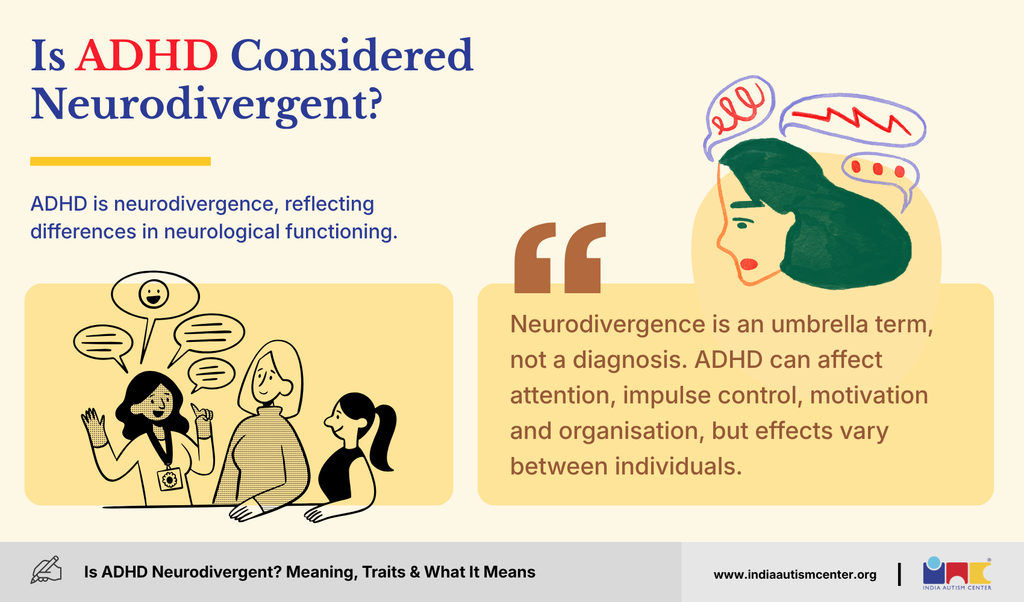
Yes, Attention Deficit Hyperactivity Disorder (ADHD) is widely considered a form of neurodivergence. People with ADHD may experience differences in attention, impulse control, motivation and organisation compared with people whose neurological functioning is considered typical.
Neurodivergent is an umbrella term, not a medical diagnosis. It is commonly used to describe people whose neurological development or functioning differs from prevailing expectations. Autism, ADHD, dyslexia and dyspraxia are other conditions frequently discussed under this umbrella.
Neurodivergence does not automatically mean intellectual impairment, disability or an inability to succeed. In the same way, ADHD can create significant challenges, but its effects vary considerably between individuals.
What Does It Mean Being Neurodivergent with ADHD?
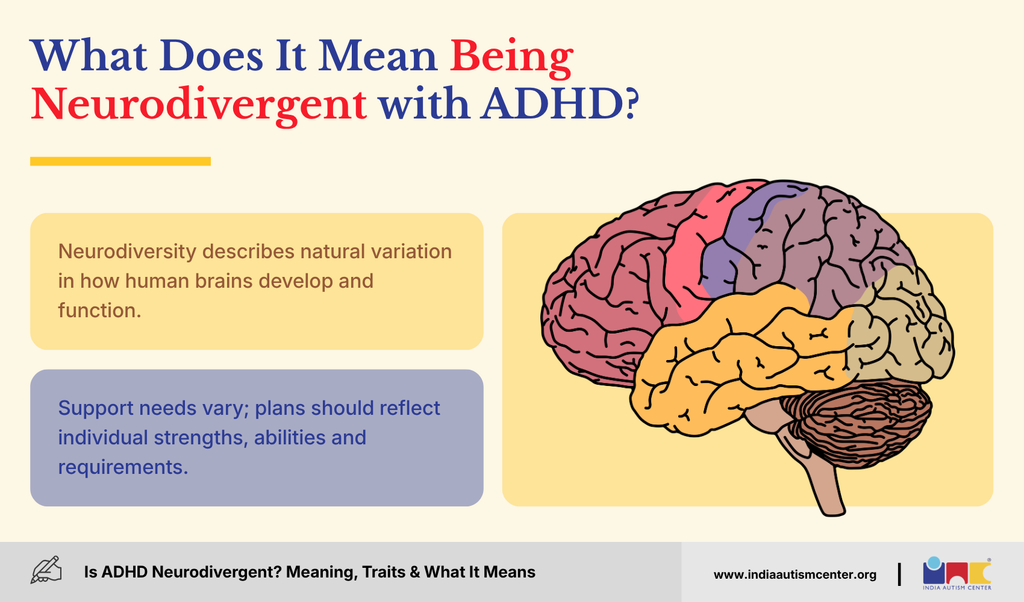
To understand the relationship between ADHD and neurodivergence, it helps to distinguish between three related terms:
- Neurodiversity: The natural variation in how human brains develop and function.
- Neurodivergent: A descriptive term for an individual whose neurological functioning differs from what is essentially considered typical.
- Neurotypical: A term for someone whose neurological functioning broadly aligns with prevailing expectations of typical development.
So, what does neurodivergence with ADHD look like in everyday life? It may involve difficulty organising tasks, managing time, sustaining attention during repetitive activities, or pausing before responding. Some people also experience periods of intense concentration when an activity captures their interest.
These differences are not simply a matter of effort or attitude. ADHD involves consistent patterns of inattention and/or hyperactivity and impulsivity that tend to interfere with everyday functioning.
However, there is no single way to experience ADHD. One person may struggle mainly with forgetfulness and deadlines, while another may find restlessness or impulsive decisions more disruptive. Both experiences can fall within the broader understanding of neurodivergence.
If I Have ADHD, Am I Neurodivergent?
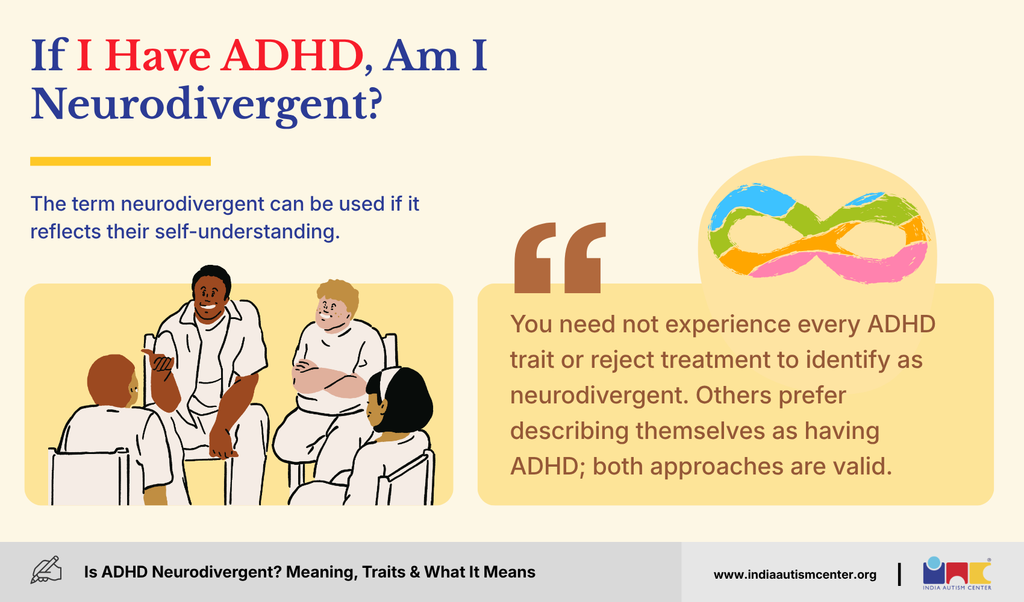
If you have an ADHD diagnosis and are wondering, ” If I have ADHD, am I neurodivergent?”, you can use the term if it reflects how you understand yourself.
You do not need to experience every ADHD trait or have severe symptoms to identify as neurodivergent. Nor does using the label mean you must consider every aspect of ADHD a strength or reject medical treatment.
For some people, the term offers a more compassionate explanation for longstanding difficulties. Instead of interpreting missed deadlines, distraction or restlessness as personal failures, they can explore how their attention and self-regulation work and identify strategies that help.
Others prefer to describe themselves specifically as having ADHD. Both approaches are valid.
It is also important to distinguish self-identification from clinical diagnosis. Relating to common ADHD traits does not necessarily mean you have the condition. A qualified professional can assess whether your experiences meet diagnostic criteria and whether other conditions may contribute.
Common Traits of Neurodivergent People With ADHD
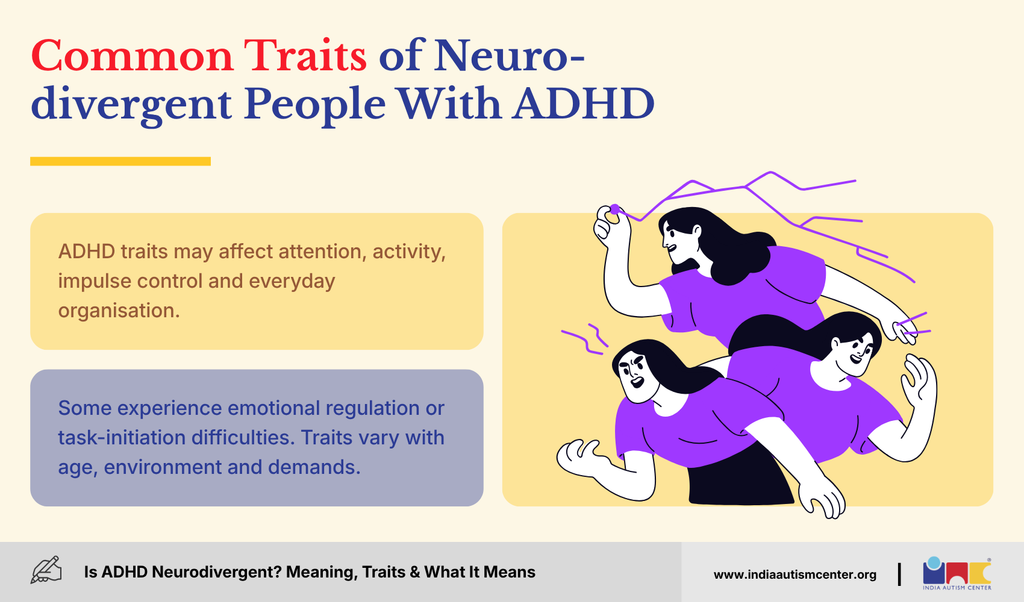
ADHD can affect several aspects of daily functioning. Not everyone experiences every trait, and symptoms may change with age, environment and task demands.
1. Differences in Attention and Focus
People with ADHD may find it difficult to sustain attention during repetitive tasks, lengthy conversations or activities that offer little immediate interest. They may overlook details, lose track of instructions or move between unfinished tasks.
However, ADHD does not mean an inability to concentrate. Some people experience hyperfocus, a period of intense absorption in an engaging activity. Although commonly reported, hyperfocus is not a formal diagnostic criterion for ADHD.
2. Hyperactivity and Restlessness
Hyperactivity may look like fidgeting, excessive talking, constant movement or difficulty staying seated when expected. In adults, it can feel more like internal restlessness or a persistent need to stay occupied.
Not everyone with ADHD is visibly hyperactive. People with predominantly inattentive symptoms may appear quiet or easily distracted rather than physically restless.
3. Impulsivity
Impulsivity involves responding or acting before fully considering the consequences. Examples include interrupting conversations, struggling to wait, making spontaneous purchases or answering questions before they are finished.
These behaviours are not necessarily deliberate. Difficulty pausing between an urge and an action can make situations requiring patience or careful decision-making more challenging.
4. Executive Functioning Difficulties
Executive functions are mental processes that help people plan, organise, remember instructions, manage time and work towards goals. ADHD can affect these skills, making everyday responsibilities harder even when someone understands what needs to be done.
For example, a student may understand an assignment but struggle to divide it into manageable steps. An adult may repeatedly forget appointments despite intending to attend them.
Understanding executive functioning can help parents and educators recognise why written instructions, checklists, reminders and structured routines may be useful.
5. Emotional Regulation
Some people with ADHD find it difficult to manage frustration, disappointment or excitement. Emotional responses may feel intense, and recovering from stressful situations may take time.
Emotional regulation difficulties can occur alongside ADHD, but they are not unique to the condition and cannot establish a diagnosis on their own.
6. Differences in Motivation and Task Initiation
A person may complete an interesting project quickly but struggle to begin a routine task. Activities involving delayed rewards, several steps or unclear priorities can be particularly difficult.
This does not necessarily reflect a lack of interest or willingness. Breaking tasks into smaller actions and creating clear starting points can make them easier to approach.
Does ADHD Count as Neurodivergent if Symptoms Are Mild?
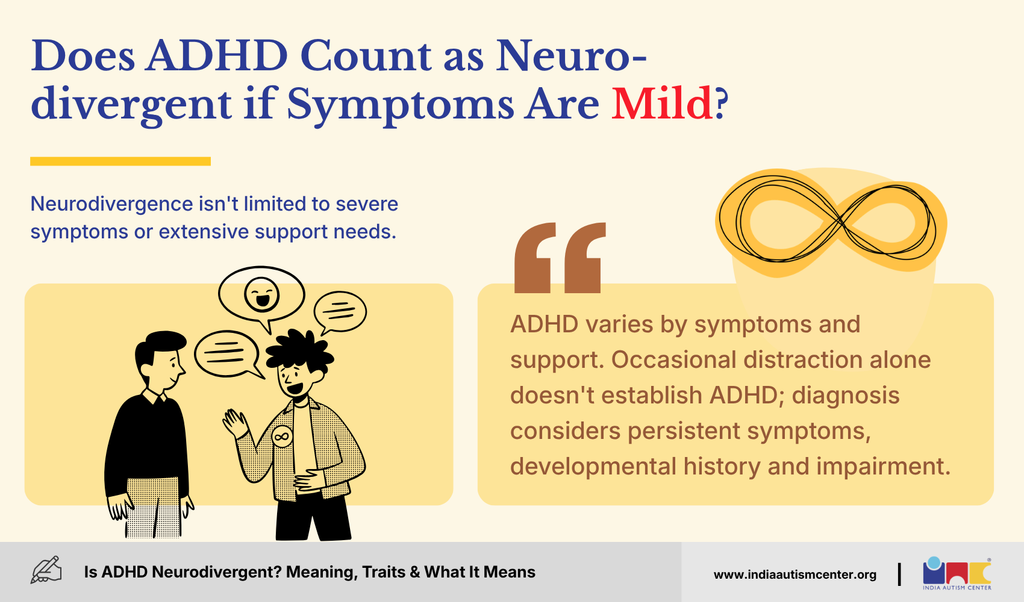
Yes. The term neurodivergent is not reserved for people with severe symptoms or extensive support needs.
ADHD affects people differently depending on their symptoms, circumstances and available support. Someone may manage daily responsibilities through established routines, while another person may need substantial assistance with education, employment or independent living.
For example, a professional might consistently meet deadlines but spend considerably more time planning, checking reminders and organising tasks than colleagues. Their outward performance may not reveal the effort involved.
However, occasional distraction, procrastination or restlessness does not automatically indicate ADHD. Diagnosis involves a persistent pattern of symptoms that began during childhood, occurs across relevant settings and causes meaningful impairment.
The key distinction is between recognising a neurological difference and determining whether someone meets the clinical criteria for ADHD.
ADHD and Autism: Are Both Neurodivergent?
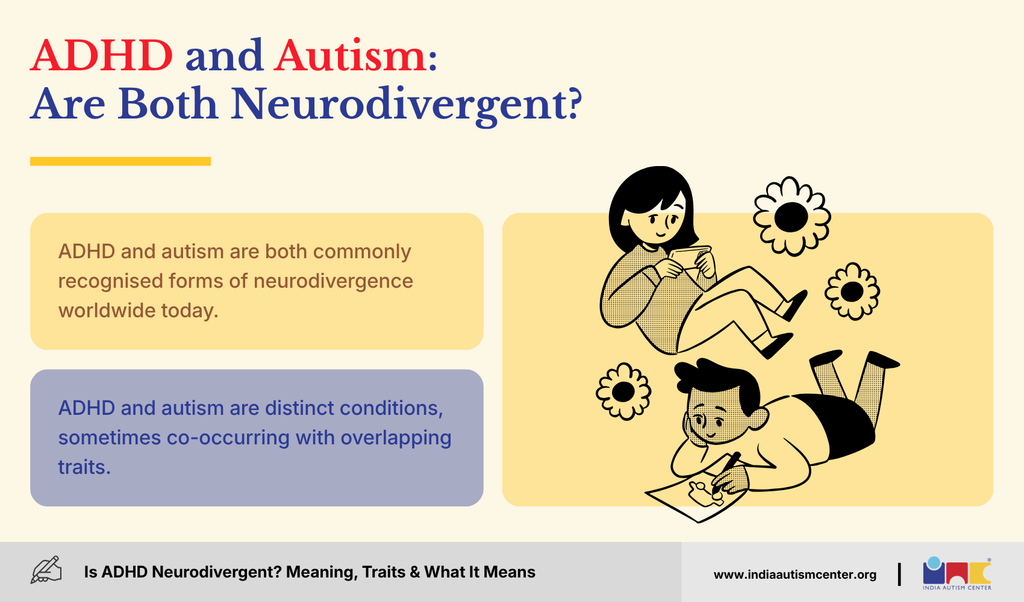
Yes. Both ADHD and Autism Spectrum Disorder (ASD) are commonly recognised as forms of neurodivergence. However, they are distinct neurodevelopmental conditions.
ADHD primarily involves persistent patterns of inattention and/or hyperactivity and impulsivity. Autism is essentially characterised by differences in social communication and interaction, alongside restricted or repetitive patterns of behaviour, interests or activities.
The conditions can coexist. Some people experience both ADHD and autism, and they may have overlapping experiences involving attention, sensory sensitivities or emotional regulation. These shared traits do not establish either diagnosis on their own.
Understanding the distinction helps families seek appropriate assessments and support rather than assuming that one condition explains every difficulty.
What Causes ADHD and Neurodivergence?
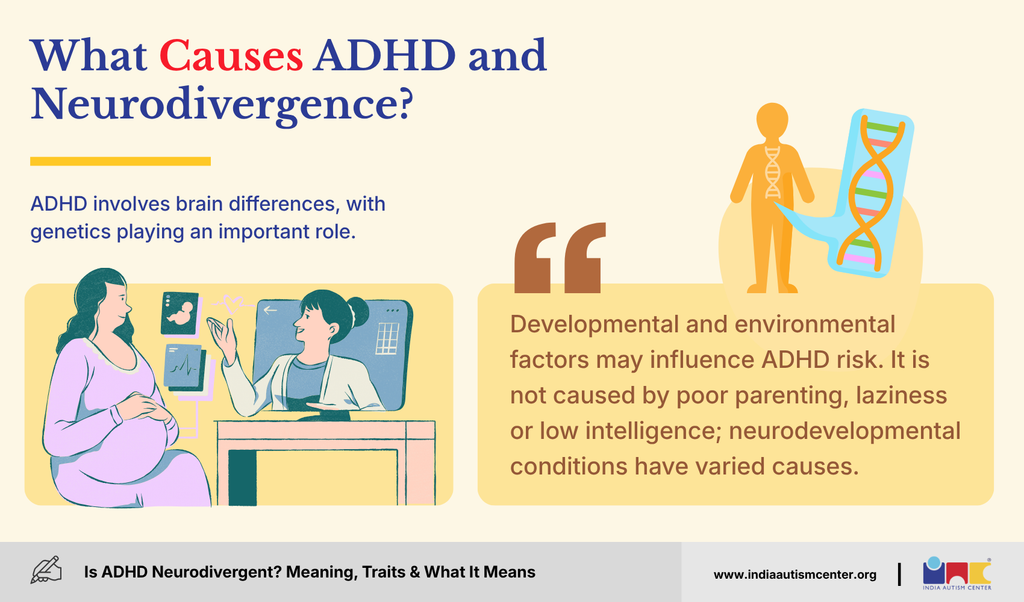
ADHD is associated with differences in brain development and functioning. Genetics plays an important role, and ADHD often runs in families. Other developmental and environmental factors may also influence the likelihood of the condition.
No single explanation fits every case. ADHD should not be attributed simply to poor parenting, laziness, a lack of discipline or low intelligence.
A family history of ADHD may increase the likelihood of the condition, but it does not confirm a diagnosis. Similarly, a brain scan or a particular personality trait cannot independently establish that someone has ADHD.
Neurodivergence is broader than ADHD, so there is no single cause of all neurodivergent conditions. Different conditions have different contributing factors and developmental pathways.
How Is ADHD Diagnosed?
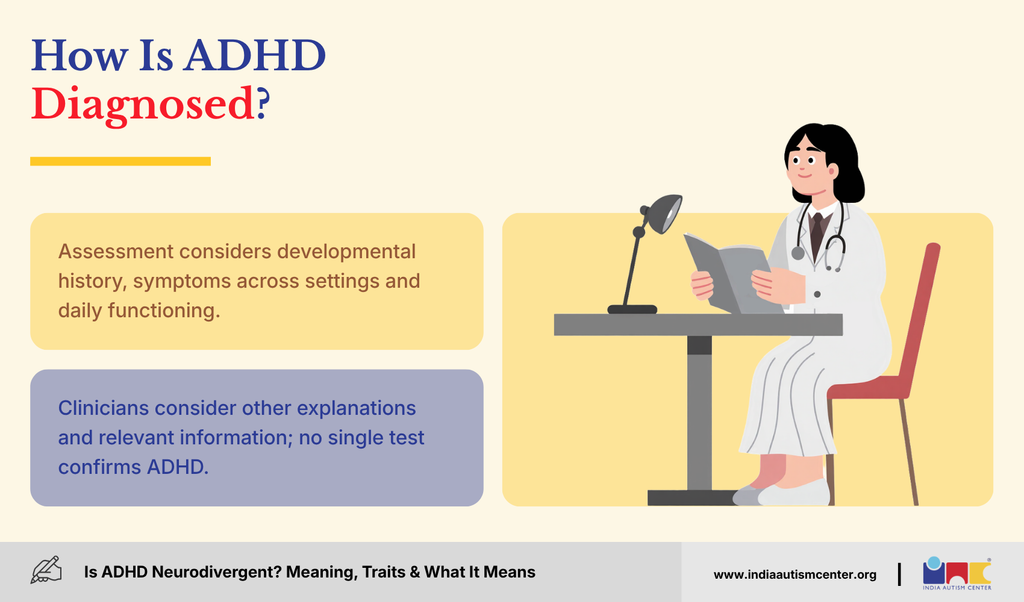
If you suspect that you or your child may have ADHD, a professional assessment is more useful than relying on online symptom lists.
A qualified clinician will typically consider:
- Developmental history: Whether symptoms were present during childhood and how they have changed over time.
- Symptoms across settings: How difficulties appear at home, school, work or in relationships.
- Functional impact: Whether symptoms interfere with learning, responsibilities, social interactions or daily activities.
- Other possible explanations: Whether sleep difficulties, anxiety, depression, learning differences or other conditions may contribute to the symptoms.
- Information from other people: Where appropriate, observations from family members, teachers or other relevant individuals can help build a clearer picture.
Questionnaires and screening tools may support assessment, but no single questionnaire or online test can confirm ADHD on its own.
A diagnosis can help explain persistent difficulties and guide appropriate support. It should not be treated as a complete description of someone’s abilities, personality or potential.
How Can Neurodivergent People With ADHD Be Supported?
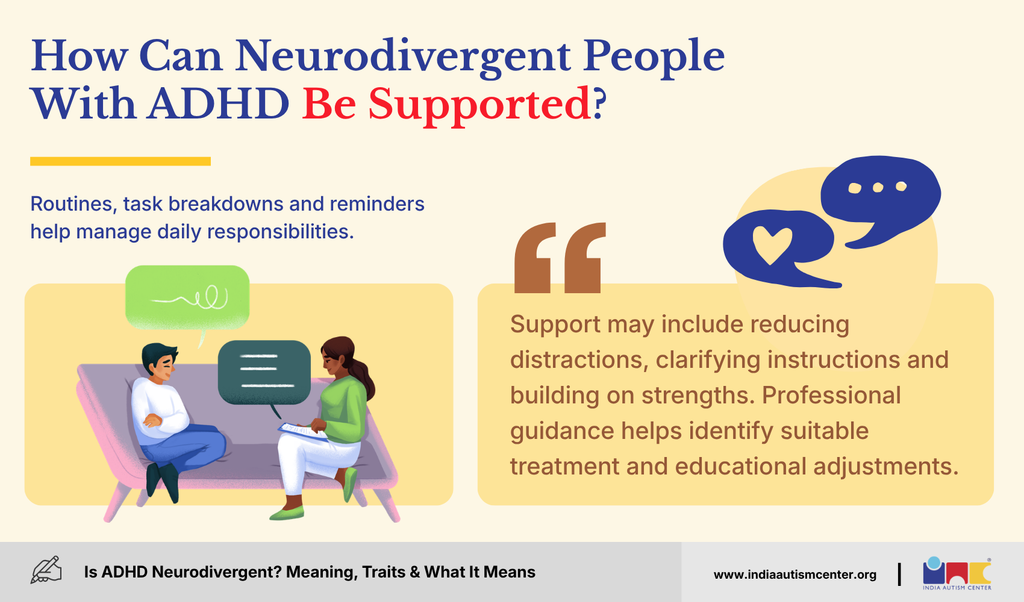
Recognising ADHD as a form of neurodivergence can encourage a practical approach to support. Instead of expecting someone to overcome every difficulty through willpower, families, educators and workplaces can introduce strategies that reduce unnecessary barriers.
Practical Strategies at Home, School and Work
- Create predictable routines: Use calendars, visual schedules, reminders and checklists to make responsibilities easier to manage.
- Break down complex tasks: Divide assignments or projects into smaller steps with clear priorities and realistic deadlines.
- Reduce unnecessary distractions: Where helpful, provide a quieter workspace, written instructions or planned breaks.
- Use external memory aids: Keep appointment reminders, task lists and essential information in consistent, accessible places.
- Make instructions specific: Replace vague requests with clear actions and realistic time frames.
- Build on individual strengths: Identify interests, preferred learning methods and situations in which the person works effectively.
- Encourage supportive communication: Discuss difficulties without shame or blame, and involve the individual in deciding which strategies work best.
- Seek professional guidance: Depending on individual needs, support may include behavioural interventions, psychological support, medication prescribed by a qualified clinician or educational adjustments.
For children, collaboration between parents, teachers and healthcare professionals can help make support consistent. Adults may benefit from workplace adjustments, organisational tools, coaching or treatment tailored to their circumstances.
The Role of India Autism Center in Neurodevelopmental Support
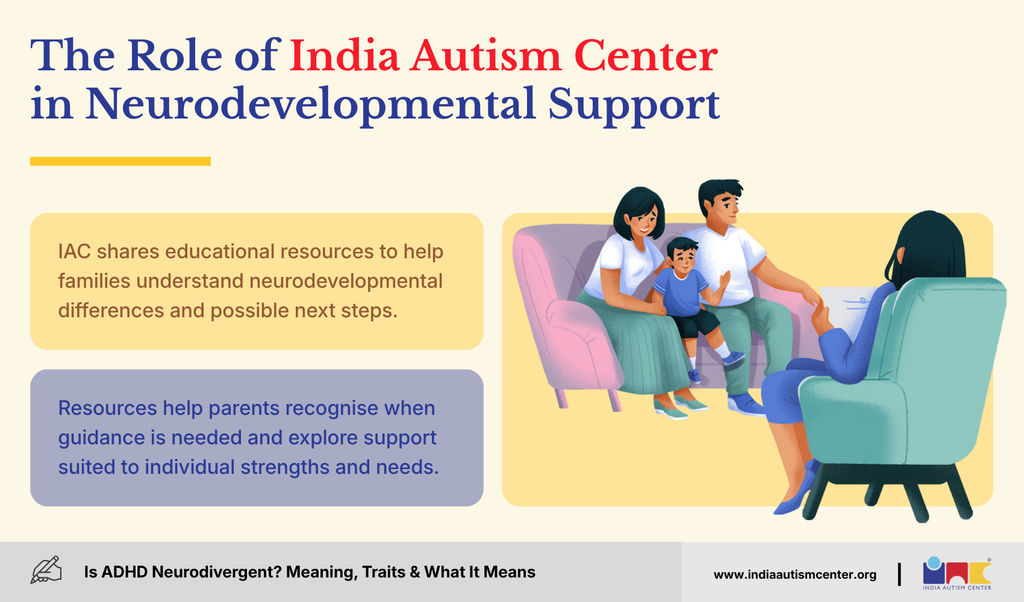
India Autism Center (IAC) recognises the importance of understanding neurodevelopmental differences through reliable information, individualised support and greater awareness.
For families exploring ADHD, autism or related developmental concerns, access to accurate resources can help clarify possible next steps. Understanding a person’s strengths, challenges and everyday support needs is essential when considering appropriate interventions.
IAC’s educational resources help parents and caregivers learn about neurodevelopmental conditions, recognise when professional guidance may be useful and explore relevant support options.
Conclusion
So, is ADHD neurodivergent? Yes. ADHD is widely recognised as a form of neurodivergence, but understanding what this means requires looking beyond the label.
It involves recognising how differences in attention, impulse control and executive functioning can affect everyday life while acknowledging each person’s individual strengths.
With accurate information, appropriate assessment and personalised support, children and adults with ADHD tend to develop effective strategies, participate more confidently in daily activities and access opportunities that reflect their abilities and needs.
Frequently Asked Questions
1. Does ADHD count as neurodivergent?
Yes. ADHD is widely recognised as a form of neurodivergence because it involves differences in attention, impulse control and activity regulation. Neurodivergent is a descriptive term, not a separate medical diagnosis.
2. If I have ADHD, am I neurodivergent for life?
ADHD begins during childhood and can continue into adulthood. Many people continue to identify as neurodivergent throughout their lives, although symptoms, coping strategies and support needs may change.
3. Is ADHD a disability or neurodivergence?
ADHD is considered a form of neurodivergence and can also be disabling when symptoms substantially affect daily functioning. Whether it meets a particular legal definition of disability depends on the applicable law and individual circumstances.
4. Can someone be neurodivergent without having ADHD?
Yes. Autism, dyslexia and dyspraxia are commonly included under the neurodivergence umbrella. A person may also use the term to describe other neurological differences, depending on their understanding and preferences.
5. Is ADHD considered neurodivergent even without hyperactivity?
Yes. Some people predominantly experience inattentive symptoms, such as forgetfulness, distractibility and difficulty organising tasks. Visible hyperactivity is not necessary for an ADHD diagnosis.