Tag: autism awareness

  • What Causes Autism? A Detailed Breakdown (2026)

    What Causes Autism? A Detailed Breakdown (2026)

    One of the most searched, and often quietly asked, questions is: ‘What causes autism?’.

    The short answer? The causes of autism spectrum disorder (ASD) are multifactorial. 

    Autism arises from a complex interplay of genetic, neurological, and environmental factors. And despite persistent misinformation, vaccines do not cause autism.

    In this article, we’ll break down these factors behind autism causes and also explain why it’s time to leave certain outdated beliefs in the past.

    So, let’s take a closer, evidence-based look at the causes of autism.

    What Causes Autism Spectrum Disorder?
    What causes autism spectrum disorder.

    If you’re a parent, a professional, or simply someone seeking a deeper understanding of autism, this is where the lens shifts.

    From ‘What is autism caused by?’ to ‘What is the combination of factors that may have led to this condition?’.

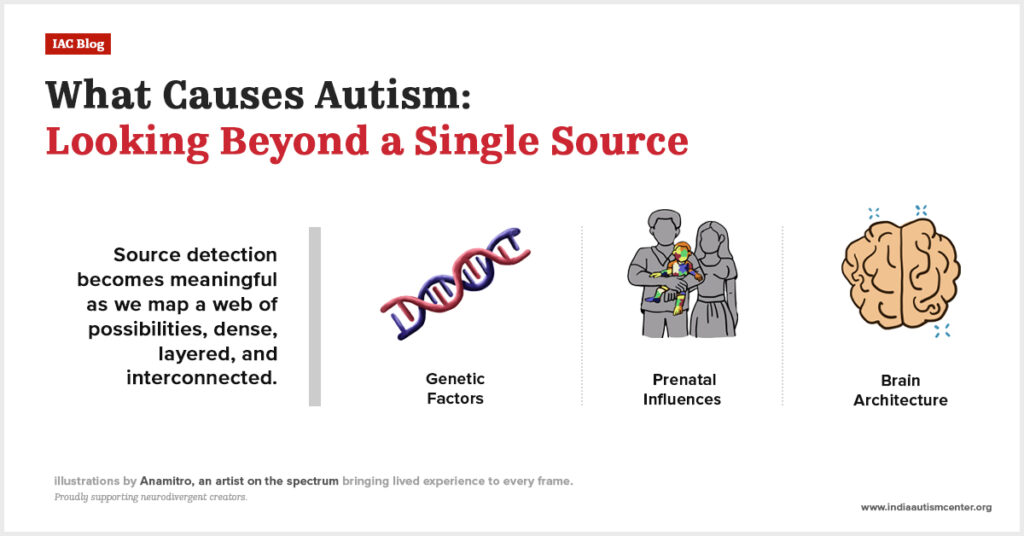
    Some of these factors could be inherited. Others may come from the environment around a developing fetus. And some could emerge through neural connectivity in early life.

    Now comes the question is autism gentic?

    Among all the possibilities of how autism is caused, genetics remains the most well-established.

    So, let’s start there.

    Role of Genetics In Causing Autism
    Genetic causes of autism spectrum disorder.

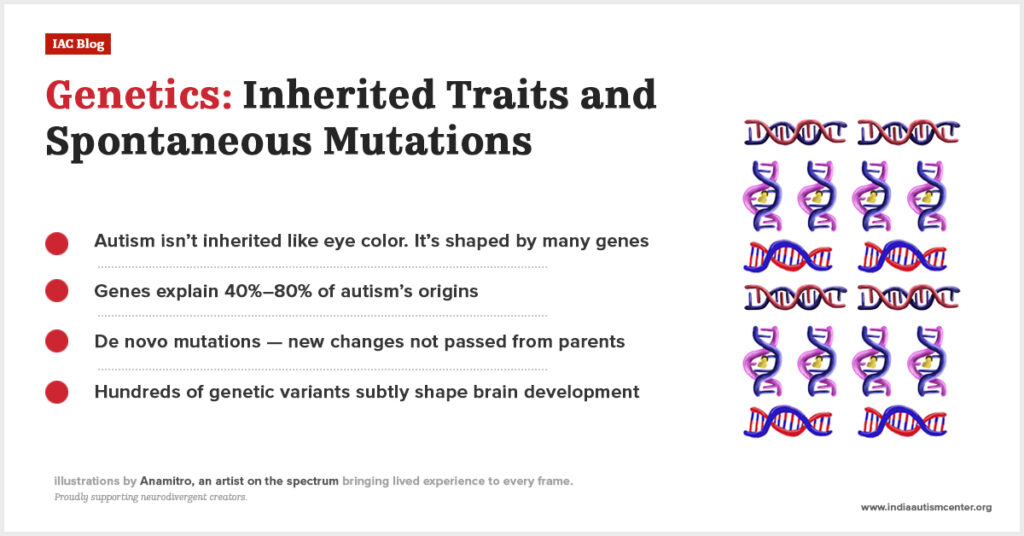
    Is autism genetic? Well, it plays a foundational role in the causes of ASD. Estimates suggest that the heritability of autism ranges between 40% and 80%. 

    This indicates that autism often runs in families. But not in the simple, Mendelian way we learned in school.

    Unlike eye color or blood type, autism isn’t caused by a single gene. Thanks to tools like Genome-Wide Association Studies (GWAS), researchers have now identified hundreds of genetic variants linked to autism.

    This makes autism a polygenic condition, meaning it’s shaped by many genes working together, each contributing a small effect.

    Most of these genes don’t directly cause autism. Instead, they affect brain wiring, especially in areas tied to:

    • Sensory processing
    • Language acquisition
    • Motor coordination
    • Emotional regulation
    • Social cognition

    Some of these gene variations are inherited from parents. Others are what scientists call de novo mutations, meaning they occur for the first time in the egg or sperm, not passed down from either parent.

    Rare genetic syndromes like Fragile X syndrome or Rett syndrome may also share overlapping traits with autism, though they account for only a small fraction of overall autism cases.

    In short, if you’re wondering, ‘What gene causes autism?’, the reality is far more complex. It’s not about one gene. But rather, a combination of inherited and spontaneous mutations that shape how the brain is wired.

    Want to know more? Get in touch with us.

    Now, let’s move on to brain development, where the genetic factors of autism begin to take shape.

    Role of Brain Development In Autism
    Brain development and neurological differences linked to autism.

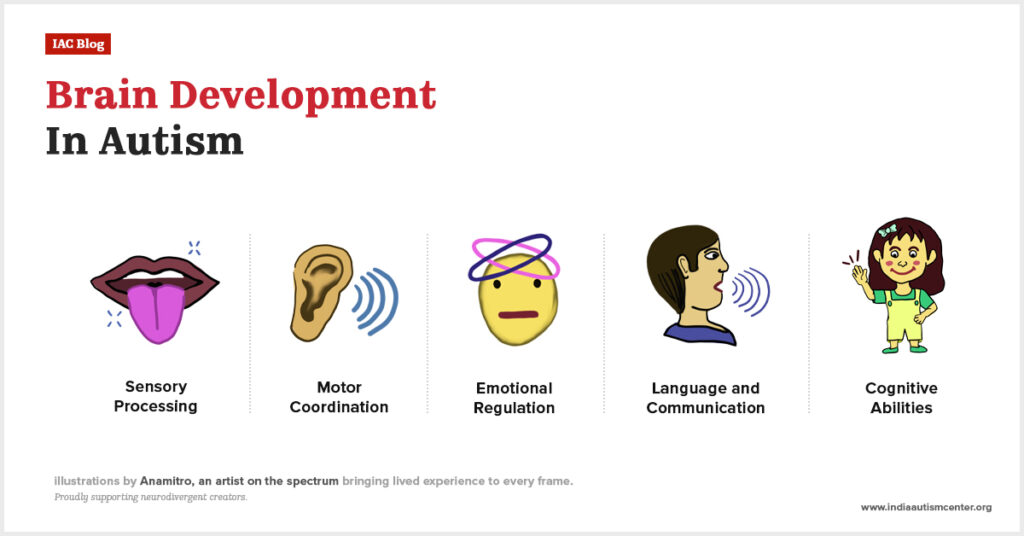
    Neuroimaging research shows that autistic brains follow distinct developmental trajectories. Some brain regions may show increased connectivity, while others demonstrate delayed or accelerated growth.

    These patterns aren’t random. They reflect alternative ways the brain organizes, adapts, and interacts with the world.

    Here’s how these differences play out:

    • Sensory Processing: Some autistic individuals may be hypersensitive to light, sound, or texture. Others may seek more sensory input. These sensory differences stem from how specific neural circuits develop.
    • Motor Coordination: Delays in crawling, walking, or fine motor skills are often linked to neurological differences in movement planning and control.
    • Cognitive Functioning: Challenges with attention shifts, task switching, or transitions can arise from altered synchronization between neural networks.
    • Emotional Regulation: Many autistic individuals experience difficulty recognizing, processing, or managing emotions.
    • Language and Communication: Some autistic children may display early nonverbal communication but delayed speech, while others might develop verbal skills yet struggle with social language. These variations depend on how the autistic brain maps speech and social understanding.

    As neuroscientist Dr. Sumantra Chattarji noted on the India Autism Center podcast,

    In other words, autistic brain development is a dynamic process shaped by early experiences, genetics, and environment. And like any brain, it’s capable of growth, adaptation, and learning.

    Now, genetic predispositions and brain architecture don’t tell the whole story. The surrounding environment, particularly during pregnancy and infancy, also shapes outcomes.

    What Environmental Factors Cause Autism?
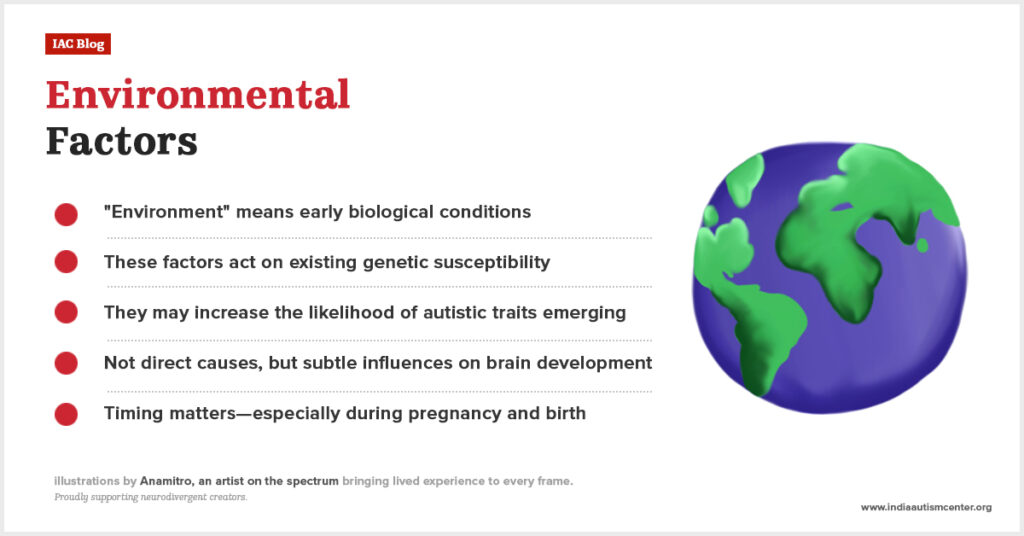
    Environmental influences like pollution, prenatal stress, and toxins linked to autism.

    To understand the environmental causes of autism, it’s essential to zoom out. 

    Here, ‘environment’ refers not just to pollution or toxins, but to the entire biological backdrop that shapes early brain development: before birth, during delivery, and after.

    The Prenatal Stage: Influences Before Birth
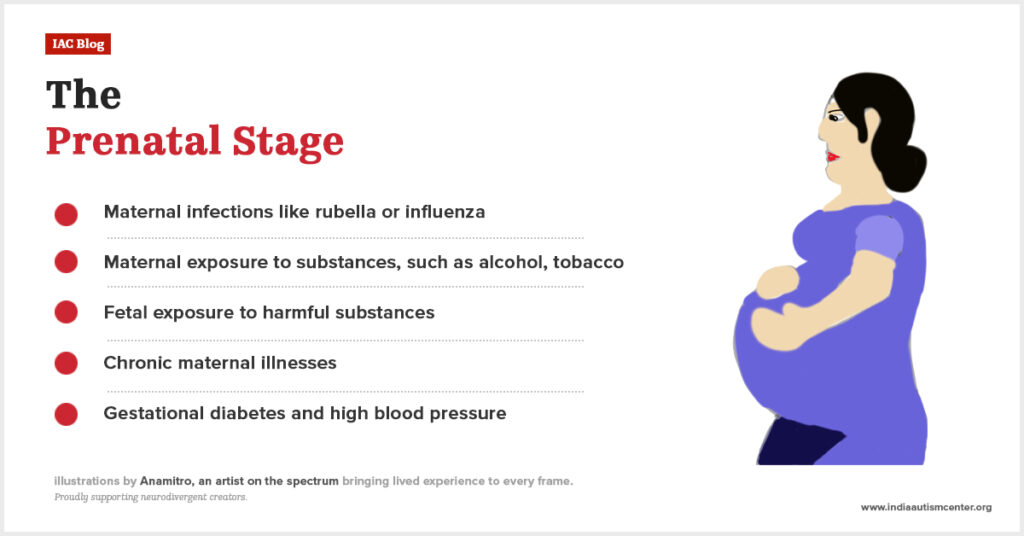
    Prenatal risk factors like maternal infections, stress, and medication linked to autism.

    Autism often begins before birth, long before any visible signs appear. 

    When exploring what causes autism during pregnancy, researchers point to a combination of key prenatal risk factors, including:

    • Maternal Infections: A 2019 study linked maternal immune activation (MIA) to later neurodevelopmental differences, including autism.
    • Exposure to Substances: Alcohol, tobacco, or recreational drugs during pregnancy can disrupt neural development.
    • Toxic Exposures: Lead, mercury, and other environmental toxins may interfere with how the fetal brain forms and connects.
    • Chronic Maternal Conditions: Autoimmune or thyroid disorders may alter hormonal regulation and affect fetal brain growth.
    • Metabolic Conditions: A 2012 study found that maternal metabolic conditions, such as diabetes, hypertension, and obesity, are broadly linked to neurodevelopmental conditions like autism.
    • Certain Medications: Drugs like valproic acid during pregnancy have been associated with higher autism risk.
    • Nutritional Deficiencies: Particularly low folic acid levels during early pregnancy have been linked to increased neurodevelopmental risk.
    • Parental Age: Advanced maternal or paternal age is associated with a slight rise in de novo genetic mutations, which may influence autism development.

    The Natal Stage: Risk Factors Around Birth
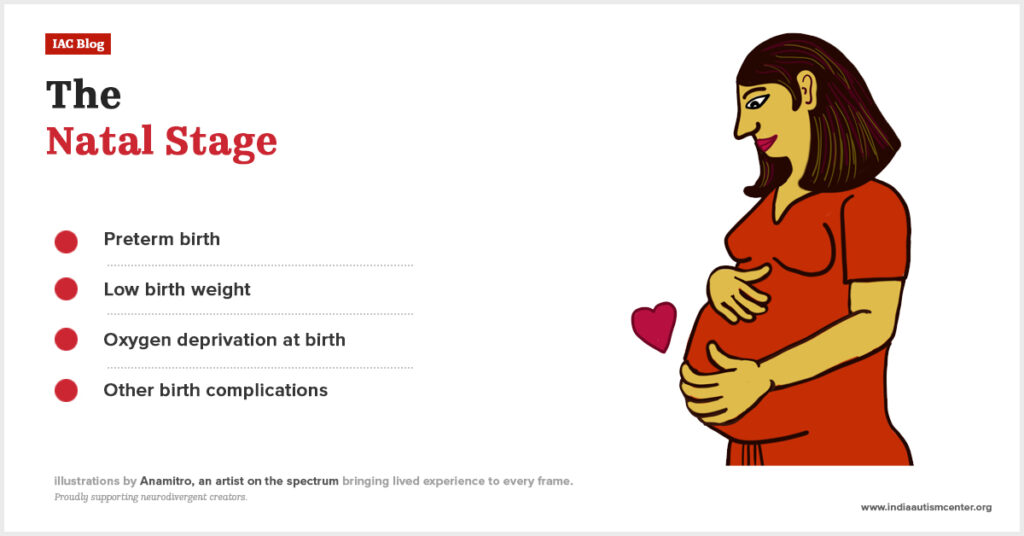
    Birth complications like low birth weight and oxygen deprivation linked to autism.

    What happens during or immediately after birth may also influence how autism traits unfold.

    • Preterm Birth: Babies born before 37 weeks are at a critical stage of brain development. The third trimester, in particular, is key for building sensory and regulatory pathways.
    • Low Birth Weight: Weighing under 2.5 kg (5.5 lbs) has been modestly linked to a higher likelihood of autism, possibly due to brain immaturity at birth.
    • Oxygen Deprivation at Birth (Perinatal Hypoxia): Difficult labor or brief interruptions in oxygen supply can influence nervous system development.
    • Birth Complications: Conditions such as neonatal jaundice or early infections can add stress to a developing brain, especially when compounded by prenatal or genetic vulnerabilities.

    While these complications are rare, they offer insights into how biological stressors at birth may act as a contributing factor.

    The Postnatal Stage: Early-Life Environmental Influences
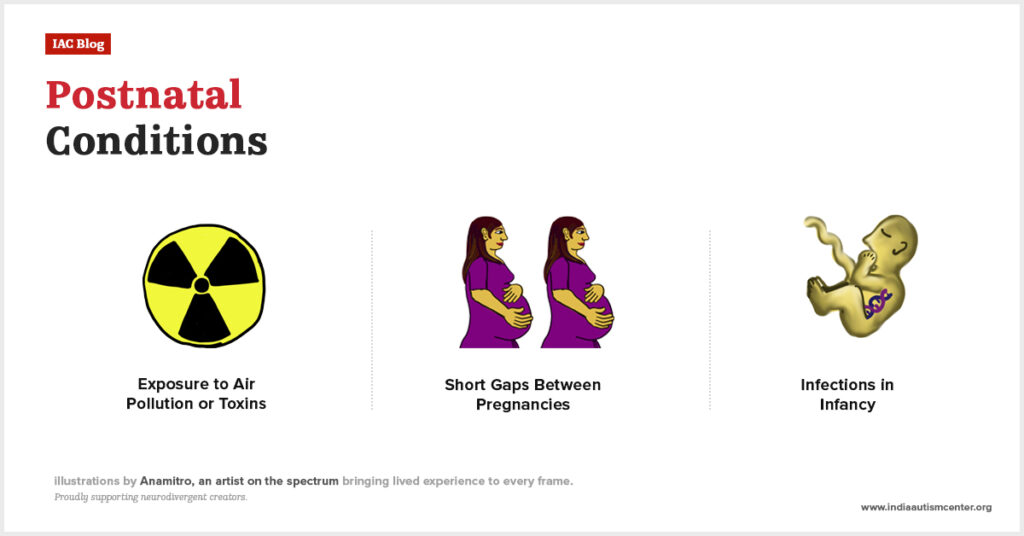
    Environmental exposures in early life that may contribute to autism risk.

    Even after birth, the brain continues to develop rapidly. A few early-life factors that may subtly shape how autism traits unfold are:

    • Exposure to Air Pollution or Toxins: Infants exposed to pesticides, heavy metals, or fine particulate pollution may show immune or neurological disruptions, especially if they carry genetic risk markers.
    • Short Intervals Between Pregnancies: Gaps of 12 to 18 months may deplete maternal nutrient stores, particularly folate, and increase inflammation. Both of these can affect early brain development.
    • Infections During Infancy: Serious infections or immune responses during the first year of life may have a modest effect on how the brain processes information, with some associations to autism in children at high risk.

    Even with all we know about contributing factors, public discourse on autism is still crowded with myths. So, let’s dismantle a few of the most damaging ones.

    Want to know more? Get in touch with us.

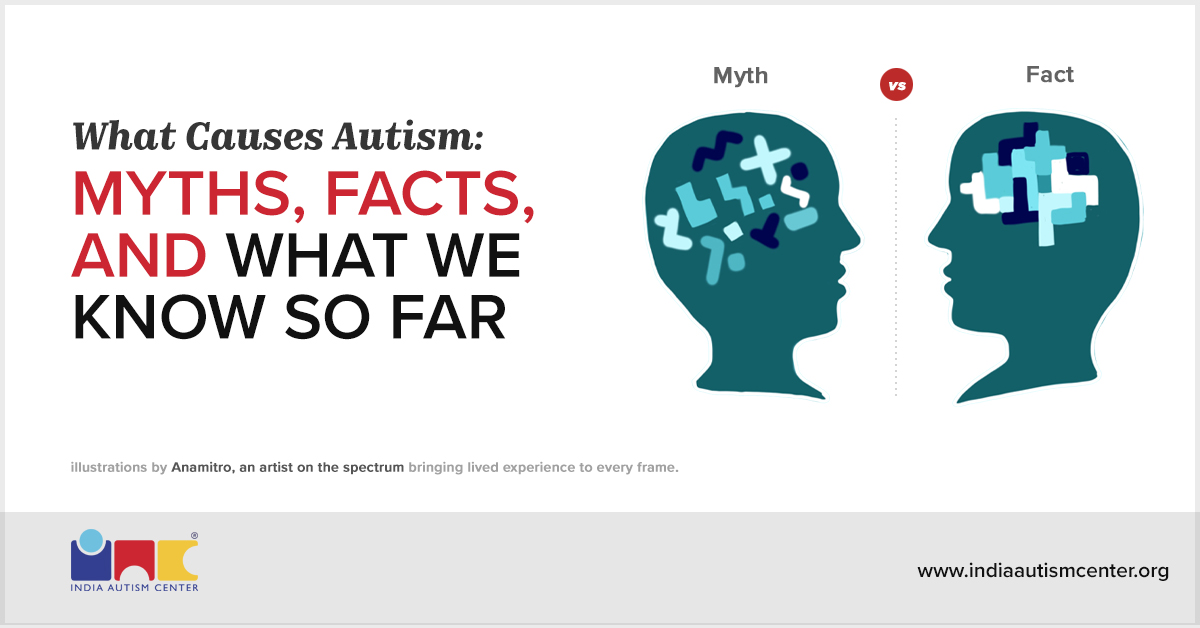
    Busting the Myths and Misconceptions About What Causes Autism
    "Myths and facts about autism causes, including vaccine misconceptions.

    Despite major scientific breakthroughs, myths and misconceptions about what causes autism persist. Certain outdated ideas aren’t just incorrect; they stigmatize parents, derail conversations, and distract from what truly matters.

    So, let’s set the record straight.

    Myth 1: Something Must Have Gone Wrong
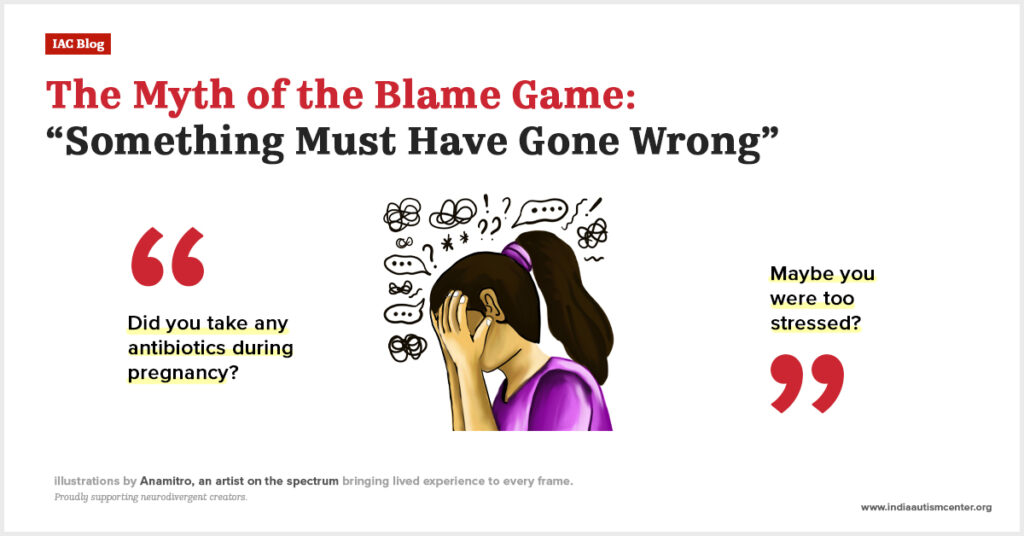
    Debunking the myth that something went wrong causes autism.

    When a child doesn’t meet expected milestones, it’s natural for families to wonder why. 

    But often, that wondering turns into blaming, especially directed at mothers. This is not only unhelpful but also scientifically unfounded. 

    Autism is not the result of a momentary lapse, an incorrect meal, or a single stressful event. It develops due to complex biological factors, many of which begin before conception and are entirely beyond parental control.

    Blame is a coping mechanism. But it’s not a path to clarity or action.

    Myth 2: Vaccine Causes Autism
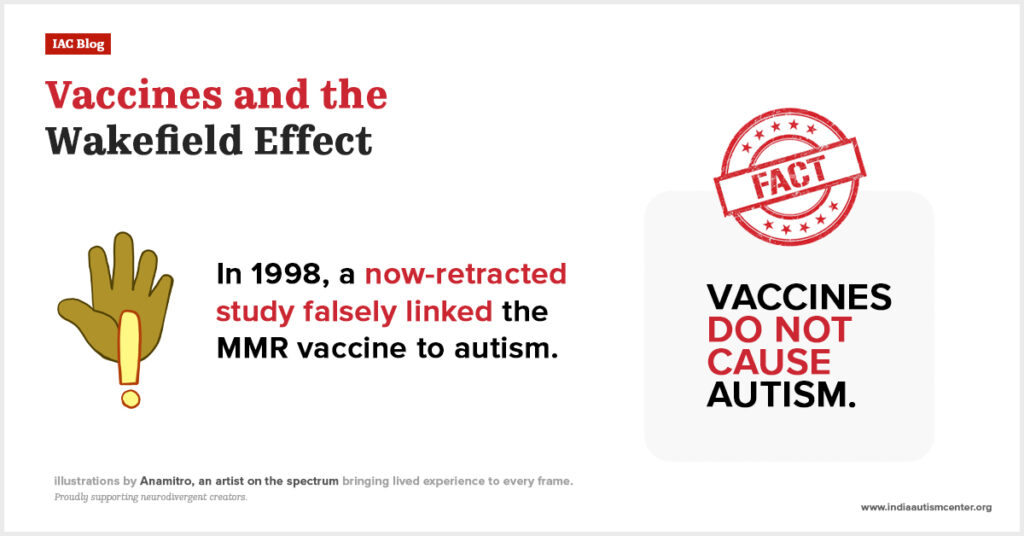
    Debunking the myth that vaccines cause autism.

    This is the myth that refuses to die.

    In 1998, Andrew Wakefield published a study falsely linking the MMR (measles, mumps, and rubella) vaccine to autism. That paper was later retracted, its data discredited, and Wakefield was stripped of his medical license. 

    Since then, over 25 large-scale studies have confirmed: Vaccines do not cause autism.

    So why do people think vaccinations cause autism? Because it offered something simple. A culprit. Many children exhibit autistic traits around age two, coinciding with routine vaccinations. 

    This timing seems suspicious, but it is merely a coincidence, not causation.

    Myth 3: Screen Time and Modern Lifestyles Cause Autism
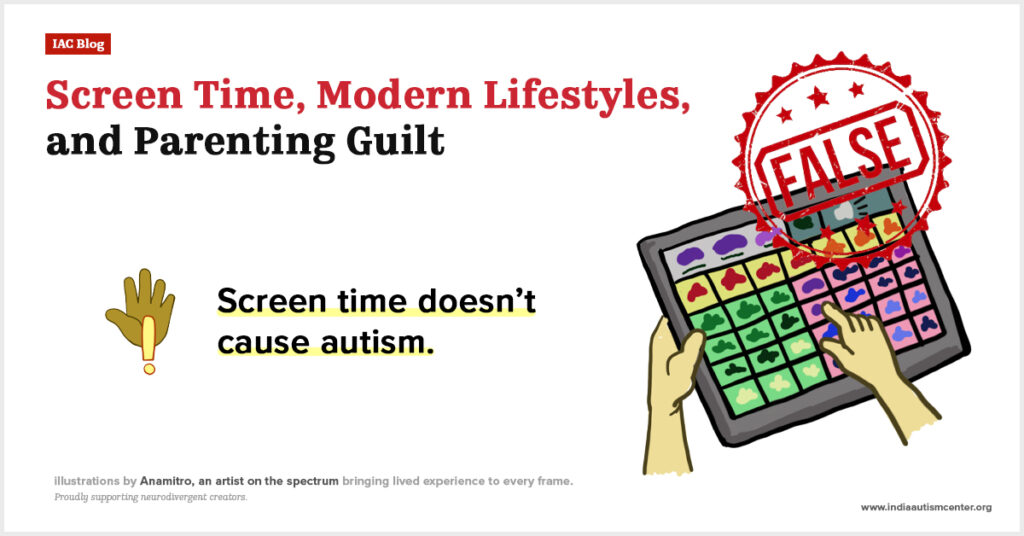
    Debunking the myth that screen time and modern lifestyle habits cause autism.

    This myth grows from the anxiety of contemporary parenting. 

    Parents often worry that digital exposure is somehow rewiring their child’s brain. If a child avoids eye contact or loops the same video repeatedly, it’s tempting to blame screens.

    But here’s the truth: Screen time doesn’t cause autism.

    While it may mask early signs or provide comfort for children already diagnosed with autism, it does not cause the condition. Oversimplifying autism as a parenting choice only fuels guilt instead of providing solutions.

    Myth 4: Older Parents and Late Pregnancy Always Cause Autism
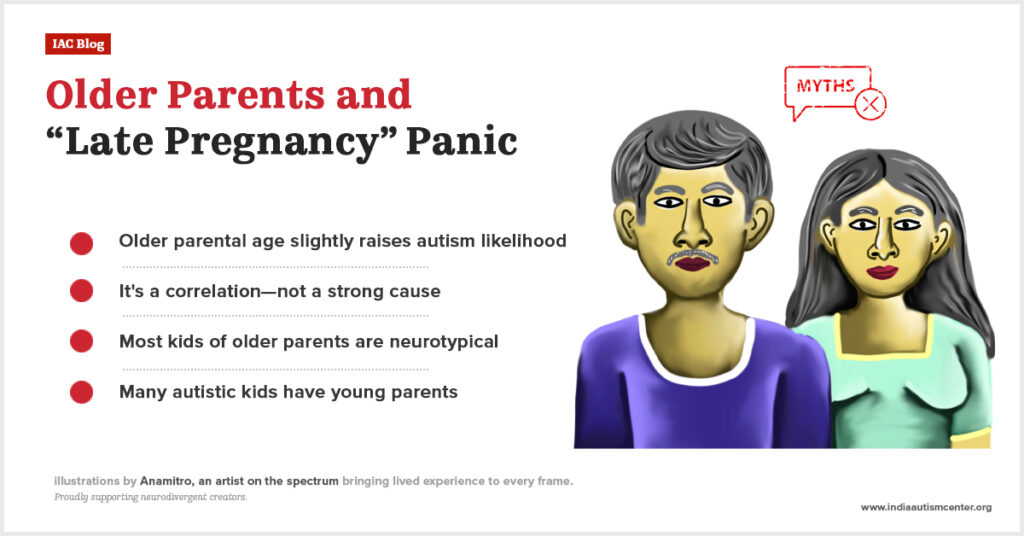
    Myth-busting image showing that older parental age does not always cause autism.

    Yes, studies have noted a slight statistical association between parental age and autism. But this is more of a statistical correlation than a contributing factor for the development of autism.

    Most children born to older parents are neurotypical. At the same time, many autistic children are born to younger parents.

    Advanced age may slightly raise the chances of spontaneous genetic variation, but it’s not a cause. Framing autism as a consequence of delayed parenthood is only misleading and unfair.

    Myth 5: Trauma, Neglect, and Attachment Issues Cause Autism
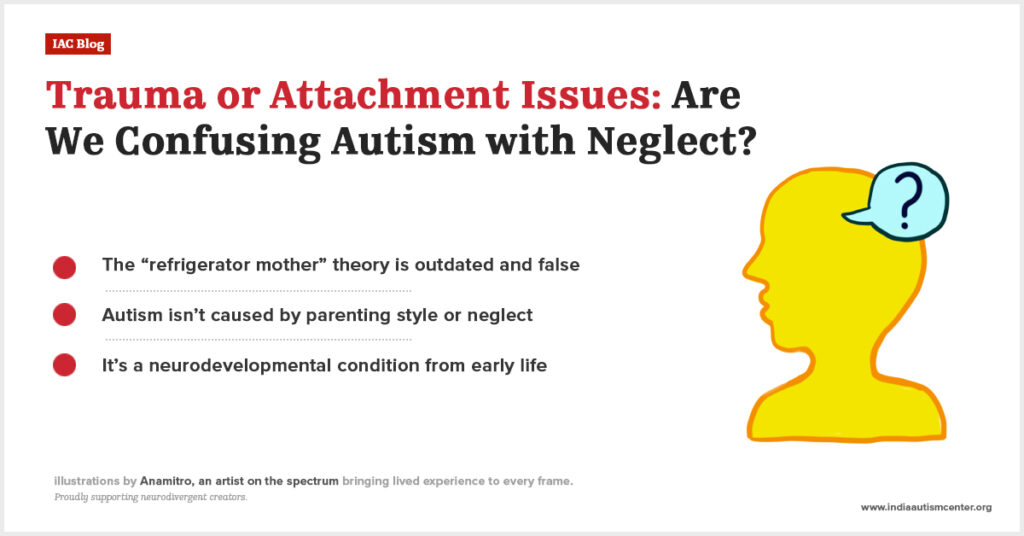
    Visual debunking the myth that trauma, neglect, or poor parenting causes autism.

    This myth has deep, damaging roots. Decades ago, the ‘refrigerator mother’ theory blamed autism on emotionally distant parenting. That view has long been debunked.

    Autism is not caused by trauma, neglect, or poor attachment. However, trauma and autism can coexist. In some cases, trauma may even mimic autism traits like emotional withdrawal, speech delays, or difficulty with social connections. 

    This overlap often leads to misdiagnosis, particularly in girls and women. Thus, understanding the distinction is essential. 

    How Do Genetic Tests and Timing Assessments Work in Autism?
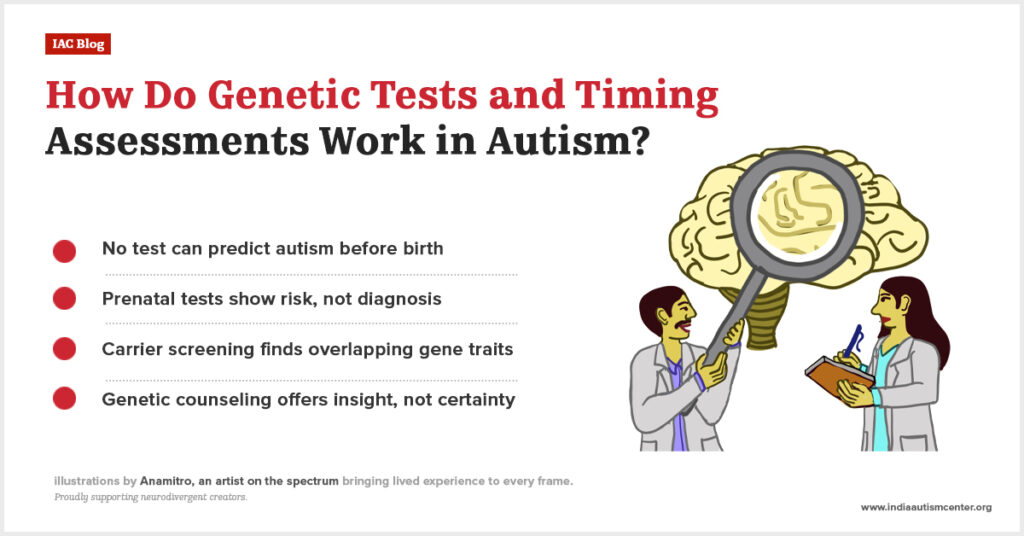
    Visual representation of genetic testing and developmental assessments used in autism detection.

    There is no single, definitive test for autism genes. However, genetic tests and timing assessments can offer meaningful insights.

    So, let’s break this down.

    Carrier Screening: Gauging Inherited Risk

    This blood test is for prospective parents. It checks if they carry certain gene variants associated with rare conditions like Fragile X Syndrome or Rett Syndrome, which can sometimes overlap with autism traits.

    Kiran Tomar, Research Associate at India Autism Center, says,

    Genetic Counseling: Interpreting the Bigger Picture

    If you already have a child diagnosed with autism, have a known family history of neurodevelopmental disorders, or are concerned about future pregnancies, a genetic counselor can help decode your genetic risk and explore next steps.

    They may recommend:

    • Chromosomal Microarray Analysis
    • Whole Exome Sequencing

    These don’t predict autism. But they can help identify genetic variations linked to neurodivergence and offer contextual understanding.

    Prenatal Genetic Testing: Understanding Risk

    In high-risk pregnancies, healthcare providers may recommend invasive prenatal testing. 

    These tests examine genetic material collected from the amniotic fluid or umbilical cord to detect anomalies that may increase the likelihood of neurodevelopmental conditions, including autism.

    While it doesn’t confirm autism, it may reveal:

    • De novo mutations
    • Chromosomal abnormalities
    • Syndromes with overlap (e.g., Tuberous Sclerosis, Fragile X)

    Parting Words: Letting Perspective Guide Your Next Step
    Hope, clarity, and forward perspective in understanding autism causes.

    The reasons for autism are as varied as its symptoms. From inherited genetic variants to subtle prenatal influences, multiple factors contribute to it.

    At the same time, there’s no genetic test that can confirm whether a child will be autistic. But there are tools to help you understand risk, possibility, and preparedness.

    Some families find reassurance in clarity. Others feel overwhelmed by uncertainty. Both responses are valid.

    What matters most is that informed support makes a difference. The steps you take will shape your child’s future more than any test ever could.

    Frequently Asked Questions

    Do vaccines cause autism?

    No. Extensive global research confirms that vaccines, including the MMR vaccine, do not cause autism.

    Can immunizations cause autism?

    No. Immunizations do not cause autism. This myth stems from misinformation and has been disproven by more than two dozen large-scale studies across multiple countries.

    If vaccines don’t cause autism, what does?

    Autism is caused by a complex mix of genetic, neurological, and environmental factors. It is not triggered by vaccines, lifestyle, or parenting style.

    What causes autism in children?

    Primarily, genetics, early brain development, and environmental influences cause autism in children.

    Can trauma cause autism?

    No, trauma cannot cause autism. However, trauma can co-occur with autism or mimic certain autistic traits, which sometimes leads to misdiagnosis.

    What causes nonverbal autism?

    Nonverbal autism may result from more significant differences in brain regions responsible for language processing and social communication. Genetics and early neurodevelopment play a central role.

    Can gestational diabetes cause autism?

    Gestational diabetes is linked to a slightly higher risk of autism, particularly when accompanied by genetic predisposition. However, it is not a direct cause by itself.

    What causes autism regression?

    Autism regression occurs when a child loses previously acquired skills, typically between 15 and 30 months of age. The exact causes are still being researched, but they may involve immune responses, neurological disruptions, or genetic factors.

    Can autism be caused by brain injury?

    Brain injuries do not directly cause autism. However, early injuries affecting the brain’s development may result in behaviors that overlap with autism, though the underlying mechanisms differ.

    Can food cause autism?

    There is no evidence that food causes autism. Diet can affect behavior and gut health, but it is not a causal factor in autism spectrum disorder.

    Can inbreeding cause autism?

    Not directly. Inbreeding can increase the risk of rare genetic disorders, but autism is typically caused by a broader set of genetic and developmental factors.

    For expert insights, support services, and inclusive learning initiatives, contact India Autism Center for more information.
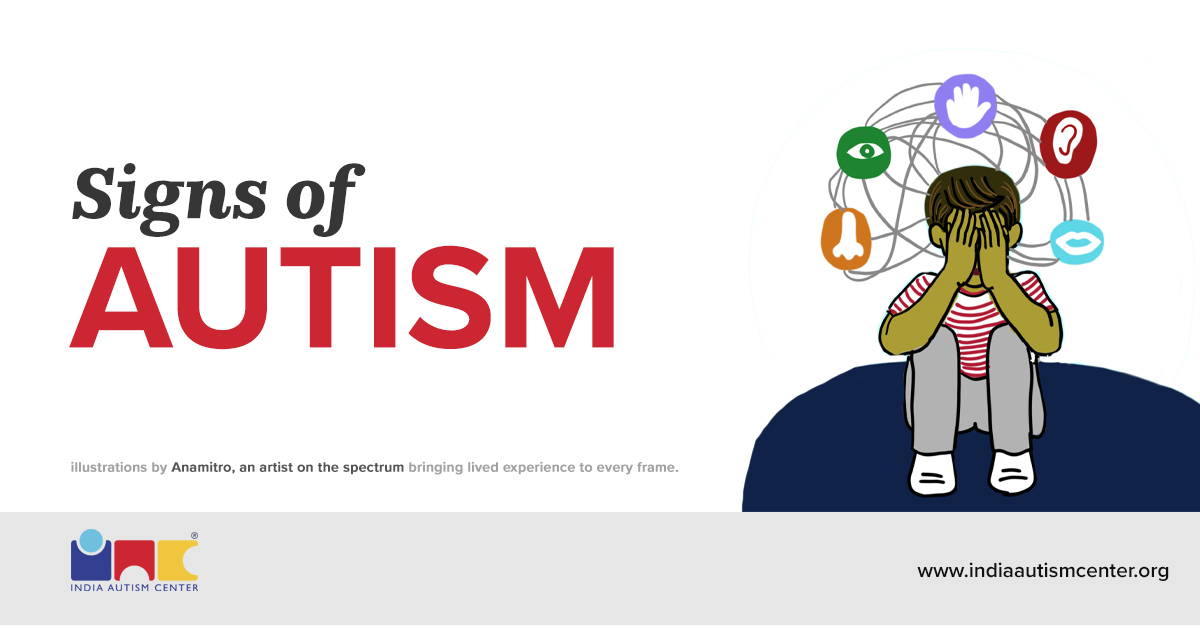
  • Signs of Autism in Newborns: Early Symptoms Explained

    Signs of Autism in Newborns: Early Symptoms Explained

    Signs of autism refer to early developmental differences associated with Autism Spectrum Disorder (ASD), a complex neurodevelopmental condition marked by challenges in social interaction, communication, and repetitive behaviours. These signs can vary widely in how they appear and develop from child to child.

    While ASD is most often diagnosed in early childhood, there is increasing awareness of the importance of recognizing the symptoms of autism as early as infancy, including in newborns. Early identification enables timely intervention and appropriate support, which can greatly enhance developmental outcomes and provide families with clearer guidance and reassurance.

    What is Autism in Newborns?

    Autism in newborns refers to the presence of early signs and symptoms of ASD within the first few months of life. While definitive diagnosis typically occurs later, heightened awareness of potential indicators in newborns is crucial for early intervention and support. The earliest manifestations of autism can often be subtle, making it essential for parents to be vigilant in observing their newborn’s behaviours and developmental milestones.

    Can you tell if a Newborn has Autism?

    • Signs of autism in newborns may manifest subtly, but attentive parents can pick up on certain cues.
    • One of the earliest indicators is limited eye contact. Newborns later diagnosed with ASD often display reduced eye contact from an early age, indicating potential difficulties in social interaction.
    • Additionally, observing newborns for unusual motor patterns, such as repetitive movements or arching of the back, can provide early clues suggestive of autism. 
    • Furthermore, a typical response to stimuli, such as heightened sensitivity or indifference to sensory input like sound, touch, or light, may also be observed in infants with ASD.

    Signs of Autism in Newborns

    While most children are diagnosed with autism at an older age, some parents notice signs as early as infancy. Keep in mind that all babies develop at their own pace, but being aware of potential signs can help you seek timely intervention. Recognizing signs of autism in newborns involves being attuned to behavioural patterns and developmental milestones. Key signs include:

    1. Delayed Milestones 

    Parents should monitor their newborn’s developmental progress, such as smiling, babbling, and responding to stimuli, as delays in these areas could signal ASD.

    2. Difficulty with Social Interaction

    Limited responsiveness to caregivers’ voices or facial expressions may indicate challenges in social engagement, a hallmark feature of autism.

    3. Repetitive Behaviours

    Even in infancy, repetitive behaviours like hand flapping or rocking may emerge, providing early indications of ASD.

    Want to learn more? Get in touch with us.

    Early Signs of Autism in Newborns

    Early signs of autism in newborns often overlap with those observed in older infants. 

    • Vigilant parents may notice unusual facial expressions or a lack of responsiveness to social cues in their newborns.
    • Furthermore, a preference for routine, while common in all babies to some extent, may be more pronounced in infants later diagnosed with ASD. These newborns may display heightened distress or agitation when routines are disrupted.
    • Additionally, communication challenges, such as difficulty in making eye contact or responding to verbal cues, can also signal potential communication difficulties associated with ASD.

    Newborn Arching Back Autism: A Red Flag?

    • Newborn arching back autism can be a cause for concern, particularly when accompanied by other symptoms.
    • While occasional arching is normal, persistent arching, especially during interactions or in response to stimuli, could warrant further evaluation for autism spectrum disorder.
    • Parents need to observe the context in which the arching occurs and discuss any concerns with healthcare professionals.
    • Remember that early recognition and intervention play a vital role in supporting a child’s development.
    • If you notice any unusual behaviours in your newborn, don’t hesitate to discuss them with healthcare professionals.
    • Trust your instincts and seek guidance—it can significantly affect your child’s well-being.

    Newborn Eye Contact Autism: A Red Flag?

    Infant eye contact autism is a powerful form of communication, even in the earliest stages of life. As parents, we eagerly await those moments when our newborn gazes into our eyes, forging a connection that transcends words. However, what if your baby seems to avoid eye contact? Could this be a sign of something more?

    Research suggests that eye contact in infants can indeed provide early clues about ASD. Here’s what you need to know:

    1. Normal Eye Contact Development:
      • Babies typically begin making eye contact around 2 months of age. It’s a delightful milestone as they lock eyes with caregivers and explore their world visually.
      • However, a study found that a decline in eye contact between 2 and 6 months might signal something significant.
    2. The Autism Connection:
      • Researchers discovered that infants who consistently show reduced attention to others’ eyes during their first few months of life are more likely to receive an autism diagnosis by the age of 3.
      • This decline in eye contact serves as an early marker for autism.
    3. Why It Matters:
      • Early detection of autism is crucial. When parents notice subtle signs like diminished eye contact, they can seek professional evaluation promptly.
      • Intervention during the early developmental stages can significantly impact a child’s progress.
    4. What to Observe:
      • Pay attention to how your baby engages visually. Is there a consistent lack of eye contact during interactions?
      • Context matters: Consider whether the avoidance occurs during play, feeding, or bonding moments.

    Remember, every child is unique, and variations in development are normal. However, if you have concerns about your baby’s eye contact, trust your instincts. 

    Seeking Professional Guidance

    • If parents notice any of the aforementioned signs of autism in their newborn, it’s essential to seek guidance from healthcare professionals specializing in early childhood development.
    • Pediatricians, developmental pediatricians, or child psychologists can provide valuable insights and recommend appropriate assessments or interventions.
    • Early intervention programs tailored to the needs of infants with ASD can significantly improve outcomes. This is done by addressing developmental delays and promoting social and communication skills.
    • IAC is committed to creating impactful change in the lives of autistic individuals advocate for evidence-based practices to improve eye contact by encouraging activities to improve eye contact in autistic individuals.

    Conclusion

    Early identification of autism symptoms in newborns is vital for initiating timely interventions and support. By understanding the signs and proactively seeking guidance, parents can play a pivotal role in promoting their child’s well-being and developmental outcomes. 

    While each child develops at their own pace, early recognition and support can make a significant difference in the journey of a child if we can understand the spectrum properly.

    FAQs

    What are the early signs of autism in newborns?

    Early signs of autism in newborns can involve minimal facial expressions, lack of social smiling, or reduced interest in human interaction.

    Are there specific autism newborn signs parents should watch for?

    Autism newborn signs may include poor visual tracking, limited response to caregivers, and unusually low or high sensitivity to touch or sound.

    Can you tell if a newborn has autism?

    It is not possible to definitively diagnose autism in newborns. Clinical diagnosis usually becomes reliable as developmental patterns emerge.

    How do you know if your newborn has autism?

    Parents may notice developmental differences over time, but only a professional evaluation can determine whether autism traits are present.

    Is autism in newborns diagnosed at birth?

    Autism in newborns is not typically diagnosed at birth. Most diagnoses occur during toddler years after developmental monitoring.

    Do newborns with autism show clear symptoms?

    Newborns with autism do not usually show clear or diagnosable symptoms immediately, as autism is identified through developmental progression.

    When should parents seek help if they notice autism newborns signs?

    If parents notice persistent developmental concerns, they should consult a pediatrician or developmental specialist for guidance and monitoring.

    For expert insights, support services, and inclusive learning initiatives, contact India Autism Center for more information.

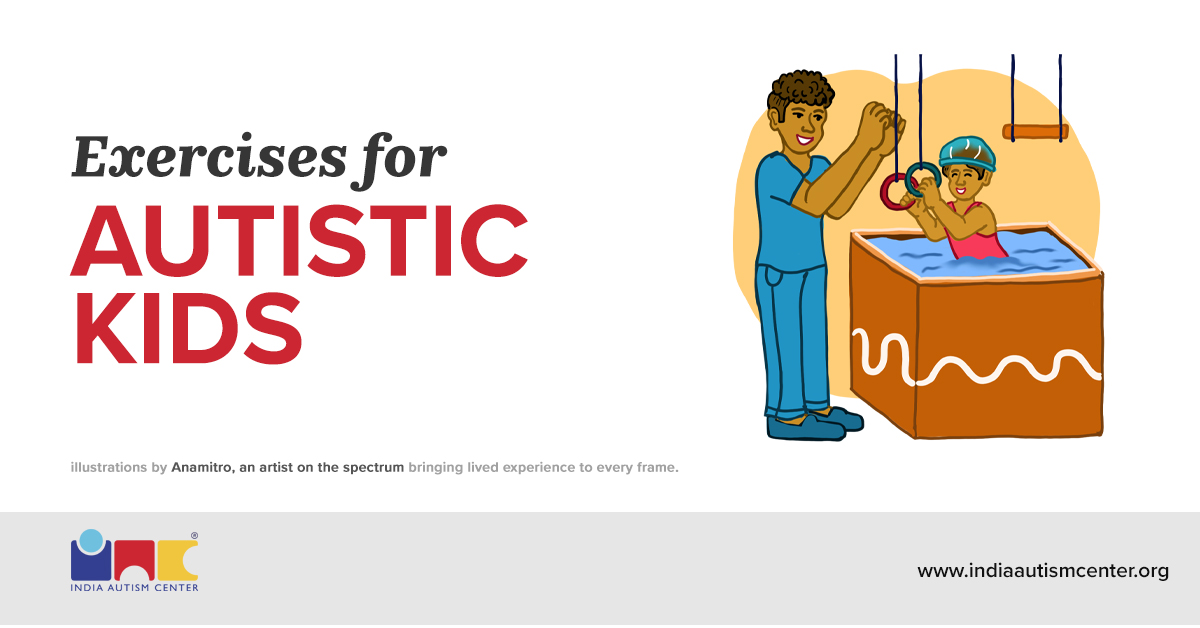
  • 10 Best Exercises for Autistic Kids

    10 Best Exercises for Autistic Kids

    Autism spectrum disorder (ASD) manifests in diverse ways, and incorporating exercises tailored to the unique needs of autistic children is essential for their overall well-being. In this guide, we explore 10 important exercises designed to enhance physical, sensory, and cognitive development in autistic kids.

    From sensory exercises to breathing techniques, these activities not only contribute to physical health but also provide a structured outlet for sensory processing and emotional regulation.

    Yoga for Sensory Integration

    Yoga emerges as a powerful tool for sensory integration in autistic kids, fostering physical and emotional well-being. Tailored yoga programs designed specifically for their unique needs focus on gentle movements, calming breathing techniques, and mindful practices. The structured nature of yoga provides a sensory-rich environment, promoting balance, flexibility, and coordination. 

    Through these sessions, autistic children not only enhance their motor skills but also experience a sense of calmness and improved self-regulation. The rhythmic and predictable nature of yoga becomes a therapeutic outlet, contributing to the overall sensory integration process crucial for the holistic development of children on the autism spectrum.

    If you want to know 10 Fun Sensory Activities for an Autistic Child, you would love to have a look at this article.

    Swimming for Sensory Input

    Swimming stands out as a sensory-rich activity offering numerous benefits for autistic kids. The water’s buoyancy and resistance provide a unique sensory experience, aiding in sensory integration. Adaptive swim programs catered to the needs of autistic children offer a safe and enjoyable environment, fostering physical and sensory development. 

    Beyond the physical benefits, swimming becomes a therapeutic outlet, contributing to emotional regulation. The calming effects of water, coupled with the rhythmic movements, create a supportive space for sensory input. Swimming becomes not just an exercise but a holistic sensory experience that positively impacts the overall well-being of autistic kids.

    Balancing and Coordination Exercises

    Balancing and coordination exercises play a crucial role in supporting the motor skills development of autistic kids. Simple activities, such as walking on a balance beam or playing catch with a soft ball, engage multiple muscle groups. These exercises enhance spatial awareness and coordination, contributing to improved motor planning. 

    By incorporating balancing challenges into daily routines, autistic children not only refine their physical abilities but also strengthen cognitive functions. These structured activities provide a foundation for better coordination and motor control, fostering a sense of accomplishment and self-confidence in the developmental journey of children on the autism spectrum.

    Therapeutic Horseback Riding

    Therapeutic horseback riding emerges as a transformative sensory experience for autistic kids. The rhythmic motion of the horse provides valuable sensory input, promoting balance, coordination, and emotional regulation. Beyond the physical benefits, the unique bond between the child and the horse fosters a sense of connection and trust. 

    Equine therapy, including therapeutic horseback riding, has shown positive effects on motor skills and social interactions in children with autism. This holistic approach not only supports physical development but also nurtures emotional well-being, making it a therapeutic and empowering activity for children on the autism spectrum. 

    Want to know more? Get in touch with us.

    Breathing Exercises for Calming

    Breathing exercises serve as invaluable tools for calming and emotional regulation in autistic kids. Simple techniques like belly breathing or using visual aids for deep breathing provide structured ways to manage stress and anxiety. These exercises empower children to develop self-regulation skills, offering a sense of control over their emotions. 

    By incorporating breathing exercises into daily routines, autistic kids gain valuable tools for navigating the sensory and emotional challenges they may encounter, fostering a calming environment that contributes to their overall well-being and improved ability to handle daily stressors. 

    Obstacle Courses for Motor Planning

    Obstacle courses become dynamic arenas for enhancing motor planning skills in autistic kids. Navigating through these structured challenges, such as crawling under tables or stepping over cushions, sharpens spatial awareness and coordination. The deliberate design of obstacle courses encourages problem-solving, fostering cognitive flexibility. 

    These activities not only engage multiple senses but also provide a playful yet purposeful approach to refining motor skills. By incorporating obstacle courses into routines, autistic children not only enjoy a fun and interactive experience but also embark on a journey that contributes to improved motor planning and overall physical development.

    Sensory Play with Textures

    Sensory play with textures proves to be a valuable and engaging exercise for autistic kids. Exploring different textures, from sand to water beads and textured fabrics, provides tactile stimulation crucial for sensory integration. These activities offer a multisensory experience, promoting touch exploration and enhancing sensory processing. 

    Sensory play with textures becomes a therapeutic outlet, allowing autistic children to engage with their environment in a controlled and enjoyable manner. These experiences contribute not only to physical development but also to a deeper understanding of sensory input, fostering a more comfortable and adaptable sensory processing system in children on the autism spectrum.

    Interactive Games for Social Skills

    Interactive games emerge as effective tools for nurturing social skills in autistic kids. These activities, ranging from turn-taking games to cooperative challenges, provide structured opportunities for social engagement. By participating in these games, children on the autism spectrum learn valuable communication and collaboration skills. 

    Turn-taking fosters patience, while cooperative games promote teamwork and shared decision-making. These interactive experiences create a supportive environment for developing social confidence and understanding social cues. By integrating interactive games into routines, autistic kids not only enjoy the fun of play but also embark on a journey of improved social interactions, fostering meaningful connections with peers.

    Fine Motor Skill Development with Arts and Crafts

    Engaging in arts and crafts activities becomes a creative avenue for fine motor skill development in autistic kids. Drawing, cutting, and moulding clay not only unleashes artistic expression but also refines hand-eye coordination and fine motor skills. These activities encourage precise movements, supporting the development of small muscle groups. 

    Through the tactile exploration of art materials, autistic children enhance sensory processing while enjoying a sense of accomplishment. Fine motor skill development with arts and crafts not only fosters creativity but also becomes a purposeful and enjoyable way for children on the autism spectrum to refine their dexterity and manual control.

    Want to know more? Get in touch with us.

    Aerobic Activities for Overall Fitness

    Incorporating aerobic activities into the routines of autistic kids proves instrumental for overall fitness. Jumping jacks, dancing, and biking not only promote cardiovascular health but also contribute to physical well-being. Structured aerobic exercises enhance motor coordination and improve muscle tone. 

    Beyond the physical benefits, these activities positively impact mood and self-regulation, offering a holistic approach to health. By making aerobic exercises a fun and regular part of their routines, autistic children not only enjoy the energy and excitement of movement but also embark on a journey towards enhanced physical fitness, contributing to their overall well-being. 

    Conclusion

    Tailoring exercises for autistic kids goes beyond physical health – it nurtures sensory processing, emotional regulation, and cognitive development. These 10 important exercises offer a diverse range of activities that can be adapted to meet the unique needs of each child on the autism spectrum. By incorporating these exercises into daily routines, we empower autistic children to thrive physically, emotionally, and socially, unlocking their full potential for a healthier and more fulfilling life.

    For expert insights, support services, and inclusive learning initiatives, visit the India Autism Center.

Privacy Overview

This website uses cookies so that we can provide you with the best user experience possible. Cookie information is stored in your browser and performs functions such as recognising you when you return to our website and helping our team to understand which sections of the website you find most interesting and useful.