 Donate now
 Get a Call Back
 MENU
MENU 12 MIN READ
 SHARE
SHARE


Watching a child lose skills they had already developed can be confusing and emotionally overwhelming for any parent. A toddler who once spoke simple words, responded to their name, or enjoyed social interaction may gradually stop doing so, raising questions about their development.
This pattern, known as regressive autism, is a recognised presentation of autism spectrum disorder (ASD). Research suggests that one-third of children diagnosed with autism spectrum disorder experience some form of developmental regression, most commonly during the preschool years.
Hence, understanding the signs of autism regression, when it typically occurs, and the support available can help families seek timely intervention and improve long-term developmental outcomes.
What Is Regressive Autism?
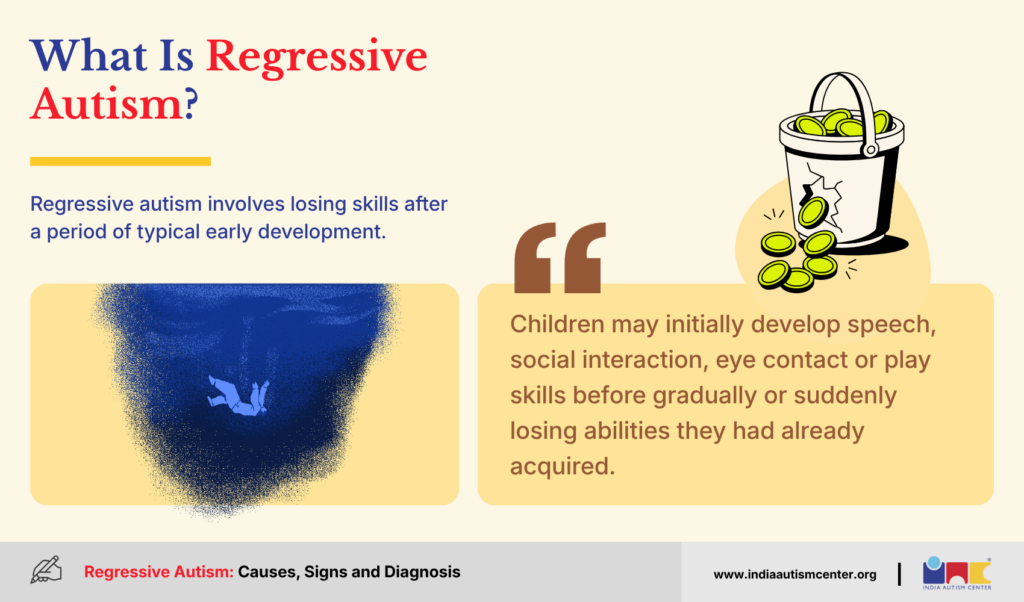
Regressive autism refers to a pattern of autism spectrum disorder (ASD) in which a child appears to develop typically during infancy before losing previously acquired skills. This loss may involve speech, communication, social interaction, play, or everyday abilities that had already been learned.
Unlike children who show signs of autism from infancy, children with regressive autism often meet developmental milestones initially. Parents may notice that their child has started using words, responding to their name, making eye contact, or engaging in pretend play before these abilities gradually or suddenly disappear.
Although regressive autism is recognised as a developmental pattern within ASD, it is not considered a separate diagnosis. Instead, it describes how autism presents in certain individuals.
What Is Autism Regression?
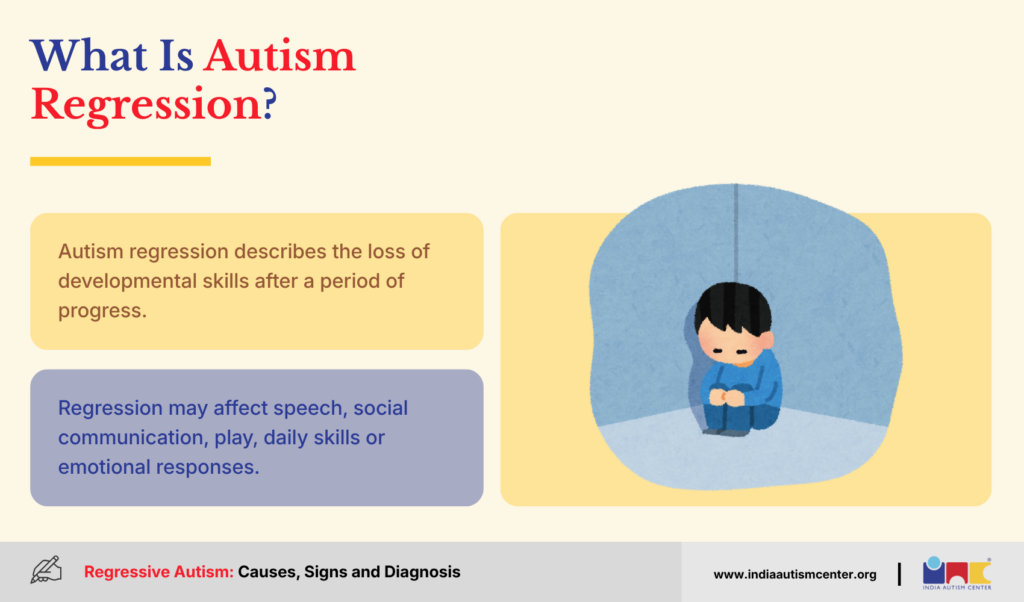
Autism regression describes the loss of developmental skills after a period of seemingly typical progress. The changes may happen over several weeks or months rather than overnight.
Regression may affect one or several areas of development, including:
- Spoken language
- Social communication
- Eye contact
- Gestures such as pointing or waving
- Play skills
- Adaptive daily living skills
- Emotional responsiveness
Some children lose only a few words, while others experience more noticeable declines across multiple developmental domains.
When Does Autism Regression Happen?
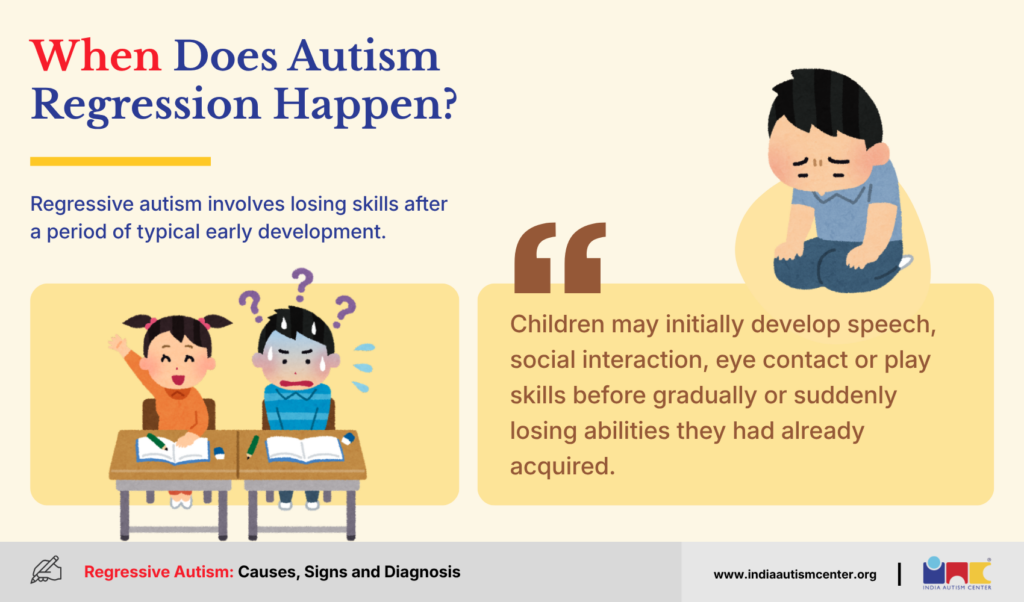
One of the most common questions parents ask is, “When does autism regression happen?“
For most children, regression occurs between 15 and 30 months, with many cases becoming noticeable around 18 to 24 months.
During this period, parents may observe that a child who previously:
- Used several meaningful words
- Enjoyed interactive games
- Smiled socially
- Responded consistently to their name
- Imitated actions
- begins to lose these abilities.
The timing often coincides with rapid brain development, which may explain why developmental differences become more apparent during toddlerhood.
It is important to remember that not every child experiences regression in the same way. Some children show gradual changes over several months, while others experience more noticeable losses within a shorter period.
Understanding Developmental Regression in Autism
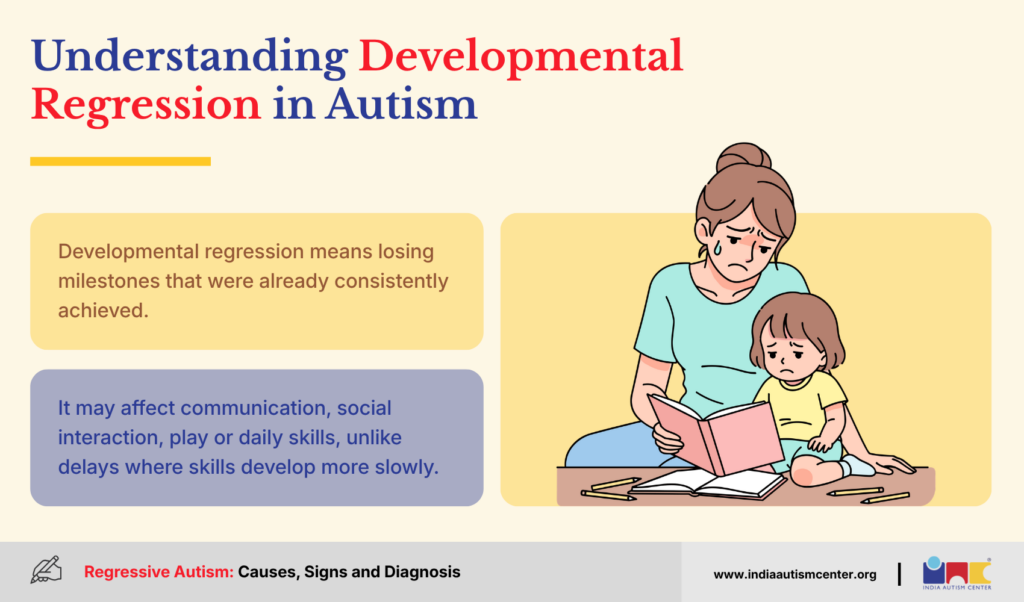
The term developmental regression in autism refers specifically to the loss of developmental milestones after they have already been achieved.
Regression may involve:
Communication
Children may stop using words they had previously learned or become less interested in communicating with others.
Social Interaction
Parents may notice reduced eye contact, fewer smiles, limited interest in family members, or withdrawal from social activities.
Play Skills
Pretend play may disappear, and children may instead engage in repetitive behaviours or focus intensely on specific objects.
Daily Living Skills
Some children experience difficulties with self-feeding, dressing, or toilet training after previously making progress.
Not every developmental delay represents regression. Some children acquire skills more slowly, whereas regression involves an actual loss of abilities that were consistently demonstrated before.
What Are the Common Signs of Regressive Autism?
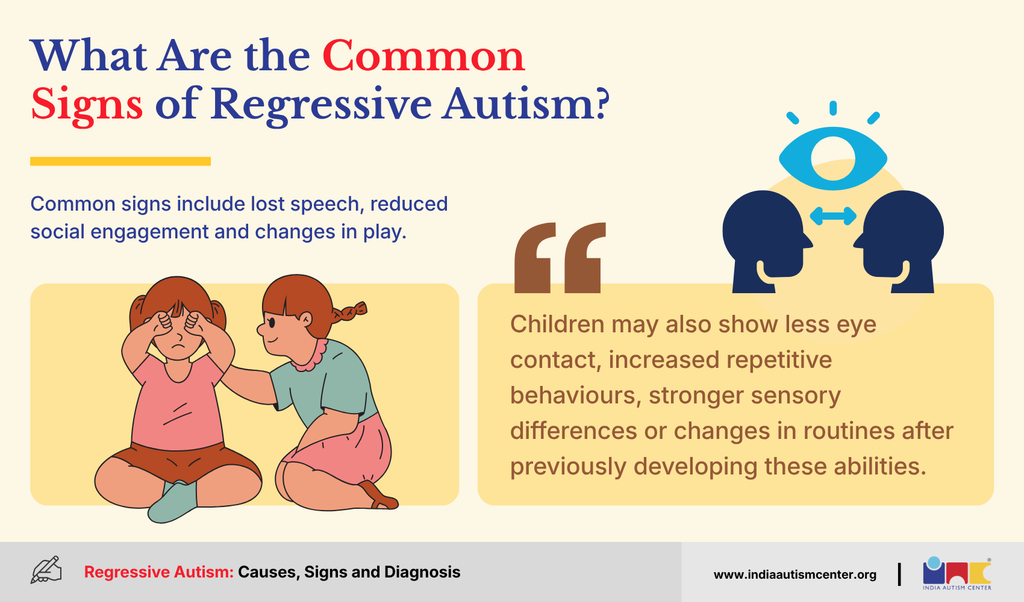
Recognising the early signs allows families to seek professional assessment without unnecessary delay. Here are the common signs that may occur:
Loss of Speech: One of the earliest indicators is losing words that were previously used meaningfully. A child who regularly said “mummy” or “ball” may gradually stop speaking altogether.
Reduced Social Engagement: Children may become less interested in interacting with parents or siblings and may stop responding consistently to their name.
Limited Eye Contact: Parents often notice that eye contact becomes less frequent than before.
Changes in Play: Interactive games may be replaced by repetitive activities such as spinning objects, lining up toys, or repeatedly opening and closing doors.
Increased Repetitive Behaviours: Children may begin displaying repetitive hand movements, rocking, spinning, or strong preferences for routines.
Sensory Differences: Some children become unusually sensitive to sounds, textures, lights, or certain foods during or after regression.
A qualified developmental paediatrician or multidisciplinary autism assessment team should always evaluate these changes.
Does Speech Regression Always Mean Autism?
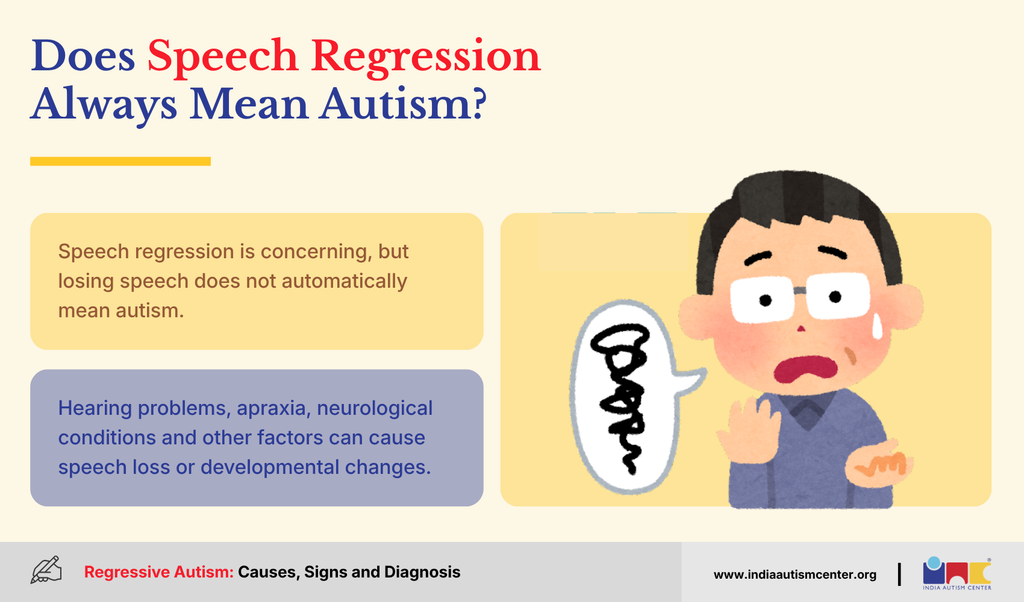
This is a common concern, but the answer is no; regression does not always mean autism. Although speech regression is an important warning sign, it does not automatically indicate autism.
Speech loss may also occur due to:
- Hearing impairment
- Childhood apraxia of speech
- Certain neurological conditions
- Epilepsy-related disorders such as Landau-Kleffner syndrome
- Severe emotional stress or trauma (less commonly)
However, when speech regression occurs alongside reduced social interaction, repetitive behaviours, and communication difficulties, clinicians may investigate autism spectrum disorder.
Because many conditions can cause developmental changes, children experiencing regression require comprehensive developmental assessment rather than assumptions based on a single symptom.
Why Does Regressive Autism Occur?
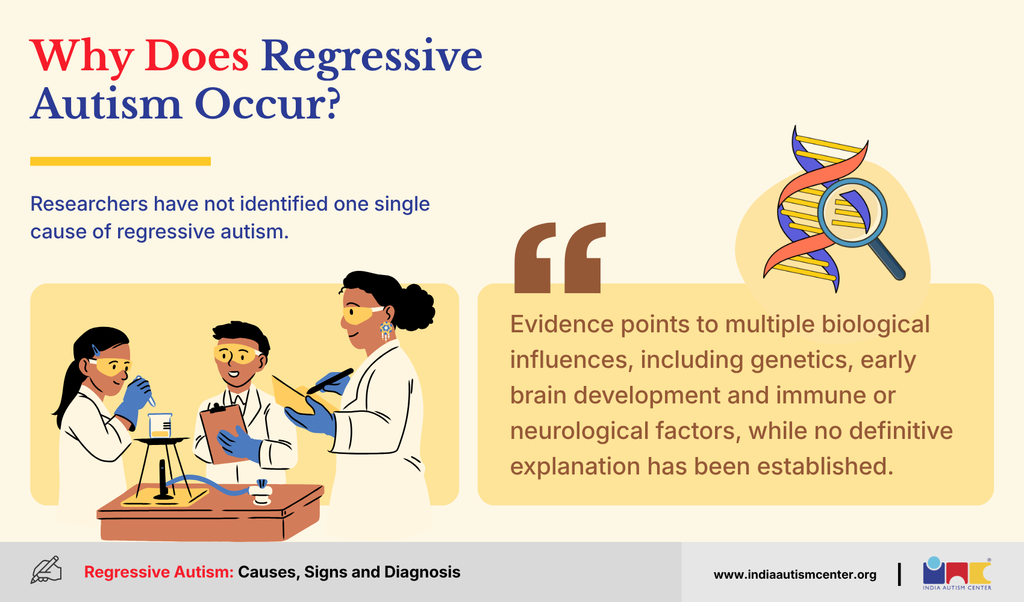
Researchers have not identified one single cause of regressive autism, but evidence suggests multiple biological factors contribute. There are several possibilities, such as:
Genetic Factors
Autism tends to have one of the strongest genetic components among neurodevelopmental conditions. Hundreds of genes have been linked with ASD, although no single gene explains regression.
Brain Development
Studies using neuroimaging suggest that differences in early brain connectivity may influence how communication and social skills develop.
Immune and Neurological Factors
Researchers continue investigating how immune system activity and early neurological development may contribute to autism regression, although no definitive explanation has been established.
Importantly, extensive scientific evidence confirms that vaccinations do not cause autism or autism regression. Numerous large-scale international studies have consistently disproved this claim.
Risk Factors Associated with Autism Regression
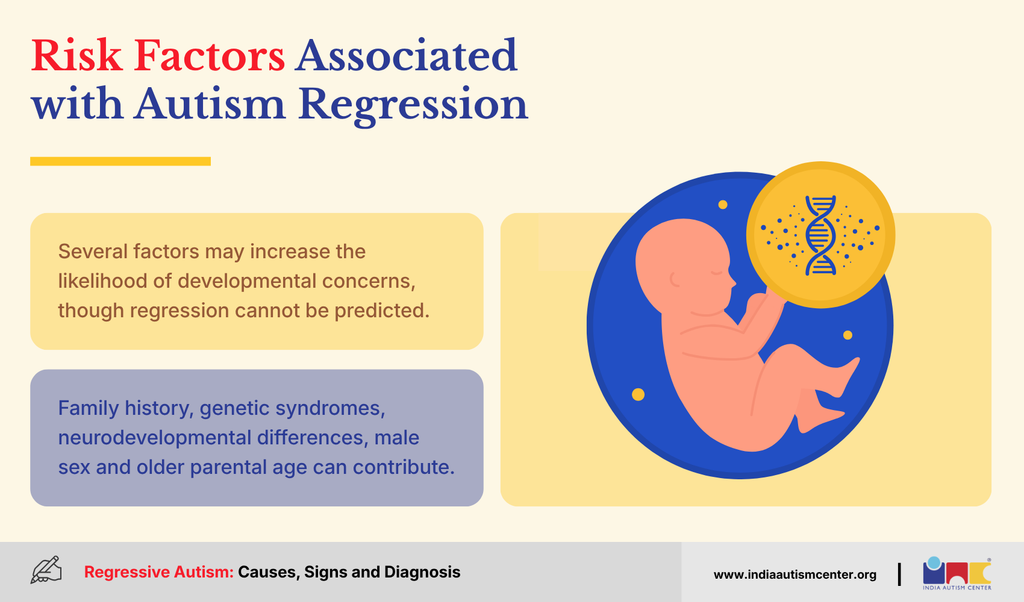
While regression cannot currently be predicted with certainty, several factors may increase the likelihood of developmental concerns. Some common risks include:
- Family history of autism
- Certain genetic syndromes
- Neurodevelopmental differences
- Male sex, although girls can also experience regression
- Older parental age, which is associated with a modest increase in autism risk overall
Having one or more risk factors does not mean a child will develop autism. Likewise, many autistic children have no identifiable risk factors.
Autism Regression in Adults
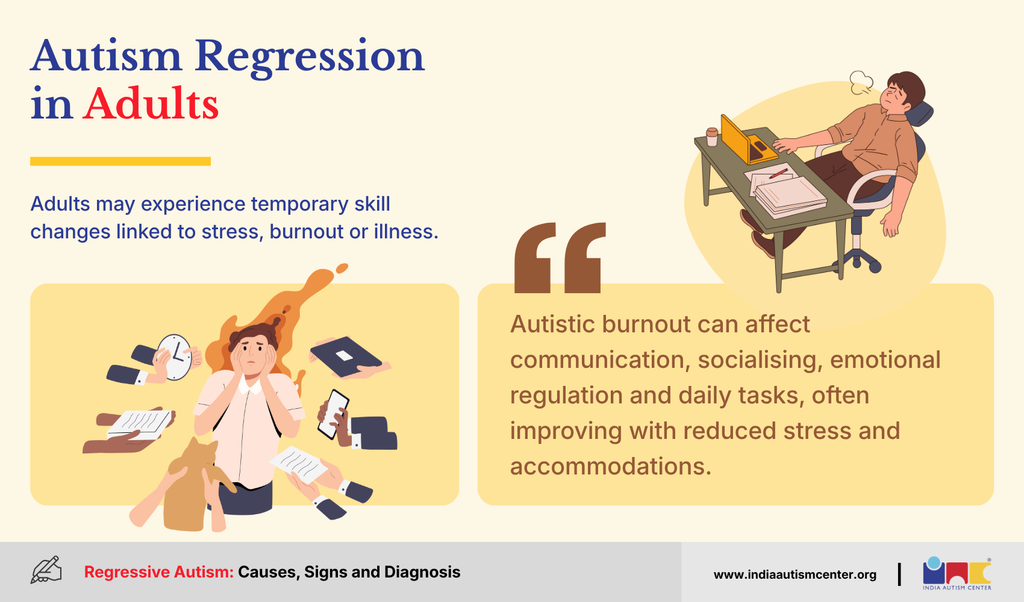
Although autism regression is most commonly associated with early childhood, some autistic adults may also experience a decline in certain abilities. However, autism regression in adults is different from the developmental regression seen in young children.
Adults do not lose autism-related skills because autism is “returning.” Instead, periods of prolonged stress, anxiety, burnout, illness, sensory overload, or significant life changes can temporarily affect their ability to communicate, socialise, regulate emotions, or manage daily tasks.
This phenomenon is often referred to as autistic burnout rather than developmental regression.
An autistic adult experiencing burnout may:
- Find conversations more difficult than usual.
- Become increasingly sensitive to noise, light, or crowded environments.
- Struggle with executive functioning tasks such as planning, organising, or decision-making.
- Feel exhausted after routine social interactions.
- Need additional time to recover from everyday activities.
Recent research published in Autism highlights autistic burnout as a distinct experience that requires recognition and appropriate support.
While some skills may temporarily decline, they often improve when stressors are addressed, routines are adjusted, and suitable accommodations are provided.
How Is Regressive Autism Diagnosed?
There are no specific medical tests which can help diagnose regressive autism. Instead, diagnosis involves a comprehensive assessment of the child’s developmental history, current behaviour, and communication abilities.
Healthcare professionals may include:
- Developmental paediatricians
- Child psychologists
- Child psychiatrists
- Speech and language therapists
- Occupational therapists
- Neurologists, when necessary
The assessment usually includes:
Developmental History
Parents are asked detailed questions about early milestones, language development, social interaction, and when changes first became noticeable.
Behavioural Observation
Clinicians observe how the child communicates, plays, responds to social situations, and manages sensory experiences.
Standardised Assessment Tools
Evidence-based tools including the Autism Diagnostic Observation Schedule (ADOS-2) and the Autism Diagnostic Interview-Revised (ADI-R) may be used alongside clinical judgement.
Medical Evaluation
Where appropriate, hearing assessments, genetic testing, neurological examinations, or metabolic investigations may be recommended to rule out other conditions that can cause developmental regression.
Receiving an early diagnosis enables families to access interventions during a period of rapid brain development, when children are often most responsive to support.
Can Regressive Autism Be Reversed?
One of the questions parents ask most frequently is, “Can regressive autism be reversed?“
Current scientific evidence indicates that autism itself cannot be reversed or cured. Autism is a lifelong neurodevelopmental condition rather than an illness.
However, this does not mean that children cannot make significant progress.
With early diagnosis, evidence-based therapies, supportive educational environments, and family involvement, many children with regressive autism develop stronger communication, social interaction, adaptive skills, and independence over time.
Some children regain speech or social abilities that appeared to have been lost, while others develop alternative ways of communicating through gestures, visual supports, or augmentative and alternative communication (AAC).
Rather than focusing on “reversing” autism, healthcare professionals emphasise helping every child reach their individual potential while respecting their unique strengths and needs.
Support for Regressive Autism
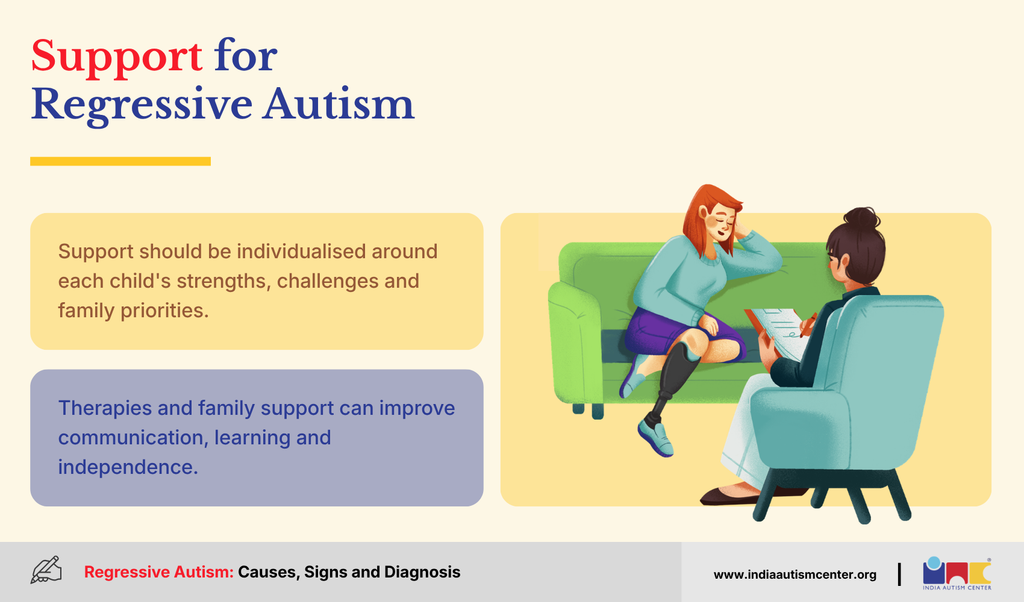
There is no single treatment that works for every autistic child. Instead, early intervention plans should be individualised based on the child’s developmental profile, strengths, challenges, and family priorities.
Common evidence-based interventions include:
Speech and Language Therapy
Speech therapy supports communication through spoken language, gestures, visual communication systems, or AAC where appropriate.
Occupational Therapy
Occupational therapy helps children to develop fine motor skills, sensory regulation, self-care abilities, and independence in daily activities.
Behavioural and Developmental Interventions
Approaches such as Naturalistic Developmental Behavioural Interventions (NDBIs), parent-mediated programmes, and other evidence-based developmental behavioural therapies can improve communication, learning, and social participation.
Educational Support
Inclusive educational settings, structured teaching strategies, and reasonable adjustments help children participate more effectively in school.
Family Training
Parents play a significant role in reinforcing communication, play, and social learning during everyday routines. Guidance from experienced professionals helps families build confidence and consistency at home.
Treatment goals should focus on improving quality of life, communication, independence, emotional well-being, and meaningful participation rather than attempting to change a child’s identity.
Supporting a Child Through Autism Regression
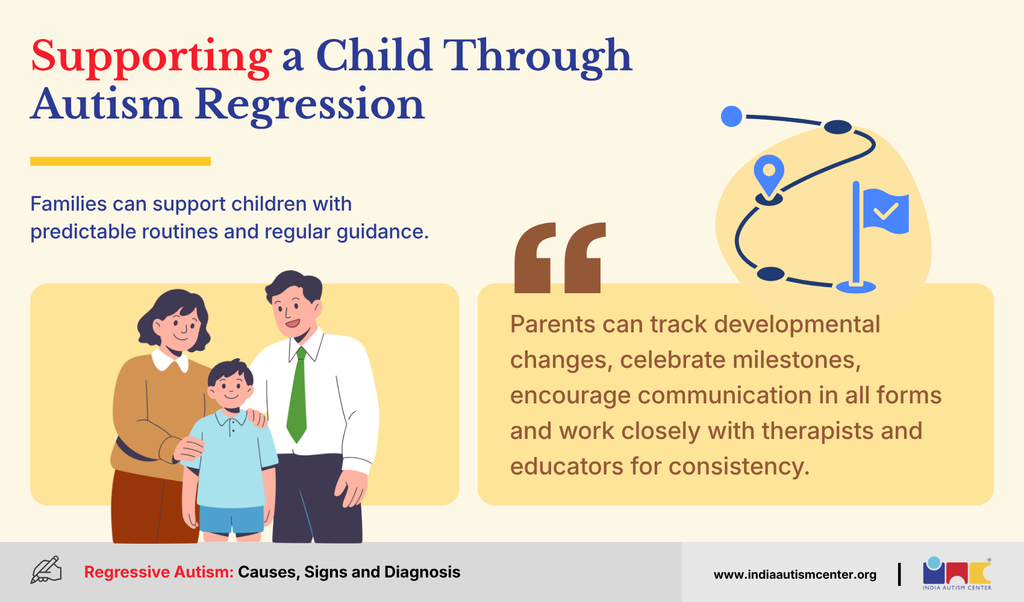
Learning that a child is experiencing autism and regression can feel overwhelming. However, there are several steps families can take.
Parents and caregivers need to:
- Seek professional assessment as soon as developmental concerns arise.
- Keep a record of developmental changes and new behaviours.
- Celebrate small milestones rather than comparing progress with other children.
- Maintain predictable routines that help reduce anxiety.
- Encourage communication in all forms, including gestures, pictures, signs, or AAC.
- Work closely with therapists and educators to maintain consistency across home and school.
Equally important is supporting parents themselves. Caring for a child with additional developmental needs can be emotionally demanding, and access to counselling, parent support groups, and community resources can make a meaningful difference.
How Does India Autism Center Support Children and Families?
Understanding regressive autism is only the first step. Accessing timely, evidence-based support is equally important for helping children develop communication, independence, and confidence.
At India Autism Center, families receive guidance from experienced professionals who recognise that every autistic individual has unique strengths, interests, and support needs. Through multidisciplinary assessments, therapeutic interventions, parent training, educational guidance, and community-based programmes, the centre promotes a holistic approach to lifelong development.
By empowering both autistic individuals and their families, India Autism Center helps create opportunities for meaningful participation, inclusion, and improved quality of life at every stage of the journey.
Conclusion
Regressive autism can be an unexpected and emotional experience for families, but recognising the early signs allows children to access the support they need as early as possible. While autism regression may involve the loss of previously acquired skills, it does not define a child’s future.
Early assessment, evidence-based interventions, family involvement, and ongoing professional support can help children continue to learn, communicate, and thrive. With greater awareness and informed care, families can move forward with confidence, knowing that every child has the potential to grow in their own unique way.
Frequently Asked Questions
What is the difference between regressive autism and classic autism?
Regressive autism refers to a pattern where a child loses previously acquired skills, such as speech or social interaction, after a period of typical development. In contrast, children with classic autism usually show developmental differences from infancy without a noticeable loss of skills.
Does every child with autism experience developmental regression?
No. Research suggests that only about 25% to 30% of autistic children experience developmental regression, while many others show signs of autism from early infancy without losing previously acquired skills.
Can a child regain skills after autism regression?
Yes. Many children regain some or all lost skills through early diagnosis, evidence-based therapies, consistent support, and family involvement. Progress varies from one child to another.
Why do some children suddenly lose skills after developing normally?
Researchers believe autism regression results from complex genetic and neurological factors affecting early brain development. The exact cause remains under investigation, and there is no evidence that parenting or vaccines cause regression.
Can autism regression happen after the age of three?
Although regression most often occurs before three years of age, some children may experience later developmental changes. A healthcare professional should always assess any noticeable loss of previously acquired skills.