Tag: autism therapy

  • Top 11 Autism Spectrum Disorder Schools in Dubai (2026)

    Top 11 Autism Spectrum Disorder Schools in Dubai (2026)

    Dubai is known as one of the fastest-growing cities in the world, and finding an autism spectrum disorder school in Dubai can feel overwhelming. One of the key questions on a worried parent’s mind is: Will my child be understood? Will the learning include different autism therapies available in Dubai? 

    The good news is that parents can find Autism Spectrum Schools in Dubai that are the perfect choice for them. Dubai has steadily emerged as a regional hub for quality special education and therapy. So finding a school for kids with Autism Spectrum Disorder, also known as ASD, is not difficult.

    In this article, we will explore the top autism schools in Dubai, the reasons why Dubai is a great choice for educating your kids, and how you can find the best one.

    Understanding Autism Spectrum Disorder

    ASD is a neurodevelopmental condition. This condition is known to affect a person’s communication, social interactions, and sensory information processing. 

    The word spectrum is used because every autistic child is different. Some may need substantial support in daily activities, while others may require targeted help with communication, sensory regulation, or social skills.

    Key characteristics of a child with ASD include:

    • There are differences in verbal as well as non-verbal communication.
    • Social interactions and peer relationships are challenging.
    • They often prefer routine and predictability.
    • They have sensory sensitivities mainly to light, sound, or even movement.
    • Nonetheless, they may show unique strengths in memory, focus, or visual learning.

    Children with ASD experience the world a little differently, and hence the goal of education and autism therapy in Dubai is to help each child reach their fullest potential, be it academically, socially, or emotionally.

    Why Choose Dubai for Accessing Education for ASD?

    Dubai’s education ecosystem has evolved rapidly over the last decade. People are now more aware, and hence, the city has a lot to offer to children with ASD. Finding the right education from the onset is a key part of early intervention

    Some of the reasons why Dubai is emerging as a hub for education for autistic kids:

    • Schools in Dubai follow international best practices, mainly for special education.
    • You can access multidisciplinary autism therapy services in Dubai.
    • Government recognition and regulation of special needs schools
    • You will find greater inclusion in mainstream educational frameworks.

    Many autism spectrum disorder schools in Dubai follow evidence-based approaches similar to leading global centres.

    What Defines a High-Quality Autism Spectrum Disorder School?

    For a parent with a child on the spectrum, it can be a challenging task to find the correct school. Nonetheless, it is one of the key decisions. A high-quality autism school is not just a place where children “go to learn”; it is a space where they are understood, supported, and empowered to grow at their own pace. 

    The difference between an average school and a truly effective setup is key, as it determines whether progress is slow or meaningful and life-changing.

    The top autism spectrum disorder schools emphasise the fact that autism is indeed a spectrum and not a singular experience. Instead of a rigid methodology, efficient schools aim to build flexible, evidence-based, and deeply child-centred environments. 

    Here is what truly makes an autism spectrum disorder school the best one;

    1. Education Plans that Reflect the Child

    A well-designed Individualised Education Plan (IEP) is one of the best features of a high-quality autism school in Dubai. It is a roadmap that is curated especially for each child.

    Here is what a strong IEP does:

    • It is based on detailed assessments of communication, cognition, sensory needs, and daily living skills
    • Sets realistic, measurable, and meaningful goals
    • It is reviewed and updated regularly as the child grows

    A high-quality autism therapy school in Dubai understands that each autistic child will learn uniquely. This understanding is not a good-to-have feature; it is a foundational requirement. 

    2. Integrating Therapy into Daily Learning

    The extent to which different autism therapies available in Dubai are woven into everyday schooling essentially shows the excellence of the autism spectrum disorder school. When an autism spectrum disorder school is high-quality, therapy does not feel disruptive or separate; it feels natural and becomes part of how children learn, communicate, and engage.

    Let us look at how the best autism spectrum disorder schools integrate therapy into the daily curriculum:

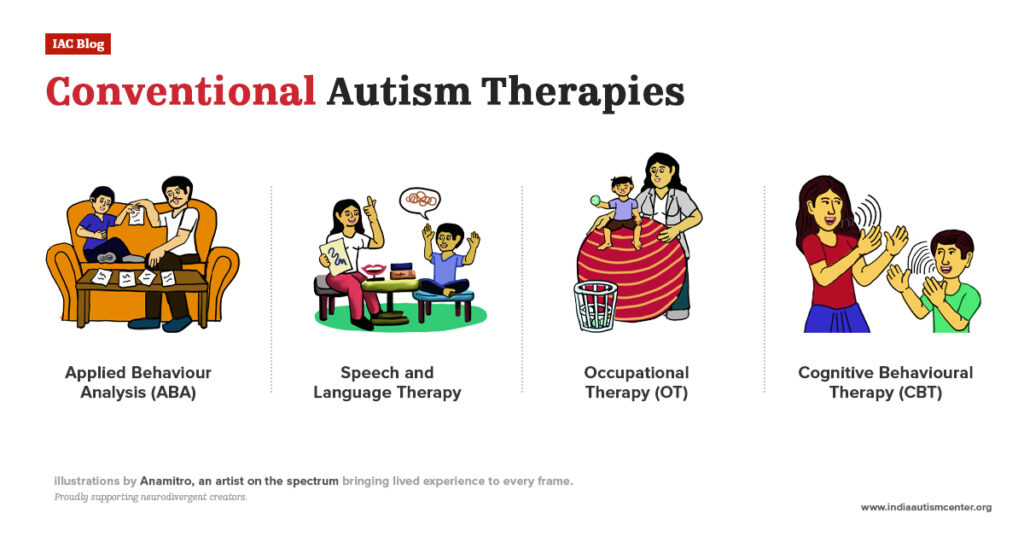
    • Applied Behaviour Analysis (ABA) to build communication as well as learning skills
    • Speech and language therapy to support expressive and receptive language
    • Occupational therapy, which supports sensory regulation, motor skills, and independence
    • Social skills training included in real classroom interactions

    3. Low Student-Teacher Ratio

    Individual attention is necessary as children with autism require predictability, structure, and consistent guidance. The top autism schools in Abu Dhabi and Dubai will maintain a low student-to-teacher ratio, which will ensure that each child receives appropriate attention. 

    A low student-teacher ratio is beneficial in the following ways:

    • A teacher can find and respond to emotional or sensory overload quickly 
    • Teachers can have a much more meaningful, trusting, and secure relationship with the students.
    • Teachers can adapt to different teaching strategies in real time. 

    In a well-run autism school in Abu Dhabi and Dubai, quality is measured not by class size alone, but by the depth of engagement with each child.

    4. Trained, Certified, and Experienced Faculty

    A strong faculty reflects that the autism spectrum disorder school is worthy of its name. High-quality autism schools invest heavily in specialised training and continuous professional development.

    Here is what you can expect from an excellent autism school faculty:

    • Special educators who are trained in autism-specific methodologies
    • Board-certified behaviour analysts (BCBAs) or equivalent professionals
    • Speech and occupational therapists experienced in neurodevelopmental care
    • Support staff trained in sensory regulation and positive behaviour support

    Each professional works as part of a collaborative team, ensuring consistency in therapy and education. 

    5. A Safe and Friendly Environment

    Children on the spectrum have a hard time dealing with the physical environment. You know an autism school is spectacular when it designs the space to support sensory needs and reduce sensory overload. 

    How autism schools in Abu Dhabi or Dubai make an autistic child feel safe:

    • A calm colour palette is selected, along with controlled lighting 
    • Background noise is kept to a minimum 
    • The learning zones are clearly defined 
    • Quiet spaces are created to regulate emotions. 

    All these things help an autistic child feel emotionally secure and regulated, and they also help them stay focused, which makes learning much more effective. 

    6. Parent Involvement and Transparent Communication

    Parents are considered partners in a high-quality school for students with autism spectrum disorder. Open communication and collaboration are essential for long-term progress. 

    Here is what an excellent school will offer:

    • Regular progress updates and review meetings
    • Parent training sessions to support learning at home
    • Honest discussions about challenges and milestones

    Children get optimum support when parents and educators work together. 

    7. Focus on Emotional Wellbeing and Dignity

    In an efficient autism school, the dignity, individuality, and emotional well-being of every child are top priorities. Children are not disciplined but understood, and the behaviour is not seen as defiance but communication. 

    Thus, the children feel safe, accepted, and valued for who they are. This is the distinction between a normal school and a top autism spectrum disorder school in Dubai. 

    8. Data-Driven Progress Monitoring

    When it comes to the best autism school in Dubai, they primarily rely on data and take action accordingly. There is no guesswork or assumptions. They track progress carefully to understand what is working and what needs adjustment.

    Some of the best autism schools include:

    • Behavioural data tracking
    • Skill acquisition charts
    • Regular reassessments

    Top Autism Spectrum Disorder Schools in Dubai

    Selecting the most suitable school for a child on the spectrum is quite an emotional decision. Parents are not only looking for classrooms and curricula; they are looking for understanding, safety, progress, and trust. 

    Parents can find several options in Dubai as the availability of specialised autism education has expanded significantly, giving families more informed choices than ever before.

    Here are the top autism spectrum disorder schools that parents trust, as they offer a unique approach to education and therapy:

    1. Dubai Autism Centre

    In the UAE, the Dubai Autism Centre is one of the most prominent schools for students with autism spectrum disorder. Its philosophy of early intervention is what sets it apart. The centre strongly believes that identifying autism early and initiating structured intervention in the formative years can significantly improve communication, learning ability, and daily functioning.

    Why Parents Should Choose Dubai Autism Centre:

    • The school follows evidence-based teaching and therapy models. 
    • It offers individualised education programs (IEPs) tailored to a child’s strengths and weaknesses.
    • The student-to-teacher ratio is low for better focus and attention on students.
    • Active parent involvement in terms of counselling, training, and feedback.
    • Safe, structured, and sensory-friendly environment designed for autistic learners

    2. Rashid Centre for People of Determination

    rashid centre for people of determination

    This centre is one of the oldest yet most respected educational institutions in Dubai. Established with a strong social mission, the centre supports children with Autism Spectrum Disorder (ASD) as well as other developmental and learning differences, making it a trusted name among parents seeking reliable autism spectrum disorder schools.

    Why Parents Should Choose Rashid Centre for People of Determination:

    • The school has decades of experience in special education and autism support
    • Individualised learning and therapy programs tailored to each child
    • Trained and compassionate multidisciplinary team
    • Integrated therapies, including speech, occupational, and behavioural support
    • Strong emphasis on life skills and independence

    3. Emirates Autism Centre

    emirates autism centre

    For parent who are seeking a structured, evidence-based intervention for their child, Emirates Autism Centre is a top choice. The centre has earned the trust of parents through its clear focus on improving communication, behaviour, learning readiness, and functional independence in children with Autism Spectrum Disorder (ASD).

    Why Parents Choose Emirates Autism Centre:

    • Strong emphasis on early intervention, primarily for young autistic children
    • Different therapies are integrated into daily schedules, not isolated therapy sessions
    • Regular progress monitoring and transparent parent communication
    • Parent guidance and training, thereby enabling consistency and practice at home
    • Evidence-based therapies, such as ABA, speech, and occupational therapy

    4. Al Noor Training Centre

    Al noor training centre

    Al Noor Training Centre is one of the most respected special education institutions which parents can opt for in Dubai. It has a long-standing commitment to support children on the spectrum. For families who are looking for reliable autism schools in Dubai, Al Noor is a place where experience, compassion, and structured intervention come together for meaningful growth.

    Why Parents Should Choose Al Noor Training Centre:

    • Holistic development focus, not limited to academics
    • Calm, structured, and sensory-sensitive learning environment
    • Supportive and inclusive culture that respects every child’s dignity
    • Active collaboration with parents, including guidance and regular updates
    • Individualised education and therapy plans for every child

    5. Jewel Children with Autism Rehabilitation Centre

    jewel children with autism and rehabilitation center

    Jewel Children with Autism Rehabilitation Centre is another option for parents seeking intensive, therapy-led intervention for their child on the spectrum. The centre is appreciated for the focused and hands-on approach that prioritises communication, behaviour regulation, and functional development from an early age.

    Why Parents Choose Jewel Children with Autism Rehabilitation Centre:

    • Strong focus on rehabilitation as well as therapy-led intervention
    • Early intervention programs which are curated specifically for young autistic children
    • Regular progress assessments and data-driven goal tracking
    • Evidence-based therapies, including ABA, speech, and occupational therapy
    • Experienced multidisciplinary team trained in autism intervention

    6. The Doris Duan

    the doris duan

    Also referred to as DDY, it has a strong reputation as an autism school in Dubai. The centre combines evidence-based intervention, multidisciplinary services, and family-centred care to support children with Autism Spectrum Disorder (ASD) and their families.

    Why Parents Should Choose The Doris Duan: Young Autism Centre, Dubai, UAE

    • Combines ABA, speech therapy, occupational therapy, physical therapy, and educational support
    • Highly individualised treatment and learning plans
    • Focus on communication and functional skills
    • Emphasis on real-world skill generalisation

    7. Dubai Centre for Special Needs

    dubai center for special needs

    It is one of the most recognised institutions that supports children on the spectrum. As a dedicated special needs school, the centre is committed to instilling independence, confidence, and social participation among children with diverse learning profiles.

    Why Parents Should Choose the Dubai Centre for Special Needs:

    • Support for social, emotional, and life skills
    • Structured routines, which are known to benefit children with autism
    • Long-standing reputation in Dubai’s special needs education landscape
    • An inclusive environment that encourages community participation

    8. Small Steps Learning Difficulties Centre

    Small Steps Learning Difficulties Centre is widely recognised as an autism school in Dubai that provides individualised, evidence-based intervention programs to help students flourish academically, socially, and emotionally, especially within inclusive school settings.

    Why Parents Should Choose the Small Steps Learning Difficulties Centre:

    • Offers individualised intervention plans especially created to suit each child’s needs.
    • Uses evidence-based ABA strategies to support communication and behaviour.
    • Certified team with expertise in autism and developmental support.
    • Recognised for promoting confidence, independence, and social growth.

    9. Safe Centre for Autism

    Initially, this autism school in Dubai was established as a non-profit special education institution, and it aims to provide structured education and therapeutic support in a nurturing environment. What sets Safe Centre apart is its holistic, student-focused approach. The centre operates a well-designed day program for children on the spectrum aged 4–16 years, where they offer small classroom settings with skilled teachers and assistants.

    Why Parents Should Choose the Safe Centre for Autism:

    • Small class sizes with focused attention
    • Use of recognised assessment tools for progress tracking
    • Strong parent collaboration and regular feedback
    • Sensory-friendly and predictable learning environment

    10. Seed Special Education Centre

    seed special education center

    What sets Seed Special Education Centre apart is that it offers specialised education therapy and interventions that are curated to suit the needs of children with ASD and other neurodevelopmental differences. At SEED, children receive personalised support designed to unlock their strengths and support areas of challenge.

    Why Parents Should Choose the Seed Special Education Centre:

    • Experienced team including educators, therapists, and psychologists
    • Works in partnership with families and schools for consistent support.
    • Provides speech, behavioural, and educational therapy services under one roof.
    • Offers comprehensive psycho-educational assessments to guide intervention plans.

    11. Pulse Therapy and Learning Centre

    pulse therapy and learning center

    Founded in 2007, this autism school in Dubai helps children on the spectrum to improve communication, behaviour, social skills, and school readiness. What makes Pulse Therapy and Learning Centre stand out from other therapy providers is its blended support model.

    Why Parents Choose the Pulse Therapy and Learning Centre:

    • Comprehensive ABA therapy for behaviour and skill development
    • Speech and language therapy integrated with educational goals
    • Occupational therapy, which aims to support sensory, motor, and daily living skills
    • Personalised treatment plans based on detailed assessments

    Conclusion

    Dubai is known for several schools that serve children on the spectrum. Dubai’s growing network of specialised schools and centres shows a much deeper-rooted commitment to early intervention, evidence-based education, integrated therapy, and family partnership. Parents now have access to environments that prioritise understanding over labels and progress over pressure. Hence, parents must consider various options before finalising one. Remember to choose a school that aligns with your requirements and ensures your child feels safe, secure, and valued. 

    Frequently Asked Questions

    What are autism spectrum disorder schools?

    Autism spectrum disorder schools are specialised educational institutions designed to support children with autism through personalised teaching, structured routines, and integrated therapies that address communication, behaviour, and life skills.

    How do autism schools in Dubai differ from regular schools?

    Autism schools focus on individualised education plans, smaller class sizes, trained specialists, and integrated therapies, unlike regular schools that follow a standard curriculum for all students.

    Can autistic children attend inclusive mainstream schools in Dubai?

    Yes. There are several children on the spectrum who benefit from inclusive education, attending mainstream schools with SEND support, depending on their abilities and support needs.

    What is an Individualised Education Plan?

    An IEP is a personalised roadmap outlining a child’s learning goals, therapy targets, teaching strategies, and progress tracking, reviewed regularly with parents.

  • Autism Therapies at Home: Types, Benefits, and How-to Guide

    Autism Therapies at Home: Types, Benefits, and How-to Guide

    Are autism therapies at home effective? What are the daily activities for autism outside therapy clinics? If you have been wondering about these, you’re in the right place.

    Autism therapies at home are interventions and activities you can do with your loved one in your daily routine. These support skill building, communication, behaviour, and emotional regulation — all within familiar spaces. They don’t replace professional support, but they help strengthen progress between sessions.

    In this comprehensive guide, we’ll explore various autism therapies that can be implemented at home and their benefits and provide you with a practical how-to guide to ensure the best results.

    Why Choose In-Home Autism Therapy?

    Choosing In-Home Autism Therapy has many real benefits:

    Comfort and Familiarity

    Being at home reduces stress and helps your loved one feel safe. This opens the door for learning and communication.

    Personalized Attention

    At home, you can tailor activities to your child’s likes, dislikes, and pace — something hard to do in busy centers.

    Family Involvement

    You get to lead, support, and reinforce skills every day. This strengthens connections and improves outcomes.

    Flexibility in Daily Life

    Instead of strict schedules, home-based therapies for autism can fit around your routine — breakfast time, bath time, playtime, or walks.

    Effective Autism Therapies You Can Try at Home

    • At-Home ABA Therapy: Applied Behaviour Analysis (ABA) is a well-established therapy for individuals with autism. ABA focuses on understanding behaviour and applying interventions to bring about positive changes. Implementing ABA therapy at home involves creating a structured environment, setting clear goals, and using positive reinforcement techniques. By using behaviour modification strategies, families can help individuals with autism acquire new skills and improve social interactions.
    • Speech Therapy for Autism at Home: Communication challenges are a hallmark of autism. Speech therapy aims to enhance communication skills, including language, articulation, and non-verbal communication. Incorporating speech therapy at home involves practising communication exercises, using visual aids, and engaging in interactive activities. Consistency and patience are key when working on speech development.

    Here are 5 Effective Speech Therapies you might want to read.

    Want to know more? Get in touch with us.

    Daily Activities for Autism That Build Skills

    Here are hands-on activities you can do every day:

    1. Structured Routines: Kids with autism thrive on predictability. Make a visual schedule of meal time, play time, therapy time, and rest. This reduces anxiety and builds stability.

    2. Sensory Play and Integration: Activities like playing with textured materials, water pouring, or jumping on cushions help regulate sensory needs.

    3. Visual Supports: Use charts, picture schedules, and cue cards. These help expectations feel clear and achievable.

    4. Social Interaction Through Play: Play isn’t just fun — it builds communication and social thinking. Simple games, turn-taking, and structured interactions teach essential skills naturally.

    Benefits of Home-Based Autism Therapies

    Comfort and Familiarity: The home environment offers comfort and familiarity, which can reduce anxiety and stress often experienced by individuals with autism. This setting promotes a more receptive state for learning and development.

    Personalised Attention: At-home therapies allow for one-on-one interaction and personalised attention, which is crucial for addressing individual needs and preferences. Caregivers can tailor activities to match the individual’s interests and strengths.

    Family Involvement: Involving family members in therapy fosters a strong support system. When everyone is on board, consistent therapy implementation becomes more achievable, leading to better outcomes.

    Flexibility: Home-based therapies can be integrated into daily routines, making them flexible and adaptable. This flexibility can be particularly beneficial for individuals who may struggle with transitions.

    Home Remedies for Autism: Practical Approaches

    Create a Structured Routine: Individuals with autism thrive in structured environments. Establish a consistent daily routine that includes therapy sessions, leisure activities, meals, and rest.

    Utilise Visual Supports: Visual aids such as schedules, charts, and pictures can help individuals with autism understand expectations and transitions. These aids provide a concrete representation of abstract concepts.

    Implement Positive Reinforcement: Rewarding desired behaviours encourages repetition. Use verbal praise, stickers, tokens, or preferred activities as rewards to reinforce positive behaviours and achievements.

    Incorporate Special Interests: Special interests can be powerful motivators. Integrate these interests into therapy activities to keep engagement high and foster a positive learning experience.

    Want to know more? Get in touch with us.

    Best Practices for Successful At-Home ABA Therapy

    Set Clear Goals: Identify specific goals you want to achieve through ABA therapy. These could range from communication milestones to social skills improvement.

    Break Tasks into Steps: Complex skills can be broken down into smaller, manageable steps. This incremental approach makes learning less overwhelming and more achievable.

    Collect Data: Keep track of progress by recording observations and measurable data. This helps in evaluating the effectiveness of interventions and making necessary adjustments.

    Conclusion

    Autism therapies at home are powerful because they happen every day, in real life, with people your loved one trusts most — you. By integrating simple activities, routines, and encouragement, you build a supportive space where growth can happen naturally.

    Remember: every small step forward matters. With patience, consistency, and warmth, you can make a positive difference in your child’s development and daily life.

    P.S.- While autism therapies at home can be very helpful in everyday learning, support and guidance from specialised centres often make the journey more effective and meaningful for long-term development.

    To get a deeper understanding, read our blog on Home-Based Treatment vs Autism Center.

    Frequently Asked Questions (FAQs)

    What are daily activities for autism that can be done at home?

    Daily activities for autism include following visual schedules, practicing communication during meals, sensory play, reading together, and simple social games. These activities promote routine, independence, and skill development.

    What are daily activities for autism that can be done at home?

    Daily activities for autism include following visual schedules, practicing communication during meals, sensory play, reading together, and simple social games. These activities promote routine, independence, and skill development.

    How effective is In-Home Autism Therapy?

    In-Home Autism Therapy is highly effective when done consistently. It allows personalized support, reduces anxiety, and helps children apply skills in real-life situations, making learning more meaningful.

    Can home-based therapies for autism replace professional therapy?

    No. Home-based therapies for autism support progress but do not replace professional intervention. They work best when combined with guidance from therapists or specialists.

    How much time should I spend on autism therapies at home daily?

    You don’t need long sessions. Even 20–30 minutes a day of focused autism therapies at home, spread across routines like playtime or meals, can make a strong impact.

    When should I seek professional help along with home therapy?

    You should seek professional support if you notice developmental delays, behavioral challenges, or limited progress. Professionals can guide you on improving your In-Home Autism Therapy approach.

  • Early Intervention for Autism: A Parent’s Guide to Better Outcomes

    Early Intervention for Autism: A Parent’s Guide to Better Outcomes

    Imagine giving your child the right support before challenges begin to build. That’s the power of early intervention for autism spectrum disorder (ASD).

    In this guide, you’ll learn why early intervention for autism isn’t just beneficial, but essential.

    We’ll also walk you through how to recognize early signs, what early autism intervention actually involves, and the steps you can take to improve long-term outcomes.

    So, let’s begin.

    What Is Early Intervention For Autism?

    Early intervention for autism spectrum disorder means providing targeted therapies and support to young children, ideally before they turn 3 years old. In many cases, it starts as early as 18 months.

    At this age, the brain develops rapidly. It remains highly plastic and especially receptive to learning, change, and growth. 

    Early autism intervention during this window reduces developmental delays, strengthens key life skills, and improves long-term outcomes.

    It typically addresses areas such as:

    • Communication and speech
    • Social interaction and play
    • Emotional regulation
    • Sensory integration
    • Gross motor skills (like walking, running, jumping)
    • Fine motor tasks (like feeding, writing, buttoning)
    • Daily self-care routines and more

    So, early intervention is highly effective in shaping a child’s developmental trajectory. As Raksheet Jain, Co-Founder of Aignosis, shared on the IAC podcast,

    This raises the question.

    When Should You Consider Early Intervention?

    When should you consider early intervention for autism.

    Recognizing early signs of autism is often the first step toward timely support. 

    These are the signs that often appear in the first three years. And spotting them opens the door to early support.

    The most common signs include:

    • No babbling, waving, or pointing by 12 months
    • Not responding to their name despite normal hearing
    • Minimal eye contact or shared expressions
    • Few or no spoken words by 16–18 months
    • Limited interest in social play or imitation
    • Strong, unusual reactions to sensory input (noise, light, textures)
    • Repetitive movements like hand-flapping or spinning
    • Rigid routines or distress over small changes

    Understanding these early signs is only part of the journey. The next and most impactful step is knowing why early intervention is important for autism.

    Benefits of Early Intervention In Autism

    Benefits of early intervention in autism.

    Without early intervention, progress often slows. 

    But with it? The difference can be dramatic.

    So, how does early intervention help autism? Let’s find out.

    Improved Expressive and Receptive Communication

    Early intervention for autism spectrum disorder is just about helping children talk. It nurtures both expressive and receptive communication. 

    This helps children move from single words or gestures to full thoughts, shared intent, and emotional clarity.

    With consistent therapy and parent-guided strategies, children begin to connect language with interaction.

    Enhanced Social Interaction and Reciprocal Engagement

    Through guided play, modeling, and structured therapy, children learn to:

    • Read facial expressions and social cues
    • Engage in back-and-forth interactions
    • Build confidence in peer relationships

    Over time, they gain the confidence to initiate and sustain peer relationships. This lays the groundwork for meaningful connections.

    Better Emotional Regulation and Behavioral Adaptation

    Meltdowns. Sensory overload. Sudden shutdowns. These can escalate quickly.

    Autism early intervention teaches children how to self-regulate using:

    • Calming routines
    • Sensory tools
    • Structured transitions

    This support reduces emotional outbursts and helps children respond more adaptively to daily challenges.

    Accelerated Development of Fine and Gross Motor Skills

    From climbing stairs to holding utensils, early intervention in autism improves both:

    • Gross motor skills (balance, coordination, strength)
    • Fine motor skills (grasping, writing, buttoning)

    Targeted therapies during this window help children gain physical confidence and independence.

    Increased Adaptive Skills and Functional Independence

    Feeding. Dressing. Toileting. Brushing teeth. Tasks that once felt impossible become manageable.

    That’s the real power of early autism intervention. It nurtures adaptive functioning, empowering children toward self-reliance and reducing dependence on others in daily life.

    Now that we’ve seen how outcomes improve with early support, let’s explore the proven strategies that make it happen.

    Early Intervention Strategies for Autism

    Early intervention strategies for autism.

    So, where do you begin?

    Your first stop should be a developmental pediatrician, clinical psychologist, or rehabilitation psychologist. Ask them to conduct a developmental screening of your child.

    If screening raises concerns, early autism intervention can and should begin right away.

    Here are a few strategies that can make a lasting difference:

    Strategy 1: Build Positive Habits Early with Behavioral Therapy

    Early autism intervention with behavioral therapy.

    Applied Behavior Analysis (ABA) is often among the first therapies introduced. It focuses on reinforcing positive behaviors through structured steps like rewards, routines, and repetition.

    With ABA, children learn to:

    • Ask for help
    • Follow simple instructions
    • Stay regulated in overstimulating environments

    Strategy 2: Boost Connection Through Social Skills Therapy

    Social skills therapy in early autism intervention.

    Did you know that turn-taking, eye contact, and group play can all be taught?

    Yes, social skills therapy teaches exactly these core relationship-building tools through guided play sessions and one-on-one modeling.

    As Shaireen Ali, Head of Clinical Services at India Autism Center, puts it,

    Strategy 3: Support Self-Expression with Communication Therapy

    Communication therapy in early autism intervention.

    Whether your child is verbal, nonverbal, or still finding their voice, speech, and language therapy plays a key role.

    Supports may include:

    • Verbal prompting
    • Picture Exchange Communication System (PECS)
    • Augmentative and Alternative Communication (AAC) devices

    The goal? Help the child express needs, emotions, and ideas on their own terms.

    Strategy 4: Build Independence with Occupational and Sensory Therapy

    Occupational and sensory therapy in early autism intervention.

    Let’s talk about daily life. Eating, dressing, drawing, and holding a spoon.

    In many autistic children, these skills need to be gently built, often from the ground up. That’s where occupational therapy (OT) comes in.

    It helps build:

    • Fine motor skills
    • Body awareness and trunk control
    • Sensory regulation
    • Self-care routines

    As Dr. R. S. Bagga, a renowned Occupational Therapist, shared on the IAC podcast,

    Strategy 5: Strengthen Coordination with Physiotherapy

    Physiotherapy in early autism intervention.

    Struggling with balance, walking, or climbing stairs?

    Physiotherapy can work like a charm. It helps children improve: 

    • Balance and coordination
    • Muscle strength and tone
    • Gross motor skills

    Strategy 6: Use Assistive Technology to Bridge Gaps in Learning

    Assistive technology in early autism intervention.

    Assistive technology can be life-changing.

    Speech tablets, visual timers, picture schedules. These aren’t shortcuts. They’re bridges.

    The right tool, introduced at the right age, can help your child understand the world and be understood in return.

    Strategy 7: Reduce Mealtime Stress with Feeding and Nutrition Therapy

    Feeding and nutrition therapy in early autism intervention.

    Many autistic children struggle with textures, chewing, or swallowing.

    This is where feeding and nutrition therapy help. It can:

    • Reduce stress at meals
    • Improve oral-motor coordination
    • Encourage balanced nutrition for better focus and energy

    Strategy 8: Encourage Learning Naturally with Play-Based Therapy

    Play-based therapy in early autism intervention.

    Play is not a break from learning. It is learning, especially for young children.

    Through pouring rice into cups, pretending to run a tea stall, or simply following a child’s lead in a silly game, play becomes the gateway to communication and emotional connection.

    As Puja Dutta, Clinical Psychologist at India Autism Center, says,

    That’s why play-based therapy works. It doesn’t force a child to fit into a plan. It meets them where they are.

    Strategy 9: Prepare for School with Early Special Education Services

    Early special education services in autism early intervention.

    Preschools with special education services facilitate early intervention for autism. 

    Some preschools offer:

    • Visual supports and structured lessons
    • Individualized learning plans (IEPs)
    • Flexible pacing

    As Shaireen notes,

    Strategy 10: Foster Teamwork with Peer-Based Community Programs

    Peer-based community programs in early autism intervention.

    Children don’t learn in isolation. Peer interaction teaches:

    • Sharing
    • Teamwork
    • Problem-solving

    Whether it’s a playgroup or community event, early exposure builds social confidence that carries into the school years.

    Now that you know how each strategy supports early development, let’s discuss the role parents play in making early intervention for autism truly effective.

    What Does Parental Responsibility Look Like in Early Autism Intervention?

    Parental role in early autism intervention.

    Early intervention for autism is not just about what happens in therapy rooms. It’s about what happens at home. Every single day. 

    Parents should not be passive observers. They are meant to be core members of the intervention team.

    Here’s how you can make your role count.

    Turn Everyday Moments Into Practice Opportunities

    Therapies like ABA, speech, or occupational therapy teach important skills. 

    But real growth happens through repetition at home. Moments such as snack time, playtime, or getting dressed can naturally become practice sessions for communication, social skills, and sensory regulation.

    To make the most of these everyday moments, try to:

    • Encourage your child to request or label items during snack time
    • Use playtime to support turn-taking and social interaction
    • Practice calming techniques during routines like bathing or dressing

    Learn the Techniques and Use Them Confidently

    You don’t need formal training to support your child’s development. You just need curiosity and commitment.

    Observe sessions. Ask questions. Join parent workshops.

    This helps you:

    • Tailor strategies to suit the child’s unique needs
    • Practice consistently across environments
    • Build your confidence by learning why certain approaches work

    Make Your Home a Supportive Learning Space

    A nurturing environment at home can supercharge your child’s comfort and learning.

    Try:

    • Visual schedules to support transitions
    • Sensory-friendly items to ease overwhelm or increase engagement
    • Predictable routines to reduce anxiety and improve cooperation

    More on this later.

    Keep the Conversation Going With Professionals

    Open and regular communication with therapists, educators, and specialists ensures that the child’s needs are met consistently.

    Make it a habit to:

    • Provide updates on what you notice at home and in other settings.
    • Ask questions to clarify goals and strategies.
    • Participate actively in meetings and planning sessions.

    Advocate Strongly for Your Child’s Needs

    You are your child’s loudest and strongest voice. Advocacy means ensuring they get the resources, therapies, and accommodations they need.

    Take initiative by:

    • Learning about available services and autism laws
    • Making detailed requests to schools or healthcare providers
    • Staying updated on local policy or funding changes

    Celebrate Every Step Forward

    Autism early intervention outcomes often come in small, meaningful milestones. Recognizing these moments keeps your child motivated.

    Celebrate by:

    • Noticing new skills, improved behaviors, or moments of independence
    • Praising your child’s effort and persistence
    • Using positive reinforcement to motivate continued growth

    Own Your Role in Your Child’s Progress

    Parental involvement is one of the strongest predictors of success in early autism intervention. 

    Your love, patience, and consistency create the foundation on which everything else is built.

    Own your role by:

    • Being patient with the process and yourself
    • Staying consistent with routines and practice
    • Being the primary champion of your child’s growth

    Therapy doesn’t stop when you leave the clinic. In fact, much of the progress happens through autism early intervention at home.

    Home Activities for Early Intervention in Autism

    Home activities for early autism intervention.

    Therapy hours are valuable. No doubt about that.

    But what happens at home can multiply their impact. 

    Here’s how to get the most out of early intervention, right from your living room:

    Play with Purpose

    Play isn’t just fun. It’s how the children learn. 

    Activities like stacking blocks, pretending to feed a toy animal, or building with LEGO go beyond creativity. They foster:

    • Joint attention
    • Turn-taking
    • Flexible thinking

    Make Reading Interactive

    Don’t just read. Interact.

    Pause to point out pictures. Name characters. Ask simple questions. Let your child turn the pages. 

    Books build vocabulary, listening skills, and future communication, even before your child speaks.

    Bring in Music and Rhythm

    Sing songs with actions. Tap to a beat.

    Use music to teach daily routines, like brushing teeth or cleaning up. Songs create structure and support language, memory, and motor development.

    Strengthen Little Muscles

    Puzzles, finger painting, and stacking rings help build hand-eye coordination.

    Additionally, these activities also prepare children for:

    • Writing
    • Eating independently
    • Dressing skills like buttoning or zipping

    Encourage Movement

    Active play supports sensory regulation and gross motor development.

    Try:

    • Indoor obstacle courses
    • Cushion jumping
    • Outdoor walks or park play

    Make Routines Count

    Bath time. Dressing. Meal prep. These are chores that can double up as learning moments. 

    Narrate what you’re doing. Offer choices. Give space for independence.

    Over time, these routines teach sequencing, communication, and daily living skills.

    Support Communication All Day Long

    Use short, clear sentences. Label actions and emotions. Use gestures and visuals where possible. 

    Communication isn’t only built-in therapy, it’s reinforced in every shared moment.

    Get Social, Gently

    Start small. Invite cousins over for a short visit. Join a parent-child class. Or start with parallel play at a park. 

    Social practice, at a pace your child can handle, builds confidence and connection.

    Create Space for Sensory Needs

    Sensory play helps children self-regulate. 

    Water tubs, sand trays, calm-down bottles, or just a quiet corner with a soft blanket can make all the difference on a hard day.

    Parting Thoughts: Key Considerations In Early Intervention for Autism

    Key considerations in early autism intervention.

    A strong early intervention program for autism begins with a multidisciplinary assessment. Developmental pediatricians, psychologists, speech therapists, occupational therapists, and special educators come together to understand your child’s unique profile.

    But that’s only part of the picture. Real success comes when support extends to the whole family.

    As Puja emphasizes,

    Also, ensure the professionals delivering early intervention are trained, certified, and experienced.

    For further assistance, feel free to contact us now.

    Frequently Asked Questions

    Does autism get better with early intervention?

    Early intervention doesn’t cure autism. But it can make a lasting impact on a child’s development. Starting support early helps children build critical skills in communication, learning, social interaction, and daily living.

     What should I do if my 2-year-old shows signs of autism?

    Start with a developmental evaluation by a pediatrician or psychologist. If autism is suspected, connect with early intervention services in your area.

    At home, focus on:

    • Play-based interaction
    • Communication-rich environments
    • Establishing consistent daily routines

    What age is considered early intervention for autism?

    Early intervention typically refers to support services provided from birth up to 3 years old.

    What is the best age to start autism treatment?

    There’s no single best age, but the earlier the better. The brain is most adaptable (or plastic) in the first five years of life. Starting therapy as soon as autism is suspected can positively influence learning, social skills, and overall development.

    What is the success rate of early intervention for autism?

    Success varies based on the child’s individual needs, type of intervention, and family involvement.

    Research shows that timely and targeted early autism intervention leads to significant progress in:

    • Language and communication
    • Social interaction
    • Adaptive skills and independence

    Can early intervention cure autism?

    No, early intervention doesn’t cure autism, and it’s not meant to. Autism is a neurodevelopmental condition, not a disease. What early intervention does is help build communication, confidence, and everyday skills.

Privacy Overview

This website uses cookies so that we can provide you with the best user experience possible. Cookie information is stored in your browser and performs functions such as recognising you when you return to our website and helping our team to understand which sections of the website you find most interesting and useful.