 Donate now
 Get a Call Back
 MENU
MENU 11 MIN READ
 SHARE
SHARE


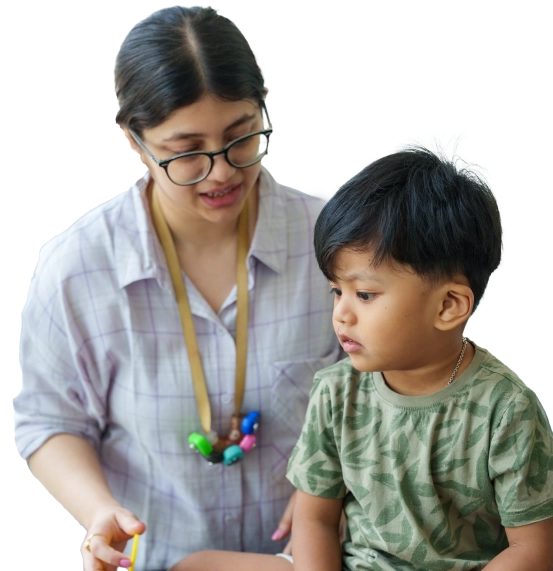
Do you often feel exhausted trying to keep up with your child’s endless energy? Does your little one jump from one activity to another, struggle to focus, interrupt conversations constantly, or become restless even during meals or bedtime? If yes, you are not alone.
It can be confusing if your child is simply energetic or if these behaviors point towards something serious like Attention-Deficit/Hyperactivity Disorder (ADHD). However, this confusion is more common than you think. In fact, according to the U.S. Centers for Disease Control and Prevention (CDC), nearly 11.4% of children between 3 and 17 years have been diagnosed with ADHD, and hyperactivity is one of its most common symptoms.
This can be worrisome for many parents, as children with untreated ADHD are more likely to struggle academically and emotionally compared to their peers. Today, we will explain what hyperactivity is, the common signs, its causes, and how parents can manage a child with ADHD.
What Does Hyperactive Mean?
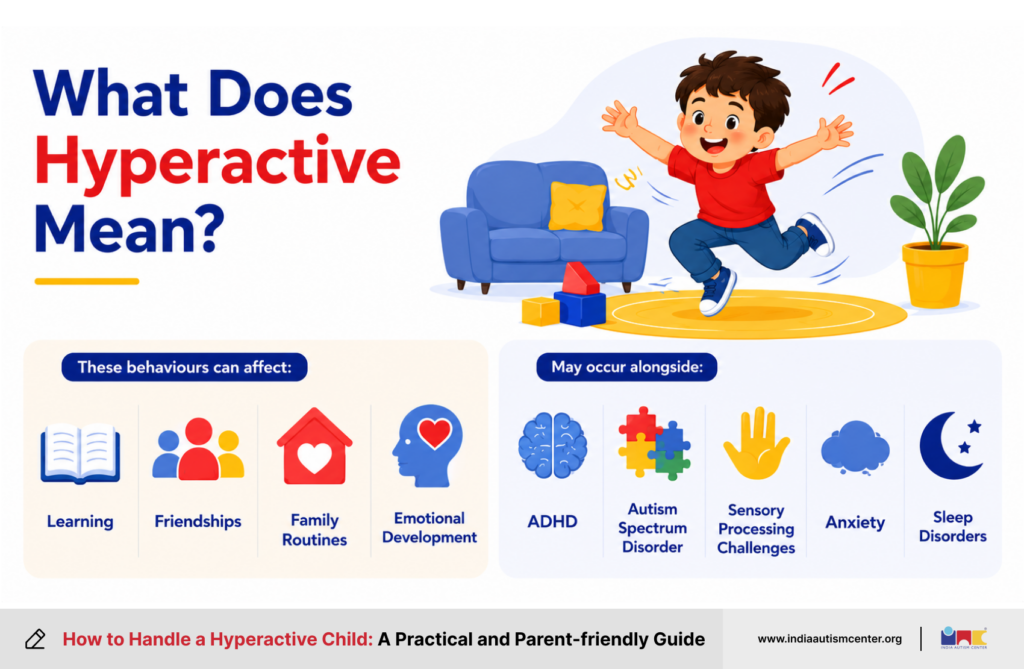
Many parents search online asking, “What does hyperactive mean?” A hyperactive child usually shows unusually high levels of movement, impulsiveness, and restlessness, and has difficulty staying calm or focused for age-appropriate periods.
While all children are naturally active, hyperactivity goes beyond normal excitement or playfulness. A child who experiences hyperactivity may:
- constantly run or climb
- fidget all the time
- interrupt conversations frequently
- talk excessively
- struggle to stay seated
- become easily distracted
- act impulsively without thinking
- switch rapidly between activities
- have emotional outbursts often
More often than not, such behaviour can interfere with learning, friendships, family routines, emotional development and classroom participation.
Parents need to remember that hyperactivity may occur alongside conditions like ADHD, autism spectrum disorder, sensory processing challenges, anxiety and sleep disorders.
What Are Some of the Common Signs of Hyperactivity in Children?
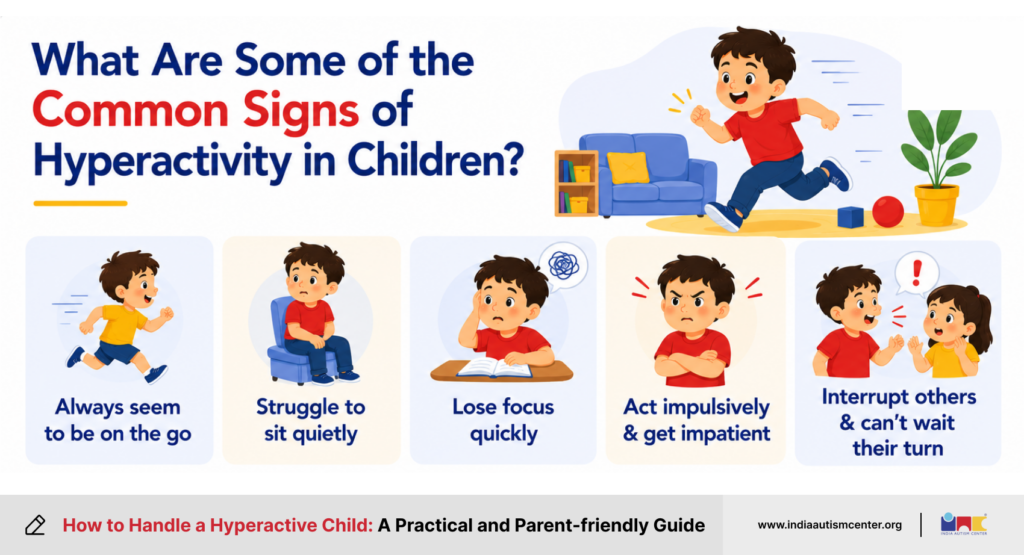
Children naturally have energy, especially toddlers and preschoolers. However, some signs may suggest persistent childhood hyperactivity rather than normal active behaviour. Some very common signs of a hyperactive child are:
- The child might always seem to be on the go
- The child struggles to sit quietly, even for short periods
- Children with hyperactivity tend to lose focus quickly
- They tend to become impatient easily
- Children who are hyperactive at times also have trouble following instructions
- More often than not, the child shows impulsive behaviour
- They also interrupt people repeatedly
- The child can also struggle with waiting for their turns
- Parents might also notice these children move excessively during sleep
- Hyperactive children also become emotionally overwhelmed quickly
- Teachers might find that such children have difficulty staying seated in class, come to class with incomplete schoolwork, talk constantly, are easily distracted or exhibit disruptive behaviour.
Studies have also found that ADHD symptoms can continue into adolescence and even adulthood if not addressed early. However, early intervention can significantly improve long-term outcomes.
What Are the Common Causes of Hyperactivity in Children?
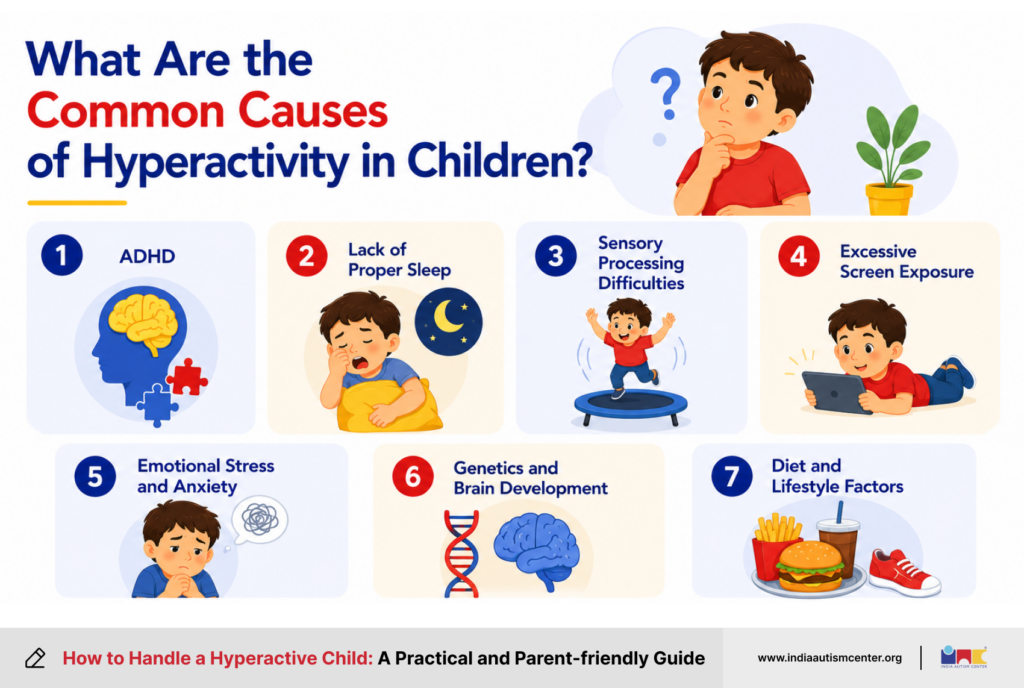
Understanding the causes behind hyperactivity in children is important because hyperactive behaviour is not always linked to one single condition. In many cases, several biological, emotional, environmental, and developmental factors work together.
While some children are naturally energetic, persistent restlessness, impulsive behaviour, and difficulty focusing may indicate deeper concerns that require attention and support.
Here are some of the most common causes of childhood hyperactivity that parents should know about.
1. Attention-Deficit/Hyperactivity Disorder (ADHD)
One of the leading causes of a hyperactive child is ADHD. Children with ADHD tend to struggle with sitting still, controlling impulses, staying focused, following instructions, or managing emotions.
Hyperactivity is usually accompanied by impulsiveness and attention difficulties.
2. Lack of Proper Sleep
Sleep plays a major role in a child’s behaviour and brain function. Surprisingly, tired children do not always appear sleepy. Instead, they may become overly active, irritable, impulsive, and emotionally sensitive.
Poor sleep routines, excessive screen time before bed, sleep disorders, or anxiety can make the hyperactivity in children even worse.
3. Sensory Processing Difficulties
Some children constantly seek movement because their nervous system processes sensory information differently. They may jump, spin, run, or fidget frequently to regulate themselves. Sensory challenges are commonly seen in children with ADHD and autism spectrum disorder.
4. Excessive Screen Exposure
There are various studies that suggest that too much screen time may affect attention span, emotional regulation, sleep quality, and behaviour in young children. Fast-paced digital content tends to overstimulate the brain, making it difficult for children to stay calm as well as focused.
5. Emotional Stress and Anxiety
More often than not, children tend to express their emotional distress in a physical way instead of a verbal one. Family stress, academic pressure, changes in routine, or even certain emotional insecurity may lead to hyperactivity.
6. Genetics and Brain Development
There is research that explains genetics plays a strong role in childhood hyperactivity. Children who have a family history of ADHD or related neurodevelopmental conditions tend to be more likely to show hyperactive symptoms.
7. Diet and Lifestyle Factors
Sugar alone will not instantly cause hyperactivity. Instead, unhealthy eating habits and consumption of processed foods, along with lack of physical activity and irregular routines, also tend to significantly contribute to behavioural challenges in a lot of children.
Understanding the root cause of hyperactivity helps parents approach a hyperactive child with empathy and not frustration. Early intervention and support, healthy routines, and professional guidance when needed can make a drastic difference in a child’s emotional and behavioural development.
How to Handle Hyperactive Child Behaviour Calmly?
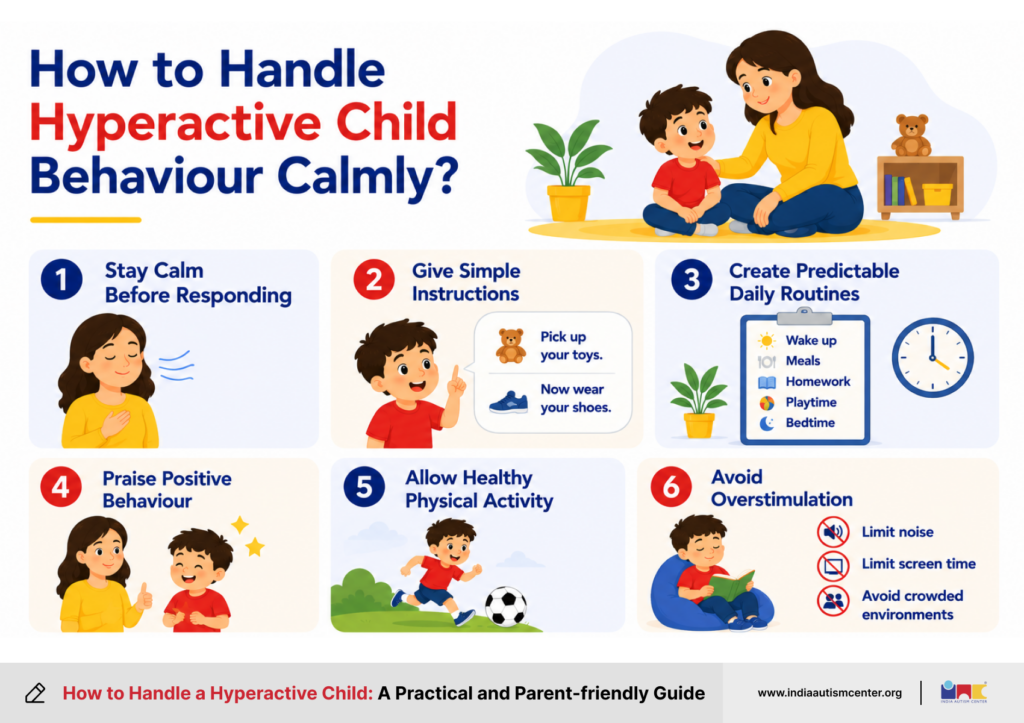
Managing a hyperactive child can feel overwhelming, especially when daily routines become filled with tantrums, restlessness, impulsive behaviour, and emotional outbursts. However, shouting, harsh punishments, or constant scolding usually make the situation worse.
Children who experience hyperactivity often struggle with emotional regulation and self-control, so they need calm guidance rather than criticism.
Here are some effective ways parents can handle hyperactive behaviour calmly and positively.
Stay Calm Before Responding
Children often mirror the emotions of the adults around them. If parents become frustrated or angry quickly, the child may become even more restless or emotional. Here is what can be done instead:
- Speak slowly and clearly
- Maintain a calm tone
- Avoid yelling during meltdowns
- Give the child time to settle down
A calm parent helps create a calmer environment for the child.
Give Simple Instructions
Long explanations can overwhelm a hyperactive child. Instead of giving multiple instructions together, break tasks into smaller steps. For example:
- “Pick up your toys first.”
- “Now wear your shoes.”
Simple directions improve cooperation and reduce frustration.
Create Predictable Daily Routines
Children with childhood hyperactivity tend to respond well to structure. Fixed routines can further help to reduce confusion and overstimulation. Try maintaining consistent wake-up time, meal schedules, homework hours, playtime and bedtime routine.
When children know what to expect, they often feel more secure and better regulated emotionally.
Praise Positive Behaviour
Positive reinforcement is one of the best tools for managing hyperactivity in children. Prent must praise behaviours such as sitting calmly, listening carefully, waiting patiently or completing tasks.
Even an achievement needs to be appreciated, and encouragement motivates children to repeat good behaviour.
Allow Healthy Physical Activity
Hyperactive children need safe ways to release energy. Outdoor play, cycling, swimming, dancing, or jumping activities can help improve focus and emotional balance.
Avoid Overstimulation
Too much noise, screen time, or heavily crowded environments can increase restlessness. Creating a calm and organised environment often helps children feel more relaxed.
Learning how to handle hyperactive child behaviour takes patience and consistency. Small daily changes, combined with emotional support and understanding, can gradually improve behaviour and strengthen the parent-child relationship.
How to Deal with a Hyperactive 2-Year-Old?
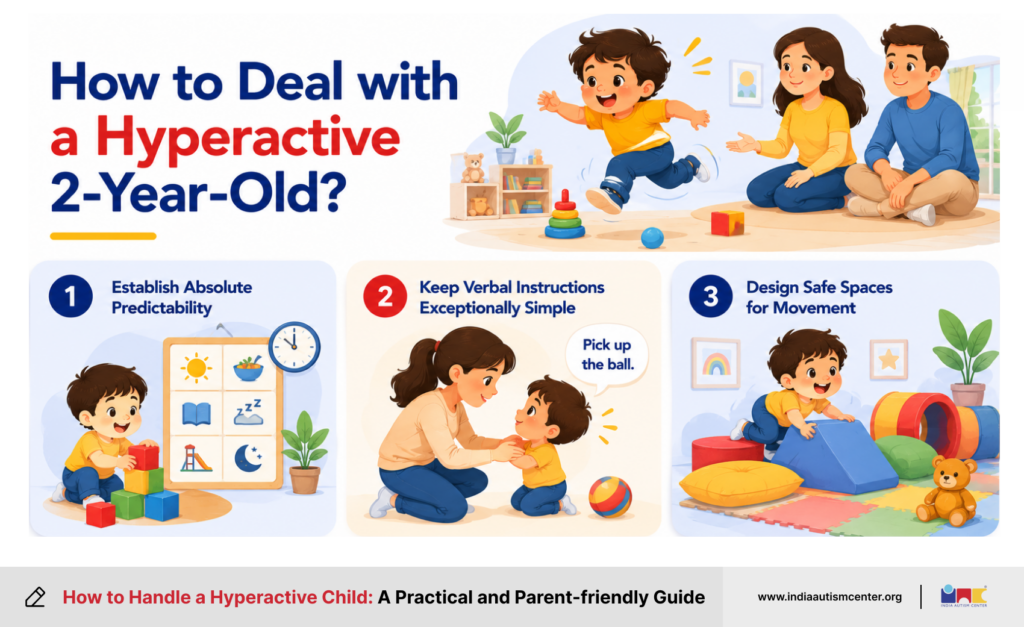
The toddler years are defined by rapid exploration, but managing a hyperactive 2-year-old requires an extra layer of patience, predictability, and safety. At this tender age, the brain is developing at an astonishing rate, and toddlers lack the language skills to express overwhelming sensory inputs or big emotions.
Here is what you can do:
- Establish Absolute Predictability: Create a highly structured daily routine. Toddlers thrive when they know exactly what comes next. Ensure that meals, afternoon naps, and bedtime occur at the same times every single day to keep their nervous system grounded.
- Keep Verbal Instructions Exceptionally Simple: When giving directions, crouch down to their eye level, place a gentle hand on their shoulder, and use simple, three- to four-word sentences, such as “pick up the ball.”
- Design Safe Spaces for Movement: Since a hyperactive toddler needs to move, it is best to set up a dedicated room or corner with soft floor mats, oversized pillows, and safe climbing toys where they can burn off energy without constantly hearing the word no.
How to Calm a Child with ADHD during Meltdowns?
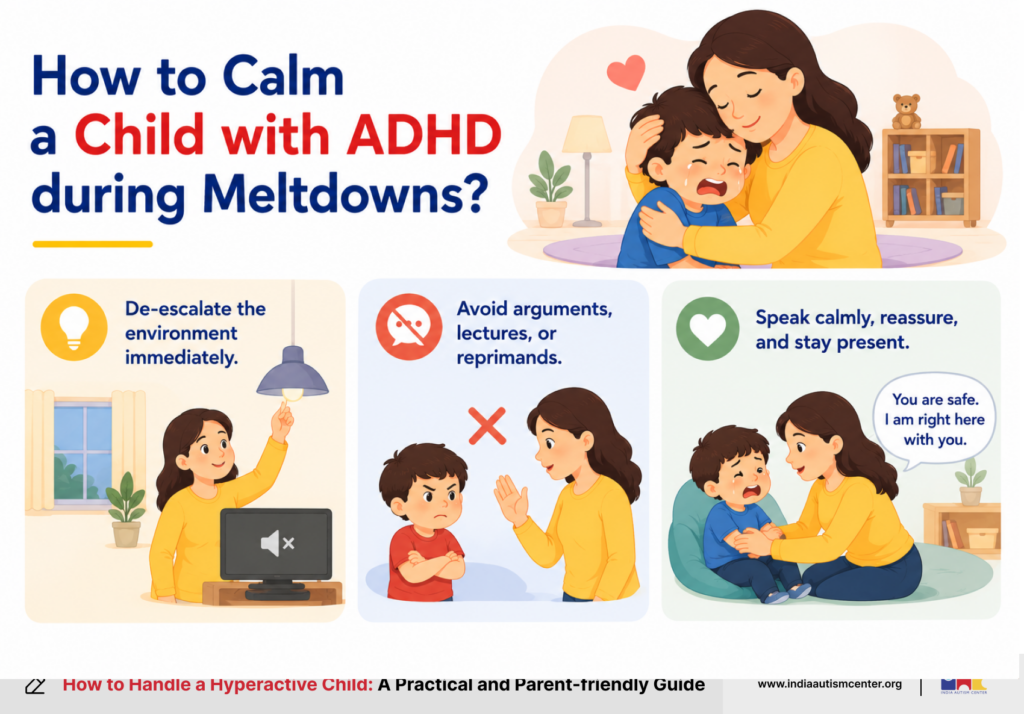
An emotional meltdown is completely different from a typical temper tantrum. It is an involuntary neurological response to an overloaded sensory and emotional system. Learning how to calm a child with ADHD during these intense moments requires a calm, steady, and non-punitive approach from the caregiver.
During a severe meltdown, de-escalate the environment immediately by dimming bright overhead lights, turning off loud televisions, and asking other family members to step into another room.
Avoid lengthy arguments, lecturing, or reprimanding your child when they are distressed.
Instead, speak in a low, quiet, reassuring, and rhythmic whisper. Moreover, saying words like “You are safe, or I am right here with you” can considerably help to calm them down. It is a better idea to let the intense emotional wave pass first and then attempt to discuss the underlying issue or give a gentle solution.
Professional Therapies and Long-Term Guidance
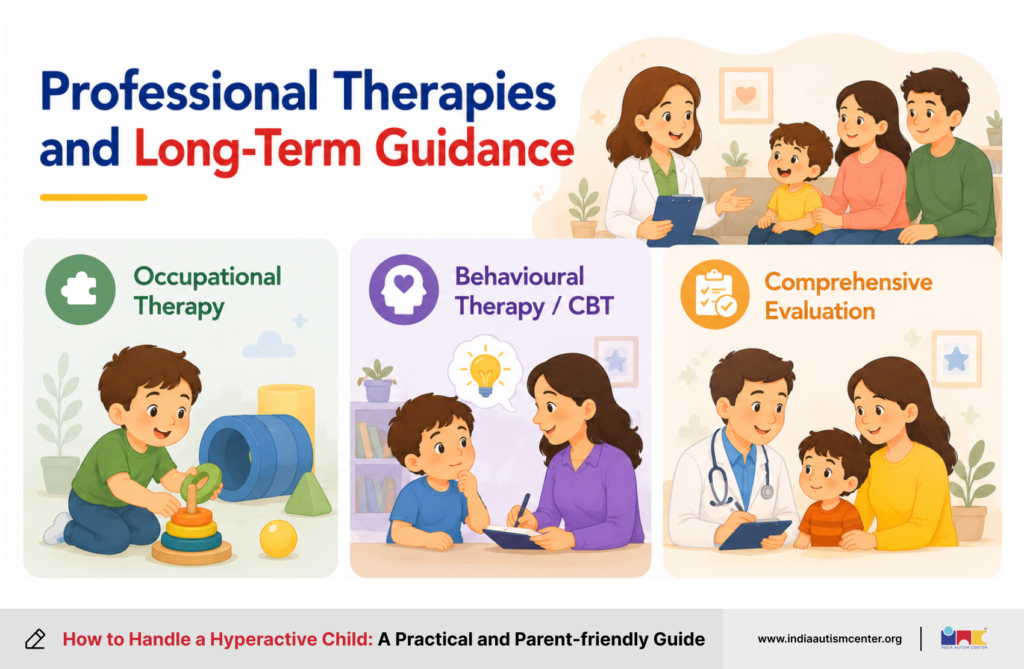
While implementing home-based adjustments is incredibly powerful, it is also necessary to understand that treating hyperactivity often requires a more collaborative approach involving healthcare professionals who specialise in the field.
Every single child is unique, and a combination of tailored therapies frequently provides the most sustainable path forward. Occupational therapy is also proven to be quite beneficial, particularly through sensory integration therapy. It essentially helps hyperactive children to process environmental stimuli more effectively.
Behavioural therapies or Cognitive Behavioural Therapy (CBT) can help to empower older children to identify their impulsive thoughts and develop healthy, lifelong coping mechanisms.
If you notice that hyperactivity is significantly impacting your child’s learning journey or emotional well-being, scheduling a comprehensive developmental evaluation with a trusted paediatrician or specialist is an excellent, proactive step.
Emotional Support for Parents Matters Too
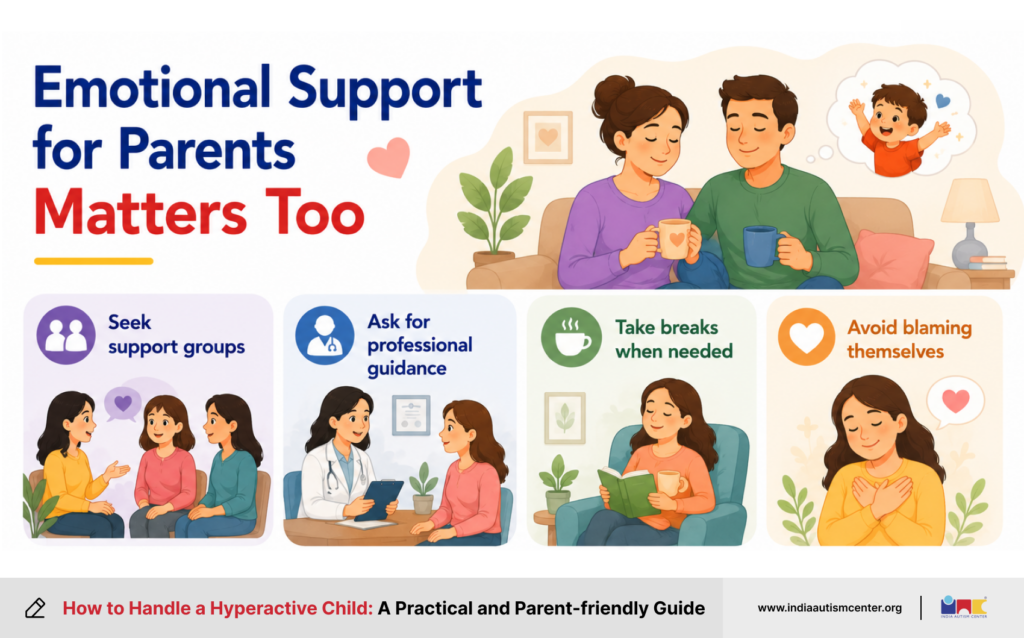
Taking care of and raising a hyperactive child can be physically and emotionally tiring. Hence, it is also advised that parents should:
- Seek support groups
- Ask for professional guidance
- Take breaks when needed
- Avoid blaming themselves
A child’s hyperactivity does not reflect that you are a bad parent. In fact, supportive parenting is one of the strongest protective factors for children with ADHD and behavioural challenges.
Conclusion
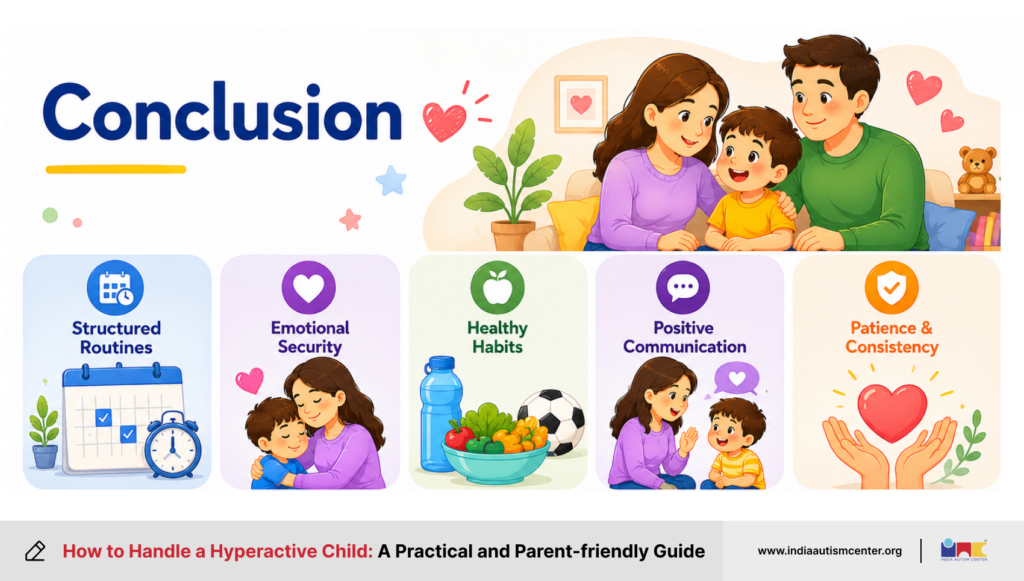
Supporting a hyperactive child requires patience, consistency, and understanding. Rather than focusing only on controlling behaviour, parents need to focus on creating structured routines, emotional security, healthy habits, as well as positive communication.
A little effort on a daily basis can gradually improve focus, emotional regulation, and confidence in children experiencing hyperactivity.
For families seeking trusted guidance on neurodevelopmental conditions, sensory challenges, emotional development, and inclusive support, India Autism Center offers valuable resources and awareness initiatives to support both children and caregivers.
With the right approach and early support, every child can thrive and even reach their full potential.
Frequently Asked Questions
What does hyperactivity mean in children?
Hyperactive behaviour in children refers to excessive movement, impulsivity, restlessness, and difficulty focusing or staying calm compared to other children of the same age.
Is hyperactivity in children always linked to ADHD?
Not necessarily. Hyperactivity in children is not always due to ADHD. Sleep problems, anxiety, sensory issues, stress, and developmental differences are also known to contribute to hyperactive behaviour.
How to handle a hyperactive child’s behaviour at home?
Parents can easily manage hyperactive behaviour by maintaining routines, using positive reinforcement, limiting overstimulation, encouraging physical activity, and offering calm, simple instructions in a consistent manner.
How to treat hyperactivity in children effectively?
There are several treatment options involving behavioural therapy, structured routines, emotional support, occupational therapy, lifestyle changes, and medical guidance in case the symptoms are significantly affecting daily functioning.
Does screen time increase hyperactivity in children?
Excessive screen exposure is proven to overstimulate children. Moreover, it also tends to affect sleep quality, reduce attention span or even worsen emotional regulation challenges primarily associated with hyperactivity.
When should parents seek professional help for hyperactivity?
Parents can look for professional help if they find that hyperactivity starts to affect learning, relationships, emotional well-being, sleep, safety, or daily functioning consistently.
How can parents emotionally support a hyperactive child?
Parents can support children emotionally primarily by being patient, listening actively, maintaining consistent routines for them, encouraging them, providing positive reinforcement, and creating a safe, understanding home environment.
For expert insights, support services, and inclusive learning initiatives, visit the India Autism Center.