 Donate now
 Get a Call Back
 MENU
MENU 10 MIN READ
 SHARE
SHARE


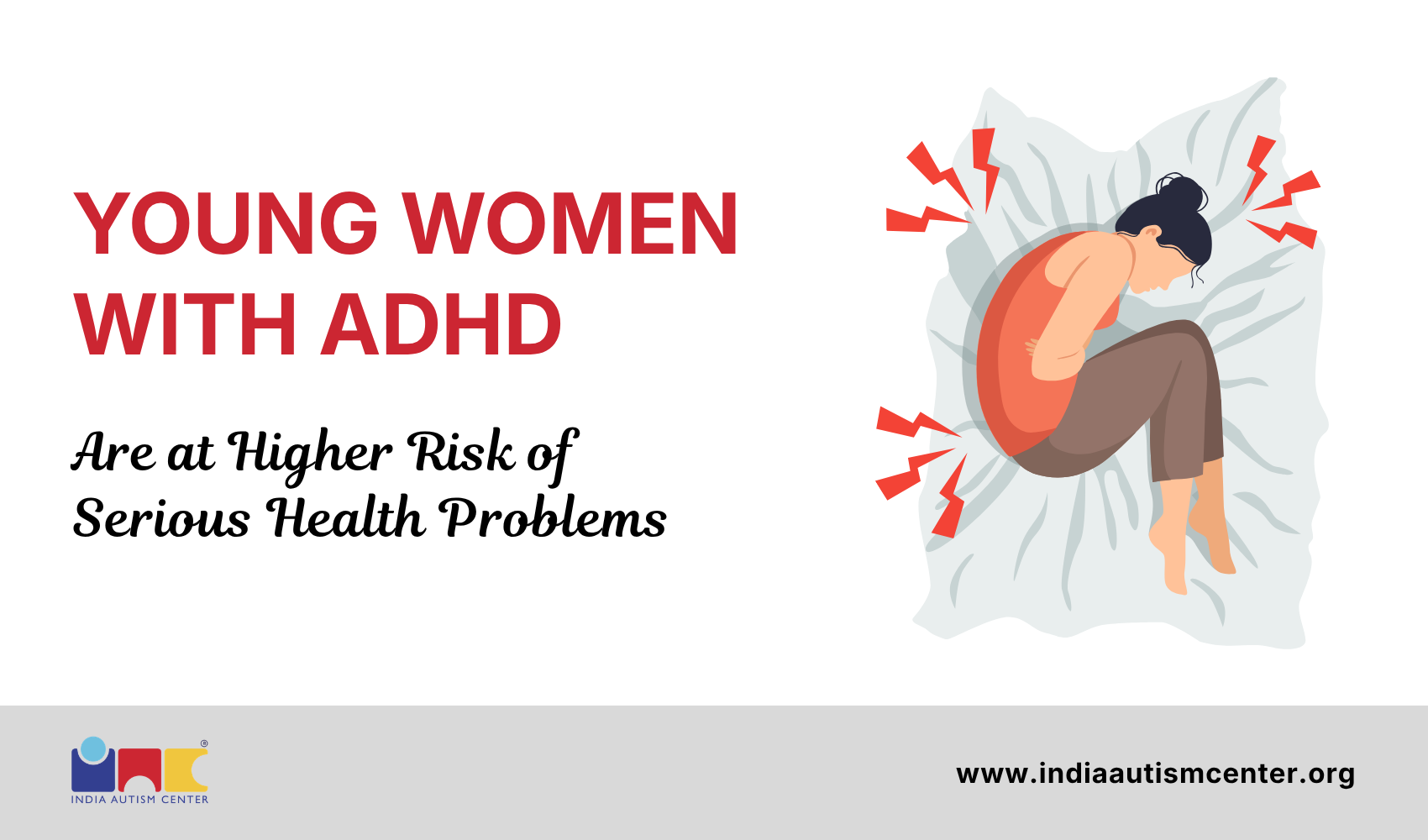
A recent study on Attention-Deficit/Hyperactivity Disorder (ADHD) in young women reveals that girls diagnosed with ADHD in childhood are significantly more likely to develop multiple serious health conditions as young adults. A landmark 2026 study published in Nature Mental Health found that when childhood poverty is also present, the risk compounds dramatically — with nearly 39% of the health burden driven by the interaction between ADHD and deprivation alone.
This isn’t a minor footnote in ADHD research. It’s a wake-up call.
What Did The 2026 Study On ADHD And Women’s Health Actually Find?
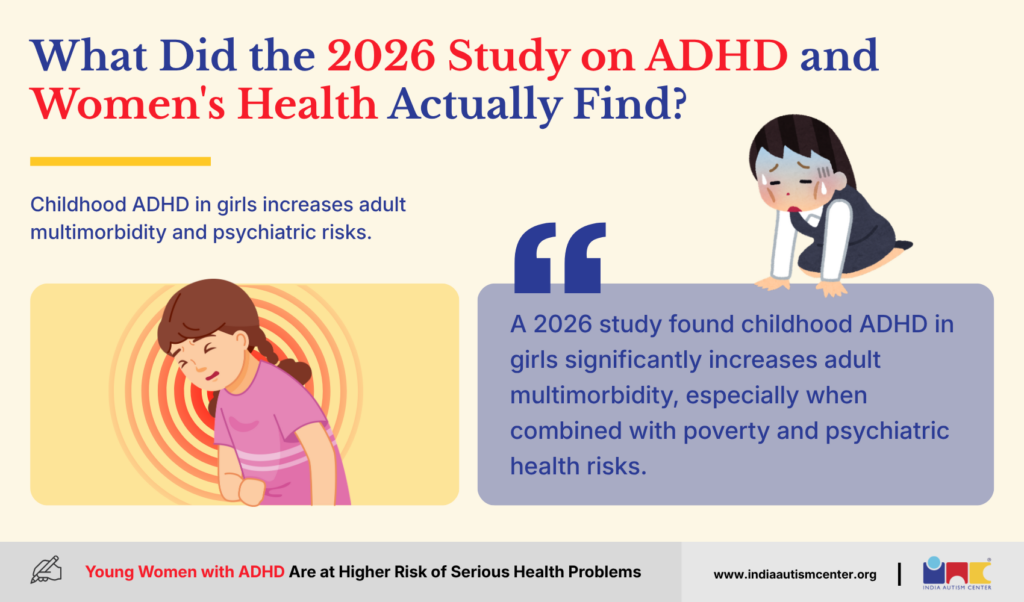
The study — Wilson et al. (2026), published in Nature Mental Health — followed a large population-based cohort of females born in Wales between 1991 and 1998. Researchers tracked their health records from childhood through early adulthood (ages 18–32) using linked primary and secondary care data.
Three major findings came out of it:
- Girls with childhood ADHD had a significantly higher risk of adult multimorbidity — 2.38 times higher than matched controls, even after accounting for other factors.
- When childhood poverty was also present, that risk jumped to 3.91 times — far higher than either risk factor alone.
- The most severe health cluster, seen predominantly in the ADHD group, was marked by a high burden of psychiatric conditions including PTSD and borderline personality disorder.
Multimorbidity means having two or more long-term health conditions at the same time. This isn’t just about mental health. It spans respiratory, metabolic, gastrointestinal, autoimmune, and psychiatric conditions — all co-occurring in young women who were diagnosed with ADHD as children.
Want to know more? Get in touch with us.
Why Are Girls With ADHD Still Being Missed?
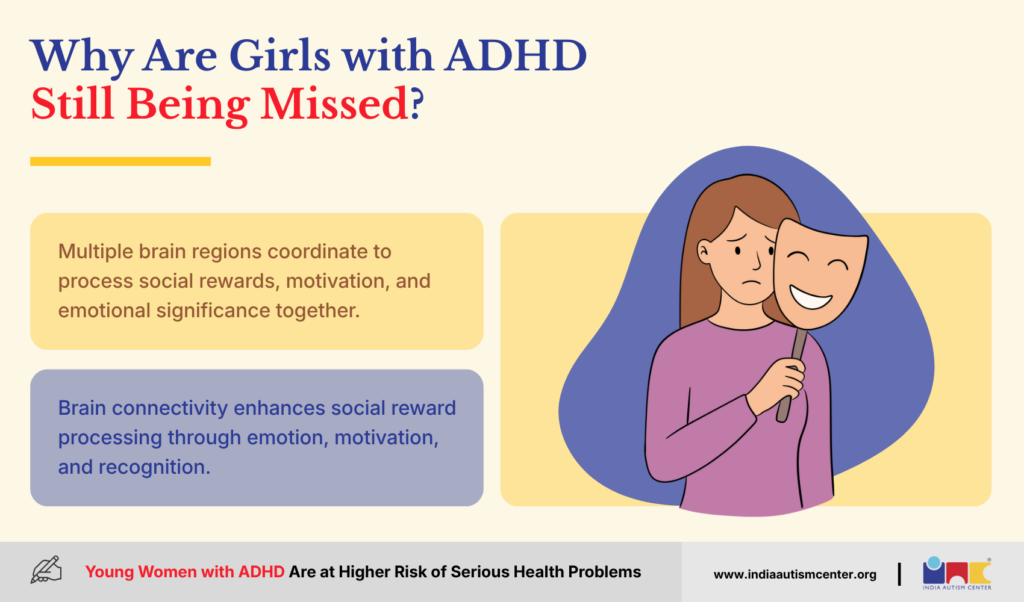
This is the question that underpins everything else.
ADHD was historically considered a condition that mostly affected hyperactive boys. That framing shaped the diagnostic criteria, the research, and the clinical instincts of generations of healthcare providers.
Girls don’t usually present the same way.
How ADHD typically looks in girls:
| Trait in Boys (more commonly recognised) | Trait in Girls (more commonly missed) |
| Hyperactivity, fidgeting, running around | Daydreaming, appearing “spacey” |
| Impulsivity, blurting out answers | Emotional dysregulation, crying easily |
| Disruptive classroom behaviour | Quiet, inattentive, “tries hard but scattered” |
| Externally visible struggle | Internalised anxiety and self-criticism |
Girls tend to mask — consciously or unconsciously hiding their symptoms to fit social expectations. From a young age, girls are socialised to be well-behaved, attentive, and composed. So many girls with ADHD sit quietly in class with their minds racing, spending enormous energy keeping up appearances.
By the time they’re adults, masking has become a way of life. They stay late at work to compensate for lost focus. They tell themselves they’re just anxious, just not smart enough, just lazy.
They’re not. They were missed.
Research confirms that diagnostic rates are higher among boys than girls at a 2:1 ratio in childhood — and experts believe this gap reflects systemic underdiagnosis of females, not a genuine male predisposition to ADHD.
There’s more to it; read: Why Are Fewer Girls Diagnosed with Autism?
What Long-Term Health Conditions Are These Women Developing?
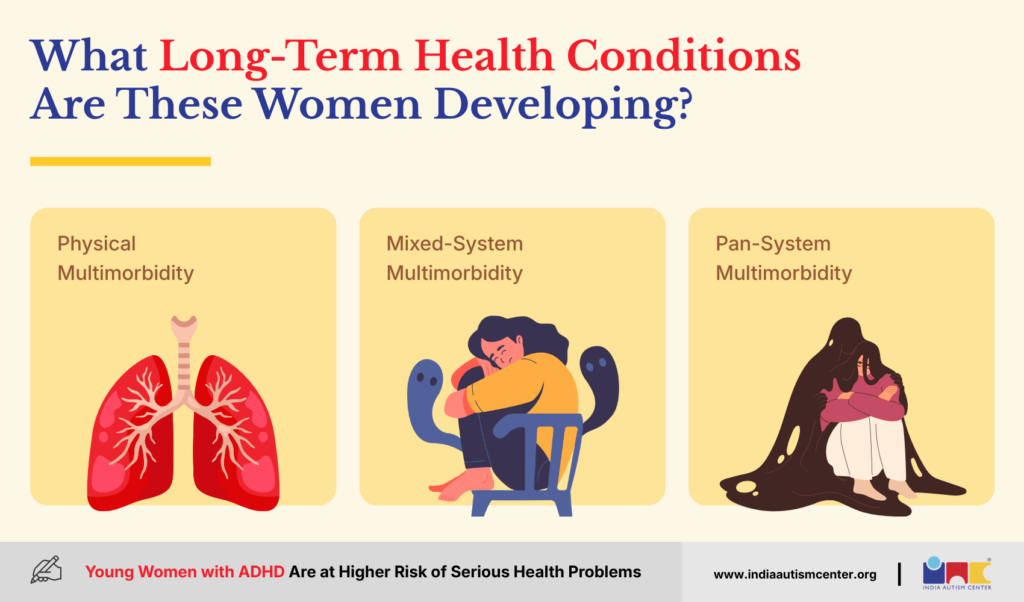
The 2026 study identified three distinct clusters of health conditions — and the pattern in women with childhood ADHD is notably more severe.
Cluster 1: Physical Multimorbidity
Conditions concentrated in physical health domains — respiratory, metabolic, gastrointestinal. This cluster was seen only in women without a childhood ADHD diagnosis.
Cluster 2: Mixed-System Multimorbidity
Both physical conditions and common psychiatric conditions like anxiety and depression. Present in both groups, but more loaded in the ADHD group.
Cluster 3: Pan-System Multimorbidity (most severe)
A high burden of conditions spanning nearly every body system — and in the ADHD group specifically, a significantly higher concentration of:
- Post-traumatic stress disorder (PTSD)
- Borderline personality disorder (BPD) — uniquely concentrated in this cluster for those with childhood ADHD, virtually absent from all other clusters
- Anxiety and depression at elevated rates
- Physical conditions across multiple systems
This pan-system cluster also had the highest number of hospital admissions and the longest total days spent in hospital. The health toll is real, measurable, and preventable.
Other research adds further context. Girls and women with ADHD carry higher risk of eating disorders, suicide attempts, suicidal ideation, and dying younger — compared not just to the general population, but also compared to boys and men with ADHD.
Why Does Poverty Make Everything Worse?
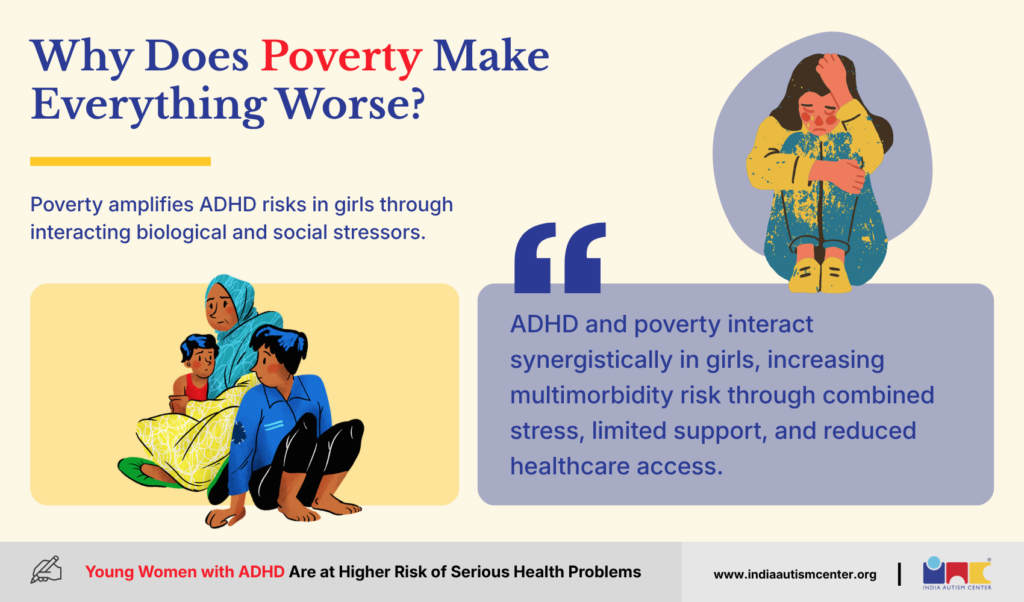
The study didn’t just look at ADHD in isolation. It asked: what happens when a girl grows up with ADHD and in socioeconomic deprivation?
The answer is stark.
Girls with both ADHD and childhood poverty had odds of multimorbidity nearly 4 times higher than those with neither. Crucially, 39% of that excess risk was driven by the interaction between the two — not just their individual effects added together. That’s a synergistic effect, where two vulnerabilities collide to create something worse than the sum of their parts.
Think about what poverty actually does to a child with ADHD:
- Reduced access to timely diagnosis and specialist support
- Higher exposure to adverse childhood experiences and trauma
- Greater stress on the family system, limiting parental capacity to advocate
- Less access to tutoring, therapy, or coping strategies
- Heightened biological stress responses from chronic environmental pressure
ADHD rarely occurs in a vacuum. The biological pathways — dysregulated stress responses, inflammation, impulsivity — interact with social and structural disadvantage. Girls from deprived backgrounds with ADHD carry both, and the healthcare system largely fails to address them together.
What Happens When ADHD Goes Undiagnosed for Years?
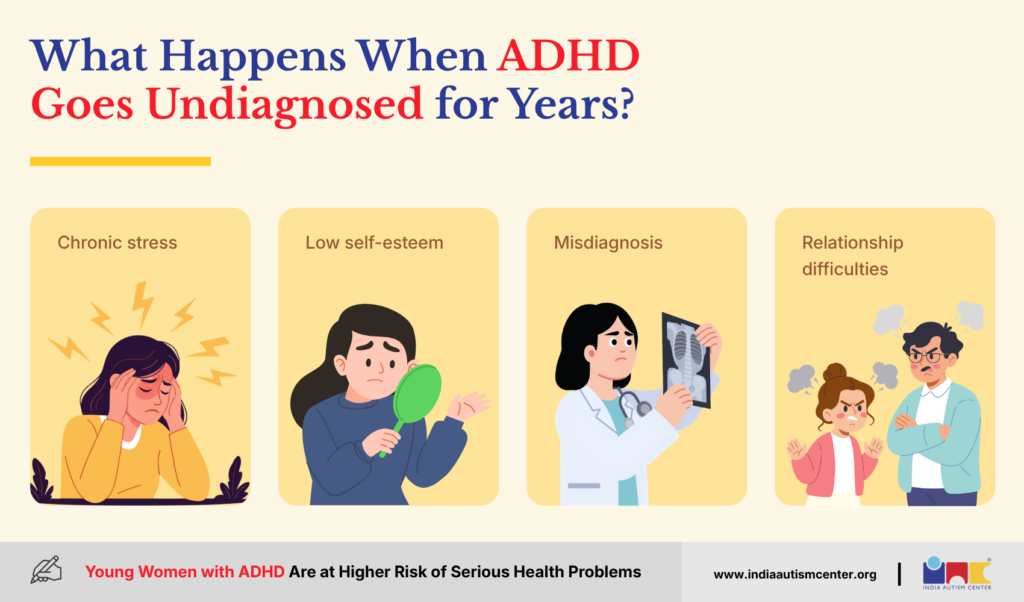
The consequences of missed diagnosis are not abstract. They accumulate over time.
Women with undiagnosed ADHD are more likely to experience:
- Chronic stress from years of compensating without understanding why
- Low self-esteem — often internalising failure as a character flaw rather than a neurological difference
- Misdiagnosis — being treated for anxiety or depression while the underlying ADHD goes untreated
- Relationship difficulties — higher rates of partner abuse, unplanned pregnancies, and social isolation
One 2025 study in Scientific Reports found that women with late-diagnosed ADHD commonly reported guilt, shame, and deeply negative self-perception as a direct result of delayed diagnosis. Many described the diagnosis itself as revelatory — their lives finally making sense.
The life expectancy data is sobering. A 2025 study tracking over 30,000 adults with ADHD found that women with ADHD had an average life expectancy of 75.15 years, compared to 83.79 years for women without ADHD. That’s nearly a nine-year gap.
We have a very detailed, comprehensive article on Attention Deficit Hyperactivity Disorder (ADHD, read it to get more clarity and in-depth understanding
Want to know more? Get in touch with us.
How Do Hormones Complicate ADHD In Females?
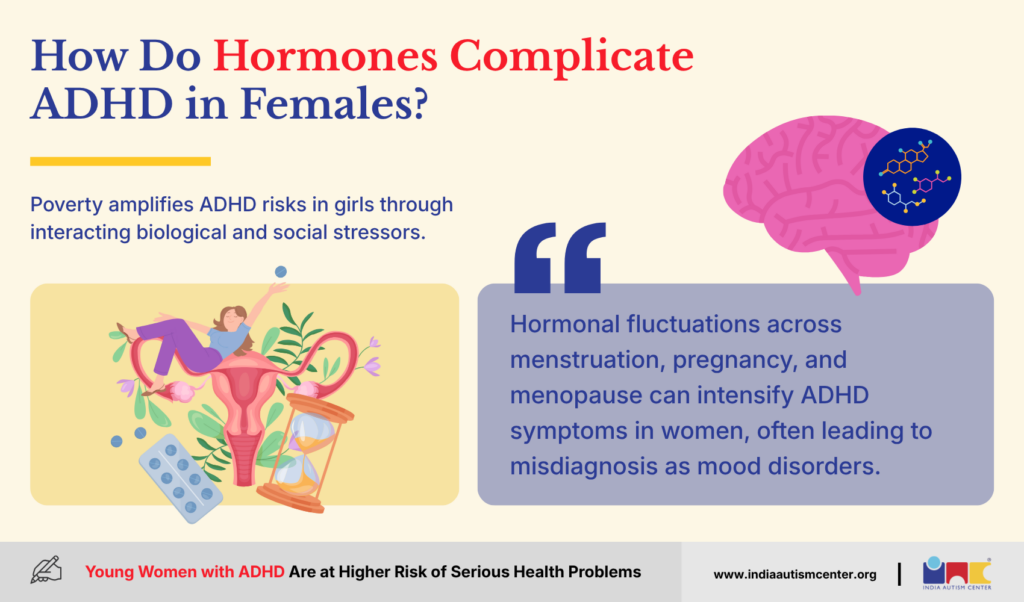
Hormones interact with ADHD symptoms throughout a woman’s life in ways that are still being understood — and often dismissed.
Research from Monash University’s HER Centre, published in the Journal of Psychiatric Research, surveyed 600 women with ADHD and found:
- 88% reported changes in ADHD symptoms during their menstrual cycle — particularly in the two weeks before their period
- More than 70% said their symptoms worsened after having a baby
- 97% said their symptoms were exacerbated during menopause
This is significant. It means that even women who have learned to manage their ADHD may find their coping strategies collapsing at key hormonal transition points — puberty, pregnancy, postpartum, perimenopause. And because clinicians often don’t connect hormonal shifts to ADHD, these women frequently get sent down the wrong diagnostic path again.
Anxiety. Depression. Mood disorder. Not ADHD.
What Does This Mean If You’re a Parent or Caregiver of a Girl with ADHD?
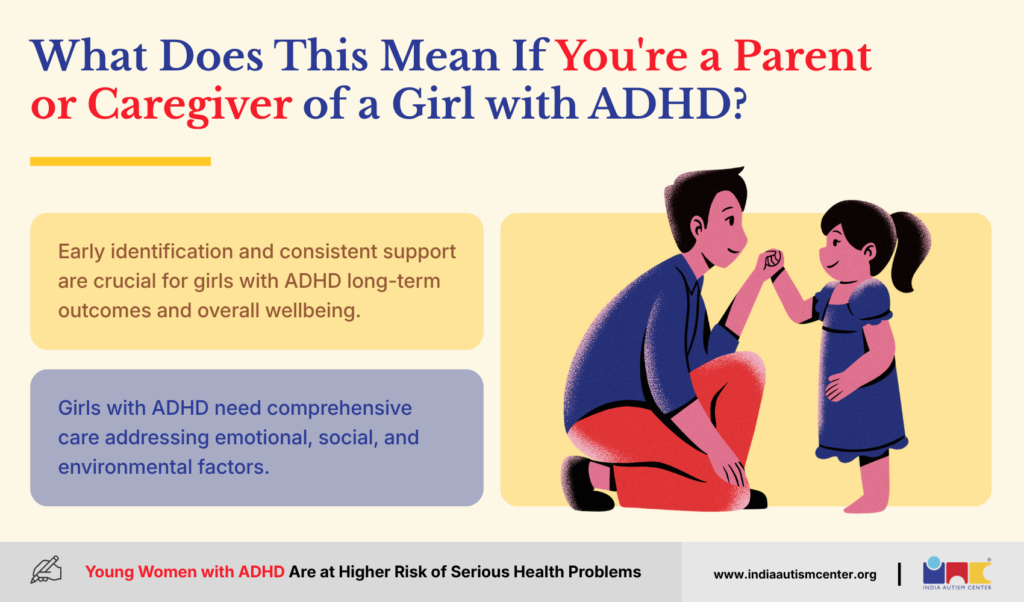
If your daughter has been diagnosed with ADHD, or if you suspect she might have it, this research carries a direct message: early identification and support matter enormously for her long-term health — not just her school performance.
Here’s what to watch for:
Signs of ADHD in girls that are commonly overlooked:
- Difficulty sustaining attention on tasks that aren’t inherently interesting
- Losing track of conversations, instructions, or belongings
- Emotional sensitivity that seems disproportionate to the situation
- Perfectionism and overcompensation as a way of hiding struggles
- Social anxiety or difficulty maintaining friendships
- Fatigue from the effort of masking
What you can do:
- Push for a comprehensive assessment if you see these patterns — don’t accept “she seems fine in class” as a complete answer
- Address co-occurring anxiety or depression alongside ADHD, not instead of it
- Consider socioeconomic stressors as part of the picture — practical and material support matters too
- Connect with specialists who understand female presentations of ADHD
The 2026 study is explicit: girls with ADHD from disadvantaged backgrounds are a high-risk group for long-term health complications and need earlier, more integrated care.
📥 Free download: Printable daily routine chart for autistic children
What Should Clinicians And Healthcare Systems Do Differently?
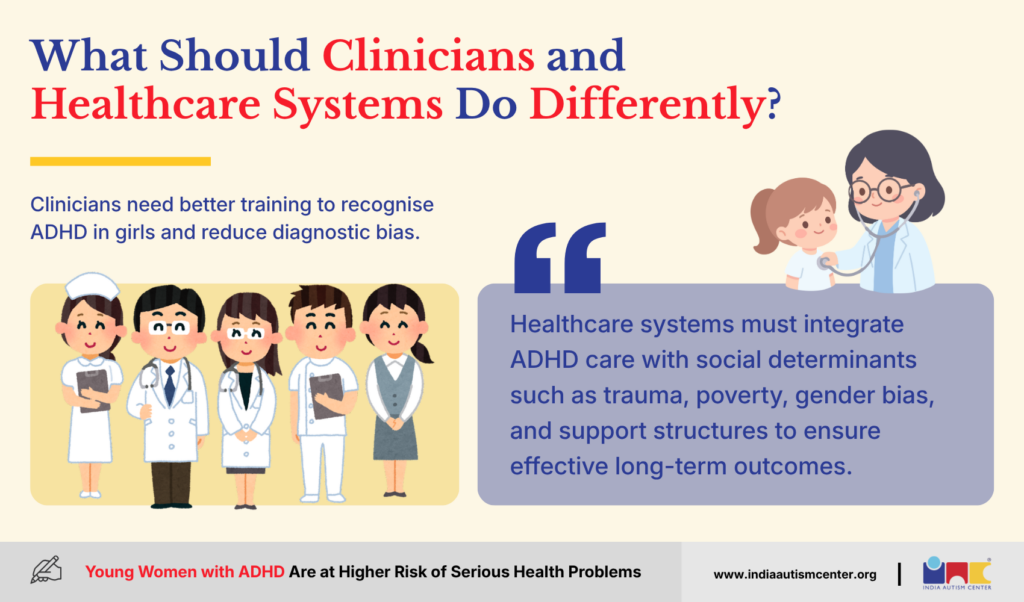
The research is clear about the gap between what we know and what clinical practice currently delivers.
Mental health and medical practitioners need better training in how ADHD presents in girls — including the role of gender expectations, racial and cultural stereotypes, and masking behaviour. Assessment tools designed around male presentations will continue to miss girls.
More importantly, clinical care needs to address social circumstances alongside neurological ones. Treating the ADHD without addressing poverty, trauma, or lack of support is incomplete care.
The study calls for public health strategies that treat neurodevelopmental conditions and social determinants of health together — not as separate silos. That shift in thinking, at a systems level, is what could meaningfully reduce the long-term health burden these women carry.
Key Takeaways at a Glance
| Finding | Detail |
| Multimorbidity risk in women with childhood ADHD | 2.38x higher than matched controls |
| Risk with ADHD + childhood poverty | 3.91x higher |
| Portion of risk driven by their interaction | 39% |
| Most severe health cluster | Pan-system multimorbidity with high psychiatric burden |
| Unique conditions in ADHD group | PTSD, borderline personality disorder |
| Life expectancy gap (women) | ~8.6 years shorter than women without ADHD |
| Diagnostic ratio (boys to girls, childhood) | 2:1 — likely reflecting systemic underdiagnosis |
Frequently Asked Questions
Do girls with ADHD grow out of it?
Not always. Approximately 65% of children diagnosed with ADHD continue to experience symptoms into adulthood. For girls, these symptoms often shift in how they present rather than disappearing entirely.
Can childhood ADHD cause health problems in adulthood?
Yes. Research now shows that children and adolescents with ADHD tracked into adulthood have worse health outcomes than their non-ADHD peers — including higher rates of smoking, increased BMI, substance use, diabetes, and chronic respiratory conditions.
Why are girls with ADHD less likely to be diagnosed?
Girls tend to present with inattentive, internalised symptoms rather than hyperactive or disruptive ones. Combined with social pressure to mask struggles, this means their ADHD is frequently missed or misidentified as anxiety or depression.
How does poverty affect ADHD outcomes in women?
Poverty independently increases the risk of multimorbidity — and when combined with childhood ADHD, the two interact synergistically to create a health burden significantly greater than either factor alone. 39% of the excess risk in the most deprived ADHD group was attributable to that interaction specifically.
What is multimorbidity?
Multimorbidity means having two or more long-term health conditions simultaneously. In the context of this research, it includes both physical conditions (respiratory, metabolic, gastrointestinal) and psychiatric conditions (PTSD, depression, borderline personality disorder).
What are the signs of ADHD in girls that are often missed?
Key signs include difficulty sustaining attention, emotional dysregulation, perfectionism used to mask struggles, daydreaming, social difficulties, and extreme fatigue from the ongoing effort of appearing “fine.”
For expert insights, support services, and inclusive learning initiatives, visit the India Autism Center.
Disclaimer: This article is intended for educational and informational purposes only. It does not constitute medical advice, diagnosis, or treatment. If you have concerns about your child’s development, attention, or behaviour, please consult a qualified healthcare professional. The research cited here reflects findings at the time of writing and should not be used as a substitute for personalised clinical guidance.