

 Donate now
 Get a Call Back

 MENU

Blogs
Voice of Change
Explore our autism blogs featuring expert-written articles on diagnosis, therapy, family support, professional training, and lived experiences.
Category:
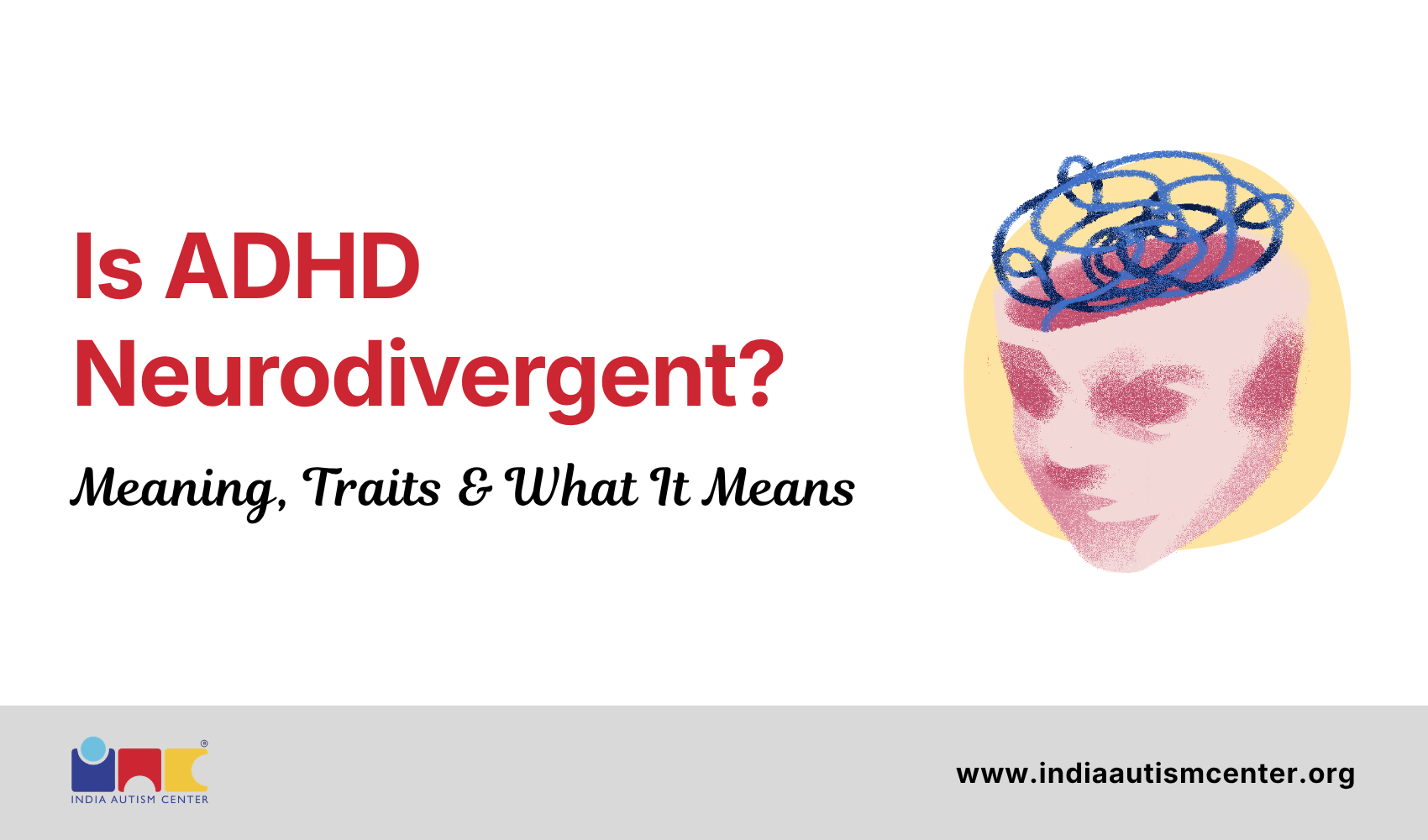
Is ADHD Neurodivergent? What You Need to Know
Discover whether ADHD is neurodivergent, what it means, common ADHD traits, how it differs from autism, diagnosis, and ways to support neurodivergent people.
 22 OCT 2026 11 MIN READ
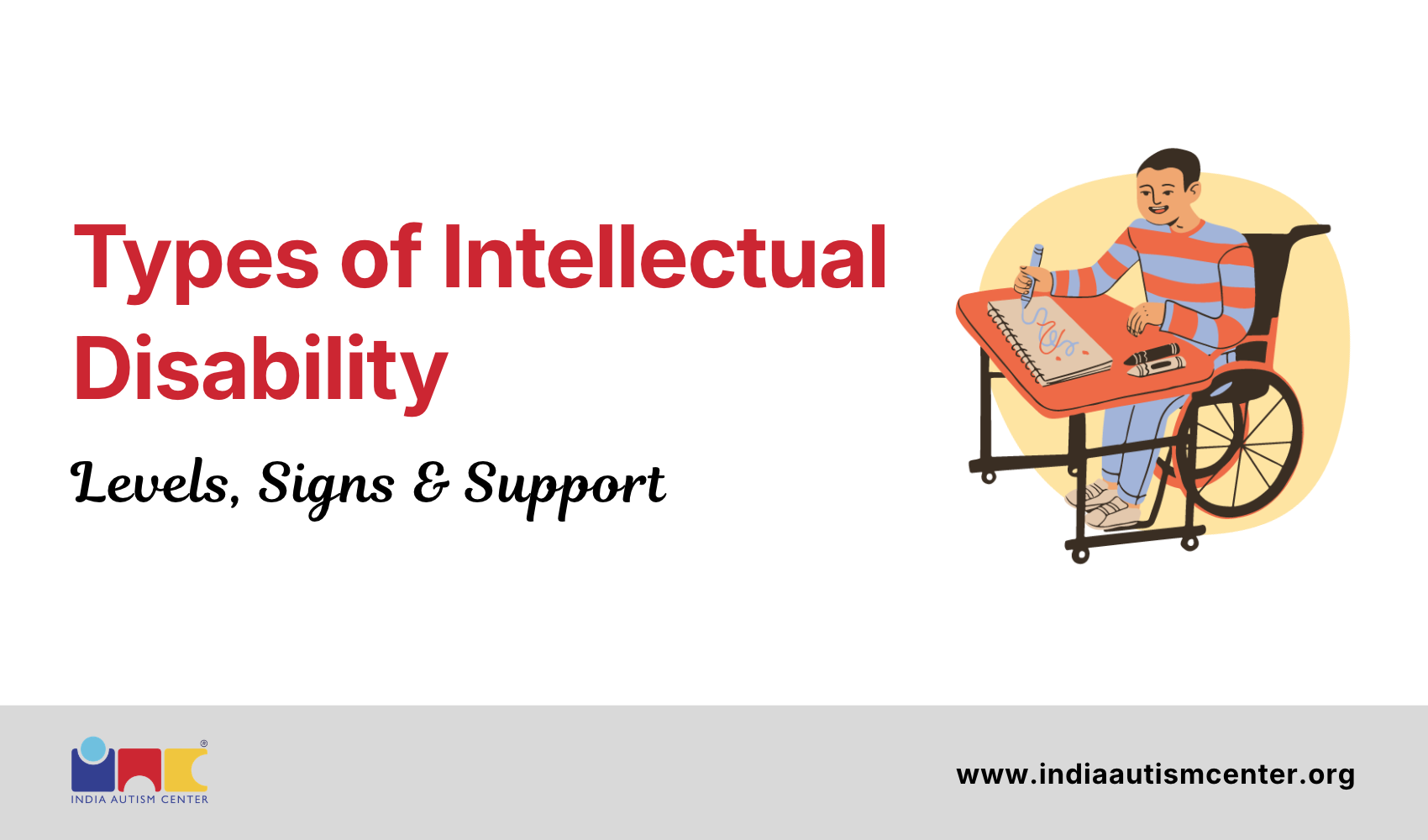
Types of Intellectual Disability Explained: Levels, Warning Signs & Support Every Parent Should Know!
Learn about the four types of intellectual disability, their levels, early signs, causes, diagnosis, and support options for children and families.
22 OCT 2026 11 MIN READ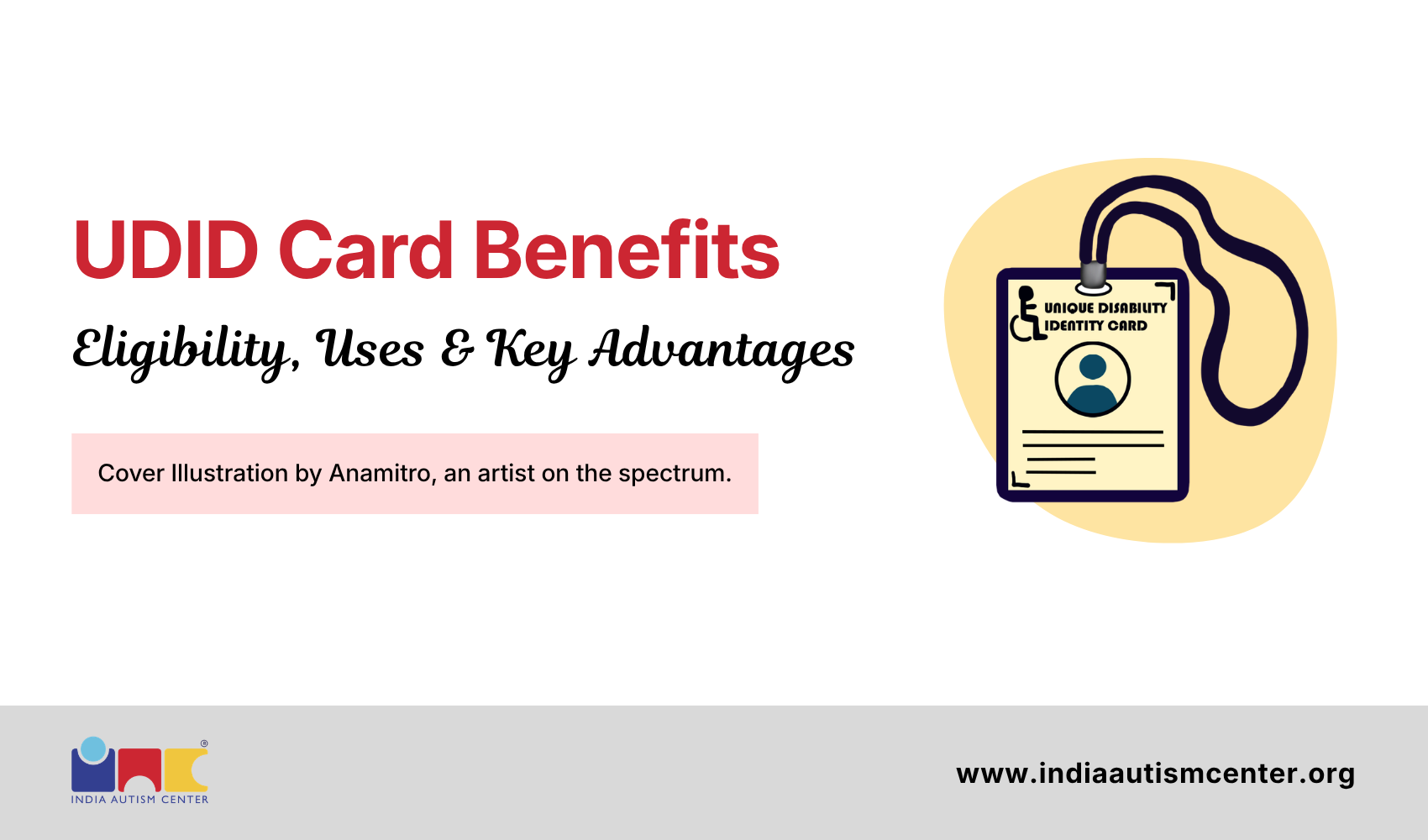
Benefits of UDID Card: Eligibility, Uses & Key Advantages
Explore UDID card benefits, eligibility, required documents, online application process and how the card helps persons with disabilities in India.
18 OCT 2026 11 MIN READ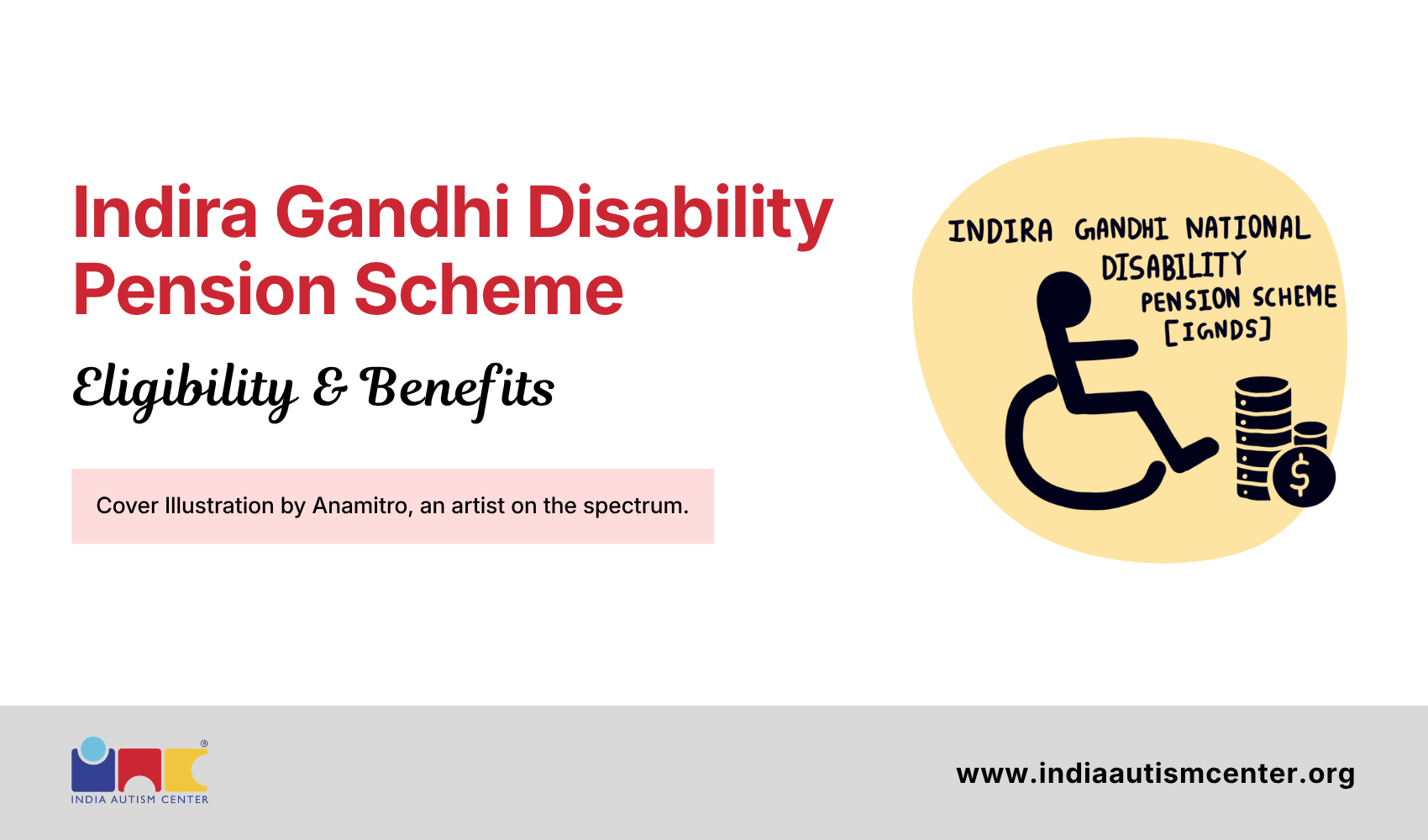
Indira Gandhi Disability Pension Scheme 2026 Guide
Learn about the Indira Gandhi Disability Pension Scheme (IGNDPS): eligibility, monthly pension amount, documents, how to apply and whether autism qualifies.
16 OCT 2026 10 MIN READ
ADHD Brain vs. Normal Brain: Key Differences in Attention, Motivation, and Function
How does an ADHD brain differ from a typical brain? Learn the key differences in attention, motivation, dopamine and executive function, and what helps.
15 OCT 2026 11 MIN READ
What Does an Autism Face Look Like? Understanding Facial Features and Autism
What if there really are subtle facial differences associated with autism? A 2019 study published in Autism Research found that autistic children showed significantly greater facial asymmetry than both typically developing children and their non-autistic siblings. The study examined 84 autistic children, 110 typically developing children and 49 siblings of autistic children using three-dimensional facial…
08 OCT 2026 11 MIN READ