 Donate now
 Get a Call Back
 MENU
MENU
Autism therapies are structured, evidence-based interventions designed to support individuals on the autism spectrum in developing communication, social, behavioural, sensory and daily living skills. No single therapy works for everyone; rather, a personalised combination of approaches tends to produce the most meaningful outcomes.
Autism therapies form the cornerstone of support for individuals diagnosed with Autism Spectrum Disorder (ASD). Whether a child is newly diagnosed or an adult has been living with autism for decades, the right therapy — or combination of therapies — can significantly improve quality of life, independence, and the ability to connect with others.
What is Autism Spectrum Disorder (ASD)?
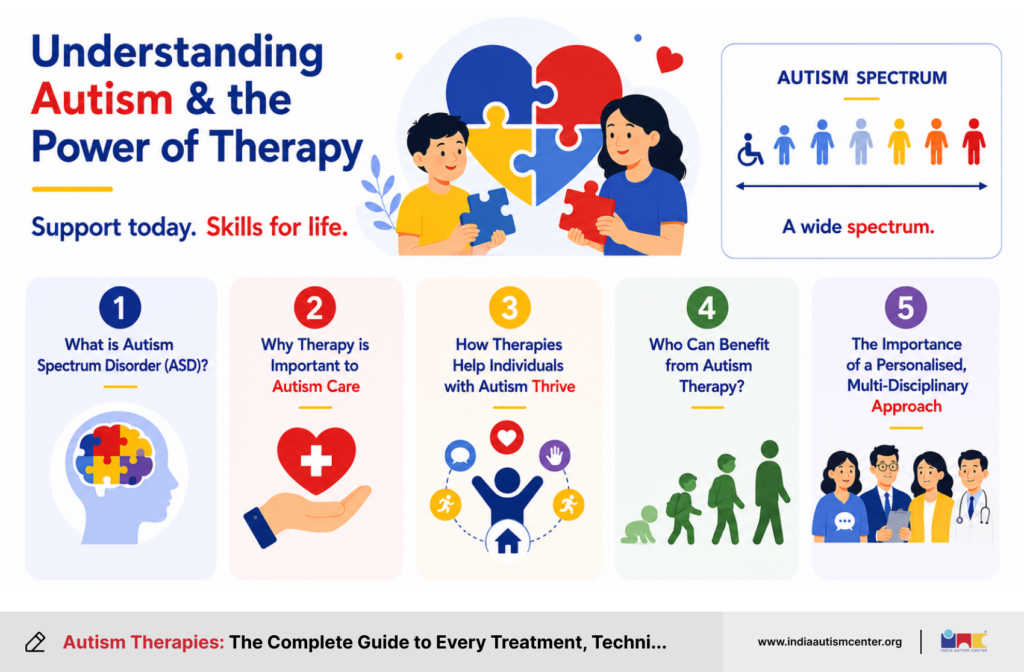
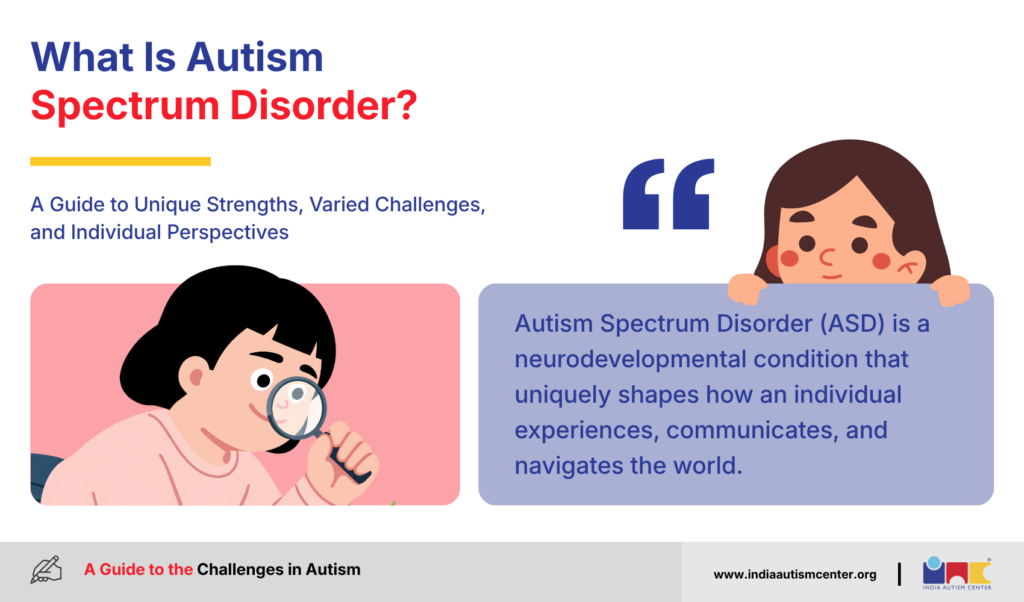
Autism Spectrum Disorder is a neurodevelopmental condition that affects how a person communicates, interacts socially, processes sensory information, and regulates behaviour and emotion. The word “spectrum” is key: autism presents differently in every individual, ranging from those who are non-verbal and require significant support to those who are highly verbal and largely independent but struggle with social nuance or sensory sensitivities. Because of this wide spectrum, autism therapies must be equally diverse and adaptable.
Why Therapy is Important to Autism Care
Unlike many medical conditions, autism does not have a pharmaceutical cure. Instead, therapy is the primary tool used to help individuals develop skills they find challenging and manage difficulties that affect their daily lives. Therapy does not aim to “fix” or change a person’s fundamental identity. Rather, it equips individuals with strategies, skills and tools so that they can navigate the world more comfortably and communicate their needs more effectively.
How Therapies Help Individuals with Autism Thrive
Autism therapies address a broad range of areas, including language and communication, emotional regulation, sensory processing, motor skills, social interaction, and adaptive daily living skills. When delivered consistently and tailored to the individual’s profile, therapies can lead to measurable improvements in functioning, confidence, and overall well-being. Over time, therapeutic gains often extend beyond the clinic — into the home, school, and community.
Who Can Benefit from Autism Therapy?
Autism therapies benefit individuals across all age groups and ability levels. Young children benefit enormously from early intervention programmes that target foundational communication and social skills during the most developmentally receptive years of the brain. School-age children benefit from therapies that support academic participation, peer relationships and self-regulation. Adolescents and adults benefit from therapies focused on independence, vocational skills, emotional wellbeing, and community integration. In short, there is no age at which therapy becomes irrelevant.
The Importance of a Personalised, Multi-Disciplinary Approach
No two individuals with autism are alike, and therefore no single therapy suits everyone. The most effective approach is one that is tailored to the individual’s unique profile — their strengths, challenges, learning style, sensory needs, and family context. A multi-disciplinary team, which may include a speech-language therapist, occupational therapist, behaviour analyst, psychologist, and paediatrician, works collaboratively to design and review an integrated therapy plan. This coordinated approach ensures that all areas of development are addressed in a cohesive and complementary manner.
Understanding Autism Before Choosing a Therapy
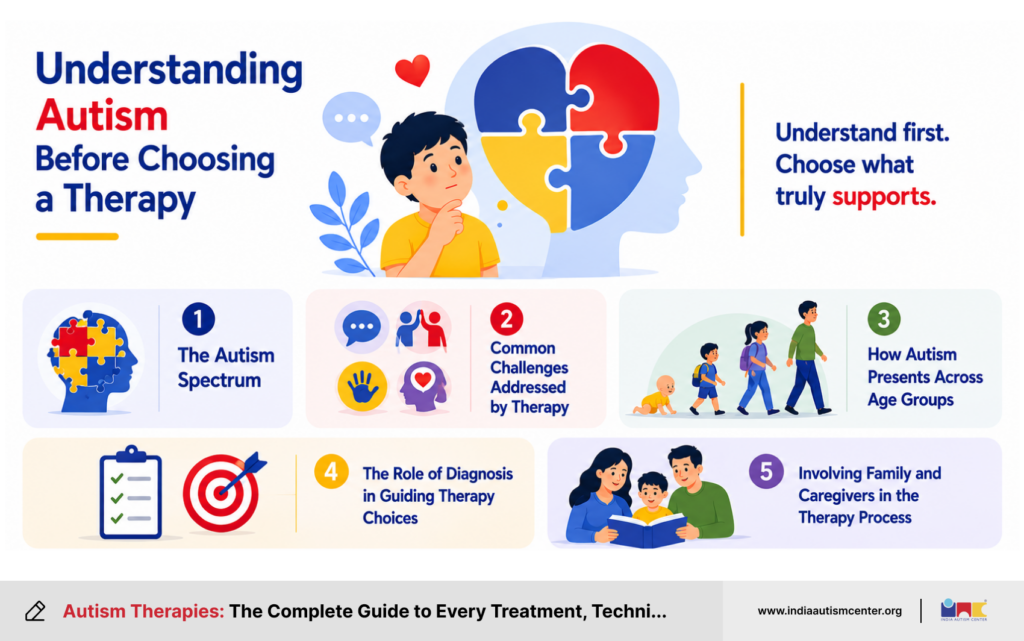
Before selecting an autism therapy, it is essential to understand how autism presents in the individual. Autism affects communication, social interaction, sensory processing, behaviour and motor skills — but the degree and combination of these challenges varies widely. A thorough diagnostic assessment helps identify which areas need the most support and which therapies are best matched to the individual’s profile.
Selecting the right autism therapy is not a one-size-fits-all process. Understanding the specific ways in which autism affects the individual is the necessary first step. This section outlines the core areas that autism therapies are designed to address and the importance of working from a well-informed foundation.
The Autism Spectrum: What It Means and Why It Matters for Treatment
The term “spectrum” reflects the enormous variability in how autism presents. Some individuals experience profound challenges across communication, behaviour and sensory processing, while others display highly specific difficulties, such as social anxiety, sensory sensitivity or rigid thinking patterns. Treatment must be matched to the individual’s actual profile — not to a generalised idea of what autism looks like. This is why a detailed diagnostic assessment, conducted by a qualified professional, is always the starting point.
Common Challenges Addressed by Therapy
- Communication and Language Deficits: Many individuals with autism experience difficulties with both verbal and non-verbal communication. Some are non-verbal or minimally verbal, relying on gesture, pictures or communication devices. Others speak fluently but struggle with pragmatic language — the social rules of conversation, such as turn-taking, topic maintenance, or understanding sarcasm. Speech and language therapy specifically targets these areas.
- Social Skills and Interaction: Difficulties with social interaction are a defining characteristic of autism. Individuals may find it hard to initiate conversations, read facial expressions, understand unspoken social rules, or make and maintain friendships. Therapies such as social skills groups, play therapy and Applied Behavior Analysis (ABA) target these challenges directly.
- Sensory Processing Differences: Many individuals with autism are hypersensitive (over-responsive) or hyposensitive (under-responsive) to sensory input — including touch, sound, light, taste, smell and movement. These sensory differences can make everyday environments overwhelming or disorienting. Sensory integration therapy and occupational therapy address these needs directly.
- Behavioural and Emotional Regulation: Challenging behaviours — such as meltdowns, self-injurious behaviour, aggression or extreme rigidity — are often the result of unmet communication needs, sensory overload, anxiety, or an inability to regulate overwhelming emotions. ABA, Cognitive Behavioral Therapy (CBT) and sensory therapies all contribute to improving emotional and behavioural regulation.
- Motor and Coordination Issues: Many individuals with autism also experience motor difficulties, including poor fine motor control (affecting writing and self-care), gross motor challenges (affecting balance, gait, and coordination), and low muscle tone. Occupational therapy and physical therapy address these motor needs.
- Cognitive and Learning Differences: Autism is often accompanied by differences in learning style, attention, executive functioning, and memory. Some individuals have exceptional abilities in specific areas, while others have co-occurring intellectual disabilities. Therapies that incorporate visual supports, structured routines and step-by-step instruction help bridge cognitive differences.
How Autism Presents Differently Across Age Groups
Autism looks different at different life stages. In infancy and toddlerhood, early signs may include a lack of eye contact, delayed babbling, or reduced response to one’s name. In school-age children, difficulties with peer relationships, rigid adherence to routines, and sensory sensitivities often become more prominent. In adolescence, social complexity increases and mental health challenges such as anxiety and depression frequently emerge. In adulthood, challenges around independent living, employment and relationships come to the fore. Therapy must be responsive to these changing developmental demands.
Read our article on Autism Getting Worse With Age? The Truth No One Tells You
The Role of Diagnosis in Guiding Therapy Choices
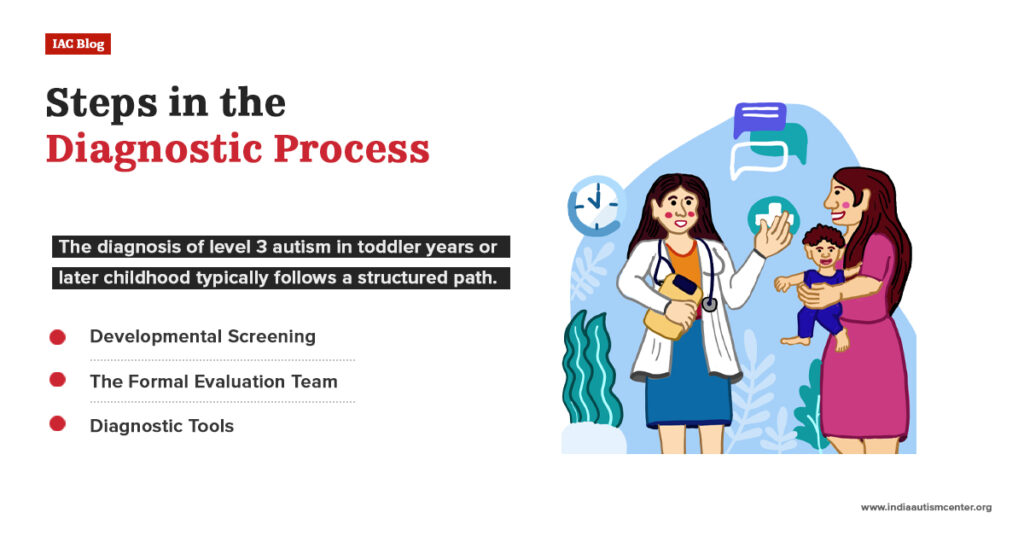
A formal diagnosis of autism, made by a qualified clinical team, provides the foundation for all subsequent therapy decisions. The diagnostic process typically includes detailed developmental history, standardised assessments, direct observation, and input from parents and educators. The results identify not only that autism is present, but also the individual’s cognitive level, language profile, adaptive functioning and co-occurring conditions — all of which directly inform which therapies should be prioritised.
Involving Family and Caregivers in the Therapy Process
Family involvement is one of the strongest predictors of positive therapy outcomes. Parents and caregivers who understand the principles behind therapy are far better equipped to reinforce skills at home, respond to challenging behaviours effectively, and advocate for their child’s needs in educational and community settings. Most evidence-based autism therapies actively involve family training as a core component of the intervention.
The Importance of Early Intervention Therapy for Autism
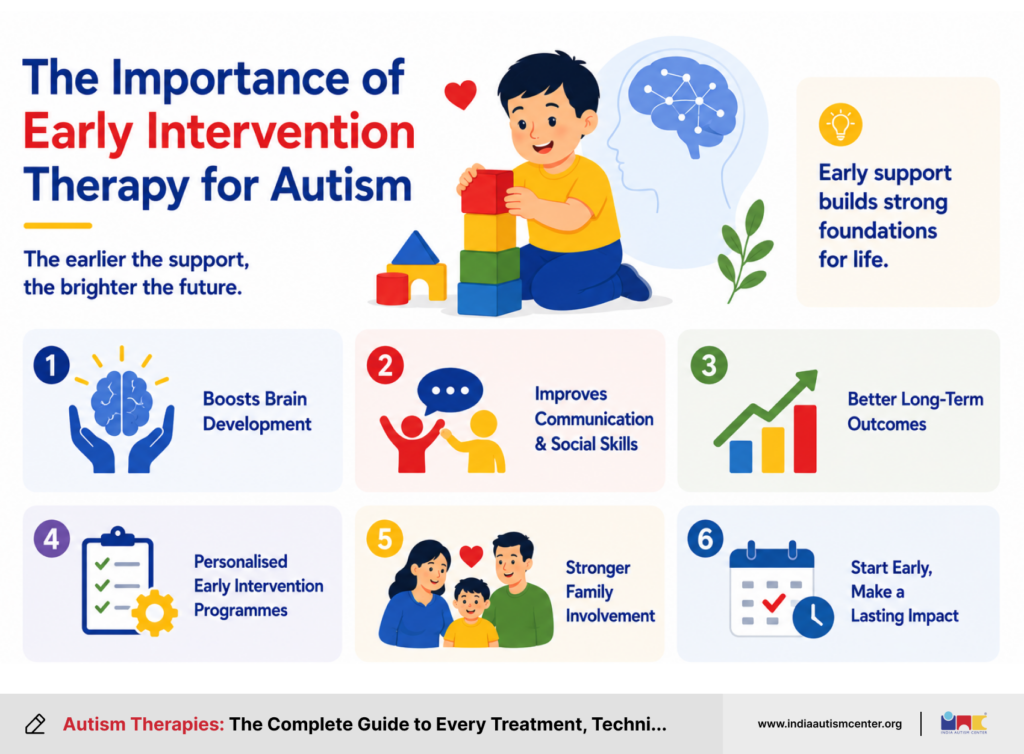
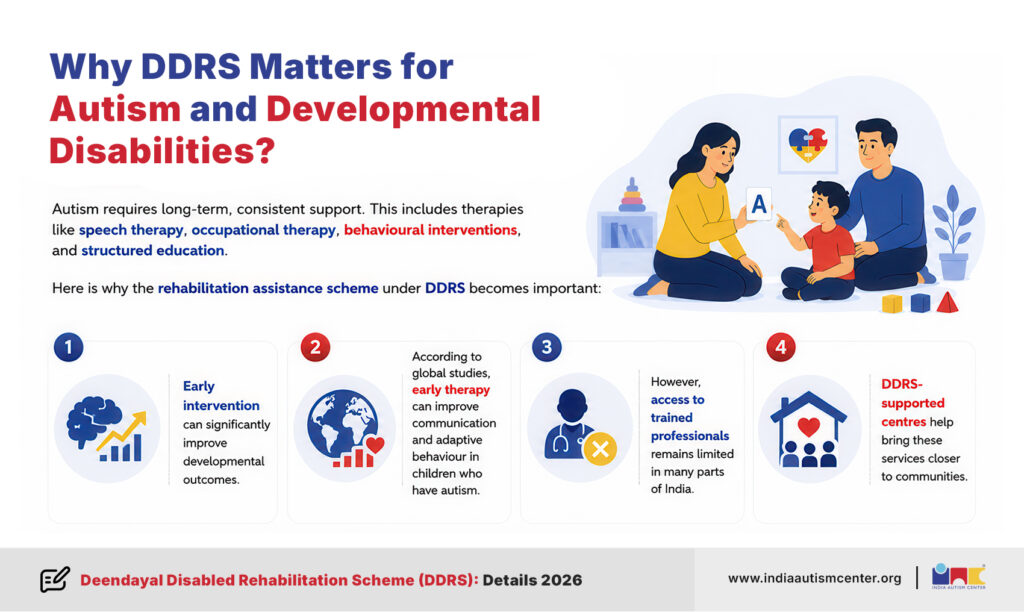
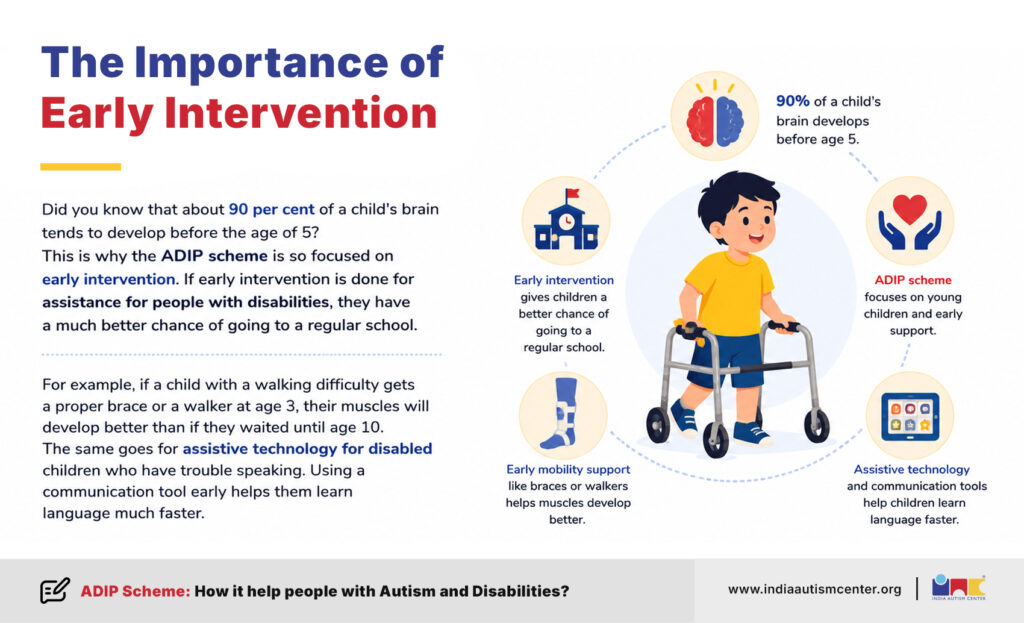
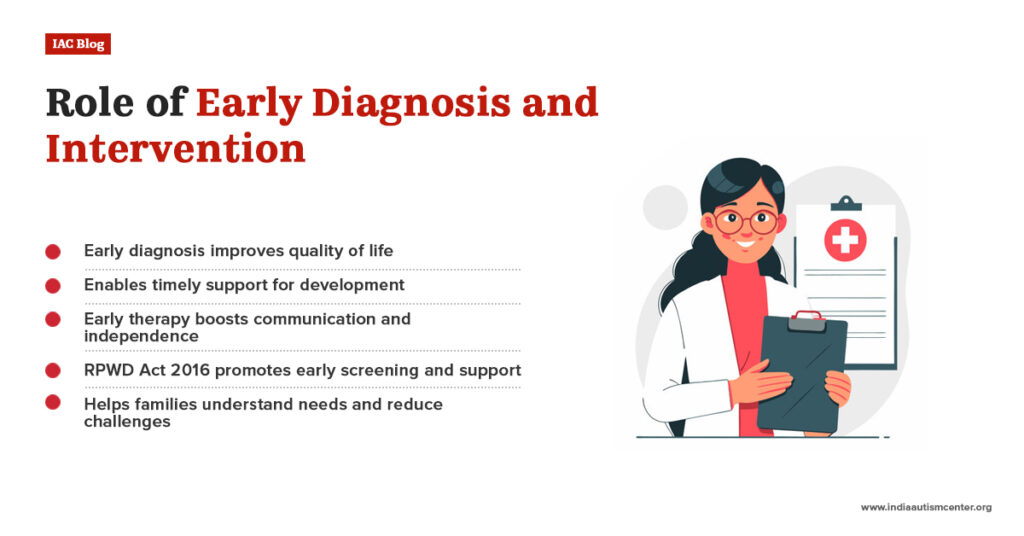
Early intervention for autism refers to structured therapeutic support provided to children, ideally before the age of five, during the most critical window of brain development. Research consistently shows that children who receive intensive, targeted therapy in the early years achieve significantly better outcomes in communication, social skills, and adaptive behaviour than those who begin later.
What is Early Intervention?
Early intervention refers to a range of therapeutic programmes and support services delivered to young children — typically between birth and five years of age — who show signs of developmental delay or have received a confirmed autism diagnosis. The goal is to target developmental challenges during the period when the brain is most adaptable, responsive and capable of forming new neural pathways. Early intervention for autism typically encompasses ABA, speech and language therapy, occupational therapy and developmental play-based approaches.
The Science Behind Early Brain Plasticity
The concept underpinning early intervention is neuroplasticity — the brain’s remarkable ability to reorganise and form new connections in response to experience and learning. This capacity is at its peak in the early years of life. During this window, the brain is uniquely receptive to learning new skills, forming communication pathways, and developing social understanding. Neuroscience research confirms that the earlier a therapeutic intervention begins, the greater the potential for reshaping developmental trajectories and establishing foundational skills.
When Should Therapy Begin?
Therapy can and should begin as soon as concerns about development are identified — even before a formal diagnosis is confirmed. In many countries, children can access early intervention services based on developmental delay alone, without waiting for a definitive autism diagnosis. The general consensus among clinicians and researchers is that the most significant improvements are seen when intervention begins before the age of three. However, it is equally important to note that meaningful progress is possible at any age and that it is never “too late” to begin therapy.
Types of Early Intervention Programmes
Several structured early intervention programmes have been developed specifically for young children with autism. The Early Start Denver Model (ESDM) integrates ABA principles with developmental and relationship-based strategies in a play-based format. The LEAP (Learning Experiences and Alternative Programme for Preschoolers) model emphasises inclusive peer interactions. Hanen’s “More Than Words” programme equips parents with the skills to support their child’s communication development at home. Each of these approaches shares a common emphasis on communication, social engagement, and learning through positive interaction.
Outcomes and Long-Term Benefits of Starting Early
Children who receive intensive early intervention therapy for autism frequently demonstrate improvements across multiple domains: greater gains in language development, improved social communication, higher adaptive behaviour scores, reduced severity of autism symptoms, and improved cognitive functioning. Many children who receive high-quality early intervention are subsequently able to participate in mainstream education with fewer additional supports. Over the long term, early gains in communication and social skills also contribute to better mental health outcomes in adolescence and adulthood.
For deep-dive into this topic, refer to our blog on The Role of Early Intervention in Autism Spectrum Disorder
Signs That Your Child May Need Therapy
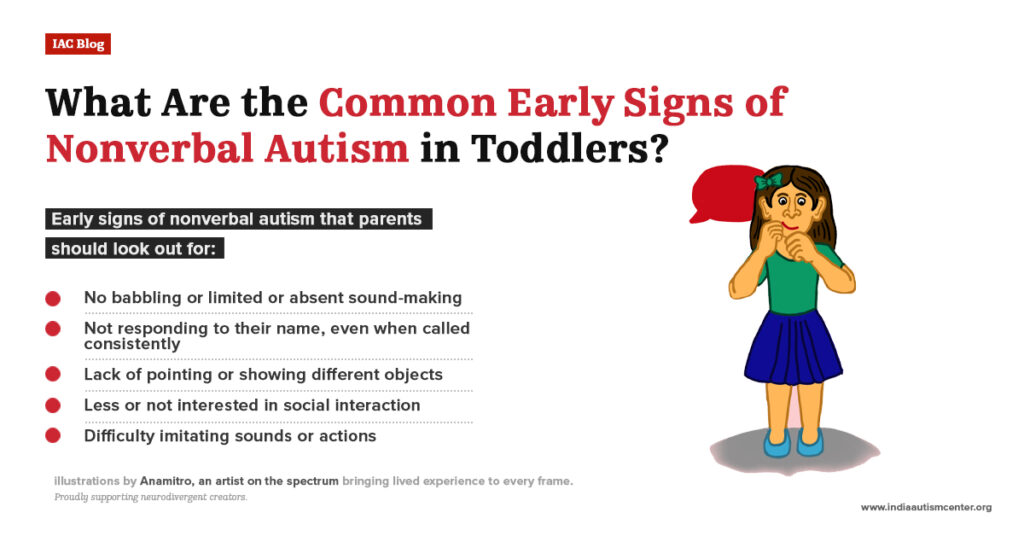
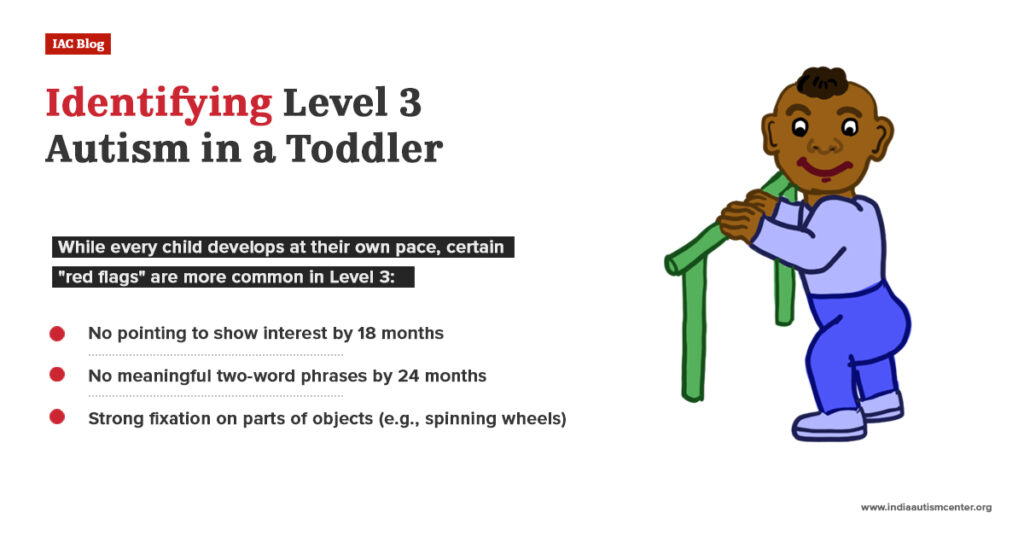
Key early signs that may warrant a therapy referral include: not babbling or pointing by 12 months, not using single words by 16 months, not using two-word phrases by 24 months, a loss of previously acquired language or social skills, limited or absent eye contact, lack of response to their name, and very limited pretend play. If any of these signs are present, a referral to a developmental paediatrician, speech-language therapist or early intervention service should be sought without delay.
How to Get an Early Intervention Assessment
Parents who are concerned about their child’s development should begin by speaking to their GP or paediatrician. In many countries, early intervention assessments are available through public health services, developmental paediatric clinics, or specialist autism assessment centres. The assessment typically involves a multi-disciplinary team and results in a profile of the child’s strengths and needs, alongside a tailored early intervention plan. Private assessment pathways are also available for families who wish to access services more quickly.
Detailed blog on Early Intervention for Autism: A Parent’s Guide to Better Outcomes
Overview of All Autism Therapy Types
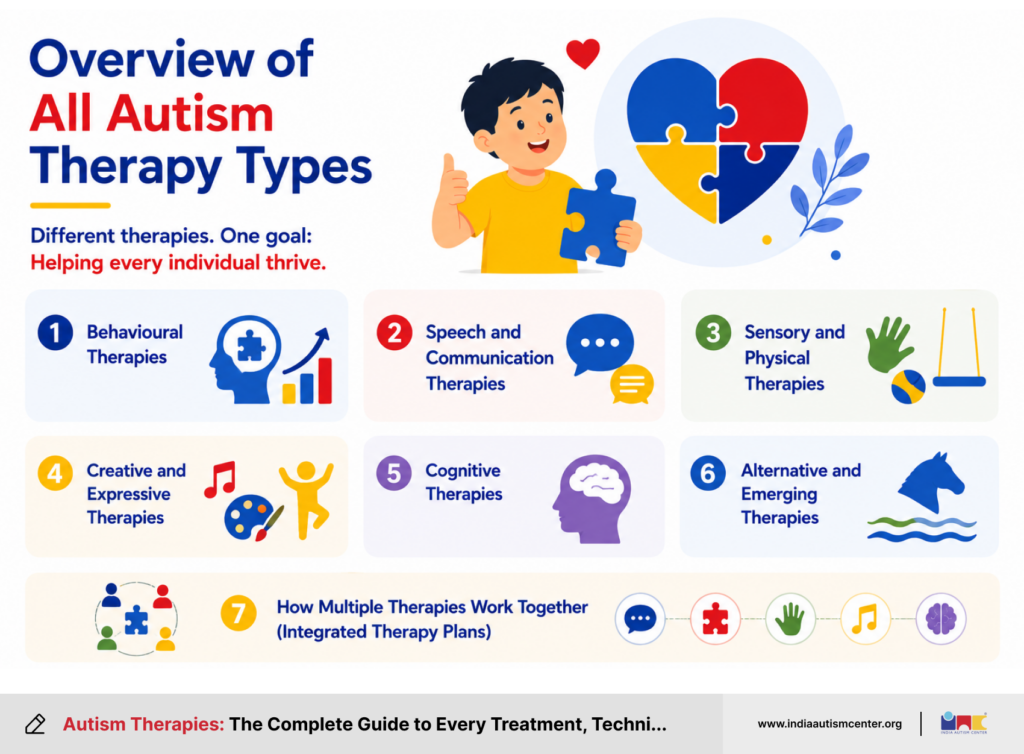
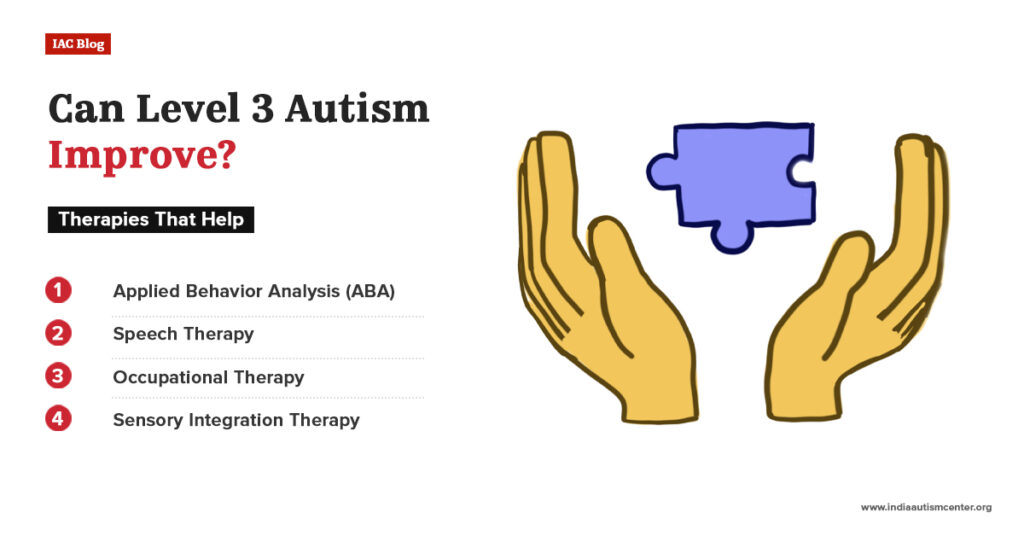
Autism therapies can be grouped into five broad categories: behavioural therapies (such as ABA), communication therapies (such as speech and language therapy), sensory and physical therapies (such as occupational therapy and sensory integration therapy), creative and expressive therapies (such as music, dance and art therapy), and cognitive therapies (such as CBT). Most individuals benefit from a combination of therapies drawn from more than one of these categories.
Understanding the landscape of autism therapies before exploring each one in depth helps families and individuals approach decision-making with clarity and confidence. The following overview introduces each category and explains why an integrated approach is generally considered the gold standard.
Behavioural Therapies
Behavioural therapies focus on understanding and modifying behaviour by systematically applying learning principles. Applied Behaviour Analysis (ABA) is the most widely researched and implemented behavioural therapy for autism. These therapies analyse the relationship between the environment and behaviour, then use structured strategies to increase helpful behaviours and reduce those that interfere with learning or safety.
Speech and Communication Therapies
Speech and language therapy addresses the full range of communication challenges associated with autism — from pre-verbal communication and early language development to complex pragmatic and social communication skills. This category also includes the use of Augmentative and Alternative Communication (AAC) systems for non-verbal or minimally verbal individuals.
Here is A Comprehensive Guide to Speech and Language Therapy for Autism
Sensory and Physical Therapies
Sensory and physical therapies address how the body receives, processes and responds to sensory information, as well as motor and physical functioning. Occupational therapy, sensory integration therapy, and physical therapy all fall within this category. These therapies play a critical role in supporting daily living skills, sensory regulation and physical development.
Creative and Expressive Therapies
Creative therapies harness the power of non-verbal, expressive modalities — music, movement, art, drama and water — to reach individuals with autism in ways that traditional talk-based therapies may not. These approaches are particularly valuable for individuals who find verbal communication challenging and for those who respond strongly to sensory-based or creative experiences.
Cognitive Therapies
Cognitive therapies, most notably Cognitive Behavioural Therapy (CBT), target the relationship between thoughts, feelings and behaviours. These therapies are typically most suitable for individuals who are higher-functioning and have sufficient verbal and cognitive skills to engage with structured self-reflection and problem-solving.
Alternative and Emerging Therapies
In addition to the well-established approaches above, a number of alternative and emerging therapies are used in autism care. These include aquatic therapy, equine-assisted therapy, and neurofeedback. While the evidence base for some of these approaches is still developing, many families report meaningful benefits and they may serve as valuable complements to core therapies.
How Multiple Therapies Work Together (Integrated Therapy Plans)
The most effective autism therapy programmes draw on multiple approaches simultaneously, with all therapists working towards a shared set of goals. For example, a child’s speech therapy goals around requesting may be reinforced within ABA sessions; sensory strategies from occupational therapy may be embedded into the home environment; and music therapy may provide a motivating context for practising turn-taking and communication. An integrated therapy plan, coordinated by the family and the multi-disciplinary team, ensures coherence, avoids contradiction, and maximises the transfer of skills across settings.
Want to know more? Get in touch with us.
Applied Behaviour Analysis (ABA) Therapy for Autism
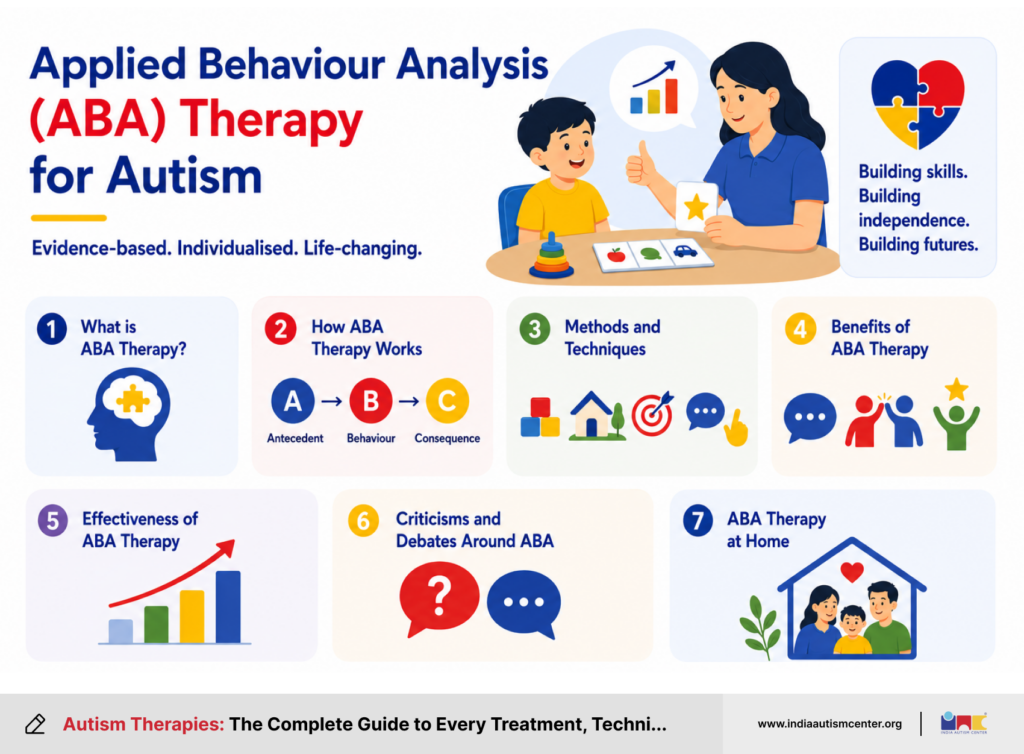
ABA therapy for autism is a structured, evidence-based intervention that applies the science of behaviour and learning to increase useful skills and reduce harmful or disruptive behaviours. It is widely considered the most extensively researched autism therapy available and is recommended by numerous clinical and governmental bodies worldwide.
What is ABA Therapy for Autism?
Applied Behaviour Analysis (ABA) is a therapy grounded in the scientific study of behaviour and learning. It operates on the principle that behaviour is learned and influenced by the environment. By systematically modifying environmental factors and using positive reinforcement, ABA therapy helps individuals with autism learn new skills, build on existing strengths, and reduce behaviours that interfere with learning or daily functioning. ABA is not a single technique; rather, it is a framework from which a range of specific interventions are derived.
How ABA Therapy Works
- The A-B-C Model (Antecedent, Behaviour, Consequence): At the heart of ABA is the A-B-C framework. The Antecedent is the event or situation that occurs immediately before a behaviour. The Behaviour is the response that follows. The Consequence is what happens immediately after the behaviour. By carefully analysing this chain of events, therapists identify patterns and design precise interventions to encourage desired behaviours and discourage problematic ones.
- Positive Reinforcement Strategies: ABA relies heavily on positive reinforcement — the delivery of a rewarding consequence immediately following a desired behaviour — to increase the likelihood that the behaviour will occur again. Reinforcers are highly individualised and may include verbal praise, access to preferred toys, social attention, food, or any other item or experience that the individual finds motivating. The power of ABA lies in identifying what truly motivates each individual and using that strategically to drive learning.
- Data Collection and Progress Tracking: One of the hallmarks of ABA is its rigorous, ongoing data collection. Therapists record performance on every skill target during every session. This data is then analysed regularly to determine whether the individual is progressing, plateauing, or regressing. Data-driven decision-making ensures that the therapy plan is always based on objective evidence rather than subjective impression.
Methods and Techniques in ABA Therapy
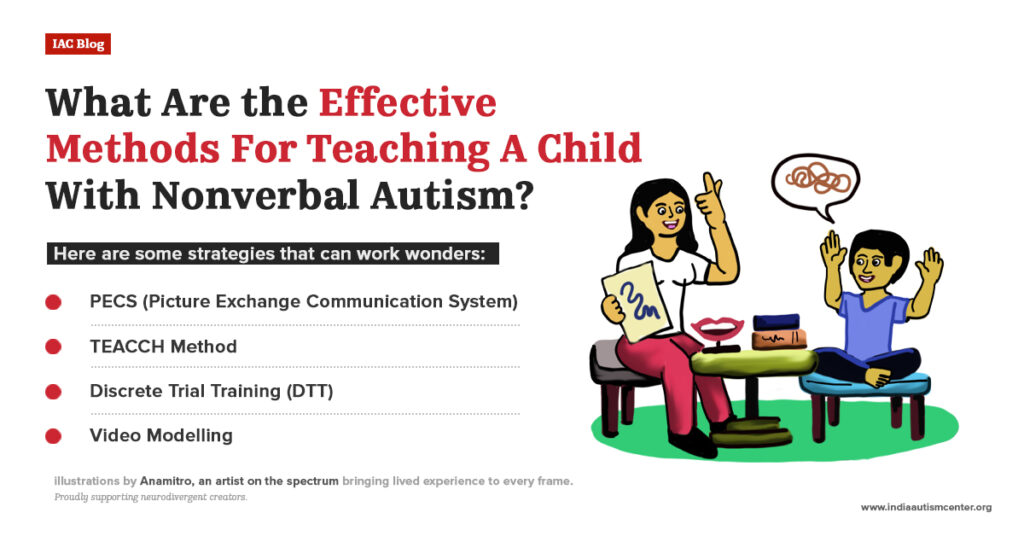
- Discrete Trial Training (DTT): DTT is a highly structured teaching method in which skills are broken down into small, distinct components and taught one at a time through repeated practice. Each trial has a clear instruction, a prompted or independent response, and an immediate consequence. DTT is particularly effective for teaching foundational skills such as early language, imitation, and basic academic concepts.
- Natural Environment Teaching (NET): NET involves teaching skills within the context of the individual’s natural environment and daily routines — such as during play, mealtimes, or outdoor activities. This approach promotes the generalisation of skills across different settings and people, making it a powerful complement to more structured teaching methods.
- Pivotal Response Treatment (PRT): PRT targets “pivotal” areas of development — such as motivation, self-management, and social initiation — that are foundational to a wide range of other skills. By improving these pivotal behaviours, PRT produces broad improvements across multiple developmental domains simultaneously.
- Verbal Behaviour Therapy: Drawing on Skinner’s analysis of language, Verbal Behaviour (VB) therapy categorises language into functional units — such as requesting (mands), labelling (tacts), and imitating (echoics) — and teaches each one systematically. This approach is particularly effective for building functional communication in early language learners.
- Incidental Teaching: Incidental teaching capitalises on naturally occurring opportunities to teach skills during everyday activities. The therapist follows the child’s lead and embeds learning within motivating, child-initiated interactions, making the process feel less structured and more enjoyable for the learner.
Benefits of ABA Therapy for Autism
- Improving Communication and Language: ABA therapy is highly effective in developing both verbal and non-verbal communication skills, particularly in young children who are early language learners. Through structured and naturalistic teaching, individuals learn to request, label, respond, and eventually converse.
- Reducing Problem Behaviours: By understanding the function of challenging behaviours — such as avoiding demands, accessing attention, or seeking sensory stimulation — ABA therapists design targeted interventions that reduce these behaviours while simultaneously teaching more appropriate alternatives.
- Building Social Skills: ABA incorporates specific social skills programmes that teach foundational skills such as joint attention, imitation, turn-taking, and peer interaction. These skills form the building blocks of meaningful relationships.
- Increasing Independence: ABA targets daily living skills — such as dressing, toileting, mealtime routines, and community safety — equipping individuals with the practical skills they need to function as independently as possible.
Effectiveness of ABA Therapy
ABA therapy has the most extensive evidence base of any autism intervention. Numerous systematic reviews and randomised controlled trials have demonstrated significant improvements in language, adaptive behaviour, social skills, and cognitive functioning in individuals who receive intensive, high-quality ABA therapy. The US Surgeon General, the American Academy of Pediatrics, and the UK’s National Institute for Health and Care Excellence (NICE) all recognise ABA as an evidence-based treatment for autism.
Criticisms and Debates Around ABA: It is important to acknowledge that ABA is not without controversy. Some autistic advocates and self-advocates have raised concerns about historical ABA practices that focused heavily on eliminating autistic behaviours rather than addressing genuine wellbeing. Modern ABA has evolved significantly and now emphasises naturalised, strength-based and child-led approaches. Families are encouraged to seek practitioners who apply contemporary, humane and developmentally appropriate ABA principles.
ABA Therapy at Home
Many ABA principles can be incorporated into home routines by parents and caregivers who have received training from a BCBA. Home-based ABA allows for consistent reinforcement of skills in the natural environment, promotes generalisation, and reduces the burden of frequent clinic visits. A trained professional should always guide the design and oversight of a home ABA programme.
📥 Free download: Printable daily routine chart for autistic children
Speech and Language Therapy for Autism
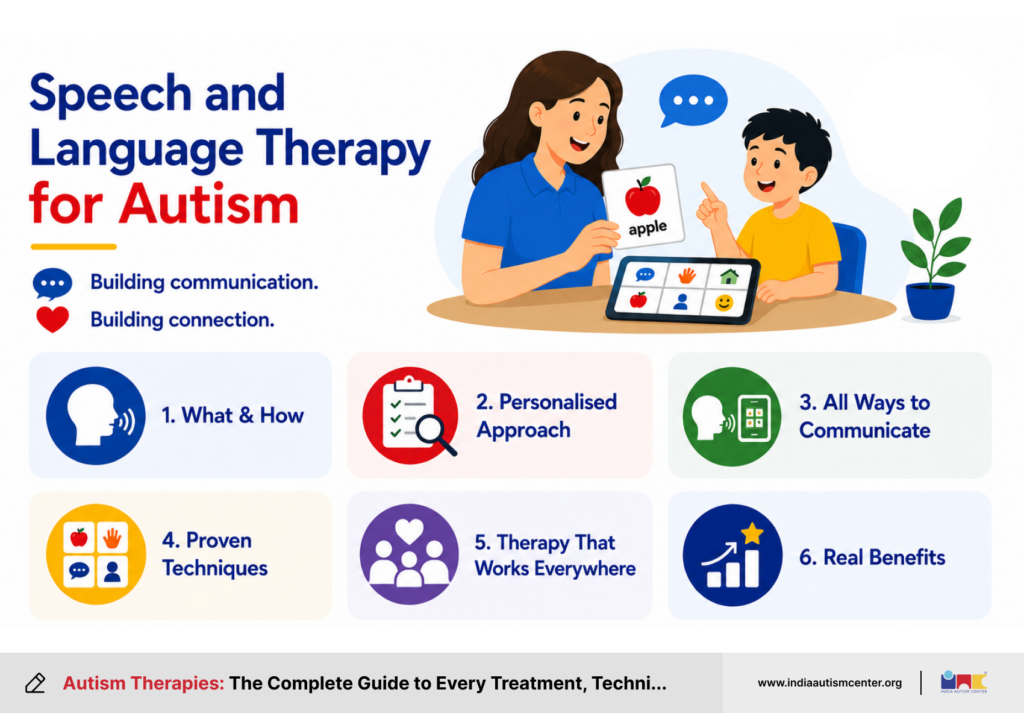
Speech and language therapy for autism is a specialised intervention that targets communication skills across all modalities — verbal, non-verbal and augmentative. Delivered by a qualified Speech-Language Pathologist (SLP) or Speech and Language Therapist (SaLT), it addresses not only how a person speaks, but how they understand and use language to connect with others. It is recommended for virtually all individuals on the autism spectrum.
What is Speech Therapy for Autism?
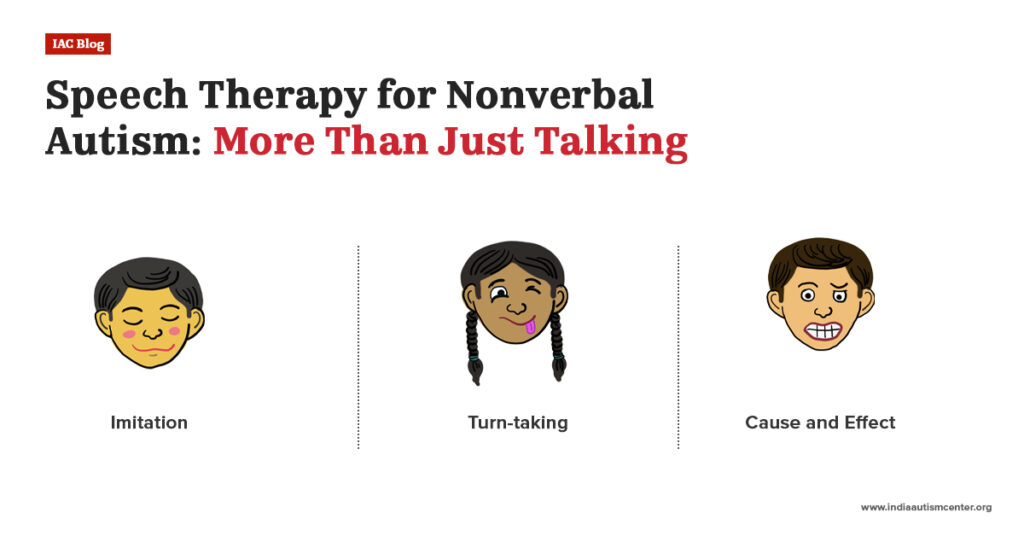
A common misconception is that speech therapy for autism is solely about helping children to speak. In reality, the scope of speech therapy is far broader. It encompasses understanding and using language (both spoken and non-spoken), pragmatic and social communication, voice and fluency, feeding and swallowing, and the use of alternative communication tools for those who cannot yet speak reliably. For many individuals with autism, the ultimate goal is not necessarily verbal speech but effective communication — however that is achieved.
How Speech Therapy Works for Autism
Speech therapy begins with a comprehensive communication assessment that evaluates the individual’s receptive language (understanding), expressive language (use), pragmatics (social communication), articulation, fluency, and voice. Standardised tools such as the CELF (Clinical Evaluation of Language Fundamentals) and ADOS (Autism Diagnostic Observation Schedule) communication subtests are frequently used. The assessment identifies not only weaknesses but also strengths and preferred communication modalities.
Verbal vs. Non-Verbal Communication Strategies
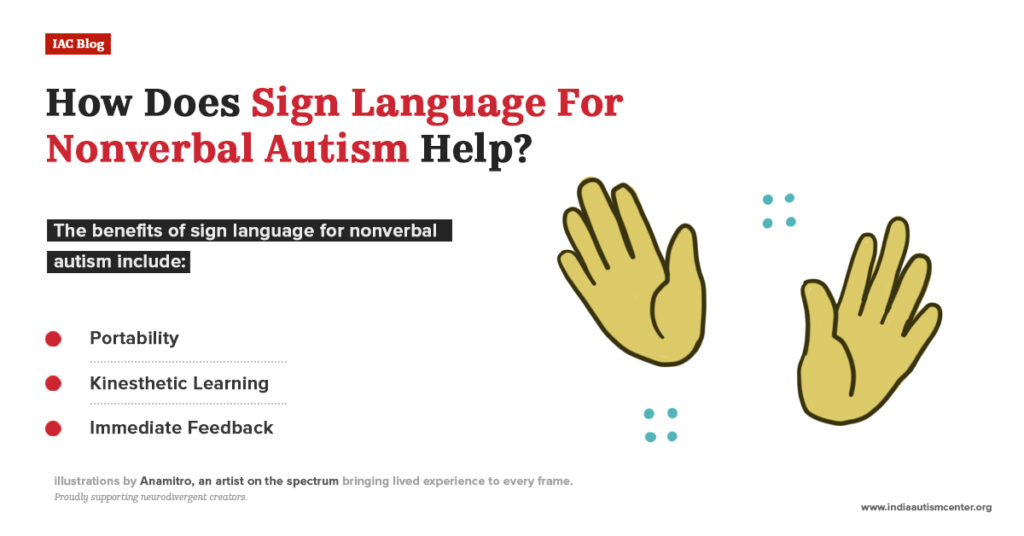
Not all individuals with autism will develop reliable spoken language, and that is a perfectly valid outcome. Speech therapy supports both verbal and non-verbal pathways to communication. For individuals who are non-verbal or minimally verbal, the focus may be on building functional communication through AAC systems, gesture, picture exchange, or digital communication devices. For verbal individuals, therapy may focus on conversational skills, understanding and using figurative language, or managing communication anxiety.
Speech Therapy Techniques for Autism
- PECS (Picture Exchange Communication System): PECS is a structured programme that teaches individuals to communicate by exchanging pictures. It begins with the exchange of a single picture for a desired item and progressively builds towards sentence-level communication and commenting. PECS is evidence-based and particularly effective for young or minimally verbal children.
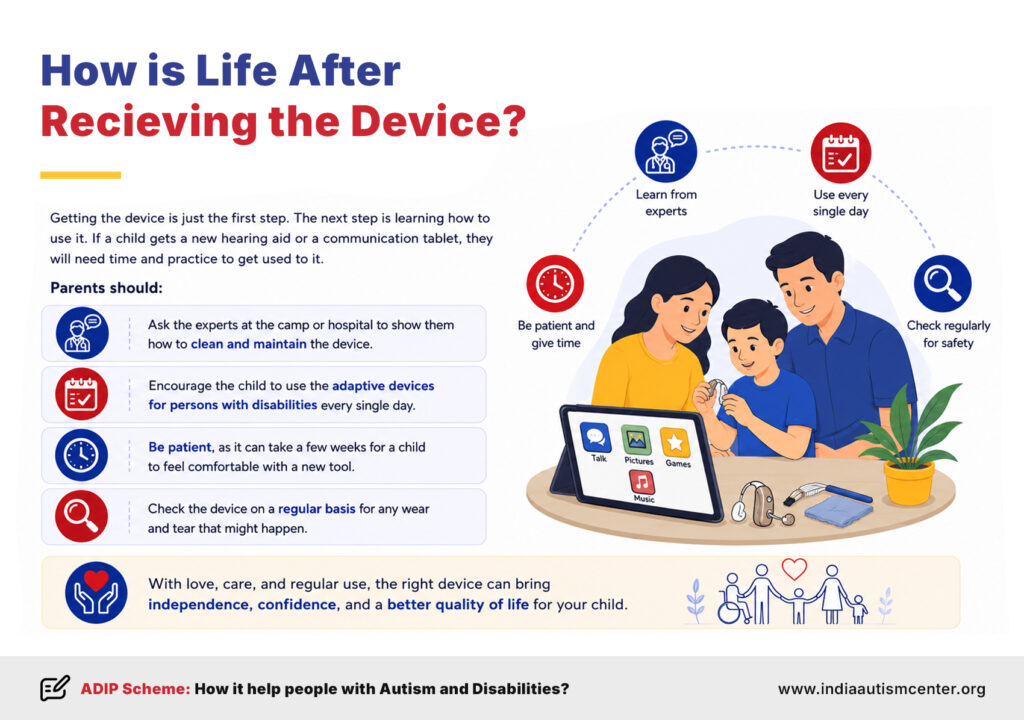
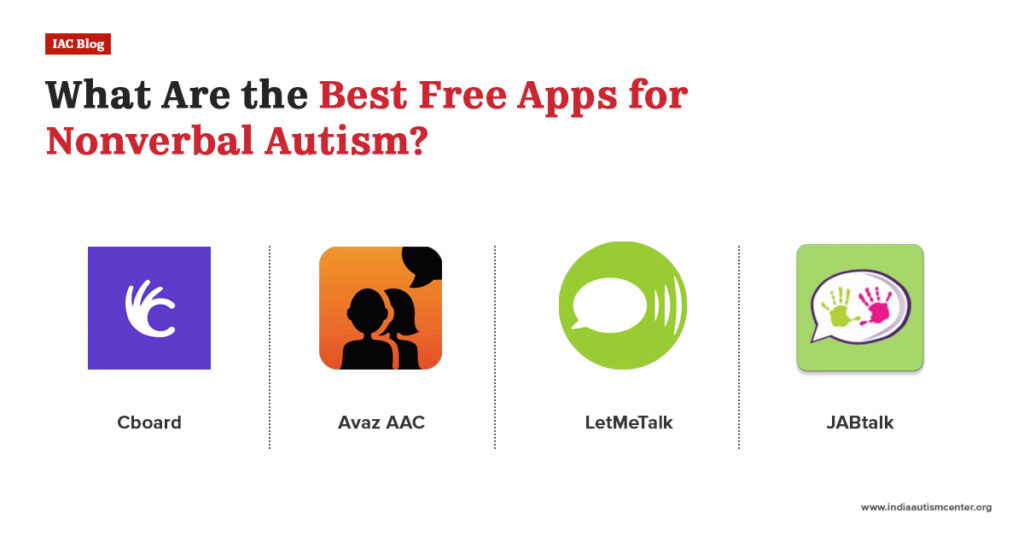
- Augmentative and Alternative Communication (AAC) Devices: AAC encompasses any tool or strategy that supplements or replaces natural speech. This ranges from low-tech systems such as communication boards and PECS to high-tech Speech-Generating Devices (SGDs) and tablet-based apps. Research strongly supports the use of AAC for non-verbal individuals with autism and confirms that AAC does not prevent speech development — in fact, it often supports it.
- Social Stories and Scripts: Social Stories, developed by Carol Gray, are short, personalised narratives that describe a social situation, skill, or concept from the individual’s perspective. They help individuals with autism understand what is expected in specific situations and how others might feel. Social scripts provide practised language for common interactions, reducing the cognitive demand of navigating social situations in real time.
- Oral Motor Exercises: For individuals who have difficulties with the physical production of sounds due to oro-motor weaknesses, targeted exercises targeting the lips, tongue, jaw, and palate may be incorporated into therapy. These exercises support clearer articulation and can improve speech intelligibility.
- Pragmatic Language Therapy: Pragmatic language refers to the social use of language — understanding and following conversational rules, interpreting implied meaning, adjusting language for different audiences, and recognising non-literal language such as humour, sarcasm, and idioms. Pragmatic language therapy teaches these skills explicitly, using structured activities, role-play, and video modelling.
- Functional Communication Training (FCT): FCT teaches individuals to replace challenging behaviours — such as screaming, hitting, or throwing — with a more acceptable form of communication that serves the same function (e.g., requesting a break, seeking attention, or escaping a difficult task). FCT is typically implemented in close collaboration with the ABA team.
The Speech Therapy Process
- Initial Evaluation: The therapy process begins with a detailed evaluation of the individual’s communication profile. This includes a parent or caregiver interview, direct assessment, observation in natural settings (where possible), and review of relevant reports from other professionals.
- Setting Communication Goals: Based on the evaluation, the SaLT collaborates with the individual and their family to establish clear, functional and measurable communication goals. These goals are reviewed regularly and updated as progress is made.
- One-on-One and Group Sessions: Speech therapy may be delivered in individual sessions, small group settings, or both. Individual sessions allow for intensive, targeted skill work, whilst group sessions provide a supported environment for practising communication skills with peers.
- Home Practice Programmes: Because communication occurs throughout every waking moment, the generalisation of skills to the home and community is essential. Speech therapists typically provide home practice programmes that guide parents and caregivers in embedding communication targets into daily routines and play activities.
Benefits of Speech Therapy for Autism
- Improved Verbal Communication: For individuals who have the potential for verbal speech, consistent speech therapy can accelerate language development, increase vocabulary, improve sentence structure, and build conversational competence.
- Enhanced Non-Verbal Communication: Even for individuals who do not develop verbal speech, speech therapy builds rich non-verbal communication repertoires — including gesture, eye gaze, pointing, and the use of AAC — that allow meaningful communication to occur.
- Better Social Interactions: By targeting pragmatic language and social communication skills, speech therapy helps individuals with autism navigate conversations, build relationships, and participate more fully in social life.
- Reduced Frustration and Behavioural Issues: Many challenging behaviours in autism arise from the inability to communicate needs or feelings effectively. As communication improves, frustration decreases and challenging behaviours often reduce as a natural consequence.
Effectiveness of Speech Therapy
Speech therapy is one of the most consistently recommended and evidence-supported interventions for autism. Meta-analyses of intervention research confirm significant improvements in expressive and receptive language, social communication, and AAC use following targeted speech therapy. The combination of speech therapy with early intensive behavioural intervention (such as ABA) produces particularly strong outcomes for young children.
Finding Speech Therapy for Autism Near You
When seeking a speech therapist for autism, families should look for an SaLT with specific experience in autism spectrum disorders and AAC. Referrals can be obtained through GPs, paediatricians, schools, or autism diagnostic services. Waiting times in publicly funded services can be lengthy; private SaLT services offer shorter waiting periods for families who are able to access them. Teletherapy (online speech therapy) has also become widely available and is a viable and evidence-supported option, particularly for home-based practice.
Occupational Therapy for Autism
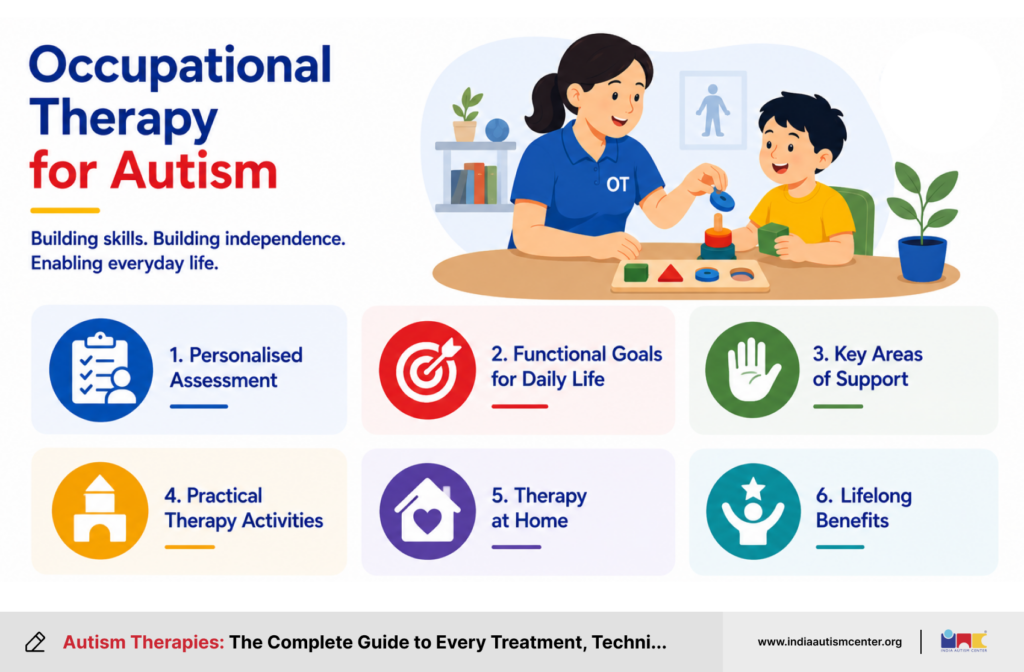
Occupational therapy (OT) for autism helps individuals develop the everyday skills needed for self-care, learning, play and participation. OT targets fine and gross motor skills, sensory processing, daily living skills, and visual-motor integration. It is one of the most widely recommended autism therapies and plays a vital role in supporting independence across the lifespan.
For more detailed information, read our blog Occupational Therapy for Autism: Complete Guide (2026)
What is Occupational Therapy for Autism?
Occupational therapy is a health profession that focuses on enabling people to participate in the activities of daily life that are meaningful to them — referred to as “occupations.” For children with autism, these occupations include playing, dressing, eating, writing, engaging in school activities, and socialising. For adults, they extend to work, community participation, and independent living. The occupational therapist identifies barriers to participation and implements targeted interventions to overcome them.
Role of the Occupational Therapist (OT): Occupational therapists working with autistic individuals possess specialist training in sensory processing, fine and gross motor development, neurodevelopment, adaptive equipment, and environmental modification. They work across a variety of settings, including specialist clinics, schools, community centres, and homes.
How Occupational Therapy Works
Occupational Profile and Assessment: OT begins with a comprehensive assessment that creates an occupational profile — a detailed picture of the individual’s daily routines, challenges, priorities and goals. Assessment tools used in autism OT include the Sensory Profile, the Peabody Developmental Motor Scales, the Bruininks-Oseretsky Test of Motor Proficiency, and clinical observation.
Setting Functional Goals for Daily Life: Goals in OT are always functional and meaningful to the individual and their family. Rather than targeting isolated skills in a vacuum, OT frames every goal in the context of real-life participation — for example, improving pencil grip so that the child can write comfortably at school, or building dressing skills so that the young person can manage their morning routine independently.
The Role of Occupational Therapy in Autism
Fine Motor Skill Development: Fine motor skills involve the coordinated use of the small muscles of the hands and fingers. Many children with autism have difficulties with fine motor tasks such as writing, using cutlery, fastening buttons, and manipulating small objects. OT uses targeted activities to strengthen hand muscles, improve bilateral coordination, and develop the precision needed for these tasks.
Gross Motor Skills and Coordination: Gross motor skills involve the large muscle groups used for whole-body movements such as running, jumping, climbing, and balancing. Children with autism frequently experience motor coordination difficulties, which can affect physical education participation, playground inclusion and general physical confidence. OT and physical therapy both contribute to improving gross motor functioning.
Self-Care and Daily Living Skills: One of the most practically significant roles of OT is developing independence in self-care tasks — such as dressing, undressing, toileting, bathing, brushing teeth, and preparing simple meals. These skills are foundational to independence and quality of life. OT uses task analysis, visual supports, adaptive equipment, and repeated practice to build self-care competence.
Sensory Processing and Regulation: Sensory processing differences are among the most common and impactful features of autism. Many OTs have specialist training in sensory integration and develop individualised “sensory diets” — tailored programmes of sensory activities that help regulate the individual’s arousal level and sensory comfort throughout the day.
Visual-Motor Integration: Visual-motor integration — the ability to coordinate visual information with hand movements — is essential for reading, writing, drawing, and many functional tasks. OT activities targeting eye-hand coordination and spatial perception build this critical skill.
Social Participation: Through structured group activities, play-based learning, and environmental adaptations, OT supports social participation by equipping individuals with autism with the motor, sensory and organisational skills they need to engage successfully with peers.
Here is a detailed article on The Crucial Role of Occupational Therapy for Autistic Children
Occupational Therapy Activities for Autism
Handwriting and Pencil Grip Exercises: Programmes such as “Handwriting Without Tears” are frequently used by OTs to address handwriting difficulties in children with autism. Activities include pre-writing exercises, correct grip training, and pencil-control games.
Play-Based Activities: Play is the primary occupation of childhood and a critical context for learning. OT uses structured and semi-structured play activities to build fine motor skills, sensory tolerance, social interaction, and problem-solving.
Sensory Play Activities: Sensory play activities — such as playdough manipulation, finger painting, sand and water play, and textured materials exploration — provide controlled sensory input that supports sensory processing development and tolerance.
Life Skills Training Activities: Practical activities such as cooking simple recipes, managing money, using public transport, and operating home appliances are incorporated into OT for older children and adults to build real-world independence.
Social Skills Activities: Group OT sessions may incorporate board games, cooperative building activities, and role-play scenarios that provide a structured context for practising turn-taking, sharing, communication, and social problem-solving.
Occupational Therapy at Home for Autism
Home-based OT is a highly effective complement to clinic-based intervention. Parents and caregivers are taught to embed OT goals into daily routines — for example, practising fine motor skills through cooking activities, building sensory tolerance through bathtime play, and targeting gross motor coordination through outdoor games. A qualified OT should design and regularly review any home programme.
Benefits of Occupational Therapy for Autism
Occupational therapy delivers wide-ranging benefits, including improved self-care independence, better academic participation through improved motor and sensory skills, enhanced social inclusion, reduced sensory overwhelm, improved concentration and learning readiness, and increased confidence in daily activities. Families consistently report that OT makes a profound practical difference to daily life.
Finding Occupational Therapy for Autism Near You
OT for autism is available through the NHS in the UK, through public health services in many countries, and through private clinics. When selecting a paediatric OT for autism, families should seek a practitioner with experience in sensory integration, autism spectrum profiles, and functional skills development.
Sensory Integration Therapy for Autism
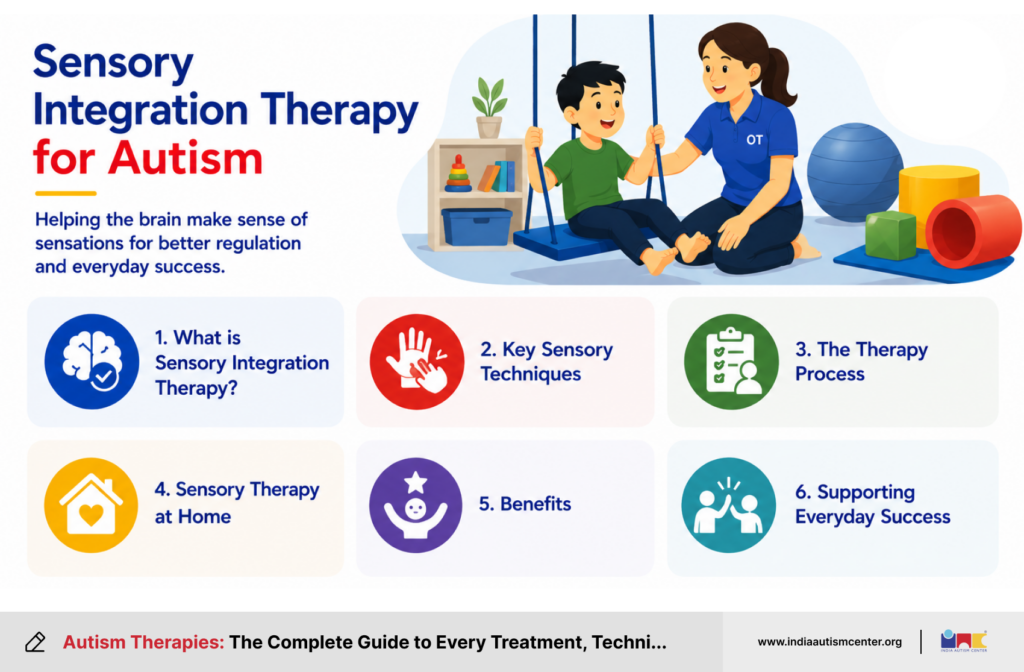
Sensory integration therapy for autism is a specialised form of occupational therapy that addresses the way the brain receives and processes sensory information. Developed by occupational therapist Dr A. Jean Ayres in the 1970s, it uses specific sensory experiences — movement, deep pressure, touch and proprioceptive input — to improve the brain’s ability to organise and respond to sensory stimuli. It is widely used for autistic individuals who experience sensory hypersensitivity, hyposensitivity, or sensory-seeking behaviours.
What is Sensory Integration Therapy?
Understanding Sensory Processing Disorder (SPD) in Autism: Many individuals with autism experience significant difficulties in how their nervous system registers and responds to sensory input. This is often referred to as Sensory Processing Disorder (SPD). Some individuals are over-responsive — finding ordinary sensory input (such as a clothing tag or background noise) intensely uncomfortable or painful. Others are under-responsive — seeking out intense sensory stimulation to register their environment. Still others show a mixed profile. These sensory differences significantly affect behaviour, learning, and daily functioning.
Jean Ayres’ Sensory Integration Framework: Dr Ayres proposed that the brain’s ability to organise sensory information is a fundamental prerequisite for learning and behaviour. When sensory integration is disrupted, the brain cannot efficiently use sensory information to plan and execute appropriate responses. Her therapeutic approach uses graded, purposeful sensory activities to challenge the nervous system and improve its processing efficiency.
Sensory Therapy Techniques for Autism
- Deep Pressure Therapy: Deep pressure — applied through massage, compression clothing, weighted items, or firm squeezing — activates the proprioceptive system and produces a calming, organising effect on the nervous system. Many autistic individuals are drawn to deep pressure input and find it highly regulating.
- Brushing Protocol (Wilbarger Protocol): The Wilbarger Protocol, developed by Patricia Wilbarger, involves systematic, firm brushing of the skin using a specialised surgical brush, followed by joint compressions. It must be administered by a trained OT and carried out multiple times per day. It is used to reduce tactile hypersensitivity and improve sensory tolerance.
- Weighted Vests and Blankets: Weighted vests and blankets provide proprioceptive input that many individuals with autism find calming and focusing. They are used during specific activities (such as seatwork or transitions) and are prescribed as part of a broader sensory diet.
- Swinging and Vestibular Activities: The vestibular system, which controls balance and spatial orientation, is often dysregulated in autism. Swinging on a therapy swing, using a hammock, or engaging in rocking and spinning activities provides vestibular input that can have a powerful organising or calming effect on the nervous system.
- Tactile Bins and Textures: Tactile exploration activities — such as playing with dried beans, sand, water, or textured materials — systematically expose the individual to a range of textures, supporting the development of tactile tolerance and discrimination over time.
- Proprioceptive Input Activities: Activities that involve pushing, pulling, carrying, climbing and jumping provide proprioceptive input (feedback from joints and muscles) that supports body awareness, motor planning and self-regulation. Proprioceptive activities are commonly incorporated into sensory diets as regulating strategies.
The Sensory Integration Therapy Process
- Sensory Profile Assessment: The process begins with a comprehensive sensory assessment — such as the Sensory Profile 2 (Winnie Dunn) — completed by parents and caregivers, combined with direct clinical observation by the OT. This assessment identifies the individual’s specific sensory processing patterns across all sensory systems.
- Creating a Sensory Diet: A sensory diet is an individualised plan of sensory activities prescribed throughout the day to maintain the individual’s optimal arousal and regulation state. The OT designs the sensory diet based on the assessment findings and teaches the family and school how to implement it consistently.
- Monitoring Sensory Responses: Sensory responses are closely monitored over time. The OT observes changes in sensory tolerance, regulation, behaviour, and participation, adjusting the sensory diet and clinic-based activities as the individual’s sensory needs evolve.
Benefits of Sensory Integration Therapy for Autism
Sensory integration therapy delivers significant benefits for autistic individuals with sensory processing difficulties. These include reduced sensory overload and meltdowns, improved focus and attention for learning, better behavioural regulation, enhanced motor planning, increased tolerance of everyday sensory experiences, and a greater sense of comfort and safety in daily environments.
Sensory Therapy at Home
Parents can support sensory integration between therapy sessions by implementing the sensory diet at home and creating a sensory-friendly environment. This includes providing access to regulating sensory equipment (such as therapy swings or sensory corners), using calming sensory strategies before transitions, and avoiding sensory triggers where possible.
Cognitive Behavioural Therapy (CBT) and Autism
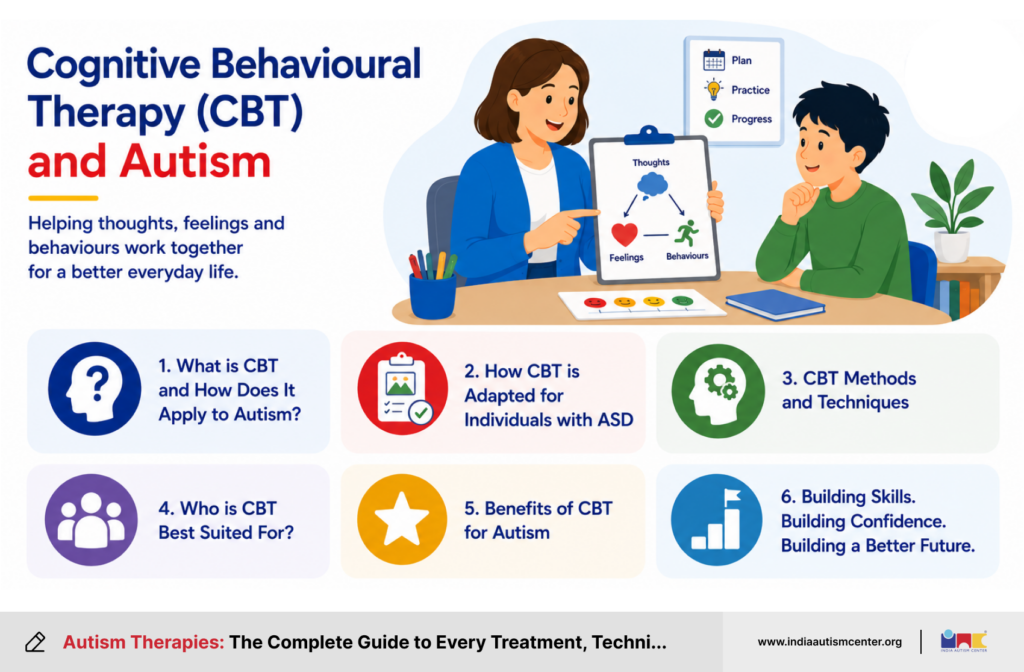
Cognitive Behavioural Therapy (CBT) is a structured, evidence-based psychological therapy that helps individuals understand the connections between their thoughts, feelings and behaviours. For autistic individuals — particularly those with higher cognitive functioning — CBT is effective in addressing anxiety, depression, obsessive-compulsive behaviours and emotional dysregulation. It is typically adapted with visual supports, explicit instruction and concrete examples to suit autistic learning styles.
What is CBT and How Does It Apply to Autism?
CBT is based on the principle that unhelpful thought patterns contribute to emotional distress and problematic behaviours. By identifying and challenging these thoughts and developing more balanced cognitive perspectives, individuals are able to change how they feel and behave. In autism, CBT is most frequently used to address the high rates of co-occurring anxiety (present in approximately 40–50% of autistic individuals), as well as depression, anger regulation and repetitive or obsessive behaviours.
How CBT is Adapted for Individuals with ASD
Standard CBT assumes strong verbal reasoning, abstract thinking, and the ability to identify and discuss emotions — abilities that may be less readily available in autistic individuals. Autism-adapted CBT makes a number of key modifications: it uses visual aids, worksheets and diagrams to represent abstract concepts concretely; it incorporates the individual’s specific interests to enhance engagement; it builds explicit emotion recognition skills before progressing to cognitive restructuring; and it reduces the metaphor and ambiguity common in standard CBT language, replacing these with clear, direct instruction.
CBT Methods and Techniques Used in Autism
- Thought-Emotion-Behaviour Triangle: The foundational model of CBT is the triangle connecting thoughts, emotions and behaviours. CBT explicitly teaches the individual to identify where they are in the cycle — for example, recognising that a thought such as “nobody likes me” contributes to feelings of sadness and behaviours such as withdrawal — and then to examine and challenge that thought.
- Emotion Identification and Regulation: Many autistic individuals have alexithymia — difficulty identifying and describing their own emotions. CBT sessions may begin with explicit emotion identification work, using visual emotion scales (such as the “anxiety thermometer”) to help the individual recognise the signs of different emotional states in their body.
- Cognitive Restructuring: Cognitive restructuring involves identifying unhelpful automatic thoughts (such as catastrophising or black-and-white thinking), evaluating the evidence for and against them, and developing more balanced alternative thoughts. In autism, this process is typically made more concrete by using structured thought records and written worksheets.
- Exposure and Response Prevention (ERP): For autistic individuals with significant anxiety or OCD-type behaviours, Exposure and Response Prevention — a specific CBT technique — is used to systematically and gradually confront feared situations whilst resisting the urge to engage in avoidance or compulsive behaviours. This is conducted in a carefully planned, paced and supportive manner.
Who is CBT Best Suited For?
CBT is generally most suitable for autistic individuals who are higher-functioning, have verbal communication skills, and possess sufficient cognitive ability to reflect on their own thoughts and feelings. It is widely used with older children, adolescents and adults on the autism spectrum. It is less suitable for individuals who are non-verbal or who have significant intellectual disabilities, for whom other emotional regulation approaches (such as sensory-based strategies or visual supports) may be more appropriate.
Benefits of CBT for Autism
CBT offers meaningful benefits to autistic individuals who are well-suited to the approach. These include significantly reduced anxiety symptoms, better management of obsessive and repetitive thoughts and behaviours, improved emotional regulation and frustration tolerance, enhanced social confidence, and a stronger sense of self-efficacy and personal control.
Want to know more? Get in touch with us.
Music Therapy for Autism
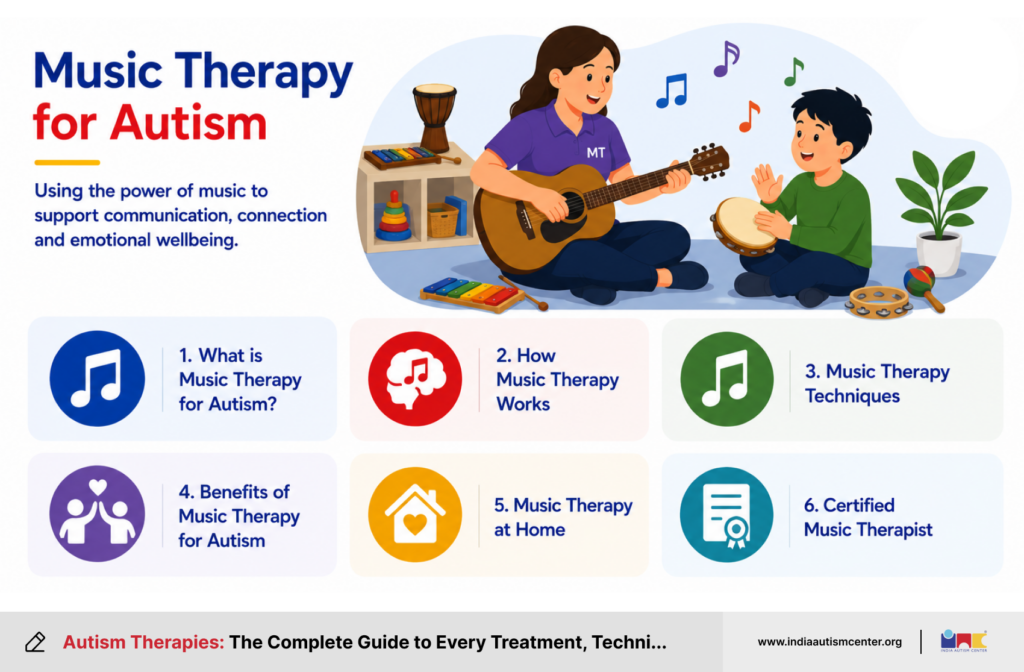
Music therapy for autism is an evidence-based therapeutic intervention in which a qualified music therapist uses musical experiences — including singing, playing instruments, movement to music, and improvisation — to address communication, social, emotional and sensory goals. Research consistently demonstrates that music therapy produces meaningful improvements in communication and social interaction in autistic individuals, including those who are non-verbal.
What is Music Therapy for Autism?
Music therapy is a clinical discipline in which music is used purposefully and systematically as a therapeutic tool. Unlike music lessons or recreational music participation, music therapy is led by a trained clinician who sets specific goals and uses musical experiences to achieve them. Music engages multiple areas of the brain simultaneously and can reach individuals with autism who are less responsive to verbal or behavioural approaches.
Who is a Certified Music Therapist? A certified music therapist holds a recognised qualification in music therapy and has training in clinical assessment, intervention planning, and evaluation. In the UK, music therapists are registered with the Health and Care Professions Council (HCPC).
How Music Therapy Works
The Connection Between Music and the Autistic Brain: Research in neuroscience has revealed that music activates a remarkably broad network of brain areas, including those responsible for emotion, memory, motor control, attention and language. Notably, many autistic individuals show preserved or heightened musical perception and processing abilities, making music a particularly accessible and motivating medium for therapy. Music also provides a structured, predictable and non-threatening context for interaction, which reduces the social anxiety that often accompanies other forms of engagement.
Active vs. Receptive Music Therapy: Active music therapy involves the individual directly creating music — through singing, instrument playing, or improvisation. Receptive music therapy involves listening to music that is selected or played by the therapist to elicit specific emotional, physical or cognitive responses. Both forms are used in autism practice, often within the same session.
Music Therapy Techniques for Autism
Rhythmic Auditory Stimulation (RAS): RAS uses rhythmic musical cues to support motor function and movement. In autism, RAS is used to improve coordination, gait, and motor sequencing, as well as to regulate attention and arousal.
Neurologic Music Therapy (NMT): NMT is a neuroscientific approach to music therapy that uses specific music-based techniques to address cognitive, communicative, sensory and motor functions. NMT is grounded in research on the neural mechanisms that underpin the music-brain relationship.
Improvisational Music Therapy: Improvisation allows the individual to explore music freely and spontaneously, without a prescribed structure. The therapist responds to the individual’s musical expressions — mirroring, complementing and building upon them — creating a musical dialogue that parallels and supports the development of communication and social reciprocity.
Song Writing and Lyric Analysis: Composing original songs provides a creative and emotionally meaningful channel for self-expression. Lyric analysis involves exploring the themes and messages within songs, which can support emotional literacy, perspective-taking and social understanding.
Movement to Music: Combining music with movement supports body awareness, motor coordination, rhythm perception and social engagement. Dance and movement to music is used within music therapy sessions, as well as in dedicated dance and movement therapy (see Section 15).
Benefits of Music Therapy for Autism
The benefits of music therapy for autism are well-documented in the research literature and include: enhanced verbal and non-verbal communication; improved joint attention and social reciprocity; reduced anxiety and emotional distress; better sensory regulation through auditory and rhythmic input; increased motivation and engagement in therapeutic activities; and improved self-expression and emotional wellbeing. Notably, music therapy is particularly effective for non-verbal individuals who may not engage readily with language-based therapies.
Music Therapy at Home — Activities for Parents
Parents can support music therapy goals at home through simple activities such as singing during daily routines (bath time, mealtimes, transitions), using percussion instruments to encourage turn-taking, playing preferred music during times of emotional dysregulation to provide comfort, and exploring music improvisation through household items.
Sound Therapy for Autism
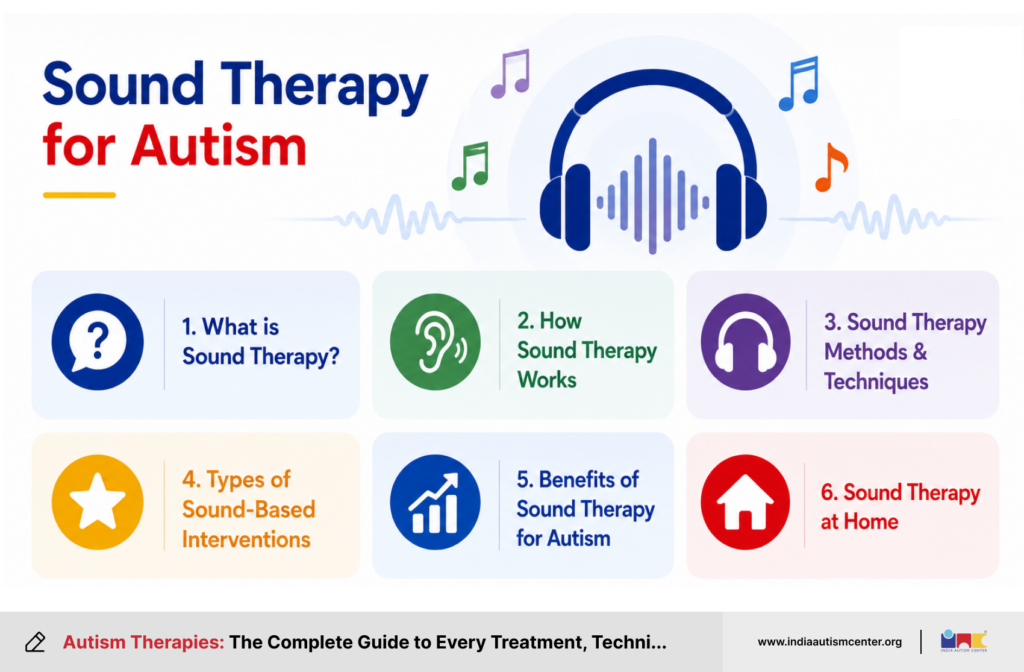
Sound therapy for autism uses specific auditory stimuli — including modulated music, specific frequencies, and filtered sound programmes — to address auditory processing difficulties, sensory hypersensitivities, attention and language processing. The most widely used forms are Auditory Integration Training (AIT) and the Tomatis Method. While evidence is still developing, many families report reduced sound sensitivity and improved communication following sound therapy.
What is Sound Therapy for Autism?
Sound therapy and music therapy are distinct disciplines that are often confused. Music therapy is a clinically established profession using music to address a range of goals; it is delivered by a qualified therapist and is built on a robust evidence base. Sound therapy, by contrast, uses specific acoustic stimuli — often electronically filtered or modulated — to target auditory processing and nervous system regulation. Sound therapy is delivered by practitioners trained in specific auditory programmes and has a smaller but growing evidence base.
Types of Sound-Based Interventions: The main sound therapy programmes used in autism practice include Auditory Integration Training (AIT), the Tomatis Method, Therapeutic Listening (developed by Sheila Frick), and Berard AIT (developed by Dr Guy Berard). More recently, binaural beats and brain entrainment approaches have also gained attention, although evidence for these is preliminary.
How Sound Therapy Works
Auditory Processing and Autism: Many autistic individuals have hypersensitive auditory systems — they are disturbed by sounds that others barely notice, experience physical pain from certain pitches, or find it extremely difficult to filter relevant sounds from background noise. These auditory processing difficulties affect behaviour, communication, learning and sensory comfort. Sound therapy aims to retrain and recalibrate the auditory system through repeated exposure to carefully structured sound stimuli.
How Specific Frequencies Affect the Nervous System: Different sound frequencies are thought to activate different parts of the auditory and nervous system. Sound therapy programmes exploit this by selectively filtering and modulating sound frequencies to provide the auditory system with novel, challenging input that encourages processing adaptation over time.
Sound Therapy Methods and Techniques
Auditory Integration Training (AIT): AIT, developed by Dr Guy Berard, involves listening to electronically modulated music through headphones for two sessions of 30 minutes per day over ten days. The music is filtered to remove frequencies at which the individual shows auditory hypersensitivity, identified through an initial audiogram. AIT aims to reduce auditory hypersensitivities and improve auditory processing efficiency.
The Tomatis Method: Developed by French ENT physician Dr Alfred Tomatis, this method uses electronically filtered and modulated sound — primarily classical music and the mother’s voice — to stimulate and retrain the auditory system and the vestibular-cochlear connection. The method aims to improve listening, language, communication, and sensory integration.
Therapeutic Listening: Therapeutic Listening, developed by OT Sheila Frick, involves listening to electronically altered music through high-quality headphones as part of a broader sensory integration programme. It is used to modulate sensory processing, improve attention, and support self-regulation.
You may find this useful: Sound Therapy for Autism: Methods & Effectiveness
Benefits of Sound Therapy for Autism
Reported benefits of sound therapy for autism include reduced hypersensitivity to everyday sounds, improved listening and auditory processing, enhanced language comprehension, better attention and concentration, reduced anxiety in auditory environments, and improved communication. The strength of these benefits varies between individuals and programmes, and it is important to seek programmes delivered by qualified and experienced practitioners.
Visual Therapy for Autism
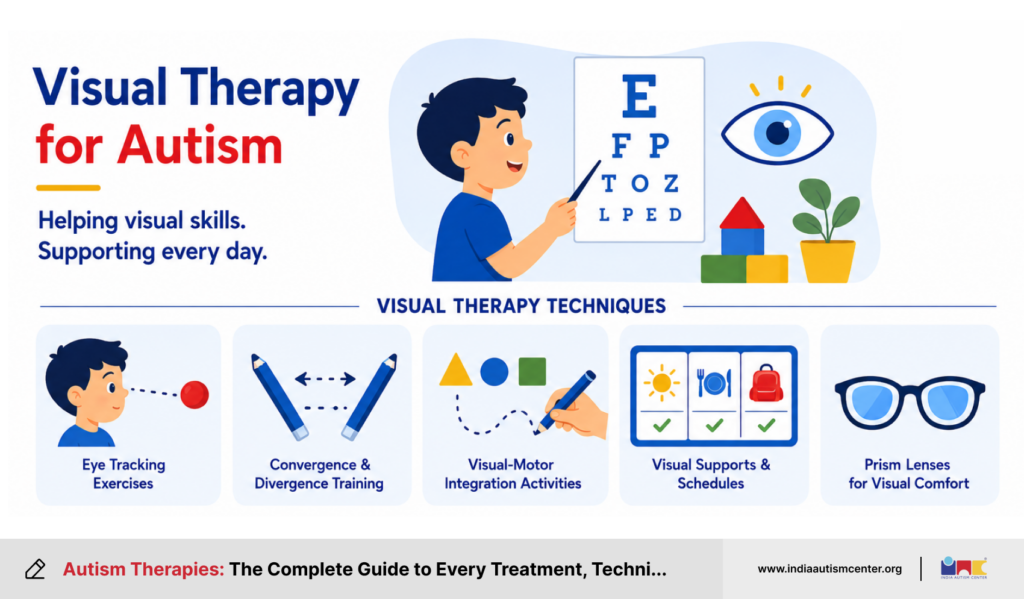
Visual therapy for autism addresses difficulties in how the brain processes and uses visual information. Delivered by a developmental optometrist or trained vision therapist, it uses targeted exercises and visual tools to improve eye tracking, visual perception, and visual-motor integration. It also encompasses the broad use of visual supports — such as visual schedules, choice boards and social stories — as strategies throughout autism intervention.
What is Visual Therapy for Autism?
Understanding Visual Processing Differences in ASD: Many autistic individuals experience differences in visual processing that go beyond simple visual acuity (sharpness of sight). These include difficulties with visual tracking, visual-spatial perception, depth perception, and the ability to process visual information efficiently during movement or in visually complex environments. These differences can affect reading, learning, coordination, and daily functioning.
Role of a Developmental Optometrist: A developmental optometrist is a specialist who evaluates not only the physical structure of the eye but also how the brain processes and uses visual information. Developmental optometrists can identify visual processing difficulties that may be contributing to the learning and behavioural challenges commonly seen in autism, and can prescribe targeted vision therapy programmes.
Visual Therapy Techniques for Autism
- Eye Tracking Exercises: Smooth pursuit and saccadic eye movement exercises train the eyes to track moving objects accurately and to shift focus efficiently between targets. Poor eye tracking can affect reading fluency, attention, and coordination, and is frequently identified in autistic individuals.
- Convergence and Divergence Training: Convergence (the ability to turn both eyes inward to focus on a near target) and divergence (the ability to turn eyes outward to shift to a far target) are essential for comfortable near and far vision. Difficulties in these areas can cause eyestrain, headaches and avoidance of visual tasks, which may manifest as learning resistance or challenging behaviour.
- Visual-Motor Integration Activities: Visual-motor integration activities link visual perception with fine motor execution — for example, copying shapes, tracing patterns, completing mazes, and constructing block designs. These activities develop the foundation skills required for handwriting, drawing and many academic tasks.
- Use of Colour and Visual Schedules: The use of colour coding, visual schedules (sequences of pictures showing the day’s activities), and visual organisers supports attention, prediction and understanding of routines in autistic individuals. These visual tools reduce reliance on verbal instruction, which can be harder for many individuals with autism to process.
- Prism Lenses: Some developmental optometrists prescribe tinted or prism lenses for individuals with autism who experience visual stress or perceptual distortions. These lenses can modify the way light reaches the visual cortex and may reduce visual discomfort and improve attention.
Benefits of Visual Therapy for Autism
Visual therapy offers benefits including improved reading fluency and comprehension, better visual-motor coordination, reduced visual stress and eyestrain, enhanced eye contact and visual engagement, and improved academic and learning performance. The use of visual supports as a broader autism strategy — which is supported by extensive research — significantly improves understanding, compliance with routines, and communication.
Physical Therapy for Autism
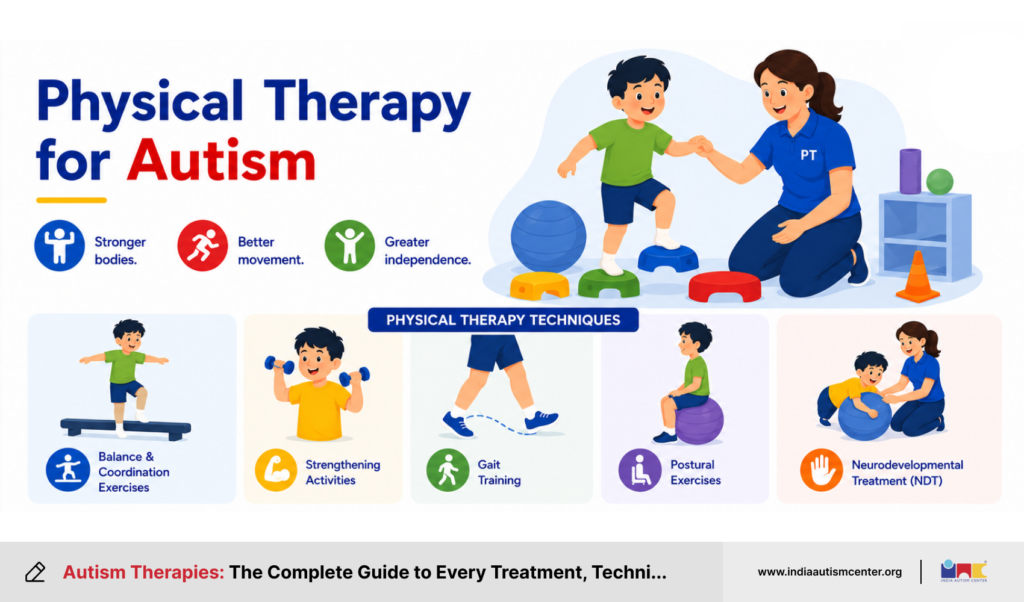
Physical therapy (PT) for autism addresses motor development, coordination, strength, balance, and gait. Delivered by a paediatric physiotherapist, PT helps autistic individuals overcome gross motor difficulties that affect their participation in physical activities, school, and daily life. It is particularly valuable for individuals with low muscle tone, coordination disorders, or delayed motor milestones.
What is Physical Therapy for Autism?
Physical therapy for autism focuses on improving the physical and motor aspects of functioning that are affected by autism and its common co-occurring conditions. Many autistic individuals have low muscle tone (hypotonia), poor motor coordination (dyspraxia), an atypical gait pattern, or delayed gross motor milestones. Physical therapy addresses these challenges directly, improving physical capability, safety, and participation.
Physical Therapy Techniques for Autism
Balance and Coordination Exercises: Activities such as standing on one leg, walking on a balance beam, catching and throwing balls, and obstacle courses challenge and develop balance and whole-body coordination skills that are often underdeveloped in autism.
Strengthening Activities: Core and limb strengthening exercises, adapted for the individual’s ability and interests, build muscle strength and endurance. Stronger muscles support better posture, more controlled movement, and greater physical confidence.
Gait Training: Many autistic individuals have an unusual walking pattern — such as toe-walking, a wide-based gait, or poor arm swing — that can affect comfort, endurance, and physical development. Gait training uses targeted exercises and sometimes orthotic devices to improve walking mechanics.
Postural Exercises: Poor posture — often related to low muscle tone and reduced proprioceptive awareness — affects seated attention, handwriting, and physical comfort. Postural exercises and positioning strategies support better alignment and endurance.
Neurodevelopmental Treatment (NDT): NDT is a hands-on physiotherapy approach that uses facilitation techniques to improve movement patterns, reduce abnormal muscle tone, and promote typical motor development.
Benefits of Physical Therapy for Autism
Physical therapy delivers benefits including improved gross motor skills and coordination, better posture and gait, increased physical strength and endurance, enhanced body awareness and proprioception, greater participation in sports and physical activities, and improved overall physical health and wellbeing. Physical fitness is also closely linked to mental health, and regular physical activity has been shown to reduce anxiety and repetitive behaviours in autistic individuals.
Play Therapy for Autism
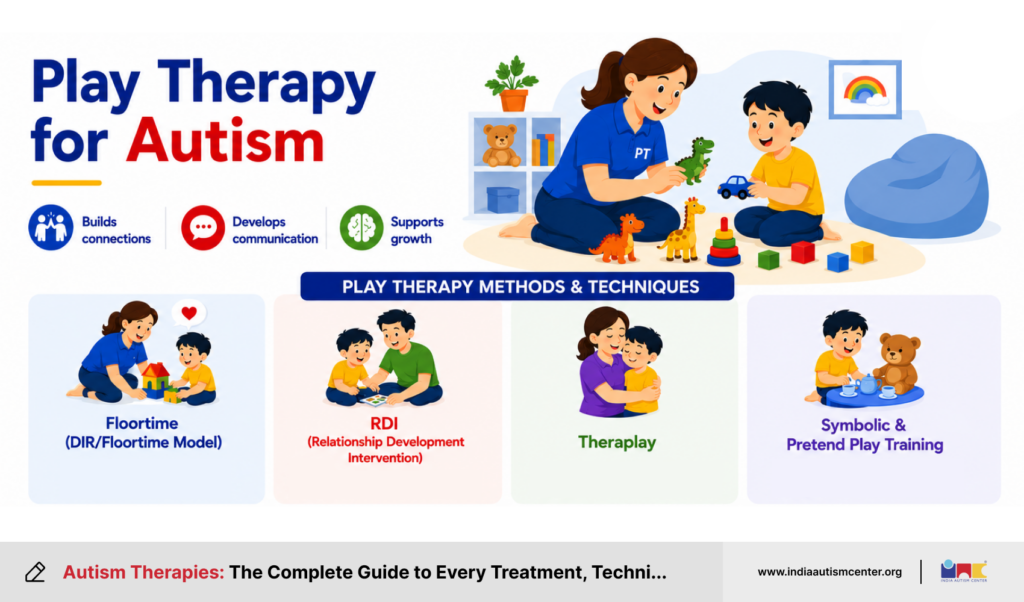
Play therapy for autism uses play — the natural language of childhood — as a therapeutic medium to develop social, communication, emotional and cognitive skills. Approaches such as DIR/Floortime, Theraplay and play-based social skills groups are specifically designed to meet the developmental and relational needs of autistic children in a child-led, warm and engaging way.
What is Play Therapy for Autism?
Play therapy recognises that children communicate and learn most naturally through play. For autistic children, play development is often delayed, atypical, or primarily solitary. Play therapy aims to enrich the child’s play repertoire, build meaningful engagement with adults and peers, and use the motivating context of play to develop key developmental skills.
Play Therapy Methods and Techniques
Floortime (DIR/Floortime Model): Developed by Dr Stanley Greenspan, the Developmental, Individual-Difference, Relationship-based (DIR) model — commonly known as Floortime — emphasises following the child’s lead and joining them in their play world. The therapist and parent get down on the floor with the child, engage with their interests, and use playful interaction to expand circles of communication, emotional connection, and cognitive complexity. Floortime is particularly effective for building the foundational social-emotional developmental milestones that precede higher-level communication.
Relationship Development Intervention (RDI): RDI is a parent-guided programme that focuses specifically on building dynamic intelligence — the ability to engage flexibly in social and real-world situations. RDI uses structured, graded activities to develop joint attention, experience sharing, and collaborative problem-solving.
Theraplay: Theraplay is a structured, short-term therapy that uses playful, nurturing activities to build attachment, self-esteem, and trust between child and caregiver. Sessions involve four dimensions — nurture, structure, engagement and challenge — and are conducted with parents present and active.
Symbolic and Pretend Play Training: Many autistic children have limited pretend or imaginative play. Targeted pretend play training — in which therapists model and scaffold increasingly complex pretend play scenarios — helps children develop the symbolic thinking that underpins language, social interaction, and creativity.
Benefits of Play Therapy for Autism
Play therapy builds social reciprocity and joint attention, develops communication through joyful interaction, improves imagination and flexible thinking, strengthens the parent-child relationship, reduces anxiety around social engagement, and provides a motivating and enjoyable context for therapeutic growth.
Dance and Movement Therapy for Autism
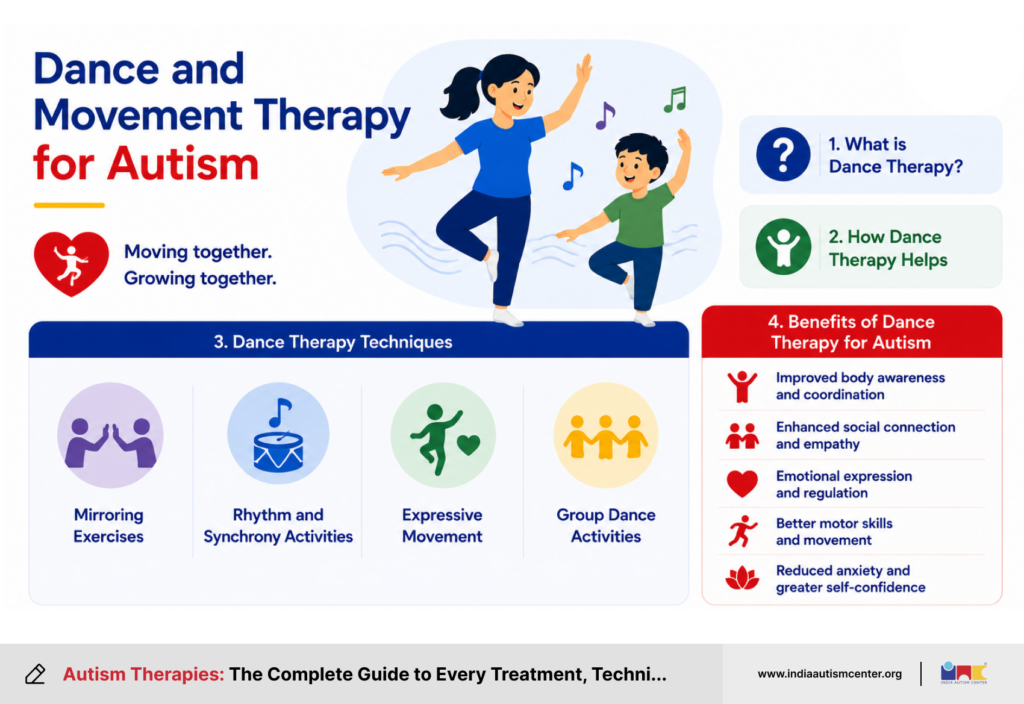
Dance and movement therapy (DMT) for autism uses body movement as a primary medium for therapeutic intervention. It supports body awareness, self-expression, emotional regulation, and social connection. DMT is particularly valuable for individuals who find verbal communication challenging and who respond well to non-verbal, physical modes of interaction.
What is Dance Therapy for Autism?
Dance and movement therapy is a psychotherapeutic discipline based on the premise that body and mind are deeply interconnected. Changes in movement quality, posture and physical engagement reflect and influence psychological and social functioning. A qualified Dance/Movement Therapist (DMT) uses structured and improvised movement experiences to support the individual’s emotional, social, physical and cognitive development.
Dance Therapy Techniques
Mirroring Exercises: The therapist mirrors the child’s spontaneous movements, reflecting them back without direction or correction. This validates the child’s self-expression, builds a sense of being seen and understood, and creates the conditions for genuine social connection without the demands of verbal communication.
Rhythm and Synchrony Activities: Moving in synchrony with another person — to music, percussion or spoken rhythm — supports the development of social attunement, timing, and cooperative engagement. Research shows that moving in synchrony also increases feelings of connection and prosocial behaviour.
Expressive Movement: Individuals are encouraged to use their bodies to express emotions, stories and experiences. This is particularly powerful for individuals who have limited verbal emotional expression and can significantly reduce anxiety and emotional tension.
Group Dance Activities: Group sessions use structured dances, movement games and cooperative activities to develop social skills, body awareness, turn-taking, and a shared sense of belonging within a group.
Benefits of Dance Therapy for Autism
Dance and movement therapy supports improved body awareness and proprioception, enhanced social connection and empathy, emotional expression and regulation, physical coordination and motor skills, reduced anxiety, and a heightened sense of joy and self-confidence.
Want to know more? Get in touch with us.
Water Therapy and Swimming Therapy for Autism
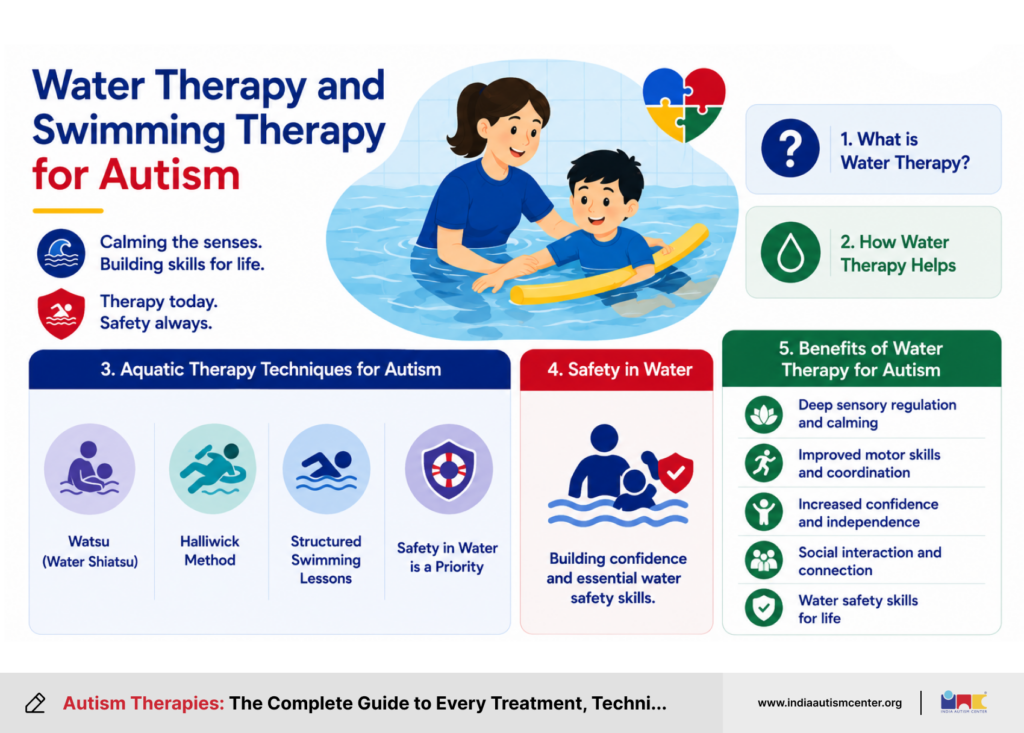
Water therapy (aquatic therapy) for autism uses the therapeutic properties of water — including buoyancy, hydrostatic pressure, warmth and resistance — to support motor development, sensory regulation and social skills. Many autistic children are drawn to water, making it a highly motivating therapeutic medium. Swimming therapy also provides critical safety skills for children who are at high risk of water-related accidents.
What is Water Therapy for Autism?
Aquatic therapy for autism is delivered in a heated pool or warm water environment by a trained aquatic therapist or physiotherapist. The physical properties of water create a unique sensory and motor environment that is often deeply regulating for autistic individuals — many of whom find water intrinsically calming and enjoyable.
Aquatic Therapy Techniques for Autism
Watsu (Water Shiatsu): Watsu involves passive, flowing movements in warm water, with the therapist supporting the individual throughout. It provides deep relaxation, sensory integration, and physical release, and is particularly beneficial for individuals with significant sensory sensitivities or high anxiety.
Halliwick Method: The Halliwick Method is a structured ten-point programme for teaching swimming and water independence to people with physical and developmental disabilities. It focuses on water safety, balance, and independent movement in water.
Structured Swimming Lessons: Adapted swimming lessons, designed with the sensory, communication and motor needs of autistic individuals in mind, develop swimming skills progressively whilst building water confidence and physical fitness.
Autism Swimming Therapy: Safety in Water
Drowning is a serious concern for autistic children — research indicates that they are at a disproportionately higher risk of drowning than the general population, partly due to a strong attraction to water and a tendency to wander. Water and swimming therapy should therefore include an explicit focus on water safety awareness alongside therapeutic goals. Specialist swimming programmes for autistic children, led by qualified instructors with ASD training, are available in many communities.
Benefits of Water Therapy for Autism
Aquatic therapy delivers a unique set of benefits, including deep sensory regulation and calming, improved gross motor skills and coordination, enhanced body awareness, increased physical fitness, social interaction in group swimming settings, growing confidence and independence in water, and the development of critical water safety skills.
Home-Based Therapy for Autism
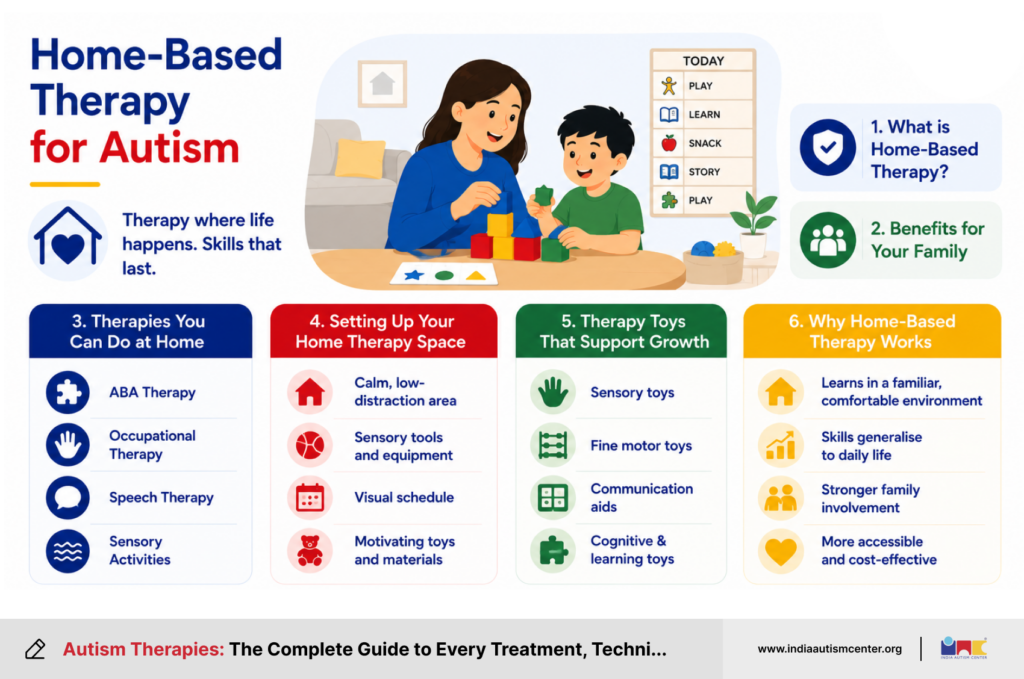
Home-based therapy for autism delivers therapeutic intervention within the individual’s home environment, either by visiting therapists or by trained parents and caregivers guided by professionals. It promotes the generalisation of skills to real-life settings, increases family involvement, reduces the disruption of frequent clinic travel, and can be highly effective when implemented consistently.
What is Home-Based Autism Therapy?
Home-based therapy for autism is any structured therapeutic support that is delivered primarily in the home. This may involve a therapist visiting the home to deliver sessions, or a professionally designed programme that parents implement during daily routines. The home environment offers a uniquely powerful context for therapy: it is the setting in which the individual spends the most time, the place where skills must ultimately be functional, and the environment most familiar and comfortable to the individual.
Types of Therapies That Can Be Delivered at Home
Home-Based ABA: ABA is one of the most commonly delivered home-based therapies for autism. Home-based ABA allows skills to be taught directly within the natural environment, making it easier to generalise them to daily life. A BCBA supervises the programme and trains parents and caregivers to implement strategies consistently.
Occupational Therapy at Home for Autism: Home-based OT embeds therapeutic activities into daily routines — such as dressing, mealtimes and play — making learning practical and immediately relevant. The occupational therapist designs a home programme and visits regularly to review progress and update strategies.
Speech Therapy at Home: Home-based speech therapy allows communication goals to be practised during natural daily interactions — conversations, shared reading, mealtime chat, and play — which is where communication generalisation ultimately needs to occur.
Sensory Activities at Home: Parents can implement sensory diets at home under the guidance of an occupational therapist, using simple activities and sensory tools to support their child’s regulation throughout the day.
Autism Therapies at Home: Types, Benefits, and How-to Guide
Setting Up a Home Therapy Space
An effective home therapy space does not require expensive equipment. Key elements include a calm, low-distraction area for structured activities; access to sensory tools such as a mini trampoline, therapy ball, or sensory bin; a visual schedule on the wall showing the day’s activities; and a selection of motivating toys and materials for teaching and play. A qualified therapist can advise on specific equipment based on the individual’s goals.
Therapy Toys for Autism
Therapy toys play an important role in both clinic-based and home-based autism therapy. Sensory toys — such as fidget tools, weighted lap pads, tactile materials, and noise-cancelling headphones — support sensory regulation. Fine motor toys — such as threading beads, construction sets and playdough — develop hand strength and coordination. Communication aids — including PECS boards, picture communication apps and speech-generating devices — support language development. Cognitive and learning toys — such as sorting games, matching activities and simple puzzles — develop foundational academic skills.
Also Read: Home-based Treatment vs. Specialised Autism Center: Which is Best for Your Child?
Benefits of Home-Based Therapy
Home-based therapy offers a range of compelling benefits: the child learns in their most familiar and comfortable environment, which reduces anxiety and increases engagement. Skills that are practised in the home generalise more readily to daily life. Family members develop confidence and competence in supporting their child’s development. The intensity of intervention can be greater when parents implement strategies throughout the day. Finally, home-based therapy is often more accessible and affordable than full-time clinic-based provision.
Choosing the Right Therapy for Your Child
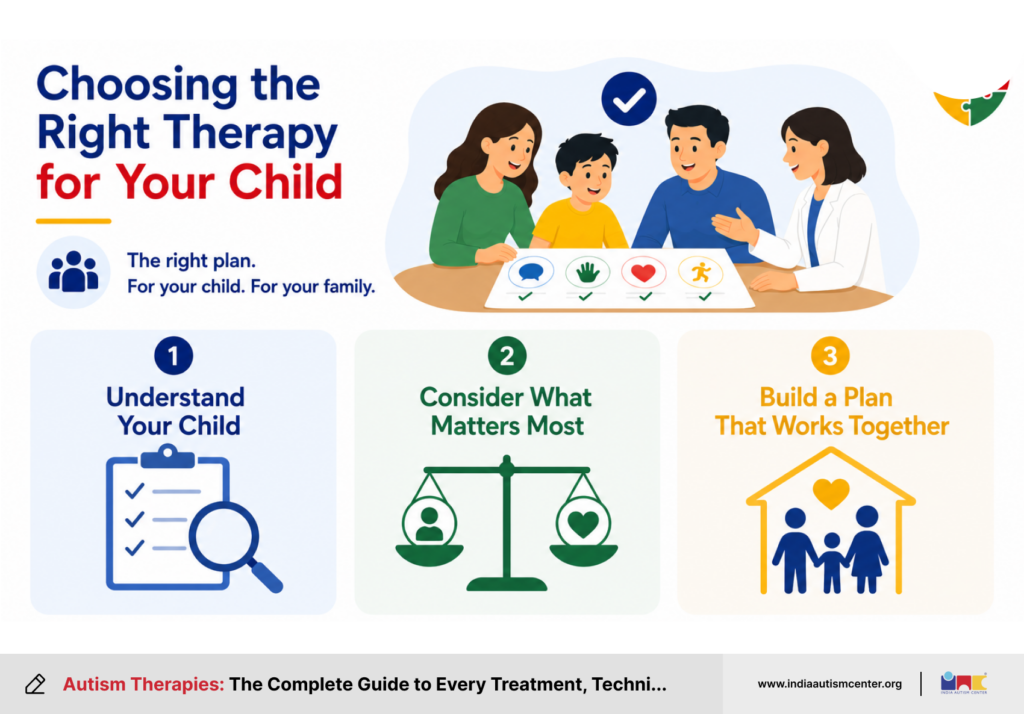
Choosing the right autism therapy depends on the individual’s specific profile — their age, developmental level, communication abilities, sensory needs, co-occurring conditions, and family goals. The best approach is to work with a qualified multi-disciplinary team to build a personalised, integrated therapy plan that targets the most impactful areas first whilst remaining responsive to the individual’s changing needs over time.
How to Assess Your Child’s Individual Needs
Before selecting therapies, families need a clear picture of the individual’s strengths, challenges, learning style and sensory profile. This picture is best built through formal assessment by qualified professionals, supplemented by parents’ own knowledge and observation. Understanding which areas are most significantly impacting daily life — communication, behaviour, sensory processing, motor skills, social participation — helps prioritise where to focus therapeutic effort.
Factors to Consider When Choosing a Therapy
Age and Developmental Level: Younger children benefit most from intensive early intervention programmes such as ABA and speech therapy. Older children, adolescents and adults may benefit more from CBT, social skills groups, vocational programmes and life skills training. The developmental level of the individual — rather than their chronological age — should guide therapy selection and approach.
Severity and Profile of Autism: The specific pattern of strengths and difficulties shapes therapy priorities. A non-verbal child needs intensive communication support; a highly verbal adolescent with significant anxiety may benefit most from CBT and social skills training. Always match therapy type to the individual’s actual profile, not to diagnostic labels or assumptions.
Co-occurring Conditions: Many autistic individuals have co-occurring conditions such as ADHD, anxiety, dyspraxia, sensory processing disorder, intellectual disability, or epilepsy. These co-occurring conditions significantly influence which therapies are most appropriate and how they are delivered.
Evidence Base and Research Support: Families should prioritise therapies with a strong, peer-reviewed evidence base — such as ABA, speech therapy, OT and CBT — particularly as the primary components of the therapy plan. Less well-evidenced therapies may still be valuable as complements to core interventions, but should not replace them.
Therapist Qualifications and Credentials: Always verify that any therapist you engage is registered with the relevant professional body, holds recognised qualifications, and has demonstrated experience working with autistic individuals. Do not hesitate to ask about credentials, supervision, and approaches used.
Financial Considerations: Autism therapy can be expensive, particularly when accessed privately. Families should explore all available funding options, including public health service entitlements, educational therapy funding, charitable grants, and insurance coverage. Early investment in high-quality therapy often reduces the long-term cost of support.
Building an Integrated Therapy Plan
The most effective therapy programme is one in which multiple therapists share goals, communicate regularly, and coordinate their approaches. When building an integrated plan, families should ensure that therapy goals are linked to real-life outcomes (such as communicating at school or managing the supermarket), that all therapists are aware of each other’s work, and that the plan is reviewed at least annually or when significant changes occur.
For more details, read Key Factors to Consider When Selecting an Autism Therapy Center
Autism Therapy Centres — Finding the Right One
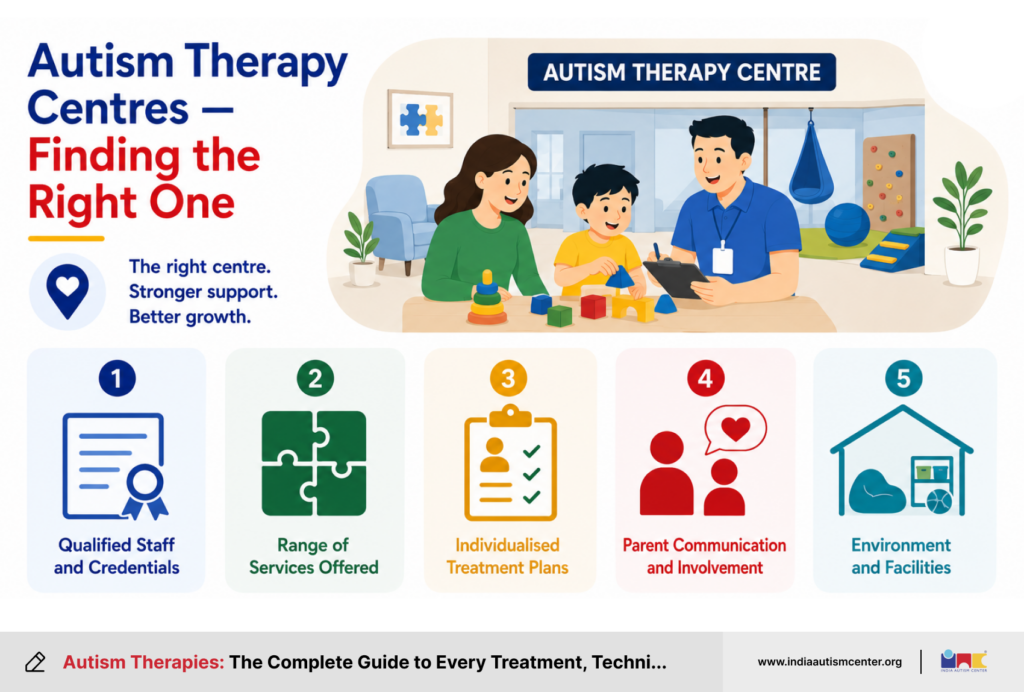
A high-quality autism therapy centre offers a qualified, multi-disciplinary team; individualised assessment and treatment planning; regular parent involvement; transparent progress reporting; and a supportive, sensory-aware environment. When searching for autism therapy centres near you, it is important to assess not just location and availability, but the quality of clinical practice and the extent to which the centre takes a holistic, family-centred approach.
What to Look for in an Autism Therapy Centre
- Qualified Staff and Credentials: All therapists at the centre should hold recognised qualifications in their respective disciplines and be registered with relevant professional bodies. The centre should have BCBAs for ABA, registered SaLTs for speech therapy, HCPC-registered OTs, and so on.
- Range of Services Offered: The best centres offer a comprehensive range of services under one roof — including ABA, speech therapy, occupational therapy, sensory integration therapy, and psychological support — enabling families to access a coordinated multi-disciplinary team without needing to travel to multiple locations.
- Individualised Treatment Plans: Every individual with autism deserves a treatment plan that is tailored to their unique profile, goals and circumstances. Be cautious of centres that offer a standardised “one size fits all” programme without conducting a thorough individual assessment first.
- Parent Communication and Involvement: A good centre will involve families as genuine partners in the therapy process. This means regular progress meetings, home programme guidance, transparent reporting, and a culture in which parents’ observations and concerns are welcomed and acted upon.
- Environment and Facilities: The physical environment matters enormously for autistic individuals. Look for a centre with sensory-friendly spaces, low-arousal décor, minimal clutter and noise, access to a sensory room or gym, and separate areas for structured work and free play.
Therapy Across the Lifespan — Age-Specific Guidance
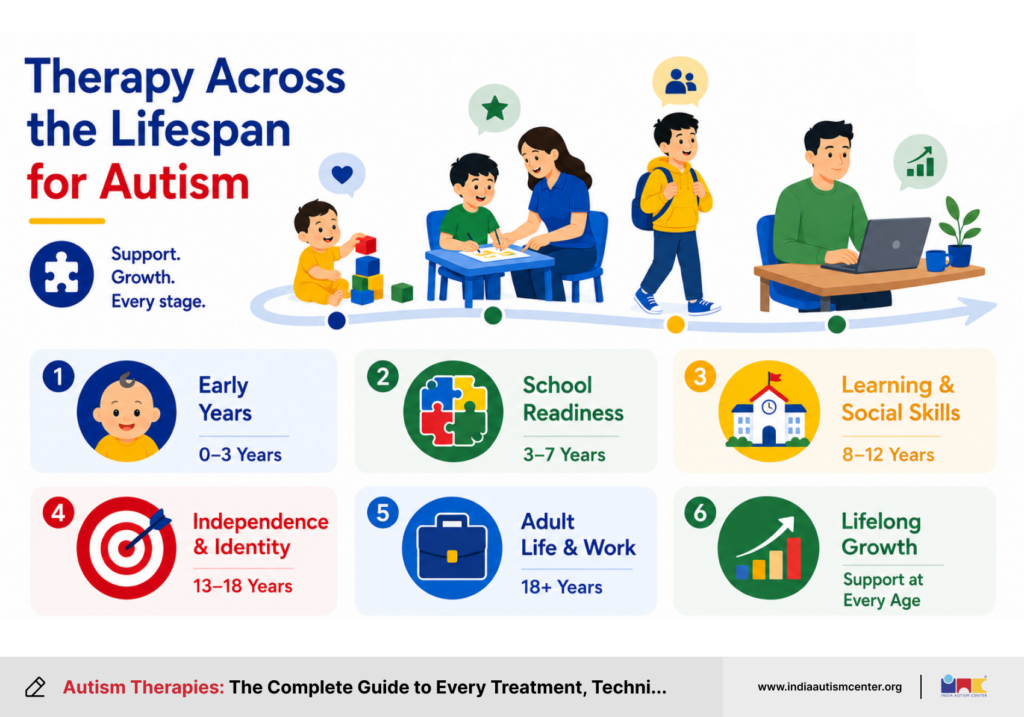
Autism therapy needs change significantly across the lifespan. Early childhood therapy focuses on building communication and social foundations; school-age therapy targets academic participation and peer relationships; adolescent therapy addresses independence, identity and mental health; and adult therapy focuses on vocational skills, community integration and sustained wellbeing. Therapy is not only for children — meaningful progress and improved quality of life are achievable at every stage of life.
Therapy for Toddlers and Infants (0–3 Years)
This is the most critical period for intervention. The primary goals are to build pre-verbal and verbal communication, promote social engagement and joint attention, support sensory regulation, and involve parents as active therapeutic partners. The most effective approaches at this age are naturalistic, play-based and family-centred — such as the Early Start Denver Model and DIR/Floortime — combined with speech therapy and occupational therapy.
Therapy for Young Children (3–7 Years)
As children enter preschool and school, therapy increasingly targets school readiness skills — including fine motor ability, communication with peers, emotional regulation, self-care, and the ability to follow group instructions. ABA, speech therapy and OT remain central, and social skills groups become increasingly valuable. School inclusion support and collaboration between therapists and educators is essential during this period.
Therapy for School-Age Children (8–12 Years)
During middle childhood, academic demands increase and peer relationships become more complex. Therapy at this stage increasingly addresses academic participation (through OT and speech therapy), social skills within peer group contexts (through social skills groups and CBT), and the management of co-occurring challenges such as anxiety, ADHD, and learning differences. Homework and classroom adaptations guided by the OT and SaLT become important components of the support plan.
Therapy for Adolescents (13–18 Years)
Adolescence is a period of heightened social complexity, identity development, hormonal change, and increased mental health vulnerability. Therapy for autistic adolescents should address: social and relationship skills in age-appropriate contexts; emotional regulation and anxiety management through CBT; self-advocacy and understanding of one’s own autism; puberty-related education; and transition planning — preparing for post-school education, employment and independent living.
Therapy for Adults with Autism
Autism is a lifelong condition, and therapeutic support continues to be valuable in adulthood. Adults may benefit from vocational therapy to support employment, occupational therapy for independent living skills, CBT for anxiety and depression, social skills coaching for workplace and relationship contexts, and ongoing speech therapy for communication support. The autism community increasingly advocates for adult services that respect autistic identity, support self-determination, and go beyond a solely deficit-based model of care
Measuring Therapy Effectiveness and Tracking Progress
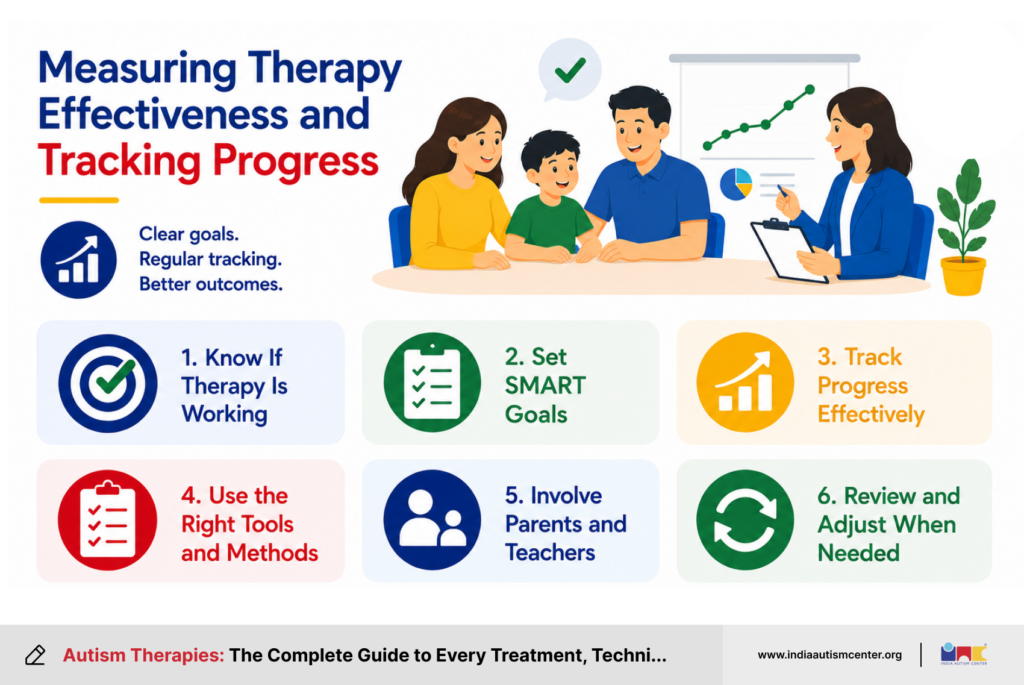
Therapy effectiveness in autism is measured by tracking progress towards specific, measurable goals across communication, behaviour, social skills, sensory processing and daily living. Progress monitoring uses a combination of standardised assessments, therapist-collected data, and parent and teacher observations. Regular review ensures that therapy remains aligned with the individual’s changing needs and that resources are being directed where they will have the most impact.
How to Know If Therapy is Working
Meaningful progress in autism therapy does not always look like dramatic, rapid change. In many cases, it is gradual and incremental. Signs that therapy is working include: the individual demonstrating skills in real-life settings that were previously only seen in the therapy room; fewer and less intense challenging behaviours; increased initiation of communication; greater participation in family, school and community activities; and improved wellbeing and mood. Regular review meetings with the therapy team allow families to gain an accurate picture of progress.
Setting SMART Goals for Autism Therapy
All therapy goals should be Specific, Measurable, Achievable, Relevant and Time-bound (SMART). For example, a SMART speech therapy goal might be: “Within three months, [child’s name] will independently use a two-word request to ask for preferred items in at least 80% of opportunities across three different settings.” SMART goals make it possible to objectively evaluate whether therapy is producing results and to make evidence-based decisions about adjustments.
Tools and Methods for Tracking Progress
Therapist Assessments and Reports: Qualified therapists use standardised assessment tools at regular intervals to measure change in specific domains. Examples include the VABS (Vineland Adaptive Behaviour Scales) for adaptive functioning, the PLS (Preschool Language Scales) for communication, and the Sensory Profile 2 for sensory processing.
Parent Observation Checklists: Parents are in a unique position to observe progress in everyday settings. Structured observation checklists — provided by the therapy team — allow parents to record the frequency and quality of target behaviours at home, providing rich real-world data to complement clinic-based assessments.
When to Consider Changing Approaches
If a therapy has been implemented consistently and with high fidelity for a reasonable period — typically three to six months — without evidence of meaningful progress, it is appropriate to reconsider the approach. This does not necessarily mean abandoning the therapy entirely; it may mean adjusting the goals, techniques, intensity, or therapist. Regular, honest review conversations with the therapy team are essential to ensure that every intervention is delivering genuine value.
Frequently Asked Questions About Autism Therapies
What is the most effective therapy for autism?
There is no single “most effective” therapy for all individuals with autism, because autism presents differently in every person. However, Applied Behaviour Analysis (ABA), Speech and Language Therapy, and Occupational Therapy have the strongest and most consistent evidence bases. Early, intensive, multi-disciplinary intervention tends to produce the best outcomes overall.
At what age should autism therapy start?
Therapy should begin as soon as developmental concerns are identified — ideally before the age of three — to capitalise on the brain’s maximum plasticity. However, meaningful progress is achievable at any age, and it is never too late to begin or add therapy.
Can autism be treated without medication?
Yes. Therapy — rather than medication — is the primary treatment for autism. Medication may be used to manage specific co-occurring symptoms, such as anxiety, ADHD or sleep disturbance, but it does not address the core features of autism. Therapy is always the foundation of an autism support plan.
How long does a child need therapy for autism?
The duration of therapy varies greatly between individuals. Some children make rapid early gains and require less intensive support as they grow; others benefit from ongoing therapy throughout childhood and into adulthood. Regular reassessment helps determine appropriate therapy intensity and duration at each life stage.
What is the difference between ABA therapy and speech therapy?
ABA therapy is a broad behavioural intervention that targets a wide range of skills, including communication, social skills, behaviour, and daily living. Speech therapy specifically targets communication — including language development, social communication, articulation, and the use of AAC systems. Both are frequently used together, with ABA and speech therapy goals complementing and reinforcing each other.
Can occupational therapy and ABA be done together?
Absolutely. In fact, combining OT and ABA is considered best practice. OT addresses sensory processing, motor skills and daily living, while ABA targets behaviour, communication and social skills. The two disciplines share many goals and each strengthens the other’s outcomes.
Is music therapy scientifically proven for autism?
Yes. Music therapy for autism is supported by a growing and robust evidence base. Multiple systematic reviews and randomised controlled trials have demonstrated significant improvements in social interaction, communication, and emotional wellbeing following music therapy. It is recognised as an evidence-based intervention by international autism and music therapy professional bodies.
What therapies work best for non-verbal children with autism?
Non-verbal children benefit greatly from AAC-focused speech therapy, ABA with a verbal behaviour approach, sensory integration therapy, music therapy, aquatic therapy, and play-based approaches such as DIR/Floortime. The priority is to establish a functional communication system — whether verbal or alternative — as early as possible.
What is the cost of autism therapy in India?
The cost of autism therapy in India varies widely depending on the type of therapy, city, and whether services are accessed publicly or privately. In cities such as Kolkata, Delhi, Mumbai and Bengaluru, private therapy sessions typically range from ₹500 to ₹3,000 per session depending on the therapist’s qualifications and the specialisation required. Government-supported early intervention services are available through National Trust and other schemes, though availability and quality vary by region. Families are advised to contact their nearest autism resource centre or developmental paediatric service for a current and local guide to costs and funding options.
Can parents do therapy at home without a therapist?
Parents play a vital role in therapy at home, but should always be guided and supervised by a qualified professional. Home programmes designed and overseen by a BCBA, SaLT, or OT allow parents to embed therapy goals into daily routines safely and effectively. Attempting to implement autism therapy without professional guidance risks inconsistency, ineffective strategies, or inadvertent reinforcement of problematic behaviours.
How do I know which therapy is right for my child?
The best way to identify the right therapies for your child is to undergo a comprehensive assessment by a multi-disciplinary team — including a developmental paediatrician, SaLT, OT, and psychologist — who can map your child’s profile and recommend a prioritised, integrated therapy plan. Families are also encouraged to trust their own knowledge of their child and to remain active, informed participants in all therapy decisions.
Want to know more? Get in touch with us.
📥 Free download: Printable daily routine chart for autistic children
Next Steps for Families
If you are at the beginning of your journey with autism therapies, the following steps will help you to access the right support:
First, seek a formal diagnostic assessment through your GP, paediatrician, or local developmental service. A diagnosis provides the foundation for accessing appropriate therapy funding and provision. Next, request referrals to a speech and language therapist and an occupational therapist, both of whom can assess your child and begin early intervention whilst you await a full multi-disciplinary assessment. From there, work with your clinical team to develop an integrated therapy plan with clear, functional goals, and review this plan regularly as your child grows and develops. Finally, connect with your local autism community — parent support groups, carer networks, and national organisations — who can provide invaluable guidance, peer support, and advocacy resources.
Autism therapies are a lifelong journey, not a short-term fix. With the right team, the right approach, and a committed family behind them, every individual with autism has the potential to grow, thrive, and live a meaningful and fulfilling life.
This guide is intended for informational and educational purposes only. It does not constitute medical advice. Always consult a qualified healthcare professional before beginning any new therapy programme.
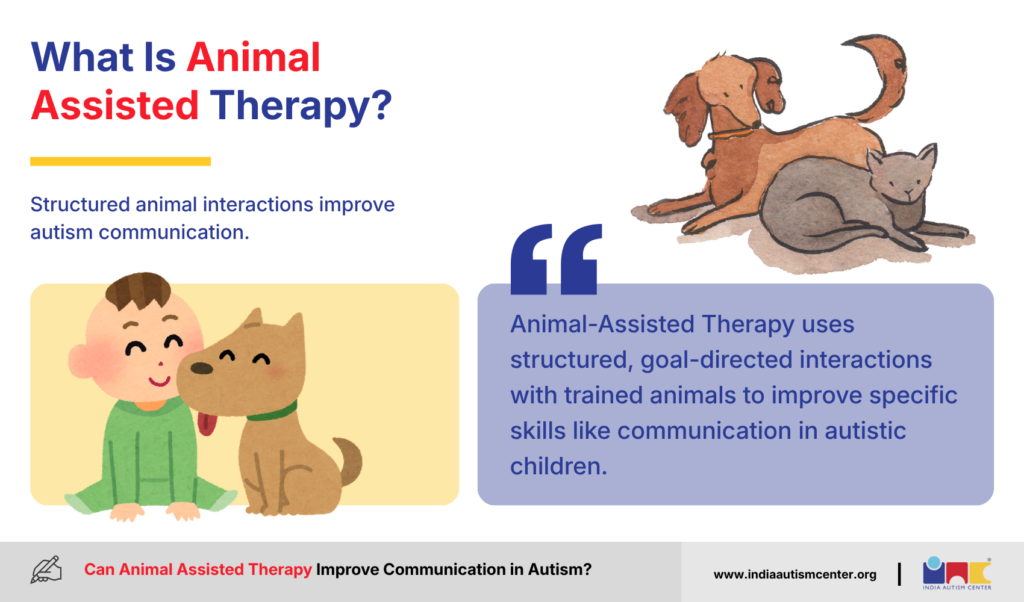
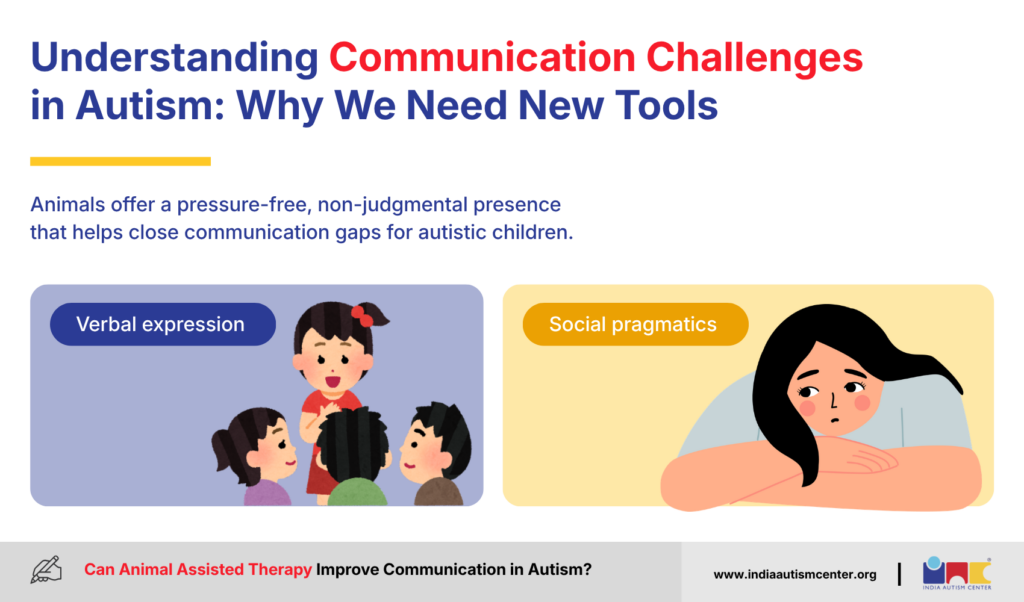
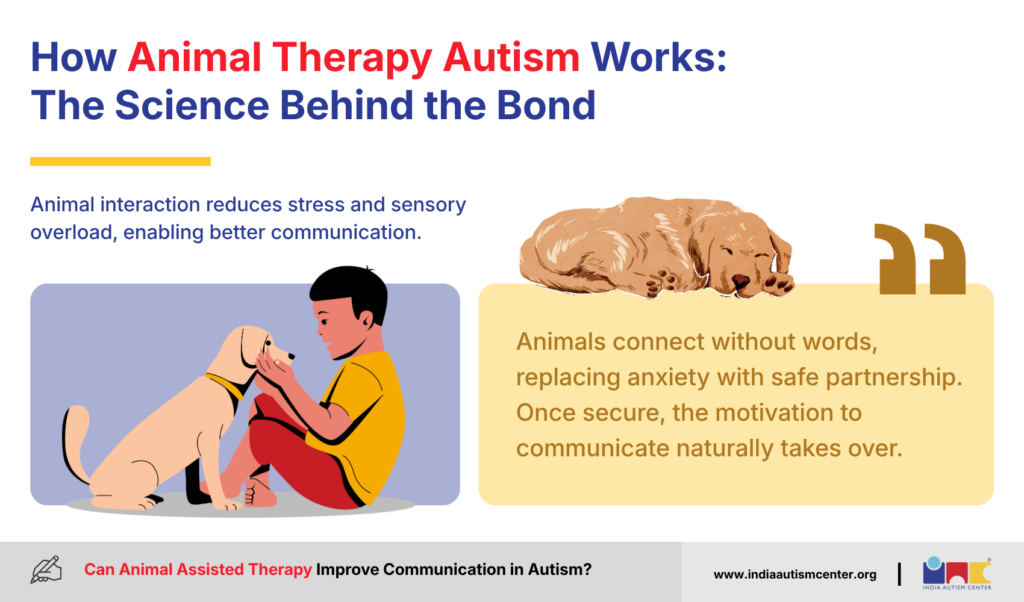
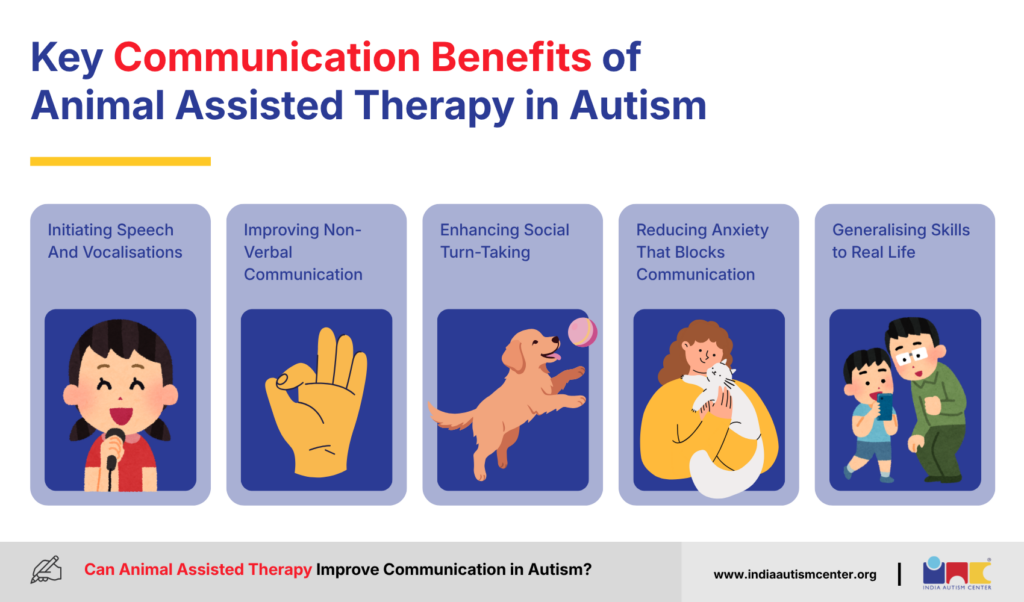
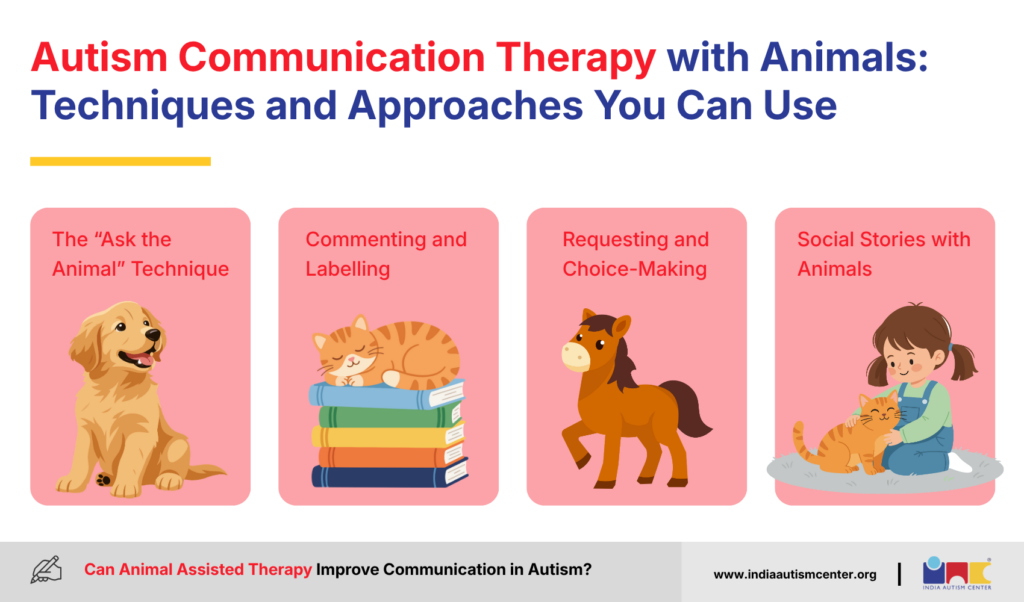
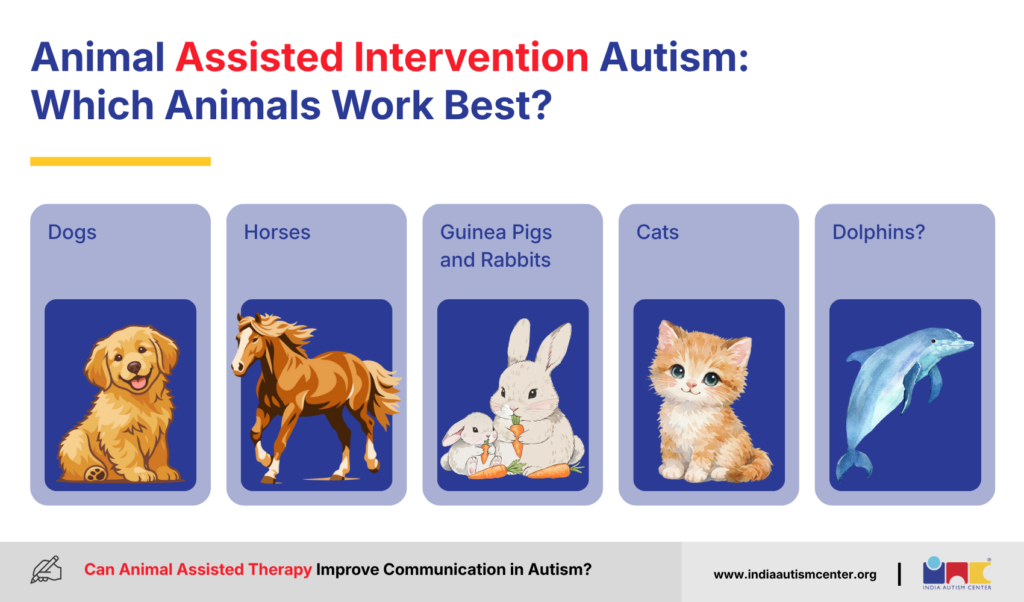
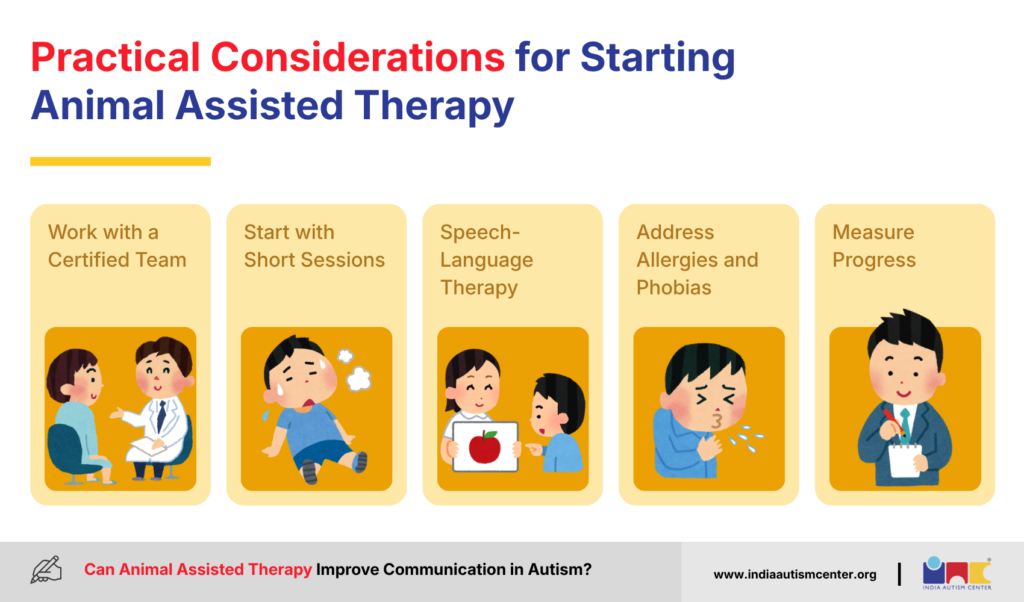
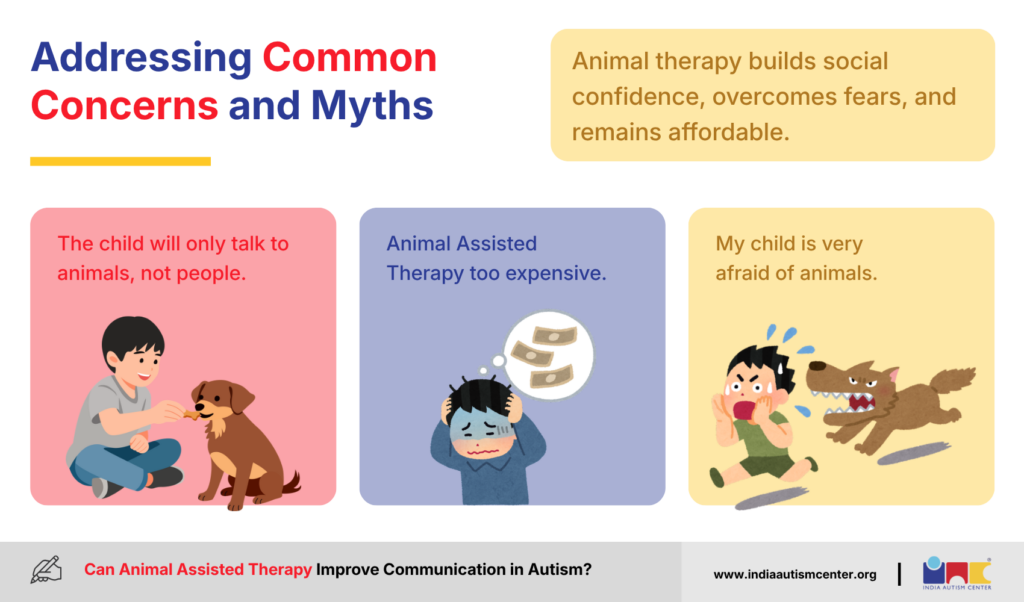
![A Guide to the Challenges in Autism [2026]](https://indiaautismcenter.org/wp-content/uploads/2026/01/challenges-in-autism.jpg)