 Donate now
 Get a Call Back
 MENU
MENU
Finding the right autism centre in India can make a meaningful difference in accessing appropriate support, therapies, education, and skill-development opportunities for autistic individuals.
As awareness around Autism Spectrum Disorder (ASD) continues to grow, families are looking for centres that provide personalised care beyond diagnosis.
According to the reports, around 1 in 100 children worldwide is autistic. In India, research estimates autism prevalence to be approximately 1 in 65 children aged between 2 and 9 years, highlighting the need for specialised autism support services.
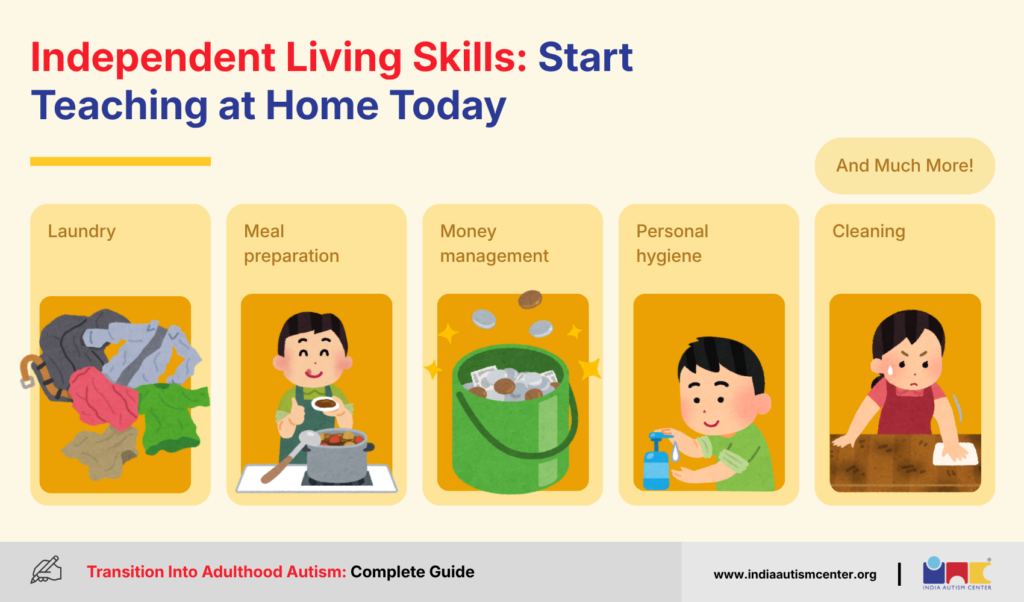
Today, the role of an autism centre extends beyond early intervention. Many leading autism centres in India focus on communication development, sensory needs, emotional wellbeing, independent living skills, family guidance, and long-term support.
Choosing the right centre begins with understanding what comprehensive autism care entails and how different organisations support individuals at various stages of life.
Understanding the Role of an Autism Centre
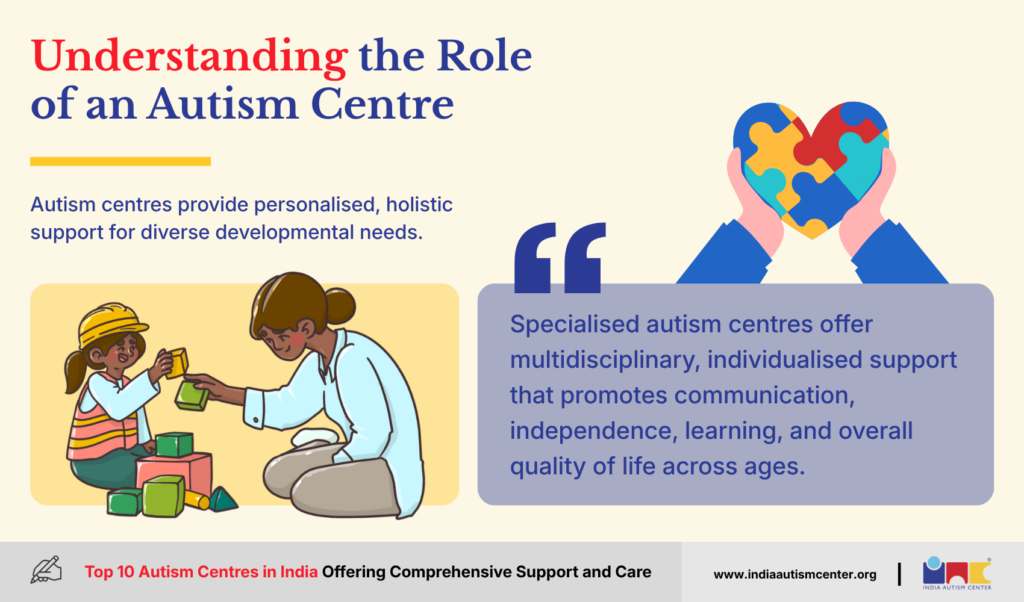
Every autistic individual experiences autism differently. While some may require support with communication, sensory processing, or daily routines, others may need guidance with social interaction, emotional regulation, learning approaches, or independent living skills.
This is why autism support works best when it is personalised rather than based on a single approach.
A specialised autism centre brings together professionals from different areas to provide structured support tailored to an individual’s strengths, challenges, and goals.
Instead of focusing only on specific therapies, many leading autism centres in India now follow a holistic approach that supports overall development and quality of life.
A comprehensive autism centre may provide services such as:
- Early intervention programmes
- Speech and language therapy
- Occupational therapy
- Sensory integration therapy
- Special education programmes
- Behavioural and developmental support
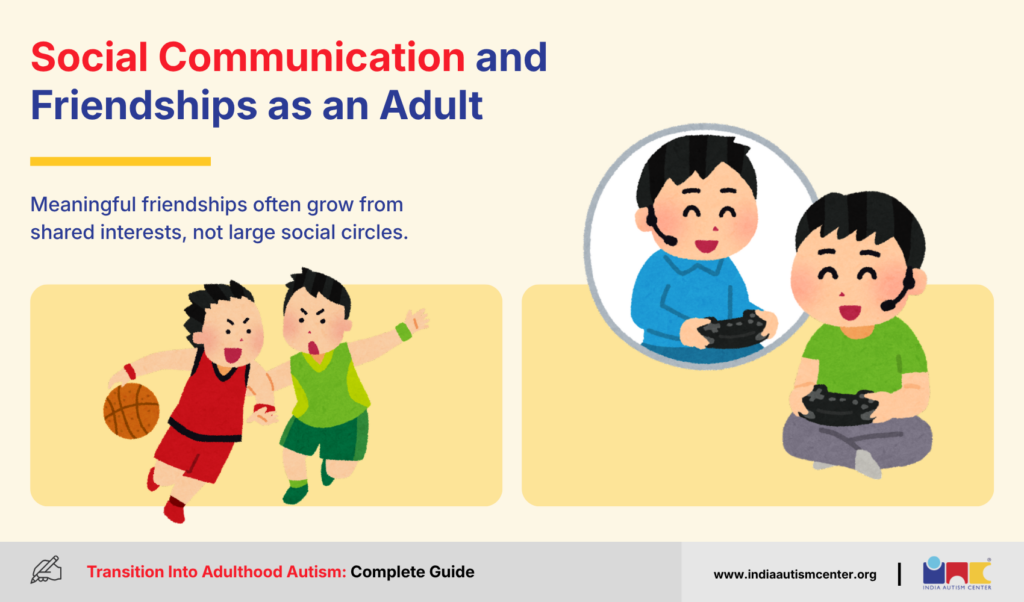
- Social skills development
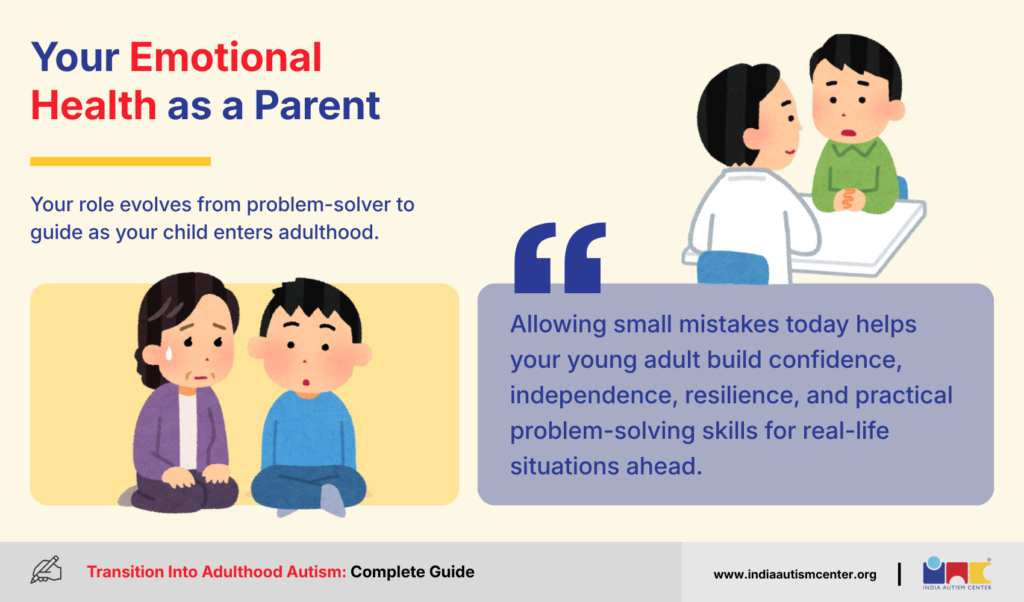
- Parent and caregiver guidance
- Life skills and vocational training
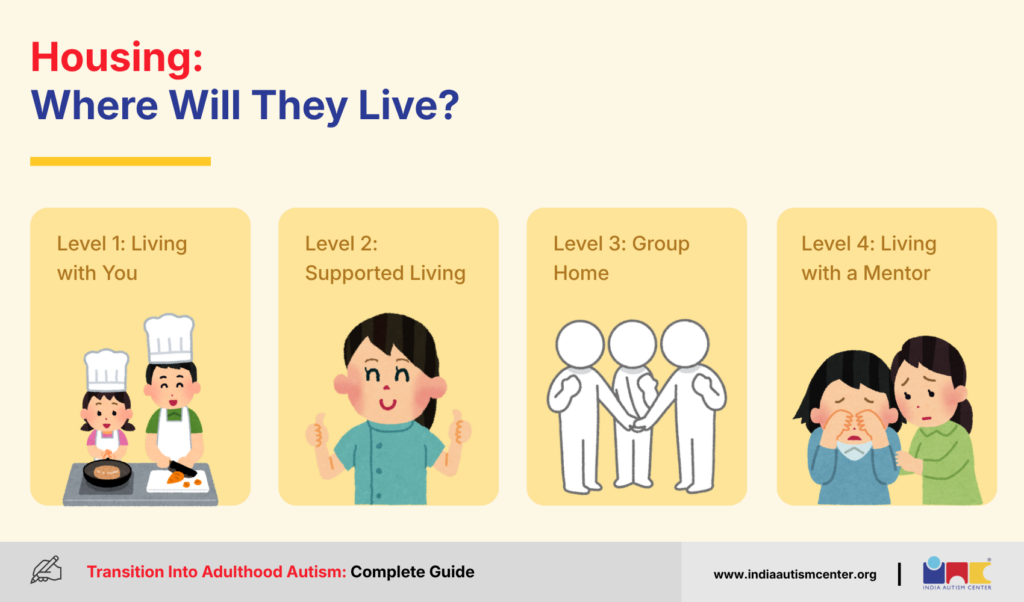
- Residential support facilities
Research suggests that early developmental intervention can improve communication, adaptive behaviour, and learning outcomes for many autistic children. However, autism support does not end after childhood.
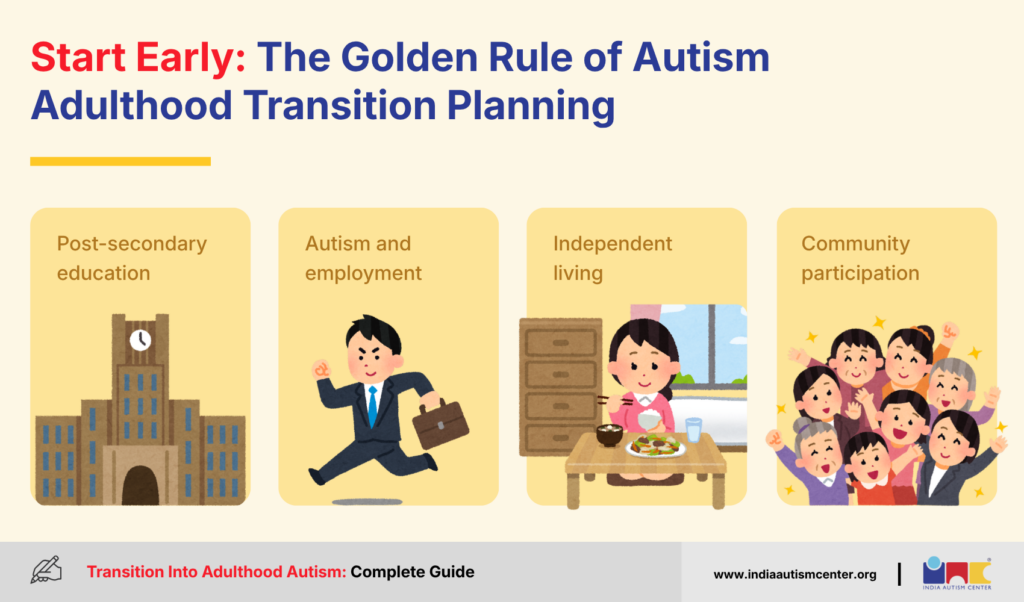
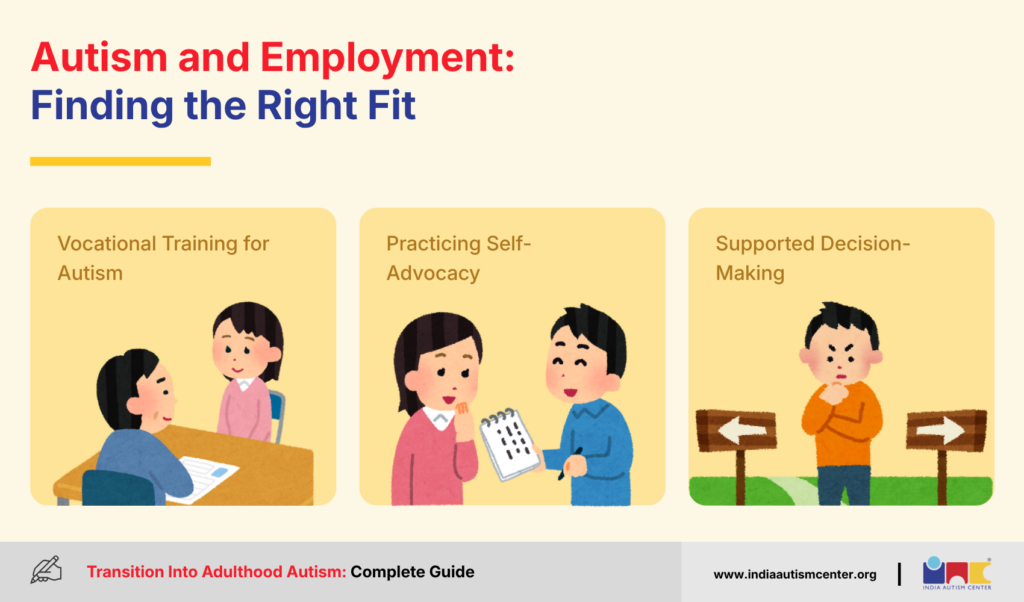
Teenagers and adults may also benefit from structured environments that encourage independence, confidence, employment readiness, and community participation.
As families explore different support options, it is equally important to understand what makes an autism centre suitable for an individual’s unique journey.
How to Choose the Right Autism Centre in India?
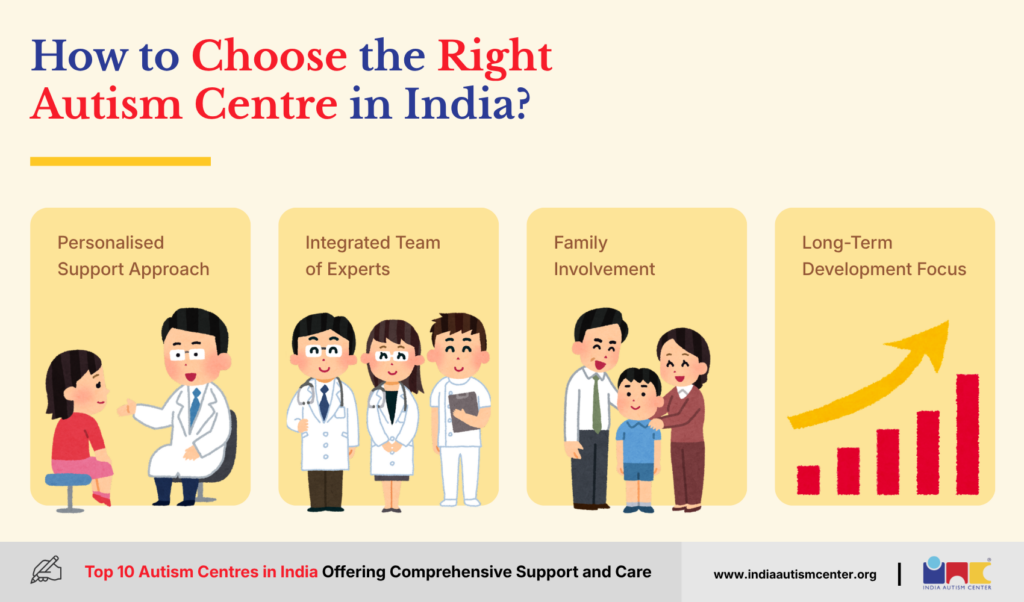
Selecting an autism centre is not only about finding available therapy services. It is about choosing an environment where autistic individuals feel understood, supported, and encouraged to develop at their own pace.
Before selecting a centre, families can consider factors such as:
Personalised Support Approach
Autism exists on a spectrum, which means every individual has different abilities, preferences, and support requirements. A good autism centre should focus on individualised plans rather than applying the same programme for everyone.
Experienced Multidisciplinary Team
Effective autism support often involves collaboration between different professionals, including therapists, special educators, psychologists, caregivers, and developmental specialists.
Family Involvement
Families play an essential role in an autistic individual’s development. Centres that provide parent training and guidance help create consistency between therapy environments and everyday life.
Long-Term Development Focus
While early childhood intervention is important, support needs can continue into adolescence and adulthood. Centres that focus on life skills, vocational training, and independent living help create opportunities beyond traditional therapy.
With these factors in mind, here are some of the leading autism centres in India known for their contribution to autism care, education, therapy, awareness, and lifelong support.
📥 Free download: Printable daily routine chart for autistic children
Top 10 Autism Centers in India
1. India Autism Centre (IAC), Kolkata
India Autism Centre (IAC), located near Kolkata, West Bengal, is creating a comprehensive ecosystem designed to support people with autism spectrum disorder and related neurodevelopmental conditions.
Built around the idea that autism support should extend across different stages of life, IAC focuses on personalised development, skill building, research, training, and long-term care.
For many families, one of the biggest concerns is planning continued support as autistic individuals grow older. India Autism Centre aims to address this by creating an environment that goes beyond conventional intervention models and focuses on lifelong development.
The centre’s approach includes:
- Personalised support programmes
- Learning and skill development opportunities
- Residential care ecosystem
- Research-driven practices
- Professional training initiatives
- Family support
One of IAC’s key initiatives is Samaavesh, a thoughtfully designed residential ecosystem created to support neurodiverse individuals. It focuses on encouraging independence, dignity, structured living, and meaningful engagement.
By combining care, education, research, and community-based support, India Autism Centre works towards creating an inclusive environment where autistic individuals can explore their abilities and build essential life skills.
Want to know more? Get in touch with us.
2. Action For Autism, National Centre for Autism, New Delhi
Action For Autism (AFA), established in 1991 in New Delhi, is one of India’s pioneering autism organisations. The centre works with autistic individuals, families, educators, and professionals through support services, training, and advocacy programmes.
Its areas of focus include:
- Early intervention programmes
- Special education support
- Communication development
- Family guidance
- Professional training
- Autism awareness initiatives
With decades of experience, Action For Autism can be a suitable option for families seeking structured autism support and strong parent involvement. Its contribution towards advocacy and professional training has helped improve autism awareness and understanding across India.
3. Autism Centre of Excellence (ACE), Gurugram
Autism Centre of Excellence (ACE) in Gurugram provides specialised support services for children and young individuals with autism. The centre focuses on personalised intervention plans based on individual developmental needs and learning abilities.
Its services include:
- Behavioural intervention programmes
- Speech and communication support
- Occupational therapy
- Special education services
- Social skills development
- Parent involvement programmes
The Autism Centre of Excellence can be considered by families seeking multidisciplinary autism support, where specialists collaborate. Its focus on personalised programmes helps provide structured guidance based on each child’s strengths, challenges, and developmental goals.
4. Ummeed Child Development Center, Mumbai
Founded in 2001, Ummeed Child Development Center in Mumbai supports children with developmental disabilities, including autism. The organisation follows a family-centered approach involving children, caregivers, schools, and professionals.
Its areas of support include:
- Developmental assessments
- Therapy services
- Family counselling
- Professional training programmes
- Community awareness initiatives
Ummeed Child Development Center can be a valuable option for families looking for holistic developmental support. Its focus on caregiver participation and professional guidance helps create supportive environments where children receive consistent care across different areas of everyday life.
5. Tamana Autism Centre, New Delhi
Tamana Autism Centre in New Delhi provides education, therapy, and developmental support for individuals with autism and other developmental needs. It focuses on building functional abilities that encourage independence and participation.
The centre provides:
- Special education programmes
- Communication support
- Therapeutic intervention
- Life skills training
- Vocational development
Tamana Autism Centre can be a suitable option for families looking for a combination of structured learning and practical skill development. Its focus on education and independence-oriented programmes supports individuals in developing the abilities needed for everyday activities.
6. Sankalp, Chennai
Sankalp in Chennai supports individuals with autism and other developmental needs through specialised education and intervention programmes. The organisation focuses on creating structured learning opportunities based on individual strengths, abilities, and developmental requirements.
Its areas of support include:
- Special education programmes
- Individualised learning support
- Communication development
- Therapy-based interventions
- Skill-building activities
Sankalp can be a suitable option for families looking for educational and developmental support in a structured environment. Its focus on personalised learning approaches helps individuals develop essential skills while receiving guidance based on their unique needs and abilities.
7. Communication DEALL, Bengaluru
Communication DEALL (Developmental Eclectic Approach to Language Learning) in Bengaluru is an early intervention programme supporting young children with autism and communication-related developmental needs. The programme focuses on strengthening different areas of early childhood development through structured intervention.
Its areas of focus include:
- Communication development
- Social interaction skills
- Play-based learning
- Cognitive development
- Motor skills support
- Daily living skills
Communication DEALL can be a good option for families looking for early intervention services for young children. Its structured approach focuses on building foundational developmental skills that support communication, learning, and everyday participation.
8. Ashiana Institute for Autism, Mumbai
Ashiana Institute for Autism in Mumbai provides specialised support for individuals with autism through education, therapy, and developmental programmes. The institute focuses on creating structured learning environments that address individual needs.
Its programmes include:
- Special education support
- Behavioural and developmental guidance
- Communication development
- Daily living skills training
- Social interaction support
Ashiana Institute for Autism may be considered by families seeking autism-focused educational and therapeutic support. Its approach encourages skill development and provides structured guidance to help individuals improve functional abilities required for everyday activities.
Want to know more? Get in touch with us.
9. Autism Ashram, Hyderabad
Autism Ashram in Hyderabad focuses on supporting autistic individuals through structured learning, care, and development-based programmes. The organisation works towards providing guidance that supports independence and everyday skill development.
Its areas of support include:
- Daily living skills development
- Learning support programmes
- Social participation activities
- Independence-building activities
- Family involvement
Autism Ashram can be a suitable option for families looking for a supportive environment focused on practical skills and individual development. Its programmes aim to help autistic individuals strengthen abilities that encourage greater confidence, participation, and independence in daily life.
10. Swabodhini, Chennai
Swabodhini in Chennai supports individuals with autism and related developmental needs through education, therapy, and skill-building initiatives. The organisation focuses on developing abilities that improve independence and participation.
Its services include:
- Special education programmes
- Therapy support
- Life skills training
- Vocational development
- Community participation programmes
Swabodhini can be a good option for families looking for long-term developmental support beyond traditional therapy. Its focus on education, practical skills, and vocational training helps individuals work towards greater independence and meaningful participation in everyday environments.
Why Does Comprehensive Autism Support Matter?
Autism support has evolved significantly over the years. Earlier conversations around autism often focused mainly on childhood interventions, but today there is a greater understanding that autistic individuals may benefit from support throughout different stages of life.
As per reports from the CDC (Centers for Disease Control and Prevention), early identification and intervention can help children access services that support development, communication, and learning. However, autism care extends beyond early childhood.
A comprehensive support approach focuses on different areas, including:
- Communication and social development
- Emotional wellbeing
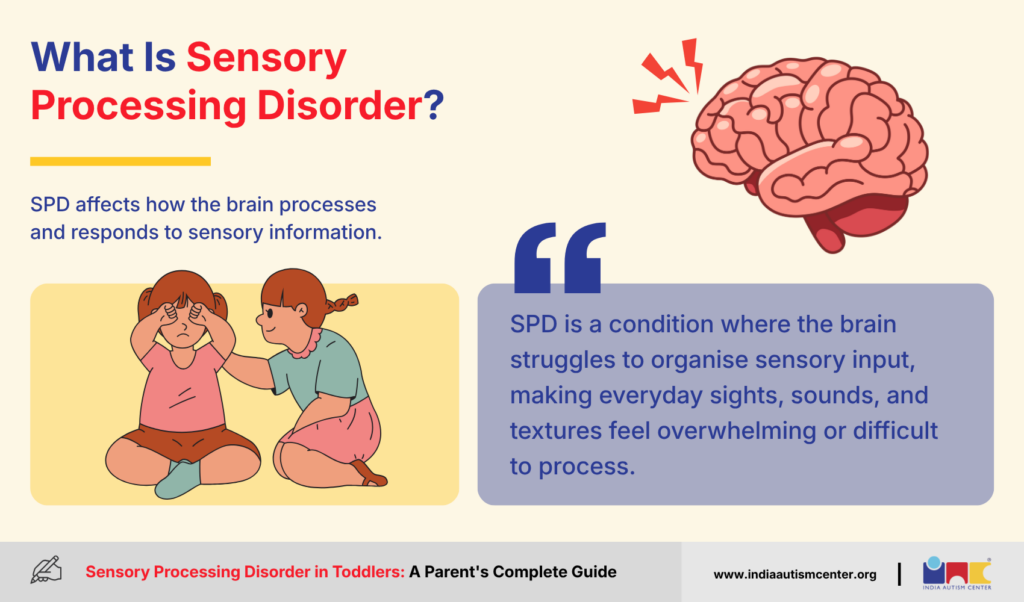
- Sensory support
- Academic and learning needs
- Independent living skills
- Employment readiness
- Community inclusion
The goal of autism support is not to change an autistic individual but to create an environment where they can develop skills, express themselves, and participate meaningfully in society.
With increasing awareness, many autism centres in India are moving towards models that combine therapy, education, family involvement, research, and lifelong support.
Conclusion
The growing number of specialised autism centres in India reflects a positive shift towards greater awareness, acceptance, and accessibility of autism support services.
From early intervention and therapy programmes to education, vocational training, and lifelong care models, these organisations help families find support tailored to individual needs.
Choosing the right autism centre requires understanding the person behind the diagnosis. Factors such as personalised care, experienced professionals, family involvement, and long-term support opportunities can help families make informed decisions.
As awareness continues to improve, comprehensive autism support systems will play quite an important role in building inclusive communities where autistic individuals are respected, supported, and encouraged to reach their potential.
Frequently Asked Questions
How do I choose the right autism centre for my child?
Choose an autism centre based on experienced professionals, personalised programmes, therapy options, family involvement, evidence-based approaches, and support services that align with your child’s developmental needs.
Do autism centres in India support adults with autism?
Yes, several autism centres in India provide adult support programmes that focus on independent living, vocational training, daily living skills, social participation, and long-term developmental needs.
Are residential autism centres available in India?
Yes, some autism centres in India offer residential support facilities designed to provide structured living environments, skill development opportunities, and long-term support for autistic individuals.
How can parents support therapy provided by autism centres?
Parents can support therapy by following professional guidance, creating consistent routines, encouraging communication, understanding sensory needs, and actively participating in their child’s developmental journey.
Are autism centres different from special schools?
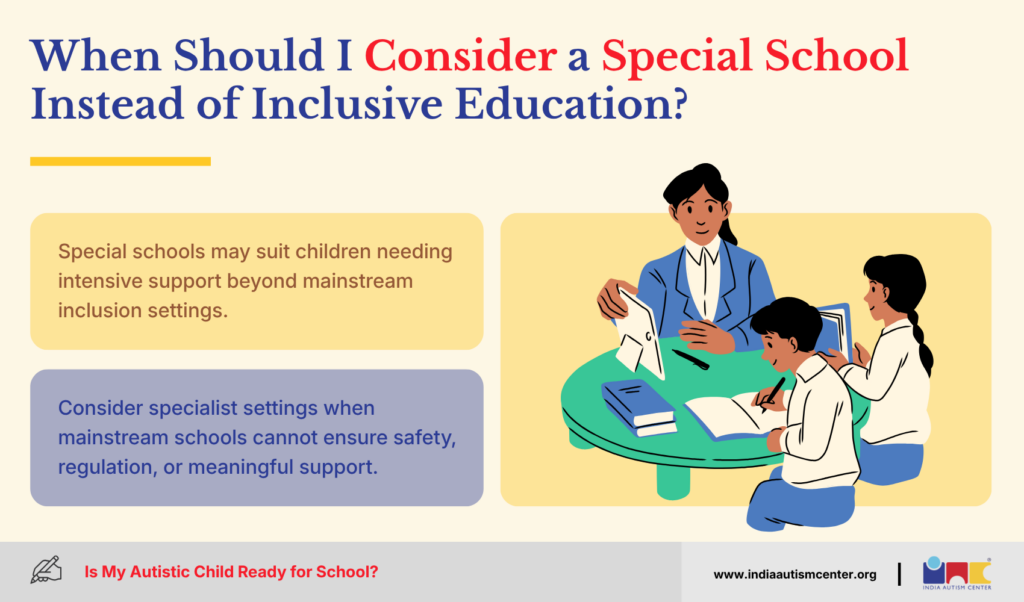
Yes, autism centres often provide a broader range of services, including therapies, assessments, family support, and developmental programmes, whereas special schools mainly focus on educational support.