Category: Approaches to Autism

  • What is Level 3 Autism? Meaning, Symptoms, and Diagnosis

    What is Level 3 Autism? Meaning, Symptoms, and Diagnosis

    Autism is not a one-size-fits-all condition. It exists on a spectrum, meaning every individual experiences it differently. Among the three levels defined under Autism Spectrum Disorder (ASD), level 3 autism is considered the most intensive in terms of support needs.

    For parents, caregivers, and educators, understanding what level 3 autism is is necessary. It helps to provide the right care, therapy, and long-term planning for individuals on this part of the spectrum.

    According to the CDC, about 1 in 31 children is diagnosed with autism spectrum disorder. Among these, a smaller percentage falls into level 3 of asd, which requires very substantial support. Research also suggests that early diagnosis and intervention can improve outcomes significantly, even in cases of stage 3 autism.

    Today, we will explain in detail what level 3 autism is, its symptoms, diagnosis, and long-term outlook.

    What is Level 3 Autism?

    What is Level 3 autism meaning symptoms and diagnosis of severe autism spectrum disorder

    Level 3 autism spectrum disorder refers to the most severe classification within ASD. Individuals diagnosed at this level need very substantial support in their daily lives. To understand what level 3 autism is, it helps to know how autism levels are defined:

    Level 1 Autism: Requires support

    Level 2 Autism: Requires substantial support

    Level 3 Autism: Requires complete support

    People with autism level 3 often have significant challenges in communication, social interaction, and behavior. These challenges can affect nearly every part of daily functioning.

    Individuals who have level 3 autism have very limited use of functional speech, experience extreme distress when routines change, and may have significant sensory sensitivities. For parents, this often means your child lives in a world that feels much louder, brighter, and more chaotic than it does for others.

    You might occasionally hear people use the term stage 3 autism. It is important to clarify that autism is not a progressive disease with “stages.” Instead, it is a developmental condition with “levels” of support. Using the correct terminology helps in accessing the right therapeutic resources and insurance coverage.

    Recognising Autism Level 3 Symptoms

    Level 3 autism symptoms including social communication challenges and repetitive behaviors explained

    In the world of asd level 3, the sensory input of daily life, the hum of a refrigerator, the texture of a shirt, or the flickering of a fluorescent light, can be as overwhelming as a thunderclap.

    When we discuss autism level 3 symptoms, we are referring to a set of behaviors that indicate a person needs substantial support to navigate daily life. These symptoms are categorised into two main categories: social communication and restrictive, repetitive behaviors.

    1. Social Communication Challenges

    In level 3 , communication is often the most significant hurdle. While a child with Level 1 might struggle with sarcasm or social cues, a child with Level 3 autism may struggle to convey basic physical needs like hunger or pain.

    Limited or Absent Verbal Speech

    • Many individuals use “functional language” only, meaning they might use single words to get what they need, but cannot engage in a back-and-forth conversation.
    • Some may use echolalia, which is the repetition of phrases they have heard in movies or from parents, but they may not use these phrases to communicate a specific thought.

    Difficulty with Social Initiation and Response

    • They may not respond when their name is called, even if their hearing is perfect.
    • They might not use gestures, such as pointing at an aeroplane in the sky or waving goodbye.
    • Social reciprocity (the natural give-and-take of human interaction) is often absent. They may seem to be in their own world, not out of a desire to be alone, but because the “social coding” others use is not processed by their brain the same way.

    2. Restrictive and Repetitive Behaviours

    The second pillar of what is level 3 autism involves behaviors that provide the individual with a sense of order and safety in a chaotic world.

    Inflexible Adherence to Routines

    • A change as minor as the brand of milk in the fridge or the sequence of putting on shoes can cause extreme distress.
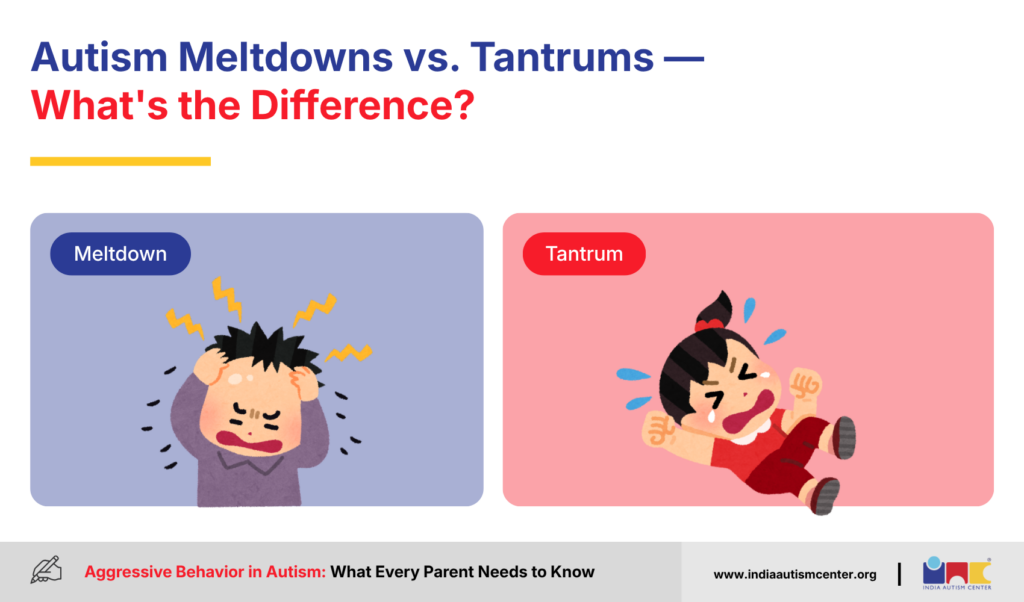
    • This distress often manifests as a “meltdown,” a total neurological overload distinct from a typical toddler tantrum.

    Intense Repetitive Movements (Stimming)

    • Motor Stims: This includes vigorous hand-flapping, rocking back and forth, or spinning in circles for long periods.
    • Visual Stims: A child might stare at the spinning blades of a fan or line up toys in a perfectly straight line for hours, becoming highly distressed if one toy is moved.

    Sensory Processing Issues

    • Hypersensitivity: They may be hyper-aware of sounds, smells, or lights that others don’t notice. The sound of a hair dryer might feel physically painful.
    • Hyposensitivity: Conversely, they may have a high pain threshold or a “sensory seeking” behavior, such as crashing into walls or furniture to feel the physical pressure against their body.

    Identifying Level 3 Autism in a Toddler

    Early signs of Level 3 autism in toddlers including delayed speech lack of pointing and repetitive behavior

    Early identification is crucial. When looking for level 3 autism in toddler years, parents often notice that their child is “in their own world.” While every child develops at their own pace, certain “red flags” are more common in Level 3:

    • By 18 months, the child does not point to things to show interest.
    • By 24 months, there is a total absence of two-word meaningful phrases.
    • The child shows an extreme fixation on parts of objects, such as the spinning wheels of a toy car, rather than on the whole toy.

    If you notice these autism level 3 symptoms, it does not mean your child cannot learn or grow. It means their brain is wired to process information in a very specific way that requires specialised teaching methods.

    Steps in the Diagnostic Process

    Steps in Level 3 autism diagnosis including developmental screening evaluation and diagnostic tools

    The diagnosis of level 3 autism in toddler years or later childhood typically follows a structured path.

    Developmental Screening

    This is often the first step, usually performed by a pediatrician. They use tools like the M-CHAT (Modified Checklist for Autism in Toddlers). If a child scores in the high-risk range, they are referred for a “gold standard” formal evaluation.

    The Formal Evaluation Team

    One person rarely makes a level 3 autism diagnosis. The team usually includes:

    • Developmental Pediatricians: To rule out any physical or neurological causes.
    • Child Psychologists: To evaluate cognitive and emotional functioning.
    • Speech-Language Pathologists (SLPs): To know the severity of communication delays.
    • Occupational Therapists (OT): To assess sensory processing and fine motor skills.

    Diagnostic Tools

    The team uses standardised tests to measure Level 3 symptoms of autism objectively. The most common tool is the ADOS-2 (Autism Diagnostic Observation Schedule). 

    During this test, the clinician engages the child in specific activities to see how they communicate and play. For Level 3, the child may show a total lack of interest in the examiner or the social nature of the tasks.

    Differentiating Level 3 from Other Levels

    A key part of the diagnosis is distinguishing Level 3 autism from Levels 1 or 2. Let us look at how level 3 autism differs from levels 1 and 2:

    FeatureLevel 1 (Requiring Support)Level 2 (Substantial Support)Level 3 (Very Substantial Support)
    Social CommunicationCan speak in full sentences and engage in talk, but struggles with the “back-and-forth” flow of conversation.Speaks in simple sentences. Their interaction is limited to narrow special interests, and they have marked oddities in nonverbal communication.Very limited or no functional speech. They rarely initiate interaction and may only respond to very direct social approaches.
    Response to ChangeBecomes anxious when plans change, but can eventually adapt with some verbal coaching.Clear distress or difficulty changing focus. It is obvious to a casual observer that the person is struggling to switch tasks.Extreme distress or meltdowns when routines are altered. They have great difficulty redirecting their focus from a repetitive task.
    Social SkillsMay appear “awkward” or have trouble making friends, but desires social connection.Has marked gaps in social and nonverbal communication skills; may not seek out others unless they need something.Appears to be in their own world. They may not respond to their name or acknowledge the presence of others in the room.
    Daily Living SkillsCan often manage self-care and independent living with occasional guidance or organizational tools.Needs significant help with daily transitions and may require a structured environment or a part-time caregiver.Requires 24/7 supervision. They usually need full assistance with basic needs like dressing, hygiene, and safety.

    Can Level 3 Autism Improve?

    Can Level 3 autism improve from therapies like ABA speech and occupational therapy that support development

    It is vital to note that these levels are not permanent “labels” that never change. When we ask whether level 3 autism can improve, we are looking at the spectrum’s fluidity.

    With intensive early intervention, especially when identifying level 3 autism in toddler years, a child can gain communication skills that move them into a lower support category over time.

    What Improvement Means

    • Better communication skills
    • Reduced behavioral challenges
    • Increased ability to perform daily tasks

    However, level 3 autism is a lifelong condition. The goal is not to “cure” it but to help the individual reach their full potential.

    Therapies That Help

    • Applied Behavior Analysis (ABA): This highly structured therapy focuses on reinforcing positive behaviours and teaching essential life skills. For level 3 autism, intensive one-on-one sessions help reduce severe challenges—like self-injury—while building foundational communication.
    • Speech Therapy: Speech therapy addresses profound communication barriers, helping individuals safely express their needs and emotions. When spoken language isn’t possible, therapists introduce Alternative and Augmentative Communication (AAC) tools like speech-generating tablets.
    • Occupational Therapy: Occupational therapy builds functional independence by teaching daily living skills like dressing, eating, and personal hygiene. Strategies are customised to the individual’s physical abilities to improve motor skills and overall quality of life.
    • Sensory Integration Therapy: Because level 3 autism often involves severe sensory sensitivities that trigger distress, this therapy uses structured activities to regulate the nervous system. Techniques like deep pressure help individuals process sensory input safely and reduce anxiety.

    Can Level 3 Autism Live Independently?

    Can Level 3 autism live independently explained with support needs therapy and daily living assistance

    A major concern for families is: Can a person with level 3 autism live independently? In most cases, individuals with level 3 autism spectrum disorder require ongoing support throughout their lives.

    Some individuals may earn basic self-care skills, while some may require full-time caregiving. The level of independence eventually depends on early intervention, cognitive abilities, and access to different types of therapy and support. 

    While complete independence may not always be possible, many individuals with asd level 3 can lead meaningful and fulfilling lives when they get the right support system.

    Level 3 Autism Life Expectancy

    Level 3 autism life expectancy factors including medical conditions safety risks and access to healthcare

    Another important concern is the life expectancy of level 3 autism. Research suggests that individuals with autism may have a slightly reduced life expectancy when compared to others who do not have autism level 3. However, this is often due to:

    • Co-occurring medical conditions
    • Accidents or safety risks
    • Limited access to healthcare

    Myths About Level 3 Autism

    Common myths about Level 3 autism explained to reduce confusion and spread awareness among families

    There are several myths that people believe when it comes to level 3 autism, which can create confusion and unnecessary fear for families.

    Myth 1: People with level 3 autism cannot learn

    Reality: Individuals with asd level 3 can learn with structured support, therapies, and consistent routines.

    Myth 2: They cannot communicate

    Reality: Communication may not necessarily be verbal, however tools like gestures, pictures, or devices can be quite helpful to express needs.

    Myth 3: They do not feel emotions

    Reality: People with autism level 3 are known to experience emotions on a deeper level, but may express them differently.

    Myth 4: Level 3 autism cannot improve

    Reality: While lifelong, skills can improve with therapy. Progress may be slow but meaningful.

    Myth 5: They cannot live a meaningful life

    Reality: With the right kind of support, individuals with level 3 autism spectrum disorder can enjoy routines, relationships, and fulfilling experiences.

    Understanding the true meaning of level 3 autism helps replace fear with informed support and acceptance.

    Conclusion

    Conclusion on Level 3 autism highlighting importance of early diagnosis therapy and long term support for better outcomes

    Understanding what level 3 autism is goes beyond labels. It is about recognising the level of support an individual needs and responding with patience, structure, and informed care. 

    While level 3 autism spectrum disorder presents significant challenges in communication, behavior, and daily functioning, it does not define a person’s potential or worth.

    With early diagnosis, consistent therapies, and a robust support system, people with autism level 3 can make steady progress and lead fulfilling lives in their own way. The journey needs long-term commitment from families as well as caregivers, but the impact of the right interventions can be life-changing.

    The key is awareness and acceptance. When we truly understand the meaning of level 3 autism, we move closer to creating an environment where individuals are supported, respected, and given every opportunity to thrive.

    Frequently Asked Questions

    What is level 3 autism?

    Level 3 autism is a severe form of autism spectrum disorder, where individuals need very substantial support in communication, behavior, and daily living activities. It affects how a person interacts and functions every day.

    How is level 3 autism different from other levels?

    Unlike levels 1 and 2, level 3 autism spectrum disorder involves more severe challenges, including minimal communication and a greater need for supervision and structured support.

    Can a person with level 3 autism live independently?

    The answer to whether a person with level 3 autism can live independently varies. Most individuals need lifelong support, but some may gain partial independence with proper training and structured environments.

    How is level 3 autism diagnosed?

    Diagnosis of level 3 autism spectrum disorder is done through developmental screenings, behavioral assessments, and guidelines from DSM-5. It helps to understand the severity and support needs.

    Can children with level 3 autism go to school?

    Yes, children with level 3 autism can attend school through special education programs that mainly focus on communication, behavior, and life skills development.

    For expert insights, support services, and inclusive learning initiatives, visit the India Autism Center.

  • Short Term Stay for Autism: What it means?

    Short Term Stay for Autism: What it means?

    When you care for an autistic individual, you do it with love—but also with constant responsibility. I understand how overwhelming it can feel at times. That’s where a short term stay for autism can truly help.

    In this guide, I will walk you through everything you need to know about short term stay, how it connects with assisted living, and why it can be a powerful support system for both you and your loved one.

    What is a Short Term Stay in Autism Care?

    A short term stay is a temporary residential care option designed specifically to support autistic individuals in a structured and safe environment—for a limited period of time.

    Let me explain this in a more practical way.

    Think of it as a planned, short break from home, where your child or loved one stays at a specialised centre that understands autism deeply. This stay could last:

    • A few days
    • A weekend
    • A couple of weeks

    Now, this is not just about “staying away from home.”

    Instead, during a short term stay, your loved one:

    • Follows a structured daily routine
    • Receives professional care and supervision
    • Participates in therapies and skill-building activities
    • Learns to adapt to a new environment gradually

    At the same time, you get the space to:

    • Rest and recharge
    • Focus on other responsibilities
    • Plan long-term care, including assisted living options

    Why You Should Consider a Short Term Stay

    Let’s slow this down and understand it a bit more deeply—because this decision is often emotional, not just practical.

    A short term stay is not about “sending your child away.” Instead, it is about sharing the responsibility of care in a healthy and sustainable way.

    Here’s what that really means for you and your loved one:

    1. You Get Respite Without Guilt

    Caregiving is a full-time role. Over time, it can affect your:

    • Energy
    • Mental health
    • Patience

    Now, you may feel guilty even thinking about taking a break. That’s natural. But here’s the truth—you cannot pour from an empty cup.

    A short term stay gives you:

    • Time to rest
    • Space to focus on other family needs
    • A chance to reset emotionally

    And when you come back, you are more present, calm, and effective as a caregiver.

    2. Your Loved One Builds Independence

    This is one of the most powerful benefits.

    When your child or adult steps into a short term stay, they are gently encouraged to do things on their own:

    • Follow routines without constant prompts
    • Make small choices
    • Interact with new people

    At home, we often (understandably) do a lot for them. But in a structured setting, they get the chance to try, learn, and grow.

    Over time, this builds:

    • Confidence
    • Adaptability
    • Self-reliance

    These are essential life skills, especially if you are considering assisted living in the future.

    3. It Prepares for Assisted Living Gradually

    Let’s be honest—thinking about assisted living can feel overwhelming.

    Questions like:

    • Will my child adjust?
    • Will they feel safe?
    • Will they accept the change?

    A short term stay helps answer these questions—step by step.

    It acts as a trial experience, where:

    • Your loved one gets familiar with a residential setting
    • You observe how they respond
    • The care team understands their needs better

    Want to know more? Get in touch with us.

    How Short Term Stay Supports Autism Development

    A short term stay is not just about temporary care. It actively contributes to your loved one’s growth and development in a structured, supportive way. Let me explain each aspect briefly so you can clearly understand its value.

    Structured Routine

    Autistic individuals often feel more comfortable when their day follows a predictable pattern. During a short term stay, routines are carefully planned and consistently followed.

    For example, there are fixed times for:

    • Waking up
    • Meals
    • Activities
    • Rest

    Because of this structure, your loved one feels more secure and less anxious. Over time, this consistency helps improve focus, behaviour, and overall emotional stability.

    Skill Building

    A key goal of any short term stay is to build everyday life skills.

    In a supportive setting, individuals are gently encouraged to:

    • Take care of personal hygiene
    • Eat independently
    • Organise their belongings
    • Communicate their needs

    These may seem like small steps. However, they play a big role in developing independence. This becomes especially important if you are considering assisted living in the future.

    Social Interaction

    Many autistic individuals find social situations challenging. A short term stay creates safe opportunities to interact with others.

    Through guided group activities, your loved one learns to:

    • Share space with peers
    • Participate in simple group tasks
    • Understand social cues gradually

    Because this happens in a controlled environment, it reduces pressure and builds confidence step by step.

    Behavioural Support

    During a short term stay, trained professionals observe and support behaviour using structured approaches.

    They help your loved one to:

    • Manage anxiety or frustration
    • Reduce challenging behaviours
    • Develop coping strategies

    This is done with patience and consistency. As a result, your loved one becomes better at handling changes and expressing emotions.

    Sensory-Friendly Environment

    Many autistic individuals are sensitive to noise, light, or crowded spaces. Good short term stay facilities for autism are designed to be sensory-friendly.

    This includes:

    • Calm, clutter-free spaces
    • Controlled noise levels
    • Soothing colours and lighting

    Such an environment helps your loved one feel comfortable and reduces sensory overload.

    Short Term Stay vs Assisted Living: Key Differences

    AspectShort Term StayAssisted Living
    DurationTemporary (few days to a few weeks)Long-term or ongoing stay
    PurposeRespite, trial experience, and exposure to structured careStable living with continuous support and development
    Commitment LevelNo long-term commitmentRequires long-term planning and decision-making
    Care StructureStructured but flexibleHighly structured and consistent
    Focus AreaAdjustment, routine-building, and short-term skill developmentIndependence, daily living support, and long-term growth
    Family InvolvementVery high; you stay closely involvedTemporary (a few days to a few weeks)
    Emotional AdjustmentModerate; you remain involved, but not daily caregivingTakes time; involves deeper lifestyle adjustment
    Environment ExposureHelps individuals get used to residential settingsBecomes the individual’s primary living environment
    Use CaseWhen you need a break, during emergencies, or to test readinessWhen long-term support and supervised living are needed
    Role in TransitionActs as a bridge to assisted livingFinal or ongoing stage of supported independent living

    Want to know more? Get in touch with us.

    When Should You Choose a Short Term Stay for Autism?

    This is a very practical question—and honestly, there is no “perfect time.” Instead, there are certain situations where a short term stay becomes especially helpful for both you and your loved one.

    Let me explain each situation clearly so you can relate it to your own circumstances.

    When You Feel Caregiver Burnout

    Caring for an autistic individual is a full-time responsibility. Over time, it can become physically and emotionally exhausting.

    You might notice:

    • Constant fatigue
    • Irritability or stress
    • Lack of personal time

    At this point, a short term stay gives you the chance to rest and recharge. And this is important—because when you feel better, you provide better care.

    When You Need to Travel or Handle Emergencies

    Life can be unpredictable. There may be times when you:

    • Need to travel for work or family
    • Face a medical emergency
    • Have urgent responsibilities

    In such situations, a short term stay ensures your loved one continues to receive structured and professional care, without disruption in routine.

    When Your Loved One is Transitioning to Adulthood

    As autistic individuals grow older, their needs change. The focus slowly shifts from dependence to building independence.

    A short term stay helps during this phase by:

    • Introducing structured living outside home
    • Teaching daily life skills
    • Encouraging responsibility

    This makes the transition smoother and more natural over time.

    When You Want to Explore Assisted Living

    Thinking about assisted living can feel overwhelming. You may not be sure how your loved one will respond.

    A short term stay works as a safe starting point. It allows you to:

    • Observe how they adjust to a residential setup
    • Understand their comfort level
    • Identify support needs

    So instead of making a big decision suddenly, you take a step-by-step approach.

    When Social Exposure is Limited

    If your loved one mostly stays at home, they may have fewer opportunities to interact with others.

    During a short term stay, they get:

    • Exposure to peers
    • Opportunities for group activities
    • Guided social interaction

    This helps improve confidence and reduce social anxiety gradually.

    When Routine Needs Reinforcement

    Sometimes, maintaining structure at home becomes difficult due to daily demands.

    A short term stay reinforces:

    • Consistent routines
    • Behavioural expectations
    • Daily living habits

    This structure often carries forward even after your loved one returns home.

    Want to know more? Get in touch with us.

    What Happens During a Short Term Stay?

    A short term stay is carefully designed to provide a balance of care, structure, and development. It is not just about accommodation—it is a planned, supportive experience that helps your loved one feel secure while learning new skills. Let’s understand each part in a bit more detail.

    Daily Life

    • Structured routine: Each day follows a consistent schedule, including wake-up time, meals, activities, and rest, which helps reduce uncertainty and anxiety.
    • Balanced activities: The day is thoughtfully divided between therapy, leisure, and relaxation so your loved one stays engaged without feeling overwhelmed.
    • Gradual independence: Individuals are encouraged to complete simple daily tasks on their own, helping them build confidence step by step.

    Therapies and Activities

    • Skill-based therapies: Professional sessions like occupational or speech therapy focus on improving communication, motor skills, and everyday functioning.
    • Sensory-friendly activities: Activities are designed to suit sensory needs, helping individuals stay calm, focused, and comfortable.
    • Group interaction: Guided group tasks encourage social engagement, helping your loved one slowly build interaction and cooperation skills.

    Supervision and Safety

    • Trained caregivers: Experienced staff are present round the clock to guide, support, and respond to individual needs with care and understanding.
    • Personalised attention: Care plans are often tailored, ensuring your loved one receives support based on their specific strengths and challenges.
    • Safe environment: The facility is designed with safety measures, including secure spaces and emergency protocols, so you can feel reassured at all times.

    Choosing the Right Short Term Stay Facility

    Selecting the right short term stay facility is one of the most important decisions you will make. The quality of the environment, staff, and approach can directly impact your loved one’s comfort and development. So, let me guide you through what you should look for—clearly and practically.

    Autism-Specific Expertise

    • Specialised understanding: Choose a facility that focuses on autism, so they understand sensory needs, communication styles, and behavioural patterns.
    • Tailored interventions: Such centres design programs specifically for autistic individuals rather than using a general care approach.

    Structured Yet Flexible Programs

    • Consistent routine: A well-planned daily schedule helps your loved one feel secure and reduces anxiety.
    • Individual flexibility: At the same time, the program should adapt to your loved one’s pace, preferences, and comfort levels.

    Qualified and Trained Staff

    • Professional expertise: Look for trained therapists, special educators, and caregivers who have experience in autism care.
    • Compassionate approach: Beyond qualifications, the staff should be patient, empathetic, and responsive to individual needs.

    Transition to Assisted Living Options

    • Continuity of care: Facilities that also offer assisted living can provide a smoother transition if you consider long-term support later.
    • Familiar environment: Your loved one already knows the space and people, which reduces stress during future transitions.

    Family Communication and Involvement

    • Regular updates: You should receive consistent feedback about routines, behaviour, and progress during the short term stay.
    • Open communication: A good facility encourages your involvement and listens to your concerns and inputs.

    Safety and Infrastructure

    • Secure environment: The space should be designed to prevent risks, with proper supervision and safety measures in place.
    • Sensory-friendly design: Calm lighting, minimal noise, and clutter-free spaces help your loved one feel comfortable and regulated.

    Trial and Observation Option

    • Short trial stays: A good facility allows you to start with a brief short term stay to assess comfort and suitability.
    • Observation opportunity: This helps you evaluate how your loved one adapts before making longer commitments.

    Want to know more? Get in touch with us.

    How to Prepare Your Loved One for a Short Term Stay

    Preparing your loved one for a short term stay is just as important as choosing the right facility. A thoughtful and gradual approach can reduce anxiety, build trust, and make the experience smoother for both of you. Let me walk you through how you can do this effectively.

    Visit the Facility Beforehand

    • Familiarisation: Take your loved one to visit the centre so they can see the space, meet staff, and feel more comfortable with the environment.
    • Reduce anxiety: When the place is no longer “new,” it lowers fear and resistance during the actual stay.

    Share Routines and Preferences

    • Consistency in care: Inform the staff about daily habits, food preferences, triggers, and calming techniques to maintain familiarity.
    • Personalised support: This helps caregivers adjust their approach according to your loved one’s unique needs.

    Pack Familiar Items

    • Emotional comfort: Carry favourite items like toys, blankets, or books to create a sense of home in the new environment.
    • Easier adjustment: Familiar objects can soothe anxiety and help your loved one settle in faster.

    Talk Positively About the Experience

    • Build trust: Explain the short term stay in a calm and encouraging way so your loved one feels safe and supported.
    • Set expectations: Let them know what to expect, using simple and reassuring language to avoid confusion.

    Start with Short Durations

    • Gradual exposure: Begin with a short stay, like a day or weekend, before moving to longer durations.
    • Build confidence: This step-by-step approach helps your loved one adjust without feeling overwhelmed.

    Stay Calm and Reassuring

    • Emotional transfer: Your feelings influence your loved one—if you stay calm, they are more likely to feel secure.
    • Consistent reassurance: Let them know you will return and that they are safe, which builds trust in the process.

    Coordinate with the Care Team

    • Clear communication: Stay in touch with caregivers to understand how your loved one is adjusting during the stay.
    • Ongoing support: This collaboration ensures any concerns are addressed quickly and effectively.

    Conclusion

    At the end of the day, you want one thing—a safe, fulfilling life for your loved one.

    A short term stay is not just a service. It is:

    • A support system
    • A learning environment
    • A stepping stone to independence

    And when combined with the right assisted living approach, it can truly transform lives.

    Frequently Asked Questions

    How long can a short term stay last?

    A short term stay can range from a few days to a few weeks, depending on your needs and the facility’s program. You can start small and gradually increase the duration as your loved one becomes comfortable.

    Will my loved one feel anxious during a short term stay?

    It is natural for some individuals to feel anxious initially. However, with proper preparation, familiar items, and supportive staff, most individuals gradually adjust and feel more comfortable within a structured environment.

    Is a short term stay safe for autistic individuals?

    Yes, a well-designed short term stay facility provides 24/7 supervision, trained caregivers, and a sensory-friendly environment to ensure safety, comfort, and proper care at all times.

    How is short term stay different from assisted living?

    A short term stay is temporary and mainly used for respite, trial, or transition purposes. In contrast, assisted living is a long-term residential arrangement focused on continuous support and independent living.

    Can a short term stay help prepare for assisted living?

    Absolutely. A short term stay acts as a stepping stone by helping your loved one adjust to new environments, routines, and caregivers—making the transition to assisted living smoother and less stressful.

    For expert insights, support services, and inclusive learning initiatives, visit the India Autism Center.

  • Adult Psychiatry: Guide to Mental Health Conditions

    Adult Psychiatry: Guide to Mental Health Conditions

    When we speak about adult psychiatry, we often tell people this: mental health does not stop at childhood. In fact, many challenges become clearer—or more complex—in adulthood. You may be managing work, relationships, and responsibilities while silently dealing with emotional or cognitive struggles.

    So, let’s break this down together. I’ll guide you through adult mental health, common conditions, their link with neurodevelopmental disorders, and how you can seek the right anxiety support and care.

    What Is Adult Psychiatry?

    Adult psychiatry focuses on diagnosing, treating, and preventing mental illness in individuals aged 18 and above.

    In simple terms, it’s all about:

    • Understanding emotional and behavioural changes
    • Managing conditions like psychiatric depression, anxiety disorder, or obsessive-compulsive disorder
    • Improving overall mental wellness

    Unlike general medicine, adult psychiatry looks at how your mind, brain, and life experiences interact.

    How Is Adult Psychiatry Different?

    As an adult, your challenges are more layered. You are balancing:

    • Career pressures
    • Relationships and family roles
    • Financial responsibilities
    • Social expectations

    Because of this, your adult mental health needs a different approach than that of children or adolescents.

    For example, adult psychiatrists don’t just look at symptoms like anxiety or low mood. They also ask:

    • How is this affecting your work performance?
    • Are your relationships suffering?
    • Are you coping in healthy or harmful ways?

    So, adult psychiatry always looks at the bigger life context.

    What Conditions Does Adult Psychiatry Cover?

    Usually it covers:

    • Psychiatric depression (persistent low mood, lack of motivation)
    • Anxiety disorder (constant worry, fear, or stress)
    • Obsessive-compulsive disorder (repetitive thoughts and behaviours)
    • Panic attacks (sudden episodes of intense fear)
    • Other behavioural health concerns, like sleep issues or substance use

    Want to know more? Get in touch with us.

    Why Adult Mental Health Matters More Than Ever

    Today, adult mental health is facing increasing pressure—and we see this every day in clinical practice. Life has become faster, more demanding, and often overwhelming. As a result, your mind is constantly trying to keep up.

    For instance, you may be dealing with:

    • Work deadlines and job insecurity
    • Social expectations and family responsibilities
    • Constant digital exposure and comparison on social media

    Over time, this creates a state of chronic stress, which directly impacts your mental wellness.

    Early Signs You Should Not Ignore

    These pressures don’t always show up dramatically. Instead, they appear as subtle but persistent changes.

    You might notice:

    • Ongoing stress or burnout that doesn’t go away
    • Difficulty focusing, making decisions, or staying productive
    • Emotional numbness, irritability, or feeling “disconnected”
    • Increased worry or early signs of an anxiety disorder

    Sometimes, these can even progress into panic attacks or psychiatric depression if left unaddressed.

    Common Mental Illnesses in Adult Psychiatry 

    In adult psychiatry, certain conditions appear more frequently than others. Let me walk you through them in a slightly deeper, but still simple way.

    1. Psychiatry Depression

    When we talk about psychiatric depression, we are not referring to temporary sadness. Instead, it is a persistent condition that affects your mood, energy, and motivation.

    You may notice:

    • A constant feeling of emptiness or heaviness
    • Loss of interest in things you once enjoyed
    • Difficulty getting through daily tasks

    Over time, this can impact your adult mental health, relationships, and even physical health.

    2. Anxiety Disorder and Panic Attacks

    An anxiety disorder goes beyond normal worry. It is excessive, ongoing, and often difficult to control.

    You might experience:

    • Constant overthinking or fear
    • Restlessness or inability to relax
    • Physical symptoms like sweating or a racing heart

    At times, this can lead to panic attacks, which feel sudden and intense.

    During a panic attack, you may feel:

    • A surge of fear without a clear reason
    • Chest discomfort or breathlessness
    • A sense of losing control

    3. Obsessive Compulsive Disorder (OCD)

    Obsessive-compulsive disorder is often misunderstood as just being “too clean” or “particular.” In reality, it is much more complex.

    It involves:

    • Obsessions: unwanted, intrusive thoughts (e.g., fear of contamination)
    • Compulsions: repetitive actions to reduce that anxiety (e.g., excessive washing or checking)

    These behaviours are not choices—they feel necessary to relieve distress.

    4. Behavioural Health Concerns

    Behavioral health looks at how your daily habits influence your mental state.

    This includes:

    • Sleep patterns
    • Substance use
    • Eating habits
    • Activity levels

    For example:

    • Poor sleep can worsen anxiety
    • Unhealthy coping habits can increase emotional distress

    The good news is—small, consistent changes here can greatly improve your mental wellness.

    Want to know more? Get in touch with us.

    Neurodevelopmental Disorders in Adult Psychiatry

    Now, let’s discuss something many people overlook.

    Neurodevelopmental disorders are not just childhood conditions.

    What Are Neurodevelopmental Disorders?

    These are brain-based conditions that begin early in life but often persist into adulthood.

    Examples include:

    How Neurodevelopmental Disorders Affect Adult Mental Health

    When neurodevelopmental disorders continue into adulthood, their impact is often subtle—but deeply felt. You may not always recognize the root cause, yet you experience the effects in your daily life.

    Let me explain this more clearly.

    Everyday Challenges You Might Experience

    As an adult, these difficulties often show up in practical, real-life situations:

    • Social difficulties: You may find it hard to read social cues, maintain conversations, or feel comfortable in group settings. As a result, you might avoid social interactions or feel isolated.
    • Sensory sensitivities: Everyday environments—like crowded places, loud noises, or bright lights—can feel overwhelming. This can lead to irritability, stress, or even withdrawal from situations others find normal.
    • Executive functioning challenges: This refers to difficulties in planning, organising, focusing, or completing tasks. You might struggle with deadlines, forget important things, or feel constantly “behind.”

    Recognising When You Need Anxiety Support

    You might sometimes pause and wonder, “Is what I’m feeling normal, or do I actually need help?” This is a very common and important question in adult psychiatry.

    Let me help you understand this more clearly.

    Feeling stressed or anxious once in a while is normal. However, the concern begins when these feelings become frequent, intense, or difficult to control.

    Ask yourself honestly:

    • Do I feel overwhelmed most days, even without a clear reason?
    • Am I struggling to function at work, in relationships, or at home?
    • Do I experience repeated panic attacks or sudden waves of fear?

    If you notice these patterns consistently, it may indicate an underlying anxiety disorder or another form of mental illness.

    Subtle Signs You Might Miss

    Sometimes, the need for anxiety support is not obvious. It can show up in indirect ways, such as:

    • Avoiding certain situations or responsibilities
    • Constant overthinking or worst-case thinking
    • Physical symptoms like fatigue, headaches, or poor sleep
    • Feeling “on edge” even during normal situations

    Over time, these signs can affect your overall mental wellness and quality of life.

    Diagnosis in Adult Psychiatry

    In adult psychiatry, diagnosis goes far beyond simply listing symptoms. I don’t just ask “What are you feeling?”—I try to understand “Why are you feeling this way, and how is it affecting your life?”

    This is what makes psychiatric diagnosis both detailed and highly personalised.

    Looking Beyond Symptoms

    Two people may come in with similar symptoms—say, anxiety or low mood—but their underlying causes can be completely different.

    For example:

    • One person’s anxiety disorder may stem from chronic work stress
    • Another’s may be linked to an underlying neurodevelopmental condition like ADHD

    So, focusing only on symptoms can lead to an incomplete or inaccurate diagnosis.

    What Psychiatrists Consider During Diagnosis

    To get a full picture of your mental health, I look at multiple areas of your life:

    1. Personal History: They explore your life journey:

    • Childhood experiences
    • Past emotional challenges
    • Major life events or trauma

    This helps identify long-term patterns and triggers.

    2. Family Background: Mental health conditions often have a biological component.

    They may ask:

    • Is there a history of mental illness in your family?
    • Have close relatives experienced depression, anxiety, or OCD?

    This gives insight into possible genetic influences.

    3. Work and Relationships:  Your daily functioning matters a lot in adult psychiatry.

    They assess:

    • Your performance and stress levels at work
    • The quality of your relationships
    • Any interpersonal conflicts or social difficulties

    These areas often reflect how your condition is impacting real life.

    4. Behavioural Patterns: They pay close attention to your habits and coping mechanisms:

    • Sleep routines
    • Substance use
    • Repetitive behaviours (as seen in OCD)
    • Avoidance patterns in anxiety

    These behaviours provide important diagnostic clues.

    Screening for Neurodevelopmental Disorders

    In many cases, they also evaluate for underlying neurodevelopmental disorders such as:

    • Autism Spectrum Disorder
    • ADHD

    This is especially important if:

    • Your symptoms have been present since early life
    • You’ve always felt “different” or struggled in specific ways

    Want to know more? Get in touch with us.

    Approaches for Adult Mental Health

    Adult psychiatry is not just about reducing symptoms—it’s about helping you regain control, improve functioning, and build long-term mental wellness.

    Let me walk you through each approach in a more detailed yet practical way

    1. Psychotherapy (Talk Therapy)

    Psychotherapy is often the foundation of treatment in adult mental health. It gives you a safe space to understand your thoughts, emotions, and behaviours.

    In therapy, they work with you to:

    • Identify negative thought patterns
    • Understand emotional triggers
    • Develop healthier coping strategies

    One of the most effective approaches is Cognitive Behavioural Therapy (CBT). It helps you:

    • Challenge irrational thoughts
    • Replace them with balanced thinking
    • Reduce symptoms of anxiety disorder, psychiatric depression, and obsessive-compulsive disorder

    For example:
    If you tend to think, “I will fail at everything,” therapy helps you reframe that into a more realistic perspective.

    Over time, this improves both your emotional control and behavioural health.

    2. Lifestyle and Behavioural Health Interventions

    This is often underestimated, but it is extremely powerful.

    Your daily habits directly affect your mental health.

    They usually guide patients to work on:

    • Sleep hygiene – consistent sleep improves mood and reduces anxiety
    • Physical activity – even moderate exercise can reduce symptoms of depression
    • Nutrition – balanced diets support brain function
    • Mindfulness and relaxation – helps manage stress and prevent panic attacks

    Small, consistent lifestyle changes can significantly improve your mental wellness over time.

    3. Support Systems and Anxiety Support

    No treatment works in isolation. Human connection is essential.

    Strong anxiety support systems include:

    • Family members who understand your condition
    • Friends who provide emotional support
    • Peer or support groups where you feel heard

    These systems help you:

    • Feel less isolated
    • Share your experiences openly
    • Stay motivated during recovery

    In many cases, support systems act as a buffer against worsening mental illness

    4. Personalised and Integrated Care

    Here’s the most important part.

    In adult psychiatry, treatment is rarely just one approach. Instead, they combine:

    • Therapy
    • Medication (if needed)
    • Lifestyle changes
    • Support systems

    This integrated approach ensures:

    • Better symptom control
    • Long-term stability
    • Improved quality of life

    Breaking the Stigma Around Adult Psychiatry

    Let’s address something that silently prevents many people from seeking help—stigma.

    Even today, adult psychiatry is often misunderstood. People hesitate, delay, or completely avoid getting help for their mental health because of fear, judgment, or misinformation.

    Why Does Stigma Still Exist?

    Stigma around mental illness comes from long-standing myths and cultural beliefs. You might have heard statements like:

    • “Just be strong, it’s all in your mind.”
    • “Seeing a psychiatrist means something is seriously wrong.”
    • “People will judge me if I seek help.”

    Because of this, many individuals continue to struggle with anxiety disorders, psychiatric depression, or even panic attacks in silence.

    Changing the Narrative Around Adult Psychiatry

    We need to shift how we think about adult psychiatry.

    Let me put it simply:

    Seeking psychiatric help is not a sign of weakness—it is a sign of awareness and responsibility.

    Just like you consult a doctor for physical health issues, consulting a psychiatrist for mental wellness is equally important.

    Conclusion

    If there’s one thing I want you to take away, it’s this:

    Your mental health matters—at every stage of life.

    Adult psychiatry is not just about treating illness. It’s about helping you live a meaningful, balanced life.

    Frequently Asked Questions

    What does an adult psychiatrist actually do?

    An adult psychiatrist diagnoses and treats mental health conditions like depression, anxiety disorders, and obsessive-compulsive disorder. They use a combination of therapy, medication, and lifestyle guidance to improve your overall mental wellness.

    How do I know if I need adult psychiatry support?

    You should consider seeking help if your thoughts, emotions, or behaviors:

    • Persist for weeks or months
    • Interfere with daily life or relationships
    • Include symptoms like constant worry, low mood, or panic attacks

    Early anxiety support can prevent symptoms from worsening.

    Can mental illness be treated without medication?

    Yes, in many cases. Mild to moderate conditions can often be managed with psychotherapy, lifestyle changes, and strong behavioral health practices. However, medication may be recommended for more severe symptoms or when therapy alone is not enough.

    Is it possible to diagnose neurodevelopmental disorders in adults?

    Absolutely. Conditions like autism or ADHD are often identified later in life. In adult psychiatry, proper diagnosis can help explain long-standing challenges and guide more effective treatment for both neurodevelopmental conditions and co-occurring mental illness.

    For expert insights, support services, and inclusive learning initiatives, visit the India Autism Center.

  • Gharaunda Scheme: A Comprehensive Guide (2026)

    Gharaunda Scheme: A Comprehensive Guide (2026)

    For parents and caregivers of adults with neurodevelopmental conditions like autism or intellectual disabilities, “What happens after us?” is a constant, heavy question. To address this urgent need for long-term assisted living, the Government of India created Gharaunda—a specialised initiative under the National Trust. The Gharaunda scheme provides structured group homes for adults, ensuring lifelong care, essential support, and a dignified quality of life.

    With up to 3.2% of India’s population living with an intellectual disability, finding reliable, lifelong support is critical. Gharaunda bridges this gap. It is not a hospital or a temporary shelter; it is a dedicated assisted living environment designed to balance individual independence with necessary medical, nutritional, and emotional scaffolding.

    This guide breaks down exactly how the Gharaunda scheme works, who is eligible, and how it secures the future of inclusive living in India.

    What is the Gharaunda Scheme?

    Gharaunda scheme overview autism intellectual disability assisted living India

    The word Gharaunda literally means “small, cosy home” or “nest.” This sentiment is at the very heart of the initiative. Launched by the National Trust under the Ministry of Social Justice and Empowerment, the Gharaunda scheme is a residential program that provides an assured home and minimum-quality care services throughout the life of an adult with specific disabilities.

    As per the National Trust Act of 1999, the Gharaunda scheme is tailored for individuals with:

    Today, the Gharaunda scheme has evolved considerably and is now an important cornerstone of social security, especially for families and caregivers. It operates through Registered Organisations (ROs), usually NGOs or specialised care centres, which partner with the government to establish group homes.

    These homes for adults with mental disabilities are not just another establishment; they are, in fact, structured ecosystems where residents are encouraged to live as independently as possible while staying close to a community that understands their unique needs.

    The Vision: Beyond Traditional Shelters

    Gharaunda scheme vision lifelong assisted living dignity skill development care

    For many years, the only options for adults with disabilities were either staying at home with ageing parents or being placed in clinical, often cold, institutional settings. The Gharaunda scheme completely reimagines this.

    Key Objectives of the Scheme:

    • Lifelong Stay: Providing a permanent roof and a stable environment that doesn’t change even when the primary family caregivers are no longer present.
    • Assisted Living with Dignity: Moving away from the “patient” model toward a “resident” model where individuals have agency over their lives.
    • Sustainable Care: Creating a financial and operational model that can survive for decades.
    • Skill Development: Ensuring that the adult years are spent productively through vocational training and social inclusion.

    Why is the Gharaunda Scheme Important?

    importance of gharaunda scheme independent living inclusion disability support India

    India has historically lacked structured homes for mentally challenged adults, especially those that focus on independence rather than just supervision.

    Here’s why the Gharaunda scheme matters:

    1. Addresses the “After Us” Concern

    Parents often have a constant worry as to who will care for their child after they are gone. The Gharaunda scheme directly addresses this emotional and practical concern.

    2. Encourages Independent Living

    Residents are not just cared for. They are trained in daily activities like cooking, hygiene, and communication.

    3. Reduces Social Isolation

    Living in a community setting helps individuals build friendships and develop social skills.

    4. Supports Inclusion

    The scheme promotes the idea that people with disabilities can live fulfilling, semi-independent lives.

    Key Features of the Gharaunda Scheme

    The Gharaunda scheme is structured to ensure both safety and personal growth.

    Residential Facilities

    • Group homes with shared living spaces
    • Safe and accessible infrastructure
    • 24/7 caregiver support

    Skill Development Programs

    Medical and Emotional Support

    • Regular health check-ups
    • Counseling
    • Crisis management systems

    Community Integration

    • Social activities as well as outings
    • Participation in community events
    • Encouragement of social interaction

    These features make the Gharaunda scheme one of the most comprehensive models for homes for mentally challenged adults in India.

    Who Can Benefit? Eligibility and Priority

    gharaunda scheme eligibility criteria priority assisted living disability India

    One of the most pertinent questions parents ask is whether their child qualifies for a Gharaunda centre. The scheme has clear guidelines to ensure that those in the greatest need of assisted living receive priority.

    For the Individual (Beneficiary)

    To be enrolled in the Gharaunda scheme, an individual must meet the following criteria:

    • Age Requirement: The person must be 18 years of age or older. For younger children, other schemes like “Vikaas” (daycare) or “Disha” (early intervention) are more appropriate.
    • Disability Category: As mentioned, they must have a diagnosis in one of the four categories under the National Trust Act.
    • Documentation: A valid Disability Certificate or a UDID Card is mandatory. As of 2026, the UDID card is the primary digital identity used for all government disability benefits.

    For the Families

    The scheme is designed to be inclusive of all economic backgrounds. However, it specifically highlights support for:

    • LIG/BPL Categories: Families that are living below the Poverty Line or in the Low Income Group receive significant financial subsidies.
    • Orphaned or Abandoned Individuals: The Gharaunda scheme serves as a legal and physical guardian for those with no family support, often coordinating with district officials to ensure a seamless transition into the home.

    How does the Gharaunda Scheme work?

    how gharaunda scheme works step by step application assessment placement care plan

    The Gharaunda scheme operates through registered NGOs and organisations that partner with the National Trust.

    Step-by-Step Process

    • Application Submission: Families need to apply via a registered organisation.
    • Assessment: The individual’s needs and abilities are evaluated.
    • Placement: Suitable residential homes are identified.
    • Care Plan Development: A personalised plan is then created for each resident at the facility.
    • Ongoing Monitoring: Regular reviews ensure quality care.

    How Does a Gharaunda Centre Function?

    how gharaunda centre functions residential care therapy vocational training work centre

    A Gharaunda centre is much more than just a dormitory. It is a home that balances safety with growth. When you look for homes for mentally challenged adults, you aren’t just looking for a bed; you are looking for a lifestyle that mirrors the safety and warmth of a family home.

    1. Residential and Basic Care

    Each centre is required to have hygienic lodging, nutritious meals, and basic medical care in place. The staff-to-resident ratio is strictly monitored. For a standard batch of 20 to 26 residents, the centre must employ:

    • Special Educators and Vocational Trainers: At least 2 per centre to lead daily activities.
    • Caregivers: At least 3 caregivers working in shifts to ensure 24/7 supervision.
    • Support Staff: Including ayas, cooks, and cleaners to maintain a healthy living environment.

    2. Therapeutic Support and Mental Health

    Modern Gharaunda centres increasingly recognise that physical care is only half the battle. Many now incorporate specialised emotional support. Understanding the role of a Rehabilitation Psychologist in Autism has become vital in these settings.
    These professionals help residents manage anxiety, transitions, and social interactions, which are often the biggest hurdles in group living.

    3. Vocational Training and the “Work Centre.”

    Life in a Gharaunda home is active. The scheme provides a “Setup Cost for Work Centres” that allows ROs to create small workshops. Residents engage in:

    • Crafting eco-friendly products like paper bags or candles.
    • Basic horticulture and gardening.
    • Simple data entry or office assistance tasks.
    • This focus on “Vocal for Local” and “Divya Kala” initiatives helps residents feel like contributing members of society.

    Types of Homes Under the Gharaunda Scheme

    types of homes in gharaunda scheme assisted semi independent group homes

    The Gharaunda scheme offers different residential setups depending on the level of support required.

    1. Fully Assisted Homes

    • For individuals who are in need of constant supervision
    • Includes medical as well as behavioural support

    2. Semi-Independent Living

    • Residents perform daily tasks, but with minimal assistance
    • Primary focus on skill-building

    3. Group Homes

    • Shared living facilities with peers
    • Emphasise more on social interaction

    These variations ensure that homes for mentally challenged adults are tailored to individual needs rather than being one-size-fits-all.

    How to Apply for the Gharaunda Scheme?

    how to apply for gharaunda scheme NGO registration documents process India

    If you are considering the Gharaunda scheme, here’s how to get started:

    Step 1: Look for NGOs registered with the National Trust.

    Step 2: Gather Documents like:

    • Disability certificate
    • ID proof
    • Medical records

    Step 3: Apply through the chosen organisation.

    Step 4: The individual will be evaluated for suitability.

    Step 5: Once approved, the individual is placed in a suitable home.

    Benefits of the Gharaunda Scheme

    benefits of gharaunda scheme structured care support system developmental disabilities

    The Gharaunda scheme offers a well-rounded support system that goes beyond basic care. It creates a structured environment where individuals with developmental disabilities can live with dignity while also easing the long-term concerns of families and contributing positively to society.

    For Individuals

    Adults living in homes for mentally challenged adults, the benefits are both practical and emotional:

    • Safe and stable living environment where the daily needs like food, hygiene, and supervision are properly taken care of
    • Improved independence through participation in everyday activities such as dressing, cooking, and managing simple routines
    • Better social life with opportunities to interact, form friendships, and engage in group activities
    • Access to therapies and structured programs, including behavioural support, skill-building sessions, and recreational activities
    • Enhanced confidence and self-worth as individuals learn to function with greater autonomy over time

    For Families

    The Gharaunda scheme also provides significant relief and reassurance to families:

    • Peace of mind, knowing their loved one is living in a safe, supportive, and monitored environment
    • Reduced caregiving stress, both physically and emotionally, especially for ageing parents
    • Assurance of long-term care, which addresses the critical “what after us” concern
    • Opportunity to focus on emotional bonding rather than full-time caregiving responsibilities

    For Society

    On a larger scale, the Gharaunda scheme has a major contribution to building a more inclusive and aware society:

    • Promotes inclusion by integrating individuals with disabilities into community-based living
    • Reduces stigma by normalising assisted living and encouraging acceptance
    • Builds awareness about the needs and capabilities of individuals in homes for adults with intellectual disabilities
    • Encourages community participation, making society more empathetic and supportive overall

    Practical Tips for Families

    practical tips for families choosing assisted living homes disability care India

    Choosing a lifelong home is one of the hardest decisions you will ever make. Here is some peer-to-peer advice to make it easier:

    • Start Early: Don’t wait for an emergency. Start visiting centres when your child is in their late teens so they can get used to the idea of a “second home.”
    • Observe the “Quiet Moments”: When you visit a home, don’t just look at the scheduled activities; also observe the quiet moments. See how the residents spend their free time. Are they engaged? Is there a sense of calm?
    • Check the Staff Retention: High staff turnover is a red flag. Residents with autism or intellectual disabilities thrive on consistency. Ask how long the main caregivers have been with the centre.
    • Verify Training: Ensure the staff understands the nuances of the four disabilities. A caregiver who treats autism the same as a physical disability might miss crucial sensory cues.

    Conclusion

    gharaunda scheme inclusive future assisted living homes disability support India

    The Gharaunda scheme is not just a list of rules and funding heads; it is a promise to parents and caregivers. It is essentially the government’s way of comforting the parents and saying, “You are not alone.” Having a structured framework for homes for mentally challenged adults helps to transform the fear of the future into an encouraging plan for the future.

    While India still has a long way to go in building enough homes for mentally challenged adults, initiatives like this are laying the foundation for a more compassionate and inclusive future.

    If you are a parent or caregiver, it may feel like a difficult decision. But the right environment can empower your loved one to grow, connect, and live with dignity.

    Frequently Asked Questions

    What is the Gharaunda scheme?

    The Gharaunda scheme is a government-supported initiative that provides long-term residential care and assisted living facilities for adults with intellectual and developmental disabilities.

    Who is eligible for the Gharaunda scheme?

    Adults above 18 years with intellectual or developmental disabilities who require long-term care are eligible for the Gharaunda scheme.

    What are homes for mentally challenged adults under the Gharaunda scheme?

    These are structured residential facilities that provide care, supervision, and skill development for individuals who cannot live independently.

    What services are provided under the Gharaunda scheme?

    The Gharaunda scheme offers residential care, daily living support, therapy services, and social skill development programs.

    How can I apply for the Gharaunda scheme?

    You can apply through a registered NGO under the National Trust by submitting the required documents and undergoing an assessment.

    What is the difference between the gharaunda scheme and institutional care?

    The Gharaunda scheme focuses on a home-like environment and independence, while institutional care is more rigid and supervision-based.

    For expert insights, support services, and inclusive learning initiatives, visit the India Autism Center.

  • Do Vaccines Cause Autism? Here’s What Science Says

    Do Vaccines Cause Autism? Here’s What Science Says

    As parents, our top priorities are our children’s health and safety. From the moment a child is born, several decisions must be made to ensure the child is healthy. 

    One such decision is vaccination. There has been a lot of debate about whether vaccines actually work or if they are just a gimmick. Some parents even fear that the vaccine can cause diseases and even conditions like Autism. 

    In recent decades, a specific question has echoed through parenting forums, social media, and doctors’ offices: Do vaccines cause autism? This concern has led to many heated debates and, more importantly, a sense of anxiety for many families.

    What adds to the worry is that, as per a report from the CDC, about 1 in 6 children are diagnosed with a developmental disability. Also, as per a study in 1998, it was suggested by Andrew Wakefield that autism can also be caused by vaccinations for MMR (Measles, Mumps, and Rubella). 

    However, some studies explain that the MMR vaccine does not cause autism. Despite this strong evidence, confusion persists. Many parents still search for answers regarding vaccines and autism, especially after encountering conflicting information online.

    Why Do People Think Vaccines Cause Autism?

    Why people think vaccines cause autism – misinformation, timing myths and social media influence

    It is natural to look for a specific reason when a child receives a life-changing diagnosis. If you are wondering why people think vaccines cause autism, the answer lies in a mix of historical misinformation and the timing of childhood development.

    Most children receive their primary vaccination series between birth and age 2. Coincidentally, this is the same window where the first signs of autism, like delayed speech or repetitive behaviours, become noticeable. 

    When two events happen at the same time, it is natural for the human brain to assume that one caused the other, even if they are unrelated.

    Social media and anecdotal stories often amplify fear. Parents naturally want answers, and emotional stories can feel more convincing than data, even when they are not accurate.

    Vaccines and Autism: What Science Actually Proves?

    Vaccines and autism research findings showing no link between vaccines and autism

    When looking at vaccines and autism, it’s important to focus on large-scale, peer-reviewed studies. 

    Key Findings Across Research

    • No difference in the number of autism cases between vaccinated and unvaccinated children
    • No increase in autism risk with multiple vaccines
    • No link between vaccine ingredients (like thimerosal) and autism

    Understanding Vaccine Ingredients and “Overload”

    Some parents worry that even if one vaccine is safe, the sheer number of vaccines given at once might “overload” a child’s immune system. Others worry about specific ingredients, such as thimerosal or aluminium.

    It is helpful to remember that a child’s immune system is incredibly resilient. From birth, babies are exposed to a plethora of bacteria and viruses in the environment, often found on their toys, in their food, and in the air they breathe.

    The total number of “antigens” (the parts of a virus that trigger an immune response) in the entire childhood vaccine schedule is just a tiny fraction of what a child encounters in a single day of normal play.

    Shifting the Focus: What Actually Causes Autism?

    What causes autism – genetics, brain development and environmental factors explained

    If vaccines are not the cause, what is? There is research which suggests that autism is a complex condition which is likely caused by a combination of genetic and environmental factors.

    Genetics

    Genetics plays the largest role in autism. Scientists have identified hundreds of specific genes and genetic mutations linked to brain development. In many cases, these mutations occur spontaneously in the egg or sperm and are not even passed down from the parents.

    Brain Development

    Research using advanced imaging has shown that the differences in the brain structure of autistic children are often present long before they are born. These differences occur during the second and third trimesters of pregnancy when the brain is forming its complex “wiring.” This further confirms that events after birth, such as vaccinations, are not the cause of the condition.

    Environmental Factors

    “Environmental” does not necessarily mean pollution. In scientific terms, it refers to events that occur in the body. Some confirmed risk factors include:

    • Parental Age: Children born to older parents (both mothers and fathers) have a slightly higher risk of ASD.
    • Pregnancy Complications: Premature birth, low birth weight, or certain infections during pregnancy may increase the likelihood of a child being on the spectrum.
    • Spacing of Pregnancies: Having pregnancies less than one year apart has been linked to a higher risk.

    When parents understand the real cause of Autism, it helps in moving away from the fear. It also helps to opt for better support for their child. 

    Understanding Atypical Autism Therapy

    Atypical autism therapies including ABA, speech therapy and occupational therapy

    Atypical autism is part of the broad spectrum known as Autism Spectrum Disorder. When a child is diagnosed with Atypical autism, parents need to shift the focus to getting the right kind of support. 

    Every autistic child is unique; some may have incredible gifts in music or math, while others may struggle with basic daily tasks. The goal of any treatment is to improve the quality of life and independence.

    Choosing an atypical autism therapy plan can feel overwhelming, but the most effective approach is usually early intervention.

    Here are some therapies that parents can consider:

    Applied Behaviour Analysis (ABA)

    ABA is a widely used approach that focuses on teaching specific skills and reducing harmful or interfering behaviours. It uses positive reinforcement to help children learn how to communicate their needs.

    Speech and Language Therapy

    Many children on the spectrum have “social communication” challenges. A speech therapist helps them not just with the physical act of talking, but also with the nuances of conversation, such as taking turns and understanding body language.

    Occupational Therapy (OT) 

    For children who have sensory processing issues, the world can feel like a very loud, bright, and scary place. OT helps children learn how to process sensory information so they can stay calm and focused.

    Social Skills Groups 

    These are supervised settings where children can practice interacting with their friends in a safe environment.

    It is important to remember that while there is no “cure” for autism, these therapies help children build the skills they need for a fulfilling, independent life. It is best to consult with a qualified medical professional before starting a new intervention.

    Vaccination and Autism: Myths Debunked

    Vaccination and autism myths debunked with facts and scientific evidence

    For years, the debate around vaccines and autism has caused confusion and concern among parents. Even though there is overwhelming scientific evidence proving that vaccines are safe, myths continue to circulate, often fueled by misinformation and fear.

    So let us debunk the most common myths around vaccination and autism:

    MythFact
    Myth: Giving too many vaccines at once causes autism.Fact: A child’s immune system handles thousands of antigens daily. Vaccines are a tiny fraction of that and do not cause “overload.”
    Myth: The “mercury” in vaccines is dangerous for the brain.Fact: Thimerosal (ethylmercury) was removed from childhood vaccines years ago, and autism rates continued to rise regardless.
    Myth: Natural immunity is better than vaccine-acquired immunity.Fact: “Natural” immunity comes at the cost of the child getting sick with a dangerous disease. Vaccines provide protection without the risk of the illness.
    Myth: My child was “fine” until they got their shots.Fact: Autism symptoms often become visible at the same age vaccines are given, but brain differences usually begin before birth.

    Why Vaccines Still Matter?

    Why vaccines still matter for children with autism – herd immunity and disease prevention explained

    It can be tempting to think, “If so many other people are not vaccinated, why does my child need to be?” This is known as “herd immunity.” However, herd immunity only works if the vast majority of the community is protected.

    If vaccination rates drop, diseases like measles or polio can make a sudden and deadly comeback. Measles, in particular, is quite contagious and can further lead to serious complications like pneumonia or brain swelling (encephalitis).

    It becomes even more difficult when a child with autism contracts such a disease. Dealing with a severe physical illness on top of their sensory and communication challenges can be incredibly difficult. 

    In short, vaccination is a way to protect children with autism so they can focus on their developmental progress.

    How Parents Can Make Informed Decisions?

    How parents can make informed vaccination decisions using trusted sources and avoiding misinformation

    Today, parents are bombarded with information. Hence, distinguishing between a sensationalised headline and a verified medical fact can feel like a full-time job. When parents are confused about the topic of vaccines and autism, the goal is to move from a place of fear to a place of empowered understanding.

    Parents need to trust their instincts and make informed decisions with the right information. By focusing on evidence-based resources and open communication, you can replace anxiety with a clear plan for your child’s health.

    Here are a few steps that parents can take to make sure they make the right decision:

    1. Rely on Trusted Sources

    Make sure to consult trusted sources, such as paediatricians, government health organisations, or peer-reviewed studies, for advice. 

    For example, if a source claims that vaccines cause autism and only cites personal anecdotes or the retracted 1998 study, it is not a reliable source.

    2. Ask Questions Without Hesitation

    No concern is too small when it comes to your peace of mind. A good healthcare provider will never dismiss your fears; instead, they will explain the science clearly and respectfully.

    Where there is confusion between the contents of the vaccines, ask for the data. A transparent conversation is the best way to dissolve the anxiety that often stems from the unknown.

    3. Avoid Fear-Based Content

    Misinformation often relies on emotional triggers. Anecdotes can be powerful and frightening, but they do not equal scientific evidence.

    Always look for the “big picture” data over isolated, unverified stories.

    4. Focus on Actionable Support for Your Child

    Instead of spending emotional energy on the debunked link between vaccines and autism, redirect that focus toward high-value actions that significantly improve a child’s quality of life.

    Remember:

    • Early identification is the most powerful tool a parent has. It allows you to initiate interventions during the peak developmental window.
    • Whether it is Speech Therapy, Occupational Therapy, or a specific atypical autism therapy like ABA, focus on methods that help your child gain independence and communication skills.
    • Surrounding yourself with people who understand your journey provides the emotional resilience needed to be your child’s best advocate.

    Conclusion

    Vaccines do not cause autism conclusion – science-based evidence on vaccine safety and child protection

    The question: Do vaccines cause autism? It’s more common than you think. There is scientific proof that there is no connection between vaccination and autism.  

    Vaccines do not cause autism. What they do is protect children from serious diseases that can have lifelong consequences. As we move forward into 2026 and beyond, our focus should shift away from baseless myth and toward what truly matters: supporting autistic individuals and their families.

    This means investing in better atypical autism therapy, creating inclusive schools, and building a society where everyone, irrespective of how their brain is wired, can belong.

    A diagnosis does not limit your child’s potential. With the right support, early intervention, and a healthy, vaccine-protected start in life, they can achieve amazing things.

    Frequently Asked Questions

    Do vaccines cause autism in children?

    No, vaccines do not cause autism. Multiple large-scale studies across different countries have consistently shown no link between vaccines and autism. Health organisations worldwide strongly support vaccine safety.

    Can delaying vaccines reduce autism risk?

    No, delaying vaccines does not reduce the risk of autism. Instead, it leaves children unprotected against serious diseases like measles and whooping cough during a critical period of development.

    Do vaccine ingredients cause autism?

    No, vaccine ingredients such as thimerosal have been studied extensively and shown to be safe. Even after thimerosal was removed from most vaccines, autism rates did not decrease, proving no connection.

    When do autism symptoms usually appear?

    Autism symptoms typically become noticeable between 12 and 24 months. This timing overlaps with vaccination schedules, which is why some parents mistakenly link the two.

    Is there a link between vaccines and atypical autism?

    No. There is zero scientific evidence linking vaccines to any form of autism, including atypical autism. The causes remain rooted in genetics and brain development.

    Are unvaccinated children healthier in terms of autism risk?

    No, avoiding vaccines does not reduce the risk of autism. It only increases the likelihood of contracting serious and preventable diseases, which can have long-term health consequences.

    For expert insights, support services, and inclusive learning initiatives, visit the India Autism Center.

  • Virtual Autism: Symptoms, Causes, Therapy, and Can It Be Cured?

    Virtual Autism: Symptoms, Causes, Therapy, and Can It Be Cured?

    In recent years, many parents have started asking a new question: “Is my child developing autism because of too much screen time?” This concern has led to discussions around a term called virtual autism.

    While the concept is still debated in the medical community, experts agree that excessive exposure to digital screens during early childhood can significantly affect a child’s social, communication, and cognitive development.

    In this guide, I will walk you through everything you need to know about virtual autism—its symptoms, causes, therapy options, and whether it can be reversed.

    What Is Virtual Autism?

    What Is Virtual Autism

    Virtual autism refers to autism-like symptoms that appear in young children due to excessive screen exposure and limited real-world interaction during early development.

    Unlike traditional autism, this condition is believed to develop when children spend long hours interacting with screens instead of engaging with people and their environment.

    For example, many children today spend several hours daily with:

    • Smartphones
    • Tablets
    • Television
    • Digital learning apps
    • Video streaming platforms

    When this replaces face-to-face interaction, play, and exploration, a child may begin showing behaviours similar to autism.

    However, it is important to understand that virtual autism is not officially recognised as a clinical diagnosis. Instead, it describes developmental delays caused by environmental factors, especially screen overexposure.

    Virtual Autism vs Autism Spectrum Disorder (ASD)

    Understanding the difference between autism spectrum disorder and virtual autism is important for parents, caregivers, and educators. Although some behaviours may appear similar, the causes, development patterns, and outcomes can be quite different.

    ASD is a neurodevelopmental condition that affects how a person communicates, interacts socially, and processes information. It is typically present from early brain development.

    On the other hand, virtual autism describes autism-like developmental delays associated with excessive screen exposure and reduced human interaction during early childhood.

    The table below explains the differences in a more detailed way.

    AspectAutism Spectrum DisorderVirtual Autism
    DefinitionA lifelong neurodevelopmental condition that affects social communication, behaviour, and sensory processing.A term used to describe autism-like symptoms that may appear due to excessive screen exposure and limited real-world interaction in early childhood.
    Primary CauseCaused by differences in brain development influenced by genetic and biological factors.Mostly linked to environmental factors such as prolonged screen time, lack of social interaction, and reduced real-world stimulation.
    Age of OnsetSigns usually appear before the age of 2–3 years as the child develops.Symptoms may appear after prolonged exposure to screens during early developmental stages.
    Communication DevelopmentChildren often show persistent challenges with speech, language understanding, and social communication.Children may experience delayed speech mainly because screens replace conversation and interaction with caregivers.
    Social InteractionChildren may have difficulty understanding social cues, emotions, and relationships.Children may show reduced social engagement because they spend more time interacting with devices instead of people.
    Eye ContactLimited or inconsistent eye contact is commonly observed as part of the condition.Poor eye contact may occur due to reduced practice in real-life social interaction.
    Behavioural PatternsRepetitive behaviours, restricted interests, and sensory sensitivities are common and often persistent.Repetitive behaviours may appear but often decrease once screen time is reduced and interactive activities increase.
    Brain DevelopmentLinked to structural and functional differences in brain development.Generally related to environmental stimulation patterns rather than underlying neurological differences.
    Response to InterventionRequires long-term therapies such as behavioural therapy, speech therapy, and occupational therapy.Many children show improvement when screen exposure is reduced and developmental stimulation increases.
    Possibility of ImprovementIndividuals can develop skills and independence with support, but autism itself is not “cured.”Symptoms may significantly improve or disappear when the child receives appropriate interaction and therapy.
    Therapy ApproachEarly intervention therapies focus on communication, behaviour, sensory regulation, and life skills.Interventions usually focus on reducing screens, increasing social interaction, and supporting language development.

    Want to know more? Get in touch with us.

    What Causes Autism Virtual Development?

    What Causes Autism Virtual Development?

    To understand autism virtual development, we first need to understand how a young child’s brain grows.

    During the first three years of life, the brain develops at an extraordinary speed. Children learn language, emotions, social behaviour, and problem-solving mainly through human interaction, play, and exploration. They watch facial expressions, respond to voices, imitate gestures, and slowly build communication skills.

    However, when screens replace these real-world experiences, the developmental process can change. Children may receive visual and auditory stimulation from devices, but they miss out on two-way communication and social learning.

    Below are some key factors that may contribute to virtual autism development.

    1. Reduced Human Interaction

    One of the biggest causes of virtual autism development is reduced face-to-face interaction.

    Young children learn communication through constant interaction with caregivers. When you talk to a child, they observe your mouth movements, facial expressions, tone of voice, and gestures. They respond, imitate, and gradually develop language skills.

    However, screens do not provide this kind of interaction. A video may talk to the child, but it cannot respond to the child’s emotions, gestures, or attempts to communicate.

    When a child spends long hours watching screens instead of interacting with parents or peers, they may experience:

    • delayed speech development
    • reduced eye contact
    • limited social engagement

    2. Passive Learning Instead of Active Engagement

    Another important factor is passive learning.

    In healthy development, children learn by doing things actively. They touch objects, explore their surroundings, ask questions, and interact with people. These experiences strengthen brain connections related to thinking, language, and social understanding.

    In contrast, digital media often encourages passive consumption. A child may sit quietly watching videos for long periods without needing to think, respond, or interact.

    As a result, children may:

    • become less curious about real-world activities
    • struggle to initiate communication
    • show reduced attention in non-screen environments

    3. Delayed Language Development

    Language development depends heavily on real conversations.

    When adults speak to children, they pause, wait for responses, repeat words, and adjust their tone. This natural exchange helps children learn vocabulary, sentence structure, and social communication.

    However, when screens dominate a child’s routine, conversations may decrease significantly.

    For example, a child who spends several hours watching videos may hear many words but rarely practice speaking or responding. Without this practice, language skills may develop more slowly.

    This is why delayed speech is one of the most common virtual autism symptoms reported by parents.

    4. Overstimulation from Fast-Paced Digital Content

    Many digital programmes for children are designed to capture attention through:

    • bright colours
    • rapid scene changes
    • loud sounds
    • fast-paced animation

    While this may keep children engaged, it can also lead to sensory overstimulation.

    Young brains may become accustomed to this high level of stimulation. As a result, normal real-world activities such as reading, playing with toys, or listening to conversations may feel less exciting or difficult to focus on.

    This overstimulation can contribute to:

    • shorter attention spans
    • restlessness
    • difficulty focusing on slower activities

    5. Limited Physical and Sensory Play

    Children need a wide range of physical and sensory experiences to support brain development.

    Activities such as running, building blocks, drawing, climbing, and playing with other children help develop:

    • motor skills
    • problem-solving abilities
    • creativity
    • emotional regulation

    When a child spends long periods with digital devices, these activities often decrease.

    Instead of moving, exploring, and interacting with their environment, the child may remain sedentary and mentally disengaged from real-world experiences.

    This lack of sensory and physical stimulation can contribute to delays in cognitive and social development.

    6. Reduced Parent–Child Bonding Time

    Another overlooked factor is reduced bonding between parents and children.

    Healthy development depends greatly on shared experiences, such as:

    • talking during meals
    • reading stories together
    • playing interactive games
    • exploring the outdoors

    When screens are frequently used as entertainment or distraction, these bonding opportunities may decrease.

    Children may begin to prefer digital devices over human interaction, which can further affect their communication and social development.

    7. Screen Use During Critical Brain Development

    The timing of screen exposure also matters.

    The first 1,000 days of life are particularly important for brain growth. During this period, neural connections responsible for language, social skills, and emotional understanding develop rapidly.

    If children spend a significant amount of this time interacting with screens rather than people, the brain may receive less social and linguistic stimulation than it needs.

    This imbalance can increase the likelihood of autism-like developmental delays, which some researchers describe as virtual autism.

    Virtual Autism Symptoms Parents Should Watch For

    Virtual Autism Symptoms Parents Should Watch For

    Recognising virtual autism symptoms early can help you take timely action. Many of these signs appear when screen time replaces real interaction, play, and conversation during early childhood.

    At first, the changes may seem small. You might notice your child becoming more attached to screens or less interested in interacting with people. However, over time, these behaviours can affect language development, social skills, and attention.

    It is important to remember that seeing one symptom does not necessarily mean your child has virtual autism. But if several signs appear together and persist, it may be helpful to consult a developmental professional.

    Below are some common virtual autism symptoms parents should watch for.

    Delayed Speech or Language Development

    One of the most frequently reported virtual autism symptoms is delayed speech.

    Young children normally begin saying simple words between 12 and 18 months and gradually start forming short sentences by the age of two to three years. However, children who spend excessive time with screens may have fewer opportunities to practice real conversations.

    You may notice that your child:

    • speaks very few words for their age
    • struggles to combine words into short sentences
    • prefers pointing or gestures instead of speaking

    This happens because language develops through back-and-forth interaction, which screens cannot provide.

    Poor or Limited Eye Contact

    Eye contact plays a crucial role in early communication and emotional connection.

    When parents talk to their children, they naturally make eye contact. This helps children learn how to read facial expressions, understand emotions, and respond socially.

    Children showing virtual autism symptoms may:

    • avoid looking directly at people while communicating
    • focus more on screens than on faces
    • appear distracted during conversations

    Limited eye contact can happen because the child is more used to interacting with digital devices than with people.

    Want to know more? Get in touch with us.

    Reduced Social Interaction

    Children naturally enjoy interacting with caregivers, siblings, and peers. Through play and shared activities, they learn important skills such as turn-taking, cooperation, and emotional understanding.

    However, excessive screen use can reduce these opportunities.

    You may notice that your child:

    • prefers watching videos rather than playing with others
    • shows little interest in group play
    • becomes upset when screens are removed

    This reduced interest in social interaction may resemble behaviours often associated with autism virtual patterns.

    Limited Response to Their Name

    Most children begin responding to their name during the first year of life. It becomes a natural part of communication and attention.

    However, some children with heavy screen exposure may:

    • ignore their name when called
    • remain focused on the device instead of responding
    • react only when the screen is turned off

    This behaviour can occur because screens capture a child’s attention very strongly, making it harder for them to shift focus to people around them.

    Repetitive Behaviours

    Some children may display repetitive actions when they spend excessive time with digital content.

    Examples may include:

    • repeating the same sounds or phrases from videos
    • watching the same video repeatedly
    • performing repetitive body movements such as hand flapping

    These behaviours may develop because children often imitate patterns they repeatedly see on screens. In many cases, such behaviours decrease when screen exposure is reduced and the child engages in more interactive activities.

    Short Attention Span

    Another common virtual autism symptom is difficulty focusing on activities that do not involve screens.

    Fast-moving animations and colourful digital content can condition the brain to expect constant stimulation. As a result, slower activities may feel less engaging.

    You might observe that your child:

    • quickly loses interest in toys or books
    • struggles to focus during conversations
    • frequently asks for screens when bored

    Over time, this pattern can affect learning, play, and communication skills.

    Reduced Interest in Physical Play

    Healthy child development requires movement, exploration, and sensory play.

    Activities like running, building blocks, drawing, and outdoor play help children develop motor skills, creativity, and problem-solving abilities.

    However, when screen time dominates daily routines, children may show:

    • less interest in outdoor play
    • reduced curiosity about their environment
    • preference for sitting with devices for long periods

    This reduced engagement with the physical world may contribute to developmental delays linked to virtual autism.

    Can Virtual Autism Be Cured?

    Can Virtual Autism Be Cured?

    Many parents ask a crucial question: Can virtual autism be cured?

    The encouraging answer is that many children improve significantly when screen exposure is reduced and developmental support is provided early.

    Unlike ASD, symptoms linked to virtual autism often decrease when the child receives proper stimulation and interaction.

    Key improvements often occur when parents:

    • Reduce screen time drastically
    • Encourage real-life play and exploration
    • Increase parent-child interaction
    • Begin early developmental therapy

    However, every child is different. So, professional assessment remains essential.

    Virtual Autism Therapy: Effective Interventions

    Virtual Autism Therapy: Effective Interventions

    If a child shows signs of virtual autism, early intervention can make a major difference.

    Let me walk you through some effective virtual autism therapy approaches.

    1. Screen Detox

    The first step usually involves reducing or eliminating screen exposure.

    Many experts recommend:

    • No screens for children under 2 years
    • Limited, supervised use for older children

    Replacing screen time with interactive activities helps stimulate development.

    2. Speech and Communication Therapy

    Speech therapy can help children:

    • Develop vocabulary
    • Improve communication skills
    • Learn conversational responses

    Therapists also guide parents on interactive communication strategies.

    3. Play-Based Therapy

    Children learn best through play.

    Therapists often use structured play sessions to improve:

    • Social engagement
    • Attention
    • Problem-solving skills

    4. Parent-Mediated Therapy

    Parents play a central role in supporting development.

    Professionals may train parents to:

    • Use interactive language
    • Encourage eye contact
    • Create communication opportunities

    5. Social Interaction Activities

    Group activities help children practice:

    • Turn-taking
    • Emotional recognition
    • Peer communication

    Want to know more? Get in touch with us.

    When Should You Seek Professional Help?

    When Should You Seek Professional Help

    You should consider consulting a specialist if your child:

    • Has no meaningful speech by 2 years
    • Shows limited eye contact
    • Does not respond to their name
    • Avoids social interaction
    • Displays repetitive behaviours

    Early evaluation helps determine whether the symptoms relate to virtual autism, developmental delay, or ASD.

    Conclusion

    The rise of digital technology has changed childhood dramatically. While screens can be useful tools, excessive exposure during early development can affect social and communication skills.

    Understanding virtual autism helps parents recognise the importance of balanced childhood experiences.

    The good news is that early intervention, reduced screen time, and supportive therapy can significantly improve outcomes for many children.

    If you suspect developmental concerns, the best step is simple: seek professional guidance and focus on meaningful interaction with your child.

    After all, no screen can replace the power of a real human connection.

    Frequently Asked Questions

    What is virtual autism?

    Virtual autism refers to autism-like symptoms in young children that may appear due to excessive screen exposure and limited real-world interaction during early development.

    What are the main virtual autism symptoms?

    Common virtual autism symptoms include delayed speech, poor eye contact, limited social interaction, reduced response to name, and repetitive behaviours.

    Can virtual autism be cured?

    In many cases, symptoms improve when screen time is reduced and early intervention therapies are introduced. However, professional assessment is important.

    What is the difference between classical and virtual autism?

    Classical autism is a neurodevelopmental condition present from early brain development, whereas virtual autism symptoms are believed to arise due to environmental factors such as excessive screen exposure.

    For expert insights, support services, and inclusive learning initiatives, visit the India Autism Center.

  • Legal Guardianship: A Comprehensive Guide (2026)

    Legal Guardianship: A Comprehensive Guide (2026)

    For many families raising children with developmental disabilities, there is a question that quietly sits in the background for years: “What will happen to my child when I am no longer here?” This is where legal guardianship becomes critically important.

    Legal guardianship is a structured legal mechanism that ensures individuals who require support in decision-making continue to receive care, protection, and advocacy throughout their lives. In India, this framework is supported by the National Trust Act, 1999, which was established to protect and empower persons with Autism, Cerebral Palsy, Intellectual Disability, and Multiple Disabilities.

    Organisations like India Autism Center (IAC) are working to create sustainable systems of care that address not only current needs but also long-term concerns for individuals with autism and their families.

    Understanding Legal Guardianship

    Legal guardianship is a formal legal arrangement where a responsible individual or organisation is appointed to make certain decisions on behalf of a person with disability who may require assistance in managing aspects of their life.

    This does not mean the individual loses their identity or dignity. Instead, guardianship provides support for complex decisions while protecting the rights and interests of the person.

    A legal guardian may assist in matters such as:

    • Medical and healthcare decisions
    • Educational and vocational planning
    • Financial and property management
    • Accessing government welfare schemes
    • Legal representation in official matters

    The fundamental objective of legal guardianship is to safeguard the well-being and rights of individuals who may not always be able to make fully independent decisions.

    Why Legal Guardianship Matters

    While many individuals with disabilities can lead independent and fulfilling lives, some may require assistance in specific areas. Legal guardianship ensures that such individuals receive the support they need while protecting them from potential risks.

    Below are some of the key reasons legal guardianship is important.

    1. Ensuring Safety and Basic Needs

    A legal guardian ensures the individual has access to essential needs such as:

    • Safe housing
    • Nutritious food
    • Healthcare and therapy
    • Emotional support

    Guardians help create a stable environment where individuals can thrive.

    2. Managing Legal and Financial Matters

    Many legal or financial decisions require formal representation. A legal guardian may help manage:

    • Bank accounts
    • Property ownership
    • Legal documentation
    • Government benefits and pensions

    These responsibilities ensure that the individual’s assets and rights are protected.

    3. Protection Against Abuse and Exploitation

    Unfortunately, individuals with disabilities may be vulnerable to neglect or financial exploitation. Legal guardianship acts as a protective framework that safeguards them from harm.

    4. Access to Education and Services

    Guardians help individuals access critical services such as:

    • Educational programs
    • Skill development training
    • Healthcare services
    • Rehabilitation and therapy

    Institutions such as the India Autism Center are designed to provide integrated support systems that help individuals develop skills and live fulfilling lives.

    Want to know more? Get in touch with us.

    Who Can Become a Legal Guardian?

    The National Trust framework recognises that the responsibility of guardianship may fall on different individuals or organisations depending on the circumstances.

    1. Parents

    Parents are typically the natural guardians and are usually the first to take responsibility for their child’s well-being.

    Both parents can apply jointly, or one parent may apply individually if the other is unavailable due to circumstances such as death or separation.

    2. Siblings

    In cases where parents are unable to continue guardianship, brothers or sisters may apply to become legal guardians.

    Siblings often understand the personal needs of the individual and may continue the caregiving role.

    3. Extended Family Members

    If parents and siblings are not available, close relatives such as uncles, aunts, or cousins may step in to provide guardianship support.

    4. Registered Organisations

    Sometimes families do not have relatives who can take on long-term responsibility. In such cases, registered organizations recognized by the government may serve as legal guardians.

    Institutions that specialise in disability care often provide structured environments with trained professionals and supportive communities.

    5. Local Level Committee Intervention

    If no guardian is available, the Local Level Committee (LLC) established under the National Trust Act may appoint a registered organization to take responsibility for the individual.

    This ensures that no person with disability is left without support.

    Eligibility Criteria for Legal Guardianship

    Not everyone can become a legal guardian. The law outlines specific requirements to ensure the guardian is capable of responsibly managing the role.

    A guardian must generally:

    • Be a citizen of India
    • Have no criminal background
    • Be mentally capable of making responsible decisions
    • Be financially independent
    • Demonstrate a genuine commitment to the well-being of the individual

    These safeguards ensure that guardianship responsibilities are entrusted only to reliable and responsible individuals.

    When Institutions Act as Legal Guardians

    In certain cases, a registered institution may become the legal guardian of an individual with disability.

    For an organisation to qualify for legal guardianship:

    • It must be officially registered and legally recognised
    • It should have experience in disability care and rehabilitation
    • It must provide adequate facilities for safety, care, and support

    India Autism Center aims to create a holistic ecosystem that includes education, therapy, residential care, and community engagement.

    Such institutions can provide long-term support systems that extend beyond the lifespan of parents or immediate caregivers.

    Want to know more? Get in touch with us.

    How the Legal Guardianship Appointment Process Works

    The appointment of a legal guardian follows a structured legal process designed to ensure transparency and accountability.

    Step 1: Application Submission

    The process begins with submitting a guardianship application to the Local Level Committee (LLC) using the prescribed form.

    This application includes details about:

    • The person with disability
    • The proposed guardian
    • The nature of support required

    Step 2: Submission of Supporting Documents

    Applicants must provide documents such as:

    • Disability certificate issued by a recognised authority
    • Proof of identity and residence
    • Birth certificate
    • Details of property or assets (if applicable)

    These documents help the committee assess the situation and determine the appropriate guardian.

    Step 3: Verification Process

    A verification team reviews the application and may include:

    • Government officials
    • Representatives from disability organizations
    • Parent advocacy groups

    They evaluate whether the proposed guardian meets the eligibility criteria and has the ability to fulfill their responsibilities.

    Step 4: Issuance of Guardianship Approval

    If the committee is satisfied, it issues official confirmation granting legal guardianship.

    This formal appointment legally authorises the guardian to act on behalf of the individual in specified areas.

    Responsibilities of a Legal Guardian

    Being appointed as a legal guardian is a serious responsibility that requires commitment, transparency, and ethical decision-making. Key responsibilities include:

    Ensuring Basic Needs

    Guardians must ensure that the individual receives:

    • Food and nutrition
    • Safe housing
    • Appropriate clothing
    • Healthcare and therapy

    Supporting Education and Skill Development

    Guardians should encourage the individual to participate in:

    • Educational programs
    • Vocational training
    • Recreational activities

    These activities help improve the quality of life and foster independence.

    Protecting Against Harm

    Guardians must protect the individual from:

    • Physical abuse
    • Emotional neglect
    • Financial exploitation

    Managing Financial and Property Matters

    If the individual owns property or financial assets, the guardian must manage them responsibly and transparently.

    Accountability and Monitoring of Guardians

    Legal guardianship is closely monitored to prevent misuse of authority.

    Annual Reporting

    Guardians are required to submit annual reports detailing financial transactions and property management.

    This ensures transparency and protects the interests of the individual.

    Regular Oversight

    The Local Level Committee monitors guardianship arrangements to ensure that the individual is receiving proper care and support.

    Legal Action in Case of Misconduct

    If misuse of authority or negligence is discovered, the guardian may face:

    • Removal from guardianship
    • Legal penalties
    • Appointment of a replacement guardian

    When Can a Legal Guardian Be Removed?

    A guardian may be removed if they:

    • Abuse or neglect of the individual
    • Misuse of financial assets
    • Fail to fulfil their responsibilities
    • Act against the interests of the individual

    Complaints can be filed with the Local Level Committee, which will investigate the matter and take appropriate action.

    Want to know more? Get in touch with us.

    Why IAC will have to take any Legal Guardianship

    One of the biggest fears among parents of children with autism is the uncertainty of the future.

    Who will care for their child after they are gone?

    Institutions dedicated to autism support are increasingly developing long-term solutions that address this concern.

    India Autism Center, for instance, is working toward building a sustainable community ecosystem where individuals with autism can live, learn, work, and thrive even when their parents are no longer able to support them.

    Through structured programs, residential facilities, and long-term planning, such institutions aim to create a future where individuals with autism can live with dignity and independence.

    How IAC Will Take The Legal Guardianship Under This Act

    1. IAC will first have to get registered under this act
    2. Apply to the LLC to take the legal guardianship of the resident, availing the facility of IAC
    3. IAC may appoint a designated person/position/person to act on IAC’s behalf as a legal guardian for all subsequent applications. Note – this is subject to LLC approval

    Responsibility of IAC as a Legal Guardian

    • Ensure the resident gets proper food, clothing, shelter, and healthcare.
    • Oversee their education, recreational activities, etc.
    • Protect them from abuse, neglect, or exploitation.
    • Manage financial and property matters responsibly.
    • Comply with rules framed under the National Trust Act

    Conclusion

    This policy aims to provide clear guidelines for appointing and monitoring legal guardians to ensure that individuals with Autism, Cerebral Palsy, Mental Retardation, and Multiple Disabilities are cared for with respect, dignity, and fairness. It emphasises accountability and safeguards their rights while promoting their well-being.

    This approach aligns with The National Trust Rules, 2000 and ensures a transparent and compassionate system for legal guardianship.

    Frequently Asked Questions (FAQs)

    Is it mandatory and absolutely necessary that a legal guardian be appointed for each person with disability?

    Though it is not mandatory to apply for legal guardianship of a person with disability, since the National Trust Act, 1999 has made provision for such appointment it is always advantageous to apply for legal guardianship under the provisions of the said Act. Such occasion may arise when a person with disability has to deal with issues related to himself, his interests and his properties and since he/she may not always be able to take appropriate decisions in those respects, it would be in the best interests if represented by a legal guardian in such matters. 

    Elaboration of Section 14(3) of NT Act read with Form B under National Trust Rules

    Does the Local Level Committee have any inherent powers as the Courts have?

    A friend of a person with disability cannot apply for guardianship but he can be appointed as a guardian if a parent or a sibling or a relative recommends / applies for the appointment of such a person as legal guardian.

    Can a minor act as a guardian?

    A “minor” is a person who has not completed 18 years of age. Such minor cannot act as guardian of a person with disability under the National Trust’s Regulations.

    Can an application for guardianship be made for a ward who lives abroad? 

    No. It would not be possible for a Local Level Committee to appoint a guardian who is living abroad since applicability of National Trust Act is the whole of India under Section 1(2) of the Act. As per Section 17(1)(iii)(a) of National Trust Rules the person whose name has been suggested for appointment as guardian should be a citizen of India. Further under the Trust’s Regulation 12(6), both the guardian and the ward must be living within the jurisdiction of the Local Level Committee

    What is the position of a ‘testamentary guardian’ appointed under a ‘Will’?

    It is open to a parent to appoint a guardian for his minor child (who may also be a person with disability) under a ‘Will’ or other testamentary instrument. Where such testamentary guardian has been appointed there is intended to be the legal guardian under the National Trust Act. The LLC may take into consideration the facts and circumstances of the testamentary guardianship.

    Can separate guardians be appointed for the care of the person and for the care of the property of a person with disability? 

    Yes, it is possible that guardians are appointed separately for the care of the person and for the care of the property of the person with disability. However, the Local Level Committee will look into all the facts and circumstances of the case before taking such a decision. 

    Can a foreigner apply for guardianship? 

    No, a person who is not a citizen of India cannot apply for guardianship of a person with disability in India under the Trust’s Rules Section 17(1)(iii)(a). 

    What will happen if the guardian is convicted by a court of law and sent to prison or develops serious incapacity to discharge his duties or develops interests adverse to that of the ward or leaves the district permanently or becomes bankrupt?

    In all of these circumstances, the guardian will be liable to be removed and the Local Level Committee will have to appoint another guardian. It may also place the ward in the charge of an eligible person or institution till a guardian is appointed on regular basis.

     Can a Local Level Committee vary the powers of a guardian after appointing one? 

    The Local Level Committee can vary the powers of a guardian after having appointed him but this will depend upon the developments and the circumstances of a given case and should be properly illustrated. 

    Since Local Level Committee has no powers of Court, will it have any power over third parties? Can it summon other persons or take evidence as courts can do? 

    In order to consider applications for guardianship impartially and fairly, a Local Level Committee may call for other persons and take their evidence or hear them depending upon the facts and circumstances of the case. In the event a third person called by the Committee does not appear, it will have to do without the appearance of such person as it has no powers to enforce such presence. The Committee can also take affidavits by way of evidence from witnesses and applicants and allow cross-examination by objectors to guardianship applications. 

    For expert insights, support services, and inclusive learning initiatives, visit the India Autism Center.

  • Dealing with an Autistic Child: Practical Strategies for Parents and Caregivers

    Dealing with an Autistic Child: Practical Strategies for Parents and Caregivers

    Parenting always comes with questions. However, dealing with an autistic child can sometimes feel overwhelming, especially if you are still learning about autism and how it affects behaviour, communication, and emotions.

    Many parents ask us the same questions: Why does my child react differently? How can I support them better? What strategies actually work?

    The good news is that with the right knowledge, patience, and structured support, you can create a nurturing environment where your child feels safe, understood, and able to grow. 

    In this guide, we will walk you through identifying and dealing with autistic child behaviours, and share practical tips to deal with an autistic child in everyday situations.

    Understanding Autism Before Dealing With an Autistic Child

    Understanding Autism Before Dealing With Autistic Child

    Autism Spectrum Disorder (ASD) is a neurodevelopmental condition that affects how a person communicates, interacts socially, and processes sensory information. Every autistic child is different. Some children may speak fluently, while others may communicate non-verbally. Some may enjoy social interaction, while others prefer solitude.

    Therefore, when dealing with an autistic individual, we must focus on understanding their individual needs rather than expecting them to behave like a neurotypical person.

    Identifying Early Signs in an Autistic Child

    Identifying Early Signs in an Autistic Child

    Early awareness makes a big difference. Identifying and dealing with autistic child behaviours early allows families to seek support, therapies, and structured guidance sooner.

    Here are some common early signs to watch for:

    Limited Eye Contact

    Your child may avoid eye contact during conversations or play. This often reflects differences in social communication rather than a lack of affection.

    Delayed Speech or Communication

    Some autistic children speak later than others or rely on gestures instead of words. When dealing with an autistic child, encouraging alternative communication methods can help.

    Repetitive Behaviours

    You may notice hand flapping, rocking, or repeating words. These behaviours often help children regulate their emotions or sensory input.

    Strong Preference for Routine

    Many autistic children prefer predictable routines. Even small changes in daily activities can cause stress.

    Sensory Sensitivities

    Your child might react strongly to loud sounds, bright lights, textures, or certain foods.

    Recognising these signs is the first step in identifying and dealing with an autistic child’s needs effectively.

    Want to know more? Get in touch with us.

    Practical Tips to Deal With an Autistic Child at Home

    Practical Tips to Deal With an Autistic Child at Home

    Once you begin to understand your child’s unique needs, everyday interactions become easier. Here are some practical tips to deal with an autistic child that parents and caregivers can start using immediately.

    1. Create a Predictable Routine

    Autistic children feel more comfortable when their day follows a clear structure.

    We suggest creating a simple daily routine for meals, playtime, therapy, and sleep. This reduces anxiety and makes dealing with an autistic child’s transitions much easier.

    2. Use Clear and Simple Communication

    Keep instructions short and direct.

    Instead of saying, “Can you please go and clean up all your toys now?” say, “Put the toys in the box.” This approach helps when dealing with an autistic child’s communication challenges.

    3. Encourage Visual Supports

    Many autistic children understand visuals better than spoken instructions.

    Use picture charts, schedules, or flashcards to show daily activities. Visual cues make identifying and dealing with an autistic child’s routines easier for both parents and children.

    4. Support Their Sensory Needs

    Your child may experience sensory overload from sounds, lights, or textures.

    Provide quiet spaces, noise-cancelling headphones, or sensory toys to help them regulate. This can significantly improve your experience dealing with an autistic child’s sensory challenges.

    5. Reinforce Positive Behaviour

    Praise and rewards encourage learning.

    When your child completes a task or behaves positively, acknowledge it immediately. Positive reinforcement is one of the most effective tips to deal with an autistic person’s behaviour.

    6. Be Patient With Emotional Regulation

    Autistic children may experience meltdowns when overwhelmed.

    Stay calm and avoid raising your voice. Your calm response helps the child feel safe while dealing with emotional distress.

    7. Encourage Social Interaction Gradually

    Social skills develop at different speeds.

    Start with small interactions, such as playing with siblings or one friend. Gradual exposure helps when identifying and dealing with autistic child’s social development.

    8. Use Special Interests as Learning Tools

    Many autistic children develop strong interests in specific topics.

    Use these interests to teach new skills, improve communication, or encourage participation in activities. This strategy makes dealing with an autistic child’s learning more engaging.

    9. Work With Therapists and Professionals

    Professional support can make a major difference.

    Speech therapists, occupational therapists, and behavioural specialists can guide families in identifying and dealing with autism effectively.

    10. Take Care of Yourself as a Parent

    Supporting an autistic child requires emotional strength and patience.

    Take breaks when needed and seek support groups or professional guidance. 

    Challenges Parents May Face When Dealing With an Autistic Child

    Challenges Parents May Face When Dealing With Autistic Child

    While every child is different, some challenges are common among families.

    Communication Barriers

    Children may struggle to express their needs clearly, which can lead to frustration for both the child and parents.

    Behavioural Outbursts

    Meltdowns can occur when the child feels overwhelmed, confused, or unable to communicate.

    Social Difficulties

    Your child may find it harder to form friendships or understand social cues.

    Sensory Overload

    Busy environments, loud noises, or crowded places can trigger anxiety.

    Understanding these challenges helps parents become more prepared when dealing with an autistic child’s daily life situations.

    Here are 10 Tips on Managing an Autistic Child’s Behaviour.

    Want to know more? Get in touch with us.

    Identifying and Dealing With Autism in School 

    Identifying and Dealing With Autism in School 

    School environments can be challenging for autistic children. However, the right support can help them thrive.

    Parents and teachers should work together to create a supportive environment.

    Key strategies include:

    • Creating structured classroom routines
    • Providing visual schedules
    • Offering sensory breaks
    • Allowing quiet spaces when overwhelmed
    • Using clear and simple instructions

    Building a Supportive Environment for Your Child

    Building a Supportive Environment for Your Child

    When dealing with an autistic child, the goal is not to change who they are. Instead, we focus on helping them navigate the world comfortably and confidently.

    You can create a supportive environment by:

    • Encouraging acceptance and understanding at home
    • Celebrating your child’s unique strengths
    • Advocating for their needs in school and society
    • Seeking community support and professional guidance

    Remember, progress may be gradual. However, every small step matters.

    Learn The Crucial Role of Parents in Managing an Autistic Child.

    Conclusion

    conclusion

    Learning about dealing with autistic child behaviours can feel overwhelming at first. Yet with the right approach, patience, and support, parents can build strong and meaningful connections with their children.

    By identifying and dealing with autistic children’s needs early and applying practical tips to deal with autistic children, families can create an environment where autistic children feel safe, valued, and understood.

    Most importantly, remember this: autism is not something that needs to be “fixed.” Instead, it is a different way of experiencing the world. When we understand this, dealing with autism becomes less about managing challenges and more about supporting potential.

    Frequently Asked Questions (FAQs)

    What is the best way of dealing with an autistic child at home?

    The best approach when dealing with autistic child at home is to create a predictable routine, use simple communication, and provide a calm environment. Consistency helps children feel secure and reduces anxiety.

    What are some practical tips to deal with an autistic child’s behaviour?

    Some effective tips to deal with autistic child behaviour include using visual schedules, reinforcing positive actions, understanding sensory sensitivities, and staying patient during emotional outbursts.

    How can parents start identifying and dealing with the early signs of an autistic child?

    Parents can begin identifying and dealing with an autistic child early by observing behaviours such as limited eye contact, delayed speech, repetitive movements, or strong attachment to routines. Early consultation with professionals can help guide the next steps.

    Why is routine important when dealing with an autistic child?

    Routine helps autistic children feel safe and prepared for what comes next. When dealing with autistic child, predictable daily schedules reduce stress and improve their ability to adapt to activities and transitions.

    For expert insights, support services, and inclusive learning initiatives, visit the India Autism Center.

  • Autism Stimming: What it means, why it happens & how to tackle it

    Autism Stimming: What it means, why it happens & how to tackle it

    Understanding autism stimming​ becomes important because when you first notice your child repeating certain movements or sounds, you may feel worried or confused.

    You might ask yourself, “Why is my child doing this?” or “Is this behaviour linked to autism?”

    In this guide, we explain what stimming in autism spectrum disorder (ASD) means, why it happens, common examples, and whether you should try to stop it.

    What Is Stimming in Autism Spectrum Disorder?

    Stimming autism refers to self-stimulating behaviours. These are repetitive movements, sounds, or actions that help a person regulate their emotions or sensory input.

    In simple words, stimming helps a child:

    • Feel calm
    • Stay focused
    • Express excitement
    • Cope with stress
    • Manage sensory overload

    Stimming is common in autistic individuals, but it can also appear in people without autism.

    So, what is stimming in autism spectrum disorder? It is a natural coping strategy that supports emotional and sensory balance.

    Is Stimming Always Related to Autism?

    A common question parents ask is: “Is stimming always related to autism?”

    The answer is no.

    Many people stim at times. Examples include:

    • Tapping your foot when nervous
    • Twirling your hair when bored
    • Chewing a pen when concentrating

    However, in autism:

    • Stimming happens more often
    • It may look more noticeable
    • It may be more intense

    So while stimming is strongly linked with autism, not all stimming means autism, and not all autistic stimming is a problem.

    Want to know more? Get in touch with us.

    Why Do Children with Autism Stim?

    Children with autism stim because their brains process feelings and sensory information differently. Autism stimming helps them manage their body, emotions, and environment. It is not random behaviour. It has a purpose.

    Here are the main reasons behind stimming:

    1. Sensory Regulation

    Many autistic children experience sounds, lights, smells, or touch more strongly than others. Stimming helps them control these sensations. For example, rocking or hand flapping may help block out loud noise or bright light.

    2. Emotional Expression

    Some children find it hard to explain how they feel using words. Stimming becomes their way to show emotions such as happiness, fear, anger, or excitement. In this way, autism stimming examples can act like emotional language.

    3. Self-Soothing

    Stimming often works like a calming tool. When a child feels anxious or overwhelmed, repeating a movement or sound helps their body relax and feel safe again.

    4. Communication Without Words

    When speech is limited, stimming can send a message. For example, increased stimming may mean the child is tired, stressed, or needs a break. So, what is stimming in autism spectrum disorder? It is also a form of non-verbal communication.

    5. Coping with Change or Uncertainty

    Changes in routine can feel frightening for autistic children. Stimming helps them cope when something feels unpredictable or unfamiliar.

    6. Improving Focus and Attention

    Some children stim to help their brain concentrate. A small movement, such as tapping or rocking, can help them stay engaged with learning or listening.

    7. Pleasure and Enjoyment

    Not all stimming happens because of stress. Sometimes children stim simply because it feels good or fun.
    For example, spinning or watching moving objects can be enjoyable.

    8. Releasing Built-Up Energy

    Stimming can help release physical tension or excess energy, especially when a child has been sitting still for too long.

    Important Point for Parents

    Stimming is not bad behaviour. It is a coping strategy. Before asking how to reduce stimming behaviors autism, we must understand why the child is stimming.

    Instead of asking:
    “How do I stop this?”
    We should ask:
    “What is my child feeling or experiencing right now?”

    Autism Stimming Examples

    Autism stimming can look different from one child to another. These behaviours involve repeated movements, sounds, or actions that help the child regulate emotions or sensory input. Understanding these autism stimming examples helps us respond with support instead of fear.

    Below are the main types of stimming, with easy explanations.

    1. Motor (Movement-Based) Stimming

    This type involves body movements that are repeated again and again. Examples include hand flapping, rocking, spinning, jumping, or pacing. These movements help the child release energy or feel calm.

    2. Vocal Stimming

    This includes repeated sounds or words. Examples are humming, making clicking noises, repeating certain words, or echoing phrases. This type of autism stimming may help the child feel relaxed or focused.

    3. Visual Stimming

    This involves looking at objects or lights in a repetitive way.
    Examples include staring at ceiling fans, watching spinning toys, or moving fingers in front of the eyes. These actions help control visual input.

    4. Tactile (Touch-Based) Stimming

    This relates to the sense of touch. Examples include rubbing fabrics, scratching surfaces, touching textured objects, or tapping the skin. It helps the child feel grounded and secure.

    5. Oral Stimming

    This involves the mouth and chewing behaviours. Examples include chewing toys, biting clothes, licking objects, or sucking on fingers. This type of stimming helps with self-soothing and sensory regulation.

    6. Auditory Stimming

    This focuses on sound. Examples include repeating noises, tapping objects to hear the sound, or listening to the same sound again and again. It helps the child manage how they hear their environment.

    7. Object-Based Stimming

    This involves using objects in a repetitive way.
    Examples include spinning wheels, lining up toys, or flicking strings. These actions provide comfort and predictability.

    Want to know more? Get in touch with us.

    Important Understanding for Parents

    These autism stimming examples are not meaningless habits. They serve important purposes such as:

    • calming the body
    • expressing emotions
    • coping with stress
    • managing sensory overload

    When we ask what is stimming in autism spectrum disorder, the answer is simple: It is a natural way for the child to regulate their feelings and senses.

    When Do These Behaviours Need Support?

    Stimming may need guidance only when:

    • It causes physical harm
    • It stops learning or communicating
    • Puts the child at risk
    • Leads to social isolation

    In such cases, the focus is not punishment but learning how to reduce stimming behaviours in autism safely by offering better coping tools.

    Is Autism Stimming Harmful?

    In most cases, autism stimming is not harmful. It is a natural way for autistic children to manage their feelings and sensory experiences. Stimming often helps them stay calm, feel safe, and cope with their surroundings.

    So, when we ask, “Is stimming always related to autism?” or “Is stimming dangerous?”, the answer is usually no. Stimming is often helpful rather than harmful.

    When Stimming Is Not Harmful

    Stimming is generally safe when it:

    • does not cause injury
    • does not stop the child from learning
    • does not interfere with daily activities
    • does not upset the child or others

    For example, hand flapping, rocking, or humming may simply help the child feel relaxed or focused. These types of autism stimming examples support emotional balance and self-regulation.

    When Stimming Can Become a Concern

    Stimming may need attention when it:

    • causes physical harm (such as head banging or skin picking)
    • affects speech or social interaction
    • prevents the child from taking part in school or play
    • becomes more intense over time
    • puts the child in unsafe situations

    In these cases, the behaviour is not “bad”, but it shows that the child may be overwhelmed, anxious, or unable to cope with their environment.

    Why We Should Not Automatically Stop Stimming

    Trying to stop all stimming can:

    • increase anxiety
    • remove a coping method
    • lead to emotional distress
    • cause new problem behaviours

    This is why the treatment of stimming in autism does not aim to remove stimming completely. Instead, it focuses on:

    • understanding the cause
    • reducing harmful stims
    • teaching safer alternatives
    • improving emotional regulation

    Supportive Approach for Parents

    Instead of asking,
    “How do I stop this behaviour?”
    We should ask,
    “What is my child trying to manage or communicate?”

    Before thinking about how to reduce stimming behaviors autism, we should:

    • Observe when it happens
    • Look for emotional or sensory triggers
    • Provide calm and safe coping tools

    This helps the child feel understood rather than controlled.

    Want to know more? Get in touch with us.

    How to Reduce Stimming Behaviours in Autism Safely

    Before we try to reduce any behaviour, we must understand one thing – autism stimming is a coping tool, not a bad habit. Our goal is not to remove stimming completely. Instead, we help the child use safer and more appropriate ways to regulate emotions and sensory needs.

    Here are supportive and practical ways to reduce stimming safely.

    1. Identify the Cause of Stimming

    We should observe when stimming happens and what comes before it. Your child may stim due to stress, excitement, boredom, or sensory overload. Once we know the trigger, we can respond in a better way.

    2. Meet Sensory Needs

    Many stimming behaviours happen because the child’s sensory system is overwhelmed or under-stimulated. We can provide sensory tools such as soft toys, textured objects, or quiet spaces to help balance their sensory input.

    3. Teach Safer Alternatives

    If a stim is harmful, we replace it with a safer behaviour rather than stopping it suddenly. For example, instead of head banging, we can teach squeezing a cushion or holding a stress ball.

    4. Build Predictable Routines

    Uncertainty increases anxiety and stimming. When we use clear routines and visual schedules, the child feels safer and needs fewer self-soothing behaviours.

    5. Use Positive Reinforcement

    We should praise and reward calm behaviour and safe coping skills. This helps the child learn better ways to manage emotions without feeling punished.

    6. Encourage Communication

    Some stimming happens because the child cannot express needs using words. We can teach simple gestures, pictures, or communication tools so they can say when they feel tired, scared, or overstimulated.

    7. Provide Regular Movement Breaks

    Children often stim when they have too much energy or have been sitting still for too long. Short movement breaks help release tension and reduce the need for repetitive actions.

    8. Create a Calm Environment

    Too much noise, light, or activity can increase autism stimming. We can reduce background noise, use soft lighting, and limit sudden changes to make the space more comfortable.

    9. Teach Emotional Regulation Skills

    Children need help understanding and managing their feelings. Simple breathing exercises, calm-down corners, or quiet time can reduce anxiety-based stimming.

    10. Work with Professionals

    Therapists can assess why stimming happens and design personalised strategies. This is an important part of the treatment of stimming in autism, especially when behaviours affect safety or learning.

    Important Reminder for Parents

    When we think about how to reduce stimming behaviors autism, we must remember:

    • Not all stimming should be reduced
    • Only harmful or disruptive stims need guidance
    • The child still needs a way to self-regulate

    When we understand autism stimming, we realise it is not bad behaviour. It is a way your child manages emotions and sensory experiences. Our role is to guide and support, not to control or shame.

    Below is a clear guide on what we should and should not do.

    What Parents Should Do

    1. Accept Stimming as Communication

    We should see stimming as a message, not a mistake. It tells us how the child feels inside, such as stress, excitement, or overload.

    2. Observe Patterns Calmly

    We need to notice when stimming happens, where it happens, and what happens before it. This helps us understand the trigger behind the behaviour.

    3. Provide Safe Alternatives

    If a stim is harmful, we should gently replace it with a safer option, such as squeezing a ball instead of hitting or chewing a toy instead of biting clothes.

    4. Support Emotional Needs

    We should help the child feel secure by offering comfort, quiet time, or reassurance when they seem overwhelmed.

    5. Use Positive Reinforcement

    We must praise and encourage calm behaviour and healthy coping skills. This builds confidence and reduces stress-based stimming.

    6. Create Predictable Routines

    Consistent routines make children feel safe. When anxiety is lower, the need for self-soothing behaviours also becomes lower.

    7. Teach Simple Communication

    We should help the child express needs using words, pictures, or gestures, so stimming is not their only way to communicate.

    8. Adjust the Environment

    We can reduce noise, strong light, or crowds when possible. A calmer environment lowers sensory overload and stimming intensity.

    9. Work with Professionals

    Therapists can guide us in the treatment of stimming in autism by creating personalised strategies for the child’s needs.

    10. Stay Patient and Kind

    Progress takes time. We must remember that the child is learning skills, not misbehaving on purpose.

    What Parents Should Not Do

    1. Do Not Punish Stimming

    Punishment increases fear and anxiety. It does not teach the child better coping skills.

    2. Do Not Force Stillness

    Forcing a child to stop moving can cause emotional distress and may lead to more severe behaviours later.

    3. Do Not Shame or Embarrass

    Saying things like “stop that” in public can damage self-esteem and increase anxiety-based stimming.

    4. Do Not Ignore Emotional Triggers

    If we only focus on the behaviour and ignore the cause, the stimming will return in another form.

    5. Do Not Compare with Other Children

    Every child’s sensory system is different. Comparing increases pressure and does not help development.

    6. Do Not Remove All Stimming

    Some stimming is healthy and necessary. Trying to remove all stimming takes away the child’s main coping tool.

    7. Do Not Assume the Child Is Being Naughty

    Stimming is not misbehaviour. It is self-regulation and communication.

    8. Do Not Use Harsh Language

    Strong or angry words can increase fear and worsen the behaviour rather than reduce it.

    9. Do Not Expect Instant Results

    Learning new coping skills takes time. We should focus on progress, not perfection.

    10. Do Not Handle It Alone

    We should not feel we must manage everything ourselves. Professional guidance makes support more effective and safer.

    Conclusion

    When we understand what is stimming in autism spectrum disorder, we stop seeing it as a problem and start seeing it as communication.

    Instead of asking, “How do we stop this?”, we should ask: “What is my child trying to tell me?”

    By learning the meaning behind autism stimming examples, we create safer, kinder, and more supportive environments for autistic children.

    Stimming is not a flaw. It is a coping tool. And with the right guidance, it can become a strength rather than a struggle.

    Frequently Asked Questions (FAQs)

    What is stimming in autism spectrum disorder?

    Stimming autism definition refers to repetitive movements, sounds, or actions that help an autistic person regulate emotions and sensory input. In autism stimming, these behaviours help reduce anxiety, express feelings, and cope with overwhelming environments. Stimming is a natural coping strategy, not bad behaviour.

    Is stimming always related to autism?

    No, stimming is not always related to autism. Many people stim when they feel nervous, bored, or excited, such as tapping a foot or biting a pen. However, in autism, stimming tends to happen more often and may look more noticeable or intense.

    What are some common autism stimming examples?

    Common autism stimming examples include hand flapping, rocking, spinning, humming, repeating words, chewing objects, staring at lights, and rubbing textures. Each child shows stimming differently, depending on their sensory needs and emotions.

    How can we reduce stimming behaviors autism safely?

    When thinking about how to reduce stimming behaviors autism, the goal is not to stop stimming completely. We should first understand the cause, then offer safer alternatives, sensory tools, and calm routines. Support from therapists is often part of the treatment of stimming in autism, especially if the behaviour causes harm or affects learning.

    For expert insights, support services, and inclusive learning initiatives, visit the India Autism Center.

  • High Functioning Autism: Meaning, Symptoms, Diagnosis and Support

    High Functioning Autism: Meaning, Symptoms, Diagnosis and Support

    Autism exists on a spectrum. Every autistic person has different abilities, challenges, and support needs. However, you may often hear the term high-functioning autism used to describe people who can communicate, learn, and manage daily tasks with relatively less support.

    In this guide, we will explain what high-functioning autism is, its symptoms, diagnosis, characteristics, and strengths. We will also clarify common questions such as “is high functioning autism a disability?” and “Is level 2 autism high functioning?” so that you have a clearer understanding of the topic.

    What Is High-Functioning Autism?

    High-functioning autism is an informal term used to describe individuals on the autism spectrum who have average or above-average intelligence and relatively strong language skills. These individuals can usually speak, read, write, and perform daily living activities independently.

    However, even though they may appear independent, they can still experience difficulties with social interaction, communication, sensory sensitivities, and adapting to change.

    It is important to know that high-functioning autism is not an official medical diagnosis. Doctors diagnose people with Autism Spectrum Disorder (ASD) and classify it based on the level of support required.

    In many cases, people described as having high-functioning autism fall under Level 1 autism, which means they require some support but can function relatively independently.

    High Functioning Autism vs Autism Spectrum Disorder

    To understand high-functioning autism better, we must first understand Autism Spectrum Disorder.

    ASD is a neurodevelopmental condition that affects how a person communicates, interacts socially, and processes information.

    Key differences

    AspectHigh Functioning AutismAutism Spectrum Disorder
    Medical diagnosisNot an official diagnosisOfficial clinical diagnosis
    Support needsUsually lower support needsVaries from minimal to substantial
    CommunicationUsually verbal and fluentMay range from non-verbal to highly verbal
    IndependenceOften able to live independentlySome individuals require lifelong support

    Even though someone is labelled as having high-functioning autism, they may still face significant daily challenges.

    Want to know more? Get in touch with us.

    Characteristics of High-Functioning Autism

    The characteristics of high-functioning autism can vary widely because autism exists on a spectrum. However, many individuals share certain behavioural, social, and cognitive traits. These characteristics may appear mild compared to other forms of autism, but they can still affect everyday life, relationships, and learning.

    Understanding these traits can help parents, educators, and caregivers provide better support.

    1. Social communication challenges

    People with high-functioning autism often find social interaction confusing. They may struggle to interpret facial expressions, tone of voice, gestures, or other non-verbal cues. As a result, they might unintentionally say something that sounds blunt or inappropriate in a social setting.

    2. Difficulty forming and maintaining friendships

    Many individuals want friendships but may not always know how to start conversations or maintain social connections. They might prefer spending time alone or with a small number of trusted people because social situations can feel overwhelming.

    3. Literal interpretation of language

    A common characteristic of high-functioning autism is interpreting language very literally. Idioms, sarcasm, humour, or metaphors can be confusing. For example, phrases like “break a leg” or “spill the beans” may be taken at face value.

    4. Intense focus on specific interests

    Many individuals develop strong interests in particular subjects such as technology, animals, astronomy, mathematics, trains, or history. They may spend a lot of time learning about these topics and can become extremely knowledgeable in their area of interest.

    5. Preference for routines and predictability

    People with high-functioning and low-functioning autism often feel comfortable with structure and routine. Sudden changes in plans, schedules, or environments may cause anxiety or stress because they rely on predictability to feel secure.

    6. Sensory sensitivities

    Another important trait linked to high-functioning autism symptoms is sensory sensitivity. Some individuals may be overly sensitive to sounds, lights, textures, smells, or crowded environments. For example, loud noises, bright lights, or certain clothing fabrics can feel overwhelming.

    7. Strong attention to detail

    Many individuals with high-functioning autism notice patterns, details, or small changes that others might overlook. This ability can be particularly useful in fields such as science, technology, research, engineering, and data analysis.

    8. Emotional regulation difficulties

    Managing emotions can sometimes be challenging. Stress, sensory overload, or unexpected changes may lead to frustration, anxiety, or emotional shutdown. With the right coping strategies and support, individuals can learn ways to manage these feelings effectively.

    9. Advanced vocabulary but unusual communication style

    Some individuals have strong language skills and may use advanced vocabulary for their age. However, their communication style might seem formal, repetitive, or overly detailed, especially when discussing topics they are passionate about.

    10. Difficulty understanding social boundaries

    People with high-functioning autism may struggle with personal space, turn-taking in conversations, or recognising when someone is bored or uncomfortable in a discussion.

    High Functioning Autism Symptoms

    Recognising high-functioning autism symptoms early can help parents seek support and interventions.

    Below are some commonly observed symptoms.

    Social symptoms

    • Limited eye contact during conversations
    • Difficulty understanding social rules
    • Preference for being alone rather than in large groups
    • Trouble starting or maintaining conversations

    Communication symptoms

    • Very formal or monotone speech
    • Literal understanding of language
    • Difficulty expressing emotions clearly

    Behavioural symptoms

    • Strong preference for routines
    • Repetitive behaviours or habits
    • Intense interest in a specific topic

    Sensory symptoms

    • Sensitivity to loud sounds or bright lights
    • Discomfort with certain clothing textures
    • Strong reactions to smells or tastes

    Even though symptoms may appear mild, they can still affect school, relationships, and work.

    High Functioning and Low Functioning Autism

    The terms high-functioning and low-functioning autism are often used to explain differences in communication abilities, independence, and support needs among autistic individuals. However, these are informal labels, and professionals today prefer focusing on support levels within ASD.

    Still, comparing the two can help parents and caregivers understand the general differences in needs and abilities.

    AspectHigh Functioning AutismLow Functioning Autism
    Communication abilityIndividuals usually have strong verbal communication skills and can hold conversations. However, they may struggle with social cues, tone, or understanding sarcasm and humour.Communication may be limited or non-verbal. Some individuals rely on gestures, pictures, or assistive communication devices to express their needs.
    Intellectual abilityMany individuals have average or above-average intelligence and may perform well academically in structured environments.Some individuals may have intellectual disabilities or learning differences that affect academic progress.
    Social interactionSocial interaction may be challenging due to difficulty understanding body language, emotions, or unspoken social rules. Friendships may require extra support and guidance.Social interaction may be more limited. Individuals may prefer minimal interaction or may not respond to social cues in typical ways.
    Daily living skillsMany people can manage daily activities such as dressing, eating, studying, and working independently with minimal guidance.Individuals often require support with daily activities such as dressing, hygiene, eating, or managing routines.
    Behavioural patternsRepetitive behaviours and strong interests may be present but are usually less disruptive to daily functioning.Repetitive behaviours may be more frequent and visible, such as rocking, hand-flapping, or repeating sounds or words.
    Sensory sensitivitiesSensory sensitivities may exist but can often be managed with coping strategies or environmental adjustments.Sensory sensitivities may be stronger and can cause significant distress in loud, crowded, or highly stimulating environments.
    Education and career opportunitiesMany individuals attend mainstream schools, pursue higher education, and develop careers when provided with appropriate support.Education may involve specialised learning environments, and long-term support may be required for independent living or employment.
    Support needsUsually requires lower levels of support, often associated with Level 1 autism.Usually requires moderate to high levels of support, often associated with Level 2 or Level 3 autism.

    Important Note

    Although the comparison between high-functioning and low-functioning autism can help explain general differences, these labels do not fully capture the complexity of autism. A person described as having high-functioning autism may still face significant challenges in daily life, while someone labelled low functioning may have strengths and abilities that are often overlooked.

    Therefore, experts now focus more on individual strengths, challenges, and support needs rather than simple functioning labels. This approach helps ensure that every autistic individual receives the support required to live a meaningful and fulfilling life.

    Want to know more? Get in touch with us.

    Is High-Functioning Autism a Disability?

    Many parents, caregivers, and adults on the spectrum often ask: “Is high-functioning autism a disability?” The answer can sometimes feel complex because it depends on medical definitions, legal frameworks, and individual experiences.

    In general, autism spectrum disorder is classified as a developmental disability. This means it affects how a person communicates, interacts socially, processes information, and adapts to their environment. Even when someone is described as having high-functioning autism, they may still face challenges that affect everyday life.

    However, the level of difficulty can vary widely from one person to another.

    Medical and Clinical Perspective

    From a medical perspective, high-functioning autism still falls under Autism Spectrum Disorder. Autism is considered a neurodevelopmental condition that affects brain development and behaviour.

    Even if an individual has strong language skills or high intelligence, they may still experience:

    • Social communication difficulties: They may struggle to interpret facial expressions, tone of voice, or body language. This can make social interactions confusing or stressful.
    • Sensory sensitivities: Everyday environments such as noisy classrooms, crowded offices, or bright lights may feel overwhelming.
    • Challenges with flexibility and change: Unexpected changes in routines or plans can cause anxiety or emotional stress.
    • Executive functioning difficulties: Tasks such as planning, organising, managing time, or multitasking may require extra effort.

    Legal and Educational Perspective

    In many countries, autism is legally recognised as a disability. This recognition allows individuals to receive support services, accommodations, and protections.

    For example, people with autism may qualify for:

    • Educational accommodations in school or university
    • Workplace adjustments such as flexible schedules or quieter environments
    • Access to specialised therapies and support programmes
    • Disability benefits or social services, where applicable

    Even individuals with high-functioning autism may benefit from these supports, especially in environments that are socially demanding or sensory-heavy.

    Everyday Functioning and Independence

    One reason the question “Is high-functioning autism a disability?” can be confusing is that many individuals with this profile are able to function independently.

    Many people with high-functioning autism:

    • Attend mainstream schools or universities
    • Develop specialised skills or professional expertise
    • Build careers in fields such as technology, science, research, design, or engineering
    • Live independently and manage their daily routines

    However, independence does not mean the absence of challenges. Social expectations, sensory environments, and communication differences may still require effort to navigate.

    Strengths and Abilities

    It is also important to recognise that individuals with high-functioning autism often possess unique strengths. These abilities can be valuable in academic, professional, and creative settings.

    Some commonly observed strengths include:

    • Strong attention to detail
    • Deep focus on specific interests
    • Logical and analytical thinking
    • Excellent memory for facts and patterns
    • Honest and direct communication

    These qualities highlight that autism is not only about limitations but also about different ways of thinking and processing the world. Read our blog on Special Talents and Unique Abilities of autistic individuals.

    A Balanced Perspective

    Instead of focusing only on whether high-functioning autism is a disability, it is more helpful to view autism through a strengths-and-support lens.

    Every autistic individual has:

    • Areas where they excel
    • Areas where they need support
    • Unique ways of learning and communicating

    Recognising both the challenges and the strengths allows families, educators, and communities to provide meaningful support while encouraging independence and personal growth.

    In this way, understanding high-functioning autism becomes less about labels and more about creating environments where autistic individuals can thrive, contribute, and live fulfilling lives.

    Is Level 2 Autism High Functioning?

    Many parents and caregivers often ask: “Is Level 2 autism high functioning?” The short answer is no, Level 2 autism is generally not considered high functioning. However, understanding why requires looking at how ASD is classified today.

    Modern diagnostic systems categorise autism into three levels based on the amount of support an individual requires in daily life. These levels do not measure intelligence alone. Instead, they focus on social communication challenges, behaviour patterns, and independence in everyday activities.

    Autism LevelDescriptionSupport Needs
    Level 1 AutismIndividuals show noticeable difficulties in social communication but can usually speak, learn, and live relatively independently. This level is often associated with high-functioning autism.Requires support in social interaction, organisation, and adapting to change.
    Level 2 AutismIndividuals experience more pronounced challenges in communication, behaviour, and flexibility. Social difficulties are clearly noticeable even with support.Requires substantial support for communication, social interaction, and daily routines.
    Level 3 AutismIndividuals show severe challenges in verbal and non-verbal communication and may have significant behavioural differences.Requires very substantial support in most areas of life.

    Why Level 2 Autism Is Not Considered High Functioning

    People with Level 2 autism usually require more structured support than individuals described as having high-functioning autism. Their challenges may be more visible and can affect everyday activities such as school participation, communication, and social relationships.

    Some common characteristics of Level 2 autism include:

    • Significant social communication difficulties: Individuals may struggle to start or maintain conversations. Even when they speak, their communication may appear limited or unusual in social settings.
    • Noticeable behavioural differences: Repetitive behaviours, intense interests, or strict routines may interfere with daily functioning if changes occur.
    • Difficulty adapting to change: Unexpected transitions, schedule changes, or new environments may cause distress or anxiety.
    • Greater need for structured support: Individuals may benefit from specialised educational programmes, therapy, and guided routines to manage everyday tasks.

    Important Things to Remember

    Although Level 2 autism is not typically considered high functioning, it is important to remember that autism is a spectrum. Every individual has a unique set of strengths and challenges.

    For example, someone with Level 2 autism may still have:

    • Strong visual thinking abilities
    • Deep knowledge in specific subjects
    • Creative talents in art, music, or design
    • Strong memory and attention to detail

    At the same time, they may require consistent support to navigate social situations, communication, and daily responsibilities.

    Want to know more? Get in touch with us.

    How to Diagnose High-Functioning Autism

    Parents often ask how to diagnose high-functioning autism. Because it is not an official diagnosis, clinicians diagnose ASD instead.

    The diagnostic process usually includes:

    Developmental screening

    Doctors check whether the child is reaching developmental milestones such as speech, social interaction, and motor skills.

    Behavioural observations

    Specialists observe how the child communicates, interacts, and responds to social situations.

    Parent and teacher interviews

    Parents and teachers provide insights into behaviour patterns and developmental history.

    Standardised diagnostic tools

    Clinicians may use structured assessments to evaluate autism traits.

    Multidisciplinary evaluation

    A team including psychologists, speech therapists, and developmental specialists may conduct a detailed evaluation.

    Early diagnosis allows children to receive therapies that improve communication, independence, and quality of life.

    Benefits of High-Functioning Autism

    Although autism comes with challenges, there are also several benefits of high-functioning autism. Many individuals possess unique strengths that can help them succeed academically and professionally.

    Exceptional focus

    Many people can concentrate deeply on topics that interest them.

    Strong memory

    They may remember facts, numbers, and details extremely well.

    Analytical thinking

    Logical reasoning and pattern recognition are often strong abilities.

    Creativity and innovation

    Some individuals show remarkable creativity in art, music, or technology.

    Honesty and direct communication

    They often communicate honestly and value clarity.

    Passion for learning

    Strong curiosity about specific subjects can lead to expertise.

    Support and Interventions for High-Functioning Autism

    Although individuals with high-functioning autism may appear independent, many still benefit from structured support and targeted interventions. These supports help them develop stronger communication skills, manage sensory sensitivities, build relationships, and navigate daily life more confidently.

    Early intervention and the right strategies can significantly improve long-term outcomes. Support does not aim to “change” the individual but to help them build skills, manage challenges, and use their strengths effectively.

    Below are some of the most helpful interventions for people with high-functioning autism symptoms.

    Behavioural Therapy

    Behavioural therapies focus on helping individuals understand and manage their behaviours, emotions, and social interactions.

    These therapies often teach practical skills such as:

    • Understanding social rules and expectations
    • Managing frustration or anxiety
    • Improving attention and focus
    • Learning positive coping strategies

    Structured behavioural programmes can help individuals gradually develop confidence in social situations and daily activities.

    Speech and Communication Therapy

    Even when individuals have strong vocabulary and language skills, high-functioning autism symptoms can include difficulties with social communication.

    Speech and communication therapy helps individuals learn:

    • How to start and maintain conversations
    • How to interpret tone of voice and facial expressions
    • How to understand humour, sarcasm, and figurative language
    • How to express emotions and thoughts more clearly

    This type of therapy improves everyday communication, which can strengthen friendships, school participation, and workplace interactions.

    Occupational Therapy

    Occupational therapy focuses on building practical life skills and sensory regulation.

    Many individuals with high-functioning autism experience sensory sensitivities or challenges with everyday routines. Occupational therapists help individuals:

    • Manage sensory sensitivities to sound, light, textures, or movement
    • Improve motor coordination and handwriting
    • Develop independence in daily activities such as dressing, eating, or organising tasks
    • Learn calming techniques to reduce sensory overload

    These skills help individuals function more comfortably at home, school, or work.

    Social Skills Training

    One of the most common characteristics of high-functioning autism is difficulty navigating social situations. Social skills training provides structured guidance to help individuals understand social behaviour.

    These programmes may teach:

    • How to greet people and start conversations
    • How to maintain eye contact appropriately
    • How to recognise emotions in others
    • How to take turns during conversations
    • How to resolve conflicts with peers

    Many programmes use role-playing, group activities, and real-life scenarios to help individuals practise these skills.

    Educational Support

    Students with high-functioning autism often attend mainstream schools but may still benefit from certain learning supports.

    Educational adjustments may include:

    • Structured classroom routines
    • Clear instructions and visual aids
    • Extra time for assignments or exams
    • Quiet spaces to manage sensory overload
    • Support from special educators or counsellors

    These adjustments help create a learning environment where students can focus on their strengths and academic development.

    Psychological Support and Counselling

    Some individuals with high-functioning autism experience anxiety, stress, or social frustration. Counselling or psychological therapy can help them develop emotional awareness and coping strategies.

    Therapy may focus on:

    • Managing anxiety and stress
    • Building self-confidence
    • Developing emotional regulation skills
    • Understanding social expectations

    Mental health support can be especially helpful during adolescence and adulthood when social and academic pressures increase.

    Family Education and Parent Training

    Parents and caregivers play a crucial role in supporting individuals with high-functioning autism. Parent education programmes provide guidance on how to support development at home.

    These programmes may help parents:

    • Understand high-functioning autism symptoms more clearly
    • Respond effectively to behavioural challenges
    • Create supportive routines and environments
    • Encourage independence and social development

    When families are actively involved, interventions become more effective and consistent.

    Skill Development and Vocational Training

    As individuals grow older, life skills and vocational training become increasingly important.

    These programmes help individuals develop skills such as:

    • Time management and organisation
    • Workplace communication and teamwork
    • Problem-solving and decision-making
    • Job-specific technical skills

    Many adults with high-functioning autism thrive in careers that value attention to detail, logical thinking, and specialised expertise.

    Conclusion

    Understanding high-functioning autism helps parents, educators, and society support autistic individuals more effectively.

    While the term is widely used, it is important to remember that autism is a spectrum. Some individuals may need minimal support, while others require more structured assistance.

    By recognising high-functioning autism symptoms, understanding how to diagnose high-functioning autism, and focusing on strengths and support, we can help autistic individuals lead meaningful and fulfilling lives.

    Frequently Asked Questions (FAQs)

    What is high-functioning autism?

    High functioning autism is an informal term used to describe autistic individuals who have strong language skills and can manage daily life with minimal support.
    Is high-functioning autism a disability?

    Yes, autism is considered a developmental disability, but many individuals with high functioning autism live independently and pursue successful careers.
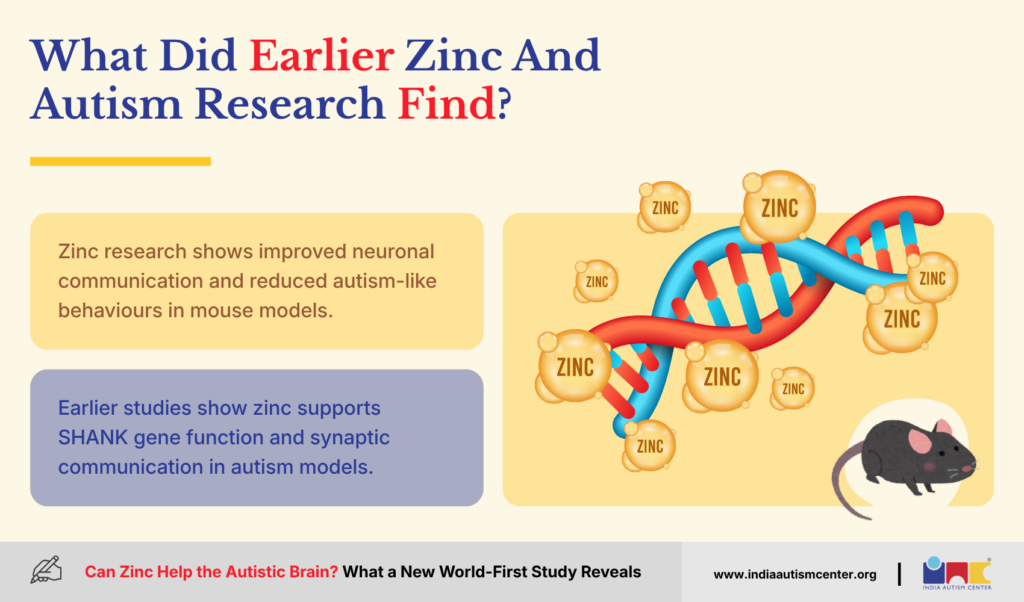
    Is level 2 autism high functioning?

    No. Level 2 autism usually requires substantial support, while high functioning autism is typically associated with Level 1 autism.
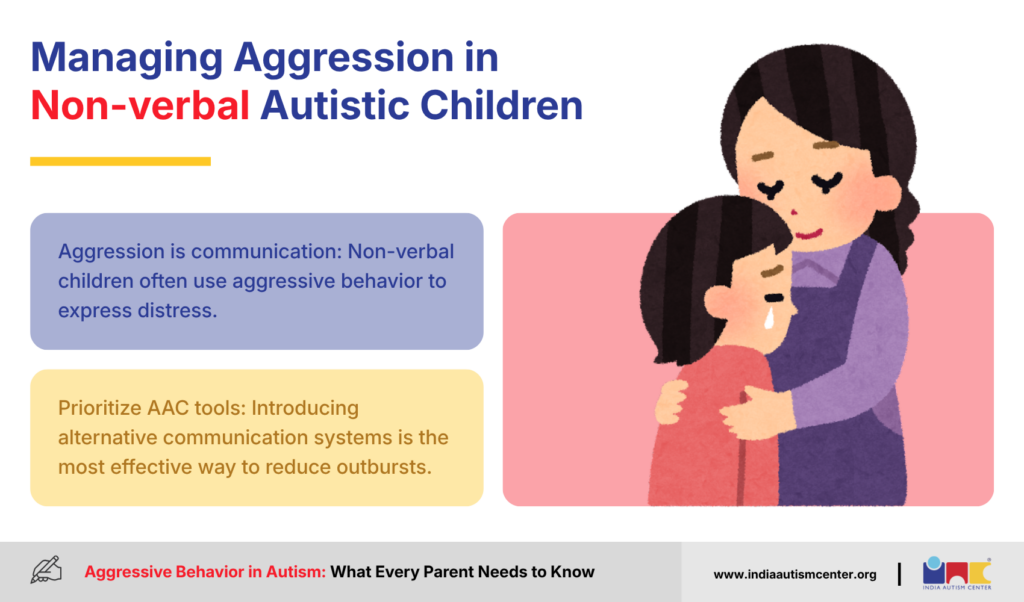
    How to diagnose high-functioning autism?

    Doctors diagnose Autism Spectrum Disorder through developmental screening, behavioural observation, and comprehensive clinical assessments.

    For expert insights, support services, and inclusive learning initiatives, visit the India Autism Center.

Privacy Overview

This website uses cookies so that we can provide you with the best user experience possible. Cookie information is stored in your browser and performs functions such as recognising you when you return to our website and helping our team to understand which sections of the website you find most interesting and useful.