Category: Autism Guides

  • Non-Verbal Learning Disorder vs Autism: Differences & Similarities

    Non-Verbal Learning Disorder vs Autism: Differences & Similarities

    At first glance, non-verbal learning disorder (NVLD) and autism spectrum disorder (ASD) can appear deceptively similar. Both may involve social difficulties, rigid thinking, and challenges in peer interactions.

    But beneath the surface, they’re distinct. 

    NVLD and ASD differ in their origins, core symptoms, diagnostic frameworks, and even how they respond to intervention. 

    In this article, we’ll break down non-verbal learning disorder vs autism clearly and clinically.

    But not only that, we’ll also explore why NVLD is often mistaken for autism, despite being a separate condition.

    So, let’s dive in.

    Non-Verbal Learning Disorder vs Autism Spectrum Disorder

    Comparing traits of non-verbal learning disorder and autism spectrum disorder.

    In classrooms, therapy sessions, or group settings, NVLD and ASD may present themselves in a strikingly similar manner. To move past this surface-level confusion, clinical insight is crucial.

    As Puja Dutta, an RCI-registered psychologist with India Autism Center, explains,

    So what sets these two conditions apart? Let’s begin by defining NVLD.

    What Is Non-Verbal Learning Disorder?

    What is non-verbal learning disorder.

    NVLD is a neurodevelopmental condition characterized by strengths in verbal expression but significant difficulties with spatial reasoning, motor coordination, and nonverbal social cues.

    Children with NVLD often:

    • Excel in spoken language, vocabulary, and factual recall
    • Struggle with visual-spatial tasks such as reading maps, understanding diagrams, or copying shapes
    • Misread or miss facial expressions, tone of voice, gestures, or sarcasm
    • Experience difficulty with abstract thinking and adapting to novel situations
    • Appear clumsy or uncoordinated due to proprioceptive challenges

    The Paradox of NVLD

    It is important to note that NVLD does not mean a child is nonverbal.

    In fact, a child with NVLD may speak eloquently, yet miss social cues. Follow detailed instructions, but get lost navigating a building. Memorize facts, but struggle to interpret graphs or charts.

    This paradox is part of why some parents ask: “Is NVLD on the autism spectrum?” 

    But, in reality, the answer lies in understanding how NVLD diverges from ASD at the diagnostic level.

    Is NVLD Recognized as a Formal Diagnosis?

    No, and that’s part of the problem.

    NVLD is not currently listed in the Diagnostic and Statistical Manual of Mental Disorders, Fifth Edition (DSM-5), the manual used by clinicians for formal diagnosis. As a result, there is no standardized diagnostic pathway. 

    But that doesn’t mean NVLD is rare or insignificant.

    A 2020 study estimated that NVLD may affect 3% to 4% of children and adolescents in the United States.

    Due to insufficient recognition, NVLD is frequently misdiagnosed as ADHD, autism, or behavioral issues. This mislabeling results in interventions that may not effectively address the core challenges.

    Now that we’ve explored NVLD, let’s clarify what distinguishes ASD.

    What Is Autism Spectrum Disorder?

    What is autism spectrum disorder.

    Autism spectrum disorder is a clinically recognized neurodevelopmental condition. It is typically diagnosed in early childhood, though autism signs may become evident at various developmental stages.

    According to the Centers for Disease Control and Prevention (CDC), autism affects approximately 1 in 31 children in the United States.

    Core features of ASD include:

    • Differences in social communication (e.g., difficulty with back-and-forth conversation, interpreting facial expressions, gestures, tone, and social cues)
    • Repetitive behaviors and restricted interests (e.g., stimming, insistence on sameness, obsessive interests, or ritualistic behaviors)
    • Sensory processing differences (e.g., hypersensitivity or hyposensitivity to lights, sounds, textures, temperatures, and other stimuli)

    Autism Is A Spectrum

    Autism is a spectrum condition. This means that no two individuals with ASD will display the same behaviors. Some may require significant support in daily life, while others may live independently with minimal intervention.

    Now that we’ve defined both conditions, let’s look at how NVLD and autism differ across their most commonly confused features. To better understand the nuances of nonverbal learning disorder vs autism, here’s a quick side-by-side comparison across key developmental traits.

    NVLD vs Autism: Comparing Traits Head-to-Head

    Chart comparing traits of NVLD and autism.
    Key TraitNon Verbal Learning Disorder (NVLD)Autism Spectrum Disorder (ASD)
    Verbal AbilityStrong verbal skills; articulate speech and vocabularyRanges from nonverbal to highly verbal; challenges in social communication
    Visual-Spatial ReasoningMajor difficulties (maps, puzzles, spatial tasks)May vary; not a core diagnostic feature
    Nonverbal Social CuesStruggles with facial expressions, tone, and body languageCommon; part of core diagnostic criteria
    Repetitive Behaviors / RoutinesNot typical, but may rely on routine for comfortHallmark symptom: stimming, insistence on sameness
    Sensory ProcessingMay have proprioceptive challengesBroad range: hypo- or hyper-sensitivity to sensory input
    Motor CoordinationClumsy movements, poor handwritingMay be present, but varies
    DSM-5 RecognitionNot formally recognizedYes, under Neurodevelopmental Disorders
    Diagnostic ToolsNo standardized tool; diagnosis via neuropsychological evaluationMultiple validated tools: ADOS, ADI-R, M-CHAT, etc.
    Co-occurrenceMay co-occur with ASD or ADHDMay co-occur with intellectual disability, anxiety, ADHD, etc.
    Root ChallengeDifficulty interpreting and responding to nonverbal informationDifficulty with social communication, behavior regulation, and sensory input

    Understanding the Overlap Between NVLD and Autism

    Overlapping traits of autism and non-verbal learning disorder.

    NVLD and autism often blur at the edges. They share traits, mimic each other’s patterns, and confuse even seasoned professionals. So how do you differentiate one from the other? 

    The answer lies in identifying the root causes behind the behaviors. 

    Here’s where these two conditions often mirror each other:

    Trouble with Motor Skills

    Motor difficulties common in NVLD and autism.

    Children with NVLD and ASD may both appear clumsy. Struggling with handwriting, tripping often, or fumbling through physical activities. 

    But the underlying reasons diverge.

    • In NVLD, motor challenges arise from difficulties in processing space and distance
    • In autism, these issues often stem from sensory overload

    As Dr. Gordon Day explains,

    Same behaviors, different mechanisms. And that distinction can inform very different therapeutic approaches.

    Fluent Speakers, Missed Messages

    NVLD and autism communication gaps.

    NVLD and autism can both show up in children who speak like little professors. Articulate, advanced, even funny.

    But they often miss out on unspoken social signals. 

    • Children with NVLD may struggle to decode tone, body language, or facial expressions
    • Those with autism may have difficulty understanding social intentions overall

    Friendship That Doesn’t Quite Land

    Social difficulties in NVLD and autism.

    Both NVLD and autism can bring a dazzling ability to memorize facts. 

    But sometimes, the why behind those facts is missing.

    • In autism, the brain zeroes in on details, often missing the big picture
    • In NVLD, challenges in integrating concepts across time and space are common

    Resistance to Change

    Rigidity in NVLD and autism.

    A last-minute change in seating, an unexpected substitute, or even a fire drill can spark intense emotional reactions.

    • For individuals with NVLD, the difficulty lies in planning, sequencing, and adjusting to abstract changes
    • For individuals with autism, the underlying issue is often sensory or neurological, which means that change can threaten their delicate sense of internal order

    Facts Without Framework

    Difference between NVLD and autism.

    Both NVLD and autism can bring a dazzling ability to memorize facts. 

    But sometimes, the why behind those facts is missing.

    • In NVLD, challenges arise in integrating concepts across time and space
    • In autism, the brain zeroes in on details and often misses the big picture, signifying a weak central coherence

    Meltdowns: Not Defiance, But Overload

    Sensory overload in autism and NVLD.

    A sudden change in the classroom, confusing instructions, or a noisy hallway might seem minor to neurotypical individuals.

    But for children with NVLD or autism, such triggers can push the brain past its threshold. 

    What follows is yelling, crying, and freezing. This isn’t rebellion. It’s a neurological crash.

    So, it’s important to note that discipline may provide structure, but what they really need is preparation, sensory regulation, and emotional scaffolding.

    High Verbal Ability, Low Functional Support

    Support needs in autism and NVLD.

    A child with NVLD or autism may sound brilliant. They may use advanced vocabulary, state obscure facts, or express mature opinions.

    But they may still:

    • Freeze when given a writing task
    • Panic at a routine change
    • Misinterpret everyday instructions

    This gap between expressive language and executive function can lead adults to overestimate what the child can handle. And this only leads to frustration, misplaced discipline, or burnout.

    Parting Words: Find Support That Matches the Pattern

    NVLD or autism diagnosis.

    If the traits described here align with what you’re noticing in your child, it’s worth slowing down and taking a closer look.

    Because what if these patterns don’t correct themselves with time, discipline, or simply trying harder?

    What makes a real difference is targeted support, grounded in an accurate understanding of your child’s brain. 

    That starts with a strategic, well-informed approach, which includes the following steps:

    • Consult a qualified specialist who can look beyond surface behavior
    • Ask for a comprehensive evaluation that assesses not just for autism, but also learning, motor, and processing differences
    • Build a multidisciplinary team, including speech-language therapists, occupational therapists, and clinical psychologists, to map out your child’s needs with precision
    • Follow through on individualized interventions to understand whether the diagnosis falls under autism, NVLD, or elements of both.

    Also, engage proactively with your child’s school. Sharing diagnostic insights can open doors to critical accommodations such as structured routines, additional processing time, or visual supports that reduce daily friction.

    At India Autism Center, we specialize in creating clarity where there’s diagnostic fog. So, if you’re struggling to distinguish between nonverbal learning disorder vs autism, feel free to contact us.

    Frequently Asked Questions

    Is NVLD a form of autism?

    No, non-verbal learning disorder is not a form of autism. While both involve challenges with social cues and learning, NVLD is primarily about visual-spatial processing and is not on the autism spectrum.

    Is NVLD autism?

    No. NVLD and autism are separate conditions. NVLD affects how people understand nonverbal information, while autism involves broader differences in social communication, sensory response, and repetitive behaviors.

    Is nonverbal learning disorder on the autism spectrum?

    No. NVLD is not classified as being on the autism spectrum. However, the two can look similar in social and academic settings, which often leads to misdiagnosis.

    Is non-verbal learning disorder on the autism spectrum?

    No. Non-verbal Learning Disorder is not officially recognized as part of the autism spectrum, although it shares some overlapping traits.

    Is NVLD related to autism?

    They’re related in presentation but not the same condition. Both can affect social behavior and learning, but autism typically impacts a wider range of developmental areas, including sensory processing.

    What causes NVLD?

    While research is ongoing, NVLD is believed to stem from right-hemisphere brain dysfunction, affecting visual-spatial, organizational, and abstract reasoning skills.

    What causes autism?

    A mix of genetic and environmental factors causes autism. It affects brain development, leading to differences in communication, behavior, and sensory experience.

    What’s the difference between non-verbal learning disorder and autism?

    Autism affects social skills, communication, and sensory processing. NVLD mainly impacts visual-spatial reasoning, understanding body language, and abstract thinking, while verbal skills are often strong.

    Can autism be mistaken for a learning disability?

    Yes. Autism is a neurodevelopmental condition, not a learning disability, but it can be mistaken for one due to overlapping academic challenges. A full evaluation helps clarify the difference.

    Can people with NVLD speak?

    Yes. Speaking is usually a strength for people with NVLD. They often have strong vocabularies and communicate well with words, but struggle with social cues and spatial reasoning.

    Do kids with NVLD speak?

    Yes. Kids with NVLD typically speak fluently and often sound advanced for their age. Their challenges show up more in nonverbal and abstract reasoning tasks.

    Is non-verbal related to autism?

    It can be, but not always. Nonverbal communication challenges are common in autism, but other conditions like apraxia, trauma, or hearing loss can also cause someone to be nonverbal.

    Can a child be nonverbal but not autistic?

    Yes. Non-verbal behavior can stem from various causes, like speech delays, apraxia, selective mutism, or neurological conditions, without involving autism.

    What’s the difference between being nonverbal and being autistic?

    Being nonverbal means not using spoken language. Being autistic means having a different neurotype that affects social, sensory, and communication patterns. Not all autistic people are nonverbal.

    Do nonverbal autistic children have intelligence?

    Yes. Many nonverbal autistic children have average or above-average intelligence. They may think and learn differently, and communicate better through nonverbal tools like AAC.

    Can you go nonverbal without autism?

    Yes. People can temporarily or permanently lose speech due to stress, trauma, selective mutism, or other neurological factors unrelated to autism.

    Do nonverbal kids eventually talk?

    Some do, some don’t. With early intervention and the right supports, many children develop speech over time. Others may rely on alternative forms of communication long-term.

    How to teach a child with NVLD?

    Use structured, step-by-step instructions. Support verbal strengths, but provide visual aids, social skills coaching, and help with organizing space, time, and tasks.

    How does NVLD affect adults?

    Adults with NVLD may struggle with organization, abstract reasoning, or reading social cues. Many manage well with coping strategies, career support, and continued social learning.

  • What Causes Autism? A Detailed Breakdown (2026)

    What Causes Autism? A Detailed Breakdown (2026)

    One of the most searched, and often quietly asked, questions is: ‘What causes autism?’.

    The short answer? The causes of autism spectrum disorder (ASD) are multifactorial. 

    Autism arises from a complex interplay of genetic, neurological, and environmental factors. And despite persistent misinformation, vaccines do not cause autism.

    In this article, we’ll break down these factors behind autism causes and also explain why it’s time to leave certain outdated beliefs in the past.

    So, let’s take a closer, evidence-based look at the causes of autism.

    What Causes Autism Spectrum Disorder?

    What causes autism spectrum disorder.

    If you’re a parent, a professional, or simply someone seeking a deeper understanding of autism, this is where the lens shifts.

    From ‘What is autism caused by?’ to ‘What is the combination of factors that may have led to this condition?’.

    Some of these factors could be inherited. Others may come from the environment around a developing fetus. And some could emerge through neural connectivity in early life.

    Now comes the question is autism gentic?

    Among all the possibilities of how autism is caused, genetics remains the most well-established.

    So, let’s start there.

    Role of Genetics In Causing Autism

    Genetic causes of autism spectrum disorder.

    Is autism genetic? Well, it plays a foundational role in the causes of ASD. Estimates suggest that the heritability of autism ranges between 40% and 80%. 

    This indicates that autism often runs in families. But not in the simple, Mendelian way we learned in school.

    Unlike eye color or blood type, autism isn’t caused by a single gene. Thanks to tools like Genome-Wide Association Studies (GWAS), researchers have now identified hundreds of genetic variants linked to autism.

    This makes autism a polygenic condition, meaning it’s shaped by many genes working together, each contributing a small effect.

    Most of these genes don’t directly cause autism. Instead, they affect brain wiring, especially in areas tied to:

    • Sensory processing
    • Language acquisition
    • Motor coordination
    • Emotional regulation
    • Social cognition

    Some of these gene variations are inherited from parents. Others are what scientists call de novo mutations, meaning they occur for the first time in the egg or sperm, not passed down from either parent.

    Rare genetic syndromes like Fragile X syndrome or Rett syndrome may also share overlapping traits with autism, though they account for only a small fraction of overall autism cases.

    In short, if you’re wondering, ‘What gene causes autism?’, the reality is far more complex. It’s not about one gene. But rather, a combination of inherited and spontaneous mutations that shape how the brain is wired.

    Want to know more? Get in touch with us.

    Now, let’s move on to brain development, where the genetic factors of autism begin to take shape.

    Role of Brain Development In Autism

    Brain development and neurological differences linked to autism.

    Neuroimaging research shows that autistic brains follow distinct developmental trajectories. Some brain regions may show increased connectivity, while others demonstrate delayed or accelerated growth.

    These patterns aren’t random. They reflect alternative ways the brain organizes, adapts, and interacts with the world.

    Here’s how these differences play out:

    • Sensory Processing: Some autistic individuals may be hypersensitive to light, sound, or texture. Others may seek more sensory input. These sensory differences stem from how specific neural circuits develop.
    • Motor Coordination: Delays in crawling, walking, or fine motor skills are often linked to neurological differences in movement planning and control.
    • Cognitive Functioning: Challenges with attention shifts, task switching, or transitions can arise from altered synchronization between neural networks.
    • Emotional Regulation: Many autistic individuals experience difficulty recognizing, processing, or managing emotions.
    • Language and Communication: Some autistic children may display early nonverbal communication but delayed speech, while others might develop verbal skills yet struggle with social language. These variations depend on how the autistic brain maps speech and social understanding.

    As neuroscientist Dr. Sumantra Chattarji noted on the India Autism Center podcast,

    https://www.youtube.com/watch?v=0VICO3BZtlo

    In other words, autistic brain development is a dynamic process shaped by early experiences, genetics, and environment. And like any brain, it’s capable of growth, adaptation, and learning.

    Now, genetic predispositions and brain architecture don’t tell the whole story. The surrounding environment, particularly during pregnancy and infancy, also shapes outcomes.

    What Environmental Factors Cause Autism?

    Environmental influences like pollution, prenatal stress, and toxins linked to autism.

    To understand the environmental causes of autism, it’s essential to zoom out. 

    Here, ‘environment’ refers not just to pollution or toxins, but to the entire biological backdrop that shapes early brain development: before birth, during delivery, and after.

    The Prenatal Stage: Influences Before Birth

    Prenatal risk factors like maternal infections, stress, and medication linked to autism.

    Autism often begins before birth, long before any visible signs appear. 

    When exploring what causes autism during pregnancy, researchers point to a combination of key prenatal risk factors, including:

    • Maternal Infections: A 2019 study linked maternal immune activation (MIA) to later neurodevelopmental differences, including autism.
    • Exposure to Substances: Alcohol, tobacco, or recreational drugs during pregnancy can disrupt neural development.
    • Toxic Exposures: Lead, mercury, and other environmental toxins may interfere with how the fetal brain forms and connects.
    • Chronic Maternal Conditions: Autoimmune or thyroid disorders may alter hormonal regulation and affect fetal brain growth.
    • Metabolic Conditions: A 2012 study found that maternal metabolic conditions, such as diabetes, hypertension, and obesity, are broadly linked to neurodevelopmental conditions like autism.
    • Certain Medications: Drugs like valproic acid during pregnancy have been associated with higher autism risk.
    • Nutritional Deficiencies: Particularly low folic acid levels during early pregnancy have been linked to increased neurodevelopmental risk.
    • Parental Age: Advanced maternal or paternal age is associated with a slight rise in de novo genetic mutations, which may influence autism development.

    The Natal Stage: Risk Factors Around Birth

    Birth complications like low birth weight and oxygen deprivation linked to autism.

    What happens during or immediately after birth may also influence how autism traits unfold.

    • Preterm Birth: Babies born before 37 weeks are at a critical stage of brain development. The third trimester, in particular, is key for building sensory and regulatory pathways.
    • Low Birth Weight: Weighing under 2.5 kg (5.5 lbs) has been modestly linked to a higher likelihood of autism, possibly due to brain immaturity at birth.
    • Oxygen Deprivation at Birth (Perinatal Hypoxia): Difficult labor or brief interruptions in oxygen supply can influence nervous system development.
    • Birth Complications: Conditions such as neonatal jaundice or early infections can add stress to a developing brain, especially when compounded by prenatal or genetic vulnerabilities.

    While these complications are rare, they offer insights into how biological stressors at birth may act as a contributing factor.

    The Postnatal Stage: Early-Life Environmental Influences

    Environmental exposures in early life that may contribute to autism risk.

    Even after birth, the brain continues to develop rapidly. A few early-life factors that may subtly shape how autism traits unfold are:

    • Exposure to Air Pollution or Toxins: Infants exposed to pesticides, heavy metals, or fine particulate pollution may show immune or neurological disruptions, especially if they carry genetic risk markers.
    • Short Intervals Between Pregnancies: Gaps of 12 to 18 months may deplete maternal nutrient stores, particularly folate, and increase inflammation. Both of these can affect early brain development.
    • Infections During Infancy: Serious infections or immune responses during the first year of life may have a modest effect on how the brain processes information, with some associations to autism in children at high risk.

    Even with all we know about contributing factors, public discourse on autism is still crowded with myths. So, let’s dismantle a few of the most damaging ones.

    Want to know more? Get in touch with us.

    Busting the Myths and Misconceptions About What Causes Autism

    "Myths and facts about autism causes, including vaccine misconceptions.

    Despite major scientific breakthroughs, myths and misconceptions about what causes autism persist. Certain outdated ideas aren’t just incorrect; they stigmatize parents, derail conversations, and distract from what truly matters.

    So, let’s set the record straight.

    Myth 1: Something Must Have Gone Wrong

    Debunking the myth that something went wrong causes autism.

    When a child doesn’t meet expected milestones, it’s natural for families to wonder why. 

    But often, that wondering turns into blaming, especially directed at mothers. This is not only unhelpful but also scientifically unfounded. 

    Autism is not the result of a momentary lapse, an incorrect meal, or a single stressful event. It develops due to complex biological factors, many of which begin before conception and are entirely beyond parental control.

    Blame is a coping mechanism. But it’s not a path to clarity or action.

    Myth 2: Vaccine Causes Autism

    Debunking the myth that vaccines cause autism.

    This is the myth that refuses to die.

    In 1998, Andrew Wakefield published a study falsely linking the MMR (measles, mumps, and rubella) vaccine to autism. That paper was later retracted, its data discredited, and Wakefield was stripped of his medical license. 

    Since then, over 25 large-scale studies have confirmed: Vaccines do not cause autism.

    So why do people think vaccinations cause autism? Because it offered something simple. A culprit. Many children exhibit autistic traits around age two, coinciding with routine vaccinations. 

    This timing seems suspicious, but it is merely a coincidence, not causation.

    Myth 3: Screen Time and Modern Lifestyles Cause Autism

    Debunking the myth that screen time and modern lifestyle habits cause autism.

    This myth grows from the anxiety of contemporary parenting. 

    Parents often worry that digital exposure is somehow rewiring their child’s brain. If a child avoids eye contact or loops the same video repeatedly, it’s tempting to blame screens.

    But here’s the truth: Screen time doesn’t cause autism.

    While it may mask early signs or provide comfort for children already diagnosed with autism, it does not cause the condition. Oversimplifying autism as a parenting choice only fuels guilt instead of providing solutions.

    Myth 4: Older Parents and Late Pregnancy Always Cause Autism

    Myth-busting image showing that older parental age does not always cause autism.

    Yes, studies have noted a slight statistical association between parental age and autism. But this is more of a statistical correlation than a contributing factor for the development of autism.

    Most children born to older parents are neurotypical. At the same time, many autistic children are born to younger parents.

    Advanced age may slightly raise the chances of spontaneous genetic variation, but it’s not a cause. Framing autism as a consequence of delayed parenthood is only misleading and unfair.

    Myth 5: Trauma, Neglect, and Attachment Issues Cause Autism

    Visual debunking the myth that trauma, neglect, or poor parenting causes autism.

    This myth has deep, damaging roots. Decades ago, the ‘refrigerator mother’ theory blamed autism on emotionally distant parenting. That view has long been debunked.

    Autism is not caused by trauma, neglect, or poor attachment. However, trauma and autism can coexist. In some cases, trauma may even mimic autism traits like emotional withdrawal, speech delays, or difficulty with social connections. 

    This overlap often leads to misdiagnosis, particularly in girls and women. Thus, understanding the distinction is essential. 

    How Do Genetic Tests and Timing Assessments Work in Autism?

    Visual representation of genetic testing and developmental assessments used in autism detection.

    There is no single, definitive test for autism genes. However, genetic tests and timing assessments can offer meaningful insights.

    So, let’s break this down.

    Carrier Screening: Gauging Inherited Risk

    This blood test is for prospective parents. It checks if they carry certain gene variants associated with rare conditions like Fragile X Syndrome or Rett Syndrome, which can sometimes overlap with autism traits.

    Kiran Tomar, Research Associate at India Autism Center, says,

    Genetic Counseling: Interpreting the Bigger Picture

    If you already have a child diagnosed with autism, have a known family history of neurodevelopmental disorders, or are concerned about future pregnancies, a genetic counselor can help decode your genetic risk and explore next steps.

    They may recommend:

    • Chromosomal Microarray Analysis
    • Whole Exome Sequencing

    These don’t predict autism. But they can help identify genetic variations linked to neurodivergence and offer contextual understanding.

    Prenatal Genetic Testing: Understanding Risk

    In high-risk pregnancies, healthcare providers may recommend invasive prenatal testing. 

    These tests examine genetic material collected from the amniotic fluid or umbilical cord to detect anomalies that may increase the likelihood of neurodevelopmental conditions, including autism.

    While it doesn’t confirm autism, it may reveal:

    • De novo mutations
    • Chromosomal abnormalities
    • Syndromes with overlap (e.g., Tuberous Sclerosis, Fragile X)

    Parting Words: Letting Perspective Guide Your Next Step

    Hope, clarity, and forward perspective in understanding autism causes.

    The reasons for autism are as varied as its symptoms. From inherited genetic variants to subtle prenatal influences, multiple factors contribute to it.

    At the same time, there’s no genetic test that can confirm whether a child will be autistic. But there are tools to help you understand risk, possibility, and preparedness.

    Some families find reassurance in clarity. Others feel overwhelmed by uncertainty. Both responses are valid.

    What matters most is that informed support makes a difference. The steps you take will shape your child’s future more than any test ever could.

    https://youtu.be/HcHbFox5RbA?si=Qnvos4t1Zhkl480N

    Frequently Asked Questions

    Do vaccines cause autism?

    No. Extensive global research confirms that vaccines, including the MMR vaccine, do not cause autism.

    Can immunizations cause autism?

    No. Immunizations do not cause autism. This myth stems from misinformation and has been disproven by more than two dozen large-scale studies across multiple countries.

    If vaccines don’t cause autism, what does?

    Autism is caused by a complex mix of genetic, neurological, and environmental factors. It is not triggered by vaccines, lifestyle, or parenting style.

    What causes autism in children?

    Primarily, genetics, early brain development, and environmental influences cause autism in children.

    Can trauma cause autism?

    No, trauma cannot cause autism. However, trauma can co-occur with autism or mimic certain autistic traits, which sometimes leads to misdiagnosis.

    What causes nonverbal autism?

    Nonverbal autism may result from more significant differences in brain regions responsible for language processing and social communication. Genetics and early neurodevelopment play a central role.

    Can gestational diabetes cause autism?

    Gestational diabetes is linked to a slightly higher risk of autism, particularly when accompanied by genetic predisposition. However, it is not a direct cause by itself.

    What causes autism regression?

    Autism regression occurs when a child loses previously acquired skills, typically between 15 and 30 months of age. The exact causes are still being researched, but they may involve immune responses, neurological disruptions, or genetic factors.

    Can autism be caused by brain injury?

    Brain injuries do not directly cause autism. However, early injuries affecting the brain’s development may result in behaviors that overlap with autism, though the underlying mechanisms differ.

    Can food cause autism?

    There is no evidence that food causes autism. Diet can affect behavior and gut health, but it is not a causal factor in autism spectrum disorder.

    Can inbreeding cause autism?

    Not directly. Inbreeding can increase the risk of rare genetic disorders, but autism is typically caused by a broader set of genetic and developmental factors.

    For expert insights, support services, and inclusive learning initiatives, contact India Autism Center for more information.

  • Signs of Autism in Women: Early Clues, Diagnosis & Support

    Signs of Autism in Women: Early Clues, Diagnosis & Support

    You meet a woman. She’s witty, warm, and seems perfectly tuned in. At first, everything clicks.

    But then, you notice a few things.

    A fascination with specific topics. An overwhelming need for routine. Conversations that swing between deep dives and sudden silence.

    Mixed signals? Not exactly.

    Sometimes, that’s how signs of autism in women show up. In this article, we’ll decode these subtle patterns.

    But not only that. We’ll also trace how autism signs in women evolve and explain why they’re often overlooked.

    So, let’s first unpack the most important aspect.

    Identifying Signs of Autism in Women

    Identifying signs of autism in women.

    Let’s start by tracing how female autism signs show up at different life stages.

    Early Signs of Autism in Girls: Infancy and Toddlerhood (0–2 years)

    Early signs of autism in girls.

    Autism signs in girls can be subtle early on. But beneath the surface, they start to emerge as:

    • Inconsistent responses to their name or social cues
    • Unusual reactions to sensory input
    • Delayed gestures or babbling despite developing spoken language on time
    • Fixation on specific objects or textures, such as rubbing fabrics, staring at lights
    • Repetitive behaviors like hand flapping, clapping, and stimming

    Subtle Signs of Autism in Preschool Years (3–5 years)

    Subtle signs of autism in preschool girls.

    Preschool years often bring new social demands, and with them, more noticeable autism signs in young girls.

    But these can be misread as quirks or shyness. So, watch for:

    • Engaging in rich pretend play, but often alone or with rigid storylines
    • Echoing others’ speech or actions without initiating their own ideas
    • Avoiding noisy or overstimulating settings like playgrounds or parties
    • Early masking behaviors, such as mimicking peers to fit in
    • Strong attachments to routines
    • Eye contact discomfort (either avoiding it or holding it too long unnaturally)

    Subtle Signs of Autism in Females During Childhood (6–12 years)

    Subtle autism signs in girls.

    At school age, autism signs in girls become more nuanced.

    As Dr. Wendy Nash, a child and adolescent Psychiatrist, notes,

    The most common signs include:

    Social Challenges

    • Appears friendly but struggles with forming deeper friendships
    • Overthinks conversations and fears social rejection
    • Prefers adults or solitary play over peers
    • Feels like an outsider, even when included

    Sensory Issues

    • Avoids certain clothing textures or sounds
    • Sensitive to smells, loud environments, or certain foods
    • Holds in discomfort during the day but melts down at home

    Executive Dysfunction

    • Difficulty following multi-step instructions or organizing schoolwork
    • Frequently loses personal items or misses deadlines
    • Procrastinates not out of laziness, but due to overwhelm

    Stimming and Self-Soothing Behaviors 

    • Engages in repetitive behaviors like hair twirling, tapping, or humming
    • May be dismissed as nervous habits rather than recognized as self-regulation

    How Signs of Autism in Girls Shift in Teenage Years (13–19 years)

    Autism signs in teenage girls.

    Puberty and growing social pressures amplify hidden struggles. Many teenage girls with autism experience anxiety, burnout, or mental health issues.

    Here are the common symptoms they develop during this period:

    Autism Masking or Camouflaging

    • Forces eye contact despite discomfort
    • Rehearses social scripts and facial expressions
    • Bottles up emotions in public and breaks down privately
    • Shifts behavior dramatically between different environments
    • High masking autism in women often leads to chronic exhaustion and anxiety

    Emotional Regulation Challenges

    • Emotional instability
    • Criticized for being ‘too sensitive’ or ‘overdramatic’
    • Intense emotional reactions such as shutdowns, rage, or withdrawal

    Obsessive Interests and Special Focus Areas

    • Deep fixation on niche topics
    • Uses interests as coping mechanisms or emotional anchors
    • Intense attachments to people, such as friends, celebrities, or fictional characters

    Sleep Disturbances

    • Light sleeper, prone to waking up easily
    • Relies on strict bedtime routines or sensory aids to sleep
    • Difficulty falling asleep due to overstimulation or racing thoughts

    Recognizing Autism Signs in Adult Women (20s and Beyond)

    Autism in adult women.

    The signs of undiagnosed autism in adult women start surfacing only when lifelong coping strategies break down.

    What happens then?

    Executive Dysfunction Becomes More Apparent

    • Overwhelmed by basic life tasks, such as cooking, cleaning, and planning
    • Misses deadlines or hyperfocuses to the point of exhaustion
    • Constantly battles mental fatigue, trying to manage daily life

    Sensory and Sleep Challenges Persist

    • Avoids crowded spaces due to sensory overload
    • Struggles with chronic fatigue from poor-quality sleep
    • Menstrual cycles, pregnancy, or menopause may intensify the symptoms

    Masking, Burnout, and Identity Struggles 

    • Feels disconnected from their authentic self
    • Burnout manifests as anxiety, depression, or emotional shutdown
    • Questions identity after years of masking: “Who am I without this act?”

    Stimming and Self-Regulation Continue Quietly

    • Quiet stimming, like fidgeting, doodling, or skin picking used for self-soothing

    But even when these signs of autism in women appear, they often go unnoticed. 

    Why? Let’s find out.

    Why Do Signs of Autism in Females Often Go Undiagnosed?

    Autism in women is often undiagnosed.

    A 2017 study found that for every 3 males diagnosed, only 1 female is identified on the autism spectrum. But these numbers don’t tell the full story.

    A 2022 study goes even further. It suggests that up to 80% of females with autism remain undiagnosed until the age of 18.

    But why such a massive gap?

    Three key reasons explain this:

    Biological Differences in How Autism Appears in Women

    Autism signs in women often present differently from those in men. This difference begins with biology.

    Unlike the textbook male traits of obvious social withdrawal or repetitive behaviors, autism in women shows up in:

    • Struggling quietly to read social cues
    • Masking confusion with memorized responses
    • Expressing emotions in ways that seem typical

    These nuances don’t align with traditional diagnostic checklists. As a result, women with autism often fly under the radar.

    Social Conditioning

    From a young age, girls are often taught to observe, adapt, and blend in.

    Over time, they:

    • Mimic peer behaviors without true understanding
    • Rehearse conversations, facial expressions, and social scripts
    • Hide sensory discomfort or emotional overwhelm

    And it’s this exact social camouflaging or masking that leads even trained professionals to miss the signs of autism in women.

    Male-Centric Diagnostic Tools and Research Bias

    Here’s a glaring problem most people don’t realize. The most commonly used diagnostic tools, like the Autism Diagnostic Observation Schedule (ADOS), were designed and validated predominantly using male participants.

    For instance, the original validation sample for ADOS consisted of 170 males and only 36 females with autism spectrum disorder (ASD).

    This creates a critical blind spot. After all, what doesn’t get measured doesn’t get diagnosed.

    As a result, subtle, female-specific signs of autism simply don’t register on tests designed for male-pattern presentations.

    That said, the sooner these signs are recognized, the better the outcomes. And this is where early intervention for autism comes in.

    Role of Early Intervention For Autism In Girls

    Early intervention for autism in girls.

    It means providing support and therapies to young children, ideally before the age of 3. 

    This critical window of neuroplasticity allows the brain to adapt, learn, and grow at an accelerated pace.

    What Is Early Intervention For Autism in Girls?

    Early intervention for autism in girls.

    For girls, whose autism signs often appear milder or get masked by social imitation, early intervention helps in:

    • Managing sensory sensitivities
    • Supporting emotional regulation
    • Building healthy social interaction patterns
    • Developing effective communication strategies
    • Strengthening adaptive functioning, daily living skills, and motor skills

    Early Intervention Strategies for Autism in Girls

    Early intervention strategies for autistic girls.

    This first step is to consult a developmental pediatrician, clinical psychologist, or rehabilitation psychologist and request a developmental screening.

    If screening indicates potential concerns, early autism intervention should begin immediately.

    Here are the strategies that can make a difference:

    • Speech and language therapy to develop expressive communication
    • Occupational therapy (OT) for sensory regulation, motor skills, and daily tasks
    • Behavioral therapy to nurture emotional regulation and functional behaviors
    • Play-based therapy to support learning naturally
    • Social skills training to foster connections
    • Cognitive training to enhance reasoning and problem-solving skills
    • Parental coaching to empower families to reinforce learning at home

    It is important to note that not every child or adult will need every form of therapy. The right combination depends on developmental stage, profile, and goals. A multidisciplinary team typically assesses this and creates a phased, personalized intervention plan.

    Autism Diagnosis in Women: Consultation and Next Steps

    Autism diagnosis process in women.

    A formal autism diagnosis typically happens after the age of 3. This process can bring clarity, but only when backed by the right professional guidance and a structured pathway.

    Here’s a clear, actionable roadmap:

    Step 1: Consult the Right Specialist

    Specialist consultation for an adult woman.

    The first move should be connecting with a licensed clinical psychologist, rehabilitation psychologist, or developmental pediatrician.

    Why?

    Well, these professionals are trained to spot the often subtle or masked signs of autism in women. They also recommend diagnostic tools suited to an individual’s specific profile.

    Step 2: Undergo a Comprehensive Autism Assessment

    A comprehensive autism assessment.

    Autism diagnosis isn’t based on a single appointment or one-off observation. It requires a multi-dimensional evaluation that includes:

    Parental Interviews and Developmental History

    Early life milestones, social behaviors, and past experiences help clinicians map patterns.

    Direct Behavioral Observation

    How one interacts, plays, communicates, and responds across different settings gives clinicians valuable insights beyond verbal reports.

    Review of Previous Records

    Past therapy notes, academic reports, or psychological evaluations provide context and reveal longstanding patterns often missed earlier.

    Standardized Diagnostic Tools

    Depending on age and presentation, tools such as the Indian Scale for Assessment of Autism (ISAA), Childhood Autism Rating Scale–Second Edition (CARS-2), or Autism Diagnostic Observation Schedule (ADOS-2) are administered.

    Final Diagnostic Report and Team Review

    A multidisciplinary team reviews all findings and prepares a comprehensive report. Because female autism signs often present differently, this forms the foundation for both understanding the needs and planning the next steps.

    Step 3: Building a Holistic Autism Support Team

    Autism support team for women.

    Getting a diagnosis is just the beginning. Effective support requires a multidisciplinary approach that may include:

    • Speech-language therapy
    • Occupational therapy 
    • Special education support
    • Psychological support
    • Play or other non-conventional therapies
    • Medical consultation

    It’s again important to understand that not every strategy is needed at every stage. The right combination depends on developmental age, current challenges, and personal strengths.

    A qualified multidisciplinary team will prioritize interventions based on ongoing assessments to ensure that support remains relevant, adaptive, and person-centered.

    Step 4: Create a Personalized Autism Intervention Plan

    Personalized autism intervention plan for women.

    Diagnosis without action is incomplete. What matters is crafting an individualized, strengths-based support plan that evolves with needs. This is especially crucial for women and girls who’ve often been misdiagnosed, overlooked, or misunderstood.

    However, the support needs may evolve over time as the individual develops. Certain new needs may surface while the previous ones get stabilized.

    Reality of Autism Diagnosis in Women

    Reality of autism diagnosis in women.

    For many women, especially those with high-functioning autism, the diagnostic journey rarely follows a clear or timely path. Unlike the structured process typically seen in early childhood diagnoses, autism diagnosis in adult women often begins in reverse. 

    It’s not the signs of autism that prompt an evaluation. It’s the fallout from years of being misunderstood.

    Many autistic women quietly struggle for decades, confused by their internal experiences. Their traits are often misread as personality quirks or signs of unrelated mental health issues.

    Over time, this leads to secondary conditions, such as:

    • Anxiety
    • Depression
    • Self-harming behavior
    • Personality disorders
    • In some cases, dissociation or psychotic features

    Often, it is these comorbid challenges that prompt women to seek professional help, rather than autism itself. Only after a thorough evaluation do clinicians identify the deeper, underlying presence of autism spectrum disorder.

    Although this route is long and exhausting, it also brings clarity.

    As Puja Dutta, a clinical psychologist at the India Autism Center, puts it,

    While individual support matters, change at the policy level is equally crucial for lasting impact.

    Global Shifts in Policy to Better Recognize Signs of Autism in Women

    Global policy shifts to recognize signs of autism in women.

    For decades, policies have typically ignored how signs of autism uniquely present in women.

    But that’s starting to change.

    In India: Small Steps with Big Potential

    The Rights of Persons with Disabilities Act (RPwD), 2016, officially recognized autism as a disability in India. It mandates inclusion in education, employment, and healthcare.

    Yet, the law remains gender-blind in practice.

    It says nothing about how autism in women may appear differently. No mention of masking, camouflaging, or female-specific diagnostic needs.

    That silence is finally breaking.

    Karnataka and Kerala have piloted training programs for teachers and health workers to teach them to recognize the subtle autism signs in girls.

    West Bengal is leading a grassroots initiative. Its Department of Women and Child Development launched a new autism screening tool, available in Bengali, Hindi, and English.

    As Sarmistha Bhattacharya, a rehabilitation psychologist at the India Autism Center, explains,

    These pilot initiatives go beyond checklists. These also encourage early screenings in schools and healthcare centers.

    Global Momentum: Changing the Diagnostic Lens

    Internationally, the shift is sharper.

    In the UK, the National Autism Strategy (2021–2026) directly calls for better identification of autism in women and girls. It pushes for tools that reflect their lived experiences.

    In Australia, the National Disability Insurance Scheme (NDIS) funds diagnostic assessments designed to move beyond outdated male-centered models.

    For women who spent years doubting themselves or being misdiagnosed, this shift signals a long-overdue validation.

    And it’s just the start.

    Parting Words: Timely Support for Women on the Autism Spectrum

    Recognising the signs of autism in women is just the beginning. What comes next is finding support that actually fits.

    Start small. Find professionals who understand how the signs of autism in women show up. Then, join spaces where you don’t have to explain yourself. 

    You’re not meant to do this alone.

    At school or work, ask for simple accommodations. These small shifts can change everything. And you don’t need a formal diagnosis to advocate for yourself.

    If you need further assistance, feel free to contact us.

    Frequently Asked Questions

    How do autistic females behave?

    Autistic women may appear socially competent but often struggle beneath the surface. They might have trouble reading social cues, dislike sudden changes, and feel emotionally drained from trying to fit in.

    How do I tell if I’m an autistic female?

    If you often feel out of sync in social settings, rely on routines, or copy others to avoid judgment, these could be signs. A formal assessment with an autism-informed specialist can offer clarity.

    What does high-functioning autism look like in a woman?

    It often appears as someone who performs well at work or school yet feels overwhelmed by social situations, struggles to manage emotions, and needs solitude to recover from everyday demands.

    At what age does autism show in women?

    Signs can start in early childhood, but they’re often subtle and misread. This leads to many girls being diagnosed much later, often in their teens or adulthood.

    What can be mistaken for autism in girls?

    Autism in girls is frequently misdiagnosed as anxiety, Attention-Deficit/Hyperactivity Disorder (ADHD), Obsessive Compulsive Disorder (OCD), or simply viewed as personality traits like shyness, perfectionism, or sensitivity.

    What are the signs of autism in adult women?

    Adult women may experience mental fatigue, social burnout, difficulties in relationships, heightened sensitivity to sound or touch, and a constant need to keep up a ‘normal’ appearance.

    What are the signs of high masking autism in women?

    Women who mask may script conversations, force themselves to make eye contact, suppress stimming behaviors, and constantly scan social environments to avoid making mistakes.

    What are the signs of undiagnosed autism in adult women?

    Undiagnosed women often feel misunderstood, anxious in social settings, and emotionally depleted. They may have a long history of misdiagnoses, like depression or general anxiety.

    What are the signs of autism in females during childhood?

    Look for intense routines, sensory sensitivities, solitary or scripted play, and mimicry of peers. Many girls also hold stress at school and release it at home.

    What are the signs of autism in adult females?

    Adult females may continue to mask their traits, face chronic sensory stress, struggle with daily life management, and question their identity due to years of adapting.

    How can women get tested for autism?

    Start by speaking to a developmental pediatrician or clinical psychologist experienced in diagnosing women. Assessments usually include interviews, behavior analysis, and standardized tools adapted for females.

  • Early Intervention for Autism: A Parent’s Guide to Better Outcomes

    Early Intervention for Autism: A Parent’s Guide to Better Outcomes

    Imagine giving your child the right support before challenges begin to build. That’s the power of early intervention for autism spectrum disorder (ASD).

    In this guide, you’ll learn why early intervention for autism isn’t just beneficial, but essential.

    We’ll also walk you through how to recognize early signs, what early autism intervention actually involves, and the steps you can take to improve long-term outcomes.

    So, let’s begin.

    What Is Early Intervention For Autism?

    Early intervention for autism spectrum disorder means providing targeted therapies and support to young children, ideally before they turn 3 years old. In many cases, it starts as early as 18 months.

    At this age, the brain develops rapidly. It remains highly plastic and especially receptive to learning, change, and growth. 

    Early autism intervention during this window reduces developmental delays, strengthens key life skills, and improves long-term outcomes.

    It typically addresses areas such as:

    • Communication and speech
    • Social interaction and play
    • Emotional regulation
    • Sensory integration
    • Gross motor skills (like walking, running, jumping)
    • Fine motor tasks (like feeding, writing, buttoning)
    • Daily self-care routines and more

    So, early intervention is highly effective in shaping a child’s developmental trajectory. As Raksheet Jain, Co-Founder of Aignosis, shared on the IAC podcast,

    This raises the question.

    When Should You Consider Early Intervention?

    When should you consider early intervention for autism.

    Recognizing early signs of autism is often the first step toward timely support. 

    These are the signs that often appear in the first three years. And spotting them opens the door to early support.

    The most common signs include:

    • No babbling, waving, or pointing by 12 months
    • Not responding to their name despite normal hearing
    • Minimal eye contact or shared expressions
    • Few or no spoken words by 16–18 months
    • Limited interest in social play or imitation
    • Strong, unusual reactions to sensory input (noise, light, textures)
    • Repetitive movements like hand-flapping or spinning
    • Rigid routines or distress over small changes

    Understanding these early signs is only part of the journey. The next and most impactful step is knowing why early intervention is important for autism.

    Benefits of Early Intervention In Autism

    Benefits of early intervention in autism.

    Without early intervention, progress often slows. 

    But with it? The difference can be dramatic.

    So, how does early intervention help autism? Let’s find out.

    Improved Expressive and Receptive Communication

    Early intervention for autism spectrum disorder is just about helping children talk. It nurtures both expressive and receptive communication. 

    This helps children move from single words or gestures to full thoughts, shared intent, and emotional clarity.

    With consistent therapy and parent-guided strategies, children begin to connect language with interaction.

    Enhanced Social Interaction and Reciprocal Engagement

    Through guided play, modeling, and structured therapy, children learn to:

    • Read facial expressions and social cues
    • Engage in back-and-forth interactions
    • Build confidence in peer relationships

    Over time, they gain the confidence to initiate and sustain peer relationships. This lays the groundwork for meaningful connections.

    Better Emotional Regulation and Behavioral Adaptation

    Meltdowns. Sensory overload. Sudden shutdowns. These can escalate quickly.

    Autism early intervention teaches children how to self-regulate using:

    • Calming routines
    • Sensory tools
    • Structured transitions

    This support reduces emotional outbursts and helps children respond more adaptively to daily challenges.

    Accelerated Development of Fine and Gross Motor Skills

    From climbing stairs to holding utensils, early intervention in autism improves both:

    • Gross motor skills (balance, coordination, strength)
    • Fine motor skills (grasping, writing, buttoning)

    Targeted therapies during this window help children gain physical confidence and independence.

    Increased Adaptive Skills and Functional Independence

    Feeding. Dressing. Toileting. Brushing teeth. Tasks that once felt impossible become manageable.

    That’s the real power of early autism intervention. It nurtures adaptive functioning, empowering children toward self-reliance and reducing dependence on others in daily life.

    Now that we’ve seen how outcomes improve with early support, let’s explore the proven strategies that make it happen.

    Early Intervention Strategies for Autism

    Early intervention strategies for autism.

    So, where do you begin?

    Your first stop should be a developmental pediatrician, clinical psychologist, or rehabilitation psychologist. Ask them to conduct a developmental screening of your child.

    If screening raises concerns, early autism intervention can and should begin right away.

    Here are a few strategies that can make a lasting difference:

    Strategy 1: Build Positive Habits Early with Behavioral Therapy

    Early autism intervention with behavioral therapy.

    Applied Behavior Analysis (ABA) is often among the first therapies introduced. It focuses on reinforcing positive behaviors through structured steps like rewards, routines, and repetition.

    With ABA, children learn to:

    • Ask for help
    • Follow simple instructions
    • Stay regulated in overstimulating environments

    Strategy 2: Boost Connection Through Social Skills Therapy

    Social skills therapy in early autism intervention.

    Did you know that turn-taking, eye contact, and group play can all be taught?

    Yes, social skills therapy teaches exactly these core relationship-building tools through guided play sessions and one-on-one modeling.

    As Shaireen Ali, Head of Clinical Services at India Autism Center, puts it,

    Strategy 3: Support Self-Expression with Communication Therapy

    Communication therapy in early autism intervention.

    Whether your child is verbal, nonverbal, or still finding their voice, speech, and language therapy plays a key role.

    Supports may include:

    • Verbal prompting
    • Picture Exchange Communication System (PECS)
    • Augmentative and Alternative Communication (AAC) devices

    The goal? Help the child express needs, emotions, and ideas on their own terms.

    Strategy 4: Build Independence with Occupational and Sensory Therapy

    Occupational and sensory therapy in early autism intervention.

    Let’s talk about daily life. Eating, dressing, drawing, and holding a spoon.

    In many autistic children, these skills need to be gently built, often from the ground up. That’s where occupational therapy (OT) comes in.

    It helps build:

    • Fine motor skills
    • Body awareness and trunk control
    • Sensory regulation
    • Self-care routines

    As Dr. R. S. Bagga, a renowned Occupational Therapist, shared on the IAC podcast,

    Strategy 5: Strengthen Coordination with Physiotherapy

    Physiotherapy in early autism intervention.

    Struggling with balance, walking, or climbing stairs?

    Physiotherapy can work like a charm. It helps children improve: 

    • Balance and coordination
    • Muscle strength and tone
    • Gross motor skills

    Strategy 6: Use Assistive Technology to Bridge Gaps in Learning

    Assistive technology in early autism intervention.

    Assistive technology can be life-changing.

    Speech tablets, visual timers, picture schedules. These aren’t shortcuts. They’re bridges.

    The right tool, introduced at the right age, can help your child understand the world and be understood in return.

    Strategy 7: Reduce Mealtime Stress with Feeding and Nutrition Therapy

    Feeding and nutrition therapy in early autism intervention.

    Many autistic children struggle with textures, chewing, or swallowing.

    This is where feeding and nutrition therapy help. It can:

    • Reduce stress at meals
    • Improve oral-motor coordination
    • Encourage balanced nutrition for better focus and energy

    Strategy 8: Encourage Learning Naturally with Play-Based Therapy

    Play-based therapy in early autism intervention.

    Play is not a break from learning. It is learning, especially for young children.

    Through pouring rice into cups, pretending to run a tea stall, or simply following a child’s lead in a silly game, play becomes the gateway to communication and emotional connection.

    As Puja Dutta, Clinical Psychologist at India Autism Center, says,

    That’s why play-based therapy works. It doesn’t force a child to fit into a plan. It meets them where they are.

    Strategy 9: Prepare for School with Early Special Education Services

    Early special education services in autism early intervention.

    Preschools with special education services facilitate early intervention for autism. 

    Some preschools offer:

    • Visual supports and structured lessons
    • Individualized learning plans (IEPs)
    • Flexible pacing

    As Shaireen notes,

    Strategy 10: Foster Teamwork with Peer-Based Community Programs

    Peer-based community programs in early autism intervention.

    Children don’t learn in isolation. Peer interaction teaches:

    • Sharing
    • Teamwork
    • Problem-solving

    Whether it’s a playgroup or community event, early exposure builds social confidence that carries into the school years.

    Now that you know how each strategy supports early development, let’s discuss the role parents play in making early intervention for autism truly effective.

    What Does Parental Responsibility Look Like in Early Autism Intervention?

    Parental role in early autism intervention.

    Early intervention for autism is not just about what happens in therapy rooms. It’s about what happens at home. Every single day. 

    Parents should not be passive observers. They are meant to be core members of the intervention team.

    Here’s how you can make your role count.

    Turn Everyday Moments Into Practice Opportunities

    Therapies like ABA, speech, or occupational therapy teach important skills. 

    But real growth happens through repetition at home. Moments such as snack time, playtime, or getting dressed can naturally become practice sessions for communication, social skills, and sensory regulation.

    To make the most of these everyday moments, try to:

    • Encourage your child to request or label items during snack time
    • Use playtime to support turn-taking and social interaction
    • Practice calming techniques during routines like bathing or dressing

    Learn the Techniques and Use Them Confidently

    You don’t need formal training to support your child’s development. You just need curiosity and commitment.

    Observe sessions. Ask questions. Join parent workshops.

    This helps you:

    • Tailor strategies to suit the child’s unique needs
    • Practice consistently across environments
    • Build your confidence by learning why certain approaches work

    Make Your Home a Supportive Learning Space

    A nurturing environment at home can supercharge your child’s comfort and learning.

    Try:

    • Visual schedules to support transitions
    • Sensory-friendly items to ease overwhelm or increase engagement
    • Predictable routines to reduce anxiety and improve cooperation

    More on this later.

    Keep the Conversation Going With Professionals

    Open and regular communication with therapists, educators, and specialists ensures that the child’s needs are met consistently.

    Make it a habit to:

    • Provide updates on what you notice at home and in other settings.
    • Ask questions to clarify goals and strategies.
    • Participate actively in meetings and planning sessions.

    Advocate Strongly for Your Child’s Needs

    You are your child’s loudest and strongest voice. Advocacy means ensuring they get the resources, therapies, and accommodations they need.

    Take initiative by:

    • Learning about available services and autism laws
    • Making detailed requests to schools or healthcare providers
    • Staying updated on local policy or funding changes

    Celebrate Every Step Forward

    Autism early intervention outcomes often come in small, meaningful milestones. Recognizing these moments keeps your child motivated.

    Celebrate by:

    • Noticing new skills, improved behaviors, or moments of independence
    • Praising your child’s effort and persistence
    • Using positive reinforcement to motivate continued growth

    Own Your Role in Your Child’s Progress

    Parental involvement is one of the strongest predictors of success in early autism intervention. 

    Your love, patience, and consistency create the foundation on which everything else is built.

    Own your role by:

    • Being patient with the process and yourself
    • Staying consistent with routines and practice
    • Being the primary champion of your child’s growth

    Therapy doesn’t stop when you leave the clinic. In fact, much of the progress happens through autism early intervention at home.

    Home Activities for Early Intervention in Autism

    Home activities for early autism intervention.

    Therapy hours are valuable. No doubt about that.

    But what happens at home can multiply their impact. 

    Here’s how to get the most out of early intervention, right from your living room:

    Play with Purpose

    Play isn’t just fun. It’s how the children learn. 

    Activities like stacking blocks, pretending to feed a toy animal, or building with LEGO go beyond creativity. They foster:

    • Joint attention
    • Turn-taking
    • Flexible thinking

    Make Reading Interactive

    Don’t just read. Interact.

    Pause to point out pictures. Name characters. Ask simple questions. Let your child turn the pages. 

    Books build vocabulary, listening skills, and future communication, even before your child speaks.

    Bring in Music and Rhythm

    Sing songs with actions. Tap to a beat.

    Use music to teach daily routines, like brushing teeth or cleaning up. Songs create structure and support language, memory, and motor development.

    Strengthen Little Muscles

    Puzzles, finger painting, and stacking rings help build hand-eye coordination.

    Additionally, these activities also prepare children for:

    • Writing
    • Eating independently
    • Dressing skills like buttoning or zipping

    Encourage Movement

    Active play supports sensory regulation and gross motor development.

    Try:

    • Indoor obstacle courses
    • Cushion jumping
    • Outdoor walks or park play

    Make Routines Count

    Bath time. Dressing. Meal prep. These are chores that can double up as learning moments. 

    Narrate what you’re doing. Offer choices. Give space for independence.

    Over time, these routines teach sequencing, communication, and daily living skills.

    Support Communication All Day Long

    Use short, clear sentences. Label actions and emotions. Use gestures and visuals where possible. 

    Communication isn’t only built-in therapy, it’s reinforced in every shared moment.

    Get Social, Gently

    Start small. Invite cousins over for a short visit. Join a parent-child class. Or start with parallel play at a park. 

    Social practice, at a pace your child can handle, builds confidence and connection.

    Create Space for Sensory Needs

    Sensory play helps children self-regulate. 

    Water tubs, sand trays, calm-down bottles, or just a quiet corner with a soft blanket can make all the difference on a hard day.

    Parting Thoughts: Key Considerations In Early Intervention for Autism

    Key considerations in early autism intervention.

    A strong early intervention program for autism begins with a multidisciplinary assessment. Developmental pediatricians, psychologists, speech therapists, occupational therapists, and special educators come together to understand your child’s unique profile.

    But that’s only part of the picture. Real success comes when support extends to the whole family.

    As Puja emphasizes,

    Also, ensure the professionals delivering early intervention are trained, certified, and experienced.

    For further assistance, feel free to contact us now.

    Frequently Asked Questions

    Does autism get better with early intervention?

    Early intervention doesn’t cure autism. But it can make a lasting impact on a child’s development. Starting support early helps children build critical skills in communication, learning, social interaction, and daily living.

     What should I do if my 2-year-old shows signs of autism?

    Start with a developmental evaluation by a pediatrician or psychologist. If autism is suspected, connect with early intervention services in your area.

    At home, focus on:

    • Play-based interaction
    • Communication-rich environments
    • Establishing consistent daily routines

    What age is considered early intervention for autism?

    Early intervention typically refers to support services provided from birth up to 3 years old.

    What is the best age to start autism treatment?

    There’s no single best age, but the earlier the better. The brain is most adaptable (or plastic) in the first five years of life. Starting therapy as soon as autism is suspected can positively influence learning, social skills, and overall development.

    What is the success rate of early intervention for autism?

    Success varies based on the child’s individual needs, type of intervention, and family involvement.

    Research shows that timely and targeted early autism intervention leads to significant progress in:

    • Language and communication
    • Social interaction
    • Adaptive skills and independence

    Can early intervention cure autism?

    No, early intervention doesn’t cure autism, and it’s not meant to. Autism is a neurodevelopmental condition, not a disease. What early intervention does is help build communication, confidence, and everyday skills.

  • Understanding the Role of Brain-Gut Axis Autism

    Understanding the Role of Brain-Gut Axis Autism

    When we talk about autism today, we usually think about the brain — communication challenges, social interactions, and behaviour differences. But what if I told you that your brain isn’t acting alone? Yes, the Brain-Gut Axis in autism spectrum disorder (ASD) is one of the most talked-about connections in neuroscience and nutrition right now.

    It represents a two-way communication highway between your gut and your brain. This connection may help explain why so many individuals with autism also have digestive problems — and why targeting gut health could become an essential part of improving quality of life.

    Let’s explore it piece by piece, in a clear, easy-to-understand way.

    What Is the Brain-Gut Axis?

    The Brain-Gut Axis in autism refers to a constant flow of signals between your nervous system and your gastrointestinal (GI) system. Scientists call this interaction the microbiota-gut-brain axis in autism spectrum disorder. It isn’t just metaphorical — it’s a biological system, involving nerves, chemicals, and immune signals.

    In simple terms: Your gut talks to your brain — and your brain talks back.

    Here’s how:

    • Your Enteric Nervous System (ENS) — millions of neurons in the gut, actually works alongside your central nervous system.
    • The vagus nerve is like a superhighway transmitting signals between the gut and the brain.
    • Your gut produces key neurotransmitters — including about 90% of the body’s serotonin — which affects mood and behaviour.

    This means that changes in your gut can literally influence brain chemistry and vice versa.

    Why the Gut Matters in Autism

    Let me be direct with you: many autistic individuals experience gastrointestinal symptoms such as constipation, diarrhoea, abdominal pain, and bloating at much higher rates than others. Research finds that up to 70% of children with autism have some form of GI dysfunction.

    But the connection goes beyond discomfort. Studies on the microbiota-gut-brain axis in autism spectrum disorder show that:

    • The balance of gut bacteria (your microbiota) can influence behavioural symptoms.
    • When gut bacteria are imbalanced (dysbiosis), immune, neural, and hormonal pathways may be affected.
    • Dysbiosis also increases gut permeability (“leaky gut”), which may allow inflammatory molecules to impact the brain.

    This is why addressing the Brain-Gut Axis in autism isn’t just about soothing tummies — it’s about improving communication between body and brain.

    Want to know more? Get in touch with us.

    Gut Bacteria and Autism: What the Science Says

    Now let’s talk about gut microbes. When people say “good bacteria,” they’re referring to tiny organisms living in your gut that help break down food, produce chemicals, and protect against bad microbes.

    Your gut microbiota affects:

    • Neurotransmitters (chemicals like serotonin and GABA)
    • Immune signaling
    • Metabolites (small molecules) that travel to the brain

    These microbial changes may:

    • Influence short-chain fatty acid (SCFA) production — vital players that help maintain gut lining and brain health.
    • Affect neurotransmitter synthesis and immune responses.

    It’s important to understand this isn’t claiming that gut bacteria cause autism. Autism is complex — involving genetics, environment, and early development. But their connection suggests that gut health influences how symptoms show up and could become a real target for care.

    Early Life and Microbiome Development

    From the moment you were born, your gut microbiota started forming. In fact:

    • Microbial colonisation begins before birth — even in amniotic fluid and placenta.
    • Delivery mode (vaginal vs. cesarean) affects early microbiota.
    • Breastfeeding transfers beneficial bacteria.

    By around age three, your gut microbiota becomes relatively stable, and this is exactly when the brain is rapidly developing. A baby’s brain goes from about 36% to 90% of adult volume by age two — a period where gut and brain development are deeply intertwined.

    So, when early gut balance is disrupted by antibiotics, diet patterns, or infections, the microbiota-gut-brain axis in autism spectrum disorder may be affected.

    Antibiotics, Dysbiosis, and Development

    Antibiotics can save lives. But they don’t know the difference between “good” and “bad” bacteria. Especially in early childhood, repeated antibiotic use can:

    🔹 Disrupt gut microbiota balance
    🔹 Reduce beneficial bacteria
    🔹 Increase microbial imbalance (dysbiosis)

    A 2018 study found that about 34.5% of children with autism had repeated exposure to broad-spectrum antibiotics early in life, compared to controls.

    Such disruption may ripple through the Brain-Gut Axis in autism, contributing to behavioural and neurological differences. We need more research, but the evidence suggests that mindful antibiotic use in early life matters.

    Want to know more? Get in touch with us.

    Could Gut Bacteria Help Treat Autism?

    Now that we’ve laid the foundation, let’s talk about gut bacteria autism treatment — what’s promising and what’s still emerging.

    Probiotics and Prebiotics

    • Probiotics introduce beneficial strains of bacteria.
    • Prebiotics are food for those good bacteria (think fibre).

    Early evidence shows that probiotics and prebiotics may help reduce gastrointestinal symptoms and support mood and behaviour.

    Dietary Approaches

    Certain diets (e.g., high-fibre, antioxidant-rich, gluten-free) may improve gut microbiota composition and reduce inflammation.

    These approaches aim to support the gut, which in turn may help regulate the brain via the microbiota-gut-brain axis.

    Faecal Microbiota Transplant (FMT)

    FMT — also called Microbial Transplant Therapy — transfers a healthy gut microbiome from a donor. This therapy has shown promising early results in restoring microbial balance and improving GI symptoms.

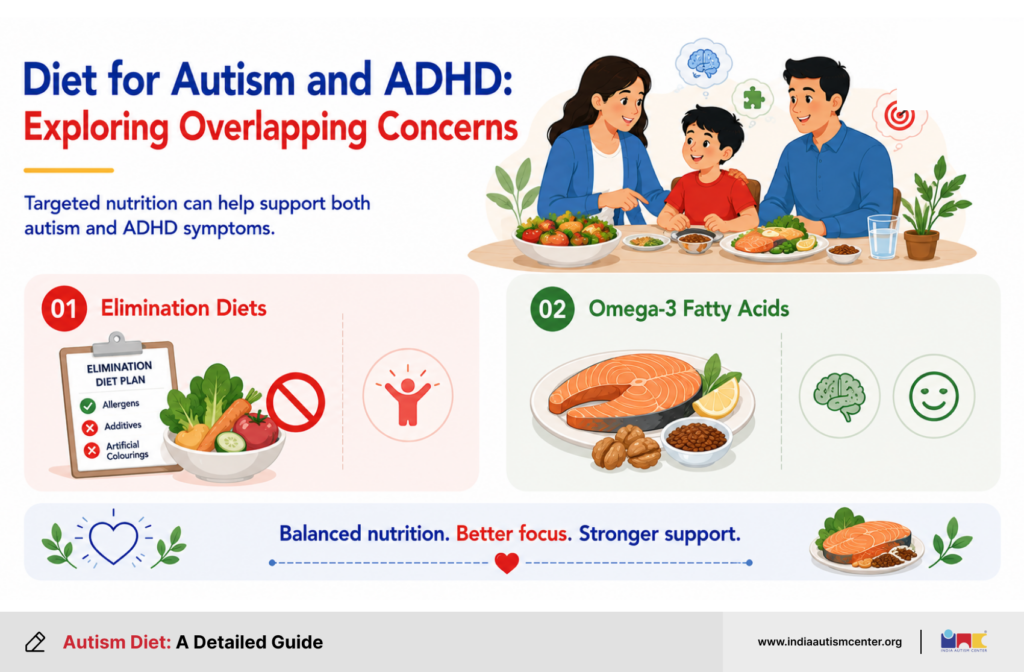
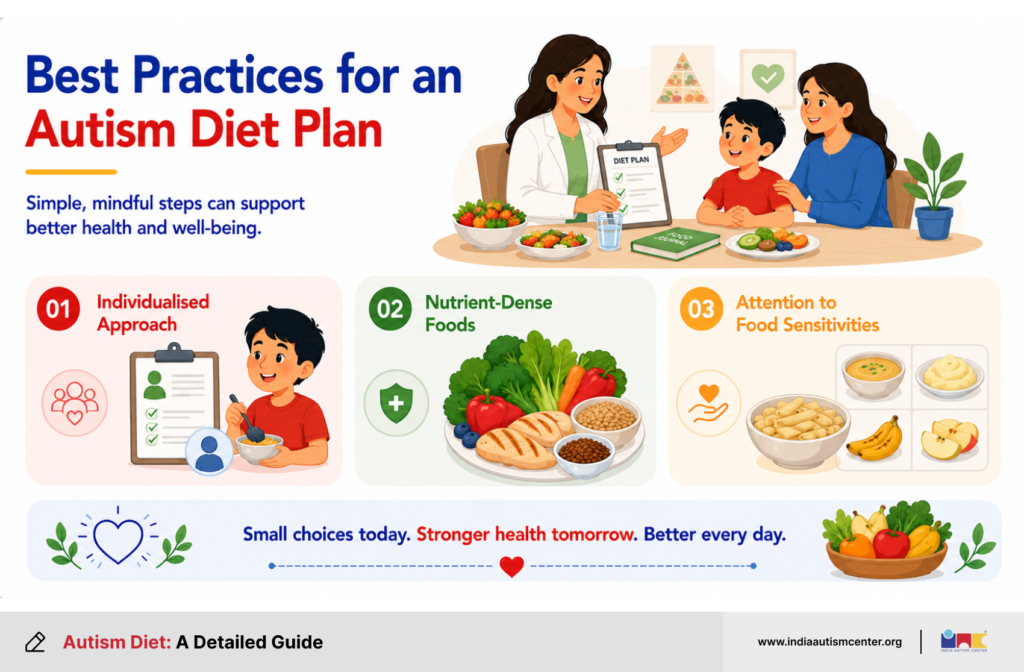
    Here is a detailed article on the Autism Diet: A Detailed Guide (2026).

    What the Research Says: Cautious Optimism

    Scientists are enthusiastic but cautious. Studies in medical journals consistently show a bidirectional influence between gut microbes and brain pathways — but they also stress that autism is not solely caused by the microbiota.

    Rather, the microbiota-gut-brain axis in autism spectrum disorder likely plays a role in:

    • Severity of symptoms
    • GI challenges
    • Behavioral responses
    • Immune and metabolic regulation

    Researchers are now moving toward personalised treatments that consider who might benefit most from gut-focused therapies.

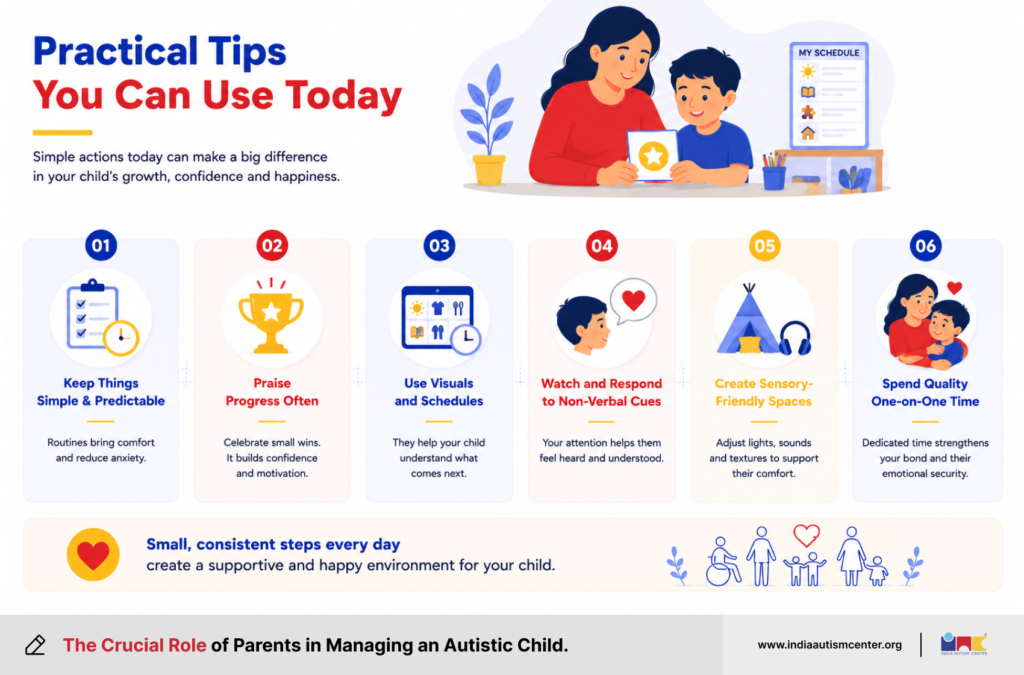
    Practical Tips You Can Use Today

    If you want to support the Brain-Gut Axis in autism, here are some steps that many nutritionists and clinicians recommend:

    Focus on Gut-Friendly Foods

    • Whole foods
    • High-fibre vegetables
    • Fermented foods (yoghurt, kefir, sauerkraut)

    These feed beneficial bacteria, a key part of gut bacteria autism treatment.

    Minimise Unnecessary Antibiotics

    Work with a doctor to weigh the benefits and impacts, especially in young children.

    Try Probiotics and Prebiotics

    Under supervision, supplements may help balance microbiota.

    Track Symptoms

    Keeping a food and behaviour journal can help you connect diet changes with improvements.

    Want to know more? Get in touch with us.

    Effect of Antibiotics on Autism Spectrum Disorder

    A human’s microbiome develops from birth until the age of 3. Using antibiotics during these formative years can influence the development of metabolic and neurological conditions. Antibiotics can seriously impact the gut’s microbial composition by disrupting the growth of pathogenic microbes. Early and excessive use of antibiotics can lead to microbial dysbiosis, which may play a role in the development of autism.

    This affects the gut-brain axis. It can lead to epigenetic changes, potentially influencing the development of autism. A recent study showed that autism behavioural symptoms and gut health are most definitely linked. 

    A 2018 study by Eshraghi found that 34.5% of autistic children had been exposed to extensive and repeated use of broad-spectrum antibiotics. It was more than six courses compared to a control group with more than six courses.

    Conclusion

    If you’re living with autism or caring for someone who is, I want you to come away with this:

    The Brain-Gut Axis in autism connects the stomach and the brain in ways we’re still learning. By caring for the gut — through nutrition, lifestyle, and evidence-based therapies — you might support better overall health and behaviour.

    This isn’t a cure. But it is a hopeful piece of the bigger puzzle.

    If you want to explore gut bacteria autism treatment options, talk to a clinician who understands both neurological and digestive systems — because when the gut and brain cooperate, you may just see real improvements.

    Frequently Asked Questions (FAQs)

    What is the Brain-Gut Axis in autism?

    The Brain-Gut Axis in autism refers to the two-way communication between the gut and the brain through nerves, hormones, immune signals, and gut bacteria. In individuals with autism, this connection may function differently, which can explain why gastrointestinal issues and behavioral challenges often occur together.

    How does gut bacteria affect autism symptoms?

    Gut bacteria play a key role in producing neurotransmitters, regulating inflammation, and supporting immune health. Imbalances in gut microbes may influence behavior, mood, and digestion. This is why gut bacteria autism treatment approaches, such as probiotics and diet changes, are being actively researched.

    Can improving gut health help manage autism?

    Improving gut health may help reduce gastrointestinal discomfort and support overall well-being in some individuals with autism. While it is not a cure, supporting the microbiota-gut-brain axis in autism spectrum disorder through diet, probiotics, and medical guidance may help manage certain symptoms.

    Are probiotics and diet changes safe for autism?

    In most cases, probiotics and gut-friendly diets are considered safe when used under medical supervision. However, every individual with autism is unique. It’s important to consult a healthcare professional before starting any gut bacteria autism treatment to ensure it suits specific needs.

    For expert insights, support services, and inclusive learning initiatives, visit the India Autism Center.

  • Levels of Autism Explained: What Each Level Really Means

    Levels of Autism Explained: What Each Level Really Means

    Levels of autism describe how Autism Spectrum Disorder (ASD) presents across a wide range of abilities and support needs. But before that we need to know what ASD is.

    ASD is a multifaceted neurodevelopmental condition marked by challenges in social interaction, communication, and patterns of restricted or repetitive behaviours, with each level reflecting varying degrees of intensity and assistance required.

    With the introduction of the fifth edition of the Diagnostic and Statistical Manual of Mental Disorders (DSM-5), these distinct diagnoses were unified under a single umbrella term—Autism Spectrum Disorder—while introducing levels of autism to better represent differences in support needs across the spectrum.

    The Levels of Autism Spectrum Disorder

    Levels of autism spectrum disorder refer to the degree of support individuals require across different domains of functioning. These levels are based on the severity of symptoms and the level of support needed to navigate daily life.

    The three levels in autism spectrum disorder are often described as level 1, level 2, and level 3, reflecting varying degrees of impairment and support needs.

    Level 1 Autism: Requiring Support

    Level 1 Autism: Requiring Support

    Autism Level 1, previously known as Asperger’s syndrome or mild autism, represents the mildest form of the disorder. Individuals with autism spectrum level 1 typically display noticeable impairments in social communication. But these may be less severe compared to higher levels. They may struggle with social interactions and exhibit repetitive behaviours or restricted interests, but they can usually function independently with appropriate support.

    Autism Level 1 Symptoms

    Autism level 1 symptoms typically include difficulties in social situations. This includes:

    • Maintaining conversations
    • Understanding nonverbal cues
    • Developing friendships

    Individuals may also exhibit repetitive behaviours or intense interest in specific topics.

    Level 2 Autism: Requiring Substantial Support

    Level 2 Autism: Requiring Substantial Support

    In India, it is crucial to recognise and address the diverse needs of individuals with autism, including those with Level 2 autism. Autism Level 2 signifies moderate autism, where individuals require substantial support to meet their daily needs.

    They may have more pronounced difficulties in social communication and interaction, as well as increased repetitive behaviours or restricted interests. Individuals at this level may struggle with adapting to change. They also may find it challenging to cope with unfamiliar situations without assistance.

    By implementing inclusive policies and programs tailored to the needs of individuals with Level 2 autism, India can work towards creating a more supportive environment.

    Additionally, fostering understanding and acceptance within families, schools, and communities is essential for ensuring that individuals with autism receive the support and opportunities they deserve.

    Autism Level 2 Symptoms

    Autism level 2 symptoms involve:

    • More pronounced challenges in social communication and interaction
    • Increased repetitive behaviours
    • Restricted interests

    Individuals may struggle to adapt to changes in routine or environment and may require support to navigate daily life.

    Level 3 Autism: Requiring Very Substantial Support

    Level 3 Autism: Requiring Very Substantial Support

    Addressing the needs of individuals with autism, including those with Level 3 autism, is essential for fostering inclusive and supportive communities. Autism Level 3, also known as severe autism, represents the most significant degree of impairment.

    Individuals at this level require extensive support in almost all areas of life, including communication, social interaction, and daily living skills. They may have limited verbal communication abilities or may be nonverbal, and their repetitive behaviours or restricted interests may significantly interfere with functioning.

    Initiatives aimed at enhancing awareness, dismantling stigma, and providing tailored support services are crucial. This is to ensure that individuals with Level 3 autism and their families receive the assistance they need to thrive.

    Autism Level 3 Symptoms

    Autism level 3 symptoms manifest as severe impairments across multiple domains, including:

    • Social communication
    • Behaviour
    • Adaptive functioning

    Individuals may have limited or no verbal communication abilities, significant difficulties in social interactions, and rigid adherence to routines or rituals. They often require extensive support to meet their basic needs and engage with the world around them.

    Want to know more? Get in touch with us.

    Cognizance of the 3 stages of Autism

    Cognizance of the 3 stages of Autism

    Cognizance of the 3 stages of autism – encompassing level 1, level 2, and level 3 – is important in tailoring interventions and support strategies to cater to individuals having the autism spectrum. 

    By discerning the specific challenges commensurate with each level, professionals and caregivers can proffer targeted support aimed at fostering the well-being and development of individuals grappling with Autism Spectrum Disorder.

    The stigma surrounding neurodevelopmental disorders, coupled with prevailing misconceptions, often compounds the challenges encountered by individuals with autism in accessing appropriate support and services. Thus, initiatives aimed at fostering awareness, destigmatization, and inclusive practices are imperative in ameliorating the lived experiences of individuals with autism.

    Also, tailoring early intervention for autism to encompass linguistic, religious, and regional variations ensures that support mechanisms resonate with diverse communities across the country.

    Moreover, leveraging traditional knowledge systems and community networks can serve as invaluable resources in fostering acceptance and understanding of autism.

    Stimming in Autism

    Major Types of Stimming in Autism

    Stimming, short for self-stimulatory behavior, is a core and natural aspect of self-regulation in Autism Spectrum Disorder. It refers to repetitive movements, sounds, or sensory-seeking actions that help autistic individuals process sensory information, manage emotions, regulate stress, and maintain cognitive balance.

    Rather than being “problem behaviors,” stimming behaviors are functional coping mechanisms. They allow the nervous system to regain equilibrium in environments that may feel overwhelming, unpredictable, or under-stimulating.

    Understanding the science and types of stimming empowers families, educators, and communities to respond with support rather than suppression.

    The Science Behind Stimming and Self-Regulation

    Autistic nervous systems often process sensory input differently. This can result in:

    • Sensory overload (too much noise, light, touch)
    • Sensory under-stimulation (need for additional sensory input)
    • Difficulty filtering or prioritising sensory information

    Stimming acts as a regulatory feedback loop:

    • It increases sensory input when the brain needs stimulation
    • It blocks or counterbalances overwhelming stimuli
    • It releases emotional tension
    • It helps maintain focus and predictability

    From a neurological perspective, stimming supports emotional regulation, executive functioning, and sensory integration.

    Read our detailed article on Autism Stimming: Definition, Examples, Causes and Ways to Support.

    Major Types of Stimming in Autism

    Major Types of Stimming in Autism

    1. Physical (Motor) Stimming

    Motor stimming involves repetitive body movements and is often the most noticeable type.

    Common Examples:

    • Hand flapping
    • Rocking or swaying
    • Spinning in circles
    • Pacing or bouncing
    • Finger tapping

    Why it happens:

    • Releases excess energy
    • Reduces anxiety
    • Creates rhythmic predictability
    • Helps with body awareness (proprioception)

    Motor stimming often increases during excitement, stress, or transitions. It is not always a sign of distress—sometimes it reflects joy or anticipation.

    2. Vocal or Verbal Stimming

    Vocal stimming includes repetitive sounds, words, or phrases.

    Common Examples:

    • Humming or vocal noises
    • Repeating words or phrases (echolalia)
    • Singing parts of songs repeatedly
    • Scripted speech from movies or shows

    Why it happens:

    • Helps regulate emotions
    • Supports language processing
    • Aids memory and comprehension
    • Acts as a calming auditory loop

    Echolalia is often a bridge to communication, not a barrier. Many individuals use repeated phrases to express needs or emotions before developing spontaneous speech.

    3. Visual Stimming

    Visual stimming involves seeking visual patterns or light-based stimuli.

    Common Examples:

    • Watching spinning wheels or fans
    • Flicking fingers in front of the eyes
    • Staring at lights, reflections, or shadows
    • Repeatedly lining up objects

    Why it happens:

    • Creates visual predictability
    • Soothes visual processing overload
    • Enhances focus and calm

    Visual stimming may increase in visually complex environments such as malls, classrooms, or crowded spaces.

    4. Tactile (Touch-Based) Stimming

    This type focuses on texture and physical sensation through touch.

    Common Examples:

    • Rubbing fabrics or soft surfaces
    • Squeezing stress balls or putty
    • Touching hair, skin, or specific objects
    • Picking at textures repeatedly

    Why it happens:

    • Grounds the nervous system
    • Provides comfort and reassurance
    • Supports emotional regulation

    Tactile stimming is closely linked to emotional safety. Many individuals stim through touch during moments of uncertainty or change.

    5. Auditory Stimming

    Auditory stimming involves repetitive sound production or listening.

    Common Examples:

    • Tapping objects to make sound
    • Repeating specific noises
    • Listening to the same song or sound repeatedly

    Why does it happen:

    • Regulates auditory input
    • Masks unpredictable background noise
    • Creates a sense of control

    Auditory stimming can help autistic individuals tolerate noisy environments by replacing chaotic sounds with familiar ones.

    6. Olfactory and Gustatory Stimming

    These involve smell and taste-based sensory input.

    Common Examples:

    • Smelling objects repeatedly
    • Chewing on clothing, pencils, or chewable tools
    • Preference for strong flavors or textures

    Why does it happen:

    • Provides grounding sensory feedback
    • Helps regulate stress or anxiety
    • Enhances sensory awareness

    Chewing and smelling are powerful regulators for the nervous system and are often overlooked or misunderstood.

    Here is a detailed guide on Autism Stimming: Definition, Examples, Causes and Ways to Support.

    Conclusion

    Conclusion

    Understanding the 3 stages of autism – level 1, level 2, and level 3 – is crucial for tailoring interventions and support strategies to meet the unique needs of individuals on the autism spectrum.

    By recognising the specific challenges associated with each level, professionals and caregivers can provide targeted support to promote the well-being and development of individuals with autism spectrum disorder.

    Understanding the types of stimming in autism shifts the narrative from control to compassion. Stimming is not a behavior to fix—it is a language of the nervous system. When respected and supported, it becomes a powerful tool for self-regulation, resilience, and autonomy.

    https://youtu.be/NiHTMvC4n_w?si=x-YgSmiLcCO6HOei

    FAQs

    What are different Levels of autism?

    Levels of autism refer to the classification of autism spectrum disorder based on the amount of support a person needs in daily life, communication, and behavior. Autism levels are divided into three categories—Level 1, Level 2, and Level 3—ranging from mild to severe support needs.

    What is level 1 autism?

    Level 1 autism is the mildest form of autism where a person needs some support for social communication but can usually live independently.

    What is Level 2 Autism?

    Level 2 autism is a moderate form of autism where individuals have noticeable communication challenges and need regular support in daily life.

    Is level 2 autism high-functioning?

    Level 2 autism is generally not considered high-functioning, as individuals require substantial support for social interaction and daily activities.

    Which is the highest level of Autism?

    The highest level of autism is Level 3, which requires very substantial support for communication, behavior, and daily functioning.

    Which is the highest level of Autism?

    The highest level of autism is Level 3, which requires very substantial support for communication, behavior, and daily functioning.

    Can level 2 autism live independently?

    Some individuals with Level 2 autism can live independently with support systems in place, but most require ongoing assistance for daily living.

    For expert insights, support services, and inclusive learning initiatives, contact India Autism Center for more information.

  • Signs of Autism in Newborns: Early Symptoms Explained

    Signs of Autism in Newborns: Early Symptoms Explained

    Signs of autism refer to early developmental differences associated with Autism Spectrum Disorder (ASD), a complex neurodevelopmental condition marked by challenges in social interaction, communication, and repetitive behaviours. These signs can vary widely in how they appear and develop from child to child.

    While ASD is most often diagnosed in early childhood, there is increasing awareness of the importance of recognizing the symptoms of autism as early as infancy, including in newborns. Early identification enables timely intervention and appropriate support, which can greatly enhance developmental outcomes and provide families with clearer guidance and reassurance.

    What is Autism in Newborns?

    What is Autism in Newborns

    Autism in newborns refers to the presence of early signs and symptoms of ASD within the first few months of life. While definitive diagnosis typically occurs later, heightened awareness of potential indicators in newborns is crucial for early intervention and support. The earliest manifestations of autism can often be subtle, making it essential for parents to be vigilant in observing their newborn’s behaviours and developmental milestones.

    Can you tell if a Newborn has Autism?

    • Signs of autism in newborns may manifest subtly, but attentive parents can pick up on certain cues.
    • One of the earliest indicators is limited eye contact. Newborns later diagnosed with ASD often display reduced eye contact from an early age, indicating potential difficulties in social interaction.
    • Additionally, observing newborns for unusual motor patterns, such as repetitive movements or arching of the back, can provide early clues suggestive of autism. 
    • Furthermore, a typical response to stimuli, such as heightened sensitivity or indifference to sensory input like sound, touch, or light, may also be observed in infants with ASD.

    Signs of Autism in Newborns

    Signs of Autism in Newborns

    While most children are diagnosed with autism at an older age, some parents notice signs as early as infancy. Keep in mind that all babies develop at their own pace, but being aware of potential signs can help you seek timely intervention. Recognizing signs of autism in newborns involves being attuned to behavioural patterns and developmental milestones. Key signs include:

    1. Delayed Milestones 

    Parents should monitor their newborn’s developmental progress, such as smiling, babbling, and responding to stimuli, as delays in these areas could signal ASD.

    2. Difficulty with Social Interaction

    Limited responsiveness to caregivers’ voices or facial expressions may indicate challenges in social engagement, a hallmark feature of autism.

    3. Repetitive Behaviours

    Even in infancy, repetitive behaviours like hand flapping or rocking may emerge, providing early indications of ASD.

    Want to learn more? Get in touch with us.

    Early Signs of Autism in Newborns

    Early Signs of Autism in Newborns

    Early signs of autism in newborns often overlap with those observed in older infants. 

    • Vigilant parents may notice unusual facial expressions or a lack of responsiveness to social cues in their newborns.
    • Furthermore, a preference for routine, while common in all babies to some extent, may be more pronounced in infants later diagnosed with ASD. These newborns may display heightened distress or agitation when routines are disrupted.
    • Additionally, communication challenges, such as difficulty in making eye contact or responding to verbal cues, can also signal potential communication difficulties associated with ASD.

    Newborn Arching Back Autism: A Red Flag?

    • Newborn arching back autism can be a cause for concern, particularly when accompanied by other symptoms.
    • While occasional arching is normal, persistent arching, especially during interactions or in response to stimuli, could warrant further evaluation for autism spectrum disorder.
    • Parents need to observe the context in which the arching occurs and discuss any concerns with healthcare professionals.
    • Remember that early recognition and intervention play a vital role in supporting a child’s development.
    • If you notice any unusual behaviours in your newborn, don’t hesitate to discuss them with healthcare professionals.
    • Trust your instincts and seek guidance—it can significantly affect your child’s well-being.

    Newborn Eye Contact Autism: A Red Flag?

    Newborn Eye Contact Autism

    Infant eye contact autism is a powerful form of communication, even in the earliest stages of life. As parents, we eagerly await those moments when our newborn gazes into our eyes, forging a connection that transcends words. However, what if your baby seems to avoid eye contact? Could this be a sign of something more?

    Research suggests that eye contact in infants can indeed provide early clues about ASD. Here’s what you need to know:

    1. Normal Eye Contact Development:
      • Babies typically begin making eye contact around 2 months of age. It’s a delightful milestone as they lock eyes with caregivers and explore their world visually.
      • However, a study found that a decline in eye contact between 2 and 6 months might signal something significant.
    2. The Autism Connection:
      • Researchers discovered that infants who consistently show reduced attention to others’ eyes during their first few months of life are more likely to receive an autism diagnosis by the age of 3.
      • This decline in eye contact serves as an early marker for autism.
    3. Why It Matters:
      • Early detection of autism is crucial. When parents notice subtle signs like diminished eye contact, they can seek professional evaluation promptly.
      • Intervention during the early developmental stages can significantly impact a child’s progress.
    4. What to Observe:
      • Pay attention to how your baby engages visually. Is there a consistent lack of eye contact during interactions?
      • Context matters: Consider whether the avoidance occurs during play, feeding, or bonding moments.

    Remember, every child is unique, and variations in development are normal. However, if you have concerns about your baby’s eye contact, trust your instincts. 

    https://youtu.be/lGxej2rSsH0?si=gZ09UM0V_hcf3Aqo

    Seeking Professional Guidance

    Seeking Professional Guidance
    • If parents notice any of the aforementioned signs of autism in their newborn, it’s essential to seek guidance from healthcare professionals specializing in early childhood development.
    • Paediatricians, developmental paediatricians, or child psychologists can provide valuable insights and recommend appropriate assessments or interventions.
    • Early intervention programs tailored to the needs of infants with ASD can significantly improve outcomes. This is done by addressing developmental delays and promoting social and communication skills.
    • IAC is committed to creating impactful change in the lives of autistic individuals advocate for evidence-based practices to improve eye contact by encouraging activities to improve eye contact in autistic individuals.

    Conclusion

    Conclusion

    Early identification of autism symptoms in newborns is vital for initiating timely interventions and support. By understanding the signs and proactively seeking guidance, parents can play a pivotal role in promoting their child’s well-being and developmental outcomes. 

    While each child develops at their own pace, early recognition and support can make a significant difference in the journey of a child if we can understand the spectrum properly.

    FAQs

    What are the early signs of autism in newborns?

    Early signs of autism in newborns can involve minimal facial expressions, lack of social smiling, or reduced interest in human interaction.

    Are there specific autism newborn signs parents should watch for?

    Autism newborn signs may include poor visual tracking, limited response to caregivers, and unusually low or high sensitivity to touch or sound.

    Can you tell if a newborn has autism?

    It is not possible to definitively diagnose autism in newborns. Clinical diagnosis usually becomes reliable as developmental patterns emerge.

    How do you know if your newborn has autism?

    Parents may notice developmental differences over time, but only a professional evaluation can determine whether autism traits are present.

    Is autism in newborns diagnosed at birth?

    Autism in newborns is not typically diagnosed at birth. Most diagnoses occur during toddler years after developmental monitoring.

    Do newborns with autism show clear symptoms?

    Newborns with autism do not usually show clear or diagnosable symptoms immediately, as autism is identified through developmental progression.

    When should parents seek help if they notice autism newborns signs?

    If parents notice persistent developmental concerns, they should consult a pediatrician or developmental specialist for guidance and monitoring.

    For expert insights, support services, and inclusive learning initiatives, contact India Autism Center for more information.

  • Autism Meltdown in Different Age Groups

    Autism Meltdown in Different Age Groups

    Autism meltdowns can be challenging for both individuals on the autism spectrum and their families. Recognizing the early signs of an autism spectrum disorder (ASD) meltdown is crucial for providing timely support and minimizing distress.

    In this comprehensive blog, we’ll delve into what an autism meltdown is, how to identify its signs, and effective strategies for dealing with autism meltdowns.

    What is an Autism Meltdown?

    What is Autism Meltdown?

    An autism meltdown refers to an intense reaction triggered by overwhelming sensory or emotional stimuli. It’s vital to differentiate between meltdowns and tantrums. While tantrums are deliberate and aimed at achieving a specific goal, meltdowns are involuntary responses to stressors that individuals with ASD find challenging to regulate. Understanding the key characteristics and triggers of meltdowns is crucial for effective management.

    Three Phases of an Autism Meltdown

    Rumbling Phase

    • This initial phase occurs when the individual begins to feel overwhelmed or stressed
    • Signs may include increased agitation, anxiety, or physical symptoms like sweating or shaking

    Rage Phase

    • At this point, the individual experiences an intense emotional and physical response to the stressor
    • They may scream, cry, engage in repetitive behaviours (such as hand-flapping or rocking), and struggle to communicate their needs or feelings effectively

    Recovery Phase

    • Once the stressor is removed or the individual is taken out of the stressful environment, they begin to calm down and recover from the meltdown
    • The duration of this phase can vary, lasting anywhere from a few minutes to several hours

    Autism Meltdown in Different Age Groups

    Adults

    Meltdowns can occur at any age, and adults with autism are just as likely to experience them as children. Social complexities and additional stressors may make meltdowns more common in adults.

    Toddlers

    Meltdowns are also common in toddlers, including those with autism. Toddlers with autism may be more prone to meltdowns due to communication difficulties, sensory processing challenges, and struggles with adapting to changes in routine.

    Want to know more? Get in touch with us.

    Key Indicators

    Autism meltdowns can be overwhelming for both individuals with autism spectrum disorder (ASD) and their families. Recognizing the early signs of an autistic meltdown is crucial for providing timely support. Here are the key indicators to watch out for:

    Escalating Anxiety

    • Restlessness, pacing, or repetitive behaviours
    • Heightened sensitivity to noise, light, or touch

    Communication Changes

    • Shifts in communication patterns
    • Some individuals may become nonverbal or struggle to express themselves coherently during a meltdown
    • Increased echolalia (repeating words or phrases) might occur

    Physical Agitation

    • Look for physical signs such as hand-flapping, rocking, or hitting oneself
    • Rapid breathing or hyperventilation may accompany distress

    Increased Irritability

    • Individuals experiencing a meltdown may become easily irritated or agitated
    • Their tolerance for everyday stressors decreases significantly

    Withdrawal

    • Some people withdraw into themselves during a meltdown
    • Seeking solitude or covering their ears to block out external stimuli is common

    Hyperactivity

    • Pacing, running, or spinning may precede a meltdown
    • Restlessness and an inability to sit still are noticeable

    Sensory Overload

    • Individuals with ASD often experience heightened sensitivity to sensory stimuli
    • Lights, sounds, textures, or smells can overwhelm them, leading to withdrawal behaviours

    Communication Difficulties

    • Difficulty expressing needs or frustrations verbally
    • Early signs of a meltdown may include increased stuttering, repetitive speech patterns, or difficulty understanding verbal instructions

    Anxiety and Distress

    • Meltdowns can be preceded by signs of agitation, pacing, or restlessness
    • Individuals may cling to familiar objects or seek comfort from trusted individuals
    • Panic or fear may arise without an apparent cause

    Physical Symptoms

    • Physiological changes, such as increased heart rate, sweating, or rapid breathing, may occur before a meltdown
    • Tensing of muscles or physical discomfort, along with digestive issues like nausea or stomach pain, can also be observed

    Remember that each individual with ASD is unique, and their meltdowns may manifest differently. By understanding these early signs and implementing effective coping strategies, family members can provide valuable support during challenging moments. 

    Also, read our blog on the Practical Guide to Mental Health Problems in People with Autism.

    Dealing with Autism Meltdowns

    Dealing with Autism Meltdowns

    As a family member, your role is crucial during a meltdown. Here’s how you can provide effective support while dealing with autism meltdowns:

    Stay Calm

    • Your demeanour sets the tone
    • Avoid raising your voice or showing frustration
    • Model self-regulation to help the individual mirror your behaviour

    Create a Safe Space

    • Identify a quiet, low-stimulation area where the person can retreat
    • Remove triggers if possible (e.g., loud noises, bright lights)

    Use Visual Supports

    • Visual schedules, social stories, and visual cues provide predictability
    • Help the individual understand what’s happening and what to expect

    Offer Sensory Tools

    • Fidget toys for tactile stimulation
    • Weighted blankets for comfort
    • Noise-cancelling headphones to reduce auditory input

    Validate Emotions

    • Acknowledge feelings without judgment
    • Let the person know it’s okay to feel overwhelmed

    Avoid Demands

    • During a meltdown, don’t make demands or ask questions
    • Give the person space and time to calm down

    Learn Triggers

    • Keep a record of potential triggers
    • Understand patterns to prevent future meltdowns

    https://youtu.be/aDSYCEkxU2M?si=XMoRuFAm7nZTJK1J

    Want to know more? Get in touch with us.

    Autistic Meltdown in Adults

    Autistic Meltdown in Adults

    Autistic meltdown in adults refers to the occurrence of meltdowns in adults who have autism spectrum disorder (ASD). A meltdown in this context is an intense reaction to overwhelming sensory or emotional stimuli, often resulting in a loss of control. 

    Adults with autism may experience meltdowns due to various triggers such as sensory overload, communication difficulties, changes in routine, or social stressors. These meltdowns can manifest as emotional outbursts, self-injurious behaviours, withdrawal, or agitation. 

    Recognizing and understanding autistic meltdowns in adults is crucial for providing appropriate support and intervention to help manage and prevent them.

    Seeking Professional Help

    Seeking Professional Help

    It’s crucial to recognise early signs of an impending meltdown and intervene promptly to prevent escalation.

    Common early signs include:

    • Increased anxiety or stress
    • Heightened stimming behaviours (such as rocking or hand-flapping)
    • Withdrawal from social situations
    • Repeating phrases or words
    • Avoiding eye contact

    Conclusion

    By understanding the early signs and implementing effective coping strategies, families can create a supportive environment that helps individuals with autism manage meltdowns more effectively. 

    Remember that each person’s experience may vary, and seeking professional guidance is essential for tailored strategies and support. With patience, understanding, and the right support, families can navigate autism meltdowns with greater ease and confidence.

    Frequently Asked Questions

    What exactly is an autism meltdown, and how is it different from a tantrum?

    An autism meltdown is an intense, involuntary reaction to overwhelming sensory or emotional stress. Unlike tantrums, which are often goal-oriented behaviours, meltdowns stem from sensory overload and difficulty regulating stress responses.

    What are the early signs of an autism meltdown that family members should look out for?

    Early indicators of a meltdown include escalating anxiety, restlessness, increased repetitive behaviours, communication difficulties, withdrawal, irritability, and physical agitation such as pacing or hand-flapping.

    What strategies can help during an autism meltdown?

    Effective support includes staying calm, creating a low-stimulus safe space, using visual aids, offering sensory tools like noise-cancelling headphones or fidget toys, and avoiding demands until the person is calmer.

    When should family members seek professional help for autism meltdowns?

    If meltdowns are frequent, severe, or significantly affecting daily life, seeking guidance from healthcare professionals can help develop tailored strategies, better understand triggers, and support emotional regulation

    Why is recognizing early signs of a meltdown important for families?

    Recognizing early signs helps family members intervene before stress peaks, reducing distress and preventing full-blown meltdowns. Early support can make the environment more predictable and calming for the person with ASD.

    Can autism meltdowns happen at any age?

    Yes — autism meltdowns can occur in toddlers, children, teens, and adults with autism spectrum disorder, although the triggers and behaviours may vary with age.

    For expert insights, support services, and inclusive learning initiatives, contact India Autism Center for more information.

  • 10 Best Exercises for Autistic Kids

    10 Best Exercises for Autistic Kids

    Autism spectrum disorder (ASD) manifests in diverse ways, and incorporating exercises tailored to the unique needs of autistic children is essential for their overall well-being. In this guide, we explore 10 important exercises designed to enhance physical, sensory, and cognitive development in autistic kids.

    From sensory exercises to breathing techniques, these activities not only contribute to physical health but also provide a structured outlet for sensory processing and emotional regulation.

    Yoga for Sensory Integration

    Yoga emerges as a powerful tool for sensory integration in autistic kids, fostering physical and emotional well-being. Tailored yoga programs designed specifically for their unique needs focus on gentle movements, calming breathing techniques, and mindful practices. The structured nature of yoga provides a sensory-rich environment, promoting balance, flexibility, and coordination. 

    Through these sessions, autistic children not only enhance their motor skills but also experience a sense of calmness and improved self-regulation. The rhythmic and predictable nature of yoga becomes a therapeutic outlet, contributing to the overall sensory integration process crucial for the holistic development of children on the autism spectrum.

    If you want to know 10 Fun Sensory Activities for an Autistic Child, you would love to have a look at this article.

    Swimming for Sensory Input

    Swimming stands out as a sensory-rich activity offering numerous benefits for autistic kids. The water’s buoyancy and resistance provide a unique sensory experience, aiding in sensory integration. Adaptive swim programs catered to the needs of autistic children offer a safe and enjoyable environment, fostering physical and sensory development. 

    Beyond the physical benefits, swimming becomes a therapeutic outlet, contributing to emotional regulation. The calming effects of water, coupled with the rhythmic movements, create a supportive space for sensory input. Swimming becomes not just an exercise but a holistic sensory experience that positively impacts the overall well-being of autistic kids.

    Balancing and Coordination Exercises

    Balancing and coordination exercises play a crucial role in supporting the motor skills development of autistic kids. Simple activities, such as walking on a balance beam or playing catch with a soft ball, engage multiple muscle groups. These exercises enhance spatial awareness and coordination, contributing to improved motor planning. 

    By incorporating balancing challenges into daily routines, autistic children not only refine their physical abilities but also strengthen cognitive functions. These structured activities provide a foundation for better coordination and motor control, fostering a sense of accomplishment and self-confidence in the developmental journey of children on the autism spectrum.

    Therapeutic Horseback Riding

    Therapeutic horseback riding emerges as a transformative sensory experience for autistic kids. The rhythmic motion of the horse provides valuable sensory input, promoting balance, coordination, and emotional regulation. Beyond the physical benefits, the unique bond between the child and the horse fosters a sense of connection and trust. 

    Equine therapy, including therapeutic horseback riding, has shown positive effects on motor skills and social interactions in children with autism. This holistic approach not only supports physical development but also nurtures emotional well-being, making it a therapeutic and empowering activity for children on the autism spectrum. 

    Want to know more? Get in touch with us.

    Breathing Exercises for Calming

    Breathing exercises serve as invaluable tools for calming and emotional regulation in autistic kids. Simple techniques like belly breathing or using visual aids for deep breathing provide structured ways to manage stress and anxiety. These exercises empower children to develop self-regulation skills, offering a sense of control over their emotions. 

    By incorporating breathing exercises into daily routines, autistic kids gain valuable tools for navigating the sensory and emotional challenges they may encounter, fostering a calming environment that contributes to their overall well-being and improved ability to handle daily stressors. 

    Obstacle Courses for Motor Planning

    Obstacle courses become dynamic arenas for enhancing motor planning skills in autistic kids. Navigating through these structured challenges, such as crawling under tables or stepping over cushions, sharpens spatial awareness and coordination. The deliberate design of obstacle courses encourages problem-solving, fostering cognitive flexibility. 

    These activities not only engage multiple senses but also provide a playful yet purposeful approach to refining motor skills. By incorporating obstacle courses into routines, autistic children not only enjoy a fun and interactive experience but also embark on a journey that contributes to improved motor planning and overall physical development.

    Sensory Play with Textures

    Sensory play with textures proves to be a valuable and engaging exercise for autistic kids. Exploring different textures, from sand to water beads and textured fabrics, provides tactile stimulation crucial for sensory integration. These activities offer a multisensory experience, promoting touch exploration and enhancing sensory processing. 

    Sensory play with textures becomes a therapeutic outlet, allowing autistic children to engage with their environment in a controlled and enjoyable manner. These experiences contribute not only to physical development but also to a deeper understanding of sensory input, fostering a more comfortable and adaptable sensory processing system in children on the autism spectrum.

    Interactive Games for Social Skills

    Interactive games emerge as effective tools for nurturing social skills in autistic kids. These activities, ranging from turn-taking games to cooperative challenges, provide structured opportunities for social engagement. By participating in these games, children on the autism spectrum learn valuable communication and collaboration skills. 

    Turn-taking fosters patience, while cooperative games promote teamwork and shared decision-making. These interactive experiences create a supportive environment for developing social confidence and understanding social cues. By integrating interactive games into routines, autistic kids not only enjoy the fun of play but also embark on a journey of improved social interactions, fostering meaningful connections with peers.

    Fine Motor Skill Development with Arts and Crafts

    Engaging in arts and crafts activities becomes a creative avenue for fine motor skill development in autistic kids. Drawing, cutting, and moulding clay not only unleashes artistic expression but also refines hand-eye coordination and fine motor skills. These activities encourage precise movements, supporting the development of small muscle groups. 

    Through the tactile exploration of art materials, autistic children enhance sensory processing while enjoying a sense of accomplishment. Fine motor skill development with arts and crafts not only fosters creativity but also becomes a purposeful and enjoyable way for children on the autism spectrum to refine their dexterity and manual control.

    Want to know more? Get in touch with us.

    Aerobic Activities for Overall Fitness

    Incorporating aerobic activities into the routines of autistic kids proves instrumental for overall fitness. Jumping jacks, dancing, and biking not only promote cardiovascular health but also contribute to physical well-being. Structured aerobic exercises enhance motor coordination and improve muscle tone. 

    Beyond the physical benefits, these activities positively impact mood and self-regulation, offering a holistic approach to health. By making aerobic exercises a fun and regular part of their routines, autistic children not only enjoy the energy and excitement of movement but also embark on a journey towards enhanced physical fitness, contributing to their overall well-being. 

    Conclusion

    Tailoring exercises for autistic kids goes beyond physical health – it nurtures sensory processing, emotional regulation, and cognitive development. These 10 important exercises offer a diverse range of activities that can be adapted to meet the unique needs of each child on the autism spectrum. By incorporating these exercises into daily routines, we empower autistic children to thrive physically, emotionally, and socially, unlocking their full potential for a healthier and more fulfilling life.

    For expert insights, support services, and inclusive learning initiatives, visit the India Autism Center.

Privacy Overview

This website uses cookies so that we can provide you with the best user experience possible. Cookie information is stored in your browser and performs functions such as recognising you when you return to our website and helping our team to understand which sections of the website you find most interesting and useful.