Category: Understanding Autism

  • ADHD or Autism: How Do You Know?

    ADHD or Autism: How Do You Know?

    If you’ve ever asked, “Is it ADHD or Autism?”, you’re not alone. Many parents, caregivers, and adults wrestling with behavioural and developmental questions ask this every day.

    While Attention-deficit/hyperactivity Disorder (ADHD) and Autism Spectrum Disorder (ASD) share some similarities, these are distinct neurodevelopmental conditions with different origins, profiles and support needs.

    Knowing these differences matters — not for the sake of labels, but because it means you can get the right kind of help at the right time. In this guide, I’ll walk you through all of this — clearly, directly, and in terms you can actually use.

    But First: Understanding Neurodevelopmental Differences

    When you start learning about ADHD and autism, it’s important to understand the basics of neurodevelopment. These conditions start early in life and affect how the brain develops, organises information, and responds to the world. They are not caused by parenting, screen time, diet, or discipline measures.

    Both ADHD and autism:

    • Begin in early childhood
    • Change how learning and behaviour show up
    • Last throughout life
    • Require personalised, long-term support

    However, the core differences lie in what aspects of behaviour and cognition are most affected.

    What Is ADHD?

    ADHD often shows up as:

    • Difficulty sustaining attention
    • Impulsive behaviour
    • High activity levels
    • Struggles with organisation and planning

    In ADHD, the brain has differences in regulating focus, behaviour and self-control. Kids (and adults) with ADHD may:

    • Be easily distracted
    • Struggle to follow multi-step instructions
    • Interrupt conversations or act without thinking
    • Find routines dull and unsettling

    These patterns can make school, work and relationships harder — and confusing, if you’re trying to figure out what’s going on.

    Want to know more? Get in touch with us.

    What Is Autism Spectrum Disorder (ASD)?

    Autism Spectrum Disorder is a condition that affects different aspects, such as social communication, interaction, sensory processing, and behavioural patterns of an individual. Autism is often considered a spectrum, as the children who have ASD may experience a wide range of strengths and challenges.

    Some children may be able to live independently and communicate verbally. On the other hand, some children on the spectrum may need ongoing support even for everyday tasks.

    Here are the characteristics that can be found in children diagnosed with ASD:

    • There is a difference in verbal and non-verbal communication
    • Such children often prefer predictable routines and scenarios.
    • Children on the spectrum are known to be sensitive to light, touch, sound, and textures. 
    • They also have difficulty understanding social cues, social norms, and facial expressions.
    • They may show repetitive behaviour or, at times, even restricted interests.

    So, autism is not an attention disorder, although the children on the spectrum are known to have attention difficulties. 

    Why Are ADHD and Autism Often Confused with Each Other?

    So you might be thinking: If they’re different, why does everyone seem to mix them up?

    The answer is overlap.

    Both ADHD and autism can show:

    • Emotional regulation challenges
    • Social interaction difficulties
    • Sensory sensitivities
    • Executive functioning issues

    That makes parents and adults wonder “Is it ADHD or Autism?” especially when you see things like distractibility, intense interests, or social awkwardness. But when you dig deeper, the reasons behind these signs are very different.

    ADHD vs Autism: Key Differences Explained

    While ADHD vs autism may seem complex, as there are a few similar characteristics, both are fundamentally different in several ways. Below is a table that explicitly explains the key differences between ADHD and autism spectrum disorder to clear the air over the concept of ADHD vs autism:

    Area of DevelopmentADHDAutism Spectrum Disorder (ASD)
    Core ChallengeDifficulty regulating attention, impulses, and activity levelsDifficulty with social communication, interaction, and sensory processing
    Attention & FocusEasily distracted; attention shifts quickly unless the task is highly interestingHighly focused on specific interests; may struggle to engage in non-preferred activities
    HyperactivityCommon. The child may be constantly moving, fidgeting, or restlessNot a defining trait. Movement may be repetitive rather than restless
    ImpulsivityActs without thinking. Interrupts, blurts out answers, struggles to waitLess about impulsivity. Behaviour is more predictable and routine-based
    Social InteractionWants to interact but may miss social cues due to impulsivityDifficulty understanding social rules, facial expressions, or perspectives
    Communication SkillsLanguage development is usually age-appropriate, but may be rushed or disorganisedMay involve delayed speech, limited gestures, literal understanding, or non-verbal communication
    Understanding EmotionsUnderstands emotions but struggles to regulate reactionsMay struggle to identify, express, or interpret emotions in self and others
    Response to RoutineDislikes routine; seeks novelty and varietyStrong preference for routine and predictability; change may cause distress
    Repetitive BehavioursNot a core feature; boredom leads to task-switchingCommon; includes repetitive movements, speech, or fixed interests
    Sensory SensitivitiesMay exist, but are not central to diagnosisCore feature: strong reactions to sound, light, textures, or touch
    Play StyleEnjoys imaginative play but may struggle to sustain itPretend play may be limited or different; play may be repetitive
    Learning StyleLearns best with structure, breaks, and engagementLearns best with visual supports, routine, and predictability
    Emotional OutburstsIs impulsive, but it is most often short-livedOften triggered by sensory overload, change, or communication difficulty
    Executive FunctioningHas difficulty with planning, organisation, and time managementHas difficulty with flexibility, transitions, and adapting to change
    MotivationMotivation fluctuates based on interest and stimulationMotivation is often tied to specific interests or routines
    Awareness of Social DifferencesOften aware and may feel frustratedMay be less aware or interpret social situations differently
    Response to InstructionsHears instructions but may not follow through consistentlyMay need instructions broken down and supported visually
    Co-occurrenceCan exist alone or alongside autismFrequently co-occurs with ADHD (ADHD vs ASDoverlap)
    Support FocusBehavioural strategies, attention support, and classroom accommodations can helpCommunication, sensory regulation, social understanding, and everyday living skills can help considerably
    Long-Term OutlookCan thrive really well when helped with structured support and guidanceCan lead fulfilling, independent lives when appropriate support is provided

    Now that you know about the difference between ADHD and autism, you may also want to read an article on Asperger’s vs. Autism – What’s the difference?

    Want to know more? Get in touch with us.

    ADHD vs ASD: Can A Child Have Both?

    Yes — and this is more common than many people realise.

    In fact, research shows that many autistic individuals also show ADHD traits. Some studies suggest that 50–70% of autistic people may have ADHD characteristics, and vice versa.

    When someone has both conditions — sometimes called AuDHD — their strengths and challenges can be complex:

    • Mixed attention and focus patterns
    • Difficulty with routine and impulsivity
    • Social confusion from both processing and behaviour differences

    If you’re wondering, “Is it ADHD or Autism?” and the signs don’t quite fit one single category, co-occurrence is worth discussing with a professional.

    What Does It Look Like When A Child Has Both ADHD and Autism?

    In a situation where ADHD and autism occur in unison, the child may show a combination of traits depending upon the spectrum. Some traits that can be displayed include:

    • Difficulty focusing, as well as a strong preference for routines. 
    • The child can also display impulsivity alongside sensory sensitivity.
    • The child will eventually face social challenges caused by both impulsive behaviour and difficulty interpreting social cues.
    • There can be emotional outbursts that are triggered by both frustration and sensory overload. 

    This can make the behaviour appear more complex, making it harder to distinguish between autism and ADHD without a comprehensive assessment. 

    Early Signs to Know if Your Child Has ADHD or Autism

    A few signs cannot confirm a diagnosis, but consistent patterns over time establish the need for developmental evaluation. Here are the key early signs that can help you determine if your child has ADHD, ASD, or if you need a professional evaluation:

    Early Signs in ADHD

    • The child often struggles to stay focused on play or tasks, even when they are interested.
    • They frequently shift from one activity to another without completing any.
    • They often find it difficult to sit still during mealtime, stories, or other activities that require focus. 
    • The child is seen acting on impulse without recognising danger or any other consequence.
    • They often interrupt conversations or even activities without even realising it.
    • It is also common for them to have frequent emotional outbursts that can appear sudden and intense.
    • They can make eye contact but struggle to regulate their behaviour during interactions.
    • Children with ADHD tend to calm down more quickly after a meltdown. 
    • They find it difficult to wait for their turn or to delay gratification.

    Early Signs of Autism

    • Children with autism show reduced interest in shared attention or social engagement.
    • They may not consistently respond to being called out.
    • They also show symptoms such as delayed speech or a very limited vocabulary for their age. 
    • They often use language in a repetitive, scripted or literal manner. 
    • They are known to avoid certain foods or clothing due to sensory discomfort. 
    • They find it challenging to read facial expressions or understand social cues. 
    • Children on the spectrum strongly prefer sameness and predictability.
    • There is also sensitivity to sound, textures or even light.
    • They may play with toys in a repetitive, non-functional way.

    So if your child displays a mix of the symptoms listed above or shows signs that you are not certain about, it is always best to consult an expert. 

    Want to know more? Get in touch with us.

    Why Early Identification Matters

    The earlier you can recognise whether it’s ADHD or autism, the sooner you can put supportive strategies in place.

    With ADHD, support often focuses on attention, organisation and behaviour regulation. With autism, support emphasises communication, sensory regulation and social understanding. In both cases, personalised care can make a huge difference to learning, relationships and confidence.

    The Role of India Autism Center (IAC)

    This is where IAC becomes especially important.

    At IAC, we understand that:

    • No two individuals with ADHD or autism are the same
    • Support must be holistic, evidence-based and tailored
    • Families need guidance, not just labels

    We provide:

    • Professional assessments to understand whether it’s ADHD, autism or both
    • Therapeutic interventions designed around how your child learns and behaves
    • Parent and caregiver training so you’re not alone in this journey
    • Inclusive classroom strategies that help children thrive socially and academically

    We help you make sense of behaviour, understand strengths and struggles, and turn confusion into a structured plan. That clarity brings confidence — and that’s transformative.

    I’ve seen countless families discover answers and relief when they shift from wondering “Is it ADHD or Autism?” to knowing and acting. That’s what IAC is here to make possible.

    Strategies That Help — ADHD and Autism

    So you’ve figured out whether it’s ADHD, autism, or both — what next? Here’s what usually works:

    For ADHD:

    • Structured routines with visual schedules
    • Break tasks into smaller steps
    • Use timers and reminders
    • Encourage physical activity breaks
    • Behavioural coaching that rewards effort

    For Autism:

    • Visual supports and cues
    • Sensory-friendly spaces
    • Predictable routines
    • Social stories and communication tools
    • Support for transitions and change

    The key is to build on strengths while supporting difficulties in realistic, practical ways.

    Conclusion

    If you’re reading this and still wondering “Autism or ADHD — how do I know?”, you’re not alone. It’s a common question, and it’s okay to ask it.

    Understanding Autism vs ADHD helps you:

    • See the true nature of behaviour
    • Support learning better
    • Build stronger relationships
    • Advocate with confidence

    Whether your child (or you) has ADHD, autism, or both, there is support available. And you don’t have to figure it out on your own.

    At the India Autism Center, we’re here to guide you through that process — with expertise, clarity, and compassion. Let’s turn uncertainty into understanding. And let’s start with the right kind of help today.

    Frequently Asked Questions

    What is the core difference between ADHD and autism?

    The main difference between ADHD and autism spectrum disorder is that ADHD primarily affects attention, impulsivity, and activity levels, while autism affects social communication, sensory processing, and behavioural flexibility.

    How does attention differ in ADHD vs. the autism spectrum?

    In ADHD vs autism spectrum, ADHD involves inconsistent attention, while autism often involves intense focus on specific interests.

    Do children with ADHD struggle socially like autistic children?

    Yes, but they struggle for different reasons. ADHD-related social issues come from impulsivity, while autism-related challenges stem from difficulty understanding social cues.

    Can children outgrow ADHD or autism?

    There is no definitive answer to that as both are lifelong neurodevelopmental conditions, but with support, individuals can develop strong coping strategies and thrive.

    For expert insights, support services, and inclusive learning initiatives, visit the India Autism Center.
  • A Comprehensive Guide to Speech and Language Therapy for Autism

    A Comprehensive Guide to Speech and Language Therapy for Autism

    We often hear parents say, “My child knows what they want, but they cannot tell me.” This is exactly where speech and language therapy play a life-changing role.

    Speech and language therapy is about building communication, confidence, and connection. In autism, communication challenges are common, but they are not fixed or unchangeable.

    In this guide, I will explain what autism speech therapy is, how it supports individuals with autism, and how speech and language therapy works in autism across different age groups. I will also highlight the role of India Autism Center (IAC) in making high-quality autism speech therapy accessible and effective.

    What Is Speech and Language Therapy?

    Speech and language therapy focuses on helping individuals develop, improve, or restore communication skills. These skills include speaking, understanding language, using gestures, and interacting socially. Therapy also supports feeding and swallowing when required.

    A speech and language therapist works on three main areas:

    1. Speech – how sounds are made, and words are spoken.
    2. Language – how words and sentences are understood and used.
    3. Communication – how messages are shared socially, both verbally and non-verbally.

    In autism, difficulties can appear in all three areas. Some individuals may not speak at all. Others may speak fluently but struggle with conversation, tone, or understanding social rules. That is why speech therapy and autism must be personalised rather than generalised.

    Want to know more? Get in touch with us.

    Understanding Communication Challenges in Autism

    Autism affects how the brain processes language and social information. This does not mean that learning is impossible. It means learning happens differently.

    Common communication challenges include:

    • Delayed speech or no speech
    • Limited vocabulary
    • Difficulty understanding instructions
    • Trouble using language socially
    • Echolalia (repeating words or phrases)
    • Poor eye contact or limited gestures

    Because autism is a spectrum, every individual shows a different combination of strengths and difficulties. Therefore, speech and language therapy in autism must always begin with a proper assessment.

    At IAC, therapists evaluate speech sounds, language understanding, expressive language, and social communication. This ensures therapy goals match the individual’s real needs.

    Here another article on Speech Therapy for Adults: Improving Communication and Quality of Life, that you might like to read.

    Why Early Intervention Is Important

    I always say this clearly: the earlier therapy begins, the better the outcomes. Young brains are flexible and highly responsive to learning. Early autism speech therapy can improve:

    • Vocabulary development
    • Sentence formation
    • Social engagement
    • Play and interaction skills

    However, therapy is not only for young children. Teenagers and adults with autism also benefit from speech and language therapy. They may work on conversation skills, workplace communication, or functional language for daily life.

    So, whether the person is 3 or 30, therapy can make a meaningful difference. If you want to learn more about early intervention in-depth, then check our article on The Role of Early Intervention in Autism Spectrum Disorder: Why Timing Matters.

    How Speech and Language Therapy in Autism Works

    Speech and language therapy in autism follows a structured and evidence-based approach. The therapist sets goals based on assessment results and functional needs. Sessions usually include:

    • One-to-one interaction
    • Play-based learning
    • Visual supports
    • Repetition and reinforcement
    • Family involvement

    Therapy does not look the same for every person. Some children learn through play. Others respond better to routines. Some need pictures and devices. Others benefit from gestures and modelling.

    At IAC, therapy plans are individualised and reviewed regularly. This ensures that progress is measured and methods are adjusted when needed.

    Want to know more? Get in touch with us.

    Speech Therapy and Autism: Core Areas of Focus

    1. Improving Speech Sounds and Clarity

    Some children with autism know words but struggle to pronounce them clearly. Speech and language therapy addresses this through sound drills, mouth exercises, and structured practice. Over time, clarity improves, and frustration reduces.

    2. Building Language Understanding

    Understanding language is just as important as speaking. Therapists use simple instructions, visual aids, and real-life examples to improve comprehension. This helps children follow directions at home and school.

    3. Developing Expressive Language

    Expressive language means using words, signs, or devices to share needs and ideas. Speech and language therapy teaches children how to request, label, comment, and ask questions.

    4. Enhancing Social Communication

    Many individuals with autism struggle with turn-taking, eye contact, and topic maintenance. Therapy focuses on greetings, conversation skills, and understanding emotions.

    Autism Speech Therapy Across Age Groups

    Toddlers and Preschool Children

    For young children, therapy is playful and interactive. The focus is on:

    • Joint attention
    • Imitation
    • First words
    • Simple sentences

    School-Age Children

    Here, therapy supports academic language and peer interaction. Children work on:

    • Vocabulary
    • Grammar
    • Storytelling
    • Classroom communication

    Adolescents and Adults

    In older individuals, autism speech therapy targets functional communication. This includes:

    • Workplace language
    • Social boundaries
    • Telephone and digital communication
    • Self-advocacy

    Speech Therapy Autism Activities That Work

    One of the most effective ways to teach communication is through structured activities. Speech therapy autism activities are designed to be engaging and purposeful.

    Some commonly used activities include:

    • Picture Exchange Communication System (PECS) to encourage requesting
    • Role-play to practise conversations
    • Story sequencing to build narrative skills
    • Games to teach turn-taking
    • Songs and rhymes to improve sound patterns

    At IAC, therapists integrate these activities into daily routines so that learning continues beyond the therapy room.

    Want to know more? Get in touch with us.

    The Role of Family in Speech and Language Therapy

    Therapy does not end with the session. Parents and caregivers are partners in the process. They reinforce skills at home and provide natural opportunities to practise communication.

    Therapists at IAC guide families on:

    • Using simple language
    • Encouraging communication attempts
    • Reducing pressure to speak
    • Celebrating progress

    This collaboration makes speech and language therapy more effective and sustainable.

    Emotional and Behavioural Impact of Better Communication

    When communication improves, behaviour often improves too. Many challenging behaviours occur because the individual cannot express needs or emotions.

    Through speech and language therapy, individuals learn to:

    • Ask for help
    • Express discomfort
    • Share emotions
    • Understand social rules

    As a result, anxiety reduces and confidence increases.

    How IAC Supports Speech and Language Therapy in Autism

    IAC plays a vital role in making high-quality speech therapy accessible. IAC offers an integrated and multidisciplinary model where speech therapists work alongside psychologists, occupational therapists, and educators.

    At IAC, therapy is:

    • Evidence-based
    • Individualised
    • Family-centred
    • Outcome-driven

    IAC ensures that speech and language therapy in autism is not isolated from other developmental goals. Communication is linked with life skills, education, and emotional well-being.

    IAC also supports adults with autism through structured residential and vocational programmes. Here, autism speech therapy focuses on independence, social participation, and workplace readiness.

    Challenges in Speech Therapy and Autism

    Some challenges include:

    • Slow progress
    • Sensory sensitivities
    • Behavioural resistance
    • Inconsistent practice

    However, patience and consistency lead to meaningful change. Speech and language therapy is a long-term process, not a quick fix.

    Want to know more? Get in touch with us.

    The Role of Speech and Language Therapists

    Speech and language therapists, often called speech-language pathologists or SPL, play a crucial role in addressing communication and swallowing disorders. 

    What is a Speech and Language Therapist?

    These highly trained experts evaluate, diagnose, and treat various speech and language disorders. Their expertise extends to children and adults and encompasses articulation, fluency, voice, comprehension, and expressive communication. 

    So, what does a speech therapist do? 

    Speech and language therapists are dedicated to helping individuals overcome barriers to effective communication and promoting overall well-being and quality of life. 

    Assessment and Diagnosis Process

    This phase involves the comprehensive evaluation of an individual’s communication abilities, identifying areas of strength and areas that may require improvement. Therapists use various assessment tools to analyse speech sounds, language comprehension, expressive language skills, and fluency. 

    For children, assessments may also delve into early communication milestones, such as babbling and gesturing. 

    By employing a holistic approach, speech and language therapists aim to uncover the root causes of communication difficulties, which may be linked to developmental delays, neurological disorders, or other underlying conditions. This thorough assessment lays the foundation for creating targeted and effective intervention plans.

    Individualised Treatment Planning

    Individualised treatment involves tailoring interventions to address specific challenges identified during the assessment. This process is not a one-size-fits-all solution but a carefully crafted plan considering the individual’s strengths, weaknesses, and personal goals. 

    • The first instance of individualised treatment occurs during diagnosis, where therapists design intervention plans based on the identified communication deficits. 
    • The second instance is during therapy sessions, where therapists adapt strategies to suit the client’s progress and evolving needs. 

    Individualised treatment is a multifaceted concept. For example, a child with a speech sound disorder may engage in articulation exercises, while an adult recovering from a stroke may focus on regaining language comprehension and expression. 

    Through the comprehensive assessment and diagnosis process, these professionals uncover the intricacies of an individual’s communication profile, paving the way for individualised treatment planning. This dynamic strategy ensures that therapy is practical and responsive to the individual’s unique communication profile. 

    This personalised approach ensures that therapy is effective and tailored to each client’s needs and goals. As advocates for improved communication and overall well-being, speech and language therapists make invaluable contributions to enhancing the quality of life for those facing speech and language challenges. 

    Techniques and Strategies in Speech and Language Therapy

    Speech therapy methods encompass various techniques and strategies for addressing multiple communication disorders and promoting practical verbal and nonverbal communication skills.

    Augmentative and Alternative Communication

    One prominent speech and language improvement approach is Augmentative and Alternative Communication (AAC). This technique embraces diverse tools and methods to enhance or replace spoken language for individuals with communication impairments. 

    AAC communication employs techniques ranging from low-tech options, such as communication boards and gestures, to high-tech solutions, including speech-generating devices and specialised software. 

    • By incorporating augmentative and alternative communication into therapy sessions, speech therapists empower their clients to express themselves more effectively, fostering independence and social inclusion.
    • Implementing AAC strategies involves tailoring interventions to individual needs and considering factors like motor abilities, cognitive skills, and personal preferences. 
    • Integrating augmentative and alternative communication in therapy addresses immediate communication challenges and contributes to the long-term development of practical communication skills.

    Social Communication Interventions

    Communication interventions focus on communication to enhance interpersonal relationships and interaction. Social communication encompasses verbal and nonverbal cues to convey and interpret messages within a social context. 

    In speech therapy, interventions aimed at social behaviour change communication focus on enhancing an individual’s ability to initiate and maintain conversations, interpret social cues, and navigate social situations successfully. 

    By incorporating targeted strategies into therapy sessions, speech therapists aim to foster meaningful connections and improve overall social functioning.

    Social communication interventions often involve role-playing scenarios, real-life social interactions, and using visual supports to enhance comprehension and application of social skills.

    Promoting Speech and Language Through Play-Based Activities

    Promoting speech and language through play-based activities represents another practical approach within speech therapy methods. 

    • Play serves as a natural and engaging platform for language development, allowing individuals to practice and refine their communication skills in a context that feels less structured and more enjoyable. 
    • Speech therapists incorporate play-based activities to create a dynamic, motivating environment that encourages communication. 
    • Through interactive games, storytelling, and pretend play, individuals can enhance their vocabulary, grammar, and social communication skills in a relaxed and enjoyable setting. 
    • Play-based interventions also allow therapists to observe and assess communication patterns, tailoring strategies to address specific needs and challenges. 

    This approach facilitates language development and helps individuals build confidence in their communication abilities, contributing to a positive therapeutic experience. 

    – Supriyo Roy, Sr. Clinical Psychologist, IAC

    Future Directions in Speech and Language Therapy for Autism

    The future of speech and language therapy for autism holds immense promise, with innovative approaches and evolving technologies paving the way for more personalised and effective interventions.

    • One of the exciting future directions in speech therapy for autism involves harnessing the power of artificial intelligence (AI) and machine learning. These cutting-edge technologies can analyse vast amounts of data, enabling therapists to tailor interventions based on each individual’s unique needs and preferences. In the future, speech therapy sessions will be guided by algorithms, adapting in real-time to the child’s progress and adjusting strategies accordingly. These sessions and strategies enhance the efficiency of therapy and foster a dynamic and engaging learning experience.
    • Another compelling direction on the horizon is integrating virtual reality (VR) into speech therapy sessions. The immersive nature of VR provides a rich and interactive environment for individuals with autism, allowing them to practice communication skills in simulated scenarios. Future speech therapy sessions can involve stepping into virtual settings where communication challenges can be addressed in a controlled and supportive space, promoting a sense of comfort and confidence.
    • The use of VR could revolutionise the way we approach speech therapy, making it more enjoyable and effective for individuals on the autism spectrum. Furthermore, the future of speech therapy for autism is likely to witness a growing emphasis on telehealth and remote interventions.

    Conclusion

    Speech and Language Therapy for autism offers interventions, strategies, and a profound celebration of diversity and potential.

    Whether it’s a new word spoken, a successful social interaction, or the adoption of AAC methods, each step forward is a testament to the resilience and potential of individuals with autism. As we celebrate progress, it’s essential to embrace the concept of neurodiversity— understanding that neurological differences, including autism, are natural variations of the human experience.

    Frequently Asked Questions (FAQs)

    What is speech and language therapy in autism?

    Speech and language therapy in autism focuses on improving how a person understands language, uses words, and communicates socially. It helps individuals learn to express needs, follow instructions, and take part in conversations using speech, signs, or communication devices.

    How do speech therapy and autism treatment work together?

    Speech therapy and autism treatment work together by addressing both communication and behavioural needs. therapy sessions use structured activities, visual supports, and repetition to help individuals develop functional communication and reduce frustration caused by communication difficulties.

    Can non-verbal children benefit from autism speech therapy?

    Yes, autism speech therapy helps non-verbal children by teaching alternative ways to communicate, such as gestures, picture systems, and assistive communication devices. The goal is to give the child a reliable way to express needs and emotions.

    What are common speech therapy autism activities used in sessions?

    Speech therapy autism activities include picture exchange systems, role-playing games, storytelling, sound imitation exercises, and turn-taking games. These activities are designed to improve speech clarity, language understanding, and social communication skills in everyday situations.

    For expert insights, support services, and inclusive learning initiatives, visit the India Autism Center.
  • Navigating the Spectrum: Understanding Autism in Adults – Signs, Symptoms, & Support Options

    Navigating the Spectrum: Understanding Autism in Adults – Signs, Symptoms, & Support Options

    Autism in adults is still widely misunderstood. Many people believe autism only affects children. However, autism is a lifelong neurodevelopmental condition.They often face challenges in communication, relationships, employment, and daily living.

    In this blog, I will help you understand what it means, its signs and symptoms, and the support options available today.

    More importantly, I will explain how the India Autism Center (IAC) plays a vital role in making diagnosis, therapy, and long-term support accessible for adults on the spectrum.

    What Is Autism in Adults?

    It refers to Autism Spectrum Disorder (ASD) identified or experienced during adulthood. Some individuals receive a diagnosis in childhood. Others discover they are autistic much later in life. This often happens after years of feeling “different” without knowing why.

    Autistic adults interact differently from autistic children. Adults usually show subtler symptoms. They may mask their traits in social situations. However, masking often leads to stress, anxiety, and burnout.

    Autism is a spectrum. This means every person experiences it differently. Some adults need daily support. Others live independently but still struggle with social understanding, sensory processing, or emotional regulation.

    Signs of Autism

    Many people ask, “What are the signs of in adults?” The answer varies. Still, there are common patterns.

    Social Communication Differences

    One of the most noticeable signs of autism involves social interaction. You may:

    • Find it hard to start or maintain conversations
    • Struggle to understand sarcasm or indirect speech
    • Avoid eye contact or feel uncomfortable with it
    • Prefer written communication over spoken words

    These signs are often mistaken for shyness. However, they stem from neurological differences in processing social cues.

    Difficulty with Relationships

    Individuals with autism can make relationships complex. You may want a connection but feel unsure how to build it. Many adults report:

    • Trouble making or keeping friends
    • Feeling exhausted after social events
    • Misunderstanding emotional signals

    Repetitive Behaviours and Routines

    Another key area in symptoms is repetitive behaviour. You may:

    • Follow strict daily routines
    • Feel distressed by sudden changes
    • Engage in repeated movements like tapping or rocking

    These behaviours help regulate anxiety and sensory overload.

    Intense Interests

    Adults with autism often develop deep interests in specific topics. These may include technology, music, history, or numbers. Such interests can be highly productive. However, they may limit flexibility in conversations or activities.

    Sensory Sensitivities

    Sensory issues are common in adults. You might be sensitive to:

    • Bright lights
    • Loud sounds
    • Certain fabrics or food textures

    Because of this, everyday environments can feel overwhelming. Also, read our blog on Signs of Autism in Women.

    Want to know more? Get in touch with us.

    Adult Autism Symptoms

    Autism symptoms in adults manifest in diverse ways, often presenting unique challenges that can be distinct from those observed in childhood.

    Social Challenges

    Adults frequently experience difficulties in navigating social interactions. They may struggle with understanding social cues, interpreting facial expressions, and maintaining eye contact. While some individuals may actively seek social connections, others may prefer solitude due to the challenges posed by social nuances.

    Communication Differences

    Communication styles among adults vary widely. Some individuals exhibit advanced language abilities, engaging in sophisticated conversations, while others may face challenges expressing themselves verbally. Nonverbal communication difficulties, such as limited gestures or facial expressions, are also common, impacting the ability to convey emotions effectively.

    Repetitive Behaviours and Special Interests

    Repetitive behaviours, a hallmark of autism, often persist into adulthood. Adults may engage in rituals or routines as a means of managing anxiety or creating predictability in their environment. Intense focus on specific interests, sometimes to the exclusion of other activities, is another common symptom, reflecting the deep and passionate engagement characteristic of autism.

    Sensory Sensitivities

    Sensory sensitivities, although not universal, are prevalent among adults. This can manifest as heightened sensitivity to light, sound, touch, taste, or smell. For some individuals, certain sensory stimuli can be overwhelming and distressing, impacting their ability to navigate and participate in daily activities.

    Recognising autism symptoms requires a nuanced understanding of these diverse manifestations. While the diagnostic process often involves comprehensive assessments, increased awareness and understanding within society are crucial for fostering inclusivity and support.

    Tailoring interventions to address the unique challenges faced by adults on the spectrum can enhance their overall well-being and contribute to a more understanding and accommodating society.

    High Functioning Autism in Adults

    High-functioning autism presents a unique set of challenges and strengths. Individuals may possess advanced cognitive abilities while struggling with social interactions. Recognising signs of high-functioning autism, such as intense focus on specific interests or challenges in navigating social nuances, is key to tailored support. 

    Late Diagnosis: Why Autism in Adults Is Often Missed

    Many people receive an autism diagnosis after 30 or even 40 years of age. Why does this happen?

    First, awareness was limited in earlier decades. Second, diagnostic tools focused mainly on children. Third, women and high-functioning individuals were frequently overlooked.

    However, a late diagnosis can still be empowering. It helps you:

    • Understand your lifelong experiences
    • Access appropriate therapies
    • Build self-acceptance

    At IAC, adult assessments focus on both behavioural history and current functioning. This holistic approach ensures accurate identification of autism in adults.

    How Autism Affects Daily Life

    Adults interact in many daily situations.

    Work and Career

    Many adults with autism excel in structured roles. However, office politics, interviews, and teamwork can be stressful, as communication difficulties or sensory sensitivity can affect performance.

    Independent Living

    Some adults need support with:

    • Time management
    • Financial planning
    • Household routines

    With the right training, independence improves significantly.

    Relationships and Family Life

    Romantic relationships may feel confusing. You may struggle to express emotions clearly. Yet, with counselling and education, communication skills can improve.

    Want to know more? Get in touch with us.

    Support Options for Autism in Adults

    Autism requires ongoing support. Fortunately, many evidence-based interventions exist.

    1. Psychological Counselling

    Counselling helps manage anxiety, depression, and self-esteem issues. It also supports emotional understanding and stress control.

    2. Occupational Therapy

    Occupational therapy for autism focuses on:

    • Daily living skills
    • Sensory regulation
    • Workplace adaptation

    It improves functional independence in adults with autism.

    3. Speech and Communication Therapy

    Even in adulthood, communication therapy helps you:

    • Improve conversation skills
    • Understand non-verbal cues
    • Express needs clearly

    4. Social Skills Training

    Social training teaches:

    • Friendship building
    • Conflict resolution
    • Workplace interaction

    These programs are especially useful for adults newly diagnosed with autism.

    Now, what’s important is choosing the right residential care facility for autistic adults.

    The Role of India Autism Center (IAC)

    IAC plays a vital role in supporting adults with autism. IAC offers a comprehensive, life-span approach to care. This includes diagnosis, therapy, and residential support.

    Integrated Assessment Services

    At IAC, professionals use multidisciplinary assessments. This means psychologists, therapists, and medical experts work together. As a result, autism is identified accurately and respectfully.

    Adult Therapy Programs

    IAC designs personalised therapy plans. These plans address:

    • Vocational training
    • Social communication development

    Each program matches the individual’s strengths and challenges.

    Residential and Community Living

    One of IAC’s unique contributions is long-term residential care. They receive:

    • Safe housing
    • Life skills training
    • Emotional support

    This ensures dignity and independence.

    Family Education and Support

    IAC also empowers families. Parents and caregivers learn how to:

    • Communicate effectively
    • Reduce behavioural stress
    • Support adult independence

    This family-centred model strengthens outcomes.

    Want to know more? Get in touch with us.

    Why Early Adult Support Matters

    A study published in JAMA Network Open found that the rate of diagnosis in this age group of 26-34 years increased by 450% from 2011 to 2022.

    Even if autism is diagnosed late, early adult support changes lives. Proper guidance helps you:

    • Build confidence
    • Improve employability
    • Maintain mental health

    Without support, autism symptoms in adults can worsen due to isolation and stress.

    Therefore, seeking help is not a weakness. It is empowerment.

    Breaking Myths About Autism and Adults

    Many myths surround autism in adults.

    Myth 1: Adults with autism cannot work.
    Fact: Many work successfully with the right support.

    Myth 2: Autism disappears with age.
    Fact: Autism is lifelong.

    Myth 3: Therapy only helps children.
    Fact: Adults benefit significantly from therapy.

    By spreading awareness, IAC helps change these harmful beliefs.

    Living Well with Autistic Adults

    Autism and adults can coexist with dignity and fulfilment. The goal is not to change who you are. The goal is to help you function comfortably in society.

    With the right environment, adults with autism can:

    • Build careers
    • Form relationships
    • Lead meaningful lives

    Acceptance, not correction, should guide support.

    Conclusion

    Autism in adults deserves attention, understanding, and proper care. Recognising the signs of autism in adults helps in early identification.

    India Autism Center stands as a beacon of hope. Through diagnosis, therapy, education, and residential care, IAC ensures that adults on the spectrum are not left behind.

    If you or someone you love shows autism symptoms in adults, do not wait. Seek professional guidance. Autism is not a limitation. With the right support, it becomes a different way of seeing the world.

    Frequently Asked Questions (FAQs)

    What are the signs of autism in adults?

    The most common signs of autism in adults include difficulty with social interaction, trouble understanding emotions, sensory sensitivities, repetitive behaviours, and strong preferences for routines. These autism in adults signs vary in intensity from person to person.

    Can autism be diagnosed in adulthood?

    Yes, autism can be diagnosed in adulthood. Many people remain undiagnosed during childhood due to a lack of awareness. A professional assessment can identify autism in adults’ symptoms and help individuals access appropriate therapy and support.

    How is autism in adults different from autism in children?

    Autism in adults often appears subtler than in children. Adults may mask their traits and develop coping strategies. However, challenges with communication, relationships, and sensory processing remain common autism symptoms in adults.

    What support options are available for adults with autism?

    Support options for autism in adults include psychological counselling, occupational therapy, speech therapy, social skills training, and supported living programs. Centers like India Autism Center provide structured and long-term care for adults on the spectrum.

    For expert insights, support services, and inclusive learning initiatives, visit the India Autism Center.
  • Autism and Mental Health: What Every One Should Know in 2026

    Autism and Mental Health: What Every One Should Know in 2026

    When we talk about autism and mental health, we must speak clearly, honestly, and with compassion. You may already know that autism affects how a person communicates, interacts socially, and experiences the world.

    But did you know that many autistic people also face mental health challenges throughout their lives?

    In this guide, I’ll explain the mental health problems faced by autistic people, why they happen, how they show up, and — most importantly — how you can support someone or yourself with empathy and practical help. Along the way, I’ll share how the India Autism Centre (IAC) helps make support possible for autistic people and families in India.

    What is Autism, and is Autism a Mental Health Disorder?

    First, let’s clear up a common question: Is autism a mental health disorder?

    No. Autism Spectrum Disorder (ASD) is not classified as a mental health disorder. It is a neurodevelopmental condition, meaning it affects the development of the brain and nervous system. Autism changes how a person perceives information, interacts socially, and responds to sensory input.

    However, autism and mental health are closely connected. Many autistic individuals face mental health difficulties with autism — anxiety, depression, sensory stress, and more. These occur not because autism is a mental disorder, but because the world often doesn’t match the needs of an autistic brain.

    Why Autism and Mental Health Are Closely Linked

    You might wonder: if autism isn’t a mental health disorder, why do so many autistic people struggle with their mental well-being?

    The answer isn’t simple. But here’s the core idea: autistic brains perceive and respond to stimuli — sounds, lights, social cues, changes in routine differently. When everyday environments don’t support these differences, stress and overwhelm build up over time, which can lead to emotional struggles.

    Let me paint a picture:

    • Loud noises might feel painful rather than just loud.
    • Social expectations like small talk or eye contact might feel confusing or exhausting.
    • Changes in routine might feel overwhelming.

    This constant effort can lead to long-term stress, exhaustion, anxiety, and depression, all real mental health challenges faced by autistic people.

    Want to know more? Get in touch with us.

    How Common Are Mental Health Problems in People With Autism?

    Several research studies show that autistic people are much more likely than others to experience co-occurring mental health issues. Some find that up to 70% or more autistic individuals may experience at least one mental health condition in their lifetime.

    Other data suggests that more than half of autistic adults live with conditions like anxiety, depression, or attention differences at any given time. These can range in severity and may affect relationships, work, daily life, and overall well-being.

    So, while autism itself isn’t a mental illness, the experience of living in a world that isn’t always understanding or supportive can take a real mental health toll.

    Common Mental Health Difficulties With Autism

    Let’s explore some of the most common mental health difficulties with autism that many individuals face — and how they show up.

    Anxiety Disorders: Causes, Symptoms, Prevention, and Management

    Anxiety disorder stands as one of the most prevalent mental health disorders globally, affecting millions of individuals, including those with autism.

    Causes of Anxiety Disorder

    Anxiety disorders stem from a multitude of factors, encompassing genetic predispositions, environmental stressors, and neurobiological abnormalities.

    Genetic studies have highlighted the hereditary nature of anxiety disorders, with specific gene variations contributing to heightened vulnerability.

    Moreover, adverse childhood experiences, such as trauma or neglect, can significantly increase the risk of developing anxiety disorders later in life. In the context of autism, social challenges, sensory sensitivities, and difficulties with transitions serve as potential triggers for exacerbating anxiety symptoms.

    Symptoms of Anxiety Disorder

    Recognising the symptoms of anxiety disorder is crucial for early intervention and support. Common manifestations encompass physical and psychological symptoms, including excessive worry, restlessness, irritability, muscle tension, and difficulty concentrating.

    Individuals may experience intrusive thoughts or catastrophic thinking patterns, leading to avoidance behaviours and social withdrawal. In autistic individuals, anxiety symptoms may manifest differently, often intertwined with sensory sensitivities, repetitive behaviours, and difficulties expressing emotions.

    Heightened vigilance and hypervigilance in response to perceived threats are hallmark features of anxiety in individuals with autism.

    Preventing Anxiety Disorder

    While anxiety disorders cannot always be prevented, implementing proactive strategies can mitigate risk factors and promote resilience. Building strong social support networks and fostering open communication channels facilitates early identification and intervention.

    Providing psychoeducation on anxiety management techniques equips individuals with coping skills to navigate stressful situations effectively. Establishing predictable routines and sensory-friendly environments offers stability and reduces anxiety triggers, particularly in the context of autism.

    Management Measures for Anxiety Disorder

    Effective management of anxiety disorders involves a multifaceted approach encompassing psychotherapy, medication, and lifestyle modifications.

    Depression: Causes, Symptoms, Management, and Prevention

    Depression, a prevalent mental health disorder, casts a profound shadow on the lives of millions worldwide, including individuals within the autism community. It is characterised by persistent feelings of sadness, hopelessness, and disinterest in once-pleasurable activities.

    Causes of Depression

    Depression arises from a complex interplay of biological, psychological, and environmental factors. Genetic predispositions, neurotransmitter imbalances, and alterations in brain structure and function contribute to susceptibility.

    Adverse childhood experiences, chronic stressors, and social isolation amplify the risk of developing depression. In individuals with autism, the inherent challenges associated with the condition, such as difficulties in social interaction and sensory sensitivities, augment vulnerability to depression.

    The co-occurrence of anxiety disorders and other mental health issues further complicates the etiological landscape.

    Symptoms of Depression

    Recognising the symptoms of depression is pivotal for timely intervention and support. Individuals may experience persistent feelings of sadness, emptiness, or irritability, accompanied by changes in appetite, sleep disturbances, and fatigue. Loss of interest in previously enjoyed activities, difficulty concentrating, and feelings of worthlessness or guilt are common manifestations.

    In autistic individuals, depression symptoms may manifest alongside core features of autism, including repetitive behaviours, restricted interests, and communication challenges. Identifying subtle changes in behaviour, mood, and social interaction patterns is essential for early detection and intervention.

    Prevention and Management of Depression

    Preventing and managing depression entails a comprehensive approach encompassing psychotherapy, medication, lifestyle modifications, and social support.

    Mindfulness-based interventions cultivate present-moment awareness and self-compassion, fostering resilience in adversity.

    Pharmacotherapy, such as antidepressants, rebalances neurotransmitter levels and alleviates depressive symptoms under medical supervision.

    In autistic individuals, tailored interventions addressing sensory sensitivities, social skills deficits, and communication challenges complement traditional therapeutic approaches. Establishing predictable routines, providing sensory accommodations, and facilitating peer interactions promote emotional regulation and mitigate depression risk factors.

    Engaging in meaningful activities, pursuing interests, and fostering a sense of belonging within supportive communities nurture mental well-being and resilience.

    Understanding ADHD: Causes, Symptoms, Prevention, and Management

    Attention-deficit/hyperactivity disorder (ADHD) stands as a prevalent mental health disorder affecting individuals of all ages and backgrounds, including those within the autism spectrum.

    Within the realm of mental health diseases, ADHD presents unique challenges characterised by difficulties with attention, impulse control, and hyperactivity.

    Causes of ADHD

    ADHD arises from a combination of genetic, environmental, and neurobiological factors. Genetic studies have identified hereditary components contributing to ADHD susceptibility, with specific gene variations influencing neurotransmitter activity and brain development.

    Prenatal exposure to environmental toxins, maternal substance use, and maternal stress during pregnancy also increase the risk of ADHD.

    In autistic individuals, the co-occurrence of ADHD may stem from overlapping neurodevelopmental pathways and shared genetic vulnerabilities.

    Symptoms of ADHD

    Recognising the symptoms of ADHD is crucial for early identification and intervention. Individuals may exhibit inattention, characterised by difficulty sustaining attention on tasks, organising activities, or following instructions.

    Hyperactivity manifests as excessive fidgeting, restlessness, and difficulty engaging in quiet activities. Impulsivity results in hasty decision-making, interrupting others, and difficulty waiting for turns.

    In autistic individuals, ADHD symptoms may intersect with core features of autism, including sensory sensitivities and difficulties with executive functioning, exacerbating challenges in daily functioning.

    Remember, there is a bit of a difference between ADHD and Autism. Read this article on ADHD vs Autism for more clarity.

    Prevention and Management of ADHD

    Preventing and managing ADHD involves a multifaceted approach encompassing behavioural interventions, medication, and environmental modifications.

    Behavioural therapy, such as behavioural parent training and school-based interventions, teaches individuals coping skills, organisational strategies, and impulse control techniques.

    Environmental modifications, including structured routines, clear expectations, and sensory accommodations, create supportive environments conducive to attention and focus.

    Medication, such as stimulants and non-stimulants, rebalances neurotransmitter levels and improves attention and impulse control under medical supervision.

    In autistic individuals, tailored interventions addressing sensory sensitivities, social skills deficits, and executive functioning challenges complement ADHD management strategies.

    Visual supports, such as visual schedules and timers, facilitate task completion and transition management.

    Sensory accommodations, including noise-cancelling headphones and fidget tools, alleviate sensory overload and promote attention regulation.

    Collaboration between caregivers, educators, and mental health professionals ensures comprehensive support and intervention tailored to the individual’s needs.

    Obsessive-Compulsive Disorder (OCD): Causes, Symptoms, Prevention, and Management

    Obsessive-compulsive disorder (OCD) is a challenging mental health disorder that affects individuals across diverse backgrounds, including those within the autism spectrum.

    Causes of OCD

    OCD arises from a combination of genetic, neurobiological, and environmental factors.

    Genetic studies have identified hereditary components contributing to OCD susceptibility, with specific gene variations influencing brain chemistry and neural circuitry implicated in obsessions and compulsions.

    Neuroimaging studies have revealed alterations in brain regions involved in decision-making, impulse control, and fear response regulation in individuals with OCD.

    Environmental factors, such as childhood trauma, parental modelling of anxious behaviours, and life stressors, may exacerbate OCD symptoms.

    Symptoms of OCD

    Recognising the symptoms of OCD is essential for early identification and intervention. Individuals may experience intrusive thoughts, images, or urges that cause significant distress or anxiety, often revolving around themes of contamination, symmetry, or harm.

    Compulsive behaviours serve as temporary relief mechanisms aimed at reducing anxiety or preventing perceived harm, despite being excessive or irrational. Common compulsions include repetitive checking behaviours and mental rituals like counting or praying.

    In autistic individuals, OCD symptoms may intersect with core features of autism, including rigidity in routines, sensory sensitivities, and difficulties with uncertainty.

    Prevention and Management of OCD

    Preventing and managing OCD involves a comprehensive approach encompassing cognitive-behavioural therapy (CBT), medication, and lifestyle modifications. Exposure and response prevention (ERP), a specialised form of CBT, involves gradual exposure to feared stimuli while refraining from engaging in compulsive behaviours, facilitating habituation and symptom reduction.

    Cognitive therapy assists individuals in challenging irrational beliefs and cognitive distortions perpetuating OCD symptoms. Selective serotonin reuptake inhibitors (SSRIs), a class of antidepressants, rebalance neurotransmitter levels and alleviate OCD symptoms under medical supervision.

    In individuals with autism, tailored interventions addressing sensory sensitivities, communication challenges, and executive functioning deficits complement OCD management strategies.

    Visual supports, such as visual schedules and anxiety thermometers, help individuals anticipate and manage anxiety-provoking situations. Sensory accommodations, including fidget tools and relaxation techniques, promote self-regulation and reduce compulsive behaviours triggered by sensory overload.

    Collaboration between mental health professionals, caregivers, and educators ensures holistic support tailored to individual needs.

    Sensory Processing Issues: Causes, Symptoms, Prevention, and Management

    Sensory processing issues present unique challenges within the realm of mental health, impacting individuals across diverse backgrounds, including those within the autism spectrum.

    Causes of Sensory Processing Issues

    Sensory processing issues stem from genetic, neurobiological, and environmental factors.

    Genetic studies have identified hereditary components contributing to sensory processing differences, with specific gene variations influencing sensory perception and neural processing.

    Neurobiological abnormalities in brain regions responsible for sensory integration and modulation may contribute to sensory processing difficulties.

    Environmental factors, such as prenatal exposure to toxins, prematurity, and early childhood experiences, may also influence sensory processing abilities.

    Symptoms of Sensory Processing Issues

    Recognising the symptoms of sensory processing issues is essential for early identification and intervention. Individuals may exhibit hypersensitivity or hyposensitivity to sensory stimuli across various modalities, including auditory, visual, tactile, olfactory, and proprioceptive sensations. Hypersensitive individuals may experience aversive reactions to loud noises, bright lights, or certain textures, leading to avoidance behaviours or meltdowns.

    Hypersensitive individuals may seek out intense sensory input or exhibit diminished responses to pain or temperature changes. In autistic individuals, sensory processing issues may intersect with core features of autism, including repetitive behaviours, restricted interests, and difficulties with transitions.

    Prevention and Management of Sensory Processing Issues

    Preventing and managing sensory processing issues involves a multifaceted approach encompassing environmental modifications, sensory integration therapy, and sensory accommodations. Creating sensory-friendly environments with controlled lighting, sound, and tactile experiences reduces sensory overload and promotes comfort and regulation.

    Sensory integration therapy, conducted by occupational therapists, involves structured activities designed to improve sensory processing abilities and enhance adaptive responses to sensory stimuli.

    Sensory accommodations, such as weighted blankets, noise-cancelling headphones, and fidget tools, provide individuals with sensory modulation strategies to regulate arousal levels and promote engagement in daily activities.

    Visual supports, such as visual schedules and social stories, help individuals anticipate and prepare for sensory-rich environments. Social narratives and role-playing activities facilitate social skills development and promote successful interactions in sensory-rich contexts.

    Collaboration between caregivers, educators, and occupational therapists ensures comprehensive support and intervention tailored to the individual’s sensory processing needs.

    Here is a comprehensive blog on All You Need to Know About Sensory Challenges in Autistic Individuals.

    Want to know more? Get in touch with us.

    What You Can Do: Practical Strategies for Support

    Understanding these challenges is important, but telling you what to do is even more important. Here are real, research-based strategies that can improve mental well-being:

    1. Build Strong Support Networks

    Family, friends, therapists — people who truly understand and accept the autistic person — are protective against anxiety and depression.

    2. Tailor Interventions

    One size does not fit all. Support must match the person’s interests, strengths, and sensory profile.

    3. Teach Self-Awareness and Coping Skills

    Mindfulness, self-advocacy, and emotion regulation skills can help reduce stress and improve confidence.

    4. Create Sensory-Friendly Environments

    Reduce overwhelming stimuli: quiet spaces, noise filters, flexible routines — all matter.

    5. Professional Mental Health Support

    Autism-aware therapists deliver much better outcomes than general mental health providers who aren’t trained in autism.

    This is where organisations like the India Autism Centre (IAC) play a crucial role.

    The Role of IAC in Supporting Mental Health

    At IAC, we see every day what happens when autistic people get the right support. I want to be clear:

    • IAC doesn’t treat autism as a disorder.
    • We support autistic individuals to understand themselves and thrive.
    • We provide therapy, training, and resources that respect autism as neurodiversity.

    Through person-centred services — from counselling to life skill coaching — IAC helps autistic individuals and families manage stress, reduce anxiety, and build confident lives. We also train caregivers and professionals in understanding mental health in autistic people so that supportive environments can spread beyond our centre.

    In simple terms: IAC makes autism support real, accessible, and meaningful for people who need help navigating their mental health. Because understanding without action isn’t enough

    Conclusion

    Mental health challenges are common in autistic individuals, but they are not inevitable. With compassion, targeted strategies, supportive communities, and organisations like IAC working every day to raise awareness and provide help, we can change lives.

    If you’re reading this because you care — thank you. Start with one step: understand, support, and reach out.

    Autism and mental health matter — for every autistic life.

    Frequently Asked Questions (FAQs)

    Is autism a mental health disorder?

    No, autism is not a mental health disorder. It is a neurodevelopmental condition that affects communication, behaviour, and sensory processing. However, autism and mental health are closely linked because many autistic people experience mental health challenges such as anxiety or depression.

    What mental health challenges are commonly faced by autistic people?

    Some common mental health challenges faced by autistic people include anxiety, depression, ADHD, and emotional regulation difficulties. These mental health problems in people with autism often occur due to sensory overload, social stress, or lack of appropriate support.

    Why are mental health difficulties more common in people with autism?

    Mental health difficulties with autism are more common because autistic individuals often face social misunderstandings, sensory sensitivities, and constant pressure to adapt to environments that are not designed for their needs. Over time, this can affect emotional well-being.

    How can mental health in autistic adults be supported?

    Mental health in autistic adults can be supported through autism-friendly therapy, structured routines, sensory-safe environments, and strong social support. Organisations like India Autism Centre (IAC) play an important role by offering tailored services and guidance for long-term mental well-being.

    For expert insights, support services, and inclusive learning initiatives, visit the India Autism Center.
  • Understanding Different Autism Therapies

    Understanding Different Autism Therapies

    As soon as a child or an adult gets diagnosed with autism, the first question that families ask is how to manage the condition. In India, approximately 1 in 65 children between the ages of two and nine are affected by Autism Spectrum Disorder, with an estimated 1.8 to 2 million children thought to have ASD. The confusion increases as there are multiple therapies for autism treatment available today. Each therapy claims to support development in different ways, and each child responds differently.

    From structured interventions like behavioural therapy and speech therapy to creative approaches such as music, art, and play-based therapy, autism therapies serve different purposes at different stages of life. 

    Understanding the different types of autism therapy is necessary to make an informed decision, as no two autistic individuals need the same type of support. 

    In this article, we will explain the major categories of autism therapy, how they work, and how they can support long-term progress. 

    Why Autism Therapy Is Not One-Size-Fits-All?

    Illustration explaining why autism therapy is not one-size-fits-all due to individual strengths, challenges, and developmental differences

    For parent or family members, it is essential to understand that autism is a spectrum, so:

    • No two autistic individuals have the same strengths or challenges.
    • There is no fixed timeline for development.
    • As the person with autism spectrum disorder ages, the support needs might also change.

    So, in reality, there is no concept for fixing autism. It is about supporting communication, building independence, reducing stress, and helping individuals engage with the world in a meaningful and safe way. 

    Each therapy autism treatment differs from the others in its focus, methods, and outcome. Understanding the key differences assist families to make informed decisions rather than chase every available option.

    Broad Categories of Autism Therapies

    Diagram explaining the two broad categories of autism therapies – conventional and non-conventional approaches

    The autism therapies mostly fall into two overlapping categories, namely:

    • Conventional Autism Therapies: These therapies are evidence-based and well-researched, and they form the foundation of most autism intervention programs.
    • Non-conventional Autism Therapies: These are complementary or experiential therapies that focus on emotional expression, sensory regulation, creativity, and engagement. They are usually added alongside core therapies.

    It is important to know that long-term progress often comes from combining approaches rather than choosing between them.

    Conventional Autism Therapies

    Visual representation of conventional autism therapies including ABA therapy, speech and language therapy, occupational therapy, and cognitive behavioural therapy

    Conventional autism therapies are the core, evidence-based interventions most commonly recommended to individuals on the spectrum. Instead of addressing autism as a sole challenge, conventional therapies aim to target specific developmental areas, helping individuals function more comfortably and confidently.

    Here are some of the conventional therapies that are widely used:

    Applied Behaviour Analysis (ABA)

    Applied Behaviour Analysis (ABA) is a widely used therapy for autism treatment. It focuses on knowing how behaviour works and using this understanding to:

    • Teach new skills to the child with ASD
    • Strengthen helpful behaviours
    • Reduce behaviours that interfere with learning or daily life

    ABA therapy for autism breaks complex skills into small, manageable steps. Each step is taught using repetition, reinforcement, and consistency. The key principles of the ABA therapy for autism include:

    • Positive reinforcement can help in encouraging learning
    • Data-based decision-making that aims to track progress
    • Individualised goal-setting based on the specific needs of an individual on the spectrum.

    Although ABA therapy for autism is helpful for people of all ages, it is most commonly used in early intervention and in skill-building for communication, daily living, and learning readiness. 

    Speech and Language Therapy for Autism

    Speech therapy for autism treatment is not only about spoken words, but also about supporting communication in all its forms. Some individuals on the spectrum speak fluently but struggle with social communication; they use limited speech or rely on gestures, visuals, or an assistive device. 

    The speech-language pathologist works on:

    • Expressing needs and emotions
    • Understanding language
    • Social communication (turn-taking, conversation, nonverbal cues)

    Speech and language therapy also includes Argumentative and Alternative Communication (AAC), visual supports, social stories, and pragmatic language training. The end goal is to improve functional communication. 

    How speech and language therapy works:

    A speech-language pathologist (SLP) starts with the assessment of how the individual communicates across different settings, such as home, school, and social environments. Then, this autism treatment therapy includes:

    • Modelling words or gestures either during play or routines
    • Using visual aids like pictures or symbols
    • Teaching turn-taking and conversational skills through role-play
    • Supporting the use of AAC (Augmentative and Alternative Communication) devices
    • Practising communication in real-life situations

    Speech and language autism therapies can benefit young children with communication issues, children with speech delays, teens, and adults who are working on conversation, self-advocacy, and workplace communication. 

    Because communication needs change with age, speech therapy can be helpful across the lifespan.

    Occupational Therapy (OT) for Autism

    Occupational Therapy (OT) helps autistic individuals to take part in everyday activities more comfortably and independently. In this context, “occupation” refers to daily life tasks such as eating, dressing, writing, playing, learning, and managing routines.

    For individuals on the spectrum, everyday activities can be quite challenging because of sensory sensitivities, motor skill issues, and planning and transition difficulties. Occupational therapy autism treatment works to reduce these challenges and make daily life feel more predictable and manageable.

    Occupational therapy primarily focuses on areas like:

    • Daily living skills such as dressing up, feeding, hygiene, and self-care
    • Fine motor skills are used to grasp objects, handwriting, and use utensils
    • Gross motor skills like balance, coordination, posture, and body awareness
    • Sensory regulation, such as managing responses to sound, touch, movement, and visual input
    • Emotional regulation, coping with frustration, transitions, and changes in routine

    The goal is not to remove sensitivities, but to help the individual respond to sensory input more calmly and effectively. Occupational therapists work as:

    • Autism therapy plans which are individualised and not rigid
    • Sessions are often play-based and engaging, especially for children
    • Strategies are designed to carry over into home, school, and community settings

    In the end, it is all about supporting independence, confidence, and active participation in everyday life. 

    Cognitive Behavioural Therapy (CBT) for Autism

    Cognitive Behavioural Therapy for autism focuses on the connection between thoughts, emotions, and behaviours. This is most commonly used with adolescents and adults, or with individuals who can deeply reflect on their thoughts and feelings.

    Such autism therapies aim to help individuals on the spectrum understand their emotional responses more easily and develop better coping mechanisms for anxiety, stress and even everyday challenges. 

    CBT helps to:

    • Recognise unhelpful or repetitive thought patterns
    • Understand how thoughts influence emotions and behaviour
    • Develop practical coping strategies for stress and anxiety
    • Improve emotional regulation and self-awareness
    • Build confidence in managing social and everyday situations

    CBT therapy sessions include:

    • Identify challenges like anxiety, anger, or low self-esteem.
    • Breaking down the situation that triggers emotional distress.
    • Practising alternative, more balanced ways of thinking
    • Applying coping strategies in real-life situations

    Overall, CBT helps autistic individuals gain greater control of emotional responses, reduce distress, and navigate daily life with increased confidence and resilience.

    Non-conventional Autism Therapies

    Illustration showing non-conventional autism therapies like play therapy, music therapy, art therapy, animal-assisted therapy, and home-based support

    These autism therapies focus on emotional expression, sensory regulation, and engagement through creative and experiential approaches, such as play, music, art, movement, or animal interaction.

    Let us look at different non-conventional autism therapies:

    Relationship Development Intervention (RDI) for Autism

    RDI is all about building emotional connections, flexibility, and shared experiences. So, instead of isolated skill training, RDI focuses on emotional referencing, problem-solving, and adapting to change. 

    Benefits of relationship development intervention (RDI):

    RDI is also instrumental in fine-tuning skills. Besides benefiting children struggling to cope, RDI is also a proven effective autism therapy for adults. This is how:

    • Strengthens social connections
    • Enhances communication abilities
    • Improves emotional regulation
    • Fosters independence
    • Promotes overall well-being

    Parents play a great role in applying strategies during everyday routines. There are different approaches, such as RDI and Floortime, that help children on the spectrum engage more, build stronger emotional connections, and improve social interaction. 

    They are especially useful for building relationships and social motivation.

    Play-Based Therapy for Autism

    Play-based therapy for autism uses play as a natural way to build social skills, express emotions, and develop problem-solving abilities. The play can be:

    • Child-led
    • Structured
    • Individual or group-based

    Benefits of play-based therapy for autism:

    Play-based therapy is a lot of fun. But it definitely has real, tangible benefits:

    • Enhances Communication: Children tend to develop better communication skills, including verbal and non-verbal forms, as they express their feelings and engage in play.
    • Improves Social Skills: When a child is able to interact with others through play, they learn to share, take turns, and understand social cues, which help them build lasting relationships.
    • Builds Emotional Regulation: Through play, children learn to cope with difficult emotions and reduce problem behaviours, allowing them to manage stress and anxiety in an efficient manner.

    Such autism therapies help children engage more deeply, as play is meaningful and motivating. 

    Music Therapy for Autism

    This type of therapy for autism uses rhythm, melody, and sound to support communication. Emotional regulation and social interaction. The sessions include:

    • Singing
    • Instrument play
    • Movement to music
    • Listening and reflection

    Types of Music Therapy for Autism

    Music can help us express what’s hard to say, offering comfort, connection, and clarity. In autism treatment therapy, it’s used in two main ways: through active participation or reflective listening.

    • Active Music Therapy for Autism: This involves making music with the therapist, including singing, playing instruments, or creating songs together. It’s a hands-on way to explore emotions, build confidence, and strengthen communication.
    • Receptive Music Therapy for Autism: In this therapy, the focus is on listening. The child might hear live or recorded music, then talk with the therapist about what it brings up, including memories, emotions, or thoughts. It’s a quieter, reflective path toward understanding and healing.

    Music therapy for autism brings spectacular results for individuals who respond strongly to auditory input or struggle with verbal expression.

    Art Therapy for Autism

    Art therapy for autism focuses on expressing emotions without words. It is done through drawing, sculpting, painting, or collage and helps to:

    • Explore emotions
    • Reduce stress
    • Improve focus
    • Build self-esteem

    It is helpful for emotional processing, sensory engagement, and self-expression. Here are the benefits of art therapy for autism:

    • Stronger bonds with therapist, peers, and family.
    • Natural artistic expression will grow, boosting your confidence.
    • Fine motor skills will develop through hands-on creativity.
    • Better reading and responding to facial expressions.
    • Imagination and the ability to think abstractly will expand.

    Dance Movement Therapy for Autism

    Dance Movement Therapy for autism utilises movement to support body awareness, emotional expression, and social connections. Through various techniques like mirroring, rhythm, and guided movement, individuals on the spectrum can:

    • Regulate emotions
    • Build confidence
    • Feel understood without relying on speech

    Various types of dance movement therapy for autism:

    • Dance therapy for autism involves using the body to explore emotions, build trust, and feel more at home in one’s own skin. Here are some methods that therapists employ:
    • Mirroring: The therapist reflects a child’s movements, which eventually helps to build trust and connection. It helps the child to feel seen without needing to speak.
    • Attunement: Children respond to the emotional state with their own movement, helping them feel supported and understood in real time.
    • Integrated Development: This method uses movement to work through developmental blocks, whether it is emotional, social, or relational, at the child’s pace.
    • Authentic Movement: Children move with their eyes closed, guided by inner cues. The therapist observes, helping them access deeper feelings and early experiences.

    Animal-Assisted Therapy for Autism

    Animal-assisted therapy for autism uses techniques that involve structured interaction with trained animals. The benefits:

    • Reduced levels of anxiety
    • Improvement in emotional regulation
    • Increased social engagement

    Benefits of animal-assisted therapy for autism:

    You’ll find a range of powerful benefits for individuals with autism when the autism treatment therapy is administered in a sensory-friendly way through animals. 

    Here’s how it helps:

    • Reduces anxiety: Animals tend to have a very calming presence that helps individuals on the spectrum to manage stress and ease anxiety.
    • Improves social skills: When a child on the spectrum interacts with animals, it encourages communication, making it easier to develop social connections and practice essential social cues.
    • Boosts emotional well-being: The bond with an animal provides emotional support, fostering increased self-esteem, trust, and a sense of security.
    • Encourages physical activity: Caring for or playing with animals promotes movement and physical engagement, improving coordination and motor skills.

    There is no judgment from animals, which helps make the therapy feel safer and more motivating. 

    Home-Based Autism Therapy

    Continuing the therapies at home brings better results. Several therapies go beyond session rooms. Home-based therapy includes:

    • Parent coaching
    • Daily routine-based learning
    • Consistency across environments

    It is essential to keep it balanced. Avoid overloading your child with too many activities.

    Conclusion

    Conclusion highlighting how individualized autism therapies support long-term growth, independence, and quality of life

    When a parent finds that their child is on the spectrum, they start looking for needed support. Since there are so many therapy options, to make an informed decision, it is essential to know the differences between autism therapies and how they work. Each therapy has a distinct purpose; while some therapies aim to build essential life and communication skills, others support emotional regulation, sensory processing, and engagement.

    When different therapies are thoughtfully selected, paced well, and tailored to individual needs, they work in unison to support long-term growth, independence, and improvement in overall quality of life.

    Frequently Asked Questions

    What are the main autism therapies?

    Autism therapies are broadly categorised into conventional therapies (such as ABA, speech therapy, occupational therapy, and CBT) and non-conventional therapies (like play therapy, music therapy, art therapy, and animal-assisted therapy). Conventional therapies focus on skill development and daily functioning; on the other hand, non-conventional therapies support emotional regulation, sensory needs, and engagement.

    Does therapy really help autism?

    Yes, therapy can significantly improve communication, daily living skills, emotional regulation, and independence for autistic individuals. While therapy will not cure autism, it does support meaningful development and improve the quality of everyday life.

    Is speech therapy necessary for all autistic children?

    Not all autistic children need speech therapy, but many benefit from it. Speech therapy supports both verbal and non-verbal communication, helping individuals express needs, understand language, and improve social interaction in everyday situations.

    At what age should autism therapy begin?

    Autism therapy can begin as early as toddlerhood, especially when developmental concerns are identified early. Early intervention is beneficial, but therapy can also be effective for older children, teenagers, as well as adults.

    Are non-conventional therapies scientifically proven?

    Some non-conventional therapies have growing research support, while others are complementary. They are most effective when used alongside evidence-based therapies, not as replacements for core interventions.

    Can an autistic child benefit from multiple therapies at once?

    More therapy is not always better; it can do more harm than good. Hence, professionals always recommend balancing therapy intensity with the child’s tolerance.

    For expert insights, support services, and inclusive learning initiatives, visit the India Autism Center.
  • Homeschooling for Autistic Children: Complete Guide for Parents

    Homeschooling for Autistic Children: Complete Guide for Parents

    When your child is on the autism spectrum, education is not one-size-fits-all. Every child learns differently. Some thrive in classrooms. Others struggle with noise, social pressure, and rigid routines. That is why homeschooling for autistic children is becoming a trusted option for many families.

    In this guide, I will help you understand homeschooling for autism, its benefits, and its challenges. If you are considering this path, you are not alone—and you are not without help.

    What Is Homeschooling for Autistic Children?

    Homeschooling for autistic children means teaching your child at home instead of sending them to a traditional school. You design the schedule, choose the pace and adapt the learning style.

    Unlike conventional classrooms, homeschooling allows you to:

    • Focus on your child’s strengths
    • Reduce sensory overload
    • Teach life skills alongside academics
    • Include therapy within learning time

    Most importantly, you create a safe learning space.

    In homeschooling for autism, learning becomes flexible, personalised, and stress-free.

    Why Parents Choose Homeschooling for Autism

    Many parents choose homeschooling after seeing their child struggle in regular schools. Common issues include:

    • Bullying
    • Sensory overwhelm
    • Anxiety
    • Lack of special education support
    • Poor teacher-student ratio

    With homeschooling for autistic children, you remove these barriers.

    Instead of forcing your child to fit the system, you adapt the system to your child.

    Want to know more? Get in touch with us.

    Understanding Learning Styles in Autism

    Every autistic child learns differently. Some are visual learners. Some prefer routines. Others love repetition.

    Homeschooling allows you to:

    • Use visual aids
    • Break lessons into small steps
    • Repeat without pressure
    • Teach through play
    • Include movement and sensory breaks

    This approach improves attention, retention, and confidence.

    That is why homeschooling for autism works well for many families.

    How to Start Homeschooling for Autistic Children

    Starting may feel overwhelming. But it becomes manageable when broken into steps.

    1. Know Your Child’s Needs

    Ask yourself:

    • Does my child struggle with social interaction?
    • Do they have sensory sensitivities?
    • What are their strengths?

    These answers shape your teaching style.

    2. Create a Flexible Routine

    Children with autism benefit from structure. But they also need breaks.

    A good schedule includes:

    • Learning time
    • Therapy time
    • Play time
    • Rest time

    Routine builds security. Flexibility prevents burnout.

    3. Choose the Right Curriculum

    There is no single curriculum for homeschooling autistic children. However, good programs focus on:

    • Functional academics
    • Communication skills
    • Emotional regulation
    • Life skills
    • Social understanding

    You can combine:

    • Online tools
    • Worksheets
    • Games
    • Therapy-based learning

    Role of Therapy in Homeschooling for Autism

    Education and therapy should work together.

    Many families combine homeschooling with:

    • Occupational Therapy: Occupational therapy helps autistic children develop daily living skills such as dressing, writing, and self-care. It also improves motor coordination and supports independence in everyday activities.
    • Speech Therapy: Speech therapy supports the development of communication skills, including speaking, understanding language, and non-verbal communication. It helps children express their needs and interact more confidently with others.
    • Behavioural Therapy: Behavioural therapy focuses on improving positive behaviours while reducing challenging ones through structured techniques. It helps children learn social skills, emotional control, and appropriate responses to situations.
    • Sensory Integration: Sensory integration therapy helps children manage sensitivity to sound, touch, light, or movement. It trains the brain to process sensory information more effectively, improving focus and comfort in daily environments.

    This makes learning meaningful and practical.

    For example:

    • Math becomes money skills.
    • Reading becomes daily communication.
    • Writing becomes self-expression.

    This is the strength of homeschooling for autism.

    Want to know more? Get in touch with us.

    Pros and Cons of Homeschooling a Child with Autism

    Let us now look at the pros and cons of homeschooling a child with autism clearly and honestly.

    Pros of Homeschooling a Child with AutismCons of Homeschooling a Child with Autism
    Reduced Stress and Anxiety – A home environment minimises sensory overload, bullying, and classroom pressure.Parental Burnout – Parents take on the role of both teacher and caregiver, which can be physically and emotionally demanding.
    Reduced Stress and Anxiety – A home environment minimizes sensory overload, bullying, and classroom pressure.Limited Social Interaction – Children may have fewer chances to interact with peers unless planned social activities are included.
    Flexible Schedule – You can choose study times that suit your child’s energy levels and attention span.Need for Professional Guidance – Parents may require support from therapists and special educators to teach effectively.
    Safe and Supportive Environment – Learning happens in a familiar and emotionally secure space.Time-Consuming – Planning lessons and activities requires consistent effort and commitment.
    Integrated Therapy – Therapy sessions can be included within daily learning routines for better outcomes.Emotional Pressure on Parents – Slow or uneven progress can create stress and self-doubt for families.

    Teaching Life Skills Through Homeschooling for Autistic Children

    Academic success is important. But life skills matter more.

    Homeschooling allows you to teach:

    • Dressing
    • Cooking
    • Money handling
    • Time management
    • Hygiene
    • Emotional control

    These lessons build independence.

    In homeschooling for autism, education becomes preparation for real life.

    Is Homeschooling for Autistic Children Right for You?

    Ask yourself:

    • Can I commit time daily?
    • Do I have access to professional support?
    • Does my child need a calmer environment?

    If yes, homeschooling may help.

    However, remember the pros and cons of homeschooling a child with autism. It works best with guidance.

    Future Outcomes of Homeschooling for Autism

    With the right support, children can:

    • Develop independence
    • Improve communication
    • Gain confidence
    • Learn practical skills
    • Prepare for vocational paths

    Education becomes meaningful, not stressful.

    Want to know more? Get in touch with us.

    Key Aspects to Consider Before Enrolling in an Accredited Homeschooling Program

    Before enrolling your autistic child in an accredited homeschooling program, it’s crucial to consider several key aspects to ensure a successful and fulfilling educational experience tailored to their unique needs. 

    Here are some essential factors to keep in mind:

    Program Flexibility

    Look for accredited homeschool programs that offer flexibility in scheduling, pacing, and curriculum choices. Autistic children may thrive in environments that allow individualised instruction and accommodate their specific learning styles and preferences. Flexibility also enables parents to adjust the learning environment to accommodate sensory sensitivities and communication challenges. 

    Specialised Support Services

    Seek out accredited homeschooling programs that provide specialised support services for autistic learners. These may include access to educational therapists, behaviour specialists, and speech-language pathologists who can offer tailored interventions and strategies to address core deficits associated with autism spectrum disorder (ASD). Additionally, inquire about social skills development, sensory integration, and emotional regulation resources.

    Curriculum Adaptations

    Evaluate the curriculum options available within the homeschooling program to ensure they meet your child’s academic goals and developmental needs. To enhance comprehension and engagement, look for materials incorporating visual supports, hands-on activities, and multisensory learning experiences. Consider supplementing the home school programs with resources specifically designed for autistic learners, such as social stories, visual schedules, and structured routines.

    Peer Interaction Opportunities

    While homeschooling provides a personalised learning environment, it’s essential to provide opportunities for socialisation and peer interaction. Look for homeschooling programs that offer organised activities, clubs, or co-op opportunities where autistic children can interact with peers in a supportive and inclusive setting. Additionally, explore online communities and support groups for homeschooling families with autistic children to connect with others facing similar challenges and share resources and strategies.

    Parent Training and Support

    Consider the level of support and training offered to parents within the homeschooling program. Parent education workshops, online forums, and individualised consultation can empower parents to support their autistic child’s learning and development effectively. Additionally, access to professional guidance and expertise can help navigate challenges and maximise the benefits of homeschooling for autistic children.

    Conclusion

    Homeschooling is not an escape from school. It is an alternative learning path.

    • It allows your child to grow at their own pace.
    • Guides them closely.
    • Makes education nurturing.

    However, success depends on support.

    With structured programs and guidance from India Autism Center (IAC), families can transform homeschooling into a powerful learning journey.

    • If you are exploring homeschooling for autistic children, remember this:
    • You are not alone.
    • You are not unprepared.
    • And with the right help, your child can thrive.

    Frequently Asked Questions (FAQs)

    What is homeschooling for autistic children?

    Homeschooling for autistic children is a personalized education approach where parents teach their child at home using flexible schedules and adapted learning methods. It allows children with autism to learn at their own pace while receiving emotional and therapeutic support.

    Is homeschooling for autism better than regular schooling?

    Homeschooling for autism can be better for children who struggle with sensory overload, anxiety, or social pressure in traditional schools. However, the choice depends on the child’s needs, learning style, and access to professional support.

    What are the pros and cons of homeschooling a child with autism?

    The pros of homeschooling a child with autism include personalised learning, reduced stress, and flexible routines, while the cons include limited social interaction, parental workload, and the need for expert guidance.

    For expert insights, support services, and inclusive learning initiatives, visit the India Autism Center.
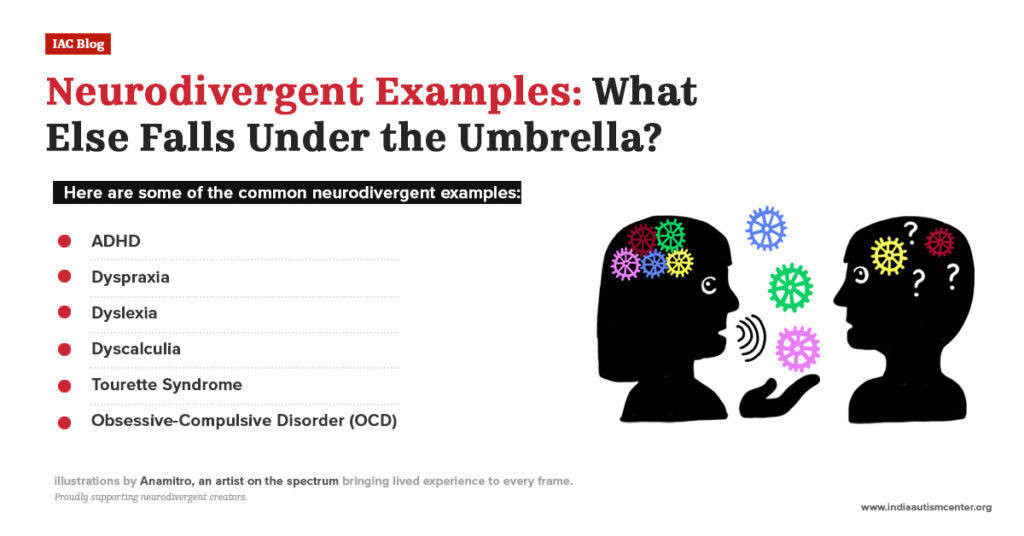
  • Autism in Teens: Understanding Teenage Autism and How to Support Them

    Autism in Teens: Understanding Teenage Autism and How to Support Them

    Autism in teens often presents new challenges as young people navigate puberty, school pressure, friendships, and independence. For families raising autistic children, the teen years can feel even more complex.

    In this blog, I will help you understand autism in the teen years, recognise the signs of autism in teenagers, and explore how to handle autism in teenagers with confidence and care.

    Understanding Autism in Teens

    Autism in teens refers to how Autism Spectrum Disorder (ASD) appears and evolves during adolescence. Many traits observed in childhood persist, but hormonal changes, social expectations, and academic pressure can make these traits more pronounced.

    Teenage autism does not look the same in every child. Some teens struggle mainly with communication. Others face challenges with emotions, sensory processing, or social behaviour. As a parent or caregiver, you may notice that your child becomes more aware of their differences during this phase.

    This awareness can lead to anxiety, frustration, or withdrawal. That is why understanding autism in teenagers is essential. When you know what is happening, you can respond with empathy instead of fear.

    Why Teenage Autism Feels More Complex

    The teenage years demand more independence, stronger social skills, and emotional regulation. These demands can be difficult for autistic teens.

    Here are some reasons why autism in teens can feel overwhelming:

    • Social rules become more complicated
    • Peer pressure increases
    • Academic expectations grow
    • Emotional changes intensify
    • Sensory sensitivity may worsen

    Want to know more? Get in touch with us.

    What Are the Signs of Autism in Teenagers?

    Many parents ask, what are the signs of autism in teenagers? Some signs appear early in childhood, while others become more visible during adolescence.

    Common signs of teenage autism include:

    Social and Communication Signs

    • Difficulty starting or maintaining conversations
    • Limited eye contact
    • Trouble understanding sarcasm or jokes
    • Preference for being alone
    • Difficulty forming close friendships

    Emotional and Behavioural Signs

    • Strong reactions to change
    • Anxiety or depression
    • Emotional outbursts or shutdowns
    • Rigid routines
    • Low frustration tolerance

    Sensory and Physical Signs

    • Sensitivity to noise, lights, or textures
    • Avoidance of crowded places
    • Unusual posture or repetitive movements

    Academic and Daily Life Signs

    • Trouble with time management
    • Difficulty with organization
    • Strong interest in specific topics
    • Challenges with self-care routines

    If you are wondering what the signs of autism in teenagers are, remember that no single sign confirms autism. A professional evaluation is always necessary.

    Because of this, some teens who coped well in childhood may suddenly struggle in adolescence. This does not mean regression. It means their environment has changed faster than their coping skills.

    Autism in the Teen Years and Mental Health

    Mental health becomes a critical topic during the teenage years. Many autistic teens experience:

    • Anxiety
    • Depression
    • Low self-esteem
    • Social fear
    • Burnout

    These feelings often come from trying to “fit in” or hide their autistic traits. This is known as masking. Masking may help them blend in socially, but it can also cause exhaustion and emotional distress.

    How to Handle Autism in Teenagers at Home

    Parents often ask, how to handle autism in teenagers in everyday life. The answer lies in structure, patience, and open communication.

    Here are practical strategies:

    1. Maintain Predictable Routines

    Routines reduce anxiety. Try to keep daily schedules consistent. Inform your teen in advance about changes.

    2. Communicate Clearly

    Use simple language. Avoid vague instructions. Say exactly what you mean.

    3. Encourage Independence

    Teach life skills slowly and step-by-step. Let your teen practice decision-making.

    4. Respect Sensory Needs

    If noise or crowds upset them, provide quiet spaces and headphones when needed.

    5. Validate Their Feelings

    Do not dismiss emotions. Say things like, “I understand this is hard for you.”

    Understanding how to handle autism in teenagers requires patience, not control. You are guiding, not forcing.

    Want to know more? Get in touch with us.

    How to Handle Autism in Teenagers at School

    School life is often the biggest challenge for teens with autism. Social pressure, exams, and classroom rules can be overwhelming.

    Helpful school-based strategies include:

    • Individualised Education Plans (IEPs)
    • Extra time during exams
    • Visual schedules
    • Safe spaces for breaks
    • Social skills training

    Teachers must understand autism during the teen years so they can respond with flexibility rather than punishment.

    Social Challenges in Autism in Teens

    Friendships become central during adolescence. For autistic teens, this stage can be painful.

    They may:

    • Want friends but do not know how to make them
    • Misread social cues
    • Be bullied or excluded
    • Feel different

    Social skills training and peer support groups help address these struggles. Learning how to greet, listen, and negotiate can change their social experience.

    Role of Therapy in Teenage Autism

    Therapies play a major role in managing teenage autistic children:

    • Occupational therapy improves daily living skills
    • Speech therapy strengthens communication
    • Behavioural therapy builds coping strategies
    • Psychological therapy supports mental health

    These therapies work best when combined with family involvement.

    Role of India Autism Center in Supporting Autism in Teens

    At India Autism Center (IAC), we understand that autism needs specialised care, irrespective of age. Teenagers are not children anymore, and they are not adults yet. Their support system must reflect this unique stage of life.

    IAC provides:

    • Structured therapy programs for adolescents
    • Life skills and vocational training
    • Emotional and behavioural support
    • Parent guidance and counseling
    • Inclusive learning environments

    IAC focuses on helping teens build confidence, communication, and independence. We do not only address symptoms. We work on the whole person.

    Through individualised plans, IAC ensures that each teen receives care suited to their strengths and challenges.

    Preparing for Adulthood in Autism in Teens

    Transition planning should begin early. This includes:

    • Career exploration
    • Skill assessment
    • Higher education options
    • Supported employment
    • Independent living training

    When planning starts during teen years, adulthood becomes less frightening and more achievable.

    Want to know more? Get in touch with us.

    When to Seek Professional Help

    Seek professional help if your teen shows:

    • Sudden withdrawal
    • Aggression
    • Severe anxiety
    • Academic decline
    • Self-harm behavior

    Conclusion

    Understanding autism in teens helps families replace fear with knowledge. When we recognise the signs of autism in teenagers and learn how to handle autism in teenagers, we create a path toward independence and dignity.

    India Autism Center plays a crucial role in shaping this path. Through structured programs, emotional support, and life skills training, IAC ensures that autism in teenagers becomes a stage of preparation, not struggle.

    If we guide our teens with patience and respect, we do not just help them survive adolescence. We help them build their future.

    Frequently Asked Questions (FAQs)

    What are the signs of autism in teenagers?

    The common signs of autism in teenagers include difficulty with social interaction, trouble understanding emotions, sensitivity to noise or light, rigid routines, anxiety, and challenges in communication. These signs of teenage autism may become more noticeable during puberty due to emotional and social changes.

    How to handle autism in teenagers effectively?

    To handle autism in teenagers, it is important to maintain structured routines, use clear communication, encourage independence, and provide emotional support. Therapy, life skills training, and parental guidance also play a major role in managing Autism in the Teen Years successfully.

    Why is Autism in the Teen Years different from childhood autism?

    Autism in the Teen Years is different because adolescents face increased academic pressure, social expectations, and hormonal changes. These factors can intensify emotional challenges, anxiety, and social difficulties, making teenage autism more complex than childhood autism.

    How can the India Autism Center help teens with autism?

    India Autism Center supports Autism in Teens through structured therapy programs, life skills development, vocational training, and emotional support. IAC focuses on preparing teenagers with autism for adulthood by improving independence, communication, and confidence.

    For expert insights, support services, and inclusive learning initiatives, visit the India Autism Center.
  • Choosing the Right Residential Care Facility for Autistic Adults: Questions to Ask

    Choosing the Right Residential Care Facility for Autistic Adults: Questions to Ask

    Choosing a home for your autistic adult child or loved one is one of the most emotional and important decisions you will ever make. You want safety, dignity and independence. That is exactly why selecting the right autism residential care facility matters so much.

    In this guide, I will walk you through everything you need to know about choosing the right autism residential center. I will also explain how India Autism Center (IAC) supports families in making this transition easier and more meaningful.

    Why an Autism Residential Care Facility Is Important

    An autism residential care facility is more than just accommodation. It is a structured living environment designed to meet the emotional, social, medical, and daily living needs of autistic adults. Many individuals on the spectrum need ongoing support even after school years are over. However, parents also age. Responsibilities change. Life situations evolve.

    That is where residential care becomes essential. It offers:

    • A safe and supervised living space
    • Daily life skill training
    • Therapy and health support
    • Social engagement opportunities
    • Long-term stability

    When you focus on choosing the right autism residential center, you are planning not just for today but for decades to come.

    Understanding the Needs of Autistic Adults

    Before you begin choosing the right autism residential center, you must clearly understand your loved one’s needs. Autism is a spectrum condition. No two individuals are the same. Some adults are highly independent. Others need continuous assistance.

    Ask yourself:

    • Can my child manage personal hygiene independently?
    • Do they need help with communication?
    • Are there behavioural challenges?
    • Do they require medical supervision?
    • What level of social interaction suits them?

    An effective autism residential care facility tailors its services to different levels of support. It does not follow a one-size-fits-all model.

    Want to know more? Get in touch with us.

    Key Features of a Quality Autism Residential Care Facility

    1. Safety and Infrastructure

    Safety is non-negotiable. A good residential care home for autism must have:

    • Secure boundaries
    • Sensory-friendly spaces
    • Emergency response systems
    • Clean and accessible rooms

    At India Autism Center, the infrastructure is designed keeping sensory sensitivities in mind. Lighting, colours, and layouts reduce stress and confusion.

    2. Trained and Compassionate Staff

    Staff quality defines the quality of life in a residential facility. Caregivers should be trained in:

    • Autism behavior management
    • Communication strategies
    • De-escalation techniques
    • Personal care assistance

    IAC focuses on continuous staff training. This ensures residents are not only cared for but also understood.

    3. Structured Daily Routine

    Routine brings comfort. A predictable schedule helps autistic adults feel secure. A good autism residential home offers:

    • Fixed meal times
    • Therapy sessions
    • Recreational activities
    • Rest periods

    4. Therapeutic and Medical Support

    A reliable autism residential care facility must provide or coordinate:

    • Occupational therapy
    • Speech therapy
    • Behavioral therapy
    • Psychiatric and medical care

    At IAC, therapy is not optional. It is part of everyday life. Each resident receives individualised care plans based on their abilities and goals.

    5. Life Skills and Independence Training

    Residential care should not mean lifelong dependence. It should promote independence.

    A strong autism residential care facility teaches:

    • Personal hygiene
    • Dressing and grooming
    • Cooking and food handling
    • Money management
    • Basic work skills

    6. Social and Emotional Development

    Loneliness is a serious concern for autistic adults. A well-designed residential home encourages:

    • Group activities
    • Sports and fitness
    • Art and music programs
    • Peer interaction

    7. Family Involvement and Transparency

    You should never feel disconnected. A responsible autism residential home allows:

    • Regular visits
    • Progress updates
    • Family counseling
    • Open communication

    8. Legal, Ethical, and Financial Considerations

    While choosing, you must also check:

    • Legal registration
    • Care standards compliance
    • Financial transparency
    • Long-term sustainability

    Questions to Ask When Choosing the Right Autism Residential Care Facility

    When visiting an autism residential facility, ask these questions:

    1. What staff-to-resident ratio do you maintain?
    2. What therapies are included?
    3. How do you handle medical emergencies?
    4. What safety measures are in place?
    5. How do you support emotional well-being?
    6. What is the long-term care plan?

    Want to know more? Get in touch with us.

    Why is IAC the Perfect Fit for You?

    1. We are focused on the happiness and well-being of our residents. We believe recreational activities play a crucial role in the quality of life and mental health of autistic individuals. From art and music therapy to outdoor activities and sports. We have it all. Our recreational programmes are structured to promote a sense of belonging and community. It’s an excellent way for our residents to develop emotional bonds, friendships, and fun hobbies.
    2. We understand the importance of family. Our specialised residential facilities for families of autistic individuals help foster a supportive and comfortable living environment. We are aware and sensitive to the challenges that caregivers of autistic individuals face. Our facilities also include a Parents’ Housing Block. Families of autistic individuals can make this their home and enjoy the full support of the IAC family. 
    3. We value the safety of every individual who is part of the IAC family. We have 24×7 patrolling and CCTV surveillance. Once you are a part of the IAC family, your safety is our concern. Not yours. 
    4. We take nutrition therapy very seriously. At IAC, we fully recognise the importance of nutrition therapy for autism disorder. Our kitchen services and nutrition experts take care that mealtimes are customised, nutritious and stress-free. We promise to make every effort to optimise our residents’ gut microbiota. Nutrition therapy is as much a part of our interventions as any other therapy. 

    Conclusion

    Autism residential center is not just about infrastructure. It is about trust, dignity. It is about lifelong care.

    An ideal autism home offers safety, therapy, independence training, and emotional support. It respects individuality and nurtures potential.

    At India Autism Center, residential care is not the end of a journey. It is the beginning of a meaningful and supported adult life.

    If you are planning for your child’s future, start today. Visit facilities. Ask questions. Compare services. And remember, choosing wisely today ensures peace of mind tomorrow.

    Frequently Asked Questions (FAQs)

    What is an Autism Residential Care Facility?

    An autism residential care facility is a specialised living environment that provides long-term housing, therapy, and daily life support for autistic adults.

    When should I consider choosing a residential home?

    You should consider it when your child reaches adulthood or when home care becomes difficult to manage safely and effectively.

    How does India Autism Center support residential care?

    India Autism Center offers structured residential programs with therapy, vocational training, and medical support for lifelong care.

    What should I prioritise when choosing an autism residential center?

    You should prioritise safety, trained staff, therapy access, emotional well-being, and long-term sustainability.

    For expert insights, support services, and inclusive learning initiatives, visit the India Autism Center.
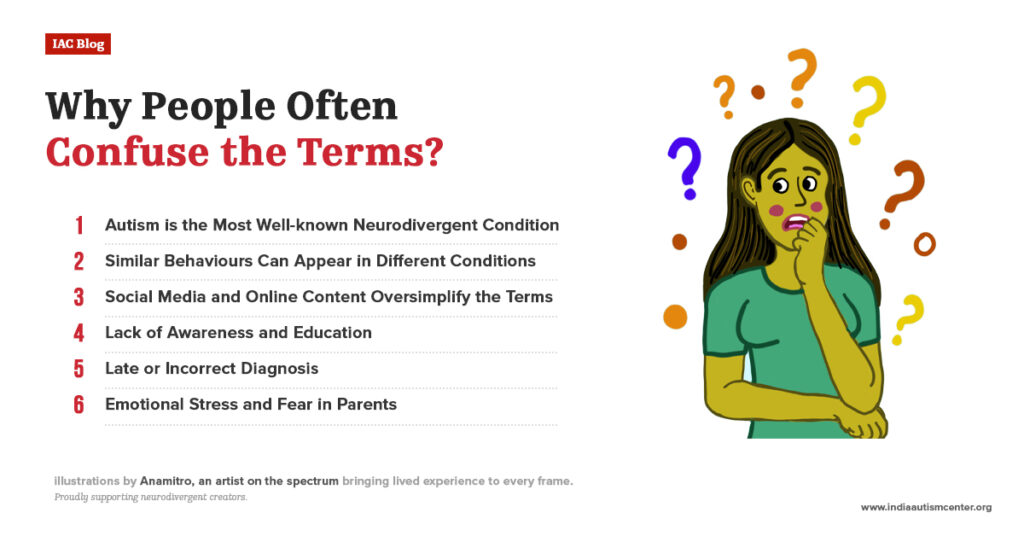
  • Unlocking Potential: The Crucial Role of Occupational Therapy for Autistic Children

    Unlocking Potential: The Crucial Role of Occupational Therapy for Autistic Children

    When your child is on the autism spectrum, everyday activities can feel overwhelming. Dressing up, holding a pencil, eating with a spoon, or even sitting calmly in a classroom may require extra effort. This is where the role of occupational therapy for autistic children becomes life-changing.

    Occupational therapy in autism focuses on helping individuals become more independent and confident in daily life. It does not aim to change who they are. Instead, it helps them adapt, grow, and function better in their world.

    At India Autism Center (IAC), we see this transformation every day. Our structured therapy programs help children strengthen their abilities while respecting their individuality.

    Understanding the Role of Occupational Therapy for Autistic Children

    The role of occupational therapy for autistic children is to help them perform daily activities with ease and confidence. These activities include self-care, school tasks, play, and social participation.

    Occupational therapy focuses on:

    We work with children to improve how they interact with their environment. We also support families by teaching practical strategies they can use at home.

    Unlike traditional learning methods, occupational therapy for autistic children uses play-based and goal-oriented techniques. Each therapy plan is personalised. This ensures that your child’s strengths and challenges are both addressed.

    Early Intervention: A Game-Changer

    Research consistently demonstrates that early intervention for autism is key to improving outcomes for autistic children. 

    According to a study published in the American Journal of Occupational Therapy, early intervention occupational therapy significantly improves the adaptive behaviours and social participation of autistic children. The study underscores the need for a comprehensive and early approach to address the complex needs of these children.

    Early identification and targeted interventions during the formative years can significantly impact their cognitive, social, and emotional development. This is where occupational therapy becomes a game-changer.

    Well, here’s a detailed guide on the role of early intervention in autism spectrum disorder.

    Want to know more? Get in touch with us.

    Key Areas Addressed in Occupational Therapy for Autistic Children

    Sensory Processing and Integration

    Many autistic children are either too sensitive or under-sensitive to sensory input. Loud sounds, bright lights, or rough textures can cause distress.

    The role of occupational therapy for autistic children includes helping them manage sensory input. Therapists use activities such as:

    • Swinging
    • Deep pressure therapy
    • Tactile play
    • Balance exercises

    These activities help children process sensory information correctly. Over time, this improves attention and behaviour.

    Fine Motor Skill Development

    Fine motor skills allow children to use their hands efficiently. These include holding a spoon, buttoning a shirt, or writing with a pencil.

    Occupational therapy for autistic children strengthens hand muscles and coordination through:

    • Clay moulding
    • Drawing and colouring
    • Puzzle-solving
    • Pegboard activities

    At IAC, we design tasks that feel like play. This keeps children engaged and motivated.

    Gross Motor Skills and Body Awareness

    Gross motor skills involve large muscle movements such as running, jumping, and climbing. Many autistic children struggle with balance and coordination.

    The role of occupational therapy includes improving posture, stability, and movement patterns. Therapists use:

    • Obstacle courses
    • Trampoline exercises
    • Ball games
    • Balance boards

    These exercises build strength and confidence while reducing fear of movement.

    Self-Care and Daily Living Skills

    One of the most important aspects of the role of occupational therapy for autistic children is teaching self-care.

    These include:

    • Brushing teeth
    • Dressing
    • Feeding
    • Toileting
    • Bathing

    We break tasks into smaller steps. Then, we teach each step using repetition and visual cues. Over time, children learn routines and become more independent.

    At IAC, we involve parents in this process. This ensures consistency between therapy sessions and home routines.

    Emotional Regulation and Behaviour Management

    Autistic children may struggle to understand or express emotions. This can lead to meltdowns or withdrawal.

    The role of occupational therapy is to help children:

    • Recognise emotions
    • Develop coping strategies
    • Practice calming techniques

    Therapists use tools such as:

    • Visual emotion charts
    • Deep breathing exercises
    • Structured play
    • Sensory breaks

    These methods help children feel safe and understood.

    How Occupational Therapy Supports Learning and School Readiness

    School can be overwhelming for autistic children. Sitting still, following instructions, and writing can be difficult.

    Occupational therapy for autistic children supports school readiness by improving:

    • Attention span
    • Handwriting skills
    • Task completion
    • Classroom behaviour

    The role of occupational therapy for autistic children is not academic teaching. Instead, it prepares children to access education successfully.

    At IAC, our therapists work closely with special educators. This ensures that therapy goals align with learning objectives.

    Want to know more? Get in touch with us.

    The Role of Occupational Therapy in Social Development

    Social interaction is often challenging for autistic children. They may struggle with eye contact, turn-taking, or understanding social cues.

    The role of occupational therapy includes:

    • Teaching play skills
    • Encouraging peer interaction
    • Building communication through activity

    Therapists use group sessions and role-play games. These activities create safe opportunities for social learning.

    At IAC, social participation is part of therapy, not a separate goal. We believe inclusion begins with everyday interaction.

    Read our blog on Occupational Therapy for Autism: Complete Guide (2026).

    Long-Term Benefits of Occupational Therapy for Autistic Children

    The impact of therapy extends into adulthood. The role of occupational therapy for autistic children prepares them for long-term independence.

    Benefits include:

    • Improved self-care
    • Better emotional control
    • Increased confidence
    • Enhanced social skills
    • Greater participation in daily life

    At IAC, we focus on functional outcomes. Our goal is not just development but dignity and autonomy.

    Individualised Therapy: A Core Principle at IAC

    No two children with autism are the same. Therefore, the role of occupational therapy in autism becomes more crucial.

    At IAC, we follow a structured assessment process:

    • Functional skill evaluation
    • Sensory profile analysis
    • Parent interviews
    • Goal-setting

    Based on this, we design personalised therapy plans. These plans evolve as the child grows.

    We also use:

    • Evidence-based methods
    • Multidisciplinary collaboration
    • Regular progress reviews

    This ensures measurable improvement.

    The Role of IAC in Making Occupational Therapy Accessible

    The role of occupational therapy for autistic children is central to our service model.

    We offer:

    • Specialised therapy units
    • Trained occupational therapists
    • Integrated care with speech and behavioural therapy
    • Safe and child-friendly environments

    Our infrastructure is designed to support sensory needs. We use adaptive tools and therapeutic equipment to ensure effective sessions.

    Through research and innovation, IAC continues to improve therapy standards in India. We also work toward building awareness about the role of occupational therapy in autism care.

    Want to know more? Get in touch with us.

    Common Myths About Occupational Therapy

    Myth 1: Occupational therapy is only for physical disabilities

    Fact: The role of occupational therapy includes sensory, emotional, and cognitive development.

    Myth 2: Therapy is only needed for young children

    Fact: Occupational Therapy for Autistic Children benefits all age groups, including adolescents.

    Myth 3: Results appear immediately

    Fact: Therapy is a gradual process. Consistency brings progress.

    When Should You Start Occupational Therapy?

    Early intervention is key. The role of occupational therapy becomes more effective when started early.

    Signs your child may benefit include:

    • Difficulty with daily routines
    • Sensory sensitivity
    • Poor motor coordination
    • Delayed play skills
    • Emotional outbursts

    Conclusion

    The role of occupational therapy for autistic children is about more than skill-building. It is about empowerment. It is about helping children participate in life with confidence.

    Through structured intervention, emotional support, and family involvement, occupational therapy creates meaningful change.

    At India Autism Center, we are dedicated to making this change possible. Our goal is to support every child’s journey toward independence and inclusion.

    Frequently Asked Questions (FAQs)

    What is the role of occupational therapy for autistic children

    The role of occupational therapy for autistic children is to help them develop daily living skills, improve sensory processing, enhance motor coordination, and support emotional regulation so they can function more independently.

    How does occupational therapy help autistic children in daily life?

    Occupational therapy for autistic children improves self-care skills such as dressing, eating, and hygiene. It also helps with school readiness, social interaction, and managing sensory challenges.

    At what age should occupational therapy for autistic children begin?

    The role of occupational therapy is most effective when started early, ideally as soon as developmental delays or autism-related challenges are identified. However, children of all ages can benefit from therapy.

    How does the India Autism Center support occupational therapy for autistic children?

    India Autism Center (IAC) provides personalised therapy programs, trained occupational therapists, sensory-friendly environments, and integrated care with speech and behavioural therapy to ensure holistic development.

    For expert insights, support services, and inclusive learning initiatives, visit the India Autism Center.
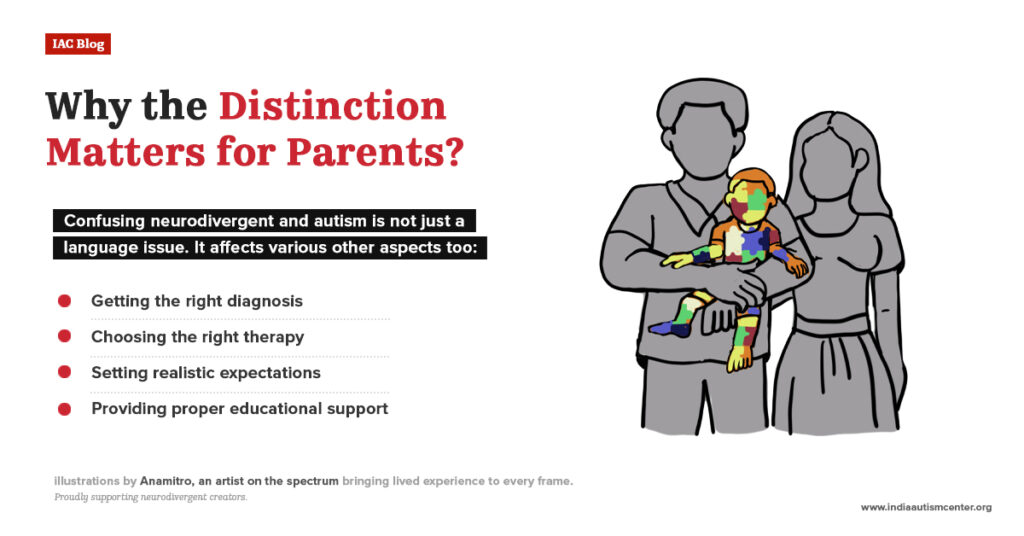
  • Unveiling the Extraordinary: Autism’s Special Talents and Unique Abilities

    Unveiling the Extraordinary: Autism’s Special Talents and Unique Abilities

    Autism is often discussed in terms of challenges — communication differences, social expectations, sensory needs, and behavioural features. But there’s another side that often goes uncelebrated. Yes, I’m talking about autism’s special talents and unique abilities — strengths that are powerful, inspiring, and deeply human.

    In this blog, you’ll discover what these talents are, how they show up, why they matter, and how India Autism Center (IAC) supports individuals with autism to embrace their strengths and grow their abilities.

    What Are Autism’s Special Talents and Unique Abilities?

    Autism Spectrum Disorder (ASD) is not a single condition. It’s a spectrum — meaning every individual is different. Some autistic people may struggle with communication and social skills. Others may have extraordinary strengths in certain areas. These strengths might be subtle, like paying attention to tiny details or more dramatic, like musical or artistic genius.

    Autism’s special talents and unique abilities refer to the natural strengths many autistic individuals develop. These strengths can take many forms, from remarkable memory skills to intense focus and creativity.

    We often use the term autism special abilities to describe these natural strengths. Similarly, when an individual displays exceptionally high ability in a narrow area, like rapid math calculation or perfect pitch in music, we might describe these as savant skills in autism.

    Want to know more? Get in touch with us.

    The Strengths and Abilities Seen in Autism

    Autism brings a range of strengths that deserve recognition and appreciation. These strengths are a key part of autism’s special abilities. It doesn’t mean that every autistic person will exhibit all these traits, but they are common pathways where many individuals shine.

    1. Enhanced Attention to Detail

    Have you ever noticed how some people with autism seem to see patterns others miss? They might spot tiny errors, remember small facts, or notice things before anyone else does. This attention to detail is one of the most common strengths.

    For example:

    • Identifying repeated patterns in a dataset
    • Recognising minute differences in visual art
    • Spotting inconsistencies during quality checks

    This strength may feel effortless for an autistic child, but it’s incredibly valuable in areas like research, design, data work, and science.

    2. Exceptional Memory

    A powerful memory is another hallmark strength for many autistic individuals. Some remember long strings of information. Others recall details from scenes, dates, or concepts hours or even years later.

    This type of memory can help in:

    • Academic success
    • Language learning
    • Professional creative work
    • Technical problem-solving

    For many, memory is not just a skill — it’s a lifelong talent they can build upon.

    3. Deep Logical Thinking

    Many autistic individuals approach problems differently. Rather than jumping to a conclusion, they examine all angles and pieces. This logical thinking helps in complex thinking tasks, math, engineering, puzzles, and even strategic games.

    This kind of analytical ability can translate into real-world success when nurtured properly.

    4. Hyperfocus: One of the Most Recognised Autism Special Abilities

    One of the most fascinating strengths is hyperfocus — an intense ability to concentrate on something of interest for long periods.

    Hyperfocus isn’t “stubbornness” or “fixation.” It’s a genuine cognitive pattern. When an autistic individual is truly interested in something — like coding, art, history, or mechanics — they can dive deep and remain engaged far beyond a typical attention span.

    This strength can turn hobbies into careers and passions into expertise.

    Understanding Savant Skills in Autism

    You might have heard about savant skills in autism on TV — especially in movies like Rain Man. But it’s important to explain what this really means.

    A savant skill is an extraordinary ability or talent that goes well beyond typical human capacities in specific areas. It’s found in only a small subset of autistic individuals — not everyone on the spectrum.

    These skills may include:

    • Mathematical brilliance — calculating complex numbers quickly
    • Musical genius — identifying pitches perfectly or playing instruments by ear
    • Artistic mastery — producing detailed and intricate works
    • Extraordinary memory — remembering facts or sequences with precision

    While savant skills are rare, they show us how different forms of intelligence can emerge in unique and powerful ways. It reminds us that intelligence isn’t one-size-fits-all.

    Note: Not every autistic person has savant skills — and that’s okay. Autism’s special talents and unique abilities are broader than just these rare presentations.

    Want to know more? Get in touch with us.

    The Many Forms of Unique Talents

    Beyond savant skills, many autistic individuals display unique talents that are equally worthy of celebration. These skills might not be “world-renowned,” but they are personally meaningful and socially valuable.

    Some examples include:

    • Creative storytelling
    • Pattern recognition
    • Visual thinking
    • Deep curiosity about specific subjects
    • Innovative problem-solving
    • Detail-driven crafts and hobbies

    These are all part of the broad spectrum of autism’s special abilities. They may not fit a traditional “gifted” label, but they reflect intelligent, creative, and thoughtful ways of experiencing the world.

    Why These Savant Skills Matter

    Sometimes, society focuses too much on what autistic individuals struggle with. But when we emphasise their strengths and abilities, we shift the conversation to potential.

    Here’s why this matters:

    1. It Builds Confidence

    Recognising strengths helps a person with autism feel valued for who they are — not “fixed” or “changed.”

    2. It Supports Mental Well-Being

    Strength-based approaches reduce anxiety and frustration. They help people build self-worth.

    3. It Leads to Success Paths

    When your strengths guide your education, career, or hobbies, you’re far more likely to thrive.

    The Role of IAC in Nurturing Autism’s Special Talents and Unique Abilities

    At IAC, I’ve seen firsthand how the right support can transform potential into reality.

    IAC focuses on strength-based autism support. We don’t just help with challenges — we help uncover hidden abilities and special talents in every individual.

    Here’s how IAC makes that possible:

    Individualised Assessments

    At IAC, every child and adult receives personalised evaluations. These assessments help identify strengths — whether it’s memory, focus, logic, creativity, or social learning.

    Strength-Based Learning Plans

    Based on individual abilities, IAC creates custom learning plans. These plans use strengths to support development. For example:

    • A child with strong visual thinking may excel in digital art or design.
    • A student with hyperfocus may thrive in coding or scientific research programs.

    Supportive Education and Therapy

    IAC uses therapies that boost abilities and promote independence. This includes structured learning, communication support, social skills training, and creative expression. These programs don’t just teach skills — they honour each person’s unique learning style and pace.

    Family Guidance and Empowerment

    Families play a central role. IAC equips caregivers with tools to nurture talents at home. When families understand strengths, they can provide consistent encouragement and meaningful opportunities.

    Want to know more? Get in touch with us.

    How You Can Support and Celebrate These Autism Special Abilities

    If you’re reading this and thinking about someone you care for, here are some actionable steps:

    Observe What They Love

    Pay attention to activities they return to again and again.

    Encourage Strength-Based Tasks

    Let them explore areas where they naturally succeed. This builds confidence.

    Provide Opportunities for Growth

    Enrol them in classes, clubs, or mentorships that nourish their interests.

    Focus on Effort, Not Just Outcome

    Praise dedication, resilience, and creative problem-solving — not just trophies or results.

    Challenges and Opportunities

    While celebrating autism strengths and abilities, it’s crucial to recognise the ongoing challenges that autistic individuals may face. Social and communication difficulties, sensory sensitivities, and the need for routine can present hurdles in various aspects of life. Addressing these challenges requires a multifaceted approach that combines support, understanding, and accommodation.

    Conclusion

    Autism is more than a diagnosis. It’s a unique way of interacting with the world — a way that brings distinct talents, powerful minds, and incredible creativity.

    Whether it’s the intense focus of hyperfocus, the brilliance seen in some savant skills, or the quiet strength of attention to detail — all these talents deserve appreciation and support.

    At IAC, we are committed to nurturing these abilities, promoting understanding, and helping every individual flourish on their own terms.

    If you’re ready to learn more about how we work with strengths — from educational planning to talent development — reach out to IAC today. Together, we can help autistic individuals not just overcome challenges, but celebrate their remarkable gifts.

    Frequently Asked Questions (FAQs)

    What are Autism’s Special Talents and Unique Abilities?

    Autism’s special talents and unique abilities refer to the natural strengths many autistic individuals show, such as strong memory, attention to detail, creative thinking, logical reasoning, and deep focus. These autism special abilities vary from person to person and can appear in academic, artistic, or technical areas.

    What are savant skills in autism?

    Savant skills in autism are rare but exceptional abilities seen in some individuals, such as extraordinary talent in mathematics, music, art, or memory. While not every autistic person has savant skills, these abilities highlight the unique cognitive strengths that can exist within the autism spectrum.

    How can parents support the strengths and abilities in children with autism?

    Parents can support the strengths and abilities in children with autism by observing their interests, encouraging skill-based activities, providing structured learning opportunities, and focusing on their abilities rather than only on challenges. Strength-based learning helps build confidence and long-term independence.

    How does India Autism Center (IAC) help nurture autism’s special abilities?

    India Autism Center (IAC) supports autism special abilities through personalised assessments, strength-based learning plans, therapeutic programs, and family guidance. IAC focuses on identifying each child’s unique talents and helping them develop those abilities alongside essential life and communication skills.

    For expert insights, support services, and inclusive learning initiatives, visit the India Autism Center.
Privacy Overview

This website uses cookies so that we can provide you with the best user experience possible. Cookie information is stored in your browser and performs functions such as recognising you when you return to our website and helping our team to understand which sections of the website you find most interesting and useful.