Category: adhd

  • Autism and Stimming: What Parents Need to Know

    Autism and Stimming: What Parents Need to Know

    When you observe someone repeatedly rocking, flicking their fingers, or humming a single note, you are witnessing a natural mechanism called self-regulatory behaviour. In clinical settings, this is known as stereotypic movement, but within the neurodivergent community, it is called stimming. 

    While everyone engages in mild self-regulation, like tapping a foot or twirling a pen, the intensity and purpose of these actions are distinct within the context of autism spectrum disorder.

    According to the World Health Organization, autism affects roughly 1 in 127 people globally, meaning millions of families navigate these sensory needs daily. 

    Furthermore, research shows that autistic individuals engage in significant self-regulatory behaviours to manage their surroundings. Recognising what this stimming behaviour means is the first step toward true acceptance.

    What Is Stimming?

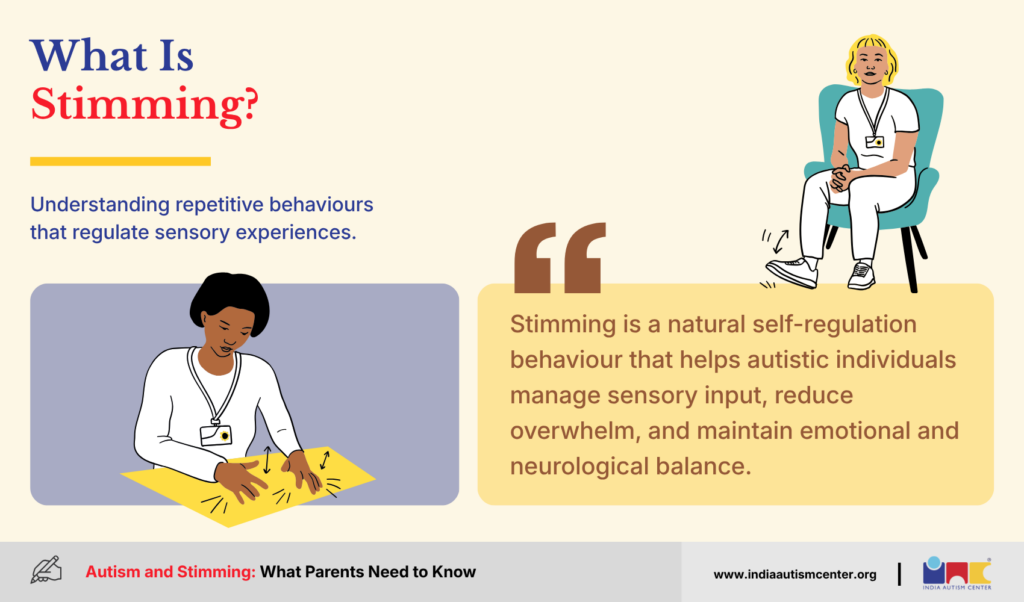
    Person tapping their hands and moving their foot as examples of stimming behaviour

    To truly grasp this concept, one must first ask: What is stimming? The term itself is short for self-stimulatory behaviour. In essence, it refers to repetitive physical movements, vocal sounds, or tactile manipulations that stimulate one or more of the body’s senses.

    The fundamental meaning of stimming revolves around neurological management. Every human brain requires a baseline level of sensory input to function comfortably. For neurotypical individuals, the brain automatically filters out background noise, flickering lights, or the texture of clothing. However, an autistic brain processes sensory data differently. When the environment becomes too overwhelming or too dull, a person uses physical actions to regulate their nervous system manually.

    It is important to understand that an autism stimming response is not a purposeless habit. It serves as a personal thermostat, helping an individual turn down the volume of a chaotic room or wake up an under-stimulated nervous system. Because it is tied directly to how the brain handles internal and external stimuli, it remains a primary diagnostic feature of autism spectrum disorder under standard clinical manuals like the DSM-5.

    📥 Free download: Printable daily routine chart for autistic children 

    Why Do Kids with Autism Stim?

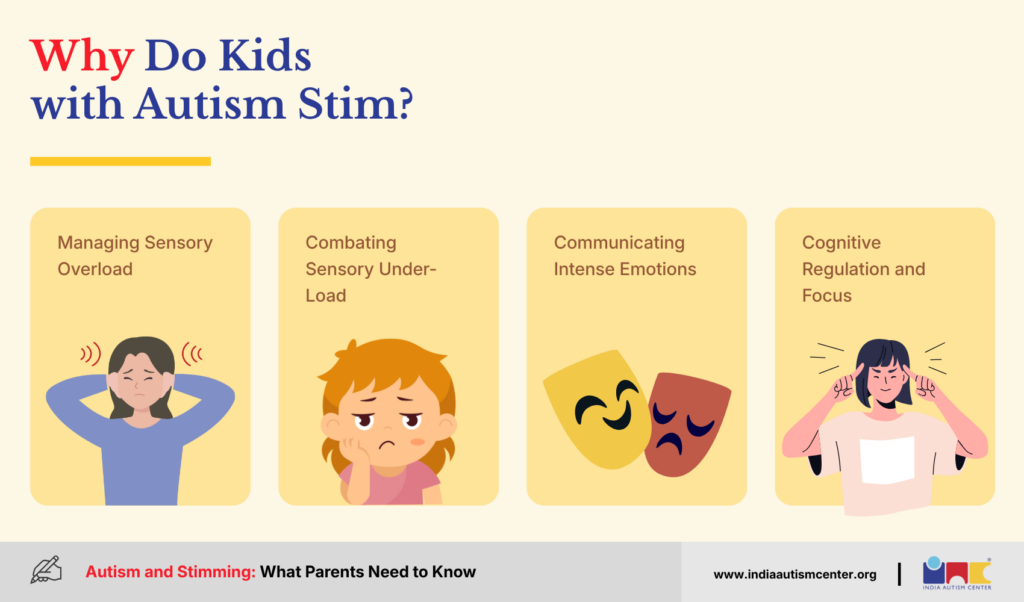
    Reasons autistic children may stim, including sensory regulation, emotions and focus

    Parents and educators frequently wonder why kids with autism stim, especially when the chosen action appears unusual to onlookers. The reasons are deeply tied to sensory processing, emotional expression, and cognitive load management.

    1. Managing Sensory Overload

    Many autistic children experience hyperreactivity to sensory input. A normal classroom can feel like a rock concert, with fluorescent lights humming loudly and multiple voices blending. 

    In these moments, repetitive actions like hand-flapping or humming help the child focus on one predictable, self-generated sensation, effectively blocking out the unpredictable sensory chaos around them.

    2. Combating Sensory Under-Load

    Conversely, a child might experience hypo-reactivity, where their brain requires more input than the environment provides. If a room is too quiet or a task is too stagnant, a child might rock or spin to activate their vestibular system, which helps maintain balance and spatial orientation and keeps their brain alert.

    3. Communicating Intense Emotions

    Because verbal communication can be challenging during moments of high emotional intensity, physical actions often serve as an emotional release valve. Joy, anxiety, frustration, and excitement can all trigger the same physical response. 

    A child might jump up and down rapidly when they see their favourite toy, or they might pace when they feel anxious about a transition between activities.

    4. Cognitive Regulation and Focus

    Engaging in a familiar, repetitive movement frees up cognitive bandwidth. When an autistic individual is concentrating on a difficult problem or listening to complex instructions, a small physical action can ground them, reducing internal anxiety and allowing them to focus on the task at hand.

    Want to know more? Get in touch with us.

    What Are the Types of Stimming in Autism?

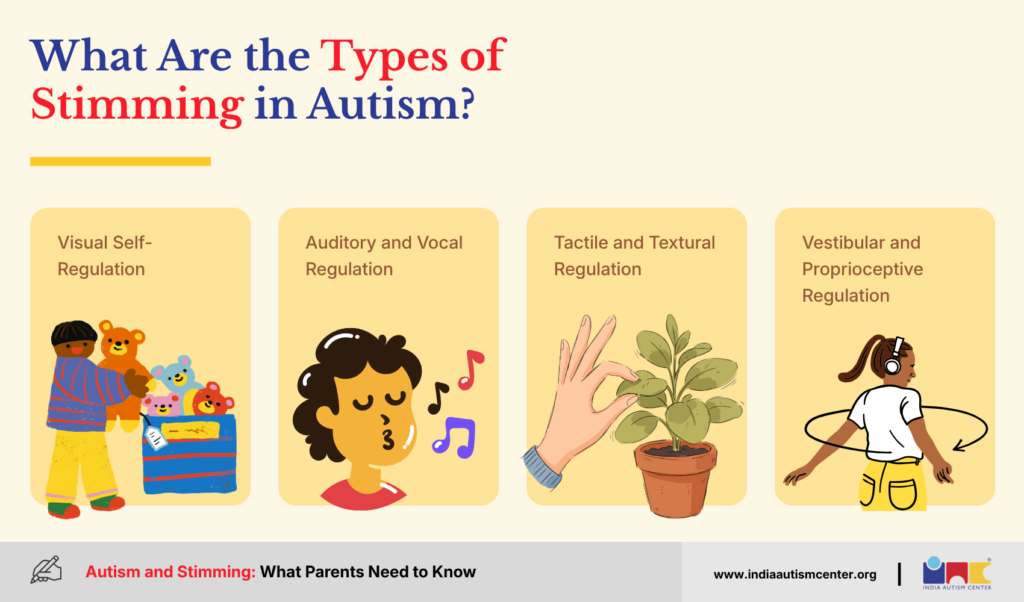
    Visual, auditory, tactile and vestibular types of stimming in autism

    Because our bodies process information through multiple sensory pathways, the types of stimming in autism are incredibly diverse. They generally align with the primary human senses.

    Visual Self-Regulation

    Visual regulation involves manipulating objects or the eyes to change how light and movement are perceived. This might look like staring at spinning fan blades, lining up toys precisely to look at them from a specific angle, or blinking rapidly. Some individuals enjoy watching liquids move or tracking their own fingers across their field of vision.

    Auditory and Vocal Regulation

    Auditory actions focus on sound and rhythm. This includes humming, making specific clicking noises with the tongue, or repeating words and phrases out of context, a phenomenon known as echolalia. Autistic individuals may also rapidly cover and uncover their ears to create a mechanical “wah-wah” sound effect from ambient room noise.

    Tactile and Textural Regulation

    Tactile regulation involves the sense of touch. This includes rubbing specific fabrics like velvet or silk, running fingers over rough surfaces, scratching, or tapping objects against the skin. Individuals who use tactile regulation often seek out specific textures that offer immediate comfort or grounding during stressful situations.

    Vestibular and Proprioceptive Regulation

    The vestibular sense controls balance, while the proprioceptive sense handles body awareness in space. Actions targeting these systems are often the most physically noticeable. They include rocking the entire upper body, spinning in circles, pacing back and forth, jumping, or hanging upside down. 

    These actions provide deep pressure or intense motion feedback to the brain, which has a profound calming effect on the nervous system.

    What Are the Common Autism Stimming Examples?

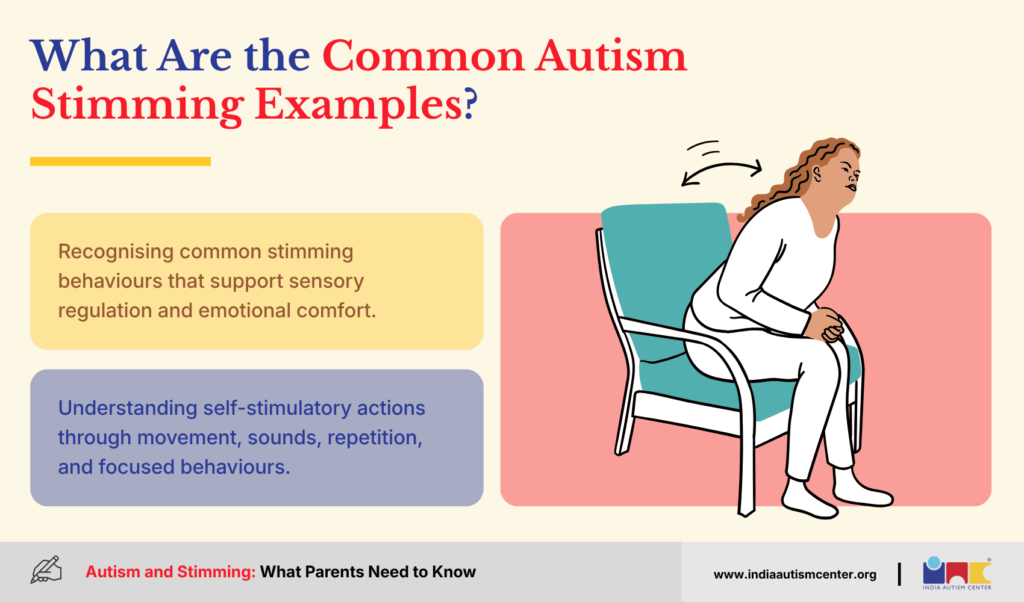
    Person rocking in a chair as an example of autism stimming

    To help identify these behaviours in daily life, let us examine some clear, real-world examples of autism stimming. Every individual has a unique profile, meaning one person may only show one of these signs, while another might display several depending on their mood and environment.

    • Hand-Flapping: Moving the hands rapidly from the wrists, often occurring near the chest or face during times of high excitement or distress.
    • Body Rocking: Seated or standing, rocking back and forth or side to side, often used to induce sleep or calm anxiety.
    • Pacing or Tip-Toe Walking: Walking back and forth across a specific path, or walking permanently on the balls of the feet to alter the impact force on the joints.
    • Echolalia: Repeating sentences from movies, books, or recent conversations exactly as they were heard, using the rhythm of the words as a comfort mechanism.
    • Object Spinning: Taking household items like plates, coins, or wheels and spinning them repeatedly while watching them closely.
    • Finger Flicking: Snapping fingers or waving them quickly right in front of the eyes to fragment incoming light.
    • Vocal Groaning or Humming: Producing a continuous, low-frequency sound that vibrates the chest wall, providing internal tactile and auditory feedback.

    Stimming: ADHD vs Autism

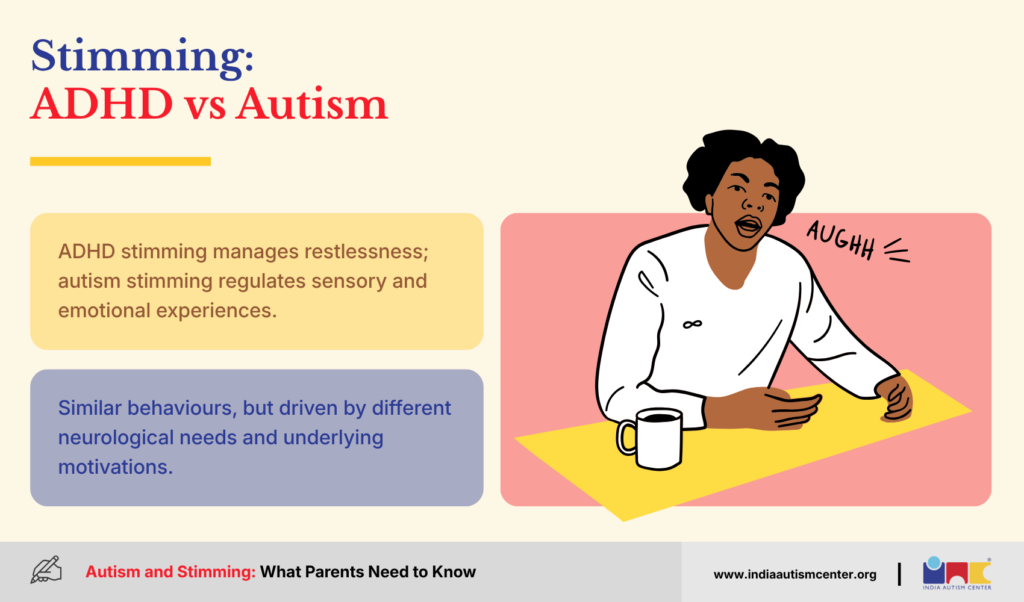
    Comparison of stimming behaviours associated with ADHD and autism

    A frequent point of confusion for educators and clinicians alike involves distinguishing between stimming adhd vs autism. Because Attention Deficit Hyperactivity Disorder(ADHD) and autism are both neurodevelopmental conditions that frequently co-occur, they share overlapping physical traits. However, the internal driver behind the behaviour is often quite different.

    FeatureADHD DrivenAutism Driven
    Primary DriverBoredom, restlessness, and a need for physical discharge to sustain attention.Sensory processing differences, emotional overwhelm, or environmental change.
    PredictabilityOften random, changing based on what objects are nearby.Highly structured, specific, and predictable over long periods.
    DurationShort bursts that stop once the individual finds a new focus.Sustained for extended periods, sometimes hours if uninhibited.
    FocusAimed at burning off excess energy or fidgeting to stay awake.Aimed at soothing a dysregulated nervous system or creating comfort.

    An individual with ADHD might tap their foot or click a pen because their brain is seeking dopamine to stay awake during a boring lecture. Once the lecture ends, the tapping stops. For an autistic individual, a physical action like rocking is a deeply structured tool used to manage sensory overload or express an intense internal emotion, and it will continue until the internal nervous system returns to equilibrium.

    Can You Stim Without Having Autism?

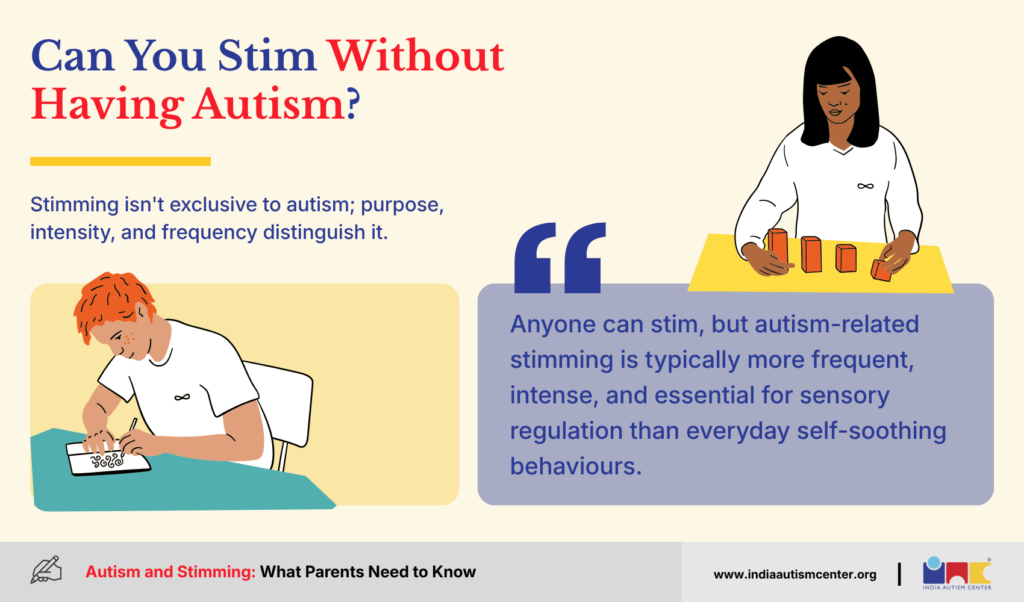
    Examples of repetitive self-soothing behaviours in people without autism

    A critical question many people ask after learning about these behaviours is: Can you stim and not have autism? The definitive answer is yes. Self-regulation is a universal human trait. If you have ever twirled your hair while thinking, bitten your nails when nervous, or tapped your foot during a long meeting, you have engaged in a mild form of self-regulatory behaviour.

    The presence of repetitive physical movements alone is not enough to warrant a diagnosis of autism spectrum disorder. The distinction lies in the intensity, frequency, and overall impact on daily functioning.

    For neurotypical individuals, these actions are usually subconscious, easily suppressed if they draw unwanted attention, and rarely interfere with daily tasks. For an autistic individual, the action is often non-negotiable, intensely felt, and necessary for cognitive processing.

    Furthermore, other conditions besides autism feature prominent self-regulatory behaviours. Individuals with sensory processing disorders, anxiety disorders, Tourette syndrome, and obsessive-compulsive disorder all utilise repetitive movements to cope with internal stress or neurological imbalances. Therefore, while all autistic people stim, not everyone who does so is autistic.

    Want to know more? Get in touch with us.

    When Does Self-Regulation Require Intervention?

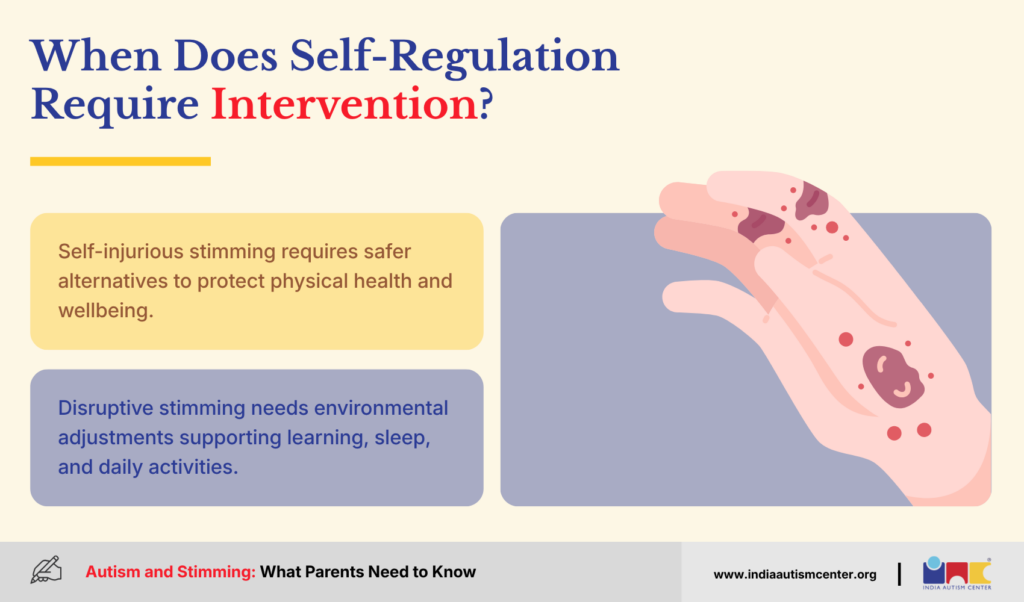
    Illustration explaining when harmful or disruptive stimming may require support

    In the past, traditional behavioural therapies focused on eliminating repetitive movements to make neurodivergent individuals appear indistinguishable from their neurotypical peers. Today, the medical consensus has shifted dramatically. Because these behaviours are recognised as helpful coping mechanisms, forcing an individual to suppress them can lead to increased anxiety, depression, and severe autistic burnout.

    However, there are specific scenarios where intervention is necessary. Support should be considered if the behaviour becomes harmful or severely limiting.

    1. Self-Injurious Actions

    Some individuals engage in behaviours that cause physical harm, such as head-banging against walls, severe skin-picking, or biting their own arms. In these cases, the action must be taken to protect the person’s physical health. Intervention should never focus on simple suppression; instead, it must identify the underlying trigger and guide the individual toward a safer, alternative physical outlet that provides the same sensory feedback.

    2. Disruption to Learning and Daily Living

    If a physical action is so intense that it prevents a child from eating, sleeping, or engaging with educational materials, adjustments are needed. Rather than stopping the action, therapists work to modify the environment to reduce the stress that created the need for the action in the first place.

    How Can India Autism Center Help?

    Therapist supporting an autistic child through play-based activities at India Autism Center

    The India Autism Centre is a pioneering initiative dedicated to redefining how neurodiversity is understood and supported across the nation. Recognising that true care goes far beyond clinical intervention, the centre focuses on building holistic ecosystem environments where autistic individuals can learn, grow, and express themselves naturally. 

    Through evidence-based resources, community outreach, and comprehensive therapy frameworks, the organisation works tirelessly to foster global standards of acceptance, support, and care, ensuring that every individual has the space to thrive on their own terms.

    Conclusion

    Autistic child completing a puzzle and using a sensory stress ball for self-regulation

    Accepting stimming behaviour as a fundamental part of the neurodivergent experience is vital for cultivating an inclusive society. These repetitive, self-regulatory actions are not disruptions to be eliminated but essential tools that help autistic individuals balance their nervous systems and navigate an overwhelming world. 

    True support means moving beyond mere tolerance and actively creating environments where neurodivergent individuals can express themselves freely and safely, without fear of judgment. Through dedicated awareness, community dialogue, and evidence-based care, we can dismantle long-standing misconceptions. 

    By embracing these unique expressions of self-regulation, we move closer to creating a truly compassionate world, one where every individual is fully understood, deeply valued, and given the absolute freedom to thrive on their own neurological terms.

    Frequently Asked Questions

    What is stimming in autism?

    Autism stimming refers to repetitive movements, sounds, or behaviours that help autistic individuals regulate emotions, manage sensory input, communicate feelings, or cope with stress. Stimming is a natural and common part of the autistic experience and does not always require intervention.

    Why do kids with autism stim?

    Many parents wonder why kids with autism stim. Children may stim to express excitement, reduce anxiety, manage sensory overload, improve concentration, communicate emotions, or comfort themselves during unfamiliar or stressful situations. Stimming often serves an important self-regulation function.

    What are the different types of stimming in autism?

    The main types of stimming in autism include visual, auditory, tactile, vestibular, proprioceptive, olfactory, and gustatory stimming. Each type helps regulate sensory experiences differently, depending on an individual’sindividual’s unique sensory preferences and needs.

    Can you stim and not have autism?

    Yes, can you stim and not have autism is a common question. People with ADHD, anxiety disorders, sensory processing disorders, or even those without any diagnosis may stim occasionally. The behaviour itself is not exclusive to autism.

    Should parents stop autism stimming?

    Parents should not automatically stop autism stimming unless the behaviour causes physical harm or significantly interferes with learning, communication, or daily activities. Instead, understanding why the child is stimming helps identify appropriate support and safer alternatives when needed.

    Is stimming harmful for autistic children?

    Most stimming behaviour is completely harmless and can help autistic children manage emotions and sensory experiences. Intervention is generally recommended only if stimming causes self-injury, disrupts important activities, or places the child or others at risk.

  • 2026 Study | Young Women with ADHD Are at Higher Risk of Serious Health Problems

    2026 Study | Young Women with ADHD Are at Higher Risk of Serious Health Problems

    A recent study on Attention-Deficit/Hyperactivity Disorder (ADHD) in young women reveals that girls diagnosed with ADHD in childhood are significantly more likely to develop multiple serious health conditions as young adults. A landmark 2026 study published in Nature Mental Health found that when childhood poverty is also present, the risk compounds dramatically — with nearly 39% of the health burden driven by the interaction between ADHD and deprivation alone.

    This isn’t a minor footnote in ADHD research. It’s a wake-up call.

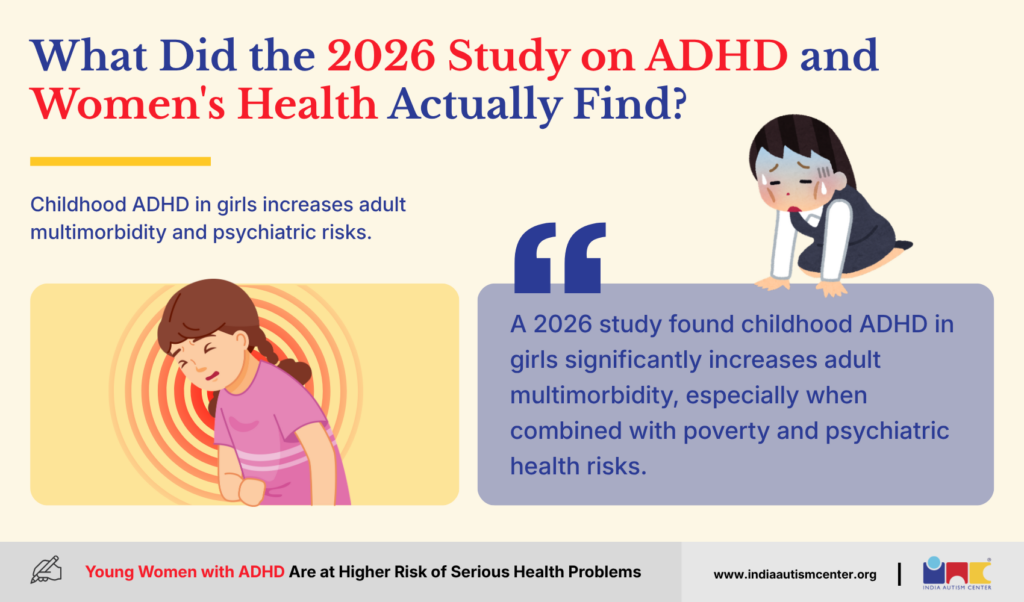
    What Did The 2026 Study On ADHD And Women’s Health Actually Find?

    What Did the 2026 Study on ADHD and Women's Health Actually Find?

    The study — Wilson et al. (2026), published in Nature Mental Health — followed a large population-based cohort of females born in Wales between 1991 and 1998. Researchers tracked their health records from childhood through early adulthood (ages 18–32) using linked primary and secondary care data.

    Three major findings came out of it:

    • Girls with childhood ADHD had a significantly higher risk of adult multimorbidity — 2.38 times higher than matched controls, even after accounting for other factors.
    • When childhood poverty was also present, that risk jumped to 3.91 times — far higher than either risk factor alone.
    • The most severe health cluster, seen predominantly in the ADHD group, was marked by a high burden of psychiatric conditions including PTSD and borderline personality disorder.

    Multimorbidity means having two or more long-term health conditions at the same time. This isn’t just about mental health. It spans respiratory, metabolic, gastrointestinal, autoimmune, and psychiatric conditions — all co-occurring in young women who were diagnosed with ADHD as children.

    Want to know more? Get in touch with us.

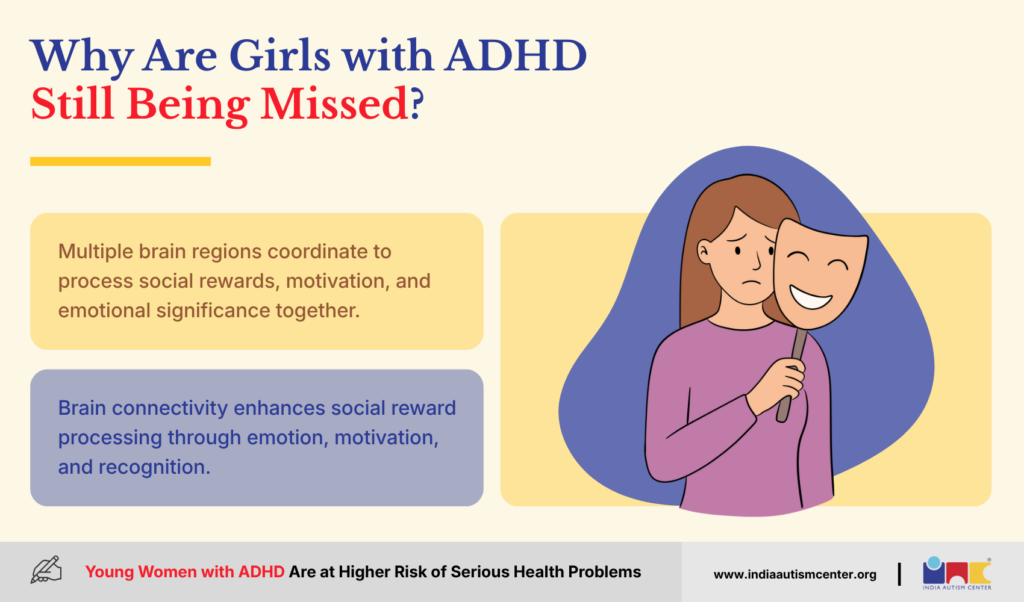
    Why Are Girls With ADHD Still Being Missed?

    Why Are Girls with ADHD Still Being Missed?

    This is the question that underpins everything else.

    ADHD was historically considered a condition that mostly affected hyperactive boys. That framing shaped the diagnostic criteria, the research, and the clinical instincts of generations of healthcare providers.

    Girls don’t usually present the same way.

    How ADHD typically looks in girls:

    Trait in Boys (more commonly recognised)Trait in Girls (more commonly missed)
    Hyperactivity, fidgeting, running aroundDaydreaming, appearing “spacey”
    Impulsivity, blurting out answersEmotional dysregulation, crying easily
    Disruptive classroom behaviourQuiet, inattentive, “tries hard but scattered”
    Externally visible struggleInternalised anxiety and self-criticism

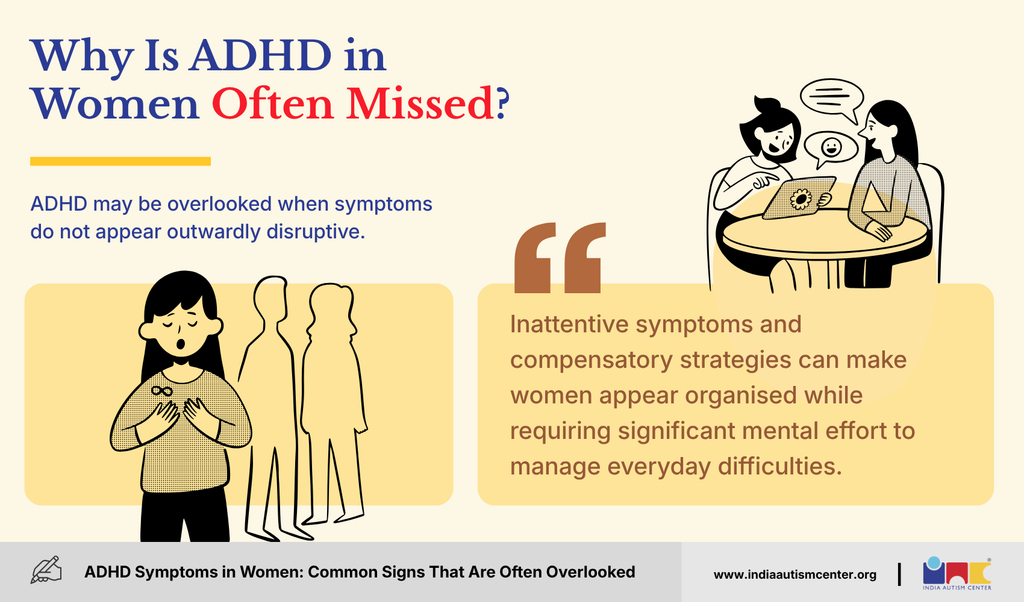
    Girls tend to mask — consciously or unconsciously hiding their symptoms to fit social expectations. From a young age, girls are socialised to be well-behaved, attentive, and composed. So many girls with ADHD sit quietly in class with their minds racing, spending enormous energy keeping up appearances.

    By the time they’re adults, masking has become a way of life. They stay late at work to compensate for lost focus. They over-prepare to avoid looking disorganised. They tell themselves they’re just anxious, just not smart enough, just lazy.

    They’re not. They were missed.

    Research confirms that diagnostic rates are higher among boys than girls at a 2:1 ratio in childhood — and experts believe this gap reflects systemic underdiagnosis of females, not a genuine male predisposition to ADHD.

    There’s more to it; read: Why Are Fewer Girls Diagnosed with Autism?

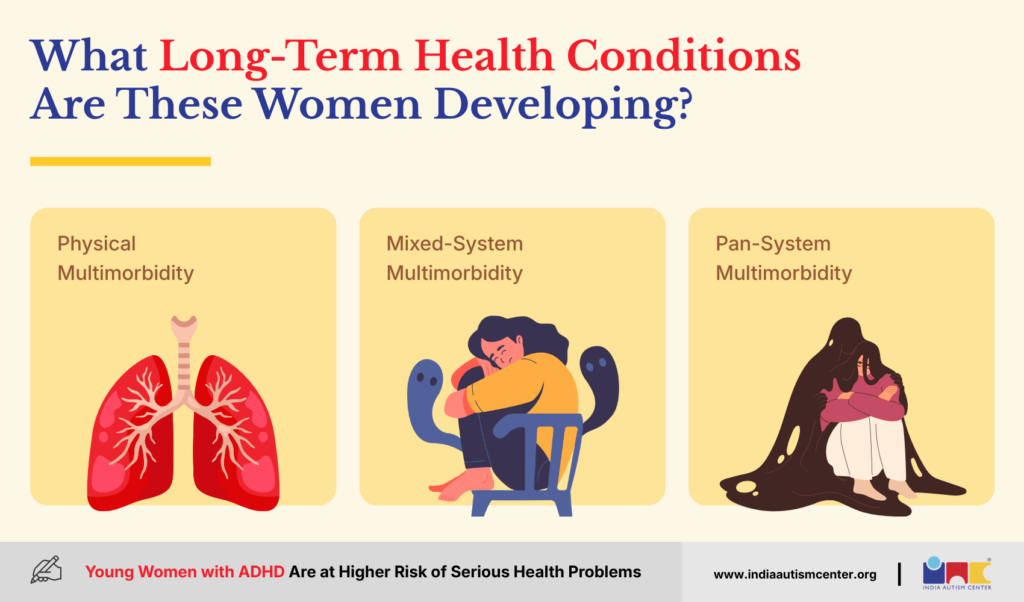
    What Long-Term Health Conditions Are These Women Developing?

    What Long-Term Health Conditions Are These Women Developing?

    The 2026 study identified three distinct clusters of health conditions — and the pattern in women with childhood ADHD is notably more severe.

    Cluster 1: Physical Multimorbidity

    Conditions concentrated in physical health domains — respiratory, metabolic, gastrointestinal. This cluster was seen only in women without a childhood ADHD diagnosis.

    Cluster 2: Mixed-System Multimorbidity

    Both physical conditions and common psychiatric conditions like anxiety and depression. Present in both groups, but more loaded in the ADHD group.

    Cluster 3: Pan-System Multimorbidity (most severe)

    A high burden of conditions spanning nearly every body system — and in the ADHD group specifically, a significantly higher concentration of:

    • Post-traumatic stress disorder (PTSD)
    • Borderline personality disorder (BPD) — uniquely concentrated in this cluster for those with childhood ADHD, virtually absent from all other clusters
    • Anxiety and depression at elevated rates
    • Physical conditions across multiple systems

    This pan-system cluster also had the highest number of hospital admissions and the longest total days spent in hospital. The health toll is real, measurable, and preventable.

    Other research adds further context. Girls and women with ADHD carry higher risk of eating disorders, suicide attempts, suicidal ideation, and dying younger — compared not just to the general population, but also compared to boys and men with ADHD.

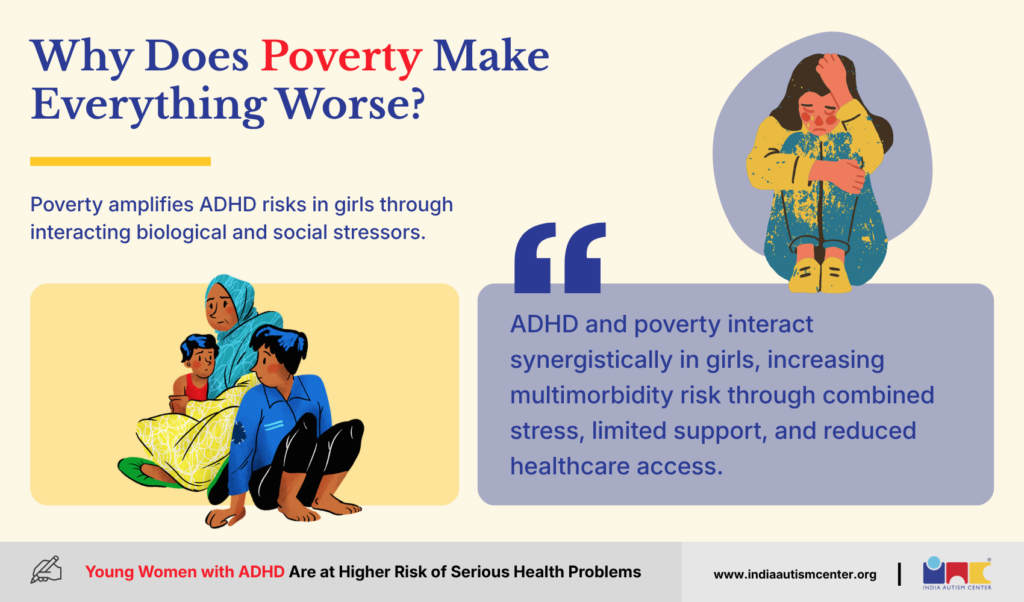
    Why Does Poverty Make Everything Worse?

    Why Does Poverty Make Everything Worse?

    The study didn’t just look at ADHD in isolation. It asked: what happens when a girl grows up with ADHD and in socioeconomic deprivation?

    The answer is stark.

    Girls with both ADHD and childhood poverty had odds of multimorbidity nearly 4 times higher than those with neither. Crucially, 39% of that excess risk was driven by the interaction between the two — not just their individual effects added together. That’s a synergistic effect, where two vulnerabilities collide to create something worse than the sum of their parts.

    Think about what poverty actually does to a child with ADHD:

    • Reduced access to timely diagnosis and specialist support
    • Higher exposure to adverse childhood experiences and trauma
    • Greater stress on the family system, limiting parental capacity to advocate
    • Less access to tutoring, therapy, or coping strategies
    • Heightened biological stress responses from chronic environmental pressure

    ADHD rarely occurs in a vacuum. The biological pathways — dysregulated stress responses, inflammation, impulsivity — interact with social and structural disadvantage. Girls from deprived backgrounds with ADHD carry both, and the healthcare system largely fails to address them together.

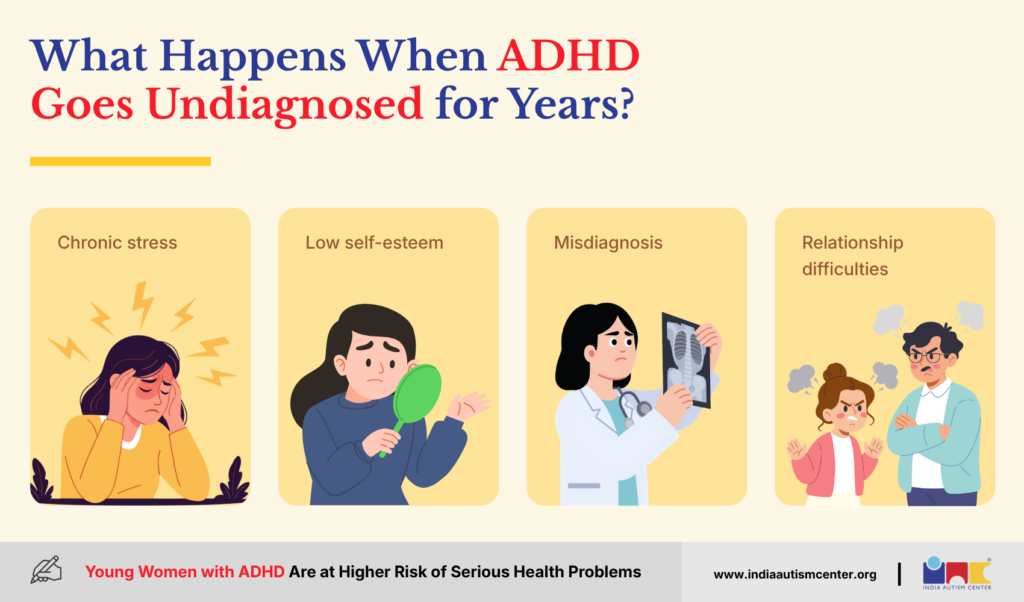
    What Happens When ADHD Goes Undiagnosed for Years?

    What Happens When ADHD Goes Undiagnosed for Years?

    The consequences of missed diagnosis are not abstract. They accumulate over time.

    Women with undiagnosed ADHD are more likely to experience:

    • Chronic stress from years of compensating without understanding why
    • Low self-esteem — often internalising failure as a character flaw rather than a neurological difference
    • Misdiagnosis — being treated for anxiety or depression while the underlying ADHD goes untreated
    • Relationship difficulties — higher rates of partner abuse, unplanned pregnancies, and social isolation

    One 2025 study in Scientific Reports found that women with late-diagnosed ADHD commonly reported guilt, shame, and deeply negative self-perception as a direct result of delayed diagnosis. Many described the diagnosis itself as revelatory — their lives finally making sense.

    The life expectancy data is sobering. A 2025 study tracking over 30,000 adults with ADHD found that women with ADHD had an average life expectancy of 75.15 years, compared to 83.79 years for women without ADHD. That’s nearly a nine-year gap.

    We have a very detailed, comprehensive article on Attention Deficit Hyperactivity Disorder (ADHD, read it to get more clarity and in-depth understanding

    Want to know more? Get in touch with us.

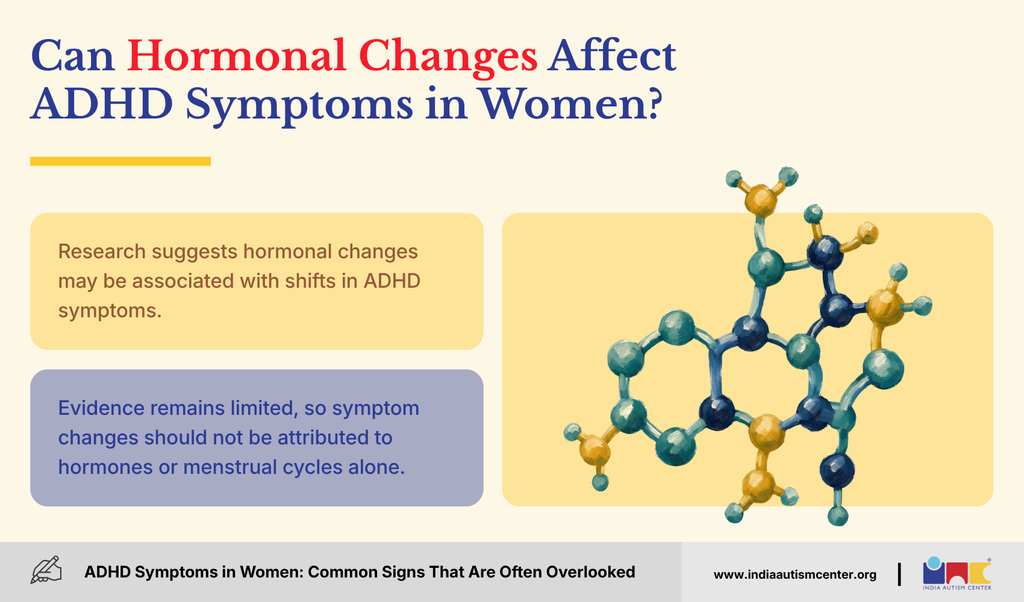
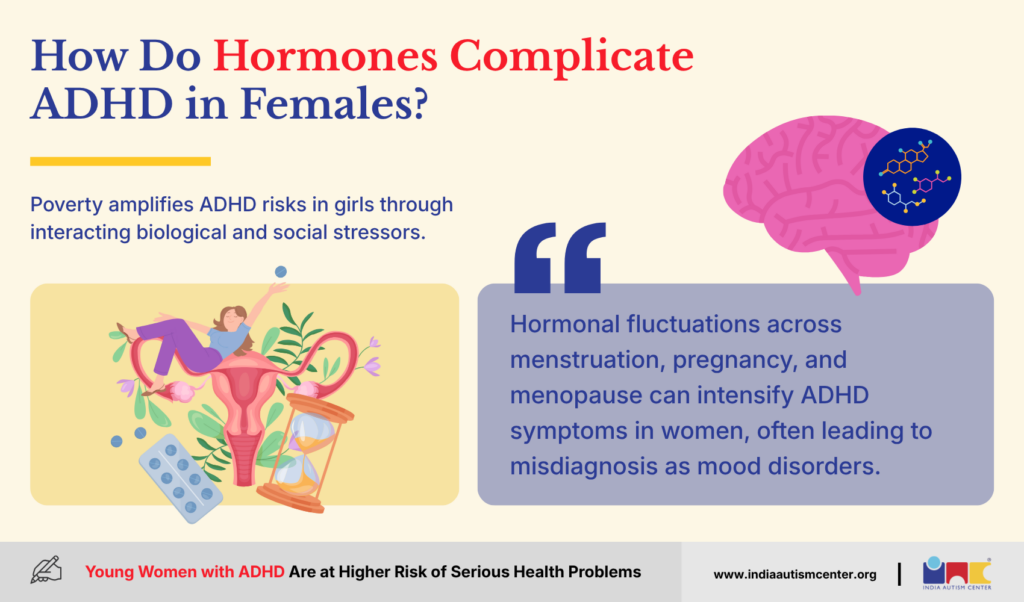
    How Do Hormones Complicate ADHD In Females?

    How Do Hormones Complicate ADHD In Females?

    Hormones interact with ADHD symptoms throughout a woman’s life in ways that are still being understood — and often dismissed.

    Research from Monash University’s HER Centre, published in the Journal of Psychiatric Research, surveyed 600 women with ADHD and found:

    • 88% reported changes in ADHD symptoms during their menstrual cycle — particularly in the two weeks before their period
    • More than 70% said their symptoms worsened after having a baby
    • 97% said their symptoms were exacerbated during menopause

    This is significant. It means that even women who have learned to manage their ADHD may find their coping strategies collapsing at key hormonal transition points — puberty, pregnancy, postpartum, perimenopause. And because clinicians often don’t connect hormonal shifts to ADHD, these women frequently get sent down the wrong diagnostic path again.

    Anxiety. Depression. Mood disorder. Not ADHD.

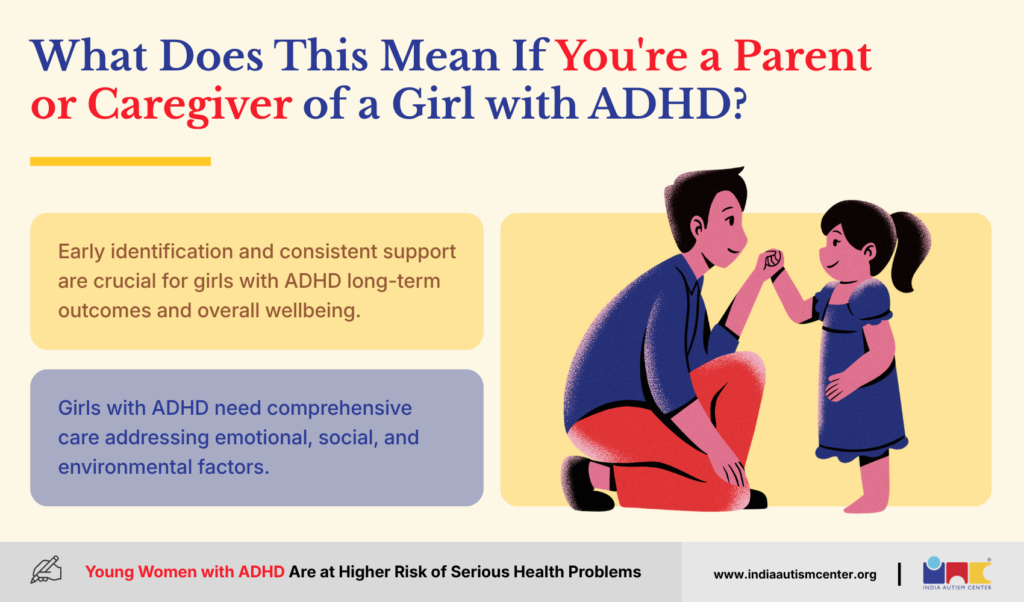
    What Does This Mean If You’re a Parent or Caregiver of a Girl with ADHD?

    What Does This Mean If You're a Parent or Caregiver of a Girl with ADHD?

    If your daughter has been diagnosed with ADHD, or if you suspect she might have it, this research carries a direct message: early identification and support matter enormously for her long-term health — not just her school performance.

    Here’s what to watch for:

    Signs of ADHD in girls that are commonly overlooked:

    • Difficulty sustaining attention on tasks that aren’t inherently interesting
    • Losing track of conversations, instructions, or belongings
    • Emotional sensitivity that seems disproportionate to the situation
    • Perfectionism and overcompensation as a way of hiding struggles
    • Social anxiety or difficulty maintaining friendships
    • Fatigue from the effort of masking

    What you can do:

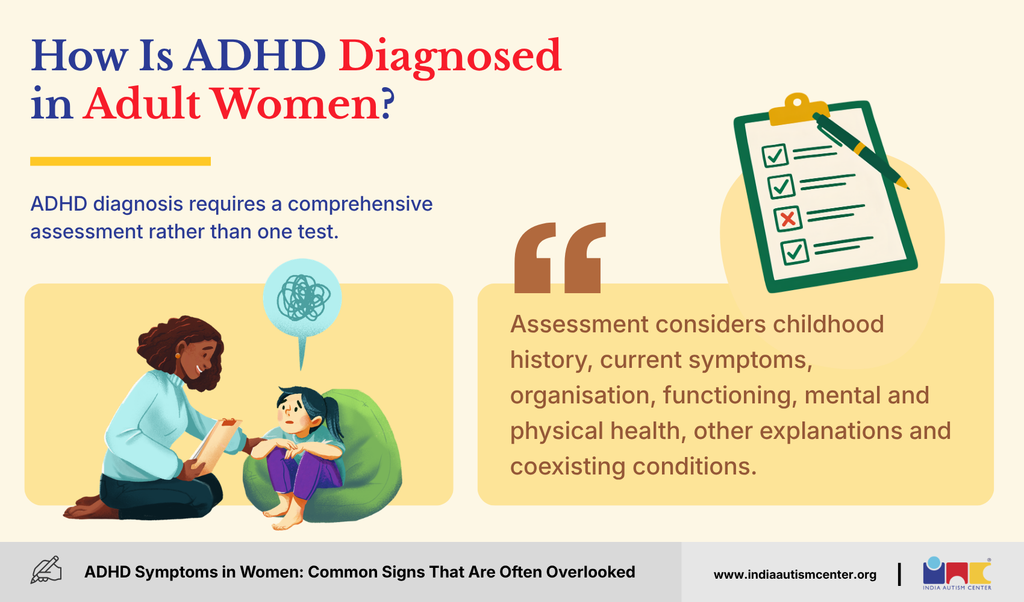
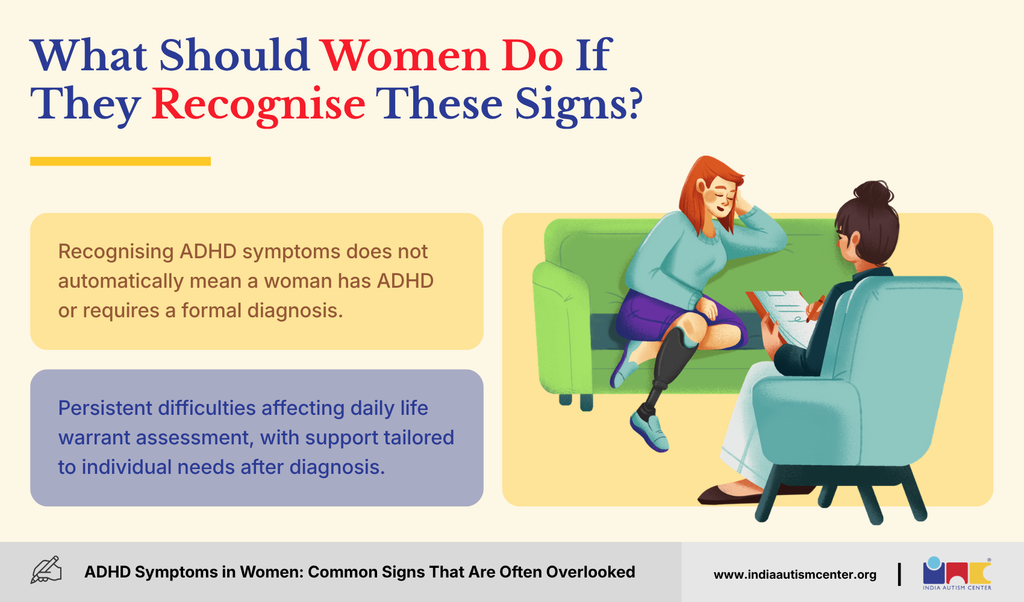
    • Push for a comprehensive assessment if you see these patterns — don’t accept “she seems fine in class” as a complete answer
    • Address co-occurring anxiety or depression alongside ADHD, not instead of it
    • Consider socioeconomic stressors as part of the picture — practical and material support matters too
    • Connect with specialists who understand female presentations of ADHD

    The 2026 study is explicit: girls with ADHD from disadvantaged backgrounds are a high-risk group for long-term health complications and need earlier, more integrated care.

    📥 Free download: Printable daily routine chart for autistic children

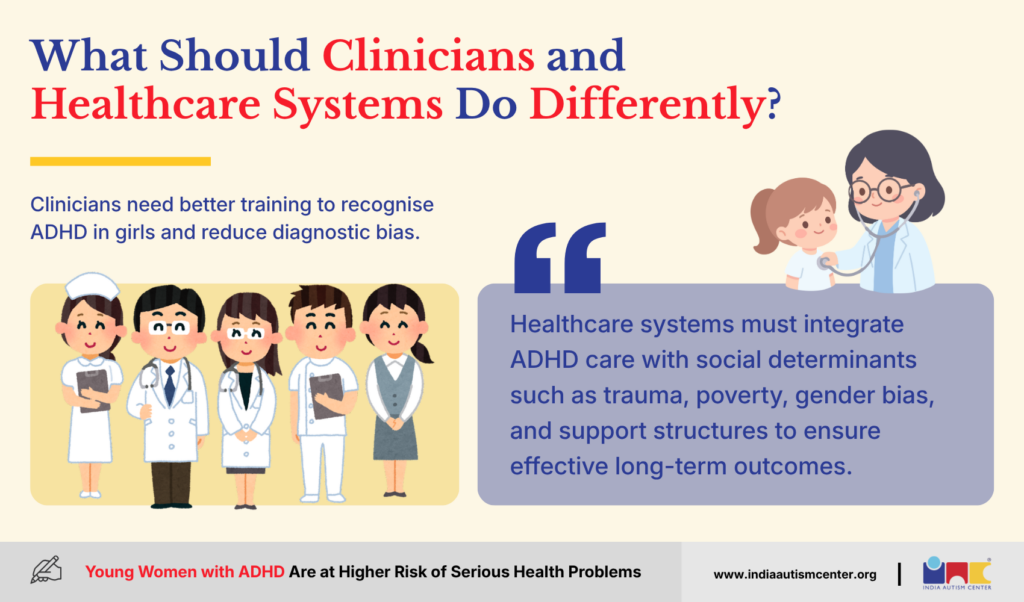
    What Should Clinicians And Healthcare Systems Do Differently?

    What Should Clinicians and Healthcare Systems Do Differently?

    The research is clear about the gap between what we know and what clinical practice currently delivers.

    Mental health and medical practitioners need better training in how ADHD presents in girls — including the role of gender expectations, racial and cultural stereotypes, and masking behaviour. Assessment tools designed around male presentations will continue to miss girls.

    More importantly, clinical care needs to address social circumstances alongside neurological ones. Treating the ADHD without addressing poverty, trauma, or lack of support is incomplete care.

    The study calls for public health strategies that treat neurodevelopmental conditions and social determinants of health together — not as separate silos. That shift in thinking, at a systems level, is what could meaningfully reduce the long-term health burden these women carry.

    Key Takeaways at a Glance

    FindingDetail
    Multimorbidity risk in women with childhood ADHD2.38x higher than matched controls
    Risk with ADHD + childhood poverty3.91x higher
    Portion of risk driven by their interaction39%
    Most severe health clusterPan-system multimorbidity with high psychiatric burden
    Unique conditions in ADHD groupPTSD, borderline personality disorder
    Life expectancy gap (women)~8.6 years shorter than women without ADHD
    Diagnostic ratio (boys to girls, childhood)2:1 — likely reflecting systemic underdiagnosis

    Frequently Asked Questions

    Do girls with ADHD grow out of it?

    Not always. Approximately 65% of children diagnosed with ADHD continue to experience symptoms into adulthood. For girls, these symptoms often shift in how they present rather than disappearing entirely.
    Can childhood ADHD cause health problems in adulthood?

    Yes. Research now shows that children and adolescents with ADHD tracked into adulthood have worse health outcomes than their non-ADHD peers — including higher rates of smoking, increased BMI, substance use, diabetes, and chronic respiratory conditions.

    Why are girls with ADHD less likely to be diagnosed?

    Girls tend to present with inattentive, internalised symptoms rather than hyperactive or disruptive ones. Combined with social pressure to mask struggles, this means their ADHD is frequently missed or misidentified as anxiety or depression.

    How does poverty affect ADHD outcomes in women?

    Poverty independently increases the risk of multimorbidity — and when combined with childhood ADHD, the two interact synergistically to create a health burden significantly greater than either factor alone. 39% of the excess risk in the most deprived ADHD group was attributable to that interaction specifically.

    What is multimorbidity?

    Multimorbidity means having two or more long-term health conditions simultaneously. In the context of this research, it includes both physical conditions (respiratory, metabolic, gastrointestinal) and psychiatric conditions (PTSD, depression, borderline personality disorder).

    What are the signs of ADHD in girls that are often missed?

    Key signs include difficulty sustaining attention, emotional dysregulation, perfectionism used to mask struggles, daydreaming, social difficulties, and extreme fatigue from the ongoing effort of appearing “fine.”


    For expert insights, support services, and inclusive learning initiatives, visit the India Autism Center.

    Disclaimer: This article is intended for educational and informational purposes only. It does not constitute medical advice, diagnosis, or treatment. If you have concerns about your child’s development, attention, or behaviour, please consult a qualified healthcare professional. The research cited here reflects findings at the time of writing and should not be used as a substitute for personalised clinical guidance.

  • ADHD Meltdown vs Autism Meltdown: Key Differences that Parents Must Know

    ADHD Meltdown vs Autism Meltdown: Key Differences that Parents Must Know

    When your child experiences an intense emotional outburst, it can feel highly overwhelming. Parents do not understand what triggered the outburst or how they can handle it. Moreover, if your child is Neurodivergent, such intense episodes are not just temper tantrums. They are actually biological responses that are labelled as meltdowns.

    Before you decide on the right approach to handle these meltdowns, it is important to understand the difference between an ADHD vs autism meltdown. Both look identical to someone with no idea about neurodivergence. However, the root causes, triggers, and management strategies differ significantly.

    As per the World Health Organisation, 1 in 127 people worldwide is expected to be on the autism spectrum. Besides that, some studies show that 50% to 70% of individuals who have ASD also meet the diagnostic criteria for ADHD.

    The co-occurrence rate can often make distinguishing between an ADHD meltdown and an autistic emotional response very complex. 

    Today, we are going to understand the unique mechanics of an ADHD crisis versus an autism crisis. It will help you move away from traditional disciplinary measures and towards empathetic, proactive care.

    Understanding Neurodivergent Meltdown: Beyond the Surface Behaviour

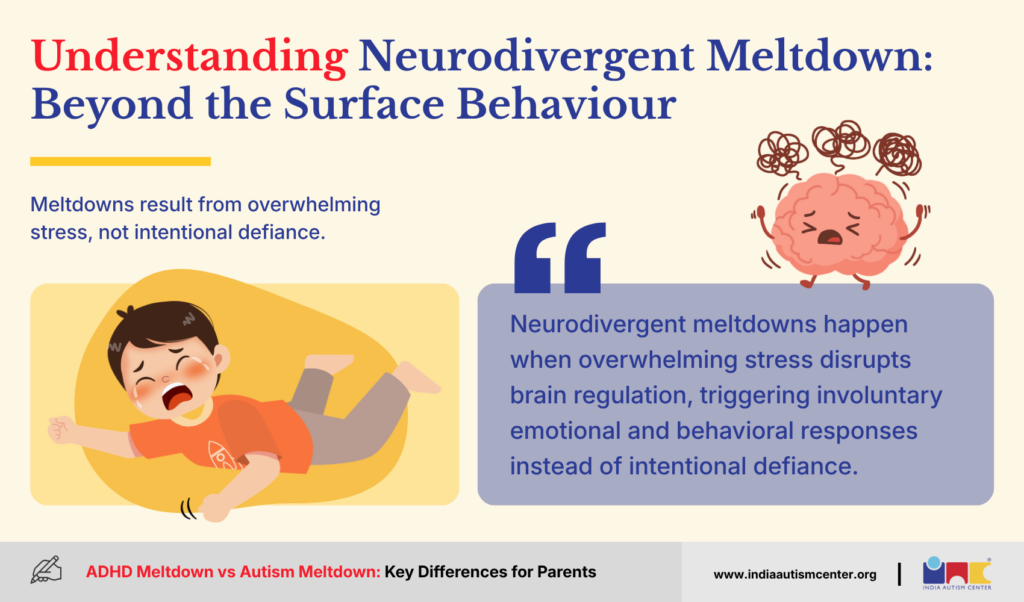
    Child experiencing a neurodivergent meltdown caused by overwhelming stress

    When comparing ADHD vs autism meltdown, it is important to understand what a meltdown is. Essentially, a neurodivergent meltdown is an involuntary and biological coping mechanism. It happens when the individual’s nervous system is overwhelmed, triggering a primitive fight, flight, or freeze response in the brain.

    When the meltdown happens, the brain’s executive functioning temporarily shuts down. Therefore, the child attempts to lose total control over their emotional regulation, as well as their verbal and physical movements. Parents need to know that it is not an act of defiance, manipulation, or even intentional bad behaviour.

    It is also important to know that these emotional episodes do not only happen to a child with ADHD or autism, but ADHD meltdowns in adults are also very common. It can happen due to workplace stress, sensory overload, or even executive dysfunction, piling up beyond the capacity of a person.

    📥 Free download: Printable daily routine chart for autistic children

    What Does an ADHD Meltdown Look Like?

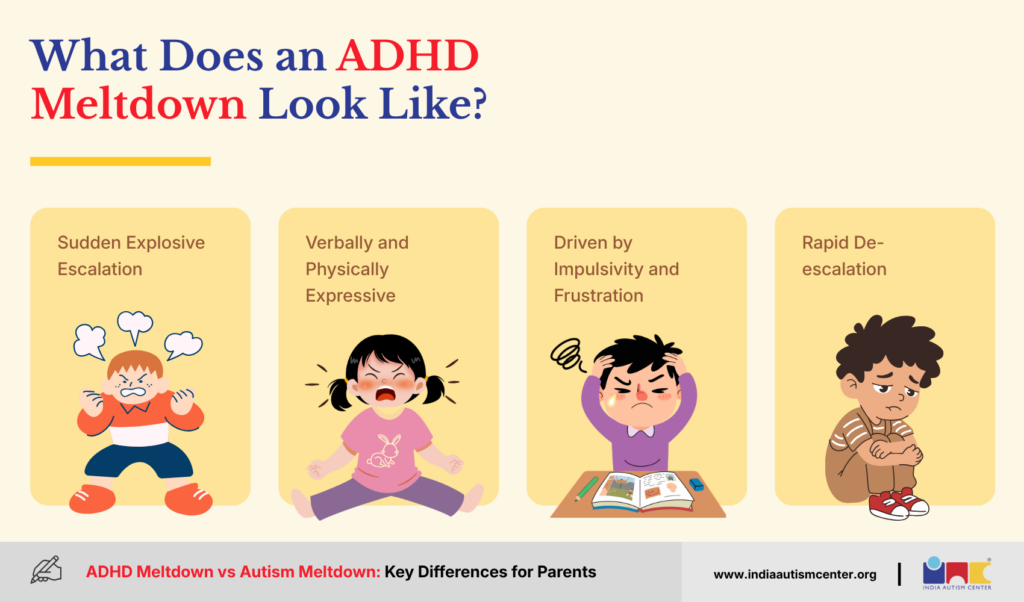
    Common signs of an ADHD meltdown in children, including rapid emotional escalation

    If you often wonder, what does an ADHD meltdown look like? It is necessary to know that an emotional dysregulation deficit in executive functioning drives frustration.

    ADHD often affects the brain’s frontal lobe, which is responsible for impulse control, emotional processing, working memory, and, more importantly, patience. An emotional eruption occurs when these systems fail.

    Signs and characteristics of ADHD meltdown

    To understand the concept of autism vs ADHD meltdown, it is important to know the correct signs and characteristics of an ADHD meltdown:

    • Sudden Explosive Escalation

    A sudden change in a plan, a boundary being set, or a task that feels impossibly frustrating can be the trigger that sparks an ADHD episode out of nowhere.

    • Verbally and Physically Expressive

    Since hyperactivity and impulsivity are the core features of ADHD, the emotional energy is directed outward. So an ADHD driven episode is where children and adults might shout, slam doors, and throw objects around.

    • Driven by Impulsivity and Frustration

    An ADHD meltdown can happen when a person is reacting to a perceived rejection, the inability to delay gratification, or when they feel failed.

    • Rapid De-escalation

    It is often found that a person who has an ADHD episode comes down relatively quickly once the anger or frustration is expressed or the external trigger is removed. They also feel exhausted immediately after.

    The behaviour of a child during an ADHD meltdown is often due to school or transition between activities, or feeling overwhelmed due to long instructions. However, when it comes to an ADHD meltdown in adults, it often looks like a sudden and intense verbal outburst, which can happen due to a high-stress meeting or when a person breaks down due to a simple routine not going correctly.

    What Does an Autism Meltdown Look Like?

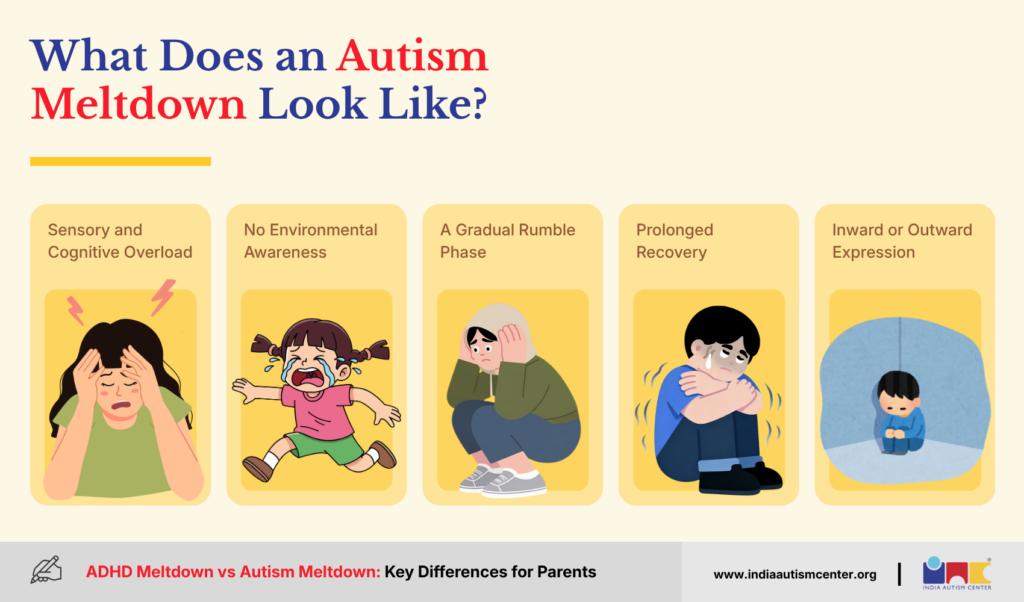
    Common signs of an autism meltdown caused by sensory and cognitive overload

    Contrary to an ADHD meltdown, an autistic meltdown is often a reaction to sensory, cognitive, and emotional overload. Autistic brains process environmental stimuli differently. It absorbs sights, sounds, smells, and textures at a very high intensity when the brain does not process the incoming data, resulting in a system crash.

    Signs and characteristics of an autism meltdown:

    Here are the signs and characteristics that differentiate autism meltdowns from ADHD meltdowns:

    • Sensory and Cognitive Overload

    Autism meltdowns, at times, happen when there is an overload of sensory inputs, like bright lights, a crowd, uncomfortable clothing, or even loud noises. A meltdown can also happen due to cognitive strain, like processing complex social cues. 

    • Complete Loss of Environmental Awareness

    When an autism meltdown happens, the child or adult tends to disconnect from their surroundings completely. They are therefore not able to process verbal commands, nor can they negotiate or reason.

    • A Gradual Rumble Phase

    An autistic meltdown has a building phase. Before the individual loses control or a meltdown begins, they might show signs of distress. They may cover their ears, rock back and forth, keep humming, or pace from one place to another. 

    • Prolonged Recovery

    It is not simple to recover from an autism meltdown. The brain of a person with ASD may take hours or even days to return to normalcy. To recover, a person often needs isolation and experiences physical fatigue. 

    • Inward or Outward Expression

    Not every autism meltdown will have outward expression. At times, instead of an intense reaction or outburst, you may see the individual shutting down. The individual becomes completely mute, still unresponsive. 

    Want to know more? Get in touch with us.

    Key Differences: ADHD Meltdown vs Autism Meltdown

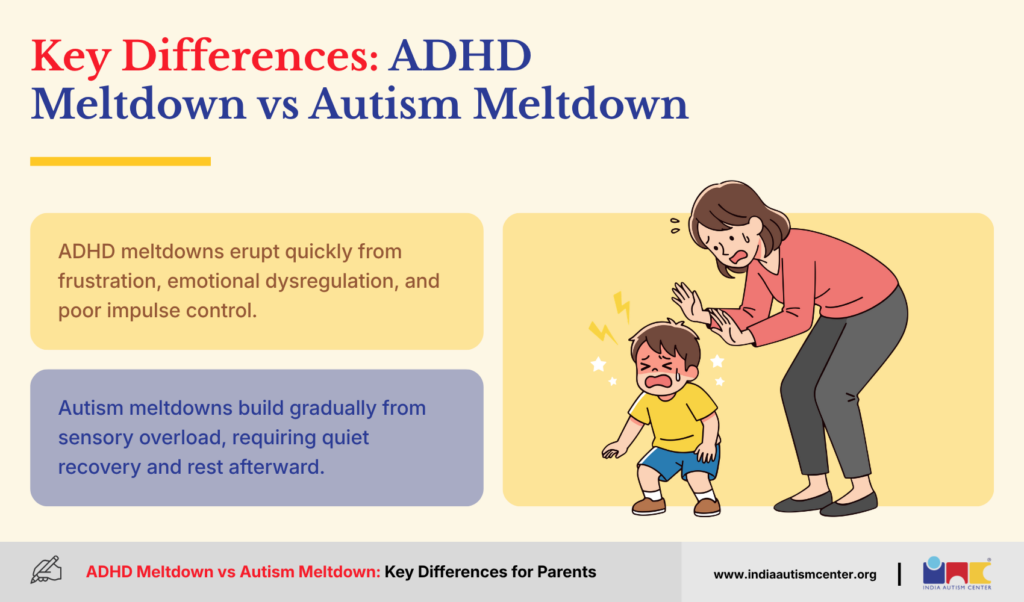
    Key differences between ADHD meltdowns and autism meltdowns in children

    It is possible to differentiate between ADHD meltdown and autism meltdown when you know the timeline, the triggers and the recovery needs. 

    The table below explains how these two neurological experiences are different from one another:

    FeatureADHD MeltdownAutism Meltdown
    Primary Root CauseExecutive dysfunction, poor impulse control, and intense emotional dysregulation.Sensory overload, cognitive saturation, or an inability to process environmental changes.
    Common TriggersFrustration, boredom, being told “no,” sudden transitions, or tasks requiring sustained mental effort.Loud noises, bright lights, unpredictable social situations, changes in routines, or sensory discomfort.
    Onset SpeedRapid, impulsive, and explosive, often occurring immediately after a specific frustrating event.Gradual, building up over time through a noticeable “rumble phase” as sensory data accumulates.
    Awareness During EpisodeThe individual generally remains aware of their environment but lacks the emotional control to stop their behaviour.The individual experiences a temporary sensory and cognitive disconnect, becoming unaware of external reasoning.
    Manifestation StylesAlmost always externalised, featuring verbal expressions, emotional outbursts, or physical movement.Can be externalised (screaming, thrashing) or completely internalised as a quiet, unresponsive “shutdown.”
    Recovery MechanismCalms down relatively quickly once the immediate frustration passes or the trigger is addressed.Requires an extended recovery period involving sensory deprivation, quiet spaces, and deep rest.

    Common Triggers: ADHD Meltdown vs Autism Meltdown

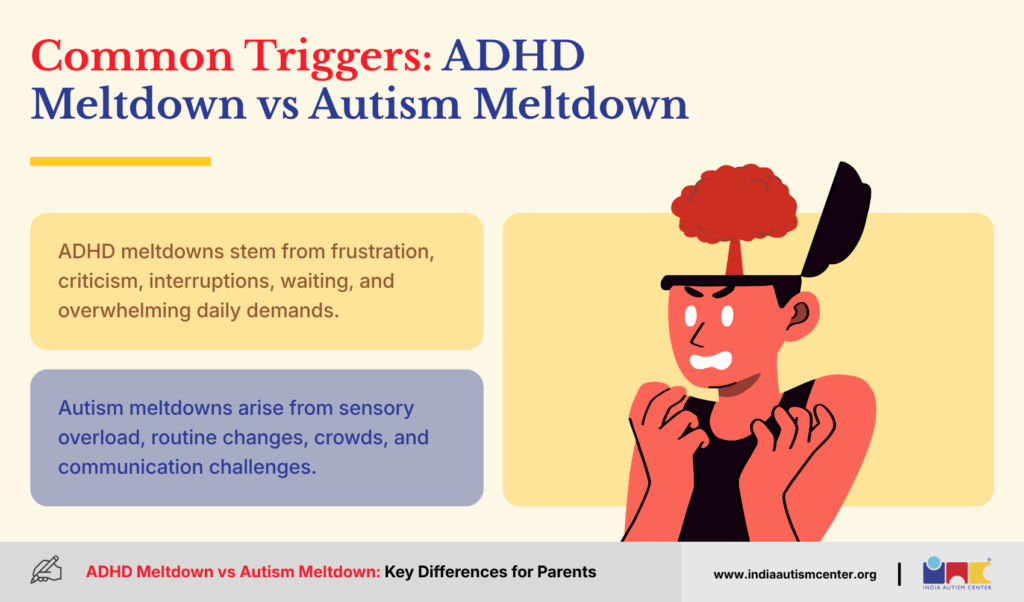
    Common triggers of ADHD and autism meltdowns, including frustration and sensory overload

    Parents and caregivers can easily prevent many meltdowns if they know how to recognise the triggers. However, every individual is different, and certain situations may be more commonly associated with one condition than another.

    Common ADHD Meltdown Triggers

    Individuals with ADHD tend to become overwhelmed when they are:

    • Being interrupted while they’re engaged in an activity that they prefer.
    • Waiting for a long period of time.
    • Frustrated after repeated mistakes,
    • Feeling criticised or rejected.
    • Looking at sudden changes in expectations.
    • Finding it difficult to complete tasks
    • Bombarded with too many demands at once

    At times, even simple, daily activities can become mentally exhausting and can thus trigger an ADHD meltdown.

    Common Autism Meltdown Triggers

    Autism meltdown triggers become very common when autistic individuals are exposed to:

    • Unexpected changes in their routine,
    • Bright lights, strong smells, or loud and unpredictable noises.
    • Heavily crowded places.
    • Social pressure from family and friends
    • Difficulty in communication
    • Sensory discomfort from food, texture, and clothing

    Autism meltdowns are mostly caused by sensory overload.

    The basic distinction between the two is that ADHD meltdowns happen due to emotional frustration, and autism meltdowns happen due to sensory and environmental factors.

    How Can Parents Tell the Difference Between ADHD and Autism Meltdown?

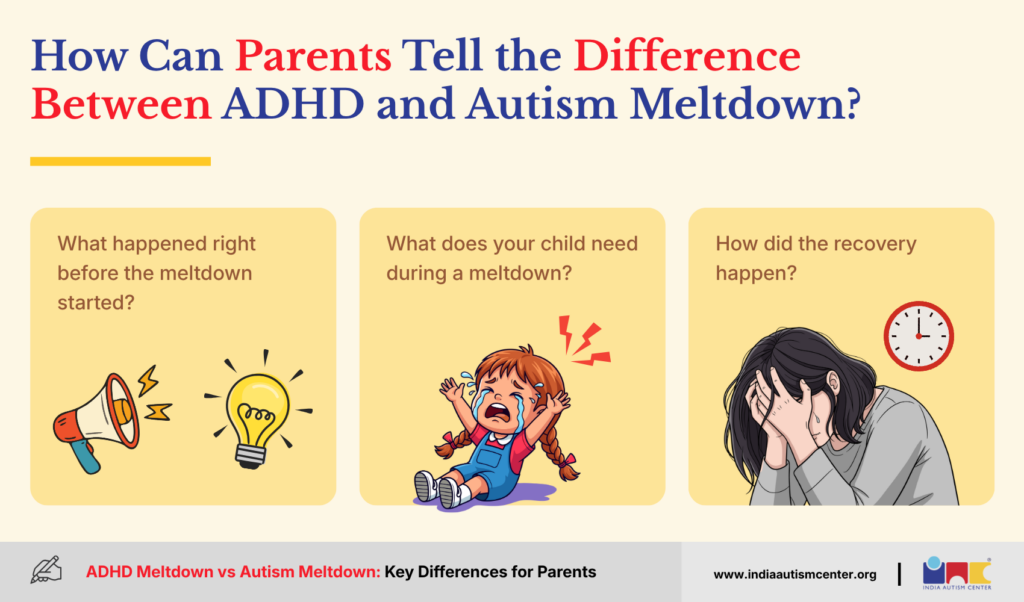
    How parents can identify differences between ADHD and autism meltdowns

    Parents and caregivers often look for a simple way to understand which type of meltdown the child is experiencing. Parents need to consider three important questions rather than just focusing on the child’s behaviour.

    Below are all the questions that parents must consider:

    1. What happened right before the meltdown started?

    Suppose a child gets upset after losing a game, feels frustrated, or agitated when they’re corrected; it is more likely to be an ADHD meltdown.

    On the other hand, if the meltdown happens after a loud noise, a change in the routine or any other overwhelming sensory experience, then autism may be the case.

    2. What does your child need during a meltdown?

    The child benefits from emotional reassurance. Once they begin to calm down, it is mostly ADH hd meltdown.

    However, if a child seems first to need a quiet and low-stimulation environment before they can actually communicate, then it is more likely to be an autism meltdown.

    3. How did the recovery happen?

    If you find that your child gradually comes down as the emotion settles, it is an ADHD meltdown.

    But if your child needs additional recovery time because the nervous system remains overactive, then your child might be experiencing an autism meltdown.

    Want to know more? Get in touch with us.

    What Should Parents Do During a Meltdown?

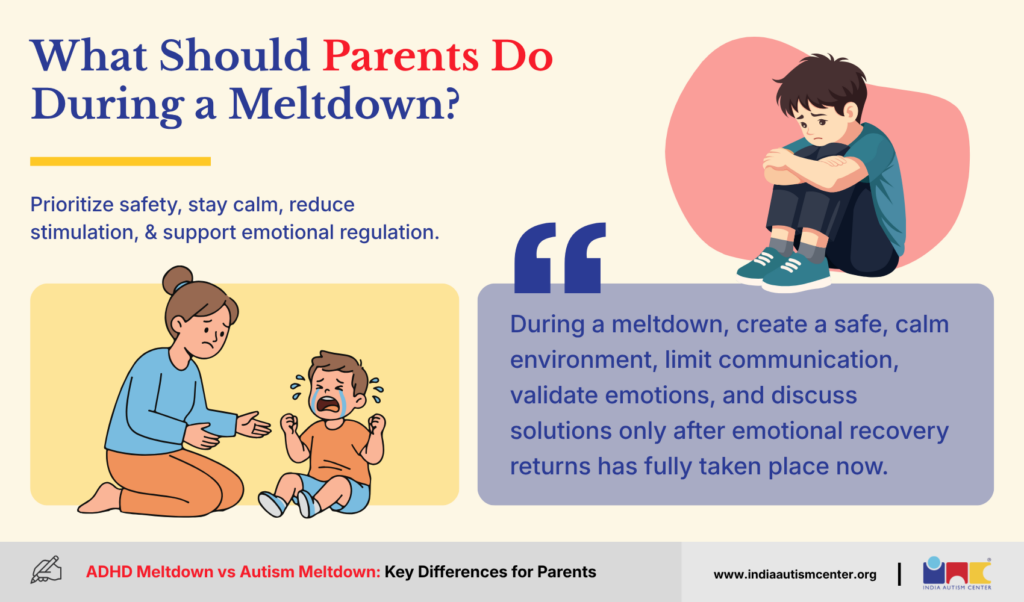
    Parent calmly supporting a distressed child during a meltdown

    In both cases, the goal is not to stop the behaviour immediately. First, make sure your child feels safe, then regulate their nervous system.

    Here are some helpful strategies that parents can try:

    • Stay calm and make sure to use a gentle tone when talking to them.
    • Reduce unnecessary talking and keep the instructions brief.
    • Remove any possible and immediate safety risks. Aim to reduce sensory input whenever possible.
    • Give the child physical space if needed.
    • Make sure to validate their emotions without reinforcing unsafe behaviour.
    • Before discussing what happened, make sure that your child is calm.

    Parents often feel the need to teach their kids a lesson during a meltdown. However, it is important to know that the brain is not ready to learn while the meltdown is happening. Hence, problem-solving needs to occur only after emotional regulation has returned.

    How Can the India Autism Center Be Helpful?

    India Autism Center providing developmental assessment and support to a family

    At India Autism Center, we understand that every child experiences the world differently, and hence, families receive evidence-based guidance tailored to each child’s developmental profile.

    Support is provided through comprehensive assessment, early intervention programmes, various therapies, and behavioural support. The Center empowers the children to reach their potential. 

    With a multidisciplinary approach and a strong focus on inclusion, India Autism Center works alongside many families throughout the journey.

    Conclusion

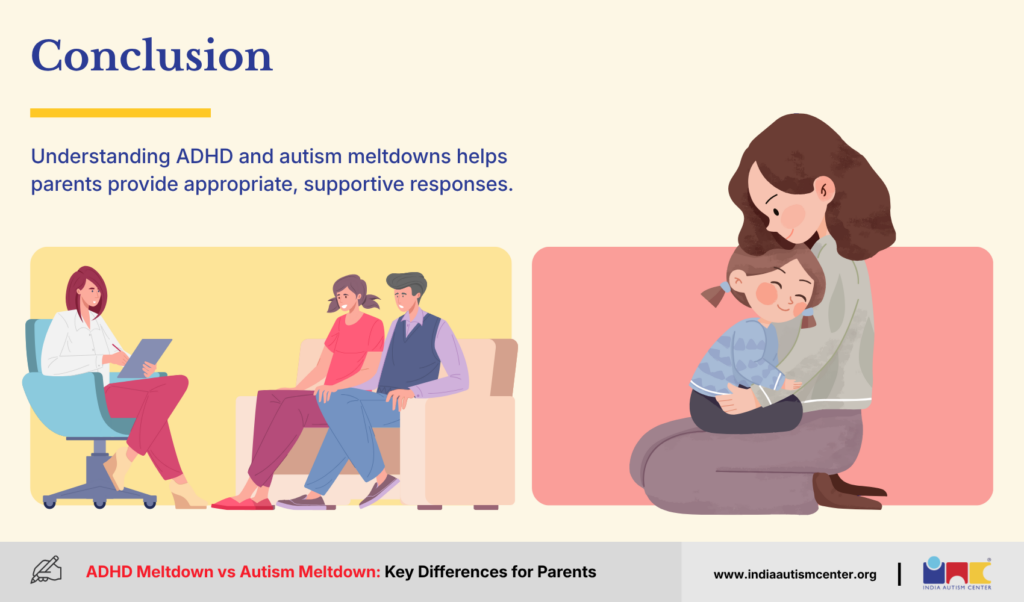
    Supportive responses for children experiencing ADHD or autism meltdowns

    When parents can understand the key differences between an ADHD meltdown and an autism meltdown, it can be a transformative step. Both types represent a state of neurological stress. However, it is important to know whether that episode is driven by acute frustration of ADHD or the sensory saturation of autism.

    This helps you to respond with the correct support that your child needs in that moment. When parents treat episodes as cries for help rather than behavioural defiance, they can create a safe and supportive environment for a neurodivergent child, who can then navigate the world with peace of mind and confidence.

    Frequently Asked Questions

    What is the primary difference between an ADHD meltdown and an autism meltdown?

    The main differences are that ADHD is triggered by emotional frustration, difficulty regulating emotions, or even impulsivity. However, meltdowns are often caused by overload, unexpected changes, or environmental or communication challenges.

    Can a child have both ADHD and autism?

    Yes, ADHD and autism can co-exist. In fact, some studies suggest that about 30 to 50% of people who are autistic also have ADHD.

    Do ADHD meltdowns happen in adults?

    Yes, ADHD meltdowns can happen in adults as well. The most common symptoms include emotional responses such as irritability, crying, anger, or shutting down.

    How long does an ADHD meltdown usually last?

    The time period for which an ADHD meltdown lasts can vary from person to person. Some ADHD symptoms last only a few minutes, while others can last longer. 

    What should parents avoid during an ADHD meltdown?

    It is best if parents avoid shouting, threatening to punish, forcing eye contact, or asking too many questions. These responses can increase the emotional distress and the meltdown.

    For expert insights, support services, and inclusive learning initiatives, visit the India Autism Center.

  • Understanding Sensory Processing Disorder in Toddlers

    Understanding Sensory Processing Disorder in Toddlers

    Have you noticed how your child cries when the blender starts or how they do not want to wear certain textured clothes? It might feel like it is just a phase or typical toddler stubbornness. However, it is much more than that.

    Although occasional sensitivities are quite common, when the reactions are intense, it may mean something deeper. For some children, the challenge is not what they see, hear, touch, taste, or smell, but how their brain processes that information. 

    This is where Sensory Processing Disorder enters the conversation. Several studies suggest that sensory processing difficulties affect about 5% to 16.5% of children

    Also, sensory challenges are particularly common among autistic children, with sensory differences now included in the diagnostic criteria for autism spectrum disorder. Understanding the symptoms of Sensory Processing Disorder can help parents look beyond behaviours and uncover the reasons behind them.

    This guide will explain the complexities of sensory processing, identify signs of Sensory Processing Disorder in toddlers, and explore effective ways to support your child’s development.

    What Is Sensory Processing Disorder?

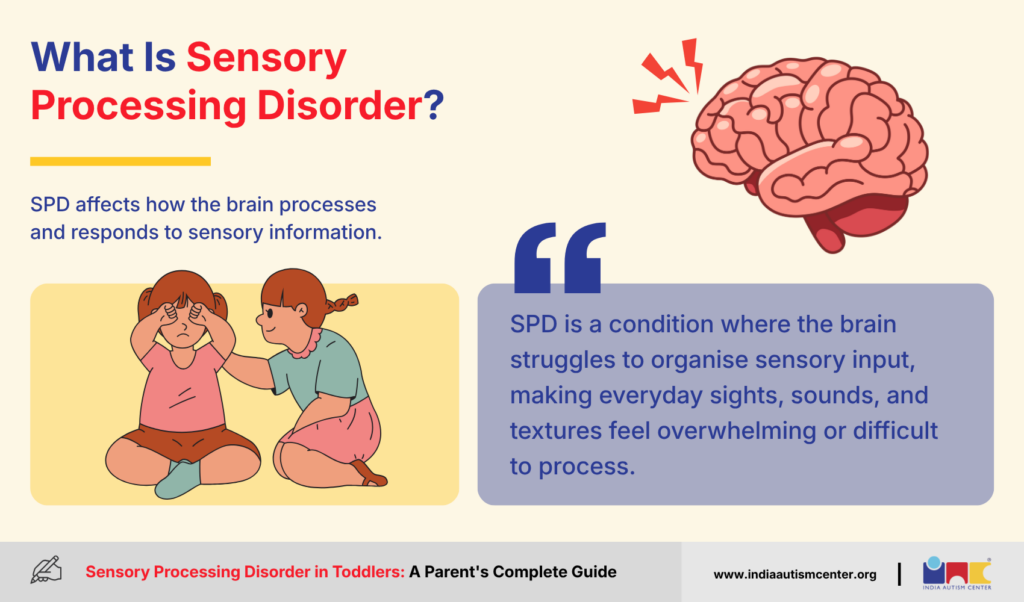
    Illustration explaining sensory processing disorder with a child being comforted and a brain graphic.

    Sensory Processing Disorder, also known as SPD, is a condition in which a person’s brain has difficulty receiving, organising, and responding to sensory information from the environment. Children process different inputs through their senses, such as:

    • Sight
    • Sound
    • Touch
    • Taste
    • Smell
    • Movement 
    • Body Awareness

    When it comes to Sensory Processing Disorder in toddlers, the process might not work as normal or expected. Thus, it can make everyday experiences more overwhelming, confusing and at times even uncomfortable.

    So, when your toddler seems distressed by loud noises or bright lights, becomes irritated by certain textures, or seems to move constantly, it is not intentional. Such actions are, in fact, underlying Sensory Processing Disorder symptoms. Some children may be sensitive to sensory input, while others may actively seek more stimulation.

    Certain sensory challenges can affect a child’s ability to learn and communicate, play and even participate in daily activities. Hence, early identification and getting the correct Sensory Processing Disorder therapy can be significantly helpful, as children can develop coping strategies and also have the ability to navigate the world more comfortably and confidently.

    Is It a Toddler Phase or Something More?

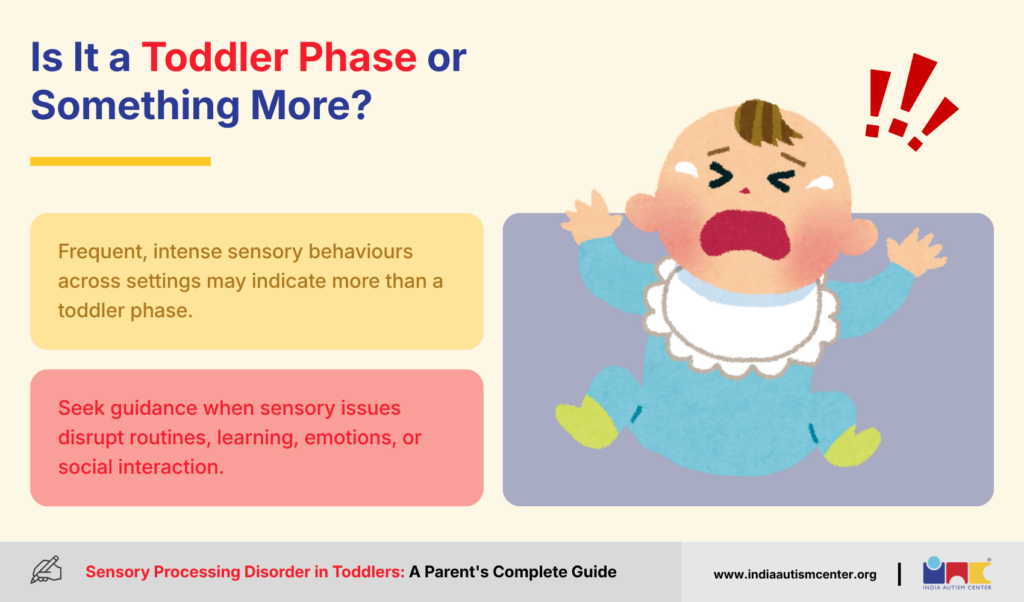
    Graphic about whether sensory behaviours in toddlers are a normal phase or a sign of a deeper concern, featuring a crying baby.

    It is common for toddlers to become overwhelmed, tired, frustrated or even resistant. However, the frequency, intensity, and impact are what make normal behaviour different from Sensory Processing Disorder. As a parent or caregiver, it becomes necessary to seek professional guidance when the sensory-related behaviours:

    • Occur more consistently in different environments
    • Start to interfere with daily routines
    • Create distress
    • Impact social interactions
    • Affect learning and development
    • Becomes challenging for the family

    Understanding and recognising the signs of Sensory Processing Disorder in toddlers can be helpful for early intervention and support. 

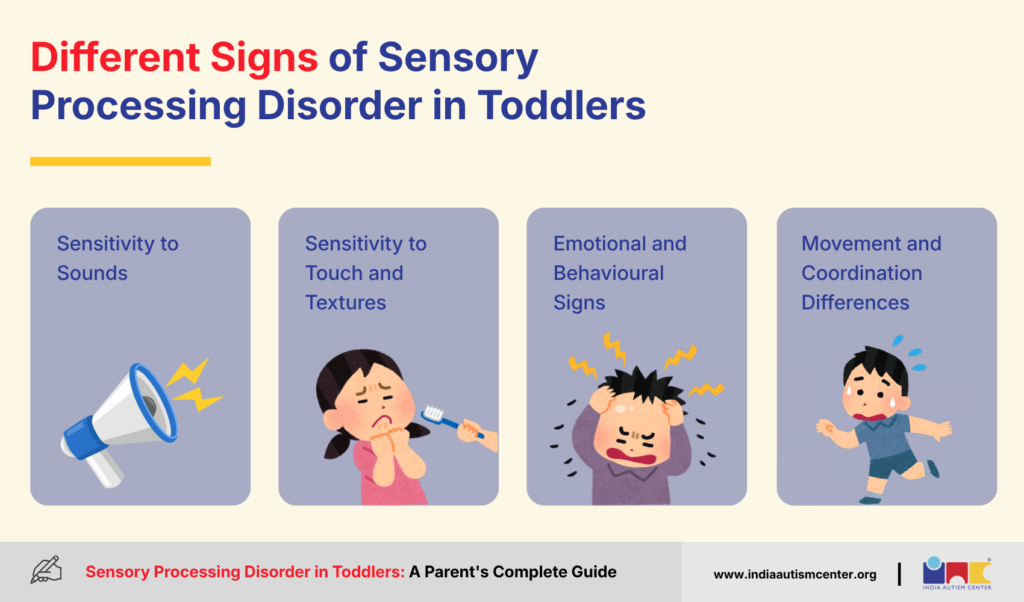
    Different Signs of Sensory Processing Disorder in Toddlers

    Infographic showing signs of sensory processing disorder in toddlers, including sound sensitivity, touch issues, emotional signs, and movement differences.

    Different toddlers experience different signs of Sensory Processing Disorder. Some toddlers become overwhelmed by sensory experiences, while others constantly seek them out. Such behaviours can also impact daily routines, playtime, learning, and social interactions. 

    • Sensitivity to Sounds: A child may cover their ears frequently, become upset by a vacuum cleaner, struggle in crowded places or wake up easily due to background noise.
    • Sensitivity to Touch and Textures: A child may refuse certain types of fabrics, become distressed by clothing tags, resist nail trimming or haircuts, and avoid messy play.
    • Emotional and Behavioural Signs: Parents might see frequent meltdowns, difficulty with transitions, increased levels of frustration or anxiety and avoidance of certain environments.
    • Movement and Coordination Differences: A toddler may constantly jump, spin or skip; they tend to bump into objects quite frequently, are quite clumsy or have issues with balance and coordination. 

    Seeing a single sign or just a few signs does not mean the child has Sensory Processing Disorder. Multiple signs and a consistent pattern can be a better indicator. 

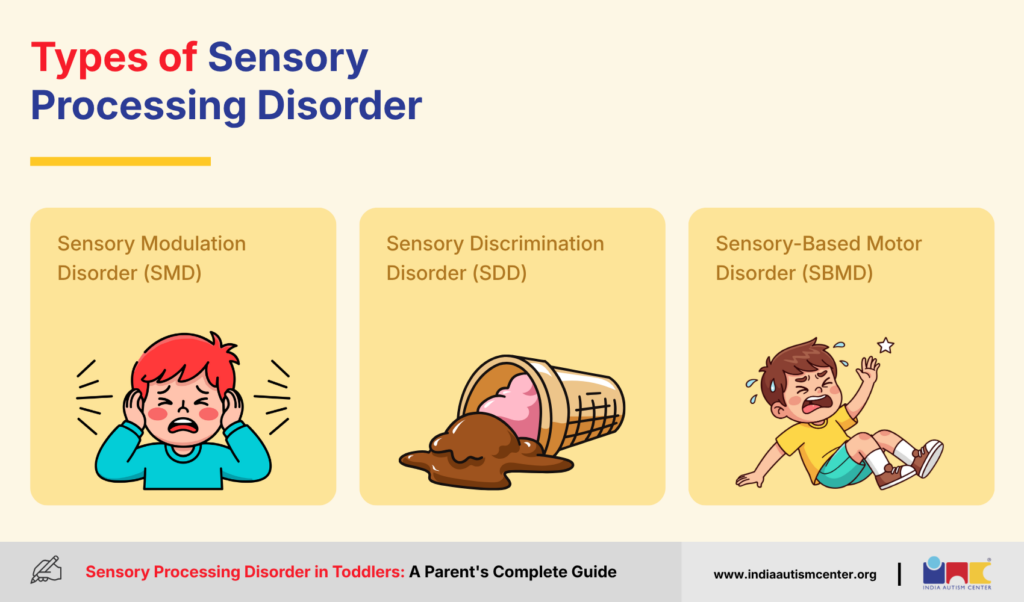
    Types of Sensory Processing Disorder

    Infographic showing three types of sensory processing disorder: sensory modulation disorder, sensory discrimination disorder, and sensory-based motor disorder.

    Not all children with sensory challenges experience them in the same way. In fact, understanding the different types of Sensory Processing Disorder can help parents make sense of behaviours that may otherwise seem confusing or inconsistent.

    Some children are found to be highly insensitive to sensory input; on the other hand, some might even actively seek it out. Also, some children struggle with movement, coordination or understanding information that is received through different senses. Experts generally group sensory processing difficulties into three main categories.

    1. Sensory Modulation Disorder (SMD)

    Sensory Modulation Disorder is the most commonly recognised form of sensory processing difficulty. It affects how a child responds to sensory input from their environment. Children with this type may fall into one of three patterns:

    • Sensory Over-Responsivity (Hypersensitivity)

    Toddlers with hypersensitivity tend to react more intensely when it comes to sensory experiences. Toddlers with a type of Sensory Processing Disorder often cover their ears in response to everyday sounds, avoid different clothing textures, become overwhelmed in crowded environments, or, at times, refuse food just because it has a texture or a smell. 

    • Sensory Under-Responsivity (Hyposensitivity)

    Children may appear less aware of sensory input and require stronger stimulation to respond. They might have a high tolerance for pain, not notice when their hands or face are dirty, seem unaware of loud sounds or when their name is being called. They also appear to be less responsive to their surroundings. 

    • Sensory Seeking

    Some children constantly seek sensory experiences. They may want to spin or climb excessively, touch everything, enjoy rough-and-tumble play and also seek strong movement or pressure sensations. 

    2. Sensory Discrimination Disorder (SDD)

    Children with Sensory Discrimination Disorder often have difficulty interpreting sensory information correctly. While they can detect sensory input, their brains tend to struggle to understand what all this information means.

    A child with this type of Sensory Processing Disorder may:

    • Struggle to judge how much force to use when handling objects
    • Have difficulty identifying objects by touch
    • Misjudge distances and spatial relationships

    3. Sensory-Based Motor Disorder (SBMD)

    This type of Sensory Processing Disorder involves difficulties with movement and motor coordination that are linked to sensory processing challenges. Children may have trouble planning, organising, and carrying out physical movements effectively. Some of the common signs include:

    • Poor balance and posture
    • Clumsiness or frequent falls
    • Difficulty when learning new motor skills
    • Challenges with activities such as climbing, jumping, or catching a ball

    Some children may also struggle with motor planning, a condition known as dyspraxia, which makes it harder to perform everyday tasks that require coordinated movements.

    A toddler may show characteristics of multiple types of Sensory Processing Disorder at the same time. Understanding a child’s unique sensory profile is often the first step toward finding effective support and appropriate therapy for Sensory Processing Disorder.

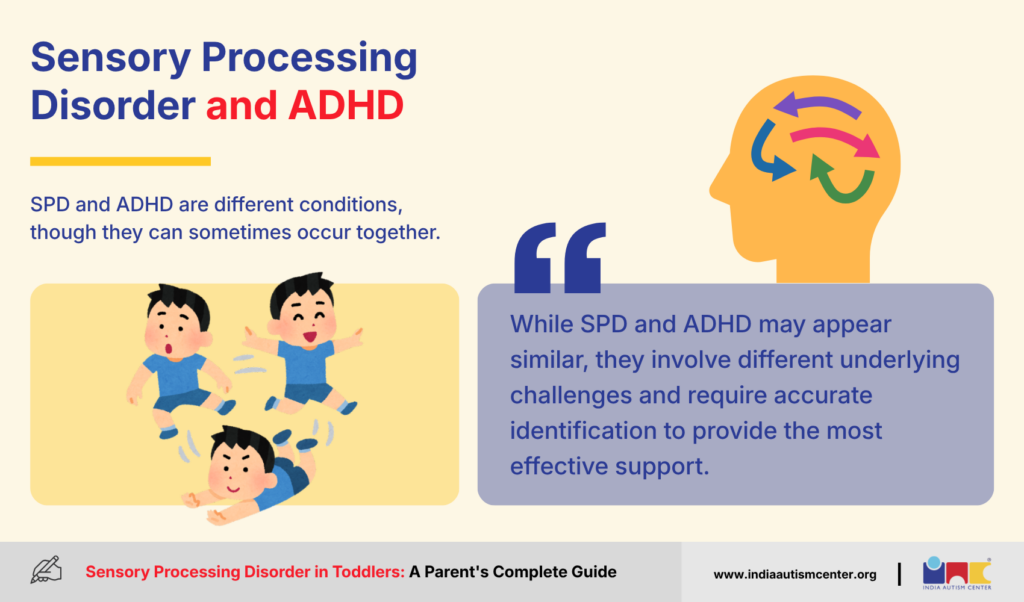
    Sensory Processing Disorder and Attention Deficit Hyperactivity Disorder (ADHD)

    Illustration comparing sensory processing disorder and ADHD with active child figures and a head icon with arrows.

    Parents often wonder if Sensory Processing Disorder and ADHD are the same or are linked with one another. Although they are two different conditions, they can also co-occur. Some studies show that roughly 40% of children with ADHD also exhibit significant sensory processing challenges.

    The confusion happens because a child seeking sensory input tends to appear hyperactive or even distracted. However, the reason behind it can be different. A child with ADHD often struggles with attention and impulse control; on the other hand, a child with SPD is trying to regulate their nervous system through sensory input. Distinguishing between the two is key to getting the right support.

    However, not every child with Sensory Processing Disorder will have ADHD, and not every child who is diagnosed with ADHD experiences sensory challenges.

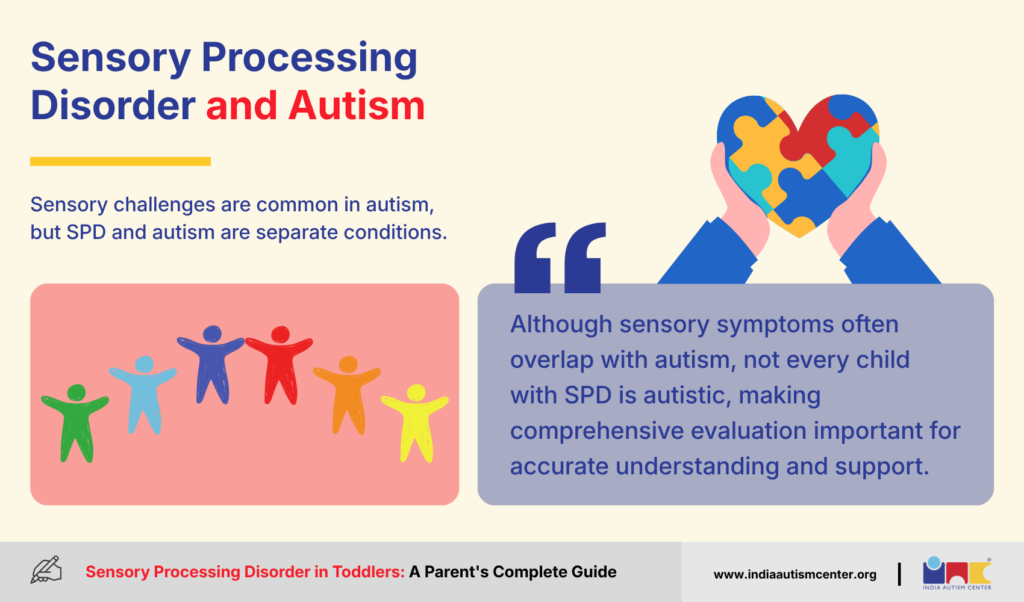
    Sensory Processing Disorder and Autism

    Graphic explaining the connection between sensory processing disorder and autism with a puzzle-heart icon and supportive text.

    Sensory challenges are highly prevalent among autistic individuals. In fact, sensory differences became part of the diagnostic criteria for Autism Spectrum Disorder (ASD) in the Diagnostic and Statistical Manual of Mental Disorders (DSM-5).

    However, it is not necessary that every child who is diagnosed with SPD will be autistic. It is also important to know that sensory symptoms tend to overlap with ASD; developmental paediatricians, psychologists, and occupational therapists often conduct detailed evaluations to understand a child’s individual profile.

    How Is Sensory Processing Disorder Diagnosed?

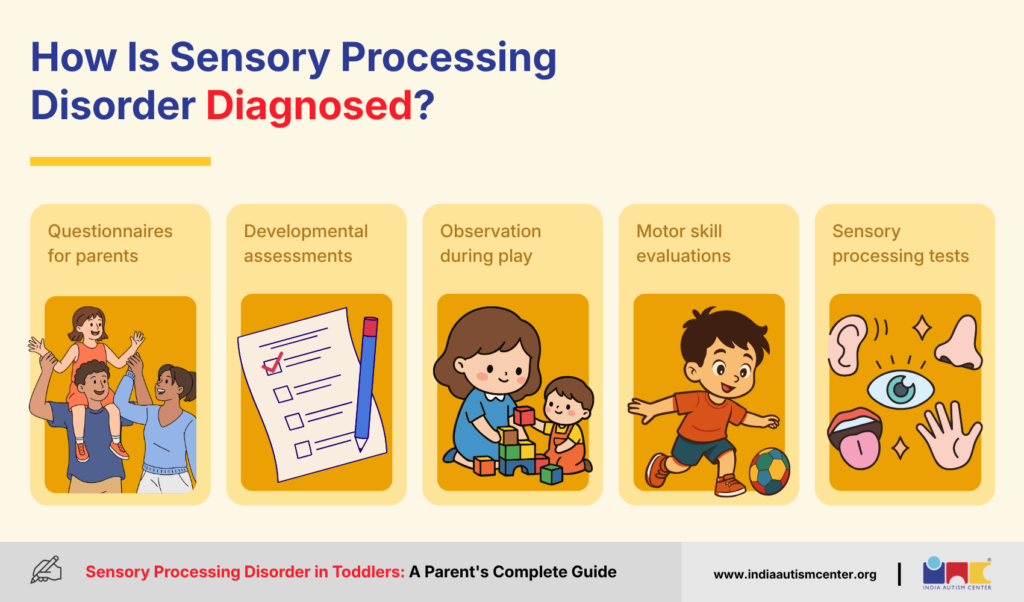
    Infographic showing how sensory processing disorder is diagnosed through questionnaires, developmental assessments, observation, motor skill evaluation, and sensory tests.

    Currently, there is no single medical test that can diagnose sensory processing difficulties. Instead, professionals use observations, developmental histories, parent interviews, and standardised assessments to understand a child’s sensory profile. The evaluation process may involve:

    • Questionnaires for parents
    • Developmental assessments
    • Observation during play
    • Motor skill evaluations
    • Sensory processing assessments

    The goal is not only to identify the challenges but also to identify the strengths, preferences, and support a child with SPD needs.

    Sensory Processing Disorder Therapy: What Are the Treatment Options?

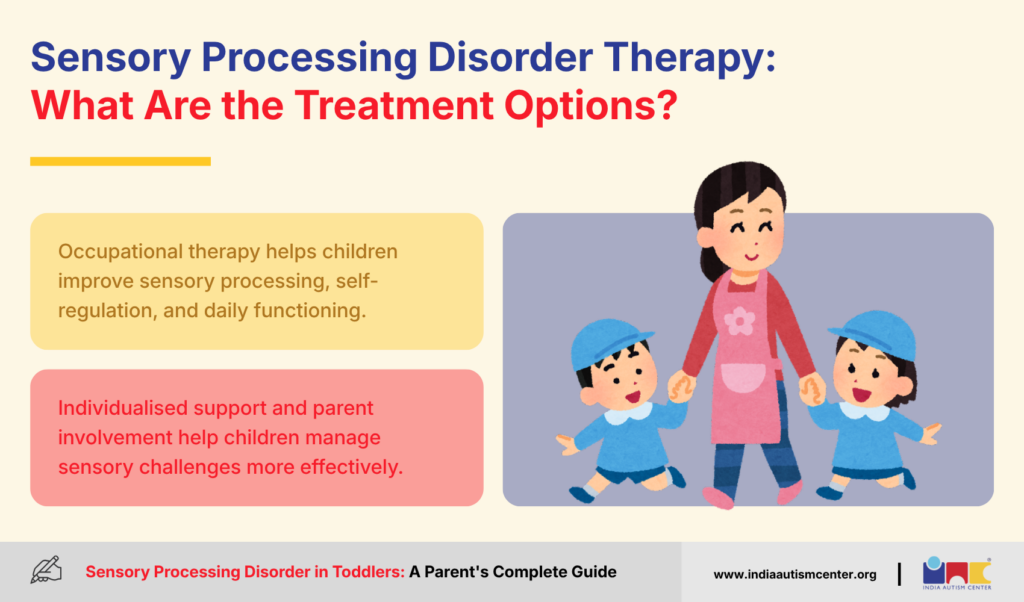
    Graphic about sensory processing disorder therapy showing occupational therapy, parent involvement, and treatment support options.

    There is no single treatment for sensory processing difficulties. Still, various forms of Sensory Processing Disorder therapy can help children better manage sensory experiences and participate more comfortably in daily activities.

    The most common approach is occupational therapy, where trained professionals use play-based activities to help children improve sensory processing, motor skills, self-regulation, and independence.

    Some occupational therapists may also use sensory integration techniques, which involve structured activities designed to help the brain process sensory information more effectively. These activities can include swinging, climbing, balancing exercises, and tactile play.

    In addition to professional support, parent coaching is also an important part of the intervention. Therapists also work with parents to identify different sensory triggers, create supportive routines, and develop different strategies.

    Since every child experiences sensory challenges differently, therapy plans are naturally individualised. Early intervention and consistent support can help children build confidence, improve their daily functioning, and better navigate sensory experiences as they grow.

    How to Help a Child with Sensory Processing Disorder at Home?

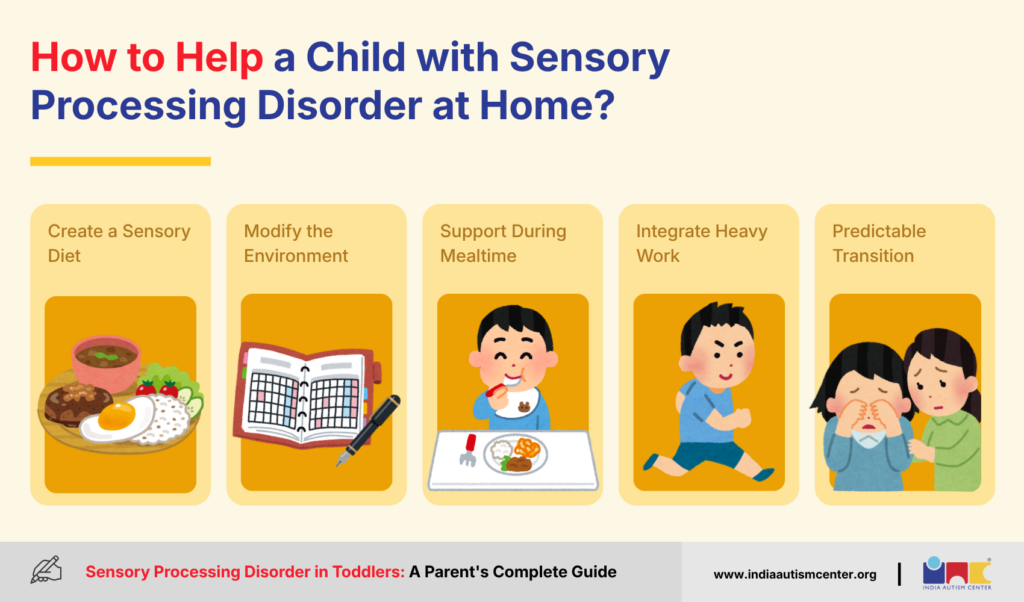
    Infographic showing home support strategies such as sensory diet, environmental changes, mealtime support, heavy work, and predictable transitions.

    While professional therapy is essential, much of the progress happens in the natural environment of the home. Knowing how to help a child with Sensory Processing Disorder involves making small, intentional changes to your daily routine.

    1. Create a Sensory Diet

    A sensory diet is a personalised plan that offers the sensory input a child needs to stay focused and calm. 

    2. Modify the Environment

    Reducing sensory triggers will help to prevent meltdowns before they start. Use visual schedules, create a quiet corner, and opt for different clothing choices.

    3. Support During Mealtime

    For toddlers who are picky eaters with sensory issues, it is best not to force them to eat. Instead, parents can encourage food play. Parents can let them touch, smell, and describe the food without the pressure of tasting it.

    4. Integrate Heavy Work Into Daily Chores

    Heavy work is essentially any activity that pushes or pulls against the muscles and joints. This stimulates the proprioceptive system, which sends grounding, organising signals to the brain. It is one of the fastest, most natural ways to help an overstimulated child calm down, or an under-responsive child wake up their nervous system.

    5. Establish Predictable Transition Routines

    Sudden changes in the environment for toddlers who have sensory processing challenges can feel jarring as their brains take longer to shift focus and process new sensory environments. For example, when you move your toddler from a quiet living room to the chaotic supermarket environment, it can often lead to meltdowns.

    How India Autism Center Supports Children and Families

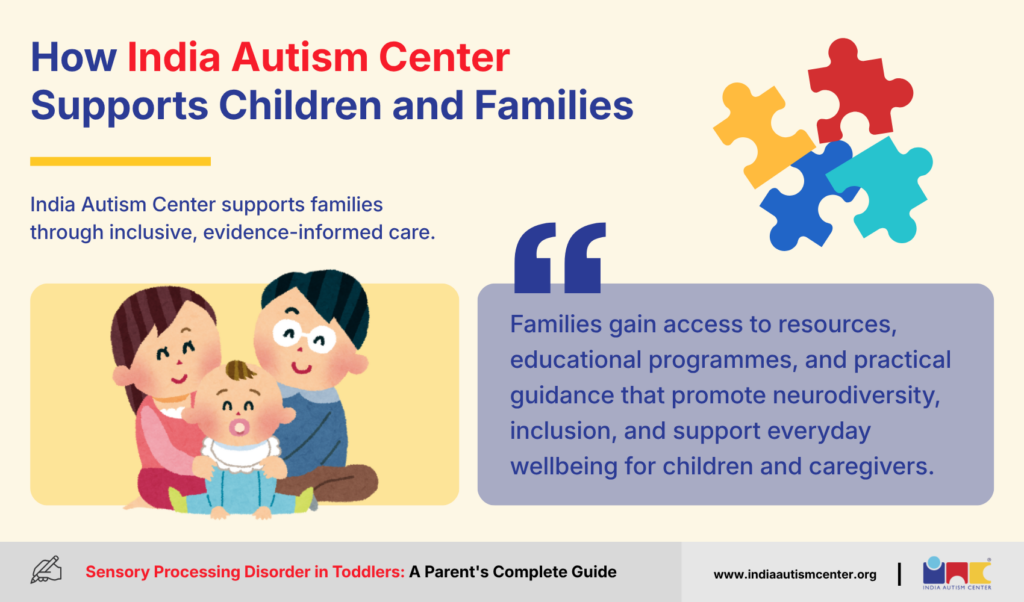
    Illustration showing India Autism Center’s support for children and families through inclusive care, resources, and practical guidance.

    Every child views and experiences the world differently. At India Autism Center, the focus is on identifying each person’s unique strengths, challenges, as well as sensory profile. Through evidence-informed support, family-centred approaches, and a commitment to inclusion, the organisation works to empower autistic individuals and their families across every stage of life.

    Families seeking guidance can benefit from access to resources, educational programs, community initiatives, and information that promotes greater understanding of neurodiversity. Whether parents are learning about Sensory Processing Disorder symptoms, exploring intervention options, or looking to know practical strategies for everyday life, trusted information and supportive communities like IAC can make a big impact for parents as well as toddlers.

    Conclusion

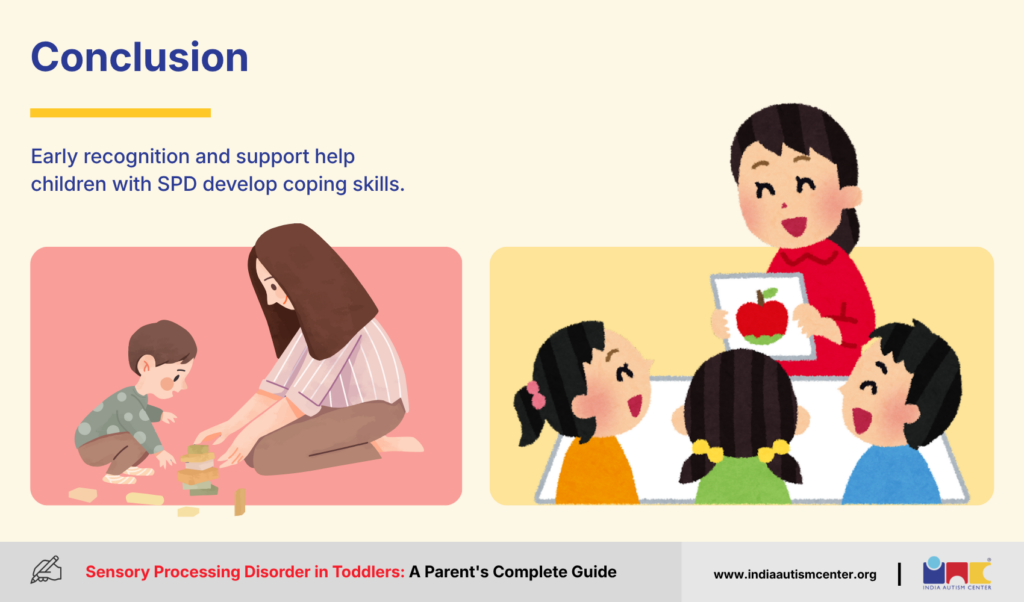
    Conclusion slide stating that early recognition and support help children with sensory processing disorder build coping skills.

    Sensory Processing Disorder in toddlers can influence how they experience and respond to the world around them. It can affect everything from play and learning to daily routines. Recognising Sensory Processing Disorder symptoms early allows parents to identify their child’s needs better and access appropriate support. 

    With the right guidance, Sensory Processing Disorder therapy, and a supportive environment, toddlers can develop effective coping skills to thrive. Every person is unique, and knowing their sensory profile is an important step toward helping them reach their full potential to have an enriching life.

    Frequently Asked Questions

    What is Sensory Processing Disorder in toddlers?

    Sensory Processing Disorder is a condition where the brain finds it complex to organise and respond to sensory information such as sounds, textures, movement, smells, and touch, leading to unusual reactions or behaviours.

    What are some of the common signs of Sensory Processing Disorder in toddlers?

    Some of the common signs of Sensory Processing Disorder (SPD) in toddlers may include covering ears, avoiding messy play, refusing certain foods, excessive spinning or jumping, clumsiness, and strong emotional reactions to sensory experiences.

    What causes Sensory Processing Disorder in toddlers?

    The exact cause of SPD is unknown, but researchers believe genetic, neurological, and developmental factors may be the reason behind sensory processing challenges.

    Can Sensory Processing Disorder improve with therapy?

    Many children benefit from early intervention and therapy, which can help toddlers develop coping strategies, improve self-regulation, and participate more comfortably in daily activities.

    Do all toddlers with sensory sensitivities have Sensory Processing Disorder?

    No. There are several toddlers who might show temporary sensory preferences or sensitivities. A diagnosis becomes necessary when the challenges are persistent or impact daily functioning on a significant level.

    For expert insights, support services, and inclusive learning initiatives, visit the India Autism Center.

  • How to Handle a Hyperactive Child: A Practical Guide

    How to Handle a Hyperactive Child: A Practical Guide

    Do you often feel exhausted trying to keep up with your child’s endless energy? Does your little one jump from one activity to another, struggle to focus, interrupt conversations constantly, or become restless even during meals or bedtime? If yes, you are not alone.

    It can be confusing if your child is simply energetic or if these behaviors point towards something serious like Attention-Deficit/Hyperactivity Disorder (ADHD). However, this confusion is more common than you think. In fact, according to the U.S. Centers for Disease Control and Prevention (CDC), nearly 11.4% of children between 3 and 17 years have been diagnosed with ADHD, and hyperactivity is one of its most common symptoms. 

    This can be worrisome for many parents, as children with untreated ADHD are more likely to struggle academically and emotionally compared to their peers. Today, we will explain what hyperactivity is, the common signs, its causes, and how parents can manage a child with ADHD.

    What Does Hyperactive Mean?

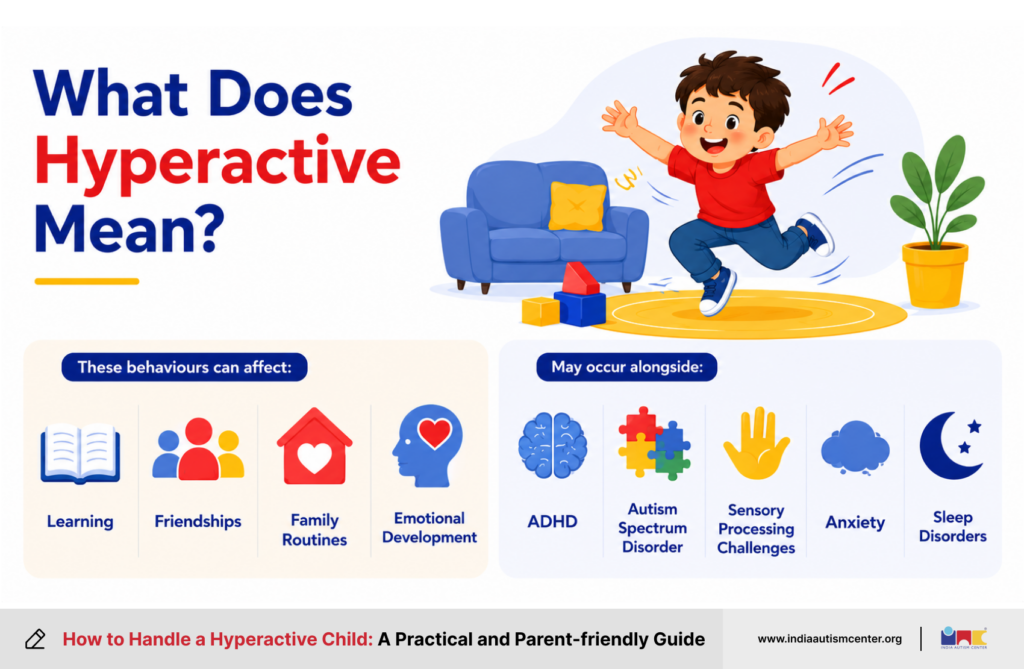
    Meaning of hyperactive behaviour in children and how it affects daily life

    Many parents search online asking, “What does hyperactive mean?” A hyperactive child usually shows unusually high levels of movement, impulsiveness, and restlessness, and has difficulty staying calm or focused for age-appropriate periods. 

    While all children are naturally active, hyperactivity goes beyond normal excitement or playfulness. A child who experiences hyperactivity may:

    • constantly run or climb
    • fidget all the time
    • interrupt conversations frequently
    • talk excessively
    • struggle to stay seated
    • become easily distracted
    • act impulsively without thinking
    • switch rapidly between activities
    • have emotional outbursts often

    More often than not, such behaviour can interfere with learning, friendships, family routines, emotional development and classroom participation. 

    Parents need to remember that hyperactivity may occur alongside conditions like ADHD, autism spectrum disorder, sensory processing challenges, anxiety and sleep disorders.

    What Are Some of the Common Signs of Hyperactivity in Children?

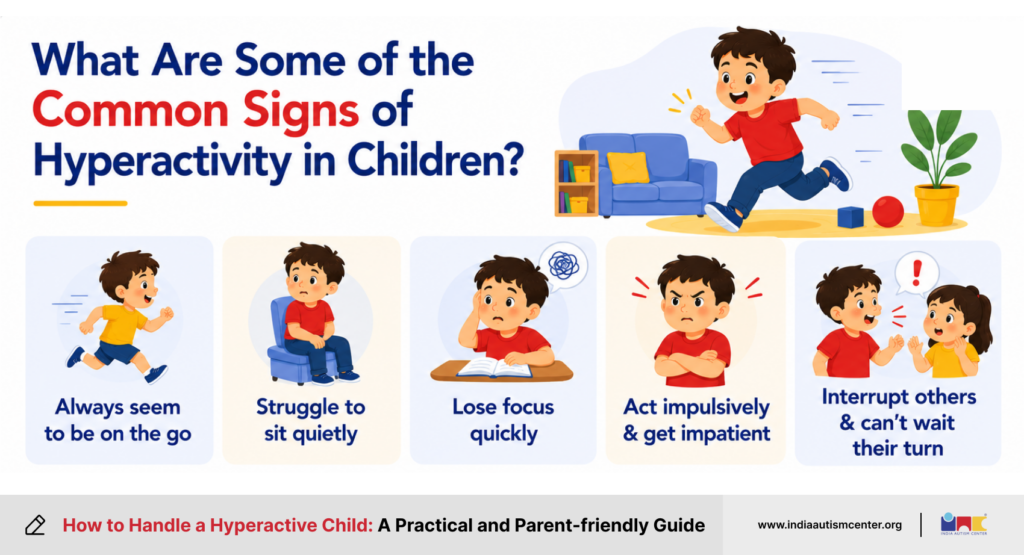
    Children naturally have energy, especially toddlers and preschoolers. However, some signs may suggest persistent childhood hyperactivity rather than normal active behaviour. Some very common signs of a hyperactive child are:

    • The child might always seem to be on the go
    • The child struggles to sit quietly, even for short periods
    • Children with hyperactivity tend to lose focus quickly
    • They tend to become impatient easily
    • Children who are hyperactive at times also have trouble following instructions
    • More often than not, the child shows impulsive behaviour
    • They also interrupt people repeatedly
    • The child can also struggle with waiting for their turns
    • Parents might also notice these children move excessively during sleep
    • Hyperactive children also become emotionally overwhelmed quickly
    • Teachers might find that such children have difficulty staying seated in class, come to class with incomplete schoolwork, talk constantly, are easily distracted or exhibit disruptive behaviour. 

    Studies have also found that ADHD symptoms can continue into adolescence and even adulthood if not addressed early. However, early intervention can significantly improve long-term outcomes.

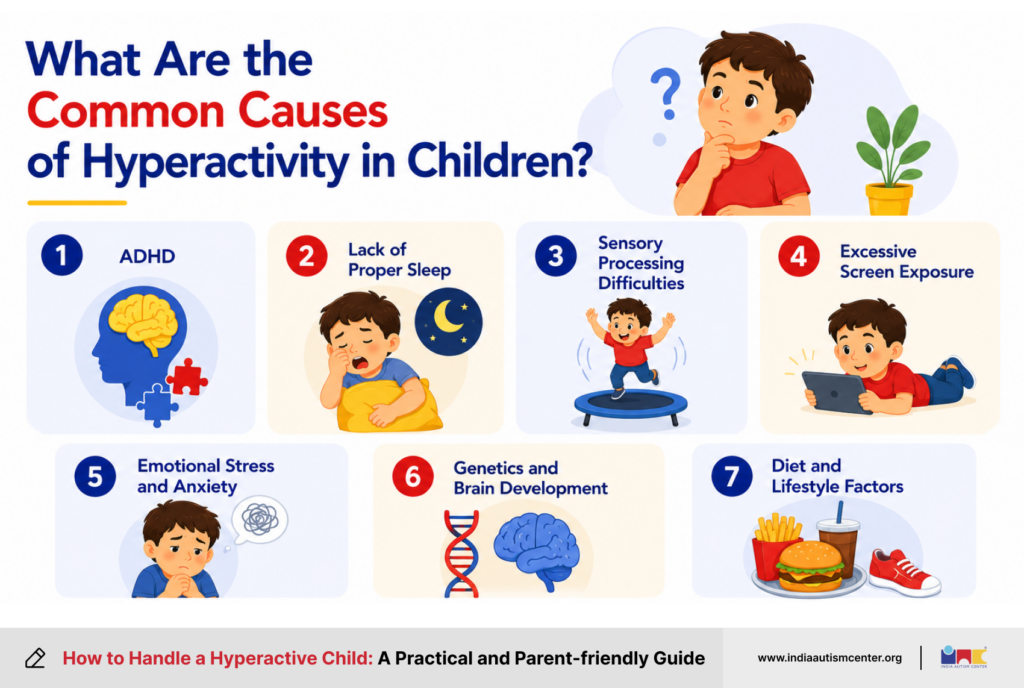
    What Are the Common Causes of Hyperactivity in Children?

    Common causes of hyperactivity in children including ADHD, sleep issues and screen exposure

    Understanding the causes behind hyperactivity in children is important because hyperactive behaviour is not always linked to one single condition. In many cases, several biological, emotional, environmental, and developmental factors work together.

    While some children are naturally energetic, persistent restlessness, impulsive behaviour, and difficulty focusing may indicate deeper concerns that require attention and support.

    Here are some of the most common causes of childhood hyperactivity that parents should know about.

    1. Attention-Deficit/Hyperactivity Disorder (ADHD)

    One of the leading causes of a hyperactive child is ADHD. Children with ADHD tend to struggle with sitting still, controlling impulses, staying focused, following instructions, or managing emotions. 

    Hyperactivity is usually accompanied by impulsiveness and attention difficulties.

    2. Lack of Proper Sleep

    Sleep plays a major role in a child’s behaviour and brain function. Surprisingly, tired children do not always appear sleepy. Instead, they may become overly active, irritable, impulsive, and emotionally sensitive. 

    Poor sleep routines, excessive screen time before bed, sleep disorders, or anxiety can make the hyperactivity in children even worse.

    3. Sensory Processing Difficulties

    Some children constantly seek movement because their nervous system processes sensory information differently. They may jump, spin, run, or fidget frequently to regulate themselves. Sensory challenges are commonly seen in children with ADHD and autism spectrum disorder.

    4. Excessive Screen Exposure

    There are various studies that suggest that too much screen time may affect attention span, emotional regulation, sleep quality, and behaviour in young children. Fast-paced digital content tends to overstimulate the brain, making it difficult for children to stay calm as well as focused.

    5. Emotional Stress and Anxiety

    More often than not, children tend to express their emotional distress in a physical way instead of a verbal one. Family stress, academic pressure, changes in routine, or even certain emotional insecurity may lead to hyperactivity.

    6. Genetics and Brain Development

    There is research that explains genetics plays a strong role in childhood hyperactivity. Children who have a family history of ADHD or related neurodevelopmental conditions tend to be more likely to show hyperactive symptoms.

    7. Diet and Lifestyle Factors

    Sugar alone will not instantly cause hyperactivity. Instead, unhealthy eating habits and consumption of processed foods, along with lack of physical activity and irregular routines, also tend to significantly contribute to behavioural challenges in a lot of children.

    Understanding the root cause of hyperactivity helps parents approach a hyperactive child with empathy and not frustration. Early intervention and support, healthy routines, and professional guidance when needed can make a drastic difference in a child’s emotional and behavioural development.

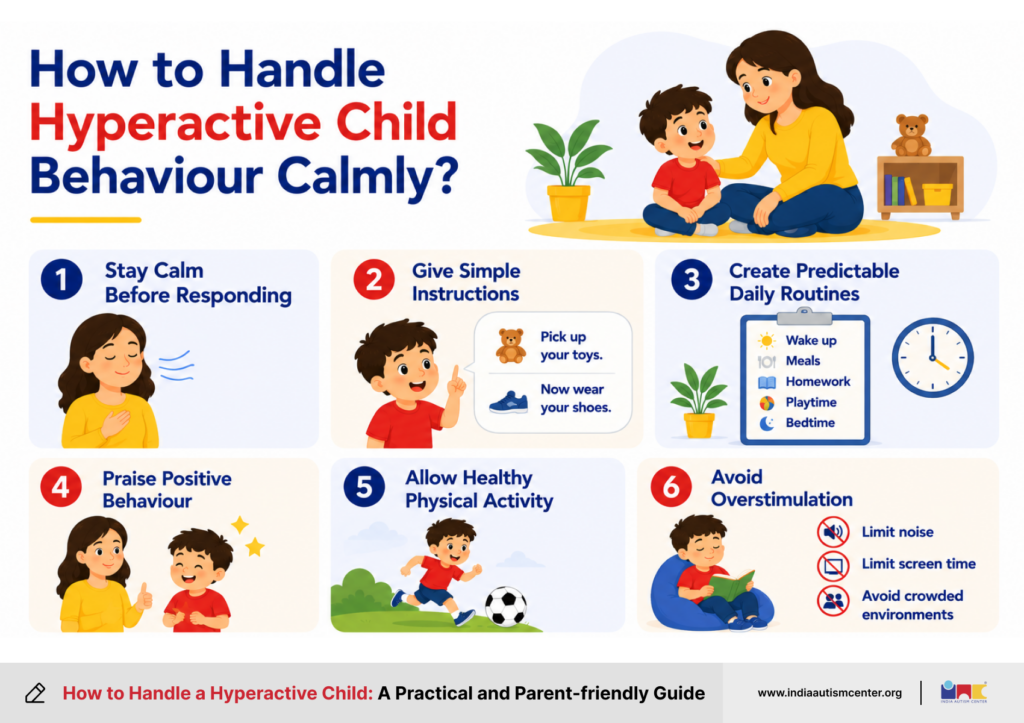
    How to Handle Hyperactive Child Behaviour Calmly?

    Practical tips to handle hyperactive child behaviour calmly with routines and simple instructions

    Managing a hyperactive child can feel overwhelming, especially when daily routines become filled with tantrums, restlessness, impulsive behaviour, and emotional outbursts. However, shouting, harsh punishments, or constant scolding usually make the situation worse.

    Children who experience hyperactivity often struggle with emotional regulation and self-control, so they need calm guidance rather than criticism.

    Here are some effective ways parents can handle hyperactive behaviour calmly and positively.

    Stay Calm Before Responding

    Children often mirror the emotions of the adults around them. If parents become frustrated or angry quickly, the child may become even more restless or emotional. Here is what can be done instead:

    • Speak slowly and clearly
    • Maintain a calm tone
    • Avoid yelling during meltdowns
    • Give the child time to settle down

    A calm parent helps create a calmer environment for the child.

    Give Simple Instructions

    Long explanations can overwhelm a hyperactive child. Instead of giving multiple instructions together, break tasks into smaller steps. For example:

    • “Pick up your toys first.”
    • “Now wear your shoes.”

    Simple directions improve cooperation and reduce frustration.

    Create Predictable Daily Routines

    Children with childhood hyperactivity tend to respond well to structure. Fixed routines can further help to reduce confusion and overstimulation. Try maintaining consistent wake-up time, meal schedules, homework hours, playtime and bedtime routine.

    When children know what to expect, they often feel more secure and better regulated emotionally.

    Praise Positive Behaviour

    Positive reinforcement is one of the best tools for managing hyperactivity in children. Prent must praise behaviours such as sitting calmly, listening carefully, waiting patiently or completing tasks.

    Even an achievement needs to be appreciated, and encouragement motivates children to repeat good behaviour.

    Allow Healthy Physical Activity

    Hyperactive children need safe ways to release energy. Outdoor play, cycling, swimming, dancing, or jumping activities can help improve focus and emotional balance.

    Avoid Overstimulation

    Too much noise, screen time, or heavily crowded environments can increase restlessness. Creating a calm and organised environment often helps children feel more relaxed.

    Learning how to handle hyperactive child behaviour takes patience and consistency. Small daily changes, combined with emotional support and understanding, can gradually improve behaviour and strengthen the parent-child relationship.

    https://youtu.be/smKWM9ItC-0?si=iqmIjBbowv0-n9D9

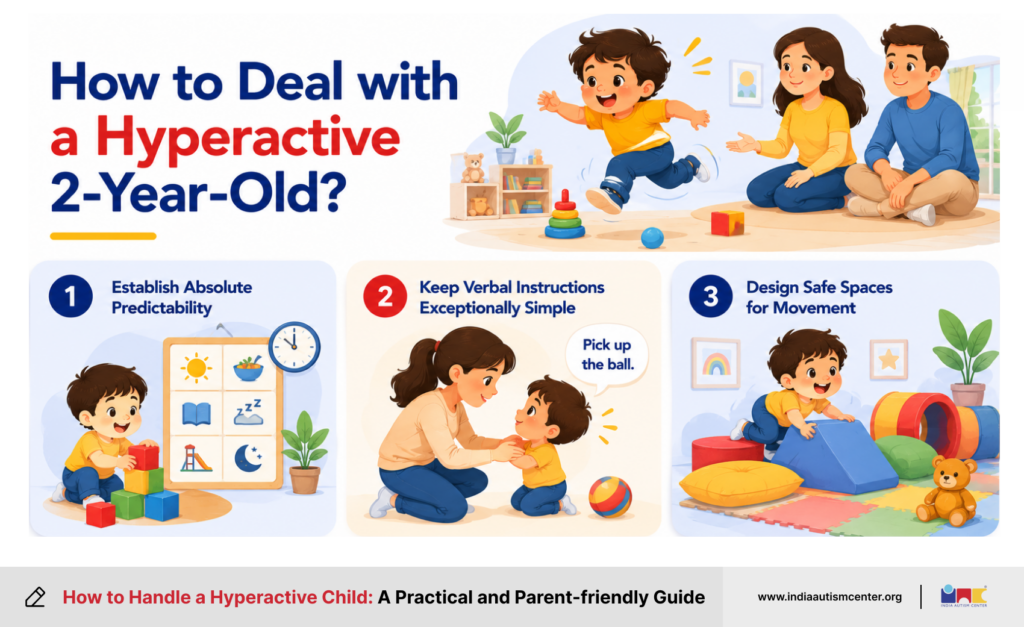
    How to Deal with a Hyperactive 2-Year-Old?

    How to deal with a hyperactive 2-year-old using predictable routines and safe play spaces

    The toddler years are defined by rapid exploration, but managing a hyperactive 2-year-old requires an extra layer of patience, predictability, and safety. At this tender age, the brain is developing at an astonishing rate, and toddlers lack the language skills to express overwhelming sensory inputs or big emotions.

    Here is what you can do:

    • Establish Absolute Predictability: Create a highly structured daily routine. Toddlers thrive when they know exactly what comes next. Ensure that meals, afternoon naps, and bedtime occur at the same times every single day to keep their nervous system grounded.
    • Keep Verbal Instructions Exceptionally Simple: When giving directions, crouch down to their eye level, place a gentle hand on their shoulder, and use simple, three- to four-word sentences, such as “pick up the ball.”
    • Design Safe Spaces for Movement: Since a hyperactive toddler needs to move, it is best to set up a dedicated room or corner with soft floor mats, oversized pillows, and safe climbing toys where they can burn off energy without constantly hearing the word no.

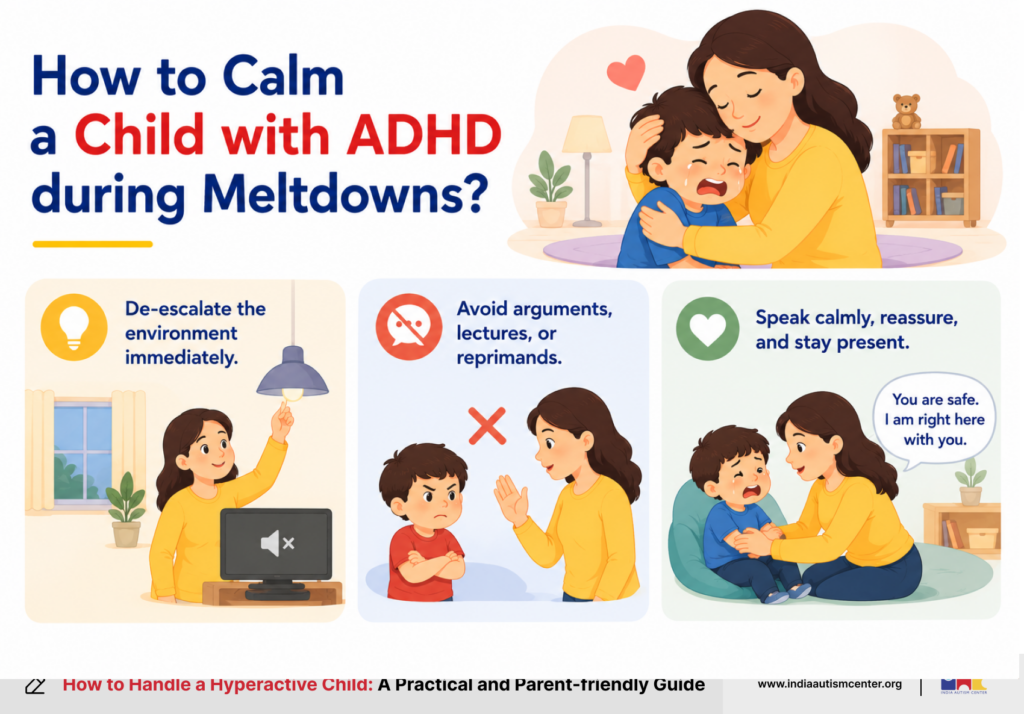
    How to Calm a Child with ADHD during Meltdowns?

    How to calm a child with ADHD during meltdowns using reassurance and a calm environment

    An emotional meltdown is completely different from a typical temper tantrum. It is an involuntary neurological response to an overloaded sensory and emotional system. Learning how to calm a child with ADHD during these intense moments requires a calm, steady, and non-punitive approach from the caregiver.

    During a severe meltdown, de-escalate the environment immediately by dimming bright overhead lights, turning off loud televisions, and asking other family members to step into another room. 

    Avoid lengthy arguments, lecturing, or reprimanding your child when they are distressed. 

    Instead, speak in a low, quiet, reassuring, and rhythmic whisper. Moreover, saying words like “You are safe, or I am right here with you” can considerably help to calm them down. It is a better idea to let the intense emotional wave pass first and then attempt to discuss the underlying issue or give a gentle solution.

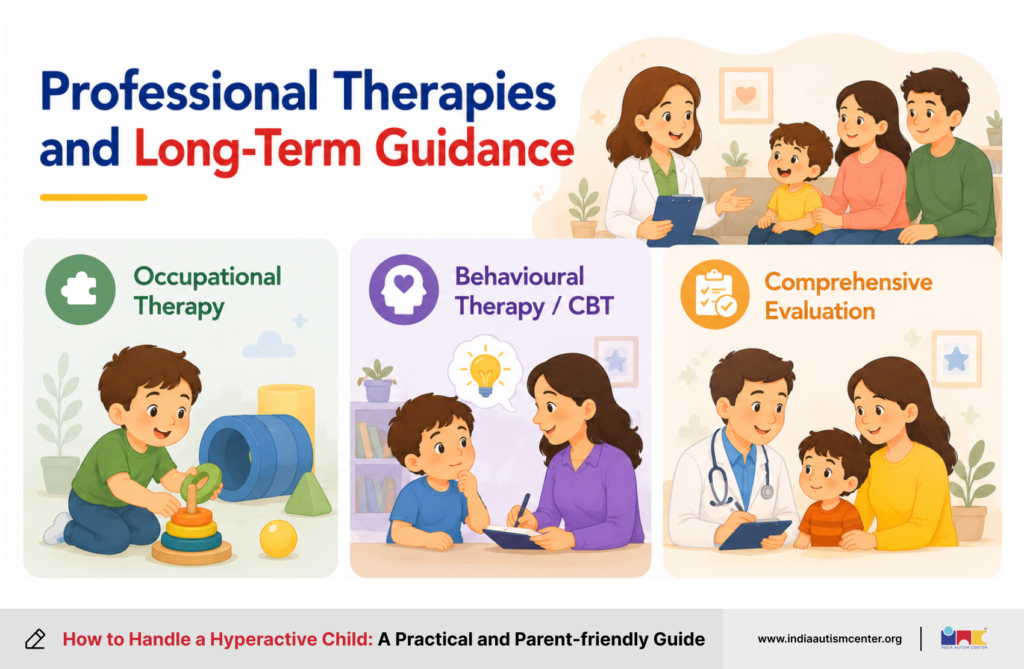
    Professional Therapies and Long-Term Guidance

    Professional therapies and long-term guidance for hyperactive children

    While implementing home-based adjustments is incredibly powerful, it is also necessary to understand that treating hyperactivity often requires a more collaborative approach involving healthcare professionals who specialise in the field. 

    Every single child is unique, and a combination of tailored therapies frequently provides the most sustainable path forward. Occupational therapy is also proven to be quite beneficial, particularly through sensory integration therapy. It essentially helps the hyperactive children to process environmental stimuli more effectively.

    Behavioural therapies or Cognitive Behavioural Therapy (CBT) can help to empower older children to identify their impulsive thoughts and develop healthy, lifelong coping mechanisms.

    If you notice that hyperactivity is significantly impacting your child’s learning journey or emotional well-being, scheduling a comprehensive developmental evaluation with a trusted paediatrician or specialist is an excellent, proactive step.

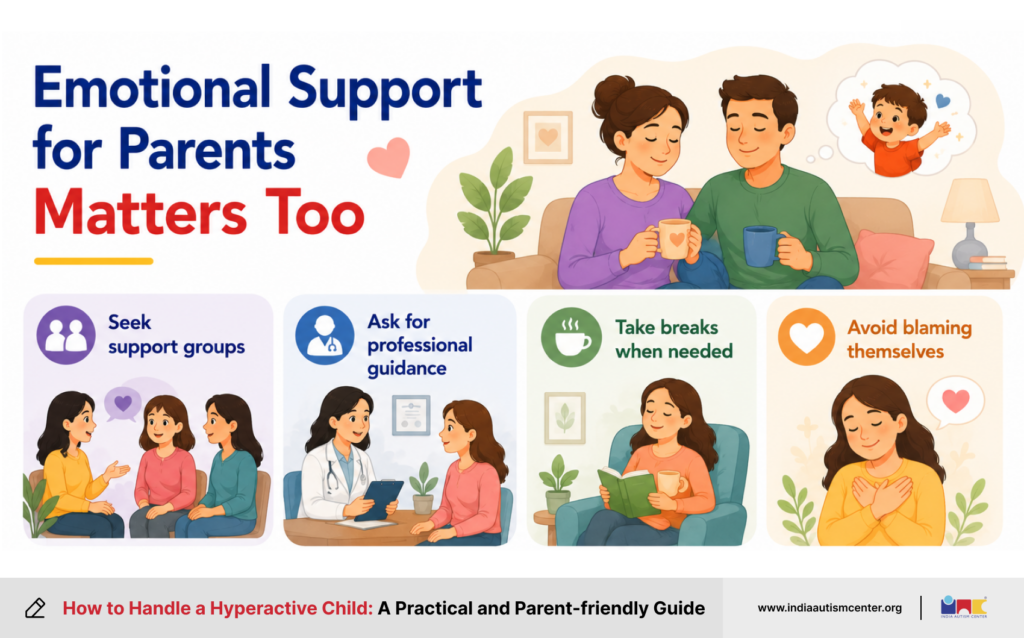
    Emotional Support for Parents Matters Too

    Emotional support tips for parents managing a hyperactive child

    Taking care of and raising a hyperactive child can be physically and emotionally tiring. Hence, it is also advised that parents should: 

    • Seek support groups
    • Ask for professional guidance
    • Take breaks when needed
    • Avoid blaming themselves

    A child’s hyperactivity does not reflect that you are a bad parent. In fact, supportive parenting is one of the strongest protective factors for children with ADHD and behavioural challenges.

    Conclusion

    Conclusion on handling a hyperactive child with routines, patience and positive communication

    Supporting a hyperactive child requires patience, consistency, and understanding. Rather than focusing only on controlling behaviour, parents need to focus on creating structured routines, emotional security, healthy habits, as well as positive communication.

    A little effort on a daily basis can gradually improve focus, emotional regulation, and confidence in children experiencing hyperactivity.

    For families seeking trusted guidance on neurodevelopmental conditions, sensory challenges, emotional development, and inclusive support, India Autism Center offers valuable resources and awareness initiatives to support both children and caregivers.

    With the right approach and early support, every child can thrive and even reach their full potential.

    Frequently Asked Questions

    What does hyperactivity mean in children?

    Hyperactive behaviour in children refers to excessive movement, impulsivity, restlessness, and difficulty focusing or staying calm compared to other children of the same age.

    Is hyperactivity in children always linked to ADHD?

    Not necessarily. Hyperactivity in children is not always due to ADHD. Sleep problems, anxiety, sensory issues, stress, and developmental differences are also known to contribute to hyperactive behaviour.

    How to handle a hyperactive child’s behaviour at home?

    Parents can easily manage hyperactive behaviour by maintaining routines, using positive reinforcement, limiting overstimulation, encouraging physical activity, and offering calm, simple instructions in a consistent manner.

    How to treat hyperactivity in children effectively?

    There are several treatment options involving behavioural therapy, structured routines, emotional support, occupational therapy, lifestyle changes, and medical guidance in case the symptoms are significantly affecting daily functioning.

    Does screen time increase hyperactivity in children?

    Excessive screen exposure is proven to overstimulate children. Moreover, it also tends to affect sleep quality, reduce attention span or even worsen emotional regulation challenges primarily associated with hyperactivity.

    When should parents seek professional help for hyperactivity?

    Parents can look for professional help if they find that hyperactivity starts to affect learning, relationships, emotional well-being, sleep, safety, or daily functioning consistently.

    How can parents emotionally support a hyperactive child?

    Parents can support children emotionally primarily by being patient, listening actively, maintaining consistent routines for them, encouraging them, providing positive reinforcement, and creating a safe, understanding home environment.

    For expert insights, support services, and inclusive learning initiatives, visit the India Autism Center.

  • Understanding ADHD Iceberg: Lesser-Known ADHD Symptoms

    Understanding ADHD Iceberg: Lesser-Known ADHD Symptoms

    When most parents think of Attention Deficit Hyperactivity Disorder (ADHD), they end up thinking of a child who cannot sit still or a student who constantly loses their homework. However, clinical research suggests that these visible behaviours are just a small fraction of the condition.

    According to industry reports, the estimated prevalence of ADHD in children globally is approximately 7-8 per cent, and many of these individuals carry the condition into adulthood.
    Despite how common ADHD is, many people still overlook the lesser-known symptoms of ADHD. Parents may notice emotional outbursts, sensory sensitivities, or chronic forgetfulness without realising these could be linked to ADHD. This lack of awareness will end up delaying diagnosis and support.

    Understanding the ADHD iceberg can greatly help families, educators, and caregivers identify challenges earlier and respond with greater empathy. It also encourages people to move beyond stereotypes and see ADHD as a neurodevelopmental condition with many layers.

    In this article, we will explain what the ADHD iceberg is and its lesser-known ADHD symptoms

    What Is the ADHD Iceberg?

    ADHD iceberg visual showing visible ADHD behaviours above the waterline and hidden emotional challenges below

    The ADHD iceberg is a visual metaphor used to explain that many ADHD symptoms are hidden from public view. Above the waterline are the commonly recognised signs, such as:

    • Hyperactivity
    • Impulsivity
    • Difficulty focusing
    • Interrupting conversations
    • Restlessness

    Below the surface are much deeper struggles that people do not notice immediately. These include emotional dysregulation, sensory issues, low self-esteem, rejection sensitivity, executive dysfunction, sleep problems, and social difficulties.

    The hidden symptoms have the greatest long-term impact by affecting everyday functioning, confidence, and mental health.

    For example, a child may appear lazy or careless when they forget homework repeatedly. In reality, they may struggle with working memory and executive functioning. Similarly, an adult who seems overly emotional may actually be experiencing emotional dysregulation related to ADHD.

    The ADHD iceberg reminds us that behaviour is only one piece of the puzzle.

    Why Many ADHD Symptoms Go Unnoticed?

    Infographic explaining why ADHD symptoms go unnoticed due to masking, internal struggles and different presentations

    Many uncommon ADHD symptoms are misunderstood because they overlap with anxiety, autism, learning disabilities, or personality traits. Several factors contribute to missed or delayed recognition:

    1. ADHD Looks Different in Different People

    It is not necessary that every person who is diagnosed with ADHD is hyperactive. There are some individuals who are quiet, daydreamy, or even highly emotionally sensitive. Girls are likely to have inattentive symptoms rather than disruptive behaviour.

    In fact, research shows that girls with ADHD are frequently underdiagnosed as the symptoms are not very visible.

    2. People Develop Masking Behaviours

    Some children and adults work extremely hard to hide their struggles. They may copy peers, overprepare, or suppress emotional reactions to avoid criticism.

    Masking is quite exhausting and may contribute to burnout, anxiety, and depression over time.

    3. Hidden Symptoms Are Often Internal

    There are several lesser-known ADHD symptoms that often happen internally. Others cannot always see emotional overwhelm, racing thoughts, or sensory discomfort.

    The Hidden Side of the ADHD Iceberg

    ADHD iceberg infographic showing hidden symptoms like RSD, executive dysfunction, sleep issues and sensory sensitivity

    While hyperactivity and distractibility are some of the most visible signs of ADHD, many struggles still remain hidden beneath the surface. The ADHD iceberg tends to include emotional, sensory, social, and executive functioning challenges. It may at times even go unnoticed; however, it can deeply affect daily life, relationships, learning, and self-esteem. 

    Understanding these hidden difficulties is essential for recognising the full impact of ADHD beyond its commonly discussed symptoms.

    Emotional Dysregulation

    Emotional dysregulation is one of the most common yet uncommon ADHD symptoms discussed publicly. People with ADHD may feel emotions more intensely and struggle to regulate them effectively.

    It may sometimes look like sudden frustration, emotional outbursts, anger over small setbacks, and even difficulty calming down. Children may appear overly dramatic; on the other hand, adults may feel emotionally exhausted from constantly managing strong feelings and reactions.

    In fact, there is research that shows that emotional dysregulation significantly affects the quality of life in individuals with ADHD.

    Rejection Sensitive Dysphoria (RSD)

    One of the lesser-known ADHD symptoms is rejection-sensitive dysphoria, often shortened to RSD. This involves intense emotional pain triggered by criticism, rejection, failure, disapproval, and feeling excluded. 

    A child with RSD may completely shut down after a minor correction in school. Adults may become extreme people-pleasers or avoid situations where they could fail. Although RSD is not officially listed in ADHD diagnostic criteria, many clinicians recognise its strong connection to ADHD.

    Executive Dysfunction

    Executive dysfunction is one of the most disabling but lesser-known symptoms of ADHD. Executive functions help people plan tasks, organise activities, start assignments, manage priorities, follow routines, and complete responsibilities. 

    When executive functioning is impaired, simple tasks can also feel quite overwhelming. A child may stare at homework for an hour without starting. On the other hand, an adult may procrastinate despite understanding the consequences.

    Time Blindness

    Time blindness is another hidden feature of the ADHD iceberg. People with ADHD often struggle to sense time accurately.

    It can result in chronic lateness, underestimating how long tasks take, missing deadlines, constant rushing and losing track of time during activities. 

    Time blindness is linked to executive functioning challenges in the ADHD brain.

    Hyperfocus

    One of the most misunderstood ADHD unusual symptoms is hyperfocus. Although ADHD is associated with distractibility, many individuals can become intensely absorbed in activities they enjoy.

    During hyperfocus, someone may lose track of time, ignore hunger or fatigue and become deeply immersed in hobbies.

    This happens because ADHD affects attention regulation, not just attention itself. The brain may struggle to shift focus away from stimulating activities.

    Sleep Difficulties

    Sleep problems are among the most overlooked uncommon ADHD symptoms. In fact, as per a report from Sleep Foundation, up to 70% of children with ADHD experience sleep-related challenges.

    Children who have ADHD often have a difficult time falling asleep, have racing thoughts at night, have trouble waking up or have irregular sleep schedules. Poor sleep eventually worsens emotional regulation and attention difficulties, creating a difficult cycle.

    Sensory Sensitivities

    Sensory challenges are commonly linked with autism, but they are also part of the ADHD iceberg for many individuals. Individuals who have ADHD often become overwhelmed with loud sounds, bright lights, clothing textures, strong fragrances or even a busy environment.

    In fact, children with ADHD are significantly more likely to experience sensory processing difficulties compared to neurotypical peers.

    Low Self-Esteem and Shame

    Many individuals with ADHD spend years hearing negative labels such as lazy, difficult, careless, irresponsible, and sometimes even unmotivated. Over time, these remarks can damage self-esteem deeply.

    Low self-worth is one of the most painful hidden layers of the ADHD iceberg.

    Constant Mental Overload

    Another lesser-known symptom of ADHD is mental noise. Many people describe their minds as constantly active. It often involves racing thoughts, difficulty mentally relaxing, overthinking and feeling mentally exhausted. 

    Even during quiet moments, the brain may feel overstimulated. This invisible exhaustion often goes unnoticed by others.

    ADHD in Girls: The Hidden Iceberg Many People Miss

    ADHD in girls infographic showing quiet inattentiveness, perfectionism, anxiety, daydreaming and masking behaviours

    Girls with ADHD are frequently underdiagnosed because their symptoms are often internalised. Instead of disruptive behaviour, girls may show:

    • Quiet inattentiveness
    • Perfectionism
    • Emotional sensitivity
    • Anxiety
    • Daydreaming
    • Masking behaviors

    Many girls become skilled at hiding their struggles socially and academically. As a result, diagnosis may happen much later in life. Understanding the ADHD iceberg is particularly important for identifying ADHD in girls early.

    ADHD and Co-Occurring Conditions

    ADHD co-occurring conditions infographic covering anxiety, autism, learning disabilities and sensory issues

    ADHD rarely exists in isolation. Several people who have ADHD also experience:

    This is why comprehensive evaluations are important. Parents or caregivers also need to be aware of sensory integration therapy, inclusive education, the importance of early intervention, and emotional regulation strategies.

    Signs Parents Should Not Ignore

    Infographic on emotional, cognitive, behavioural and sensory ADHD signs parents should not ignore

    Parents might end up noticing subtle patterns long before a diagnosis happens. Some signs hidden within the ADHD iceberg include:

    1. Emotional Signs: It includes extreme reactions to criticism, frequent frustration or emotional shutdowns.

    2. Cognitive Signs: Signs include forgetting instructions repeatedly, difficulty following routines, or constantly losing items.

    3. Behavioural Signs: People with ADHD start tasks but do not finish them, they avoid mentally demanding work, or are found to be hyperfocused on preferred activities. 

    4. Sensory Signs: Some signs include being uncomfortable with certain textures, shielding ears in noisy spaces, or even seeking movement constantly. 

    In case these patterns consistently interfere with everyday activities, professional assessment may help.

    How Can People with Hidden ADHD Symptoms be Supported?

    Hidden ADHD symptoms support guide with predictable routines, clear instructions, movement and emotional reassurance

    Supporting a person with hidden ADHD symptoms begins with understanding that many of their struggles are invisible. Emotional overwhelm, time blindness, sensory sensitivities, forgetfulness, and executive dysfunction are often misunderstood as laziness or carelessness. In reality, these challenges are linked to how the ADHD brain processes information, emotions, and routines.

    A supportive environment can make a significant difference in a person’s confidence and daily functioning. Instead of focusing only on behaviour, it is important to understand the underlying difficulties beneath the ADHD iceberg.

    Some extremely helpful ways to offer support include:

    • Create predictable routines and use visual schedules to reduce confusion and stress
    • Give clear and simple instructions instead of overwhelming directions
    • Breaking down bigger tasks into small, manageable steps
    • Reduce sensory overload that tends to come from loud sounds, crowded environments, or uncomfortable textures
    • Give emotional reassurance during moments of frustration or shutdown
    • Recognise strengths in terms of creativity, curiosity, problem-solving, and enthusiasm
    • Encourage movement breaks to improve focus and emotional regulation

    It is equally important to avoid constant criticism or comparisons. Positive reinforcement and patience can help individuals with ADHD feel understood rather than judged.

    Why Understanding the Iceberg Matters?

    ADHD iceberg infographic explaining why hidden symptoms need holistic support beyond visible behaviours

    Recognising the ADHD iceberg allows for a holistic approach to care. When we only treat the symptoms above the water, we leave the person struggling with the heavy burden beneath. For example, medication might help a child sit still in class, but it may not address their Rejection Sensitive Dysphoria or their sensory issues.

    Integrating therapies, such as Cognitive Behavioural Therapy or sensory integration, can be quite helpful in addressing these uncommon ADHD symptoms. Also, being aware of these traits can be quite helpful for parents in moving away from punishment and adopting a more collaborative problem-solving approach.

    Conclusion

    ADHD support infographic showing routines, clear instructions, sensory breaks and emotional reassurance for children

    The ADHD iceberg explains that ADHD is way more complex than just being distracted or hyperactive. Below the visible behaviours, there are other issues like emotional struggles, executive functioning issues, sensory sensitivities, social difficulties, and, in many cases, even hidden exhaustion that not everyone sees.

    Understanding these lesser-known symptoms of ADHD helps parents, educators, and caregivers respond with compassion rather than judgment. It also allows individuals with ADHD to feel understood instead of constantly misunderstood.
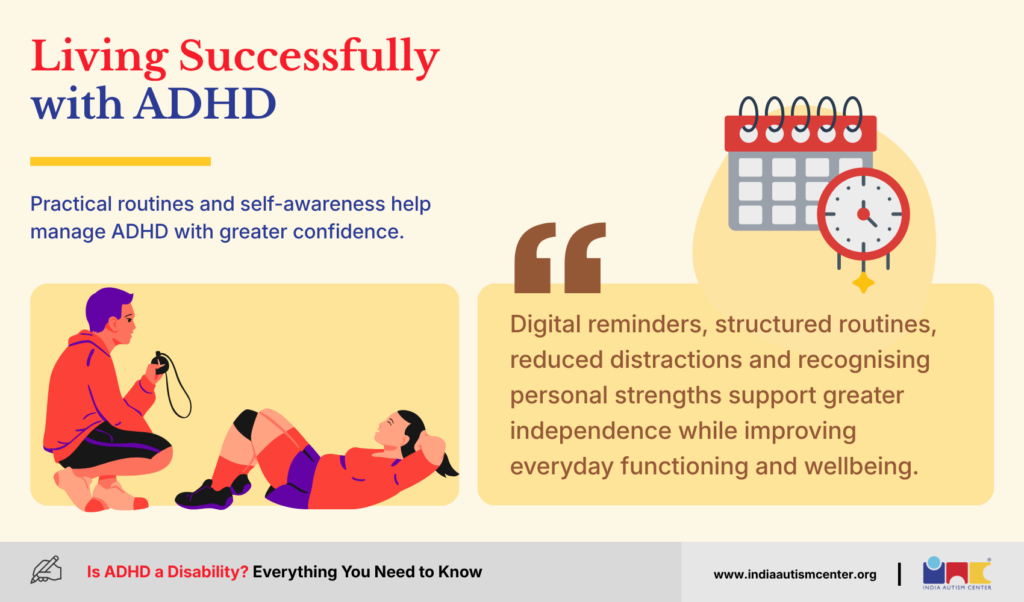
    As there is more and more awareness, more families can recognise uncommon ADHD symptoms earlier and access the right support systems. When we begin looking below the surface, we create more inclusive, supportive, and emotionally safe environments for neurodivergent individuals to thrive.
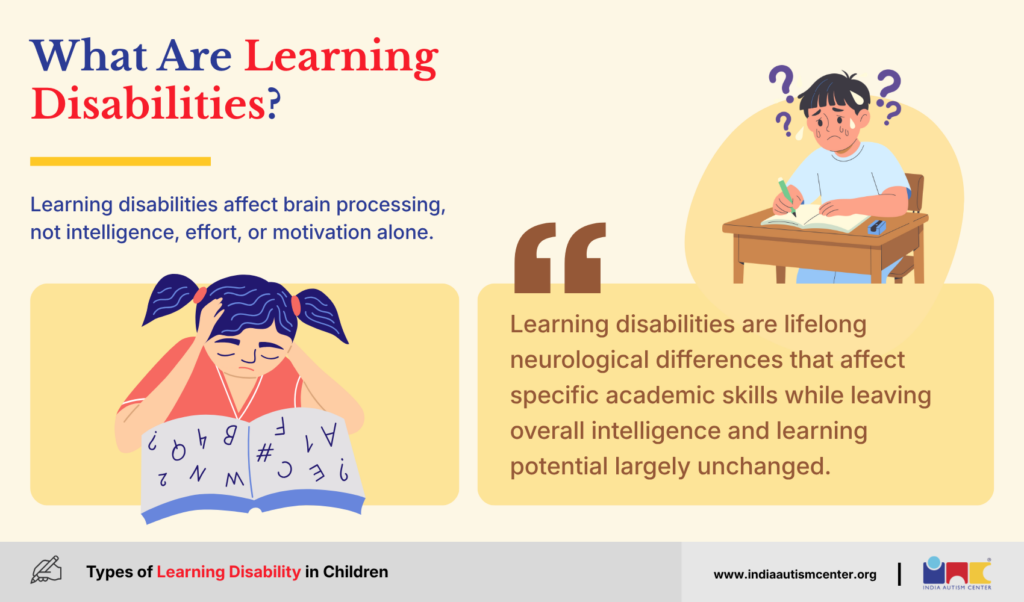
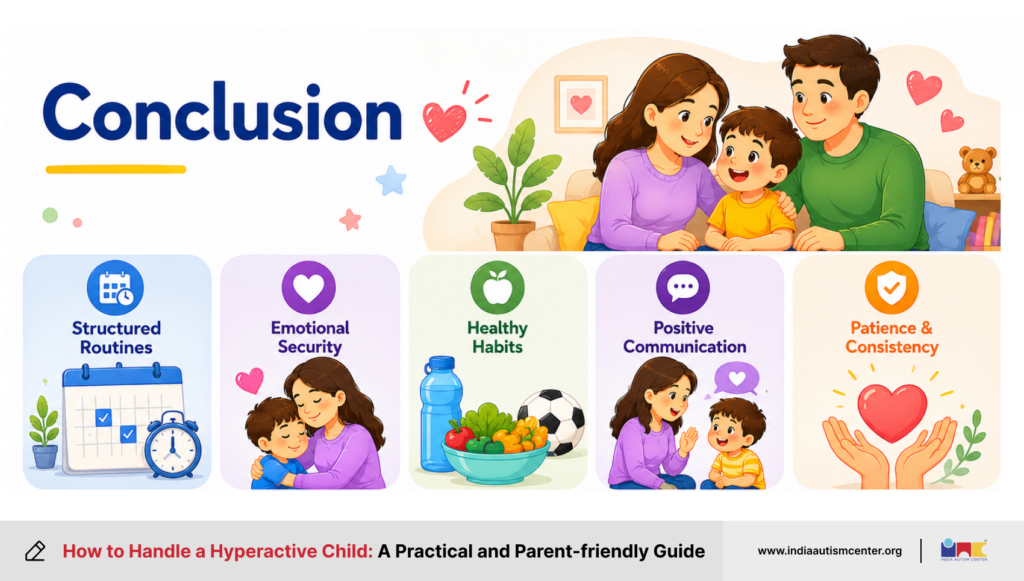
    Frequently Asked Questions

    What exactly is the ADHD iceberg?

    The ADHD iceberg is a concept that explains that the ADHD symptoms often remain hidden below the visible behaviours, like hyperactivity or distractibility. It also often includes emotional, sensory, or executive functioning challenges.

    Why are hidden ADHD symptoms often missed?

    Many lesser-known ADHD symptoms tend to be internal and, hence, are not very disruptive. Children and adults may silently struggle with emotions, anxiety, forgetfulness, or executive dysfunction without obvious behavioural signs.

    How does ADHD affect sleep?

    ADHD can affect sleep by causing racing thoughts, difficulty falling asleep, restless sleep, irregular sleep patterns, and trouble waking up in the morning.

    Why do people with ADHD struggle with time management?

    Many individuals with ADHD experience time blindness, making it difficult to estimate time accurately, manage schedules, or complete tasks on time.

    How does executive dysfunction relate to ADHD?

    Executive dysfunction affects planning, organisation, task initiation, memory, and decision-making. It is one of the most common hidden struggles within the adhd iceberg.

    What are the unusual symptoms of ADHD that parents should watch for?

    Parents should watch for emotional sensitivity, sensory issues, chronic forgetfulness, task avoidance, sleep difficulties, and intense reactions to criticism.

    Can different therapies help manage hidden ADHD symptoms?

    Behavioural therapy, occupational therapy, counselling, executive functioning support, and school accommodations can significantly help parents or caregivers to manage lesser-known ADHD symptoms effectively.

    Why is understanding the ADHD iceberg important?

    Understanding the ADHD iceberg helps families and educators recognise invisible struggles early and provide better emotional, academic, and social support.

    For expert insights, support services, and inclusive learning initiatives, visit the India Autism Center.