Author: Supriyo Roy

  • Autism and Aggression: A Calm, Practical Guide for Overwhelmed Parents

    Autism and Aggression: A Calm, Practical Guide for Overwhelmed Parents

    Your child isn’t trying to hurt you. They might be trying to tell you something.

    A sudden scream. A hand that hits. A toy thrown across the room. In moments like these, it can be difficult for parents to understand what’s happening, let alone know how to respond. You may find yourself wondering: Why is my child behaving this way? What am I doing wrong? And how do I make it stop?

    But what if aggression isn’t the real problem? What if it’s a signal that something else is going on?

    The key isn’t simply to stop the behaviour. It’s to understand what is driving it.

    For the estimated 1.8 to 2 million children with ASD in India, outbursts are often the most distressing challenges their families face, alongside the sensory challenges in autism that often precede them. This guide explains what drives the behaviour, what it is telling you, and where to start.

    What Is the Connection Between Autism and Aggression?
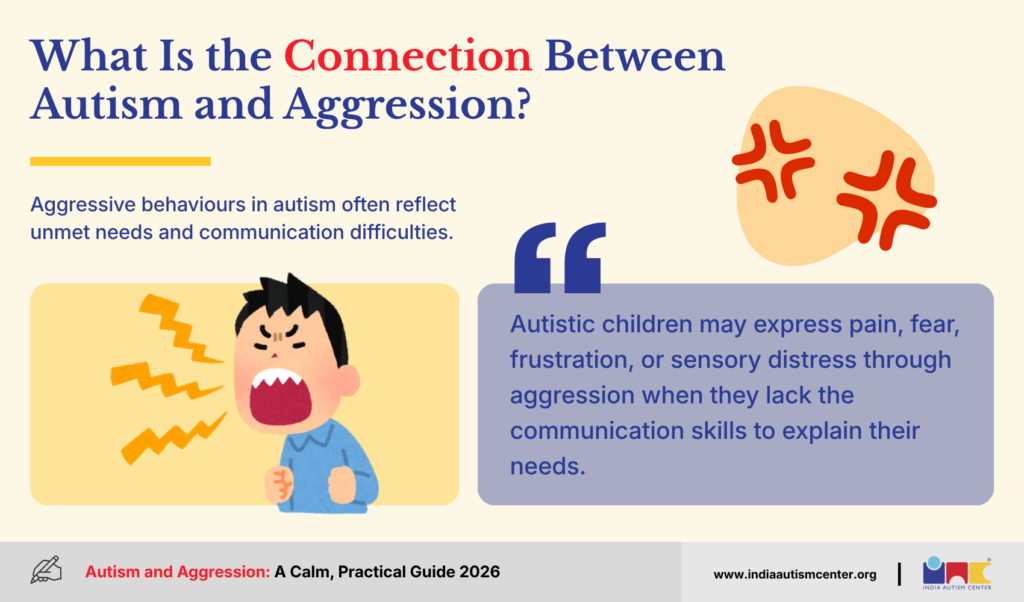
    Connection between autism, communication difficulties, sensory distress, and aggression

    Autism and aggression often occur together because many autistic children cannot yet express pain, fear, or frustration in words. When a child hits, bites, throws, or scratches, they are not being defiant or dangerous. These are common symptoms of aggression that are serving as communication. The child is telling you something they do not yet have the words for. Finding out what that something is makes all the difference.

    Why Does Aggression Happen in Children with Autism?
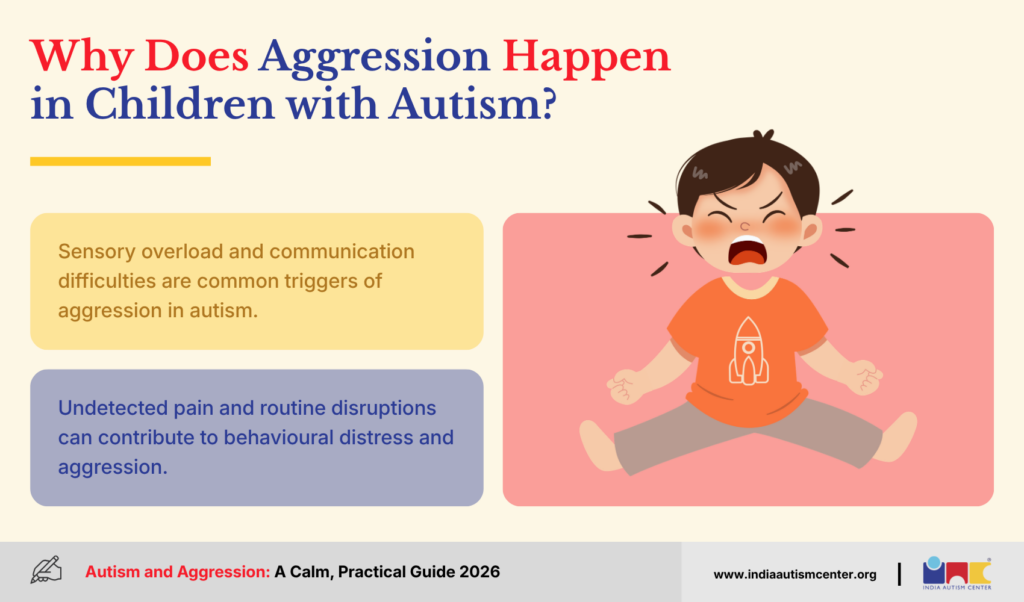
    Child with autism showing aggression due to sensory overload or communication difficulties

    When a child becomes aggressive, the instinct is to focus on what just happened. Most of the time, the real answer is in what happened before it. Aggression in autistic children almost always traces back to one of two places: sensory overload or the absence of a reliable way to communicate. The challenges in autism linked to sensory overload push the nervous system into fight-or-flight when a transition feels unsafe, or a sound becomes unbearable.

    Sensory Overload and Communication Frustration

    When the nervous system hits its ceiling, physical exit or attack becomes the only available response for a child who has no faster or more reliable signal. A child who hits when a request is ignored is not being defiant. They have run out of options.

    Most families focus on the outburst itself rather than the ten minutes leading up to it. That is where the real trigger almost always lies.

    Medical Pain as a Hidden Trigger

    Medical pain is the most overlooked trigger in autism-related aggression, and the hardest to catch precisely because nonverbal children cannot report it. Chronic gastrointestinal discomfort, untreated ear infections, and dental pain all surface as behavioural distress before they surface as anything else. A paediatric review before any behaviour plan is not optional; it is the first step most families skip.

    Think about a nonverbal 7-year-old whose molar has been aching for six days. He cannot point to his jaw or say it hurts. His sleep has been broken for four nights. By Tuesday afternoon at school, the plate gets thrown, and the teacher logs it as an unprovoked outburst. The dentist appointment three weeks later tells a different story. If you have ever felt like the aggression came out of nowhere, it is worth asking whether your child has had a recent physical check-up.

    Trigger CategoryWhat It Looks LikeWhy It Drives Aggression
    Sensory overloadCovering ears, withdrawing, becoming rigid before the outburstThe nervous system hits a ceiling; physical exit or attack becomes the only available response
    Communication frustrationHitting when a request is ignored or misunderstoodThe child has no faster or more reliable signal available
    Routine disruptionOutbursts at transitions, school pick-up, or unexpected schedule changesPredictability reduces anxiety; its removal triggers acute stress
    Undetected medical painAggression spiking without an obvious behavioural triggerPain cannot be reported verbally and surfaces as distress behaviour
    Demand avoidanceOutbursts in response to direct instructions or requestsThe demand activates a threat response rather than deliberate defiance

    Children who are nonverbal or minimally verbal cannot distinguish between “I am in pain” and “I am overwhelmed” in their own signalling. That gap is where most families lose months. A 2024 comprehensive review published in Cureus noted that 1 in 65 Indian children aged 2 to 9 are affected by ASD, a figure that underscores how many families are navigating this without adequate guidance.

    📥 Free download: Printable daily routine chart for autistic children

    What Do the Symptoms of Aggression in Autism Look Like?
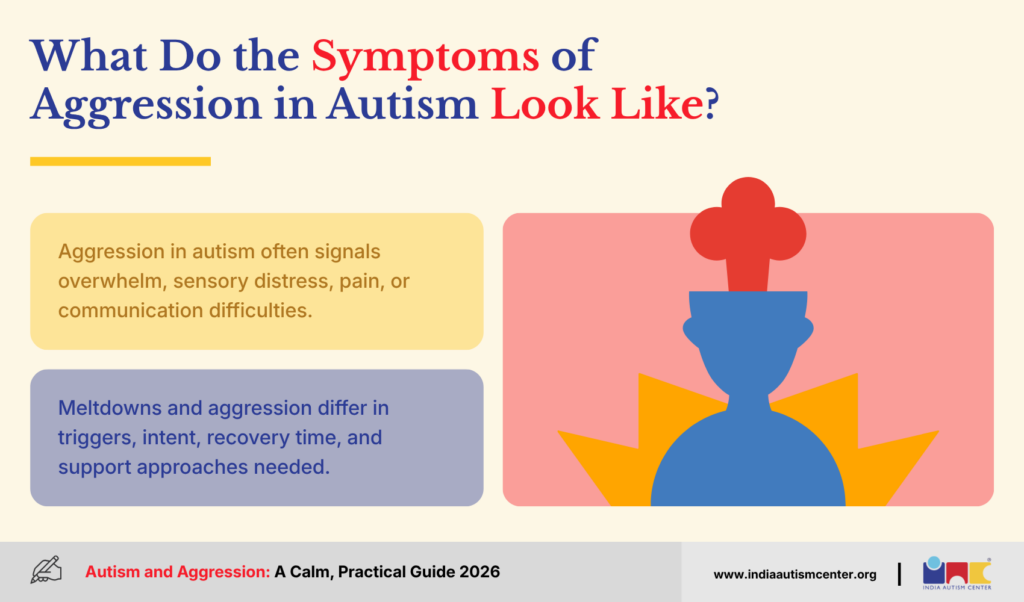
    Common signs and symptoms of aggression in children with autism

    The symptoms of aggression in autism range from hitting, biting, scratching, and throwing objects to self-directed harm such as head-banging. What distinguishes these from tantrums is that they are rarely goal-directed. The child is not trying to get something or manipulate a situation. They are overwhelmed, in pain, or out of options, and the aggression is the only signal available to them.

    How Aggression Differs from a Meltdown

    Aggression during a meltdown is a pressure release, not a tactic. Treating it like one makes every outburst worse.

    The distinction matters because the response that helps in one situation actively escalates the other. During a meltdown, staying quiet and reducing input are what help. During instrumental aggression, neutral redirection works. Confusing the two is one of the most common reasons families feel like nothing is working, no matter how hard they try.

    What It Looks Like in Level 1 and Level 2 Autism

    Children with level 1 autism can show aggression too. It just looks quieter and gets missed because they seem to be communicating fine. A child who storms out of a classroom or slams a door repeatedly is showing symptoms of aggression that often go unaddressed because they are not hitting anyone. Children with level 2 autism tend to show more intense and frequent outbursts, often because communication gaps are wider and sensory thresholds are lower. The intervention approach differs between levels, which is why a one-size strategy rarely holds across both.

    A mother tries a firm “no” the moment her son begins hitting. The hitting escalates. She later recognised it as an autism meltdown that had been building since the car ride home, not a response to what she said.

    FeatureAggressionMeltdown
    IntentMay be directed at a specific person or objectNo specific target; a full release of accumulated overload
    Trigger clarityUsually traceable to a specific denied requestMay appear sudden; builds from accumulated sensory input
    Recovery timeShorter once the trigger is removedLonger; the child needs quiet time and space to regulate
    What helpsNeutral redirection; removing the reinforcing responseReducing all sensory input; calm, wordless presence
    What makes it worseShouting, restraint, or negotiating mid-episodeEye contact, touch, or raising your voice

    A 2024 longitudinal study from the Semel Institute at UCLA, tracking 254 autistic individuals from toddlerhood to adulthood, found that 31% showed persistent aggression across their lifespan while 23% saw it decrease over time, with early intervention as the clearest differentiating factor.

    Want to know more? Get in touch with us.

    What Can Parents Do About Autism Behaviour Issues?
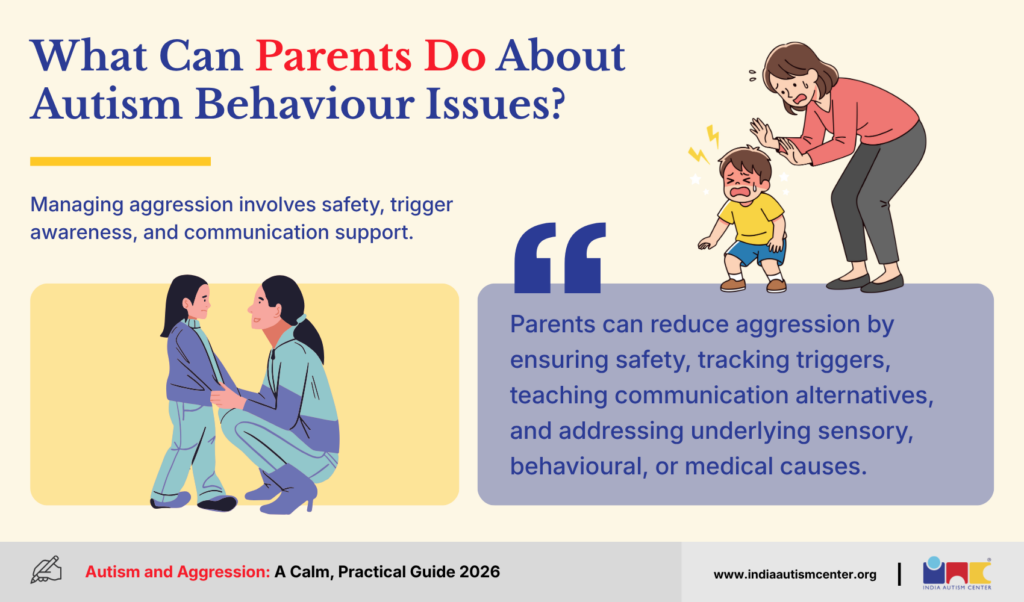
    Parent calmly supporting a distressed child during aggressive behaviour

    Managing autism behaviour issues related to aggression works in three phases: in-the-moment safety, post-episode investigation, and structured replacement. Most families reach the third phase first, which is why the same outburst recurs within days.

    What to Do During an Outburst

    What a parent does in the first thirty seconds of an outburst either shortens it or extends it. Lowering your voice, reducing visual input, and moving toward safety without restraint are the three actions that consistently work across outburst types. Eye contact, physical touch, and verbal explanation during the peak almost always make things worse, regardless of how calmly they are delivered.

    One father tracked his son’s outbursts for two weeks, logging time, location, and what preceded each one. The pattern that surfaced was precise: every incident occurred within twenty minutes of a screen transition, not during the activities his teachers had flagged. Two weeks of data told him more than six months of reacting had.

    Investigation and Structured Replacement

    • Track triggers for 7 days: Log time, location, activity before the outburst, and who was present. Patterns surface faster than most parents expect.
    • Request a Functional Behaviour Assessment (FBA): A Board Certified Behaviour Analyst identifies exactly what function the aggression is serving, which determines the appropriate replacement strategy.
    • Use Functional Communication Training (FCT): Teach one alternative signal, a gesture, a card, or a sound, that gets the child the same result faster than hitting does.
    • Introduce aggression replacement: Aggression replacement training pairs the safe alternative with immediate, consistent reinforcement every single time it is used. The replacement must be quicker and easier than hitting.
    • Rule out physical causes first: If aggression spikes without a clear behavioural trigger, request a paediatric review for gastrointestinal discomfort, dental pain, or ear infection before advancing any behaviour plan.

    The Autism Research Institute’s E-2 database of over 2,300 cases found that 59% of individuals with ASD engage in aggression, self-injury, or destructiveness at some point in their lifetime. That number is not meant to discourage you. It is meant to show that this is not rare, not your fault, and not something families have to figure out alone.

    India Autism Center: Structured Support for Families Navigating Behavioural Challenges
    India Autism Center providing structured behavioural support to a child and family

    Finding the right support when aggression is severe can feel impossible. India Autism Center (IAC) offers structured, long-term residential care for autistic individuals with complex behavioural needs.

    The Samaavesh campus near Kolkata opens in November 2026. Enquire about admission or family support today.

    Conclusion

    Aggression in autism is a signal before it is a problem. Most of what parents experience as a behavioural crisis is a child hitting the limit of their available communication. Once you know what the outburst is doing for your child, the next step gets clearer. Pain points toward a medical review. Demand avoidance points toward communication support. Sensory overload points toward environment changes.

    The question worth sitting with is this: what has your child been trying to say for weeks that no one has been able to hear yet? For a broader view of strategies, see our guide to managing autistic behaviour.

    Figuring out triggers, coordinating professionals, and staying calm through repeated outbursts takes a toll that most parents carry quietly. You do not have to work this out from scratch on your own.

    Frequently Asked Questions

    Is aggression a symptom of autism?

    Autism and aggression often co-occur, but aggression is not a core diagnostic feature of ASD, and the symptoms of aggression vary widely between children. A 2024 longitudinal study from UCLA tracking 254 individuals found aggression peaks at school age, with 69% of participants showing it between ages 6 and 12, making it the most critical window for early structured intervention.

    What triggers aggression in children with autism?

    Sensory overload, routine disruption, and communication frustration are the most common triggers, with the BC Medical Journal estimating aggression prevalence in ASD at 25% to 68% depending on the population studied. Anticipatory anxiety builds across hours: a schedule change announced at breakfast can surface as an outburst at lunch. Trigger logs that cover the full day, not just the thirty minutes before an incident, catch patterns most parents miss.

    How do I stop my autistic child from hitting?

    Identifying what the child was trying to communicate matters more than stopping the hitting in the moment. Board Certified Behaviour Analysts use Functional Communication Training (FCT) to teach a specific alternative, such as tapping an arm or handing over a PECS card, that yields the same result faster than hitting. Most families see a measurable reduction in hitting within 8 to 12 weeks of consistent FCT application.

    What is aggression replacement training?

    Aggression replacement training (ART) teaches autistic children a safer alternative that serves the same function as hitting, whether that is escaping a demand, signalling pain, or gaining attention. Reinforcement must happen every time the alternative is used. Without that consistency across all caregivers and settings, the safer behaviour will not hold.

    Does aggression in autism get better with age?

    Aggression in autism can decrease with age, but improvement is not automatic. A 2024 UCLA longitudinal study tracking 254 autistic individuals found 23% saw aggression decrease over time, with fewer repetitive behaviours and early structured intervention as the strongest predictors. For 31%, aggression remained persistent without dedicated support.

    Disclaimer: This article is intended for educational and informational purposes only. It is not a substitute for professional medical advice, diagnosis, or treatment. If you are pregnant or have concerns about medication use during pregnancy, please consult a qualified healthcare provider. If your child has received an autism diagnosis and you have questions about causes or support, please reach out to a trained specialist or an autism-focused organisation for guidance.

    For expert insights, support services, and inclusive learning initiatives, visit the India Autism Center.
  • What is Sensory Processing Disorder in Toddlers?

    What is Sensory Processing Disorder in Toddlers?

    Have you noticed how your child cries when the blender starts or how they do not want to wear certain textured clothes? It might feel like it is just a phase or typical toddler stubbornness. However, it is much more than that.

    Although occasional sensitivities are quite common, when the reactions are intense, it may mean something deeper. For some children, the challenge is not what they see, hear, touch, taste, or smell, but how their brain processes that information.

    This is where Sensory Processing Disorder enters the conversation. Several studies suggest that sensory processing difficulties affect about 5% to 16.5% of children. 

    Also, sensory challenges are particularly common among autistic children, with sensory differences now included in the diagnostic criteria for autism spectrum disorder. Understanding the symptoms of Sensory Processing Disorder can help parents look beyond behaviours and uncover the reasons behind them.

    This guide will explain the complexities of sensory processing, identify signs of Sensory Processing Disorder in toddlers, and explore effective ways to support your child’s development.

    What Is Sensory Processing Disorder?

    Illustration explaining sensory processing disorder with a child being comforted and a brain graphic.

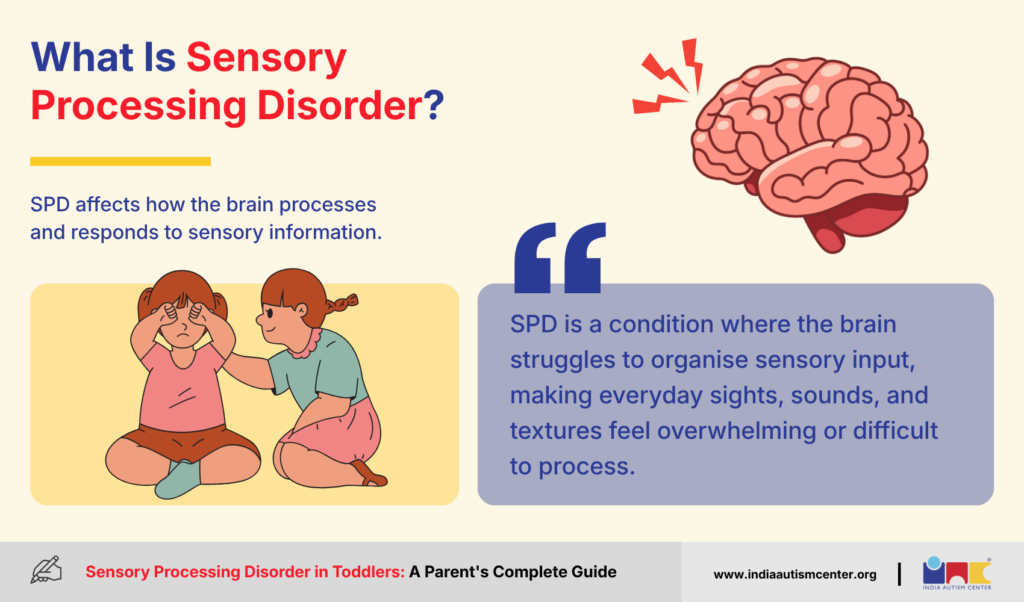
    Sensory Processing Disorder, also known as SPD, is a condition in which a person’s brain has difficulty receiving, organising, and responding to sensory information from the environment. Children process different inputs through their senses, such as:

    • Sight
    • Sound
    • Touch
    • Taste
    • Smell
    • Movement 
    • Body Awareness

    When it comes to Sensory Processing Disorder in toddlers, the process might not work as normally or as expected. Thus, it can make everyday experiences more overwhelming, confusing, and at times even uncomfortable.

    So, when your toddler seems distressed by loud noises or bright lights, becomes irritated by certain textures, or seems to move constantly, it is not intentional. Such actions are, in fact, underlying Sensory Processing Disorder symptoms. Some children may be sensitive to sensory input, while others may actively seek more stimulation.

    Certain sensory challenges can affect a child’s ability to learn and communicate, play, and even participate in daily activities. Hence, early identification and getting the correct Sensory Processing Disorder therapy can be significantly helpful, as children can develop coping strategies and also have the ability to navigate the world more comfortably and confidently.

    📥 Free download: Printable daily routine chart for autistic children

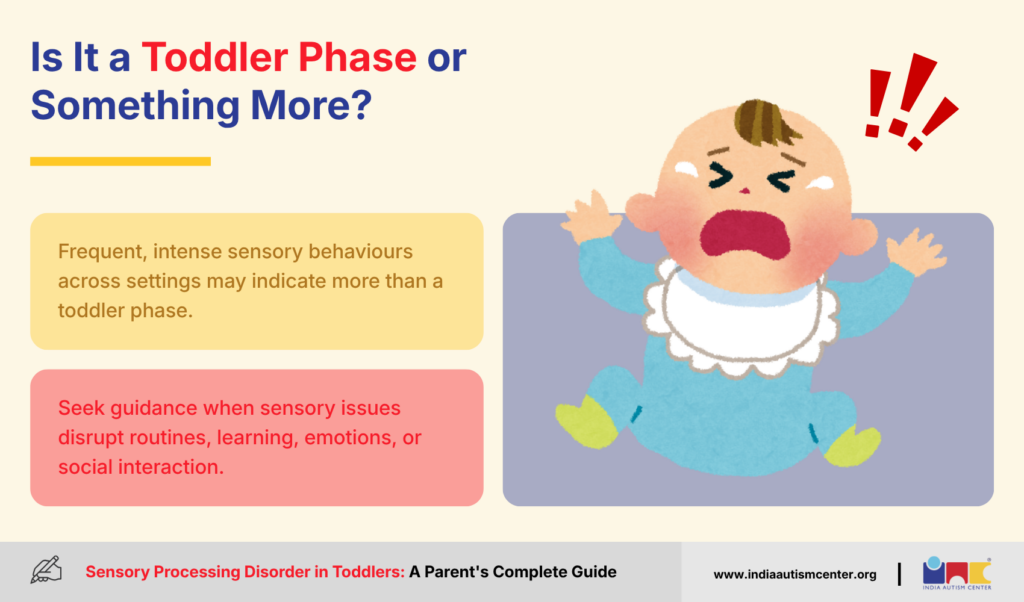
    Is It a Toddler Phase or Something More?

    Graphic about whether sensory behaviours in toddlers are a normal phase or a sign of a deeper concern, featuring a crying baby.

    It is common for toddlers to become overwhelmed, tired, frustrated, or even resistant. However, the frequency, intensity, and impact are what make normal behaviour different from Sensory Processing Disorder. As a parent or caregiver, it becomes necessary to seek professional guidance when the sensory-related behaviours:

    • Occur more consistently in different environments
    • Start to interfere with daily routines
    • Create distress
    • Impact social interactions
    • Affect learning and development
    • Become challenging for the family

    Understanding and recognising the signs of Sensory Processing Disorder in toddlers can be helpful for early intervention and support. 

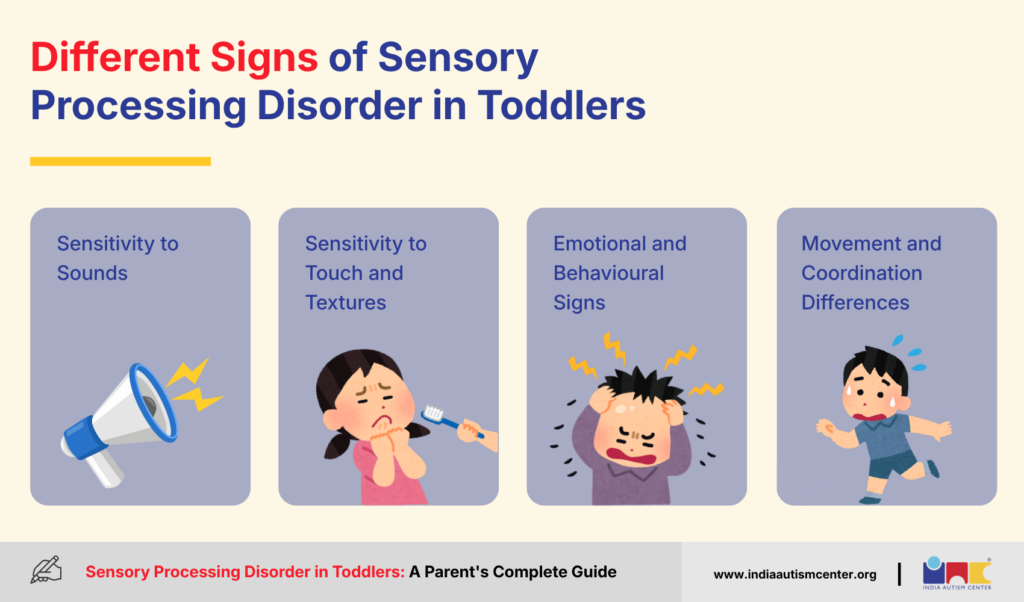
    Different Signs of Sensory Processing Disorder in Toddlers

    Infographic showing signs of sensory processing disorder in toddlers, including sound sensitivity, touch issues, emotional signs, and movement differences.

    Different toddlers experience different signs of Sensory Processing Disorder. Some toddlers become overwhelmed by sensory experiences, while others constantly seek them out. Such behaviours can also impact daily routines, playtime, learning, and social interactions. 

    • Sensitivity to Sounds: A child may cover their ears frequently, become upset by a vacuum cleaner, struggle in crowded places, or wake up easily due to background noise.
    • Sensitivity to Touch and Textures: A child may refuse certain types of fabrics, become distressed by clothing tags, resist nail trimming or haircuts, and avoid messy play.
    • Emotional and Behavioural Signs: Parents might see frequent meltdowns, difficulty with transitions, increased levels of frustration or anxiety, and avoidance of certain environments.
    • Movement and Coordination Differences: A toddler may constantly jump, spin, or skip; they tend to bump into objects quite frequently, are quite clumsy, or have issues with balance and coordination. 

    Seeing a single sign or just a few signs does not mean the child has Sensory Processing Disorder. Multiple signs and a consistent pattern can be a better indicator. 

    Want to know more? Get in touch with us.

    Types of Sensory Processing Disorder

    Infographic showing three types of sensory processing disorder: sensory modulation disorder, sensory discrimination disorder, and sensory-based motor disorder.

    Not all children with sensory challenges experience them in the same way. In fact, understanding the different types of Sensory Processing Disorder can help parents make sense of behaviours that may otherwise seem confusing or inconsistent.

    Some children are found to be highly insensitive to sensory input; on the other hand, some might even actively seek it out. Also, some children struggle with movement, coordination, or understanding information that is received through different senses. Experts generally group sensory processing difficulties into three main categories.

    1. Sensory Modulation Disorder (SMD)

    Sensory Modulation Disorder is the most commonly recognised form of sensory processing difficulty. It affects how a child responds to sensory input from their environment. Children with this type may fall into one of three patterns:

    • Sensory Over-Responsivity (Hypersensitivity)

    Toddlers with hypersensitivity tend to react more intensely when it comes to sensory experiences. Toddlers with a type of Sensory Processing Disorder often cover their ears in response to everyday sounds, avoid different clothing textures, become overwhelmed in crowded environments, or, at times, refuse food just because it has a texture or a smell. 

    • Sensory Under-Responsivity (Hyposensitivity)

    Children may appear less aware of sensory input and require stronger stimulation to respond. They might have a high tolerance for pain, not notice when their hands or face are dirty, and seem unaware of loud sounds or when their name is being called. They also appear to be less responsive to their surroundings. 

    • Sensory Seeking

    Some children constantly seek sensory experiences. They may want to spin or climb excessively, touch everything, enjoy rough-and-tumble play, and also seek strong movement or pressure sensations. 

    2. Sensory Discrimination Disorder (SDD)

    Children with Sensory Discrimination Disorder often have difficulty interpreting sensory information correctly. While they can detect sensory input, their brains tend to struggle to understand what all this information means.

    A child with this type of Sensory Processing Disorder may:

    • Struggle to judge how much force to use when handling objects
    • Have difficulty identifying objects by touch
    • Misjudge distances and spatial relationships

    3. Sensory-Based Motor Disorder (SBMD)

    This type of Sensory Processing Disorder involves difficulties with movement and motor coordination that are linked to sensory processing challenges. Children may have trouble planning, organising, and carrying out physical movements effectively. Some of the common signs include:

    • Poor balance and posture
    • Clumsiness or frequent falls
    • Difficulty when learning new motor skills
    • Challenges with activities such as climbing, jumping, or catching a ball

    Some children may also struggle with motor planning, a condition known as dyspraxia, which makes it harder to perform everyday tasks that require coordinated movements.

    A toddler may show characteristics of multiple types of Sensory Processing Disorder at the same time. Understanding a child’s unique sensory profile is often the first step toward finding effective support and appropriate therapy for Sensory Processing Disorder.

    Sensory Processing Disorder and Attention Deficit Hyperactivity Disorder (ADHD)

    Illustration comparing sensory processing disorder and ADHD with active child figures and a head icon with arrows.

    Parents often wonder if Sensory Processing Disorder and ADHD are the same or are linked with one another. Although they are two different conditions, they can also co-occur. Some studies show that roughly 40% of children with ADHD also exhibit significant sensory processing challenges.

    The confusion happens because a child seeking sensory input tends to appear hyperactive or even distracted. However, the reason behind it can be different. A child with ADHD often struggles with attention and impulse control; on the other hand, a child with SPD is trying to regulate their nervous system through sensory input. Distinguishing between the two is key to getting the right support.

    However, not every child with Sensory Processing Disorder will have ADHD, and not every child who is diagnosed with ADHD experiences sensory challenges.

    Sensory Processing Disorder and Autism

    Graphic explaining the connection between sensory processing disorder and autism with a puzzle-heart icon and supportive text.

    Sensory challenges are highly prevalent among autistic individuals. In fact, sensory differences became part of the diagnostic criteria for Autism Spectrum Disorder (ASD) in the Diagnostic and Statistical Manual of Mental Disorders (DSM-5).

    However, it is not necessary that every child who is diagnosed with SPD will be autistic. It is also important to know that sensory symptoms tend to overlap with ASD; developmental paediatricians, psychologists, and occupational therapists often conduct detailed evaluations to understand a child’s individual profile.

    How Is Sensory Processing Disorder Diagnosed?

    Infographic showing how sensory processing disorder is diagnosed through questionnaires, developmental assessments, observation, motor skill evaluation, and sensory tests.

    Currently, there is no single medical test that can diagnose sensory processing difficulties. Instead, professionals use observations, developmental histories, parent interviews, and standardised assessments to understand a child’s sensory profile. The evaluation process may involve:

    • Questionnaires for parents
    • Developmental assessments
    • Observation during play
    • Motor skill evaluations
    • Sensory processing assessments

    The goal is not only to identify the challenges but also to identify the strengths, preferences, and support a child with SPD needs.

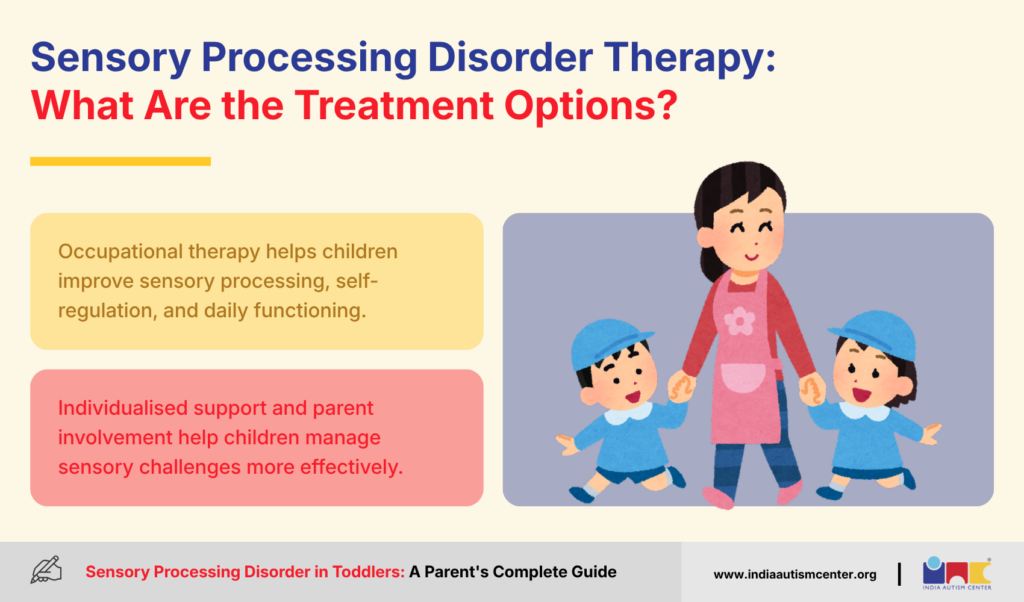
    Sensory Processing Disorder Therapy: What Are the Treatment Options?

    Graphic about sensory processing disorder therapy showing occupational therapy, parent involvement, and treatment support options.

    There is no single treatment for sensory processing difficulties. Still, various forms of Sensory Processing Disorder therapy can help children better manage sensory experiences and participate more comfortably in daily activities.

    The most common approach is occupational therapy, where trained professionals use play-based activities to help children improve sensory processing, motor skills, self-regulation, and independence.

    Some occupational therapists may also use sensory integration techniques, which involve structured activities designed to help the brain process sensory information more effectively. These activities can include swinging, climbing, balancing exercises, and tactile play.

    In addition to professional support, parent coaching is also an important part of the intervention. Therapists also work with parents to identify different sensory triggers, create supportive routines, and develop different strategies.

    Since every child experiences sensory challenges differently, therapy plans are naturally individualised. Early intervention and consistent support can help children build confidence, improve their daily functioning, and better navigate sensory experiences as they grow.

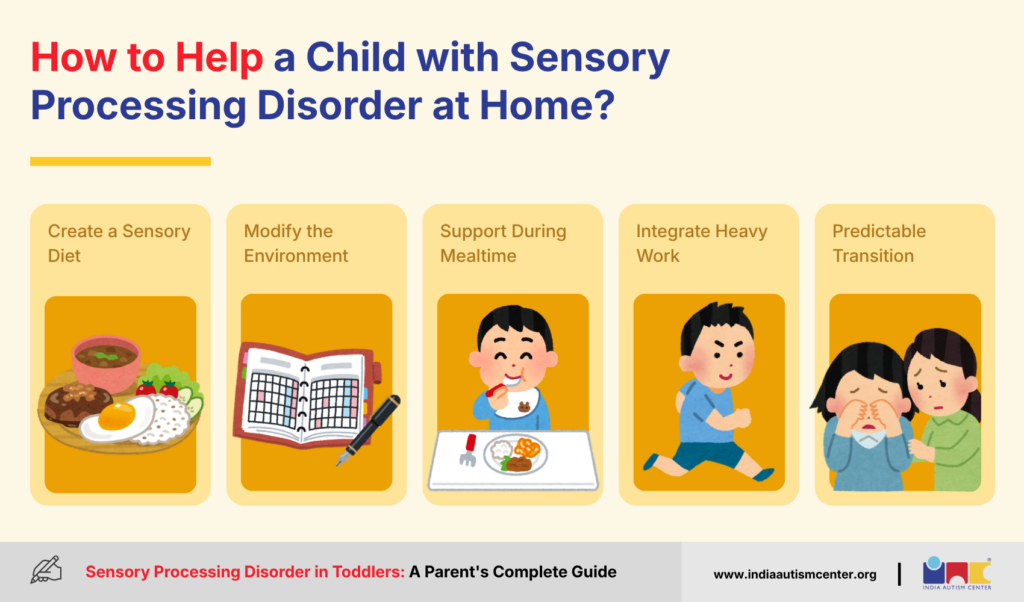
    How to Help a Child with Sensory Processing Disorder at Home?

    Infographic showing home support strategies such as sensory diet, environmental changes, mealtime support, heavy work, and predictable transitions.

    While professional therapy is essential, much of the progress happens in the natural environment of the home. Knowing how to help a child with Sensory Processing Disorder involves making small, intentional changes to your daily routine.

    1. Create a Sensory Diet

    A sensory diet is a personalised plan that offers the sensory input a child needs to stay focused and calm. 

    2. Modify the Environment

    Reducing sensory triggers will help to prevent meltdowns before they start. Use visual schedules, create a quiet corner, and opt for different clothing choices.

    3. Support During Mealtime

    For toddlers who are picky eaters with sensory issues, it is best not to force them to eat. Instead, parents can encourage food play. Parents can let them touch, smell, and describe the food without the pressure of tasting it.

    4. Integrate Heavy Work Into Daily Chores

    Heavy work is essentially any activity that pushes or pulls against the muscles and joints. This stimulates the proprioceptive system, which sends grounding, organising signals to the brain. It is one of the fastest, most natural ways to help an overstimulated child calm down, or an under-responsive child wake up their nervous system.

    5. Establish Predictable Transition Routines

    Sudden changes in the environment for toddlers who have sensory processing challenges can feel jarring as their brains take longer to shift focus and process new sensory environments. For example, when you move your toddler from a quiet living room to the chaotic supermarket environment, it can often lead to meltdowns.

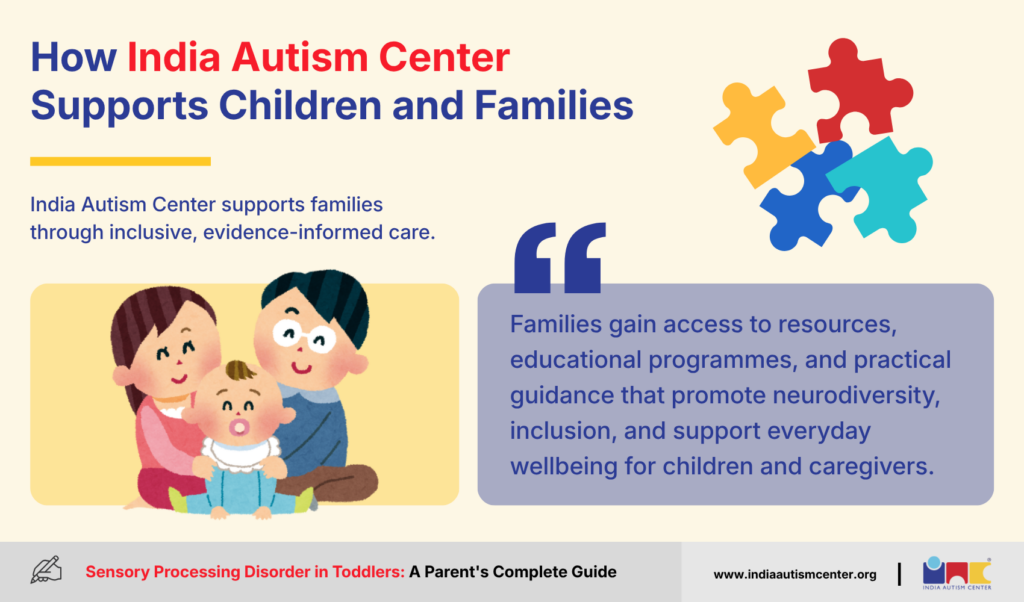
    How India Autism Center Supports Children and Families

    Illustration showing India Autism Center’s support for children and families through inclusive care, resources, and practical guidance.

    Every child views and experiences the world differently. At India Autism Center, the focus is on identifying each person’s unique strengths, challenges, as well as sensory profile. Through evidence-informed support, family-centred approaches, and a commitment to inclusion, the organisation works to empower autistic individuals and their families across every stage of life.

    Families seeking guidance can benefit from access to resources, educational programs, community initiatives, and information that promotes greater understanding of neurodiversity. Whether parents are learning about Sensory Processing Disorder symptoms, exploring intervention options, or looking to know practical strategies for everyday life, trusted information and supportive communities like IAC can make a big impact for parents as well as toddlers.

    Conclusion

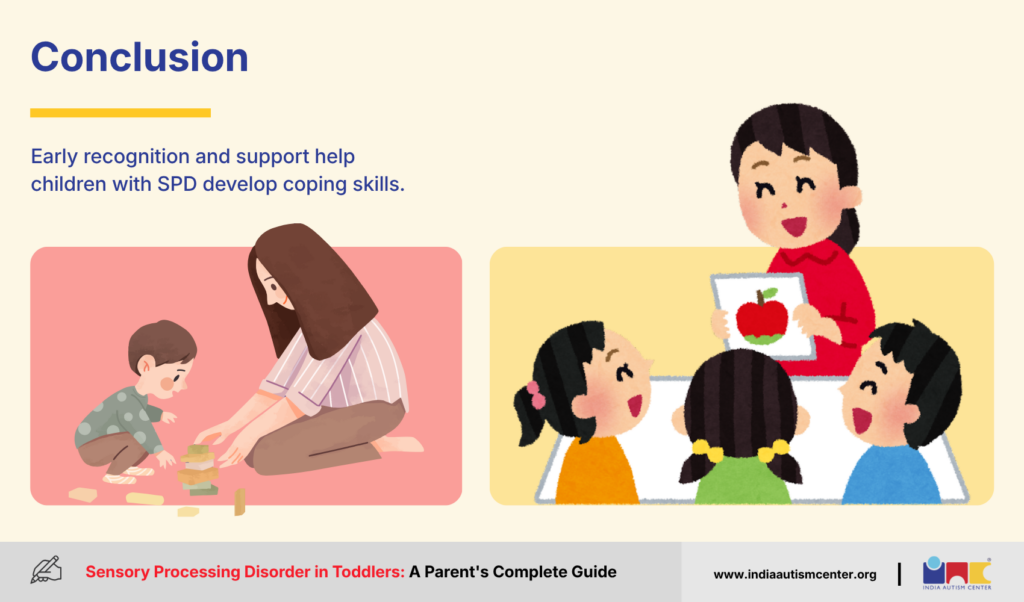
    Conclusion slide stating that early recognition and support help children with sensory processing disorder build coping skills.

    Sensory Processing Disorder in toddlers can influence how they experience and respond to the world around them. It can affect everything from play and learning to daily routines. Recognising Sensory Processing Disorder symptoms early allows parents to identify their child’s needs better and access appropriate support. 

    With the right guidance, Sensory Processing Disorder therapy, and a supportive environment, toddlers can develop effective coping skills to thrive. Every person is unique, and knowing their sensory profile is an important step toward helping them reach their full potential to have an enriching life.

    Frequently Asked Questions

    What is Sensory Processing Disorder in toddlers?

    Sensory Processing Disorder is a condition where the brain finds it difficult to organise and respond to sensory information such as sounds, textures, movement, smells, and touch, leading to unusual reactions or behaviours.

    What are some of the common signs of Sensory Processing Disorder in toddlers?

    Some of the common signs of Sensory Processing Disorder (SPD) in toddlers may include covering ears, avoiding messy play, refusing certain foods, excessive spinning or jumping, clumsiness, and strong emotional reactions to sensory experiences.

    What causes Sensory Processing Disorder in toddlers?

    The exact cause of SPD is unknown, but researchers believe genetic, neurological, and developmental factors may be the reason behind sensory processing challenges.

    Can Sensory Processing Disorder improve with therapy?

    Many children benefit from early intervention and therapy, which can help toddlers develop coping strategies, improve self-regulation, and participate more comfortably in daily activities.

    Do all toddlers with sensory sensitivities have Sensory Processing Disorder?

    No. There are several toddlers who might show temporary sensory preferences or sensitivities. A diagnosis becomes necessary when the challenges are persistent or impact daily functioning on a significant level.

    Disclaimer: This article is intended for educational and informational purposes only. It is not a substitute for professional medical advice, diagnosis, or treatment. If you are pregnant or have concerns about medication use during pregnancy, please consult a qualified healthcare provider. If your child has received an autism diagnosis and you have questions about causes or support, please reach out to a trained specialist or an autism-focused organisation for guidance.

    For expert insights, support services, and inclusive learning initiatives, visit the India Autism Center.
  • Autism Disability Certificate India: Step-by-Step UDID Application Guide

    Autism Disability Certificate India: Step-by-Step UDID Application Guide

    For parents with children who have autism in India, getting an autism disability certificate feels like navigating a maze of forms and hospital visits. Nonetheless, it is one of the most crucial steps in securing essential support and recognition following early detection and diagnosis. 

    Did you know that in 2021, it was found that about 1 in 127 people have autism? And in India, millions of children are diagnosed with ASD.  Many of these children are eligible for government assistance, but only a fraction have an official disability certificate.

    So, wondering how to get an autism disability certificate in India? We have the answers for you.

    Today, we will guide you through everything you need to know, from the process of applying for a disability certificate to obtaining the autism disability certificate in India via the UDID apply portal, including eligibility criteria and required documents, to help and empower autistic individuals.

    What Is the UDID, and Why Is It Important?

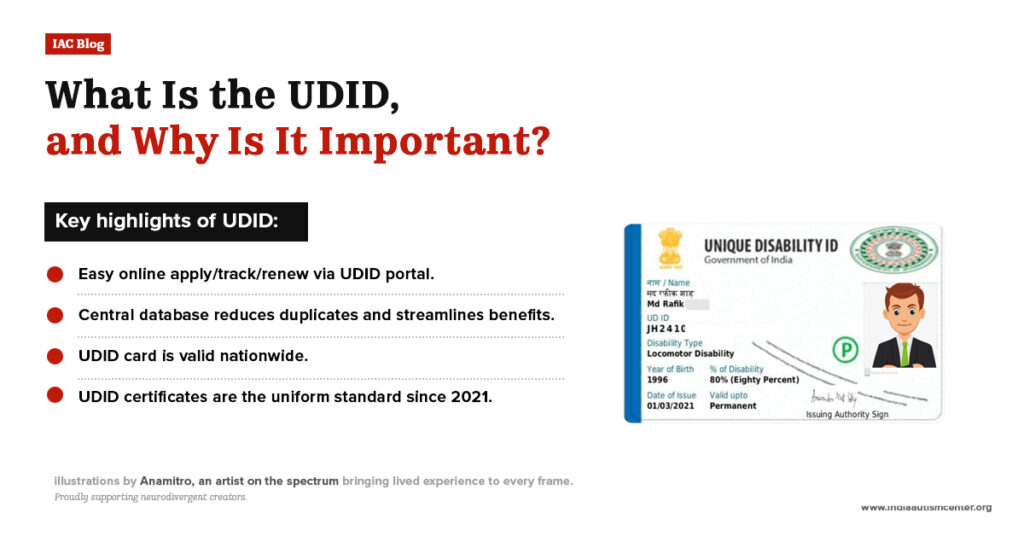
    Key highlights and importance of the UDID card

    First things first: what is UDID?

    When you ask what UDID is, the answer is that it essentially stands for Unique Disability ID. It is a national digital initiative by the Department of Empowerment of Persons with Disabilities (DEPwD), under the Ministry of Social Justice & Empowerment, Government of India.

    Key highlights of UDID:

    • A person with a disability can register and apply for a disability certificate on the UDID portal. It is quite simple to apply, track the application status, and request renewals and replacements. 
    • It helps create a centralised national database of PwDs to avoid duplicate entries, making the process transparent and streamlining benefit delivery. 
    • The allotted UDID card will be valid across all the states and union territories in India. 
    • As of 1 June 2021, according to a government notification, certificates issued through the UDID portal are to be the standard across all states/UTs.

    How Can UDID Benefit People With Autism?

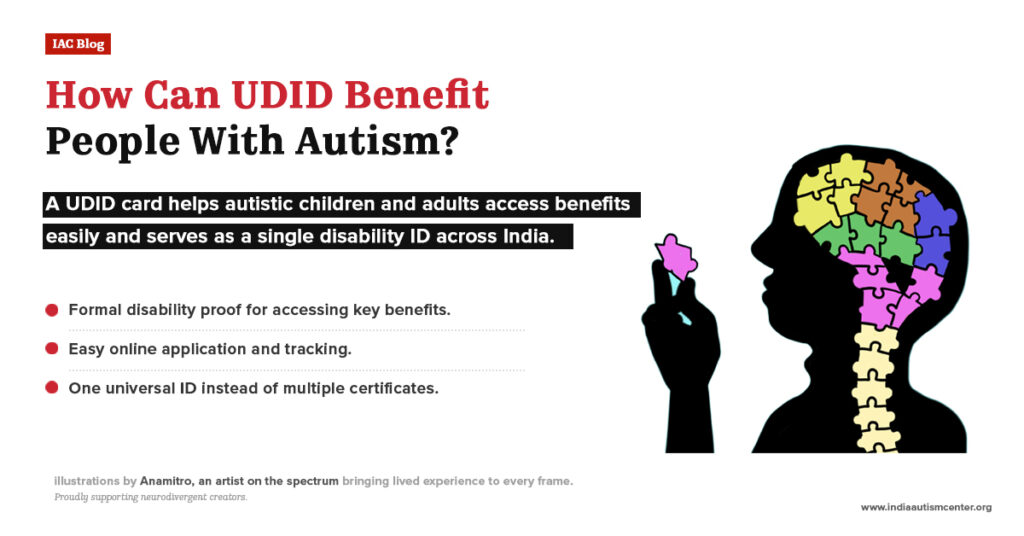
    Benefits of UDID card for autistic individuals in India

    A UDID card is highly beneficial for children and adults recognised to have autism spectrum disorder (ASD) as per the RPwD Act. Here are the benefits of having a UDID card:

    • Formal recognition of their disability, which helps in accessing schemes and concessions in education/railways/travel.
    • Streamlined process (online registration, tracking) rather than wholly paper-based, manual processes.
    • It becomes easier to present one documented identity for disability status rather than juggling multiple certificates.

    So, a UDID card can make the “how to apply for a disability certificate” journey smoother and help manage an autistic child’s behaviour in a better and more accessible way.

    📥 Free download: Printable daily routine chart for autistic children

    What Is the Eligibility for the Autism Spectrum Disability Certificate?

    Eligibility criteria for autism spectrum disability certificate

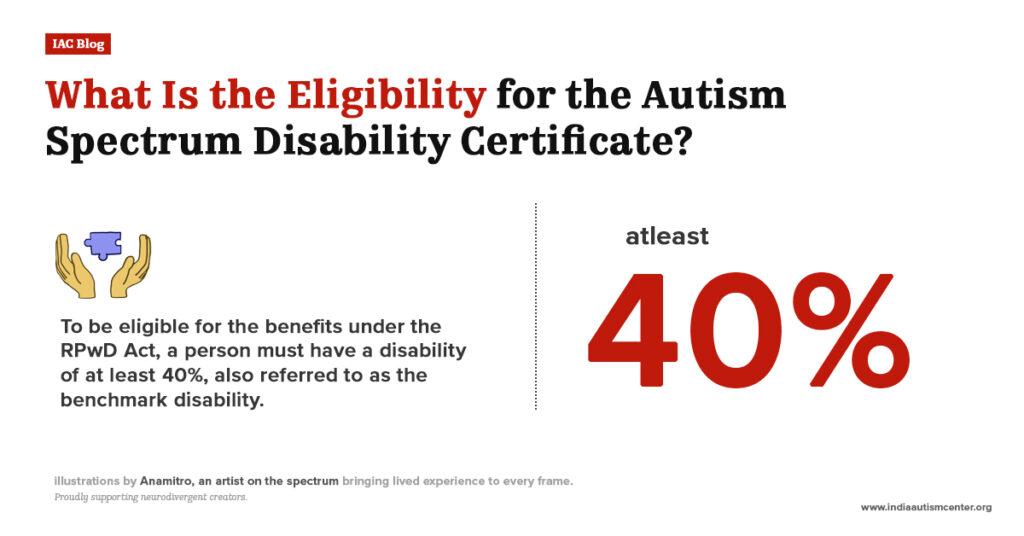
    Under the RPwD Act, autism spectrum disorder (ASD) is one of the 21 specified disabilities. To be eligible for the benefits under the RPwD Act, a person must have a disability of at least 40%, also referred to as the benchmark disability. 

    Although autism spectrum disorder is included as per the Act, the severity and the functional impact will be assessed medically.

    Who Can Apply for Autism Spectrum Disorder?

    Who can apply for an autism spectrum disability certificate in India

    Before we get into further details, here is the information that you need to know about who can apply for an autism spectrum disability certificate:

    • Individuals diagnosed with ASD, or autism spectrum disorder, who are residing in India.
    • For minors (children), the parent/guardian can apply on behalf of the child.
    • For adults with ASD, they can apply themselves or via a guardian/representative (if applicable).
    • The applicant must undergo the prescribed medical/psychological assessment and be recognised by a competent medical board/certification authority.

    Some important things to keep in mind:

    • Diagnosis alone is not enough; the disability certificate must be issued by the competent authority designated under the scheme.
    • The certificate and UDID card are different but linked; hence, you should apply for both.
    • The certificate may be for lifetime or temporary validity, depending on whether the disability is progressive or non-progressive.

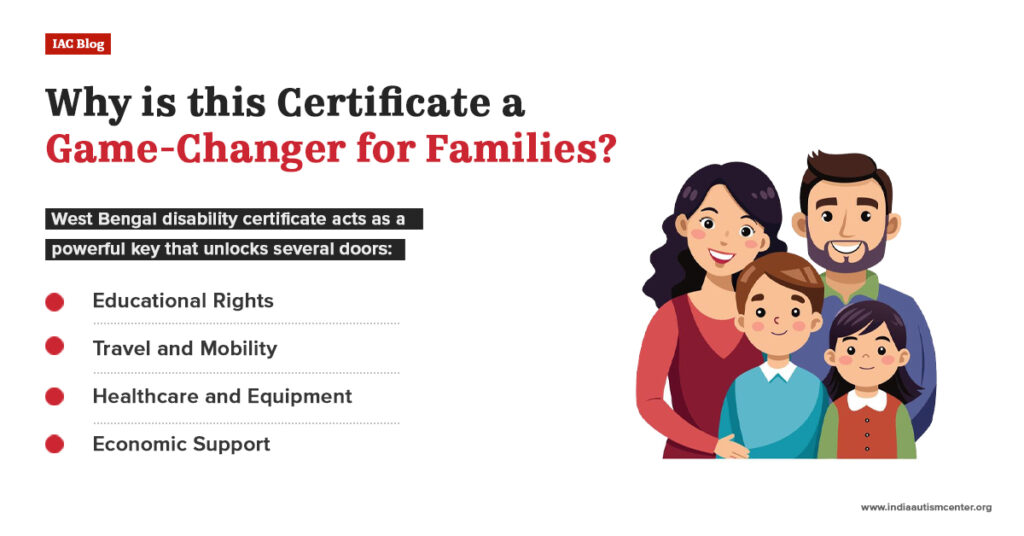
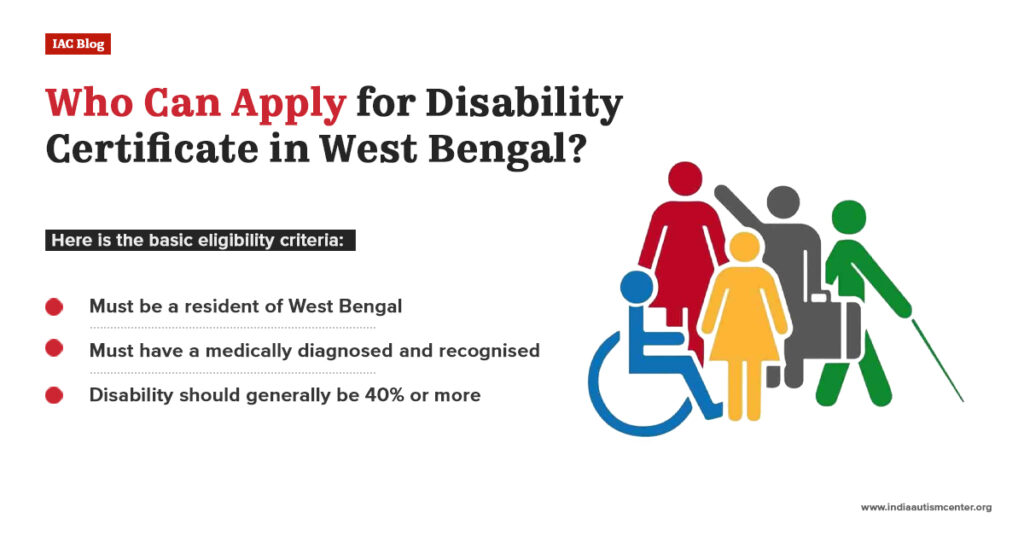
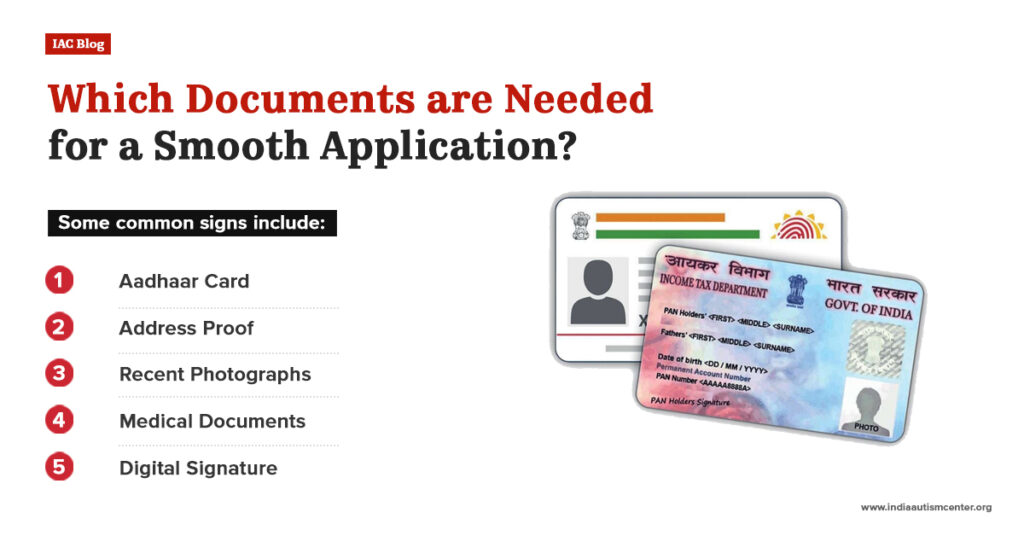
    If you are living in West Bengal, make sure you read this blog on How to Apply for Disability Certificate in West Bengal? (Complete Guide)

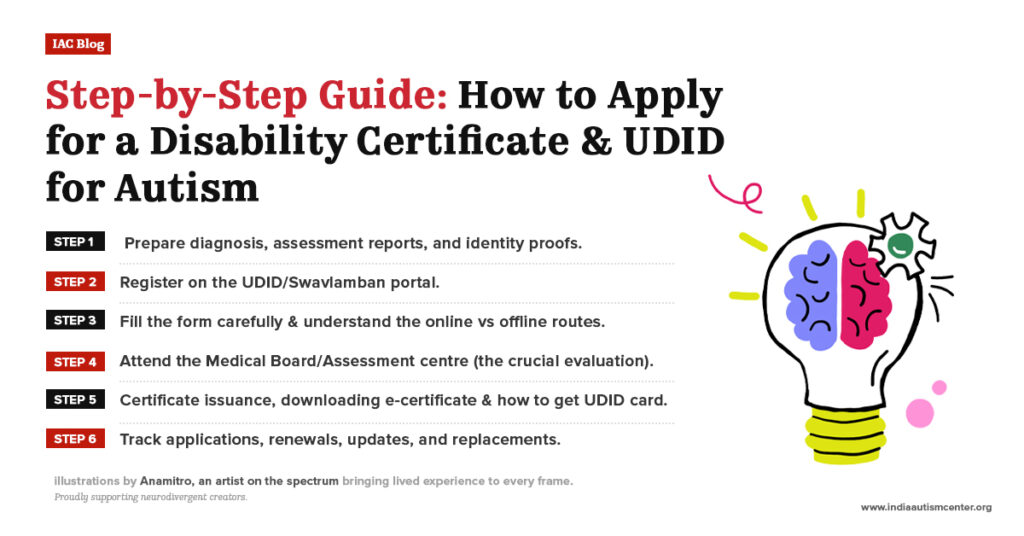
    Step-by-Step Guide: How to Apply for a Disability Certificate & UDID for Autism

    Step-by-step guide to apply for autism disability certificate and UDID card

    The application process for how to apply for a disability certificate for autism can be overwhelming at times. Hence, here are clear steps that can help you understand the procedure, paperwork, and practical tips for smooth processing:

    Step 1: Prepare diagnosis, assessment reports, and identity proofs

    This step involves collecting all necessary reports and proofs. 

    • Diagnostic report confirming Autism Spectrum Disorder (ASD) from a recognised specialist (paediatrician, psychiatrist, clinical psychologist, or neurologist). The report should be on hospital/clinic letterhead, with a signature, registration number, and date.
    • Functional assessment or developmental assessment results, where available, such as Indian Scale for Assessment of Autism (ISAA), Vineland Social Maturity Scale (VSMS), Childhood Autism Rating Scale (CARS), or equivalent.
    • Identity & address proof (Aadhaar, passport, voter ID, or other government ID). If Aadhaar is unavailable, another ID can be used.
    • For a minor, a birth certificate is necessary.
    • Passport-style photograph (digital upload & physical copy for the board).
    • Any previous disability certificate or medical records/history (if applicable).
    • School/therapy reports (for children: special education reports, speech therapy reports). It is a useful form of supporting documentation to demonstrate the functional impact on daily life, schooling, and communication.

    Remember: 

    • Ensure that the diagnostic reports are both recent and legible.
    • If assessments use paper tests, scan and save clear PDFs.
    • Both physical copies and scanned copies must be kept ready for use.

    Step 2: Register on the UDID/Swavlamban portal 

    • Visit the official UDID portal/Swavlamban portal. Look for the section “Apply for Disability Certificate & UDID Card” or “New Enrolment”.
    • You can register by creating an account (email or mobile OTP verification). Use a parent/guardian’s mobile number or email for child applications.
    • Fill in personal details accurately: full name, DOB, address, gender, guardian details (for minors), and Aadhaar if available (not strictly mandatory but recommended).
    • Select the correct disability category and choose Autism Spectrum Disorder (ASD) when prompted.
    • Upload scanned copies of the photo, identity proof, diagnostic report, and any assessment forms.

    Remember:

    • Save the enrolment/application number shown after submission, as you will need it to track the status.
    • Some users prefer to save a screenshot of each upload step and the final confirmation page.

    Step 3: Fill the form carefully & understand the online vs offline routes

    Online process:

    The portal typically guides you through the form fields. Common fields: demographic details, disability type, details of the diagnostic centre, uploaded reports, and declaration. Carefully type names exactly as per government ID to avoid mismatch issues at the Medical Board.

    Offline process:

    If you cannot apply online, many state-level social welfare offices, district disability cells, or government hospitals offer assisted/facilitated enrolment where staff fill the portal entries for you. Keep originals for verification.

    Remember: 

    • Mismatch between the name on the Aadhaar and the application, or uploading blurred/partial documents (boards may reject or request resubmission).
    • Using abbreviations inconsistently; spelling must match across ID/certificate; this inconsistency also needs to be avoided.

    Step 4: Attend the Medical Board/Assessment centre (the crucial evaluation)

    • The board will verify the identity documents and original diagnostic assessments.
    • They will further perform a functional assessment to estimate how autism affects daily living (communication, social skills, and adaptive behaviour). The medical board for ASD typically includes paediatricians, psychiatrists, clinical psychologists, and/or neurologists, depending on the state and facility.
    • The board may ask questions to the parent/guardian about milestones, communication, behaviour patterns, school performance, and therapy history.
    • They may conduct or request additional tests (if the submitted reports are insufficient).
    • The board will document the percentage of disability (if applicable) and determine whether the person meets the benchmark disability threshold (commonly 40% or higher) for benefits.

    Remember: 

    • Carry all originals + 2–3 photocopies of each document (ID, diagnostic report, assessments, school reports).
    • Please bring any assistive devices you use (e.g., hearing aids or communication devices, if applicable).
    • For children, bring a familiar toy or comfort item and plan the appointment at a time when the child is calm.
    • Bring a parent/guardian who knows the child’s developmental history and can answer questions about daily functioning.

    Step 5: Certificate issuance, downloading e-certificate & how to get UDID card

    Once the board approves, the issuing authority uploads the certificate details to the UDID portal. Now, how do you get the UDID card? You will receive an approval notification (via SMS/email) with a link or enrolment reference.

    • Log in to the portal with the help of your enrolment number and download the disability certificate (often in PDF/e-certificate format).
    • The portal will also generate the UDID card (unique number and e-card). Many states issue an e-UDID immediately; physical UDID cards are sent later or can be printed locally.

    Remember: 

    • Check name spelling, DOB, disability type (Autism/ASD), percentage (if stated), and validity. If anything is incorrect, please raise a correction request immediately via the portal or the relevant issuing authority.

    Step 6: Track applications, renewals, updates, and replacements

    Here are the steps that you can follow to track the status:

    • Use the enrolment/application number on the UDID portal to see the status: Submitted → Document Verification → Medical Board Pending → Approved/Rejected.
    • Some certificates are lifetime, while others (often for children or when a temporary assessment is done) have a validity period (e.g., 3 or 5 years). The certificate will clearly note the validity. Renew your plan at least one month before expiry, if required.
    • The UDID portal allows users to update their personal details and request a replacement UDID card if it is lost/damaged. Use the “Update” or “Replace UDID” options and follow the verification steps.

    Want to know more? Get in touch with us.

    Common Mistakes to Avoid

    Common mistakes to avoid when applying for UDID card for autism

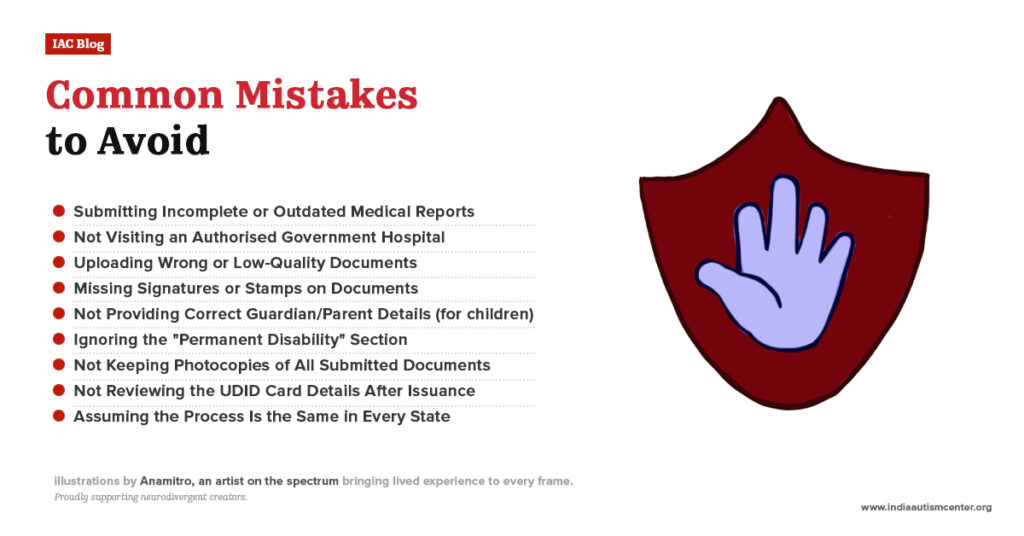
    When you are applying for an Autism Disability Certificate or a UDID card, it can feel challenging. The good news? Most delays and rejections occur due to a few simple, avoidable mistakes. Understanding these beforehand can save you weeks of waiting and multiple hospital visits.

    Below are the most common mistakes applicants make, along with detailed explanations to help you avoid them completely.

    1. Submitting Incomplete or Outdated Medical Reports

    Yes, one primary reason why applications get delayed is due to incomplete or outdated medical documentation. 

    Disability assessment teams require recent, complete, and standardised autism evaluation documents, especially tools such as the ISAA.

    Hence, ensure that all the reports are recent and up-to-date. 

    2. Not Visiting an Authorised Government Hospital

    Visiting a private or a non-recognised hospital to get the reports can prove to be a mistake. Only government-certified medical boards are authorised to validate and issue a disability certificate.

    Visit only district hospitals, government medical colleges, AIIMS, or state-run disability assessment centres. You can find them via the location tool on the UDID website. 

    3. Uploading Wrong or Low-Quality Documents

    Incorrect file formats or blurry uploads can lead to rejection on the UDID portal. It is necessary to upload a clear and readable document. If it is not clear, it can get flagged by the system immediately. 

    Make sure that all documents are scanned clearly. Save it as a PDF, JPG, or another format that is within the supported size limit. 

    4. Missing Signatures or Stamps on Documents

    A small detail, but one of the most common reasons for re-evaluation. Remember that unsigned reports are treated as incomplete medical evidence.

    Ensure that you check every page for the doctor’s signature & hospital seal, and that the assessment report has the official designation of the doctor. 

    5. Not Providing Correct Guardian/Parent Details (for children)

    There can be verification issues if the parent details are mentioned incorrectly. The details must match the information on the Aadhaar card and birth certificate for correct authentication. 

    It is a best practice to double-check spellings, DOB, and ID numbers. Also, ensure that the parent applying is legally authorised as well. 

    6. Ignoring the “Permanent Disability” Section

    Autism is classified as a lifelong neurodevelopmental condition, but many applicants mistakenly check “temporary disability”. If you select the temporary option, it can trigger yearly renewals and reassessments. 

    Always select ‘Permanent Disability’ when filling out UDID forms, since autism does not resolve with age.

    7. Not Keeping Photocopies of All Submitted Documents

    It might not seem important, but it is necessary to keep copies of all the hospital submissions. It will come in handy, especially if the hospital requests a resubmission.

    Creating a folder and keeping all documents, along with UDID acknowledgement receipts, stored properly is a wise decision.

    8. Delaying Follow-ups After Medical Board Assessment

    Once the assessment is done, some applicants forget to track their status online. If any clarification is needed, delays can stretch for months.

    Check your application status every 7–10 days on the UDID portal. Also, be sure to respond immediately if the portal indicates a document correction is required. 

    9. Not Reviewing the UDID Card Details After Issuance

    Many people download the card without verifying details such as the disability percentage, name spelling, or date of birth. Any error requires a correction request, which takes additional weeks.

    Verify each detail carefully, and if needed, apply for correction within 30 days of issuance.

    10. Assuming the Process Is the Same in Every State

    Each state has slight differences in hospital listings and scheduling of assessments. It is necessary to verify and follow the most recent guidelines to avoid any errors on your part. 

    Check your state-specific UDID instructions on the UDID portal for guidance. You should also confirm the hospital’s eligibility beforehand. 

    Conclusion

    Conclusion on how to apply for autism disability certificate and UDID card

    The process of obtaining an Autism Disability Certificate and UDID card in India can become easier if you are aware of the steps involved and the documents required, and understand the common mistakes that cause delays. With the right preparation and accurate medical assessments, families can complete the process smoothly and unlock essential benefits, support services, and government schemes that ensure better access and inclusion for individuals with autism.

    Frequently Asked Questions

    What is an Autism Disability Certificate?

    An Autism Disability Certificate is a government-issued document that officially recognises autism as a disability under the RPwD Act, 2016. It helps individuals access support services, education accommodations, financial benefits, and various welfare schemes.

    How do I apply for a disability certificate online through the UDID portal?

    You can apply by visiting the UDID portal, registering with your details, uploading the required documents, and booking a medical assessment. After approval, the digital UDID card can be downloaded from the portal.

    How do I get a UDID card after receiving the disability certificate?

    Once the medical board approves your disability, your UDID card is generated automatically. You can log in to the UDID portal, check your status, and download the digital card.

    Can private hospital reports be used as part of the application?

    Private reports may support the diagnosis, but the final assessment must be done at a government medical board. Only their evaluation is accepted for issuing a certificate.

    Disclaimer: This article is intended for educational and informational purposes only. It is not a substitute for professional medical advice, diagnosis, or treatment. If you are pregnant or have concerns about medication use during pregnancy, please consult a qualified healthcare provider. If your child has received an autism diagnosis and you have questions about causes or support, please reach out to a trained specialist or an autism-focused organisation for guidance.

    For expert insights, support services, and inclusive learning initiatives, visit the India Autism Center.
  • 10 Signs of Asperger’s Syndrome in Adults

    10 Signs of Asperger’s Syndrome in Adults

    Ever felt like social situations come with a complex unwritten rulebook that everyone else seems to understand except you?

    Many adults who discover they are on the spectrum later in their lives mention feeling this way for years. Such individuals tend to excel in their careers, have deep knowledge in specific areas, and also lead independent lives, yet still struggle with communication, relationships, or adapting to change. Understanding what Asperger’s syndrome is can help explain these lifelong experiences. 

    Reports suggest that about 1 in 200 people have Asperger’s Syndrome globally. Although Asperger’s syndrome is now included under Autism Spectrum Disorder (ASD), the term is widely used to describe people with average or above-average intelligence who often experience social as well as behavioural differences.

    This article explores the ten most common signs of Asperger’s syndrome in adults, discusses its causes, explains how common it is, and provides a practical guide to dealing with it effectively.

    What is Asperger Syndrome?

    What is Asperger syndrome and how it relates to autism spectrum disorder

    To truly grasp what Asperger’s syndrome is, it helps to look at how medical perspectives have evolved. 

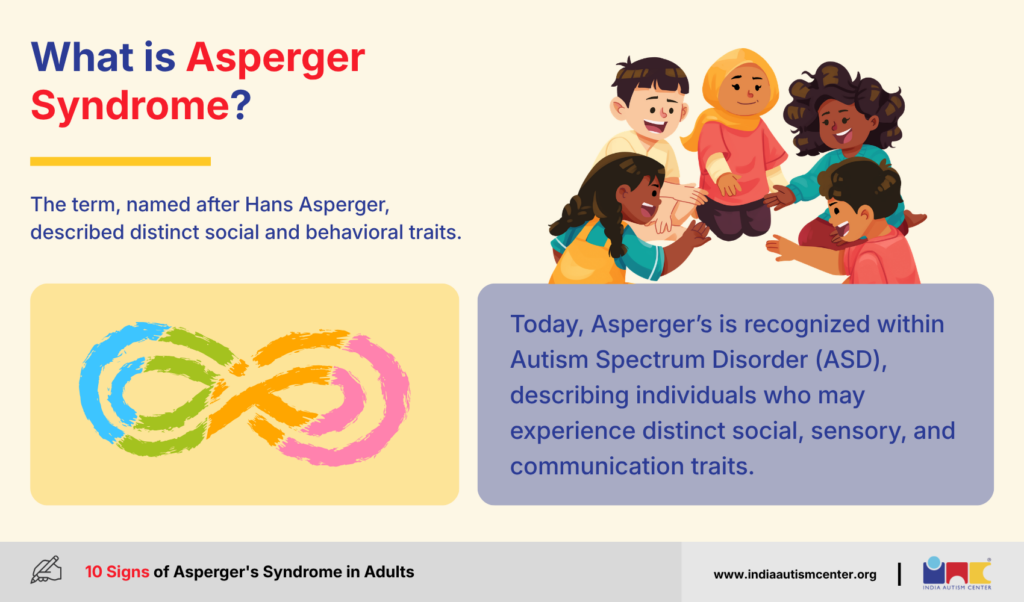
    Named after the Austrian paediatrician Hans Asperger, the term was formally introduced to the medical world to describe individuals who displayed distinct patterns of social interaction and intense interests, but possessed average to above-average intelligence and typical language development during early childhood.

    When it comes to modern clinical practice, the separate label of Asperger’s Syndrome has been integrated into Autism Spectrum Disorder. This change helps individuals receive holistic, tiered care according to their specific support needs.

    When we talk about Asperger’s in adults today, we are talking about high-functioning individuals on the autism spectrum. 

    These adults often graduate from universities, hold demanding professional jobs, and build families, yet they simultaneously experience persistent differences in social communication, sensory processing, and executive functioning.

    📥 Free download: Printable daily routine chart for autistic children

    How Common is Asperger Syndrome?

    How common Asperger syndrome is worldwide, including diagnostic gender differences and the Indian context

    When wondering how common Asperger’s Syndrome is, it is vital to recognise that accurate adult statistics can be challenging to isolate because historical data primarily focused on children. 

    However, looking at the wider prevalence of autism spectrum conditions gives us a clear picture of how widespread this neurodivergent profile really is.

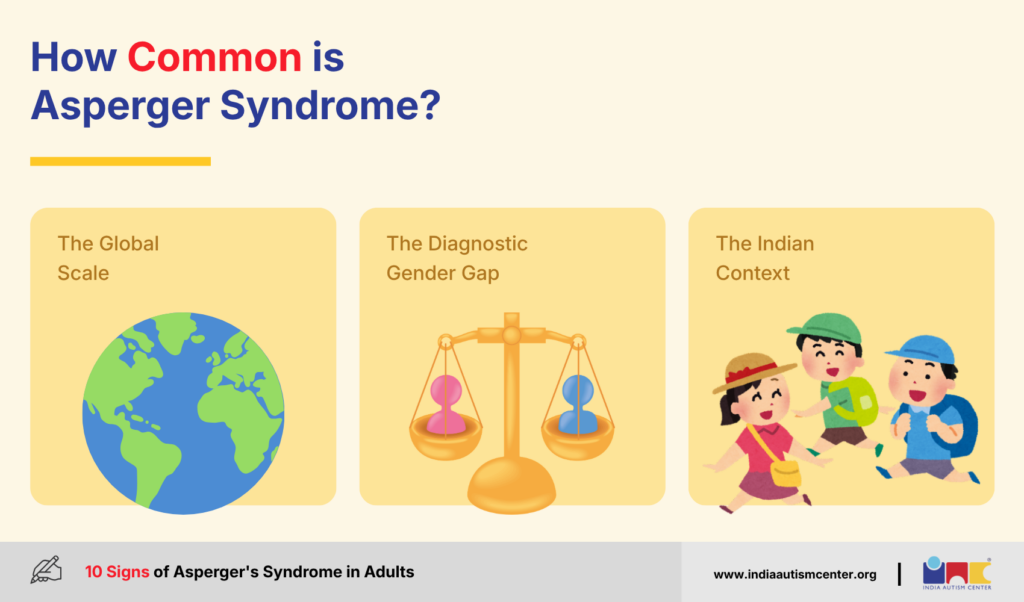
    • The Global Scale: As per reports, the median global prevalence of autism spectrum disorder sits at approximately 1% of the population.
    • The Diagnostic Gender Gap: Statistically, autism is diagnosed roughly 4 times more frequently in males than in females. Women with high-functioning autism or Asperger traits are exceptionally skilled when it comes to social masking. They consciously mimic social behaviours to fit in, so thousands of adult women remain undiagnosed.
    • The Indian Context: With an estimated 1 in 65 children in India navigating life on the spectrum, adult neurodiversity impacts millions of households across urban and rural sectors alike.

    Because screening tools were virtually non-existent in school systems a few decades ago, the vast majority of Indian adults with this profile are either misdiagnosed with generalised anxiety, OCD, or personality disorders, or they carry the heavy, inaccurate label of being eccentric, introverted, or socially awkward.

    You should read our article on Asperger’s vs. Autism: What is the Difference?

    10 Signs of Asperger’s Syndrome in Adults

    Signs of Asperger’s syndrome in adults including social communication difficulties and sensory sensitivity

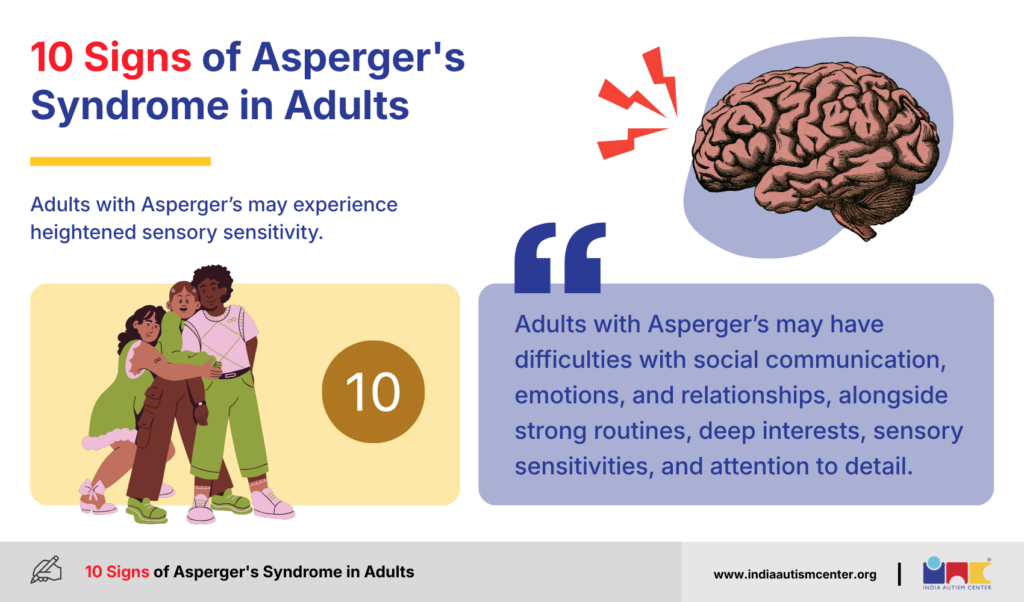
    Every individual is unique, and it is important to note that no two autistic adults experience the condition in the same way. However, several signs appear consistently across many adults who identify with Asperger’s syndrome.

    1. Difficulty Understanding Social Cues

    One of the common signs is that adults with Asperger’s find it difficult to interpret social communication. Adults with Asperger’s syndrome may:

    • Struggle to read facial expressions
    • Misinterpret body language
    • Have difficulty understanding sarcasm
    • Miss subtle social hints
    • Find group conversations exhausting or confusing

    For example, they sometimes do not even realise when someone is bored, uncomfortable, or joking. Such challenges eventually lead to misunderstandings, even if they have good intentions.

    2. Challenges Building and Maintaining Relationships

    Relationships often require understanding unspoken social expectations. Adults with Asperger’s syndrome often:

    • Have a small social circle
    • Forming friendships becomes difficult
    • Feel disconnected during social gatherings
    • Struggle with dating and romantic relationships
    • Prefer solitary activities

    It does not imply that they do not value relationships. There are several people with Asperger’s who want to have deep and meaningful connections but find the social demands exhausting or confusing. Research consistently shows that social communication difficulties are among the most significant challenges reported by autistic adults.

    3. Deep, Hyper-Focused Special Interests

    One of the defining characteristics of high-functioning autism is the development of intense, specialised interests. While anyone can have a hobby, an individual on the spectrum will dive into a topic with deep, encyclopedic focus. 

    Whether it is structural engineering, railway transit maps, coding, historical periods, or specific sub-genres of art, they collect exhaustive amounts of data and find immense joy and comfort in mastering every minor detail of their chosen subject.

    The obsession can be with various subjects or interests like trains, technology, history, mathematics, astronomy, music, or animals.

    4. Preference for Routine and Predictability

    Many adults with Asperger’s syndrome thrive on structure. Common behaviours include:

    • Following daily routines closely
    • Feeling uncomfortable with unexpected changes
    • Planning activities carefully
    • Becoming stressed when schedules change suddenly

    Predictability helps reduce anxiety as well as create a sense of control. For example, a sudden change in work schedule may cause significant distress even when it appears minor to others.

    5. Heightened Sensory Sensitivities

    Sensory processing differences are an essential component of neurodivergence. An adult might be hypersensitive to environmental inputs that others easily tune out. 

    The humming of an old fluorescent light bulb, the texture of specific clothing tags, the crowded chatter of an open-plan office, or the sudden glare of bright sunlight can feel physically painful or completely draining, occasionally leading to sensory overload.

    Some common experiences that people with Asperger’s face:

    • Feeling overwhelmed in shopping malls
    • Discomfort from clothing tags
    • Difficulty concentrating in noisy workplaces
    • Avoidance of crowded events

    6. Difficulty Understanding Emotions

    Many adults who are diagnosed with Asperger’s syndrome find emotional communication challenging. Some common challenges are:

    • Difficulty identifying their feelings
    • Struggling to understand others’ emotions
    • Appearing unemotional despite caring deeply
    • Misreading emotional situations

    Considering that emotions are not always communicated directly, interpretations tend to be complicated. As a result, friends and family often mistakenly perceive the individual as either distant or even insensitive.

    In reality, emotional experiences are there, but the challenge is expressing them.

    7. Challenges with Flat or Literal Communication

    Adults with Asperger’s Syndrome interpret language exactly as it is spoken. They may struggle to decode double meanings, sarcasm, idioms, or ironies. If someone uses a common metaphor, an adult on the spectrum might spend a moment processing the literal image before actually understanding the underlying message. 

    Additionally, their own speech pattern might feel unique to others. It can be overly formal, precise, or have a rhythmic, monotone pitch that does not shift with emotion.

    8. Social Exhaustion and Chronic Masking

    Because social interactions do not come naturally to them, adults on the spectrum must use conscious, cognitive energy to analyse social settings, suppress natural behaviours, and maintain standard eye contact. 

    This process is called masking. While it helps individuals get through job interviews or networking events, when they keep going on for a long period of time, it can lead to severe social exhaustion, burnout, or a sudden need to isolate in a quiet room to recover.

    9. Strong Attention to Detail

    Individuals who have Asperger’s syndrome tend to possess amazing skills when it comes to observation. Such individuals often:

    • Notice patterns that others often miss
    • Detect inconsistencies quickly
    • Remember specific facts
    • Excel at detailed tasks

    10. Anxiety Related to Social Situations

    Anxiety is a common occurrence when it comes to a condition like Asperger’s syndrome. It is even more pronounced when social expectations are unclear. Such individuals often:

    • Fear of making mistakes
    • Worry about social interactions constantly
    • Stress before meetings or gatherings
    • Overthink conversations afterwards and go over everything that happened

    Research published in Autism and related clinical journals indicates that anxiety disorders are significantly more common among autistic adults than in the general population.

    Understanding the underlying reasons behind anxiety can help individuals access appropriate support and coping strategies.

    Want to know more? Get in touch with us.

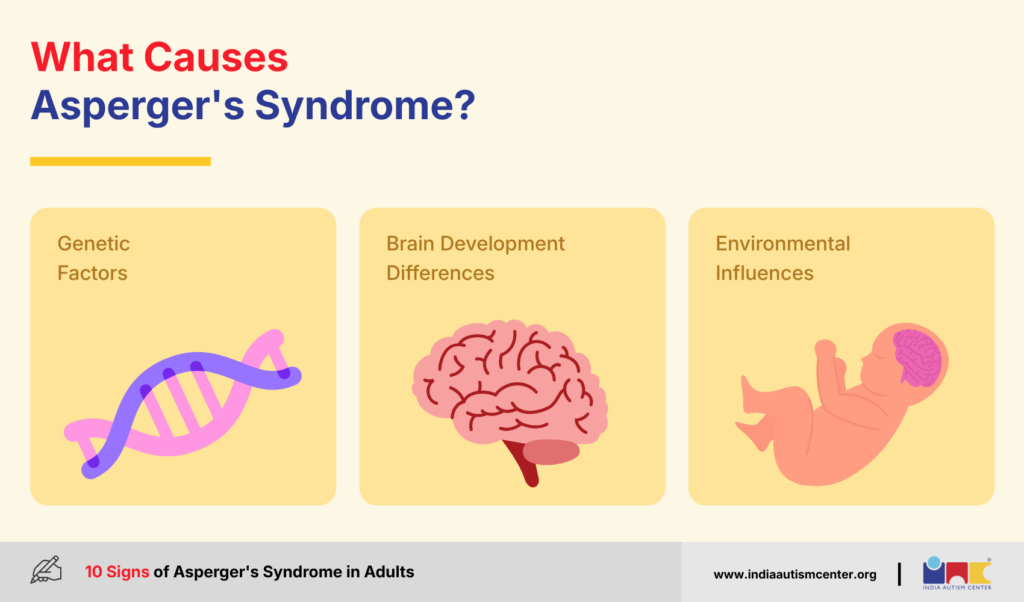
    What Causes Asperger’s Syndrome?

    Causes of Asperger’s syndrome including genetic factors, brain development and environmental influences

    A common question is: What causes asperger’s syndrome? Current scientific evidence shows that Asperger’s syndrome and Autism Spectrum Disorder are neurodevelopmental conditions with complex origins.

    Researchers believe the following are some common contributors:

    • Genetic Factors

    Genetics plays a major role. Studies involving twins and families consistently demonstrate a strong hereditary component. Researchers have identified hundreds of genes that are associated with autism-related traits.

    • Brain Development Differences

    Brain imaging studies suggest differences in neural connectivity, information processing, sensory integration, and social cognition. 

    • Environmental Influences

    Certain prenatal and early developmental factors may contribute alongside genetics. However, it is important to understand that vaccines, parenting styles, and poor social experiences do not cause autism. 

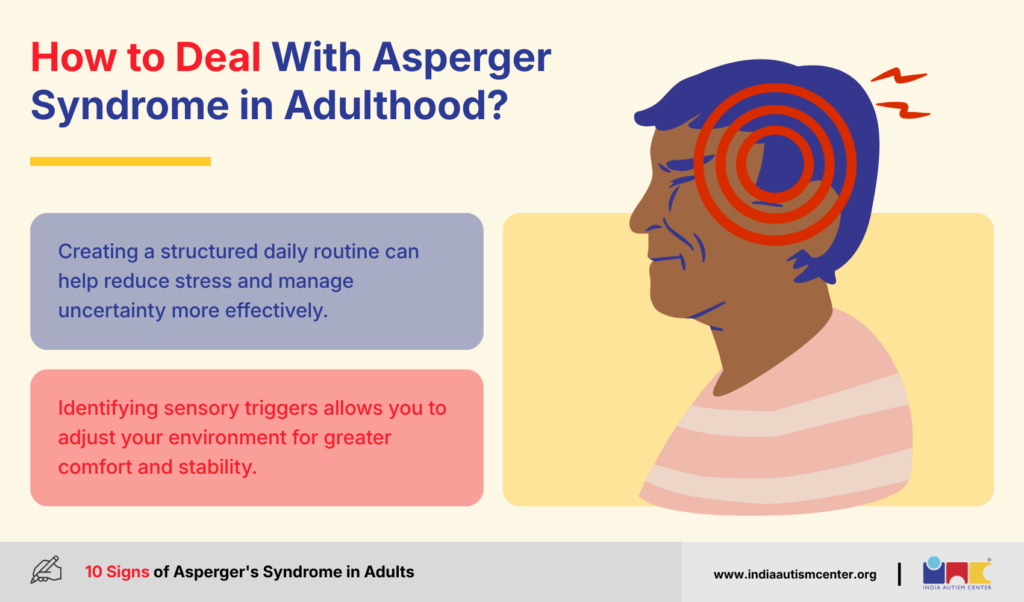
    How to Deal With Asperger Syndrome in Adulthood?

    How adults with Asperger syndrome can manage stress through routines and recognising sensory triggers

    Living with Asperger syndrome as an adult can become easier with the right strategies and support. Rather than trying to change who you are, the focus should be on understanding your strengths and managing daily challenges effectively.

    Some practical ways to cope include:

    • Develop a structured daily routine that can help reduce stress and uncertainty.
    • Learn to identify sensory triggers and create a comfortable environment.
    • Practice clear communication
    • Build on personal strengths and special interests to boost confidence and career growth.
    • Seek support from autism specialists or support groups for individuals with Asperger’s.
    • Prioritise self-care through regular exercise, adequate sleep, and stress-management techniques.

    It is necessary to note that Asperger syndrome is a different way of experiencing the world, and it is certainly not a limitation. With self-awareness and appropriate support, adults can lead fulfilling and successful lives.

    How Does India Autism Center Support Individuals and Families?

    India Autism Center support for autistic individuals and families through education and community programmes

    The India Autism Center is committed to creating a more inclusive and supportive environment for autistic individuals and their families. 

    With the help of awareness initiatives, educational resources, community programs, and advocacy efforts, India Autism Center helps people better understand autism and navigate challenges that come with it. 

    It promotes acceptance, early intervention, skill development, and lifelong support for individuals across the autism spectrum. 

    By fostering collaboration among families, professionals, and communities, the India Autism Center aims to assist an individual with autism to lead a meaningful, independent, and enriched life.

    Want to know more? Get in touch with us.

    Conclusion

    Asperger syndrome awareness, self-understanding and emotional support for adults

    Recognising the signs of Asperger’s syndrome in adulthood can be a significant step toward greater self-understanding and growth. 

    While challenges such as social communication difficulties, sensory sensitivities, and changes in routine may be part of the experience, many adults also possess amazing and unique strengths. Some strengths that people with Asperger’s have include attention to detail, deep focus, and strong problem-solving abilities. Seeking professional guidance can provide valuable clarity and support. 

    As awareness and acceptance have increased and the right resources are accessible, individuals who are diagnosed with Asperger’s can thrive in their personal and professional lives. Understanding such signs is not only about putting a label but, in fact, about embracing neurodiversity.

    Frequently Asked Questions 

    What is Asperger syndrome?

    Asperger syndrome is a term previously used to describe a form of autism characterised by difficulties in social communication, restricted interests, as well as repetitive behaviours. Today, it is included under Autism Spectrum Disorder (ASD).

    How do I know if I have Asperger’s syndrome?

    If you have lifelong difficulties with social interactions, communication, sensory processing, or adapting to change, it is best to seek a professional autism assessment.

    Do people with Asperger syndrome struggle with relationships?

    Some individuals with Asperger’s may find social interactions and emotional communication challenging, but many build strong friendships, romantic relationships, and family connections.

    How is Asperger syndrome diagnosed in adults?

    Diagnosis of Asperger’s syndrome includes clinical interviews, developmental history reviews, behavioural assessments, and standardised diagnostic tools, all conducted by trained professionals.

    Can Asperger syndrome be treated?

    Asperger syndrome is not an illness that needs to be cured. However, therapies and support services can help individuals develop skills and also improve their quality of life.

    Should adults seek a diagnosis if they suspect Asperger syndrome?

    A professional diagnosis can provide clarity about the situation, access to support services and workplace accommodations, and a better understanding of personal experiences.

    Where can adults and families find support for Asperger syndrome?

    Organisations such as the India Autism Center provide educational resources, awareness programs, and support to help individuals and families better understand autism and neurodiversity.

    Disclaimer: This article is intended for educational and informational purposes only. It is not a substitute for professional medical advice, diagnosis, or treatment. If you are pregnant or have concerns about medication use during pregnancy, please consult a qualified healthcare provider. If your child has received an autism diagnosis and you have questions about causes or support, please reach out to a trained specialist or an autism-focused organisation for guidance.

    For expert insights, support services, and inclusive learning initiatives, visit the India Autism Center.
  • Understanding the Different Types of Borderline Personality Disorder (BPD)

    Understanding the Different Types of Borderline Personality Disorder (BPD)

    It is quite easy to misunderstand Borderline Personality Disorder, as the symptoms can look different from person to person. Some individuals struggle with emotional outbursts, while others appear quiet but experience intense emotional distress internally.

    This difference in presentation is why many people search for the types of borderline personality disorder to better understand what they or their loved one may be experiencing.

    Studies estimate that Borderline Personality Disorder affects around 1.6% of the population, although experts believe the actual number can also be a little higher due to underdiagnosis. In fact, research also suggests that nearly 75% of diagnosed cases are women.

    Although there is only one official diagnosis, experts have identified certain patterns of symptoms that are commonly grouped into different types of BPD. Understanding these patterns can be of great help to families to identify signs early and accordingly seek the right support.

    What Does BPD Stand For?

    What BPD stands for and common borderline personality disorder symptoms like mood shifts and fear of abandonment

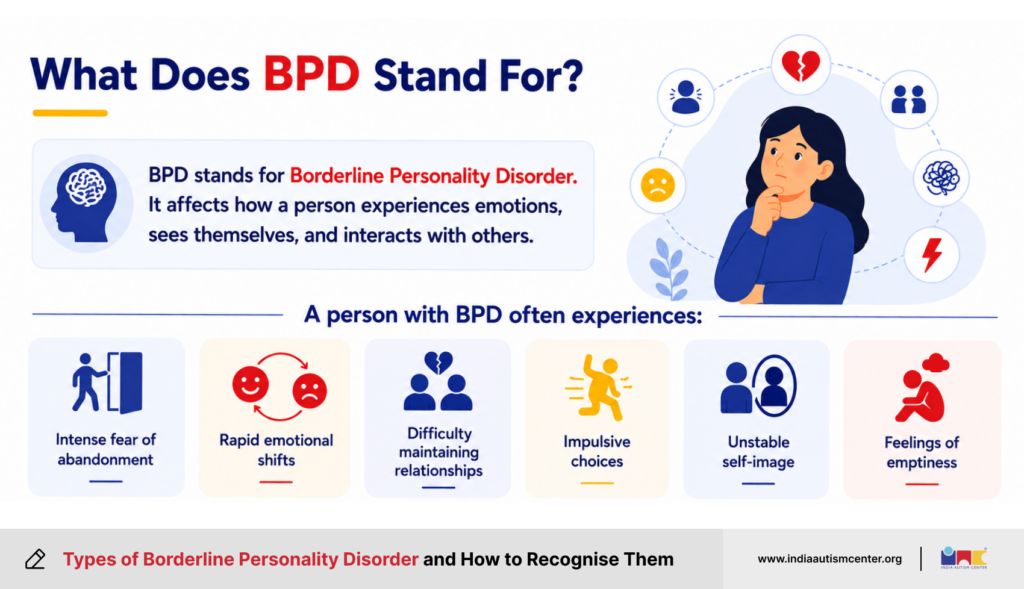
    Before understanding the different types of borderline personality disorder, it is important to understand the condition itself. BPD essentially stands for Borderline Personality Disorder, a mental health condition that affects exactly how a person experiences emotions, views themselves, and interacts with others.

    People who are diagnosed with BPD tend to experience emotions way more intensely than others. Situations that feel normal to one person can feel quite overwhelming to someone with BPD. Such experiences can eventually have an impact on relationships, self-confidence, decision-making, and day-to-day functioning.

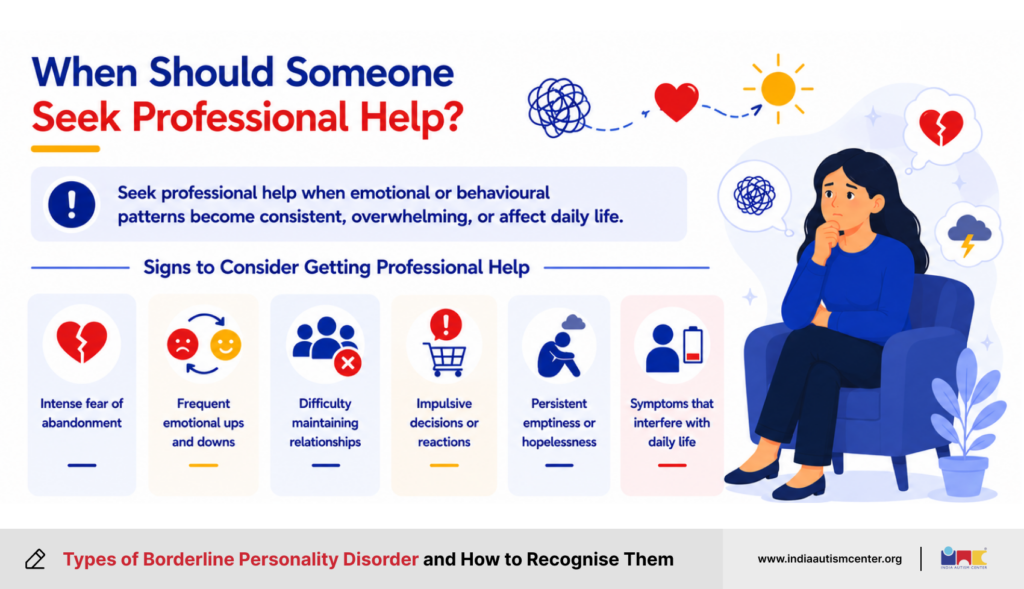
    A person with BPD often has the following experiences:

    • Intense fear of abandonment
    • Rapid emotional shifts
    • Difficulty maintaining relationships
    • Impulsive choices
    • Unstable self-image
    • Feelings of emptiness

    It is necessary to know that BPD is not a character flaw, or attention-seeking behavior, and it does not happen due to poor parenting. It is essentially a recognised mental health condition that requires understanding and support.

    The Four Primary Types of Borderline Personality Disorder

    Four primary types of borderline personality disorder including discouraged, impulsive, petulant and self-destructive BPD

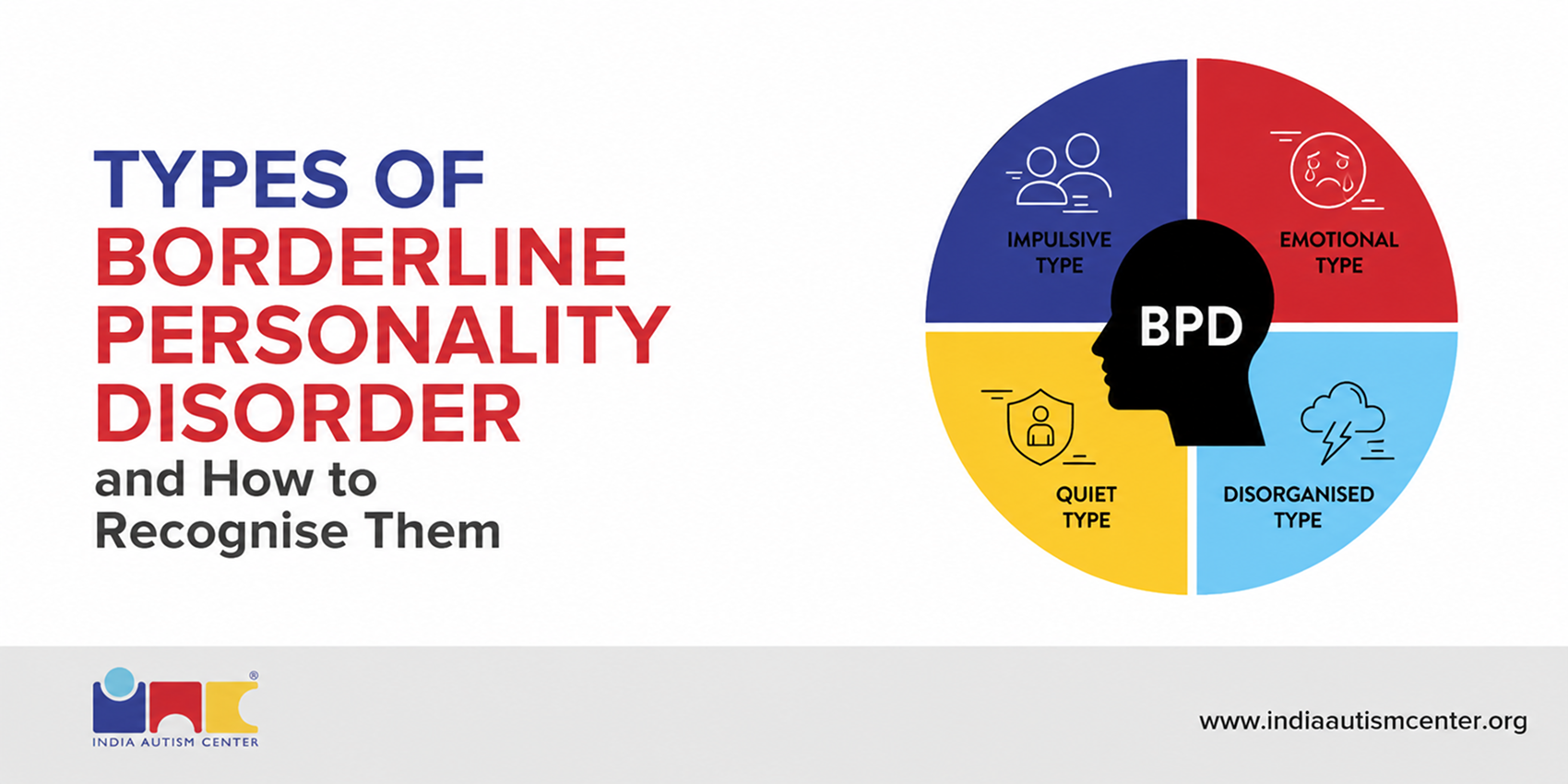
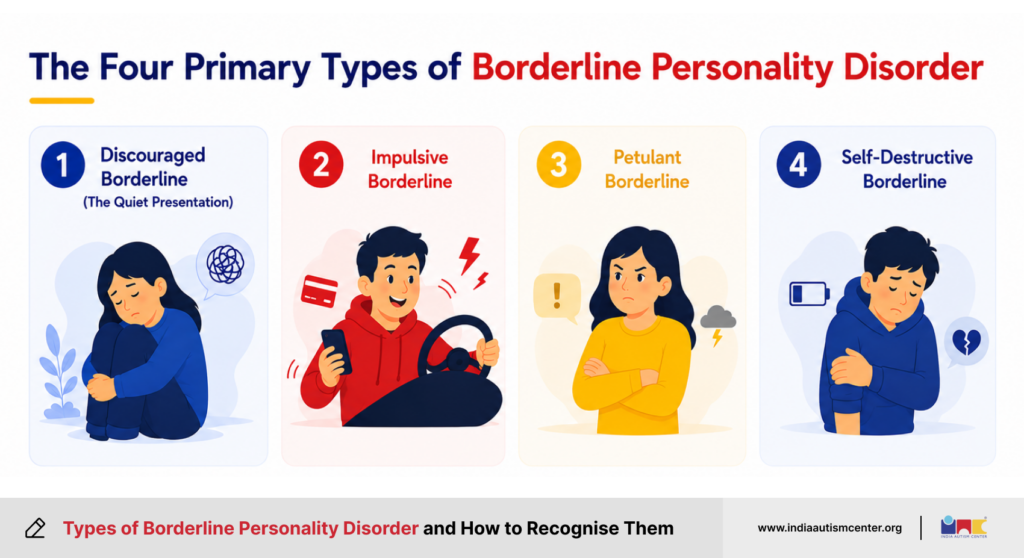
    While the official diagnostic manuals group all symptoms under one umbrella, psychologists and psychiatrists state that there are four different types of BPD. Pioneered by American psychologist Theodore Millon, these sub-categories explain why two individuals with the same diagnosis can act in opposite ways.

    1. Discouraged Borderline (The Quiet Presentation)

    The discouraged presentation is also known as “quiet BPD.” Individuals in this category turn their pain and turmoil completely inward.

    • Key Behaviours: When they feel hurt, disappointed, or abandoned, they do not lash out at others. They tend to direct their anger at themselves. They experience severe self-blame, deep shame, and a belief that they are fundamentally broken or unlovable.
    • How to Recognise Them: These individuals often appear exceptionally compliant, cooperative, and eager to please on the outside. Parents might notice that their child becomes completely silent or withdraws to their room for days after a minor conflict. They hide their suffering because they are terrified that expressing negative emotions will drive people away.
    • Signs of Distress: Some of the signs are a high chance of severe depression, silent self-harm, a chronic sense of emptiness, or even an intense reliance on one or two key relationships for emotional safety.

    2. Impulsive Borderline

    The impulsive presentation is characterised by high energy, thrill-seeking, and actions taken without thinking about future consequences.

    • Key Behaviours: Individuals with this sub-category tend to act on their immediate feelings to escape internal pain or boredom. They also struggle with impulse control a lot. They essentially seek superficial stimulation to numb their deep-seated emotional distress.
    • How to Recognise This Category: Parents may see a pattern of reckless driving, sudden and unexplained financial spending, substance experimentation, or abruptly quitting jobs and schools without a backup plan. People in this category may also crave constant excitement and can feel quite agitated when life starts feeling mundane.
    • Signs of Distress: Some of the signs include sudden involvement in dangerous situations, a history of unstable, short-lived life commitments, or, at times, even sudden bursts of behavioural escalation.

    3. Petulant Borderline

    Unpredictable mood swings, defiance, and a deep underlying frustration with the world define the people diagnosed with this category of BPD.

    • Key Behaviours: These individuals often feel profoundly misunderstood, unappreciated, and neglected by the people around them. They alternate rapidly between idealising a person and feeling deeply disappointed by them.
    • How to Recognise Them: A person in this category may show passive-aggressive behaviour, frequent outbursts of anger, and a stubborn resistance to parental guidance. When they do not receive immediate validation, they can become incredibly sullen, sarcastic, and difficult to comfort.
    • Signs of Distress: The signs under this category include severe relationship instability, constant complaining about being mistreated, intense jealousy, and they find it difficult to maintain long-term friendships due to frequent arguments.

    4. Self-Destructive Borderline

    The self-destructive presentation includes a pattern of behaviour where the diagnosed person consciously or unconsciously harms their own well-being. It is like a coping mechanism for intense emotional pain.

    • Key Behaviours: Driven by deep feelings of self-hatred and existential anxiety, individuals in this category engage in actions that sabotage their safety, health, and future success.
    • How to Recognise Them: Parents may notice explicit self-harming behaviours, a total neglect of physical health, sleep deprivation, or an intentional refusal to take prescribed medications. They might also deliberately ruin good opportunities, such as failing an exam on purpose or breaking off a healthy relationship, because they feel they do not deserve happiness.
    • Signs of Distress: An escalating pattern of risky behaviours, statements reflecting intense self-loathing, and a tendency to spiral into dangerous habits whenever life starts going well.

    How to Recognise the Correct Signs of Borderline Personality Disorder?

    Signs of borderline personality disorder including unstable mood, relationships, self-image and emotional sensitivity

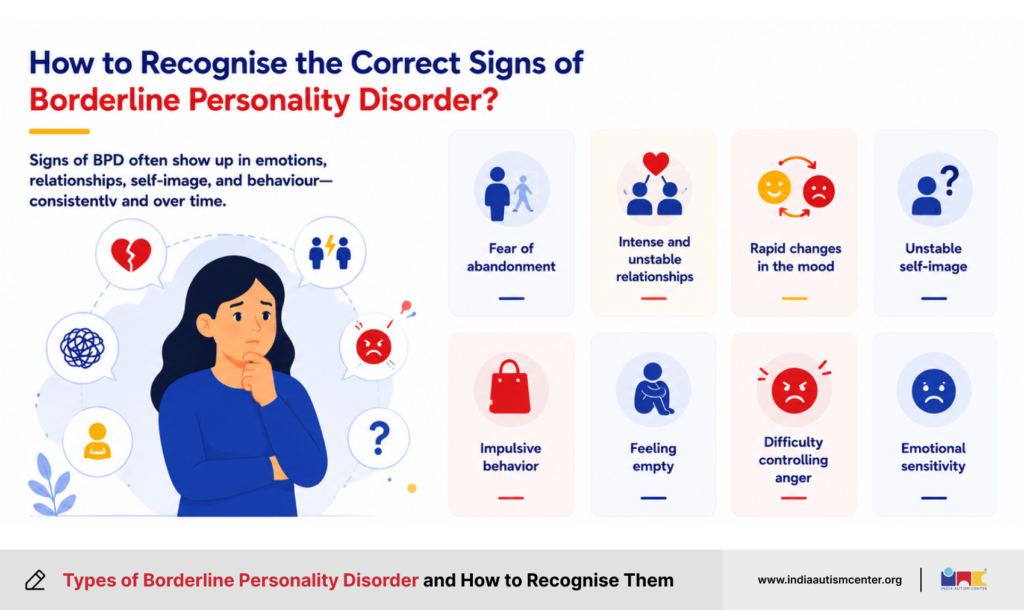
    Recognising the proper signs of Borderline Personality Disorder (BPD) can become complex because the symptoms often overlap with everyday emotional struggles, anxiety, depression, or other mental health conditions. 

    People with BPD are not emotionally unstable all the time. Instead, they may experience emotions more intensely and have greater difficulty returning to an emotional baseline after stressful situations.

    The signs usually appear across different parts of life, including relationships, emotions, self-image, and behaviour. What makes BPD different is that these patterns tend to be long-term, affect daily functioning, and occur repeatedly rather than occasionally.

    One important thing to remember is that no single sign confirms BPD. A proper diagnosis should always come from a qualified mental health professional after a detailed assessment.

    The table below highlights some commonly recognised signs and how they may appear in daily life.

    Common SignHow It May Look in Everyday Life
    Fear of abandonmentBecoming extremely distressed when someone cancels plans, leaves temporarily, or seems emotionally distant
    Intense and unstable relationshipsQuickly becoming emotionally attached and then feeling disappointed or disconnected
    Rapid changes in moodExperiencing strong emotional shifts within hours or a day
    Unstable self-imageFrequently changing goals, interests, opinions, or feeling unsure about identity
    Impulsive behaviorMaking sudden decisions involving spending, relationships, or lifestyle choices
    Feeling emptyFeeling emotionally disconnected
    Difficulty controlling angerReacting strongly to conflict or feeling regret afterwards
    Emotional sensitivityFeeling deeply affected by criticism, rejection, or misunderstandings

    It is not necessary that a person with BPD will have every sign listed above. Symptoms can vary in intensity and presentation, which is why early recognition and professional guidance play an important role in identifying appropriate support and intervention. 

    Borderline Personality Disorder Test: Can You Diagnose BPD Yourself?

    Borderline personality disorder test infographic explaining why only a mental health professional can diagnose BPD

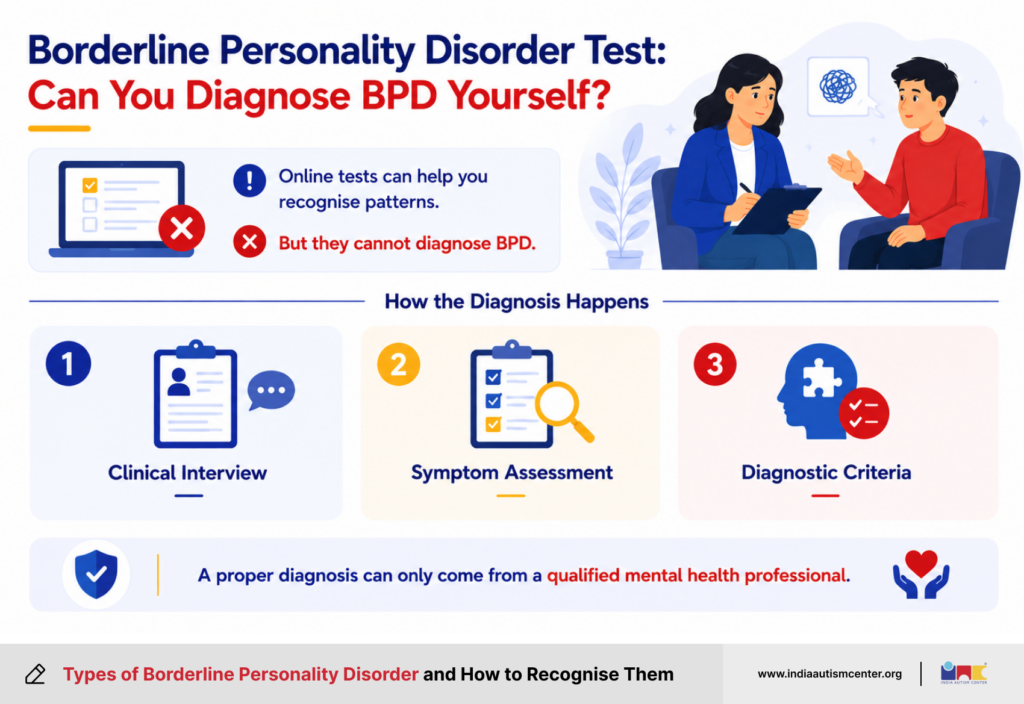
    A very common search term is borderline personality disorder test. Online tests can sometimes help people recognise patterns, but they cannot diagnose BPD. 

    Only a mental health professional who is qualified can help to determine whether symptoms meet diagnostic criteria. Here is how the diagnosis happens:

    • Clinical Interview: A specialist asks questions about emotions, relationships, behavioural patterns, daily functioning, and mental health history.
    • Symptom Assessment: Professionals evaluate long-term patterns rather than isolated incidents.
    • Diagnostic Criteria: Current diagnostic systems assess symptoms such as fear of abandonment, impulsivity, feeling of emptiness, etc. 

    Conditions That May Sometimes Be Confused With BPD

    Conditions sometimes confused with BPD including anxiety, depression, bipolar disorder, ADHD and autism

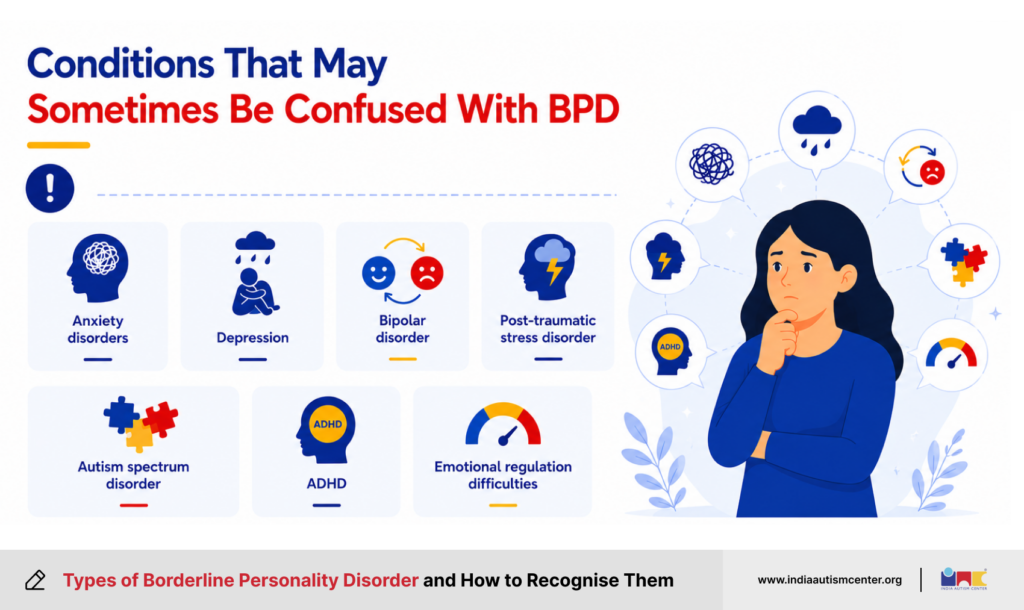
    Since emotional and behavioural symptoms tend to overlap, people may even get incorrectly labelled before receiving the correct diagnosis. Conditions that may appear similar to Borderline Personality Disorder include:

    This is especially important because communication challenges, sensory experiences, and emotional overwhelm may sometimes look similar on the surface while having very different underlying causes.

    How Is Borderline Personality Disorder Treated?

    How borderline personality disorder is treated with DBT, MBT and family-focused support

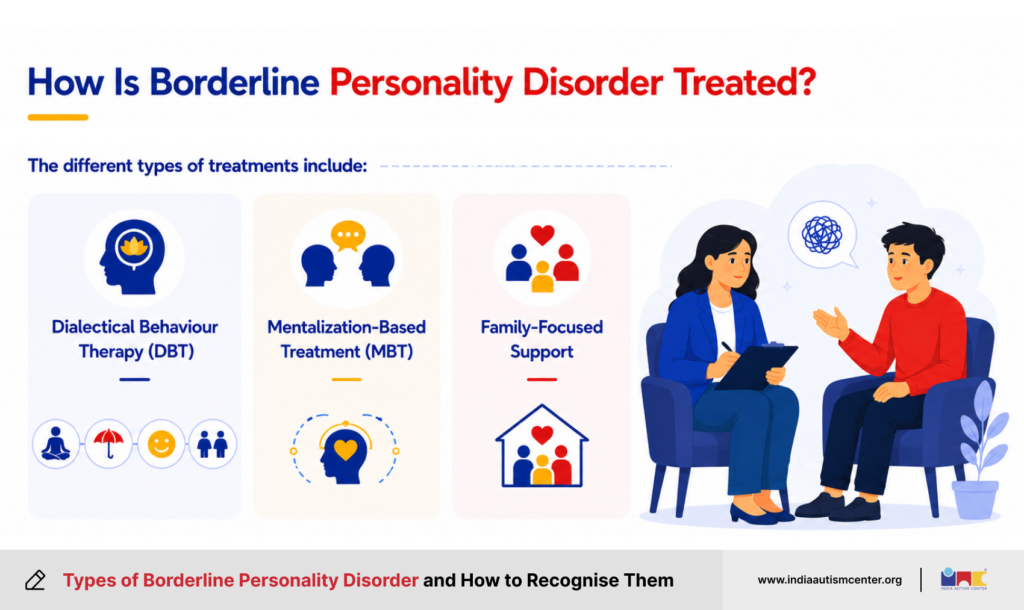
    One of the biggest misconceptions about BPD is that recovery is impossible. Research strongly challenges that idea. Many individuals experience significant improvement with appropriate support.

    The different types of treatments include:

    Dialectical Behaviour Therapy (DBT)

    It is the gold standard of care. DBT essentially teaches individuals tangible skills across four core areas, such as mindfulness, distress tolerance, emotion regulation, and interpersonal effectiveness. It helps individuals tolerate intense feelings without turning to impulsive or self-destructive behaviours.

    Mentalization-Based Treatment (MBT)

    This therapy helps individuals understand their own mental states and also the internal experiences of others. This can help reduce misunderstandings in relationships.

    Family-Focused Support

    For parents, being a part of family therapy or support groups offers important communication tools needed to create a non-invalidating home environment, which helps to foster long-term emotional recovery.

    When Should Someone Seek Professional Help?

    When to seek professional help for borderline personality disorder symptoms affecting daily life and relationships

    Experiencing strong emotions is a normal part of life. However, professional support may be helpful when emotional or behavioural patterns become consistent, overwhelming, or begin affecting daily functioning and relationships.

    Here is when people with BPD should consider getting professional help:

    • Intense fear of abandonment that leads to distress, conflict, or unhealthy relationship patterns
    • Frequent emotional ups and downs that feel difficult to control
    • Not able to maintain relationships with family, friends, or colleagues
    • Impulsive decisions or reactions that create challenges in different aspects of life
    • Persistent feelings of emptiness or hopelessness
    • Symptoms that tend to interfere with daily routines, sleep, social life, or overall well-being

    Early intervention can help individuals build healthier coping strategies and improve long-term emotional well-being.

    Common Myths About BPD

    Common myths about BPD and misconceptions around attention seeking, recovery, gender and relationships

    Borderline Personality Disorder is often misunderstood due to a long list of stereotypes and misinformation. These misconceptions also tend to delay diagnosis, increase stigma, and make it harder for individuals to seek support.

    Myth 1: BPD is just attention-seeking

    Reality: Emotional reactions in BPD tend to reflect genuine distress and difficulty regulating emotions. It is not a desire for attention.

    Myth 2: BPD only affects women

    Reality: BPD affects people across genders. However, symptoms may sometimes be recognised in a different way.

    Myth 3: Recovery is impossible

    Reality: Research shows that several individuals experience significant improvement over time with therapy, support, and emotional skill-building.

    Myth 4: People who have BPD are not able to maintain relationships

    Reality: With appropriate support and coping strategies, many people diagnosed with BPD can build healthy relationships.

    Conclusion

    Conclusion infographic on borderline personality disorder awareness, support, coping strategies and hope

    Being aware of the different types of BPD or Borderline Personality Disorder can help families and individuals move beyond labels and focus on what actually matters, recognising emotional experiences with empathy and seeking the right support at the right time.

    Since BPD symptoms can appear differently from person to person, early awareness and professional guidance play quite an important role in improving emotional well-being and quality of life. Most importantly, a diagnosis does not define a person’s future.

    With evidence-based early interventions, supportive relationships, and practical coping strategies, individuals who are diagnosed with BPD can learn to manage symptoms and also build enriched lives.

    Organisations such as India Autism Center encourage informed conversations around emotional development, behavioural understanding, family support, and inclusive care, helping create a more aware and compassionate community.

    Frequently Asked Questions

    What are the main types of borderline personality disorder?

    The commonly discussed types of borderline personality disorder include discouraged borderline, impulsive borderline, petulant borderline, and self-destructive borderline. These are considered symptom patterns and not separate medical diagnoses.

    Are the distinct types of borderline personality disorder officially recognised?

    No. The different types of borderline personality disorder are not official diagnostic categories. However, the categories are widely used to describe how symptoms may present differently.

    What are some of the early signs of Borderline Personality Disorder?

    Early signs may often include emotional sensitivity, fear of abandonment, unstable relationships, impulsive behaviour, rapid mood changes, and difficulty managing emotions.

    Is there a difference between BPD and type B personality disorder?

    Yes. Borderline Personality Disorder is one condition within Cluster B personality disorders. The term type B personality disorder generally refers to the broader personality disorder category.

    Can Borderline Personality Disorder improve over time?

    Yes. Many people with BPD often experience symptom improvement through different types of therapy, emotional skill-building, and supportive environments.

    What causes Borderline Personality Disorder?

    BPD is believed to develop through a combination of genetics, emotional sensitivity, environmental influences, and differences in emotional processing.

    Disclaimer: This article is intended for educational and informational purposes only. It is not a substitute for professional medical advice, diagnosis, or treatment. If you are pregnant or have concerns about medication use during pregnancy, please consult a qualified healthcare provider. If your child has received an autism diagnosis and you have questions about causes or support, please reach out to a trained specialist or an autism-focused organisation for guidance.

    For expert insights, support services, and inclusive learning initiatives, visit the India Autism Center.
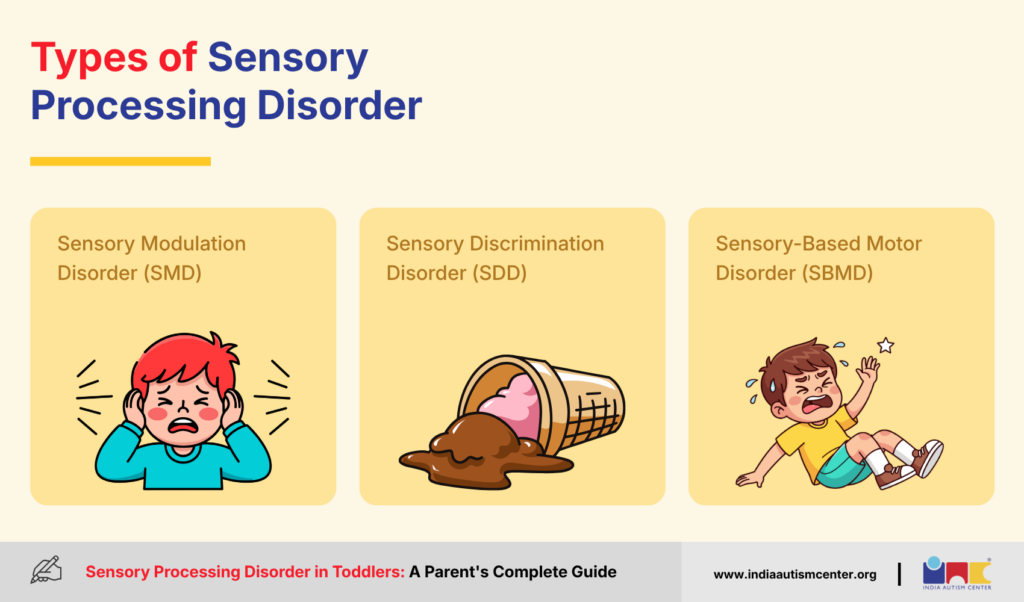
  • How to Handle a Hyperactive Child: A Practical Guide

    How to Handle a Hyperactive Child: A Practical Guide

    Do you often feel exhausted trying to keep up with your child’s endless energy? Does your little one jump from one activity to another, struggle to focus, interrupt conversations constantly, or become restless even during meals or bedtime? If yes, you are not alone.

    It can be confusing if your child is simply energetic or if these behaviors point towards something serious like Attention-Deficit/Hyperactivity Disorder (ADHD). However, this confusion is more common than you think. In fact, according to the U.S. Centers for Disease Control and Prevention (CDC), nearly 11.4% of children between 3 and 17 years have been diagnosed with ADHD, and hyperactivity is one of its most common symptoms. 

    This can be worrisome for many parents, as children with untreated ADHD are more likely to struggle academically and emotionally compared to their peers. Today, we will explain what hyperactivity is, the common signs, its causes, and how parents can manage a child with ADHD.

    What Does Hyperactive Mean?

    What Does Hyperactive Mean?

    Many parents search online asking, “What does hyperactive mean?” A hyperactive child usually shows unusually high levels of movement, impulsiveness, and restlessness, and has difficulty staying calm or focused for age-appropriate periods. 

    While all children are naturally active, hyperactivity goes beyond normal excitement or playfulness. A child who experiences hyperactivity may:

    • constantly run or climb
    • fidget all the time
    • interrupt conversations frequently
    • talk excessively
    • struggle to stay seated
    • become easily distracted
    • act impulsively without thinking
    • switch rapidly between activities
    • have emotional outbursts often

    More often than not, such behaviour can interfere with learning, friendships, family routines, emotional development and classroom participation. 

    Parents need to remember that hyperactivity may occur alongside conditions like ADHD, autism spectrum disorder, sensory processing challenges, anxiety and sleep disorders.

    What Are Some of the Common Signs of Hyperactivity in Children?

    What Are Some of the Common Signs of Hyperactivity in Children?

    Children naturally have energy, especially toddlers and preschoolers. However, some signs may suggest persistent childhood hyperactivity rather than normal active behaviour. Some very common signs of a hyperactive child are:

    • The child might always seem to be on the go
    • The child struggles to sit quietly, even for short periods
    • Children with hyperactivity tend to lose focus quickly
    • They tend to become impatient easily
    • Children who are hyperactive at times also have trouble following instructions
    • More often than not, the child shows impulsive behaviour
    • They also interrupt people repeatedly
    • The child can also struggle with waiting for their turns
    • Parents might also notice these children move excessively during sleep
    • Hyperactive children also become emotionally overwhelmed quickly
    • Teachers might find that such children have difficulty staying seated in class, come to class with incomplete schoolwork, talk constantly, are easily distracted, or exhibit disruptive behaviour. 

    Studies have also found that ADHD symptoms can continue into adolescence and even adulthood if not addressed early. However, early intervention can significantly improve long-term outcomes.

    What Are the Common Causes of Hyperactivity in Children?

    What Are the Common Causes of Hyperactivity in Children?

    Understanding the causes behind hyperactivity in children is important because hyperactive behaviour is not always linked to one single condition. In many cases, several biological, emotional, environmental, and developmental factors work together.

    While some children are naturally energetic, persistent restlessness, impulsive behaviour, and difficulty focusing may indicate deeper concerns that require attention and support.

    Here are some of the most common causes of childhood hyperactivity that parents should know about.

    1. Attention-Deficit/Hyperactivity Disorder

    One of the leading causes of a hyperactive child is ADHD. Children with ADHD tend to struggle with sitting still, controlling impulses, staying focused, following instructions, or managing emotions. 

    Hyperactivity is usually accompanied by impulsiveness and attention difficulties.

    2. Lack of Proper Sleep

    Sleep plays a major role in a child’s behaviour and brain function. Surprisingly, tired children do not always appear sleepy. Instead, they may become overly active, irritable, impulsive, and emotionally sensitive. 

    Poor sleep routines, excessive screen time before bed, sleep disorders, or anxiety can make the hyperactivity in children even worse.

    3. Sensory Processing Difficulties

    Some children constantly seek movement because their nervous system processes sensory information differently. They may jump, spin, run, or fidget frequently to regulate themselves. Sensory challenges are commonly seen in children with ADHD and autism spectrum disorder.

    4. Excessive Screen Exposure

    There are various studies that suggest that too much screen time may affect attention span, emotional regulation, sleep quality, and behaviour in young children. Fast-paced digital content tends to overstimulate the brain, making it difficult for children to stay calm as well as focused.

    5. Emotional Stress and Anxiety

    More often than not, children tend to express their emotional distress in a physical way instead of a verbal one. Family stress, academic pressure, changes in routine, or even certain emotional insecurity may lead to hyperactivity.

    6. Genetics and Brain Development

    There is research that explains that genetics plays a strong role in childhood hyperactivity. Children who have a family history of ADHD or related neurodevelopmental conditions tend to be more likely to show hyperactive symptoms.

    7. Diet and Lifestyle Factors

    Sugar alone will not instantly cause hyperactivity. Instead, unhealthy eating habits and consumption of processed foods, along with lack of physical activity and irregular routines, also tend to significantly contribute to behavioural challenges in a lot of children.

    Understanding the root cause of hyperactivity helps parents approach a hyperactive child with empathy and not frustration. Early intervention and support, healthy routines, and professional guidance when needed can make a drastic difference in a child’s emotional and behavioural development.

    How to Handle Hyperactive Child Behaviour Calmly?

    How to Handle Hyperactive Child Behaviour Calmly?

    Managing a hyperactive child can feel overwhelming, especially when daily routines become filled with tantrums, restlessness, impulsive behaviour, and emotional outbursts. However, shouting, harsh punishments, or constant scolding usually make the situation worse.

    Children who experience hyperactivity often struggle with emotional regulation and self-control, so they need calm guidance rather than criticism.

    Here are some effective ways parents can handle hyperactive behaviour calmly and positively.

    Stay Calm Before Responding

    Children often mirror the emotions of the adults around them. If parents become frustrated or angry quickly, the child may become even more restless or emotional. Here is what can be done instead:

    • Speak slowly and clearly
    • Maintain a calm tone
    • Avoid yelling during meltdowns
    • Give the child time to settle down

    A calm parent helps create a calmer environment for the child.

    Give Simple Instructions

    Long explanations can overwhelm a hyperactive child. Instead of giving multiple instructions together, break tasks into smaller steps. For example:

    • “Pick up your toys first.”
    • “Now wear your shoes.”

    Simple directions improve cooperation and reduce frustration.

    Create Predictable Daily Routines

    Children with childhood hyperactivity tend to respond well to structure. Fixed routines can further help to reduce confusion and overstimulation. Try maintaining a consistent wake-up time, meal schedules, homework hours, playtime, and bedtime routine.

    When children know what to expect, they often feel more secure and better regulated emotionally.

    Praise Positive Behaviour

    Positive reinforcement is one of the best tools for managing hyperactivity in children. Parents must praise behaviours such as sitting calmly, listening carefully, waiting patiently, or completing tasks.

    Even an achievement needs to be appreciated, and encouragement motivates children to repeat good behaviour.

    Allow Healthy Physical Activity

    Hyperactive children need safe ways to release energy. Outdoor play, cycling, swimming, dancing, or jumping activities can help improve focus and emotional balance.

    Avoid Overstimulation

    Too much noise, screen time, or heavily crowded environments can increase restlessness. Creating a calm and organised environment often helps children feel more relaxed.

    Learning how to handle hyperactive child behaviour takes patience and consistency. Small daily changes, combined with emotional support and understanding, can gradually improve behaviour and strengthen the parent-child relationship.

    How to Deal with a Hyperactive 2-Year-Old?

    How to Deal with a Hyperactive 2-Year-Old?

    The toddler years are defined by rapid exploration, but managing a hyperactive 2-year-old requires an extra layer of patience, predictability, and safety. At this tender age, the brain is developing at an astonishing rate, and toddlers lack the language skills to express overwhelming sensory inputs or big emotions.

    Here is what you can do:

    • Establish Absolute Predictability: Create a highly structured daily routine. Toddlers thrive when they know exactly what comes next. Ensure that meals, afternoon naps, and bedtime occur at the same times every single day to keep their nervous system grounded.
    • Keep Verbal Instructions Exceptionally Simple: When giving directions, crouch down to their eye level, place a gentle hand on their shoulder, and use simple, three- to four-word sentences, such as “pick up the ball.”
    • Design Safe Spaces for Movement: Since a hyperactive toddler needs to move, it is best to set up a dedicated room or corner with soft floor mats, oversized pillows, and safe climbing toys where they can burn off energy without constantly hearing the word no.

    How to Calm a Child with ADHD during Meltdowns?

    How to Calm a Child with ADHD during Meltdowns?

    An emotional meltdown is completely different from a typical temper tantrum. It is an involuntary neurological response to an overloaded sensory and emotional system. Learning how to calm a child with ADHD during these intense moments requires a calm, steady, and non-punitive approach from the caregiver.

    During a severe meltdown, de-escalate the environment immediately by dimming bright overhead lights, turning off loud televisions, and asking other family members to step into another room. 

    Avoid lengthy arguments, lecturing, or reprimanding your child when they are distressed. 

    Instead, speak in a low, quiet, reassuring, and rhythmic whisper. Moreover, saying words like “You are safe, or I am right here with you” can considerably help to calm them down. It is a better idea to let the intense emotional wave pass first and then attempt to discuss the underlying issue or give a gentle solution.

    Professional Therapies and Long-Term Guidance

    Professional Therapies and Long-Term Guidance

    While implementing home-based adjustments is incredibly powerful, it is also necessary to understand that treating hyperactivity often requires a more collaborative approach involving healthcare professionals who specialise in the field. 

    Every single child is unique, and a combination of tailored therapies frequently provides the most sustainable path forward. Occupational therapy is also proven to be quite beneficial, particularly through sensory integration therapy. It essentially helps hyperactive children to process environmental stimuli more effectively.

    Behavioural therapies or Cognitive Behavioural Therapy (CBT) can help to empower older children to identify their impulsive thoughts and develop healthy, lifelong coping mechanisms.

    If you notice that hyperactivity is significantly impacting your child’s learning journey or emotional well-being, scheduling a comprehensive developmental evaluation with a trusted paediatrician or specialist is an excellent, proactive step.

    Emotional Support for Parents Matters Too

    Emotional Support for Parents Matters Too

    Taking care of and raising a hyperactive child can be physically and emotionally tiring. Hence, it is also advised that parents should: 

    • Seek support groups
    • Ask for professional guidance
    • Take breaks when needed
    • Avoid blaming themselves

    A child’s hyperactivity does not reflect that you are a bad parent. In fact, supportive parenting is one of the strongest protective factors for children with ADHD and behavioural challenges.

    Conclusion

    Supporting a hyperactive child requires patience, consistency, and understanding. Rather than focusing only on controlling behaviour, parents need to focus on creating structured routines, emotional security, healthy habits, as well as positive communication.

    A little effort on a daily basis can gradually improve focus, emotional regulation, and confidence in children experiencing hyperactivity.

    For families seeking trusted guidance on neurodevelopmental conditions, sensory challenges, emotional development, and inclusive support, India Autism Center offers valuable resources and awareness initiatives to support both children and caregivers.

    With the right approach and early support, every child can thrive and even reach their full potential.

    Frequently Asked Questions

    What does hyperactivity mean in children?

    Hyperactive behaviour in children refers to excessive movement, impulsivity, restlessness, and difficulty focusing or staying calm compared to other children of the same age.

    Is hyperactivity in children always linked to ADHD?

    Not necessarily. Hyperactivity in children is not always due to ADHD. Sleep problems, anxiety, sensory issues, stress, and developmental differences are also known to contribute to hyperactive behaviour.

    How to handle a hyperactive child’s behaviour at home?

    Parents can easily manage hyperactive behaviour by maintaining routines, using positive reinforcement, limiting overstimulation, encouraging physical activity, and offering calm, simple instructions in a consistent manner.

    How to treat hyperactivity in children effectively?

    There are several treatment options involving behavioural therapy, structured routines, emotional support, occupational therapy, lifestyle changes, and medical guidance in case the symptoms are significantly affecting daily functioning.

    Does screen time increase hyperactivity in children?

    Excessive screen exposure is proven to overstimulate children. Moreover, it also tends to affect sleep quality, reduce attention span or even worsen emotional regulation challenges primarily associated with hyperactivity.

    When should parents seek professional help for hyperactivity?

    Parents can look for professional help if they find that hyperactivity starts to affect learning, relationships, emotional well-being, sleep, safety, or daily functioning consistently.

    How can parents emotionally support a hyperactive child?

    Parents can support children emotionally primarily by being patient, listening actively, maintaining consistent routines for them, encouraging them, providing positive reinforcement, and creating a safe, understanding home environment.

    For expert insights, support services, and inclusive learning initiatives, visit the India Autism Center.
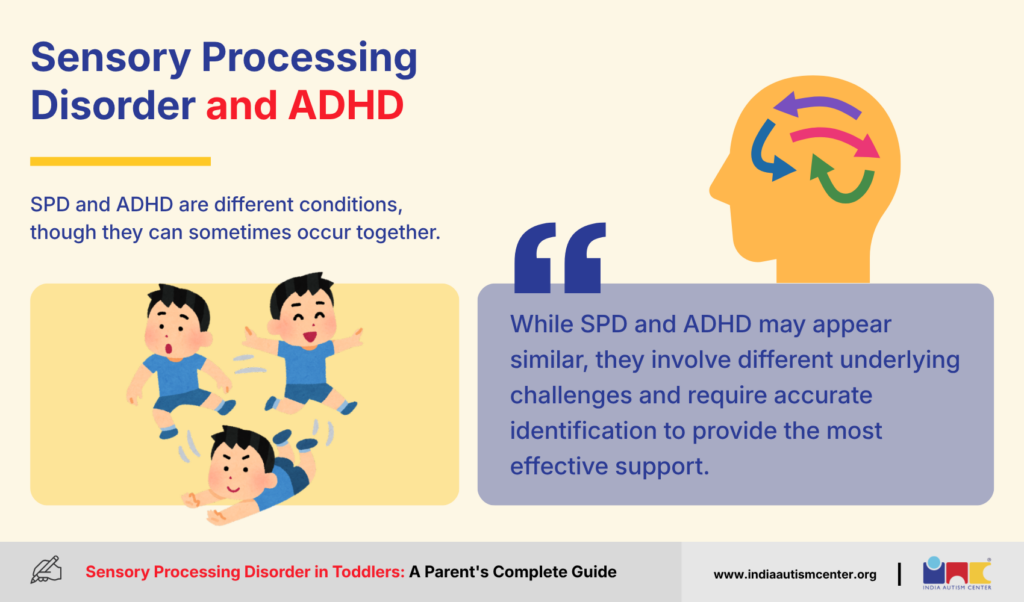
  • Understanding the ADHD Iceberg: Lesser-Known ADHD Symptoms

    Understanding the ADHD Iceberg: Lesser-Known ADHD Symptoms

    When most parents think of Attention Deficit Hyperactivity Disorder (ADHD), they end up thinking of a child who cannot sit still or a student who constantly loses their homework. However, clinical research suggests that these visible behaviours are just a small fraction of the condition.

    According to industry reports, the estimated prevalence of ADHD in children globally is approximately 7-8 per cent, and many of these individuals carry the condition into adulthood.

    Despite how common ADHD is, many people still overlook the lesser-known symptoms of ADHD. Parents may notice emotional outbursts, sensory sensitivities, or chronic forgetfulness without realising these could be linked to ADHD. This lack of awareness will end up delaying diagnosis and support.

    Understanding the ADHD iceberg can greatly help families, educators, and caregivers identify challenges earlier and respond with greater empathy. It also encourages people to move beyond stereotypes and see ADHD as a neurodevelopmental condition with many layers.

    In this article, we will explain what the ADHD iceberg is and its lesser-known ADHD symptoms. 

    What Is the ADHD Iceberg?

    What Is the ADHD Iceberg?

    The ADHD iceberg is a visual metaphor used to explain that many ADHD symptoms are hidden from public view. Above the waterline are the commonly recognised signs, such as:

    • Hyperactivity
    • Impulsivity
    • Difficulty focusing
    • Interrupting conversations
    • Restlessness

    Below the surface are much deeper struggles that people do not notice immediately. These include emotional dysregulation, sensory issues, low self-esteem, rejection sensitivity, executive dysfunction, sleep problems, and social difficulties.

    The hidden symptoms have the greatest long-term impact by affecting everyday functioning, confidence, and mental health.

    For example, a child may appear lazy or careless when they forget homework repeatedly. In reality, they may struggle with working memory and executive functioning. Similarly, an adult who seems overly emotional may actually be experiencing emotional dysregulation related to ADHD.

    The ADHD iceberg reminds us that behaviour is only one piece of the puzzle.

    📥 Free download: Printable daily routine chart for autistic children

    Why Many ADHD Symptoms Go Unnoticed?

    Why Many ADHD Symptoms Go Unnoticed?

    Many uncommon ADHD symptoms are misunderstood because they overlap with anxiety, autism, learning disabilities, or personality traits. Several factors contribute to missed or delayed recognition:

    1. ADHD Looks Different in Different People

    It is not necessary that every person who is diagnosed with ADHD is hyperactive. There are some individuals who are quiet, daydreamy, or even highly emotionally sensitive. Girls are likely to have inattentive symptoms rather than disruptive behaviour.

    In fact, research shows that girls with ADHD are frequently underdiagnosed as the symptoms are not very visible.

    2. People Develop Masking Behaviours

    Some children and adults work extremely hard to hide their struggles. They may copy peers, overprepare, or suppress emotional reactions to avoid criticism.

    Masking is quite exhausting and may contribute to burnout, anxiety, and depression over time.

    3. Hidden Symptoms Are Often Internal

    There are several lesser-known ADHD symptoms that often happen internally. Others cannot always see emotional overwhelm, racing thoughts, or sensory discomfort.

    The Hidden Side of the ADHD Iceberg

    The Hidden Side of the ADHD Iceberg

    While hyperactivity and distractibility are some of the most visible signs of ADHD, many struggles still remain hidden beneath the surface. The ADHD iceberg tends to include emotional, sensory, social, and executive functioning challenges. It may at times even go unnoticed; however, it can deeply affect daily life, relationships, learning, and self-esteem. 

    Understanding these hidden difficulties is essential for recognising the full impact of ADHD beyond its commonly discussed symptoms.

    Emotional Dysregulation

    Emotional dysregulation is one of the most common yet uncommon ADHD symptoms discussed publicly. People with ADHD may feel emotions more intensely and struggle to regulate them effectively.

    It may sometimes look like sudden frustration, emotional outbursts, anger over small setbacks, and even difficulty calming down. Children may appear overly dramatic; on the other hand, adults may feel emotionally exhausted from constantly managing strong feelings and reactions.

    In fact, there is research that shows that emotional dysregulation significantly affects the quality of life in individuals with ADHD.

    Rejection Sensitive Dysphoria (RSD)

    One of the lesser-known ADHD symptoms is rejection-sensitive dysphoria, often shortened to RSD. This involves intense emotional pain triggered by criticism, rejection, failure, disapproval, and feeling excluded. 

    A child with RSD may completely shut down after a minor correction in school. Adults may become extreme people-pleasers or avoid situations where they could fail. Although RSD is not officially listed in ADHD diagnostic criteria, many clinicians recognise its strong connection to ADHD.

    Executive Dysfunction

    Executive dysfunction is one of the most disabling but lesser-known symptoms of ADHD. Executive functions help people plan tasks, organise activities, start assignments, manage priorities, follow routines, and complete responsibilities. 

    When executive functioning is impaired, simple tasks can also feel quite overwhelming. A child may stare at homework for an hour without starting. On the other hand, an adult may procrastinate despite understanding the consequences.

    Time Blindness

    Time blindness is another hidden feature of the ADHD iceberg. People with ADHD often struggle to sense time accurately.

    It can result in chronic lateness, underestimating how long tasks take, missing deadlines, constant rushing, and losing track of time during activities. 

    Time blindness is linked to executive functioning challenges in the ADHD brain.

    Hyperfocus

    One of the most misunderstood ADHD symptoms is hyperfocus. Although ADHD is associated with distractibility, many individuals can become intensely absorbed in activities they enjoy.

    During hyperfocus, someone may lose track of time, ignore hunger or fatigue, and become deeply immersed in hobbies.

    This happens because ADHD affects attention regulation, not just attention itself. The brain may struggle to shift focus away from stimulating activities.

    Sleep Difficulties

    Sleep problems are among the most overlooked ADHD symptoms. In fact, as per a report from Sleep Foundation, up to 70% of children with ADHD experience sleep-related challenges.

    Children who have ADHD often have a difficult time falling asleep, have racing thoughts at night, have trouble waking up, or have irregular sleep schedules. Poor sleep eventually worsens emotional regulation and attention difficulties, creating a difficult cycle.

    Sensory Sensitivities

    Sensory challenges are commonly linked with autism, but they are also part of the ADHD iceberg for many individuals. Individuals who have ADHD often become overwhelmed with loud sounds, bright lights, clothing textures, strong fragrances, or even a busy environment.

    In fact, children with ADHD are significantly more likely to experience sensory processing difficulties compared to neurotypical peers.

    Low Self-Esteem and Shame

    Many individuals with ADHD spend years hearing negative labels such as lazy, difficult, careless, irresponsible, and sometimes even unmotivated. Over time, these remarks can damage self-esteem deeply.

    Low self-worth is one of the most painful hidden layers of the ADHD iceberg.

    Constant Mental Overload

    Another lesser-known symptom of ADHD is mental noise. Many people describe their minds as constantly active. It often involves racing thoughts, difficulty mentally relaxing, overthinking, and feeling mentally exhausted. 

    Even during quiet moments, the brain may feel overstimulated. This invisible exhaustion often goes unnoticed by others.

    ADHD in Girls: The Hidden Iceberg Many People Miss

    ADHD in Girls: The Hidden Iceberg Many People Miss

    Girls with ADHD are frequently underdiagnosed because their symptoms are often internalised. Instead of disruptive behaviour, girls may show:

    • Quiet inattentiveness
    • Perfectionism
    • Emotional sensitivity
    • Anxiety
    • Daydreaming
    • Masking behaviors

    Many girls become skilled at hiding their struggles socially and academically. As a result, diagnosis may happen much later in life. Understanding the ADHD iceberg is particularly important for identifying ADHD in girls early.

    ADHD and Co-Occurring Conditions

    ADHD and Co-Occurring Conditions

    ADHD rarely exists in isolation. Several people who have ADHD also experience:

    This is why comprehensive evaluations are important. Parents or caregivers also need to be aware of sensory integration therapy, inclusive education, the importance of early intervention, and emotional regulation strategies.

    Signs Parents Should Not Ignore

    Signs Parents Should Not Ignore

    Parents might end up noticing subtle patterns long before a diagnosis happens. Some signs hidden within the ADHD iceberg include:

    1. Emotional Signs: It includes extreme reactions to criticism, frequent frustration or emotional shutdowns.

    2. Cognitive Signs: Signs include forgetting instructions repeatedly, difficulty following routines, or constantly losing items.

    3. Behavioural Signs: People with ADHD start tasks but do not finish them, avoid mentally demanding work, or are found to be hyperfocused on preferred activities. 

    4. Sensory Signs: Some signs include being uncomfortable with certain textures, shielding ears in noisy spaces, or even seeking movement constantly. 

    In case these patterns consistently interfere with everyday activities, professional assessment may help.

    How Can People with Hidden ADHD Symptoms be Supported?

    How Can People with Hidden ADHD Symptoms be Supported?

    Supporting a person with hidden ADHD symptoms begins with understanding that many of their struggles are invisible. Emotional overwhelm, time blindness, sensory sensitivities, forgetfulness, and executive dysfunction are often misunderstood as laziness or carelessness. In reality, these challenges are linked to how the ADHD brain processes information, emotions, and routines.

    A supportive environment can make a significant difference in a person’s confidence and daily functioning. Instead of focusing only on behaviour, it is important to understand the underlying difficulties beneath the ADHD iceberg.

    Some extremely helpful ways to offer support include:

    • Create predictable routines and use visual schedules to reduce confusion and stress
    • Give clear and simple instructions instead of overwhelming directions
    • Break down bigger tasks into small, manageable steps
    • Reduce sensory overload that tends to come from loud sounds, crowded environments, or uncomfortable textures
    • Give emotional reassurance during moments of frustration or shutdown
    • Recognise strengths in terms of creativity, curiosity, problem-solving, and enthusiasm
    • Encourage movement breaks to improve focus and emotional regulation

    It is equally important to avoid constant criticism or comparisons. Positive reinforcement and patience can help individuals with ADHD feel understood rather than judged.

    Why Understanding the Iceberg Matters?

    Why Understanding the Iceberg Matters?

    Recognising the ADHD iceberg allows for a holistic approach to care. When we only treat the symptoms above the water, we leave the person struggling with the heavy burden beneath. For example, medication might help a child sit still in class, but it may not address their Rejection Sensitive Dysphoria or their sensory issues.

    Integrating therapies, such as Cognitive Behavioural Therapy or sensory integration, can be quite helpful in addressing these uncommon ADHD symptoms. Also, being aware of these traits can be quite helpful for parents in moving away from punishment and adopting a more collaborative problem-solving approach.

    Conclusion

    The ADHD iceberg explains that ADHD is way more complex than just being distracted or hyperactive. Below the visible behaviours, there are other issues like emotional struggles, executive functioning issues, sensory sensitivities, social difficulties, and, in many cases, even hidden exhaustion that not everyone sees.

    Understanding these lesser-known symptoms of ADHD helps parents, educators, and caregivers respond with compassion rather than judgment. It also allows individuals with ADHD to feel understood instead of constantly misunderstood.

    As there is more and more awareness, more families can recognise uncommon ADHD symptoms earlier and access the right support systems. When we begin looking below the surface, we create more inclusive, supportive, and emotionally safe environments for neurodivergent individuals to thrive.

    Frequently Asked Questions

    What exactly is the ADHD iceberg?

    The ADHD iceberg is a concept that explains that ADHD symptoms often remain hidden below the visible behaviours, like hyperactivity or distractibility. It also often includes emotional, sensory, or executive functioning challenges.

    Why are hidden ADHD symptoms often missed?

    Many lesser-known ADHD symptoms tend to be internal and, hence, are not very disruptive. Children and adults may silently struggle with emotions, anxiety, forgetfulness, or executive dysfunction without obvious behavioural signs.

    How does ADHD affect sleep?

    ADHD can affect sleep by causing racing thoughts, difficulty falling asleep, restless sleep, irregular sleep patterns, and trouble waking up in the morning.

    Why do people with ADHD struggle with time management?

    Many individuals with ADHD experience time blindness, making it difficult to estimate time accurately, manage schedules, or complete tasks on time.

    How does executive dysfunction relate to ADHD?

    Executive dysfunction affects planning, organisation, task initiation, memory, and decision-making. It is one of the most common hidden struggles within the adhd iceberg.

    What are the unusual symptoms of ADHD that parents should watch for?

    Parents should watch for emotional sensitivity, sensory issues, chronic forgetfulness, task avoidance, sleep difficulties, and intense reactions to criticism.

    Can different therapies help manage hidden ADHD symptoms?

    Behavioural therapy, occupational therapy, counselling, executive functioning support, and school accommodations can significantly help parents or caregivers manage lesser-known ADHD symptoms effectively.

    Why is understanding the ADHD iceberg important?

    Understanding the ADHD iceberg helps families and educators recognise invisible struggles early and provide better emotional, academic, and social support.

    Disclaimer: This article is intended for educational and informational purposes only. It is not a substitute for professional medical advice, diagnosis, or treatment. If you are pregnant or have concerns about medication use during pregnancy, please consult a qualified healthcare provider. If your child has received an autism diagnosis and you have questions about causes or support, please reach out to a trained specialist or an autism-focused organisation for guidance.

    For expert insights, support services, and inclusive learning initiatives, visit the India Autism Center.
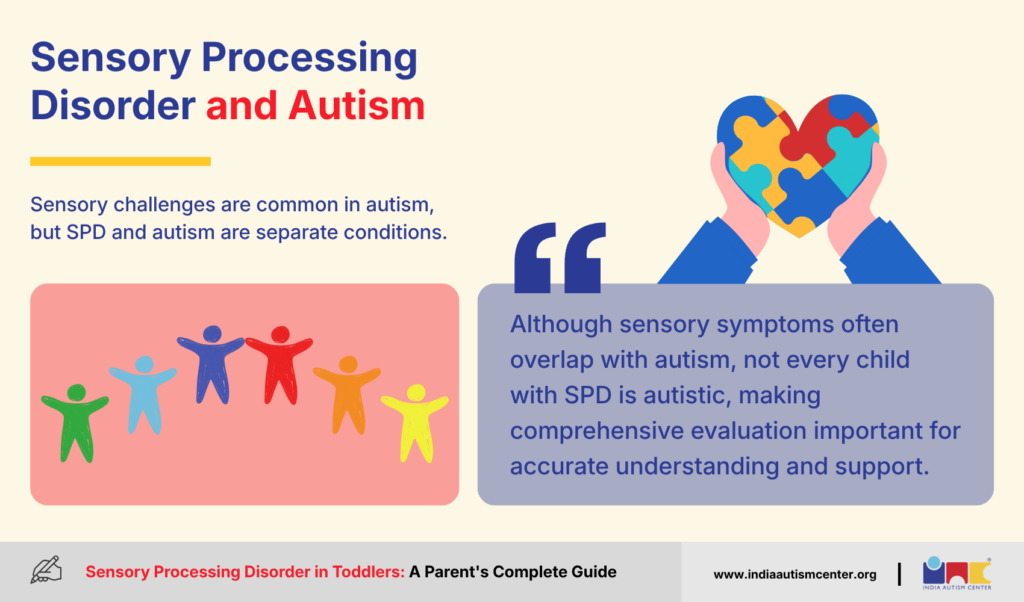
  • Deendayal Disabled Rehabilitation Scheme (DDRS) Explained

    Deendayal Disabled Rehabilitation Scheme (DDRS) Explained

    When a person is diagnosed with a disability, whether it is autism or another disability, the journey ahead often involves therapy, assistive devices, educational support, and long-term care planning.

    The challenge is not just emotional; it is also financial and logistical. This is where structured government initiatives like the Deendayal Disabled Rehabilitation Scheme (DDRS) come into play. The initiative can be a game-changer, as India has over 2.68 crore persons with disabilities as per the Census of 2011. 

    Moreover, a large chunk of this number still lacks access to structured rehabilitation services. Schemes like the DDRS aim to bridge this gap by strengthening grassroots rehabilitation services and empowering organisations to deliver support where it is needed most.

    If you are a parent of a child with autism, a caregiver, or part of an NGO, this guide helps you understand how the Deendayal Disabled Rehabilitation Scheme can help you unlock real, tangible support.

    What is the Deendayal Disabled Rehabilitation Scheme?

    What is Deendayal Disabled Rehabilitation Scheme DDRS and how it supports NGOs and rehabilitation services in India

    The Deendayal Disabled Rehabilitation Scheme is an initiative by the Government of India. It is designed to support voluntary organisations that provide rehabilitation services to persons with disabilities.

    In essence, the government does not directly run the services; it funds NGOs and rehabilitation institutions so they can offer important services such as therapy, education, vocational training, and community-based rehabilitation.

    Key Objective of DDRS:

    The primary goal of the DDRS scheme is to:

    • Create accessible rehabilitation services across India
    • Strengthen institutional and community-based rehabilitation models
    • Support persons with disabilities in achieving independence
    • Promote inclusion in education, employment, and society

    For families dealing with autism, this means access to therapy centres, early intervention programs, and structured support systems.

    📥 Free download: Printable daily routine chart for autistic children

    The Vision and Objectives of the DDRS Scheme

    Key objectives of DDRS scheme including inclusion, equal opportunities and rehabilitation support in India

    The core objective of the DDRS scheme is to ensure the correct implementation of the Rights of Persons with Disabilities Act, 2016. It focuses on several key areas such as:

    1. Ensuring Equal Opportunities: By funding special schools and centres, the DDRS ensures that children with neurodivergent conditions have the same learning opportunities as their peers.

    2. Empowerment through Inclusion: The rehabilitation assistance scheme helps through the transition from specialised environments to inclusive community living.

    3. Resource Optimisation: It utilises the infrastructure of a district disability rehabilitation centre to provide technical support and equipment to those in need.

    4. Social Justice: It aims to protect the rights of the disabled by making rehabilitation services affordable or free for the underprivileged.

    Why DDRS Matters for Autism and Developmental Disabilities?

    Importance of DDRS for autism and developmental disabilities with early intervention and therapy support

    Autism requires long-term, consistent support. This includes therapies like speech therapy, occupational therapy, behavioural interventions, and structured education.

    Here is why the rehabilitation assistance scheme under DDRS becomes important:

    • Early intervention can significantly improve developmental outcomes.
    • According to global studies, early therapy can improve communication and adaptive behaviour in children who have autism.
    • However, access to trained professionals remains limited in many parts of India.
    • DDRS-supported centres help bring these services closer to communities.

    Want to know more? Get in touch with us.

    Types of Projects Supported Under DDRS

    Types of projects supported under DDRS including special schools, early intervention centres and vocational training

    The DDRS is designed to support a wide range of rehabilitation services so that persons with disabilities, including autism, can receive care at different stages of life. Instead of focusing on just one type of support, the Deendayal Disabled Rehabilitation Scheme funds multiple project models through NGOs and institutions

    This ensures that families can access early intervention and education, therapy, and livelihood opportunities under one broader ecosystem.

    Special Schools

    Special schools supported under the DDRS provide structured education for children with disabilities who may not be able to cope in mainstream classrooms without support. These schools focus on individualised learning plans, therapy integration, and skill-building activities.

    For children with autism, this often includes communication training, behaviour support, or social skills development as per the requirement. Many of these schools tend to work closely with parents so that learning can be continued at home.

    District Disability Rehabilitation Centres

    The district disability rehabilitation centre model focuses on decentralising services so that families in rural and semi-urban areas can get complete access to necessary support without travelling long distances.

    These centres provide basic therapy, assistive devices, awareness programs, as well as referrals to higher-level care when needed. They play a key role in bridging the urban-rural gap in disability services.

    Early Intervention Centres

    Early intervention is one of the most critical components of the rehabilitation assistance scheme. These centres cater to children usually below the age of six, where developmental delays can be identified and addressed early.

    Services include speech therapy, occupational therapy, sensory integration, and even parent training. Research consistently shows that early support is significantly helpful in improving long-term outcomes in children with autism, making these centres a cornerstone of the Deendayal Disabled Rehabilitation Scheme.

    Residential and Community-Based Rehabilitation Projects

    The Deendayal Disabled Rehabilitation Scheme offers support for residential care facilities and community-based rehabilitation programs. Residential facilities aim to offer long-term care for persons who are in need of constant supervision, while community-based programs focus on integrating persons with disabilities into society.

    These initiatives emphasise life skills, social participation, and dignity, which are necessary for holistic rehabilitation.

    Vocational Training Centres

    For older children, adolescents, and adults, vocational training centres funded under the DDRS scheme help build independence. These centres offer skill-based training such as tailoring, computer skills, handicrafts, and other income-generating activities.

    For individuals who are diagnosed with autism, structured vocational environments can improve focus, routine-building, and confidence, ultimately supporting long-term employment or self-employment.

    Who Can Benefit from DDRS?

    Who benefits from DDRS scheme including children with disabilities, families, caregivers and educators

    The Deendayal Disabled Rehabilitation Scheme DDRS primarily works through NGOs, but the ultimate beneficiaries are individuals with disabilities and their families.

    Direct beneficiaries include:

    • Children with autism and developmental delays
    • Adults who have disabilities
    • Individuals requiring therapy or even rehabilitation

    Indirect beneficiaries:

    • Parents and caregivers
    • Teachers and special educators
    • Community workers

    When it comes to families, it means reduced financial burden and better access to services.

    What are the Eligibility Criteria for Organisations?

    DDRS eligibility criteria for NGOs including registration, experience, infrastructure and transparency requirements

    The DDRS gives funding to eligible NGOs and institutions. To qualify, organisations need to:

    • Be legally registered
    • Have at least two years of experience in disability services
    • Possess basic infrastructure and trained staff
    • Maintain transparency in financial records

    How to Access DDRS Services as a Parent?

    Steps to access DDRS services for parents including NGOs, disability certificate and rehabilitation centres

    Getting started with the DDRS is quite manageable when you break it into clear steps. Since the Deendayal Disabled Rehabilitation Scheme operates through NGOs and local centres, your focus should be on finding the right support system near you and staying actively involved.

    Here are the steps that you can follow:

    Step 1: Look for NGOs or a district disability rehabilitation centre through your district social welfare office, hospitals, or trusted disability networks.

    Step 2: Speak to staff to understand what services are available under the rehabilitation assistance scheme, such as therapy, special education, or skill training.

    Step 3: Keep your child’s disability certificate, medical records, and ID proof ready during the registration process

    Step 4: Most centres will evaluate your child’s needs before recommending suitable programs

    Step 5: Choose programs that match developmental requirements for your child

    Step 6: Attend parent training sessions. Also, make sure to follow therapy practices at home to maximise the benefits of the DDRS.

    Want to know more? Get in touch with us.

    What are the Challenges During Implementation of the DDRS?

    Challenges in DDRS implementation such as low awareness, funding delays and shortage of trained professionals

    While the Deendayal Disabled Rehabilitation Scheme has created a meaningful impact, its effectiveness is often limited by on-ground challenges. These gaps can affect how families access services under the DDRS, especially in smaller towns and rural areas.

    Here are some of the most common issues:

    • Limited awareness among families: Many parents are still unaware of the DDRS, which means eligible children miss out on early intervention and therapy support
    • Uneven distribution of centres: Services are often concentrated in urban areas, while several districts lack properly functioning district disability rehabilitation centre facilities
    • Delays in fund disbursement: NGOs sometimes face delays in receiving funds, which tend to disrupt services and reduce program efficiency
    • Shortage of trained professionals: There is a significant gap in qualified therapists, special educators, and rehabilitation experts across India

    Because of these challenges, the reach of the DDRS remains uneven, making awareness and stronger implementation critical for better outcomes.

    Tips for Parents and Caregivers

    Practical tips for parents and caregivers to benefit from DDRS scheme and improve child development outcomes

    If you are planning to benefit from the DDRS scheme, taking a thoughtful and proactive approach can make a real difference in your child’s progress. The Deendayal Disabled Rehabilitation Scheme provides access to valuable services, but outcomes improve significantly when parents stay actively involved.

    Here are some practical tips to follow:

    1. If you notice developmental delays, do not wait. Early intervention under the DDRS can improve communication, behaviour, and learning outcomes.

    2. Make sure that the medical reports are up-to-date. Also, make sure you have a valid disability certificate to avoid delays when accessing the rehabilitation assistance scheme.

    3. Visit different NGOs or a district disability rehabilitation centre to compare services and find the best fit.

    4. Understand therapy plans, goals, and how progress will be measured.

    5. Reinforce therapy techniques at home to maximise the benefits of the Deendayal Disabled Rehabilitation Scheme.

    Future of DDRS in India

    Future of DDRS in India focusing on expanding services, technology adoption and improving accessibility

    The DDRS has a strong foundation for disability rehabilitation in India. Still, the future is expected to depend on how well it evolves to meet increasing demand, especially in areas like autism and developmental disabilities. 

    As awareness grows, more families are likely to seek structured support through the DDRS scheme, making it essential to strengthen both reach and quality.

    One of the key priorities should be expanding services into underserved regions. Many rural areas still lack access to a fully functional district disability rehabilitation centre, which limits the effectiveness of the rehabilitation assistance scheme. 

    At the same time, there is a pressing need to train more therapists, special educators, and caregivers to address the shortage of skilled professionals.

    Technology can also play a major role. Tele-rehabilitation and digital tools can help extend the benefits of the Deendayal Disabled Rehabilitation Scheme to families who cannot travel frequently. 

    Additionally, increasing awareness and ensuring faster, more transparent funding will be critical to improving the long-term impact of the Deendayal Disabled Rehabilitation Scheme.

    Conclusion

    Conclusion on DDRS scheme impact highlighting inclusion, rehabilitation support and empowerment of people with disabilities

    The Deendayal Disabled Rehabilitation Scheme represents a promise from the government to its most vulnerable citizens. By supporting the DDRS, we are not just funding buildings or salaries; we are investing in the potential of human beings. 

    Whether it is a child learning to communicate for the first time at a DDRS scheme-funded centre or an adult gaining employment through a rehabilitation assistance scheme, the impact is life-changing.

    For every parent reading this, remember that you are not alone in this journey. The Deendayal Disabled Rehabilitation Scheme and the network of district disability rehabilitation centre facilities are there to support you. By staying informed and utilising these government resources, we can ensure that every individual with a disability has the opportunity to shine. 

    The path to inclusion is long, but with the right support from schemes like the Deendayal Disabled Rehabilitation Scheme, it becomes a journey of hope and achievement.

    Frequently Asked Questions

    What is DDRS in simple terms?

    The DDRS is a government scheme that funds NGOs to provide rehabilitation services like therapy, education, and skill training for persons with disabilities across India.

    Is DDRS only for physical disabilities?

    No, the Deendayal Disabled Rehabilitation Scheme covers multiple disabilities, including autism, intellectual disabilities, and sensory impairments.

    Are services under DDRS free?

    Many services under the Deendayal Disabled Rehabilitation Scheme are free or highly subsidised, depending on the organisation and type of support provided.

    Can adults with autism benefit from DDRS?

    Yes, the rehabilitation assistance scheme includes vocational training and life skills programs for adults with autism and other disabilities.

    Can NGOs apply for multiple projects under the DDRS?

    Yes, eligible NGOs can apply for multiple projects under the DDRS, provided they meet infrastructure, staffing, and compliance requirements set by the government.

    How does DDRS support inclusive education?

    The Deendayal Disabled Rehabilitation Scheme supports special schools and resource centres that help children transition into inclusive education environments with proper support systems.

    How can DDRS improve long-term outcomes for children with autism?

    By providing early intervention, therapy, and skill-building programs, the Deendayal Disabled Rehabilitation Scheme helps improve independence, communication, and overall quality of life.

  • How ADIP Scheme Helps People With Autism and Disabilities?

    How ADIP Scheme Helps People With Autism and Disabilities?

    Finding the right support for a child or a loved one with a disability can feel like a big challenge for many parents. Whether you are caring for a child with autism or someone with physical needs, having the right tools can make a world of difference.

    In India, the government has a special and dedicated program, which is known as the Assistance to Disabled Persons for Purchase/Fitting of Aids or Appliances (ADIP scheme), to help families get the equipment they need without worrying about the cost. This program gives necessary assistance to people with disabilities, ensuring that each person gets a chance to live an independent life.

    Recent studies show that there are over 26.8 million people living with disabilities in India. It is also a fact that using assistive technology for disabled children early in life can help them become much more independent as they grow up.

    This detailed guide will explain to you all about the ADIP scheme, including eligibility, benefits, application process, and how it supports individuals with autism and other disabilities.

    What is the ADIP Scheme?

    What is the ADIP Scheme infographic showing objectives of disability assistance and assistive technology support in India

    The ADIP full form is Assistance to Disabled Persons for Purchase/Fitting of Aids or Appliances. It is a disability scheme run by the Ministry of Social Justice and Empowerment. The main goal is simple: to give high-quality, modern, and helpful tools to people who need them but might not be able to afford them.

    Key Objective:

    • To provide modern and scientifically manufactured assistive technology for disabled individuals
    • To reduce the impact of disability and improve the quality of life
    • To promote inclusion in education, employment, and daily living

    📥 Free download: Printable daily routine chart for autistic children

    Why the ADIP Scheme Matters?

    Importance of the ADIP Scheme for autism and disabilities including early intervention and mobility support

    For families dealing with autism or other developmental conditions, access to adaptive devices for persons with disabilities can be life-changing. Here’s why the ADIP scheme is crucial:

    • Many assistive devices are expensive and thus can be unaffordable for low-income families
    • Early intervention tools can significantly improve developmental outcomes
    • Devices like communication boards and sensory aids help children with autism engage better
    • Mobility and hearing devices improve independence and social participation

    Different Types of Assistive Devices for People with Disabilities

    Different types of assistive devices for people with disabilities including wheelchairs hearing aids and autism learning tools

    The ADIP scheme covers many different needs. Depending on what a person requires, the scheme provides different types of tools. Let’s look at them in detail.

    Mobility Aids for Physical Challenges

    For people who have trouble walking due to polio, accidents, or cerebral palsy, the scheme provides wheelchairs, tricycles, and crutches. For those who have great difficulty moving their arms or legs, motorised wheelchairs are also available. 

    These assistive devices for people with disabilities allow them to attend school or work without relying on others to carry them.

    Aids for Visual Impairment

    For those who are blind or have low vision, the government provides Braille books, talking watches, and special white canes. They also provide high-tech software for computers that reads text aloud. 

    This assistive technology for disabled students is a game-changer, allowing them to surf the internet and read any book they want.

    Aids for Hearing and Speech

    Digital hearing aids are very common under this disability scheme. For young children who cannot hear at all, the government even helps pay for cochlear implants. 

    A cochlear implant is a very expensive surgery, but through the ADIP scheme, many poor children get it for free. This helps them start hearing sounds and eventually learn how to speak.

    Kits for Intellectual Disabilities and Autism

    This is very important for parents of neurodivergent children. The scheme provides special kits called Teaching-Learning Materials (TLM) kits. These kits contain puzzles, sensory toys, and picture cards. 

    These adaptive devices for persons with disabilities are designed to help children with autism learn colours, shapes, and daily life skills through play.

    How to Use the ADIP Scheme Apply Online Feature?

    Step by step guide to apply online for the ADIP Scheme through the official government disability portal

    The government has made it easier to ask for help through the ADIP scheme by applying online. You do not have to wait in long lines at government offices anymore or travel long distances just to submit a piece of paper.

    Here are the steps that you need to follow to apply for the ADIP scheme:

    Step 1: Go to the official government website for the Department of Empowerment of Persons with Disabilities.

    Step 2: Next, you are required to click on the link for the ADIP scheme to apply online.

    Step 3: Enter the name, age, gender, and address of the person who needs aid.

    Step 4: Upload photos of the disability certificate, income proof, and Aadhaar card.

    Step 5: Choose the device your doctor or therapist recommends.

    Step 6: Submit the form and then save the acknowledgement number for later status checks.

    Using the ADIP scheme to apply online is the fastest way to get your request processed. It also helps the government keep a clear record of who has received help.

    Who Can Apply for this Scheme?

    Eligibility criteria infographic for ADIP Scheme applicants including disability certificate and income requirements

    To ensure help goes to those who need it most, there are a few rules for this disability scheme. These rules help the government assist families of people with disabilities who are struggling financially.

    The main requirements are:

    • The person must be an Indian citizen.
    • They must have a disability certificate showing a disability of 40% or higher.
    • The family’s monthly income should be 30,000 rupees or less.
    • If the income is below 15,000 rupees, the device is completely free.
    • If the income is between 15,001 and 30,000 rupees, the family pays half the cost.
    • Usually, you can get help once every three years, but for children under 12, you can get help every year as they grow.

    These rules ensure that adaptive devices for persons with disabilities reach the right hands.

    Want to know more? Get in touch with us.

    What Documents are Needed for A Smooth Application?

    Required documents for ADIP Scheme application including Aadhaar disability certificate income proof and medical recommendation

    To avoid any delays when you use the ADIP scheme online portal, you should have all your papers ready when you apply online. If a paper is missing, the application might get rejected.

    Here is a list of what you will need:

    • A copy of the Disability Certificate (UDID card is preferred).
    • A recent passport-size photo of the applicant.
    • An Income Certificate issued by a local authority, such as a Tehsildar or BDO.
    • Aadhaar Card/Valid ID Proof.
    • A letter of recommendation from a doctor explaining which assistive devices are needed for people with disabilities.

    Having these ready makes the assistance for people with disabilities much easier to access.

    The Importance of Early Intervention

    Early intervention benefits for children with autism and disabilities through assistive technology and mobility support

    Did you know that about 90 per cent of a child’s brain tends to develop before the age of 5? This is why the ADIP scheme is so focused on young children. If early intervention is provided to assist people with disabilities, they have a much better chance of going to a regular school.

    For example, if a child with a walking difficulty gets a proper brace or a walker at age 3, their muscles will develop better than if they waited until age 10. The same goes for assistive technology for disabled children who have trouble speaking. Using a communication tool early helps them learn language much faster.

    The Role of NGOs and Social Workers

    NGOs and social workers helping families apply for the ADIP Scheme and choose assistive devices for disabilities

    Many NGOs work closely with the government to help families with the ADIP scheme apply through the online process. Since the forms can sometimes be confusing, social workers can help you fill them out correctly.

    NGO’s can also guide parents on which assistive technology for disabled children is best for their specific needs. It is always a good idea to talk to a therapist before choosing a device, as they can tell you exactly what will help your child the most.

    How is Life After Receiving the Device?

    Parents helping a child use assistive devices after receiving support through the ADIP Scheme

    Getting the device is just the first step. The next step is learning how to use it. If a child gets a new hearing aid or a communication tablet, they will need time and practice to get used to it.

    Parents should:

    • Ask the experts at the camp or hospital to show them how to clean and maintain the device.
    • Encourage the child to use the adaptive devices for persons with disabilities every single day.
    • Be patient, as it can take a few weeks for a child to feel comfortable with a new tool.
    • Check the device on a regular basis for any wear and tear that might happen.

    Common Myths About the ADIP Scheme

    Common myths and facts about the ADIP Scheme including disability support and assistive device accessibility

    There are some common misunderstandings about this disability scheme that we should clear up.

    Myth 1: The devices are of poor quality because they are free.

    This is not true. The government uses ISI-certified products and works with top engineers to design these assistive devices for people with disabilities.

    Myth 2: The scheme is only for physical disabilities.

    Actually, the scheme has been updated to include tools for visual, hearing, and intellectual disabilities, as well as support for those with autism.

    Myth 3: The application process is too hard.

    While it still requires some paperwork, the ADIP scheme’s online system has made it much simpler than before.

    Tips for Parents and Caregivers

    Practical tips for parents and caregivers applying for the ADIP Scheme for autism and disability assistance

    If you are planning to apply for the ADIP scheme, a little preparation can make the entire process smoother and more effective. Here are some practical tips that can help you get the maximum benefit from this disability scheme:

    Start early, especially for children with autism.

    Early access to assistive devices for people with disabilities can significantly improve communication, behaviour, and learning outcomes. Do not wait for challenges to become severe before seeking support.

    Keep all documents updated and organised.

    Ensure that your disability certificate, proof of income, Aadhaar card, and medical records are valid and easily accessible. Missing or outdated documents are one of the most common reasons for delays in the ADIP scheme’s online application process.

    Follow up regularly after applying.

    Once you are done with submitting your application, stay proactive. Track your application status, respond to queries quickly, and stay in touch with implementing agencies or local centres.

    Consult therapists and professionals before choosing devices

    Not every assistive technology for disabled individuals suits every child. Speech therapists, occupational therapists, and special educators can guide you in selecting the most appropriate adaptive devices for persons with disabilities.

    Combine assistive devices with therapy for better results

    Relying only on the devices is not enough. When used alongside structured therapy and intervention programs, they provide much stronger and long-term developmental benefits.

    Conclusion

    Conclusion infographic about the ADIP Scheme supporting people with autism and disabilities through care education and assistive tools

    The ADIP scheme is not just a government program. It is, in fact, a valuable lifeline for millions of individuals and families navigating the challenges of disability. If you have a child or know a person with disability, understanding and using this disability scheme can make a meaningful difference. Whether it is communication tools, sensory aids, or simple learning devices, the right support at the right time can transform outcomes in a real sense.

    However, awareness is extremely important. Many families who qualify for the ADIP scheme apply online but never submit an application. That needs to change. 

    If you are a parent, caregiver, or educator, take the initiative to explore this scheme. Combine it with therapy, education, and community support. Because when the right tools meet the right guidance, real progress happens.

    Frequently Asked Questions

    What is the ADIP scheme and who can benefit from it?

    The ADIP scheme is a dedicated government disability scheme that provides assistive devices to eligible individuals with disabilities. This scheme helps in improving mobility, communication, and independence.

    Who is eligible to apply for the ADIP scheme in India?

    Indian citizens with at least 40% certified disability and within the prescribed income limits can apply for the ADIP scheme to receive assistance for people with disabilities.

    What types of assistive devices are provided under the ADIP scheme?

    The ADIP scheme provides assistive devices for people with disabilities, such as wheelchairs, hearing aids, communication tools, prosthetics, and other adaptive devices.

    Is the ADIP scheme available for children with autism?

    Yes, the ADIP scheme is known to support children with autism by providing assistive technology, including communication aids, learning tools, and sensory support devices.

    How long does it take to receive devices under the ADIP scheme?

    The processing time for the ADIP scheme will usually vary but typically ranges from a few weeks to a few months, depending on verification, availability, and distribution schedules.

    Can multiple devices be provided under the ADIP scheme?

    Yes, eligible individuals can receive multiple assistive devices for people with disabilities, based on their needs and a professional assessment, under the ADIP scheme.

    For expert insights, support services, and inclusive learning initiatives, visit the India Autism Center.
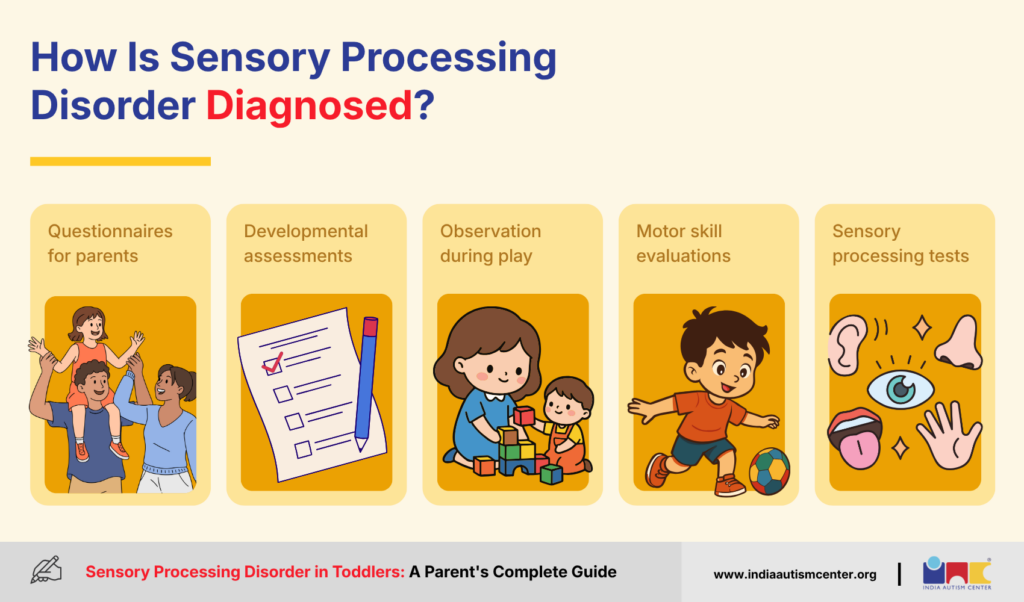
  • How to Apply for Disability Certificate in West Bengal? (Complete Guide)

    How to Apply for Disability Certificate in West Bengal? (Complete Guide)

    Getting a disability certificate in West Bengal is one of the most important steps for individuals and families seeking access to government support, education benefits, and healthcare services.

    If we look at the Census of India 2011, about 2.21% of the population, which is about 2.68 crore, are disabled. Out of this, more than 20 lakh disabled people are in West Bengal. Still, a large number of eligible individuals lack a valid West Bengal disability certificate, which often limits their access to schemes and financial assistance.

    With the RPwD Act 2016 expanding recognised disabilities to 21 categories, including autism, applying for a handicap certificate in West Bengal or completing the handicapped certificate online application process in West Bengal has become more important than ever.
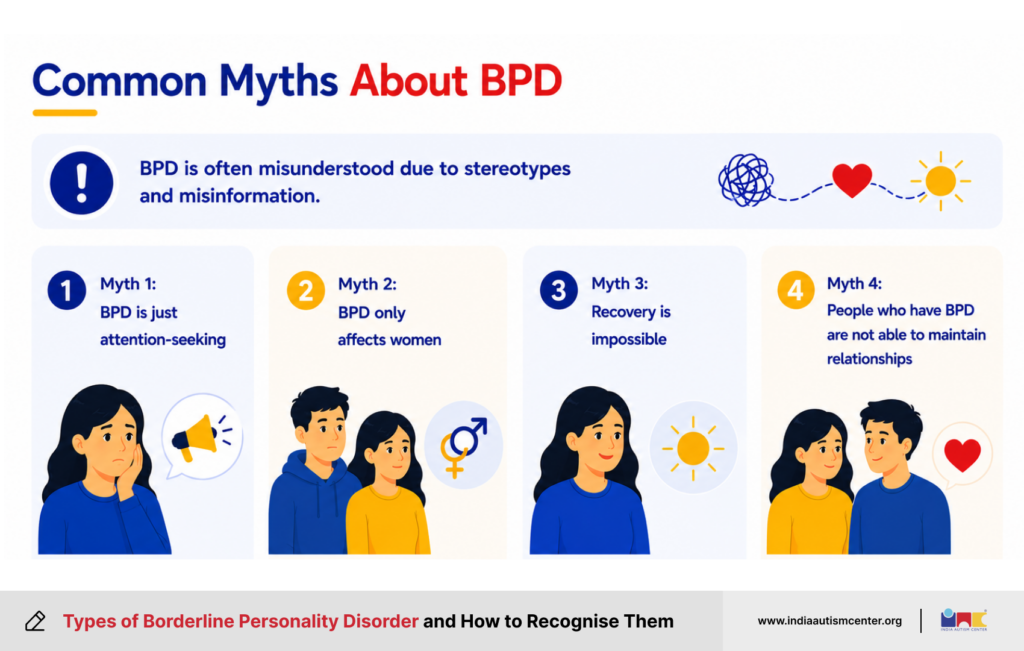
    In this guide, we are going to explain how to apply for disability certificate in West Bengal and other necessary information that parents and caregivers must know.

    What Exactly is a Disability Certificate and UDID?

    A disability certificate is a legal document issued by a competent medical board that states the nature of a person’s disability and the degree of their impairment. In West Bengal, this is now integrated with the Unique Disability ID (UDID) project.

    The UDID is a smart card that stores all the medical information of the individual in a digital format. Instead of carrying bulky folders of medical reports to every government office or hospital, you can present this card. 

    Whether you are required to get a handicap certificate in West Bengal for a physical limitation or a neurodiverse condition like autism spectrum disorder (ASD), this card serves as a universal proof of identity and disability across India.

    It is required for various situations:

    • Disability pension
    • School and college reservations
    • Government job quotas
    • Travel concessions
    • Tax benefits
    • Access to therapies and assistive devices

    For families who have children, teens, or adults with autism or any other type of developmental delays, this certificate becomes a key step toward structured support and early intervention planning.

    Why is this Certificate a Game-Changer for Families?

    Why disability certificate is important benefits for families education travel healthcare financial support

    For many parents, the diagnosis of a condition like autism is just the beginning. The real challenge often lies in the costs of long-term therapy and education. A West Bengal disability certificate acts as a powerful key that unlocks several doors:

    • Educational Rights: Children with a certificate are eligible for 5% reservation in all government-aided higher educational institutions. They also get access to specialised scholarships to cover schooling costs.
    • Travel and Mobility: You can avail of up to 75% discount on Indian Railway tickets and significant concessions on state-run bus services across West Bengal.
    • Healthcare and Equipment: The certificate allows you to get free or subsidised assistive devices, such as high-quality hearing aids, wheelchairs, or specialised software for learning.
    • Economic Support: The state offers monthly pensions and tax exemptions for parents. It also provides a 4% reservation in government job vacancies.

    Who Can Apply for Disability Certificate in West Bengal?

    Eligibility criteria for disability certificate West Bengal resident diagnosed disability 40 percent rule

    Anyone who can meet the basic eligibility criteria can easily apply for a West Bengal disability certificate. The process is inclusive in nature, and hence individuals across different age groups and conditions can access the support they need. However, there are a few eligibility criteria that must be met.

    Here are the basic eligibility criteria:

    • Must be a resident of West Bengal
    • Must have a medically diagnosed and recognised disability
    • Disability should generally be 40% or more to access most government benefits

    Children, adults, and seniors can all apply, given that they meet the eligibility criteria.

    It is important to ensure that all medical documents are accurate and up to date, as proper documentation plays a crucial role in getting your West Bengal disability certificate approved without delays.

    Which Documents are Needed for a Smooth Application?

    Documents required for disability certificate application Aadhaar address proof photos medical records digital signature

    Before you begin the handicapped certificate online application in West Bengal, it is vital to have your digital folder ready. Having these documents prepared prevents the system from timing out while you search for papers:

    Mandatory Documents

    • Aadhaar Card: This is mandatory. Ensure the name and address are updated.
    • Address Proof: If the Aadhaar address is not local, use a Voter ID, Ration Card, or a recent Electricity Bill from your West Bengal residence.
    • Recent Photographs: A clear, colour passport-size photo of the applicant.
    • Medical Documents: Any previous prescriptions or reports from doctors. For parents, understanding what Level 3 autism is can help you organise your clinical reports to show the specific support needs of your child.
    • Digital Signature: A clear photo of the applicant’s signature or a thumb impression on a white piece of paper.
    Optional Documents:

    • Income certificate
    • Old disability certificate (if renewing)

    How to Apply for Disability Certificate in West Bengal (Step-by-Step)

    Step by step process to apply for disability certificate West Bengal online registration category selection

    The process is indeed user-friendly. Follow these steps on the official Swavlamban portal:
    Step 1: Online Registration

    Go to the official UDID website and select “Apply for Disability Certificate.” You will be asked to fill in personal details. Always double-check the spelling of the names.

    Step 2: Selecting the Disability Category

    You first need to select the correct disability from the list of 21. For those with neurodevelopmental challenges, you would select “Autism Spectrum Disorder.” If you are a parent, participating in autism training for parents can be very helpful here, as it teaches you how to describe your child’s condition in the clinical terms that the portal requires.

    Step 3: Choosing Your Medical Authority

    The system will provide a drop-down menu of government hospitals. Choose the one closest to your permanent address. This is where you will go for the physical check-up.

    The Medical Board Visit: What to Expect?

    Medical board assessment for disability certificate India evaluation 40 percent rule process explained

    The most important part of the “How to Apply for a Disability Certificate in West Bengal” journey is the hospital visit. After submitting the online form, you will first get a date and time for an assessment.

    • The Assessment: A board of doctors will meet the applicant. For physical disabilities, they check mobility. For autism, a psychiatrist or psychologist will interact with the child.
    • The 40% Rule: To qualify for most government benefits, the board must certify that the disability is at least 40%.
    • Parental Input: Be prepared to describe the child’s day-to-day life events. If the child has significant communication barriers, explaining what nonverbal autism is to the board helps them understand the depth of the challenge.

    How to Check Application Status of the Disability Certificate in West Bengal?

    How to check disability certificate application status online UDID West Bengal step by step guide

    Once the application is submitted, you can then track your disability certificate status in West Bengal online without visiting any office. This helps you stay updated and saves both time and effort.

    Here is what you can do:

    • Visit the official disability or UDID portal
    • Enter your application or registration number
    • Click on the “Track Status” or similar option

    You might see one of the following options:

    • Under Review: This signifies that the application is being processed
    • Approved: Your application is approved, and the certificate has been issued
    • Rejected: There may be an issue with documents or details

    Regularly checking your disability certificate status in West Bengal ensures you do not miss any updates, especially if further action or document submission is required from your side.

    How to Track and Download the Disability Certificate in West Bengal?

    Once the doctors approve the application at the hospital, the status is updated in the system. You can monitor this from your phone.

    • Check Status: Use the disability certificate status West Bengal feature on the portal by entering your enrollment number.
    • Download the e-Card: You do not have to wait for the physical card to arrive by mail. You can download a disability certificate in West Bengal as soon as it is approved. This digital version is 100% valid for immediate use in school admissions or for applying for the Manobik pension.

    Understanding Disability Percentage

    Disability percentage criteria India eligibility under 40 40 to 75 and above 75 benefits classification

    The disability percentage plays an important role when it comes to determining the type and level of benefits you can receive through a disability certificate in West Bengal. It is assessed by a certified medical board. The assessment is based on medical reports, functional limitations, and overall impact on daily life.

    How It Affects Benefits:

    • Less than 40%: Here, usually the applicant is not eligible for most government schemes
    • 40% to 75%: Eligible for key benefits like pensions, education support, and concessions
    • Above 75%: The level of financial aid is comparatively higher, and additional support services are available

    For conditions like autism, the percentage is not based on visible symptoms alone. It focuses more on communication challenges, social interaction, and daily functioning abilities.

    What are the Benefits of a Disability Certificate in West Bengal?

    Benefits of disability certificate in West Bengal financial education jobs travel healthcare support

    A valid disability certificate from West Bengal allows you access to several government benefits, which can prove to be useful and can improve the quality of life for individuals with disabilities. Here are the benefits:

    CategoryBenefits Included
    Financial BenefitsMonthly disability pension, scholarships, and financial aid under government schemes
    Education SupportReserved seats, fee concessions, and inclusive education support
    Job OpportunitiesGovernment job reservation, skill training, and self-employment support
    Travel BenefitsRailway fare concessions, discounts on state bus services
    Healthcare SupportFree or subsidised treatment, access to assistive devices and therapies

    This table gives a quick overview, but each benefit may vary based on eligibility, disability percentage, and specific government schemes linked to your West Bengal disability certificate.

    Common Mistakes that Must Be Avoided While Applying for Disability Certificate in West Bengal

    Common mistakes while applying disability certificate West Bengal incorrect documents missing appointment errors

    Many applications for a disability certificate in West Bengal get delayed due to small but avoidable errors. Paying attention to details can speed up the process and reduce rejection chances.

    Common Issues:

    • Submitting incomplete/ wrong documents or missing important medical records
    • Entering incorrect personal details like name, date of birth, or address
    • Missing the scheduled medical examination appointment
    • Uploading unclear scanned documents

    Carefully reviewing your application before submitting it and keeping track of updates can drastically improve the chances of approval.

    Government Schemes You Can Access

    Government schemes for disability certificate holders in India pension ADIP scholarships skill development

    When you have a valid disability certificate from West Bengal, needy individuals can unlock several government schemes that aim to provide financial support, education opportunities, and rehabilitation services. Such schemes can improve the quality of life if used effectively.

    Key Schemes Include:

    • Disability pension for regular financial assistance
    • ADIP scheme for free or subsidised assistive devices
    • Scholarships for students who are disabled
    • Skill development programs to improve the employability and overall well-being of the individual.

    Conclusion

    Conclusion applying for disability certificate in West Bengal benefits healthcare education financial aid

    If you are considering applying for a disability certificate in West Bengal, remember that it is not just a formal step; it is a wise decision that parents or caregivers can take to secure the support and rights the individual with a disability deserves. While the process may seem elaborate and exhausting, it will be easier when you follow the given steps, along with proper submission of the documents.

    From financial assistance to education, healthcare, and job opportunities, the benefits linked to a West Bengal disability certificate aim to make a meaningful difference in everyday life.

    The earlier you apply for the scheme, the sooner you will be able to access the support systems available. For parents, especially those navigating developmental conditions like autism, early certification can open doors to timely intervention and structured care.

    Stay informed, stay organised, and also make sure to take that first step with compassion and confidence.

    Frequently Asked Questions

    How can I apply for disability certificate in West Bengal online?

    The application can be done easily through the official portal by registering on the portal, filling out the form, uploading the required documents, and attending a medical examination at a designated government hospital for verification.

    How to check disability certificate status in West Bengal online?

    Visit the official portal, then enter your application number, and track your disability certificate status in West Bengal to see whether it is under review, approved, or rejected.

    What documents are required for an online application for a handicapped certificate in West Bengal?

    You need identity proof, address proof, passport-size photographs, and valid medical reports or diagnosis certificates when completing the handicapped certificate online application process in West Bengal.

    What is the processing time for disability certificate in West Bengal?

    The processing of applications will usually take anywhere from 15 to 30 days for online applications, depending on document verification and medical assessment schedules at government hospitals.

    For expert insights, support services, and inclusive learning initiatives, visit the India Autism Center.