Category: Autism Challenges

  • How to Accept an Autism Diagnosis: A Complete Guide for Parents 

    How to Accept an Autism Diagnosis: A Complete Guide for Parents 

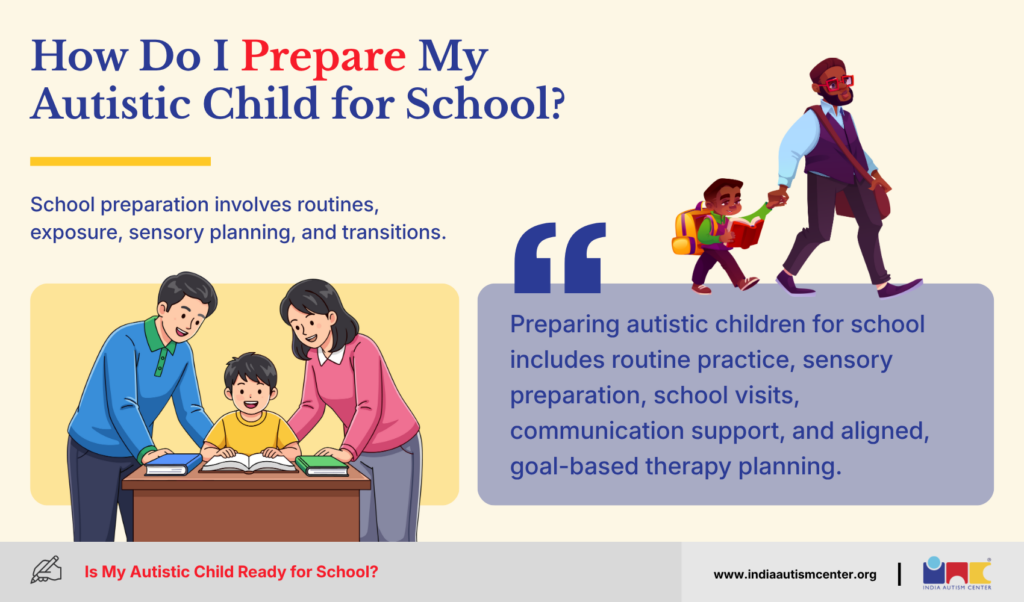
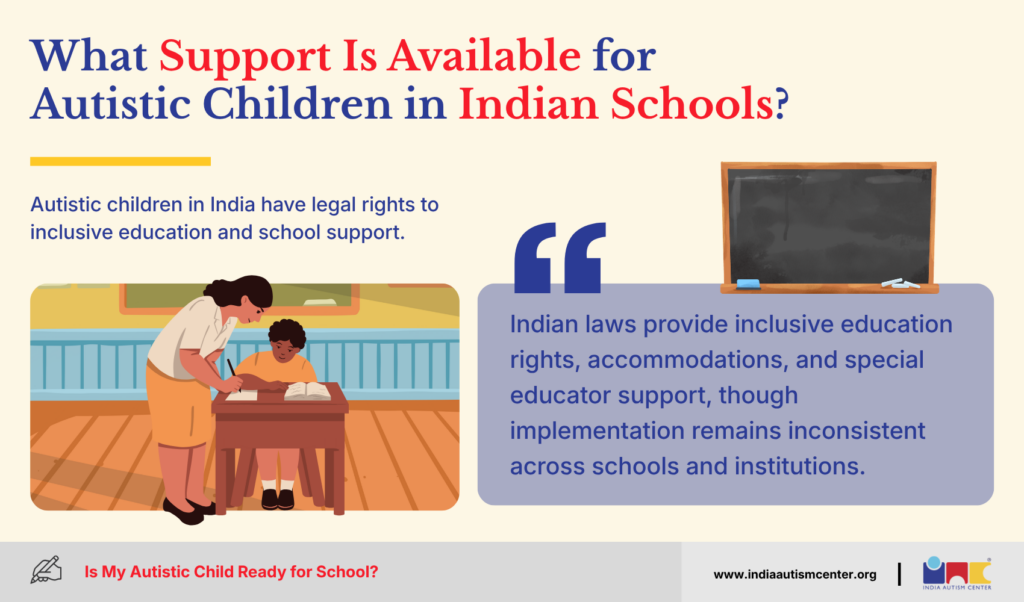
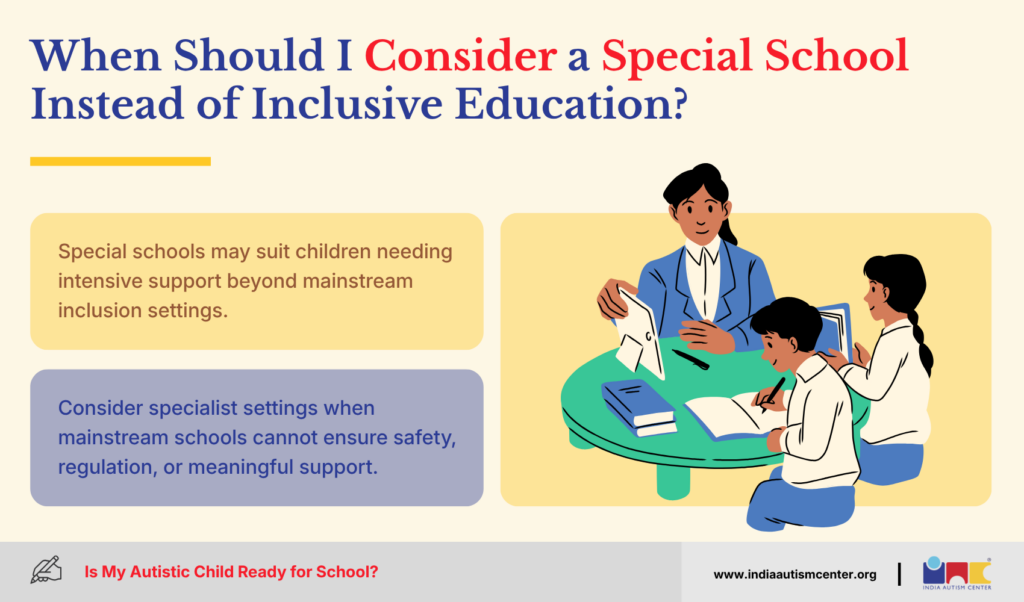
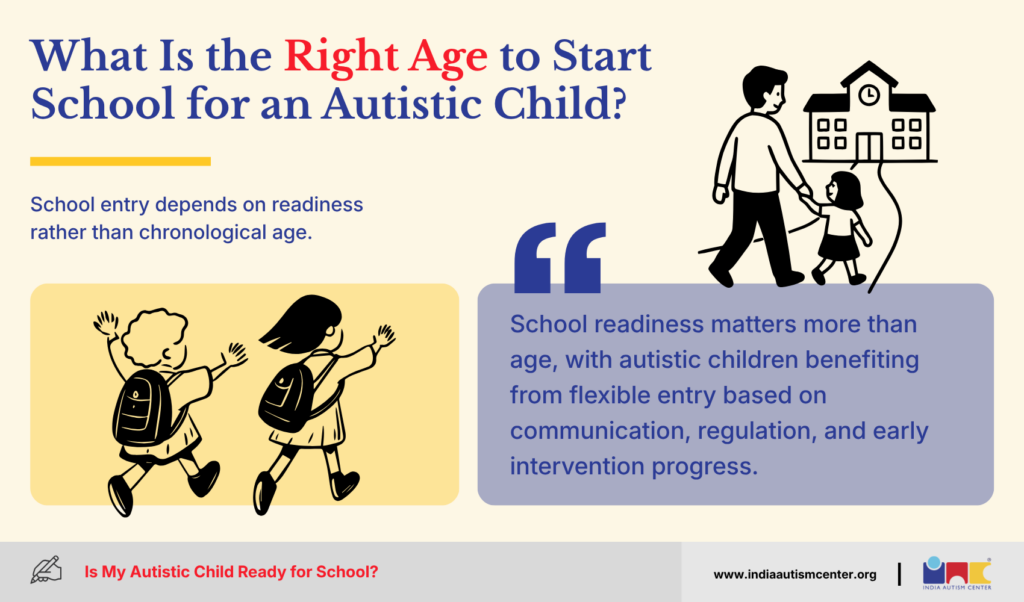
    If you have just received an autism diagnosis for your child—or for yourself—you are likely feeling overwhelmed. In that moment, the only question pounding in your head is how to accept an autism diagnosis. 

    Today, we will walk you through that very journey. We will share what we have learned, what the research says, and how thousands of families have moved from fear to acceptance.

    In this guide, we will explore signs of autism in children, understand autism in kids at different ages, recognise early signs of autism, and demystify autism spectrum disorder. We will also tackle the parent reaction to autism diagnosis, overcome autism diagnosis fear, map out what to do after autism diagnosis, and finally embrace your autism acceptance journey.

    First Step on Your Autism Acceptance Journey

    First Step on Your Autism Acceptance Journey

    When you first learn about an autism diagnosis, your emotions may swing wildly. One minute, you feel numb. The next minute, you cry. Then you feel angry. Then guilty. Then scared again. Let me normalise all of this for you. Every single feeling is allowed.

    Why Denial Is a Natural First Response

    Denial is your brain’s way of buying time. You might think, “The doctor must be wrong,” or “He will grow out of it.” I felt that way too. Denial is not weakness; it is a temporary shield. However, staying in denial prevents you from getting the support your child needs. So acknowledge the denial, but then gently set it aside.

    Role of Grief in Accepting an Autism Diagnosis

    Grief is another common part of how to accept autism diagnosis. You grieve the child you imagined. You grieve the parenting experience you expected. You might even grieve your own future plans if you are an autistic adult receiving a late diagnosis. Let yourself grieve. Cry in the car. Write in a journal. Talk to a trusted friend. Grief has no timeline, but it does have a purpose: it clears the way for acceptance.

    Letting Go of Guilt and Self-Blame 

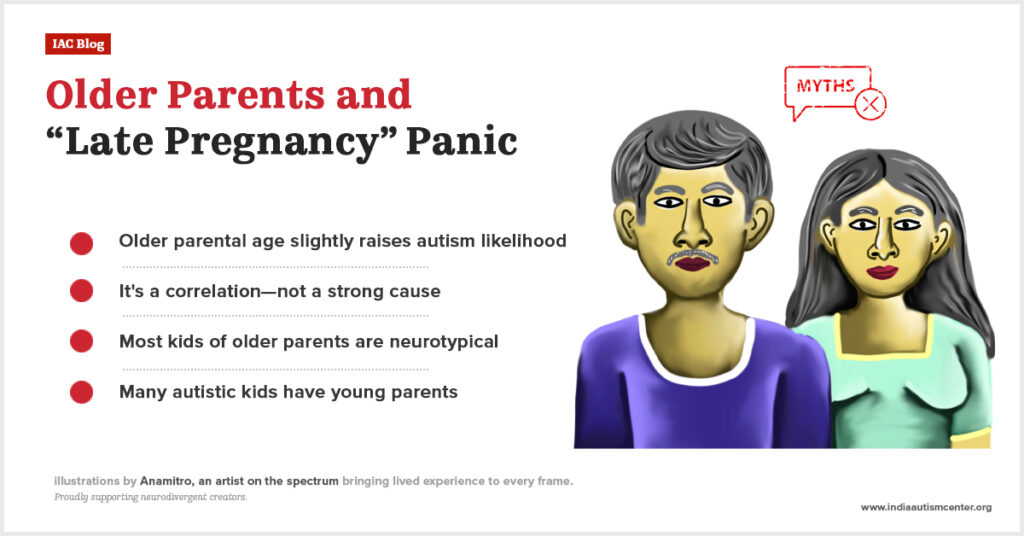
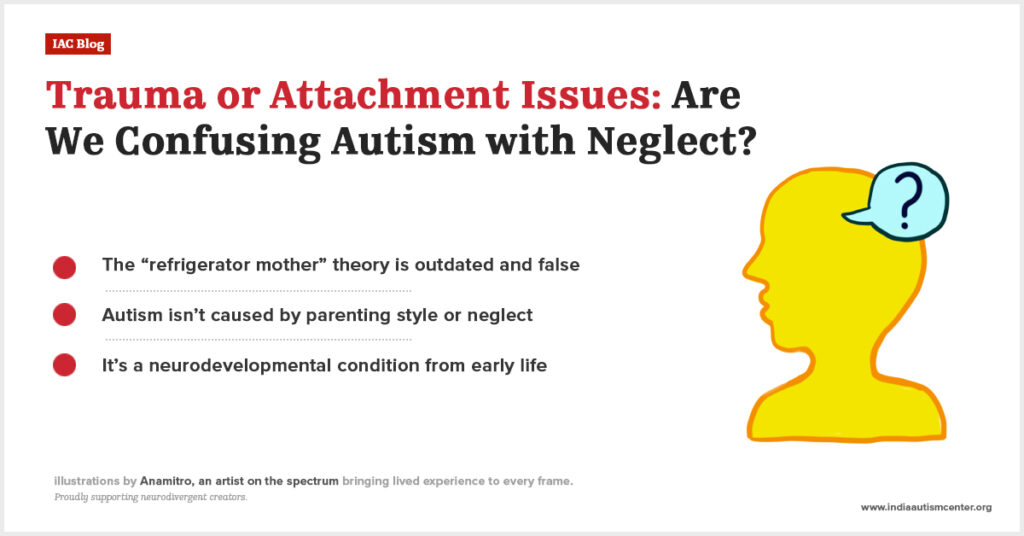
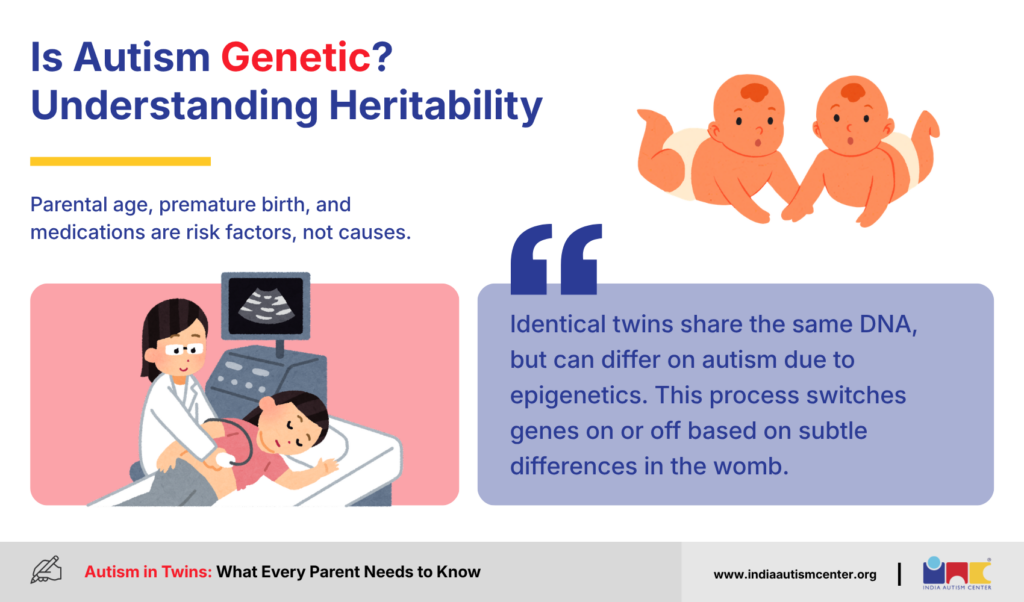
    Many parents ask me, “Did I cause this?” Let me answer clearly: No. Autism spectrum disorder is not caused by what you ate during pregnancy, how you parented, or any vaccine. Science confirms that autism is largely genetic and neurological. So release that guilt immediately. Instead of blaming yourself, channel that energy into learning.

    What Is Autism Spectrum Disorder? 

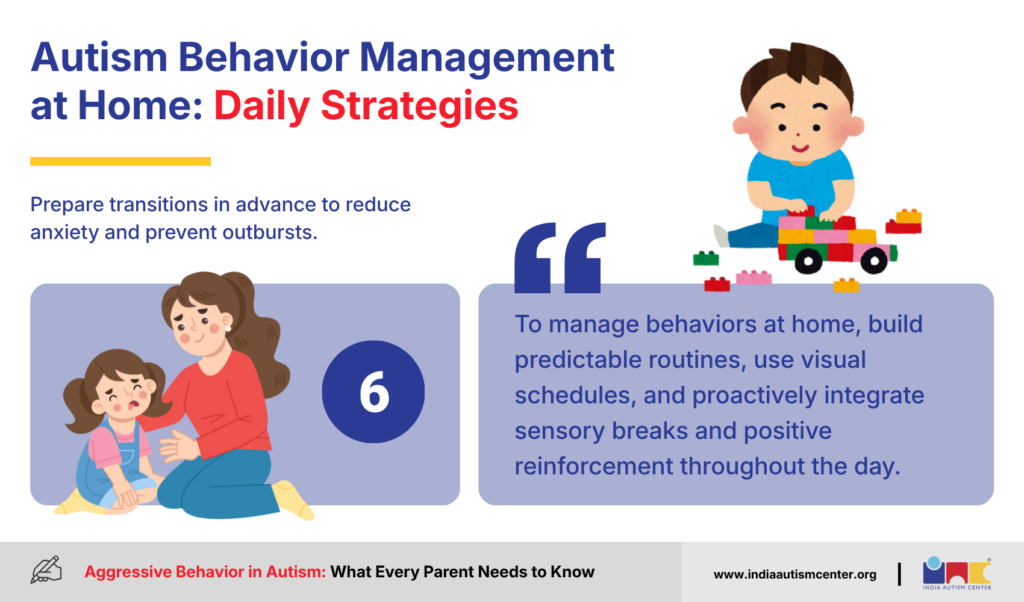
    Infographic titled "First Step on Your Autism Acceptance Journey" featuring a winding road or rollercoaster path showing emotional phases like numbness, anger, guilt, fear, and eventually acceptance, with icons for navigating transitions (arrows), building life skills (tools), and embracing strengths (star), using compassionate warm colors from stormy gray to hopeful gold, with call-to-action "How to Accept an Autism Diagnosis: A Complete Guide for Parents" and website www.indiaautismcenter.org.

    Before you can truly accept, you need accurate information. Autism spectrum disorder (ASD) is a neurodevelopmental condition. That means the brain is wired differently from birth. It affects communication, social interaction, sensory processing, and behavior patterns.

    The word “spectrum” is crucial. Autism in kids and adults looks different for every person. Some autistic individuals speak fluently but struggle with social cues. Others are nonspeaking but communicate using devices. Some have intense sensory sensitivities; others seek sensory input. Some need significant daily support; others live independently.

    If you want to know more about Autism in more detail, refer to Autism full guide.

    Common Myths About Autism Diagnosis 

    Common Myths About Autism Diagnosis 

    Much of your autism diagnosis fear comes from myths. Let me bust three big ones right now:

    1. Myth: Autistic people have no empathy.
      Fact: Many autistic people have deep empathy but express it differently. They may not show it with facial expressions, but they feel others’ pain profoundly.
    2. Myth: Autism is a tragedy.
      Fact: Autism is a different way of being human. Many autistic adults report that they would not want to be “cured.”
    3. Myth: Autistic children never live independently.
      Fact: Many do. With the right support and skills training, autistic adults hold jobs, maintain relationships, and live on their own.

    Recognizing Strengths in Autism Spectrum Disorder 

    Recognizing Strengths in Autism Spectrum Disorder 

    When you focus only on challenges, how to accept autism diagnosis feels impossible. But let me shift your perspective. People with autism spectrum disorder often have remarkable strengths:

    • Intense focus and attention to detail
    • Honesty and directness
    • Deep knowledge in special interests
    • Pattern recognition and logical problem-solving
    • Creativity and unconventional thinking

    We have worked with autistic children who could memorise entire train schedules. We know autistic adults whose coding abilities made them irreplaceable at work. These are not exceptions; they are common outcomes when autism is supported, not suppressed.

    Early Signs of Autism in Children: What to Look For at Every Stage 

    Early Signs of Autism in Children: What to Look For at Every Stage 

    You may have noticed differences in your child long before the official autism diagnosis. Recognising early signs of autism is actually a gift because it leads to early support.

    Early Signs of Autism in Babies and Toddlers

    Most parents notice early signs of autism between 12 and 24 months. Typical signs of autism in children under two include:

    • Not responding to their name by 12 months
    • No babbling, pointing, or waving by 12 months
    • No single words by 16 months
    • No two-word phrases by 24 months
    • Losing speech or social skills they once had
    • Avoiding eye contact consistently
    • Not showing interest in other children
    • Unusual repetitive movements (hand-flapping, rocking, spinning)
    • Extreme reactions to sounds, textures, or lights

    If you saw these early signs of autism and sought an evaluation, you did exactly the right thing. Early identification leads to early intervention, which dramatically improves outcomes.

    Signs of Autism in Children Ages 5 to 12

    Autism in kids of elementary school age may look different. You might notice:

    • Difficulty understanding sarcasm, jokes, or figurative language
    • Taking everything literally (e.g., “It’s raining cats and dogs” causes confusion)
    • Trouble making or keeping friends
    • Intense, narrow interests (only talking about dinosaurs, space, or video games)
    • Extreme distress over small changes in routine
    • Difficulty with abstract concepts like time or money
    • Sensory aversions to certain clothing, foods, or noises
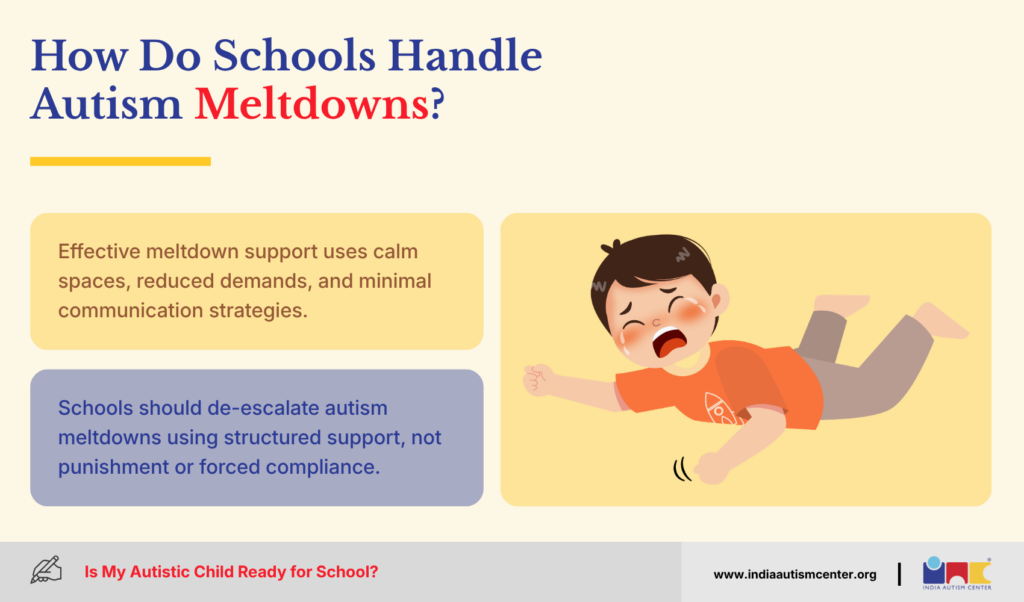
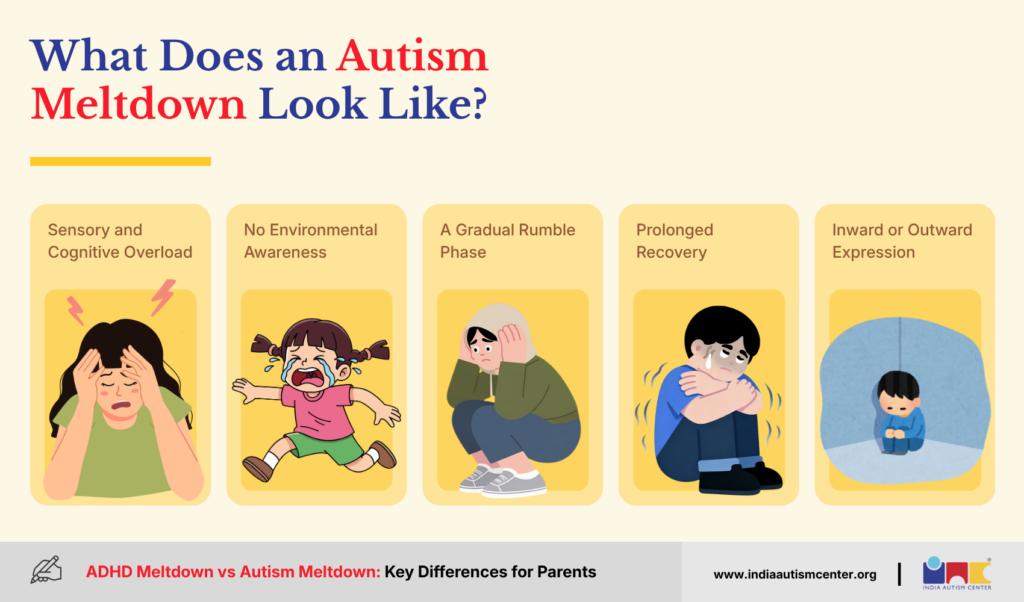
    • Meltdowns that look like tantrums but are actually sensory overload

    Again, none of these traits are “bad.” They simply mean your child needs a different teaching and parenting approach.

    What Autism Looks Like in Teenagers

    Autism in kids who become teenagers presents unique challenges. Social expectations increase, and differences become more obvious. You may see:

    • Social anxiety or avoidance of peers
    • Difficulty with dating or subtle social rules
    • Intense adherence to routines and rituals
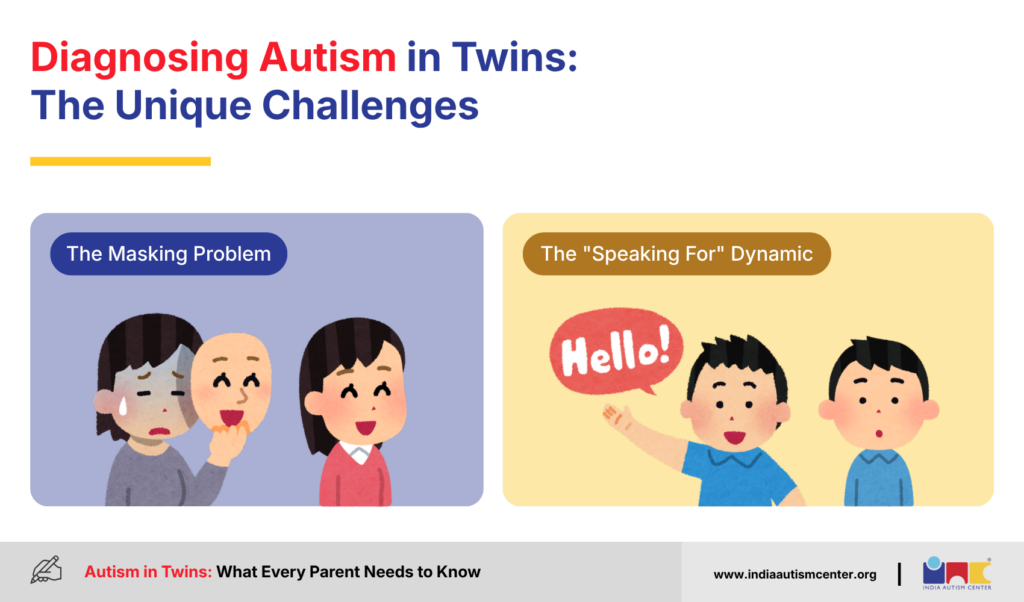
    • Burnout from masking (pretending to be neurotypical)
    • Depression or anxiety as a result of feeling “different”

    Recognising autism in kids at this stage still allows for support like social skills groups, therapy, and school accommodations.

    We have a detailed blog on Signs of Autism in Newborns: Early Symptoms Explained.

    Parent Reaction to Autism Diagnosis – From Shock to Strength

    Parent Reaction to Autism Diagnosis – From Shock to Strength

    Let me speak directly to parents now. Your reaction to autism diagnosis will evolve over time. 

    Emotional Stages After Diagnosis 

    Many parents go through stages similar to grief, though not in a straight line:

    1. Denial – “Maybe he will outgrow it.”
    2. Anger – “Why us? Why not that family down the street?”
    3. Bargaining – “If I try this diet or that therapy, will he become normal?”
    4. Depression – “Our lives are ruined forever.”
    5. Acceptance – “He is autistic, and we can handle this.”

    You will not move through these stages neatly. One day, you feel acceptance; the next day, anger returns. That is fine. Be patient with yourself. The goal is not to skip emotions but to process them.

    When Parents Cope Differently 

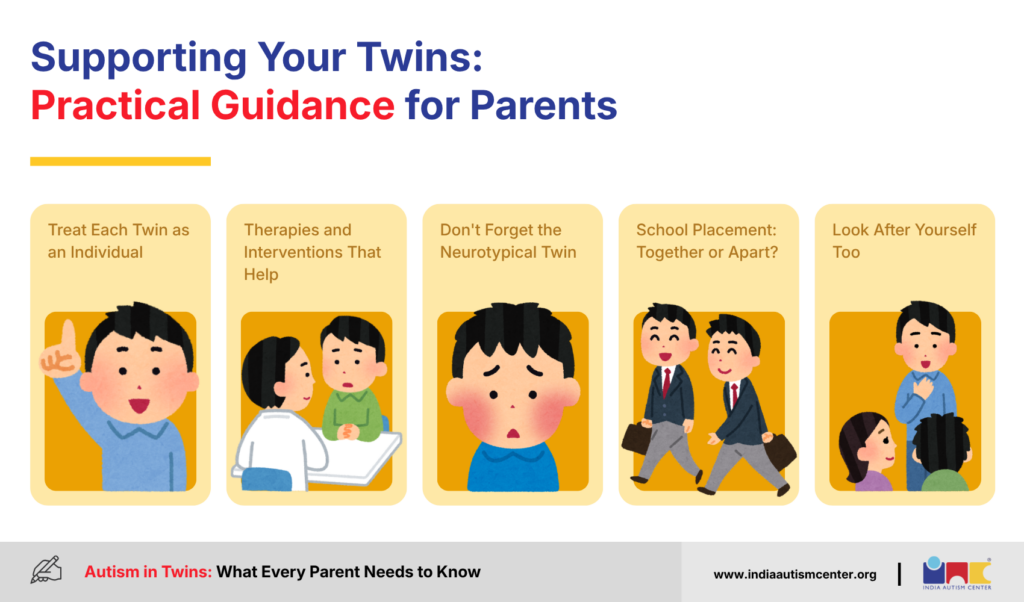
    Your reaction to autism diagnosis might not match your partner’s. One of you may dive into research and action. The other may shut down emotionally. One may cry; the other may crack jokes. Neither is wrong. You are two different people coping in your own ways.

    Therefore, communicate openly. Say, “I am really struggling today. Can we just sit together?” Do not judge each other’s coping mechanisms. If you disagree on treatments or therapies, seek a neutral third party like a family therapist.

    Talking to Family and Friends About Autism 

    After the autism diagnosis, you will eventually tell siblings, and friends, etc. Prepare yourself for mixed reactions. Some will offer unconditional support. Others will say ignorant things like, “But he looks normal,” or “Have you tried punishing him more?”

    Here is my advice: You do not need to educate everyone immediately. Start with the people who matter most. Send them a simple message: “We have learned that our child is autistic. That means his brain works differently. We are learning how to support him. In the meantime, we need your love and patience.

    Overcoming Autism Diagnosis Fear – Why You Feel This Way and How to Move Forward

    Overcoming Autism Diagnosis Fear

    Autism diagnosis fear is real, and it does not make you a bad parent or a weak person. Fear is your brain’s way of protecting you from threats. But here is the truth: many of those threats are based on outdated information.

    Fear of the Future – “What Will Happen When I Am Gone?”

    This is the most common fear we hear. Parents worry, “Who will love my autistic child when I die?” That question haunts you at 3 a.m. I understand completely.

    Let me offer you a different perspective. First, you have decades to build a support network. You can teach your child self-advocacy skills. You can connect with adult services, supported living programs, and vocational training. Many autistic adults live independently or semi-independently. Second, your child may surprise you. I know autistic individuals who graduated college, got married, and built meaningful careers. Do not write off a future you cannot predict.

    Fear of Judgment – “People Will Think I Am a Bad Parent”

    Yes, some people will stare if your autistic child has a meltdown in the grocery store. Some relatives will imply that better discipline would “fix” your child. That hurts. But let me ask you: Do those people know more than the developmental pediatrician who gave the autism diagnosis? Do they understand neurology? Of course not.

    You are not a bad parent. You are a parent who shows up every day for a child with extra needs. That makes you dedicated, not defective.

    Fear of Losing Your Own Identity

    Parents of autistic children often feel consumed by therapies, appointments, and advocacy. You might fear losing your career, your hobbies, or your friendships. That fear is legitimate. Therefore, part of how to accept an autism diagnosis is learning to carve out time for yourself. You cannot pour from an empty cup. Schedule one hour per week for something just for you. Hire a respite caregiver if possible. Ask family to babysit. Your child needs a healthy parent, not a perfect martyr.

    Practical Ways to Reduce Autism Diagnosis Fear

    Practical Ways to Reduce Autism Diagnosis Fear

    Here are actionable steps to lower your fear:

    • Educate yourself from autistic adults, not just doctors. Follow @indiaautismcenter on YouTube and other platforms.
    • Connect with other parents who have been through this. Their lived experience will calm your worries.
    • Write down your fears and then write a realistic counterpoint. For example: “Fear – My child will never speak.” “Reality – Many nonspeaking autistic people communicate with devices or typing.”
    • Limit exposure to fear-based content. Avoid websites that use words like “epidemic,” “suffering,” or “cure.”

    What to Do After Autism Diagnosis – A Practical Roadmap

    What to Do After Autism Diagnosis – A Practical Roadmap

    You have asked “what to do after autism diagnosis” a hundred times in your head. Now let me give you a clear, step-by-step action plan.

    Step 1 – Read and Understand the Diagnostic Report

    Your diagnostician gave you a written report. Read it carefully. It will describe your child’s strengths and challenges. It may mention specific levels of support (Level 1, 2, or 3). It may list recommendations for therapies. If anything confuses you, contact the clinician for clarification. You have the right to understand every word.

    You can read about Levels of Autism Explained here.

    Step 2 – Build Your Professional Support Team

    What to do after autism diagnosis includes assembling the right professionals:

    • Developmental pediatrician – coordinates overall medical care
    • Speech-language pathologist – helps with communication (verbal and nonverbal)
    • Occupational therapist – addresses sensory processing, fine motor skills, and daily living skills
    • Behavior analyst (BCBA) – works on skill-building and reducing challenging behaviors (if needed)
    • Child psychologist – supports emotional regulation and family coping

    Step 3 – Find Your Community

    You need people who have walked this path. Search for “autism parent support group” in your area or on Facebook. These groups are goldmines of practical advice: which therapists are great, how to navigate insurance, and which schools are inclusive. More importantly, they provide emotional validation. When you post, “My child had a meltdown because I cut his sandwich wrong,” and twenty parents reply, “Same,” you will feel less alone.

    Step 4 – Create a Self-Care Plan for You

    We cannot stress this enough. What to do after autism diagnosis includes taking care of yourself. Exercise, sleep, therapy, date nights, hobbies—these are not luxuries. They are necessities. You will be a better advocate when you are not exhausted and resentful.

    Write down three self-care activities you can do this week. Maybe it is a 15-minute walk. Maybe it is calling a friend. Maybe it is reading a novel for 20 minutes before bed. Schedule them into your calendar like appointments.

    Accepting Your Autism Acceptance Journey 

    Accepting Your Autism Acceptance Journey 

    The autism acceptance journey does not end with a single decision. It is a lifelong practice of shifting your mindset. Here are strategies that will help you and your family thrive.

    Shift from Cure to Support

    Early in this journey, people spent thousands of dollars on therapies that promised to “recover” my child from autism. They wasted time, money, and emotional energy. Then they learned about the neurodiversity movement. Instead of trying to erase autistic traits, they started supporting them.

    One parent bought noise-cancelling headphones for his son. He let him stim (hand-flap) without scolding him. He stopped forcing eye contact. Guess what? He became happier and less anxious. And so did we. That is the core of how to accept autism diagnosis – working with autism, not against it.

    Celebrate Small Wins Every Day

    In the world of autism in kids, progress happens in millimetres, not miles. Therefore, celebrate everything. Your child made eye contact for one second? Celebrate. They used one word instead of crying? Celebrate. They tolerated brushing their teeth for ten seconds? Big celebration. This positivity fuels motivation for both of you.

    Teach Self-Advocacy Early

    Even young autistic children can learn to say, “Too loud,” or “Need break.” As they grow, teach them to explain their needs to teachers, bosses, and friends. Self-advocacy is the single most important skill for a happy autistic life. Your child does not need to learn to act “normal.” They need to learn to ask for what they need.

    Reframe Your Vision of a Good Life

    Society tells us that success means a big house, a high salary, and dozens of friends. But for many autistic individuals, success means a quiet morning routine, a job that matches their strengths, and one or two close friends. That is not a lesser life. It is a different life. Let go of the script you were given and write a new one.

    Join the Autistic Community

    The best way to accept autism spectrum disorder is to listen to autistic adults. They will tell you what helped them and what harmed them. Many reject person-first language (“person with autism”) in favour of identity-first language (“autistic person”). They explain that autism is not a puzzle to be solved but an identity to be honoured. Seek out their voices on YouTube, blogs, and conferences.

    https://youtu.be/LNdZaNqEdBs?si=QwZQmlrIOtJpGe3S

    A Special Note for Adults Receiving a Late Autism Diagnosis

     Special Note for Adults Receiving a Late Autism Diagnosis

    Perhaps you are not a parent. Perhaps you are an adult who just received an autism diagnosis after years of feeling “different.” You struggled socially. You burned out from masking. You always felt like an alien pretending to be human. And now, finally, you have an answer.

    Your autism acceptance journey will have its own flavour. You may feel relief – finally, an explanation. You may also feel grief for the years you lost without support. You may feel anger at therapists or parents who missed the early signs of autism in you.

    Let yourself feel all of it. Then, embrace your autistic identity. Connect with other late-diagnosed adults. Unmask slowly and safely. Redesign your life to accommodate your sensory and social needs. You are not broken. You were never broken. You are simply autistic, and that is more than okay – it is something to be proud of.

    📥 Free download: Printable daily routine chart for autistic children

    Conclusion 

    Learning how to accept an autism diagnosis is not a one-time event. It is a winding road with hills and valleys. Some days you will feel at peace. Other days, the old fears will resurface. That is human.

    But I promise you this: the autism acceptance journey is worth every tear. On the other side of denial is understanding. On the other side of fear is advocacy. On the other side of grief is joy – real, authentic joy that comes from seeing your autistic child smile, or feeling the relief of finally understanding yourself.

    You have already taken the bravest step: you sought answers. Now, use the information in this guide. Acknowledge your parent reaction to autism diagnosis without shame. Overcome autism diagnosis fear by replacing myths with facts. Follow the practical steps of what to do after autism diagnosis. Learn the signs of autism in children to help others who may be wondering. Recognize early signs of autism so no child falls through the cracks. Celebrate autism in kids as a beautiful form of human diversity. And most importantly, be gentle with yourself.

    You are not alone. Millions of families and individuals have walked this path before you. They have found peace, purpose, and even celebration. So will you. One day at a time. One breath at a time.

    Frequently Asked Questions (FAQs)

    How long does it take to accept an autism diagnosis?

    There is no set timeline. Some parents accept within weeks. Others take years. The key is not to rush yourself. Every person’s autism acceptance journey is unique.

    Is it normal to still have bad days after accepting?

    Absolutely. Acceptance is not a permanent state of happiness. It means you have stopped fighting reality. But you will still have hard days. That is normal. On those days, revisit the practical steps in this guide.

    What if my partner never accepts the diagnosis?

    Some partners stay in denial for years. You cannot force acceptance. However, you can lead by example. Continue to seek support and interventions. Eventually, when your partner sees progress and your child’s happiness, they may come around. If not, consider couples counselling with a therapist who understands autism spectrum disorder.

    Can I accept the diagnosis and still wish my child were not autistic?

    Yes. Many parents feel both acceptance and sadness at the same time. That is called “ambiguous loss.” You can love your autistic child fully while grieving the neurotypical child you once imagined. Both emotions are valid.

    Disclaimer: This article is intended for educational and informational purposes only. It is not a substitute for professional medical advice, diagnosis, or treatment. If you are pregnant or have concerns about medication use during pregnancy, please consult a qualified healthcare provider. If your child has received an autism diagnosis and you have questions about causes or support, please reach out to a trained specialist or an autism-focused organisation for guidance.

    For expert insights, support services, and inclusive learning initiatives, visit the India Autism Center.

  • Does Tylenol Cause Autism? What the Largest Autism Study Found 

    Does Tylenol Cause Autism? What the Largest Autism Study Found 

    No. Current scientific evidence does not show that Tylenol (acetaminophen) causes autism. The largest study on this topic — covering 2.5 million children — found no causal link. Some earlier studies showed a statistical association, but association is not the same as causation. This distinction matters enormously for parents.

    What Is the Tylenol–Autism Controversy About?

    What Is the Tylenol–Autism Controversy About?

    In September 2025, President Donald Trump and HHS Secretary Robert F. Kennedy Jr. announced that the FDA would warn physicians about a “very increased risk of autism” linked to acetaminophen use during pregnancy. The statement made headlines globally and caused immediate alarm among expecting mothers.

    Doctors, researchers, and autism organisations pushed back quickly. The science, they said, simply does not support that claim.

    So where did this fear come from? And what does the evidence actually show? Let me walk you through it clearly.

    What Is Acetaminophen (Tylenol / Paracetamol)?

    What Is Acetaminophen?

    Acetaminophen is the active ingredient in Tylenol. Outside the US, it is commonly known as paracetamol (Crocin, Dolo, Calpol in India). It is one of the most widely used over-the-counter pain relievers and fever reducers in the world.

    Pregnant women often take it for:

    • High fever during infection
    • Headaches and body pain
    • Post-delivery pain management

    It has historically been considered the safest OTC pain option during pregnancy — which is exactly why this controversy has caused so much confusion.

    Want to know more? Get in touch with us.

    Why Did Some Studies Link Tylenol to Autism?

    Why Did Some Studies Link Tylenol to Autism?

    Several studies over the past decade did find an association between prenatal acetaminophen use and Autism or Attention Deficit Hyperactivity Disorder (ADHD) diagnoses in children.

    Here is a summary of the key studies that raised concerns:

    StudyFindingLimitation
    Johns Hopkins cord blood study (2019)Highest acetaminophen exposure linked to ~3× higher autism/ADHD riskNo control for genetics or family history
    NCBI prenatal exposure meta-analysisChildren prenatally exposed were 19% more likely to show autism symptomsHigh selection bias across included studies
    Mount Sinai review (2025)Available evidence supports an association with neurodevelopmental disordersDid not use sibling-comparison design

    These studies found correlation, not causation. That difference is critical, and I will explain exactly why below.

    What Is the Difference Between Association and Causation?

    What Is the Difference Between Association and Causation?

    This is the most important concept in this entire debate.

    Association means two things tend to appear together in the data. Causation means one thing directly causes the other. These are not the same thing.

    A classic example: Ice cream sales and drowning rates both rise in summer. They are associated. Ice cream does not cause drowning — hot weather causes both.

    In the acetaminophen–autism studies, the same problem existed. Mothers who took acetaminophen during pregnancy were also more likely to have:

    • Fever or infection (themselves linked to autism risk in the fetus)
    • Chronic pain or autoimmune conditions (genetically connected to neurodevelopmental differences)
    • Migraines or inflammatory conditions (also heritable, and associated with autism)

    So it is entirely possible — and scientifically likely — that the studies were measuring the underlying illness, not the medication.

    What Does the Largest Study on This Topic Show?

    What Does the Largest Study on This Topic Show?

    In April 2024, a landmark study was published in JAMA — one of the world’s most respected medical journals.

    The study: Conducted by the Karolinska Institute (Sweden) and Drexel University, funded by the US National Institutes of Health (NIH).

    The data: Nearly 2.5 million children born in Sweden between 1995 and 2019.

    The method: A sibling-comparison design — comparing children in the same family, one exposed to acetaminophen in the womb and one not. This controls for shared genetics and family environment simultaneously. It is considered the gold standard for this type of research.

    The finding:

    When siblings were compared, there was no difference in autism, ADHD, or intellectual disability rates — regardless of acetaminophen exposure during pregnancy.

    The specific numbers:

    • Autism hazard ratio: 0.98 (effectively neutral — no increased risk)
    • ADHD hazard ratio: 0.98 (same)
    • Intellectual disability hazard ratio: 1.01 (same)

    Earlier models in the same study had shown a marginal 5–7% association. That association completely disappeared once sibling controls were applied. This strongly suggests the earlier association was caused by genetic and familial confounding — not the drug.

    Want to know more? Get in touch with us.

    Has Any Other Country Replicated This Finding?

    Has Any Other Country Replicated This Finding?

    Yes. A separate Japanese study used the exact same sibling-comparison design.

    Japan has a very different population, with different genetics and different acetaminophen usage patterns — nearly 40% of Japanese mothers reported using it during pregnancy, compared to under 10% in Sweden.

    Despite these differences, the conclusion was identical: no link between acetaminophen use during pregnancy and autism or ADHD when siblings are compared.

    This cross-cultural replication adds significant weight to the Swedish findings.

    What About the February 2025 Meta-Analysis That Claimed a Link?

    What About the February 2025 Meta-Analysis That Claimed a Link?

    A 2025 meta-analysis (the Prada et al. review) was cited by political figures as evidence of harm. It used a methodology called the Navigation Guide.

    However, independent scientists have noted that most studies included in this review had:

    • High selection bias
    • Variable methods for measuring exposure
    • Inadequate control for familial and genetic confounding
    • No sibling analysis — the most reliable design for this question

    The Autism Science Foundation’s 2025 year-in-review explicitly noted that this year’s research helped exonerate acetaminophen as a cause of autism.

    So What Actually Causes Autism?

    So What Actually Causes Autism?

    Autism does not have a single cause. It is a spectrum condition shaped by a complex interaction of genetics and environment.

    Here is what the current scientific consensus does support:

    Genetic factors (strongest evidence):

    • Hundreds of genes have been linked to autism
    • Most cases involve common inherited genes with small individual effects that work additively
    • A rare genetic condition is identified in approximately 7–20% of cases
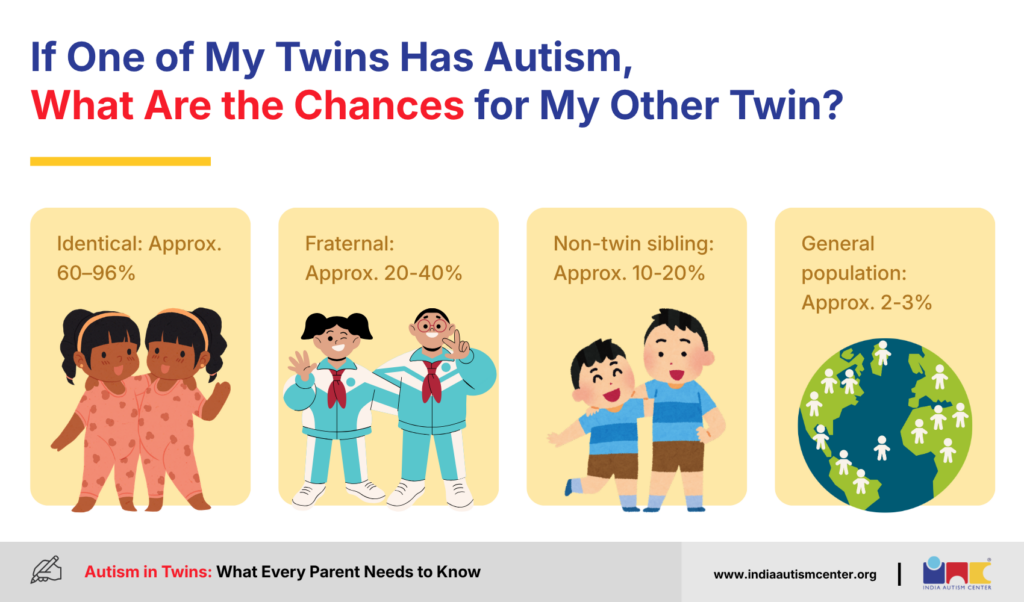
    • Siblings of autistic children have roughly a 20% likelihood of also receiving a diagnosis

    Environmental factors (supporting role, not standalone causes):

    • Advanced parental age at conception
    • Premature birth or very low birth weight
    • Maternal fever or infection during pregnancy (the illness itself, not the treatment)
    • Prenatal exposure to certain medications such as valproic acid (an anti-epileptic drug)
    • Exposure to air pollution and certain pesticides during pregnancy

    Factors that have been studied and found NOT to cause autism:

    • Vaccines (the MMR-autism link was thoroughly debunked and retracted)
    • Acetaminophen / Tylenol (as shown by the 2024 JAMA study)

    Autism arises from differences in early brain development — and those differences begin forming in the womb, shaped by a mosaic of genetic and environmental influences over time.

    Want to know more? Get in touch with us.

    Is It Safe to Take Paracetamol During Pregnancy?

    Is It Safe to Take Paracetamol During Pregnancy?

    This is a question for your doctor, not for a headline. But here is the scientific context:

    Untreated high fever during pregnancy carries documented risks — including complications for both mother and baby. The choice is not simply “Calpol vs. no Calpol.” It is often “treat the fever vs. leave it untreated.”

    Major health bodies including the WHO and most national obstetric guidelines have not changed their position based on the Trump administration’s announcement. Acetaminophen, when used at recommended doses for specific indications, remains the most studied and generally accepted pain/fever option available to pregnant women.

    That said:

    • Use the lowest effective dose for the shortest necessary time
    • Consult your OB/GYN before taking any medication during pregnancy
    • Do not self-medicate for prolonged periods without medical supervision

    The Autism Science Foundation described the link between acetaminophen and autism as “based on limited, conflicting, and inconsistent science” and called the current concern “premature.

    If My Child Is Autistic, Did Something I Do During Pregnancy Cause It?

    If My Child Is Autistic, Did Something I Do During Pregnancy Cause It?

    No. And I want to be clear about this, especially for parents who may be carrying that guilt.

    The best available science does not support the idea that taking a common fever reducer during pregnancy caused your child’s autism. Autism develops through a combination of genetic predispositions and early brain development differences — not a single pill, a single moment, or a single decision.

    Parents of autistic children already carry enough. You do not need to add unfounded guilt to that weight.

    📥 Free download: Printable daily routine chart for autistic children

    Conclusion

    Does Tylenol cause autism? No. The largest study to date (2.5 million children, JAMA 2024) found no causal link.

    Is there an association between acetaminophen and autism? Some earlier studies found a weak statistical association, but it disappeared in sibling-comparison analyses — suggesting genetic confounding, not causation.

    What is the gold standard study design for this question? Sibling-comparison design, which controls for shared genetics and family environment.

    What does the 2024 Swedish study show? No increased risk of autism, ADHD, or intellectual disability from prenatal acetaminophen use, after controlling for family genetics.

    What actually causes autism? A complex interaction of hundreds of genes and environmental influences during early brain development. There is no single cause.

    Should pregnant women avoid Tylenol? Consult your doctor. Untreated fever also carries pregnancy risks. No major health body has changed guidance based on current claims.

    Sources and References

    • Ahlqvist VH et al. Acetaminophen use during pregnancy and offspring neurodevelopment — JAMA, April 2024
    • Johns Hopkins Bloomberg School of Public HealthThe Evidence on Tylenol and Autism, November 2025
    • NIH press release — Study reveals no causal link between neurodevelopmental disorders and acetaminophen exposure before birth, April 2024
    • Autism Speaks — Tylenol and Autism: Sibling study finds previously reported connection is likely due to other underlying factors, April 2024
    • Autism Science Foundation — 2025 Autism Research Year in Review, January 2026
    • JHU News-Letter — From Correlation to Confusion: Fact-Checking President Trump’s Tylenol–Autism Claim, October 2025
    • FIGO — Paracetamol use during pregnancy and autism risk: evidence does not support causal association
    • PBS NewsHour — Research doesn’t show using Tylenol during pregnancy causes autism, September 2025

    Disclaimer: This article is intended for educational and informational purposes only. It is not a substitute for professional medical advice, diagnosis, or treatment. If you are pregnant or have concerns about medication use during pregnancy, please consult a qualified healthcare provider. If your child has received an autism diagnosis and you have questions about causes or support, please reach out to a trained specialist or an autism-focused organisation for guidance.

    For expert insights, support services, and inclusive learning initiatives, visit the India Autism Center.

  • Transition Into Adulthood Autism: Complete Guide

    Transition Into Adulthood Autism: Complete Guide

    Let me guess. Your daughter just turned 16, or maybe your son is 18 and about to exit the school system. For years, you had IEP meetings, therapists, school buses, and a structured schedule. Now you look ahead, and all you worry about is autism adulthood transition.

    We have been there. You are not alone.

    The autism adulthood transition is one of the most overwhelming phases you will ever navigate. Why? Because the services that felt like a safety net in school simply vanish when that diploma arrives. One day, your child has a case manager. The next day, you are staring at waitlists for adult disability services.

    But here is the good news. With the right transition planning, you can build a bridge. A strong, steady bridge. In this guide, I will walk you through every step. We will talk about work, college, living arrangements, doctor visits, and even how to handle meltdowns in a new environment.

    Why the Autism Adulthood Transition Feels So Different from Childhood

    Why the Autism Adulthood Transition Feels So Different from Childhood

    When your child was small, you focused on speech therapy, social skills groups, and surviving public meltdowns. You celebrated eye contact and a first word. That was phase one.

    Now the game has changed. Suddenly, the questions are bigger.

    • Will he ever hold a job?
    • Can she live on her own?
    • What happens when I am gone?
    • Who will understand her sensory processing in adults needs in a loud workplace?

    You see, the autism adulthood transition is not one event. It is a series of tectonic shifts. Health insurance, legal status, housing options, daily routines — all of these shift at once.

    I want you to remember something. Your young adult is still the same wonderful person. They just need new tools. And you can help them build those tools.

    Want to know more? Get in touch with us.

    Start Early: The Golden Rule of Autism Adulthood Transition Planning

    The Golden Rule of Autism Adulthood Transition Planning

    Social communication skills do not develop overnight. Neither do independent living skills. By starting early, you have years to practice small steps like ordering food, taking the bus, or filling out a job application.

    What to Include in Your First Transition Meeting

    When you sit down with the school team, demand a plan that covers four pillars:

    1. Post-secondary education (college or trade school)
    2. Autism and employment (jobs, internships, or sheltered work)
    3. Independent living (apartment, group home, or supported living)
    4. Community participation (friends, hobbies, transportation)

    Do not let the school focus only on academics. Academics mean nothing if your child cannot navigate a grocery store or ask for help.

    Independent Living Skills: Start Teaching at Home Today

    Independent Living Skills: Start Teaching at Home Today

    Let me be real with you. Your child might know how to solve a quadratic equation but have no idea how to do laundry. I see this all the time.

    Independent living skills are the quiet heroes of successful adulthood. You do not need a classroom to teach them. You need your kitchen, your bathroom, and your backyard.

    The Top 10 Skills to Master Before Age 18

    Laundry – sorting, washing, drying, folding.

    Meal preparation – from microwaving a burrito to boiling pasta.

    Money management – using a debit card, making change, budgeting.

    Personal hygiene – showering, shaving, menstrual care, deodorant.

    Cleaning – wiping counters, vacuuming, taking out trash.

    Safety awareness – what to do in a fire, how to call 911.

    Using public transportation – reading a bus schedule, handling delays.

    Making appointments – phone calls or online forms.

    Medication management – filling a pillbox, refilling prescriptions.

    Emergency planning – who to call when you feel overwhelmed.

    I know it feels slow. I know you have to prompt a hundred times. But every small win builds momentum. Use visual schedules, checklists, and reward systems. Be patient. Do not do it for them.

    You can download the free training step-by-step guides designed to support individuals.

    Sensory Processing in Adults

    Here is something most professionals forget. Sensory processing in adults does not magically improve at age 21. In fact, new environments can make it worse.

    A dormitory with flickering lights. An office with constant chatter. An apartment with thin walls and noisy neighbors.

    When you teach independent living skills, always include sensory solutions. Noise-canceling headphones. Weighted blankets. A “sensory corner” in their future bedroom. Teach them to recognize early warning signs of overload before a meltdown starts.

    Autism and Employment: Finding the Right Fit

    Autism and Employment: Finding the Right Fit

    Let me guess. You have heard the statistics. Over 80% of autistic adults are underemployed or unemployed. Those numbers are terrifying.

    But here is what they do not tell you. Many of those adults never received proper vocational training for autism. They were thrown into standard job interviews with no accommodations. They were fired for being “too blunt” or “too slow.”

    You can change that narrative for your child.

    Vocational Training for Autism

    Not all job training is the same. Your young adult needs:

    • Structured internships in high school (paid if possible)
    • Job coaching from someone who understands autism
    • Social scripts for common work situations (asking for help, declining extra shifts, requesting a break)
    • Sensory audits of the workplace before starting
    • Trial shifts where they can leave early without penalty

    Look into local vocational rehabilitation agencies. They are funded by the government and often provide free job training. Also explore companies that specifically hire neurodivergent talent, such as Microsoft’s Autism Hiring Program, SAP’s Autism at Work, or Walgreens distribution centers.

    Healthcare Transition: Moving from Pediatric to Adult Medicine

    One of the scariest parts of the autism adulthood transition is healthcare. Suddenly, your child’s beloved developmental pediatrician says, “We only see patients up to age 21.”

    Now you need to find an adult primary care doctor. And you need to teach your young adult to speak for themselves.

    The Self-Advocacy Script You Need to Practice

    Write down a simple script. Practice it until it feels natural.

    “My name is XYZ. I have autism. Sometimes I have trouble explaining my pain. Please ask me yes or no questions. Please write down your instructions. I may need extra time to answer.”

    Teach them to bring a healthcare summary card in their wallet. That card should list:

    • Diagnoses (autism, anxiety, epilepsy, etc.)
    • Allergies
    • Current medications
    • Emergency contact
    • Sensory triggers (bright lights, beeping machines, etc.)

    Guardianship vs. Supported Decision-Making

    Here is a big legal decision. Many parents automatically assume they need full guardianship. But guardianship takes away your child’s right to make any decision about their body, money, or life.

    Consider guardianship alternatives first. Supported decision-making is a legal agreement where your adult child keeps their rights but names you (and others) as helpers. They sign a document allowing you to access medical records or talk to bankers, but they still give final consent.

    Only pursue full guardianship if your child truly cannot understand basic choices. And even then, make it as limited as possible. We want dignity. We want autonomy.

    Want to know more? Get in touch with us.

    Post-Secondary Education: College, Trade School, or Neither?

    Post-Secondary Education: College, Trade School, or Neither?

    Your cousin keeps asking, “Is he going to college?” And you want to scream.

    Let’s set the record straight. Post-secondary education is not a moral requirement. It is a tool. Does your child need that tool?

    Signs a Traditional Four-Year College Might Work

    • Reading comprehension at or near grade level
    • Ability to follow a loose schedule (not minute-by-minute)
    • Can handle some independent studying
    • Wants to be there (not just pleasing you)

    Better Options for Many Autistic Young Adults

    • Community college – smaller classes, less expensive, easy to drop in and out
    • Trade or vocational school – HVAC, culinary arts, medical coding (hands-on, clear rules)
    • Certificate programs – digital marketing, computer repair, pharmacy technician

    If your child struggles with social communication, dorm life can be a nightmare. Roommates who party until 2 AM. Cafeterias with 500 people. Large lecture halls with no structure.

    Instead, start with one class. One. Then add more slowly. And register with the disability services office on day one. Ask for note-takers, extended time on tests, and permission to record lectures.

    Housing: Where Will They Live?

    Housing: Where Will They Live?

    This is the question that keeps you up at night. I know.

    The old model was simple: group home. But now you have many more options. Let us walk through the spectrum of independent living.

    Level 1: Living with You (with adult rules)

    Many autistic adults live with parents well into their 30s. That is fine. But make a formal agreement. Charge a small rent ($200/month). Assign chores. Expect them to cook one night a week. Treat them like a roommate, not a child.

    Level 2: Supported Living

    They have their own apartment (or a room in a shared house). A support worker visits 5–15 hours per week to help with budgeting, medical appointments, and social outings. This is often funded through Medicaid waivers.

    Level 3: Group Home (now called Community Living Arrangement)

    For those who need 24/7 supervision. Many group homes are terrible. Some are wonderful. You must visit often, check staffing ratios, and stay involved.

    Level 4: Living with a Mentor or Peer

    Some families buy a duplex. Their adult child lives in one unit; a responsible graduate student or older adult lives in the other rent-free in exchange for 10 hours of check-ins per week.

    Start touring options when your child turns 16. Waitlists for adult disability housing are often 5–10 years long. Yes, years. Do not wait.

    Have a look at our Residential Programs at IAC

    Social Communication and Friendships as an Adult

    Social Communication and Friendships as an Adult

    Your child may not need a huge friend group. But loneliness is real. And social communication in adulthood is trickier than in high school.

    At school, peers are forced together. After graduation, no one forces anything.

    How to Help Your Adult Child Build Social Connections

    • Special-interest groups – Dungeons & Dragons at the local game store, train clubs, anime conventions, coding meetups. Shared interests lower the social pressure.
    • Peer mentor programs – Some adult disability agencies match your young adult with a neurotypical peer for weekly coffee or walks.
    • Online communities – Discord servers, Reddit forums, or video game guilds. If real-world interaction is too hard, online friendship is still real friendship.
    • Volunteering – Animal shelters, food banks, or libraries. Lower stakes than a paid job.

    Teach them the two-question rule for conversations: Ask someone a question. Listen to the answer. Then ask one follow-up question. Then you can talk about your special interest. That small framework prevents monologuing.

    Your Emotional Health as a Parent

    Your Emotional Health as a Parent

    I see you. You have spent 20 years advocating, crying, celebrating, and exhausting yourself. And now the autism adulthood transition asks you to do even more.

    But here is the secret. Your best role now is not “fixer.” It is “consultant.”

    Step back. Let them fail in small ways. Let them forget to do laundry and wear a dirty shirt to work. Let them call you from the bus stop because they missed the bus. Do not rescue immediately.

    Why? Because you will not be here forever. They need practice fixing their own small problems while you are still around to help them debrief.

    Find your own support. A therapist. A parents’ group for adult autistic children. A weekly coffee with a friend who gets it. You cannot pour from an empty cup.

    The First Year After High School: A Survival Guide

    The First Year After High School: A Survival Guide

    That first year of the autism adulthood transition will feel like chaos. Prepare for it.

    The 3-Month Slump

    Months 1-3: They sleep late, eat junk food, and seem lost. This is normal. The structure of school is gone. Give them a few weeks of decompression, then start slowly introducing new routines.

    The One-Year Mark

    After 12 months, most families have found a new rhythm. Maybe they work 15 hours a week at a pet store. Maybe they take two community college classes. Maybe they volunteer at a library. Progress is progress.

    Celebrate small wins. A successful bus ride. A polite email to a professor. A meal they cooked without your help. Write these down. On hard days, read the list.

    📥 Free download: Printable daily routine chart for autistic children

    Conclusion

    Close your eyes for a moment. Picture your child at 30. Not at 18. At 30.

    What do you see? Maybe they live in a small apartment with a cat. Maybe they work at a grocery store and come home tired but satisfied. Maybe they text you a funny meme every morning.

    That is success. That is not a tragedy. That is a real, meaningful adult life.

    The autism adulthood transition is not about turning your child into a neurotypical corporate executive. It is about giving them the tools to build a life that feels good to them.

    You have done amazing work to get them this far. Now take a breath. Make a plan. Start today with one small step.

    Key Takeaways (for that parent notebook you keep)

    1. Start transition planning by age 14 – demand it in the IEP.
    2. Teach independent living skills at home – laundry, cooking, money.
    3. Vocational training for autism works – seek internships and job coaching.
    4. Consider guardianship alternatives – supported decision-making preserves dignity.
    5. Healthcare transition needs a script – practice self-advocacy phrases.
    6. Post-secondary education is optional – trade school is just as valid.
    7. Housing waitlists are long – start touring group homes and supported living at 16.
    8. Functional needs trust and ABLE account – protect benefits and savings.
    9. Write a letter of intent – your future self will thank you.
    10. Take care of yourself – you are the long-term support system.

    Disclaimer: This article is for educational purposes. Laws, benefits, and programs change. Always consult an attorney, benefits counsellor, or medical professional for your specific situation.

    Frequently Asked Questions

    What if my adult child refuses to leave the house at all?

    Start tiny. A walk to the mailbox. A drive-through coffee run. 5 minutes in the backyard. Then build. If refusal persists more than 2 weeks, consider depression screening.

    Can my child still get SSI if they work?

    Yes. SSI has work incentives. In 2025, they can earn about $2,000 per month and keep partial benefits. Talk to a benefits counsellor.

    How do I handle meltdowns in public now that they are an adult?

    Police may not understand autism. Create a safety card that explains “This is a meltdown, not aggression. Please give us 10 minutes alone.” Keep it in their wallet.

    What if nothing I try works and they just play video games all day?

    First, stop all unlimited screen time. Use video games as a reward for completing one small task (taking a shower, sending one job application). Then slowly increase expectations. Therapy may be needed for pathological demand avoidance.

    For expert insights, support services, and inclusive learning initiatives, visit the India Autism Center.

  • Autism Masking: Reason, Signs, Effects, Types & Solutions

    Autism Masking: Reason, Signs, Effects, Types & Solutions

    Have you ever spent an entire day smiling, nodding, and saying exactly the right things — only to get home and feel completely hollowed out? For many autistic people, this isn’t an occasional bad day. It’s a way of life. It has a name: autism masking.

    Autism masking — also called camouflaging — is the conscious or unconscious process of suppressing autistic traits to appear neurotypical. It is exhausting, it is invisible, and for far too long, we mistake it for “doing well.”

    This blog explores what autism masking truly is, why autistic people do it, and its impact on mental health. And — crucially — how psychotherapy offers a compassionate, evidence-backed path toward unmasking and living more authentically.

    What is Autism Masking?

    What is Autism Masking

    Autism masking refers to a set of strategies autistic individuals use to hide or suppress their natural neurological traits in social situations. These can include making deliberate eye contact even when it feels uncomfortable, scripting conversations in advance, mimicking other people’s gestures and expressions, forcing themselves to sit still instead of stimming, and performing emotions they do not actually feel.

    We sometimes use the term “camouflaging” interchangeably, and research published in Autism (Lai et al., 2017) was among the first to formally study it in adults. What the research found was striking: masking was widespread, particularly among autistic women, and it was strongly associated with poor mental health outcomes.

    Masking is not a deliberate act of deception. It is a survival mechanism — one that develops early in life, often before a person even has the vocabulary to describe what they are doing.

    Why Do Autistic People Mask? The Psychology Behind It

    Why Do Autistic People Mask?

    Understanding autism masking means understanding the social environment in which autistic people grow up. From a young age, many autistic children receive implicit and explicit messages that their natural way of being is wrong. We tell them to “look at me when I’m talking to you,” encourage to stop flapping their hands, praised when they manage to blend in, and excluded or bullied when they do not.

    Over time, masking becomes automatic. It is an adaptive response to an environment that was not designed with neurodivergent people in mind.

    Several psychological forces drive masking:

    • The fear of rejection and social exclusion. Humans are fundamentally social animals, and autistic people are no different. When the price of being visibly autistic has historically been mockery, isolation, or hostility, hiding those traits feels necessary — even lifesaving.
    • Internalised ableism. Many autistic people absorb the message that autism itself is something shameful, something to be hidden or overcome. This internalised ableism can make masking feel not just practical but morally necessary.
    • Early conditioning and reward systems. Children who mask are frequently rewarded for it — with praise, inclusion, and adult approval. This creates a powerful feedback loop that embeds masking deep into a person’s behavioural repertoire long before they can reflect on whether it is serving them.
    • Anxiety. The relationship between masking and anxiety is bidirectional. Masking is often driven by anxiety about social judgment, and in turn, it perpetuates anxiety by preventing genuine connection and authentic self-expression. This is one reason why psychotherapy for anxiety is such a central component of support for masking autistic adults. The two issues are rarely separable.
    • Psychotherapy is a structured, therapeutic process in which a trained professional helps an individual explore thoughts, emotions, and behavioural patterns in order to support psychological well-being.

    Want to know more? Get in touch with us.

    Signs Someone May Be Masking

    Signs Someone May Be Masking

    Masking is not always obvious — even to the person doing it. Here are some of the most common signs:

    • Scripting conversations — rehearsing what you will say before social situations, sometimes running through multiple possible responses in your head
    • Mirroring — unconsciously copying the speech patterns, gestures, body language, and facial expressions of the people around you
    • Suppressing stimming in public — holding back rocking, tapping, fidgeting, or other self-regulatory behaviours while in social settings, then stimming intensely once alone
    • Performing emotions — smiling when you do not feel happy, feigning enthusiasm, or modulating your emotional expression to match what seems expected
    • Chronic social exhaustion — feeling deeply depleted after interactions that others seem to find effortless
    • Losing track of your own preferences — finding it difficult to answer questions like “what do you enjoy?” because so much energy has gone into tracking others’ preferences instead
    • Being described as “surprisingly normal” — receiving comments like “you don’t seem autistic” that, however well-intentioned, signal how thoroughly the mask has done its job

    It is also worth noting that masking is not exclusive to autism. Many people with ADHD engage in similar camouflaging behaviour, suppressing symptoms of inattention, impulsivity, or hyperactivity to fit workplace or social norms. Psychotherapy for ADHD often addresses this parallel experience, and for the significant proportion of people who are both autistic and have ADHD, therapeutic support that holds both identities at once is essential.

    The Hidden Cost: The Mental Health Impact of Long-Term Masking

    Mental Health Impact of Long-Term Masking

    Masking comes at a profound cost.

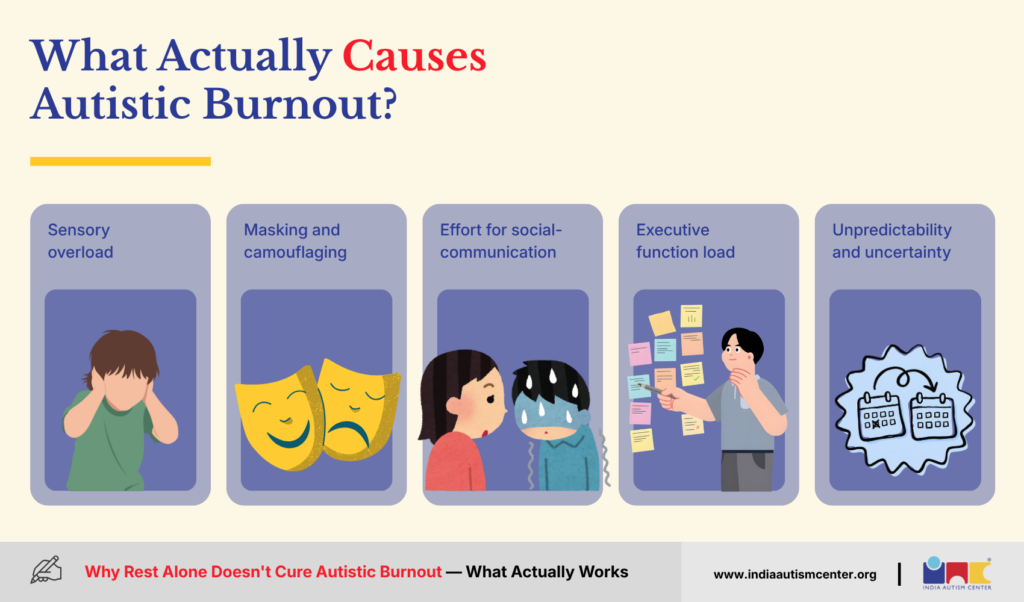
    Autistic burnout

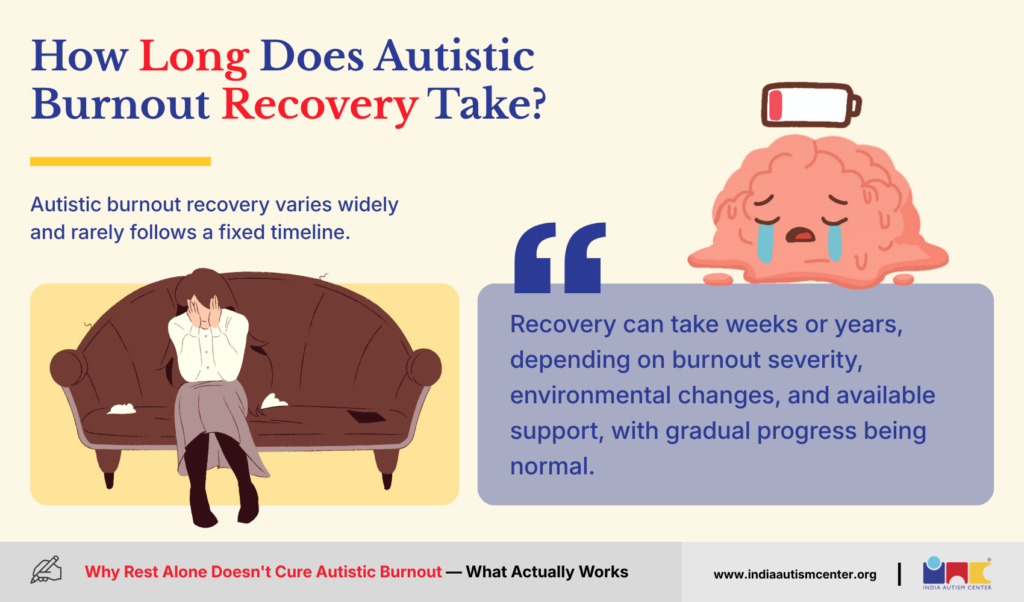
    Unlike ordinary fatigue, autistic burnout is a state of chronic exhaustion that results from the sustained effort of masking over time. It involves significant declines in cognitive function, a reduced ability to perform daily tasks, a loss of previously held skills, and an overwhelming need for withdrawal and rest. Autistic burnout can last for months or years, and it is frequently misdiagnosed as depression or chronic fatigue syndrome.

    Depression and anxiety

    Multiple studies have found significantly elevated rates of depression and anxiety among autistic adults, particularly those who mask heavily. The effort of constant performance, combined with the disconnection from one’s authentic self, creates fertile ground for both conditions.

    Suicidality

    Masking seldom associates with elevated suicidal ideation in autistic people. A 2018 study in The Lancet Psychiatry found that autistic adults are at significantly higher risk of suicidal behaviour than the general population, and masking is considered a contributing factor — both because of the psychological burden it places on individuals and because it can delay the recognition of distress by others, including clinicians.

    Delayed and missed diagnosis

    Perhaps one of the most insidious consequences of masking is that it fools diagnosticians. Autistic people — particularly women, non-binary individuals, and people of colour — who have spent years perfecting their mask often receive no diagnosis at all, or are misdiagnosed with borderline personality disorder, anxiety disorders, or depression, while the underlying autism remains invisible.

    Identity erosion

    When a person has been masking since childhood, they can lose touch entirely with who they actually are. The authentic self — genuine preferences, natural ways of moving and speaking, real emotional responses — becomes buried under layers of performance. Many late-diagnosed autistic adults describe a profound grief when they first receive their diagnosis: not just relief, but sorrow for the years lived as someone else.

    This is precisely why psychotherapy for anxiety, depression, and identity-related distress is so critical for this population. The symptoms are real, they are serious, and they deserve serious, neurodivergence-affirming support.

    https://youtu.be/2HnifmI1vpY?si=pKpKGyez3Mo_AfaZ

    What Is Psychotherapy — And How Is It Different from Counselling?

    What Is Psychotherapy — And How Is It Different from Counselling

    Before exploring how psychotherapy helps with masking, it is worth clarifying what psychotherapy means and addressing a common source of confusion: the difference between counselling and psychotherapy.

    Psychotherapy meaning: Psychotherapy is a broad term for therapeutic interventions delivered by a trained mental health professional, to help people understand and change thinking patterns, emotional responses, and behaviours that are causing distress or preventing them from living well. Psychotherapy involves a a specific theoretical model, more in-depth, longer-term therapeutic relationship than counselling.

    We often misunderstand the difference between counselling and psychotherapy. Both involve talking with a trained professional in a confidential space, and there is genuine overlap between them. However, there are meaningful distinctions:

    CounsellingPsychotherapy
    FocusPresent-life difficulties, specific concernsDeeper exploration of patterns, identity, past experiences
    DurationOften shorter-term (6–12 sessions)Often longer-term (months to years)
    DepthSupportive and solution-focusedExplorative and insight-oriented
    TrainingVaries by country and settingTypically requires extensive clinical training and supervision
    Best forSituational distress, life transitionsComplex or long-standing difficulties

    For autistic adults navigating the aftermath of years of masking — including identity confusion, trauma, burnout, and anxiety — psychotherapy’s greater depth and longer timeframe is often what is needed. Counselling can absolutely be helpful, but the roots of masking tend to go deep, and meaningful unmasking work often requires the kind of sustained, exploratory relationship that psychotherapy provides.

    Want to know more? Get in touch with us.

    Types of Psychotherapy That Help with Autism Masking

    Types of Psychotherapy That Help with Autism Masking

    Here are the most well-evidenced and clinically relevant approaches.

    Cognitive Behavioural Therapy (CBT)

    CBT is one of the most widely researched types of psychotherapy, and with autism-specific adaptations, it can be highly effective. Standard CBT focuses on identifying and challenging unhelpful thought patterns — but for autistic people, it needs to be adapted. Autism-affirming 

    CBT does not treat autism as the problem to be fixed; instead, it targets the anxiety, self-critical beliefs, and social fears that drive masking. Psychotherapy techniques within CBT — such as cognitive restructuring, behavioural experiments, and graduated exposure — can help clients test the belief that being themselves will lead to catastrophic social rejection.

    Acceptance and Commitment Therapy (ACT)

    ACT is particularly well-suited to unmasking work. Rather than challenging beliefs directly, ACT focuses on psychological flexibility — the ability to hold difficult thoughts and feelings without being controlled by them, while committing to actions aligned with personal values. For autistic people who have spent years suppressing who they are, values clarification work is transformative. ACT helps clients ask: What actually matters to me? What kind of life do I want to live? — questions that masking can make almost impossible to answer.

    Schema Therapy

    Schema therapy addresses deeply rooted emotional patterns — called “schemas” — that typically develop in childhood. For autistic people who masked from an early age, schemas around defectiveness, shame, and social isolation are common. Schema therapy’s combination of cognitive, behavioural, and experiential psychotherapy techniques makes it particularly suited to the kind of deep, identity-level work that unmasking often requires.

    Person-Centred Therapy

    Developed by Carl Rogers, person-centred therapy is built on unconditional positive regard — the therapist’s genuine, non-judgmental acceptance of the client as they are. For someone who has spent their life performing an acceptable version of themselves, this kind of radical acceptance can be profoundly healing. Person-centred work creates the safety needed to begin lowering the mask.

    Dialectical Behaviour Therapy (DBT)

    DBT was originally developed for borderline personality disorder but has since been adapted for a wide range of presentations. Its focus on emotional regulation, distress tolerance, and interpersonal effectiveness makes it particularly relevant for autistic people experiencing intense emotions and burnout. It is also one of the most commonly used types of psychotherapy in psychotherapy for ADHD, making it useful for the many people navigating both diagnoses simultaneously.

    https://youtu.be/UU5WPIho8z4?si=UdrNpoJlQudZDQAF

    How Psychotherapy Helps Autistic People Unmask Safely

    How Psychotherapy Helps Autistic People Unmask Safely

    So, how does psychotherapy help with autism masking, practically speaking? The process is rarely linear, but there are several core elements that effective, autism-affirming therapeutic work tends to involve.

    Creating genuine psychological safety

    Unmasking cannot happen under threat. The first and most essential thing psychotherapy offers is a relationship in which the autistic client genuinely feels safe to be themselves — where stimming is welcome, where silence is not awkward, where directness is appreciated rather than pathologised, and where the therapist’s understanding of autism is affirmative rather than deficit-based.

    Building self-awareness

    Many autistic adults who have masked for years have little conscious awareness of when they are doing it. A significant part of psychotherapy involves developing the capacity to notice — to identify masking triggers, to recognise the internal signals of inauthenticity, to begin distinguishing between “who I am” and “who I have learned to perform.” Psychotherapy techniques such as mindfulness practices, body-based awareness work, and structured reflection exercises support this developing self-knowledge.

    Grief work

    Unmasking is not simply a process of becoming freer. It is also a process of loss. Grieving missed years, grieving the relationships built on a performance rather than on genuine self, grieving the diagnoses that came late or not at all — this grief is real, and good psychotherapy holds space for it without rushing toward resolution.

    Identity reconstruction

    Once the mask begins to loosen, the question becomes: who am I without it? This is both an exciting and a disorienting question. Psychotherapy supports clients in building what might be called a “chosen identity” — one that is genuinely their own, that incorporates their neurodivergence not as a deficit but as a dimension of self, and that draws on their actual values, interests, and ways of engaging with the world.

    Practical skills for sustainable living

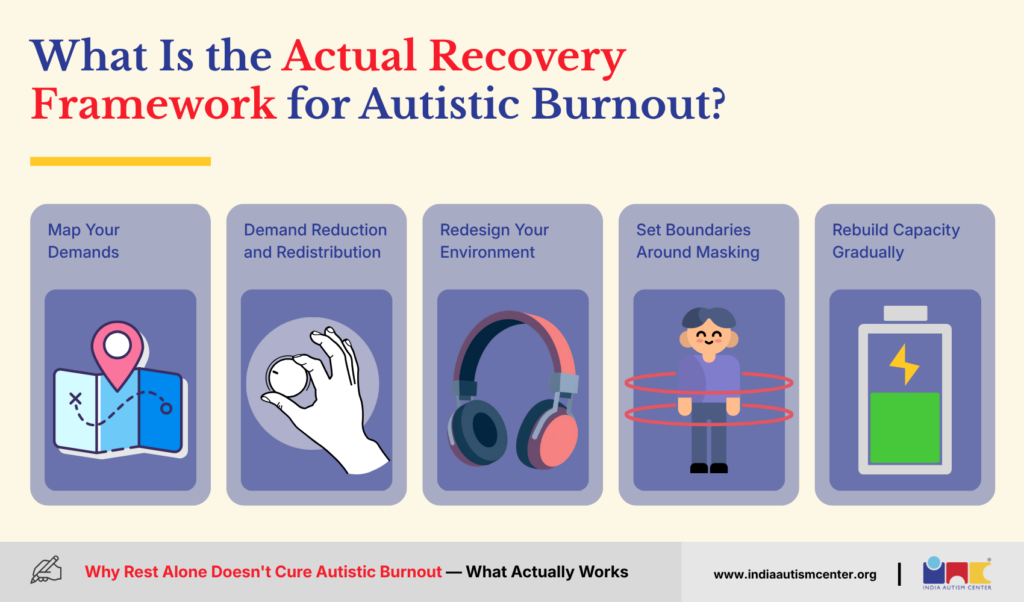
    Part of how psychotherapy helps is also very practical. Clients learn to set boundaries around energy-draining social situations, to communicate their needs more clearly, to build environments that support rather than require constant masking, and to develop strategies for navigating a neurotypical world without abandoning themselves in the process.

    📥 Free download: Printable daily routine chart for autistic children

    Common Myths About Psychotherapy for Autistic People

    Common Myths About Psychotherapy for Autistic People

    Despite growing awareness, a number of persistent psychotherapy myths prevent autistic people from accessing the support they need. It is worth addressing the most common ones directly.

    • Myth: Psychotherapy tries to fix or cure autism.
    • Fact: This is perhaps the most damaging myth, and it reflects a real and legitimate fear rooted in the history of autism “interventions” — particularly Applied Behaviour Analysis (ABA) — that have caused genuine harm. Autism-affirming psychotherapy does not attempt to make someone less autistic. It works with the person’s neurology, not against it. The goal is wellbeing, not normalisation.
    • Myth: Only people in crisis need psychotherapy.
    • Fact: In reality, psychotherapy is just as valuable as a preventive and developmental resource. An autistic adult who is managing day-to-day but quietly exhausted by masking can benefit enormously from therapeutic support before reaching burnout — not only after. Understanding psychotherapy meaning as a space for growth, not just crisis management, opens up far wider access to its benefits.
    • Myth: Autistic people cannot benefit from talk therapy.
    • Fact: This myth likely stems from the misapplication of therapies designed for neurotypical people to autistic individuals without adaptation. Autistic-affirming therapy — delivered by a clinician who understands and respects neurodivergence — can be deeply effective. Research supports this, and the clinical evidence base for adapted CBT, ACT, and other approaches in autistic populations is growing steadily.
    • Myth: Psychotherapy and counselling are the same thing.
    • Fact: As discussed above, there are meaningful differences between counselling and psychotherapy in terms of depth, duration, and clinical focus. Neither is inherently superior — but knowing the difference allows people to seek the right kind of support for their specific needs.
    • Myth: Unmasking means total social rejection.
    • Fact: Many autistic people fear that if they stop masking, they will lose all their relationships, their jobs, and their place in the world. This fear is understandable — and not entirely unfounded, given how much neurotypical social norms dominate most workplaces and communities. But unmasking is not an all-or-nothing event. Good psychotherapy supports clients in making nuanced, context-sensitive choices about when and where to lower the mask, rather than demanding wholesale transformation overnight.

    When to Seek Help: A Practical Guide

    If any of the following resonate, it may be time to explore psychotherapy with an autism-affirming therapist:

    • You are frequently exhausted after social situations in ways that others do not seem to be
    • You struggle to identify your own preferences, feelings, or opinions independently of what others seem to want
    • You have recently received an autism (or ADHD) diagnosis and are trying to make sense of your history
    • You are experiencing anxiety, depression, or burnout that has not responded to other forms of support
    • You feel like there is a “real you” somewhere underneath the version of yourself you show the world — and you want to find them

    When looking for a therapist, seek out someone who explicitly describes their practice as neurodivergence-affirming or autism-friendly. Ask whether they have experience working with autistic adults. Ask how they approach diagnosis — a good therapist will see your autism as a dimension of identity to be understood and respected, not a collection of symptoms to be eliminated.

    If you also have ADHD, or suspect you might, look for a therapist with experience in psychotherapy for ADHD alongside autism. The overlap between the two conditions is significant, and therapeutic support that understands both is more effective than support designed for only one.

    In a first session, expect to do a lot of talking about your history. A good therapist will take time to understand your experience before moving into any particular therapeutic framework.

    https://youtu.be/anAtvNRwhWQ?si=ST9vzeaPqhLY4CG9

    Conclusion

    Autism masking is not a personal failing, a deliberate deception, or a sign that someone is “doing well.” It is an exhausting, often invisible survival strategy that has allowed countless autistic people to navigate a world not designed for them — at significant cost to their mental health, identity, and sense of self.

    The path toward unmasking is not a quick or simple one. But it is possible, and it is worth it. Psychotherapy — the right kind, delivered by clinicians who understand and affirm neurodivergence — offers autistic people a genuine chance to explore who they are beneath the mask, to grieve what masking has cost them, and to build lives that feel genuinely their own.

    If you recognise yourself in these pages, you deserve support. You deserve a space where you do not have to perform. And you deserve to find out who you actually are.

    📥 Free download: Printable daily routine chart for autistic children

    Frequently Asked Questions

    What is autism masking?

    Autism masking is the process by which autistic people suppress or hide their natural neurological traits — such as stimming, direct communication, or sensory reactions — in order to appear more neurotypical in social situations. It is a survival strategy that develops in response to social pressure and is associated with significant mental health costs when sustained over time.

    What does psychotherapy mean?

    Psychotherapy refers to a structured, evidence-based form of therapeutic support delivered by a trained mental health professional, aimed at helping individuals understand and change thought patterns, emotions, and behaviours that are causing distress. Unlike counselling, which tends to be shorter-term and more solution-focused, psychotherapy often involves deeper exploration of underlying patterns and a longer therapeutic relationship.

    What does psychotherapy mean?

    Psychotherapy refers to a structured, evidence-based form of therapeutic support delivered by a trained mental health professional, aimed at helping individuals understand and change thought patterns, emotions, and behaviours that are causing distress. Unlike counselling, which tends to be shorter-term and more solution-focused, psychotherapy often involves deeper exploration of underlying patterns and a longer therapeutic relationship.

    What is the difference between counselling and psychotherapy?

    Counselling typically focuses on present-life difficulties and offers shorter-term, supportive conversation. Psychotherapy goes deeper — exploring the roots of long-standing patterns, working with identity and past experiences, and requiring a more extensive clinical training on the part of the practitioner. For autistic adults dealing with the aftermath of years of masking, psychotherapy’s greater depth is often more appropriate.

    Can psychotherapy help with autism masking?

    Yes. Autism-affirming psychotherapy — particularly approaches like ACT, adapted CBT, and schema therapy — can be profoundly helpful for autistic adults working through the effects of masking. It provides a safe space to develop self-awareness, process grief, rebuild identity, and develop practical strategies for more authentic living.

    What types of psychotherapy are best for autistic adults?

    The most commonly recommended types of psychotherapy for autistic adults include adapted CBT (for anxiety and self-critical thinking), ACT (for values-based living and psychological flexibility), schema therapy (for deep-rooted patterns from childhood), person-centred therapy (for identity work and unconditional acceptance), and DBT (for emotional regulation and distress tolerance, particularly relevant where ADHD co-occurs).

    Is psychotherapy for anxiety relevant if I mask?

    Absolutely. Anxiety and masking are closely linked — masking often develops as a response to social anxiety, and in turn generates further anxiety through the effort it requires and the inauthenticity it perpetuates. Psychotherapy for anxiety that is autism-aware will address both the anxiety symptoms and the masking behaviours that feed them.

    Are there psychotherapy myths that stop autistic people from seeking help?

    Yes — some of the most common psychotherapy myths affecting autistic people include the belief that therapy tries to “fix” autism, that autistic people cannot benefit from talk therapy, or that psychotherapy and counselling are the same thing. These myths can be barriers to accessing genuinely helpful support.

    For expert insights, support services, and inclusive learning initiatives, contact India Autism Center for more information.

  • Can Animal Assisted Therapy Improve Communication in Autism?

    Can Animal Assisted Therapy Improve Communication in Autism?

    Have you ever watched a child who struggles to speak suddenly light up and say a word to a dog? We have, and it feels like magic. But it is not magic—it is Animal Assisted Therapy.

    If you are a parent, therapist, or educator working with a child on the autism spectrum, you have likely asked this question: Can animal-assisted therapy improve communication in autism?

    In this article, you will learn exactly how animal therapy for autism works, what the communication benefits of animal assisted therapy in autism really are, and why so many families are turning to autism communication therapy with animals.

    What Is Animal Assisted Therapy? 

    What Is Animal Assisted Therapy

    First, let me clarify what we mean by Animal Assisted Therapy. You might confuse it with simply owning a pet. But there is a big difference. Animal-assisted therapy is a structured, goal-directed intervention. 

    A trained therapist works alongside a specially screened animal—often a dog, horse, or even a guinea pig. Together, they target specific skills like speech, eye contact, or social turn-taking.

    I like to think of it as a partnership. The animal acts as a co-therapist. You set clear objectives. For example, you might want a non-verbal child to point at a picture of a “dog” or say “ball.” The animal provides comfort, motivation, and a non-judgmental presence. This is not just playtime. It is therapy with a tail wag.

    So, can animal assisted therapy improve communication in autism? The short answer is yes, and the long answer is even more exciting. Let me show you why.

    Understanding Communication Challenges in Autism: Why We Need New Tools

    Understanding Communication Challenges in Autism

    Before we explore how animals help, you need to understand the problem. Autism Spectrum Disorder (ASD) often affects two key areas of communication: verbal expression and social pragmatics.

    A child might have delayed speech. They might repeat words (echolalia) without meaning. Or they might struggle with non-verbal cues—like understanding your smile or matching your tone of voice. Some individuals are non-speaking. Others speak fluently but cannot hold a back-and-forth conversation.

    I have worked with children who want to connect but feel overwhelmed by human interaction. A direct question from a therapist can feel threatening. A demand to “look at me” can trigger anxiety. This is where animal therapy for autism steps in. Animals ask for nothing. They simply exist, and that existence creates a safe bridge.

    You see, a dog does not judge a stutter. A horse does not care if you avoid eye contact. This lack of social pressure is exactly why autism communication therapy with animals works so well.

    We also have a blog on Different Autism Therapies, which you can read later for a deeper understanding.

    Want to know more? Get in touch with us.

    How Animal Assisted Therapy Works: The Science Behind the Bond

    How Animal Assisted Therapy Works

    Now, let me explain the mechanism. You might wonder, “Is this just a nice story, or is there real science?” I can assure you, the research is robust.

    When a person interacts with a calm, friendly animal, their body releases oxytocin. You probably know oxytocin as the “love hormone.” It lowers stress, reduces cortisol, and increases feelings of safety. For an autistic person who is often in a state of high arousal (due to sensory sensitivities or social anxiety), this biochemical shift is huge.

    Lower stress means better learning. Better learning means more communication attempts.

    Additionally, animals provide predictable, rhythmic input. Stroking a dog’s fur or grooming a horse creates a repetitive, calming motion. This can help an autistic person regulate their sensory system. Once regulated, they can focus on a communication task.

    I have seen a non-speaking child hum along to a song about a cat. I have watched a teenager with severe social anxiety order a guinea pig’s food at a pet store — because the animal gave them a reason to speak. These are not miracles. They are the communication benefits of animal – assisted therapy in autism in action.

    Key Communication Benefits of Animal Assisted Therapy in Autism (A Detailed List)

    Communication Benefits of Animal Assisted Therapy in Autism

    Let me break down the specific ways Animal Assisted Therapy improves communication. You can use this list to set goals for your own child or client.

    1. Initiating Speech and Vocalisations

    Many autistic children rarely start a conversation. But an animal creates a natural reason to speak. For example, a child might say “more” to request another treat for the dog. I have seen children produce their first intentional word—like “woof” or “go”—during a therapy session with a trained dog. The animal never pressures them. It just waits, and that waiting invites a response.

    2. Improving Non-Verbal Communication

    Communication is more than words. Animal therapy for autism targets eye contact, pointing, and facial expressions. You might ask a child to point to the dog’s nose. Or you might reward a quick glance toward the handler. Horses, in particular, are sensitive to body language. If a child slumps, the horse stops. The child quickly learns that their posture “speaks” to the animal.

    3. Enhancing Social Turn-Taking

    Conversation requires back-and-forth. Animals are natural at this. You throw a ball; the dog fetches it. You say “sit”; the dog sits. This predictable exchange teaches turn-taking without complex social rules. I often use a simple game: “Your turn to brush the horse, my turn to feed the carrot.” The child internalises the rhythm of interaction.

    4. Reducing Anxiety That Blocks Communication

    Anxiety is the enemy of speech. When you are scared, your brain’s Broca’s area (responsible for language production) shuts down. Animal Assisted Therapy lowers that anxiety. A child who refuses to speak in a clinical room might whisper to a rabbit in a quiet corner. The animal acts as a social lubricant. You are not talking to a therapist; you are talking about the animal.

    5. Generalising Skills to Real Life

    This is the ultimate goal. You do not want a child to only talk to animals. You want them to talk to people, too. The good news is that skills learned with animals often transfer. I have seen a child learn to ask “Can I pet your dog?” on a walk, and then generalise that sentence structure to ask “Can I play with your toy?” at school. How animals help with autism communication is by providing a bridge from the therapy room to the real world.

    Autism Communication Therapy with Animals: Techniques and Approaches You Can Use

    Techniques and Approaches

    You might be thinking, “This sounds great, but how do we actually do it?” Let me give you specific techniques that therapists use in autism communication therapy with animals.

    The “Ask the Animal” Technique

    Instead of asking the child a direct question (which can feel threatening), you ask them to ask the animal. For example: “Can you ask the dog if he wants a walk?” The child then speaks to the dog. The pressure is off. You can fade this later by having the dog “answer” through the therapist.

    Commenting and Labelling

    You place the child in front of the animal and model simple comments. “Dog is brown.” “Cat is sleeping.” The child is more likely to imitate because the animal is interesting. I use this for children with echolalia—they repeat the phrase happily because they associate it with the furry friend.

    Requesting and Choice-Making

    Hold two items (a brush and a ball). Ask the child to tell the animal what they want. “Do you want to brush the horse or play fetch with the dog?” The child points, signs, or speaks. The animal then receives the action. This teaches purposeful communication.

    Social Stories with Animals

    You can write a social story about a dog who learns to say “hello.” Read it together. Then act it out with the real animal. The child sees that communication has consequences—the dog wags its tail when you speak nicely.

    All of these techniques rely on one core principle: the animal is a motivator. You do not have to force communication. The child wants to interact with the animal, so they find a way.

    Want to know more? Get in touch with us.

    Animal Assisted Intervention Autism: Which Animals Work Best?

    Animal Assisted Intervention Autism

    You might assume dogs are the only option. But animal assisted intervention for autism includes many species. Each has unique advantages.

    Dogs

    Dogs are the most common. They are trainable, affectionate, and responsive. A therapy dog remains calm in chaotic environments. They tolerate hugs, loud noises, and sudden movements. I recommend dogs for children who need high-energy interaction—like playing fetch or practising commands.

    Horses

    Horses are powerful for body awareness and non-verbal communication. They mirror your emotions. If you are anxious, the horse becomes tense. This gives immediate feedback. Horses work well for older children and teens who need to regulate their own state before speaking.

    Guinea Pigs and Rabbits

    Small mammals are perfect for non-speaking or highly anxious children. They are quiet, soft, and non-threatening. You can hold them in your lap. I often start with guinea pigs for children who are completely non-verbal. The child just needs to sit and stroke the fur. Eventually, they whisper a sound.

    Cats

    Cats are more independent, but some therapy cats exist. They work for children who prefer calm, still companionship. A cat sitting on a child’s lap can encourage whispering and quiet vocalisations.

    Dolphins

    You may have heard of dolphin-assisted therapy. I want to be honest: the evidence is weak, and there are ethical concerns. I do not recommend it. Stick with land animals that you can interact with regularly.

    Practical Considerations for Starting Animal Assisted Therapy

    Practical Considerations for Starting Animal Assisted Therapy

    You are probably excited. But let me give you a few practical tips before you start.

    1. Work with a Certified Team

    Animal Assisted Therapy requires a trained therapist and a certified therapy animal. Do not just bring your family pet into a session. Even a gentle dog can get stressed by an autistic child’s sensory behaviours. A certified team knows how to read the animal’s stress signals and keep everyone safe.

    2. Start with Short Sessions

    A 20-minute session is often enough. Autistic children can become overstimulated by the animal’s movements, smells, or sounds. Watch for signs of distress—covering ears, turning away, or tensing up. End on a positive note.

    3. Pair with Speech-Language Therapy

    Animal-assisted therapy is not a replacement for speech therapy. It is a supplement. You should continue working with a speech-language pathologist (SLP). Ideally, the SLP incorporates the animal into their existing goals. I have seen the best results when the animal is a tool in a larger communication plan.

    4. Address Allergies and Phobias

    Some autistic children have severe animal phobias or allergies. Do not force it. You can start with photos, videos, or robotic stuffed animals. Slowly desensitise them. For allergies, consider hypoallergenic breeds (poodles) or animals like reptiles (though they offer less social feedback).

    5. Measure Progress

    Keep a simple log. Note how many vocalisations, gestures, or initiations occur per session. You want to see a clear increase over the weeks. If you do not, reassess the approach.

    What Does the Research Say? Evidence for Communication Benefits

    Evidence for Communication Benefits

    I promised you science, so let me deliver. Multiple studies have examined how animals help with autism communication.

    • A 2019 randomised controlled trial (O’Haire et al.) found that children with ASD who participated in animal-assisted intervention autism showed significantly more social talk and positive affect compared to a control group. They also displayed fewer instances of social withdrawal.
    • A 2021 meta-analysis of 24 studies concluded that animal therapy autism has a moderate to large effect on social communication behaviours, including joint attention, verbal initiations, and facial orienting.
    • A 2022 study on equine-assisted therapy reported that 80% of autistic participants increased their use of multi-word phrases after 10 sessions.

    I will be transparent: not every study shows massive gains. Some children respond better than others. But the overall direction is clear. Animal-assisted therapy is an evidence-based complementary approach.

    Want to know more? Get in touch with us.

    Addressing Common Concerns and Myths

    Common Concerns and Myths

    Let me tackle a few doubts you might have.

    Myth 1: “The child will only talk to animals, not people.”
    This is rare. In fact, the opposite happens. The animal acts as a stepping stone. Once the child experiences success (e.g., saying “sit” to a dog and seeing the dog sit), they gain confidence. That confidence spills over into human interactions.

    Myth 2: “It is too expensive.”
    Yes, professional Animal Assisted Therapy can cost $75–$150 per session. But some non-profits offer scholarships. You can also look for “animal-assisted activities” at local libraries or schools—these are less formal but still beneficial. Alternatively, consider adopting a calm pet and working with a volunteer trainer.

    Myth 3: “My child is afraid of animals.”
    Start extremely slow. Use stuffed animals, then videos, then a very small caged animal (like a hamster). Do not rush. For some children, fear of animals is a sensory issue (unpredictable movement). Desensitisation works, but consult an occupational therapist.

    Don’t forget to read our blog on A Comprehensive Guide to Speech and Language Therapy for Autism 

    A Step-by-Step Plan for You to Get Started

    Step-by-Step Plan for

    If you are ready to try Animal Assisted Therapy, here is my recommended roadmap.

    1. Talk to your child’s SLP or behavioural therapist. Ask if they have experience with animals.
    2. Search for a certified therapy animal organisation. In the US, look for Pet Partners or Therapy Dogs International. They can connect you to a local team.
    3. Visit a session without your child first. Watch how the animal interacts. Ask about their safety protocols.
    4. Bring your child for a short meet-and-greet. No goals. Just let them see the animal.
    5. Set three communication goals. For example: “Point to the dog’s nose” or “Say ‘more’ twice per session.”
    6. Commit to 6–8 sessions. Then reassess. Have you seen improvement?

    📥 Free download: Printable daily routine chart for autistic children

    Conclusion: Can Animal Assisted Therapy Improve Communication in Autism?

    Let me give you my final answer. Yes, animal-assisted therapy can absolutely improve communication in autism. But it is not a magic wand. It is a tool—a beautiful, furry, feathery, or four-legged tool that lowers anxiety, provides motivation, and creates a safe space for practising speech and social skills.

    You have learned how animal therapy for autism works at a biochemical level and the communication benefits of animal assisted therapy in autism through real-life stories. Now you understand how animals help autism communication by acting as non-judgmental co-therapists. And you have specific techniques for autism communication therapy with animals, plus a guide to different species in animal-assisted intervention for autism.

    I encourage you to take the next step. Call a local therapy animal organization. Ask questions. Observe a session. Your child or client might just find their voice—with a little help from a loyal friend.

    After all, communication is connection. And animals are masters of connection. Let us use their gift to unlock ours.

    Do you have experience with Animal Assisted Therapy? I would love to hear your story in the comments below. And if you found this article helpful, please share it with another parent or therapist who needs hope.

    Frequently Asked Questions (FAQs)

    Can animal-assisted therapy improve communication in autism?

    Yes, animal-assisted therapy can significantly improve communication in autism. It creates a low-pressure, emotionally safe environment where individuals feel more comfortable expressing themselves. Over time, this leads to better verbal attempts, improved non-verbal cues, and increased social interaction.

    How does animal therapy help autism communication?

    In animal therapy autism, animals act as social bridges. They motivate individuals to communicate through commands, play, and interaction. This encourages both verbal and non-verbal communication while reducing anxiety, making communication more natural and spontaneous.

    Is animal-assisted therapy effective for non-verbal children with autism?

    Yes, animal assisted therapy autism can be highly beneficial for non-verbal children. It helps develop foundational communication skills like gestures, eye contact, and sounds. In some cases, it may even support the development of verbal speech over time.

    What animals are commonly used in autism communication therapy with animals?

    Common animals used in autism communication therapy with animals include:

    Small animals like rabbits or guinea pigs (for sensory comfort and gentle interaction)

    Dogs (most widely used for emotional bonding and commands)

    Horses (used in equine therapy for non-verbal communication and confidence)

    What are the benefits of animal-assisted therapy in autism?

    The key benefits of animal assisted therapy in autism include:

    Enhanced emotional connection and bonding

    Improved communication skills (verbal and non-verbal)

    Reduced anxiety and stress

    Better social interaction and engagement

    Increased motivation to communicate

    Can animal-assisted therapy replace speech therapy for autism?

    No, Animal Assisted Therapy should not replace speech therapy. Instead, it works best as a complementary approach. When combined with speech and occupational therapy, it enhances overall outcomes, especially in improving communication and social skill

    For expert insights, support services, and inclusive learning initiatives, visit the India Autism Center.

  • A Guide to the Challenges in Autism [2026]

    A Guide to the Challenges in Autism [2026]

    As someone who cares about autism, whether you are a caregiver, family member, educator, or someone on the autism spectrum, you’ve probably been worried about the challenges in autism:

    • What are the real challenges in autism?
    • How do these challenges affect daily life?
    • What can we do to support autistic individuals better?

    In this article, I’ll take you through a detailed, compassionate, and educational journey into the challenges of autism in everyday life. I’ll break down the key areas where autistic people often struggle, what these struggles look like day to day, and how you can understand them better.

    What Is Autism Spectrum Disorder?

    What Is Autism Spectrum Disorder?

    Autism Spectrum Disorder (ASD) is a neurodevelopmental condition that affects the way a person thinks, communicates, and experiences the world. It is called a “spectrum” because no two autistic individuals are the same. Each person has unique strengths, needs, and challenges.

    At the core of autism, people may face differences in social communication, sensory processing, behaviour, and learning, but how these show up can vary widely from person to person.

    Social Communication Challenges

    Social Communication Challenges

    One of the most discussed challenges autistic people face involves communication and social interaction.

    Autistic individuals often find it hard to:

    • Understand social cues like facial expressions or tone of voice.
    • Maintain eye contact comfortably.
    • Take part in back-and-forth conversations.
    • Interpret sarcasm or indirect speech.

    Sometimes, a person may not speak at all. Others may have advanced speech but still struggle with the social rules of communication.

    Why is it a challenge in everyday life

    You might feel misunderstood or unable to express your own thoughts clearly. This can lead to frustration, social isolation, or anxiety, especially in group settings.

    That doesn’t mean autistic people don’t want connection. It means the way they connect is different. Many communicate through alternative methods, gestures, pictures, technology, or Augmentative and Alternative Communication (AAC).

    Want to know more? Get in touch with us.

    Sensory Processing: A Hidden Everyday Challenge

    Sensory Processing: A Hidden Everyday Challenge

    Another major set of challenges in autism involves sensory sensitivities. Many autistic individuals process sensory information differently from others.

    This can include:

    • Hypersensitivity — extreme sensitivity to lights, sounds, textures, or smells.
    • Hyposensitivity — needing more intense sensory input to feel comfortable.

    These sensory reactions are more than just preferences — they can deeply affect everyday life.

    Imagine trying to concentrate when fluorescent lights make your head throb, or eating dinner when food textures feel unbearable. These are real struggles for many autistic people.

    Challenges of autism in everyday life include:

    • Overwhelm in crowded or noisy places.
    • Avoiding certain foods because of how they feel.
    • Difficulty wearing certain clothes due to texture sensitivity.

    Sensory overload can also lead to shutdowns or meltdowns — intense reactions that are often misunderstood by others. These reactions are not “bad behaviour”; they are nervous system responses to overwhelming stimuli.

    Routine, Change, and Predictability

    Routine, Change, and Predictability

    Many autistic people prefer structure and routine. Predictability creates safety. Change can feel threatening or disorienting.

    Imagine if your daily schedule suddenly changed — like missing your usual bus, or plans shifting at the last minute. For someone with autism, this can be far more stressful than it sounds.

    Some common everyday challenges include:

    • Anxiety when routines are interrupted.
    • Stress about new environments or unfamiliar tasks.
    • Resistance to change, even when the change is positive.

    Routines help reduce anxiety and offer a sense of control. Without routine, the brain has to work harder to predict what will happen next — and that extra effort can be exhausting.

    Executive Functioning and Daily Tasks

    Executive Functioning and Daily Tasks

    Executive functioning is a set of mental skills — like planning, organising, initiating tasks, and following through.

    Many autistic individuals struggle with one or more of these skills. That can make everyday tasks feel overwhelming:

    • Planning a schedule
    • Organizing belongings
    • Starting a task (even when you want to)
    • Switching between tasks

    This is another challenge in autism that often goes unnoticed because it affects thinking processes rather than outward behaviours.

    For example, something as simple as cooking dinner can become stressful if planning, timing, and multi-step thinking are hard.

    Behaviour Challenges in Autism

    Behaviour Challenges in Autism

    When we talk about behaviour challenges in autism, we’re not talking about “bad” behaviour. Rather, we’re talking about behaviours that arise from unmet needs or communication differences.

    Behaviour challenges may include:

    • Aggression or self-injury
    • Repetitive behaviours (like rocking or hand-flapping)
    • Difficulty regulating emotions
    • Shutdowns or meltdowns when overwhelmed

    These behaviours often occur because something else is triggering stress — sensory overload, anxiety, or difficulty expressing a need.

    For example, a child may hit when they are overstimulated and unable to communicate that they need a quiet space.

    Helpful strategies usually involve:

    • Understanding the cause of the behaviour
    • Building communication tools
    • Creating predictable routines
    • Teaching self-regulation skills

    Behaviour challenges in autism are often a form of communication — a way of showing distress when words aren’t enough.

    Want to know more? Get in touch with us.

    Sleep and Biological Challenges

    Sleep and Biological Challenges

    Sleep problems are very common among autistic individuals. Research indicates that up to 80% of autistic children experience sleep disturbances, compared to 25-40% in the general population.

    These challenges can include:

    • Trouble falling asleep
    • Frequent nighttime waking
    • Irregular sleep cycles

    Poor sleep affects energy, emotion regulation, concentration, and behaviour the next day.

    Sleep issues might occur due to sensory sensitivities, anxiety, or neurological differences. Addressing them often involves creating calming bedtime routines and sensory-friendly sleep environments.

    Gastrointestinal and Eating Challenges

    Gastrointestinal and Eating Challenges

    Many autistic people experience gastrointestinal (GI) problems such as constipation, stomach pain, or diarrhoea. Research suggests that GI symptoms can occur in nearly half to most autistic children.

    Additionally, food refusal is common and is often linked to sensory sensitivities — certain textures, smells, or combinations may be intolerable.

    In everyday life, this can make mealtime stressful or limited, affecting nutrition, family routines, and social eating situations.

    Social Isolation and Misunderstanding

    When you struggle with social communication and sensory processing, everyday environments — classrooms, workplaces, public places can feel intimidating.

    Autistic people often experience:

    • Misunderstandings in conversations
    • Difficulty making or keeping friends
    • Feeling left out or unseen

    Many adults with autism report stress when navigating social cues that others take for granted.

    Social differences are one of the hardest challenges autistic people face because they affect connection, something we all need.

    Autism and Food Refusal

    Autism and Food Refusal

    Food refusal, a significant concern for many families with autistic individuals, is often linked to sensory sensitivities, rigid eating habits, or gastrointestinal discomfort. In the Indian context, where traditional diets may differ significantly from the Western norm, addressing food-related challenges about autism and food refusal requires a culturally sensitive approach.

    We work closely with nutritionists and behavioural therapists to develop personalised plans that accommodate sensory preferences while ensuring balanced nutrition. By promoting a nuanced understanding of food-related challenges, we aim to empower families to create nourishing environments for their autistic loved ones.

    In India, where cultural nuances play a significant role in shaping behavioural expectations, we emphasise culturally competent approaches to autism and behaviour problems. By working with psychologists and behaviour analysts, we equip families and caregivers with tools to navigate and address challenging behaviours, fostering a more inclusive and understanding society.

    Here is our guide on Autism Therapies at Home, which might help you address some of these challenges.

    Conclusion

    The challenges in autism — from behaviour challenges in autism to sensory sensitivities and communication differences — are real and impactful. But they are also understandable once we learn to see the world differently.

    To improve everyday life for autistic individuals, we need:

    • Awareness
    • Patience
    • Empathy
    • Adapted support systems

    Every person with autism has a story, a set of challenges, and enormous potential. With understanding and action, we can make life more inclusive — not just for autistic individuals, but for all of us who share this world.

    Frequently Asked Questions (FAQs)

    What are the most common challenges in autism?

    The most common challenges in autism include difficulties with social communication, sensory sensitivities, emotional regulation, and adapting to change. Many autistic individuals also experience behaviour challenges in autism, such as meltdowns or repetitive behaviours, especially when they feel overwhelmed or unable to communicate their needs.

    How do the challenges of autism affect everyday life?

    The challenges of autism in everyday life can impact daily routines, school, work, and social interactions. Simple tasks like going to a crowded place, following an unpredictable schedule, or participating in conversations may feel stressful due to sensory overload, anxiety, or communication differences.

    What behaviour challenges do autistic people commonly face?

    Behaviour challenges in autism may include meltdowns, shutdowns, self-stimulating behaviours, aggression, or difficulty managing emotions. These behaviours are not intentional or negative; they are often a response to stress, sensory discomfort, or unmet communication needs.

    Are the challenges autistic people face the same for everyone?

    No, the challenges autistic people face vary widely because autism is a spectrum. Each person experiences different strengths and challenges depending on factors like age, environment, level of support, and individual sensory and communication needs.

    For expert insights, support services, and inclusive learning initiatives, contact India Autism Center for more information.

  • What is Nonverbal Autism? Everything Parents Need to Know

    What is Nonverbal Autism? Everything Parents Need to Know

    Autism is a spectrum, and every individual experiences it differently. One of the most misunderstood aspects of autism is nonverbal autism. It is a condition where individuals have limited or no spoken language but still communicate in other meaningful ways.

    In fact, out of the total number of individuals on the autism spectrum, about 30% of the children are minimally verbal. However, there can still be considerable improvement in speech and language if intervention is provided early.

    While the absence of speech can feel overwhelming, understanding the nuances of autism and nonverbal communication is the first step toward unlocking your child’s potential.

    Today, we are looking deeply into the meaning, symptoms, causes, and supportive methods that can help a nonverbal individual lead a fulfilling life.

    What is Nonverbal Autism?

    Overview of nonverbal autism and how individuals communicate without speech.

    When parents ask, “What is nonverbal autism?”, they are usually looking for a clinical definition. In reality, nonverbal autism is not a separate diagnosis but a specific presentation of Autism Spectrum Disorder (ASD). An individual with nonverbal autism may not use words at all, or they might use a few isolated words without being able to string them into meaningful sentences.

    However, this does not mean silence or lack of understanding. Many individuals with nonverbal autism:

    • Understand more than they can express
    • Use alternative communication methods
    • Show emotions, preferences, and needs clearly through behaviour

    The key to understanding what nonverbal autism is recognising that communication exists in many forms beyond speech.

    Autism vs Nonverbal Learning Disorder: How Do They Differ?

    difference between autism and nonverbal learning disorder communication vs cognitive traits

    The two concepts of autism and nonverbal learning disorder can be quite confusing. While the names are strikingly similar, the profiles of these two conditions are nearly opposites.

    Nonverbal Learning Disorder (NVLD) is characterised by:

    • Strong verbal skills and early speech development.
    • Excellent rote memory.
    • Significant struggles with non-linguistic information, such as visual-spatial patterns, mathematics, and reading social cues (facial expressions and body language).

    In contrast, nonverbal autism involves:

    • Significant delays or a total absence of spoken language.
    • Social communication challenges.
    • Repetitive behaviours and restricted interests.

    While both require specialised educational support, the methods for teaching a student with nonverbal autism focus heavily on building a communication system from the ground up. In contrast, NVLD support focuses on helping a verbal student navigate physical space and social nuances.

    What Are the Most Common Signs and Symptoms of Nonverbal Autism?

    Visual list of behavioral and communication symptoms in nonverbal autism.

    Early intervention is the “gold standard” for improving outcomes. Knowing the signs of nonverbal autism allows parents to seek support during the critical years of brain plasticity.

    Here are some of the common nonverbal autism symptoms:

    • No speech or very limited vocabulary: A child may not speak at all or may repeat a few words without meaningful use. For example, they might echo phrases but not use them to communicate needs.
    • Difficulty understanding spoken language: Difficulty in understanding the spoken language.
    • Limited use of gestures: They may not point at objects, wave goodbye, or answer yes or no with a nod. This reduces their ability to communicate basic needs.
    • Avoidance of eye contact: Eye contact may feel uncomfortable or overwhelming, making social interaction harder.
    • Repetitive behaviours: Actions such as hand-flapping, rocking, or spinning objects may help them regulate their emotions or sensory input.
    • Difficulty expressing needs verbally: Instead of directly asking for water, a child might cry, pull a caregiver, or become agitated.
    • Strong preference for routines: When there is a change in routine, there is distress because predictability provides comfort.
    • Sensory sensitivities: Sounds, lights, textures, or smells may feel overwhelming or painful.

    What Are the Common Early Signs of Nonverbal Autism in Toddlers?

    Toddler showing common early signs like lack of response and communication delays.

    Early signs of nonverbal autism can appear before the age of three. Moreover, about 40-70% children who have autism spectrum disorder show delayed speech and language development. 

    Hence, understanding as well as identifying the signs of nonverbal autism early is crucial because early intervention improves communication skills and overall development. Many parents notice subtle differences in how their child interacts, plays, and responds to others.

    Early signs of nonverbal autism that parents should look out for:

    • No babbling or limited or absent sound-making
    • Not responding to their name, even when called consistently
    • Lack of pointing or showing different objects
    • Less or not interested in social interaction
    • Difficulty imitating sounds or actions

    Recognising these early signs of nonverbal autism allows families to seek professional guidance sooner.

    What Causes Nonverbal Autism?

    Causes of nonverbal autism neurological factors motor planning apraxia genetics

    The question of what causes nonverbal autism is one that researchers are working tirelessly to answer. In 2026, the consensus is that there is no single “autism gene.” Instead, it is a combination of environmental and genetic factors that can overall influence brain development during pregnancy as well as early infancy.

    1. Neurological Factors

    Studies using functional MRI (fMRI) are known to show that in nonverbal autistic individuals, Broca’s area, the part of the brain that is primarily responsible for speech production, may function differently. 

    There may be “under-connectivity” between the brain areas that perceive sound and those that control the muscles of the mouth.

    2. Motor Planning and Apraxia

    Sometimes, the cause isn’t a lack of language understanding but a “motor planning” issue. Conditions like Childhood Apraxia of Speech often overlap with autism. 

    In these cases, the child’s brain knows the word “Mama,” but the message gets scrambled on the way to the lips and tongue. This is why nonverbal speech therapy programs for autism often include physical exercises for the mouth.

    3. Genetic Predispositions

    Although not every child with autism necessarily has a family history, genetics can play a massive role. Certain rare genetic mutations are more common in nonverbal individuals. Understanding the biological roots helps remove the stigma and the guilt that parents often feel. This helps to reinforce that autism is a natural neurological variation.

    The Nonverbal Autism Life: What to Expect in Adulthood?

    Nonverbal autism adulthood life support employment and independent living examples

    One of the deepest anxieties for parents is the nonverbal autism life as an adult. Parents often wonder, “What happens when I am no longer here to advocate for them?”

    It is important to emphasise that being nonverbal does not inherently reduce a person’s life expectancy. However, the life of nonverbal autism can be affected by secondary factors. 

    For example, if an individual cannot communicate that they are in pain, a medical condition such as a tooth infection or appendicitis might go untreated longer than it would in a verbal person. This is why teaching functional communication is literally a matter of safety.

    Nonverbal Autism in Adults

    As we look at nonverbal autism in adults, the definition of success shifts. For an adult, success might mean:

    • Using a tablet to order food at a restaurant.
    • Working in a supported employment environment.
    • Living in a group home or a community-integrated apartment with the help of a caregiver.

    Can Nonverbal Autism Be Cured?

    Illustration explaining autism is not curable but communication and quality of life can improve.

    It has been found in a study that26.7% autistic children fall under the profound autism category, which includes nonverbal autism as well. Hence, the question “Can nonverbal autism be cured?” is controversial. In the medical sense, there is no cure because autism is not a disease or an infection; it is a different way the brain is wired. You cannot “un-wire” a brain.

    However, if by “cure,” a parent means “Can my child learn to communicate and live a happy life?”, the answer is a resounding yes. Through intensive speech therapy, autism nonverbal and behavioural interventions, many children who were nonverbal at age four gain significant speech by age eight. 

    For those who remain nonverbal, the goal is not to “fix” them but to provide them with the tools to interact with a primarily verbal world.

    Speech Therapy for Nonverbal Autism: More Than Just Talking

    Speech therapy techniques for nonverbal autism including imitation turn taking and cause effect

    When people hear “speech therapy,” they often imagine a child repeating words in front of a mirror. However, speech therapy for nonverbal autism is much broader. A skilled Speech-Language Pathologist (SLP) focuses on the “foundations” of communication.

    Before a child can talk, they must master:

    • Imitation: The ability to copy a movement or a sound.
    • Turn-taking: The understanding that communication is a “back and forth” exchange.
    • Cause and Effect: Realising that “If I push this button, a sound happens,” or “If I hand Mom this picture, I get a cookie.”

    What Are the Effective Methods For Teaching A Child With Nonverbal Autism?

    Effective teaching methods for nonverbal autism PECS TEACCH DTT and video modeling

    When it comes to teaching a student with nonverbal autism, a structured, visual, and consistent approach is required. Traditional teaching methods may not always work, so adapting strategies to match the child’s communication style is essential for better learning outcomes.

    Here are some strategies that can work wonders:

    1. Picture Exchange Communication System (PECS): This involves the student handing a picture of an item to a teacher to receive that item. It teaches the power of initiation.

    2. TEACCH Method: This emphasises a structured environment with clear visual boundaries. For a nonverbal student, knowing exactly where the “work zone” ends and the “play zone” begins reduces anxiety.

    3. Discrete Trial Training (DTT): Breaking down huge or complex skills into tiny, manageable steps and using positive reinforcement to encourage progress.

    4. Video Modelling: Showing a video of a peer performing a task (like washing hands) can be more effective than verbal instructions for a nonverbal learner.

    How Does Sign Language For Nonverbal Autism Help?

    Sign language communication benefits for nonverbal autism including learning and feedback

    Sign language for nonverbal autism provides a simple and effective way to communicate without speech. It is especially useful for children who can imitate movements and benefit from visual learning methods.

    The benefits of sign language for nonverbal autism include:

    • Portability: You always have your hands with you; you don’t need a battery-operated device.
    • Kinesthetic Learning: The physical movement of signing helps reinforce the meaning of the word in the brain.
    • Immediate Feedback: A parent can gently guide a child’s hands to form the sign, providing physical prompts that aren’t possible with vocal speech.

    Even if a child learns only five basic signs (Eat, Drink, More, Help, All Done), it can drastically reduce the number of behavioural meltdowns caused by an inability to express basic needs.

    What Are the Best Free Apps for Nonverbal Autism?

    Best AAC apps for nonverbal autism Cboard Avaz AAC LetMeTalk JABtalk

    Free apps for nonverbal autism provide accessible communication tools that can be used at home and in school. These apps help children express their needs using pictures, symbols, and voice output.

    Some of the most well-known free apps that can considerably help include:

    • Cboard: Simple and easy-to-use communication tool
    • Avaz AAC: Designed for autism with multilingual support
    • LetMeTalk: Works offline with picture-based communication
    • JABtalk: Customizable for individual needs

    By introducing these free apps alongside early speech and language therapy for nonverbal autism, parents can give their child a sense of agency and control over their environment.

    What Is the Expected Lifespan of A Person With Nonverbal Autism?

    Doctors discussing factors like healthcare access, conditions, and supervision affecting lifespan.

    The nonverbal autism lifespan is generally similar to that of the general population. Autism itself does not shorten life expectancy, but overall health and support systems can influence long-term outcomes.

    Some of the factors affecting nonverbal autism lifespan include:

    • Access to healthcare
    • Presence of additional conditions
    • Level of support and supervision

    Parents need to understand that the quality of life matters as much as life expectancy. Hence, proper and timely support is what makes all the difference.

    What Therapies Help Individuals With Nonverbal Autism?

    Child receiving different therapies including speech, occupational, behavioral, and sensory integration.

    Different therapies support communication, behaviour, and daily living skills. A combination of therapies is often the most effective approach. Here are the autism therapies that can be of great help:

    1. Speech Therapy: It primarily focuses on communication methods

    2. Occupational Therapy: This helps to improve daily skills as well as sensory processing

    3. Behavioural Therapy (ABA): This is very important as it helps to encourage positive behaviours

    4. Sensory Integration Therapy: It helps manage sensory sensitivities

    How Can Parents Successfully Create a Supportive Environment at Home?

    Family using strategies like labeling, narration, and encouragement to support a nonverbal autistic child.

    For a child with autism and nonverbal communication needs, the home should be a “communication-rich” zone. This doesn’t mean talking non-stop; it means making language visible.

    • Label Everything: Put a picture and a word on the toy bin, the pantry, and the bedroom door.
    • Narrate Your Day: Even if the child doesn’t respond, say what you are doing. “I am pouring the milk. The milk is cold.” This builds their receptive vocabulary.
    • Wait for a Response: After asking a question, count to ten in your head. Nonverbal brains often need extra time to process information and formulate a physical or gestural response.
    • Celebrate Small Wins: If your child makes a new sound or uses a gesture they’ve never used before, acknowledge it with enthusiasm.

    Conclusion

    Illustration highlighting that children with nonverbal autism communicate through alternative meaningful ways.

    If you are beginning to explore what nonverbal autism is, remember that a lack of speech is not a lack of soul. Your child has thoughts, preferences, and a unique personality. 

    They may communicate through the way they lean into your hug, the way they light up when they see their favourite toy, or the way they use a tablet to tell you they love you. The nonverbal autism lifespan is a journey of constant discovery. 

    With the right combination of awareness, intervention, therapy, assistive technology, and unconditional love, the “wall” of silence can become a window and can help to create a beautiful, different way of experiencing the world. 

    Stay patient, stay curious, and never stop listening to what your child is telling you, even when they aren’t using words.

    Frequently Asked Questions

    What is nonverbal autism in simple terms?

    Nonverbal autism essentially refers to individuals on the autism spectrum who do not generally use spoken language or have very limited speech. However, they still communicate using gestures, facial expressions, sounds, or tools like communication apps and picture boards to express their needs and emotions.

    What causes nonverbal autism?

    A combination of genetic, neurological, and developmental factors is the main cause of nonverbal autism. Differences in brain development, especially in language areas, also play a big role. There is no single cause, and it is not linked to vaccines or parenting styles.

    How do nonverbal autistic individuals normally communicate?

    Children with nonverbal autism tend to communicate through different ways, such as gestures, body language, facial expressions, eye gaze, sounds, and behaviours. Some also use tools such as picture boards, communication apps, or sign language to explain their needs, preferences, or emotions more effectively.

    What are the early signs of nonverbal autism?

    Early signs include a lack of babbling, failing to respond when their name is called, limited eye contact, no pointing or gestures, and reduced or no interest in social interaction. Such signs tend to appear before age three; a child should be evaluated early for better outcomes.

    Are there free apps for nonverbal communication in autism?

    Yes, there are several free apps, such as Cboard, LetMeTalk, and JABtalk, that can considerably help individuals communicate using pictures and voice output. These apps are useful at home and school and can improve independence and reduce communication-related frustration.

    How is autism different from nonverbal learning disorder?

    Autism affects different aspects of life, such as communication, behaviour, and social interaction, often including varying levels of speech challenges. Nonverbal learning disorder mainly affects spatial and social skills, but individuals usually have strong verbal abilities. Proper diagnosis is necessary as it helps support strategies that differ between the two conditions.

  • Do Vaccines Cause Autism? Here’s What Science Says

    Do Vaccines Cause Autism? Here’s What Science Says

    As parents, our top priorities are our children’s health and safety. From the moment a child is born, several decisions must be made to ensure the child is healthy. 

    One such decision is vaccination. There has been a lot of debate about whether vaccines actually work or if they are just a gimmick. Some parents even fear that the vaccine can cause diseases and even conditions like Autism. 

    In recent decades, a specific question has echoed through parenting forums, social media, and doctors’ offices: Do vaccines cause autism? This concern has led to many heated debates and, more importantly, a sense of anxiety for many families.

    What adds to the worry is that, as per a report from the CDC, about 1 in 6 children are diagnosed with a developmental disability. Also, as per a study in 1998, it was suggested by Andrew Wakefield that autism can also be caused by vaccinations for MMR (Measles, Mumps, and Rubella). 

    However, some studies explain that the MMR vaccine does not cause autism. Despite this strong evidence, confusion persists. Many parents still search for answers regarding vaccines and autism, especially after encountering conflicting information online.

    Why Do People Think Vaccines Cause Autism?

    Why people think vaccines cause autism – misinformation, timing myths and social media influence

    It is natural to look for a specific reason when a child receives a life-changing diagnosis. If you are wondering why people think vaccines cause autism, the answer lies in a mix of historical misinformation and the timing of childhood development.

    Most children receive their primary vaccination series between birth and age 2. Coincidentally, this is the same window where the first signs of autism, like delayed speech or repetitive behaviours, become noticeable. 

    When two events happen at the same time, it is natural for the human brain to assume that one caused the other, even if they are unrelated.

    Social media and anecdotal stories often amplify fear. Parents naturally want answers, and emotional stories can feel more convincing than data, even when they are not accurate.

    Vaccines and Autism: What Science Actually Proves?

    Vaccines and autism research findings showing no link between vaccines and autism

    When looking at vaccines and autism, it’s important to focus on large-scale, peer-reviewed studies. 

    Key Findings Across Research

    • No difference in the number of autism cases between vaccinated and unvaccinated children
    • No increase in autism risk with multiple vaccines
    • No link between vaccine ingredients (like thimerosal) and autism

    Understanding Vaccine Ingredients and “Overload”

    Some parents worry that even if one vaccine is safe, the sheer number of vaccines given at once might “overload” a child’s immune system. Others worry about specific ingredients, such as thimerosal or aluminium.

    It is helpful to remember that a child’s immune system is incredibly resilient. From birth, babies are exposed to a plethora of bacteria and viruses in the environment, often found on their toys, in their food, and in the air they breathe.

    The total number of “antigens” (the parts of a virus that trigger an immune response) in the entire childhood vaccine schedule is just a tiny fraction of what a child encounters in a single day of normal play.

    Shifting the Focus: What Actually Causes Autism?

    What causes autism – genetics, brain development and environmental factors explained

    If vaccines are not the cause, what is? There is research which suggests that autism is a complex condition which is likely caused by a combination of genetic and environmental factors.

    Genetics

    Genetics plays the largest role in autism. Scientists have identified hundreds of specific genes and genetic mutations linked to brain development. In many cases, these mutations occur spontaneously in the egg or sperm and are not even passed down from the parents.

    Brain Development

    Research using advanced imaging has shown that the differences in the brain structure of autistic children are often present long before they are born. These differences occur during the second and third trimesters of pregnancy when the brain is forming its complex “wiring.” This further confirms that events after birth, such as vaccinations, are not the cause of the condition.

    Environmental Factors

    “Environmental” does not necessarily mean pollution. In scientific terms, it refers to events that occur in the body. Some confirmed risk factors include:

    • Parental Age: Children born to older parents (both mothers and fathers) have a slightly higher risk of ASD.
    • Pregnancy Complications: Premature birth, low birth weight, or certain infections during pregnancy may increase the likelihood of a child being on the spectrum.
    • Spacing of Pregnancies: Having pregnancies less than one year apart has been linked to a higher risk.

    When parents understand the real cause of Autism, it helps in moving away from the fear. It also helps to opt for better support for their child. 

    Understanding Atypical Autism Therapy

    Atypical autism therapies including ABA, speech therapy and occupational therapy

    Atypical autism is part of the broad spectrum known as Autism Spectrum Disorder. When a child is diagnosed with Atypical autism, parents need to shift the focus to getting the right kind of support. 

    Every autistic child is unique; some may have incredible gifts in music or math, while others may struggle with basic daily tasks. The goal of any treatment is to improve the quality of life and independence.

    Choosing an atypical autism therapy plan can feel overwhelming, but the most effective approach is usually early intervention.

    Here are some therapies that parents can consider:

    Applied Behaviour Analysis (ABA)

    ABA is a widely used approach that focuses on teaching specific skills and reducing harmful or interfering behaviours. It uses positive reinforcement to help children learn how to communicate their needs.

    Speech and Language Therapy

    Many children on the spectrum have “social communication” challenges. A speech therapist helps them not just with the physical act of talking, but also with the nuances of conversation, such as taking turns and understanding body language.

    Occupational Therapy (OT) 

    For children who have sensory processing issues, the world can feel like a very loud, bright, and scary place. OT helps children learn how to process sensory information so they can stay calm and focused.

    Social Skills Groups 

    These are supervised settings where children can practice interacting with their friends in a safe environment.

    It is important to remember that while there is no “cure” for autism, these therapies help children build the skills they need for a fulfilling, independent life. It is best to consult with a qualified medical professional before starting a new intervention.

    Vaccination and Autism: Myths Debunked

    Vaccination and autism myths debunked with facts and scientific evidence

    For years, the debate around vaccines and autism has caused confusion and concern among parents. Even though there is overwhelming scientific evidence proving that vaccines are safe, myths continue to circulate, often fueled by misinformation and fear.

    So let us debunk the most common myths around vaccination and autism:

    MythFact
    Myth: Giving too many vaccines at once causes autism.Fact: A child’s immune system handles thousands of antigens daily. Vaccines are a tiny fraction of that and do not cause “overload.”
    Myth: The “mercury” in vaccines is dangerous for the brain.Fact: Thimerosal (ethylmercury) was removed from childhood vaccines years ago, and autism rates continued to rise regardless.
    Myth: Natural immunity is better than vaccine-acquired immunity.Fact: “Natural” immunity comes at the cost of the child getting sick with a dangerous disease. Vaccines provide protection without the risk of the illness.
    Myth: My child was “fine” until they got their shots.Fact: Autism symptoms often become visible at the same age vaccines are given, but brain differences usually begin before birth.

    Why Vaccines Still Matter?

    Why vaccines still matter for children with autism – herd immunity and disease prevention explained

    It can be tempting to think, “If so many other people are not vaccinated, why does my child need to be?” This is known as “herd immunity.” However, herd immunity only works if the vast majority of the community is protected.

    If vaccination rates drop, diseases like measles or polio can make a sudden and deadly comeback. Measles, in particular, is quite contagious and can further lead to serious complications like pneumonia or brain swelling (encephalitis).

    It becomes even more difficult when a child with autism contracts such a disease. Dealing with a severe physical illness on top of their sensory and communication challenges can be incredibly difficult. 

    In short, vaccination is a way to protect children with autism so they can focus on their developmental progress.

    How Parents Can Make Informed Decisions?

    How parents can make informed vaccination decisions using trusted sources and avoiding misinformation

    Today, parents are bombarded with information. Hence, distinguishing between a sensationalised headline and a verified medical fact can feel like a full-time job. When parents are confused about the topic of vaccines and autism, the goal is to move from a place of fear to a place of empowered understanding.

    Parents need to trust their instincts and make informed decisions with the right information. By focusing on evidence-based resources and open communication, you can replace anxiety with a clear plan for your child’s health.

    Here are a few steps that parents can take to make sure they make the right decision:

    1. Rely on Trusted Sources

    Make sure to consult trusted sources, such as paediatricians, government health organisations, or peer-reviewed studies, for advice. 

    For example, if a source claims that vaccines cause autism and only cites personal anecdotes or the retracted 1998 study, it is not a reliable source.

    2. Ask Questions Without Hesitation

    No concern is too small when it comes to your peace of mind. A good healthcare provider will never dismiss your fears; instead, they will explain the science clearly and respectfully.

    Where there is confusion between the contents of the vaccines, ask for the data. A transparent conversation is the best way to dissolve the anxiety that often stems from the unknown.

    3. Avoid Fear-Based Content

    Misinformation often relies on emotional triggers. Anecdotes can be powerful and frightening, but they do not equal scientific evidence.

    Always look for the “big picture” data over isolated, unverified stories.

    4. Focus on Actionable Support for Your Child

    Instead of spending emotional energy on the debunked link between vaccines and autism, redirect that focus toward high-value actions that significantly improve a child’s quality of life.

    Remember:

    • Early identification is the most powerful tool a parent has. It allows you to initiate interventions during the peak developmental window.
    • Whether it is Speech Therapy, Occupational Therapy, or a specific atypical autism therapy like ABA, focus on methods that help your child gain independence and communication skills.
    • Surrounding yourself with people who understand your journey provides the emotional resilience needed to be your child’s best advocate.

    Conclusion

    Vaccines do not cause autism conclusion – science-based evidence on vaccine safety and child protection

    The question: Do vaccines cause autism? It’s more common than you think. There is scientific proof that there is no connection between vaccination and autism.  

    Vaccines do not cause autism. What they do is protect children from serious diseases that can have lifelong consequences. As we move forward into 2026 and beyond, our focus should shift away from baseless myth and toward what truly matters: supporting autistic individuals and their families.

    This means investing in better atypical autism therapy, creating inclusive schools, and building a society where everyone, irrespective of how their brain is wired, can belong.

    A diagnosis does not limit your child’s potential. With the right support, early intervention, and a healthy, vaccine-protected start in life, they can achieve amazing things.

    Frequently Asked Questions

    Do vaccines cause autism in children?

    No, vaccines do not cause autism. Multiple large-scale studies across different countries have consistently shown no link between vaccines and autism. Health organisations worldwide strongly support vaccine safety.

    Can delaying vaccines reduce autism risk?

    No, delaying vaccines does not reduce the risk of autism. Instead, it leaves children unprotected against serious diseases like measles and whooping cough during a critical period of development.

    Do vaccine ingredients cause autism?

    No, vaccine ingredients such as thimerosal have been studied extensively and shown to be safe. Even after thimerosal was removed from most vaccines, autism rates did not decrease, proving no connection.

    When do autism symptoms usually appear?

    Autism symptoms typically become noticeable between 12 and 24 months. This timing overlaps with vaccination schedules, which is why some parents mistakenly link the two.

    Is there a link between vaccines and atypical autism?

    No. There is zero scientific evidence linking vaccines to any form of autism, including atypical autism. The causes remain rooted in genetics and brain development.

    Are unvaccinated children healthier in terms of autism risk?

    No, avoiding vaccines does not reduce the risk of autism. It only increases the likelihood of contracting serious and preventable diseases, which can have long-term health consequences.

    For expert insights, support services, and inclusive learning initiatives, visit the India Autism Center.

  • What Is Atypical Autism? Meaning, Symptoms, Causes

    What Is Atypical Autism? Meaning, Symptoms, Causes

    Autism spectrum conditions are now widely discussed, but not many people are aware of a subtype called atypical autism. Parents often come across this term during evaluations when a child shows certain traits of autism but does not actually meet the full diagnostic criteria for classic autism.

    Globally, autism spectrum disorder, also known as Autism Spectrum Disorder (ASD), affects about 1 in 31 children, according to the CDC. It does not mean that all individuals fall into the typical autism categories. Some show partial traits or develop symptoms later in childhood. These individuals are later diagnosed with atypical autism.

    At times, the symptoms of atypical autism are so mild or unusual that they are often initially overlooked and thus remain undiagnosed until adolescence or adulthood.

    In this guide, we are going to explore the meaning of atypical autism, common atypical autism symptoms, causes, diagnosis, and available therapy options.

    Understanding Atypical Autism

    understanding atypical autism meaning symptoms appear later milder traits infographic

    Atypical autism is a developmental condition where a person shows some characteristics of autism but does not fully meet the diagnostic criteria stated for autism spectrum disorder

    In medical classifications such as ICD-10, it was often known as Pervasive Developmental Disorder – Not Otherwise Specified or PDD-NOS.

    In simple terms, the atypical autism meaning refers to a form of autism where:

    • Symptoms appear later than usual
    • Symptoms are milder or incomplete
    • The individual shows traits of autism in some areas but not others

    Because of this variation, atypical autism is sometimes described as a subthreshold form of autism spectrum disorder.

    Example: A child having social communication challenges but displays normal language development.

    Today, while the medical community mostly uses the umbrella term Autism Spectrum Disorder, the concept of atypical autism remains vital for understanding those who do not fit the “classic” mould of autism.

    Recognising the Signs: Atypical Autism Symptoms

    atypical autism symptoms social communication sensory issues repetitive behavior signs

    Because this condition is “atypical,” the signs can be subtle or inconsistent. Some children might be very social but struggle with the “unspoken rules” of conversation. Others might have no repetitive behaviours but experience extreme sensory sensitivities.

    Common atypical autism symptoms include:

    Social Communication Challenges

    Many individuals with atypical autism struggle with social interactions. However, these challenges may be less severe than in classic autism. Some of the common signs include:

    • Difficulty understanding social cues
    • Limited eye contact
    • Trouble maintaining conversations
    • Difficulty forming friendships
    • Misinterpreting facial expressions or tone

    Delayed or Unusual Communication

    Some children with atypical autism symptoms may develop speech normally but struggle with the social use of language. Here are some signs that are usually found:

    • Talking excessively about specific interests
    • Difficulty understanding jokes or sarcasm
    • Repeating phrases or scripts from TV shows
    • Trouble taking turns in conversation

    Sensory Sensitivities

    Many individuals with atypical autism symptoms experience unusual sensory responses. Children with atypical autism are found to be:

    • Sensitive to loud sounds
    • Disturbed by bright lights
    • Uncomfortable with certain textures
    • Overwhelmed in crowded environments

    Repetitive Behaviors

    Repetitive behaviours are another common feature of atypical autism. However, these behaviours may be less frequent or less intense than those seen in typical autism.

    A person with atypical autism is seen:

    • Repeating certain movements
    • Insisting on routines
    • Being strongly attached to specific objects
    • Repeating the same questions

    Restricted Interests

    People with atypical autism often develop intense interests in specific topics such as trains, maps, science, video games, or other technologies. While having strong interests is normal, individuals with atypical autism symptoms may focus on them to an unusual degree.

    It is important to remember that every individual is different. Some might show many atypical autism symptoms, while others may only show a few that appear intermittently.

    Atypical Autism Symptoms in Adults

    atypical autism symptoms in adults social fatigue routines sensory overload traits

    Many people reach adulthood without ever realising they are neurodivergent. Because atypical autism can be subtle, it is often missed during childhood, especially in individuals with high cognitive abilities who “mask” their struggles to fit in.

    When looking at atypical autism symptoms in adults, we often see:

    • Social Fatigue: Feeling completely exhausted after a normal workday or social gathering due to the effort required to process social cues.
    • Strict Adherence to Routines: Feeling significant anxiety if a planned route is blocked or if a meeting is rescheduled at the last minute.
    • Niche Expertise: Having an encyclopedic knowledge of a specific subject that goes far beyond a hobby.
    • Sensory Overload: Finding open-office plans or loud restaurants physically painful or impossible to concentrate in.
    • Literal Thinking: Difficulty with sarcasm, idioms, or “reading between the lines” in professional emails or romantic relationships.

    Understanding atypical autism symptoms in adults is crucial because receiving a late diagnosis can often provide a massive sense of relief and clarity for the individual.

    How Is Atypical Autism Different From Classic Autism?

    Although both fall within the autism spectrum, atypical autism differs from typical autism in terms of symptom pattern, severity, and age of onset. The table below highlights the key differences:

    FeatureAtypical AutismClassic Autism
    Age of symptom onsetOften after age 3Usually, before age 3
    Symptom severityOften milderOften more pronounced
    Diagnostic criteriaPartial criteriaFull diagnostic criteria
    Social challengesPresent but variableTypically significant
    Repetitive behaviorsMaybe fewer or milderOften more consistent

    How Atypical Autism Is Diagnosed?

    how atypical autism is diagnosed developmental history behavioral assessment testing

    Diagnosing atypical autism means going through a comprehensive evaluation by specialists.

    The assessment may involve:

    • Developmental history
    • Behavioral observations
    • Psychological testing
    • Communication assessments

    Clinicians often use standardised diagnostic tools to identify atypical symptoms of autism. Early diagnosis is important because early intervention with different therapies can significantly improve long-term outcomes.

    Causes of Atypical Autism

    causes of atypical autism genetic factors brain development environmental influences

    There is no single cause of atypical autism. Researchers believe it develops due to a combination of genetic and environmental factors. Let us understand how these factors contribute:

    Genetic Factors

    Genetics plays a significant role in autism conditions. Studies are still being done to study the genetic patterns behind atypical autism symptoms. Here is what parents and even caregivers must know:

    • Autism is highly heritable
    • Certain gene variations affect brain development
    • Families may have multiple members with autism traits

    Brain Development Differences

    When brain imaging is done for individuals with atypical autism, it is found that there are differences in neural connectivity, the structure of the brain, and also the way information is processed. 

    These neurological differences eventually influence communication and behaviour.

    Environmental Influences

    Certain environmental factors may increase the likelihood of autism traits. Some influencing factors include:

    • Advanced parental age
    • Prenatal complications
    • Low birth weight
    • Exposure to certain prenatal risk factors

    Also, contrary to belief, vaccination in no way is responsible for causing atypical autism.

    What Thearpy Is Available for Atypical Autism?

    treatment for atypical autism behavioral therapy speech therapy occupational therapy

    If you or your child has received a diagnosis, the next logical question is: what now? Instead, the focus is on providing tools to navigate a world that isn’t always built for neurodivergent minds.

    Below are the most effective atypical autism therapy approaches.

    Behavioral Therapy

    Methods such as Applied Behaviour Analysis (ABA) can help build positive habits and reduce self-harm behaviours. It helps the child with atypical autism to:

    • Develop social skills
    • Improve communication
    • Reduce problematic behaviors
    • Build adaptive skills

    Speech Therapy

    Speech and language therapy helps with more than just talking. It focuses on social communication, such as taking turns during a conversation or understanding nonverbal cues used in daily life.

    Speech therapy is particularly helpful for children who struggle with expressive or pragmatic language.

    The therapy primarily focuses on:

    • Language development
    • Conversation skills
    • Social communication
    • Understanding tone and context

    Social Skills Training

    Social skills groups provide a safe environment to practice interacting with peers under a therapist’s guidance. These programs are quite beneficial for individuals with atypical autism symptoms in adults.

    Social skills programs help children and adults learn how to:

    • Interpret social cues
    • Maintain conversations
    • Understand emotions
    • Build relationships

    Occupational Therapy

    This is excellent for addressing sensory issues and supporting fine motor skills as well as daily living tasks. This therapy is frequently recommended as part of comprehensive atypical autism care.

    Occupational therapy can support:

    • Sensory processing
    • Fine motor skills
    • Self-care routines
    • Emotional regulation

    Family Support and Education

    Parents and caregivers play an important role in supporting children with atypical autism. Parent training programs aim to help families to:

    • Understand autism traits
    • Use effective communication strategies
    • Create structured environments
    • Encourage independence

    How Early Identification Helps?

    Statistics show that early intervention can drastically improve long-term outcomes for children with developmental delays. 

    When atypical autism is identified early, the brain is more “plastic,” meaning it is more adaptable to learning new coping strategies and communication methods.

    However, even if a diagnosis comes later, the value of knowing what atypical autism is cannot be overstated. It allows families to move away from frustration and toward specialised support. 

    Instead of wondering why a child is “acting out,” parents can recognise a sensory meltdown and provide the right environment to help them calm down.

    Parents should seek professional evaluation if they notice signs such as delayed social interaction, unusual communication patterns, or repetitive behaviours. It is the very first step towards long-term development progress.

    Daily Support Strategies for Atypical Autism

    daily support strategies for atypical autism routines visual schedules sensory support

    In addition to therapy, simple daily strategies can help individuals manage atypical autism symptoms.

    Some helpful strategies include:

    • Creating predictable routines
    • Using visual schedules
    • Encouraging structured play
    • Breaking tasks into smaller steps
    • Providing clear instructions
    • Reducing sensory overload

    Consistency and patience are essential when supporting individuals with atypical autism.

    How Is Living With Atypical Autism?

    living with atypical autism strengths analytical thinking creativity attention to detail

    People with atypical autism can lead fulfilling and successful lives when given the right support.

    Many individuals develop strengths in areas such as:

    • Analytical thinking
    • Attention to detail
    • Creativity
    • Memory
    • Specialised knowledge

    Educational accommodations, therapy, and supportive environments help individuals reach their full potential. Awareness and acceptance are also important in reducing stigma surrounding autism conditions.

    Conclusion

    atypical autism conclusion early support therapy education helps individuals thrive

    Whether you are just starting to ask what atypical autism is or you are looking for new atypical autism therapy options, remember that you are not alone. The spectrum is vast, and atypical autism is a significant and valid part of that diversity.

    Understanding what is atypical autism helps families, educators, and healthcare professionals recognise individuals who may fall outside traditional autism definitions but still require support.

    The atypical autism meaning highlights the diversity within the autism spectrum. Some individuals show only certain traits, while others develop symptoms later in childhood or adulthood.

    When parents can recognise atypical autism symptoms early on, they can opt for the right support at the right time. With proper atypical autism therapy and inclusive education, individuals can develop essential life skills and thrive in their communities.

    Frequently Asked Questions

    What is atypical autism?

    Atypical autism is a developmental condition in which a person shows some traits of autism but does not meet the full diagnostic criteria for autism spectrum disorder. The atypical autism meaning often refers to individuals whose symptoms appear later than age three or who display only partial autism characteristics, such as mild social or communication difficulties.

    Can atypical autism be diagnosed in adults?

    Yes, many individuals receive a diagnosis later in life. Atypical autism symptoms in adults may include difficulty understanding social cues, a preference for routines, intense interests, and challenges with workplace communication or relationships.

    Can children with atypical autism attend regular schools?

    Yes, many children with atypical autism attend mainstream schools with appropriate support. Inclusive education programs, individualised learning plans, and therapies, including speech or occupational therapy, can help them succeed academically and socially.

    Can atypical autism improve with therapy?

    Yes, early and consistent atypical autism therapy can significantly improve social skills, communication abilities, and independence. Early intervention programs are especially beneficial for young children.

    Can atypical autism go undiagnosed?

    Yes, many people live with atypical autism without receiving a formal diagnosis, especially if their symptoms are mild. Some individuals seek evaluation only during adolescence or adulthood, when social or professional challenges arise.

    How can parents identify atypical autism symptoms early?

    Parents should watch for developmental signs such as delayed social interaction, difficulty maintaining eye contact, unusual communication patterns, repetitive behaviours, or strong sensory sensitivities. Early consultation with specialists can help identify atypical autism symptoms.

    For expert insights, support services, and inclusive learning initiatives, visit the India Autism Center.

  • Dealing with an Autistic Child: Practical Strategies for Parents and Caregivers

    Dealing with an Autistic Child: Practical Strategies for Parents and Caregivers

    Parenting always comes with questions. However, dealing with an autistic child can sometimes feel overwhelming, especially if you are still learning about autism and how it affects behaviour, communication, and emotions.

    Many parents ask us the same questions: Why does my child react differently? How can I support them better? What strategies actually work?

    The good news is that with the right knowledge, patience, and structured support, you can create a nurturing environment where your child feels safe, understood, and able to grow. 

    In this guide, we will walk you through identifying and dealing with autistic child behaviours, and share practical tips to deal with an autistic child in everyday situations.

    Understanding Autism Before Dealing With an Autistic Child

    Understanding Autism Before Dealing With Autistic Child

    Autism Spectrum Disorder (ASD) is a neurodevelopmental condition that affects how a person communicates, interacts socially, and processes sensory information. Every autistic child is different. Some children may speak fluently, while others may communicate non-verbally. Some may enjoy social interaction, while others prefer solitude.

    Therefore, when dealing with an autistic individual, we must focus on understanding their individual needs rather than expecting them to behave like a neurotypical person.

    Identifying Early Signs in an Autistic Child

    Identifying Early Signs in an Autistic Child

    Early awareness makes a big difference. Identifying and dealing with autistic child behaviours early allows families to seek support, therapies, and structured guidance sooner.

    Here are some common early signs to watch for:

    Limited Eye Contact

    Your child may avoid eye contact during conversations or play. This often reflects differences in social communication rather than a lack of affection.

    Delayed Speech or Communication

    Some autistic children speak later than others or rely on gestures instead of words. When dealing with an autistic child, encouraging alternative communication methods can help.

    Repetitive Behaviours

    You may notice hand flapping, rocking, or repeating words. These behaviours often help children regulate their emotions or sensory input.

    Strong Preference for Routine

    Many autistic children prefer predictable routines. Even small changes in daily activities can cause stress.

    Sensory Sensitivities

    Your child might react strongly to loud sounds, bright lights, textures, or certain foods.

    Recognising these signs is the first step in identifying and dealing with an autistic child’s needs effectively.

    Want to know more? Get in touch with us.

    Practical Tips to Deal With an Autistic Child at Home

    Practical Tips to Deal With an Autistic Child at Home

    Once you begin to understand your child’s unique needs, everyday interactions become easier. Here are some practical tips to deal with an autistic child that parents and caregivers can start using immediately.

    1. Create a Predictable Routine

    Autistic children feel more comfortable when their day follows a clear structure.

    We suggest creating a simple daily routine for meals, playtime, therapy, and sleep. This reduces anxiety and makes dealing with an autistic child’s transitions much easier.

    2. Use Clear and Simple Communication

    Keep instructions short and direct.

    Instead of saying, “Can you please go and clean up all your toys now?” say, “Put the toys in the box.” This approach helps when dealing with an autistic child’s communication challenges.

    3. Encourage Visual Supports

    Many autistic children understand visuals better than spoken instructions.

    Use picture charts, schedules, or flashcards to show daily activities. Visual cues make identifying and dealing with an autistic child’s routines easier for both parents and children.

    4. Support Their Sensory Needs

    Your child may experience sensory overload from sounds, lights, or textures.

    Provide quiet spaces, noise-cancelling headphones, or sensory toys to help them regulate. This can significantly improve your experience dealing with an autistic child’s sensory challenges.

    5. Reinforce Positive Behaviour

    Praise and rewards encourage learning.

    When your child completes a task or behaves positively, acknowledge it immediately. Positive reinforcement is one of the most effective tips to deal with an autistic person’s behaviour.

    6. Be Patient With Emotional Regulation

    Autistic children may experience meltdowns when overwhelmed.

    Stay calm and avoid raising your voice. Your calm response helps the child feel safe while dealing with emotional distress.

    7. Encourage Social Interaction Gradually

    Social skills develop at different speeds.

    Start with small interactions, such as playing with siblings or one friend. Gradual exposure helps when identifying and dealing with autistic child’s social development.

    8. Use Special Interests as Learning Tools

    Many autistic children develop strong interests in specific topics.

    Use these interests to teach new skills, improve communication, or encourage participation in activities. This strategy makes dealing with an autistic child’s learning more engaging.

    9. Work With Therapists and Professionals

    Professional support can make a major difference.

    Speech therapists, occupational therapists, and behavioural specialists can guide families in identifying and dealing with autism effectively.

    10. Take Care of Yourself as a Parent

    Supporting an autistic child requires emotional strength and patience.

    Take breaks when needed and seek support groups or professional guidance. 

    Challenges Parents May Face When Dealing With an Autistic Child

    Challenges Parents May Face When Dealing With Autistic Child

    While every child is different, some challenges are common among families.

    Communication Barriers

    Children may struggle to express their needs clearly, which can lead to frustration for both the child and parents.

    Behavioural Outbursts

    Meltdowns can occur when the child feels overwhelmed, confused, or unable to communicate.

    Social Difficulties

    Your child may find it harder to form friendships or understand social cues.

    Sensory Overload

    Busy environments, loud noises, or crowded places can trigger anxiety.

    Understanding these challenges helps parents become more prepared when dealing with an autistic child’s daily life situations.

    Here are 10 Tips on Managing an Autistic Child’s Behaviour.

    Want to know more? Get in touch with us.

    Identifying and Dealing With Autism in School 

    Identifying and Dealing With Autism in School 

    School environments can be challenging for autistic children. However, the right support can help them thrive.

    Parents and teachers should work together to create a supportive environment.

    Key strategies include:

    • Creating structured classroom routines
    • Providing visual schedules
    • Offering sensory breaks
    • Allowing quiet spaces when overwhelmed
    • Using clear and simple instructions

    Building a Supportive Environment for Your Child

    Building a Supportive Environment for Your Child

    When dealing with an autistic child, the goal is not to change who they are. Instead, we focus on helping them navigate the world comfortably and confidently.

    You can create a supportive environment by:

    • Encouraging acceptance and understanding at home
    • Celebrating your child’s unique strengths
    • Advocating for their needs in school and society
    • Seeking community support and professional guidance

    Remember, progress may be gradual. However, every small step matters.

    Learn The Crucial Role of Parents in Managing an Autistic Child.

    Conclusion

    conclusion

    Learning about dealing with autistic child behaviours can feel overwhelming at first. Yet with the right approach, patience, and support, parents can build strong and meaningful connections with their children.

    By identifying and dealing with autistic children’s needs early and applying practical tips to deal with autistic children, families can create an environment where autistic children feel safe, valued, and understood.

    Most importantly, remember this: autism is not something that needs to be “fixed.” Instead, it is a different way of experiencing the world. When we understand this, dealing with autism becomes less about managing challenges and more about supporting potential.

    Frequently Asked Questions (FAQs)

    What is the best way of dealing with an autistic child at home?

    The best approach when dealing with autistic child at home is to create a predictable routine, use simple communication, and provide a calm environment. Consistency helps children feel secure and reduces anxiety.

    What are some practical tips to deal with an autistic child’s behaviour?

    Some effective tips to deal with autistic child behaviour include using visual schedules, reinforcing positive actions, understanding sensory sensitivities, and staying patient during emotional outbursts.

    How can parents start identifying and dealing with the early signs of an autistic child?

    Parents can begin identifying and dealing with an autistic child early by observing behaviours such as limited eye contact, delayed speech, repetitive movements, or strong attachment to routines. Early consultation with professionals can help guide the next steps.

    Why is routine important when dealing with an autistic child?

    Routine helps autistic children feel safe and prepared for what comes next. When dealing with autistic child, predictable daily schedules reduce stress and improve their ability to adapt to activities and transitions.

    For expert insights, support services, and inclusive learning initiatives, visit the India Autism Center.