Category: Autism Challenges

  • Homeschooling for Autistic Children: Complete Guide for Parents

    Homeschooling for Autistic Children: Complete Guide for Parents

    When your child is on the autism spectrum, education is not one-size-fits-all. Every child learns differently. Some thrive in classrooms. Others struggle with noise, social pressure, and rigid routines. That is why homeschooling for autistic children is becoming a trusted option for many families.

    In this guide, I will help you understand homeschooling for autism, its benefits, and its challenges. If you are considering this path, you are not alone—and you are not without help.

    What Is Homeschooling for Autistic Children?

    Homeschooling for autistic children means teaching your child at home instead of sending them to a traditional school. You design the schedule, choose the pace and adapt the learning style.

    Unlike conventional classrooms, homeschooling allows you to:

    • Focus on your child’s strengths
    • Reduce sensory overload
    • Teach life skills alongside academics
    • Include therapy within learning time

    Most importantly, you create a safe learning space.

    In homeschooling for autism, learning becomes flexible, personalised, and stress-free.

    Why Parents Choose Homeschooling for Autism

    Many parents choose homeschooling after seeing their child struggle in regular schools. Common issues include:

    • Bullying
    • Sensory overwhelm
    • Anxiety
    • Lack of special education support
    • Poor teacher-student ratio

    With homeschooling for autistic children, you remove these barriers.

    Instead of forcing your child to fit the system, you adapt the system to your child.

    Want to know more? Get in touch with us.

    Understanding Learning Styles in Autism

    Every autistic child learns differently. Some are visual learners. Some prefer routines. Others love repetition.

    Homeschooling allows you to:

    • Use visual aids
    • Break lessons into small steps
    • Repeat without pressure
    • Teach through play
    • Include movement and sensory breaks

    This approach improves attention, retention, and confidence.

    That is why homeschooling for autism works well for many families.

    How to Start Homeschooling for Autistic Children

    Starting may feel overwhelming. But it becomes manageable when broken into steps.

    1. Know Your Child’s Needs

    Ask yourself:

    • Does my child struggle with social interaction?
    • Do they have sensory sensitivities?
    • What are their strengths?

    These answers shape your teaching style.

    2. Create a Flexible Routine

    Children with autism benefit from structure. But they also need breaks.

    A good schedule includes:

    • Learning time
    • Therapy time
    • Play time
    • Rest time

    Routine builds security. Flexibility prevents burnout.

    3. Choose the Right Curriculum

    There is no single curriculum for homeschooling autistic children. However, good programs focus on:

    • Functional academics
    • Communication skills
    • Emotional regulation
    • Life skills
    • Social understanding

    You can combine:

    • Online tools
    • Worksheets
    • Games
    • Therapy-based learning

    Role of Therapy in Homeschooling for Autism

    Education and therapy should work together.

    Many families combine homeschooling with:

    • Occupational Therapy: Occupational therapy helps autistic children develop daily living skills such as dressing, writing, and self-care. It also improves motor coordination and supports independence in everyday activities.
    • Speech Therapy: Speech therapy supports the development of communication skills, including speaking, understanding language, and non-verbal communication. It helps children express their needs and interact more confidently with others.
    • Behavioural Therapy: Behavioural therapy focuses on improving positive behaviours while reducing challenging ones through structured techniques. It helps children learn social skills, emotional control, and appropriate responses to situations.
    • Sensory Integration: Sensory integration therapy helps children manage sensitivity to sound, touch, light, or movement. It trains the brain to process sensory information more effectively, improving focus and comfort in daily environments.

    This makes learning meaningful and practical.

    For example:

    • Math becomes money skills.
    • Reading becomes daily communication.
    • Writing becomes self-expression.

    This is the strength of homeschooling for autism.

    Want to know more? Get in touch with us.

    Pros and Cons of Homeschooling a Child with Autism

    Let us now look at the pros and cons of homeschooling a child with autism clearly and honestly.

    Pros of Homeschooling a Child with AutismCons of Homeschooling a Child with Autism
    Reduced Stress and Anxiety – A home environment minimises sensory overload, bullying, and classroom pressure.Parental Burnout – Parents take on the role of both teacher and caregiver, which can be physically and emotionally demanding.
    Reduced Stress and Anxiety – A home environment minimizes sensory overload, bullying, and classroom pressure.Limited Social Interaction – Children may have fewer chances to interact with peers unless planned social activities are included.
    Flexible Schedule – You can choose study times that suit your child’s energy levels and attention span.Need for Professional Guidance – Parents may require support from therapists and special educators to teach effectively.
    Safe and Supportive Environment – Learning happens in a familiar and emotionally secure space.Time-Consuming – Planning lessons and activities requires consistent effort and commitment.
    Integrated Therapy – Therapy sessions can be included within daily learning routines for better outcomes.Emotional Pressure on Parents – Slow or uneven progress can create stress and self-doubt for families.

    Teaching Life Skills Through Homeschooling for Autistic Children

    Academic success is important. But life skills matter more.

    Homeschooling allows you to teach:

    • Dressing
    • Cooking
    • Money handling
    • Time management
    • Hygiene
    • Emotional control

    These lessons build independence.

    In homeschooling for autism, education becomes preparation for real life.

    Is Homeschooling for Autistic Children Right for You?

    Ask yourself:

    • Can I commit time daily?
    • Do I have access to professional support?
    • Does my child need a calmer environment?

    If yes, homeschooling may help.

    However, remember the pros and cons of homeschooling a child with autism. It works best with guidance.

    Future Outcomes of Homeschooling for Autism

    With the right support, children can:

    • Develop independence
    • Improve communication
    • Gain confidence
    • Learn practical skills
    • Prepare for vocational paths

    Education becomes meaningful, not stressful.

    Want to know more? Get in touch with us.

    Key Aspects to Consider Before Enrolling in an Accredited Homeschooling Program

    Before enrolling your autistic child in an accredited homeschooling program, it’s crucial to consider several key aspects to ensure a successful and fulfilling educational experience tailored to their unique needs. 

    Here are some essential factors to keep in mind:

    Program Flexibility

    Look for accredited homeschool programs that offer flexibility in scheduling, pacing, and curriculum choices. Autistic children may thrive in environments that allow individualised instruction and accommodate their specific learning styles and preferences. Flexibility also enables parents to adjust the learning environment to accommodate sensory sensitivities and communication challenges. 

    Specialised Support Services

    Seek out accredited homeschooling programs that provide specialised support services for autistic learners. These may include access to educational therapists, behaviour specialists, and speech-language pathologists who can offer tailored interventions and strategies to address core deficits associated with autism spectrum disorder (ASD). Additionally, inquire about social skills development, sensory integration, and emotional regulation resources.

    Curriculum Adaptations

    Evaluate the curriculum options available within the homeschooling program to ensure they meet your child’s academic goals and developmental needs. To enhance comprehension and engagement, look for materials incorporating visual supports, hands-on activities, and multisensory learning experiences. Consider supplementing the home school programs with resources specifically designed for autistic learners, such as social stories, visual schedules, and structured routines.

    Peer Interaction Opportunities

    While homeschooling provides a personalised learning environment, it’s essential to provide opportunities for socialisation and peer interaction. Look for homeschooling programs that offer organised activities, clubs, or co-op opportunities where autistic children can interact with peers in a supportive and inclusive setting. Additionally, explore online communities and support groups for homeschooling families with autistic children to connect with others facing similar challenges and share resources and strategies.

    Parent Training and Support

    Consider the level of support and training offered to parents within the homeschooling program. Parent education workshops, online forums, and individualised consultation can empower parents to support their autistic child’s learning and development effectively. Additionally, access to professional guidance and expertise can help navigate challenges and maximise the benefits of homeschooling for autistic children.

    Conclusion

    Homeschooling is not an escape from school. It is an alternative learning path.

    • It allows your child to grow at their own pace.
    • Guides them closely.
    • Makes education nurturing.

    However, success depends on support.

    With structured programs and guidance from India Autism Center (IAC), families can transform homeschooling into a powerful learning journey.

    • If you are exploring homeschooling for autistic children, remember this:
    • You are not alone.
    • You are not unprepared.
    • And with the right help, your child can thrive.

    Frequently Asked Questions (FAQs)

    What is homeschooling for autistic children?

    Homeschooling for autistic children is a personalized education approach where parents teach their child at home using flexible schedules and adapted learning methods. It allows children with autism to learn at their own pace while receiving emotional and therapeutic support.

    Is homeschooling for autism better than regular schooling?

    Homeschooling for autism can be better for children who struggle with sensory overload, anxiety, or social pressure in traditional schools. However, the choice depends on the child’s needs, learning style, and access to professional support.

    What are the pros and cons of homeschooling a child with autism?

    The pros of homeschooling a child with autism include personalised learning, reduced stress, and flexible routines, while the cons include limited social interaction, parental workload, and the need for expert guidance.

    For expert insights, support services, and inclusive learning initiatives, visit the India Autism Center.

  • Autism in Teens: Understanding Teenage Autism and How to Support Them

    Autism in Teens: Understanding Teenage Autism and How to Support Them

    Autism in teens often presents new challenges as young people navigate puberty, school pressure, friendships, and independence. For families raising autistic children, the teen years can feel even more complex.

    In this blog, I will help you understand autism in the teen years, recognise the signs of autism in teenagers, and explore how to handle autism in teenagers with confidence and care.

    Understanding Autism in Teens

    Autism in teens refers to how Autism Spectrum Disorder (ASD) appears and evolves during adolescence. Many traits observed in childhood persist, but hormonal changes, social expectations, and academic pressure can make these traits more pronounced.

    Teenage autism does not look the same in every child. Some teens struggle mainly with communication. Others face challenges with emotions, sensory processing, or social behaviour. As a parent or caregiver, you may notice that your child becomes more aware of their differences during this phase.

    This awareness can lead to anxiety, frustration, or withdrawal. That is why understanding autism in teenagers is essential. When you know what is happening, you can respond with empathy instead of fear.

    Why Teenage Autism Feels More Complex

    The teenage years demand more independence, stronger social skills, and emotional regulation. These demands can be difficult for autistic teens.

    Here are some reasons why autism in teens can feel overwhelming:

    • Social rules become more complicated
    • Peer pressure increases
    • Academic expectations grow
    • Emotional changes intensify
    • Sensory sensitivity may worsen

    Want to know more? Get in touch with us.

    What Are the Signs of Autism in Teenagers?

    Many parents ask, what are the signs of autism in teenagers? Some signs appear early in childhood, while others become more visible during adolescence.

    Common signs of teenage autism include:

    Social and Communication Signs

    • Difficulty starting or maintaining conversations
    • Limited eye contact
    • Trouble understanding sarcasm or jokes
    • Preference for being alone
    • Difficulty forming close friendships

    Emotional and Behavioural Signs

    • Strong reactions to change
    • Anxiety or depression
    • Emotional outbursts or shutdowns
    • Rigid routines
    • Low frustration tolerance

    Sensory and Physical Signs

    • Sensitivity to noise, lights, or textures
    • Avoidance of crowded places
    • Unusual posture or repetitive movements

    Academic and Daily Life Signs

    • Trouble with time management
    • Difficulty with organization
    • Strong interest in specific topics
    • Challenges with self-care routines

    If you are wondering what the signs of autism in teenagers are, remember that no single sign confirms autism. A professional evaluation is always necessary.

    Because of this, some teens who coped well in childhood may suddenly struggle in adolescence. This does not mean regression. It means their environment has changed faster than their coping skills.

    Autism in the Teen Years and Mental Health

    Mental health becomes a critical topic during the teenage years. Many autistic teens experience:

    • Anxiety
    • Depression
    • Low self-esteem
    • Social fear
    • Burnout

    These feelings often come from trying to “fit in” or hide their autistic traits. This is known as masking. Masking may help them blend in socially, but it can also cause exhaustion and emotional distress.

    How to Handle Autism in Teenagers at Home

    Parents often ask, how to handle autism in teenagers in everyday life. The answer lies in structure, patience, and open communication.

    Here are practical strategies:

    1. Maintain Predictable Routines

    Routines reduce anxiety. Try to keep daily schedules consistent. Inform your teen in advance about changes.

    2. Communicate Clearly

    Use simple language. Avoid vague instructions. Say exactly what you mean.

    3. Encourage Independence

    Teach life skills slowly and step-by-step. Let your teen practice decision-making.

    4. Respect Sensory Needs

    If noise or crowds upset them, provide quiet spaces and headphones when needed.

    5. Validate Their Feelings

    Do not dismiss emotions. Say things like, “I understand this is hard for you.”

    Understanding how to handle autism in teenagers requires patience, not control. You are guiding, not forcing.

    Want to know more? Get in touch with us.

    How to Handle Autism in Teenagers at School

    School life is often the biggest challenge for teens with autism. Social pressure, exams, and classroom rules can be overwhelming.

    Helpful school-based strategies include:

    • Individualised Education Plans (IEPs)
    • Extra time during exams
    • Visual schedules
    • Safe spaces for breaks
    • Social skills training

    Teachers must understand autism during the teen years so they can respond with flexibility rather than punishment.

    Social Challenges in Autism in Teens

    Friendships become central during adolescence. For autistic teens, this stage can be painful.

    They may:

    • Want friends but do not know how to make them
    • Misread social cues
    • Be bullied or excluded
    • Feel different

    Social skills training and peer support groups help address these struggles. Learning how to greet, listen, and negotiate can change their social experience.

    Role of Therapy in Teenage Autism

    Therapies play a major role in managing teenage autistic children:

    • Occupational therapy improves daily living skills
    • Speech therapy strengthens communication
    • Behavioural therapy builds coping strategies
    • Psychological therapy supports mental health

    These therapies work best when combined with family involvement.

    Role of India Autism Center in Supporting Autism in Teens

    At India Autism Center (IAC), we understand that autism needs specialised care, irrespective of age. Teenagers are not children anymore, and they are not adults yet. Their support system must reflect this unique stage of life.

    IAC provides:

    • Structured therapy programs for adolescents
    • Life skills and vocational training
    • Emotional and behavioural support
    • Parent guidance and counseling
    • Inclusive learning environments

    IAC focuses on helping teens build confidence, communication, and independence. We do not only address symptoms. We work on the whole person.

    Through individualised plans, IAC ensures that each teen receives care suited to their strengths and challenges.

    Preparing for Adulthood in Autism in Teens

    Transition planning should begin early. This includes:

    • Career exploration
    • Skill assessment
    • Higher education options
    • Supported employment
    • Independent living training

    When planning starts during teen years, adulthood becomes less frightening and more achievable.

    Want to know more? Get in touch with us.

    When to Seek Professional Help

    Seek professional help if your teen shows:

    • Sudden withdrawal
    • Aggression
    • Severe anxiety
    • Academic decline
    • Self-harm behavior

    Conclusion

    Understanding autism in teens helps families replace fear with knowledge. When we recognise the signs of autism in teenagers and learn how to handle autism in teenagers, we create a path toward independence and dignity.

    India Autism Center plays a crucial role in shaping this path. Through structured programs, emotional support, and life skills training, IAC ensures that autism in teenagers becomes a stage of preparation, not struggle.

    If we guide our teens with patience and respect, we do not just help them survive adolescence. We help them build their future.

    Frequently Asked Questions (FAQs)

    What are the signs of autism in teenagers?

    The common signs of autism in teenagers include difficulty with social interaction, trouble understanding emotions, sensitivity to noise or light, rigid routines, anxiety, and challenges in communication. These signs of teenage autism may become more noticeable during puberty due to emotional and social changes.

    How to handle autism in teenagers effectively?

    To handle autism in teenagers, it is important to maintain structured routines, use clear communication, encourage independence, and provide emotional support. Therapy, life skills training, and parental guidance also play a major role in managing Autism in the Teen Years successfully.

    Why is Autism in the Teen Years different from childhood autism?

    Autism in the Teen Years is different because adolescents face increased academic pressure, social expectations, and hormonal changes. These factors can intensify emotional challenges, anxiety, and social difficulties, making teenage autism more complex than childhood autism.

    How can the India Autism Center help teens with autism?

    India Autism Center supports Autism in Teens through structured therapy programs, life skills development, vocational training, and emotional support. IAC focuses on preparing teenagers with autism for adulthood by improving independence, communication, and confidence.

    For expert insights, support services, and inclusive learning initiatives, visit the India Autism Center.

  • Common Virtual Autism Symptoms in Young Children

    Common Virtual Autism Symptoms in Young Children

    In recent years, several parents have noticed subtle changes in their kids. A few years earlier, toddlers were curious and responsive, but today many show a preference for screens, avoid eye contact, and are often found lost in their own worlds. 

    A new term has been coined to describe these concerns: virtual autism. However, having a term is not enough; several questions arise for a parent today. Is it the same as autism? Is it real? Can it be cured? How do I know if my child has virtual autism symptoms or classic autism? 

    So here we are with answers. In this article, we are going to explore what virtual autism is, the common symptoms, and the steps parents can take to help their child. 

    What is Virtual Autism?

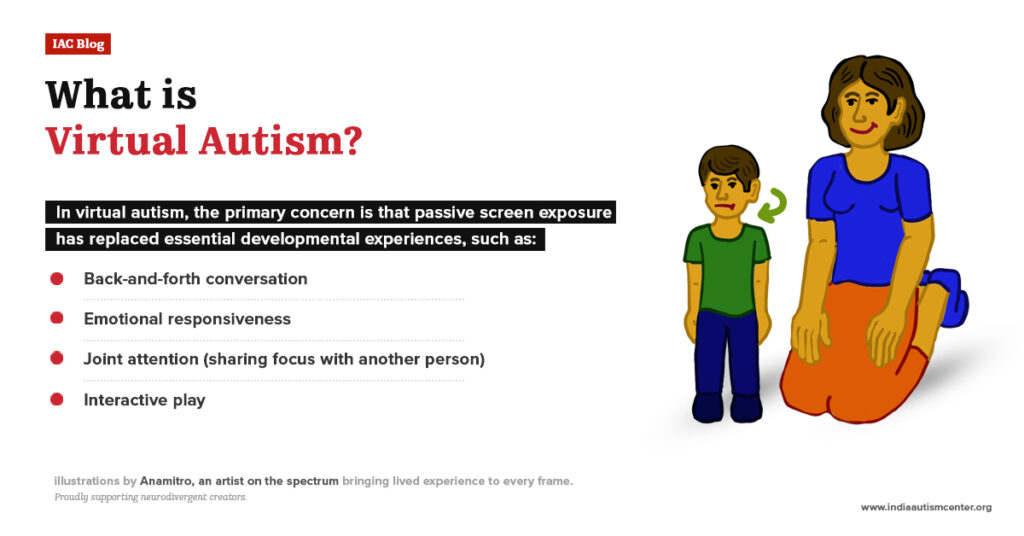
    Illustration explaining what virtual autism is and how excessive screen exposure affects child development

    In some children, there are a few autism-like-developmental symptoms. There is a non-clinical term to describe these symptoms: Virtual Autism. It is common in young children, particularly toddlers. 

    These conditions are associated with excessive and early exposure to digital screens, such as smartphones, tablets, televisions, or other electronic devices. If you want to understand what virtual autism is, it is necessary to be clear that the symptoms are real, and the cause is environmental.

    The virtual autism means a child’s development is influenced more by a virtual (screen-based) environment than by real-world human interaction during the critical early years of brain growth.

    There are certain symptoms, such as delayed or absent speech, poor eye contact, reduced social engagement, limited attention span and repetitive behaviour, which can closely resemble the symptoms of Autism Spectrum Disorder (ASD). However, there are still distinctions between the two. 

    In virtual autism, the primary concern is that passive screen exposure has replaced essential developmental experiences, such as:

    • Back-and-forth conversation
    • Emotional responsiveness
    • Joint attention (sharing focus with another person)
    • Interactive play

    Why the Term Virtual Autism Has Emerged Now?

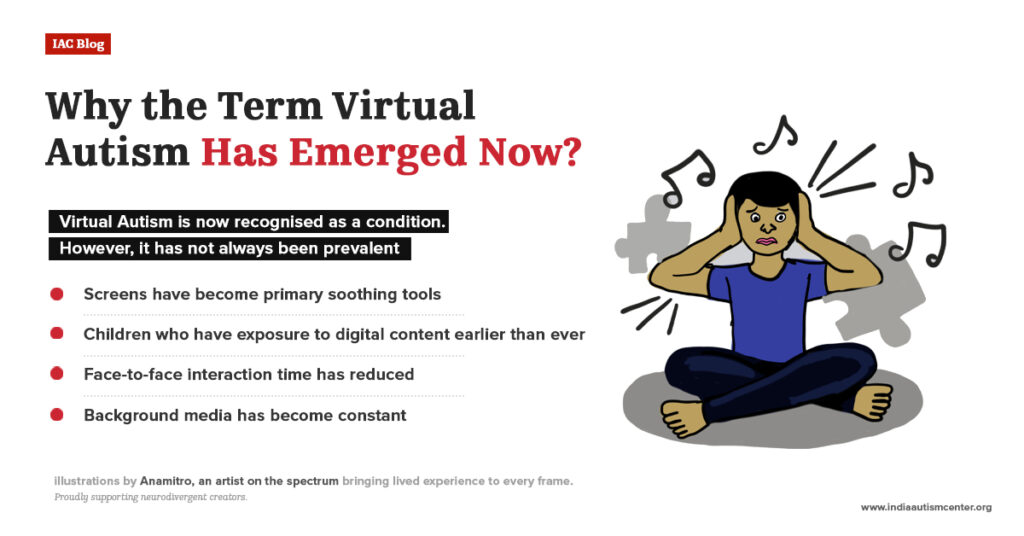
    Reasons behind the rise of virtual autism including early screen exposure and reduced face-to-face interaction

    Virtual Autism is now recognised as a condition. However, it has not always been prevalent because earlier kids got little to no exposure to screens. In fact, it is only over the last decade that:

    • Screens have become primary soothing tools
    • Children who have exposure to digital content earlier than ever
    • Face-to-face interaction time has reduced
    • Background media has become constant

    Proper brain development in a child depends on social interactions, not on passive stimulation. Human speech, facial expressions, turn-taking, and shared attention are essential for language and emotional growth. 

    However, as screens are now replacing these interactions, development delays are bound to happen. This is also common when the screen exposure is prominent during the first three years of childhood. It does not mean the screen exposure causes autism. 

    The effects of screen exposure can influence how the symptoms appear, worsen, or even mimic autism-like behaviour. 

    Is Virtual Autism Real? 

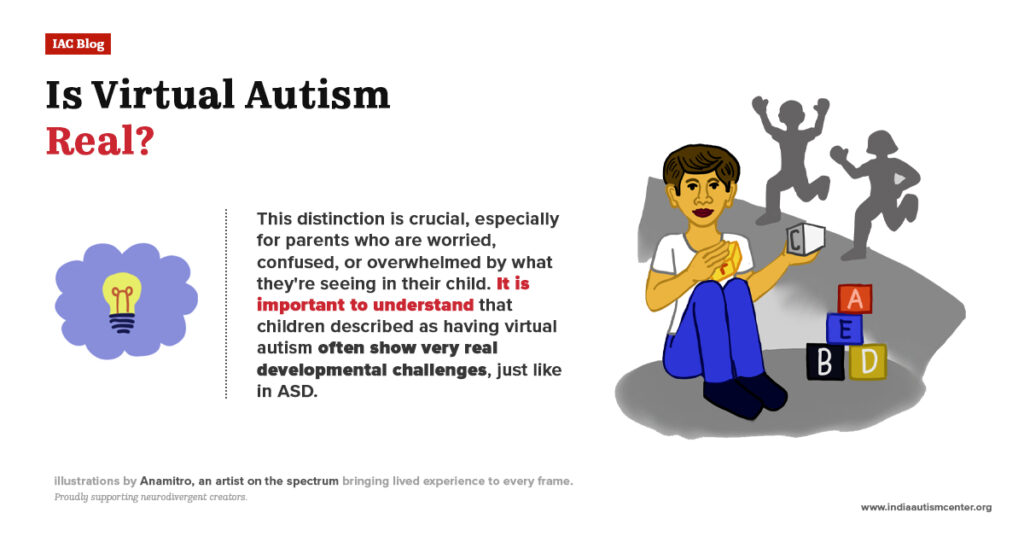
    Visual explanation showing whether virtual autism is real and how it relates to developmental challenges in children

    A large population study asks: Is virtual autism real? The answer is not so simple and depends upon how you interpret the term, since the term is not an official medical virtual autism diagnosis. 

    This distinction is crucial, especially for parents who are worried, confused, or overwhelmed by what they’re seeing in their child. It is important to understand that children described as having virtual autism often show very real developmental challenges, just like in ASD.

    The behaviours are not imagination, exaggeration, or “just bad habits”; they are measurable, observable, and sometimes quite concerning. 

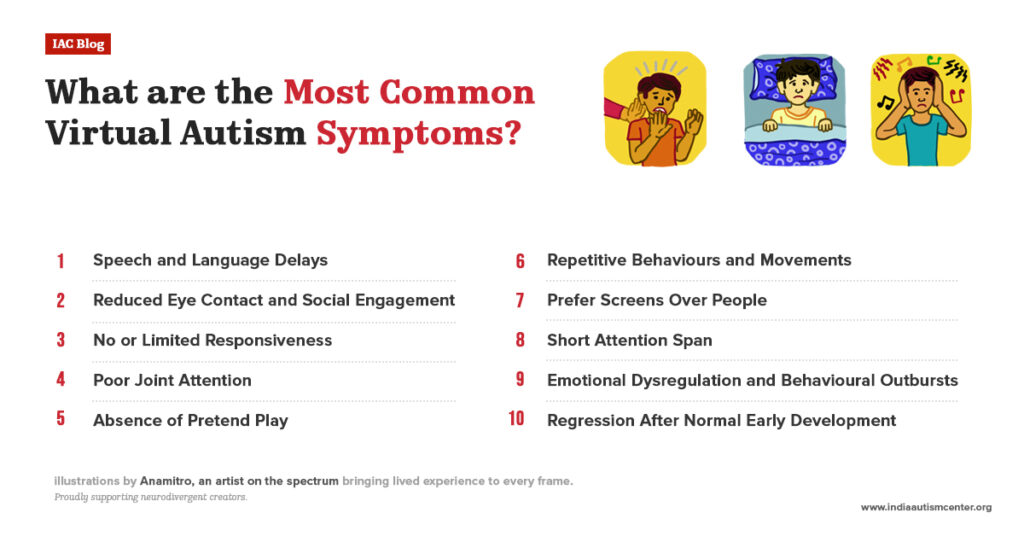
    What are the Most Common Virtual Autism Symptoms?

    List of the most common virtual autism symptoms such as speech delay, reduced eye contact, and emotional dysregulation

    Virtual autism symptoms refer to autism-like behaviours that are frequently observed in young children who have early and excessive screen exposure. Here are some of the most common virtual autism symptoms observed:

    1. Speech and Language Delays

    One of the earliest and most noticeable virtual autism symptoms is a delay in speech development. Some of the prominent symptoms that parents observe include:

    • No babbling or very limited babbling.
    • No meaningful word, even when the child turns 18 months.
    • Absence of two-word phrases even by the age of 2.
    • Loss of words the child previously used

    Language develops through back-and-forth human interaction. When screens replace conversation, children hear language but do not learn how to use it socially.

    2. Reduced Eye Contact and Social Engagement

    Another hallmark of virtual autism symptoms is poor or inconsistent eye contact. Some parents have noticed the following behaviour in their child:

    • The child rarely looks at faces.
    • Their child seems to avoid eye contact during play or in conversation.
    • The child does not seem to follow the pointing.
    • Appears more engaged with screens than people

    Screens do not respond to a child’s facial expression, tone, or emotional cues, which limit their social learning. This reduces social engagement and connection. 

    3. No or Limited Responsiveness

    Since a child with virtual autism has reduced social attention, parents may observe other behaviours in terms of responsiveness, s such as

    • Not responding when called by name.
    • Often, they cannot react to familiar voices.
    • The child has zero to verify.
    • The child shows no interest when a person enters or leaves the room.

    4. Poor Joint Attention

    Joint attention is the ability of a child to look at an object, then look back at the caregiver, and respond with excitement or interest. However, when a child has virtual autism symptoms, they may not point or show interest.

    • Do not bring toys to show parents
    • Play alone without seeking shared interaction

    Poor joint attention can be a significant concern that requires timely evaluation.

    5. Absence of Pretend Play

    When a child is 18-24 months old, they achieve a major developmental milestone: pretend play. This milestone is often absent or limited to children with virtual autism symptoms. 

    Such a child may:

    • Use toys repetitively rather than imaginatively
    • Spin wheels, line up objects, or tap items repeatedly
    • Shows little interest in pretend scenarios (feeding dolls, role-play games)

    6. Repetitive Behaviours and Movements

    When you observe your child displaying repetitive actions, you may feel they have autism. However, it doesn’t need to be autism. To distinguish, look for repetitive actions, such as.

    • Hand flapping
    • Rocking
    • Spinning
    • Repetitive vocal sounds

    These behaviours may also increase drastically when the child is overstimulated, bored or disengaged, or when the child does not get screen time. 

    While repetitive behaviours can occur in autism, in virtual autism, they are often linked to sensory dysregulation and a lack of interactive stimulation.

    7. Prefer Screens Over People

    One of the major symptoms of virtual autism is that the child feels an intense attachment to the screens. There are certain scenarios that you may observe as a parent, such as

    • When the screens are absent, there is extreme distress.
    • When a distressed child gets a screen or device, they calm down.
    • Children with virtual autism syndrome are not much interested in toys, books or even in interacting with people.
    • Such children also find it difficult to engage in non-screen activities. 

    8. Short Attention Span 

    Since children with virtual autism prefer screens, they focus intently on them for longer periods. They also lose interest in any non-screen activities. They also seem to struggle with turn-taking or even structured play. 

    Screens provide rapid visual rewards, making real-world activities feel slow or less engaging by comparison.

    9. Emotional Dysregulation and Behavioural Outbursts

    As soon as the screen is taken away, parents report that their child throws tantrums, becomes highly irritated or frustrated, and it becomes quite difficult to calm them down. More often than not, these reactions are due to:

    • Overstimulation
    • Poor self-regulation skills
    • Dependence on external (screen-based) soothing

    10. Regression After Normal Early Development

    A particularly concerning virtual autism symptom is developmental regression. It is more common than people expect. Parents report that their child was developing normally, and then things changed suddenly. 

    Some signs of developmental regression include:

    • Loss of words
    • Reduced social interaction
    • Increased screen fixation

    When parents report regression, it is necessary to take it seriously and to evaluate.

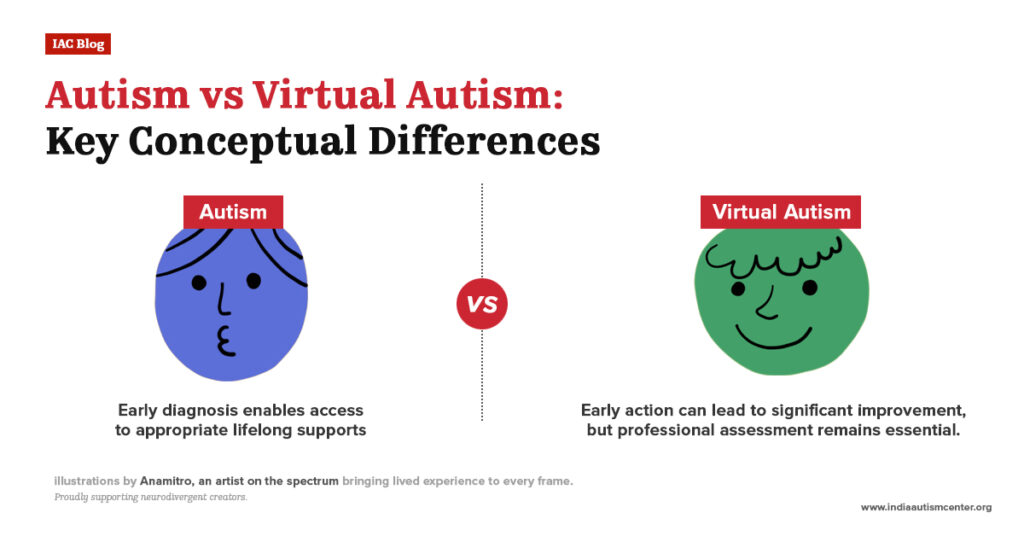
    Autism vs Virtual Autism: Key Conceptual Differences

    Comparison between autism and virtual autism highlighting key conceptual and developmental differences

    Awareness of developmental concerns in childhood is growing. However, because of similar symptoms, a parent can confuse two conditions, like ASD and virtual autism. The confusion is understandable. The behaviours can appear strikingly alike: delayed speech, reduced eye contact, limited social interaction, and repetitive actions.

    However, the underlying cause for these behaviours may vary widely, which is why distinguishing between the two concepts matters. Here is a comparison table for autism vs virtual autism explaining the key conceptual difference between the two:

    AspectAutism Spectrum Disorder (ASD)Virtual Autism
    DefinitionA recognised neurodevelopmental condition characterised by differences in social communication, behaviour, and sensory processing.An informal term describing autism-like symptoms believed to arise primarily from environmental factors, especially excessive early screen exposure.
    Medical RecognitionOfficially recognised and diagnosable using standard clinical criteria (DSM-5 / ICD-11).Not a recognised medical virtual autism diagnosis; used descriptively in clinical and therapeutic discussions.
    Primary CauseLargely neurobiological, with strong genetic and neurological components.Considered mainly environmental, with screen overuse and reduced human interaction playing a significant role.
    Age of OnsetSigns are usually present from infancy, even if they become more noticeable as the child grows.Symptoms often emerge after a period of heavy screen exposure, sometimes following an initially typical development.
    Role of Screen TimeScreen exposure does not cause autism, though excessive use may worsen existing symptoms.Screen exposure is believed to be a central contributing factor to the development or amplification of symptoms.
    Speech and Language DevelopmentDelays or atypical language patterns are common and persist without targeted therapy.Speech delays are common but may improve significantly once screen time is reduced and interaction increases.
    Social InteractionOngoing challenges with social communication, eye contact, and social reciprocity.Reduced social engagement is often linked to screen preference and may improve with increased real-world interaction.
    Joint AttentionFrequently limited or absent due to underlying neurodevelopmental differences.Often underdeveloped because of reduced interactive experiences, not necessarily a neurological impairment.
    Pretend and Imaginative PlayMay be limited, unusual, or develop differently compared to neurotypical peers.Often delayed due to a lack of modelling and interaction, with potential to develop once exposure increases.
    Repetitive BehavioursCore diagnostic feature; may persist long-term.May appear but cannot always be fixed, and can reduce as engagement and stimulation diversify.
    Response to Environmental ChangesIt can improve over time with consistent therapy and proper support, but there is a chance that the traits will remain.Noticeable improvement is quite possible with screen reduction and improved interaction.
    Long-Term OutlookA lifelong condition with varying levels of independence and support needs.Not considered lifelong; symptoms may reduce or resolve if environmental factors are addressed early.
    Approach to InterventionRequires structured, long-term interventions such as speech therapy, behavioural therapy, and educational support.Focuses on reducing exposure to screens, increasing social interaction, and monitoring progress, along with consistent therapy if needed.
    Risk of MisinterpretationDelayed diagnosis can delay access to essential support services.Mislabeling may lead to false reassurance or delayed autism assessment if professional evaluation is absent.
    Key Takeaway for ParentsEarly diagnosis enables access to appropriate lifelong supports.Early action can lead to significant improvement, but professional assessment remains essential.

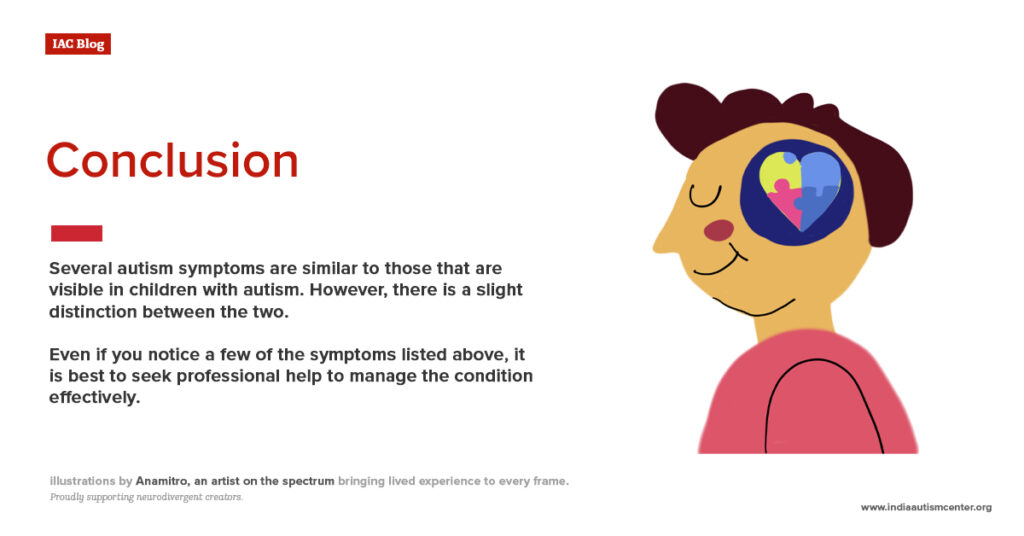
    Conclusion

    Conclusion illustration emphasizing early professional assessment for autism and virtual autism symptoms in children

    It is quite natural for a parent to feel confused between autism and virtual autism based on the symptoms. Several autism symptoms are similar to those that are visible in children with autism. However, there is a slight distinction between the two. Even if you notice a few of the symptoms listed above, it is best to seek professional help to manage the condition effectively. 

    Frequently Asked Questions

    What is virtual autism in simple terms?

    Virtual autism is an informal term which describes autism-like developmental symptoms in young children that are believed to be strongly influenced by excessive early screen exposure, rather than an underlying neurodevelopmental condition. It is not a medical diagnosis but a descriptive concept used in developmental discussions.

    Is virtual autism real or just an internet myth?

    The behaviours associated with virtual autism are real and clinically observed. However, the term itself is not an official diagnosis. It is used to explain autism-like symptoms linked to environmental factors, particularly heavy screen use.

    Can screen time really cause virtual autism symptoms?

    Screens do not “cause” autism. However, excessive passive screen exposure during early childhood can interfere with speech, attention, and social development, leading to virtual autism symptoms that resemble autism.

    Can virtual autism be cured completely?

    Parents often ask whether virtual autism can be cured. If symptoms are primarily environmental, many children show significant improvement or resolution with early intervention, reduced screen time, and increased social interaction. Outcomes vary by child.

    Can a child have both autism and virtual autism traits?

    Yes. A child with autism may also experience worsening symptoms because of excessive screen exposure. Reducing screen time benefits children regardless of diagnosis.

    What should parents do if virtual autism symptoms worsen after screen removal?

    Temporary behavioural challenges can occur during screen withdrawal. In case the symptoms persist or worsen over time, consult a healthcare professional to rule out autism or other developmental conditions.

    For expert insights, support services, and inclusive learning initiatives, visit the India Autism Center.

  • 10 Tips on Managing Autistic Child’s Behaviour

    10 Tips on Managing Autistic Child’s Behaviour

    As a parent or caregiver, managing an autistic child’s behaviour can sometimes feel overwhelming. Every day brings new challenges, questions, and emotional moments.

    When your child struggles with behaviour, especially if they show signs similar to high-functioning autism behavior problems, you might wonder: What works? What doesn’t? How do I respond with patience and understanding?

    In this detailed guide, I’m going to walk you through strategies that helped me—and can help you too—with behaviour issues, communication barriers, sensory needs, and emotional regulation

    Understanding the Challenge: Why Behaviour Happens

    Before diving into strategies, it’s vital to understand that behaviour in autistic children isn’t about “being difficult.” Most often, behaviours are communication, it’s your child’s way of expressing discomfort, anxiety, or unmet needs.

    Some behaviours may look like tantrums or meltdowns. Others might be repetitive actions, withdrawal, or avoidance. Especially with high-functioning autism behaviour problems, the challenges may be subtler but still impactful in daily life.

    When I started learning about managing autistic child’s behaviour, I realized that behaviour is a language. If we learn to interpret it with curiosity and compassion, we can customise our responses for meaningful change.

    1. Educate Yourself About Autism

    The first step in managing behaviour is simple—learn more about autism.

    Autism Spectrum Disorder (ASD) is a neurological difference that affects how a child processes information, interacts with others, and responds to sensory input. There isn’t “one behaviour of autism.” Every child’s profile is unique. Learning about autism helps you respond with clarity, not frustration.

    What to do:

    • Read reliable resources about autism, especially guides that explain behaviour traits.
    • Understand the why behind certain actions—like sensory overload or communication struggles.
    • Think of behaviour as communication rather than misbehaviour.

    When you know your child’s strengths and challenges, you can adapt your approach. This is the foundation of how to deal with autism behaviour problems.

    Want to know more? Get in touch with us.

    2. Get Professional Guidance Early

    You don’t have to do this alone. Consult professionals such as:

    • Behaviour Therapists (ABA, for example)
    • Occupational Therapists
    • Speech and Language Pathologists

    Applied Behaviour Analysis (ABA) is often recommended because it breaks down behaviours into measurable steps. A trained professional can help you understand triggers and tailor strategies that actually work for your child.

    What helped me:

    • A therapist helped identify specific triggers for my child’s meltdowns. This insight allowed me to prepare for many outbursts rather than react to them.
    • Together, we set up simple reinforcement plans that showed big results over time.

    3. Create a Consistent, Structured Environment

    Consistency is key. Children on the autism spectrum often thrive on routine. When they know what to expect, they feel safe—and safe children behave better.

    Here’s how structure helps:

    • Routines decrease anxiety and unexpected reactions.
    • Predictable schedules give your child a sense of control.
    • Transitions (e.g., playtime to dinner) become easier with clear signals.

    You can use visual schedules or simple charts to illustrate the day. These act as behaviour anchors to reduce confusion and frustration—especially helpful if your child shows signs of high-functioning autism behaviour problems.

    This blog on Autism Therapies at Home will help you plan your routine effectively. Don’t forget to check it out.

    4. Use Visual Supports to Communicate Clearly

    Many autistic children find visual information easier to understand than spoken words. Visual supports help your child:

    • Follow routines
    • Understand expectations
    • Transition between activities

    Examples of visual tools:

    • Picture cards
    • Timers or visual clocks
    • Social stories that explain situations step by step

    I found that when my child could see what was coming next, behaviour improved significantly. Visual reminders reduce surprises, and fewer surprises mean fewer behaviour challenges.

    5. Create Sensory-Friendly Spaces

    Sensory sensitivities often play a big role in behaviour. Loud sounds, bright lights, and unexpected touch can overwhelm a child’s nervous system, leading to behaviours that seem confusing or disruptive.

    To support sensory needs:

    • Set up calm corners with soft lighting.
    • Provide sensory tools like fidget toys, weighted blankets, or noise-cancelling headphones.
    • Let your child use these tools when needed.

    When we identify sensory triggers and provide supportive spaces, many behaviour challenges become easier to manage.

    6. Communicate in Ways Your Child Understands

    Communication difficulties are a major cause of frustration and behaviour issues. When your child can’t express themselves, their emotions often show up in behaviour.

    Here’s how to help:

    • Use simple, direct language.
    • Allow extra time for your child to respond.
    • Consider alternative communication methods like picture exchange systems or apps.

    Be patient. Celebrating even small attempts at communication can build confidence and reduce challenging behaviours.

    Want to know more? Get in touch with us.

    7. Reinforce Positive Behaviour Every Day

    One of the most practical ways of dealing with autism behaviour problems is through positive reinforcement.

    Positive reinforcement means:

    • Rewarding desired behaviour
    • Using praise, tokens, stickers, or preferred activities
    • Making sure rewards match your child’s interests

    8. Teach Self-Regulation and Coping Skills

    Self-regulation helps your child manage emotions like frustration, anger, or overstimulation. It’s a lifelong skill that can transform behaviour.

    Some effective techniques include:

    • Deep breathing exercises
    • Calm-down corner with sensory tools
    • Simple mindfulness activities
    • Guided relaxation routines

    When your child learns to regulate their feelings, you’ll see fewer intense reactions, especially during stressful times.

    9. Use Social Stories to Build Understanding

    Social stories are short narratives that explain challenging social situations in simple terms. These help children understand why certain behaviours are expected and what to do in specific scenarios.

    For example:

    • A story about sharing toys
    • A story about waiting for your turn
    • A story about going to school

    Social stories help children anticipate and prepare for real-life interactions, which can reduce anxiety and behaviour difficulties.

    10. Collaborate with Schools and Caregivers

    If your child attends school or therapy programs, coordination is essential. Consistent expectations across home, school, and therapy help reinforce positive behaviour everywhere your child goes.

    Here’s how to collaborate effectively:

    • Maintain open communication with teachers and therapists.
    • Share behaviour plans and strategies that work at home.
    • Ask for regular feedback on progress.

    A unified support system makes managing an autistic child’s behaviour much more achievable.

    Before we dive into the next section, here is an awesome article on A Guide to the Challenges in Autism [2026]

    What Worked for Many Parents: Tips That Actually Worked

    Here are some personal, practical insights that made a real difference in my journey:

    Set Small, Achievable Goals

    Big behaviour changes take time. I started with tiny achievable goals, like staying calm through one transition. That felt small, but it built confidence.

    Celebrate Every Win

    Whether it was one less meltdown or one extra word spoken, we celebrated. These celebrations helped reinforce good behaviour.

    Stay Calm During Challenges

    When I stayed calm, even amidst behaviour episodes, our home environment became more predictable and safe—this helped reduce triggers.

    Adjust, Don’t Repeat

    When something didn’t work, I didn’t repeat it the same way. I adjusted. Behaviour management is flexible—it evolves with your child.

    These strategies aren’t one-size-fits-all, but with consistency, they can bring real progress and meaningfully teach your child how to cope, communicate, and thrive.

    Want to know more? Get in touch with us.

    Conclusion

    Remember:

    • Behaviour is communication.
    • Structure builds safety.
    • Positive reinforcement encourages growth.
    • Your love, patience, and consistency matter most.

    You don’t have to be perfect, just keep learning, adjusting, and showing up every day.

    You are not alone—and your efforts make a difference.

    Frequently Asked Questions (FAQs)

    What are the most effective ways for managing an autistic child’s behaviour at home?

    Managing an autistic child’s behaviour at home becomes easier when you follow a consistent routine, use visual supports, and respond calmly. Focus on understanding what triggers your child’s behaviour. Positive reinforcement, sensory-friendly spaces, and clear communication help reduce behaviour challenges over time.

    How do I deal with autism behaviour problems without using punishment?

    If you are wondering how to deal with autism behaviour problems, avoid punishment and focus on teaching skills instead. Use positive reinforcement, redirect unwanted behaviour, and teach coping strategies like deep breathing or calm-down breaks. Behaviour improves when children feel safe, understood, and supported.

    Are high-functioning autism behaviour problems different from other autism behaviour challenges?

    Yes, high-functioning autism behaviour problems may look different. Children may communicate well but still struggle with emotional regulation, social understanding, or anxiety. These challenges often appear as frustration, rigidity, or emotional outbursts. Structured routines and social skills support are especially helpful in such cases.

    What are some tips that improved my autistic child’s behaviour over time?

    Some tips that improved my autistic child’s behaviour include setting small goals, praising positive actions immediately, staying calm during meltdowns, and adjusting strategies when something didn’t work. Consistency, patience, and understanding your child’s sensory and emotional needs make a big difference.

    For expert insights, support services, and inclusive learning initiatives, contact India Autism Center for more information.

  • A Guide to the Challenges in Autism [2026]

    A Guide to the Challenges in Autism [2026]

    As someone who cares about autism, whether you are a caregiver, family member, educator, or someone on the autism spectrum, you’ve probably been worried about the challenges in autism:

    • What are the real challenges in autism?
    • How do these challenges affect daily life?
    • What can we do to support autistic individuals better?

    In this article, I’ll take you through a detailed, compassionate, and educational journey into the challenges of autism in everyday life. I’ll break down the key areas where autistic people often struggle, what these struggles look like day to day, and how you can understand them better.

    What Is Autism Spectrum Disorder?

    Autism Spectrum Disorder (ASD) is a neurodevelopmental condition that affects the way a person thinks, communicates, and experiences the world. It is called a “spectrum” because no two autistic individuals are the same. Each person has unique strengths, needs, and challenges.

    At the core of autism, people may face differences in social communication, sensory processing, behaviour, and learning, but how these show up can vary widely from person to person.

    Social Communication Challenges

    One of the most discussed challenges autistic people face involves communication and social interaction.

    Autistic individuals often find it hard to:

    • Understand social cues like facial expressions or tone of voice.
    • Maintain eye contact comfortably.
    • Take part in back-and-forth conversations.
    • Interpret sarcasm or indirect speech.

    Sometimes, a person may not speak at all. Others may have advanced speech but still struggle with the social rules of communication.

    Why is it a challenge in everyday life

    You might feel misunderstood or unable to express your own thoughts clearly. This can lead to frustration, social isolation, or anxiety, especially in group settings.

    That doesn’t mean autistic people don’t want connection. It means the way they connect is different. Many communicate through alternative methods, gestures, pictures, technology, or Augmentative and Alternative Communication (AAC).

    Want to know more? Get in touch with us.

    Sensory Processing: A Hidden Everyday Challenge

    Another major set of challenges in autism involves sensory sensitivities. Many autistic individuals process sensory information differently from others.

    This can include:

    • Hypersensitivity — extreme sensitivity to lights, sounds, textures, or smells.
    • Hyposensitivity — needing more intense sensory input to feel comfortable.

    These sensory reactions are more than just preferences — they can deeply affect everyday life.

    Imagine trying to concentrate when fluorescent lights make your head throb, or eating dinner when food textures feel unbearable. These are real struggles for many autistic people.

    Challenges of autism in everyday life include:

    • Overwhelm in crowded or noisy places.
    • Avoiding certain foods because of how they feel.
    • Difficulty wearing certain clothes due to texture sensitivity.

    Sensory overload can also lead to shutdowns or meltdowns — intense reactions that are often misunderstood by others. These reactions are not “bad behaviour”; they are nervous system responses to overwhelming stimuli.

    Routine, Change, and Predictability

    Many autistic people prefer structure and routine. Predictability creates safety. Change can feel threatening or disorienting.

    Imagine if your daily schedule suddenly changed — like missing your usual bus, or plans shifting at the last minute. For someone with autism, this can be far more stressful than it sounds.

    Some common everyday challenges include:

    • Anxiety when routines are interrupted.
    • Stress about new environments or unfamiliar tasks.
    • Resistance to change, even when the change is positive.

    Routines help reduce anxiety and offer a sense of control. Without routine, the brain has to work harder to predict what will happen next — and that extra effort can be exhausting.

    Executive Functioning and Daily Tasks

    Executive functioning is a set of mental skills — like planning, organising, initiating tasks, and following through.

    Many autistic individuals struggle with one or more of these skills. That can make everyday tasks feel overwhelming:

    • Planning a schedule
    • Organizing belongings
    • Starting a task (even when you want to)
    • Switching between tasks

    This is another challenge in autism that often goes unnoticed because it affects thinking processes rather than outward behaviours.

    For example, something as simple as cooking dinner can become stressful if planning, timing, and multi-step thinking are hard.

    Behaviour Challenges in Autism

    When we talk about behaviour challenges in autism, we’re not talking about “bad” behaviour. Rather, we’re talking about behaviours that arise from unmet needs or communication differences.

    Behaviour challenges may include:

    • Aggression or self-injury
    • Repetitive behaviours (like rocking or hand-flapping)
    • Difficulty regulating emotions
    • Shutdowns or meltdowns when overwhelmed

    These behaviours often occur because something else is triggering stress — sensory overload, anxiety, or difficulty expressing a need.

    For example, a child may hit when they are overstimulated and unable to communicate that they need a quiet space.

    Helpful strategies usually involve:

    • Understanding the cause of the behaviour
    • Building communication tools
    • Creating predictable routines
    • Teaching self-regulation skills

    Behaviour challenges in autism are often a form of communication — a way of showing distress when words aren’t enough.

    Want to know more? Get in touch with us.

    Sleep and Biological Challenges

    Sleep problems are very common among autistic individuals. Research indicates that up to 80% of autistic children experience sleep disturbances, compared to 25-40% in the general population.

    These challenges can include:

    • Trouble falling asleep
    • Frequent nighttime waking
    • Irregular sleep cycles

    Poor sleep affects energy, emotion regulation, concentration, and behaviour the next day.

    Sleep issues might occur due to sensory sensitivities, anxiety, or neurological differences. Addressing them often involves creating calming bedtime routines and sensory-friendly sleep environments.

    Gastrointestinal and Eating Challenges

    Many autistic people experience gastrointestinal (GI) problems such as constipation, stomach pain, or diarrhoea. Research suggests that GI symptoms can occur in nearly half to most autistic children.

    Additionally, food refusal is common and is often linked to sensory sensitivities — certain textures, smells, or combinations may be intolerable.

    In everyday life, this can make mealtime stressful or limited, affecting nutrition, family routines, and social eating situations.

    Social Isolation and Misunderstanding

    When you struggle with social communication and sensory processing, everyday environments — classrooms, workplaces, public places can feel intimidating.

    Autistic people often experience:

    • Misunderstandings in conversations
    • Difficulty making or keeping friends
    • Feeling left out or unseen

    Many adults with autism report stress when navigating social cues that others take for granted.

    Social differences are one of the hardest challenges autistic people face because they affect connection, something we all need.

    Autism and Food Refusal

    Food refusal, a significant concern for many families with autistic individuals, is often linked to sensory sensitivities, rigid eating habits, or gastrointestinal discomfort. In the Indian context, where traditional diets may differ significantly from the Western norm, addressing food-related challenges about autism and food refusal requires a culturally sensitive approach.

    We work closely with nutritionists and behavioural therapists to develop personalised plans that accommodate sensory preferences while ensuring balanced nutrition. By promoting a nuanced understanding of food-related challenges, we aim to empower families to create nourishing environments for their autistic loved ones.

    In India, where cultural nuances play a significant role in shaping behavioural expectations, we emphasise culturally competent approaches to autism and behaviour problems. By working with psychologists and behaviour analysts, we equip families and caregivers with tools to navigate and address challenging behaviours, fostering a more inclusive and understanding society.

    Here is our guide on Autism Therapies at Home, which might help you address some of these challenges.

    Conclusion

    The challenges in autism — from behaviour challenges in autism to sensory sensitivities and communication differences — are real and impactful. But they are also understandable once we learn to see the world differently.

    To improve everyday life for autistic individuals, we need:

    • Awareness
    • Patience
    • Empathy
    • Adapted support systems

    Every person with autism has a story, a set of challenges, and enormous potential. With understanding and action, we can make life more inclusive — not just for autistic individuals, but for all of us who share this world.

    Frequently Asked Questions (FAQs)

    What are the most common challenges in autism?

    The most common challenges in autism include difficulties with social communication, sensory sensitivities, emotional regulation, and adapting to change. Many autistic individuals also experience behaviour challenges in autism, such as meltdowns or repetitive behaviours, especially when they feel overwhelmed or unable to communicate their needs.

    How do the challenges of autism affect everyday life?

    The challenges of autism in everyday life can impact daily routines, school, work, and social interactions. Simple tasks like going to a crowded place, following an unpredictable schedule, or participating in conversations may feel stressful due to sensory overload, anxiety, or communication differences.

    What behaviour challenges do autistic people commonly face?

    Behaviour challenges in autism may include meltdowns, shutdowns, self-stimulating behaviours, aggression, or difficulty managing emotions. These behaviours are not intentional or negative; they are often a response to stress, sensory discomfort, or unmet communication needs.

    Are the challenges autistic people face the same for everyone?

    No, the challenges autistic people face vary widely because autism is a spectrum. Each person experiences different strengths and challenges depending on factors like age, environment, level of support, and individual sensory and communication needs.

    For expert insights, support services, and inclusive learning initiatives, contact India Autism Center for more information.

  • All You Need to Know About Sensory Challenges in Autistic Individuals

    All You Need to Know About Sensory Challenges in Autistic Individuals

    If you want to truly understand sensory challenges in autistic individuals, you’ve come to the right place. Many people know autism mainly for social and communication differences. But one of the most important and often overlooked aspects is how autistic people experience sensory input differently.

    Sensory processing differences are a hallmark feature of Autism, impacting how individuals perceive and respond to the world around them. 

    In this article, we will delve into the various facets of Autism and sensory issues in autistic individuals, including sensory overload, signs of sensory problems, sensory processing disorder, and how these challenges manifest in high-functioning Autism.

    Understanding Sensory Issues in Autism

    Sensory challenges in autistic individuals refer to how people with autism react to everyday sensory experiences like sound, light, touch, taste, and smell. These differences are not just preferences — they come from how the brain of someone on the autism spectrum processes sensory information.

    Research indicates that these sensory challenges affect up to 70-90% of individuals with Autism, showcasing the significant prevalence of this phenomenon. Many autistic individuals feel these sensory inputs more intensely — or sometimesless intensely — than others. This can affect their emotions, behaviour, communication, comfort, and even how they interact with others.

    Sensory Overload and Autism

    Sensory overload happens when the sensory input becomes too much for the brain to handle at once. When this overload builds up, it can lead to stress responses like overwhelm, shutdowns, or meltdowns.

    Think of it like this — your brain is trying to handle too many signals at once, and it can’t filter or prioritise them properly. That’s when you might notice:

    • Mood changes
    • Emotional outbursts
    • Anxiety or shutdown
    • Difficulty focusing

    Overload doesn’t always happen in all senses at once. Sometimes just one type of input — like bright light or loud sound — can trigger it.

    Want to know more? Get in touch with us.

    Why Sensory Processing Matters

    To understand these sensory challenges clearly, let’s talk about sensory processing disorder (SPD). Although SPD isn’t a formal medical diagnosis, it describes a pattern where the brain has trouble interpreting sensory signals, like sight, sound, touch, and movement

    Sensory Processing vs Autism

    You might wonder — is sensory processing disorder the same as autism sensory issues? Not always. Sensory processing differences are part of autism for many people, but not everyone with autism has SPD, and some neurotypical people can also have sensory processing differences.

    Still, the overlap is significant. For example, about three out of four autistic children also experience symptoms of sensory processing challenges.

    Understanding this overlap helps you see sensory challenges in context — they’re part of the sensory world of many autistic individuals, and they can shape behaviour and comfort in daily life.

    Signs of Sensory Challenges in Autism

    Recognising the signs of sensory problems in autistic individuals is crucial for understanding and supporting them effectively. 

    Some common signs include:

    1. Hypersensitivity: Some autistic individuals are hypersensitive to certain stimuli. They might cover their ears in response to normal sounds, avoid certain textures of clothing, or become distressed by bright lights. Example reactions include:
      • Covering ears because noises feel too loud
      • Avoiding tags on clothing
      • Refusing certain foods due to texture
      • Shying away from touch or unexpected sensations
    2. Hyposensitivity: On the other hand, hyposensitivity involves a decreased sensitivity to sensory input. An individual might not notice temperature extremes, engage in self-stimulatory behaviours (stimming) like repetitive movements, or seek out intense sensory experiences like jumping from heights. Examples include:
      • Not noticing extreme temperatures
      • Seek deep pressure or intense stimulation (like jumping or crashing)
      • Have a high tolerance for pain
      • Do not react to loud environments
    3. Avoidance Behaviours: Autistic individuals with sensory challenges often develop avoidance behaviours to cope with overwhelming stimuli. This can lead to limited social engagement, difficulty in daily activities, and challenges in academic or work settings.
    4. Communication Difficulties: Sensory issues can also impact communication. For instance, an individual might struggle to focus on a conversation in a noisy environment or become anxious when touched unexpectedly.

    Sensory Processing Disorder (SPD) in Autism

    Sensory processing disorder in Autism is a condition where the brain has difficulty receiving and responding to sensory information. While not exclusive to Autism, SPD frequently co-occurs with the condition. Research suggests that around 75% of children with ASD also experience SPD (NIH). This overlapping occurrence of sensory challenges and Autism often intensifies the individual’s struggles in daily life.

    Signs of Sensory Processing Disorder in Autism

    Auditory Sensitivity

    • Sensitive to loud or unexpected sounds
    • Covers ears in busy environments

    Visual Overload

    • Bright lights or busy patterns feel stressful
    • Prefers dim or calm lighting

    Tactile Sensitivity

    • Discomfort with certain textures
    • Avoids touch or certain clothing fabrics

    Taste and Smell Sensitivities

    • Strong reactions to certain foods
    • Avoids smells that others find mild

    Movement and Balance Issues

    • Unusual responses to movement
    • May seek intense body sensations

    Want to know more? Get in touch with us.

    Managing Sensory Challenges in Autistic Individuals

    Understanding sensory issues in autistic individuals is the first step towards effective management. 

    Here are some strategies that can help:

    1. Sensory-Friendly Environments: Creating environments that accommodate sensory needs can greatly reduce distress. This might involve using soft lighting, providing noise-cancelling headphones, or offering fidget tools.
    2. Sensory Diet: Occupational therapists often work with individuals with sensory challenges to develop a “sensory diet.” This involves engaging in specific sensory activities to regulate sensory input and maintain optimal arousal levels.
    3. Gradual Exposure: For individuals who are hypersensitive to certain stimuli, gradual exposure can help desensitise them over time. This could involve gradually introducing new textures, sounds, or experiences in a controlled and supportive manner.
    4. Communication Strategies: Developing effective communication strategies is essential. This might involve using visual schedules, social stories, or communication apps to help individuals express their sensory needs and preferences.

    Now, there is one more way to develop an autistic individual’s motor, adaptive, and cognitive skills and help them build social-emotional relationships. It is called Sensory integration therapy (SIT). SIT provides strategies to help autistic individuals better process sensory input. It is an element of occupational therapy. It can be provided only by qualified OT therapists.

    How to Support Someone with Sensory Challenges

    Here’s where your support really matters. Managing sensory challenges involves understanding, patience, and practical adjustments.

    1. Create Sensory-Friendly Spaces

    Small changes can make a big difference:

    • Use soft or natural lighting
    • Reduce background noise
    • Provide quiet corners or calm spaces
    • Allow the use of noise-cancelling headphones

    These changes help people feel more comfortable and less overwhelmed.

    2. Use Sensory Tools and Supports

    Many autistic individuals benefit from supportive tools:

    • Fidget toys
    • Weighted blankets
    • Sensory swings
    • Quiet play items

    These tools help regulate sensory input and give the nervous system predictable feedback

    3. Build a Sensory Diet

    A sensory diet is not food — it’s a plan of sensory activities that help the nervous system stay regulated. Occupational therapists often create these plans based on individual needs.

    Activities might include:

    • Deep pressure exercises
    • Movement breaks
    • Sensory play
    • Stretching or jumping

    These activities help balance sensory input and reduce stress.

    4. Communicate Sensory Needs Clearly

    Encourage the person to express what they feel. Tools like visual schedules, communication apps, and social stories can help those who find it hard to put sensory experiences into words.

    Understanding what causes discomfort helps everyone adapt and support effectively.

    Conclusion

    Sensory challenges are a key part of the autism experience — and they deserve greater understanding and support. When we learn about sensory processing disorder, autism sensory issues, and sensory problems in autism, we create a world that’s easier for autistic individuals to navigate.

    Remember:

    • Sensory experiences are real and meaningful.
    • They affect comfort, behaviour, and participation.
    • Supportive environments and tools can make life easier.

    Whether you are a caregiver, educator, family member, or an autistic individual yourself, knowing about sensory challenges in autistic individuals helps you interact with the world in more compassionate and effective ways.

    If you have questions or want practical tips tailored to your situation, feel free to ask.

    Frequently Asked Questions (FAQs)

    1. What are sensory challenges in autistic individuals?

    Sensory challenges in autistic individuals refer to differences in how the brain processes sensory information such as sound, light, touch, taste, smell, and movement. These differences can make everyday experiences feel overwhelming, uncomfortable, or sometimes under-stimulating.

    2. Are sensory challenges a part of autism?

    Yes, sensory challenges are very common in autism. Many people on the autism spectrum experience autism sensory issues, which are recognised as a core feature of Autism Spectrum Disorder (ASD).

    3. What is sensory processing disorder, and how is it related to autism?

    Sensory processing disorder occurs when the brain has difficulty organising and responding to sensory input. While sensory processing disorder can exist on its own, it is frequently seen in autistic individuals and closely linked to sensory problems in autism.

    4 . What does sensory overload mean in autism?

    Sensory overload happens when too much sensory input is received at once and the brain cannot cope with it. This may result in anxiety, shutdowns, meltdowns, or withdrawal. Sensory overload is a common experience related to autism sensory challenges.

    5. Can sensory issues in autism change over time?

    Yes, sensory issues in autism can change with age, environment, and support. Some sensory sensitivities may reduce, while others may become more noticeable depending on life situations and stress levels.

    6. How can parents support a child with sensory problems in autism?

    Parents can support their child by creating sensory-friendly environments, respecting sensory preferences, using calming tools, and seeking guidance from trained professionals such as occupational therapists who specialise in autism sensory issues.

  • Early Detection and Diagnosis of Autism in India: Importance and Challenges

    Early Detection and Diagnosis of Autism in India: Importance and Challenges

    Early detection of autism in India is important as Autism Spectrum Disorder (ASD) affects many children across the country. Identifying autism early, especially in infants and toddlers, helps children get the right support at the right time.

    Unfortunately, a lack of awareness and delayed access to experts often slow down the diagnosis of Autism Spectrum Disorder in India.

    In this blog, we will share early signs of autism, common challenges in early detection, and how early diagnosis can make a positive difference for children and their families.

    Statistics on Autism in India

    Statistics on Autism in India

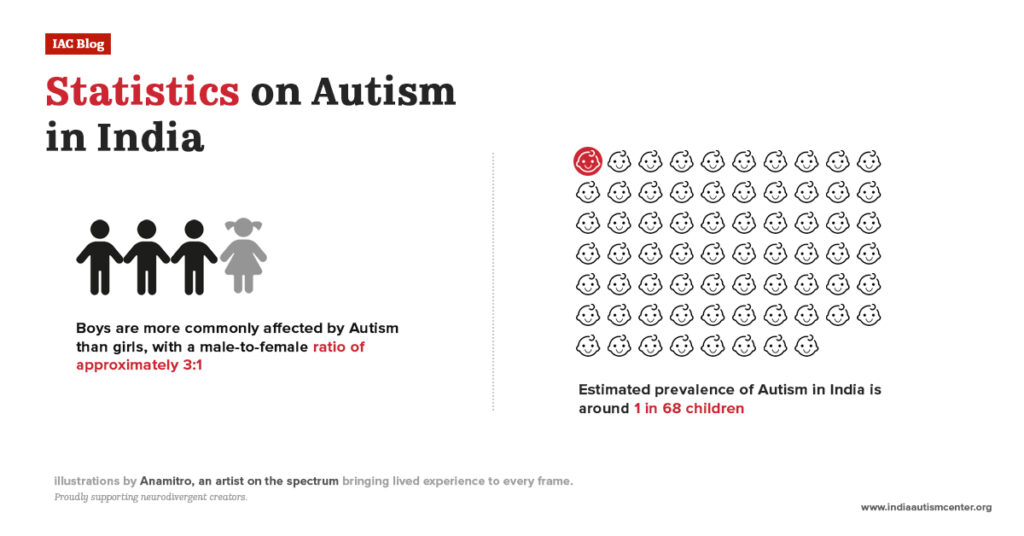
    The prevalence of autism in India has been steadily increasing. According to a 2021 study published in the Indian Journal of Paediatrics:

    1. The estimated prevalence of Autism in India is around 1 in 68 children.
    2. Boys are more commonly affected by Autism than girls, with a male-to-female ratio of approximately 3:1.

    Early diagnosis and intervention are still inadequate, with many children not receiving the necessary support at the right time. At times, parents lack the necessary knowledge and information on Autism, its potential impacts and available intervention and support measures. Early detection is the key to enabling children with ASD to lead a productive life. 

    The Importance of Early Detection

    The Importance of Early Detection

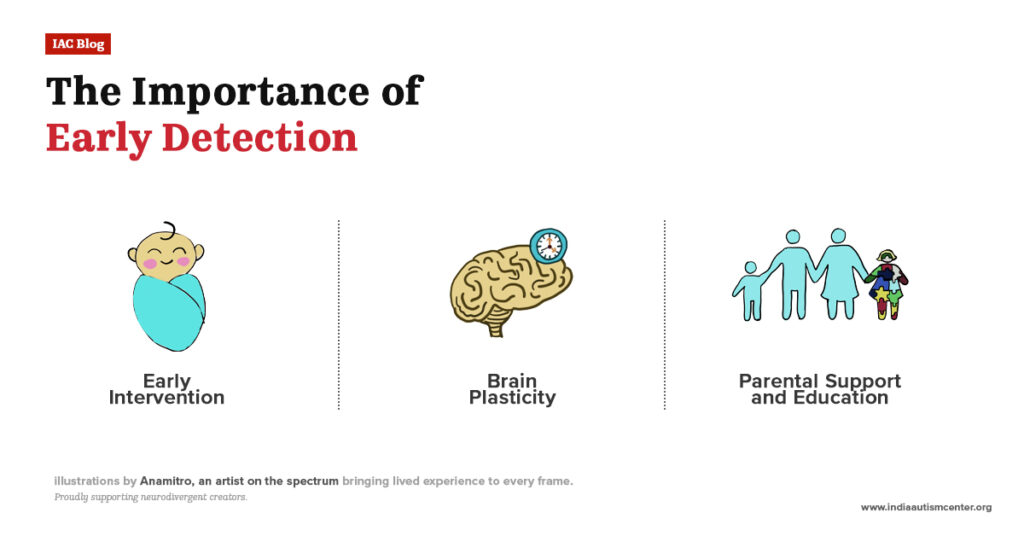
    Early autism diagnosis is a game-changer for several reasons:

    1. Early Intervention: Early diagnosis allows for the implementation of early intervention strategies tailored to the child’s specific needs. This can significantly improve their developmental progress in crucial areas like communication, social skills, and behaviour.
    2. Brain Plasticity: In the early years of life, the brain exhibits high plasticity, meaning it can form new connections and adapt more effectively. This period offers a prime opportunity to influence a child’s brain development positively. With early detection of ASD, the brain plasticity aspect can be better leveraged to boost the cognitive performance of the child. 
    3. Parental Support and Education: Early diagnosis provides parents and caregivers with an understanding of their child’s needs and equips them with the knowledge and resources to support their child effectively.

    For early detection of ASD, it is crucial to watch out for the telltale signs and symptoms in children. 

    Early Signs of Autism in Infants

    Autism symptoms in infants may not be as apparent as in older children. However, there are some early signs that parents and caregivers can observe:

    1. Limited Eye Contact: Infants who later develop Autism may avoid eye contact and not engage in “social smiling” interactions as expected.
    2. Lack of Response to Name: Typically, by the age of 6-9 months, infants respond to their names being called. However, an autistic child may not react or acknowledge their name being called. Lack of response is one of the most common signs of Autism in newborns. 
    3. Delayed Speech Development: A child not cooing or babbling by 12 months of age or not speaking single words by 16 months could be a potential sign of Autism.
    4. Limited Gestures: Autistic infants may show a lack of pointing, waving, or other gestures used for communication.
    5. Repetitive Behaviours: Repetitive movements, like hand-flapping, in infants can be an early indicator of Autism.

    Detection of Autism in Toddlers

    As children grow into the toddler stage, certain red flags may become more evident:

    1. Social Challenges: Autistic toddlers may struggle to engage in interactive play with peers, preferring solitary activities.
    2. Communication Difficulties: Limited or delayed speech development, difficulty expressing needs, and trouble understanding language may become more noticeable.
    3. Rigidity and Resistance to Change: Autistic children often show resistance to changes in routines or transitions.
    4. Lack of Imaginative Play: Pretend play, which is typical in toddlers, may be absent or limited in autistic children.
    5. Sensory Sensitivities: Autistic toddlers might display strong reactions to sensory stimuli, such as certain sounds, textures, or bright lights.

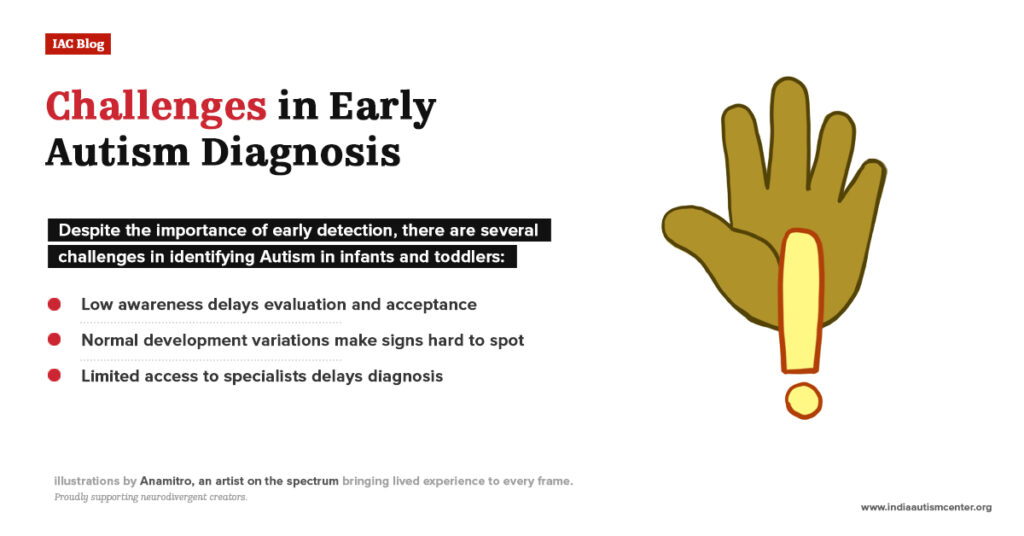
    Challenges in Early Autism Diagnosis

    Challenges in Early Autism Diagnosis

    Despite the importance of early detection, there are several challenges in identifying Autism in infants and toddlers:

    1. Lack of Awareness: Many parents and caregivers may not be aware of the early signs of Autism, leading to delays in seeking a professional evaluation. In some cases, parents might adopt the deferred approach, wherein they refuse to accept that their child might have ASD. This further complicates the situation and might aggravate the ASD symptoms in the child. 
    2. Normal Variability: In early childhood, there is a wide range of development in social, communication, and behaviour skills. Distinguishing typical variations from potential autism symptoms can be tricky. 
    3. Limited Access to Resources: In some regions of India, access to specialised healthcare professionals and diagnostic services is limited, hindering early diagnosis efforts for ASD.

    Want to know more? Get in touch with us.

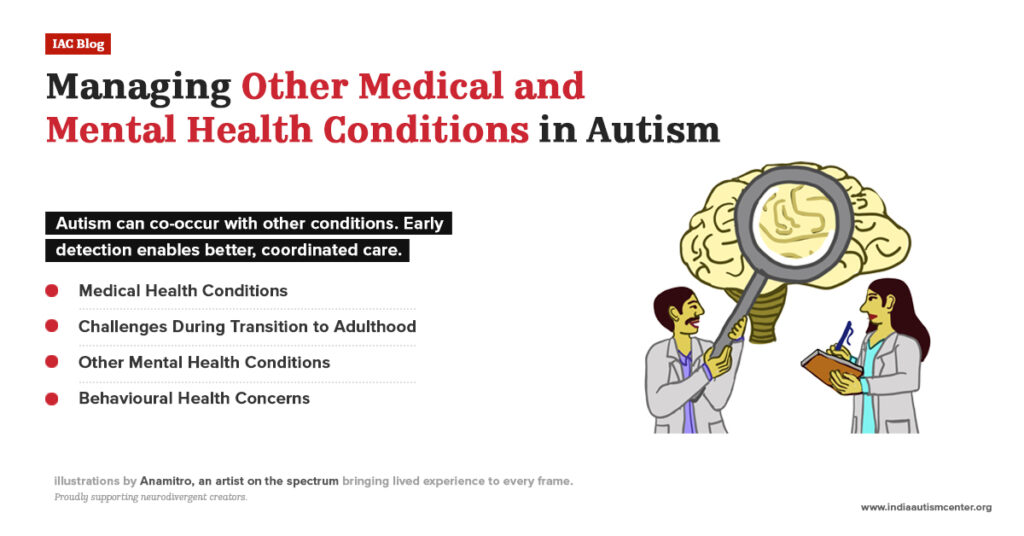
    Managing Other Medical and Mental Health Conditions in Autism

    Managing Other Medical and Mental Health Conditions in Autism

    Along with ASD, many children, teenagers, and adults may experience additional medical and mental health conditions. This is why early detection of autism is important—it helps families and doctors identify related challenges early and manage them in a better, more coordinated way. With timely diagnosis of Autism Spectrum Disorder, individuals can receive the right care for both autism and co-occurring conditions.

    Medical Health Conditions

    Children with ASD may also have health issues such as epilepsy, sleep problems, digestive concerns, or very limited food choices. Early medical guidance helps families understand how to manage these conditions together and improve overall well-being. This is especially relevant to early detection of autism in India, where early medical support can prevent long-term complications.

    Challenges During Transition to Adulthood

    Teenagers and young adults with autism may find physical changes and growing social expectations difficult to understand. Social situations become more complex during adolescence, and differences may not always be accepted. Early support can help build life skills, emotional understanding, and confidence during this phase.

    Other Mental Health Conditions

    Many teens and adults with ASD may also experience anxiety, depression, ADHD, or substance misuse. Early identification allows mental health professionals to create personalised support plans. This highlights again why early detection of autism is important, as it helps reduce emotional stress later in life.

    Behavioural Health Concerns

    Some individuals with autism may show behaviours such as irritability, aggression, hyperactivity, sudden outbursts, or self-harm. These behaviours are often signs of pain, frustration, or difficulty communicating needs. Working closely with healthcare and mental health professionals helps identify the cause and manage these behaviours in a safe and supportive way.

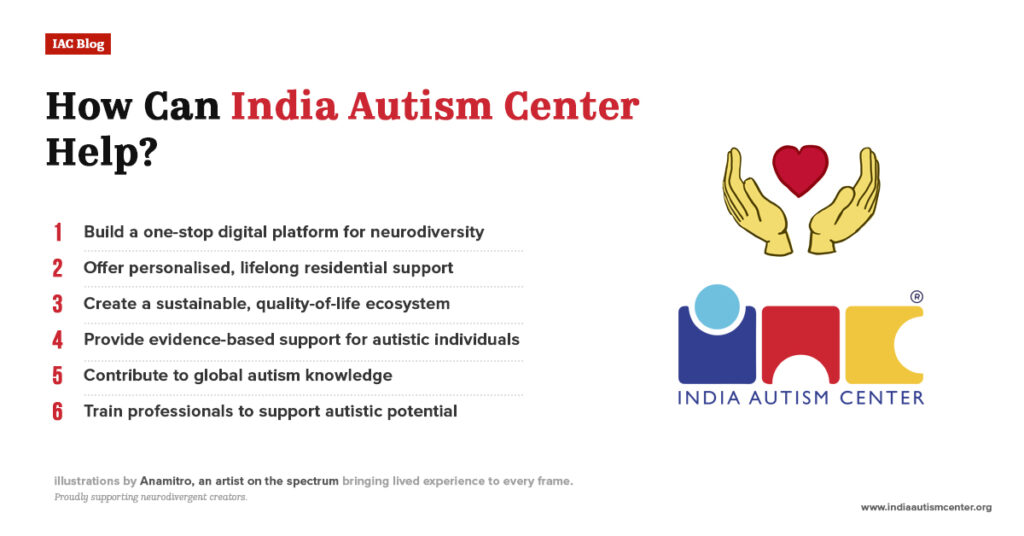
    How Can India Autism Center Help?

    How Can India Autism Center Help?

    The team at India Autism Center is committed to extending holistic support to autistic individuals and other spectrum disorders by 

    1. Building a digital platform, a one-stop solution for the entire neurodiverse community.
    2. Offering a personalised and responsive residential center that facilitates life-long support to autistic individuals and their families. 
    3. Building a sensitive and sustainable ecosystem that promotes quality of life.
    4. Extending evidence-based support mechanisms for Autistic individuals.
    5. Contributing towards the global knowledge base on Autism and related neurodiverse disorders. 
    6. Creating a global pool of top-notch professionals equipped with the requisite training to help autistic individuals realise their ultimate potential.

    Conclusion

    Conclusion

    Early detection and diagnosis of Autism in infants and toddlers are crucial for providing timely interventions and support. As awareness about the early symptoms of Autism grows, more children can receive the assistance they need for improved developmental outcomes. Addressing the challenges in early detection, such as increasing awareness, improving access to diagnostic services, and supporting parents and caregivers, can significantly impact the lives of autistic children and their families across India. Let us work together to build a more inclusive and supportive environment for autistic individuals in the country.

    Also read our blog on Coping with an Autism Diagnosis, a comprehensive guide.

    FAQs

    1. What is Early Detection of Autism in India, and why does it matter?

    Early Detection of Autism in India refers to identifying signs of autism in infants and toddlers as early as possible. Early recognition is crucial because it allows for timely intervention and support, which can significantly improve communication, social development, and long-term outcomes for children with Autism Spectrum Disorder.

    2. Why is early detection of autism important for children’s development?

    Why is early detection of autism important? Early detection helps families and healthcare providers start therapies during a child’s most responsive developmental stage. Early diagnosis and intervention can support brain plasticity and encourage better progress in language, behaviour, and social skills.

    3. How is the diagnosis of Autism Spectrum Disorder done in India?

    The diagnosis of Autism Spectrum Disorder in India typically involves careful observation of developmental milestones, screening for behavioural and communication differences, and assessment by trained specialists. Early professional evaluation helps confirm the condition and plan appropriate support.

    4. What are the common early signs that may lead to early detection of autism in India?

    Some early signs that support early detection of autism in India include limited eye contact, delayed speech, not responding to their name, lack of gestures like pointing or waving, and repetitive behaviours in infants. These signs can help parents seek evaluation sooner.

    5. What challenges affect the diagnosis of Autism Spectrum Disorder in India?

    Challenges to the diagnosis of Autism Spectrum Disorder in India include limited awareness of early signs among parents, misconceptions about developmental delays, and restricted access to trained professionals and diagnostic services in many regions.

    6. How can early detection improve long-term outcomes after an autism diagnosis?

    After an early diagnosis, interventions can be started right away, helping children build communication, social, and adaptive skills sooner. This leads to better learning, stronger relationships, and improved quality of life as they grow.

    For expert insights, support services, and inclusive learning initiatives, contact India Autism Center for more information.

  • The Crucial Role of Parents in Managing an Autistic Child

    The Crucial Role of Parents in Managing an Autistic Child

    Managing autism in a child is one of the most important journeys a parent will ever take. When we talk about the role of parents in managing an autistic child, we’re talking about more than routines and therapies. We’re talking about love, learning, patience, and continuous support.

    Autism spectrum disorder (ASD) affects children differently, and as a parent or caregiver, you are central to your child’s growth, well-being, and future success.

    In this guide, I will share practical insights, educational information, and real-life tips to help you navigate parenting an autistic child with confidence. You’ll learn how to handle an autistic child, what works, what doesn’t, and how your role makes a lasting impact on your child’s life.

    Understanding Autism and Why Parents Matter

    Autism spectrum disorder is a complex neurological condition, often presenting challenges in communication, social interaction, and behavior. No two autistic children are the same — every child has unique strengths and challenges. Parents are usually among the first to notice early signs of autism. That means parents are also the first responders in seeking help and support.

    Your role extends far beyond caregiving. You become:

    • An advocate
    • A teacher
    • A therapist at home
    • And the most important emotional anchor in your child’s life

    And here’s what you can do

    1. Early Intervention: Research from the National Institutes of Health (NIH) has consistently highlighted the significance of early intervention in improving the outcomes of autistic children.

    Parents, being the first to notice developmental differences, play a crucial role in seeking timely intervention. Early diagnosis and intervention, often involving therapies tailored to the child’s unique needs, can lead to substantial improvements in communication skills, behaviour management, and social interactions.

    Here is a comprehensive guide on Early Intervention for Autism: A Parent’s Guide to Better Outcomes.

    2. Individualised Support: No two autistic children are alike, and parents are the ones who best understand their child’s strengths, challenges, and triggers. This insight enables parents to collaborate effectively with healthcare professionals and educators to create individualised support plans. The active participation of parents in crafting these plans ensures that the child’s specific needs are met comprehensively.

    3. Daily Life Skills: Autistic children often require targeted assistance in acquiring daily life skills that neurotypical children may grasp more naturally. Parents are instrumental in teaching essential life skills, ranging from personal hygiene routines to basic communication techniques. Also, don’t forget Social Skills, which is a very common challenge faced by children on the spectrum. This involvement fosters the child’s independence and self-confidence, setting the stage for greater autonomy in adulthood.

    Want to know more? Get in touch with us.

    Challenges Faced by Parents 

    Parenting an autistic child can be emotionally and physically demanding. The relentless effort required to provide optimal care, along with potential financial strains from therapy and medical expenses, can take a toll on parental well-being. At India Autism Centre, we are dedicated to autism advocacy, and thus, we recognise the importance of offering parents a support network and resources to navigate these challenges.

    Empowering Parents Through Requisite Knowledge

    Education is an empowering tool for parents of autistic children. Being well-informed about autism spectrum disorder equips parents to make informed decisions, advocate for their child’s needs, and collaborate effectively with professionals. Workshops, webinars, and information-sharing sessions offered by dedicated social organisations serve to enhance parental knowledge and confidence in managing their child’s autism.

    Promoting Emotional Well-being

    The emotional well-being of parents directly influences the support they provide to their autistic children. We emphasise the significance of self-care for parents, encouraging them to seek respite and emotional support when needed. Engaging in peer support groups and counselling sessions can alleviate stress and foster a more resilient caregiving environment.

    Role of Parents in Managing an Autistic Child

    Parental involvement in autism management not only benefits the child in the present but also lays the foundation for the child’s future. As autistic children grow into autistic adults, they require continued guidance and support from their parents. Equipped with an understanding of their child’s unique strengths, parents can play a vital role in fostering the independence and social integration of autistic adults.

    Personalized Support: Know Your Child Best

    One of the central pillars of parenting an autistic child is understanding your child’s strengths, struggles, and triggers. This knowledge is the foundation for creating a supportive environment at home and beyond. No professional can know your child as you do.

    Here’s what personalized support looks like:

    • Tailor routines to your child’s comfort
    • Use visual schedules or cue cards to prepare them for transitions
    • Modify sensory experiences (noise levels, lighting, textures) based on your child’s preferences

    Such personalization allows your child to feel secure and supported emotionally.

    Building Daily Life Skills

    As a parent, you play a direct role in helping your child build daily living skills — such as feeding, dressing, hygiene, and simple communication. These skills boost independence and self-confidence.

    Simple strategies you can use at home include:

    • Breaking routines into small, manageable steps
    • Using visuals and timers for transitions
    • Celebrating progress, no matter how small

    This kind of hands-on autism management teaches practical life skills while strengthening your bond.

    Want to know more? Get in touch with us.

    Positive Reinforcement: Focus on What Works

    Positive reinforcement is one of the most effective strategies in Tips for Parenting A Child With Autism. It means you praise your child when they show good behavior or achieve a small goal, encouraging them to repeat that behavior. Let’s break this down:

    • Use praise, stickers, favourite activities, or small rewards
    • Notice every improvement — not just perfection
    • Avoid punishment — it often causes confusion or anxiety in autistic children

    This method builds confidence and sets a positive tone for learning and behavior management.

    What Not To Do as a Parent of an Autistic Child

    Equally important in parenting an autistic child is understanding what not to do. Avoiding certain responses can prevent stress and conflict.

    • Avoid sudden changes in routine — these can cause anxiety
    • Do not compare your child to neurotypical peers
    • Don’t ignore your child’s sensory needs (e.g., noisy environments)
    • Avoid traditional punishments — these often confuse rather than teach

    Understanding these “don’ts” is just as valuable as knowing the dos. They help you keep your environment calm, predictable, and supportive.

    Practical Tips You Can Use Today

    Here are quick, actionable tips for daily life:

    • Keep things simple and predictable
    • Praise progress often
    • Use visuals and schedules
    • Watch and respond to non-verbal cues
    • Create sensory-friendly spaces at home
    • Spend quality one-on-one time daily

    Conclusion

    The role of parents in managing an autistic child cannot be overstated. From early intervention to advocating for their child’s needs, parents are the driving force behind their child’s growth and development. 

    At India Autism Centre, we acknowledge and celebrate the dedication of parents in this journey. By offering resources, education, and a supportive community, we aim to empower parents to provide the best possible care for their autistic children, ensuring a brighter future for both the child and their family.

    Some of our crucial initiatives for helping autistic individuals include:

    • Offering a full-time supported and safe residential ecosystem 
    • Family housing and daytime support facilities
    • A fully equipped and scalable digital platform enabling enhanced speed of service and product delivery
    • Imparting autism management training to create a global, accessible, and scalable workforce of professionals

    Frequently Asked Questions(FAQs)

    What is the role of parents in managing an autistic child?

    The role of parents in managing an autistic child includes providing emotional support, maintaining daily routines, encouraging communication, and collaborating with therapists and educators. Parents help create a safe, structured environment that supports learning, behavior, and overall autism management.

    How can parents handle an autistic child at home?

    To handle an autistic child at home, parents should follow consistent routines, use clear and simple language, offer visual cues, and practice positive reinforcement. Understanding sensory sensitivities and responding calmly to challenging behaviors also plays a key role.

    What are the best tips for parenting a child with autism?

    Some effective tips for parenting a child with autism include being patient, focusing on strengths, using visual schedules, celebrating small achievements, and maintaining open communication. Seeking professional guidance and parent support groups also helps in long-term autism management.

    What should parents avoid when raising an autistic child?

    Parents should avoid sudden changes in routine, harsh discipline, comparisons with other children, and ignoring sensory or emotional needs. Understanding what not to do as a parent of an autistic child helps reduce anxiety and builds trust and emotional security.

    How does parenting an autistic child help in autism management?

    Parenting an autistic child plays a crucial role in autism management by reinforcing therapy goals at home, supporting emotional regulation, and helping the child develop daily living and social skills through consistent care and guidance.

    Can parents support an autistic child without professional therapy?

    Parents can support their autistic child through structured routines, communication strategies, and home-based activities. However, professional therapies and guidance from specialised autism centres significantly enhance outcomes and provide parents with the right tools and direction.

  • Autism Food List: Best & Worst Foods for Autistic Kids

    Autism Food List: Best & Worst Foods for Autistic Kids

    The world is always buzzing with sights, sounds, smells, and textures. Many people find it natural to process the constant stream of sensory input. However, for autistic individuals, this same sensory world can feel intense, unpredictable, or even overwhelming.

    A bright supermarket light, the scratchy texture of a shirt, or the mixed smells in a food court may be enough to trigger discomfort or anxiety. It might come as a surprise to many, but food can also become a sensory experience, sometimes soothing, sometimes stressful.

    It is therefore necessary to understand the autism food list. You can consider it as a personalised, balanced, sensory-aware guide that turns mealtimes from a struggle into a predictable, comforting routine.

    So, let’s understand the whole concept step by step.

    What Is an Autism Food List?

    Parent feeding a child with illustration explaining what an autism food list is and how it supports sensory and nutritional needs

    An autism food list is not a fixed, one-size-fits-all autism food diet. Instead, it’s a custom meal guide that focuses on:

    • Your child’s nutritional needs
    • Their sensory preferences
    • Their tolerance for smells, textures, and flavours
    • Their digestive health and energy regulation

    The goal is to ensure that autistic individuals eat foods that nourish the body, calm the senses, and avoid those that may cause discomfort or overstimulation. Hence, it is essential to select a comprehensive autism care facility that focuses on providing autism diet plans curated with care. 

    Food Groups Helpful for Autistic Individuals

    Food groups helpful for autistic individuals including gut-friendly, vitamin-rich, sensory-safe and energy-stabilizing foods

    Here are the key food groups and effective autism diet lists:

    Gut-Friendly Foods

    Digestive health plays a major role in mood, behaviour, and overall comfort. A balanced gut often means fewer meltdowns, better sleep, and improved focus.

    Why is it necessary to have gut-friendly food?

    Considering that many autistic individuals experience bloating, constipation, gas, food intolerance and even disrupted gut bacteria balance, probiotic and fibre-rich food can help restore digestive comfort.

    Include these in the diet:

    1. Fermented Foods (great for digestion & microbiome)

    • Homemade curd (yoghurt)
    • Buttermilk
    • Idli & dosa batter
    • Naturally fermented pickles (achar)

    2. Fibre-Rich Vegetables (keeps digestion smooth)

    • Ladyfinger (okra)
    • Bottle gourd (lauki)
    • Pumpkin
    • Spinach

    3. Prebiotic-Rich Foods (feed good gut bacteria)

    • Garlic
    • Onions
    • Bananas

    Foods Rich in Vitamins & Minerals

    Nutrients like Vitamin B6, Vitamin C, and Magnesium can influence brain function and mood regulation; hence, they are commonly explored for autism support. 

    Back in the 1970s, autism researcher Dr Bernard Rimland found that supplementing these three nutrients together led to improvements in many participants. In one study, 12 of 16 individuals showed improvement, but regressed when the supplements were replaced with placebos.

    Food sources to include:

    Vitamin B6:

    • Bananas
    • Chickpeas
    • Sunflower seeds

    Vitamin C:

    • Amla
    • Oranges
    • Guava

    Magnesium:

    • Pumpkin seeds
    • Spinach
    • Ragi (finger millet)

    This food option can be incorporated into the autism sensory diet by:

    • Blending into smoothies
    • Making crispy chips
    • Stirring into dosas or parathas
    • Baking into muffins

    Small texture changes can lead to big improvements in acceptance.

    Sensory-Friendly Foods

    When it comes to sensory diet for autism, the real challenge is not the flavour but the texture. Soft foods are more often considered to be safe because:

    • They require minimal chewing
    • They don’t produce loud crunch sounds
    • They are predictable and consistent

    Options for sensory diet for autism:

    Soft Carbs:

    • Mashed sweet potato
    • Boiled rice
    • Dal khichdi
    • Soft idlis

    Smooth Fruits:

    • Bananas
    • Chiku
    • Stewed apples

    Mild Proteins:

    • Moong dal
    • Paneer bhurji
    • Poached eggs

    Nutrient-Dense Foods

    For better brain development, mood stability, and energy levels, include foods that pack essential vitamins, minerals, and healthy fats.

    Iron-Rich Foods:

    • Ragi
    • Rajma
    • Black chickpeas
    • Methi (fenugreek leaves)

    Healthy Fats:

    • Coconut
    • Sesame seeds
    • Ghee
    • Walnuts

    Vitamin-Packed Veggies:

    • Moringa (drumstick)
    • Beetroot
    • Carrots

    Energy-Stabilizing Foods

    An autism diet plan must have energy-stabilising food options, as blood sugar swings can trigger irritability, distraction, fatigue, or sudden behavioural shifts.

    Helpful energy-balancing foods:

    Complex Carbs:

    • Jowar roti
    • Bajra roti
    • Poha
    • Upma

    Protein-Carb Mixes:

    • Curd rice
    • Dal chawal
    • Besan chilla

    Nuts and Seeds:

    • Almonds
    • Flaxseeds
    • Peanuts
    • Sunflower seeds

    How to Create an Autism Food List (Step-by-Step)

    Step-by-step guide illustration showing how to create an autism food list for better nutrition and digestion

    Creating the right autism diet plan is not just a routine task but a structured approach that helps manage several aspects, including nutrition, behaviour, sensory needs, and daily wellbeing.

    Many parents struggle with autism food aversion, autism food sensitivity, selective eating, restricted textures, and unpredictable preferences.

    Here is a step-by-step guide to help you create a practical, sensory-informed, and health-focused autism diet list while keeping individual comfort and nutritional balance in mind.

    Step 1: Start With a 7-Day Observation Journal

    When you start to create an autism diet list, you first have to invest some time in observing your child’s eating habits. It will help you to create a baseline for understanding diet and autism patterns.

    Here are some things that you need to track:

    • Consistently accepted foods (autism-safe foods)
    • Foods causing refusal or distress (autism food refusal, autism and food aversion)
    • Sensory responses such as gagging, rejecting textures, or preferring only white/beige foods
    • Temperature and texture preferences (autism and food textures, food textures and autism)

    Tracking these patterns will help to understand the core of autism food issues, identifying where food aversions, autism or autism and food selectivity are strongest. This also confirms whether food aversion is a sign of autism in your child.

    Step 2: Organise Foods Into Sensory Categories

    Mealtime anxiety in autistic children can be managed with a strong sensory diet for autism or an autism sensory diet. It is necessary to classify food options by sensory features rather than standard nutritional groups.

    Sensory-based categories:

    • Crunchy foods
    • Soft/pureed foods
    • Liquids & smooth foods
    • Warm vs. cold foods
    • Low-odor foods

    Categorising by sensations helps align your sensory diet for autism with daily meals. It also helps address food aversions and autism, particularly when a child rejects foods based on smell, texture, or appearance.

    Step 3: Identify “Safe Foods” and “Maybe Foods”

    The foundation of the autism-friendly foods section in your final chart is incomplete without understanding which foods are safe. 

    Here is an example for better understanding:

    Safe Foods (Autism Safe Foods / Safe Foods Autism)

    • These are eaten without resistance and can be used to anchor meals.

    Maybe Foods

    • These are foods accepted occasionally or under specific conditions.

    It is important to understand the difference to reduce stress during meals. It will be quite helpful in creating a structure for your personalised autism food plate or autism-safe food framework.

    Step 4: Add Sensory-Compatible Alternatives

    After identifying safe food, it is now time to introduce similar sensory alternatives. This prevents nutritional gaps while respecting autism and food sensitivities.

    Examples:

    • If crunchy foods are preferred: roasted chickpeas, veggie sticks
    • If smooth foods are preferred: pureed soups, blended porridges
    • If warm, bland foods are preferred: soft rice, khichdi

    This step supports gradual progress in tackling autism-related food aversion, food refusal, and food selectivity.

    Step 5: Build a “Restricted Foods” List

    Along with other important considerations like safe foods for autism, maybe foods, and sensory-compatible foods for autism. It is equally important to recognise the foods to avoid for people with autism.

    The food options that you must keep in the restricted autism food list include:

    • Allergic reactions (autism and food allergies)
    • Digestive discomfort
    • Sensory overload
    • Behavioural triggers

    Here are some examples for you:

    • Artificial dyes
    • Highly processed snacks
    • Foods with strong smells
    • Certain dairy or gluten items, depending on sensitivity (autism and gluten-free diet)

    Knowing which foods to avoid with autism helps ensure the autism diet plan remains supportive and consistent.

    Step 6: Balance the List With Nutrition Categories

    A proper diet for autism spectrum disorder must consider nutrition, sensory needs, and health conditions.

    Nutrients that are essential in an autism diet plan include:

    • Proteins
    • Carbohydrates
    • Fruits
    • Vegetables
    • Fats

    As a parent, you can explore diet options such as:

    • Gluten-free diet for autism
    • GAPS diet autism (Gut and Psychology Syndrome diet)
    • Keto diet and autism, or autism and ketogenic diet

    Step 7: Create Visual Meal Planners Based on the Autism Diet List

    Meal planners help to support predictability and reduce anxiety.

    Some examples of visual tools include:

    • Picture-based autism food plate
    • Weekly charts using food images
    • Step-by-step meal sequences
    • Colour-coded portion guides

    These tools reinforce structure and help the child engage better with their autism-friendly foods.

    Step 8: Review and Update Every 30 Days

    Even the best plans take time, as eating preferences often evolve. Here are the steps you can take:

    Recheck:

    • Newly accepted foods
    • New sensory challenges
    • Increasing or decreasing levels of autism food sensitivity
    • Updated notes on autism and food textures

    This ensures your autism diet list and autism nutrition diet stay relevant and supportive.

    Important Components for Your Autism Diet Chart

    Important components of an autism diet chart featuring fruits, fiber-rich foods, and nutrient-dense vegetables

    A meal that feels routine to others can become overwhelming when strong smells, unexpected textures, or loud surroundings mix with heightened sensory sensitivity. 

    Ananya, a young individual with autism, recounts her experience at a mall food court:

    “The moment I stepped in, the heavy aroma of food filled the air, overwhelming my senses. The greasy dishes on display felt like they were closing in on me, while the clatter of trays and the hum of conversations grew deafening. Panic took over, my chest tightened, my legs refused to move, and tears spilt down my face. My mother’s voice reached me, full of concern, but I couldn’t respond. She carried me home. Tomorrow was another day.”

    Stories like this are evidence of why an autism diet chart can have a considerable impact.

    The right food choices not only add nutrition but also bring comfort, predictability, and calm.

    Balanced meals can:

    • Reduce sensory discomfort
    • Support digestion and reduce anxiety
    • Improve focus and energy stability
    • Minimise meltdowns triggered by food textures or smells

    A well-designed chart also helps you identify what foods to avoid with autism, like:

    • Highly processed snacks
    • Strong-smelling or intensely flavoured foods
    • Hard-to-chew textures

    Fruits and Vegetables for Brain and Gut Health

    Food directly influences attention, mood, and digestion, three areas many autistic individuals struggle with. Adding nutrient-dense produce to the autism diet chart strengthens both brain and gut function.

    What it Essentially Helps With

    • Berries protect brain cells and improve memory.
    • Oranges boost immunity and support cognitive health.
    • Spinach and kale provide iron and folate to support better concentration.
    • Broccoli and cauliflower can aid in detoxification and support gut strength.
    • Carrots and bell peppers increase immunity with beta-carotene.

    Quick Reference Table

    FoodBenefit
    BlueberriesProtects brain cells, boosts memory
    SpinachProvides iron for energy and focus
    OrangesEnhances immune + brain function
    BroccoliSupports gut health + detoxification

    Fibre-Rich Choices for Better Digestion

    Digestive issues, including constipation, gas, or bloating, are quite common in individuals with autism. A fibre-rich section in your autism diet chart helps manage this discomfort and promote regular bowel movements.

    Why Fibre Matters

    • Supports smoother digestion
    • Feeds healthy gut bacteria
    • Reduces inflammation
    • Prevents constipation

    Top Fibre-Boosting Foods

    • Apples can help in nurturing good gut bacteria
    • Bananas improve digestion with soluble fibre
    • Sweet potatoes deliver prebiotic fibre
    • Brussels sprouts reduce inflammation and aid detoxification

    Quick Reference Table

    FoodProvides soluble fibre, aids digestion
    ApplesFeeds gut bacteria, prevents constipation
    BananasProvides soluble fiber, aids digestion
    Sweet PotatoesSupports gut health with prebiotics
    Brussels SproutsReduces inflammation + detoxifies

    Nutrient-Dense Foods for Stable Energy & Mood

    Energy crashes and sudden mood swings often have a nutritional root. Including slow-release, nutrient-dense foods in an autism diet chart supports stable energy levels and reduces irritability.

    How These Foods Help:

    • Apples and berries provide slow-release natural sugars
    • Bananas stabilise nerve and muscle function
    • Carrots and squash offer long-lasting carbohydrates
    • Spinach and bell peppers supply magnesium to calm the nervous system

    Quick Reference Table

    FoodHow It Helps
    ApplesProvides steady energy release
    BananasRegulates nerve + muscle function
    CarrotsSlow-digesting carbs for sustained energy
    SpinachMagnesium-rich food that reduces hyperactivity

    Thinking About Starting an Autism-Friendly Diet? Start Here.

    Child interacting with vegetables showing how to start an autism-friendly diet with sensory-safe and nutritious foods

    When you are thinking of creating an autism-friendly diet. It doesn’t need to have complicated restrictions. It is more important to understand your child’s sensory world and their relationship with meals. 

    Here is how you can begin:

    • Observe sensory triggers: Which smells, textures, or temperatures cause discomfort?
    • Build a safe-food foundation: Use foods your child already accepts as a base.
    • Introduce new foods gradually: Match new foods to the texture, temperature, or colour of their preferred items.
    • Keep meals predictable: Visual meal charts reduce anxiety and increase acceptance.
    • Watch for digestive reactions: Bloating, hyperactivity, or fatigue can reveal intolerances.
    • Make one small change at a time: Progress is slow, but the payoff is big.

    Tips for Making Fruits and Vegetables Easier to Eat

    Tips illustration showing how to make fruits and vegetables easier to eat for children with autism through sensory-friendly methods

    New foods can feel unfamiliar or even overwhelming. The key is to introduce them in ways that feel safe and inviting. 

    Small changes in flavour, temperature, and pairing can make a big difference.

    Use Mild, Familiar Seasonings

    A sprinkle of cumin, a dash of cinnamon, or a squeeze of lemon can enhance taste without overpowering. Mild spices make vegetables more flavourful while keeping them easy to accept.

    Serve at the Right Temperature

    Cold foods may feel refreshing, while warm foods can be more soothing. Some may prefer room temperature for a neutral experience. Experiment to see what works best.

    Combine with Preferred Foods

    Pairing new fruits or vegetables with a familiar favourite can increase acceptance. Mix finely chopped spinach into dal, blend carrots into dosa batter, or serve cucumbers alongside a favourite dip.

    Offer Choices, Not Pressure

    Giving options allows more control. Instead of saying, “Eat your carrots,” try, “Would you like roasted carrots or carrot sticks?” The freedom to choose makes mealtimes more comfortable.

    Make Eating Visually Interesting

    Colours, shapes, and arrangement matter. A fruit salad with vibrant mango and pomegranate may be more appealing than plain apple slices. Fun shapes, like cucumber rounds or star-cut watermelon, can add curiosity and engagement.

    What Foods to Avoid with Autism? (Fresh, Clear & Easy-to-Apply Guide)

    Visual guide of foods to avoid with autism including gluten, casein, refined carbs, and artificial additives

    The gut–brain connection plays a major role in how autistic individuals feel, focus, and respond to sensory input. Certain foods may worsen discomfort, trigger irritability, or intensify sensory overwhelm. That’s why identifying foods to avoid with autism is the first step toward creating calmer mealtimes and better daily balance.

    One of the leading voices in this area, Dr Susan Hyman, Professor of Paediatrics at the University of Rochester, reminds us:

    “While some parents report behavioural improvements with gluten-free, casein-free diets, controlled studies have not consistently demonstrated significant benefits. Dietary changes should be approached cautiously and under professional supervision to ensure nutritional adequacy.”

    Every autistic individual is unique; what works beautifully for one may not work for another. With that balanced lens, here are the key food categories many families explore and why:

    1. Gluten & Casein Sensitivities

    Many families try a Gluten-Free Casein-Free (GFCF) diet when digestive issues, bloating, or inflammation seem to worsen behaviour or focus.

    Common Gluten Sources

    • Wheat (atta, maida, bread, roti)
    • Barley (soups, malt drinks)
    • Rye (select baked goods)

    Common Casein Sources

    • Milk and milk products
    • Paneer, cheese, yoghurt
    • Butter, cream

    2. Refined Carbs & Blood Sugar Fluctuations

    White bread, sugary snacks, and polished rice can cause rapid blood sugar spikes, leading to irritability, low energy, and difficulty concentrating.

    Better Swaps

    • Brown rice or millet instead of white rice
    • Whole wheat or gluten-free bread instead of white bread
    • Dates or fruits instead of packaged sweets

    3. Artificial Additives & Preservatives

    Packaged foods often contain dyes, flavours, and chemicals that may increase hyperactivity or digestive distress.

    Ingredients to Watch Out For

    • Artificial food dyes (in many candies and snacks)
    • MSG (in instant noodles, chips, seasoning powders)
    • Preservatives like nitrates & benzoates

    4. Soy & Corn-Based Products

    These are common allergens and may cause bloating or discomfort, sometimes even immune reactions.

    Hidden Sources:

    • Soy sauce, tofu, soy milk
    • Corn syrup in sweets and drinks
    • Corn starch in sauces, soups, and processed foods

    Meal Planning Using an Autism Food List

    Meal planning using an autism food list with sensory-friendly, gut-healthy and energy-boosting food options

    Once you know what to avoid, planning meals becomes easier, calmer, and more predictable. Here are three simplified meal plans, each crafted for a specific need, sensory ease, gut support, and steady energy.

    Meal Plan 1: For Sensory Sensitivities

    Soft, neutral-flavoured foods that reduce overwhelm and feel comfortable to chew.

    • Breakfast: Soft scrambled eggs + mashed sweet potato + banana
    • Snack: Homemade yoghurt with honey
    • Lunch: Moong dal khichdi + soft carrots
    • Snack: Smooth peanut butter on rice cakes
    • Dinner: Well-cooked quinoa + mild paneer curry + steamed zucchini

    Meal Plan 2: For Gut Health & Digestion

    Fibre-rich, gut-friendly meals that reduce constipation, bloating, and discomfort.

    • Breakfast: Ragi porridge + soaked almonds
    • Snack: Papaya with coconut
    • Lunch: Brown rice + rajma + sautéed methi
    • Snack: Roasted makhana
    • Dinner: Jowar roti + bottle gourd sabzi + homemade buttermilk

    Meal Plan 3: For Steady Energy & Focus

    Slow-digesting carbs + proteins + healthy fats to prevent energy crashes and support attention.

    • Breakfast: Oats with flaxseeds, walnuts & stewed apples
    • Snack: Besan chilla + mint chutney
    • Lunch: Quinoa + grilled chicken + roasted bell peppers
    • Snack: Banana–peanut butter–almond milk smoothie
    • Dinner: Bajra roti + palak paneer + cucumber salad

    Final Words: Building Peace and Flexibility Around Food

    Illustration showing a nutritionist guiding healthy food choices to build peace and flexibility around food for autistic children

    Always remember, mealtime challenges don’t have to turn into battles. Understanding this can help you stay calm and use the coping strategies we discussed earlier to defuse tension.

    To get a clearer perspective, introduce new foods alongside familiar favourites and take it slow. Just like we discussed. Involving your child in choosing alternatives and planning “Plan B” options helps build cooperation and flexibility.

    Keep trusting the process!

    Every small step you take is moving you closer to easier meals and a more peaceful, balanced mealtime for everyone.

    For expert insights, support services, and inclusive learning initiatives, visit the India Autism Center.

  • Speech Delay vs Autism: Key Differences Explained

    Speech Delay vs Autism: Key Differences Explained

    Every parent is eager to hear their child’s first words, regardless of whether it is as simple as “no”. But what happens when those words take longer to come? You might start to wonder: Is my child just a late talker, or could it be something more, like autism?

    It is a natural question that comes to mind. Especially when speech delay is a common occurrence in children aged 3 to 5 years. On the other hand, globally, about 0.77% of children are diagnosed with ASD (Autism Spectrum Disorder). 

    Because both conditions can present as “delayed speech”, it’s easy for parents to feel confused or even alarmed when milestones don’t align.

    The good news is that speech delay and autism are not the same. Understanding the subtle yet important differences between the two can help you take the right steps early, whether that means seeking speech therapy, undergoing development, or simply requiring more time and support.

    Today, we will explore the speech delay vs autism and discuss what parents and caregivers can do to support individuals with these conditions.

    Understanding Speech Delay

    Illustration of a parent teaching speech to a young child using gestures, highlighting common speech delay symptoms.

    In simple terms, speech delay is when a child is unable to produce words or sentences in comparison to other children their age. However, the pattern of learning typically follows a similar path.

    Children with speech delay typically understand what’s being said to them (their receptive language) but struggle to express themselves verbally (expressive language).

    For example, they may follow instructions such as “Bring your shoes,” but they may not be able to say “shoes here” or even “I want shoes.”

    Some of the most common speech delay symptoms include:

    • Limited babbling by 12 months
    • No single meaningful words by 16–18 months
    • Not combining words by age 2 (e.g., “want juice”)
    • Speech that’s difficult for even the family to understand
    • Frequent use of gestures to communicate instead of words

    There are different reasons that can lead to speech delay, such as hearing impairment, oral-motor difficulties, cognitive delay, multilingual environments, or simply a “late bloomer” tendency.

    In conclusion, speech delay does not imply autism.

    Understanding Autism Spectrum Disorder (ASD)

    Illustration of a child surrounded by colorful puzzle pieces, listing common symptoms of autism spectrum disorder

    Autism, otherwise known as Autism Spectrum Disorder (ASD), is a neurodevelopmental condition which has an effect on communication, social interaction, and behaviour. It is to be noted that speech delay is one of the symptoms of autism, but many more developmental differences define if a child has autism.

    Often, children who have autism develop speech delay. Sometimes, a child with autism might not even have a speech delay. However, even when words appear, they may use them in unusual ways (e.g., repeating phrases or scripting lines from TV shows).

    Some of the most common autism symptoms include:

    • Reduced eye contact or social engagement
    • Limited use of gestures such as pointing towards an object or waving
    • Lack of response to name
    • Repetitive behaviours (flapping, lining up toys, spinning objects)
    • Strong preference for routines or sameness
    • Sensitivity to sound, touch, or light
    • Speech that’s monotone, robotic, or echolalic (repetition of words or phrases)

    Contrary to popular beliefs, autism does not happen due to poor parenting, vaccination, or poor diet. It is essentially a neurological and developmental issue. If diagnosed early, with proper treatment, communication, and social skills can improve considerably. 

    Speech Delay vs Autism: Key Differences

    Comparison chart highlighting key differences between speech delay and autism with a brain and puzzle piece illustration

    It is a natural phenomenon to feel confused between speech delay as well as autism. However, they are different from one another. When a child struggles with forming or using words, it is a speech delay, while autism involves broader challenges in communication, social interaction, and behaviour.

    It is essential to understand the distinction between speech delay and autism, allowing for timely intervention. Here is a side-by-side comparison of speech delay vs autism:

    FeatureSpeech DelayAutism
    Primary issueSlower speech development; articulation or word-use lagsCore issues in social communication & interaction + repetitive behaviours; speech may be delayed or atypical
    Social engagementThe child typically uses gestures, points, makes eye contact, and tries to communicate non-verbally despite delayed speech.The child may have reduced eye contact, limited pointing or gesturing, less joint attention and may prefer solitary play.
    Non-speech behavioursUsually no major behavioural or play issues beyond the speech domain.Presence of repetitive behaviours, restricted interests, difficulty with change of routine, etc. 
    Outcome & interventionWith speech therapy and support, many children catch up.Lifelong profile; early intervention helps significantly, but the condition tends to remain on the spectrum.
    Speech patternTypical pattern but slower; errors in production, short phrases.Speech may be absent/very delayed or present but atypical (echolalia, literal language, unusual prosody).

    For example, when a two-year-old doesn’t speak but points to objects, imitates gestures, and also plays pretend, speech delay may develop. On the other hand, a child who does not point to any object, tends to avoid eye contact, and often fixates on spinning objects has higher chances of being diagnosed with autism.

    Is Speech Delay Autism?

    Illustration of a yellow silhouette with a question mark, depicting the question of whether speech delay is autism

    Since it is easy to get confused due to similar symptoms of both speech delay and autism, the reality is that speech delay itself is not autism. However, one of the many symptoms of autism is speech delay when it appears along with social as well as behavioural differences. 

    Many children with speech delays do not have autism and catch up with therapy, but if other developmental red flags appear, further assessment is needed.

    So, is speech delay autism? No, a child with speech delay is not autistic, but every child with autism tends to have speech delay. 

    Signs that Hint at Autism in the Presence of Speech Delay

    Illustration of a child covering face surrounded by sensory icons, explaining signs that indicate autism in the presence of speech delay

    Speech delay is an early sign of autism. However, it is not necessarily always the case. Hence, it is essential to recognise the additional signs to look for. Here are some “red flag” behaviours:

    • If you find that there is limited babbling by 12 months. Or if there is a loss of babbling. 
    • No single words by 16 months, or loss of previously acquired words. 
    • Not pointing at objects, not waving or using gestures to display their interest. 
    • Doesn’t respond to their name by 9-12 months or seems indifferent. 
    • Limited eye contact or social smiling. 
    • Often displays repetitive behaviour, mainly including hand-flapping, spinning objects, or even lining up their toys. 
    • Strong preference for sameness and difficulty with change. 
    • Unusual speech: echolalia, literal language, or monotone or robotic prosody.

    If many of the listed signs begin to appear, it is time to have a complete evaluation done.

    Why Does Making the Distinction Matter?

    Illustration of a parent playing and communicating with a child using blocks, emphasizing why distinguishing autism from speech delay matters

    Understanding whether a child has a speech delay or autism is not about labelling them; it is about finding the right approach to obtain help at the right time. Early and accurate identification allows parents, therapists, and educators to tailor interventions that match the child’s specific needs.

    When parents and caregivers understand the difference between speech delay and autism, they can take action and offer support that can have a lifelong impact. 

    Graphic showing key reasons to understand autism and speech delay concepts, including intervention timing and therapy focus

    Here is why it is necessary to understand the speech delay vs. autism concepts:

    Intervention Timing

    Children with speech delays can receive speech-language therapy that can lead to significant catch-up. For autism, early multi-modal intervention (speech, occupational therapy, and behavioural therapy) is linked to better outcomes.

    Focused Therapy

    For speech delay, focused therapy can be provided to address articulation, sentence formulation, and vocabulary. On the other hand, for autism, more focus is on improving social skills, play skills, sensory regulation, and routine management.

    Expectations and Support Services

    Families of a child who is diagnosed with autism may have the chance to access specialised services, support networks and long-term planning. Appropriate planning can only be done when a parent understands the distinction between speech delay and autism.

    Monitoring and Collaboration

    If you treat it as a speech delay but miss warning signs of autism, you might miss an earlier chance to intervene more comprehensively.

    What Can Parents and Caregivers Do?

    Illustration of a mother helping her child read a book, highlighting steps parents and caregivers can take to support children with speech or communication challenges

    Parents and caregivers have to be aware of communication delays, as they can be both confusing and emotionally distressing. The key is not to panic but to take proactive, informed steps.

    There are different steps that parents as well as caregivers have to take, such as seeking a professional evaluation, engaging in early intervention programmes, or using supportive communication techniques at home. It can make a significant difference.

    The measures that a parent or a caregiver can take include:

    1. Tracking Development Milestones

    You can utilise speech or language milestones such as babbling by ~9–12 months, single words by ~16 months, and two-word phrases by ~24 months. If your child is not meeting expected milestones, it is essential to consult a paediatrician, a developmental paediatrician, or a speech-language pathologist.

    Reaching out to a professional can help you determine if the issue is just related to speech delay or if other broader developmental or behavioural signs imply autism.

    2. Engage in Early Intervention Services

    Once you have a diagnosis or developmental report, don’t delay intervention. In India, early intervention programs, such as speech therapy, occupational therapy, and behavioural therapy (like ABA).

    These therapies help to improve communication, cognitive development, and social interaction skills. The earlier the therapy begins, the more effective it tends to be.

    3. Practise Speech and Communication at Home

    Parents have to include interactive activities in their child’s speech development to enhance their child’s speech skills. Here are some actions that can help:

    • Reading storybooks aloud every single day
    • Naming different objects while playing
    • Encouraging to repeat simple words
    • Singing rhymes or using picture cards

    It will strengthen both expressive and receptive language and also create a positive communication environment. 

    4. Observe and Encourage Social Interaction

    Social reciprocity is a common challenge that children with autism face. Some symptoms include difficulty making eye contact, difficulty sharing joy, and not responding to their name when called. 

    It is essential to foster small but meaningful interactions through play-based learning, where communication occurs naturally and organically. You can encourage children to get engaged in playing turn-based games or engage in pretend play, which helps build joint attention and empathy.

    5. Stay Patient and Consistent

    Parents/caregivers need to understand that progress will not happen overnight. Whether your child is receiving speech therapy or autism support, consistency and emotional reassurance matter most.

    It is important to celebrate even minor milestones. Moreover, a calm environment is to be maintained. It also helps to keep routines predictable, as it provides a sense of safety for children with communication difficulties.

    6. Join Support Networks and Communities

    Parents who have children with such concerns can feel quite calm yet empowered when they connect to other parents with similar experiences. You’ll gain practical tips, emotional support, and access to professionals who specialise in both speech delay as well as autism management.

    How Does Therapy Differ for Speech Delay vs. Autism?

    comparison chart showing differences in therapy for speech delay and autism with illustrated healthcare professionals wearing masks.

    Even though certain symptoms are similar for speech delay and autism, the treatment approaches for speech delay versus autism are quite different. Understanding these distinctions helps parents choose the right kind of intervention tailored to their child’s unique developmental needs.

    Here is a side-by-side comparison of how therapy differs for speech delay versus autism:

    Therapy FocusSpeech DelayReading aloud, naming objects, and interactive play
    Main GoalImprove articulation, vocabulary, and sentence useEnhance communication, social understanding, and behavioural regulation
    ApproachSpeech-language therapy, parent modelingMultidisciplinary: speech, occupational, behavioural (ABA)
    Home SupportVisual schedules, sensory integration, and structured social activitiesVisual schedules, sensory integration, structured social activities
    Expected OutcomeCatching up to peers within 6–12 months of therapyGradual progress; lifelong communication growth with continuous support

    When to Seek Professional Help?

    Do not wait for the condition to get worse. Once you find the signs below, it is time to seek professional help:

    • Isn’t babbling by 12 months
    • Doesn’t say single words by 16–18 months
    • Doesn’t combine words by 24 months
    • Doesn’t respond to their name or show interest in people
    • Avoids eye contact or play interaction

    You can consult a speech-language pathologist or a developmental paediatrician. If you get early screening for your child, it can help in better identification. 

    Conclusion

    Illustration of a happy child listening to music surrounded by colorful puzzle pieces, symbolizing progress and individuality in autism and speech delay therapy

    Whether it is speech delay or autism, it can tend to confuse parents and make them concerned, as the symptoms overlap. A speech delay mainly has an effect on a child’s ability to use or understand language, while autism involves broader challenges in communication, behaviour, and social connection. Identifying the distinction will help the child receive the right help. 

    With actions including early detection, consistent therapy, and compassionate guidance, children with communication challenges can make remarkable progress. Ultimately, it is essential to recognise that each child is unique and develops at their own pace. 

    Frequently Asked Questions

    Is speech delay the same as autism?

    No, they are not the same. Speech delay affects a child’s ability to produce or use words, while autism (ASD) involves challenges in social communication, sensory processing, and behaviour. Some children with autism may have speech delays, but not all children with speech delays have autism.

    What are the common symptoms of speech delay?

    Typical speech delay symptoms include limited vocabulary for age, unclear speech, difficulty forming sentences, and frustration when trying to communicate. However, these children typically show an interest in interacting with and understanding others.

    What causes speech delay?

    Speech delay can result from hearing loss, oral motor issues, bilingual exposure, lack of stimulation, or neurological conditions. It doesn’t necessarily indicate autism, but it may need professional assessment to identify the cause.

    How is autism diagnosed?

    To diagnose autism, developmental assessments, observing the child’s behaviour, and standardised tools like the ADOS (Autism Diagnostic Observation Schedule) are used.

    For expert insights, support services, and inclusive learning initiatives, visit the India Autism Center.
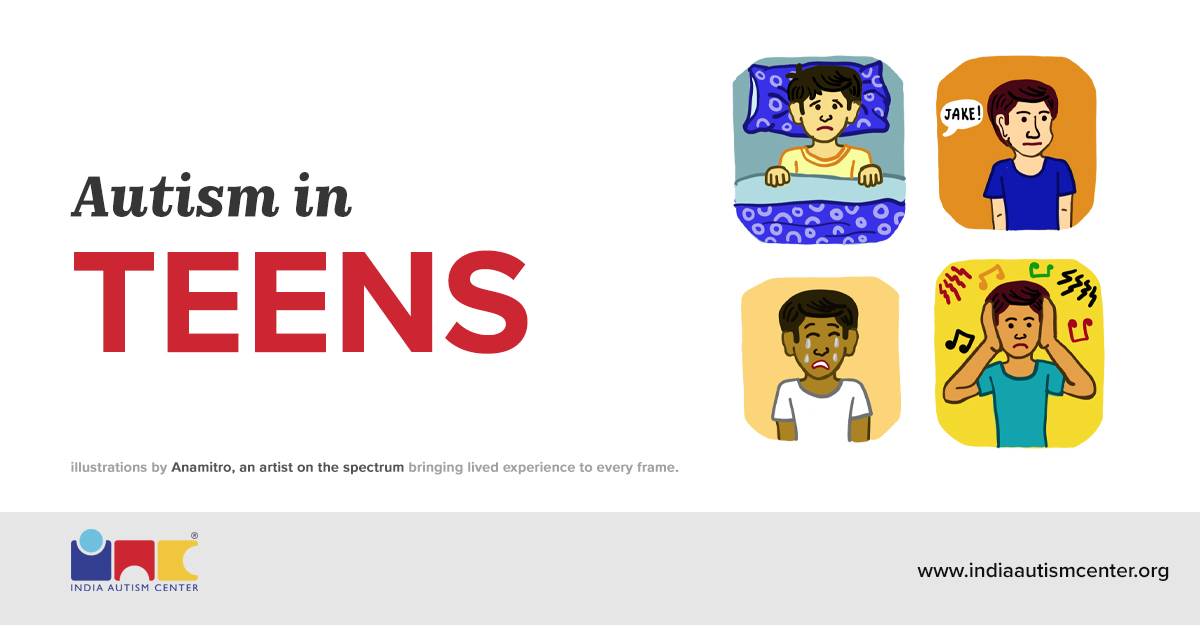
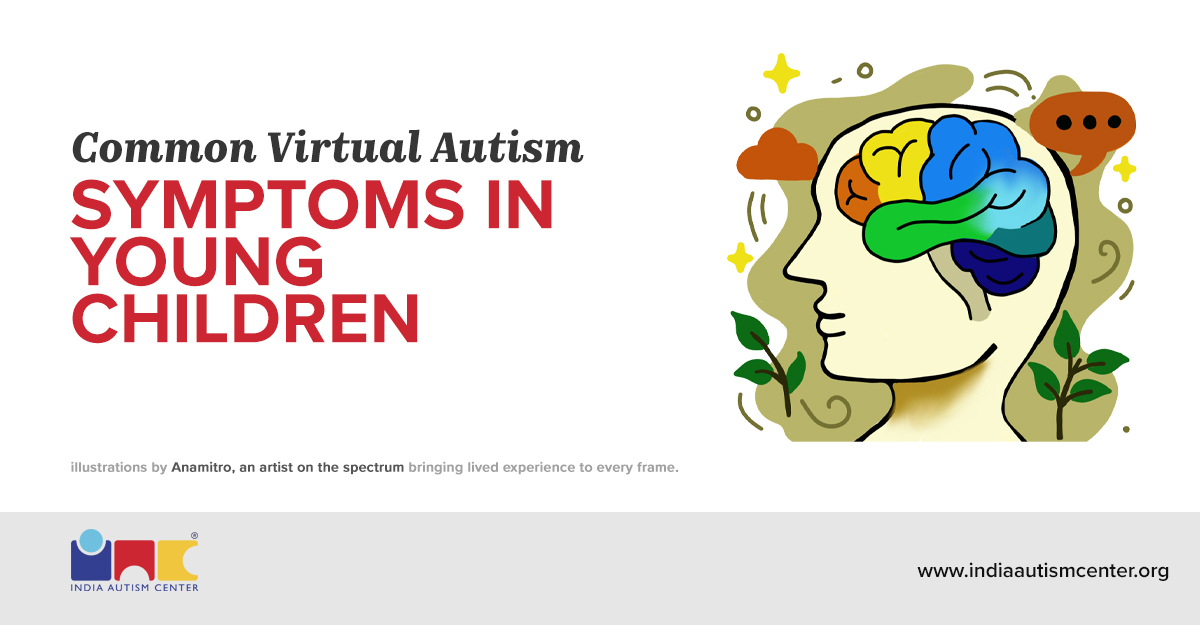
Privacy Overview

This website uses cookies so that we can provide you with the best user experience possible. Cookie information is stored in your browser and performs functions such as recognising you when you return to our website and helping our team to understand which sections of the website you find most interesting and useful.