Category: Autism Therapies

  • Coping with an Autism Diagnosis: Your Guide to What Comes Next

    Coping with an Autism Diagnosis: Your Guide to What Comes Next

    Coping with autism can feel like a sudden shift in gravity. Relief and grief, clarity and confusion, all crowd in at once. There is the label (with that comes the stigma), the paperwork, and the inevitable questions.

    And then the quiet pause of “Now what?”

    Long before that moment, though, many live through a drawn-out pre-diagnosis phase. Includes studying, noting patterns, and preparing questions for the consultant. These steps, modest as they seem, help steady the ground and make the conversation ahead more coherent.

    Our guide on coping with autism diagnosis is meant as a compass through both stages—the groundwork before diagnosis and the path that unfolds after. Up next, we’ll break down what the diagnosis truly means and how to cope with autism in daily life.

    Read on.

    Coping with Autism Diagnosis: What It Means
    You’ve heard the word. You’ve sat through the explanation.

    Now you’re holding a diagnosis that’s supposed to help, but doesn’t quite tell you how. Even with a name, coping with autism spectrum disorder is rarely straightforward – it often opens a new set of questions you didn’t know you’d be asking.

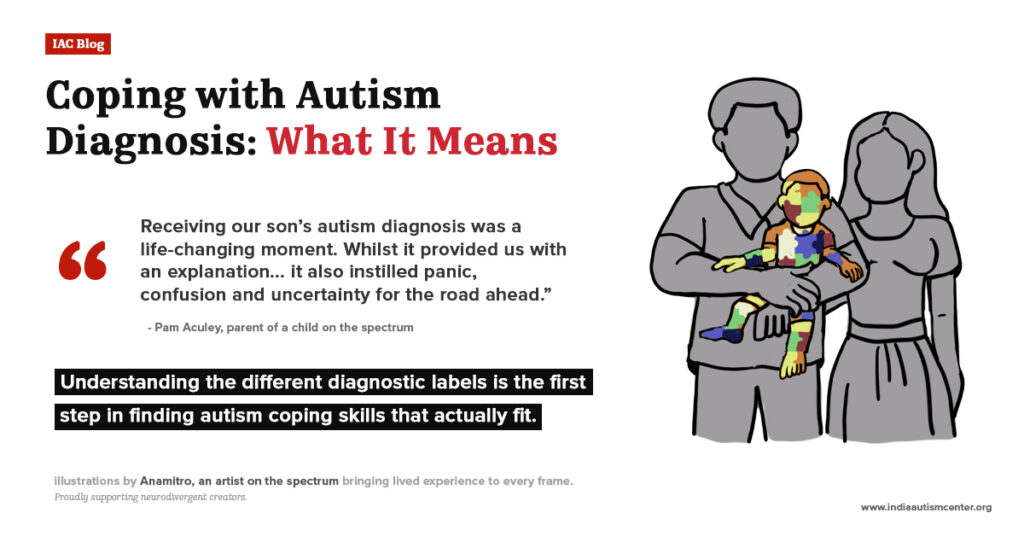
    Pam Aculey, parent of a child on the spectrum, says, “Receiving our son’s autism diagnosis was a life-changing moment. Whilst it provided us with an explanation… it also instilled panic, confusion and uncertainty for the road ahead.”

    That mix of clarity and overwhelm is something many families feel in the days that follow. Understanding the different diagnostic labels is the first step in finding autism coping skills that actually fit.

    Your child meets the criteria for Autism Spectrum Disorder, Level 2
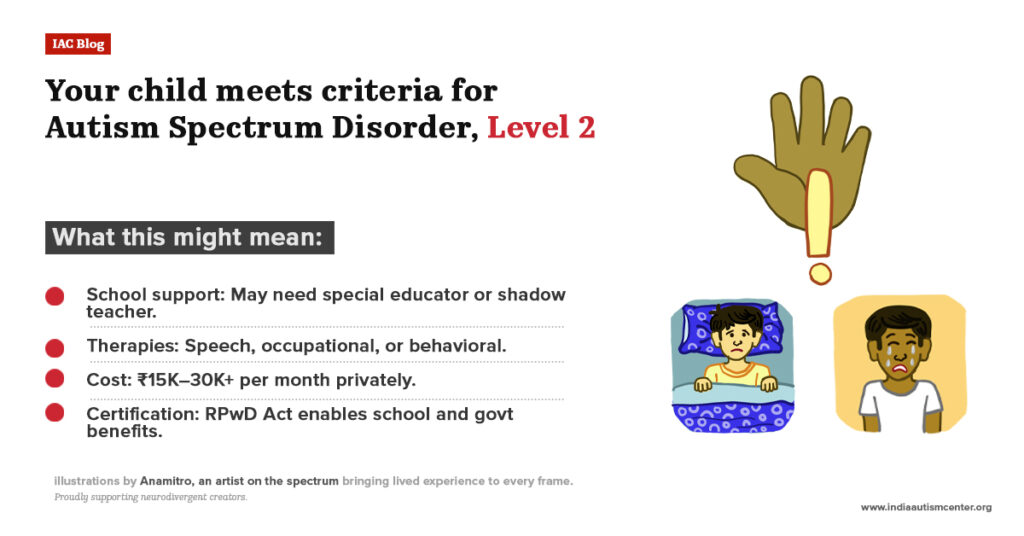
    This statement reflects the current diagnostic model under the DSM-5, where autism is recognized as a spectrum rather than distinct subtypes like Asperger’s or PDD-NOS.

    Level 2 suggests substantial support needs, especially in areas like social interaction, communication, behavioral flexibility, and sensory regulation.

    You may notice:

    • Frequent meltdowns when routines change
    • Limited back-and-forth interaction
    • Delayed speech or unusual language patterns
    • High sensitivity to noise, touch, or crowds

    What this might mean:

    • Referrals for speech therapy, occupational therapy, and behavior-based interventions
    • Likely need for a special educator or shadow teacher in inclusive settings
    • Monthly therapy expenses in private setups can run ₹15,000–₹30,000+
    • Eligible for disability certification under the RPwD Act, which can support access to schools, concessions, and future government schemes

    Often, children at this level may also be evaluated for co-occurring conditions like ADHD, sensory processing difficulties, or speech apraxia. Each of these can shape therapy goals and timelines. Families often ask how to cope with autism when support needs are substantial. At this level, coping strategies for autism usually include speech therapy, occupational therapy, structured routines, and professional guidance.

    Traits consistent with autism, Level 1
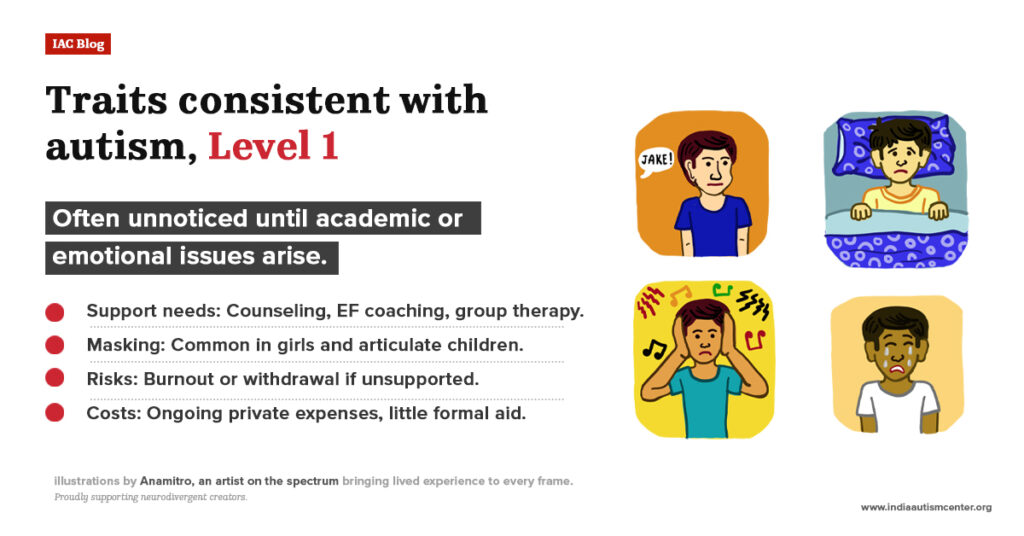
    Level 1 autism indicates milder but still impactful support needs. Individuals may have fluent language and average cognitive abilities, but experience difficulty with social nuance, rigidity, anxiety, or sensory overload. These are often internal struggles that others don’t easily see.

    This is where high functioning autism coping strategies often come into play – building social confidence, coaching for executive skills, and offering tailored counseling.

    What this might mean:

    • May go unnoticed in school unless academic or emotional challenges appear
    • Needs may include counseling, executive function coaching, or group therapy
    • Girls and verbally articulate children may mask symptoms, leading to delayed or missed diagnosis
    • Support may feel optional to others, but burnout and withdrawal are real risks
    • Financially, it often means unstructured, ongoing out-of-pocket expenses for private support with little formal recognition

    Diagnosis at this level may be made later in life, especially in women, nonbinary individuals, or those misdiagnosed with anxiety, OCD, or depression. For adults, it can feel like both clarity and reckoning.

    ADHD and autistic features are both present
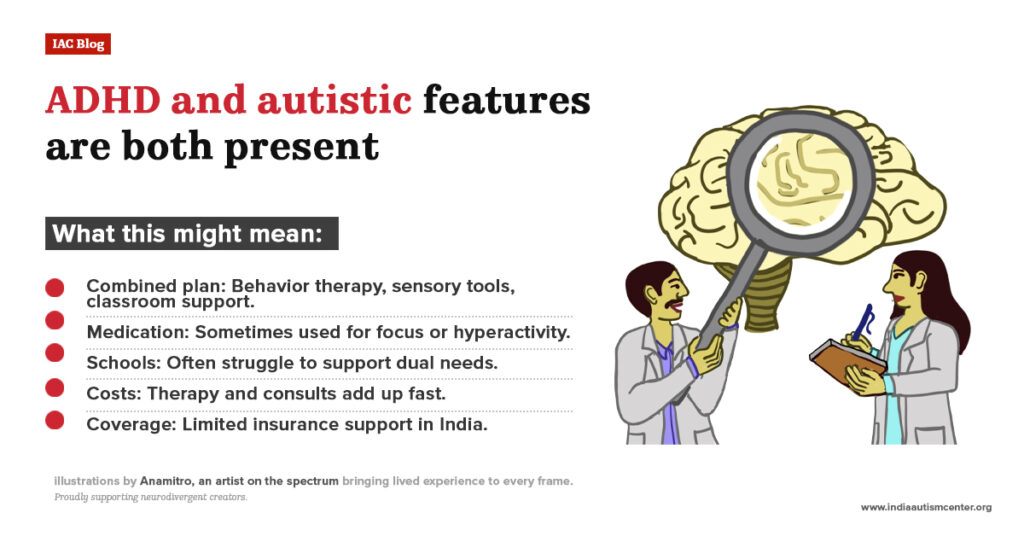
    This is a dual diagnosis that’s becoming more widely recognized. ADHD and autism often overlap, with each condition amplifying the other’s challenges. A child might struggle to sit still and also resist transitions. An adult might be impulsive, yet hyper-focused and anxious in new social situations.

    What this might mean:

    • Need for a combined intervention plan: behavioral therapy, sensory tools, and classroom strategies
    • In some cases, medication may be advised to manage inattention or hyperactivity
    • School systems may struggle to support both diagnoses simultaneously
    • Costs can quickly add up—between therapy, psychiatric consults, and parental guidance
    • Most insurance plans don’t fully cover these needs in India

    Clinicians often highlight this combination to explain why a child doesn’t respond to a single therapy style—or why social skills improve, but regulation doesn’t.

    Parents may need to explore combined coping mechanisms for autism and ADHD, including behavioral therapy and school accommodations.
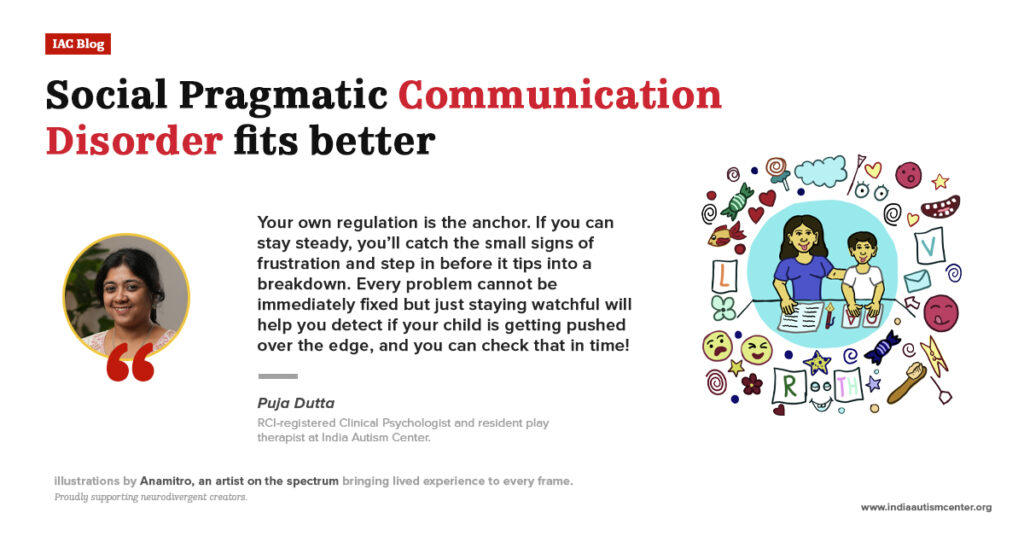
    Social Pragmatic Communication Disorder fits better

    This diagnosis is given when social interaction is affected—like difficulty understanding tone, taking turns in conversation, or interpreting gestures—but without the repetitive behaviors or sensory differences seen in autism.

    It’s considered distinct from ASD, but support is still essential. What this might mean:

    1. May be referred to speech-language therapy focused on social communication
    2. Often excluded from autism-specific school accommodations and benefits
    3. Teachers may misread challenges as immaturity or rudeness

    Parents sometimes ask how they’re supposed to hold it all together. The answer isn’t about perfection so much as steadiness.

    Puja Dutta, RCI-registered Clinical Psychologist at India Autism Center

    Long-term support is still needed, but legal protections and public funding are limited. This diagnosis can feel ambiguous for parents, but the key is not waiting. Social communication skills can improve dramatically with early, targeted support.

    Even without a full autism diagnosis, families benefit from autism coping skills for adults and children alike – skills like emotional regulation, communication strategies, and sensory support.
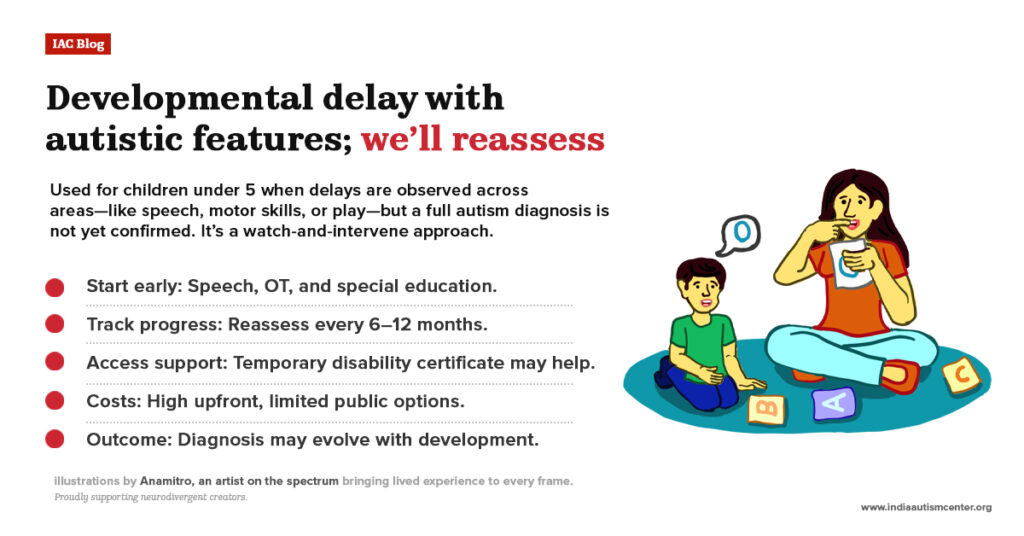
    Developmental delay with autistic features; we’ll reassess

    Used for children under 5 when delays are observed across areas—like speech, motor skills, or play—but a full autism diagnosis is not yet confirmed. It’s a watch-and-intervene approach.

    This overlaps with Global Developmental Delay (GDD), a term that gives space to monitor evolving needs.

    What this might mean:

    • Begin early intervention immediately: speech, OT, special education
    • Track milestones closely, with reassessments every 6–12 months
    • May receive temporary disability certification to access early support
    • Therapy costs are often high upfront, with limited public provision
    • Diagnosis may later evolve into ASD, ID, or a learning disability, depending on the child’s developmental path

    Early intervention here focuses less on labels and more on developing autism coping skills – speech, play-based learning, and structured support routines.

    So, now that you’ve unpacked the language, let’s move toward what to actually do with it.   Next up: building a plan, finding the right support, and making this diagnosis work for you.
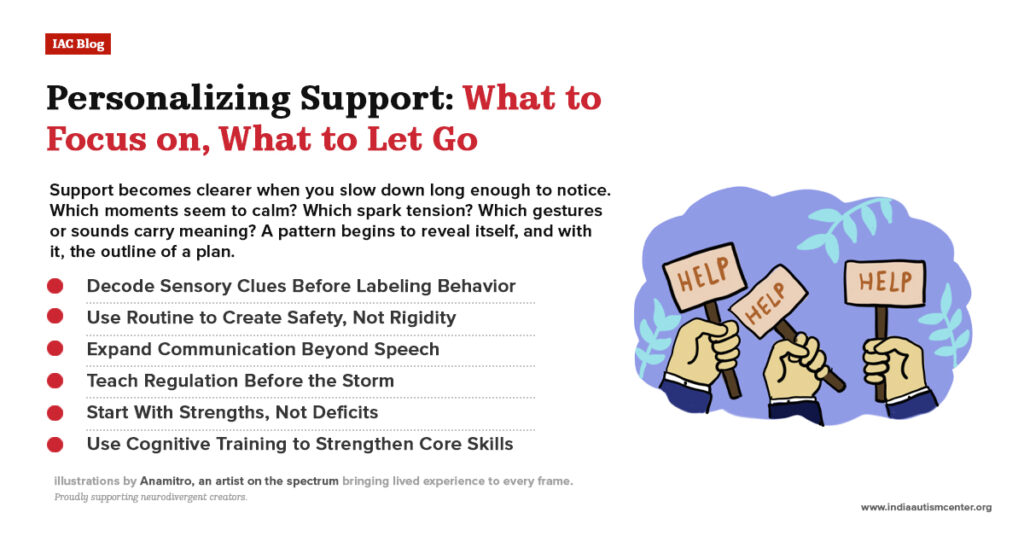
    Personalizing Support: What to Focus on, What to Let Go

    Parents of autistic children are often handed a flood of advice. New therapies, new strategies, new “essentials.” What gets lost in that rush is a quieter truth: not every approach matters equally. What matters most is finding coping strategies for autism that fit the child in front of you.

    Support becomes clearer when you slow down long enough to notice. Which moments seem to calm? Which spark tension? Which gestures or sounds carry meaning? A pattern begins to reveal itself, and with it, the outline of a plan.

    Seen this way, the next steps become clear.

    Decode Sensory Clues Before Labeling Behavior

    A child covering their ears in a crowded room is not being difficult; they are signaling distress. A refusal to wear a certain shirt may point less to stubbornness than to the irritation of a seam. Behavior, in this sense, is language—sometimes subtle, often urgent.

    Check these common sensory signals found in autism and ways to respond:

    If You Notice ThisIt May ReflectYou Can Try
    Hands clamped over earsAuditory sensitivityNoise-canceling headphones, quiet breaks
    Refusal of clothes/shoesTactile discomfortSofter fabrics, tagless clothing
    Chewing on sleeves or pencilsOral sensory-seekingChewelry, crunchy snacks
    Pacing, spinning, or jumpingNeed for movementSwings, trampolines, and climbing breaks
    Withdrawal in bright roomsVisual overloadDim lighting, sunglasses

    When interpreted this way, behavior shifts from being a problem to be managed to a clue about how the world is being experienced.

    This forms part of everyday coping mechanisms for autism, helping children regulate without escalating stress.

    Use Routine to Create Safety, Not Rigidity

    Routines are often described as restrictive, but for many autistic children, they serve as anchors. Predictability eases anxiety, creates a sense of safety, and makes daily life less chaotic. The goal is not rigid adherence to schedules but a rhythm steady enough to provide reassurance.

    Ways routines can ease daily life:

    GoalTool That Helps
    Calmer morningsPicture strip by the mirror
    Smoother bedtimesDimmer switch + checklist
    Easier transitionsCountdown timer + verbal cue
    Less chaotic weekends“Today’s Plan” fridge chart

    Sometimes the most effective support is not a full overhaul but a small, consistent addition that lowers stress.

    For many families learning how to live with autism, routines become a key autism coping skill that provides both safety and flexibility.

    Expand Communication Beyond Speech

    Spoken words often arrive unevenly, or not at all. Yet communication rarely disappears. It shows up in gestures, repeated phrases, the rhythm of movement, or with the help of assistive devices. To recognize those signals is to widen the frame of what language looks like.

    Ways to make communication more accessible:

    • Offer clear picture choices instead of open-ended questions
    • Treat repeated scripts as openings, not interruptions
    • Allow extra pauses before stepping in
    • Keep AAC tools close during everyday routines

    By shifting attention from what is absent to what is present, communication begins to feel broader, more possible.

    Communication supports are essential coping skills for autism spectrum disorder, especially when speech is delayed or absent.

    Teach Regulation Before the Storm

    Meltdowns rarely arrive without warning. They build gradually—restlessness, escalating scripts, withdrawal. These are not minor inconveniences but early signals that the child is nearing a breaking point. Intervening before escalation often means the difference between a spiral and a moment of calm.

    Here are some early clues and supports that prove useful:

    Early ClueHelpful Support
    Pacing or restless handsFidget tools, deep pressure
    Escalating scriptsCalm break, quiet corner
    Covering ears or eyesHeadphones, dim lights
    Repeated questionsVisual schedule, consistent reply

    Calm practices introduced early and often, not in the midst of a crisis, are the ones most likely to take hold. These proactive methods are some of the most reliable autism coping skills for adults and children.

    Start With Strengths, Not Deficits

    The impulse to focus on delays is strong, but strengths are often the more reliable path forward. A child’s fascinations, talents, or even quirks can become tools for learning and connection. What lights them up can also guide them toward growth.

    Transform strengths into supports:

    StrengthHow to Build On It
    Fascination with trainsCounting, turn-taking, sequencing
    Love of drawingSelf-made visual schedules
    Strong memory for patternsAnchoring routines and rules
    Mimicry of soundsSocial scripts and play
    Passion for animalsResponsibility and empathy-building

    When growth is anchored in strength, progress often feels less like correction and more like expansion. This strength-based model not only builds skills but also teaches coping strategies for autism by creating positive learning anchors.

    Support, then, is not about adding more. It is about finding the shape that matches a child’s needs and leaning into it. Observed closely, the outline is already there.

    Use Cognitive Training to Strengthen Core Skills

    In India, cognitive training is slowly gaining traction as an essential part of intervention for children with developmental differences. Unlike therapies that target specific behaviors, cognitive training strengthens the “thinking skills” beneath them with flexibility, self-regulation, multitasking, working memory, and problem-solving. These are the foundations that help a child adapt in the classroom, manage frustration, and carry new learning into daily life.

    Why it matters: Without these skills, even strong abilities, like language or memory, may not translate into independence. A child who can memorize facts may still struggle to shift when plans change; one who speaks fluently may still be derailed by poor regulation. Cognitive training fills these gaps by teaching children how to manage information, not just absorb it.

    For many, especially when coping with ASD as an adult, cognitive training becomes a crucial tool for independence and daily functioning.

    What it looks like:

    1. Memory and sequencing games to strengthen working memory
    2. Structured play that encourages flexible thinking
    3. Daily activities that demand planning and self-monitoring

    Looking Ahead: Financial Foundations for Lifelong Support
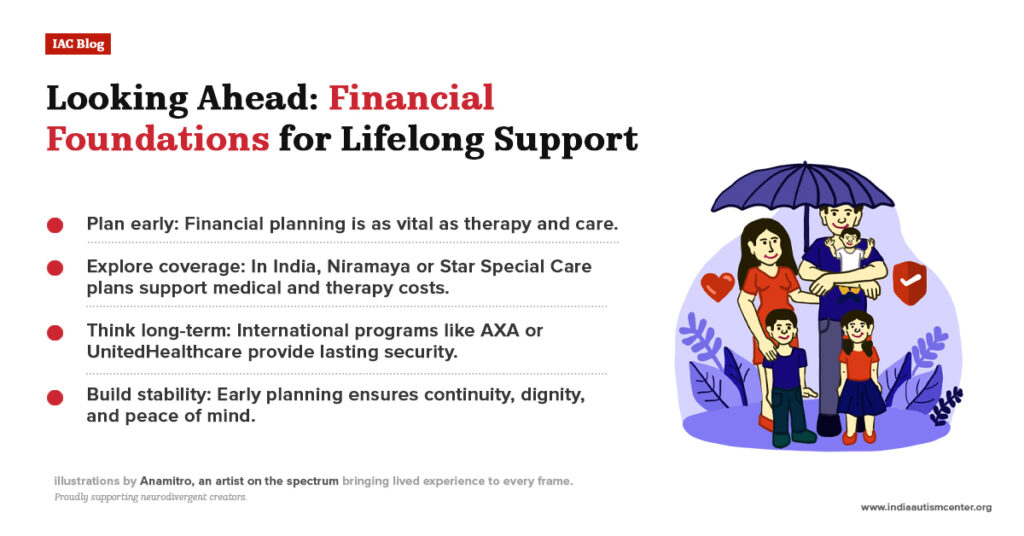
    Financial planning becomes essential once an autism diagnosis enters a family’s life. It is the start of a long journey to ensure your child’s needs are met today and protected for tomorrow. A strong financial plan is just as vital as therapies and coping skills for autism. It ensures that support systems continue long-term, especially as children transition into adulthood.

    In India, families can explore government-supported Niramaya Health Insurance, covering hospitalization and therapy, or private options like Star Special Care, which includes medical, therapy, and hospital expenses. Internationally, programs such as UnitedHealthcare Special Needs Plans or AXA disability coverage offer comprehensive long-term support. These plans do more than pay bills. They create a safety net that lets daily life unfold with less uncertainty.

    A thoughtful financial strategy brings calm and confidence. Planning early safeguards not just care, but your child’s dignity and future possibilities. If you’re unsure which options fit best, a consultation with a specialist can help map the path forward.

    post-id: 4969block id: NOT SETsmall-title: big-title: big-title-highlight: short-description: webinar-date: webinar-time: webinar-duration: name: designation: form-title:

    Join Our Free Webinar

    Financial Planning for
    Families of Autistic Individuals

    Get practical, real-world guidance on how to secure your child's financial future with clarity and confidence.

    Date Saturday, 25th July
    Time 4 PM
    Duration 90 Minutes
    Pankaj Gupta
    Pankaj Gupta
    Chief Investment Officer, Ratnabali Group

    Register Now
  • What Is Autism? Signs, Causes & Truths Explained Simply

    What Is Autism? Signs, Causes & Truths Explained Simply

    Pinpointing ‘what is autism spectrum disorder’ isn’t as simple as it sounds.

    It can be loud. Quiet. Visible. Hidden. Joyful. Exhausting. Sometimes, it looks like brilliance in motion. Other times, it’s a complete emotional shutdown.

    Curious to learn more?

    Well, if you’re reading this, you’re already one step closer to understanding autism better. In this guide, we’ll explore what autism spectrum disorder (ASD) is, its causes, the signs and symptoms to watch out for, and how early intervention for autism can make a meaningful difference.

    So, let’s start with the most important question of all.

    What Is Autism Spectrum Disorder?

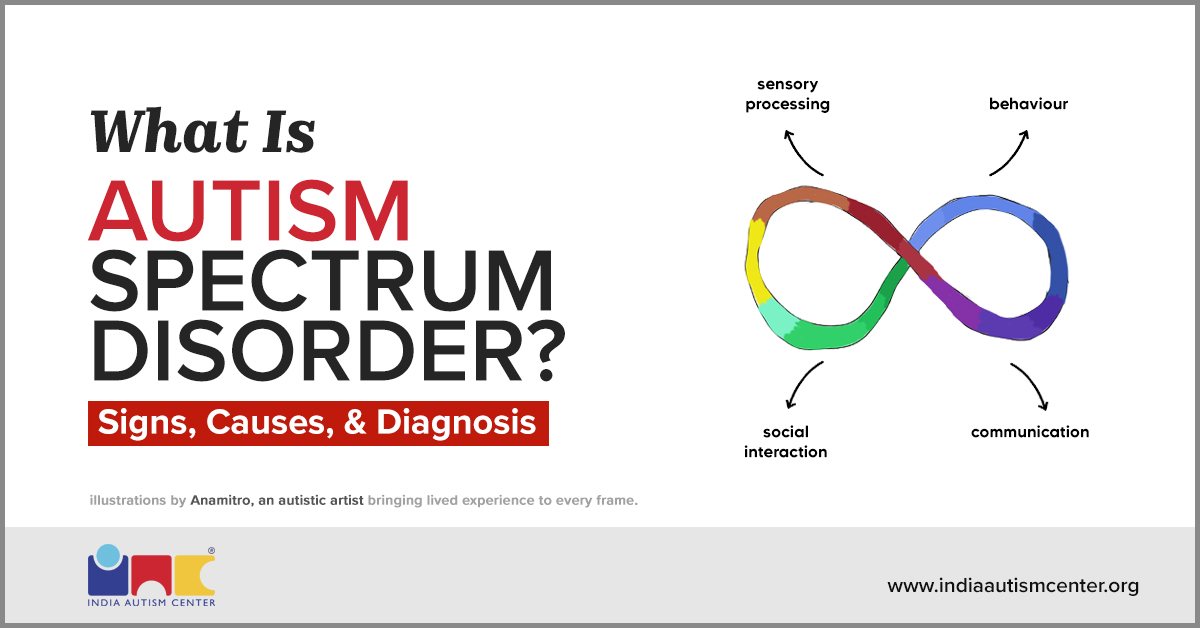
    Autism spectrum disorder is a neurodevelopmental condition that affects how a person communicates, interacts socially, and processes sensory information.

    Interestingly, autism is a spectrum disorder. It doesn’t show up in just one way. Autism is recognised as a neurodevelopmental condition and falls under the broader category of disabilities. To understand the full spectrum, explore the different types of disability and how they are classified

    One child might talk nonstop; another might not use words at all. Some find deep comfort in routine, while others need room to explore and improvise.

    Dr. Temple Grandin, one of the world’s most well-known advocates, offered a glimpse into this in her TED Talk. When asked to picture a church steeple, her mind flashed vivid images. Her classmate, however, pictured nothing.

    – Dr. Gradin

    This is what makes autism so nuanced. It’s not always about what’s visible. It’s about how someone interprets the world internally.

    So, let’s be clear. Autism is not a disease. And it certainly is not rare. 

    Studies estimate that it affects about 1 in 100 Indian children under the age of 10. In the USA, it is about 1 in 31 children aged 8 years.

    That’s why understanding autism begins with recognizing the causes. 

    Let’s explore them first.

    What Is Autism Caused By?

    Understanding what causes autism is one of the first questions many parents ask after a diagnosis. The urge to find answers is natural. Families often retrace medical histories, revisit early signs, or reflect on emotional outbursts and delays.

    But ASD doesn’t have one clear cause. Instead, it emerges from a combination of genetics, brain development, and environmental factors.

    So, let’s first take a closer look at what science has to say about the causes.

    Role of Genetics in Autism

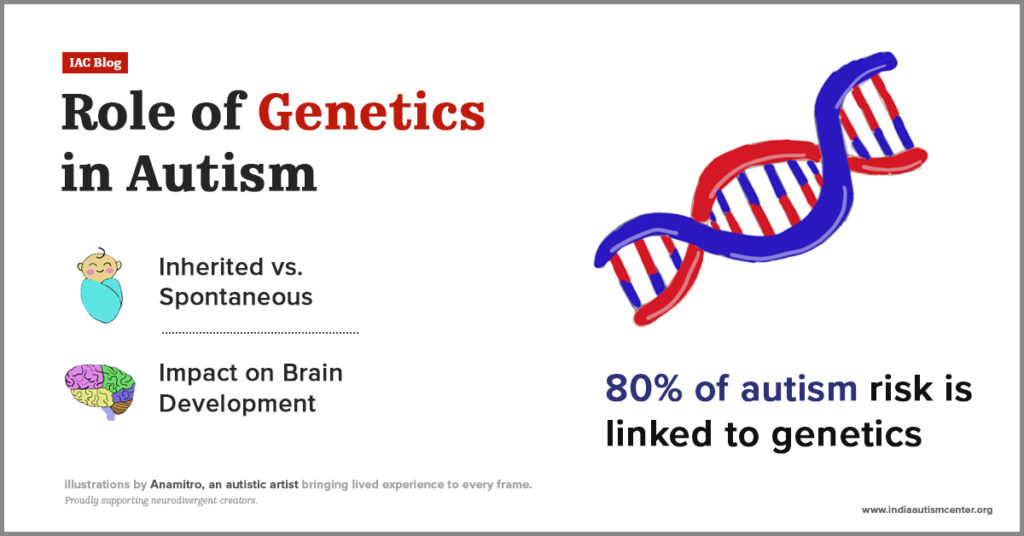
    Recent research estimates that genetic factors contribute to around 80% of autism risk.

    Some are inherited. Others appear early in development as de novo mutations. In simpler words, these are genetic changes that occur spontaneously and aren’t passed down from parents.

    These genetic variations influence how the brain forms and connects. Specifically, they impact the regions involved in communication, sensory processing, and social behavior.

    Here’s where it gets interesting.

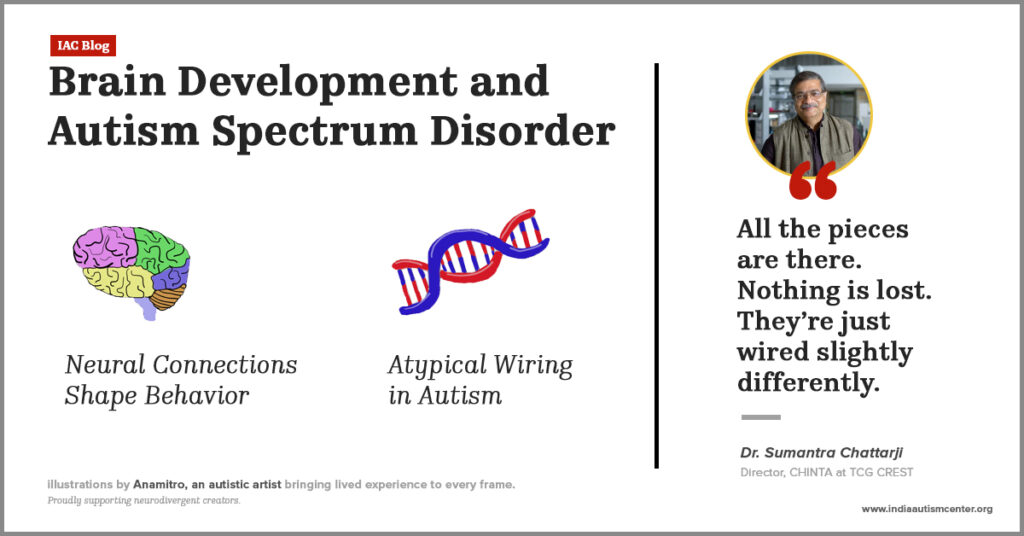
    Brain Development and Autism Spectrum Disorder

    As the brain develops during fetal and early postnatal life, the connections between neurons (also known as synapses) form critical pathways. This governs behavior, perception, and interaction.

    In our podcast with Dr. Sumantra Chattarji, Director of CHINTA at TCG CREST, he shared,

    https://www.youtube.com/watch?v=0VICO3BZtlo

    But this also doesn’t reveal the whole picture. 

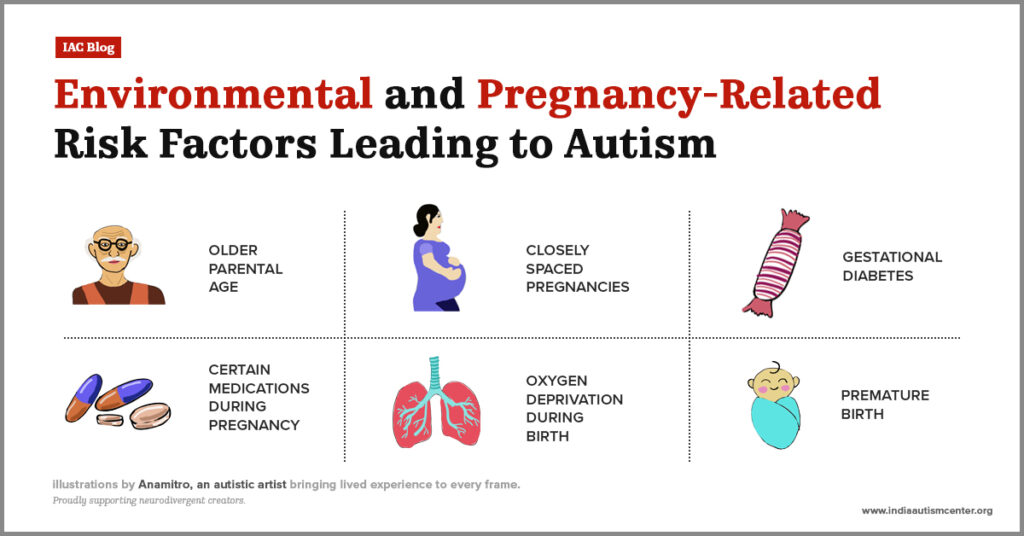
    Environmental and Pregnancy-Related Risk Factors Leading to Autism

    Environmental and pregnancy-related risk factors linked to autism, including age, birth, and medication.

    While genetics and brain development are central, researchers have also identified non-genetic risk factors that may increase the likelihood of ASD. 

    These include:

    • Older parental age: Especially fathers over 40. This is linked to a higher likelihood of autism due to age-related genetic changes.
    • Closely spaced pregnancies: Short intervals between pregnancies can affect maternal health and fetal brain development, raising the risk.
    • Gestational diabetes: This condition can interfere with fetal brain development and is associated with an increased likelihood of autism in the child.
    • Certain medications during pregnancy: Drugs like valproate (used to treat epilepsy) are known to disrupt fetal brain development and significantly elevate autism risk.
    • Oxygen deprivation during birth: Birth complications that lead to low oxygen levels can cause brain injury, contributing to a higher risk.
    • Premature birth: Babies born prematurely are more vulnerable to neurodevelopmental differences, including autism, due to early-stage brain development.

    It’s important to remember that these factors do not cause ASD on their own. Instead, they may elevate risk when combined with underlying genetic susceptibility.

    With that said, let’s now delve into the most-awaited aspect.

    What Are Autism Symptoms and Signs?

    Recognizing autism symptoms and signs is key. This helps in understanding how it’s diagnosed and how you can support someone on the spectrum.

    Let’s explore what to look for.

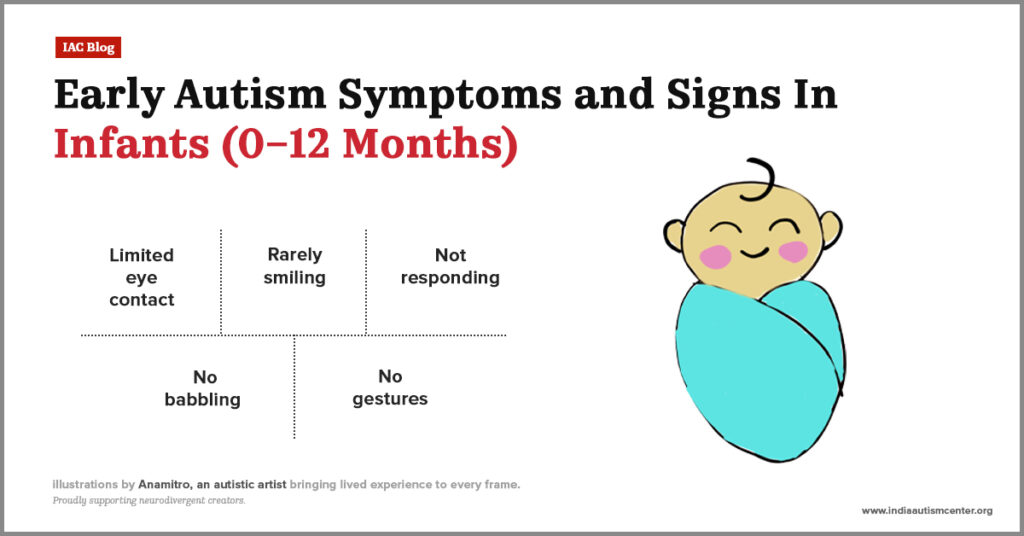
    Early Autism Symptoms and Signs In Infants (0–12 Months)

    Early autism signs and symptoms in infants.

    Ever wondered at what age autism is detected? For many families, subtle differences begin to appear in infancy.

    Early signs of autism in infants include:

    • Limited eye contact while conversing
    • Rarely smiling at others or showing social interest
    • Not responding to their name by 9-12 months
    • Little to no babbling 
    • Gestures like pointing or waving

    These early autism symptoms may be easy to miss. But they are crucial clues for early intervention.

    More on this later.

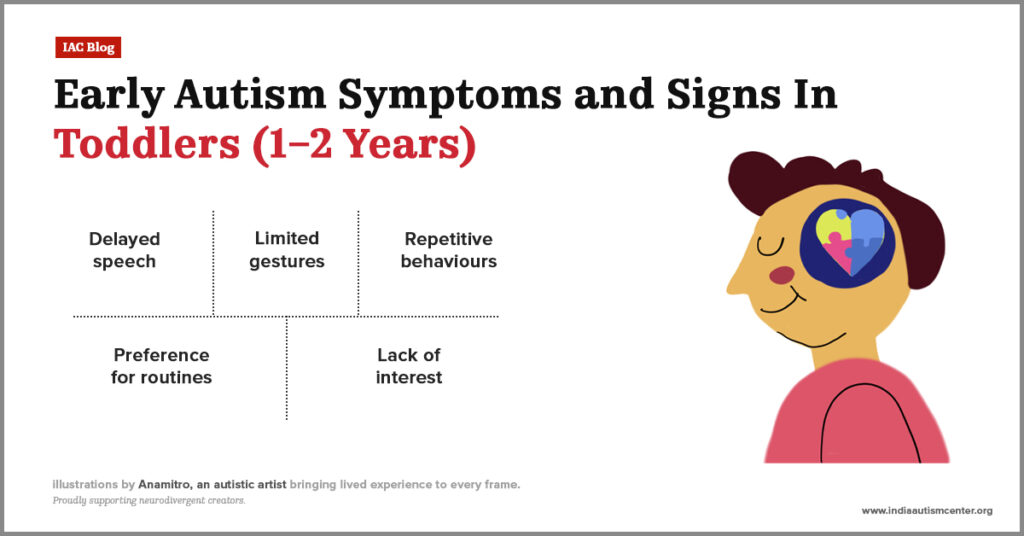
    Early Autism Signs and Symptoms In Toddlers (1–2 Years)

    By this age, children usually begin to speak, imitate adults, and play socially. In autistic toddlers, however, development might diverge.

    Watch for:

    • Delayed speech or no speech by age 2
    • Limited gestures like pointing, waving, or nodding
    • Repetitive behaviours (rocking, flapping, spinning)
    • Strong preference for routines or sameness
    • Less interest in playing with others or imitating adults

    This is also the stage when regressive autism can emerge.

    This begs the question.

    What is Regressive Autism?

    Regressive autism in children.

    Regressive autism (also called autism with regression) means the loss of previously acquired skills.

    This is a subtype of ASD that is often seen in children, usually aged between 15 and 30 months.

    A child who once said words, responded to their name, or enjoyed play may suddenly:

    • Stop using language
    • Withdraw from social interaction
    • Avoid eye contact or connection
    • Show reduced emotional expression

    It’s important to remember that this regression is not necessarily caused by trauma or illness. It’s simply one of the ways ASD can unfold.

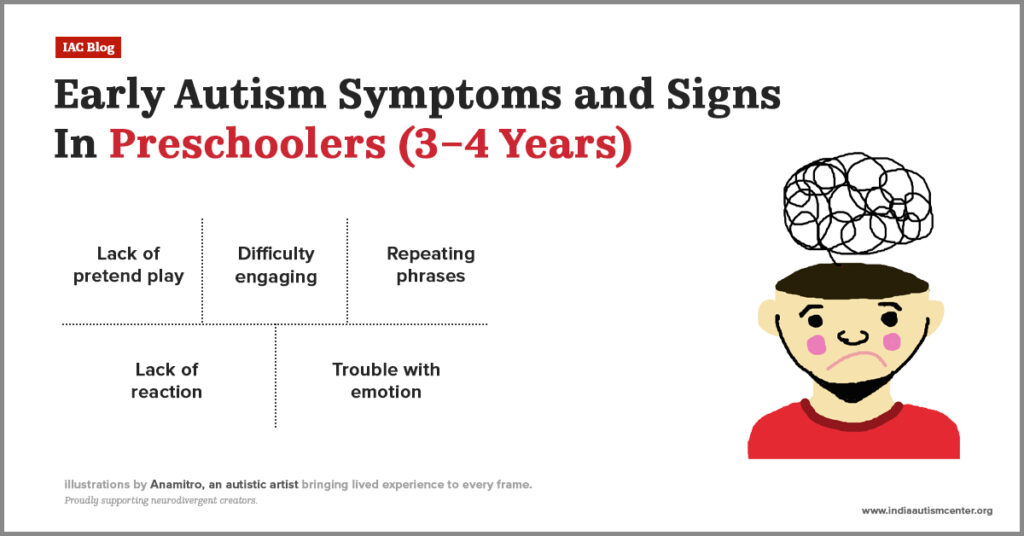
    Early Autism Symptoms and Signs In Preschoolers (3–4 Years)

    In social settings like preschool, autism signs and symptoms often become more obvious, manifesting in:

    • Lack of pretend play (e.g., pretending to feed a toy)
    • Difficulty engaging with peers or group activities
    • Repeating phrases (echolalia) or using unusual speech patterns
    • Over- or under-reaction to sounds, lights, textures
    • Trouble understanding or expressing emotions

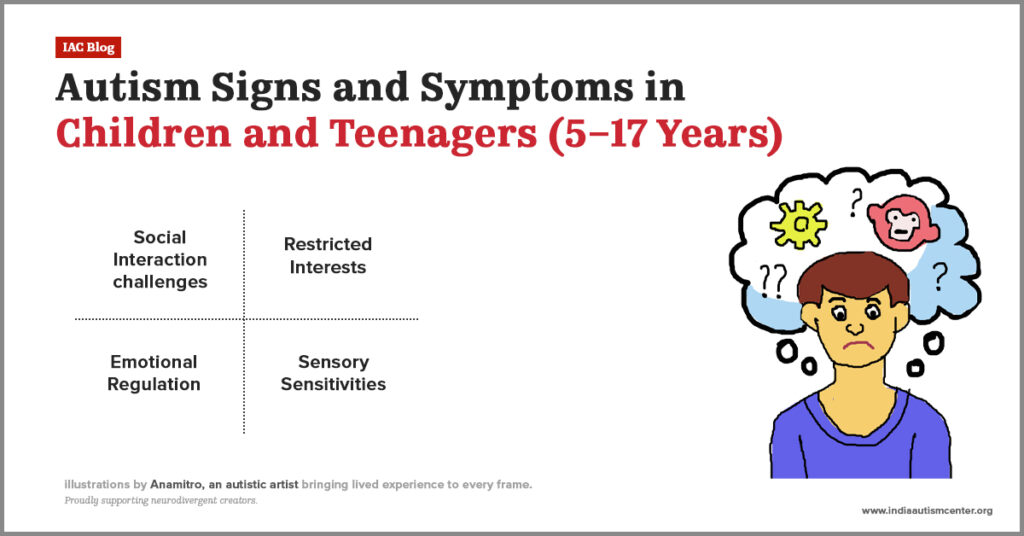
    Autism Signs and Symptoms in Children and Teenagers (5–17 Years)

    Autism signs and symptoms in children and teens.

    In school-aged children and teens, challenges often shift from developmental delays to social struggles, emotional regulation issues, and the effort to blend in.

    Social Communication and Interaction Challenges

    Navigating friendships and social expectations can become more challenging in school settings. 

    At this stage, autistic individuals may experience:

    • Difficulty reading social cues like facial expressions, body language, or tone of voice
    • Struggles with initiating or maintaining back-and-forth conversations
    • Preference for playing alone or spending time with younger children or adults
    • Literal interpretation of language and missing sarcasm, jokes, or implied meaning
    • Limited or avoidant eye contact during conversations

    Restricted Interests and Repetitive Behaviors

    Autistic children and teens often develop focused interests that may dominate their time and conversations.

    Common autism symptoms and signs are:

    • Intense fixation on specific topics, activities, or objects
    • Repetitive behaviors like spinning objects, hand-flapping, or rocking
    • Insistence on routine or predictability and distress when routines are disrupted
    • Difficulty transitioning between classes, tasks, or social environments

    Sensory Sensitivities

    Sensory differences often become more pronounced in high-stimulus environments like schools or social gatherings.

    Look for:

    • Overreaction to sounds, lights, or textures (e.g., buzzing lights, scratchy uniforms)
    • Seeking or avoiding sensory input (e.g., covering ears, refusing certain foods)
    • Overwhelm or shutdowns in crowded or chaotic spaces

    Emotional Regulation and Daily Living

    As expectations increase with age, autistic teens may face unique internal struggles, such as:

    • Heightened anxiety, especially in social settings
    • Mood changes, emotional shutdowns, or meltdowns
    • Difficulty managing transitions or unexpected changes
    • Trouble with daily tasks like organizing schoolwork, hygiene, or managing time

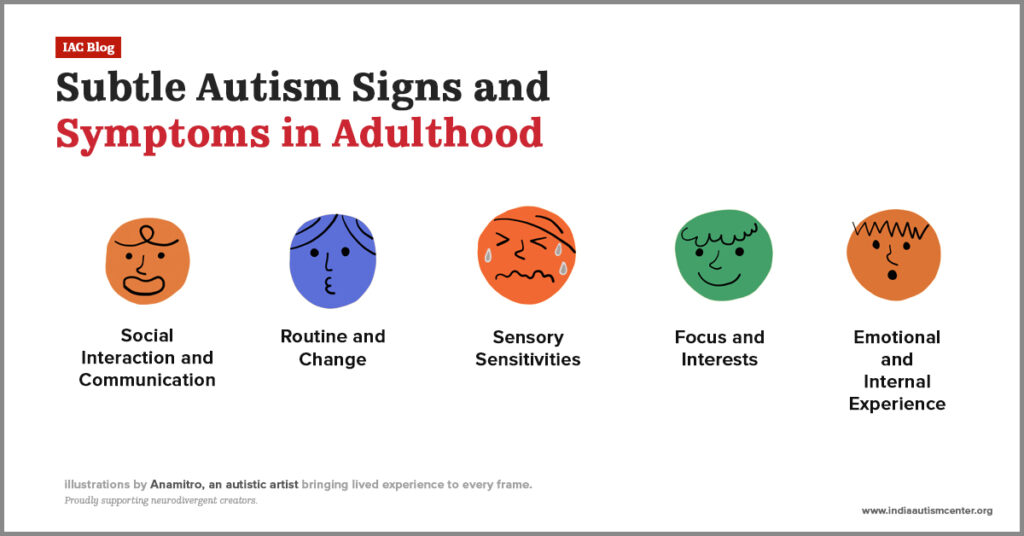
    Subtle Autism Signs and Symptoms in Adulthood

    In adulthood, ASD can look quieter. Traits like sensory sensitivity, social fatigue, or rigid routines often get mistaken for anxiety or just being ‘a bit different.’

    Social Interaction and Communication

    Part of understanding what autism is in adults is recognizing that everyday social dynamics can feel like a completely different operating system.

    You might notice:

    • Difficulty reading facial expressions, tone, or unspoken cues
    • Preference for one-on-one conversations
    • Feeling socially drained after even short interactions
    • Struggling to follow fast-paced group conversations or interruptions

    Routine and Change

    Predictability brings comfort. A strong need for routine helps create a sense of stability in a world that feels unpredictable.

    Look for:

    • Discomfort with sudden changes in routine
    • Deep attachment to daily rituals
    • Difficulty switching between tasks
    • High stress from unexpected events
    • Reliance on structure to feel in control

    Sensory Sensitivities

    Bright lights, loud noises, or certain textures commonly trigger discomfort in adult autistic people. This makes sensory sensitivities an important yet under-recognized aspect of ASD symptoms.

    These autism signs include:

    • Sensitivity to bright lights, loud sounds, or strong smells
    • Overwhelm in crowded or noisy environments
    • Discomfort with certain textures of clothing
    • Difficulty focusing due to sensory overload

    Focus and Interests

    Autistic adults often develop ‘special interests’. These are deep, passionate areas of focus that bring joy, clarity, and calm.

    Common autism signs are:

    • Intense, almost encyclopedic knowledge of certain topics
    • Spending hours immersed in research or activities
    • Difficulty pulling away from focused interests
    • A sense of purpose rooted in specific routines or hobbies

    Emotional and Internal Experience

    To fully grasp autism in adulthood, you need to look beneath the surface.

    Consider:

    • Difficulty identifying or naming emotions (alexithymia)
    • Feeling out of sync in social or emotional situations
    • Chronic anxiety or burnout from masking
    • Struggling to manage sensory-emotional overload
    • Coping through strict routines or withdrawal

    Now that we’ve explored what signs to look for, let’s talk about what to do next, especially if you’re noticing these traits in a young child.
    Early Autism Identification and Intervention (Ages 0–3)

    Early autism intervention in toddlers.

    Early intervention for autism spectrum disorder is most effective when it begins before age 3. 

    Why? Because at this stage, the brain is rapidly developing, and children are most responsive to structured support.

    If you’re wondering whether your toddler’s ‘unusual’ behavior is just a phase, don’t wait it out.

    With that said, let’s now discuss the steps.

    Step 1: Developmental Screening

    Your first stop should be a developmental pediatrician, clinical psychologist, or rehabilitation psychologist. 

    Ask for a developmental screening, especially if your child is between 15 to 30 months.

    Most professionals in India use the Modified Checklist for Autism in Toddlers, Revised (M-CHAT-R). It’s a reliable tool to identify early signs.

    Step 2: Early Intervention

    If screening raises concerns, you don’t need to wait for a formal diagnosis. Early autism intervention can begin right away. 

    It may include:

    • Speech therapy
    • Occupational therapy (OT)
    • Special education support
    • Parent training and home-based strategies

    The goal? Prevent delays from compounding. Build communication. Nurture connection. Improve adaptive behaviors.

    Autism Diagnosis in Children and Teens (Ages 3-18)

    Autism diagnosis in children and teenagers.

    After age 3, teens and children can undergo a formal autism diagnosis. This doesn’t just confirm ASD, it also helps assess co-occurring conditions like ADHD, sensory issues, anxiety, or speech delays.

    How to Get an Autism Spectrum Disorder Diagnosis

    Start with a licensed clinical psychologist, rehabilitation psychologist, or developmental pediatrician. 

    A proper diagnosis includes:

    • Parental interviews and developmental history
    • Direct observation of behavior and interaction
    • Review of previous therapy records or school reports
    • Standardized tools like the Indian Scale for Assessment of Autism (ISAA), Indian Scale for Assessment of Autism (CARS-2), or Autism Diagnostic Observation Schedule (ADOS-2)
    • A multidisciplinary team arrives at a conclusive diagnosis through consensus

    Multidisciplinary Support After Diagnosis

    Diagnosis is just the beginning. Based on the assessment, autistic children and teens may be referred to:

    • A speech-language therapist
    • An occupational therapist
    • A special educator
    • A psychologist
    • A play therapist
    • A health practitioner (for co-occurring conditions) 

    This integrated approach is key to designing personalized autism intervention strategies. It also truly supports the child’s strengths and challenges.

    Autism Diagnosis for Adults (Ages 18+)

    Adult autism diagnosis.

    Not everyone receives a diagnosis in childhood. Some begin to question their lifelong struggles with communication, masking, or sensory sensitivities in adulthood.

    How to Get an Autism Diagnosis as an Adult

    Autism diagnosis for adults follows a similar pathway, but with added focus on lived experience and adaptive functioning.

    Seek out:

    • A licensed clinical or rehabilitation psychologist with experience in adult neurodevelopment
    • A psychiatrist, especially if emotional or behavioral concerns like anxiety or depression are involved

    They will use tools like the ISAA, ADOS-2, DISCO, or clinical interviews alongside DSM-5 autism diagnosis criteria.

    The Power of Clarity

    Receiving a diagnosis in adulthood helps explain long-standing challenges and opens doors to support, workplace accommodations, and therapy.

    It also helps uncover any co-occurring conditions that may have been misunderstood.

    As Puja Dutta, an RCI-licensed Clinical Psychologist at India Autism Center, shared:

    Caution: Avoid Online or Remote Diagnosis

    While preliminary consultations can happen online, a proper diagnosis must be done in person. 

    Tools like ISAA and ADOS-2 rely on live behavioral cues, eye contact, gestures, and shared attention. These are not reliably captured over video.

    Always seek in-person assessments through certified professionals.

    Now, here is something to keep in mind.

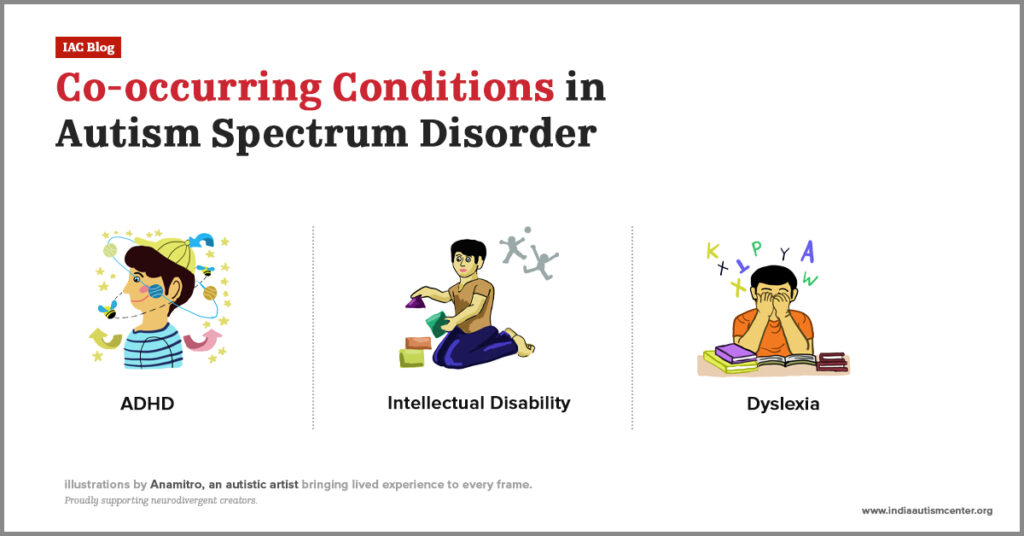
    Co-occurring Conditions in Autism Spectrum Disorder

    Co-occurring conditions in autism spectrum disorder.

    Many autistic individuals experience other neurodevelopmental, medical, or psychological conditions alongside their autism diagnosis. These are called co-occurring conditions.

    Recognizing them is vital for delivering the right support. Here are the most common ones:

    Attention-Deficit/Hyperactivity Disorder (ADHD)

    Frequently co-occurring with autism, ADHD includes symptoms like inattention, impulsivity, and hyperactivity. It can increase sensory overwhelm and make routines more difficult to follow.

    Intellectual Disability (ID)

    Some autistic individuals have below-average intellectual functioning, qualifying as having intellectual disabilities. This impacts their learning pace, communication, and adaptive living skills.

    Dyslexia

    This reading-related difference may go unnoticed in verbal autistic individuals. But becomes unavoidable to address because dyslexia causes major frustration in language-heavy learning environments.

    Gastrointestinal (GI) Issues

    A complete understanding of ASD must include the gut-brain connection. In other words, gastrointestinal issues accompany autism.

    Chronic GI concerns, like constipation, stomach pain, or food sensitivities, often impact behavior, mood, and focus.

    Fibromyalgia

    In autistic adults, fibromyalgia may present as chronic pain and fatigue, further intensifying sensory sensitivities and emotional stress.

    Selective Mutism

    Selective mutism is an anxiety-related condition. It makes situations extremely difficult for some autistic children to speak in certain settings, even when they want to.

    Sensory Processing Differences

    Sensory sensitivities are a core trait. It includes extreme responses to light, sound, touch, or smell. Sensory processing differences can interfere even with daily tasks like dressing, eating, or relieving oneself.

    Epilepsy

    Seizures occur more frequently in autistic individuals, especially those with intellectual disabilities. If this is epilepsy, seizures can begin in early childhood or develop later during adolescence.

    Psychosis

    Though rare, some autistic individuals may show signs of psychosis. Psychotic episodes involve experiences of hallucinations or delusions, usually linked to stress, trauma, or genetic vulnerability.

    Developmental Coordination Disorder (DCD)

    Often seen in autistic children, developmental coordination disorder affects fine and gross motor skills. DCD leads to clumsiness or difficulty with handwriting, sports, or dressing.

    Obsessive Compulsive Disorder (OCD)

    Obsessive-compulsive disorder and ASD can look similar. However, OCD is primarily driven by anxiety and intrusive thoughts, requiring different interventions.

    Polycystic Ovary Syndrome (PCOS)

    Autistic women and girls are more prone to having PCOS. This suggests that hormonal pathways may play a role in how autism is expressed and experienced.

    All of these co-occurring conditions may stay hidden well into adulthood. Not because they weren’t there. But because individuals often mask them to get through the day.

    This raises the question.

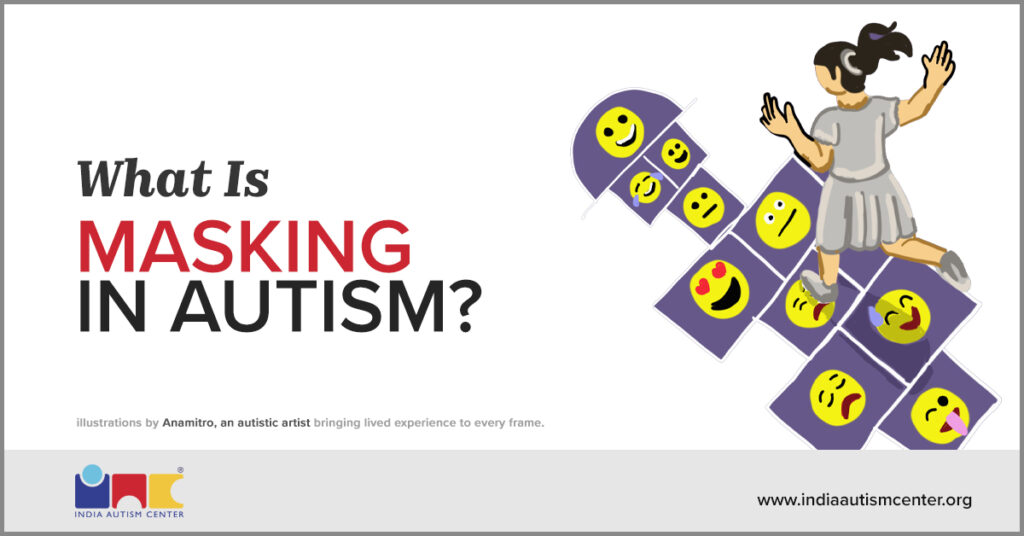
    What is Masking in Autism?

    Autism masking, also known as camouflaging or compensating, is a social strategy where autistic individuals hide parts of themselves to blend in with a world that doesn’t always make room for difference.

    It might look like this:

    • Forcing eye contact even when it feels unnatural
    • Suppressing stimming, like rocking, hand-flapping, or tapping, because someone once said it looked odd
    • Rehearsing conversations ahead of time to sound ‘normal’

    These strategies often work. Sometimes, they even help autistic individuals get through the day. Help them feel safe. Accepted. And, avoid being teased.

    Another way autism gets misunderstood is through the language we use, especially when it comes to describing ability levels.

    So, let’s talk about them.

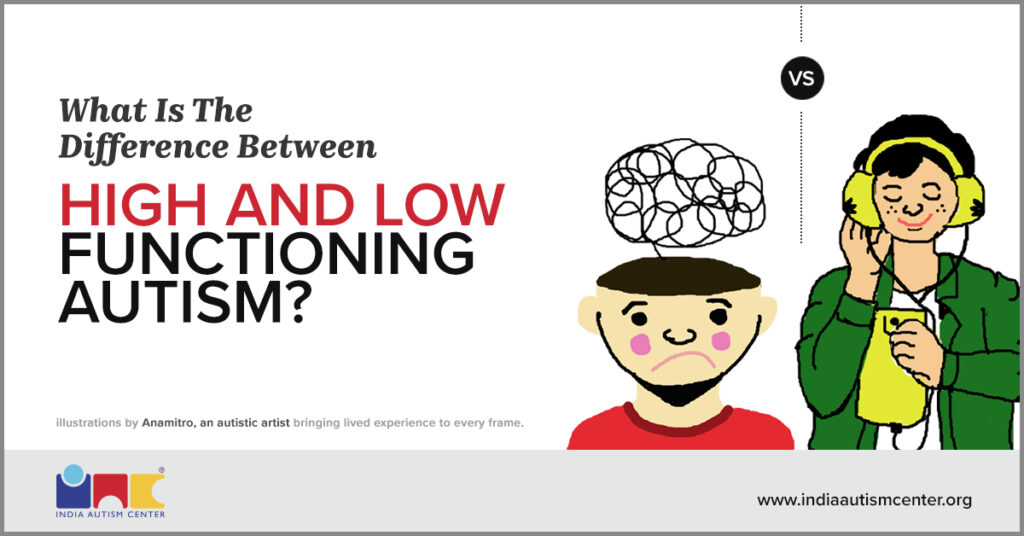
    What is the Difference Between High and Low Functioning Autism?

    You’ve probably heard terms like high functioning autism or low functioning autism in casual conversations. Maybe even in some diagnostic reports. 

    So, it’s quite natural to wonder what these terms mean.

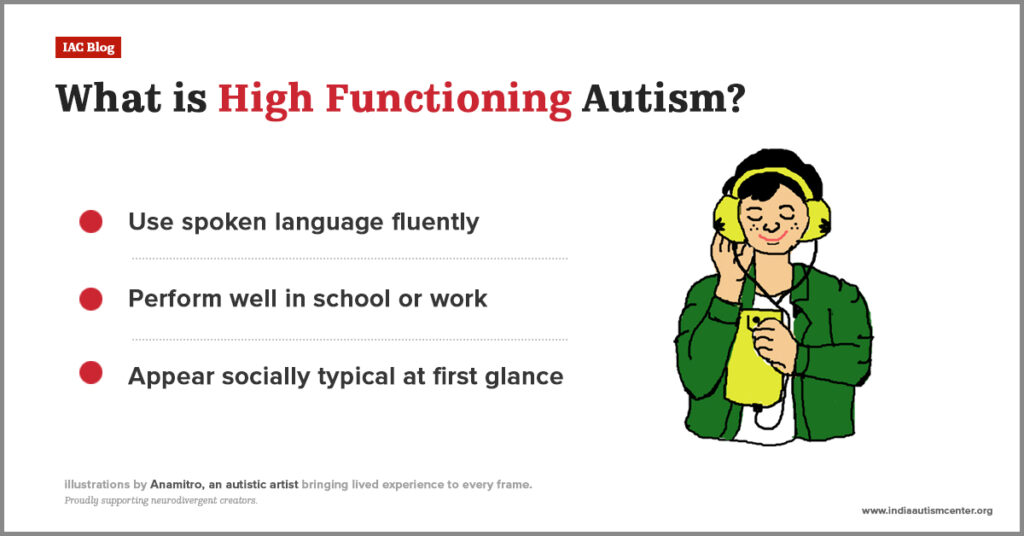
    What is High Functioning Autism​?

    High functioning autism refers to autistic individuals who:

    • Use spoken language fluently
    • Perform well in school or work
    • Appear socially typical at first glance

    But here is the catch.

    Many high functioning autistic individuals deal with daily challenges that go unnoticed. Often, because they’re good at masking them.

    However, beneath the surface, there’s:

    • Sensory overload that builds up silently
    • Struggles with social communication and expectations
    • Anxiety, shutdowns, or burnout from constant self-monitoring

    Now let’s discuss the opposite label.
    What is Low Functioning Autism​?
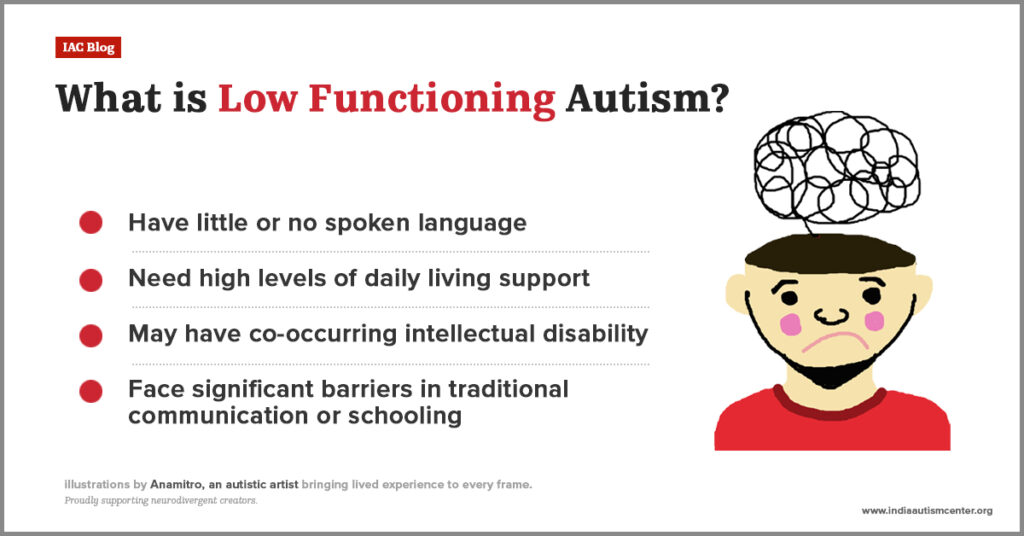
    The individuals with low functioning autism:
    • Have little or no spoken language
    • Need high levels of daily living support
    • May have co-occurring intellectual disability
    • Face significant barriers in traditional communication or schooling

    But what it doesn’t reflect are:

    • Nonverbal intelligence or pattern recognition
    • Deep emotional insight or visual/spatial strengths
    • The ability to connect, express, and learn, just differently

    So, as it turns out, the word ‘functioning’ flattens the picture.

    What’s the Alternative?

    Terms like ‘functioning’ flatten a complex spectrum. Instead, clinicians now describe autism using support levels, as per DSM-5 autism diagnosis criteria:

    • Level 1: Requires support
    • Level 2: Requires substantial support
    • Level 3: Requires extremely substantial support

    This approach respects individuality and focuses on the real question: What support does the person need to thrive?

    Now, just as important as understanding what autism is, we must also understand what it is not.

    What Are Some Common Autism Myths and Misconceptions?

    Common autism myths and misconceptions.

    From news stories to Netflix shows, ASD is often shown in narrow, predictable ways. The quirky genius. The emotionless coder. The one who ‘just doesn’t get people’.

    But ASD doesn’t come in one template. These repeated portrayals can erase the real-life diversity of experiences among autistic individuals.

    We will now set the record straight about autism myths and facts.

    Myth 1: Autism Is A Disease

    Truth: Autism spectrum disorder is not a disease. It’s a lifelong neurodevelopmental condition.

    Myth 2: Autism Is A Mental Illness

    Truth: ASD is not a psychiatric disorder. However, co-occurring conditions like anxiety or depression are common.

    Myth 3: There’s an Autism Epidemic

    Truth: Higher diagnosis rates are due to better awareness and broader criteria.

    Myth 4: Only Boys Can Be Autistic

    Truth: Signs of autism in women are often subtle. In most cases, they are underdiagnosed due to social masking and gender bias in diagnostic tools.

    Myth 5: Autistic People Are Either Nonverbal or Geniuses

    Truth: The autism spectrum is wide. Some are non-verbal; others are hyper-verbal. Sensitivities, support needs, and strengths vary widely. One person’s traits don’t represent the whole spectrum.

    Myth 6: Vaccines Cause Autism

    Truth: There is no scientific evidence linking vaccines and autism spectrum disorder. This myth originated from a retracted and fraudulent study. Multiple global studies have confirmed that vaccines do not cause autism.

    Myth 7: Bad Parenting Causes Autism

    Truth: This outdated autism myth has been debunked. Parenting style does not cause autism.

    Myth 8: Autism Can Be Cured

    Truth: Autism is not something to be cured. Instead, the goal should be to provide individualized support.

    Myth 9: Autistic People Can’t Live Independently

    Truth: Some individuals on the spectrum need high levels of support; others live fully independent lives. That is why success looks different for each person living with autism. 

    Your Role Supporting Autistic People with Understanding

    Supporting autistic people.

    Autism support starts by creating a space where an autistic person feels safe, understood, and truly seen.

    When the world feels overwhelming, a calm and predictable environment can ease sensory overload, reduce anxiety, and foster a sense of belonging.

    Support isn’t just for childhood. It matters across the lifespan of individuals on the spectrum. From early intervention to adult care, consistent understanding and accommodations can make a lifelong difference.

    So, how can you help?

    Here are our practical tips for autism care:

    • Build reliable routines that bring comfort and structure
    • Tune into sensory needs, dim harsh lights, reduce noise, and offer quiet corners
    • Communicate clearly and patiently, respecting individual preferences and communication styles

    For those ready to support professionally, structured learning makes all the difference. For instance, our Primary Support Staff (PSS) training program offers hands-on knowledge and tools to care for individuals on the spectrum with empathy, skill, and confidence.

    So, if you’re ready to start your journey in autism care, contact us now.

    Frequently Asked Questions

    How do I know if my child has autism?

    There’s no single test, but here are some early signs to look for:

    • Limited eye contact or social engagement
    • Delayed speech or minimal gestures
    • Repetitive movements like rocking or hand-flapping
    • Intense reactions to textures, sounds, or routine changes
    • A strong preference for playing alone

    If these patterns persist, speak with a developmental pediatrician or clinical psychologist. Early intervention for autism can significantly improve long-term outcomes.

    Can autism be cured or treated?

    ASD is not something to be cured. It’s a different way of being. However, therapy, communication support, and structured routines can help build skills and reduce challenges.

    Can autism improve with age?

    Traits may evolve or become easier to manage, especially with early support. But autism is lifelong. What can grow is confidence, emotional regulation, and self-advocacy.

    At what age is autism usually diagnosed?

    Autism can often be identified by 18–24 months. But most diagnoses in India happen between the ages of 2 and 4. In some cases, especially when traits are masked, adult autism diagnosis may occur later in life.

    What is the difference between autism and dementia?

    Autism is present from early life and involves different sensory and social processing. Dementia, on the other hand, is a degenerative condition that leads to memory loss and cognitive decline, typically in older adults.

    What is the difference between autism and Asperger’s disorder?

    Asperger’s was once used to describe autistic individuals with strong verbal skills and no cognitive delays. Today, it’s folded into autism spectrum disorder under the DSM-5. The term is outdated in clinical settings.

    What is severe autism?

    Severe autism generally refers to individuals who have limited or no verbal language, co-occurring intellectual disability, and high support needs. It often aligns with Level 3 autism under DSM-5 classification.

    What is the difference between autism and ADHD?

    While both can include inattention and impulsivity, autism affects social communication and sensory regulation. ADHD is more focused on attention span, hyperactivity, and impulse control. The two can co-occur, but they’re distinct conditions.

    What is the difference between autism and Down syndrome?

    Autism affects how the brain processes social and sensory input. Down syndrome is a genetic condition (trisomy 21) with distinct physical and cognitive features. Some individuals have both, but they are entirely separate diagnoses.

    What is the difference between autism and mental retardation?

    Intellectual disability (formerly known as mental retardation) involves significant limitations in cognitive function and adaptive behavior. While some autistic individuals have intellectual disabilities, many do not.

    What is borderline autism?

    Borderline autism is a non-clinical term. It is sometimes used when a person shows autistic traits but doesn’t meet full diagnostic criteria. These individuals may still benefit from support.

    What is atypical autism?

    Atypical autism was used to refer to those with some but not all traits of autism. It’s important to note that this is no longer a formal diagnosis.

    What is considered nonverbal autism?

    Nonverbal autism means a person on the spectrum doesn’t use spoken words to communicate, or uses very few. They might use gestures, sounds, pictures, or devices instead. This is different from being nonverbal due to things like trauma or illness. Here, the brain develops differently, making speech hard to learn or use naturally.

  • Understanding the Role of Brain-Gut Axis Autism

    Understanding the Role of Brain-Gut Axis Autism

    When we talk about autism today, we usually think about the brain — communication challenges, social interactions, and behaviour differences. But what if I told you that your brain isn’t acting alone? Yes, the Brain-Gut Axis in autism spectrum disorder (ASD) is one of the most talked-about connections in neuroscience and nutrition right now.

    It represents a two-way communication highway between your gut and your brain. This connection may help explain why so many individuals with autism also have digestive problems — and why targeting gut health could become an essential part of improving quality of life.

    Let’s explore it piece by piece, in a clear, easy-to-understand way.

    What Is the Brain-Gut Axis?

    What Is the Brain-Gut Axis?

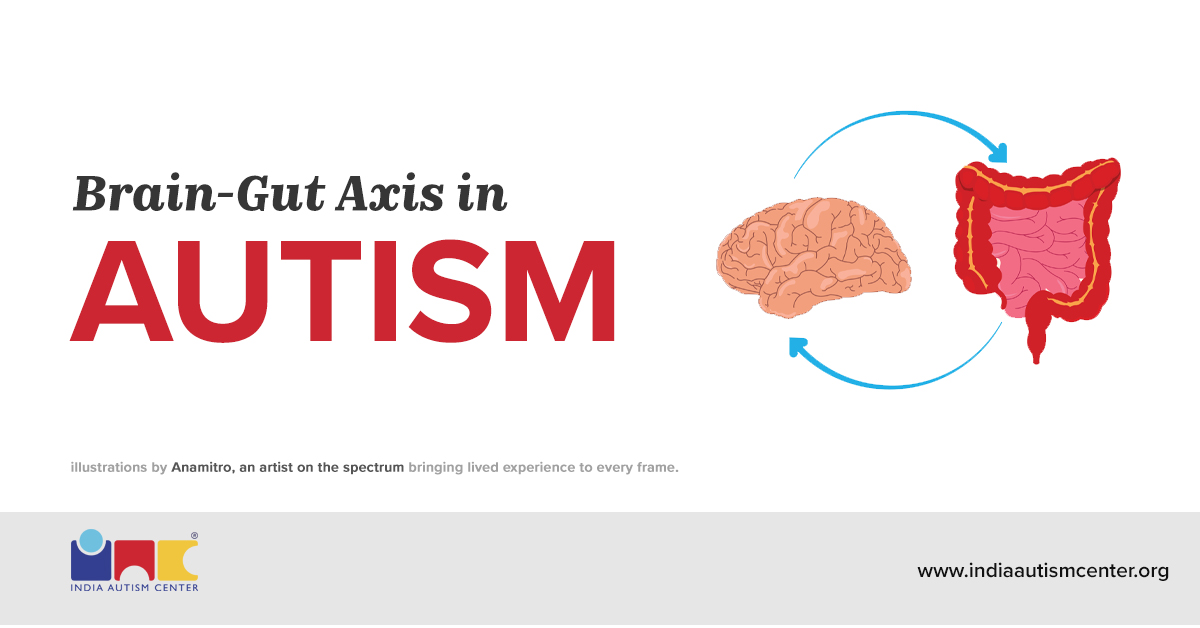
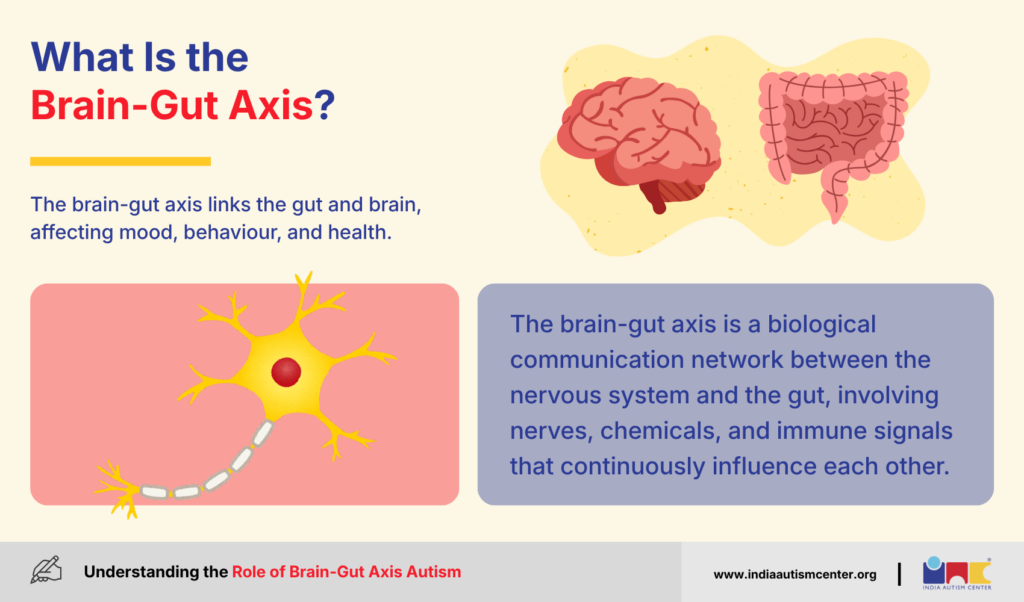
    The Brain-Gut Axis in autism refers to a constant flow of signals between your nervous system and your gastrointestinal (GI) system. Scientists call this interaction the microbiota-gut-brain axis in autism spectrum disorder. It isn’t just metaphorical — it’s a biological system, involving nerves, chemicals, and immune signals.

    In simple terms: Your gut talks to your brain — and your brain talks back.

    Here’s how:

    • Your Enteric Nervous System (ENS) — millions of neurons in the gut, actually works alongside your central nervous system.
    • The vagus nerve is like a superhighway transmitting signals between the gut and the brain.
    • Your gut produces key neurotransmitters — including about 90% of the body’s serotonin — which affects mood and behaviour.

    This means that changes in your gut can literally influence brain chemistry and vice versa.

    Why the Gut Matters in Autism

    Why the Gut Matters in Autism

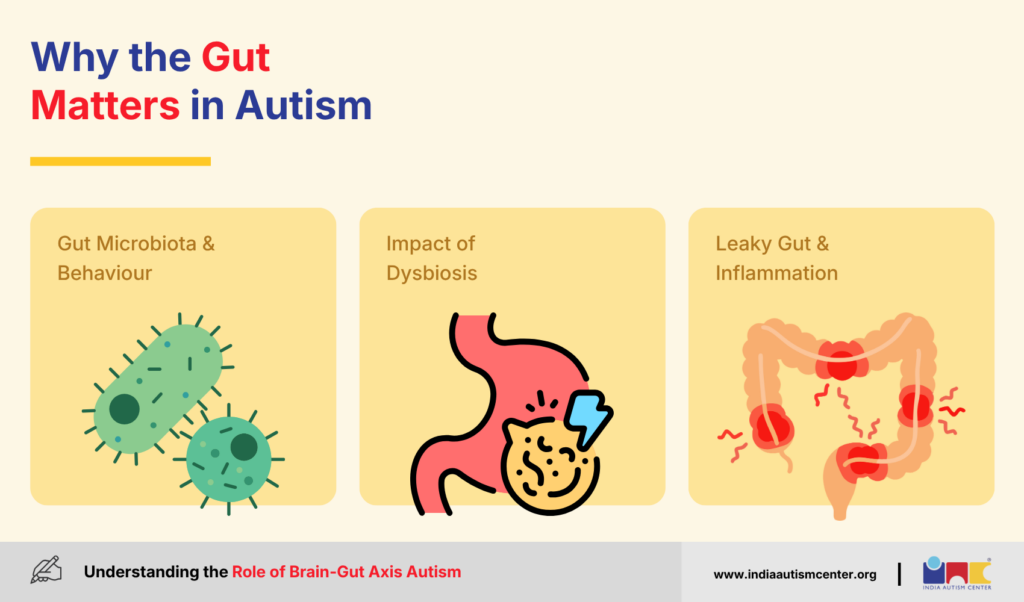
    Let me be direct with you: many autistic individuals experience gastrointestinal symptoms such as constipation, diarrhoea, abdominal pain, and bloating at much higher rates than others. Research finds that up to 70% of children with autism have some form of GI dysfunction.

    But the connection goes beyond discomfort. Studies on the microbiota-gut-brain axis in autism spectrum disorder show that:

    • The balance of gut bacteria (your microbiota) can influence behavioural symptoms.
    • When gut bacteria are imbalanced (dysbiosis), immune, neural, and hormonal pathways may be affected.
    • Dysbiosis also increases gut permeability (“leaky gut”), which may allow inflammatory molecules to impact the brain.

    This is why addressing the Brain-Gut Axis in autism isn’t just about soothing tummies — it’s about improving communication between body and brain.

    Want to know more? Get in touch with us.

    Gut Bacteria and Autism: What the Science Says

    Gut Bacteria and Autism: What the Science Says

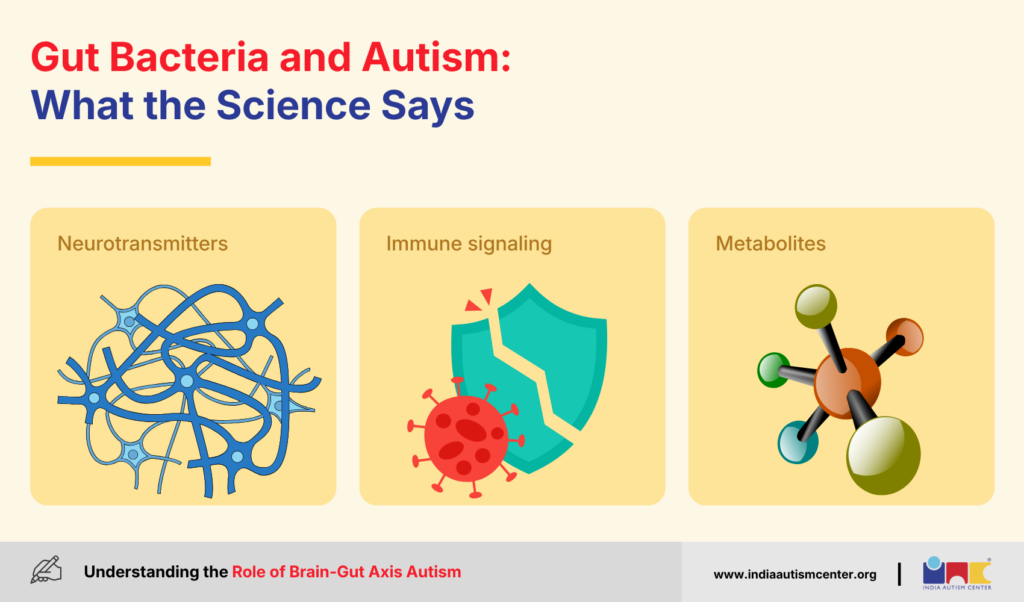
    Now let’s talk about gut microbes. When people say “good bacteria,” they’re referring to tiny organisms living in your gut that help break down food, produce chemicals, and protect against bad microbes.

    Your gut microbiota affects:

    • Neurotransmitters (chemicals like serotonin and GABA)
    • Immune signaling
    • Metabolites (small molecules) that travel to the brain

    These microbial changes may:

    • Influence short-chain fatty acid (SCFA) production — vital players that help maintain gut lining and brain health.
    • Affect neurotransmitter synthesis and immune responses.

    It’s important to understand this isn’t claiming that gut bacteria cause autism. Autism is complex — involving genetics, environment, and early development. But their connection suggests that gut health influences how symptoms show up and could become a real target for care.

    Early Life and Microbiome Development

    Early Life and Microbiome Development

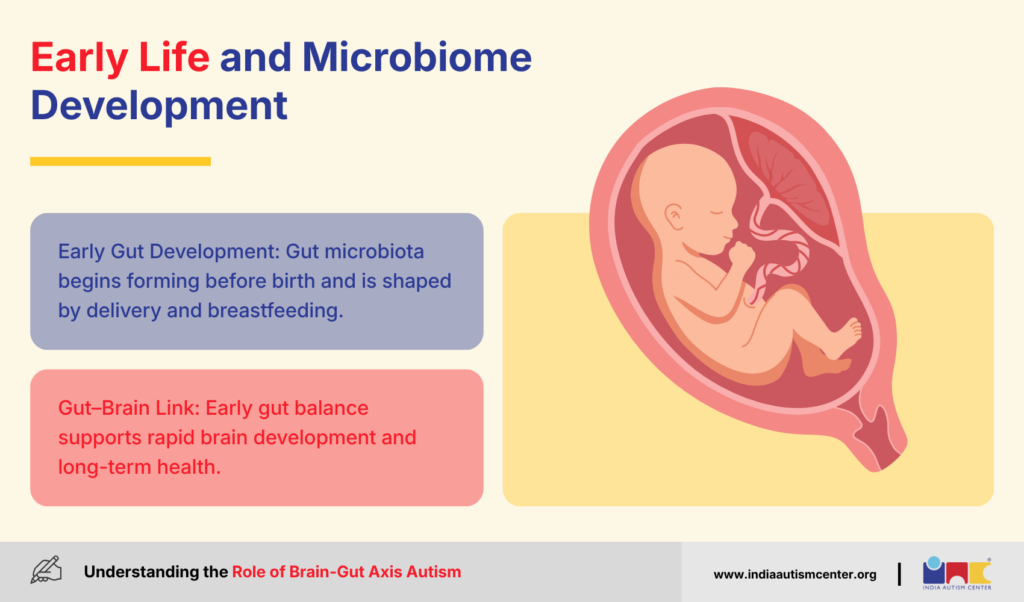
    From the moment you were born, your gut microbiota started forming. In fact:

    • Microbial colonisation begins before birth — even in amniotic fluid and placenta.
    • Delivery mode (vaginal vs. cesarean) affects early microbiota.
    • Breastfeeding transfers beneficial bacteria.

    By around age three, your gut microbiota becomes relatively stable, and this is exactly when the brain is rapidly developing. A baby’s brain goes from about 36% to 90% of adult volume by age two — a period where gut and brain development are deeply intertwined.

    So, when early gut balance is disrupted by antibiotics, diet patterns, or infections, the microbiota-gut-brain axis in autism spectrum disorder may be affected.

    Antibiotics, Dysbiosis, and Development

    Antibiotics, Dysbiosis, and Development

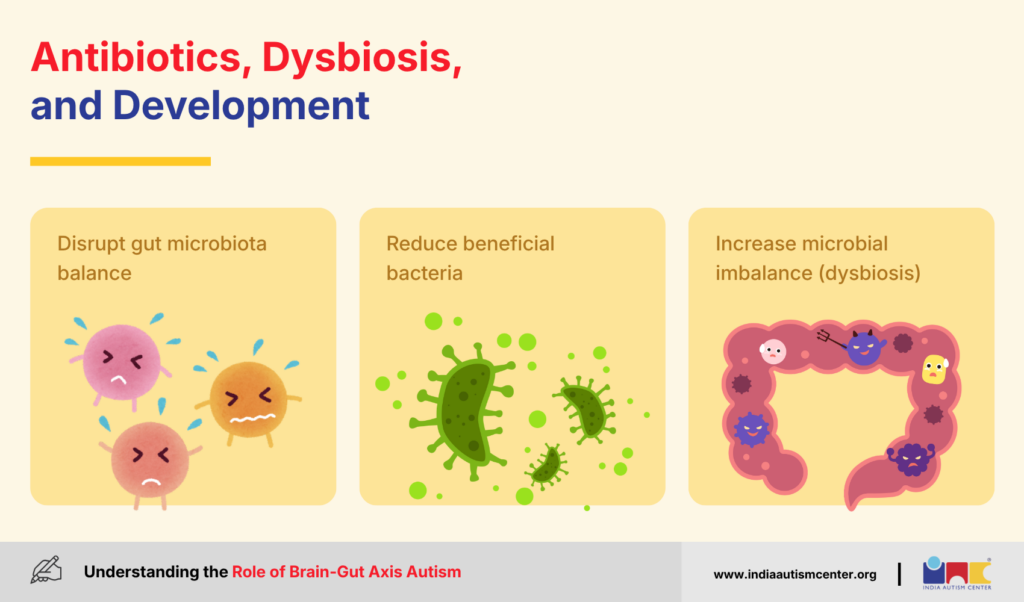
    Antibiotics can save lives. But they don’t know the difference between “good” and “bad” bacteria. Especially in early childhood, repeated antibiotic use can:

    🔹 Disrupt gut microbiota balance
    🔹 Reduce beneficial bacteria
    🔹 Increase microbial imbalance (dysbiosis)

    A 2018 study found that about 34.5% of children with autism had repeated exposure to broad-spectrum antibiotics early in life, compared to controls.

    Such disruption may ripple through the Brain-Gut Axis in autism, contributing to behavioural and neurological differences. We need more research, but the evidence suggests that mindful antibiotic use in early life matters.

    Want to know more? Get in touch with us.

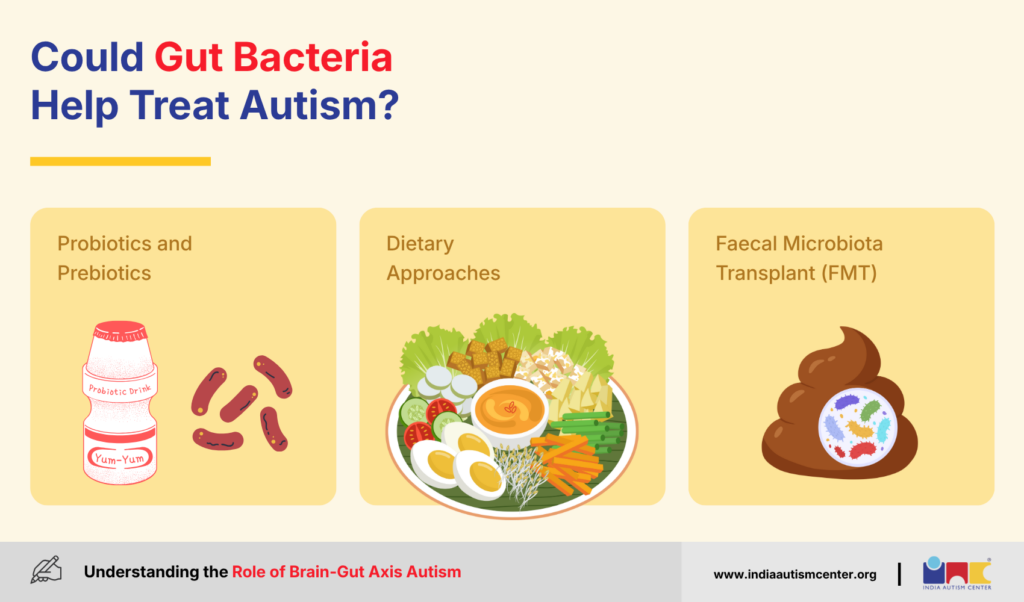
    Could Gut Bacteria Help Treat Autism?

    Could Gut Bacteria Help Treat Autism?

    Now that we’ve laid the foundation, let’s talk about gut bacteria autism treatment — what’s promising and what’s still emerging.

    Probiotics and Prebiotics

    • Probiotics introduce beneficial strains of bacteria.
    • Prebiotics are food for those good bacteria (think fibre).

    Early evidence shows that probiotics and prebiotics may help reduce gastrointestinal symptoms and support mood and behaviour.

    Dietary Approaches

    Certain diets (e.g., high-fibre, antioxidant-rich, gluten-free) may improve gut microbiota composition and reduce inflammation.

    These approaches aim to support the gut, which in turn may help regulate the brain via the microbiota-gut-brain axis.

    Faecal Microbiota Transplant (FMT)

    FMT — also called Microbial Transplant Therapy — transfers a healthy gut microbiome from a donor. This therapy has shown promising early results in restoring microbial balance and improving GI symptoms.

    Here is a detailed article on the Autism Diet: A Detailed Guide (2026).

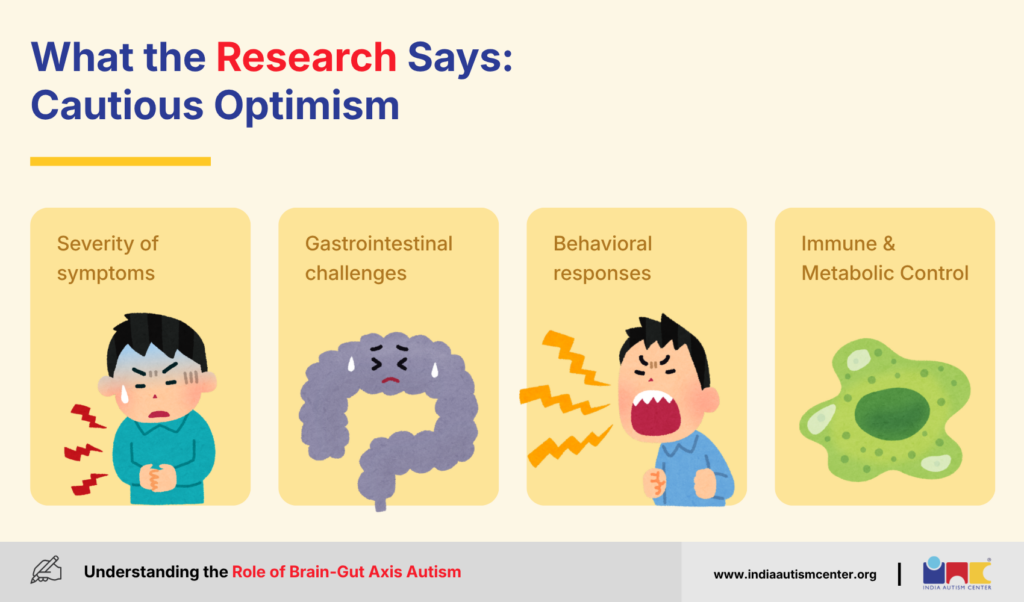
    What the Research Says: Cautious Optimism

    What the Research Says: Cautious Optimism

    Scientists are enthusiastic but cautious. Studies in medical journals consistently show a bidirectional influence between gut microbes and brain pathways — but they also stress that autism is not solely caused by the microbiota.

    Rather, the microbiota-gut-brain axis in autism spectrum disorder likely plays a role in:

    • Severity of symptoms
    • GI challenges
    • Behavioral responses
    • Immune and metabolic regulation

    Researchers are now moving toward personalised treatments that consider who might benefit most from gut-focused therapies.

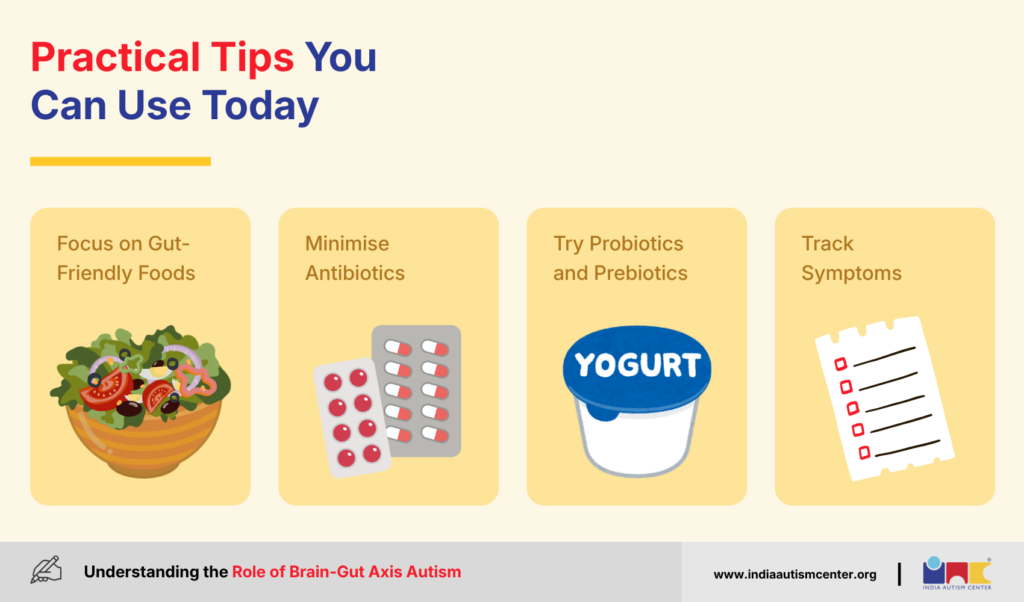
    Practical Tips You Can Use Today

    Practical Tips You Can Use Today

    If you want to support the Brain-Gut Axis in autism, here are some steps that many nutritionists and clinicians recommend:

    Focus on Gut-Friendly Foods

    • Whole foods
    • High-fibre vegetables
    • Fermented foods (yoghurt, kefir, sauerkraut)

    These feed beneficial bacteria, a key part of gut bacteria autism treatment.

    Minimise Unnecessary Antibiotics

    Work with a doctor to weigh the benefits and impacts, especially in young children.

    Try Probiotics and Prebiotics

    Under supervision, supplements may help balance microbiota.

    Track Symptoms

    Keeping a food and behaviour journal can help you connect diet changes with improvements.

    Want to know more? Get in touch with us.

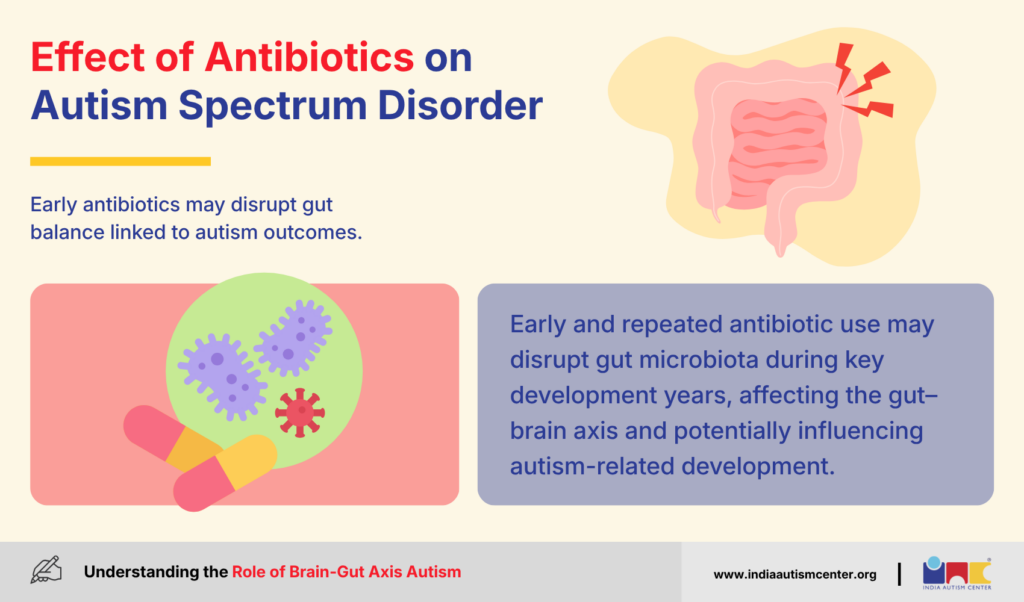
    Effect of Antibiotics on Autism Spectrum Disorder

    Effect of Antibiotics on Autism Spectrum Disorder

    A human’s microbiome develops from birth until the age of 3. Using antibiotics during these formative years can influence the development of metabolic and neurological conditions. Antibiotics can seriously impact the gut’s microbial composition by disrupting the growth of pathogenic microbes. Early and excessive use of antibiotics can lead to microbial dysbiosis, which may play a role in the development of autism.

    This affects the gut-brain axis. It can lead to epigenetic changes, potentially influencing the development of autism. A recent study showed that autism behavioural symptoms and gut health are most definitely linked. 

    A 2018 study by Eshraghi found that 34.5% of autistic children had been exposed to extensive and repeated use of broad-spectrum antibiotics. It was more than six courses compared to a control group with more than six courses.

    📥 Free download: Printable daily routine chart for autistic children

    Conclusion

    If you’re living with autism or caring for someone who is, I want you to come away with this:

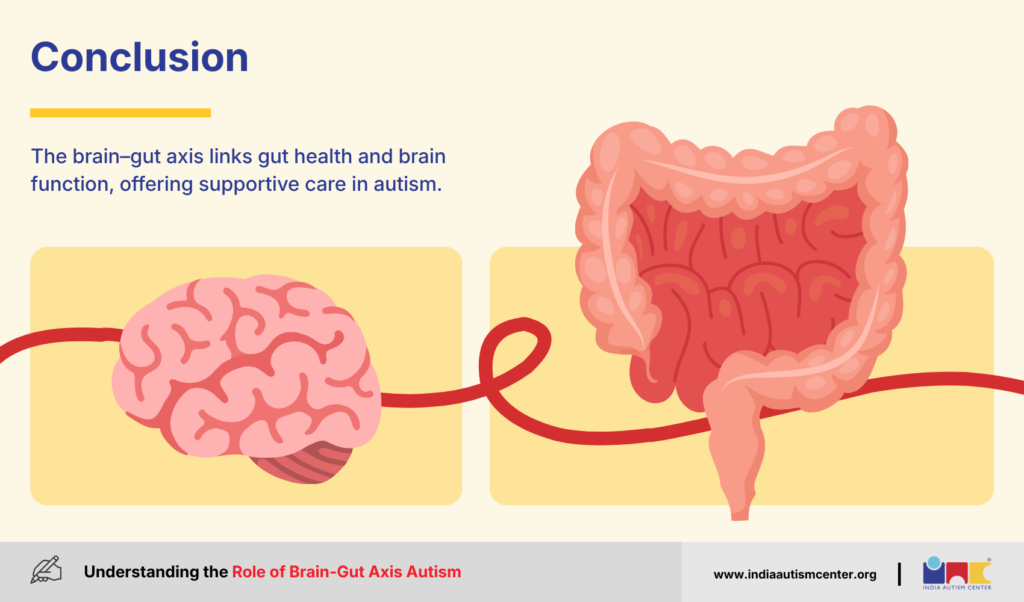
    The Brain-Gut Axis in autism connects the stomach and the brain in ways we’re still learning. By caring for the gut — through nutrition, lifestyle, and evidence-based therapies — you might support better overall health and behaviour.

    This isn’t a cure. But it is a hopeful piece of the bigger puzzle.

    If you want to explore gut bacteria autism treatment options, talk to a clinician who understands both neurological and digestive systems — because when the gut and brain cooperate, you may just see real improvements.

    https://youtu.be/ECVBCMykBwM?si=Ahzom3Ns609A_TIM

    Frequently Asked Questions (FAQs)

    What is the Brain-Gut Axis in autism?

    The Brain-Gut Axis in autism refers to the two-way communication between the gut and the brain through nerves, hormones, immune signals, and gut bacteria. In individuals with autism, this connection may function differently, which can explain why gastrointestinal issues and behavioral challenges often occur together.

    How does gut bacteria affect autism symptoms?

    Gut bacteria play a key role in producing neurotransmitters, regulating inflammation, and supporting immune health. Imbalances in gut microbes may influence behavior, mood, and digestion. This is why gut bacteria autism treatment approaches, such as probiotics and diet changes, are being actively researched.

    Can improving gut health help manage autism?

    Improving gut health may help reduce gastrointestinal discomfort and support overall well-being in some individuals with autism. While it is not a cure, supporting the microbiota-gut-brain axis in autism spectrum disorder through diet, probiotics, and medical guidance may help manage certain symptoms.

    Are probiotics and diet changes safe for autism?

    In most cases, probiotics and gut-friendly diets are considered safe when used under medical supervision. However, every individual with autism is unique. It’s important to consult a healthcare professional before starting any gut bacteria autism treatment to ensure it suits specific needs.

    For expert insights, support services, and inclusive learning initiatives, visit the India Autism Center.

  • 10 Best Exercises for Autistic Kids

    10 Best Exercises for Autistic Kids

    Autism spectrum disorder (ASD) manifests in diverse ways, and incorporating exercises tailored to the unique needs of autistic children is essential for their overall well-being. In this guide, we explore 10 important exercises designed to enhance physical, sensory, and cognitive development in autistic kids.

    From sensory exercises to breathing techniques, these activities not only contribute to physical health but also provide a structured outlet for sensory processing and emotional regulation.

    Yoga for Sensory Integration

    Yoga for Sensory Integration

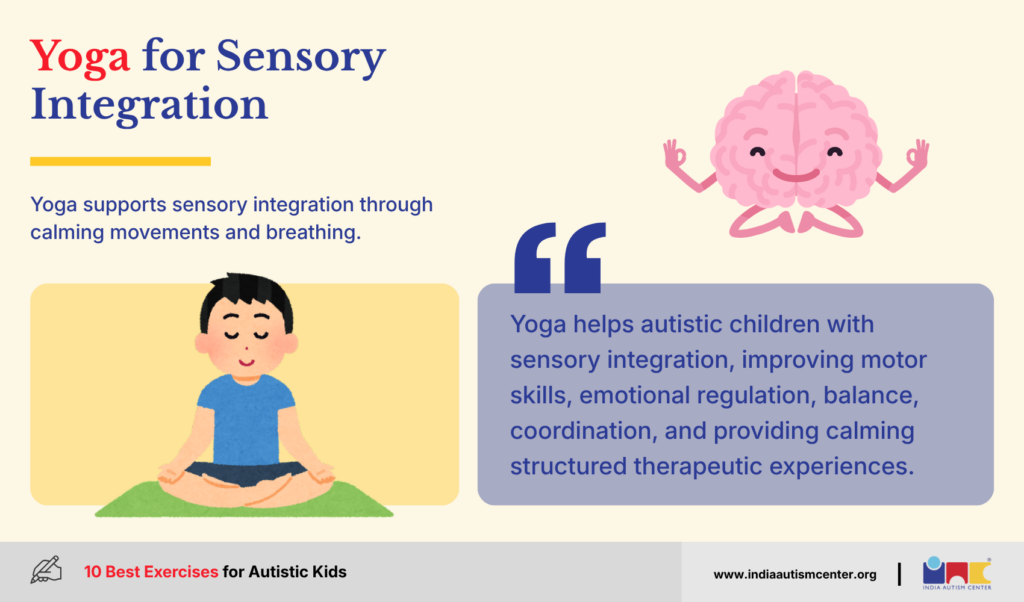
    Yoga emerges as a powerful tool for sensory integration in autistic kids, fostering physical and emotional well-being. Tailored yoga programs designed specifically for their unique needs focus on gentle movements, calming breathing techniques, and mindful practices. The structured nature of yoga provides a sensory-rich environment, promoting balance, flexibility, and coordination. 

    Through these sessions, autistic children not only enhance their motor skills but also experience a sense of calmness and improved self-regulation. The rhythmic and predictable nature of yoga becomes a therapeutic outlet, contributing to the overall sensory integration process crucial for the holistic development of children on the autism spectrum.

    If you want to know 10 Fun Sensory Activities for an Autistic Child, you would love to have a look at this article.

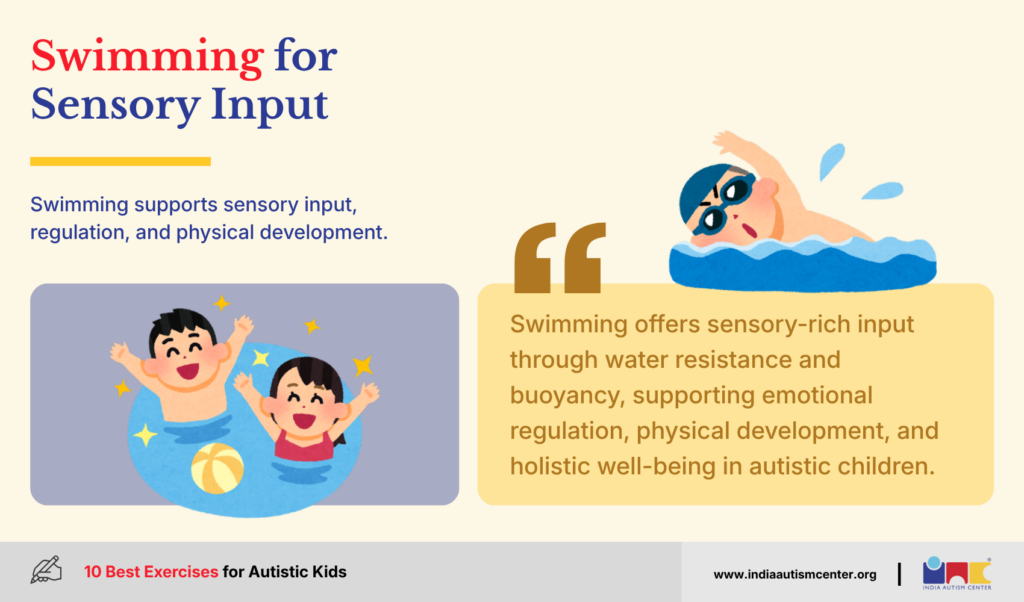
    Swimming for Sensory Input

    Swimming for Sensory Input

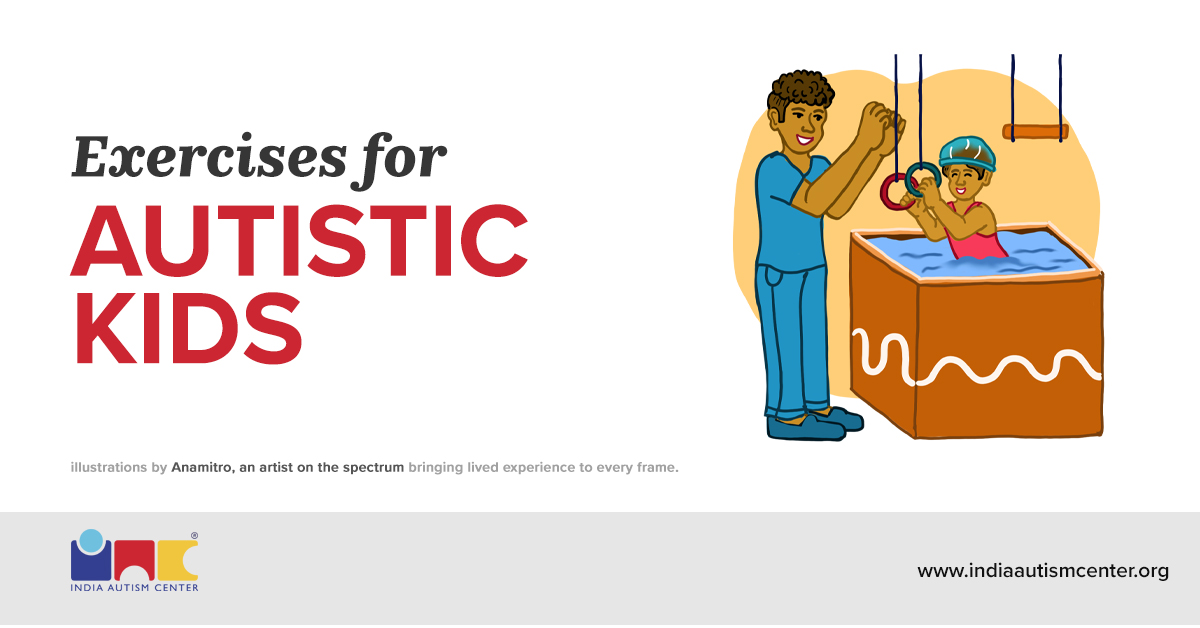
    Swimming stands out as a sensory-rich activity offering numerous benefits for autistic kids. The water’s buoyancy and resistance provide a unique sensory experience, aiding in sensory integration. Adaptive swim programs catered to the needs of autistic children offer a safe and enjoyable environment, fostering physical and sensory development. 

    Beyond the physical benefits, swimming becomes a therapeutic outlet, contributing to emotional regulation. The calming effects of water, coupled with the rhythmic movements, create a supportive space for sensory input. Swimming becomes not just an exercise but a holistic sensory experience that positively impacts the overall well-being of autistic kids.

    📥 Free download: Printable daily routine chart for autistic children

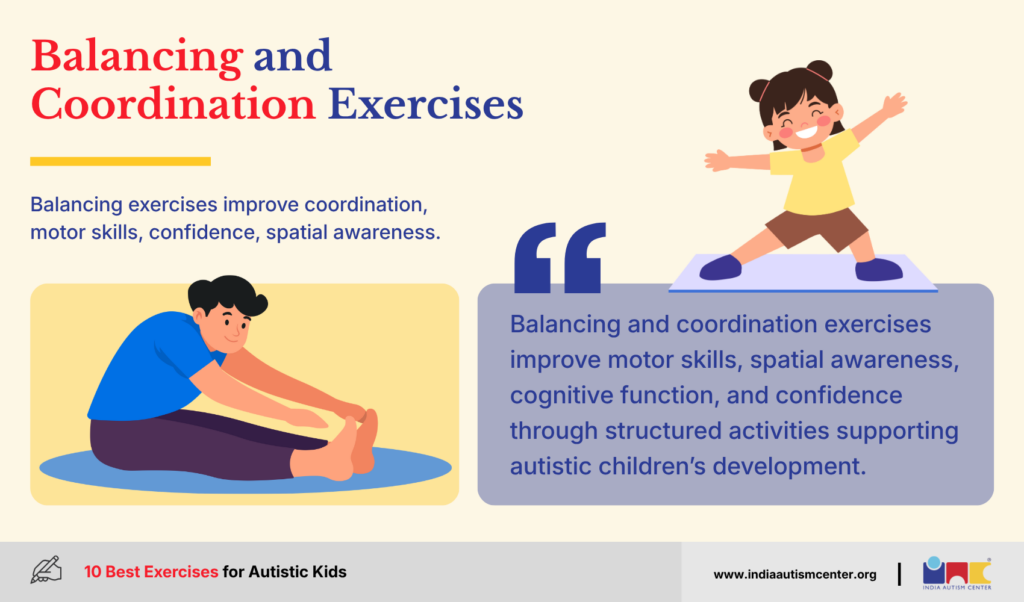
    Balancing and Coordination Exercises

    Balancing and Coordination Exercises

    Balancing and coordination exercises play a crucial role in supporting the motor skills development of autistic kids. Simple activities, such as walking on a balance beam or playing catch with a soft ball, engage multiple muscle groups. These exercises enhance spatial awareness and coordination, contributing to improved motor planning. 

    By incorporating balancing challenges into daily routines, autistic children not only refine their physical abilities but also strengthen cognitive functions. These structured activities provide a foundation for better coordination and motor control, fostering a sense of accomplishment and self-confidence in the developmental journey of children on the autism spectrum.

    Therapeutic Horseback Riding

    Therapeutic Horseback Riding

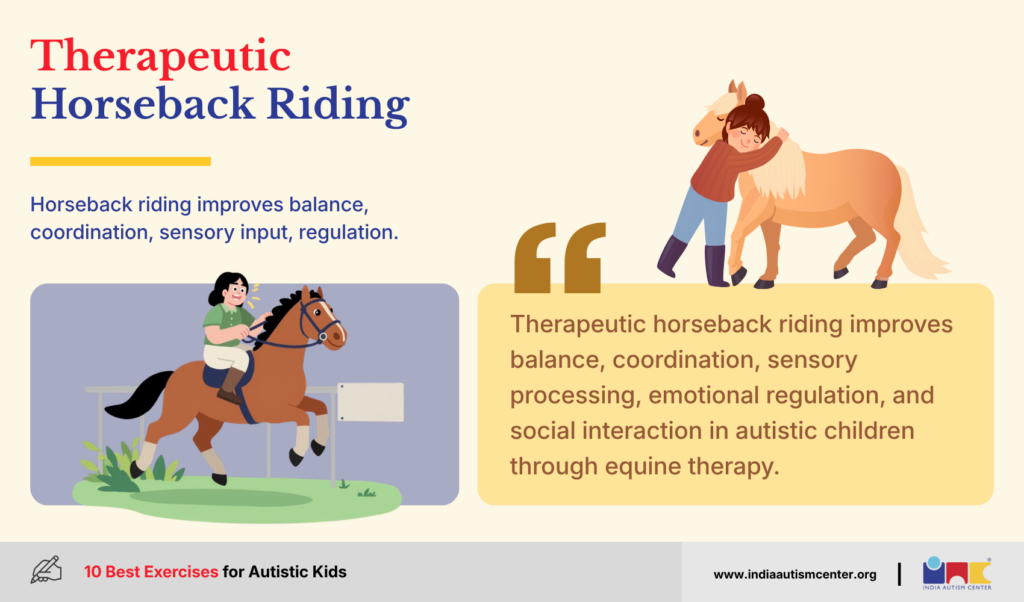
    Therapeutic horseback riding emerges as a transformative sensory experience for autistic kids. The rhythmic motion of the horse provides valuable sensory input, promoting balance, coordination, and emotional regulation. Beyond the physical benefits, the unique bond between the child and the horse fosters a sense of connection and trust. 

    Equine therapy, including therapeutic horseback riding, has shown positive effects on motor skills and social interactions in children with autism. This holistic approach not only supports physical development but also nurtures emotional well-being, making it a therapeutic and empowering activity for children on the autism spectrum. 

    Want to know more? Get in touch with us.

    Breathing Exercises for Calming

    Breathing Exercises for Calming

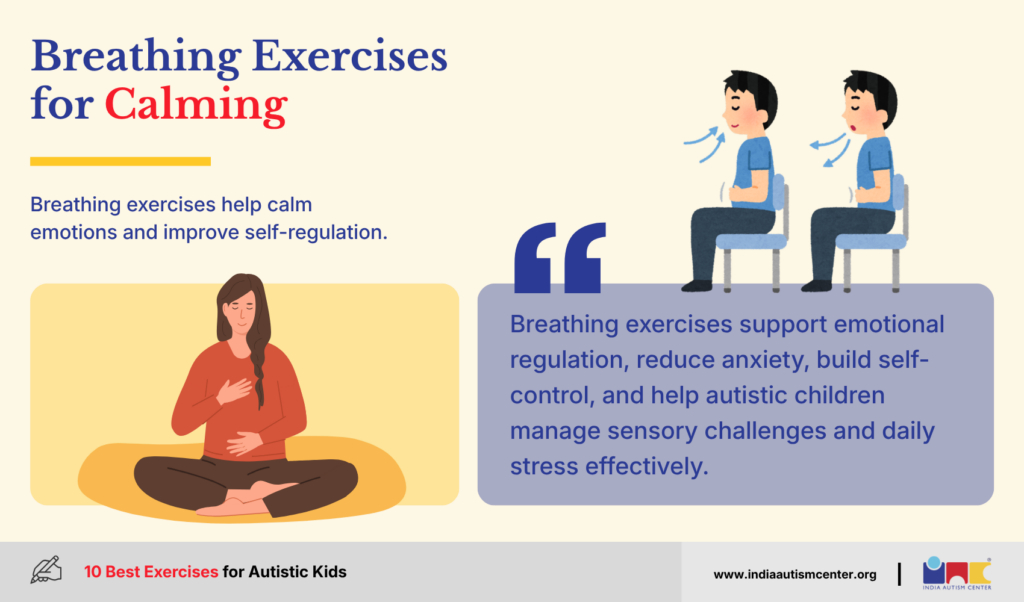
    Breathing exercises serve as invaluable tools for calming and emotional regulation in autistic kids. Simple techniques like belly breathing or using visual aids for deep breathing provide structured ways to manage stress and anxiety. These exercises empower children to develop self-regulation skills, offering a sense of control over their emotions. 

    By incorporating breathing exercises into daily routines, autistic kids gain valuable tools for navigating the sensory and emotional challenges they may encounter, fostering a calming environment that contributes to their overall well-being and improved ability to handle daily stressors. 

    Obstacle Courses for Motor Planning

    Obstacle Courses for Motor Planning

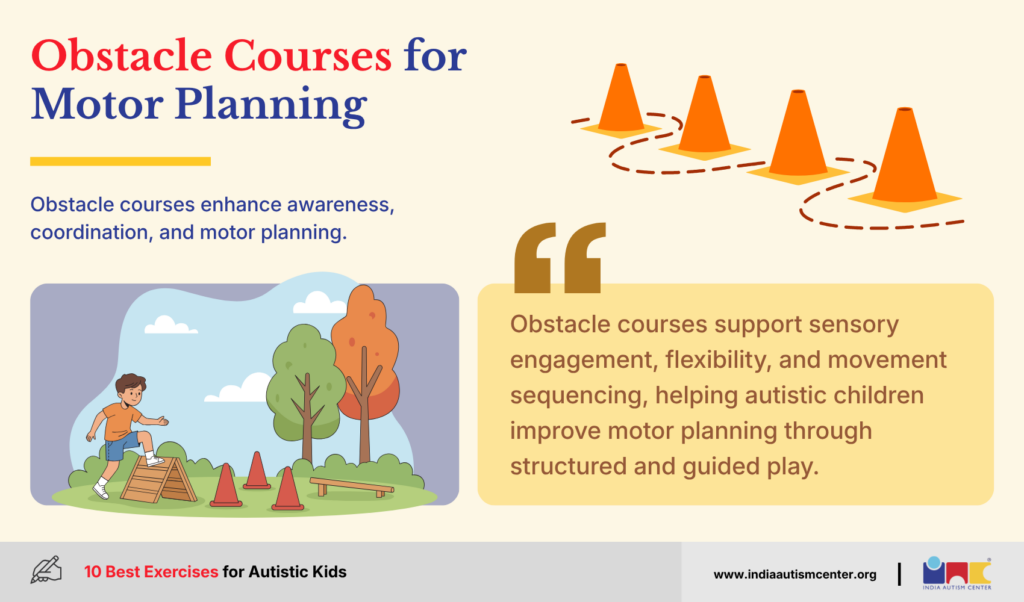
    Obstacle courses become dynamic arenas for enhancing motor planning skills in autistic kids. Navigating through these structured challenges, such as crawling under tables or stepping over cushions, sharpens spatial awareness and coordination. The deliberate design of obstacle courses encourages problem-solving, fostering cognitive flexibility. 

    These activities not only engage multiple senses but also provide a playful yet purposeful approach to refining motor skills. By incorporating obstacle courses into routines, autistic children not only enjoy a fun and interactive experience but also embark on a journey that contributes to improved motor planning and overall physical development.

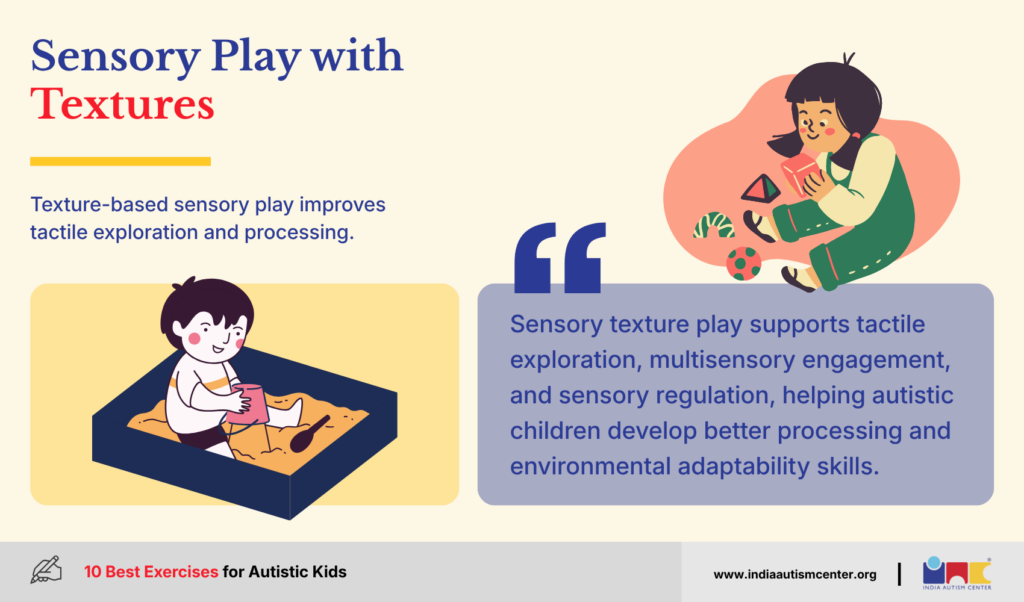
    Sensory Play with Textures

    Sensory Play with Textures

    Sensory play with textures proves to be a valuable and engaging exercise for autistic kids. Exploring different textures, from sand to water beads and textured fabrics, provides tactile stimulation crucial for sensory integration. These activities offer a multisensory experience, promoting touch exploration and enhancing sensory processing. 

    Sensory play with textures becomes a therapeutic outlet, allowing autistic children to engage with their environment in a controlled and enjoyable manner. These experiences contribute not only to physical development but also to a deeper understanding of sensory input, fostering a more comfortable and adaptable sensory processing system in children on the autism spectrum.

    https://youtu.be/98uzRePb84E?si=9z87vZ2Pf5acBcSj

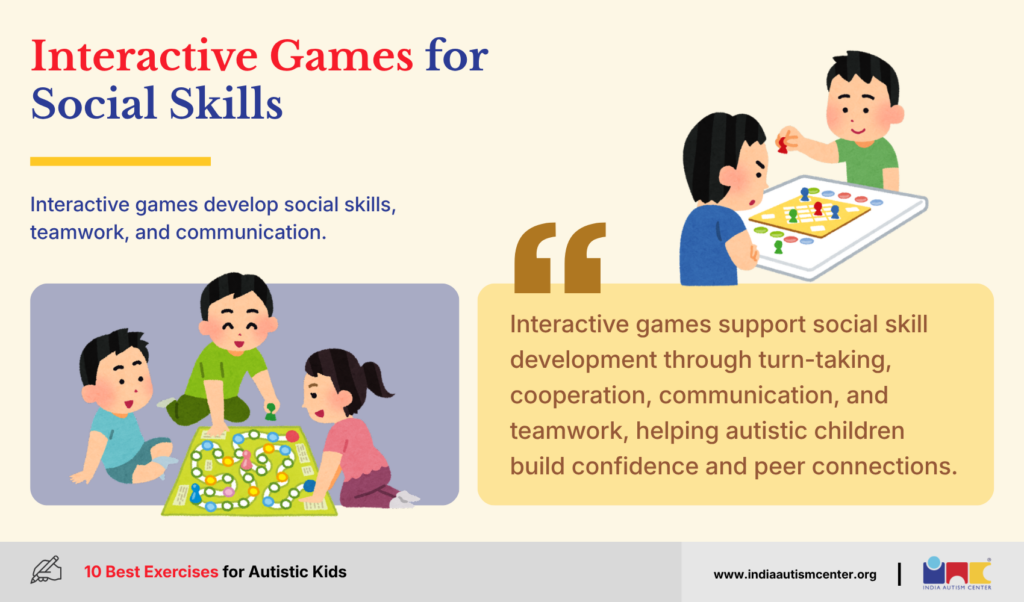
    Interactive Games for Social Skills

    Interactive Games for Social Skills

    Interactive games emerge as effective tools for nurturing social skills in autistic kids. These activities, ranging from turn-taking games to cooperative challenges, provide structured opportunities for social engagement. By participating in these games, children on the autism spectrum learn valuable communication and collaboration skills. 

    Turn-taking fosters patience, while cooperative games promote teamwork and shared decision-making. These interactive experiences create a supportive environment for developing social confidence and understanding social cues. By integrating interactive games into routines, autistic kids not only enjoy the fun of play but also embark on a journey of improved social interactions, fostering meaningful connections with peers.

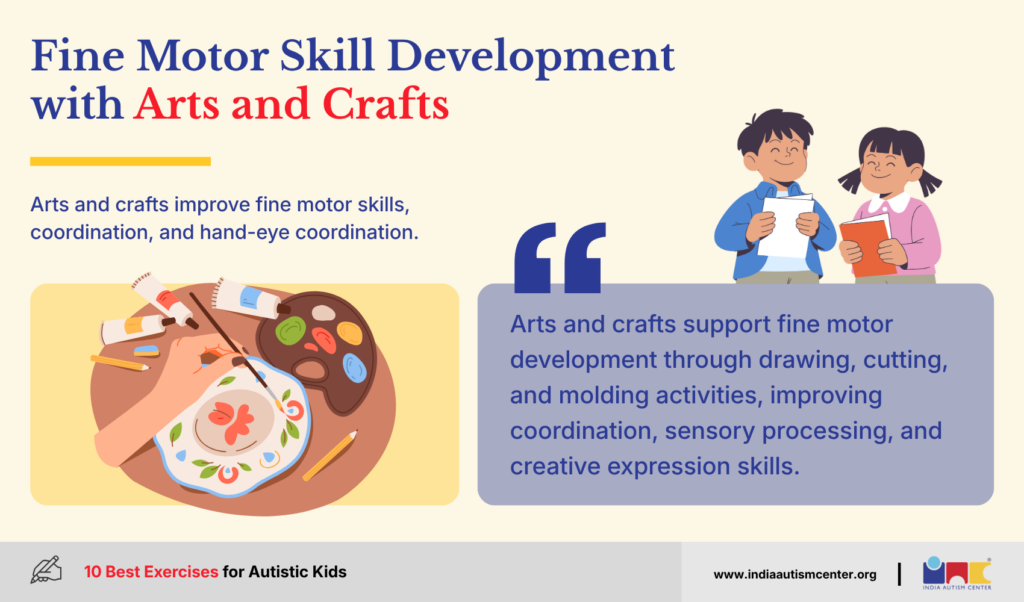
    Fine Motor Skill Development with Arts and Crafts

    Fine Motor Skill Development with Arts and Crafts

    Engaging in arts and crafts activities becomes a creative avenue for fine motor skill development in autistic kids. Drawing, cutting, and moulding clay not only unleashes artistic expression but also refines hand-eye coordination and fine motor skills. These activities encourage precise movements, supporting the development of small muscle groups. 

    Through the tactile exploration of art materials, autistic children enhance sensory processing while enjoying a sense of accomplishment. Fine motor skill development with arts and crafts not only fosters creativity but also becomes a purposeful and enjoyable way for children on the autism spectrum to refine their dexterity and manual control.

    Want to know more? Get in touch with us.

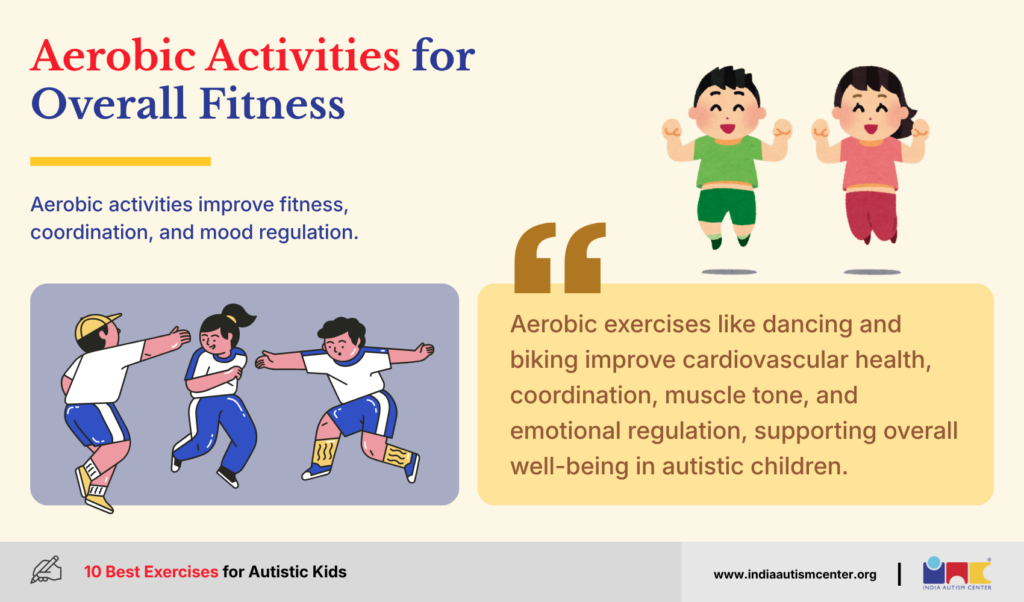
    Aerobic Activities for Overall Fitness

    Aerobic Activities for Overall Fitness

    Incorporating aerobic activities into the routines of autistic kids proves instrumental for overall fitness. Jumping jacks, dancing, and biking not only promote cardiovascular health but also contribute to physical well-being. Structured aerobic exercises enhance motor coordination and improve muscle tone. 

    Beyond the physical benefits, these activities positively impact mood and self-regulation, offering a holistic approach to health. By making aerobic exercises a fun and regular part of their routines, autistic children not only enjoy the energy and excitement of movement but also embark on a journey towards enhanced physical fitness, contributing to their overall well-being. 

    📥 Free download: Printable daily routine chart for autistic children

    Conclusion

    Tailoring exercises for autistic kids goes beyond physical health – it nurtures sensory processing, emotional regulation, and cognitive development. These 10 important exercises offer a diverse range of activities that can be adapted to meet the unique needs of each child on the autism spectrum. By incorporating these exercises into daily routines, we empower autistic children to thrive physically, emotionally, and socially, unlocking their full potential for a healthier and more fulfilling life.

    For expert insights, support services, and inclusive learning initiatives, visit the India Autism Center.

    Disclaimer: This article is intended for educational and informational purposes only. It does not constitute medical advice, a clinical diagnosis, or a substitute for professional consultation. If you have concerns about your child’s development, please consult a qualified healthcare professional or developmental specialist. India Autism Center encourages all families to seek personalised guidance from trained clinicians. The research cited reflects findings available at the time of publication and is subject to ongoing scientific review.